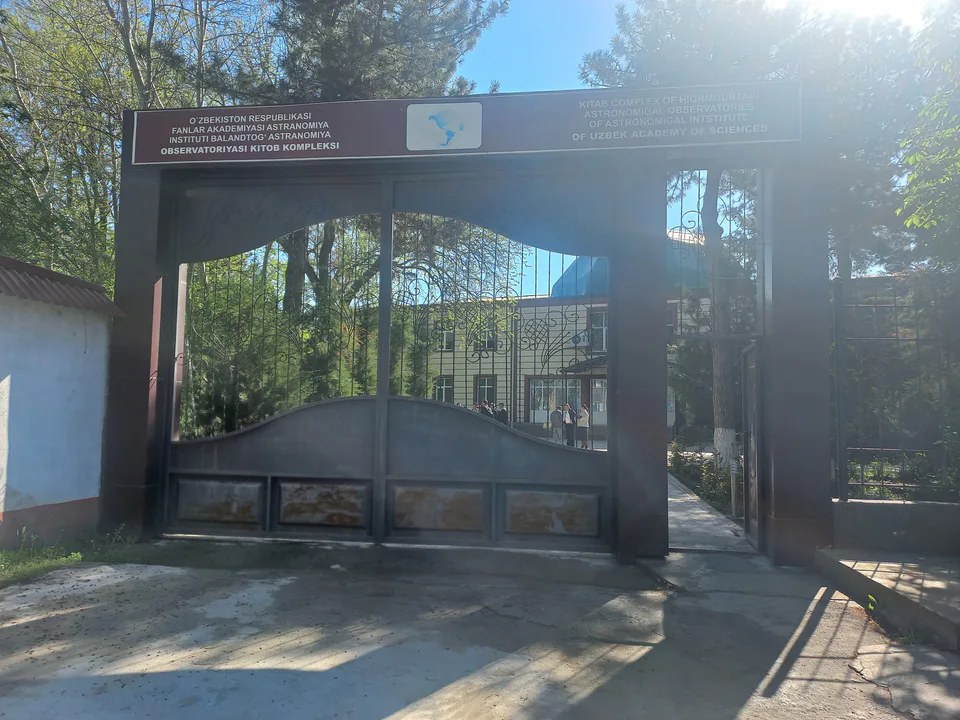
Modern · Kitob District
Kitab International Latitude Station
The observatory that tracked the wobble of the Earth’s pole
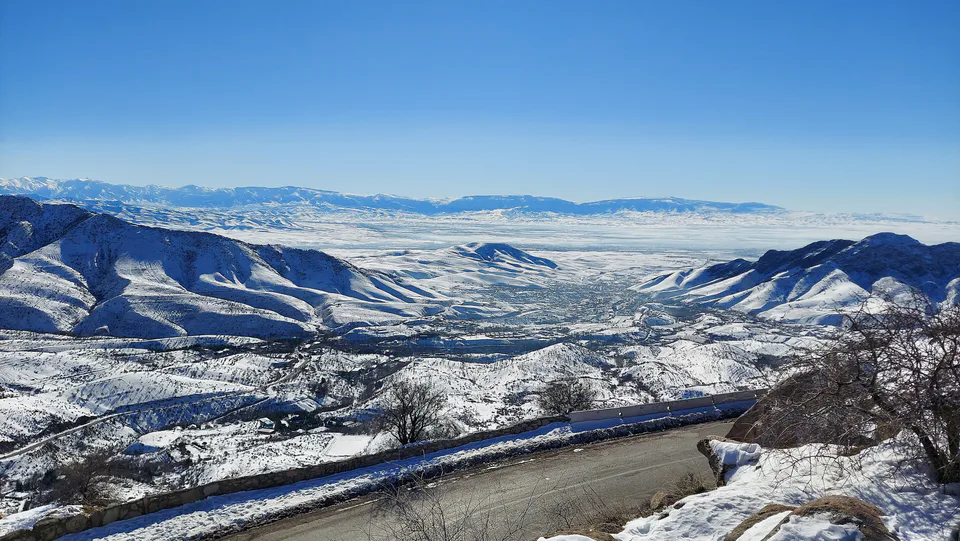
Nature · Kitob District
A geological reserve founded in 1979 to protect fossil-rich rock sequences. Its Zinzilban section is the international reference point for the base of the Emsian stage.
The reserve lies in Kitob District on the south-western spurs of the Zarafshan Range, at 1,300–2,650 m in the upper Kashkadarya basin. It was created by a government decree of 22 March 1979 with an initial area of 3,938 ha and is run by the State Committee for Geology and Mineral Resources.
What is protected here is not wildlife but the history of the Earth: the rock sections preserve the remains of marine animals and plants that lived hundreds of millions of years ago. Geologically, the area belongs to the Zarafshan–Alay zone of the Hercynian fold belt of the southern Tian Shan.
The most famous feature is the section in the Zinzilban gorge. In 1989 the International Subcommission on Devonian Stratigraphy chose it as the Global Boundary Stratotype Section and Point (GSSP) for the base of the Emsian stage of the Lower Devonian, and in 1996 the International Union of Geological Sciences ratified the decision. In other words, geologists worldwide define the start of the Emsian by the layers exposed right here.
That gives Kitab international importance for palaeontologists and geologists. For travellers, it is a chance to read the planet’s past among sheer cliffs, layered limestone and fossil shells.
For scale, the Devonian period lasted from roughly 419 to 359 million years ago, and the Emsian began about 407 million years ago, when a warm sea full of brachiopods, corals and trilobites covered the site of today’s mountains.
Modern · Kitob District
The observatory that tracked the wobble of the Earth’s pole
Pilgrimage site · Kitob District
A Yasawi sheikh’s shrine on a juniper-covered hill
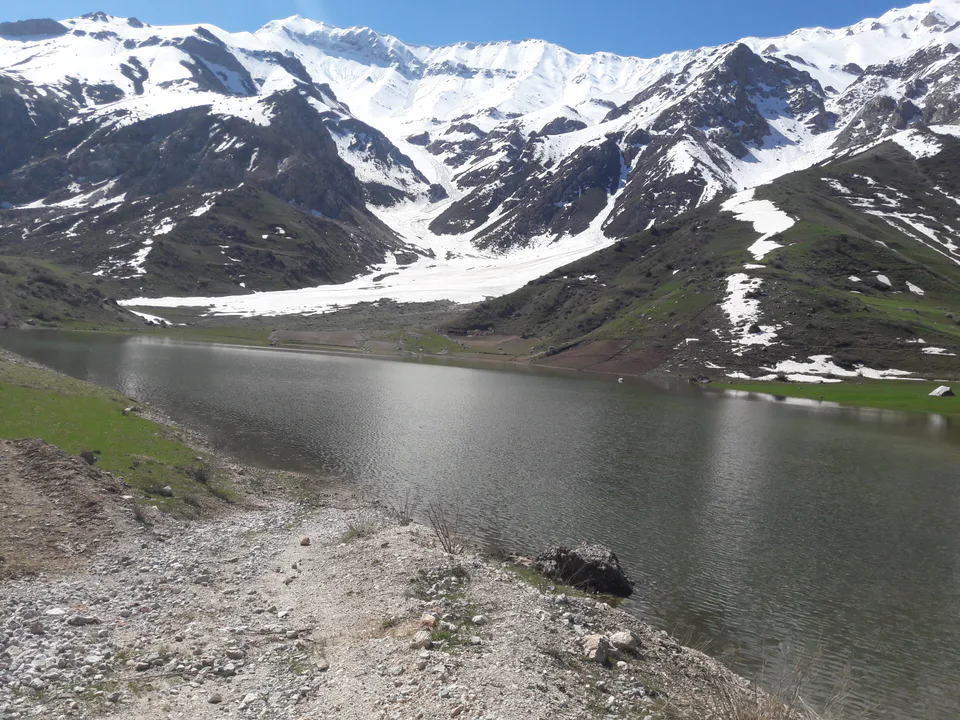
Nature · Shahrisabz District
Juniper mountains at the source of the Kashkadarya, home of the snow leopard