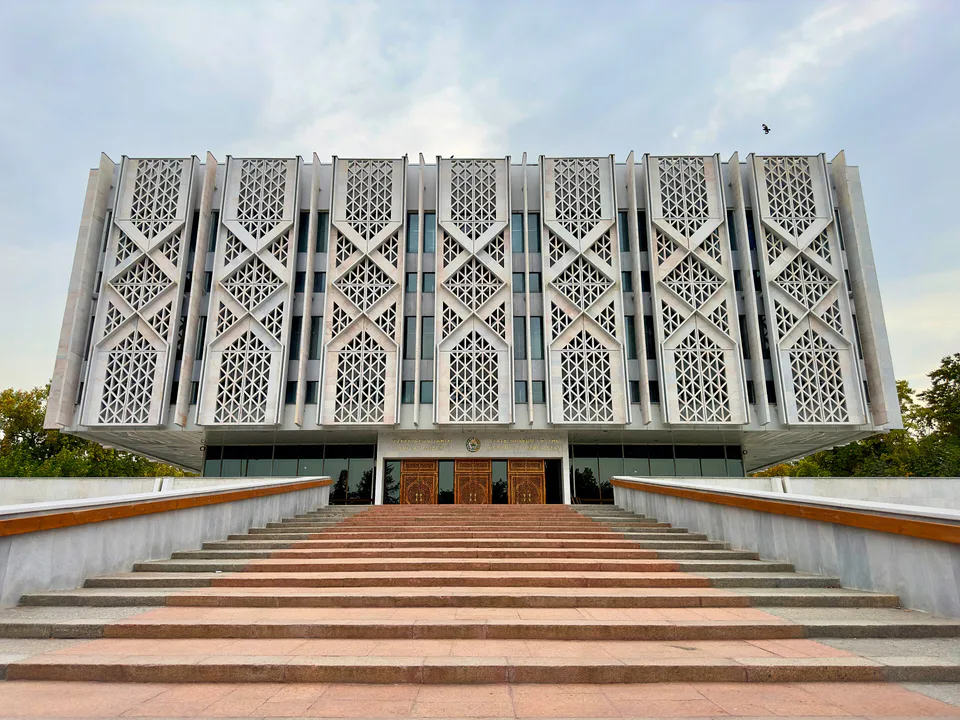
Museum · Yunusabad District
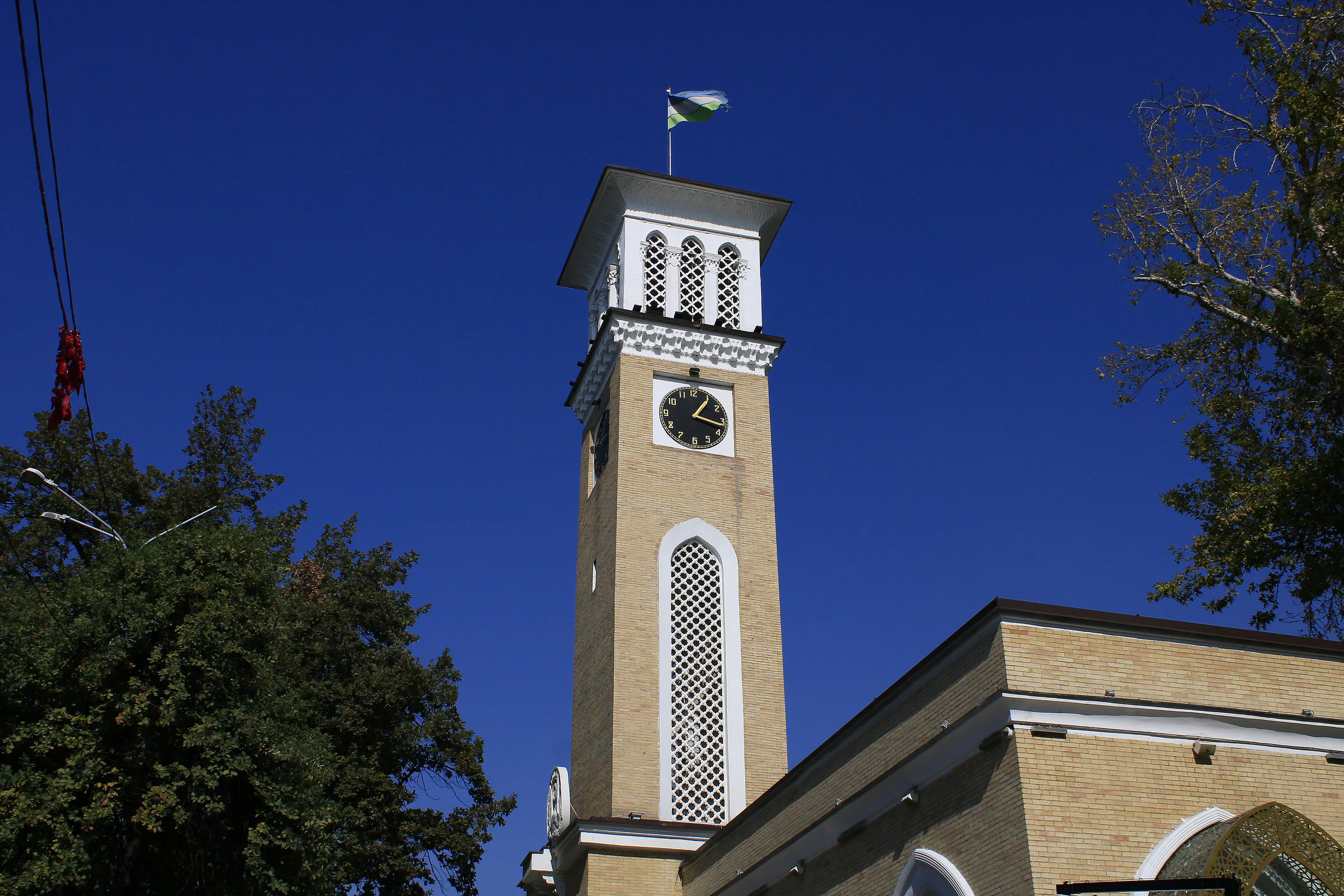
State Museum of History of Uzbekistan
One of Central Asia's oldest museums
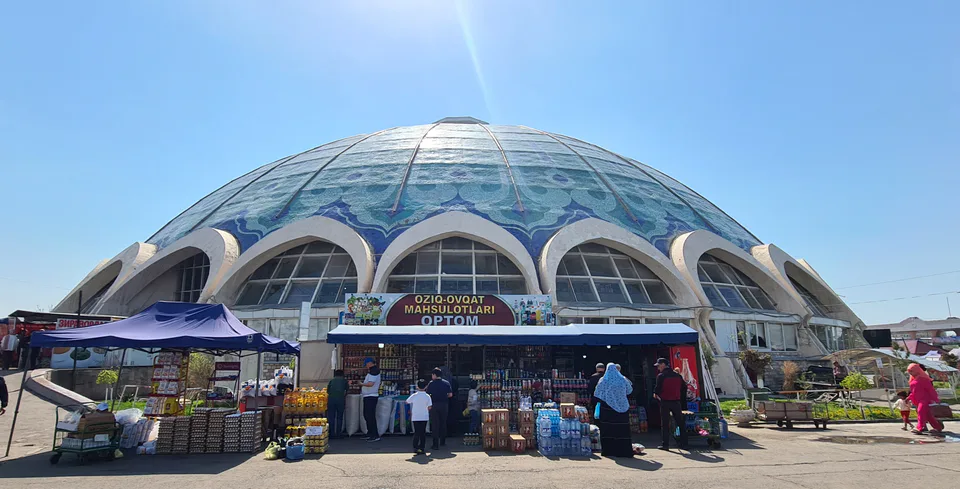
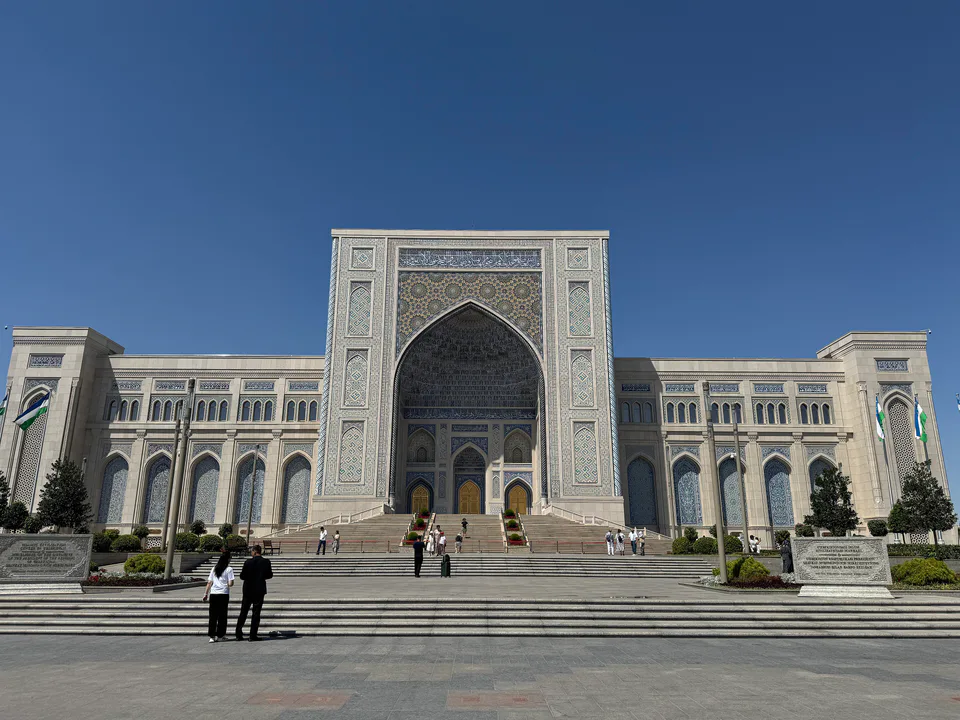
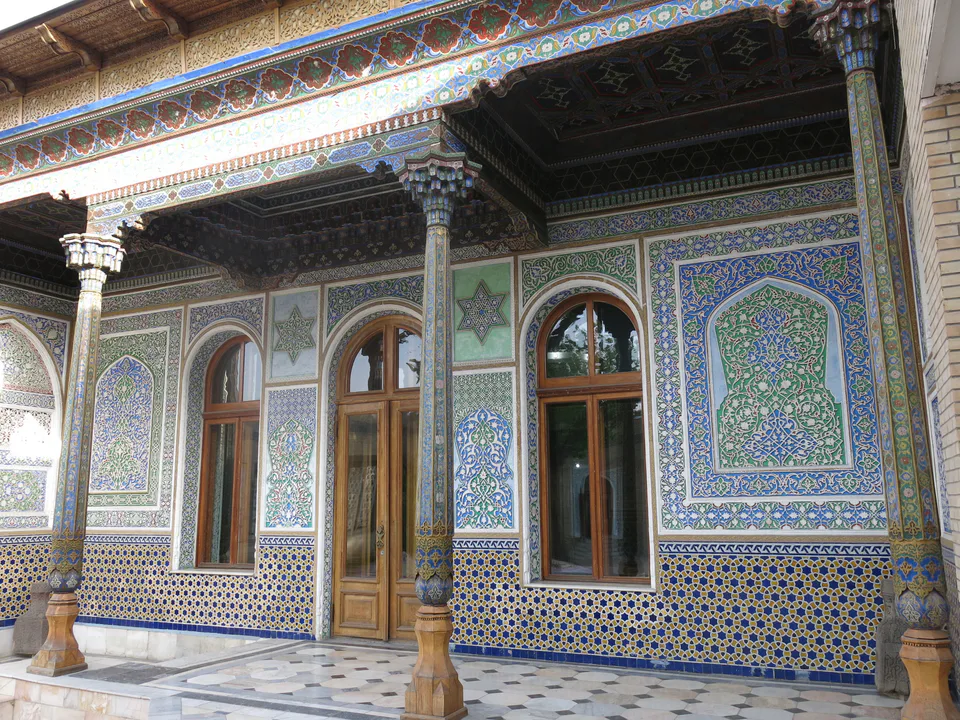
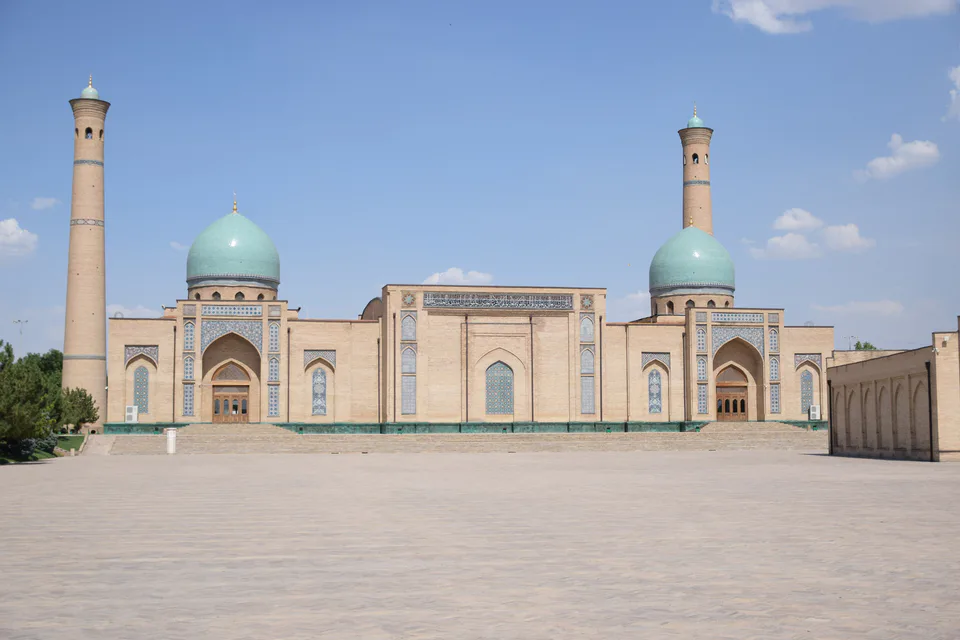
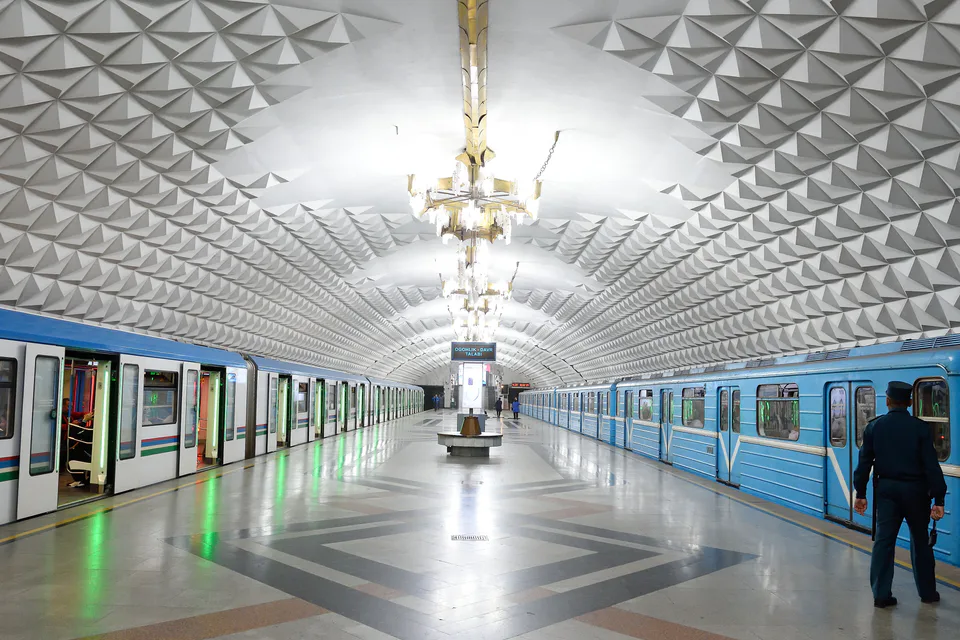
Ancient Chach, modern capital
Uzbekistan's capital and Central Asia's largest city: an Old City around Hazrati Imam and Chorsu, UNESCO-listed modernist landmarks, a showpiece metro and major museums.
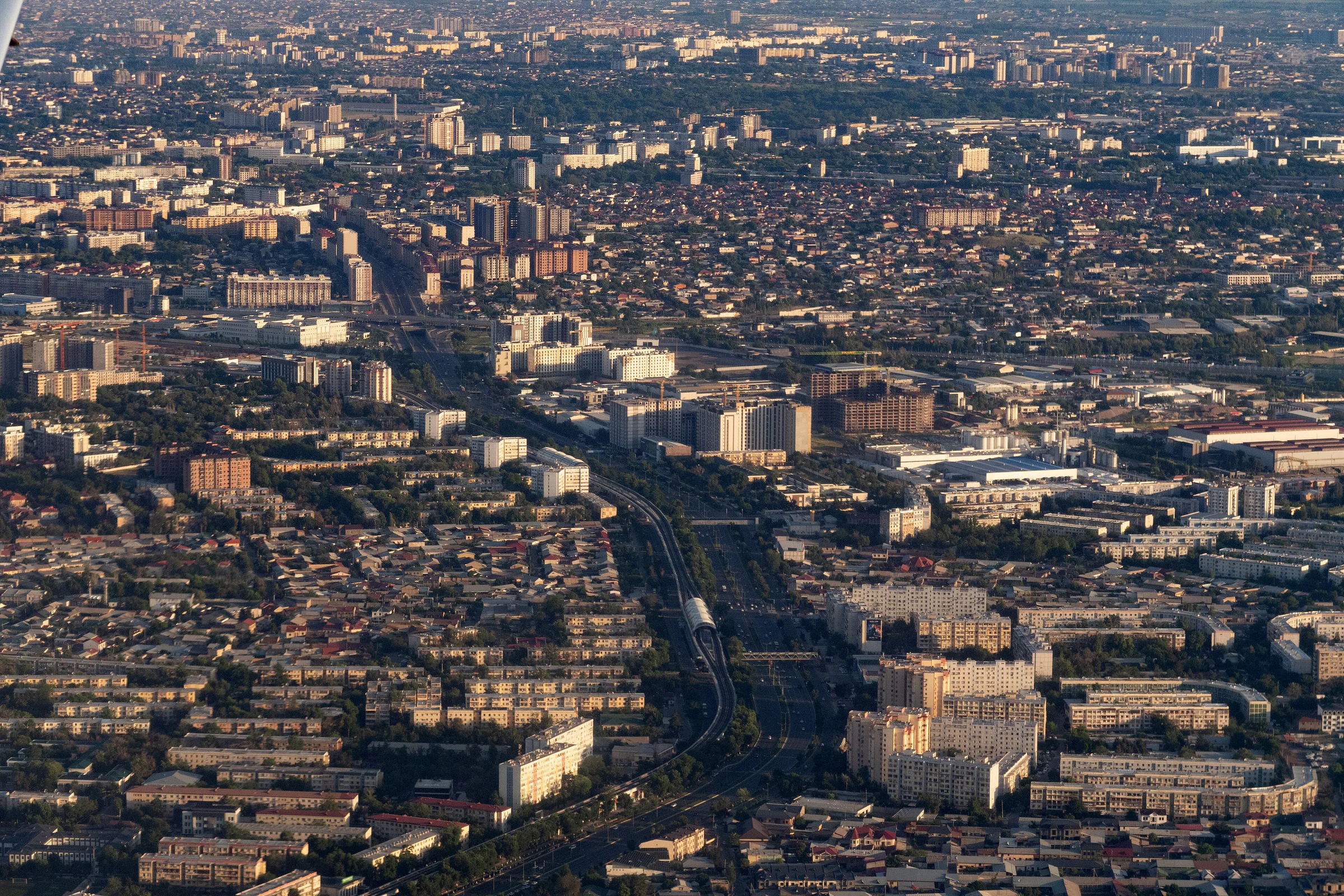
Tashkent lies in the north-east of the country on the plain of the Chirchiq valley, 440–480 metres above sea level, with the foothills of the Western Tian Shan rising to the east and north-east. The city is a separate administrative unit of national status covering 435 km² since the 2021 boundary changes, and on 1 October 2025 it had 3,164,000 permanent residents — more than any other city in Central Asia.
The climate is subtropical and continental: 457 mm of rain falls a year, summer temperatures regularly reach 35–40 °C in the shade, and the record stands at 44.6 °C (July 1997). The windless 40-day midsummer heat known as chilla is part of city life; spring and autumn arrive early, and winter frosts are usually brief.
Written sources mention the city from the 4th–5th centuries as Chach, Shashkent and Binkent; the name Tashkent first appears in the 11th century in al-Biruni and Mahmud al-Kashgari, who explained it as 'stone city'. In the early Middle Ages a cluster of four towns and some twenty castles and villages grew up here, and the ruins of its capital, Madinat ash-Shash, have been excavated at Ming Uryuk.
Timur rebuilt Tashkent and absorbed it into his empire; the Shaybanids added the Kukeldash and Barakhan madrasahs. In 1784 Yunus Khoja, ruler of the Sheikhantaur quarter, united the city as an independent state, and in the early 19th century it passed to the Kokand Khanate and was walled with 12 gates. The Russian Empire took Tashkent in 1865 and made it the centre of Turkestan, building a European New Town across the Ankhor canal; since 1930 it has been the capital of Uzbekistan.
The earthquake of 26 April 1966 wrecked the centre; the city was rebuilt in three and a half years and acquired its modern layout. Central Asia's first metro opened in 1977, and the city officially celebrated its 2,200th anniversary in 2009.
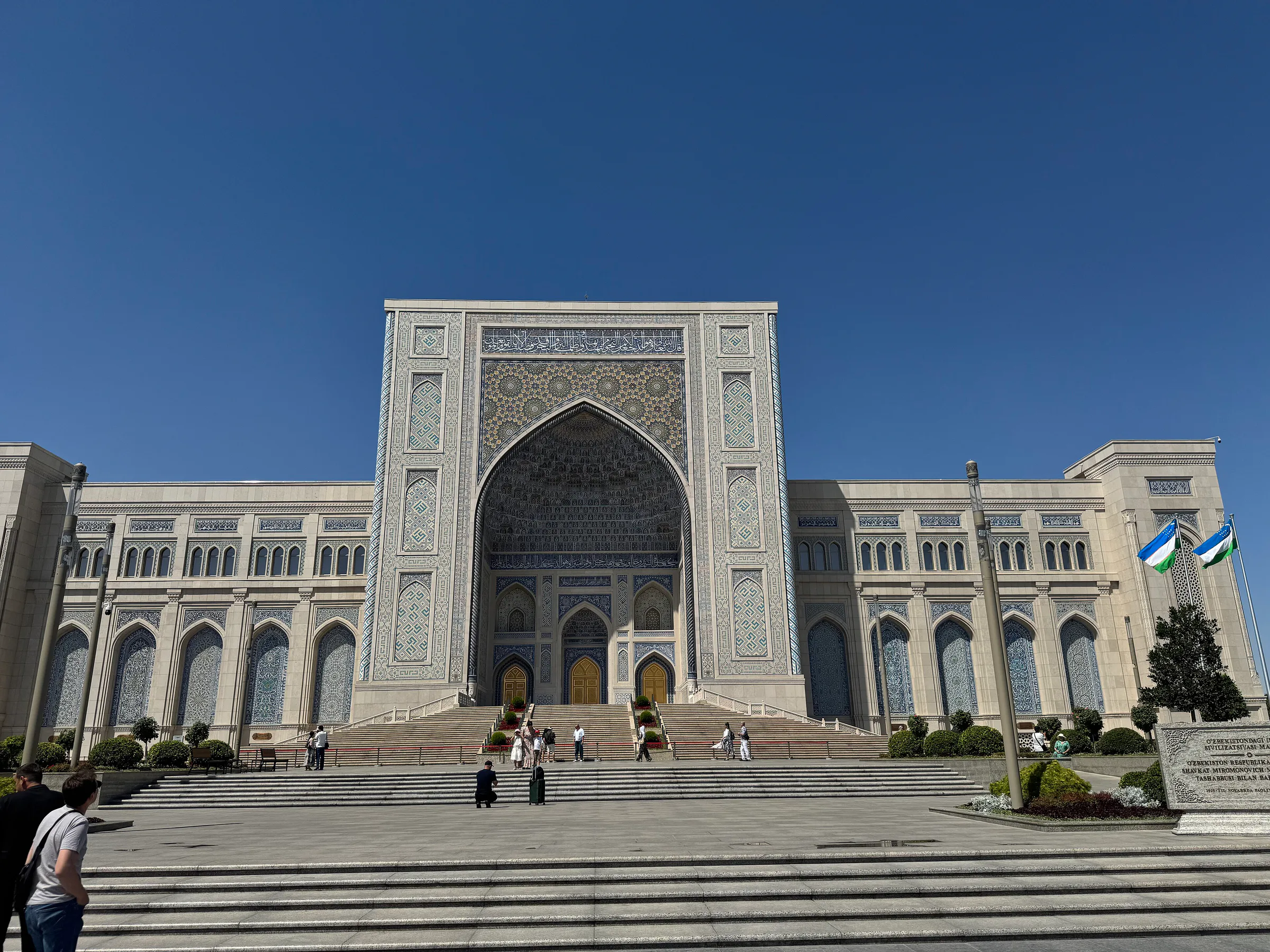
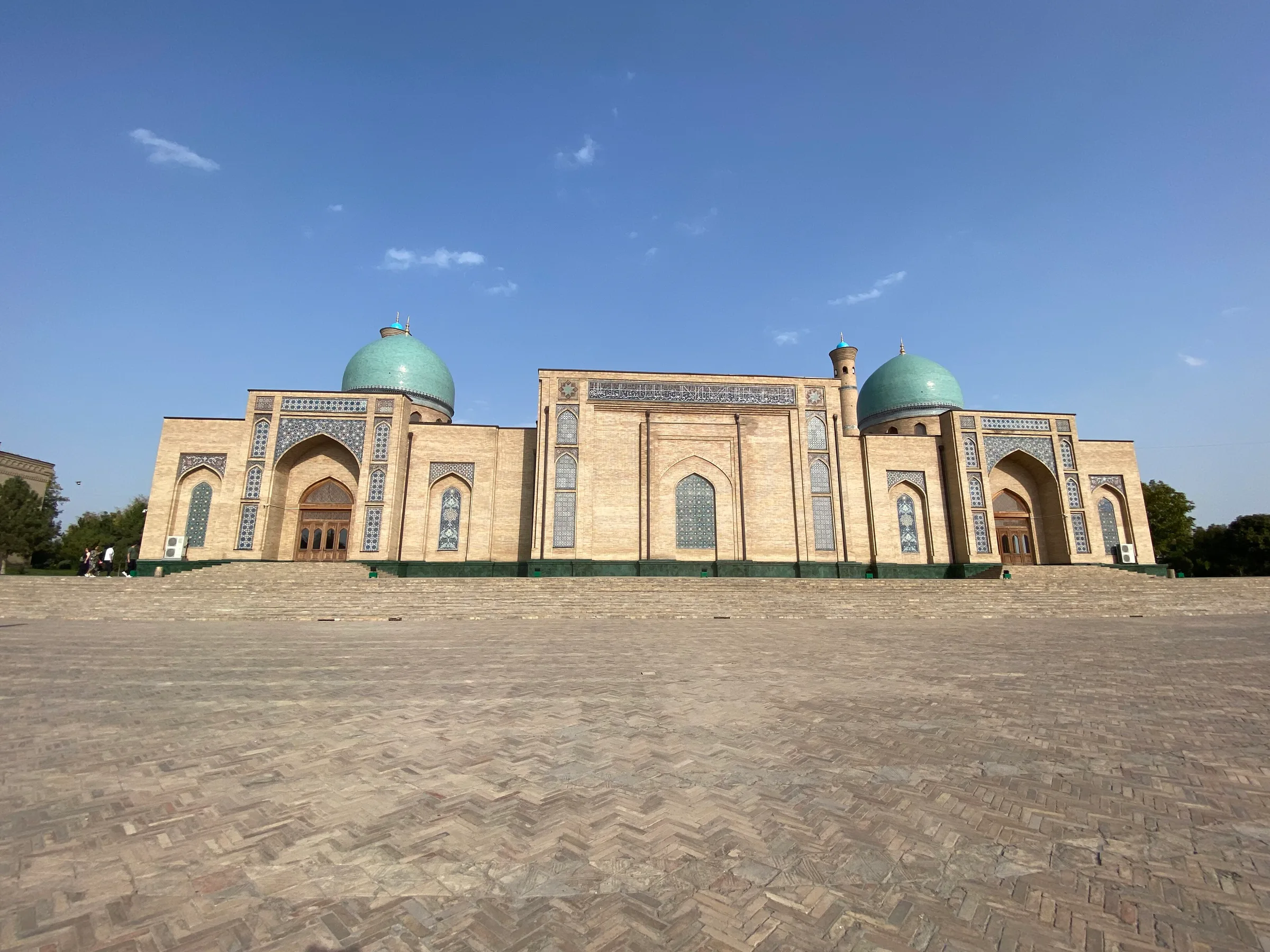
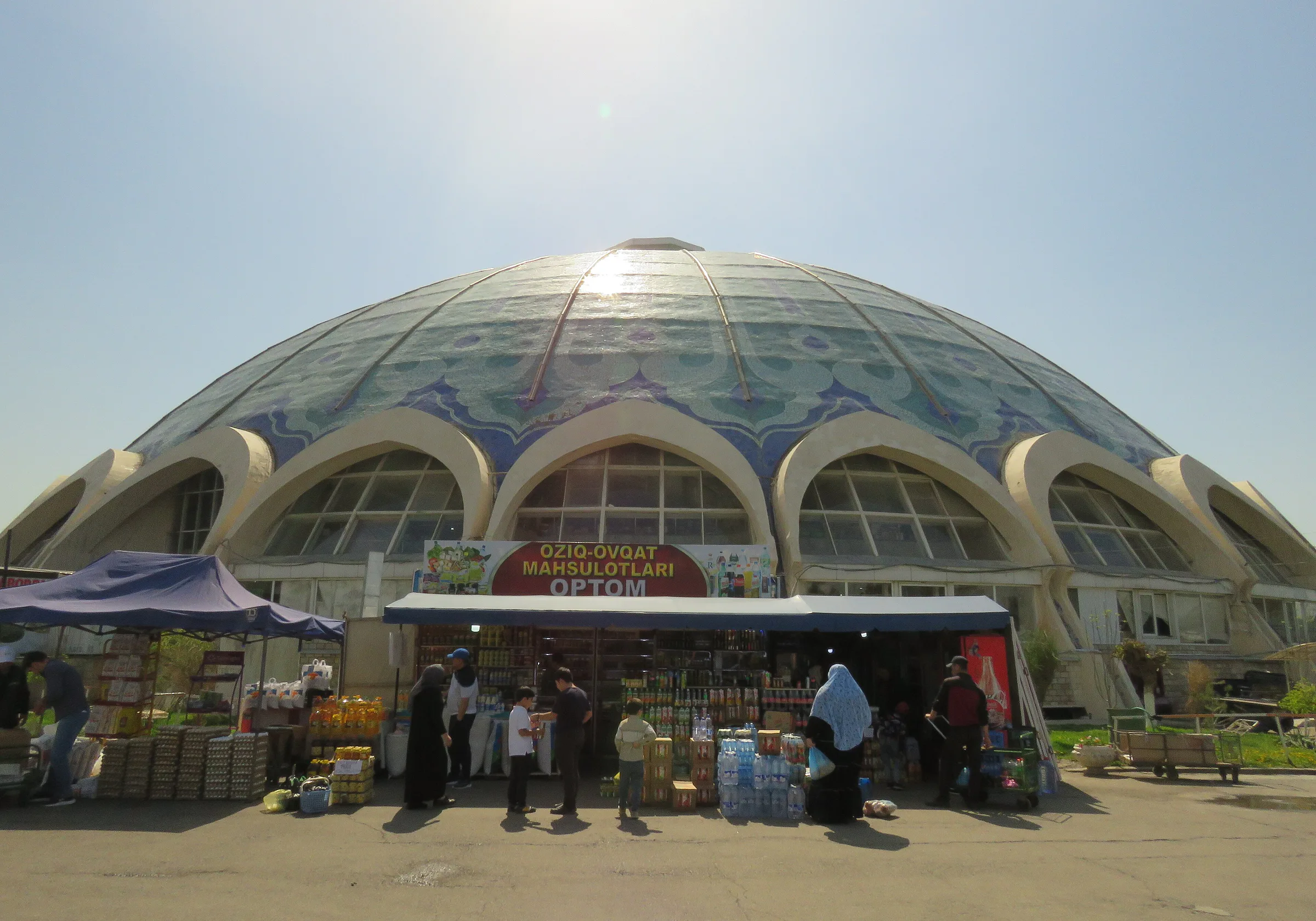
The spiritual heart of the Old City is the Hazrati Imam Complex, where the 16th-century Barakhan Madrasah and Kaffal Shashi Mausoleum now stand beside the Center for Islamic Civilization, opened in March 2026 and home to one of the oldest Quran manuscripts, the Mushaf of Uthman. From there Zarqaynar Street leads on foot to the Kukeldash Madrasah and the domed Chorsu Bazaar.
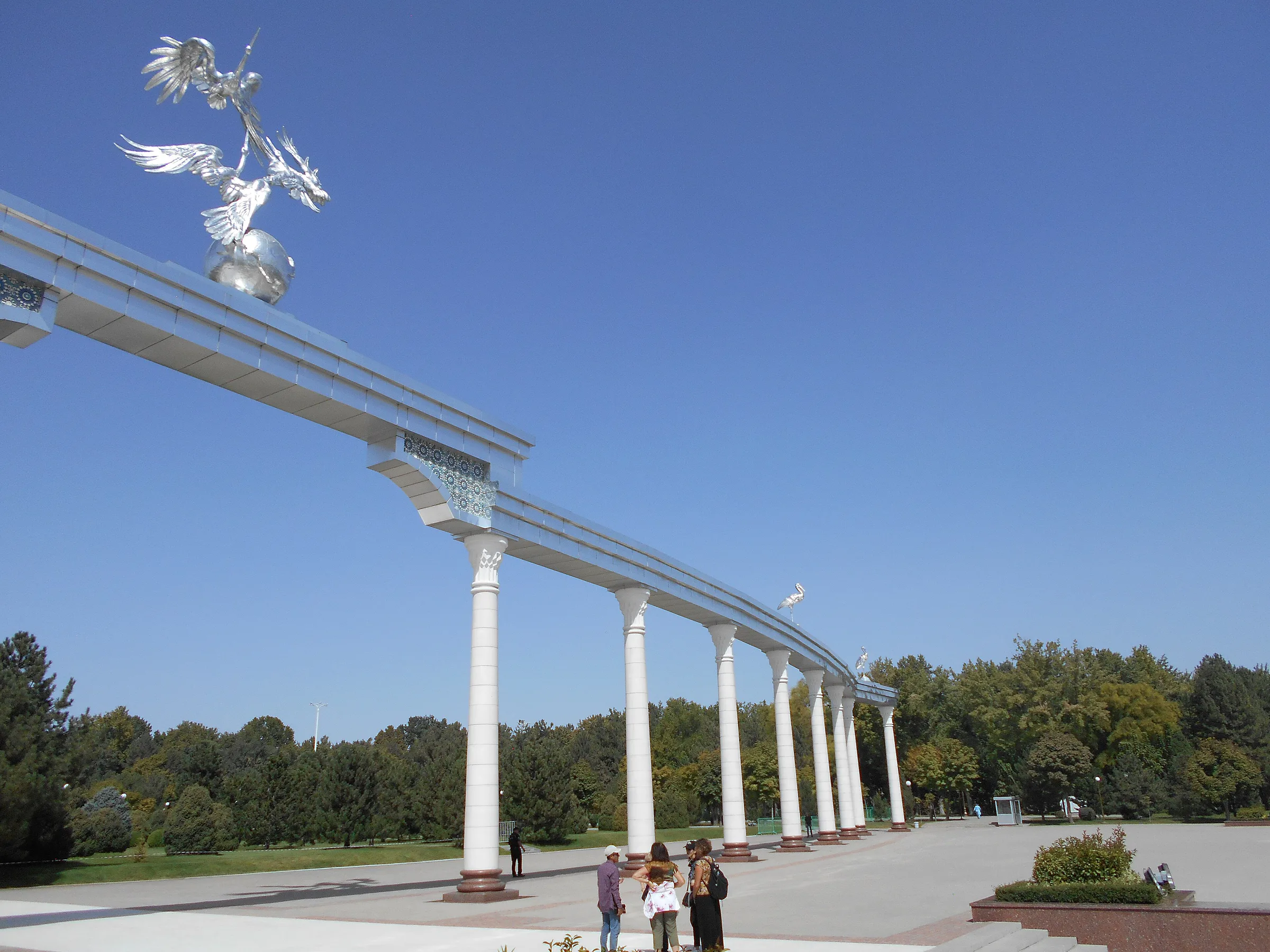
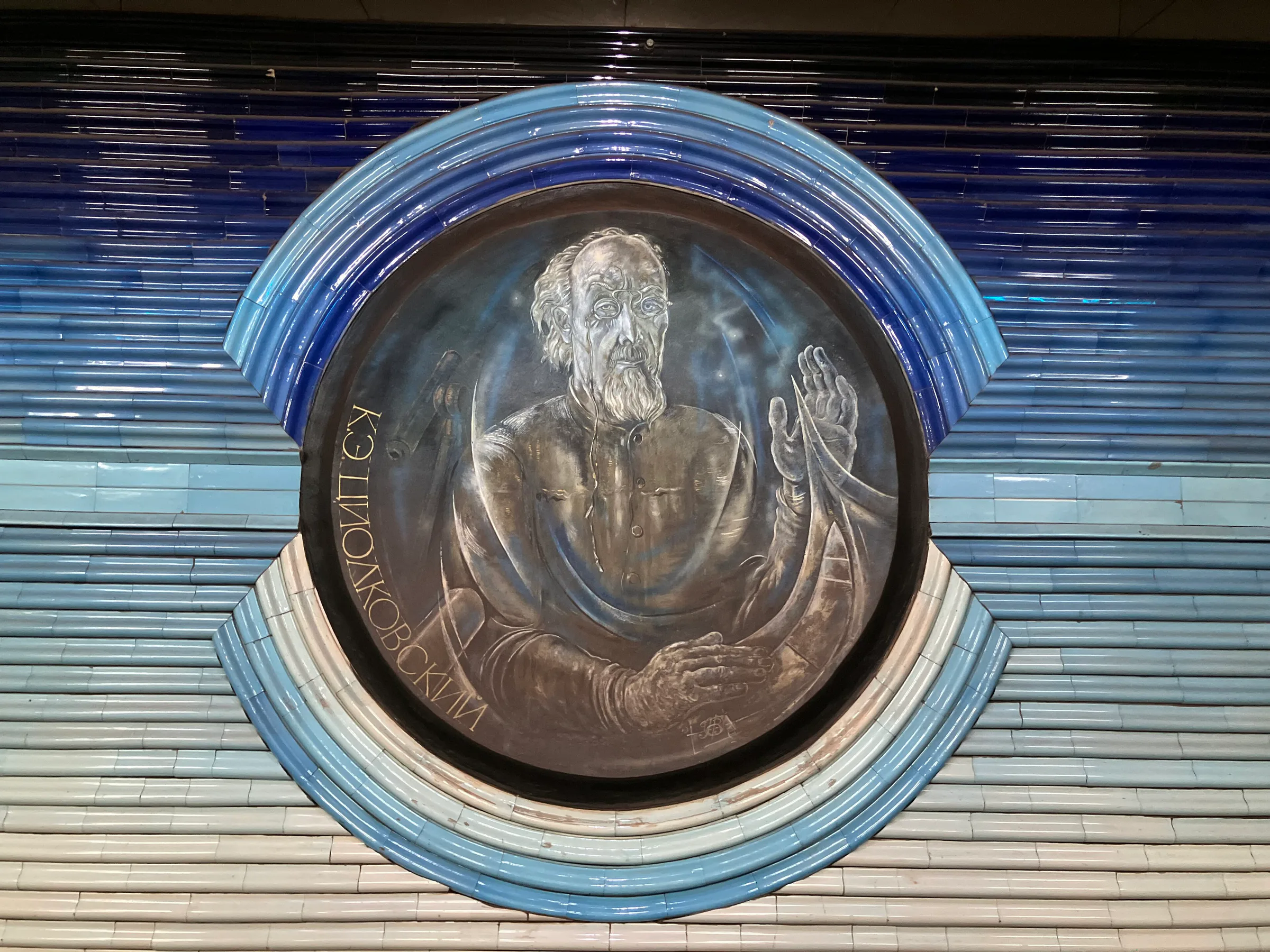
The new town centres on Amir Timur Square, the Amir Timur Museum, Independence Square and Shchusev's Alisher Navoi Bolshoi Theatre, while the State Museum of History, the Museum of Applied Arts and the State Museum of Arts cover the country's past and crafts. In July 2026 ten landmarks of Tashkent modernism — Chorsu Bazaar, the history and art museums, the Palace of Friendship of Peoples, the circus, Kosmonavtlar metro station and others — were inscribed on the UNESCO World Heritage List.
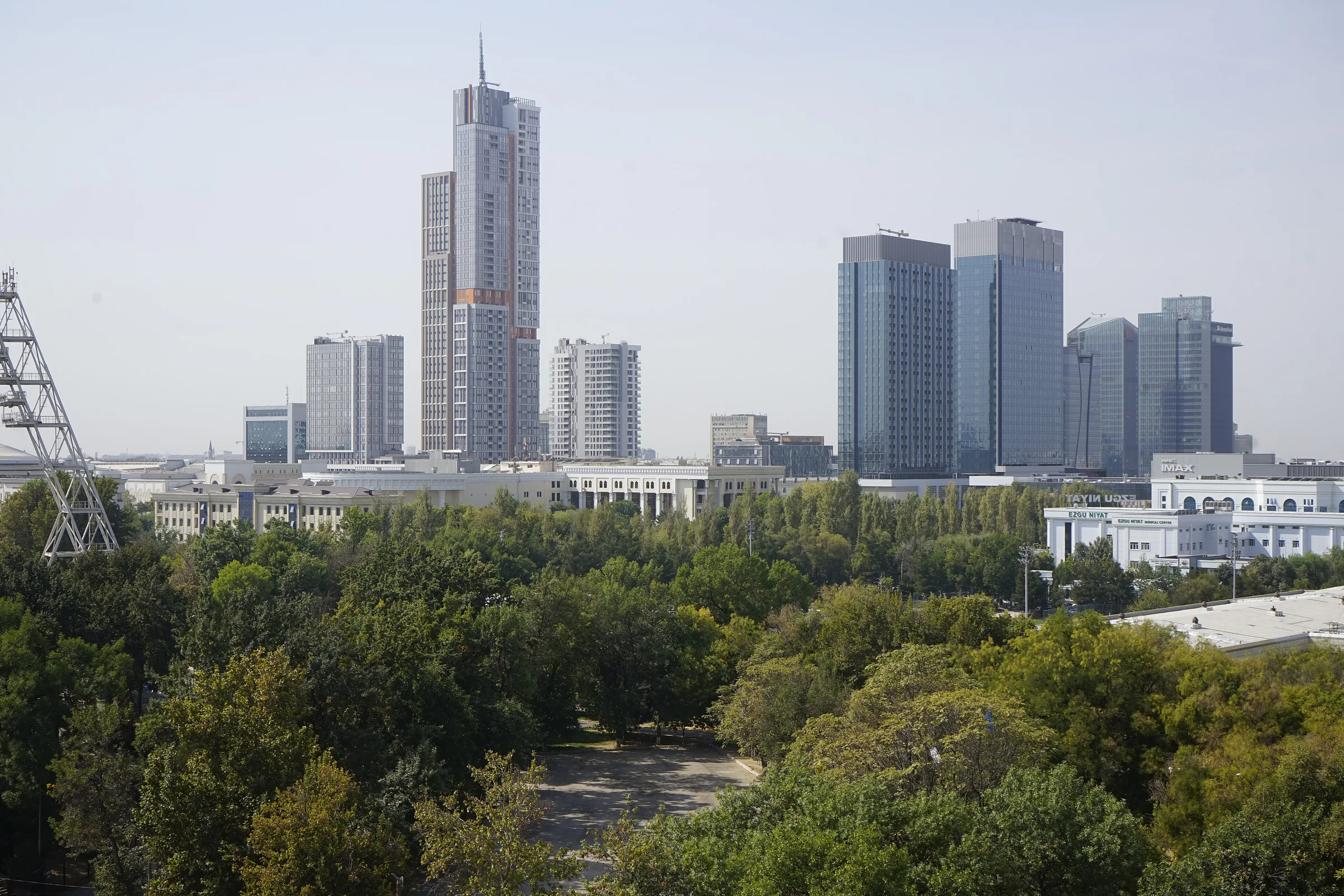
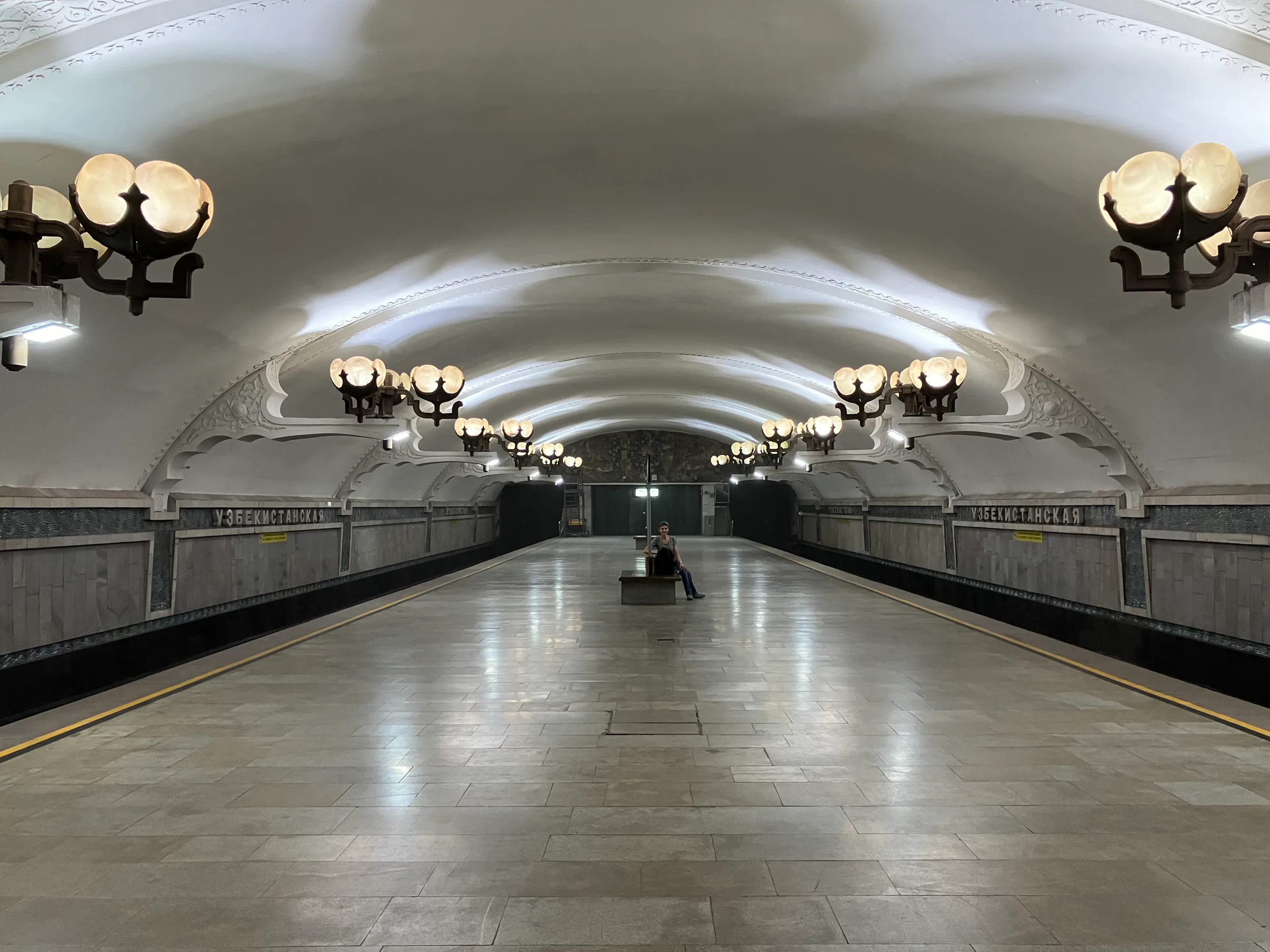
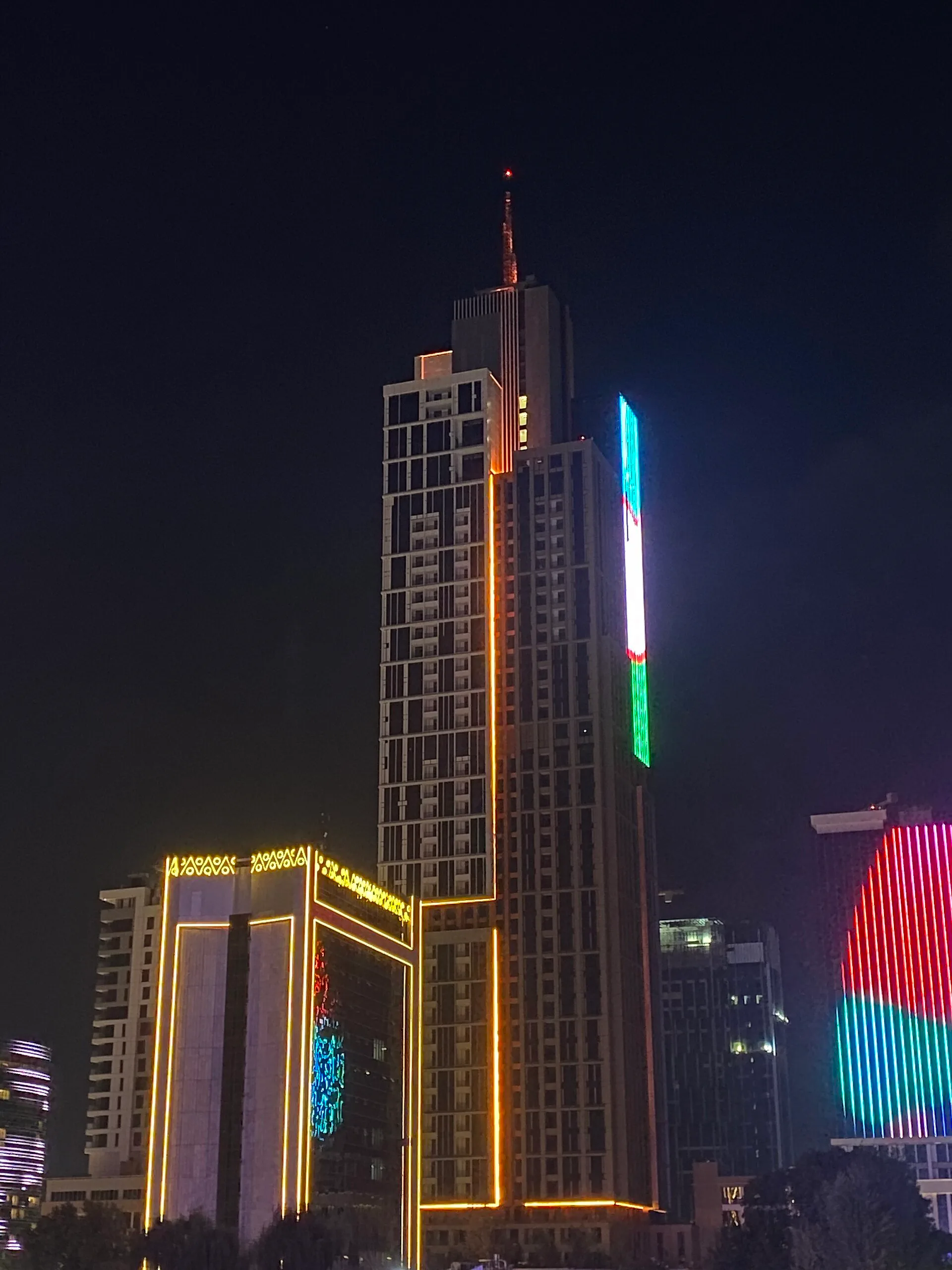
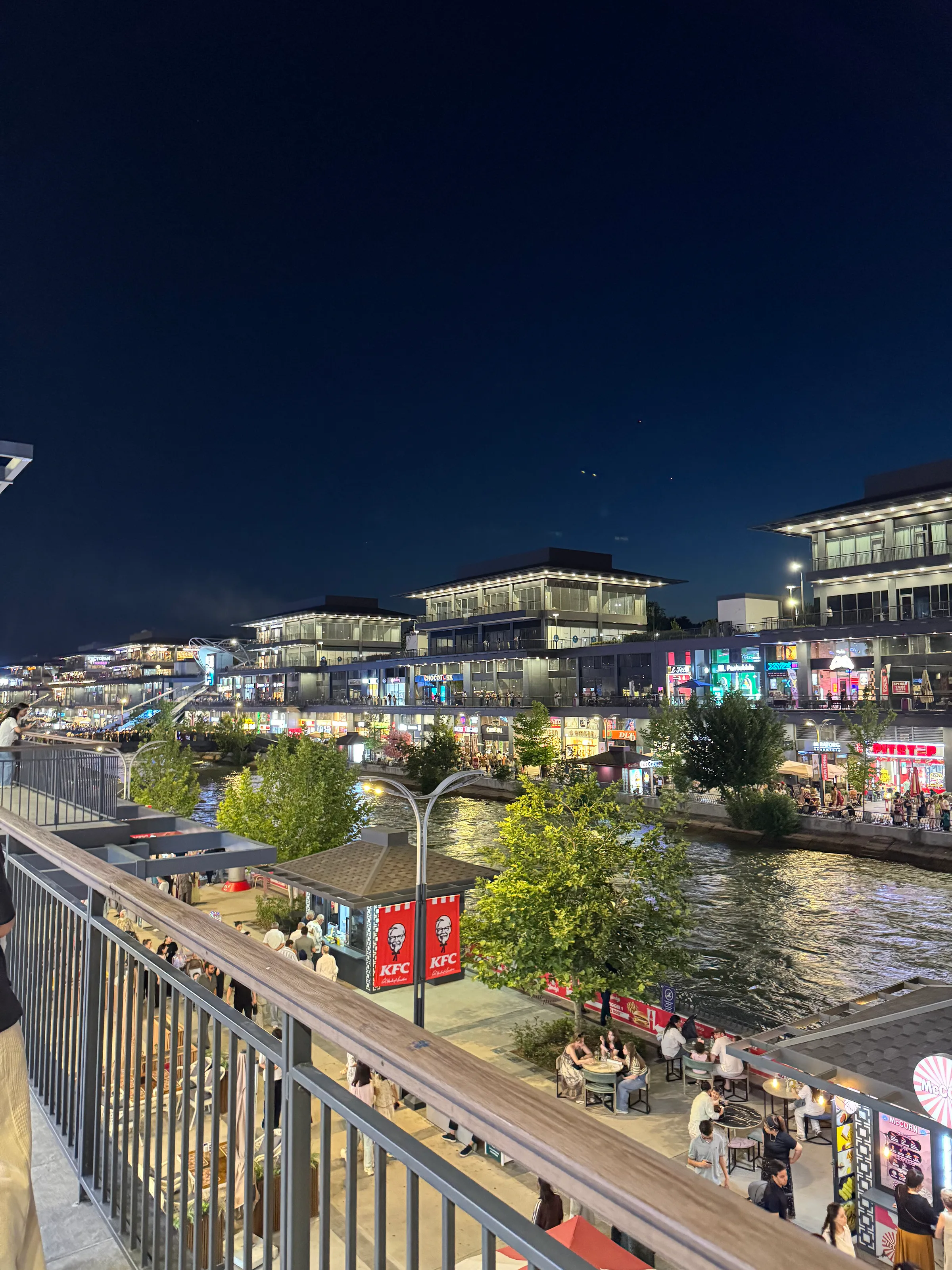
Modern Tashkent also means a metro with a different theme at every station, the 375-metre TV tower, Tashkent City Park and New Uzbekistan Park.
The 1897 census counted about 156,000 people in the Old and New towns, and 201,000 by 1910. The 20th century brought rapid growth: Tashkent became a major evacuation centre in the Second World War, while the purges of the 1930s–1950s killed many intellectuals, among them Abdulla Qodiriy, Cholpon and Usmon Nosir, remembered today at the Shahidlar Khotirasi memorial.
From the late 1950s to the 1980s a local school of 'Tashkent modernism' married earthquake-proof modern structures with Central Asian ornament and sun screens. Today the city has 12 districts: Almazar is the most populous (416,800), Bektemir the smallest (70,400), and Yangihayot, created in 2020, the youngest.
Tashkent is a good place to see the whole country's crafts: ceramics, gold embroidery, suzani and woodcarving at the Museum of Applied Arts, and ganch carvers and painters at work in the cells of the Abulkasim Madrasah. Chorsu and Alay bazaars sell fruit, dried fruit, spices and qurut as well as skullcaps, chapan robes and ikat silk.
The food is Uzbek classic — plov (osh), samsa, lagman, shashlik and tandoor bread — best tried in neighbourhood teahouses and bazaar canteens.
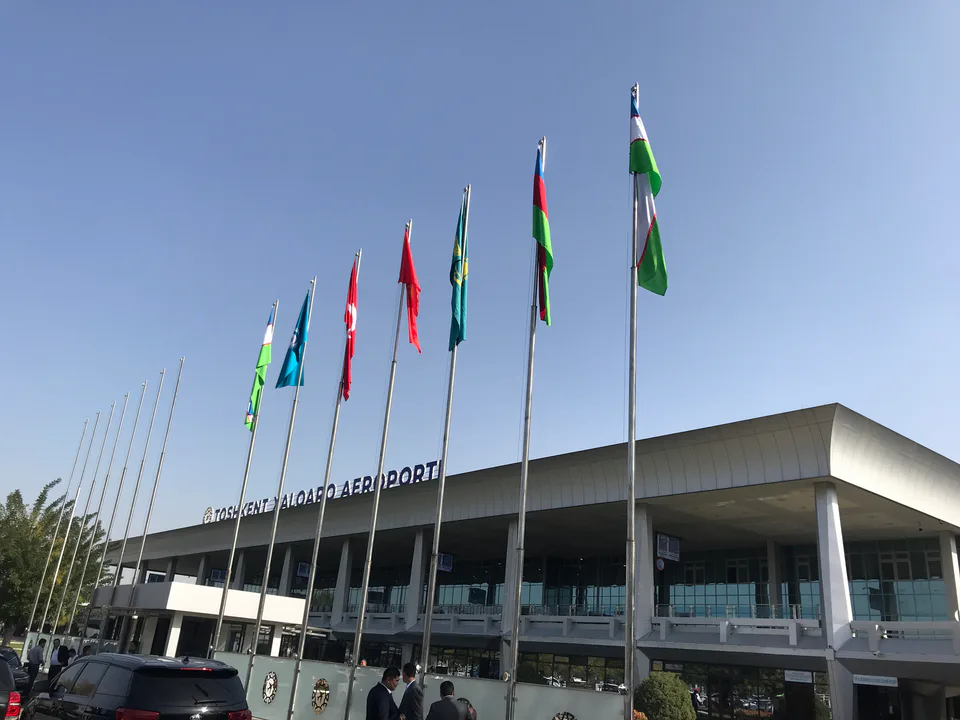
Islam Karimov Tashkent International Airport, in the south of the city, is the country's largest, with flights across Asia, Europe and North America. International trains and Afrosiyob high-speed services leave from Tashkent (North) station, reaching Samarkand in just over two hours and Bukhara in under four; domestic trains use Tashkent South station.
In town the metro (four lines, 50 stations), buses and taxis are the easiest ways around. The city is divided into 12 districts, and Yangi Tashkent — a new administrative centre and 13th district — is taking shape in the east.
Museum · Yunusabad District
One of Central Asia's oldest museums
Bazaar · Shaykhantahur District
The Old City market under a blue dome
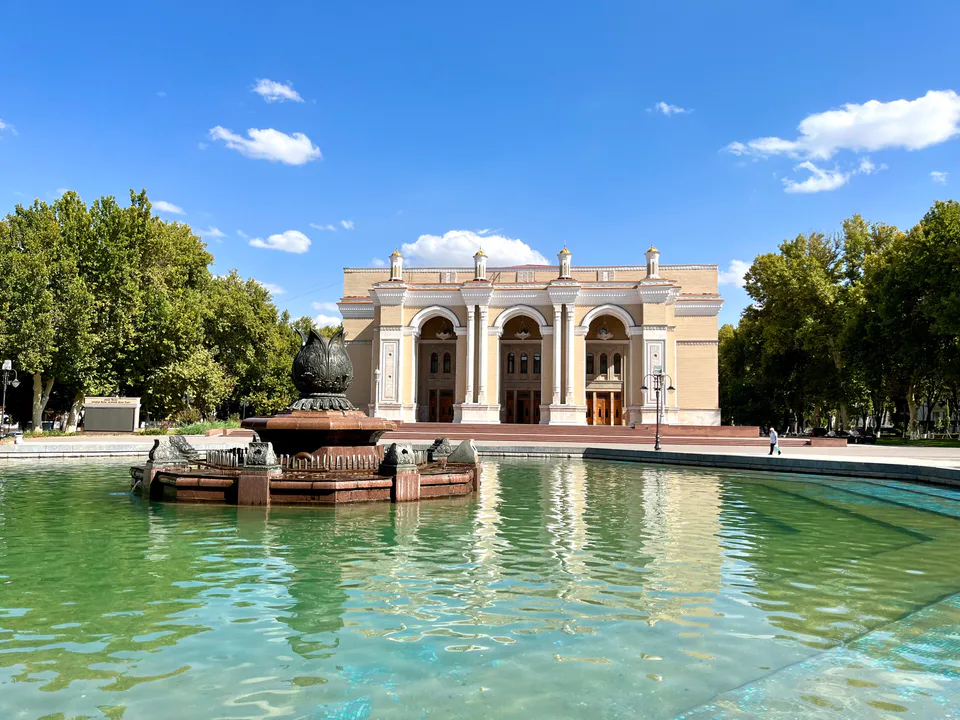
Culture & arts · Mirabad District
Shchusev's design, craftsmen from six regions
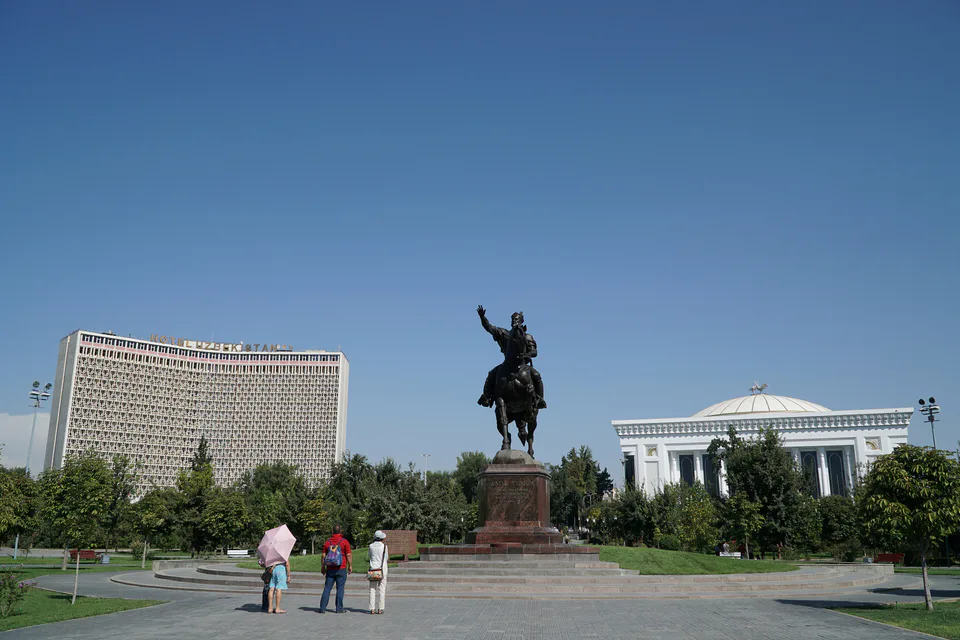
Park & garden · Yunusabad District
The heart of Tashkent's new town
Ensemble · Almazar District
The spiritual heart of old Tashkent
Museum · Almazar District
The new home of the Uthman Quran
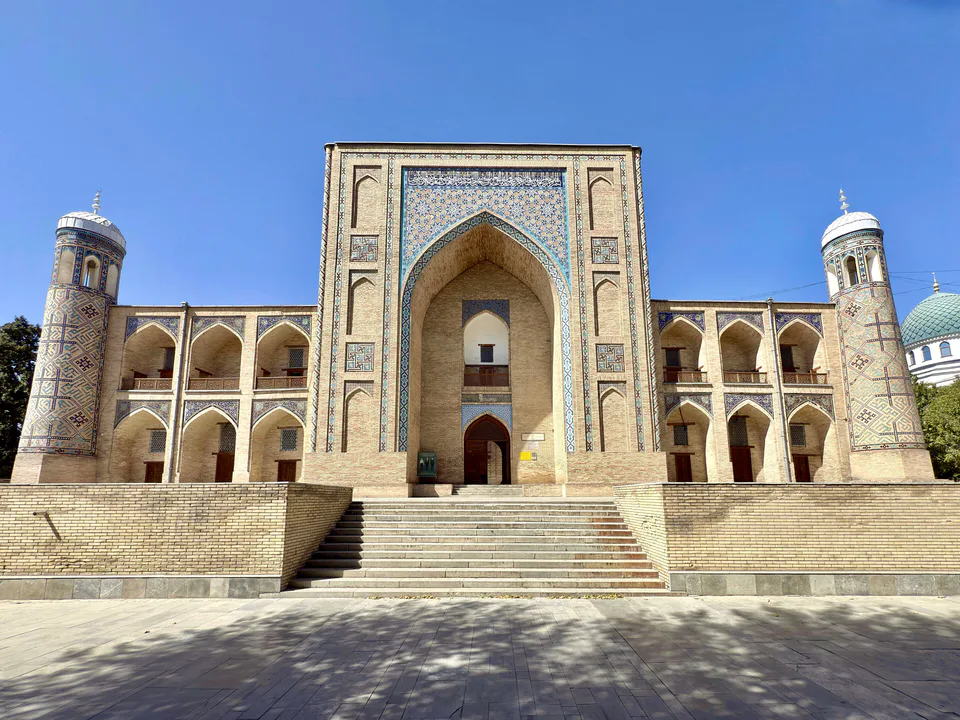
Madrasa · Shaykhantahur District
A 16th-century portal above Chorsu
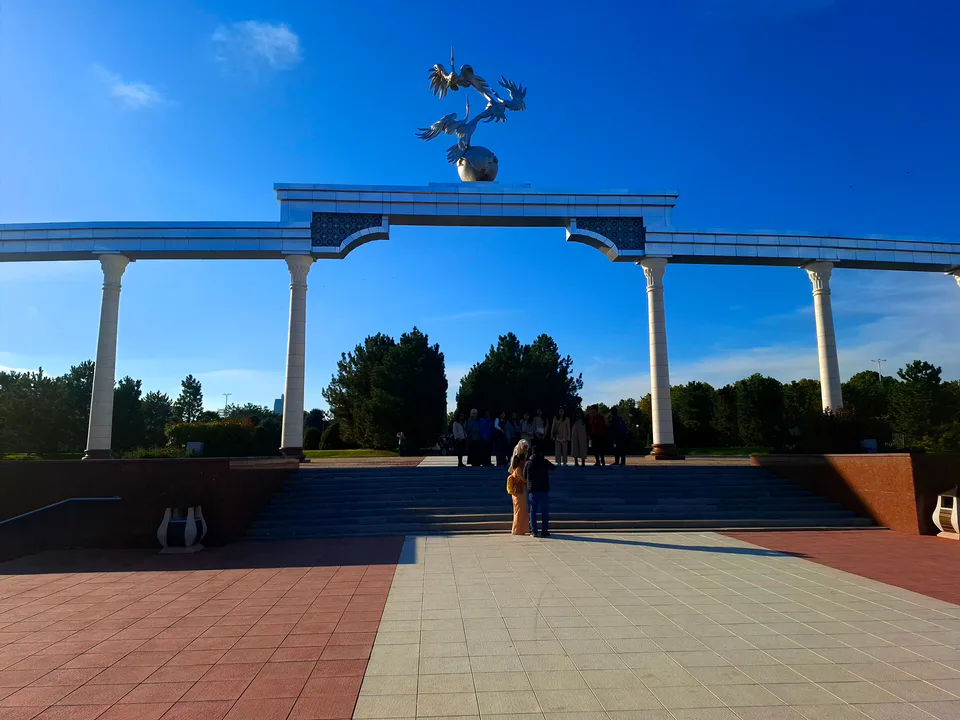
Modern · Yunusabad District
From Cathedral Square to Independence Square
Museum · Yakkasaray District
A jewel-box house of carved plaster and tiles
Modern · Yakkasaray District
Central Asia's first underground
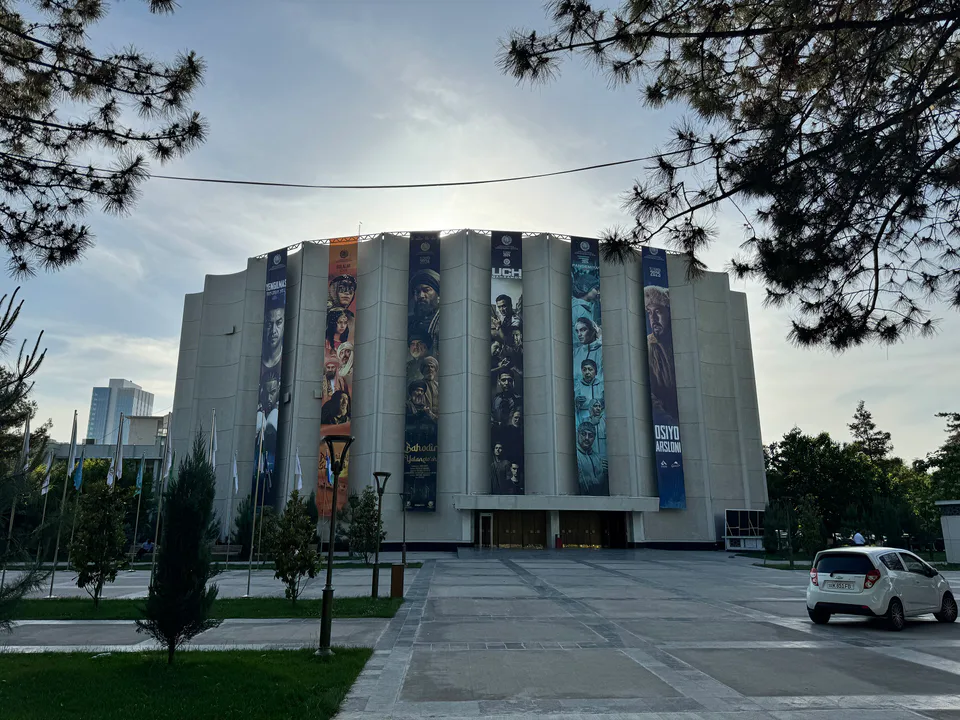
Culture & arts · Shaykhantahur District
Uzbekistan's first panoramic cinema
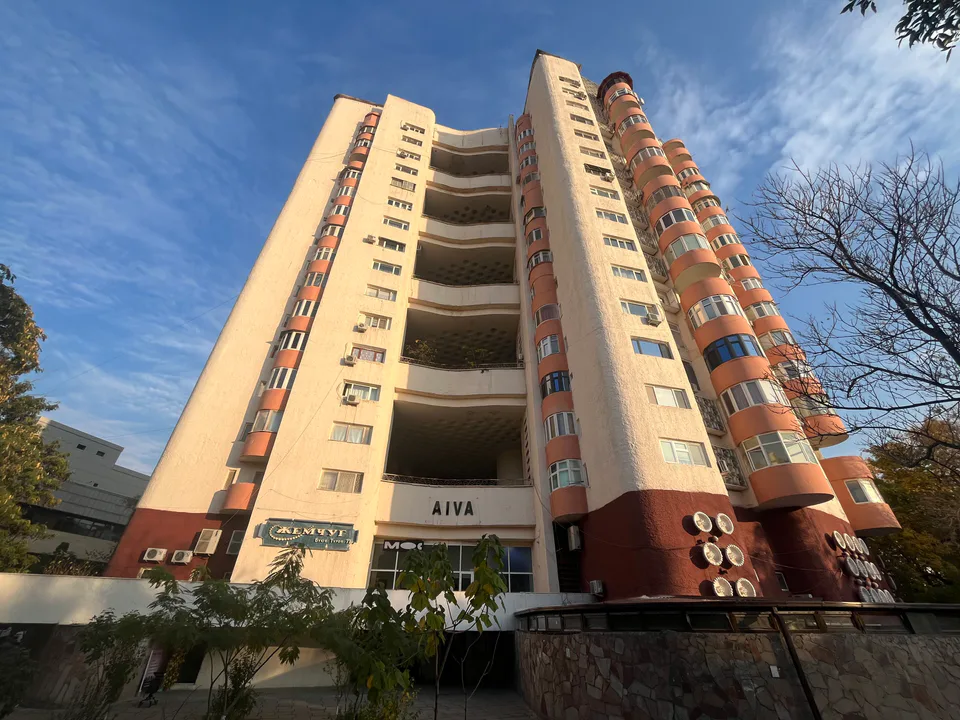
Modern · Mirabad District
An experimental 'vertical mahalla'
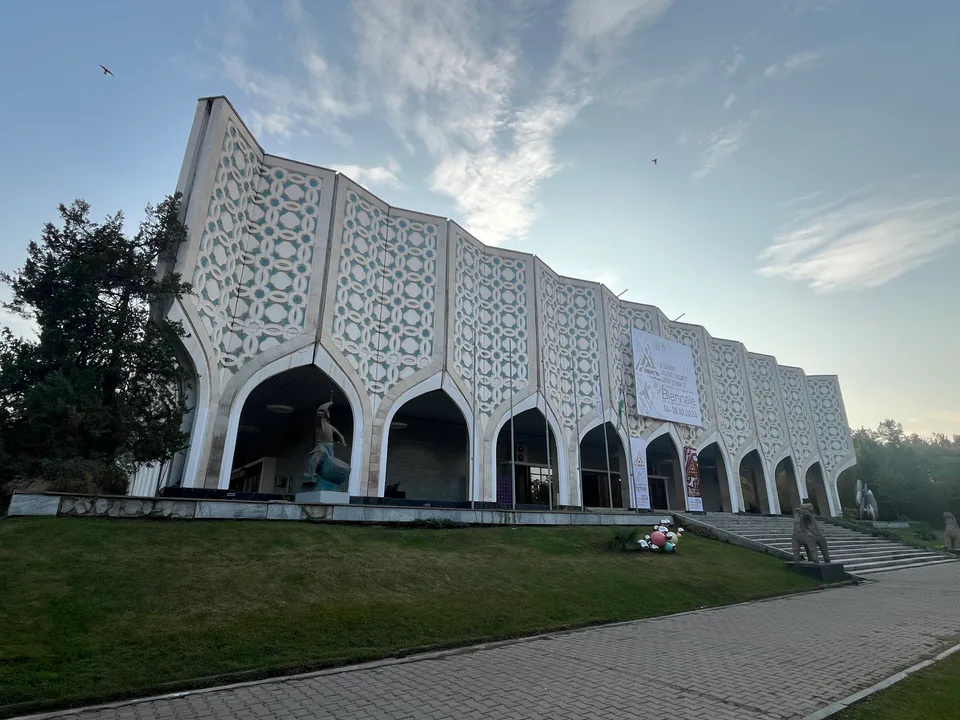
Culture & arts · Yakkasaray District
A gallery wrapped in peshtaq-style arches
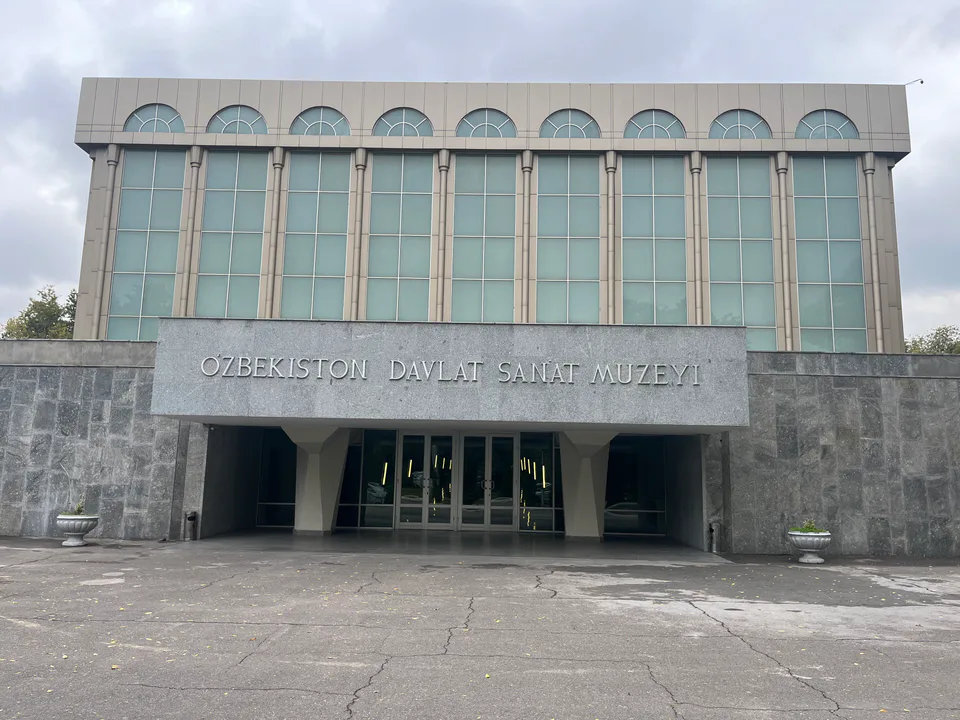
Museum · Mirabad District
A museum born of the Romanov collection
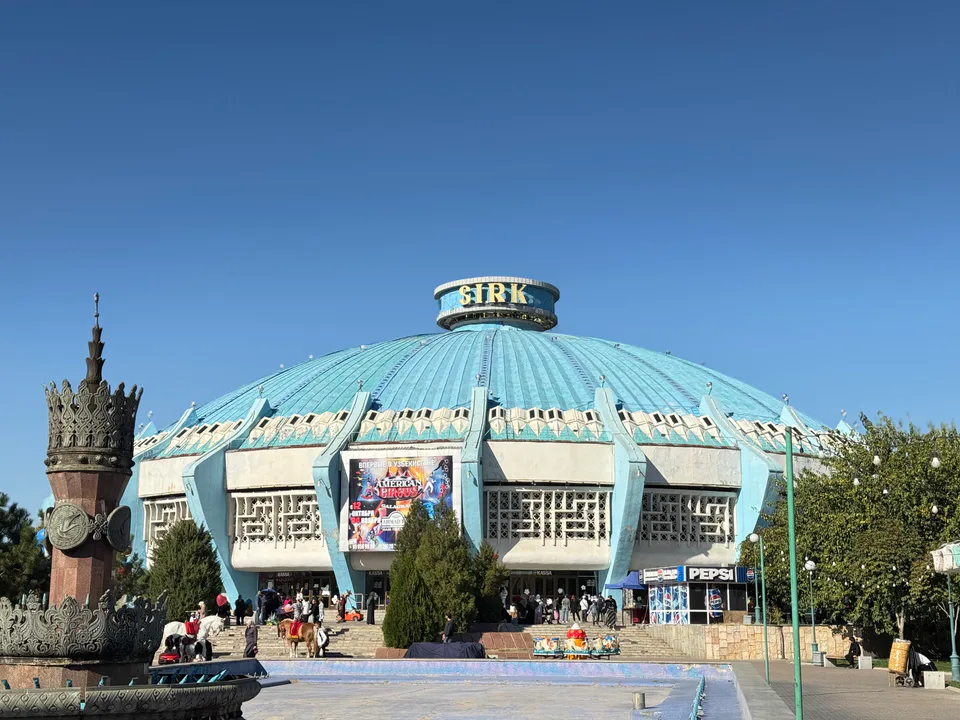
Culture & arts · Shaykhantahur District
The 'flying saucer' of Hadra Square
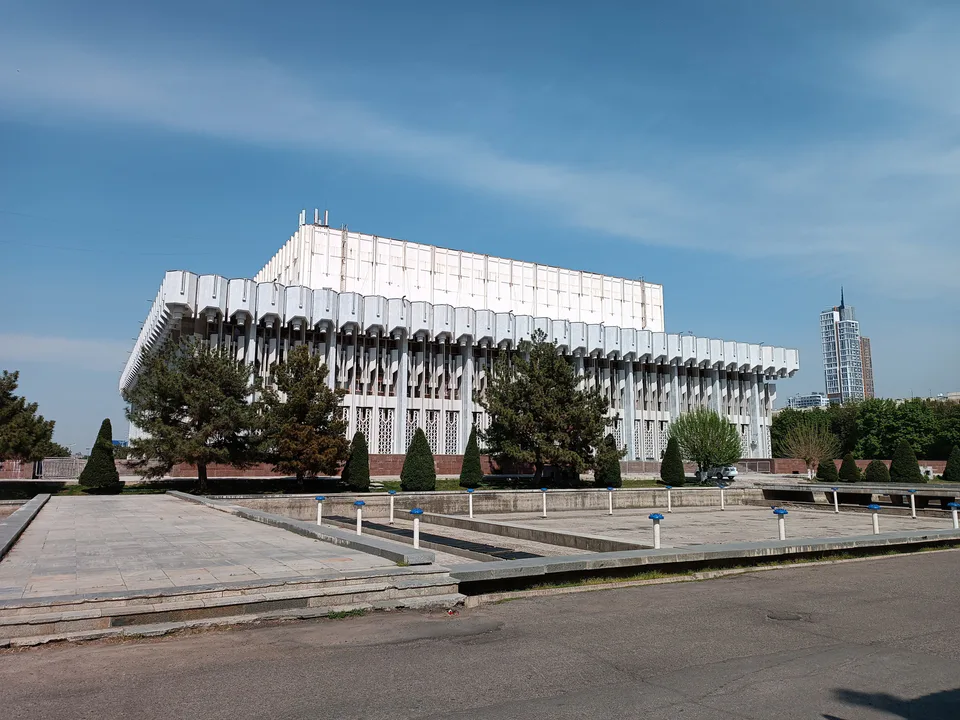
Culture & arts · Chilanzar District
Uzbekistan's main concert hall
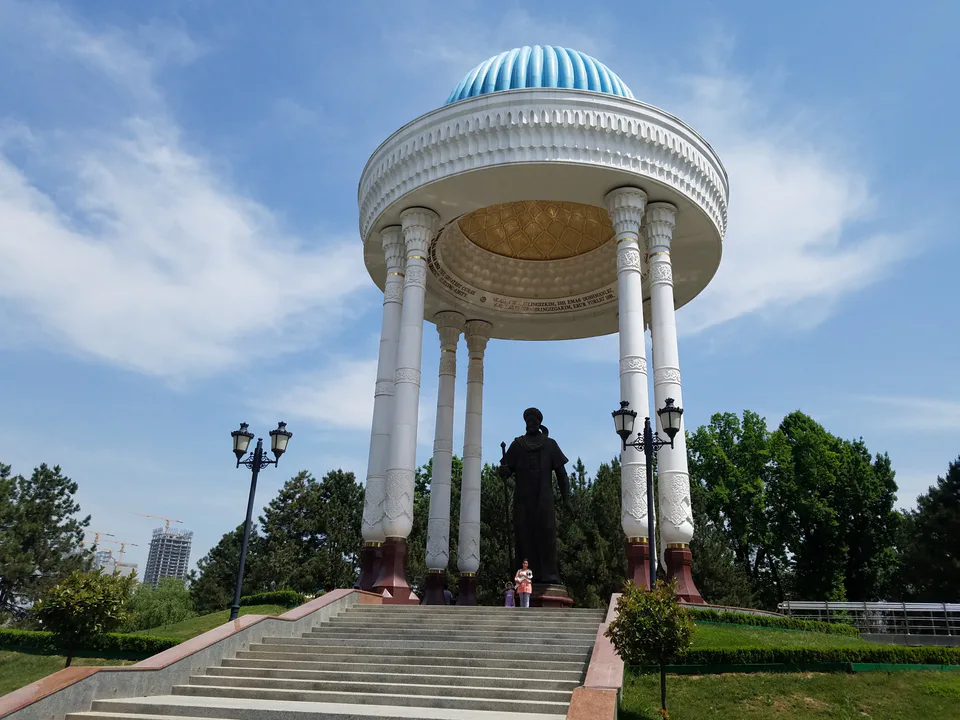
Park & garden · Chilanzar District
A lakeside park in the city centre
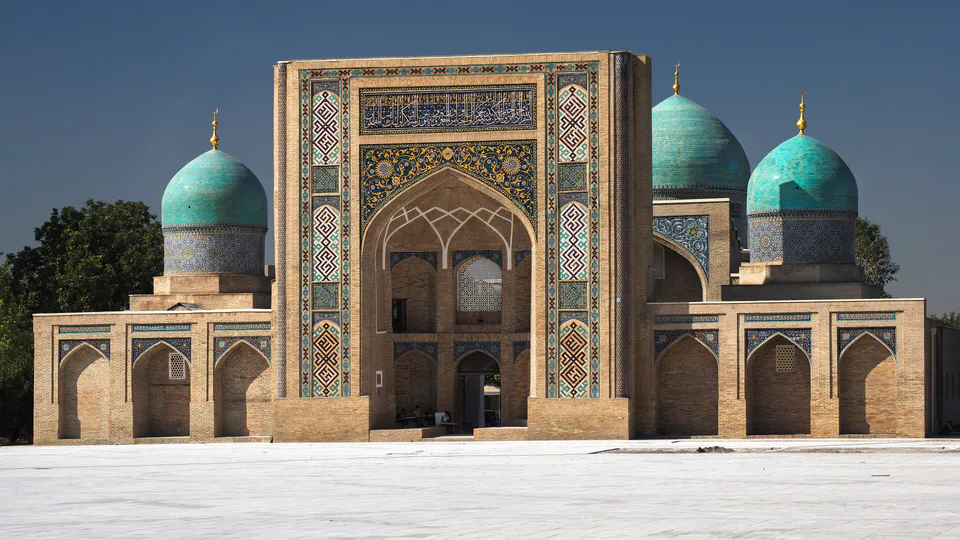
Madrasa · Almazar District
A madrasah grown from two mausoleums
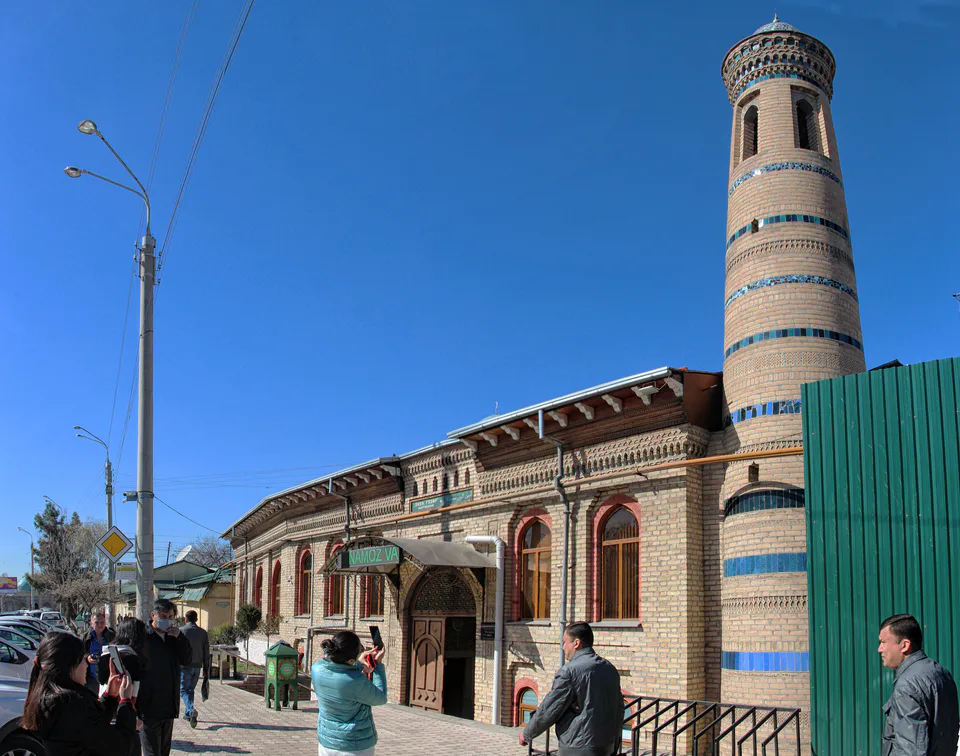
Ensemble · Almazar District
On foot from Chorsu to Hazrati Imam
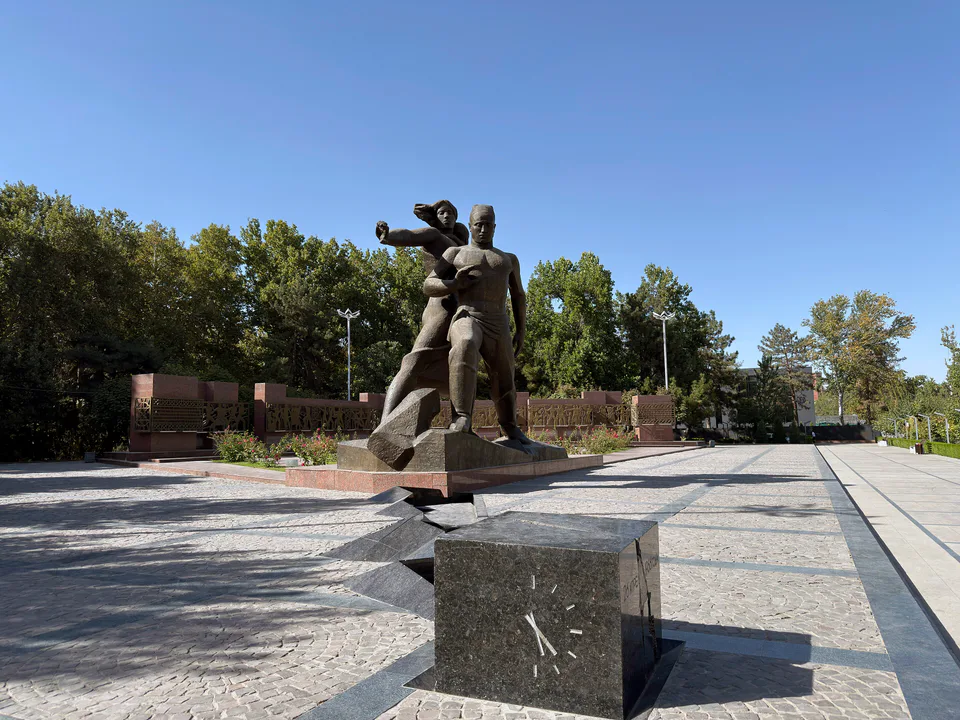
Modern · Yunusabad District
A memorial at the 1966 earthquake's epicentre
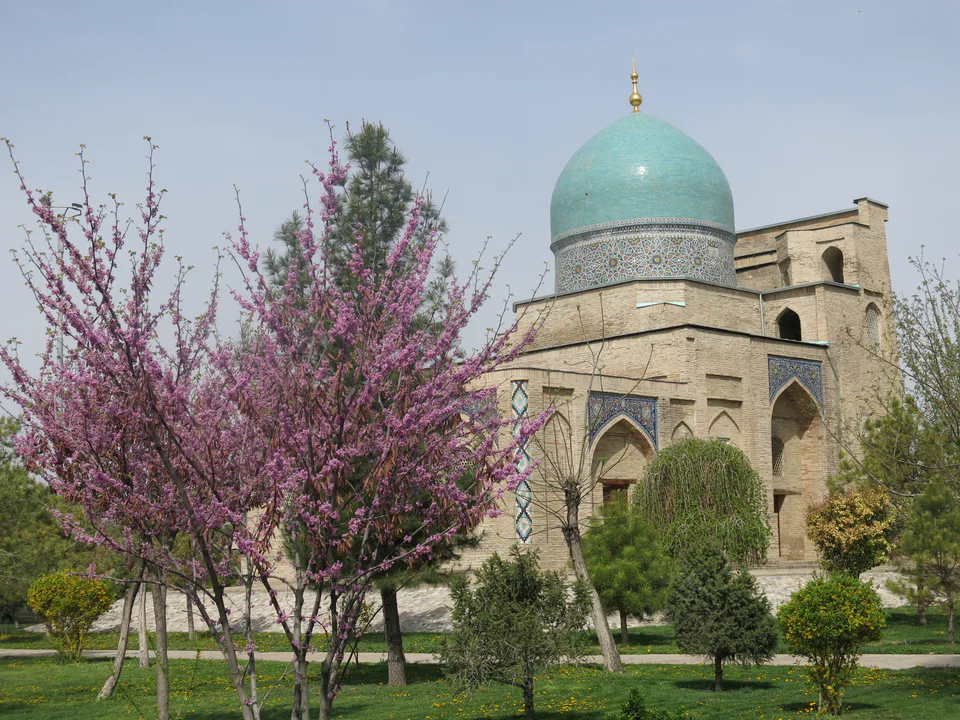
Mausoleum · Almazar District
The tomb where the Hazrati Imam Complex began
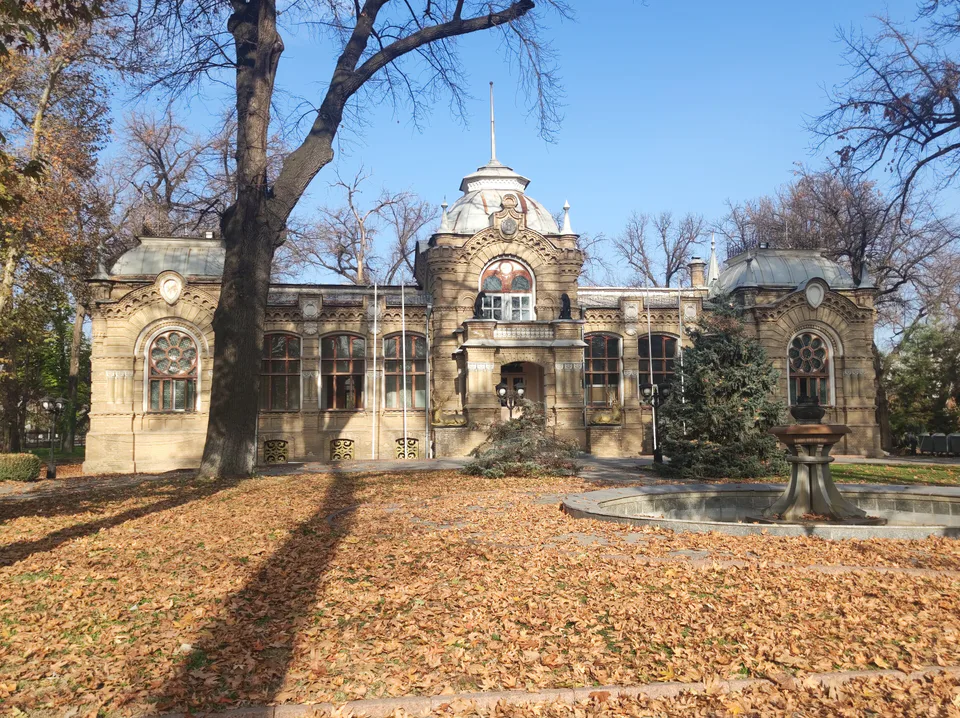
Culture & arts · Yunusabad District
The Tashkent home of an exiled grand duke
Tashkent (city)
Airport, railway station and bus stations — addresses, timetables and the live board.
All transportTashkent (city)
Road distance, the fastest train and whether there is a direct flight.
All distances| City | Road, km | By car | By train | Flight | Bus |
|---|---|---|---|---|---|
| Chirchik Tashkent Region |
35 | 42 min | — | — | — |
| Angren Tashkent Region |
104 | 1 h 38 min | 1 h 24 min 096Ф |
— | — |
| Gulistan Syrdarya Region |
132 | 1 h 58 min | 52 min Afrosiyob 768Ф |
— | 1 route |
| Zaamin Jizzakh Region |
214 | 3 h 7 min | — | 2 flights | 1 route |
| Jizzakh Jizzakh Region |
221 | 3 h 14 min | 1 h 42 min Afrosiyob 768Ф |
2 flights | 1 route |
| Kokand Fergana Region |
233 | 3 h 8 min | 3 h 6 min 730З |
— | — |
| Rishtan Fergana Region |
269 | 3 h 34 min | — | 3 flights | — |
| Namangan Namangan Region |
283 | 3 h 46 min | 4 h 20 min 094Ф |
2 flights | — |
Weather: MET Norway
Tashkent
Checked hotels and places to eat — with addresses, phone numbers, opening hours and price levels.
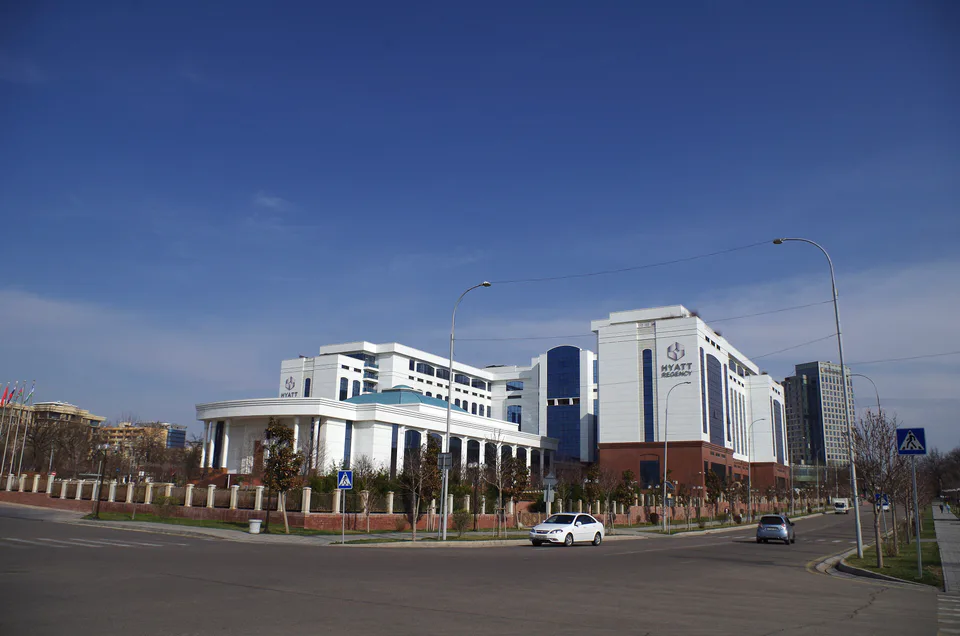
Five-star hotel a short walk from Amir Timur Square
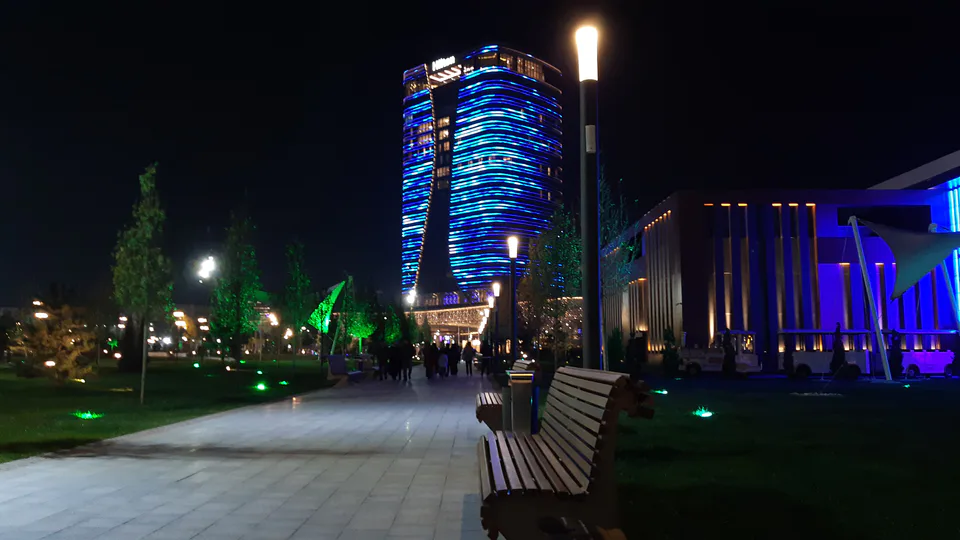
Five-star hotel in the Tashkent City complex
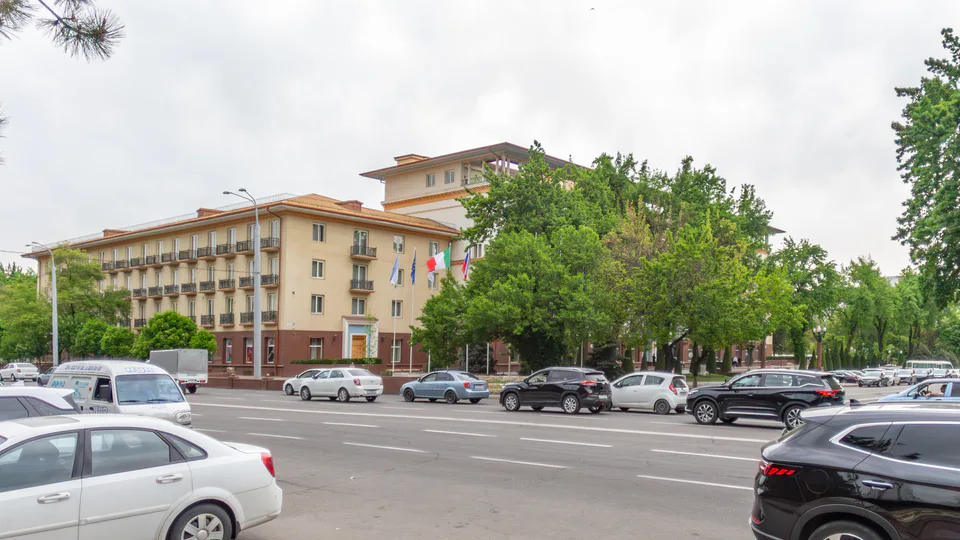
Four-star hotel beside the Navoi Theatre
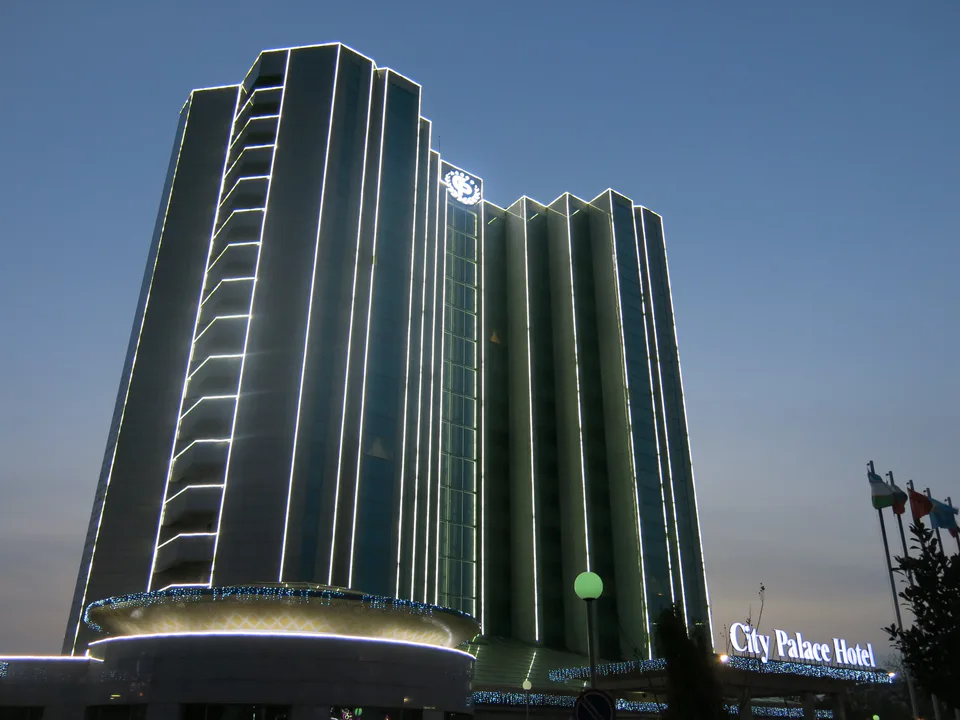
Four-star hotel next to the Timurid History Museum
IHG hotel steps from Amir Timur Square
Four-star hotel on Amir Temur Avenue
IHG hotel in the Tashkent City complex
New luxury hotel beside Tashkent City
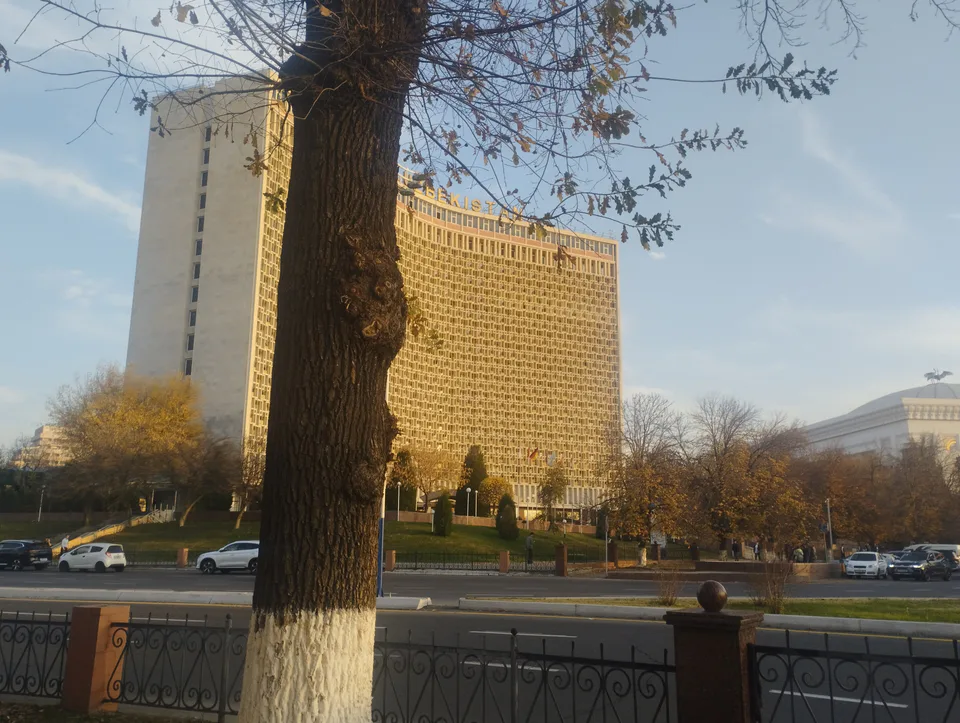
Soviet modernist landmark facing Amir Timur Square
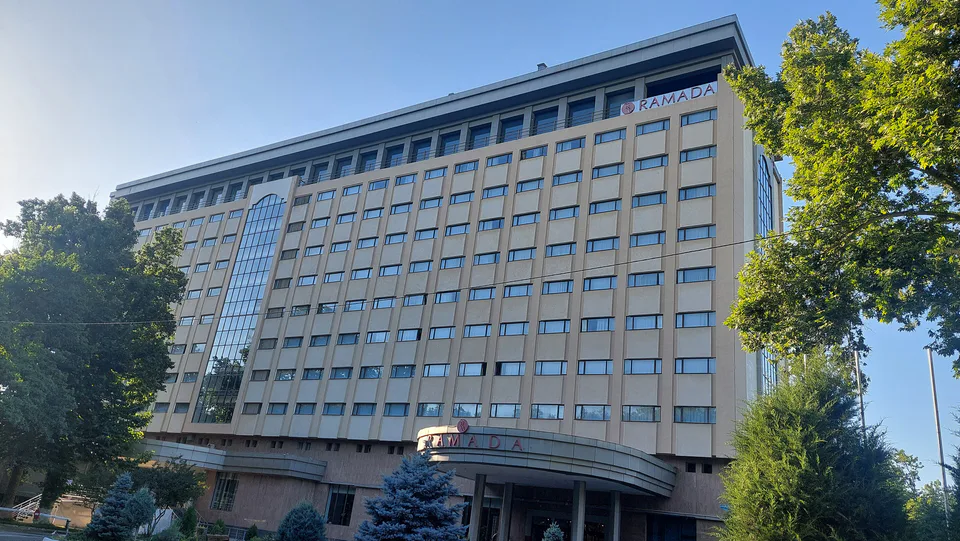
Wyndham group hotel on Abdulla Qodiriy Street
Marriott group hotel in Yakkasaray district
IHG hotel near Minor Mosque
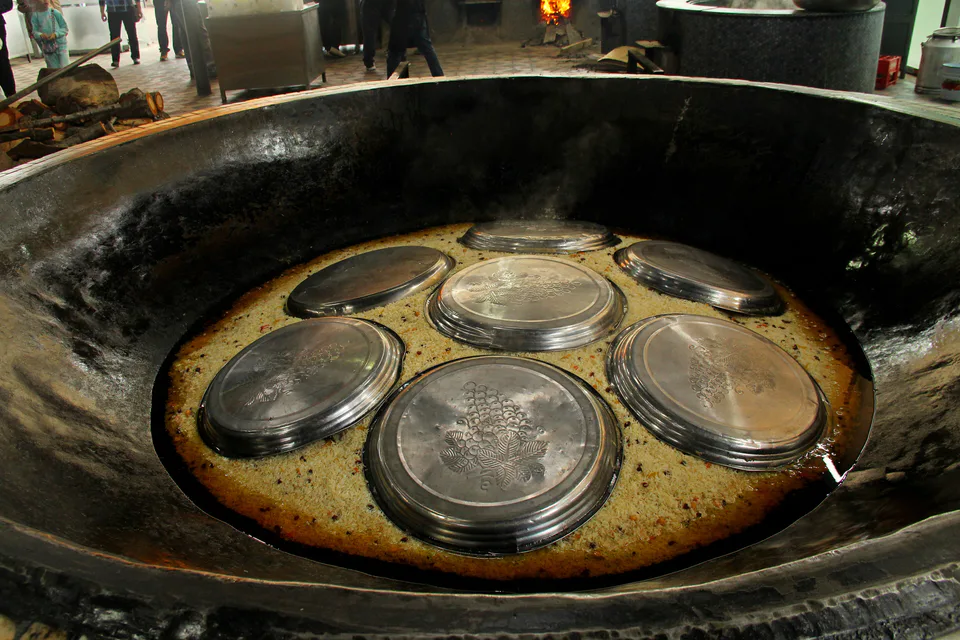
Plov centre by the TV Tower, flagship of the Beshqozon chain
Uzbek restaurant with live music on Mahmud Tarobiy Street
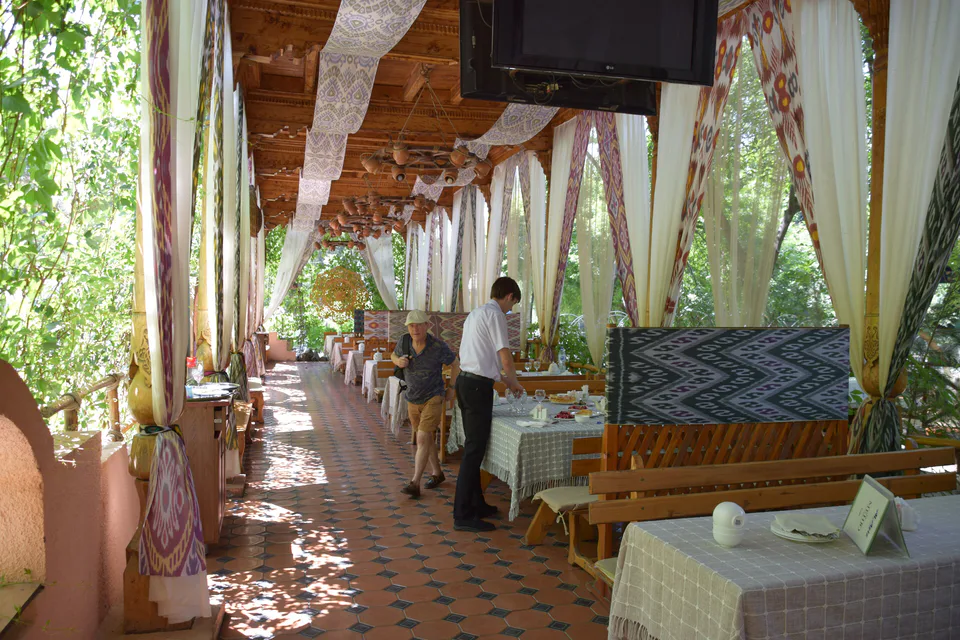
Budget Uzbek restaurant on Istiqlol Street
Breakfast café beside Tashkent City Park
Uzbek restaurant styling itself a plov museum
Uzbek restaurant with live music and a banquet hall
Meat restaurant on Mirobod Street
Second venue of the Gōsht meat restaurant
Upscale restaurant on Zulfiyaxonim Street
Max Way branch on Shota Rustaveli Street
Kebab restaurant on Khadra Square
Max Way branch near Alay Bazaar
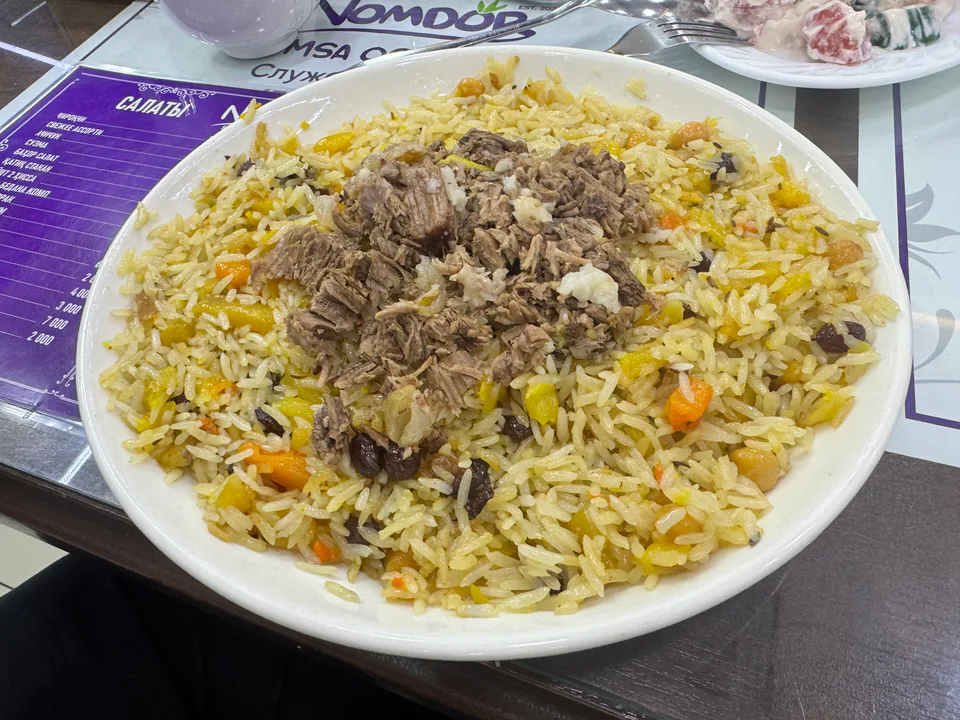
Dish · Tashkent (city), Tashkent Region
The capital’s style of plov: everything is fried first and the rice is mixed into the base; wedding plov adds kazy sausage, chickpeas, raisins and sometimes quail eggs.
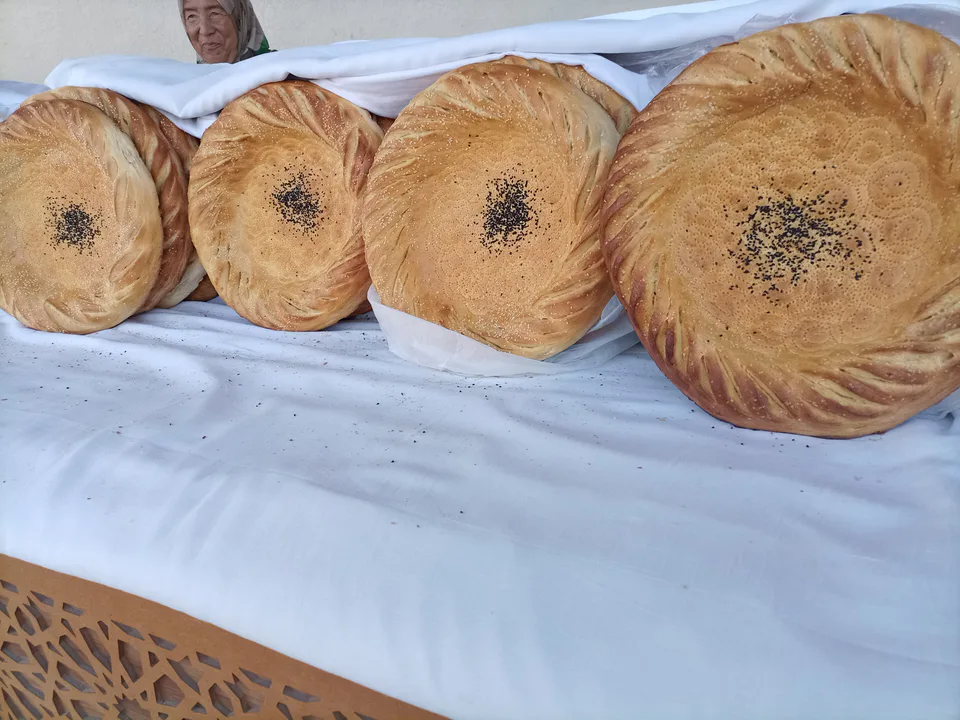
Dish · Tashkent (city), Fergana
A rich, layered tandoor bread made with butter, cracklings or onion; Tashkent and the Fergana Valley bake dozens of kinds.
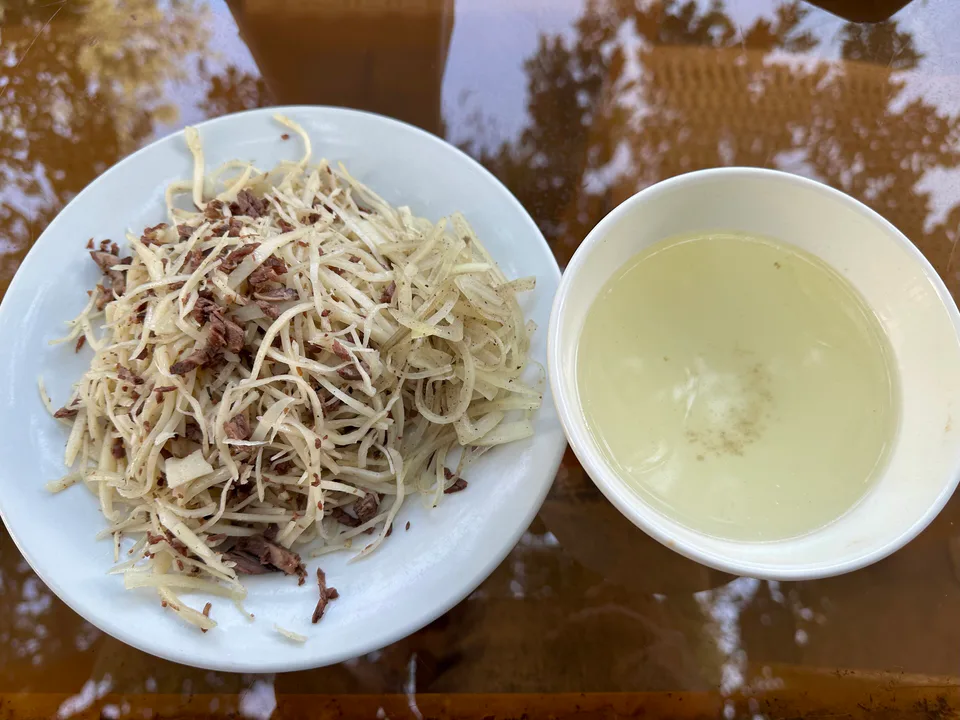
Dish · Tashkent (city), Tashkent Region
A Tashkent speciality of horse meat and thin noodles cut into fine shreds, served cold with kazy or in hot broth.
Tradition · Fergana, Andijan +3
A battle of wits born in the Fergana Valley and Tashkent: two or more askiyachi duel in wordplay on a set theme.
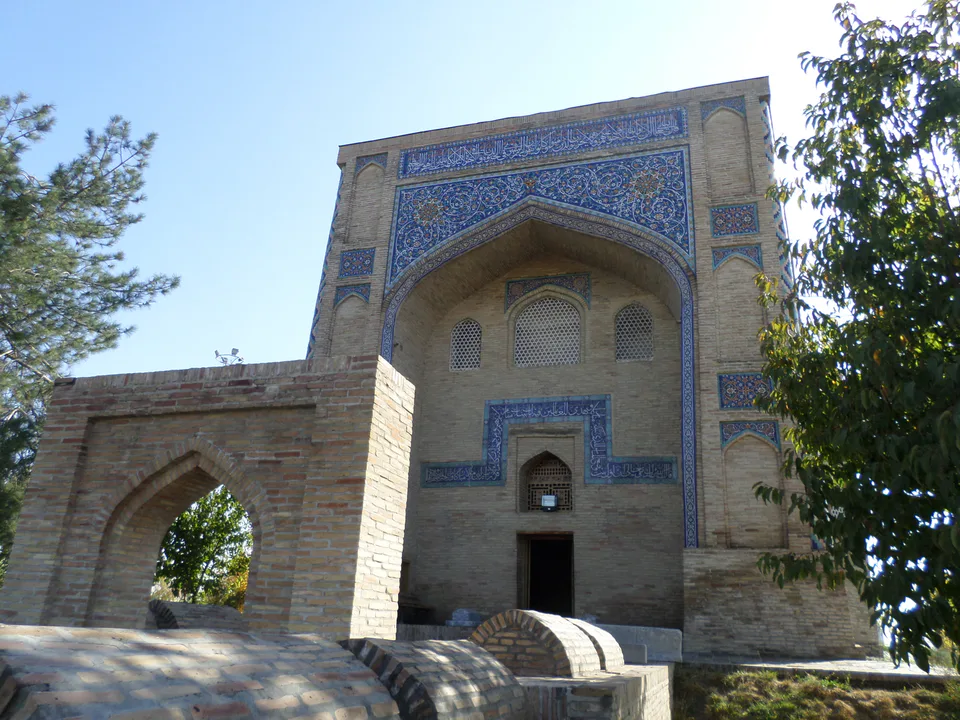
904–976
Jurist, hadith scholar, philologist, poet
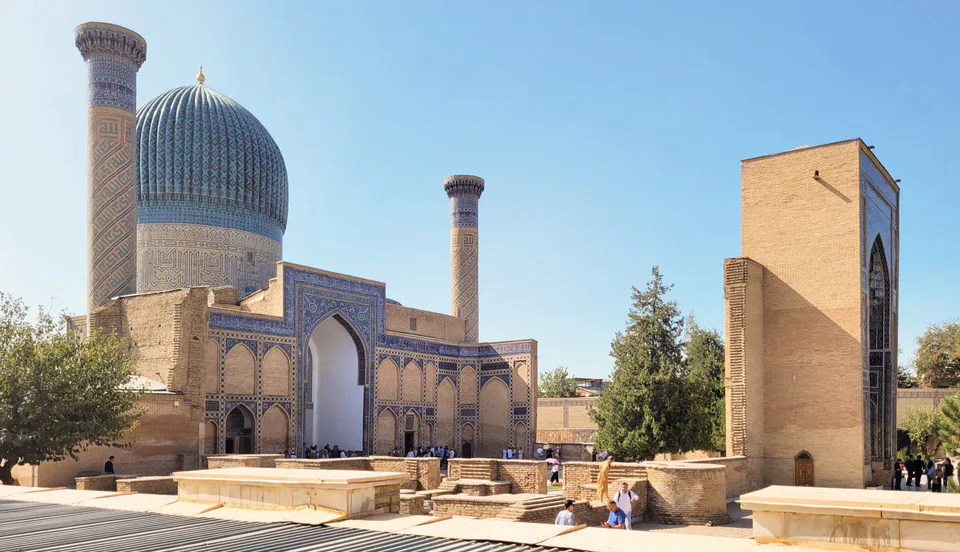
1336–1405
Ruler, conqueror, founder of the Timurid Empire
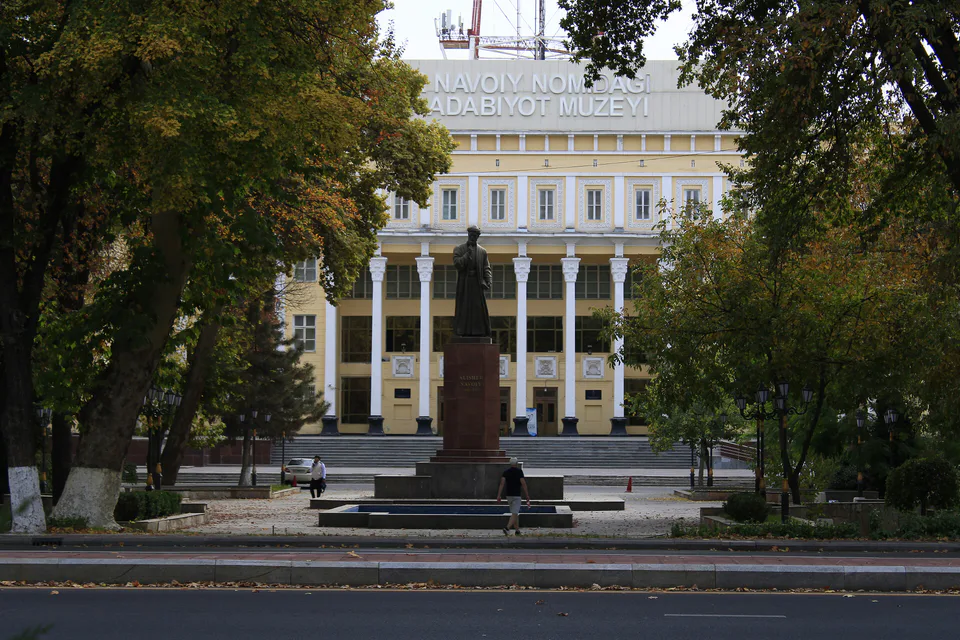
1441–1501
Poet, thinker, statesman, founder of Uzbek literature
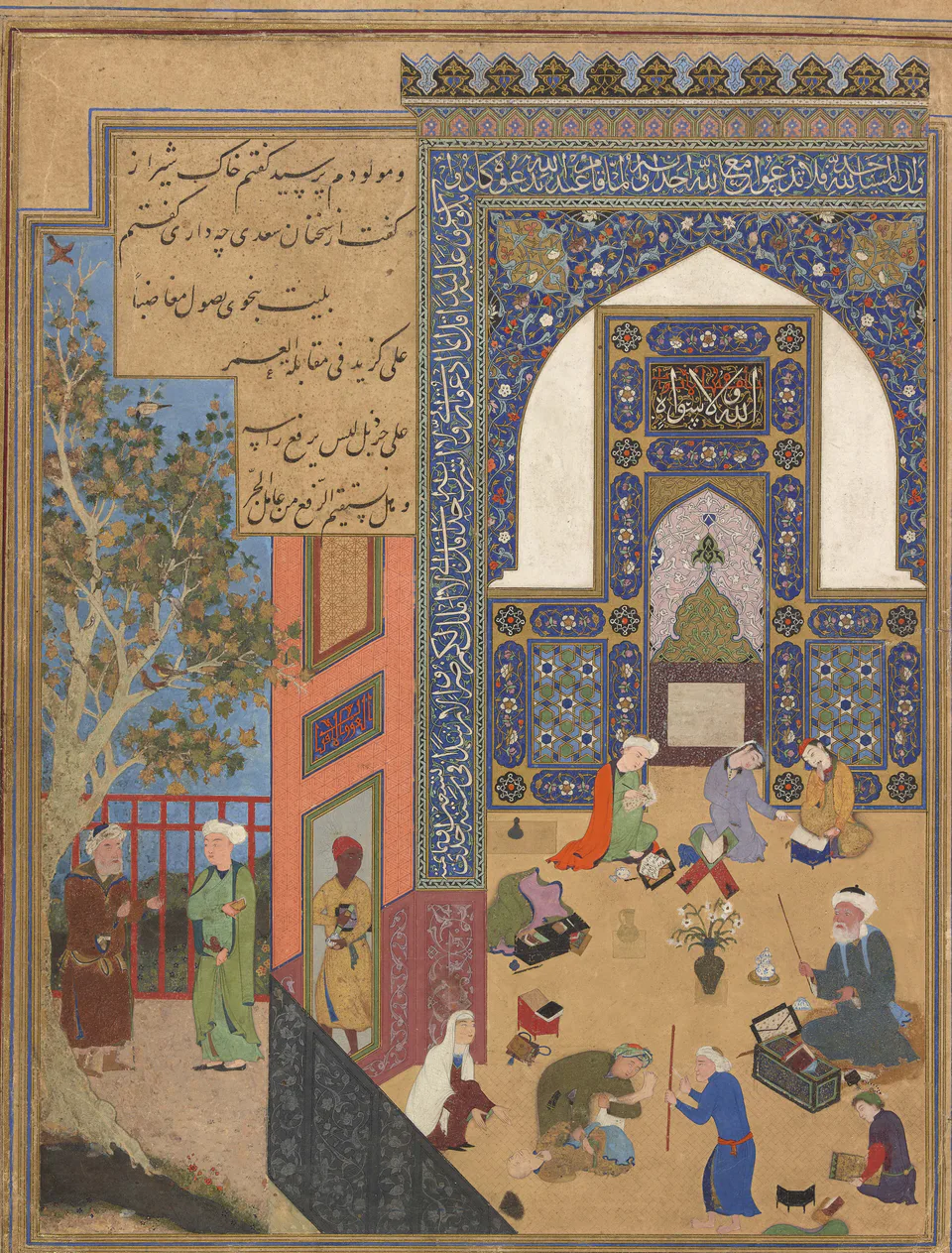
1455–1535
Miniature painter
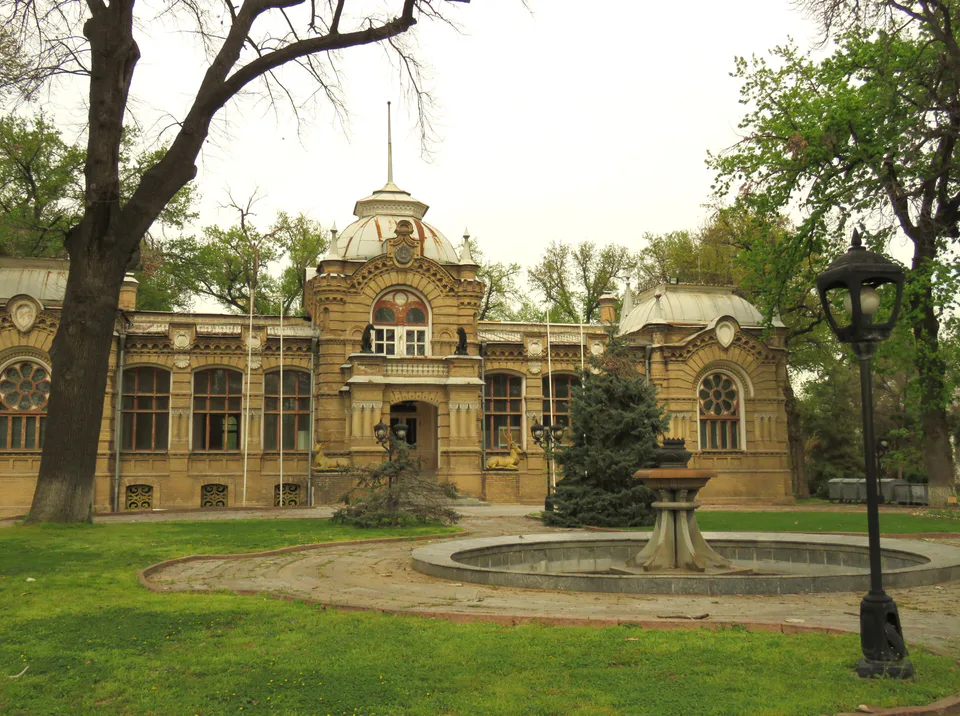
1850–1918
Member of the Romanov dynasty, irrigator, entrepreneur, collector
1859–1909
Poet, publicist, calligrapher
1878–1931
Jadid leader, educator, publisher
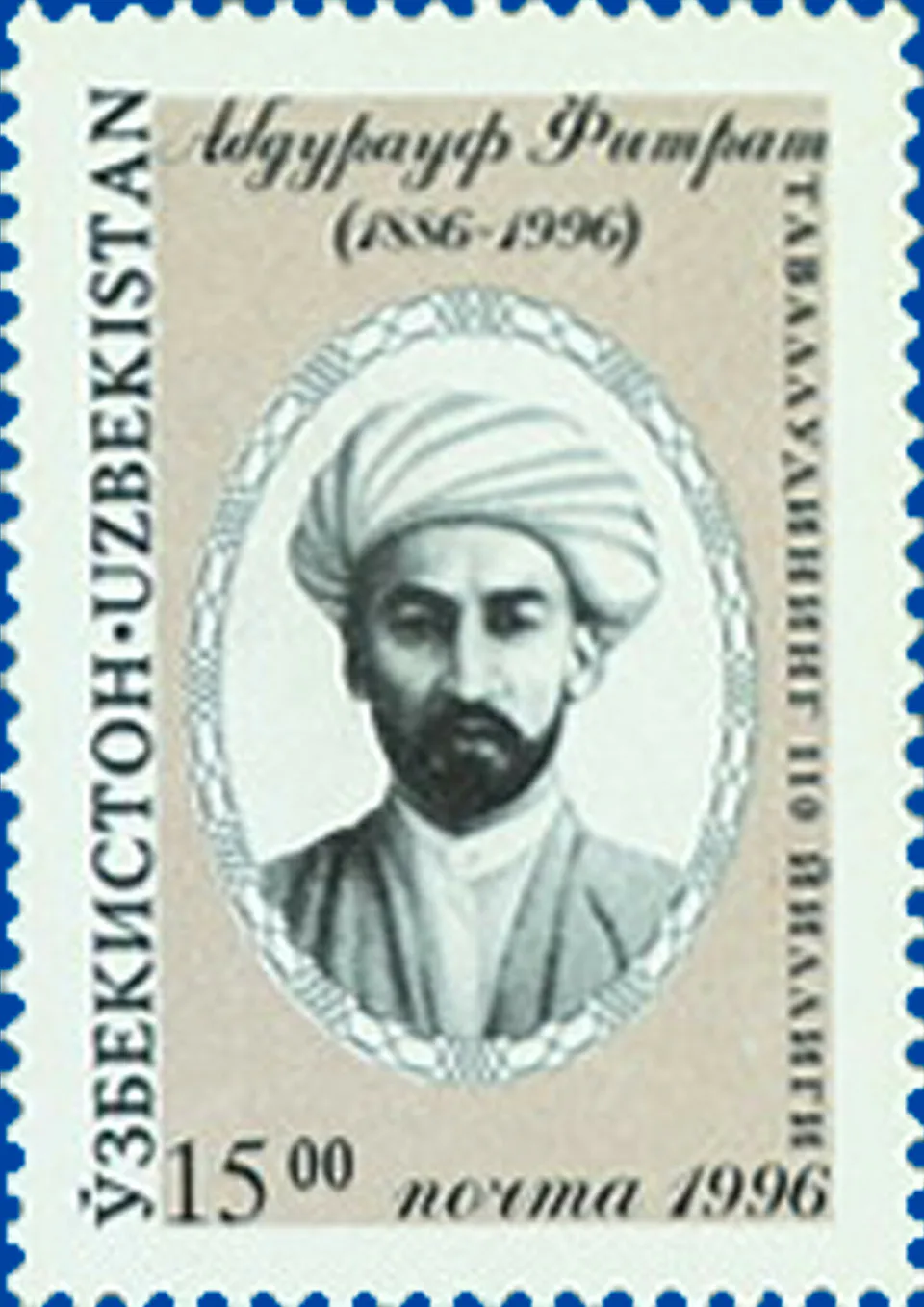
1886–1938
Writer, playwright, scholar, Jadid leader
1886–1957
Painter, founder of the “Turkestan avant-garde”
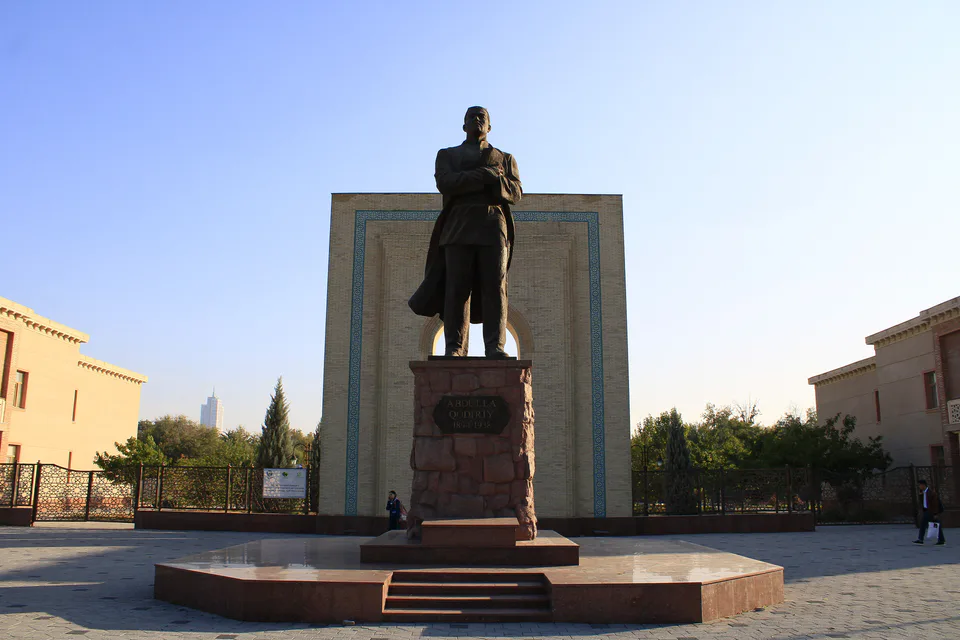
1894–1938
Writer, author of the first Uzbek novel
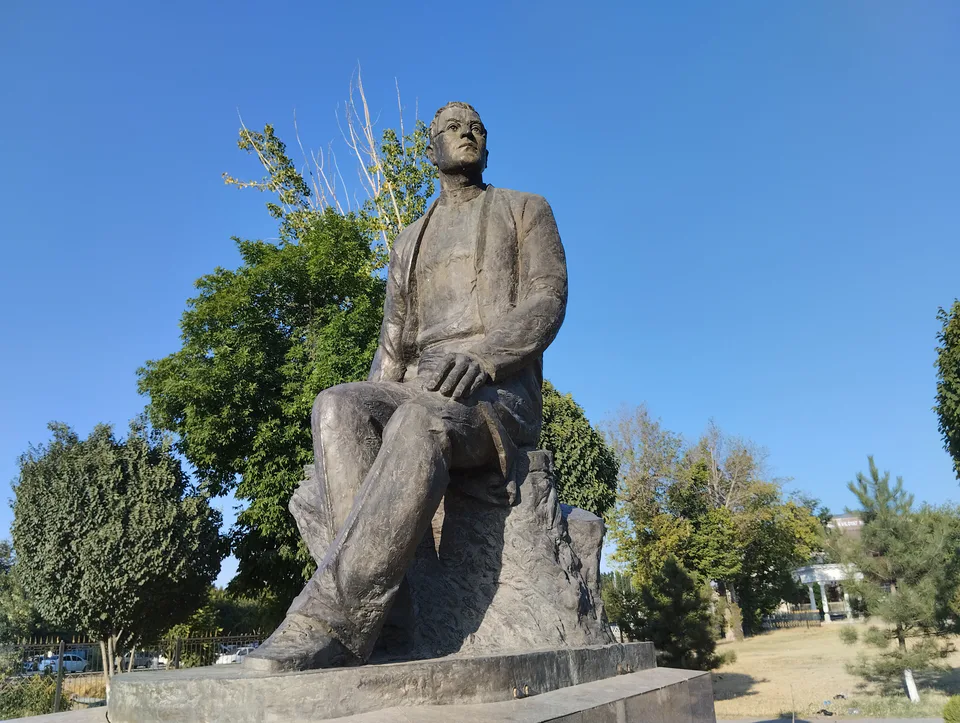
1897–1938
Poet, novelist, playwright, translator
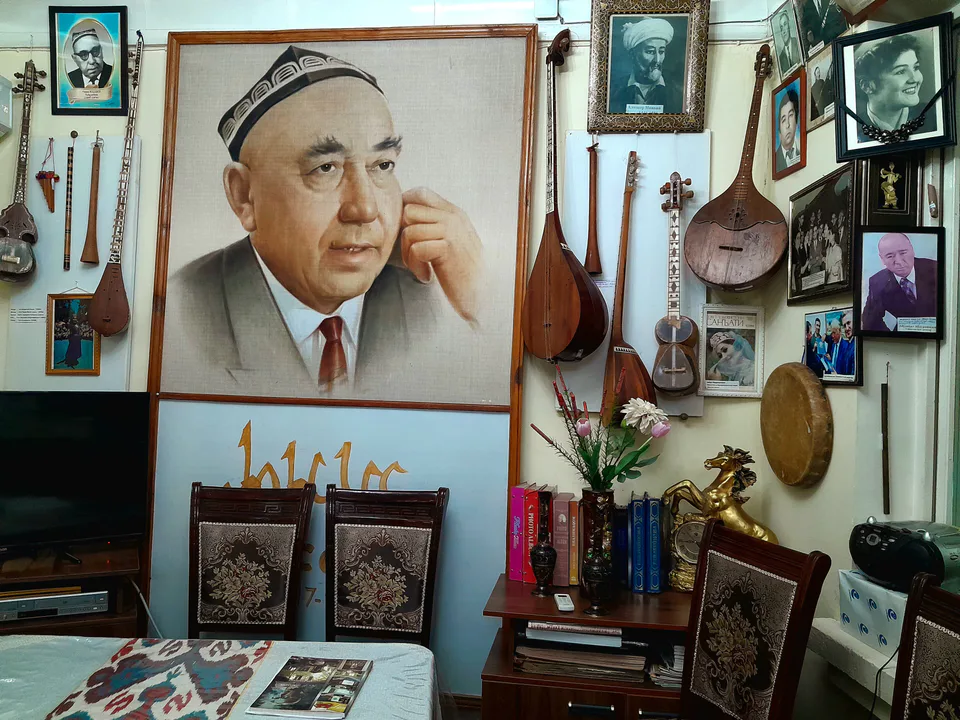
1897–1976
Composer, singer, musician, musicologist
8days
Classic
Tashkent (city)SamarkandBukharaKhorezm
14days
Grand tour
Tashkent (city)FerganaSamarkandKashkadaryaNavoiyBukharaKhorezmKarakalpakstan
2days
City break
Tashkent (city)
Tashkent
Khokimiyat, public service centre and other offices: addresses, phones, hours.
All offices (102)Khokimiyat
51 Islam Karimov St, Tashkent 100066
Mon–Fri 9:00–18:00, lunch 13:00–14:00
Read morePublic Service Centre
7G Bunyodkor Ave, Chilanzar District, Tashkent
Read moreHead office · Shaykhantahur District
2A Botir Zokirov Street, Shaykhantakhur district, Tashkent 100011
+998 71 203 88 88Tashkent city branch · Shaykhantahur District
9 A. Qodiriy Street, Shaykhantakhur district, Tashkent
Head office · Shaykhantahur District
2 Oʻqchi Street, Shaykhantakhur district, Tashkent 100011
+998 71 230 77 77Amaliyot regional comprehensive service centre · Shaykhantahur District
2 Oʻqchi Street, Shaykhantakhur district, Tashkent
+998 71 230 77 77IT Park regional comprehensive service centre · Mirzo Ulugbek District
4 Tepamasjid Street, Mirzo Ulugbek district, Tashkent
+998 71 244 27 44Head office · Shaykhantahur District
1 Yangi Toshkent Lane, Shaykhantakhur district, Tashkent 100027
+998 71 200 55 22Shaykhantakhur banking services centre · Shaykhantahur District
9 Furqat Street, Shaykhantakhur district, Tashkent
Yunusabad banking services centre · Yunusabad District
8 Block 2, Yunusabad district, Tashkent
Tashkent
Codes 100000–240100. The main code of each city and district:
All postcodes (127)Tashkent
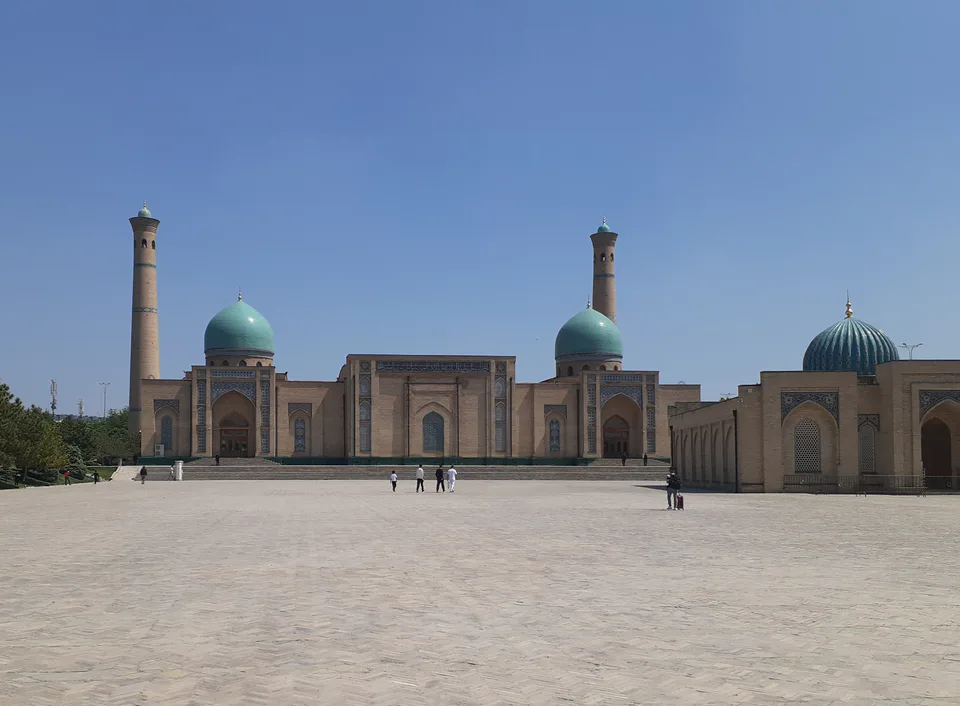
district · The most populous district, home of Hazrati Imam
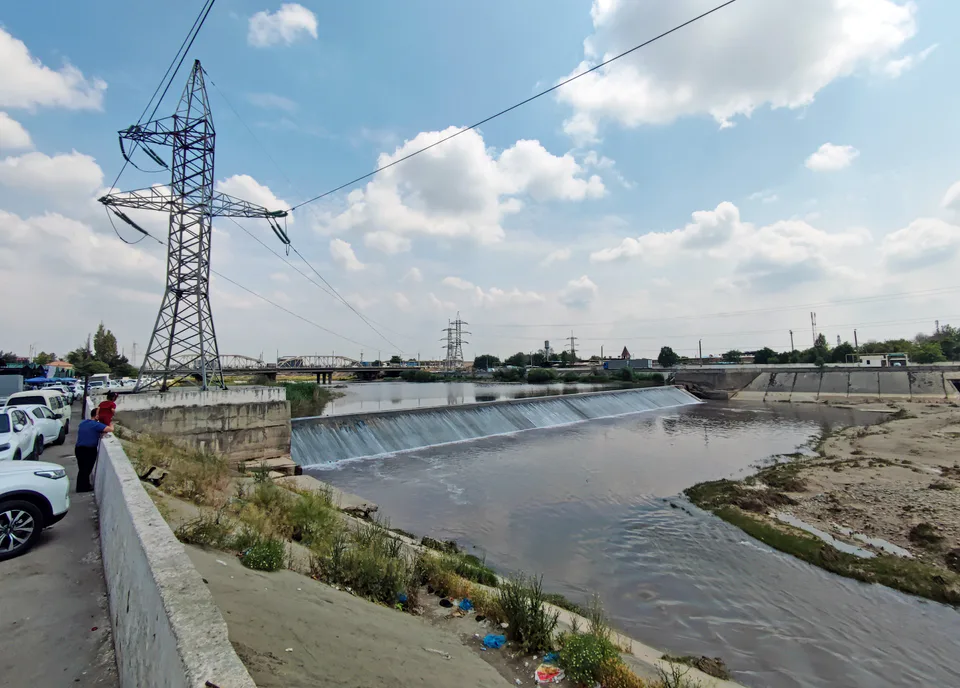
district · The least populous district, on the Chirchiq
district · The south-west, rebuilt after the earthquake
district · Station, opera house and ancient Ming Uryuk
district · The north-east of science and universities
district · The south that grew after the earthquake
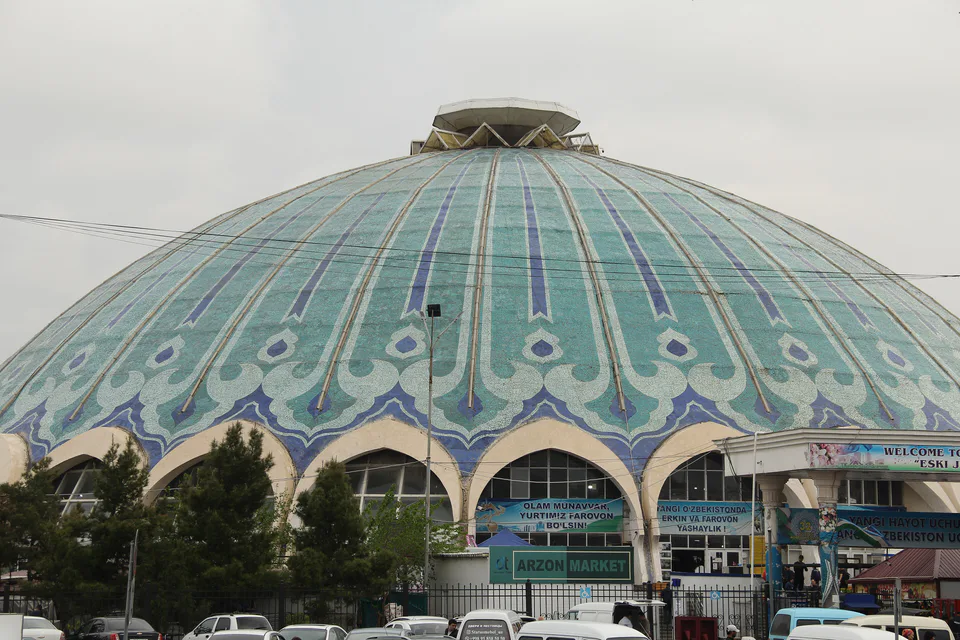
district · The historic core with Chorsu and Kukeldash
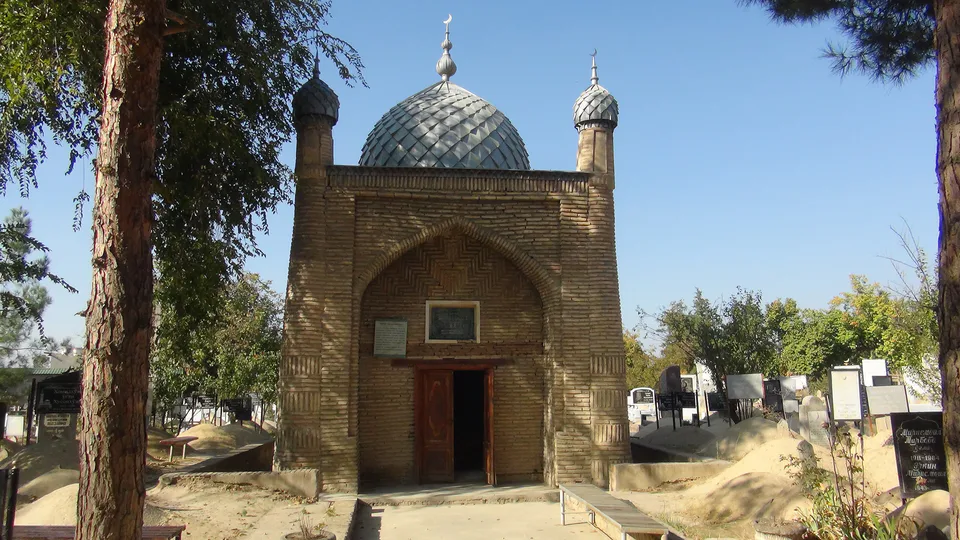
district · The western district of 'three hills'
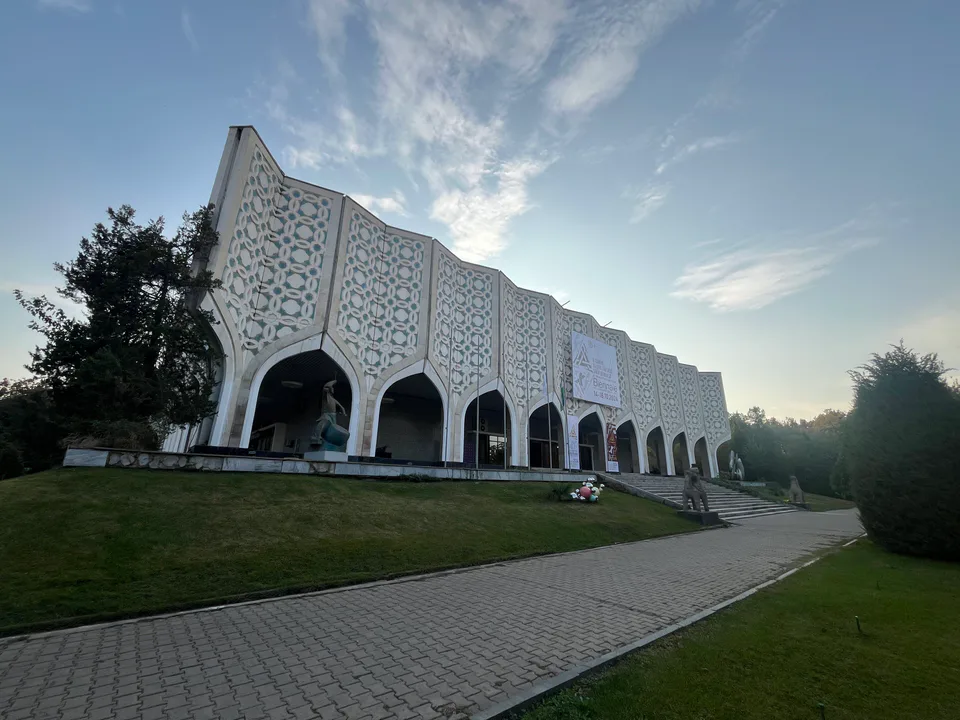
district · The smallest, with no border with the region
district · A 13th district and new administrative centre in the making
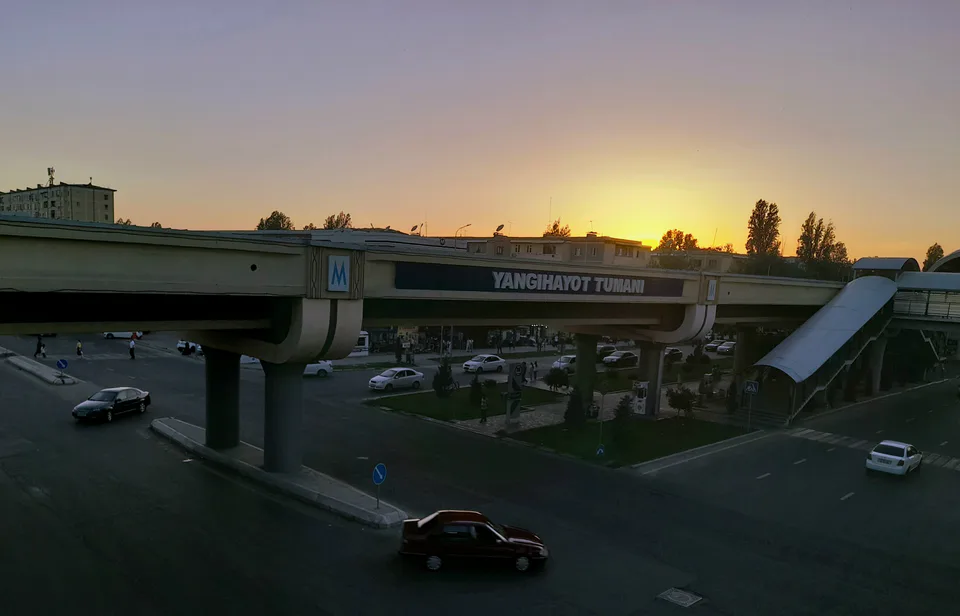
district · The youngest district, created in 2020
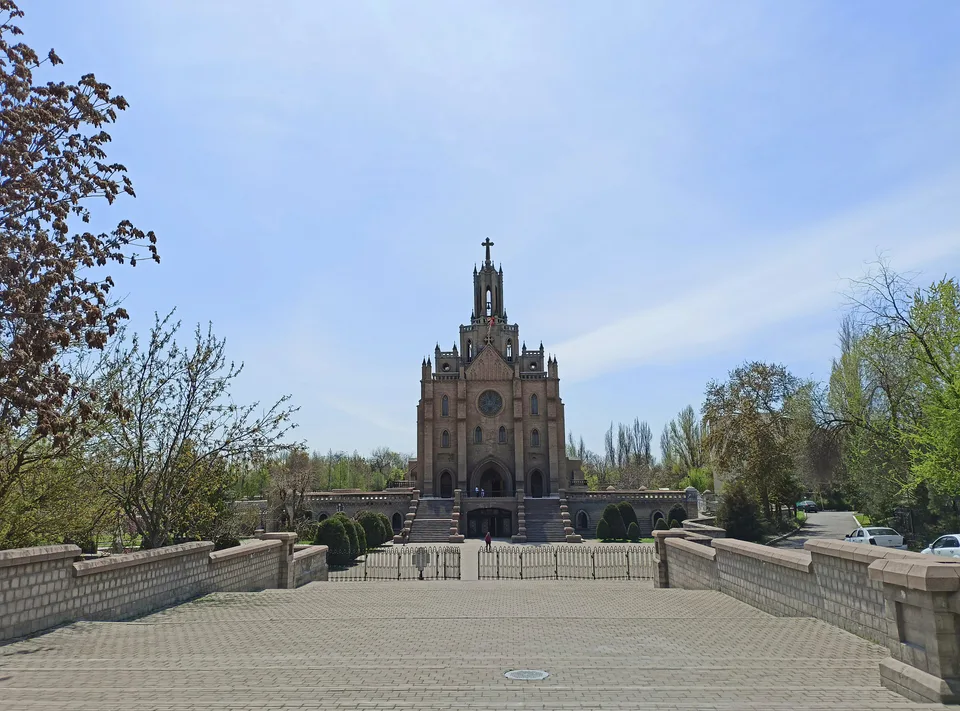
district · Churches and new parks
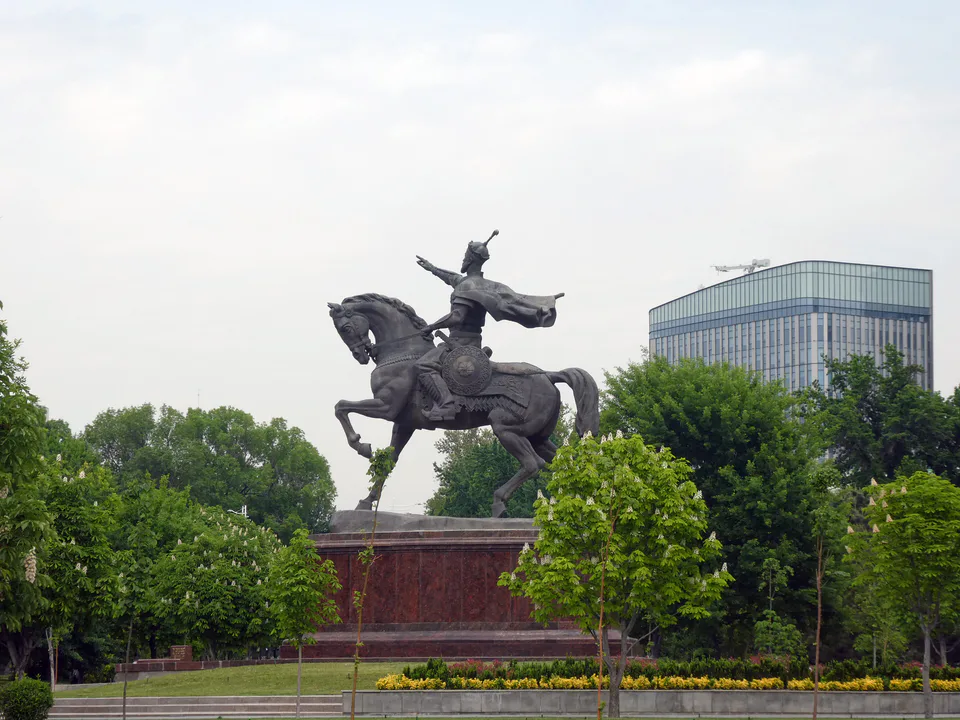
district · From Amir Timur Square to the ring road