Archaeology · Samarkand
Afrasiyab
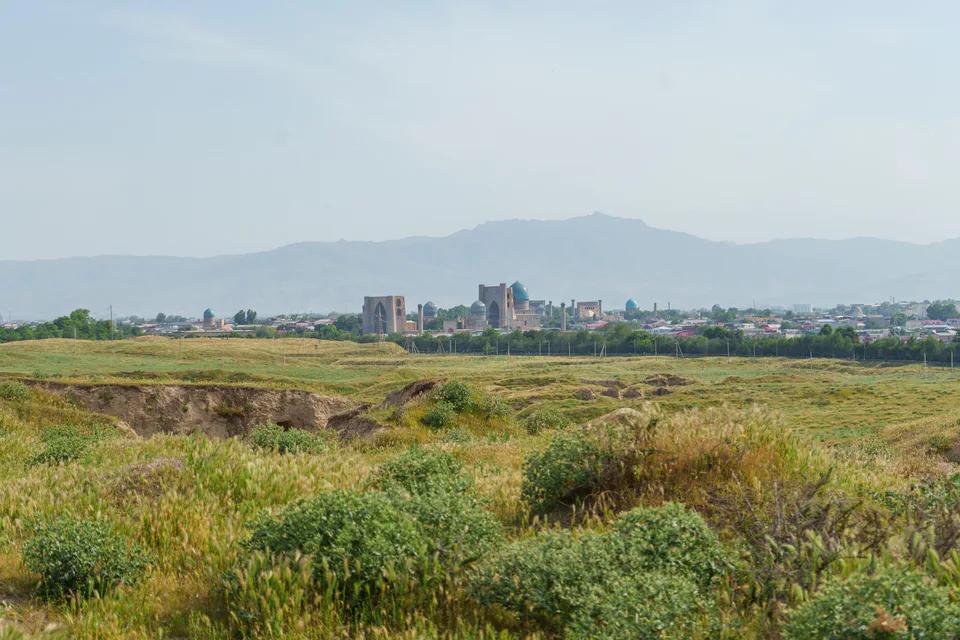
The ruins of pre-Mongol Samarkand
Timur’s capital and the Zarafshan oasis
The heart of the Zarafshan valley: the Registan and Shah-i-Zinda, the Imam al-Bukhari memorial, Urgut’s bazaar and the Amankutan valley. Uzbekistan’s most populous region, home to 4.38 million people.
Samarkand Region lies at the centre of Uzbekistan on the middle Zarafshan, bordering Tajikistan and the Qashqadaryo, Jizzakh and Navoiy regions. Its 16,770 km² are just 3.7 per cent of the country, yet no region has more people: 4,379,800 on 1 January 2026, nearly two-thirds of them in villages.
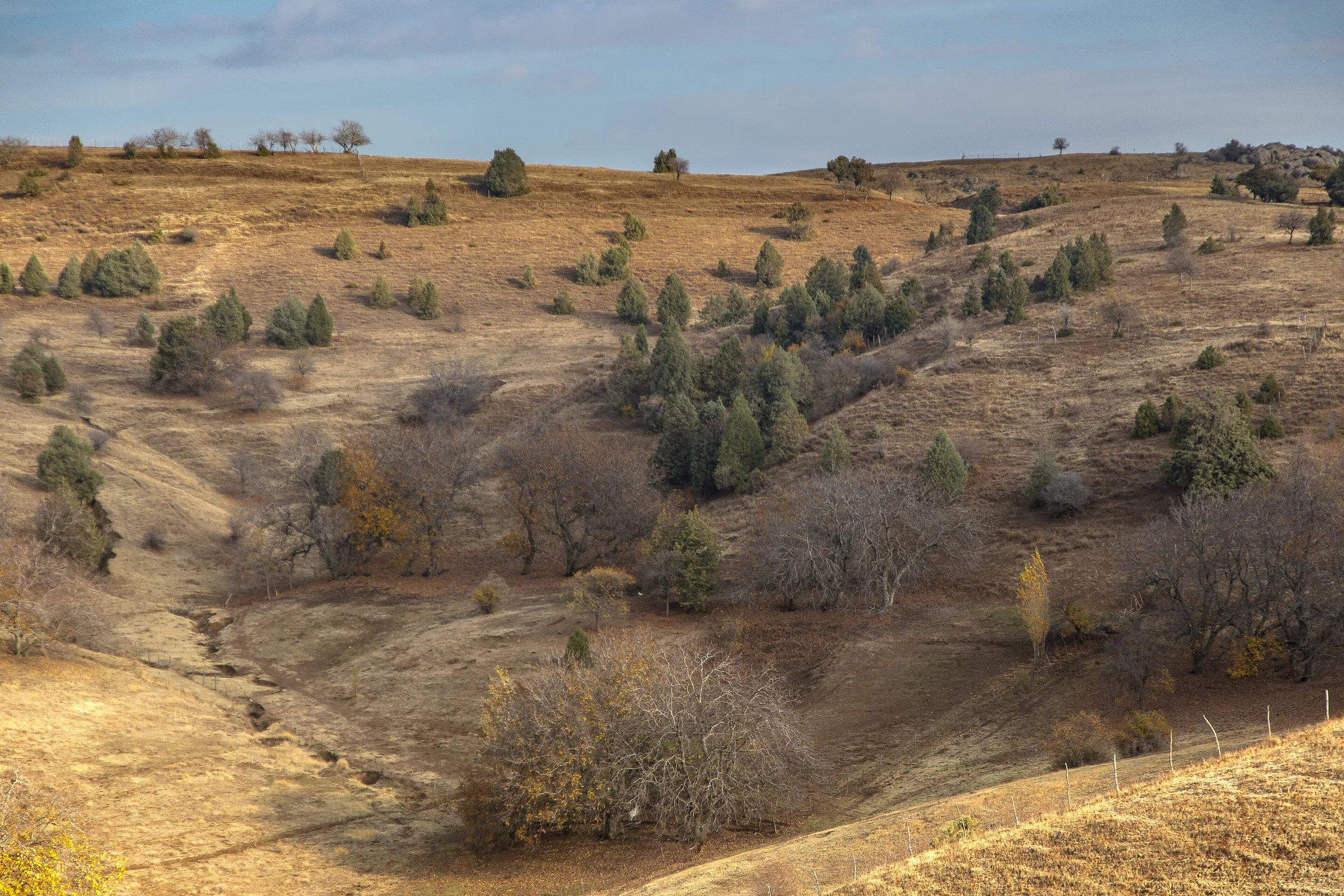
The Zarafshan, Persian for “scatterer of gold”, feeds the Dargom canal at the Ravatkhoja dam and splits near Samarkand into the Akdarya and Karadarya, enclosing the fertile “island” of Miankal. The Agalyk and Qoratepa mountains, western spurs of the Zarafshan Range, rise to the south, the Nuratau to the north.
The climate is dry and continental: Samarkand averages about +27 °C in July and +2 °C in January, with 300–400 mm of rain a year, mostly in late winter and spring. The foothills of Urgut, Amankutan and Agalyk are cooler.
Amankutan cave has yielded Mousterian tools of the Middle Palaeolithic, and the first towns rose in the Iron Age at Koktepe and Afrasiyab. Samarkand’s age is still debated: its 2,750th anniversary was marked in 2007 with UNESCO’s backing, but on 24 July 2025 the regional council of people’s deputies, citing an Uzbek–French reassessment of the Koktepe and Afrasiyab finds, set it at 3,000 years.
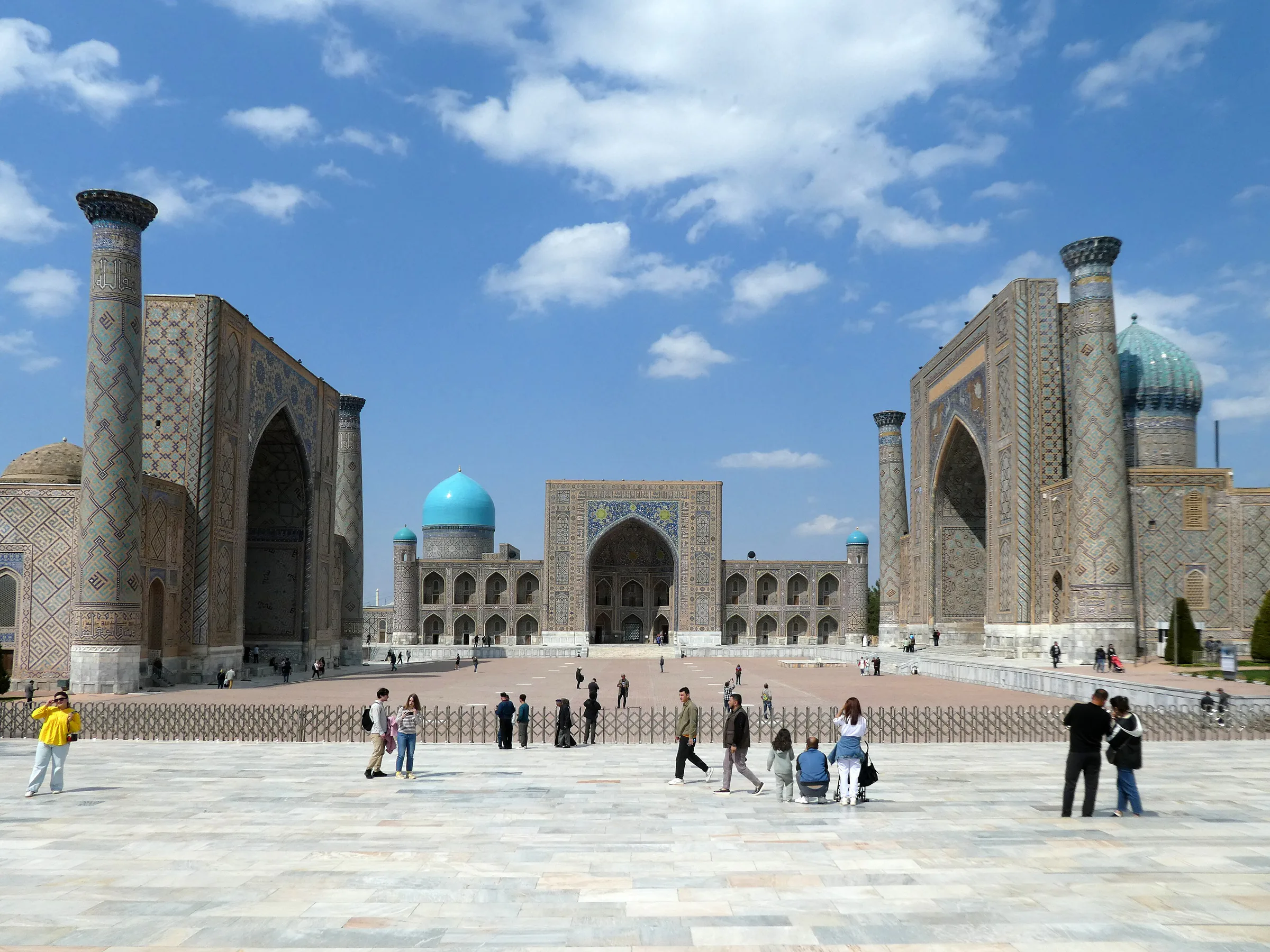
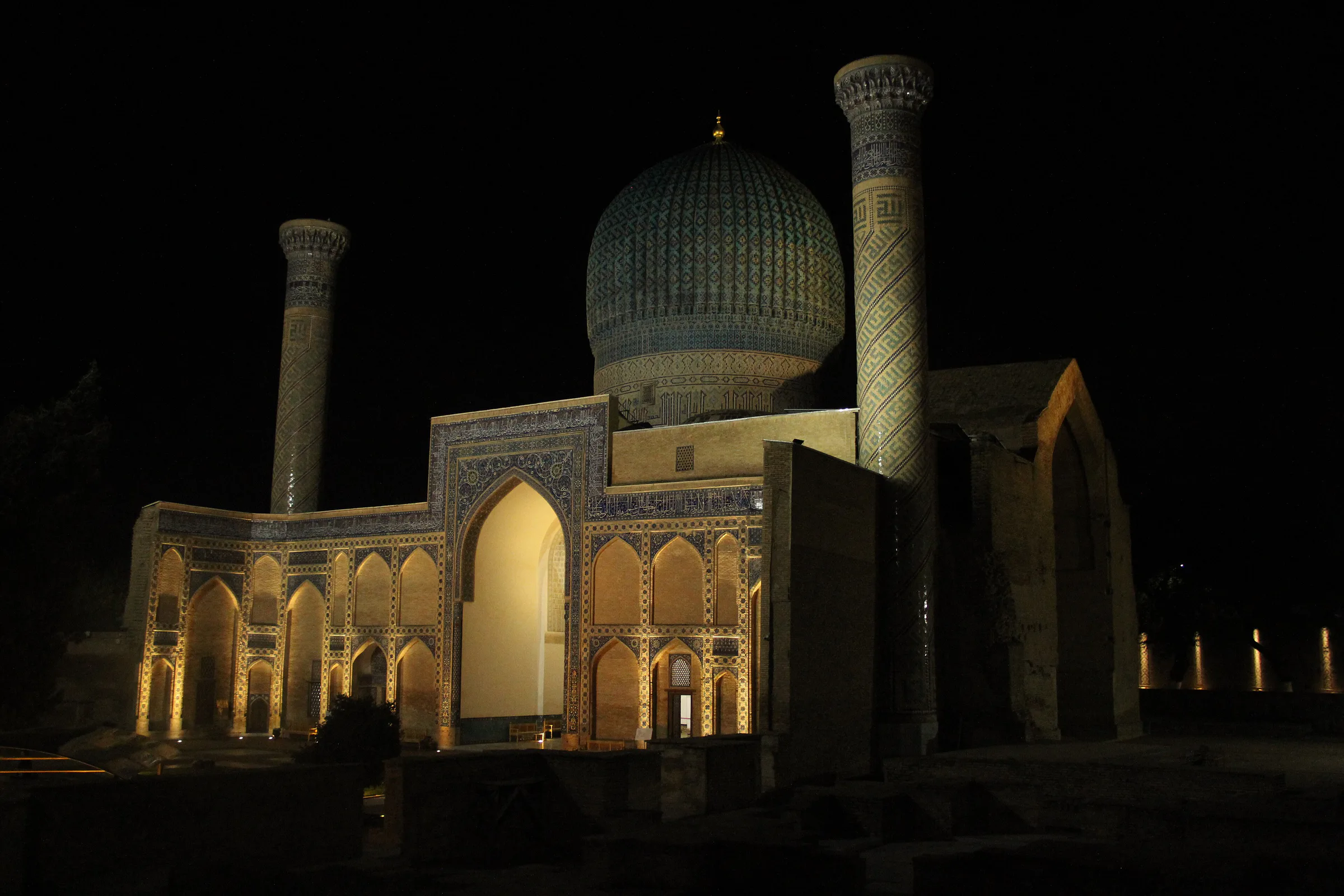
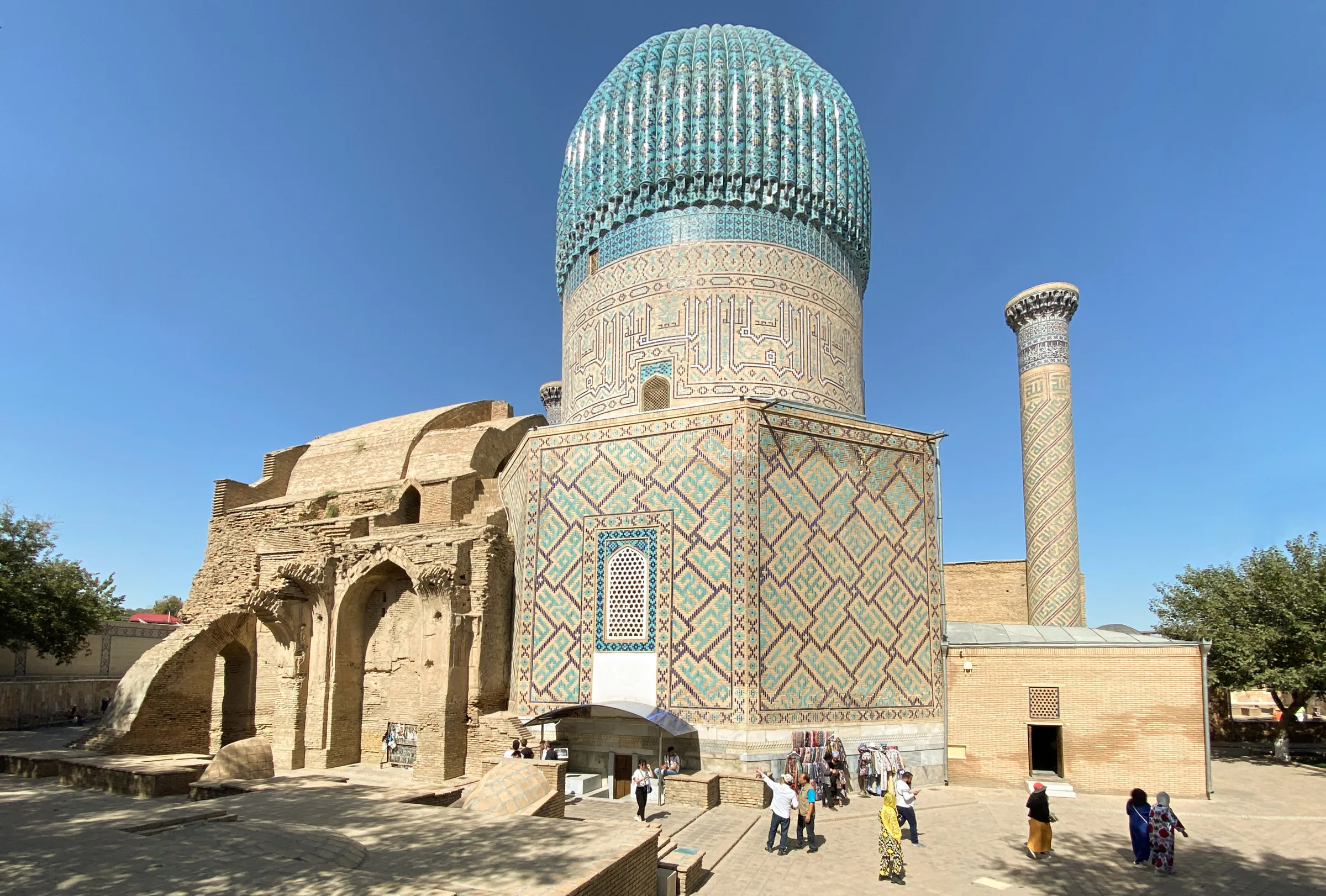
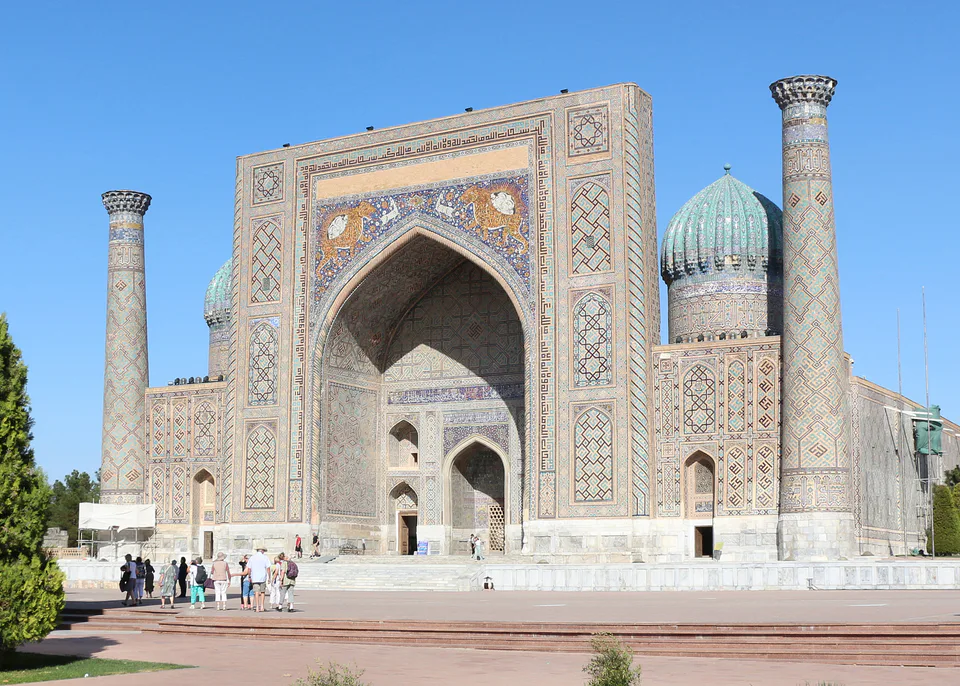
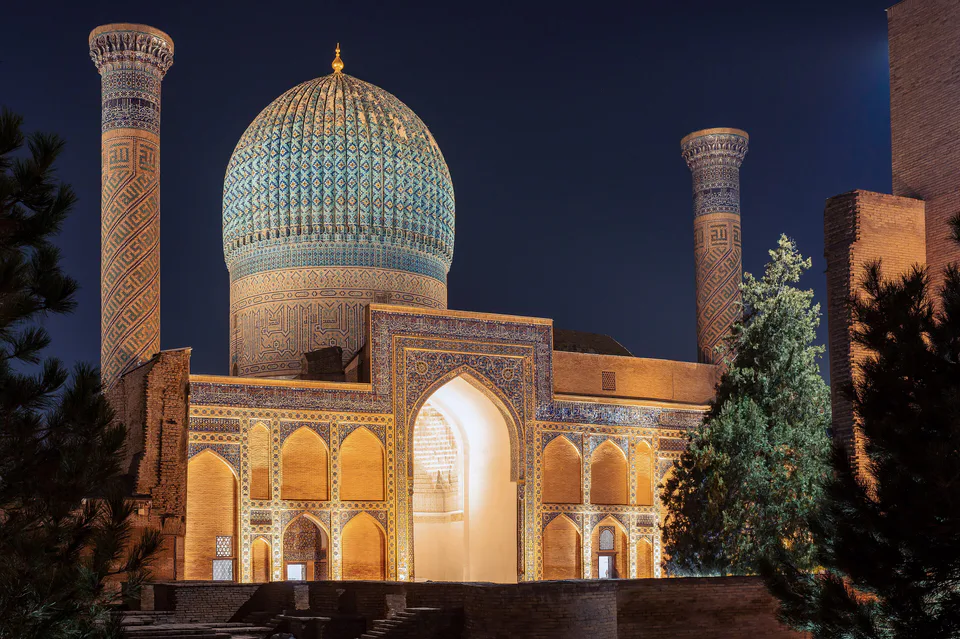
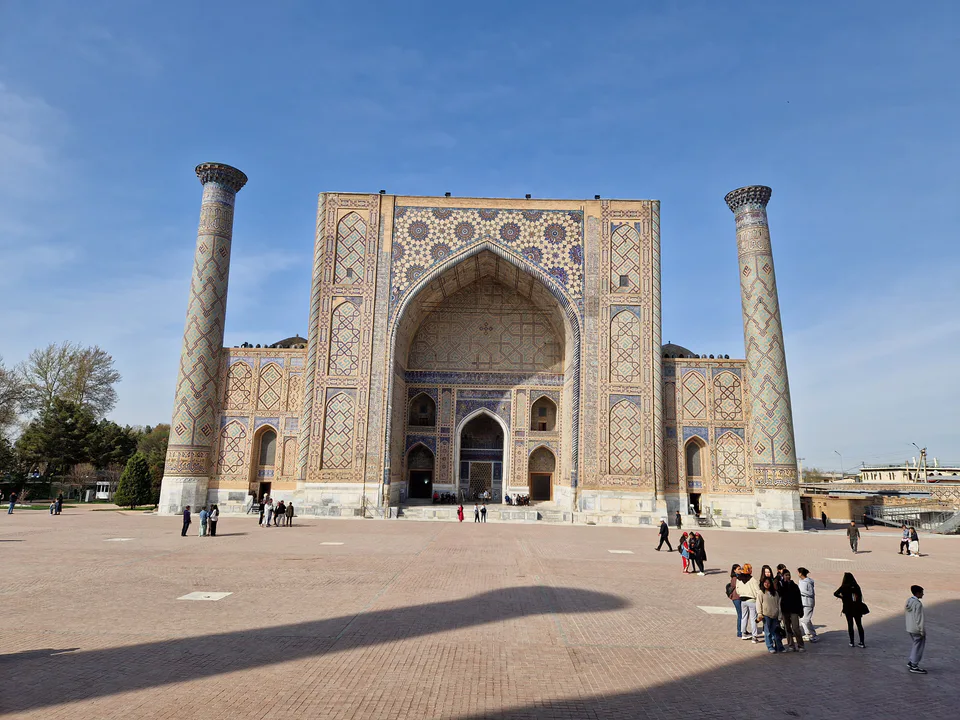
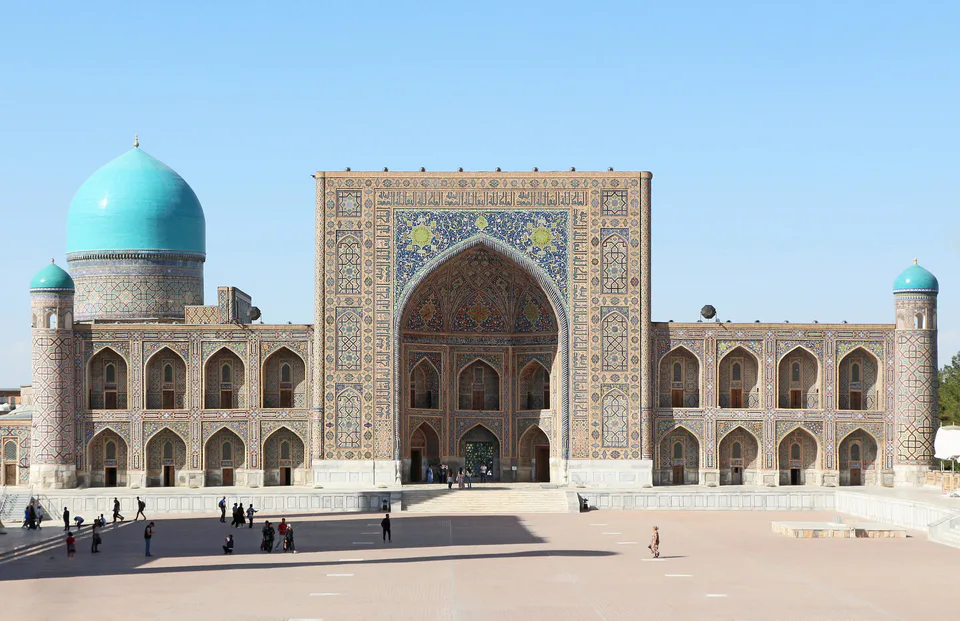
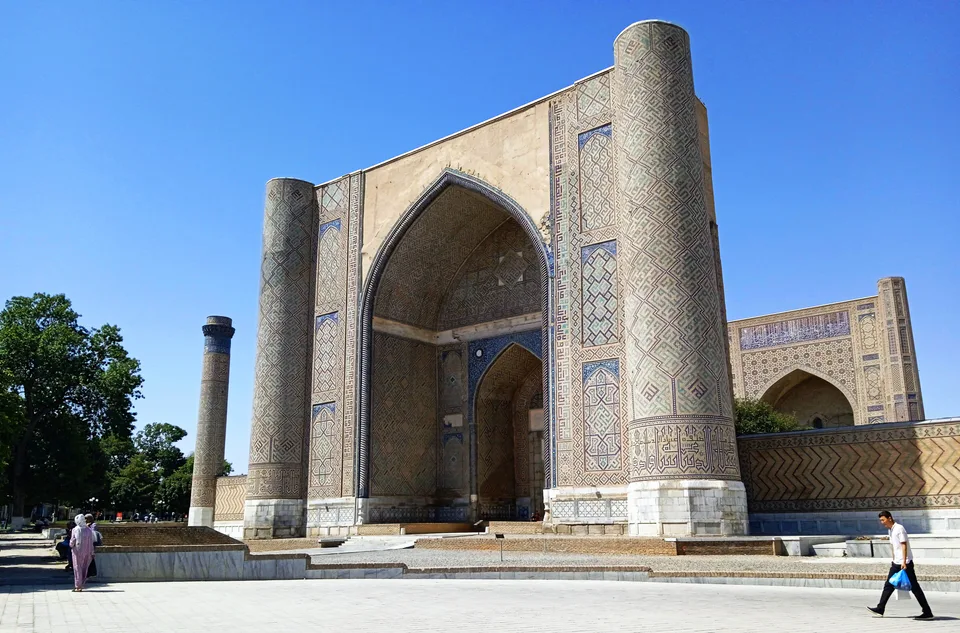
Alexander the Great took the Sogdian capital Maracanda in 329 BCE, and the Arabs came in 712; under the Samanids and Karakhanids Samarkand was among Transoxiana’s richest cities. Sacked by Genghis Khan in 1220, it became Timur’s capital in 1370: Gur-e-Amir, Bibi-Khanym and Ulugh Beg’s observatory belong to that era, and the Registan ensemble was completed in the 17th century.
From the 16th century the oasis was ruled from Bukhara until the Russian Empire took it in 1868; in 1925–1930 Samarkand was capital of the Uzbek SSR. The present region was created on 15 January 1938.
On 8 August 2026 the Senate abolished Samarkand District, giving 28,300 hectares to Toyloq District and 13,300 to the city. With land from neighbouring districts the city grew by 17,200 hectares, and its population should approach 880,000. The region now has 13 districts and two cities of regional status, Samarkand and Kattakurgan.
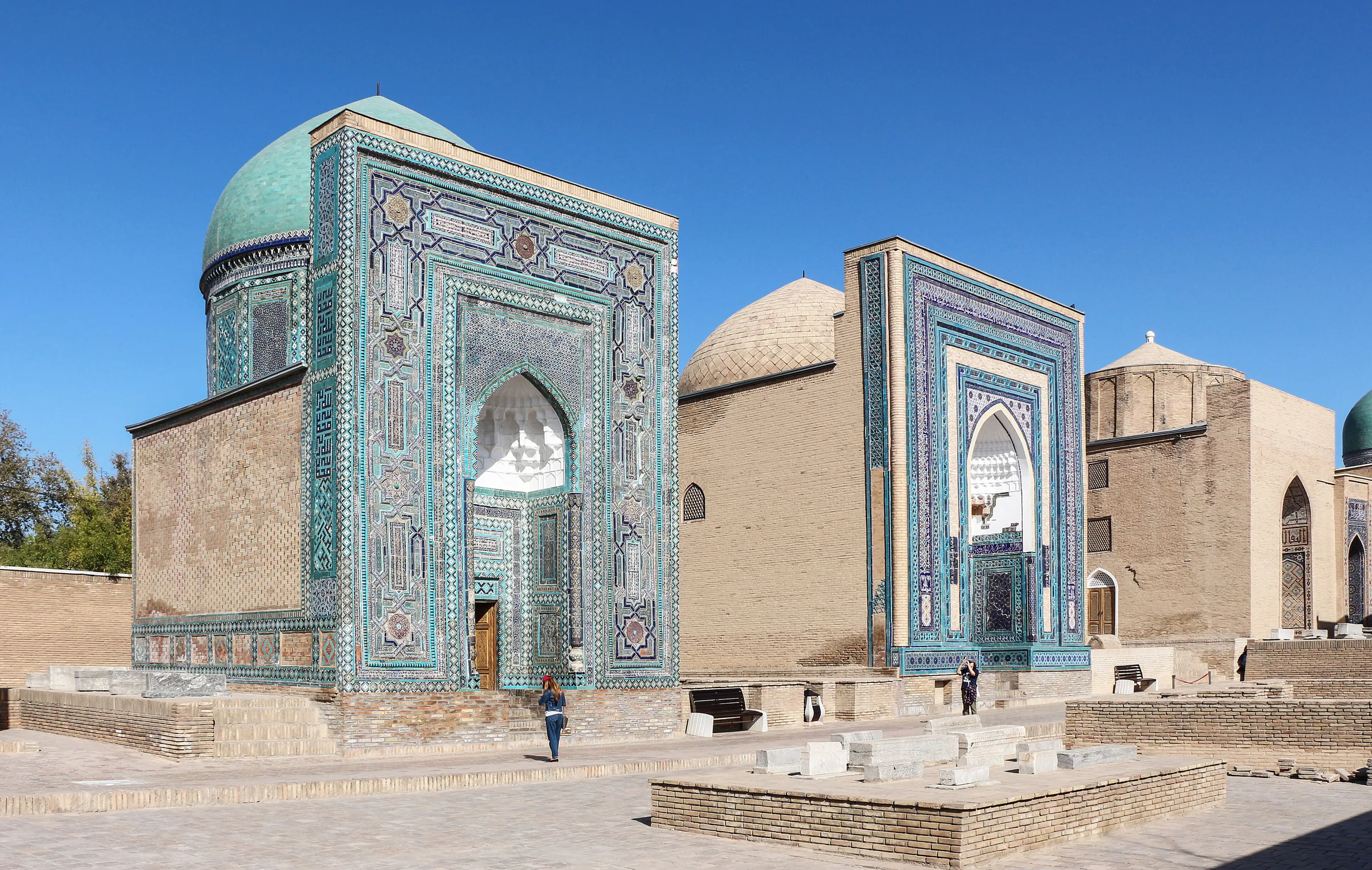
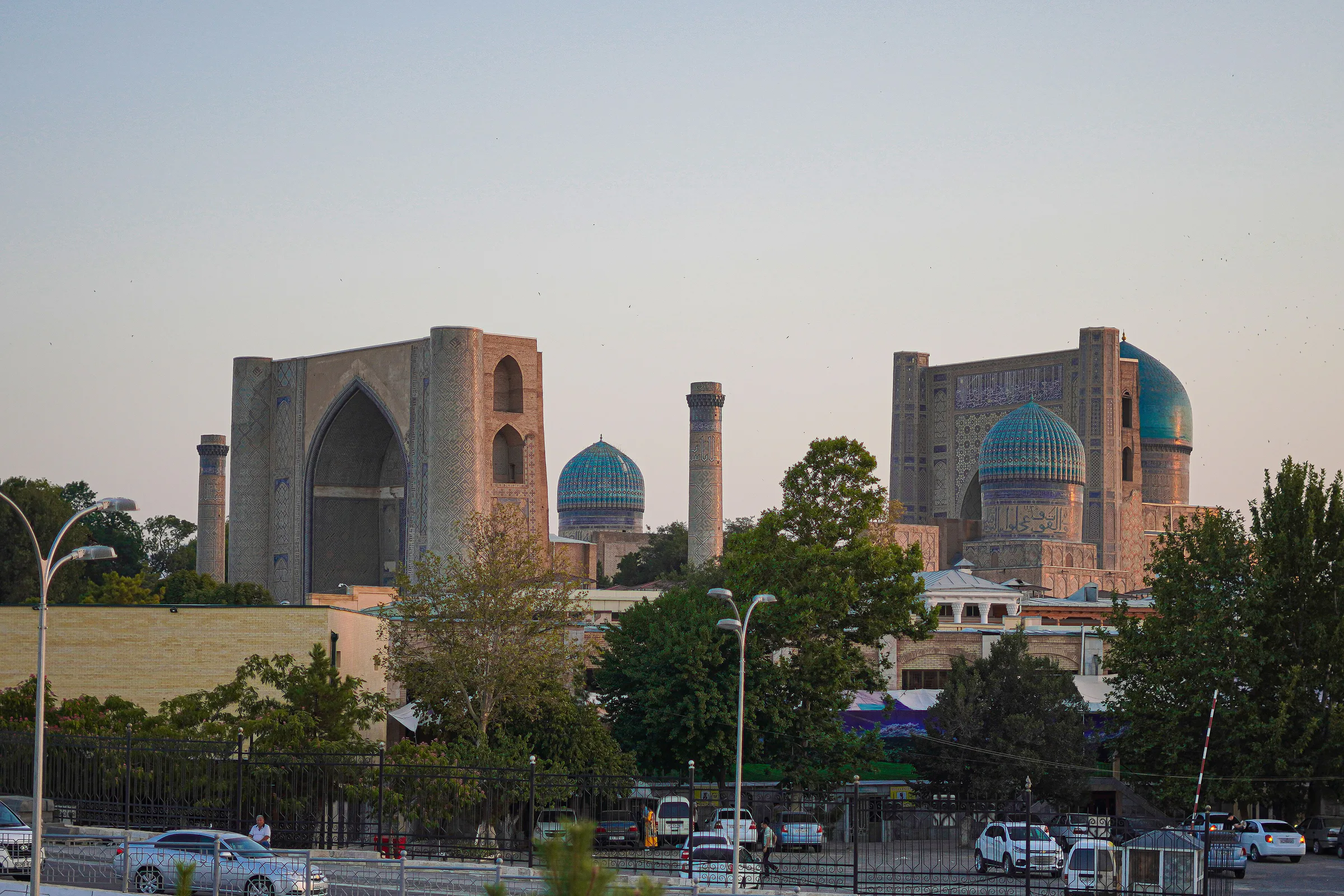
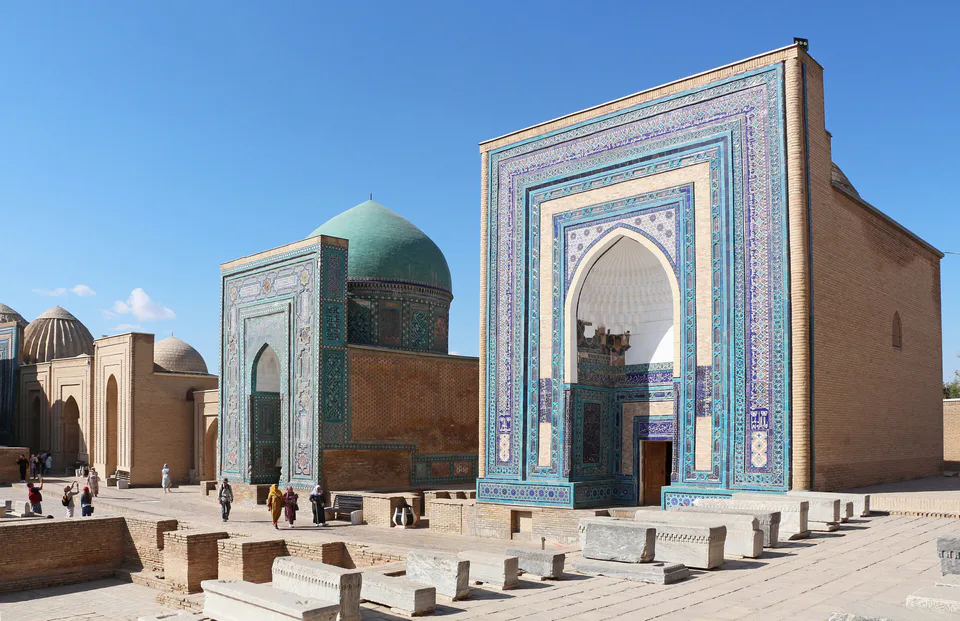
The main draw is the regional capital. UNESCO’s Samarkand – Crossroad of Cultures (2001) spans the historic city from the ruins of Afrasiyab to the Registan, Gur-e-Amir, Bibi-Khanym and Shah-i-Zinda, and the Afrasiyab Museum holds the 7th-century murals of the Hall of Ambassadors.
Twenty-five kilometres north, in Khartang village (Payariq District), stands the memorial complex of Imam al-Bukhari (810–870), compiler of the Sahih, recently enlarged with four 75-metre minarets and a mosque for 10,000 worshippers. Dahbed has the Makhdumi Azam complex, and Samarkand’s southern edge the Khoja Ahrar ensemble. In Nurobod District 1,303 steps climb to Hazrati Dovud Cave, and the Arab-Ata Mausoleum in Tim (977–978) bears the oldest dated pishtaq, or monumental portal, in Central Asia.
Urgut, the most populous district, is known for its weekend bazaar, suzani stalls and the Chor-Chinor garden of ancient plane trees. Further south, the Amankutan valley has a Stone Age cave, woods and a national nature park founded in 2022. Archaeology lovers can visit Koktepe, Kafir-Kala and Dabusiya; since 2023 the last two have belonged to the World Heritage site Silk Roads: Zarafshan-Karakum Corridor.
In the 9th and 10th centuries Samarkand paper was among the finest in the Islamic world. Legend credits Chinese prisoners from the Battle of Talas (751) with revealing the secret, though the Sogdians knew paper earlier. The Meros workshop in Konigil still makes it from mulberry bark, and a workshop on Hujum Street weaves silk carpets.
Suzani, Urgut’s embroidered skullcaps, pottery and carved ganch are living crafts, and in 2022 sericulture and silk weaving joined UNESCO’s intangible heritage list in a multinational nomination.
The signature dish is Samarkand plov, served in layers, its meat and carrots never stirred into the pale rice. The local bread — thin in the centre, thick-rimmed and glossy — travels well and is the classic gift. Tandoor samsa, kebabs, Navruz sumalak and Ramadan nisholda complete the table; autumn markets overflow with grapes, melons and pomegranates.
Samarkand International Airport (SKD), 6 km north of the centre, opened a new terminal in 2022 and has flights from Tashkent, Istanbul, Moscow, Dubai and beyond. The high-speed Afrosiyob train takes about 2 hours 10 minutes from Tashkent and an hour and a half from Bukhara.
The M39 leads to Tashkent and Termez, the M37 to Bukhara, and buses and shared taxis serve the districts; Urgut is about an hour away. The shortest road to Shahrisabz crosses the Takhtakaracha Pass, closed to buses and heavy lorries and sometimes blocked by winter snow. Penjikent in Tajikistan is reached via the Jartepa–Sarazm crossing, 40–45 km east of Samarkand.
Ibn Arabshah and other historians record that Timur named villages around Samarkand after Baghdad, Damascus, Misr (Cairo), Shiraz and Sultaniya so that his capital would outshine them; Bulungur’s Sheroz fortress is attributed to that era.
Kattakurgan Reservoir (1940–1951), the first built in Uzbekistan, is known locally as the “Uzbek Sea”.
The Zarafshan pheasant, found only in this valley, is the emblem of Zarafshan National Nature Park, which protects the riverside tugai woods.
Archaeology · Samarkand
The ruins of pre-Mongol Samarkand
Mosque · Samarkand
Timur's colossal Friday mosque
Mausoleum · Samarkand
Tomb of Timur and his dynasty
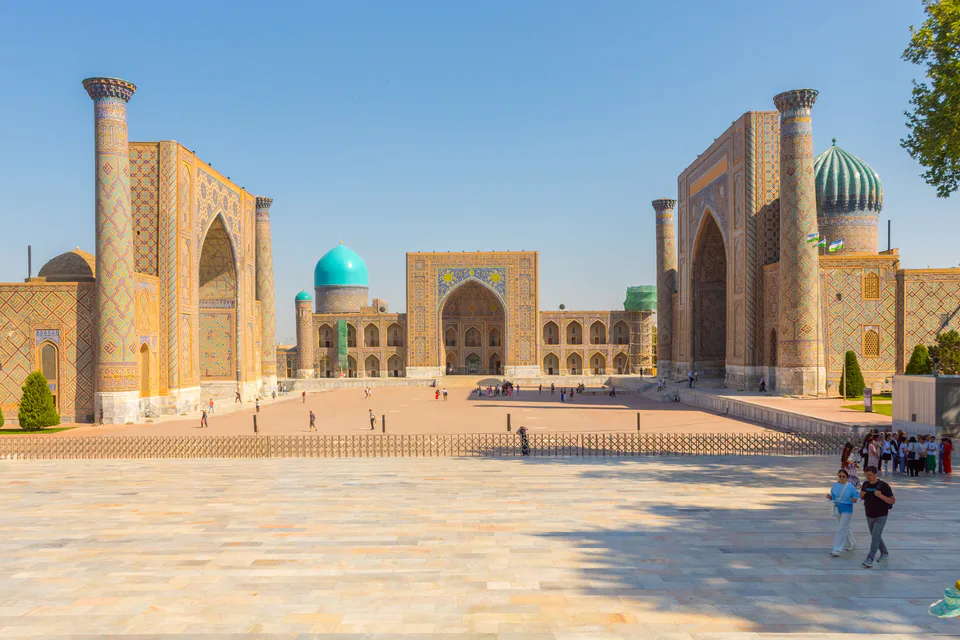
Ensemble · Samarkand
The great square of three madrasas
Madrasa · Samarkand
The portal of the sun-lions
Ensemble · Samarkand
The avenue of mausoleums
Madrasa · Samarkand
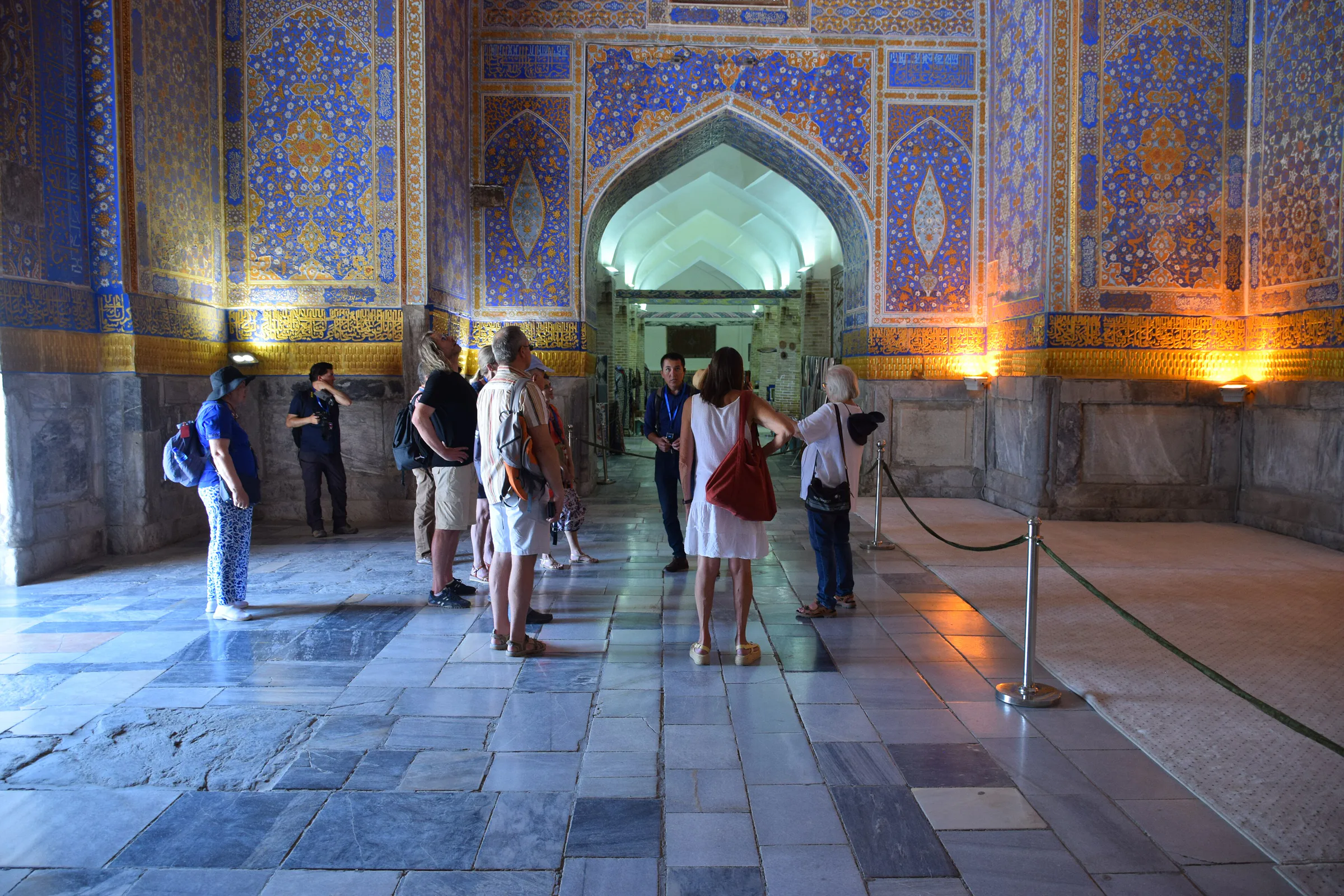
The gilded mosque-madrasa
Madrasa · Samarkand
The astronomer-king's university
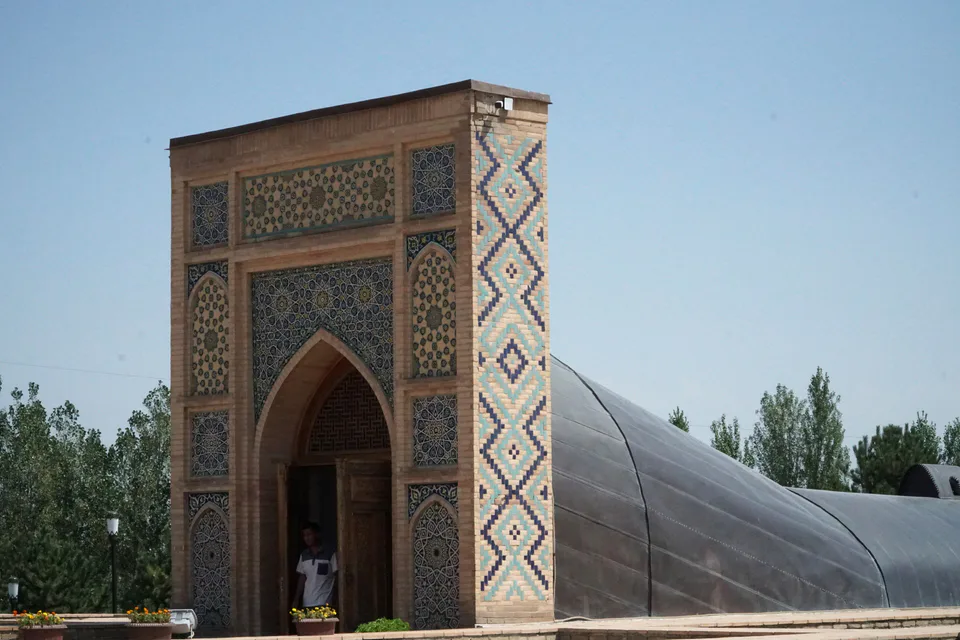
Museum · Samarkand
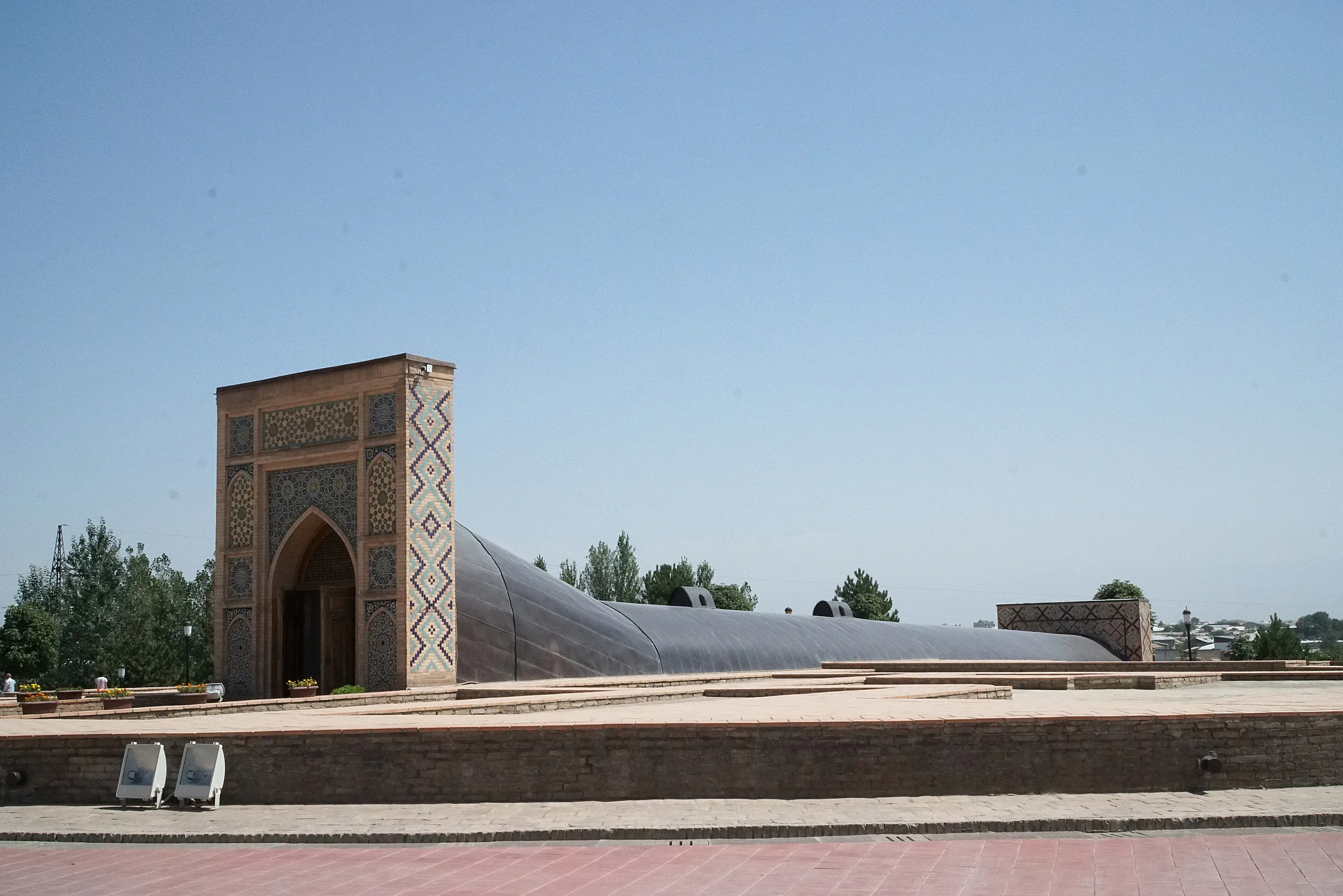
The greatest astronomical instrument of the Middle Ages
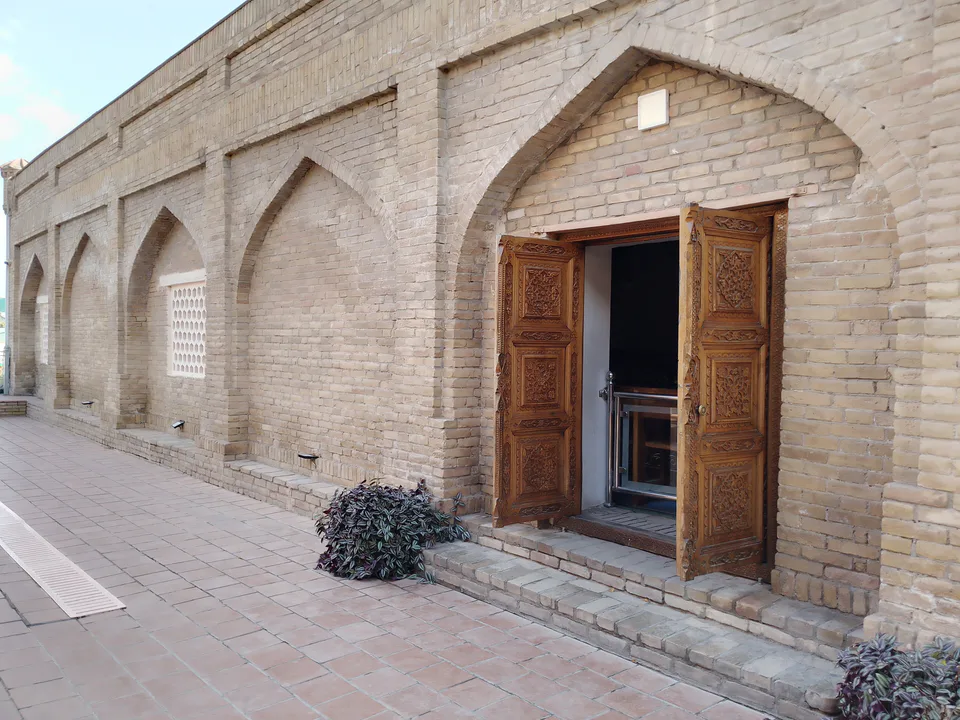
Pilgrimage site · Samarkand
A shrine revered by three faiths
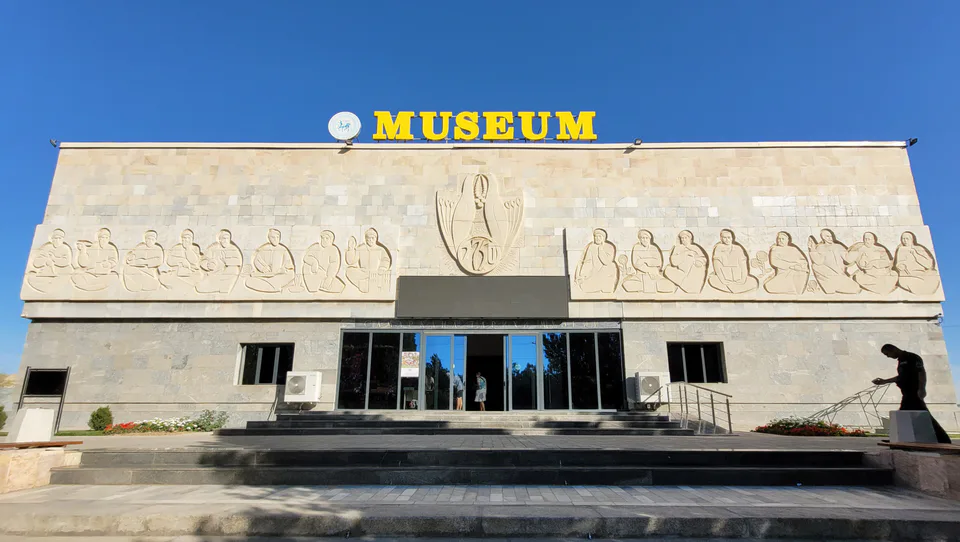
Museum · Samarkand
Home of the Hall of Ambassadors
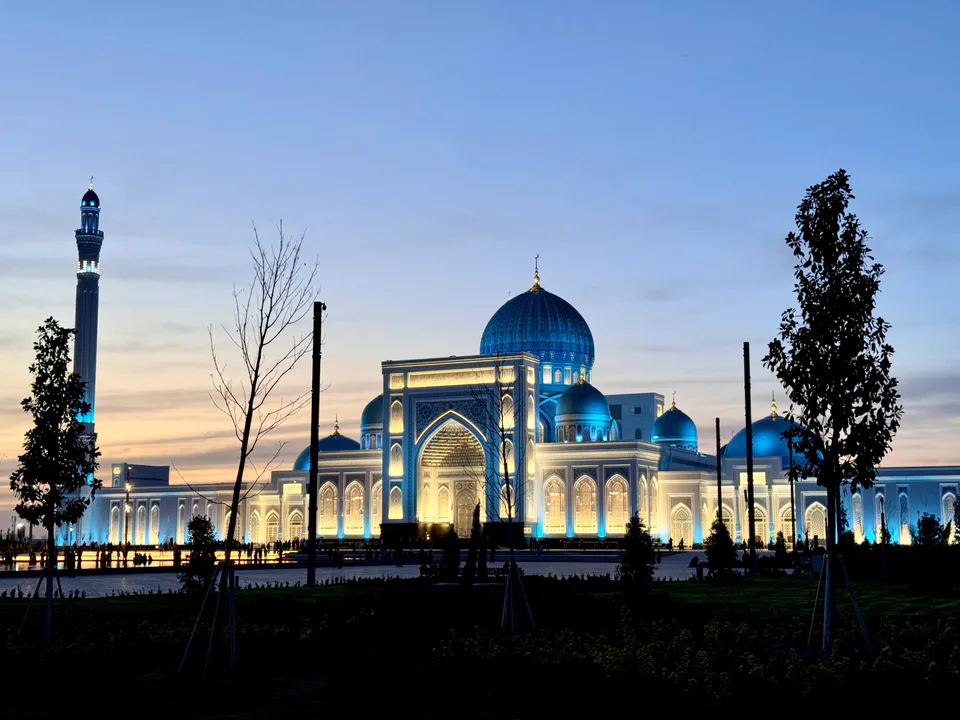
Pilgrimage site · Payariq District
Resting place of Islam's foremost hadith scholar
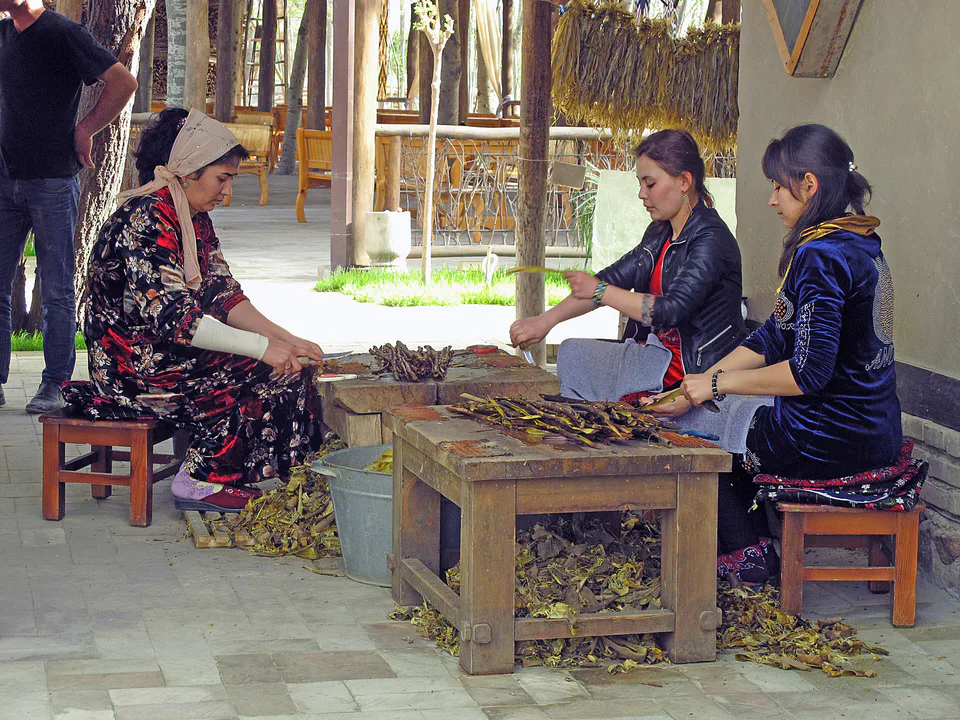
Culture & arts · Samarkand District
Samarkand paper, reborn
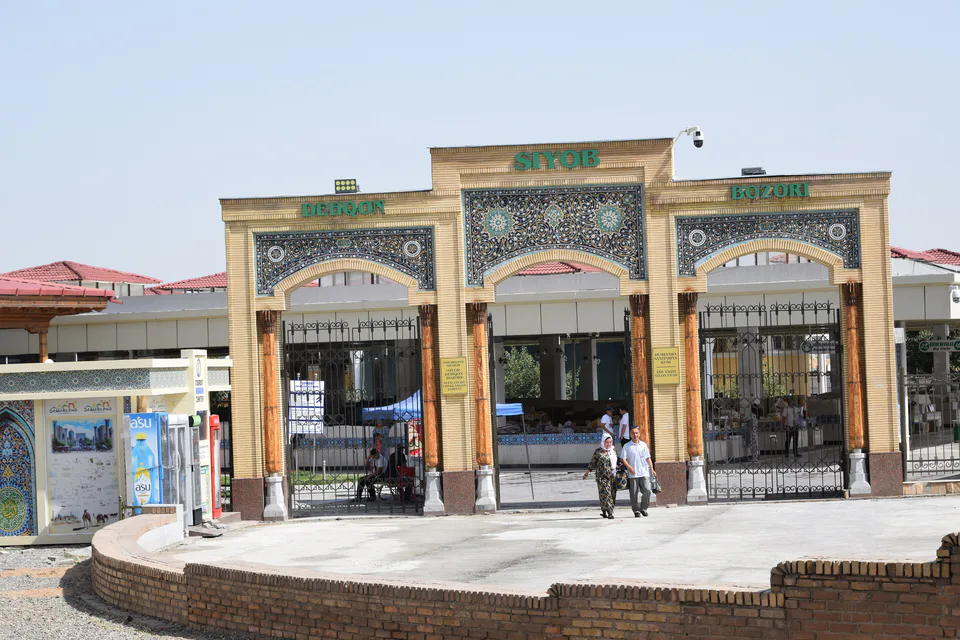
Bazaar · Samarkand
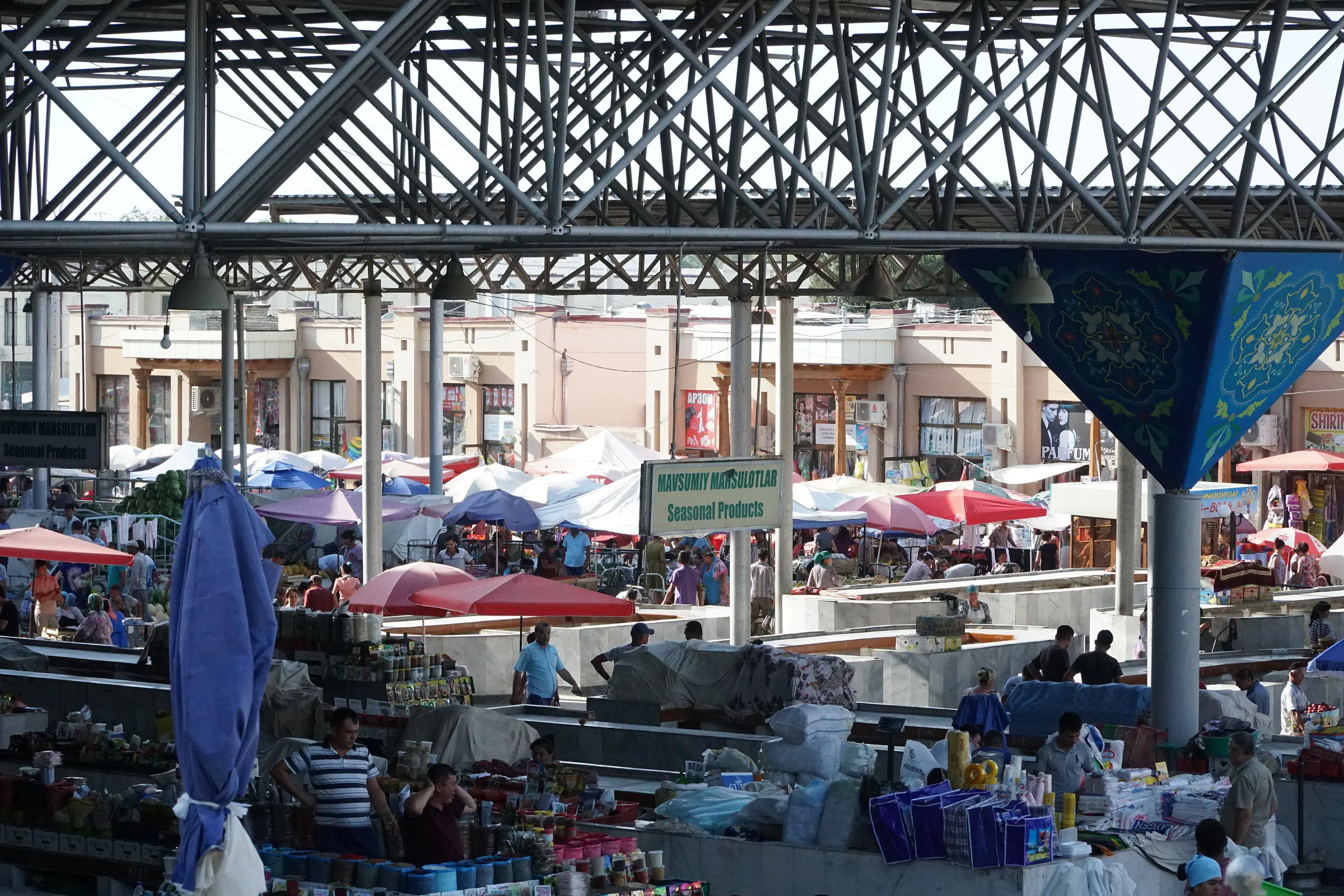
Samarkand's biggest and oldest market
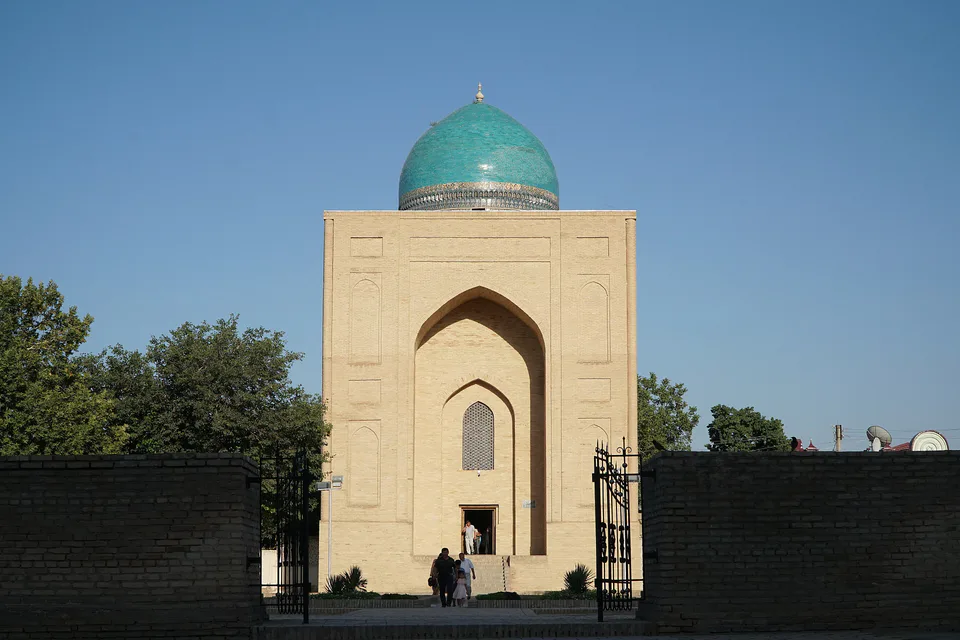
Mausoleum · Samarkand
Tomb of Timur's senior wife
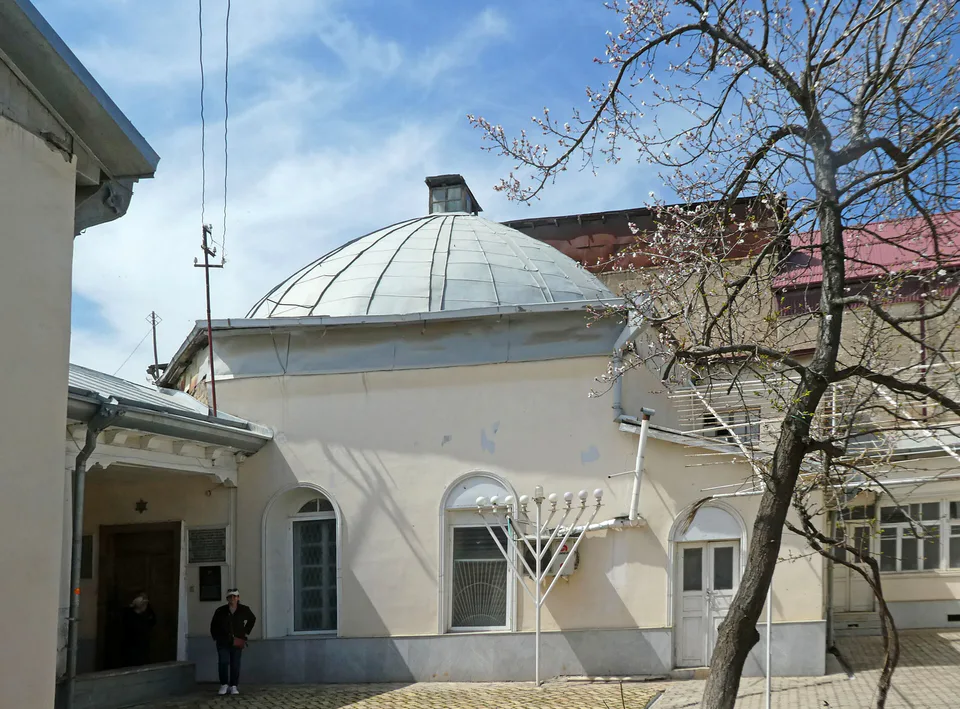
Temple & church · Samarkand
A Bukharan Jewish synagogue that never closed
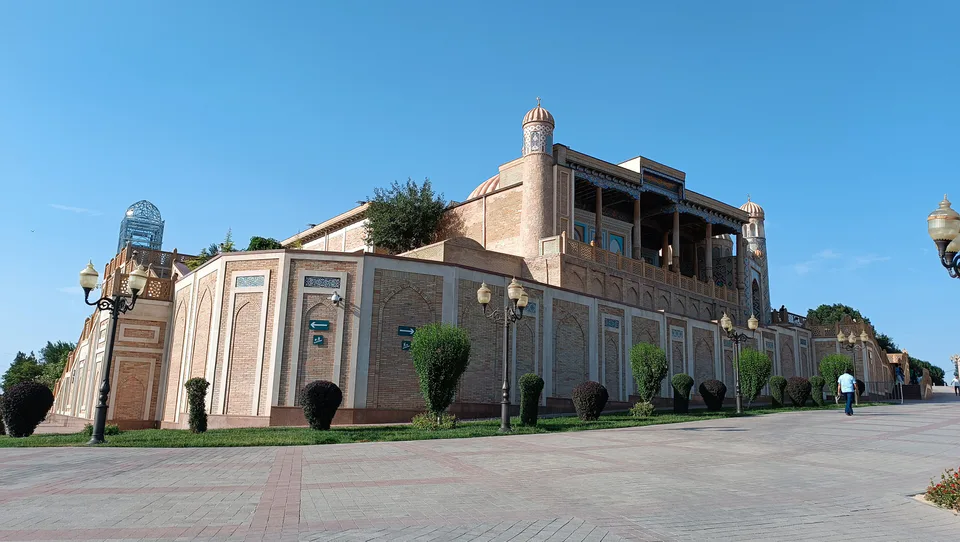
Mosque · Samarkand
A hilltop mosque at the old gate of Afrasiyab
Pilgrimage site · Samarkand
A memorial to the 'Imam of Guidance'
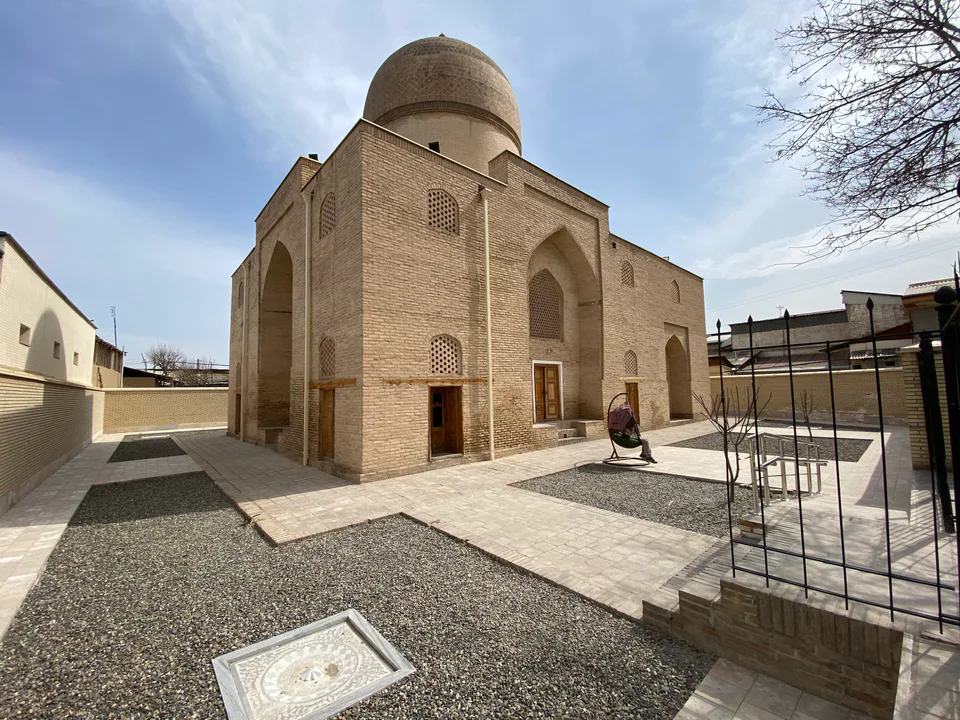
Mausoleum · Samarkand
Plain outside, golden within
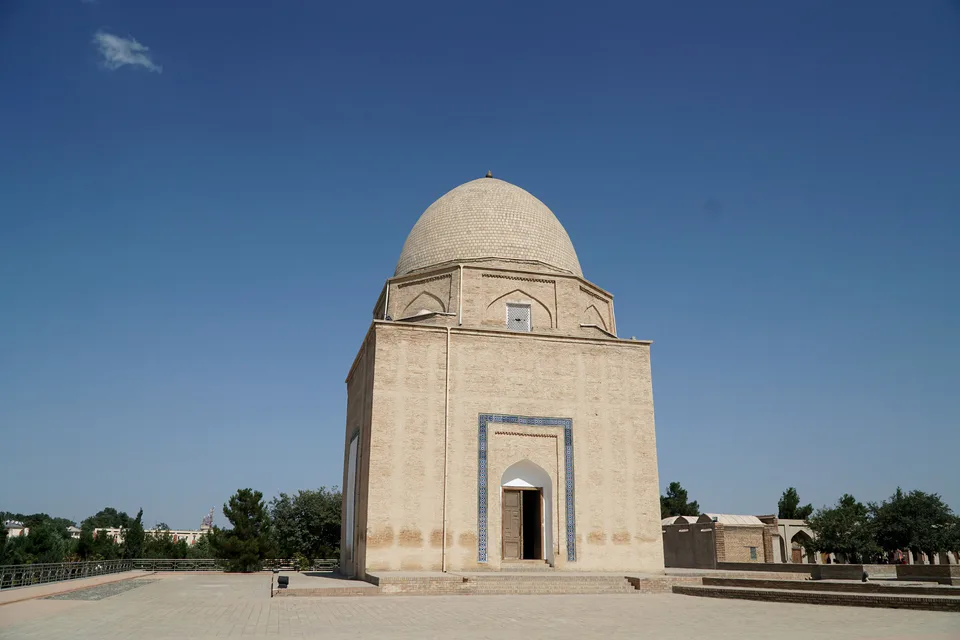
Mausoleum · Samarkand
The "abode of the spirit", a saint Timur revered
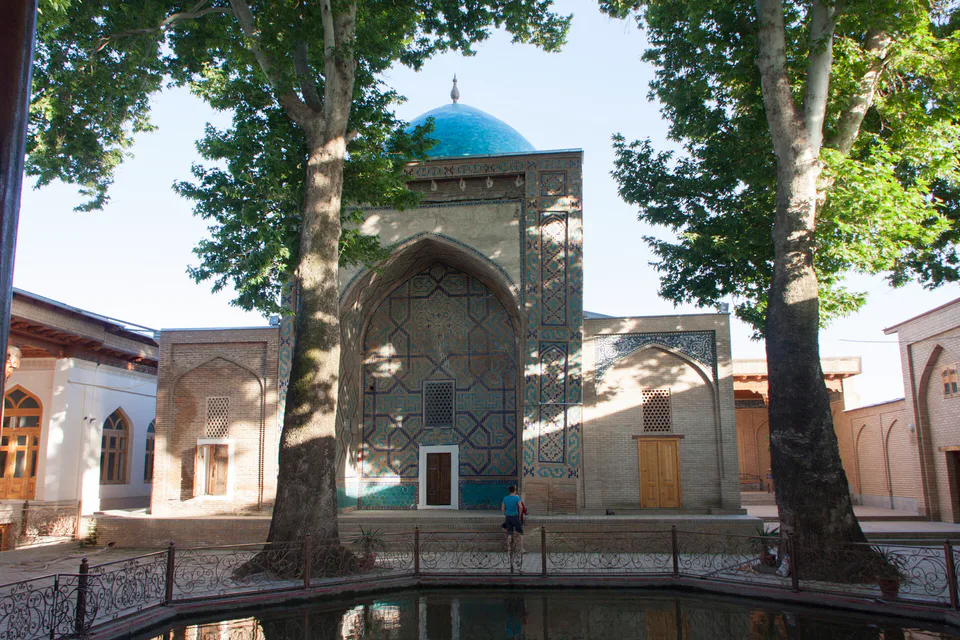
Pilgrimage site · Samarkand
An ancient shrine around a plane-shaded pool
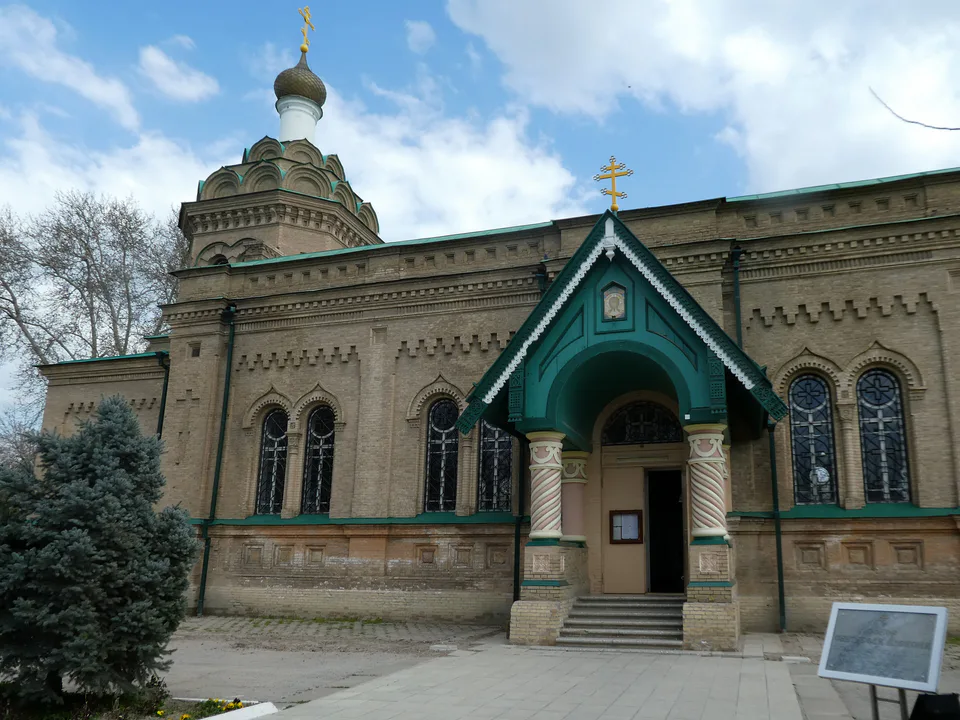
Temple & church · Samarkand
Samarkand's principal Orthodox church
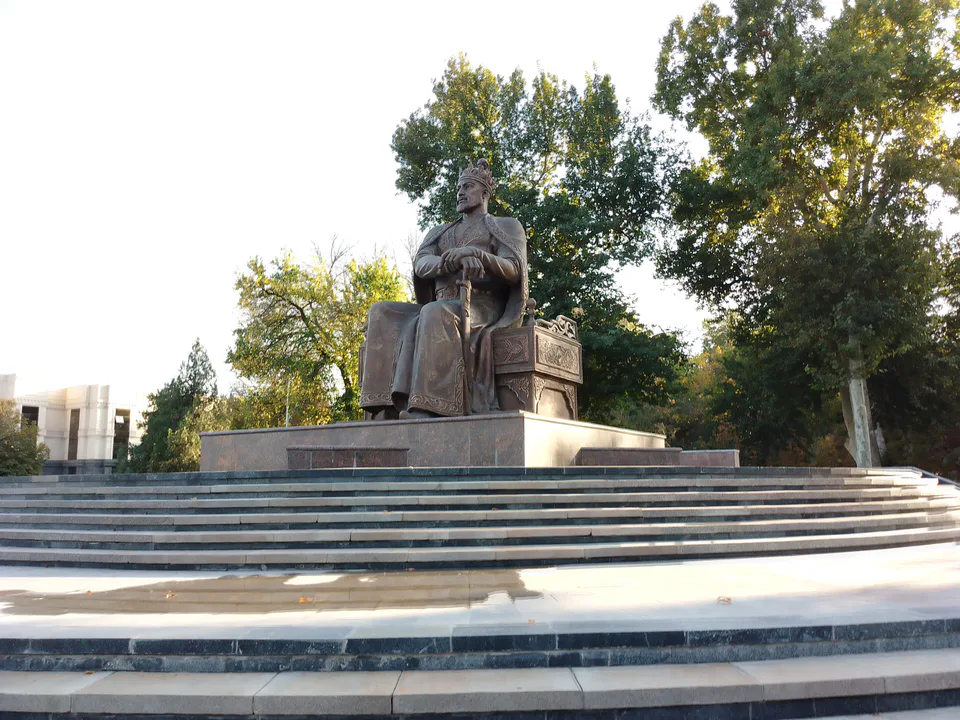
Modern · Samarkand
The conqueror enthroned
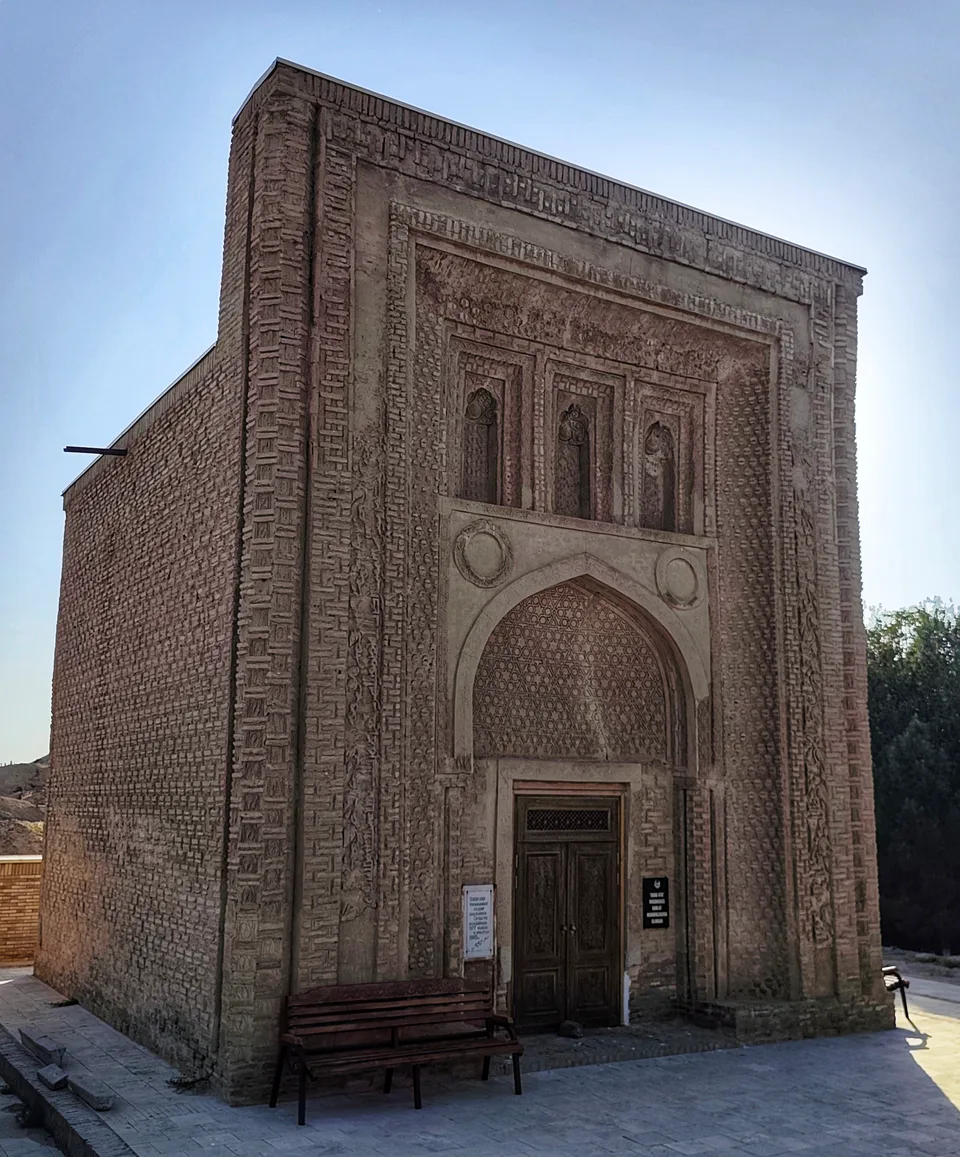
Mausoleum · Nurobod District
One of the oldest dated tombs in Transoxiana
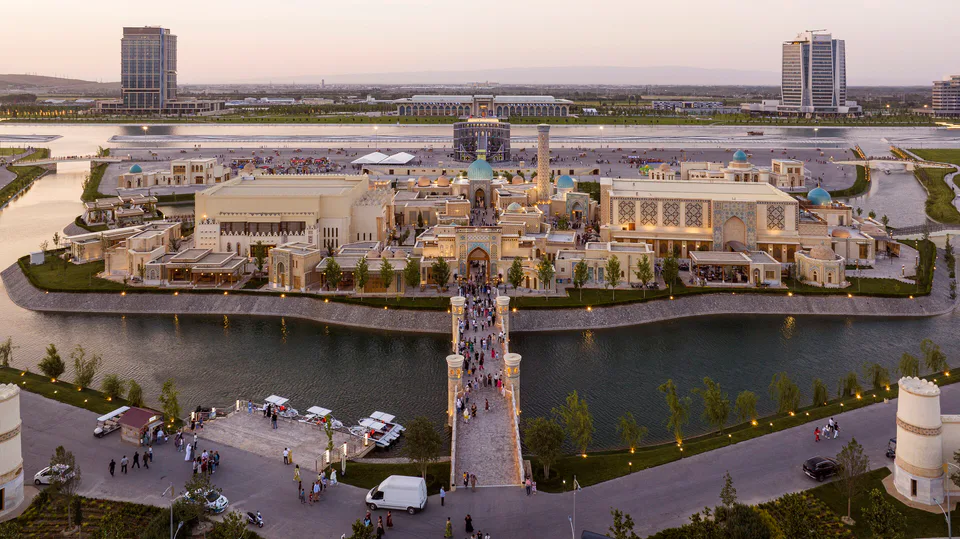
Entertainment · Samarkand District
All of Uzbekistan in one ethno-park
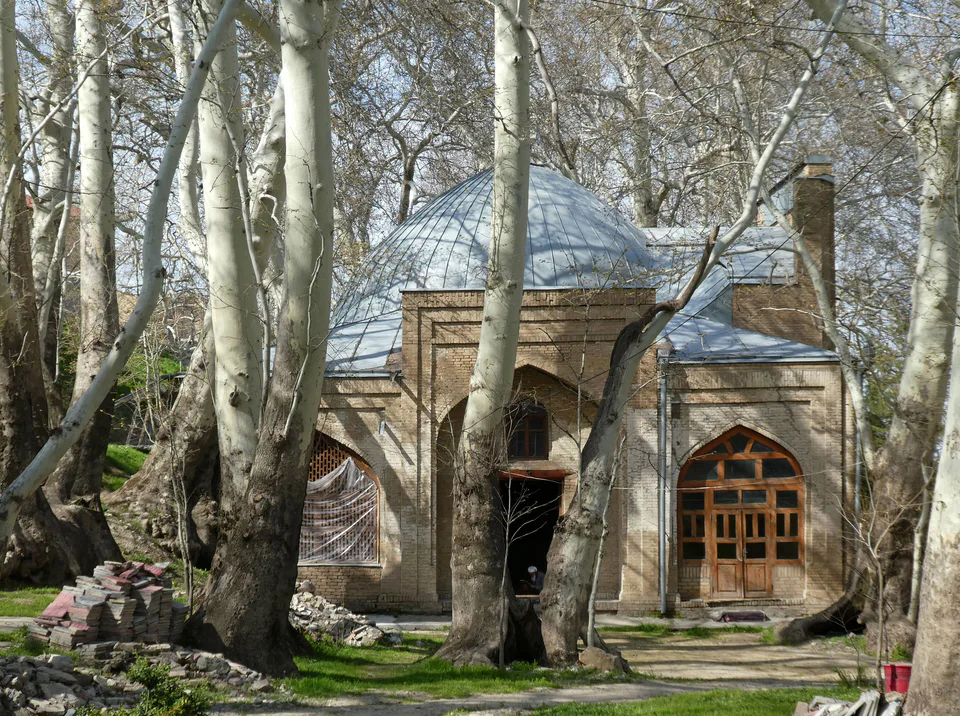
Park & garden · Urgut District
A shrine in the shade of ancient plane trees
Samarkand Region
Airport, railway station and bus stations — addresses, timetables and the live board.
All transportSamarkand Region
Road distance, the fastest train and whether there is a direct flight.
All distances| City | Road, km | By car | By train | Flight | Bus |
|---|---|---|---|---|---|
| Kattakurgan Samarkand Region |
71 | 1 h 10 min | 32 min Afrosiyob 766Ф |
— | — |
| Shahrisabz Kashkadarya Region |
86 | 1 h 46 min | 2 h 16 min Afrosiyob 774Ф |
— | — |
| Jizzakh Jizzakh Region |
101 | 1 h 40 min | 46 min Afrosiyob 767Ф |
— | — |
| Karshi Kashkadarya Region |
150 | 2 h 5 min | 1 h 11 min Afrosiyob 764Ф |
— | — |
| Navoi Navoiy Region |
160 | 2 h 43 min | 59 min Jaloliddin Manguberdi 778Ж |
— | — |
| Zaamin Jizzakh Region |
160 | 2 h 34 min | — | — | — |
| Nurata Navoiy Region |
178 | 2 h 57 min | — | — | — |
| Tashkent Tashkent (city) |
324 | 4 h 54 min | 2 h 15 min Afrosiyob 765Ф |
1 flight | — |
Weather: MET Norway
Samarkand Region
Checked hotels and places to eat — with addresses, phone numbers, opening hours and price levels.
Five-star Mövenpick off University Boulevard
Five-star tower run by Minyoun Hospitality
Five-star Hilton in the Silk Road Samarkand complex
Five-star boutique hotel by Navoi Park
The Hilton closest to the Eternal City
Youthful hotel named in honour of Ulugh Beg
Canal-side hotel named after Igor Savitsky
Hilton's 162-room hotel in the city itself
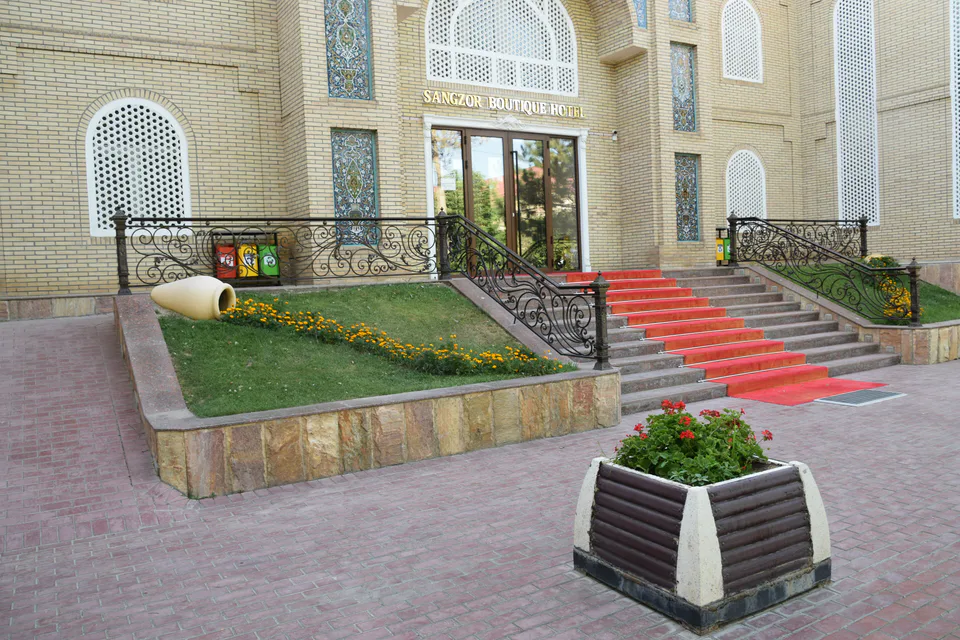
Boutique hotel between the Registan and Bibi-Khanym
Hilton Garden Inn with an on-site wellness clinic
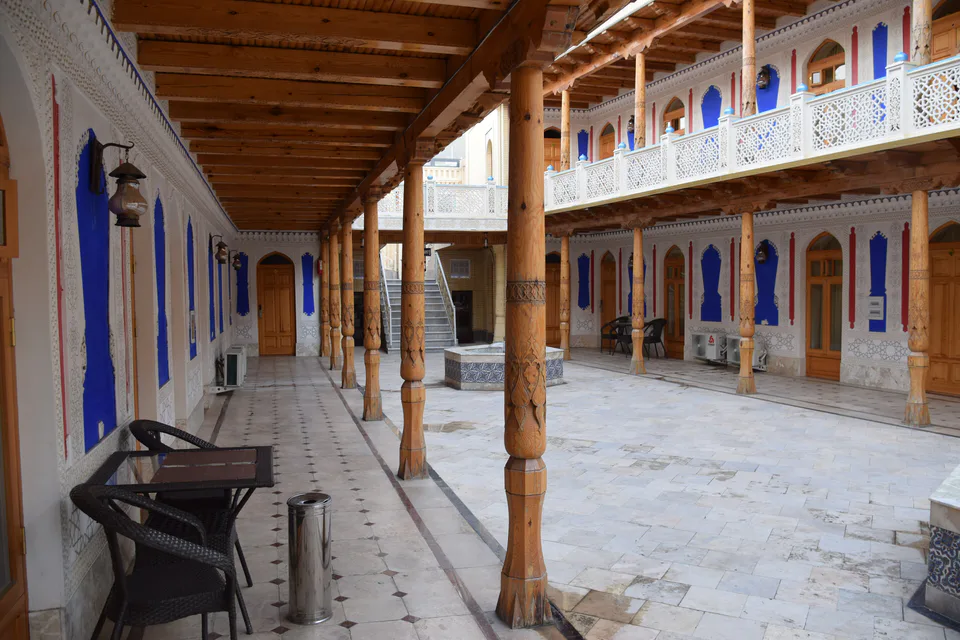
Hotel overlooking the dome of Bibi-Khanym Mosque
Five-star hotel and spa by Siyob Bazaar
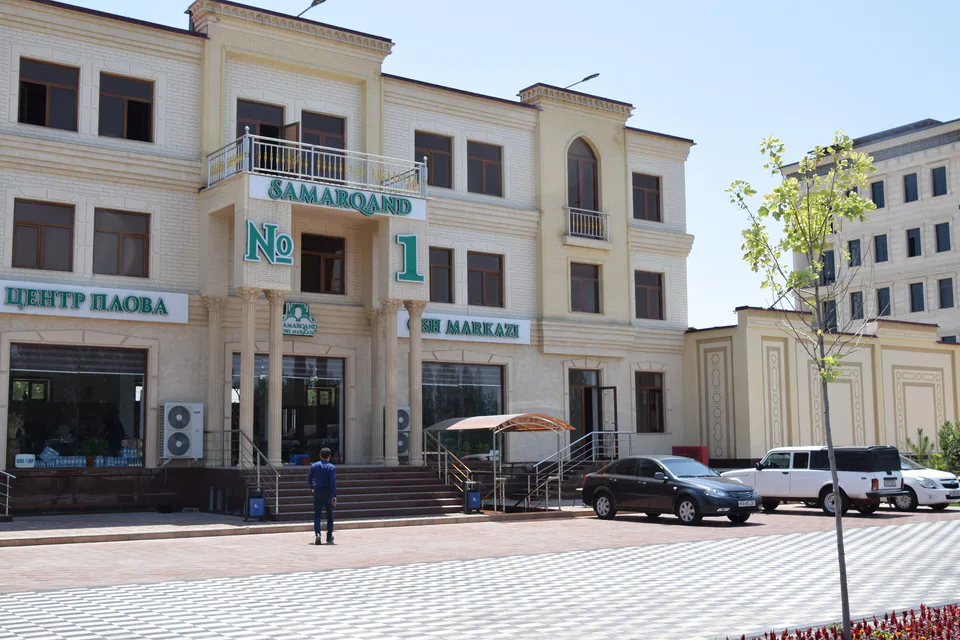
Famous plov centre serving nothing but Samarkand-style plov
Long-running restaurant in a 19th-century building on Pushkin St
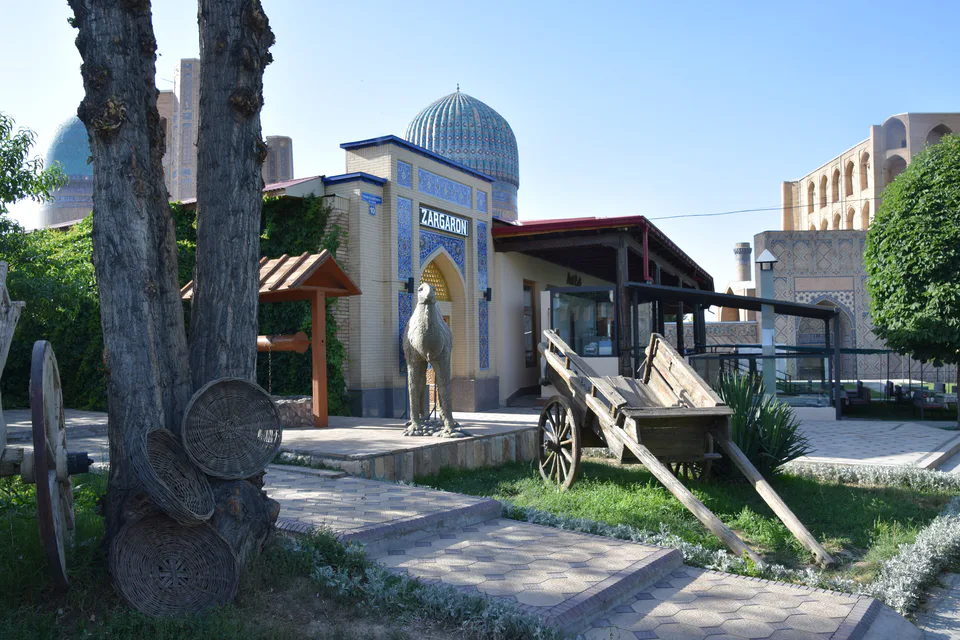
Upstairs dining room facing the Bibi-Khanym Mosque
Restaurant, bakery and coffee bar on University Boulevard
Coffee house inside the Theatre of Historical Costume
Eastern and European restaurant styled on khan-atlas silk
Restaurant with a rooftop terrace overlooking the Registan
24-hour roadside restaurant with fountains on the Karshi road
Branch of a nationwide lavash chain, open until 3am
Evos branch on Dahbed Street, north of the Registan
Home-cooked Uzbek food and cooking classes in a family house
Fountain-terrace café near University Boulevard
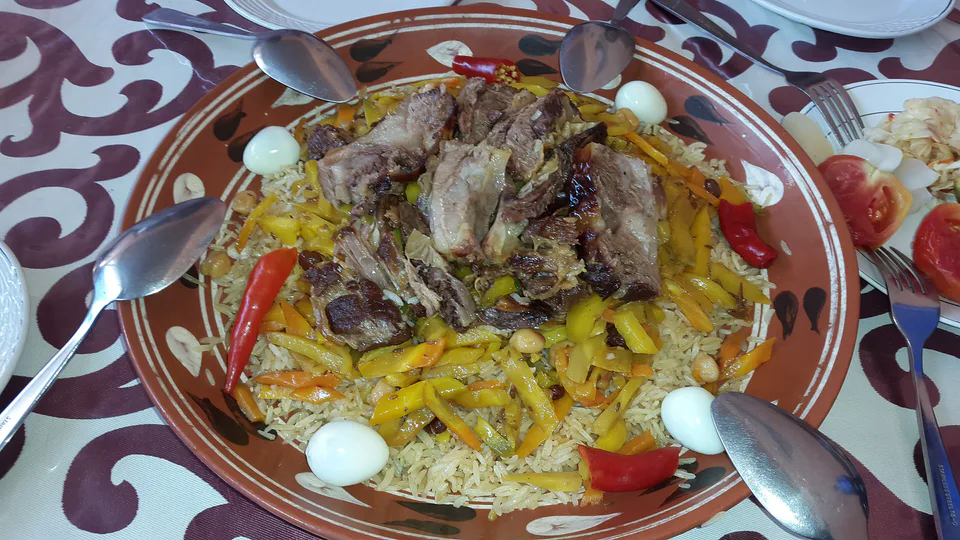
Dish · Samarkand
A layered plov in which nothing is stirred: the rice stays pale, and the carrots and meat are served on top of it.
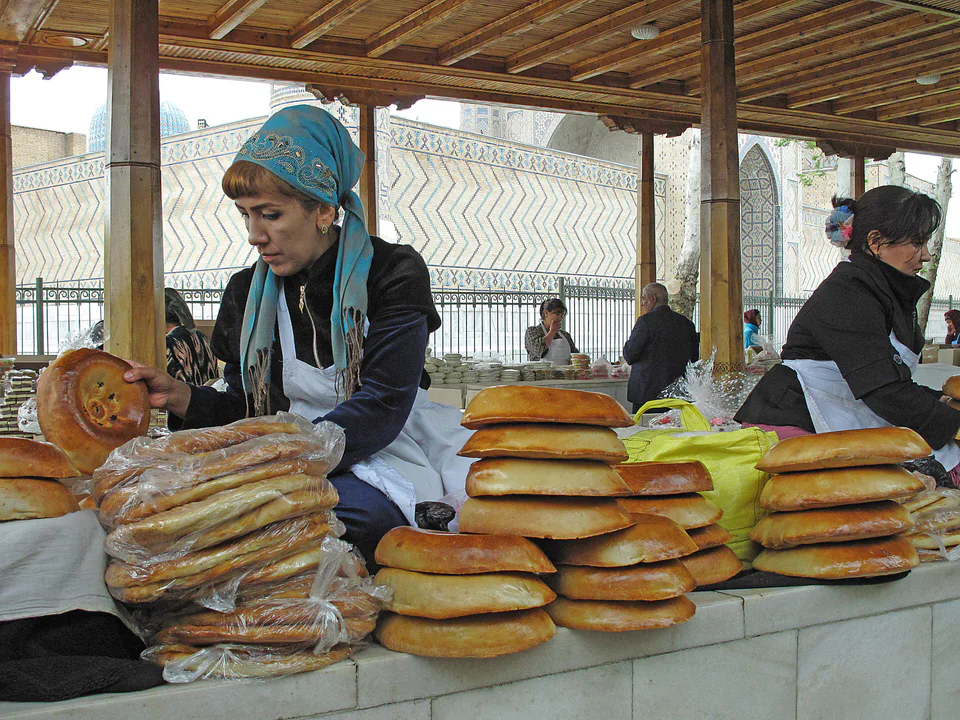
Dish · Samarkand
A tandoor loaf with a thin stamped centre, a thick rim and a glossy crust — Samarkand’s best-known taste and the souvenir everyone takes home.
Dish · Samarkand
A thick stew of lamb and soaked chickpeas cooked in a kazan, best known in the Samarkand region.
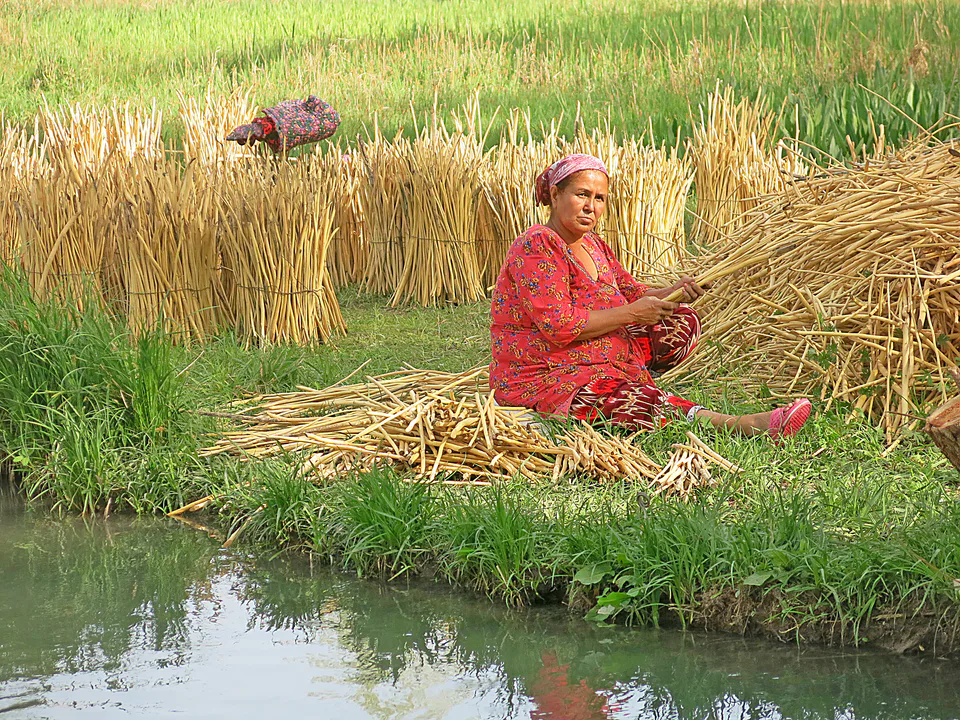
Craft · Samarkand
Paper made from mulberry bark — the finest writing material of the 9th–10th-century Islamic world, revived at Konigil at the end of the 20th century.
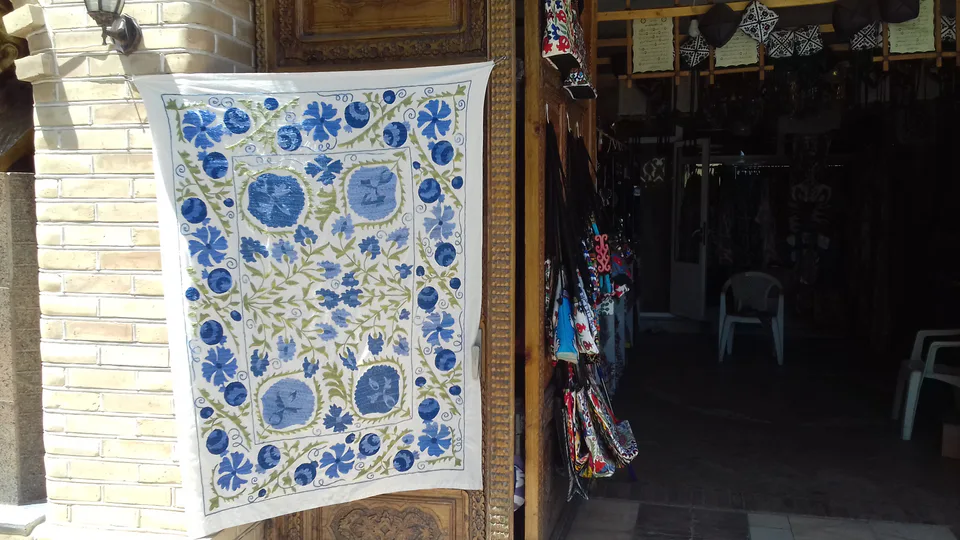
Craft · Samarkand
Big red-and-black circles and rosettes on white define the Samarkand school; Urgut is a living embroidery centre and a favourite bazaar for suzani hunters.
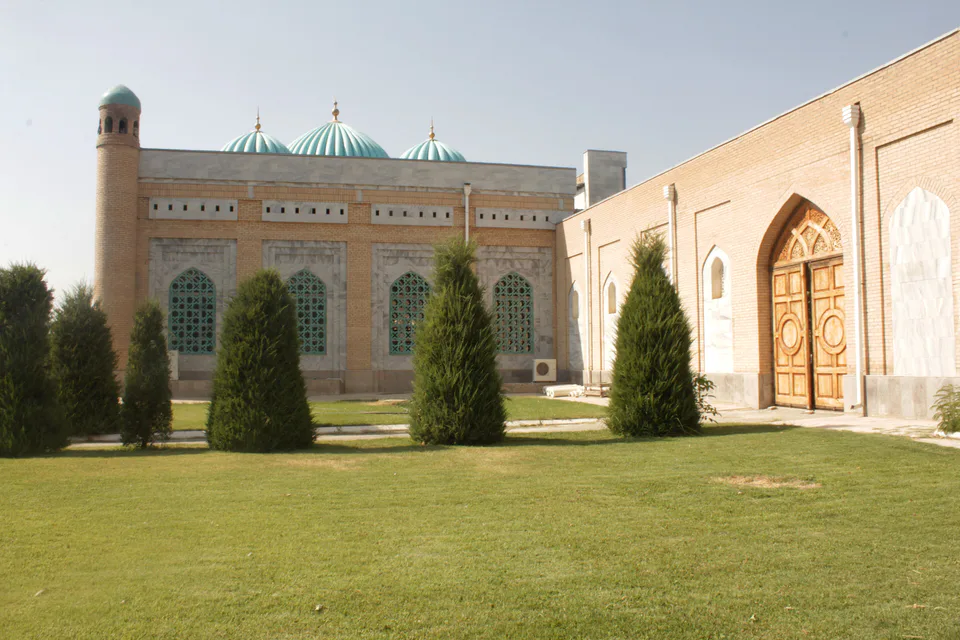
810–870
Hadith scholar, compiler of the Sahih al-Bukhari
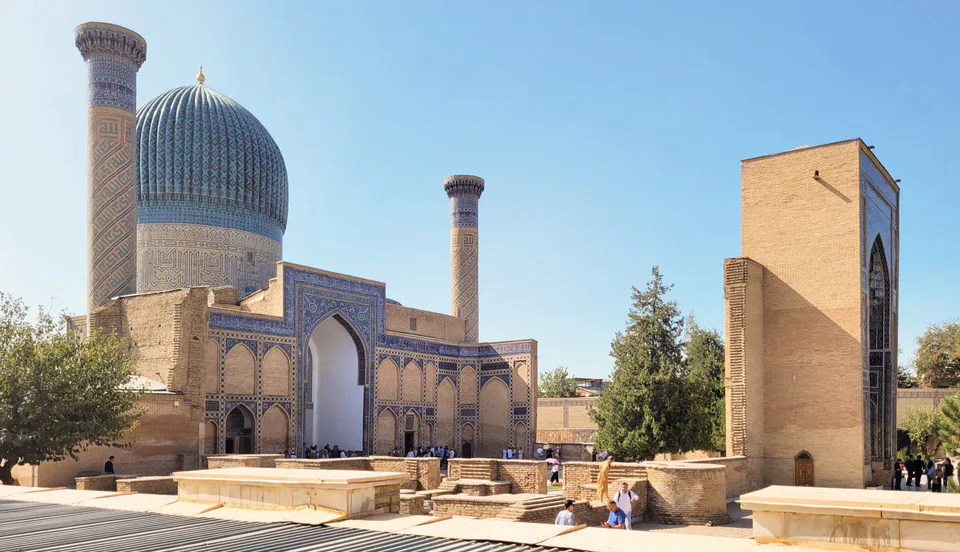
1336–1405
Ruler, conqueror, founder of the Timurid Empire
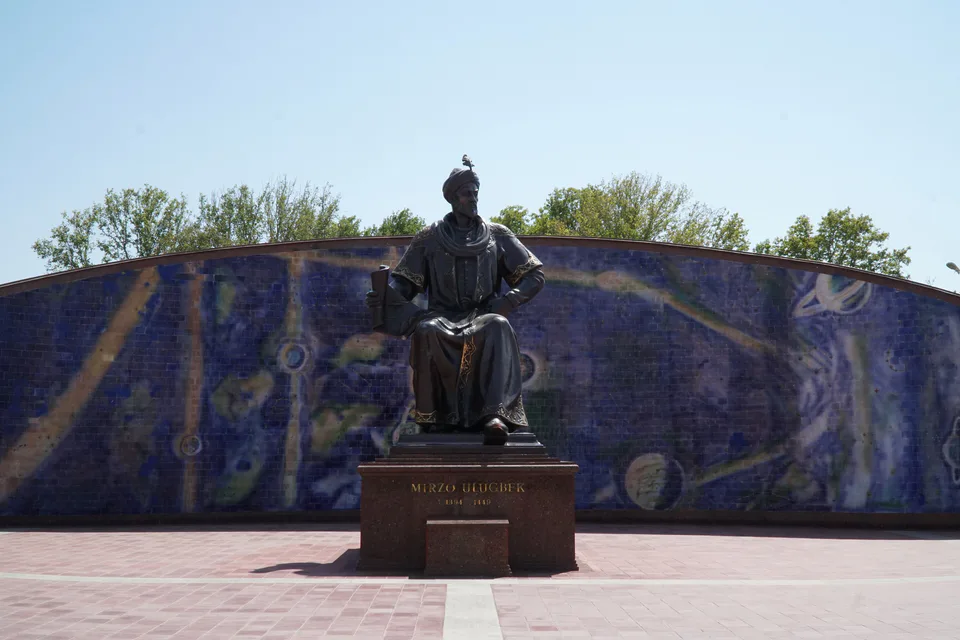
1394–1449
Ruler, astronomer, mathematician
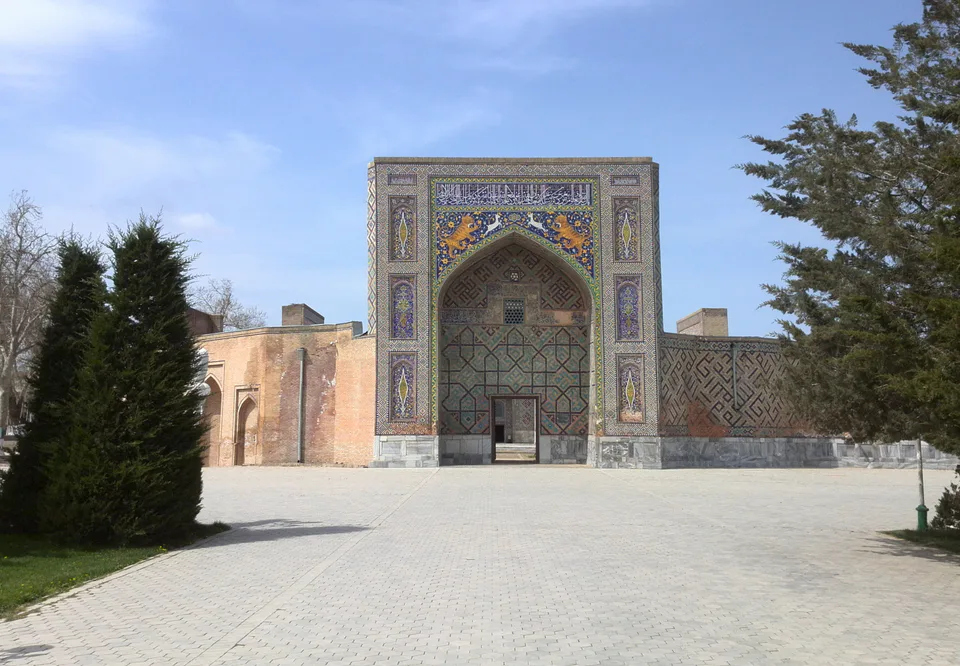
1404–1490
Naqshbandi sheikh, statesman and public figure
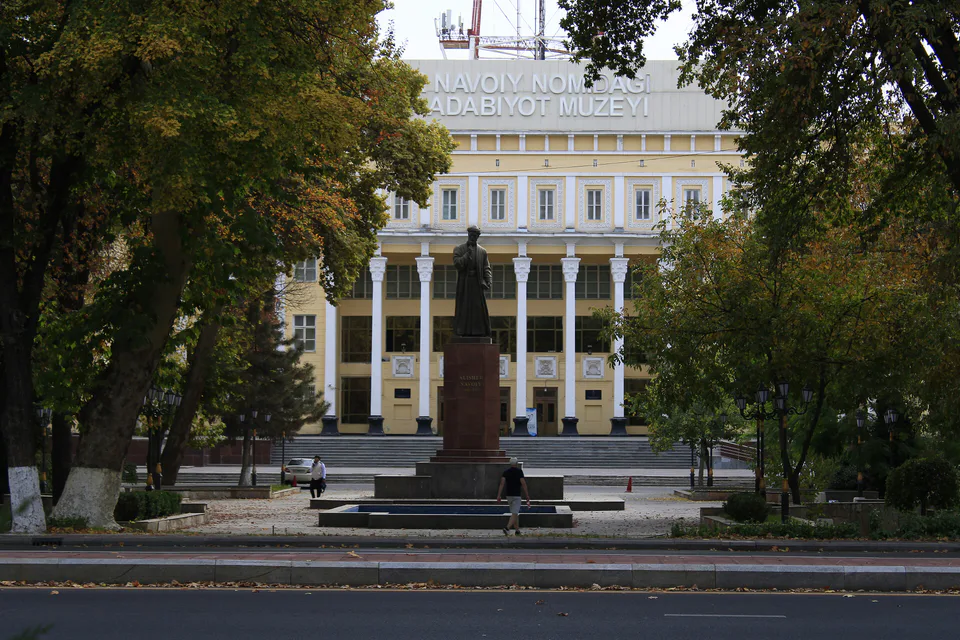
1441–1501
Poet, thinker, statesman, founder of Uzbek literature
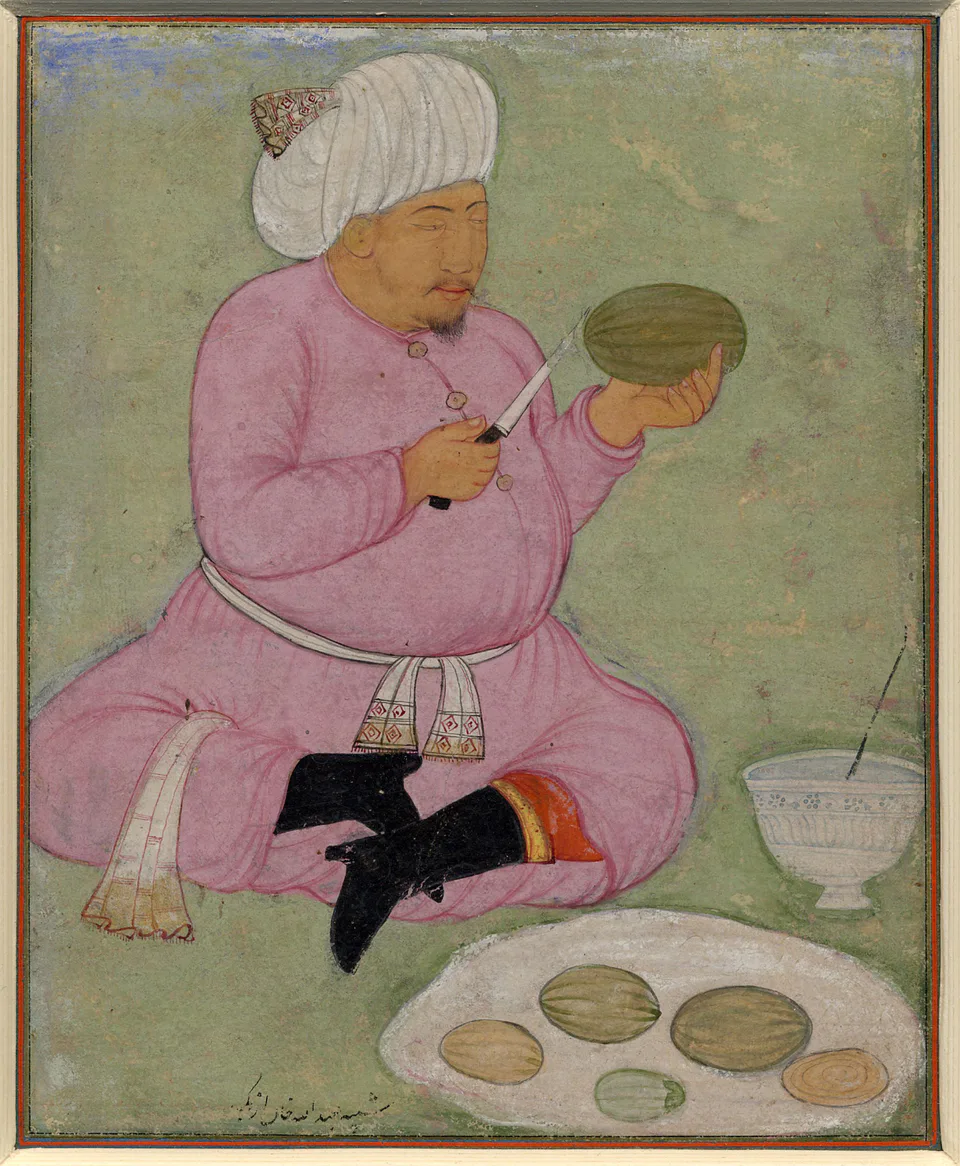
1534–1598
Shaybanid ruler, khan of Bukhara
1875–1919
Jadid leader, playwright, publisher, enlightener
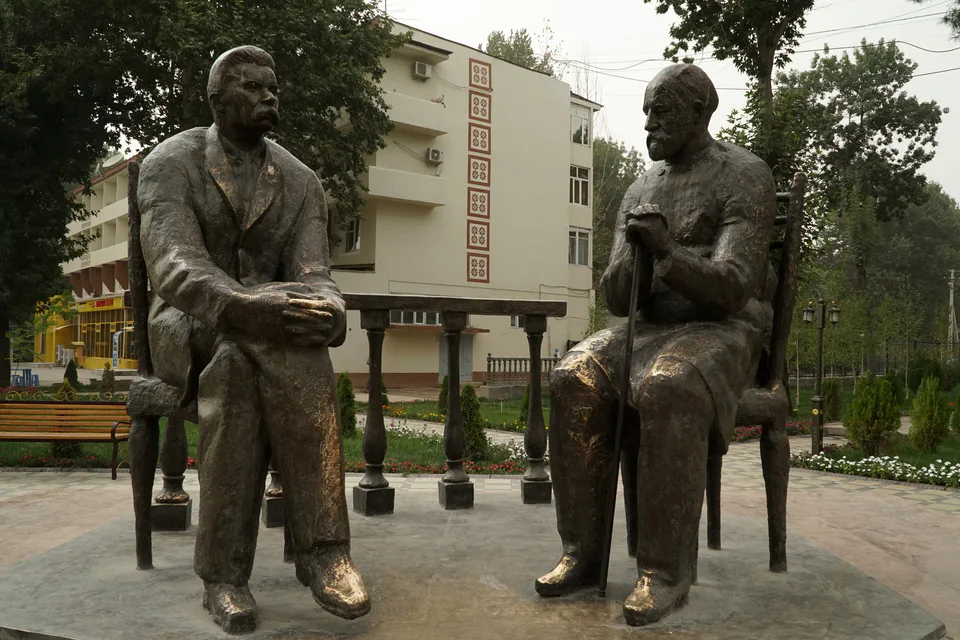
1878–1954
Writer, poet, scholar, enlightener
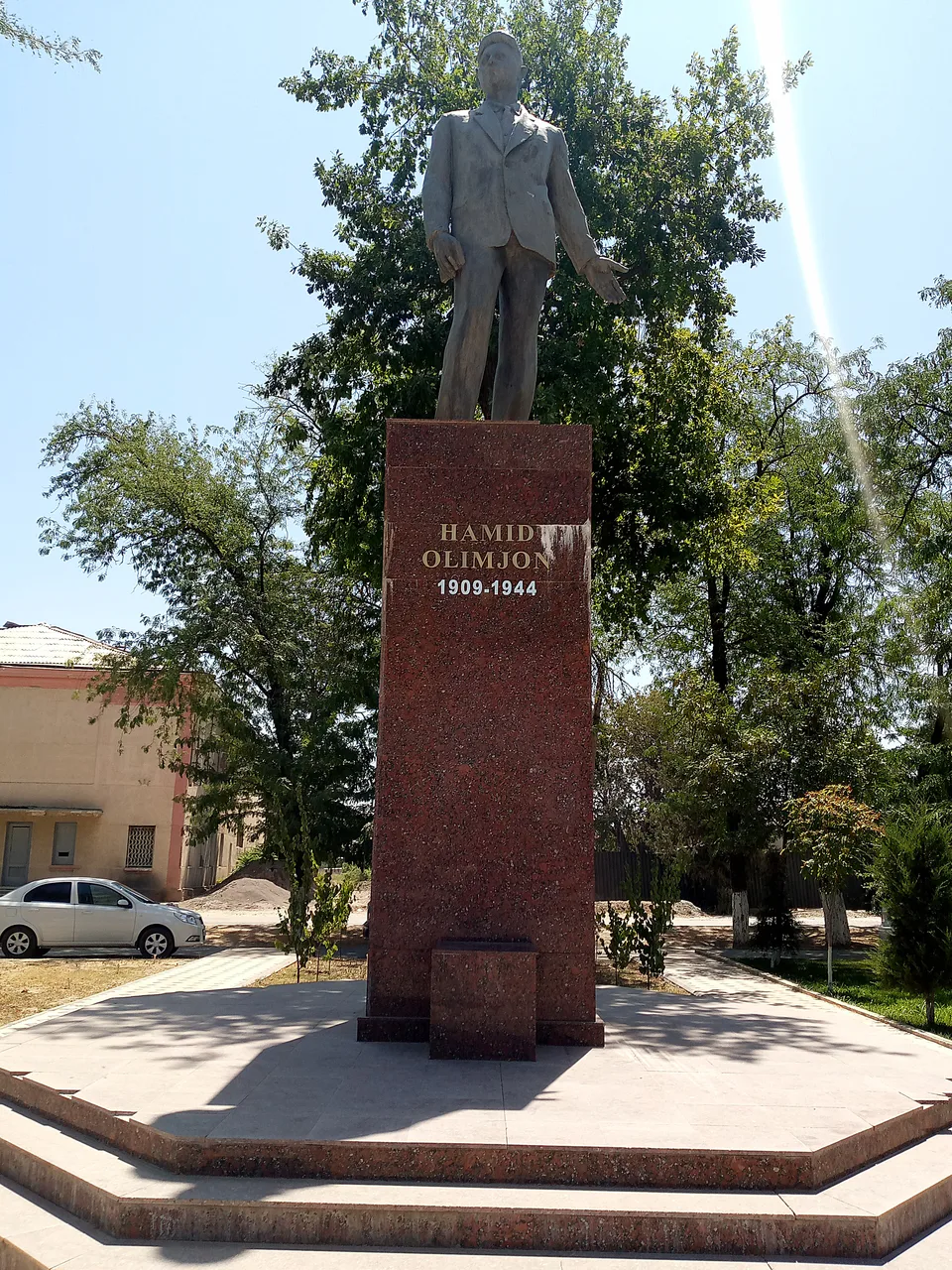
1909–1944
Poet, playwright, literary scholar
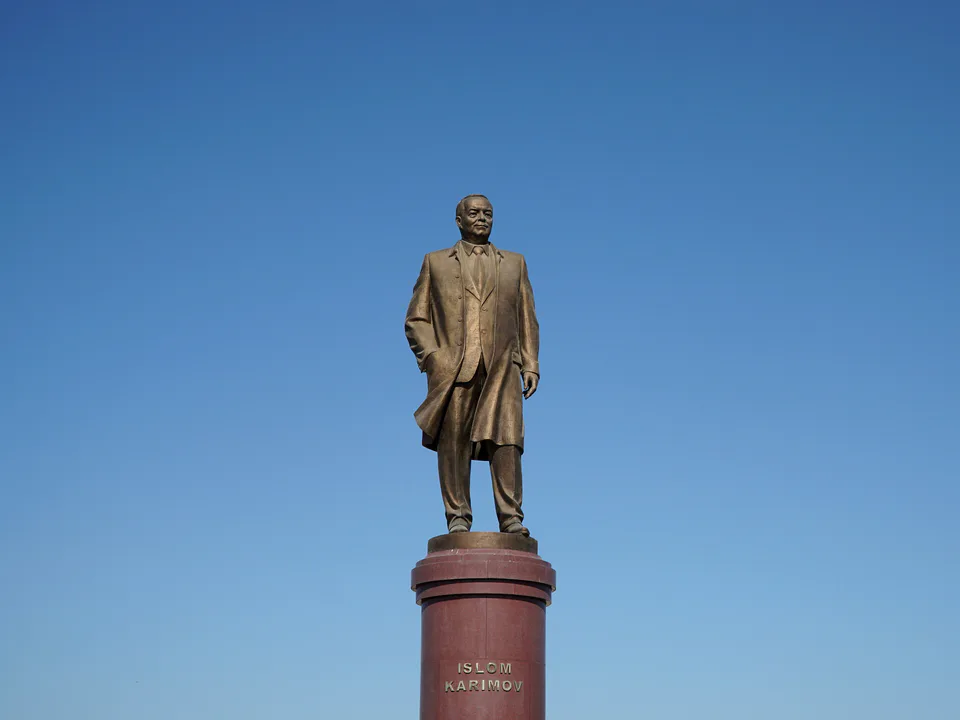
1938–2016
First President of the Republic of Uzbekistan
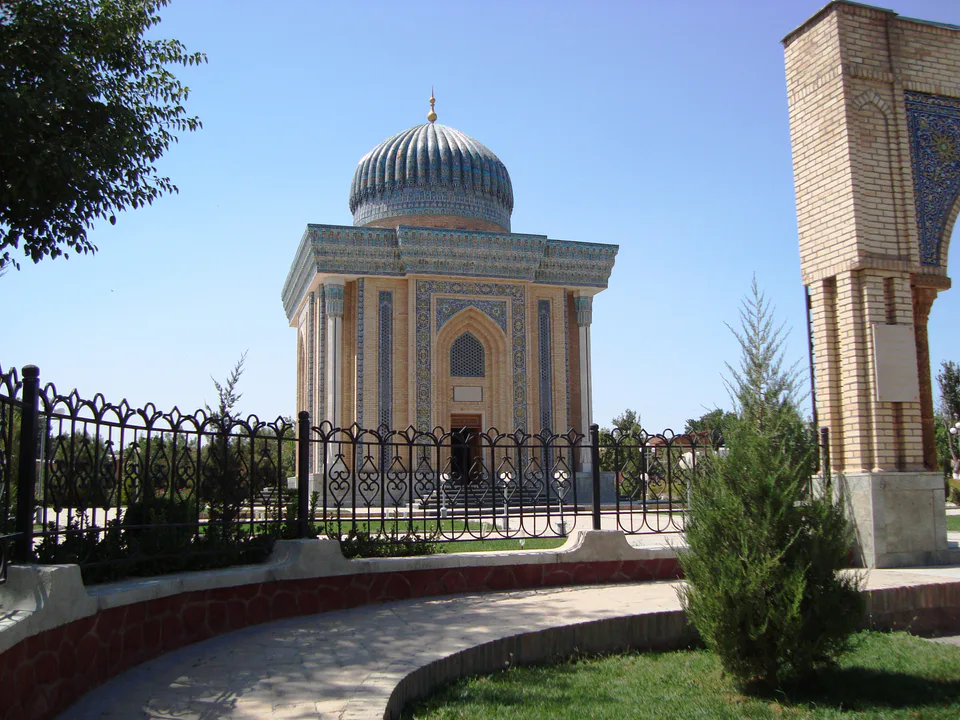
died 944
Theologian, founder of the Maturidi school
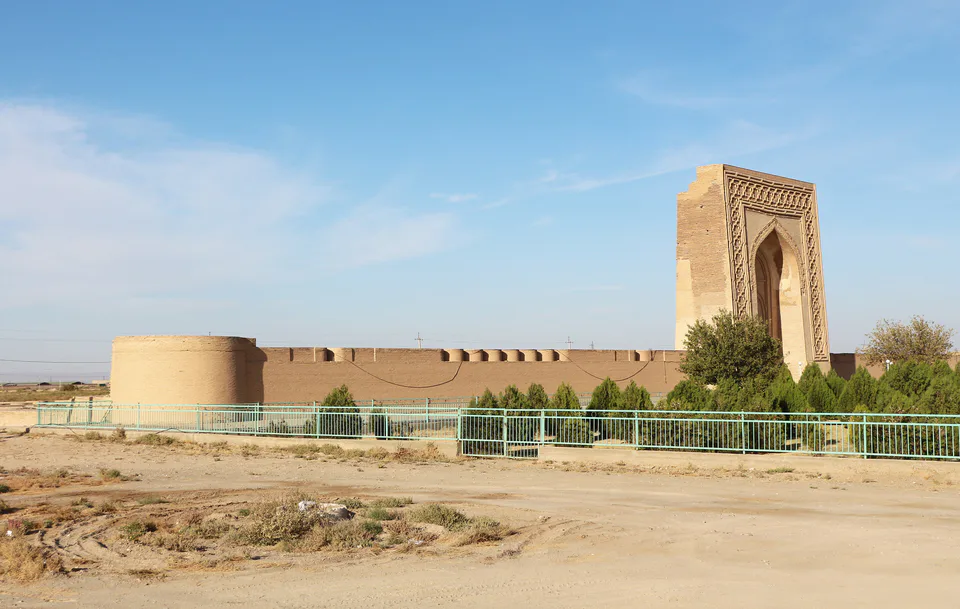
died 1080
Khan of the Western Karakhanid Khanate
8days
Classic
Tashkent (city)SamarkandBukharaKhorezm
14days
Grand tour
Tashkent (city)FerganaSamarkandKashkadaryaNavoiyBukharaKhorezmKarakalpakstan
8days
Pilgrimage
Tashkent (city)Tashkent RegionSurkhandaryaSamarkandBukhara
Samarkand Region
Khokimiyat, public service centre and other offices: addresses, phones, hours.
All offices (238)Khokimiyat
1 Koksaroy Square, Samarkand
Mon–Fri
Read morePublic Service Centre
152 Amir Temur St, Samarkand
Read moreSamarkand Region
Bank branches and offices in the region: addresses and phones.
All banks (27)Samarkand regional comprehensive service centre · Samarkand
36 Boʻstonsaroy Street, Samarkand
+998 66 231 10 00Samarkand banking services office · Samarkand
148A Sattepo housing estate, Sadiy Sheroziy mahalla, Samarkand
Samarkand banking services office · Samarkand
15 Lutfiy Street, Bogʻi Temur mahalla, Samarkand 140100
+998 55 503 48 48Samarkand banking services office · Samarkand
13 Buyuk Ipak Yoʻli Street, Ilgʻor mahalla, Samarkand
Samarkand banking services centre · Samarkand
62A M. Ulugbek Street, Samarkand 140154
+998 66 233 81 31Samarkand Region
Codes 140100–141632. The main code of each city and district:
All postcodes (215)Samarkand Region
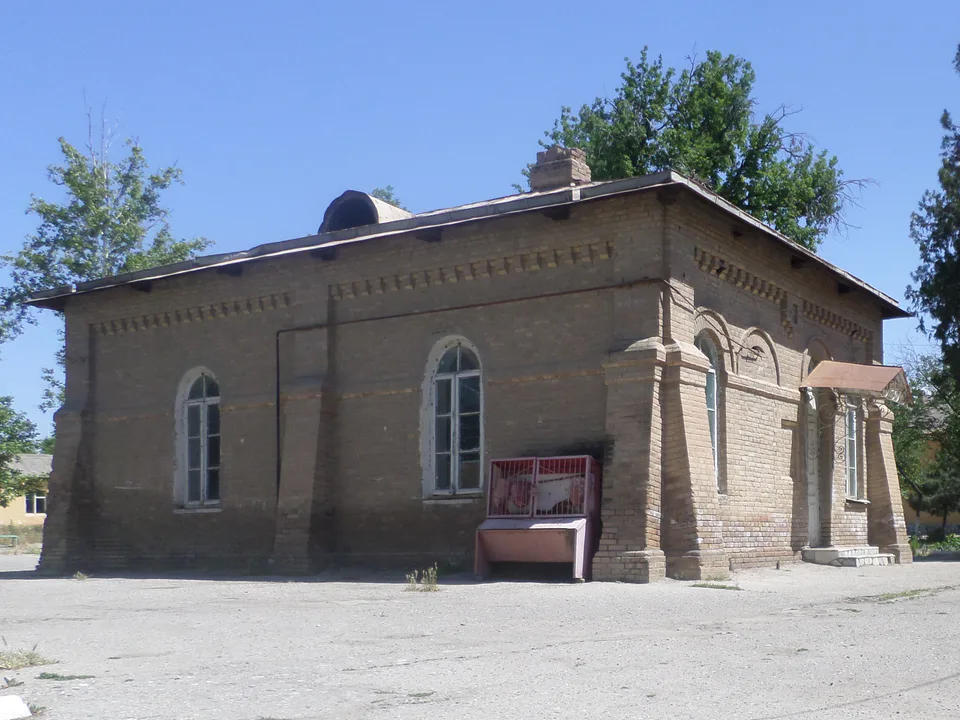
city · Western gateway to the Zarafshan valley, beside the “Uzbek Sea”
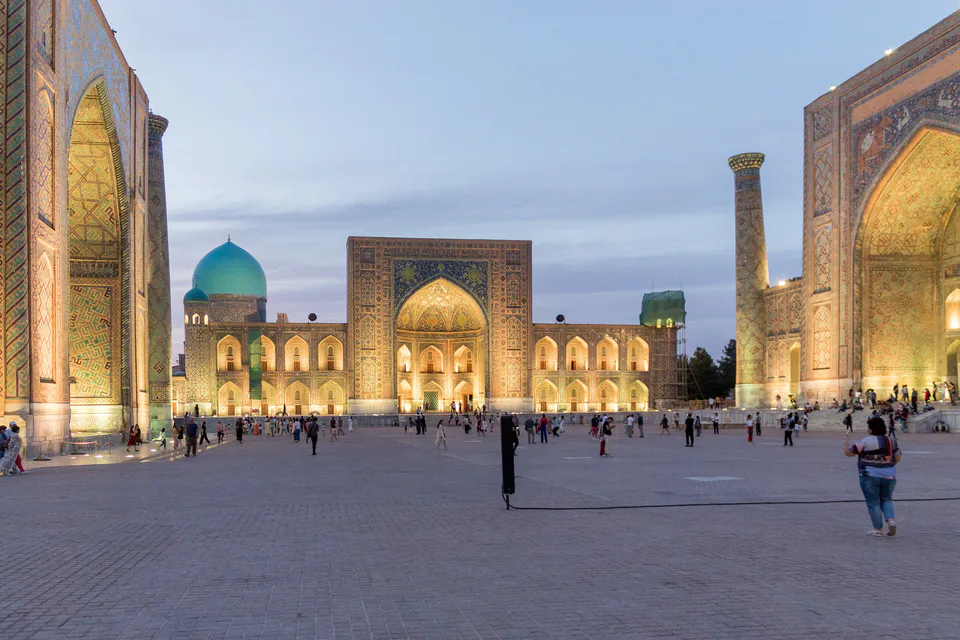
city · Ancient capital, modern regional hub
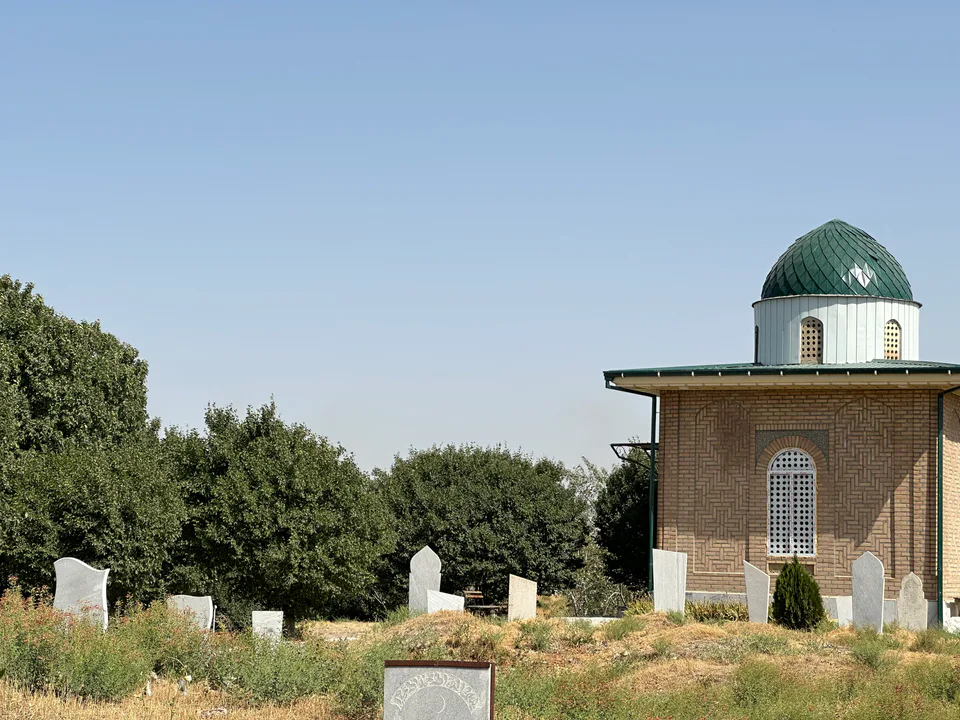
district · Land of epic bards and Timur's own Shiraz
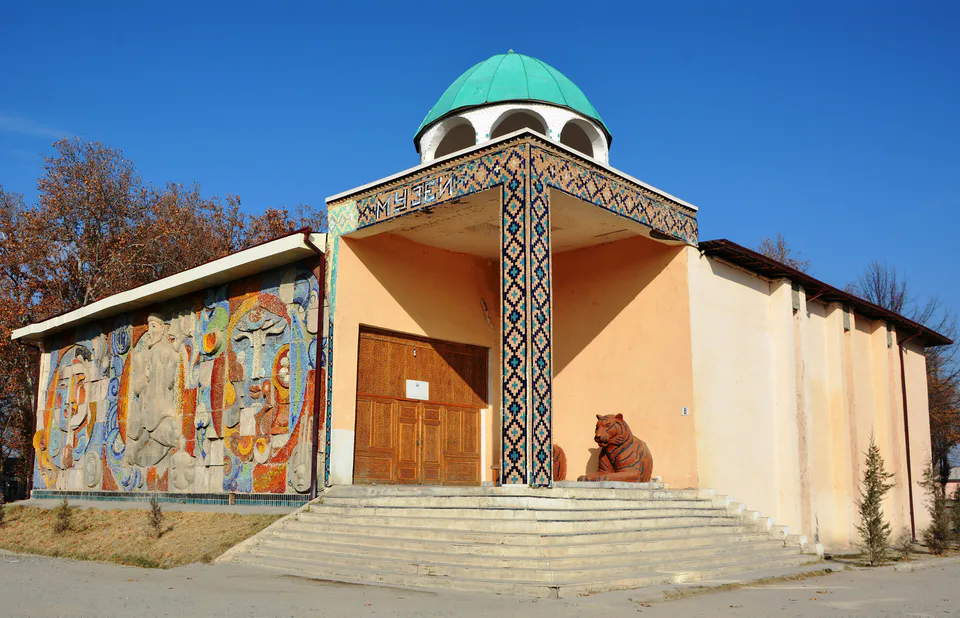
district · Former seat of the Sogdian ikhshids in the Miankal oasis
district · The Zarafshan’s right bank: Shaybani Khan’s bridge and Sheikh Khudoydod’s shrine
district · Miankal orchards and the 'Kattakurgan Sea'
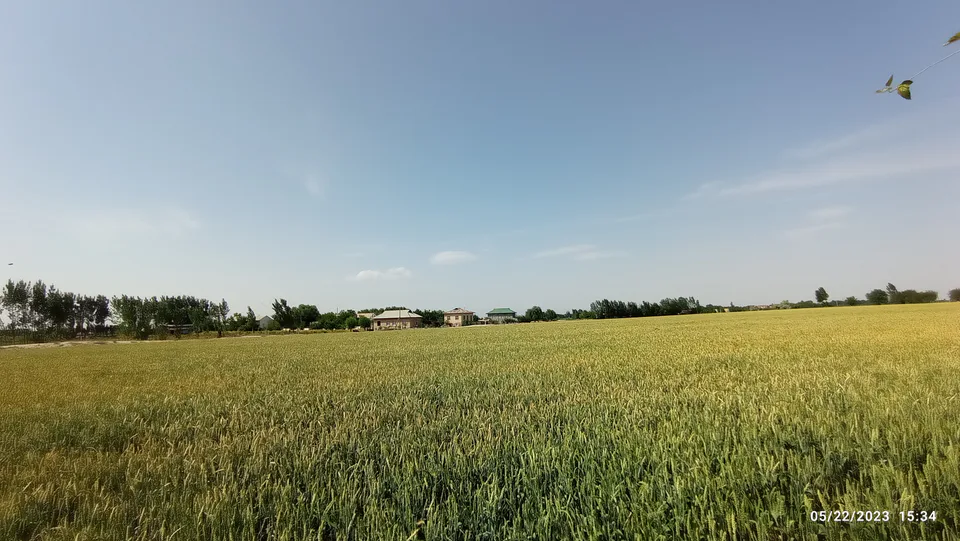
district · Zerabulak heights and the land at the canal's end
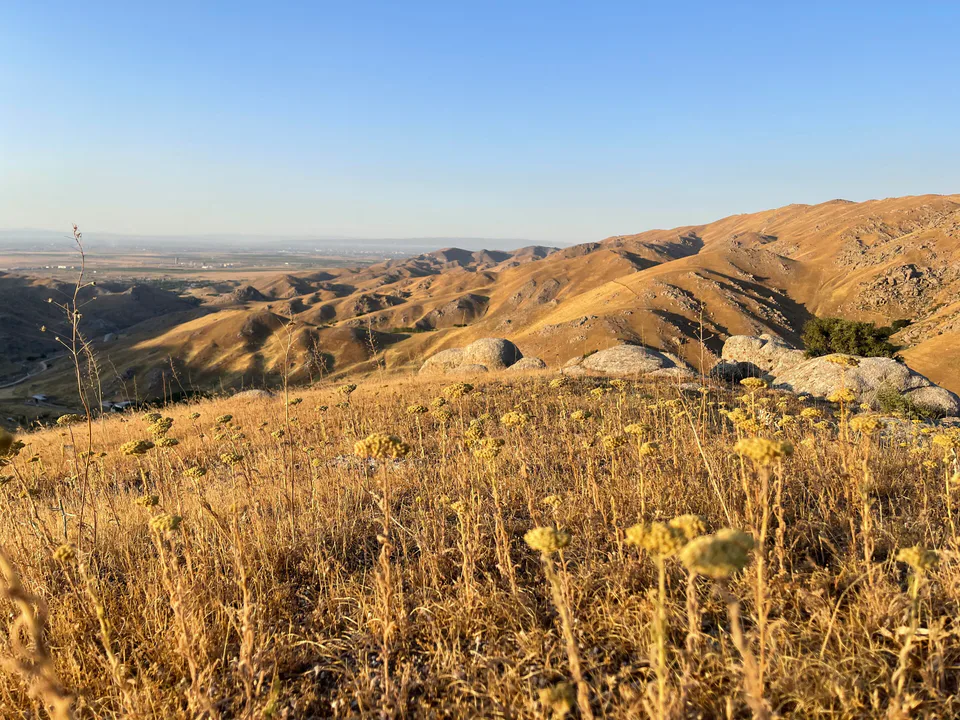
district · A Samanid tomb, a cave shrine and healing springs
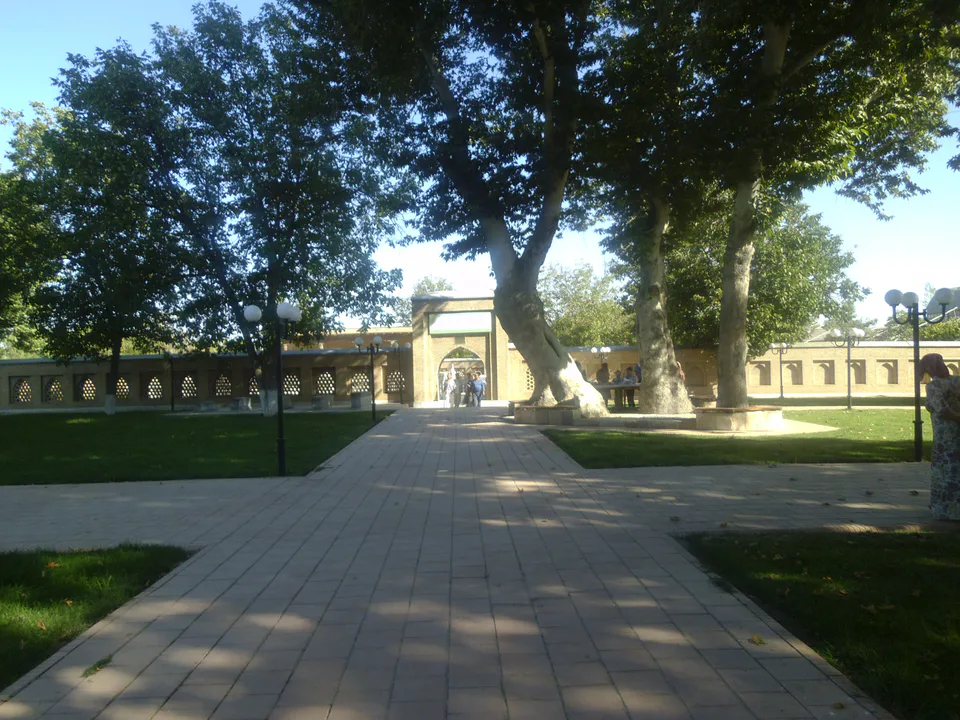
district · An oasis between the Zarafshan’s channels, home to Makhdumi Azam’s Dahbed
district · Orchards on the Dargom and master furniture makers
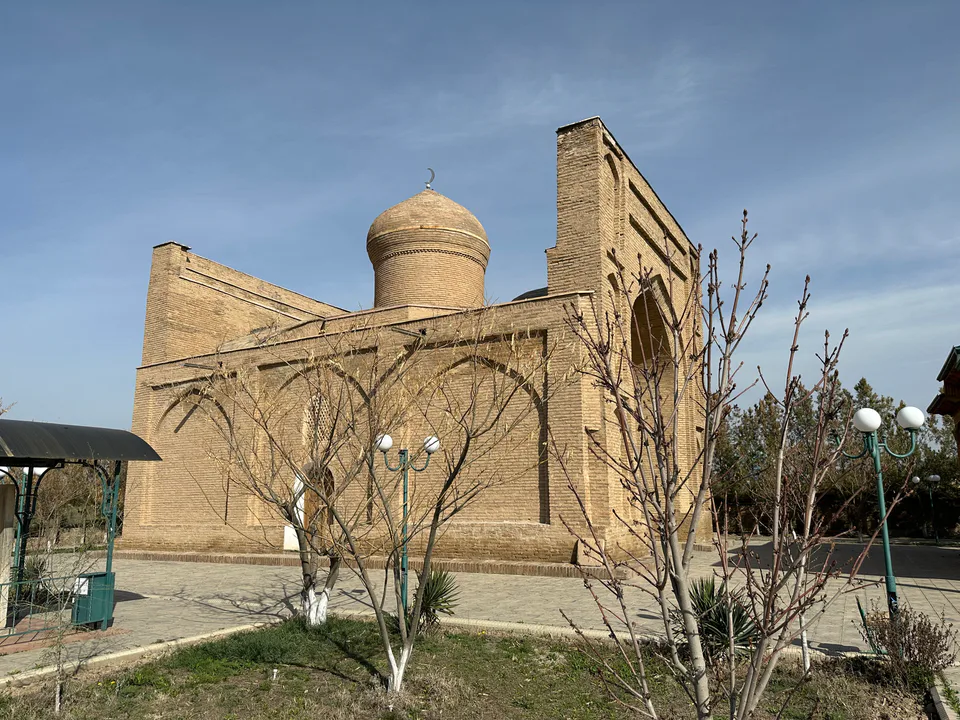
district · Ancient Dabusiya on the Zarafshan
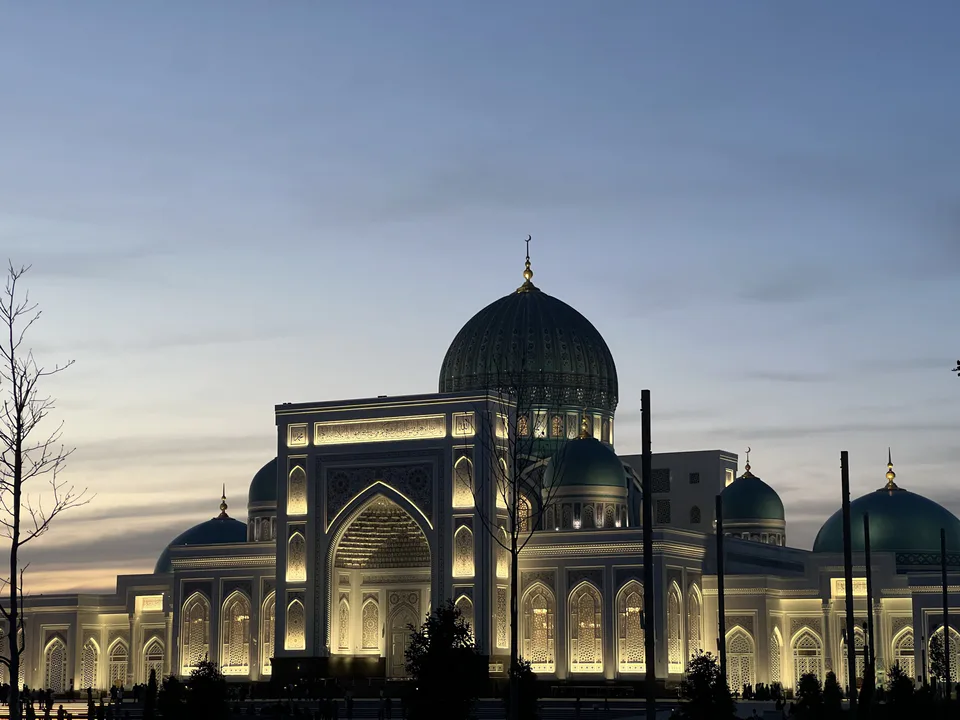
district · Imam al-Bukhari’s shrine and the Nuratau foothills
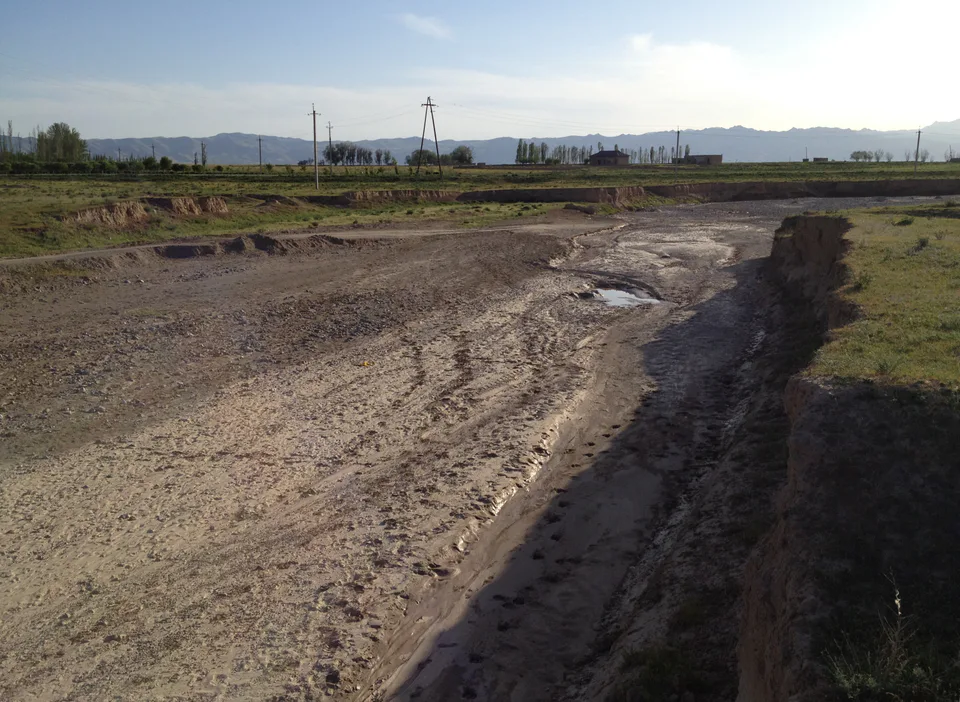
district · The Nuratau mountains, cradle of epic bards
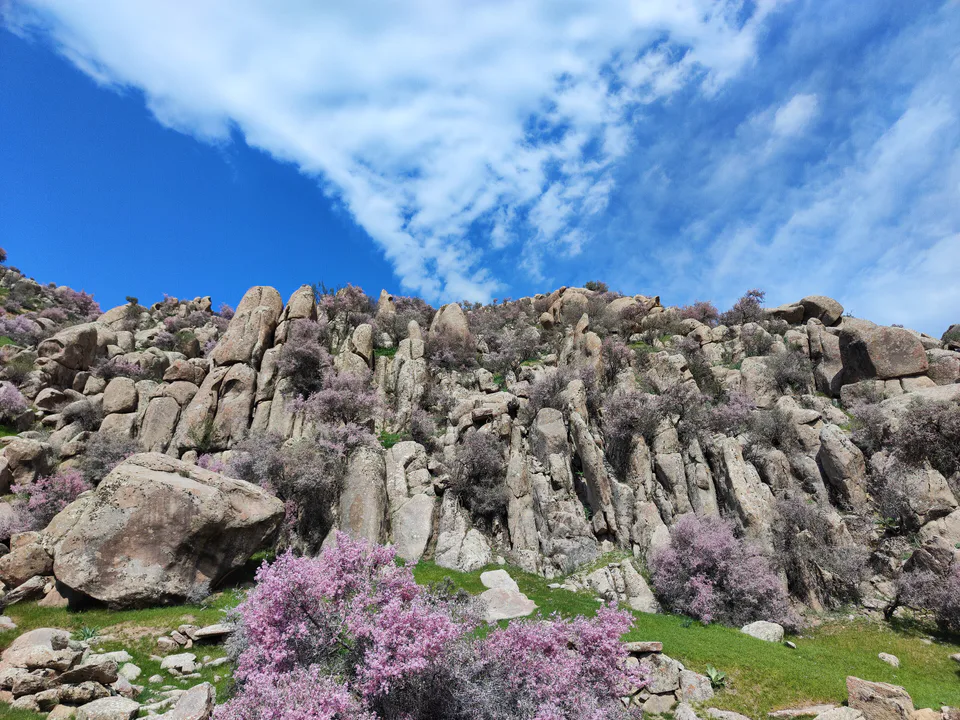
district · The farm belt around the regional capital, abolished in 2026
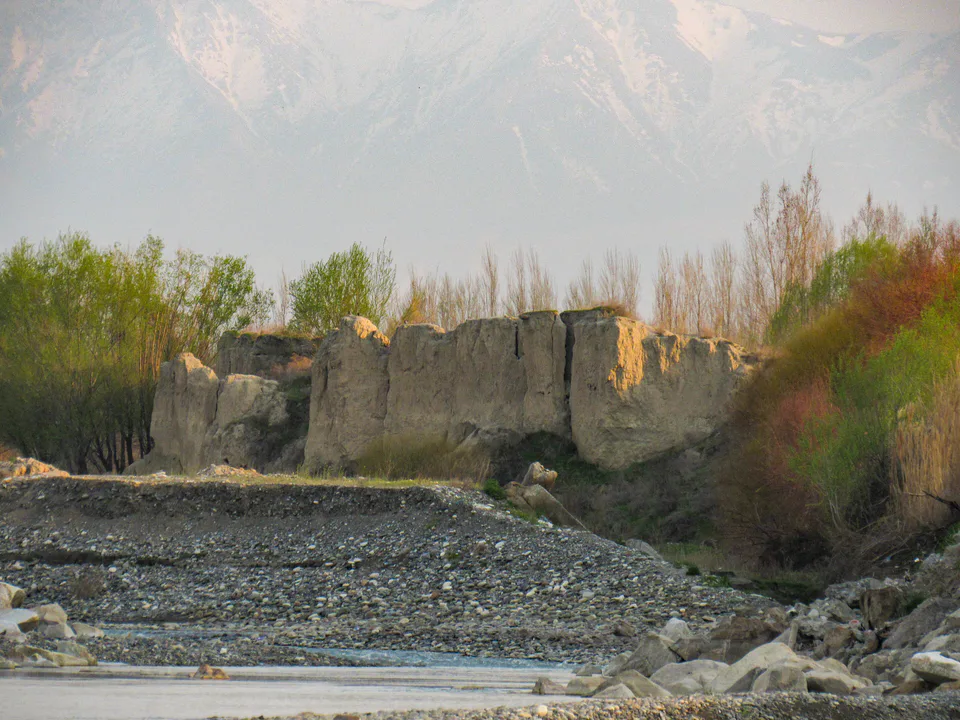
district · Orchards on Samarkand's doorstep
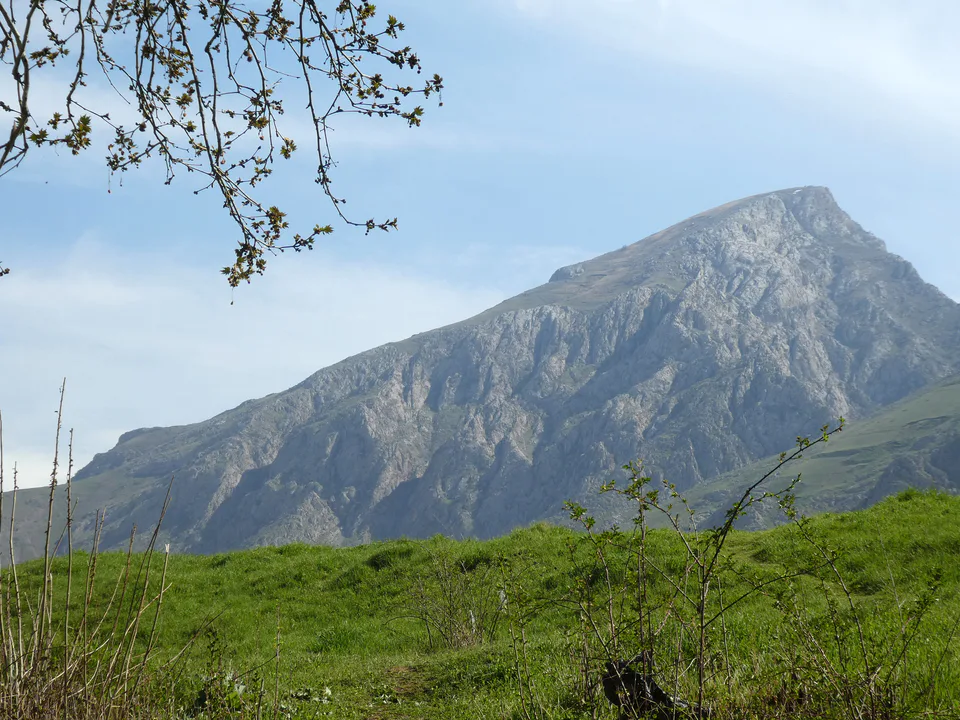
district · Bazaar, ancient plane trees and crafts at the foot of the mountains