Archaeology · Turakurgan District
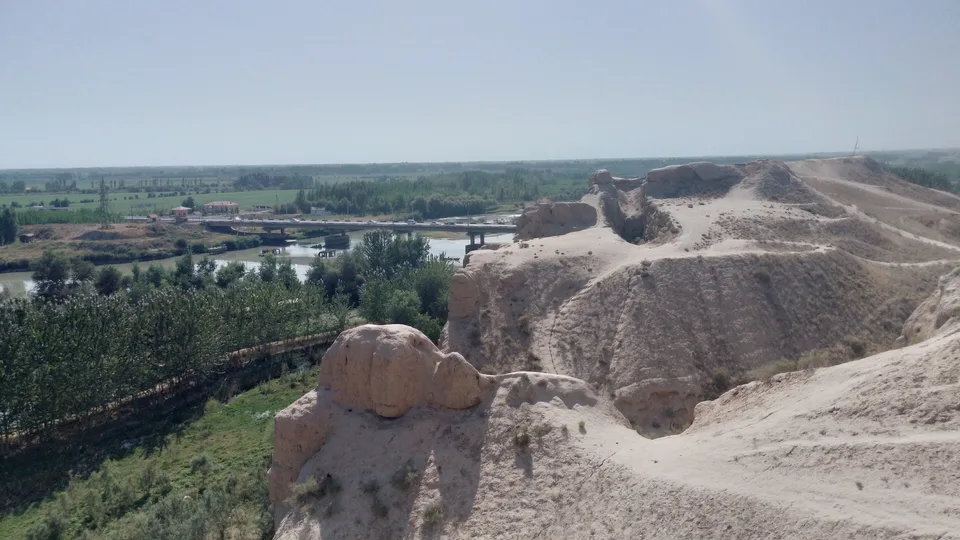
Akhsikath
Fergana's ancient capital
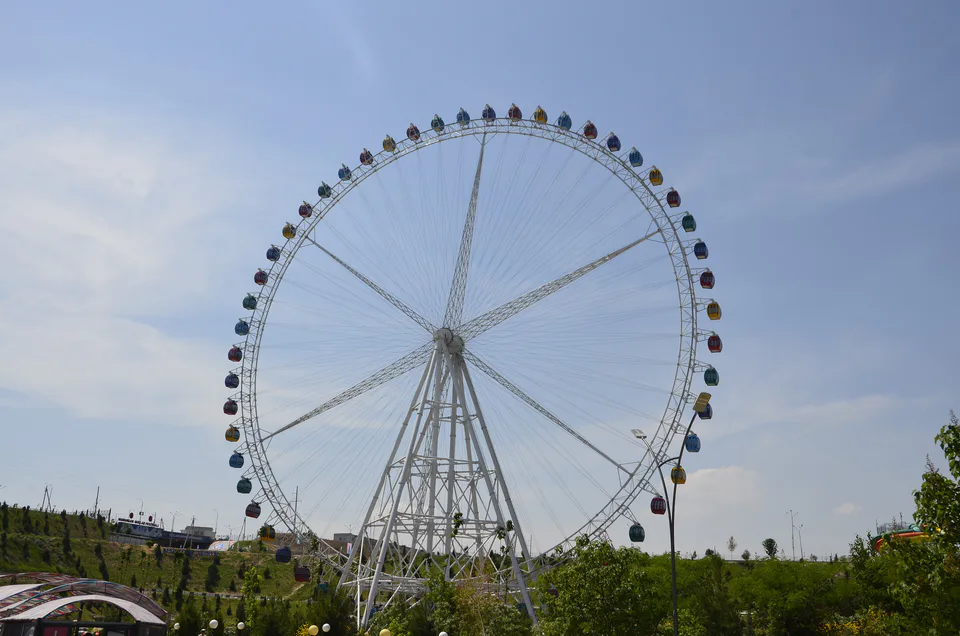
A valley of flowers, madrasas and Akhsikath
The northern Fergana Valley: the ruins of Akhsikath, the Mullah Kyrgyz Madrasa, a flower festival held since 1961, Chust knives and the foothills of the Chatkal Range.
Namangan Region occupies the northern part of the Fergana Valley, mostly on the right bank of the Syr Darya. It borders Kyrgyzstan, Tajikistan and the Tashkent, Fergana and Andijan regions. It covers 7,440 km², and at the start of 2026 it had 3.19 million inhabitants, nearly two-thirds of them in urban areas.
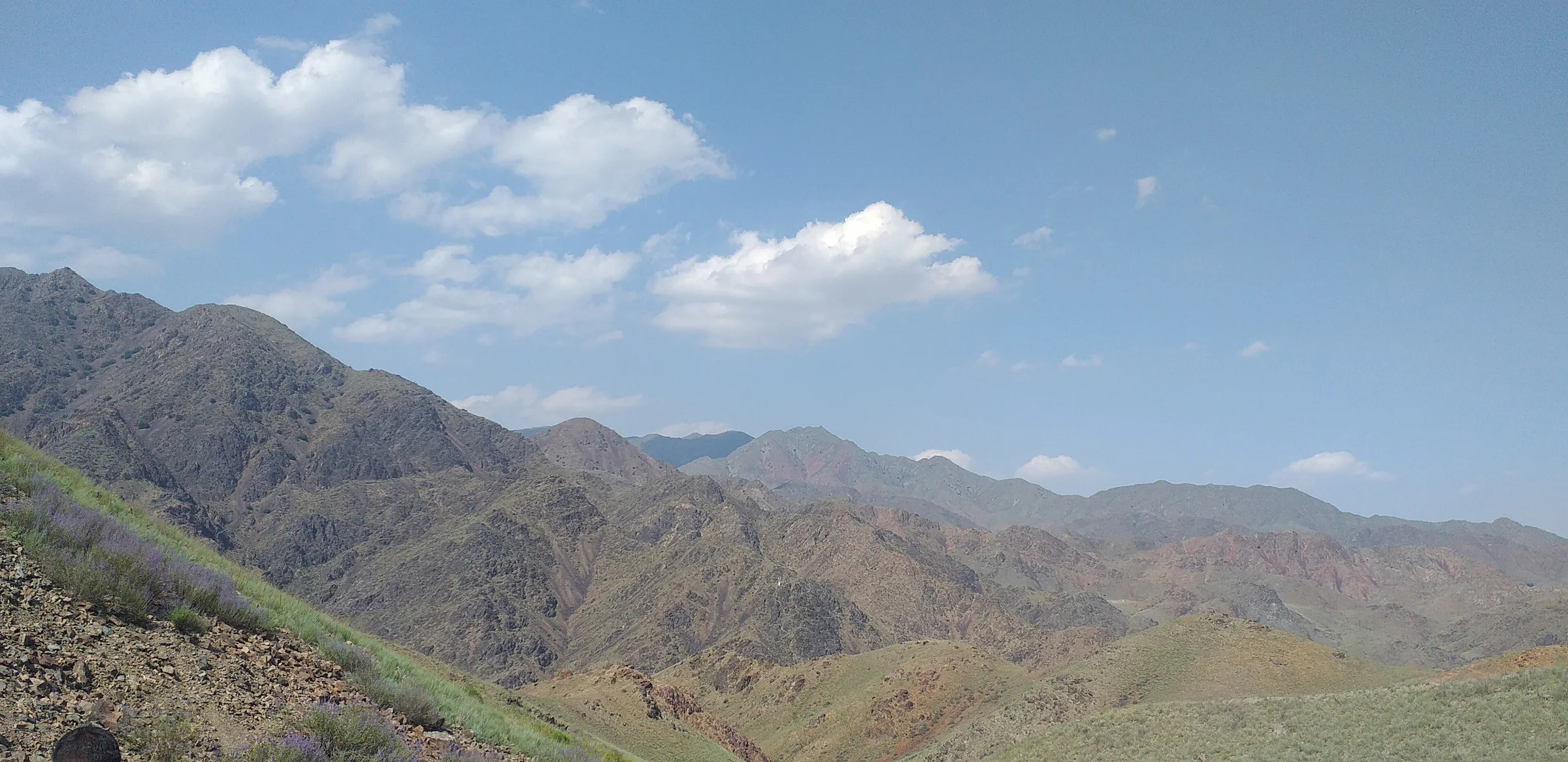
The Chatkal and Kurama ranges wall the region in from the north, falling southwards into foothills and broad plains. The Syr Darya itself is born in these parts, where the Naryn and Kara Darya meet. Mountain streams such as the Chortoqsoy, Chustsoy, Govasoy, Kosonsoy and Namangansoy run down to the valley, and the Kosonsoy, Chortoq and Eskiyer reservoirs and the North Fergana and Great Namangan canals have been built. The climate is sharply continental, with around 230 mm of rain a year in Namangan. Beneath the ground lie the Chodak gold deposit, oil, gas and mineral waters; the springs of Chortoq are known for their healing water.
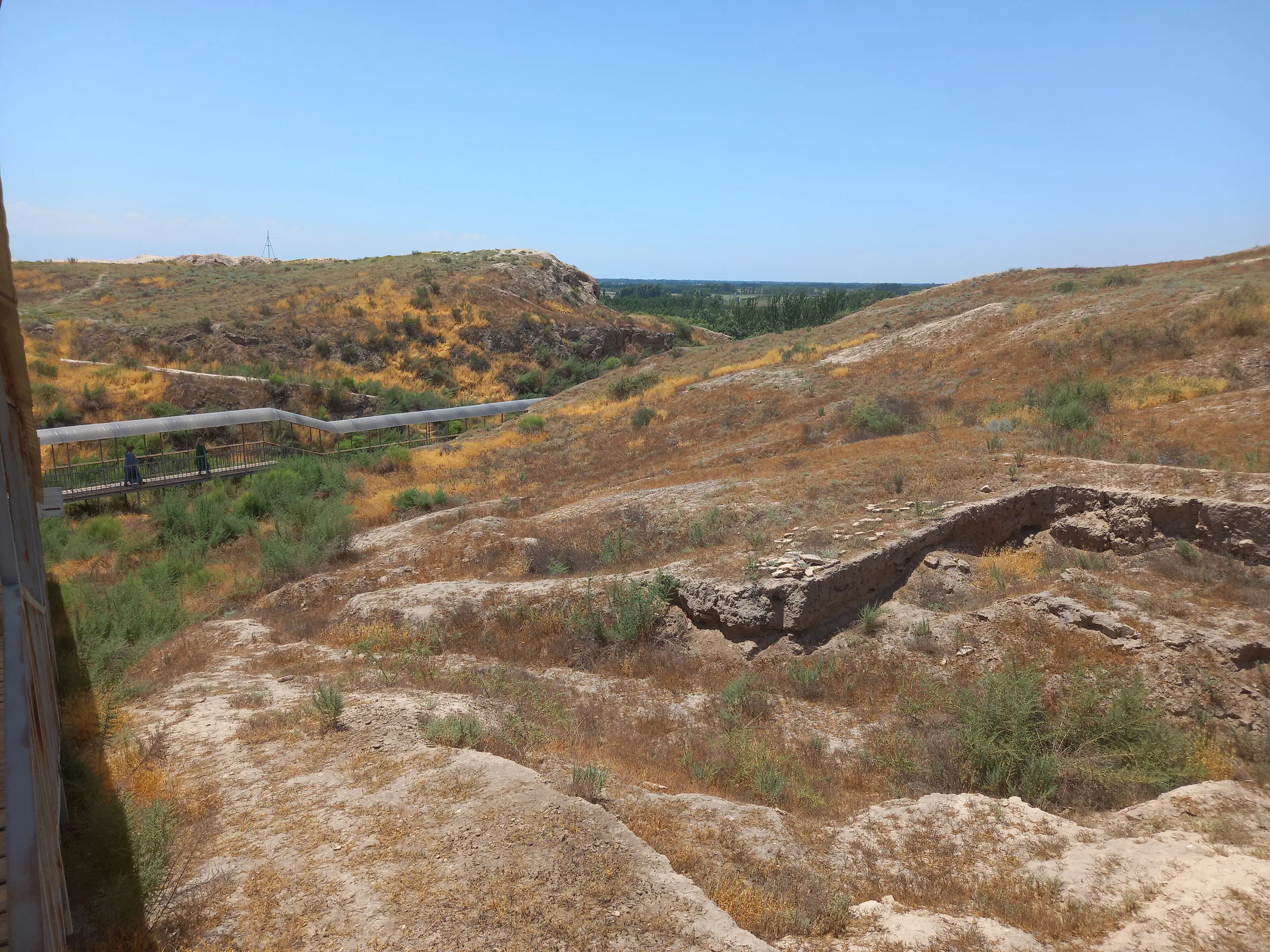
This part of the valley was settled very early: the Chust culture of the late 2nd and early 1st millennium BC was first identified here. Akhsikath on the Syr Darya is known from the 3rd century BC and in the 9th–10th centuries was the capital of all Fergana; in the 15th century Babur's father, Umar Shaikh Mirza, ruled from here. The ancient towns of Pap and Kasan are already mentioned at the time of the Arab conquest.
After the earthquake of 1620 the people of Akhsikath moved to nearby Namangan, which soon became a major crafts and trading town. Its name is thought to derive from Persian namak kan, 'salt mine'. In the 18th and 19th centuries Namangan was part of the Kokand Khanate, and from 1876 of the Russian Empire's Fergana Oblast. The region was created on 6 March 1941, abolished in 1960 and restored on 18 December 1967.
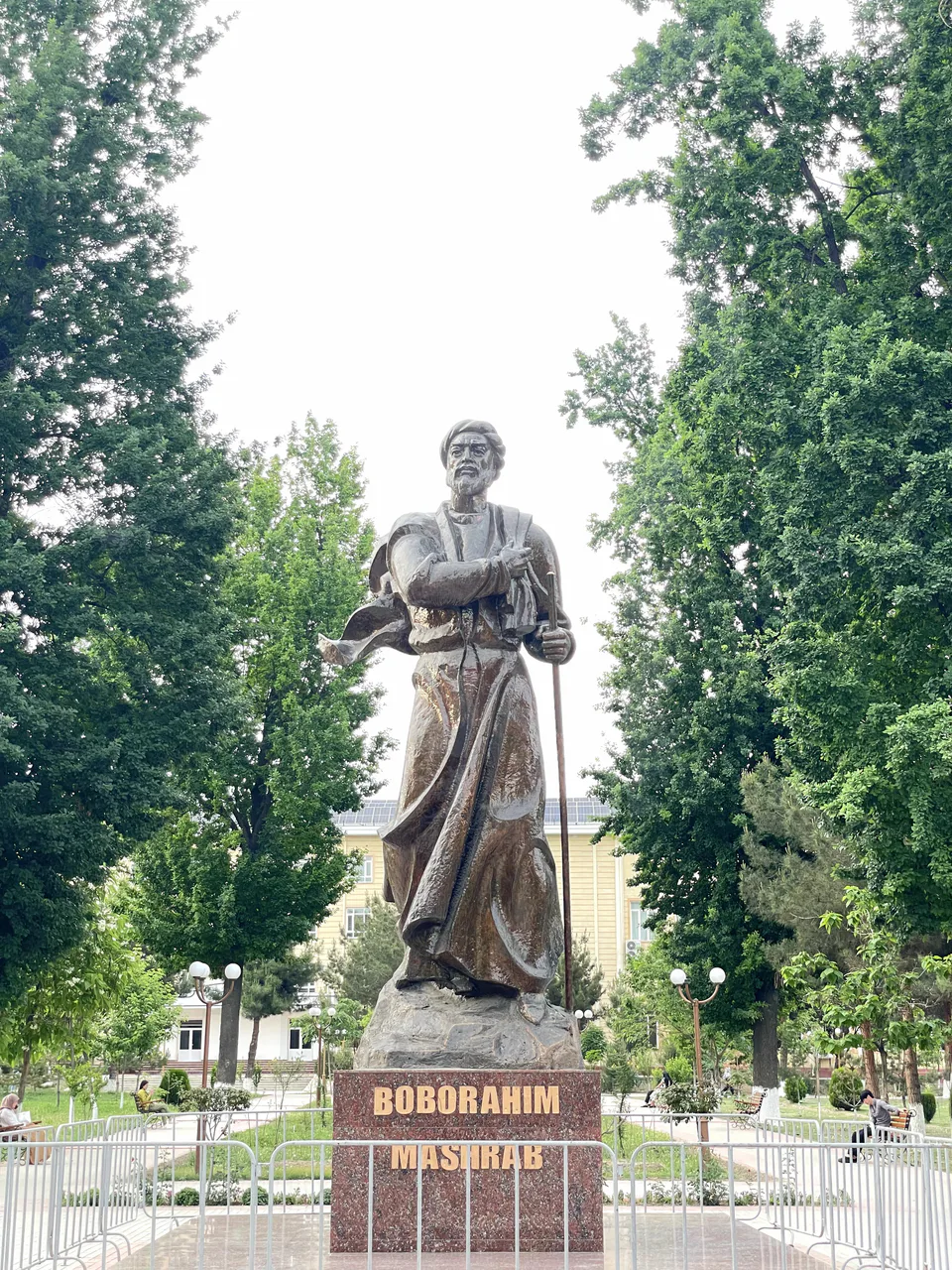
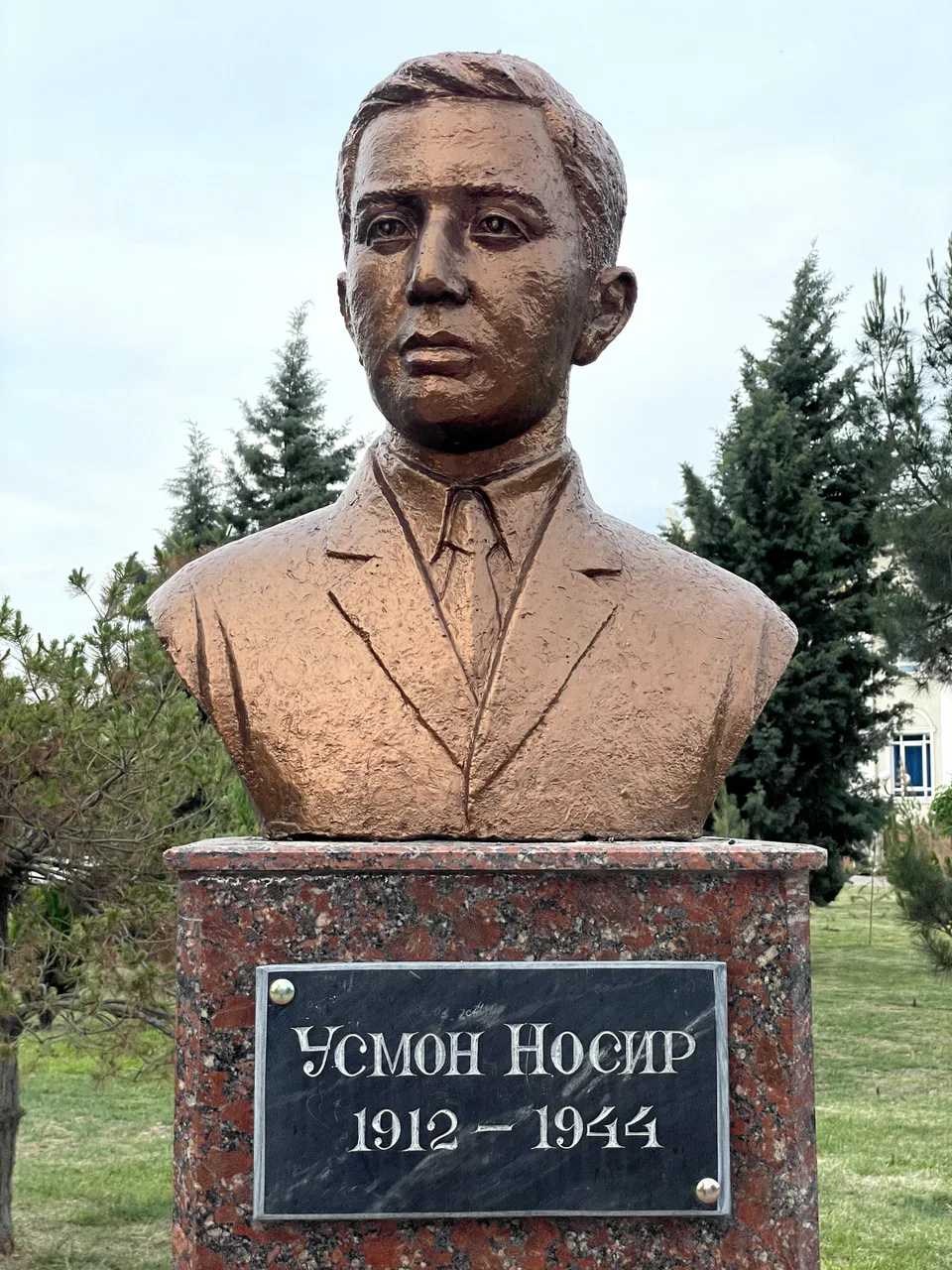
The land has produced many poets and reformers: the Sufi poet Boborahim Mashrab was born in Namangan, and the enlightener and publisher Ishoqxon Tora Ibrat lived and worked in Turakurgan.
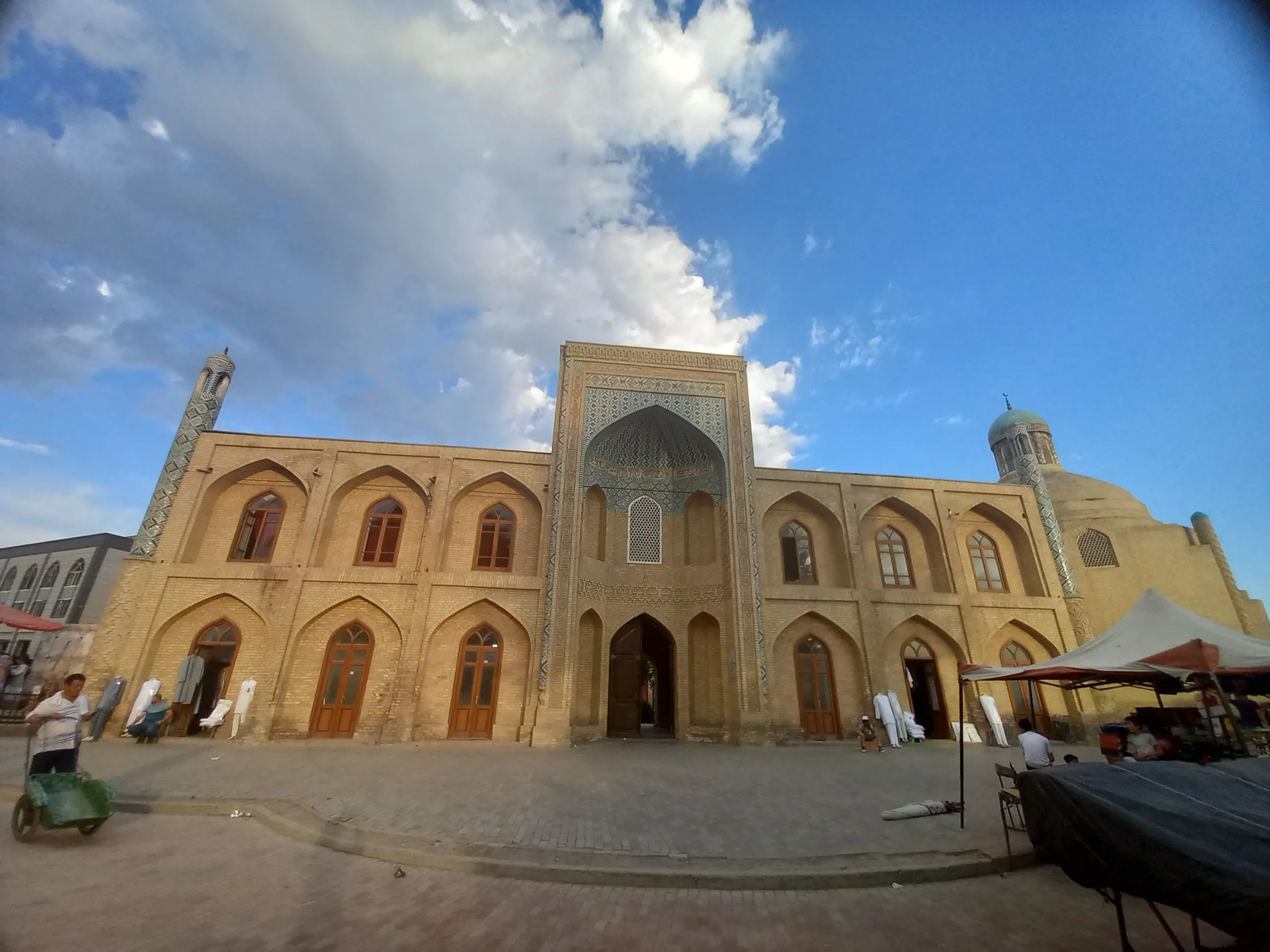
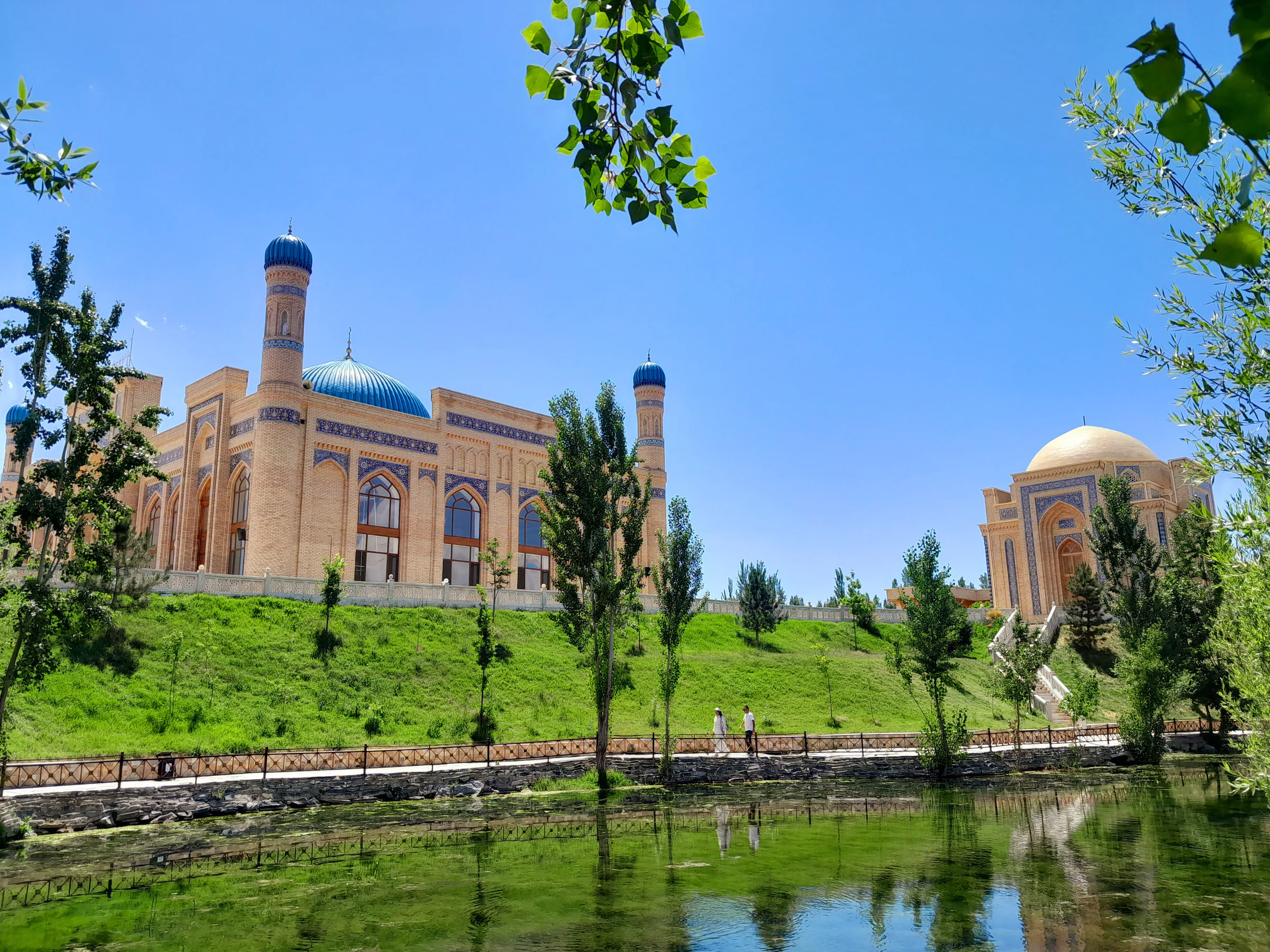
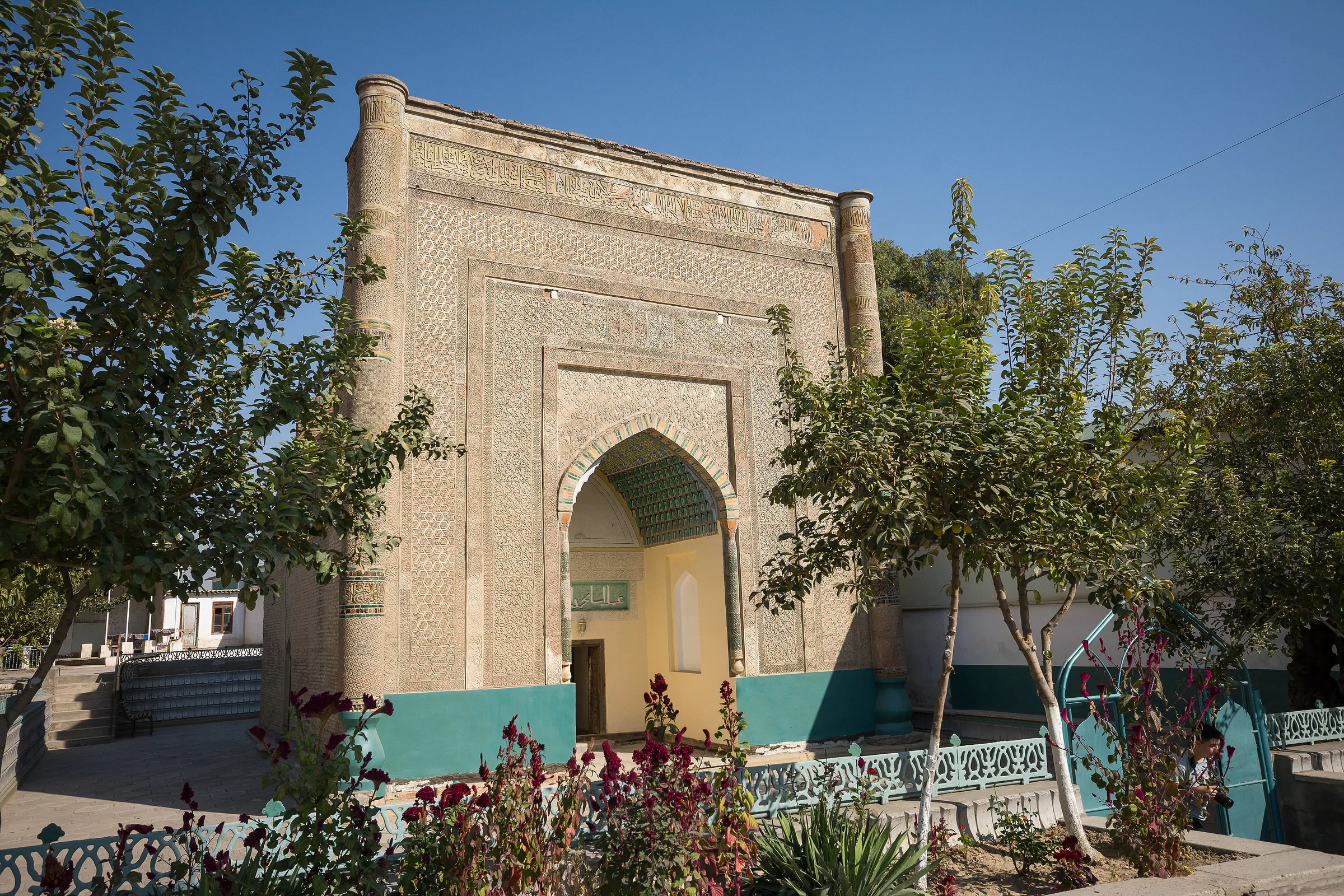
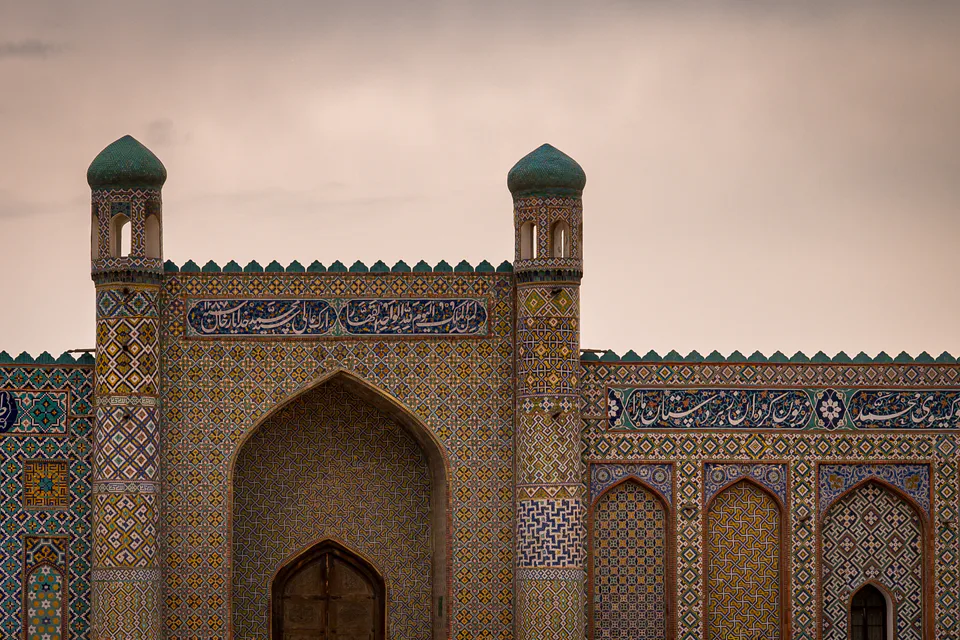
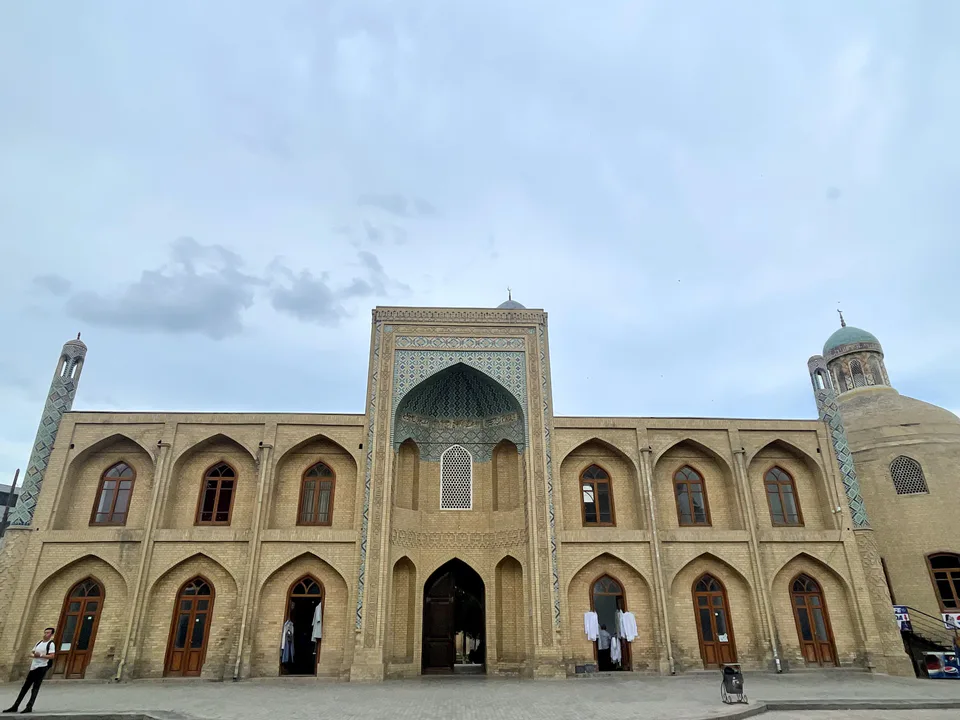
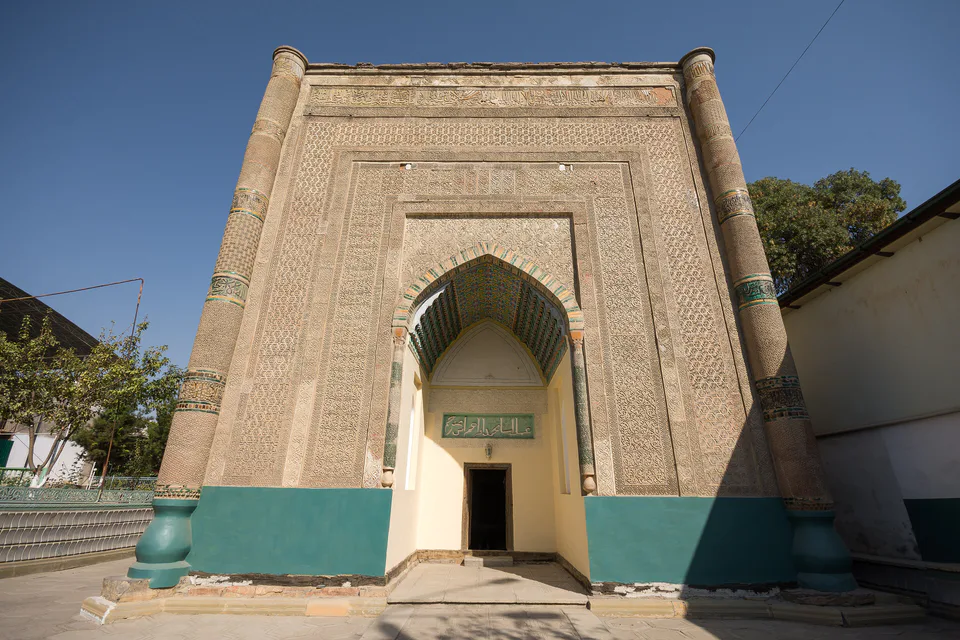
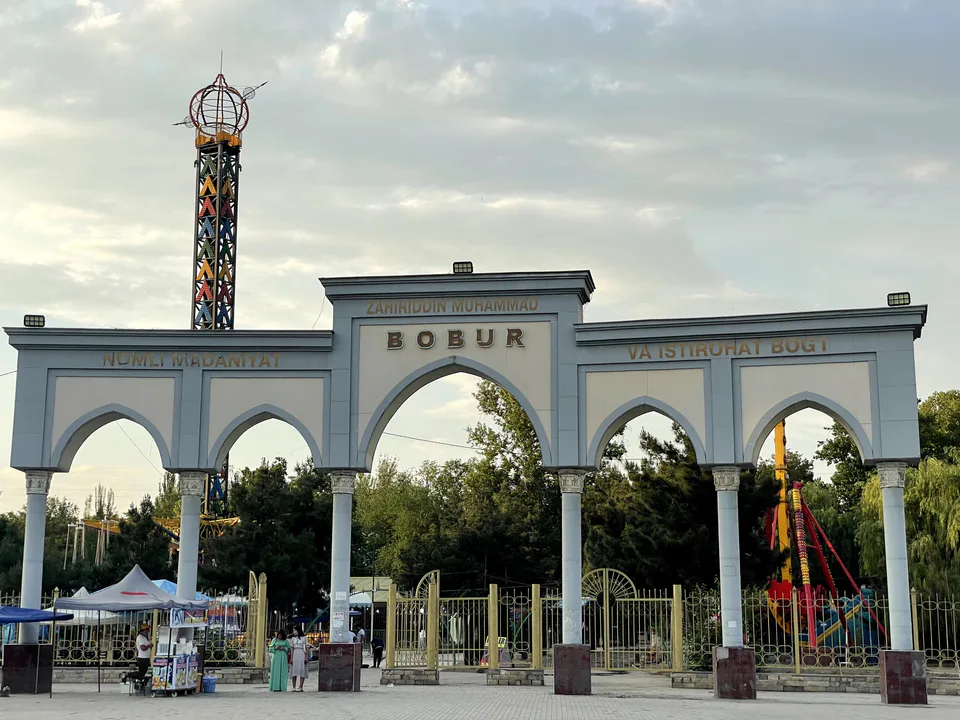
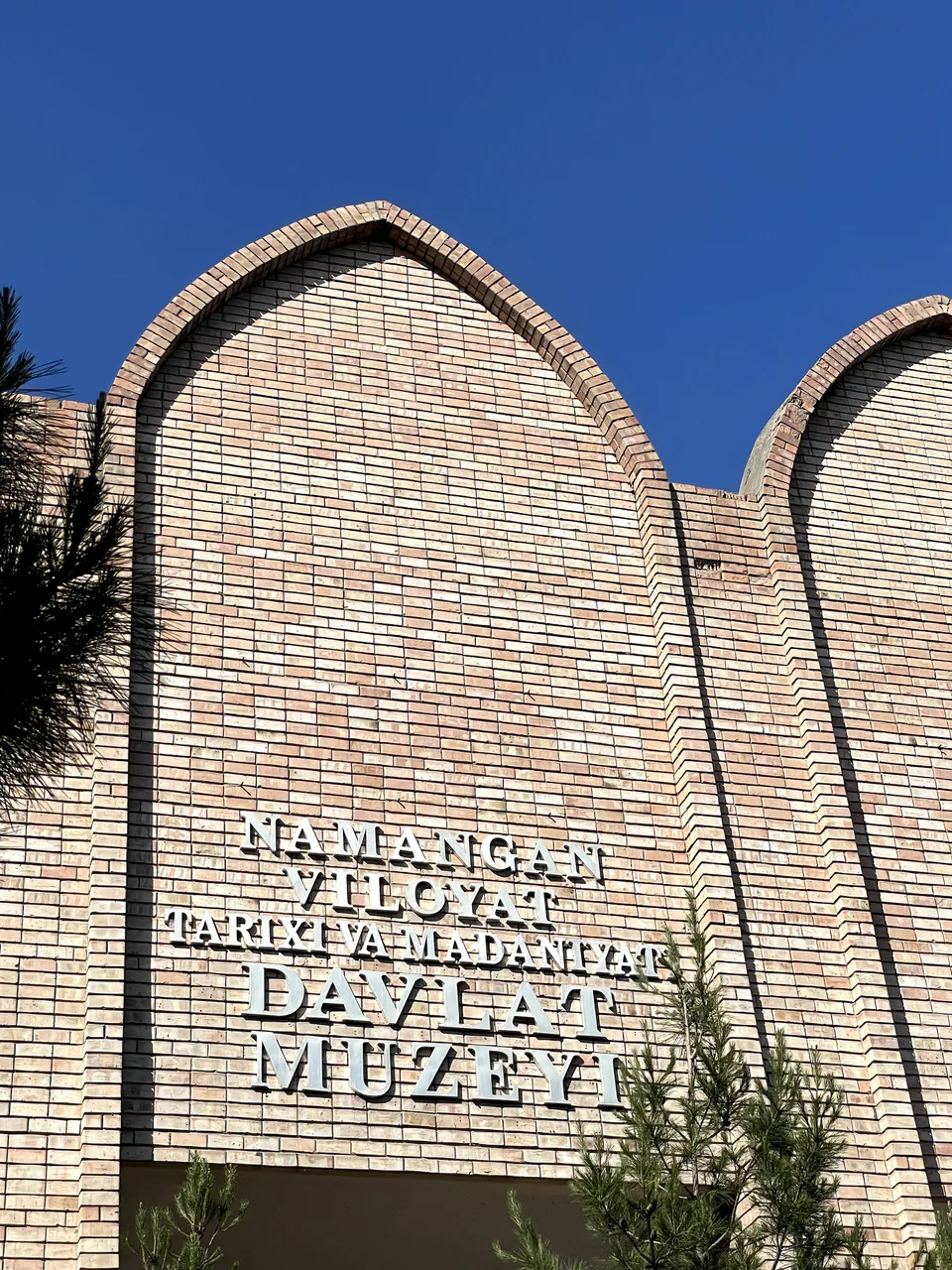
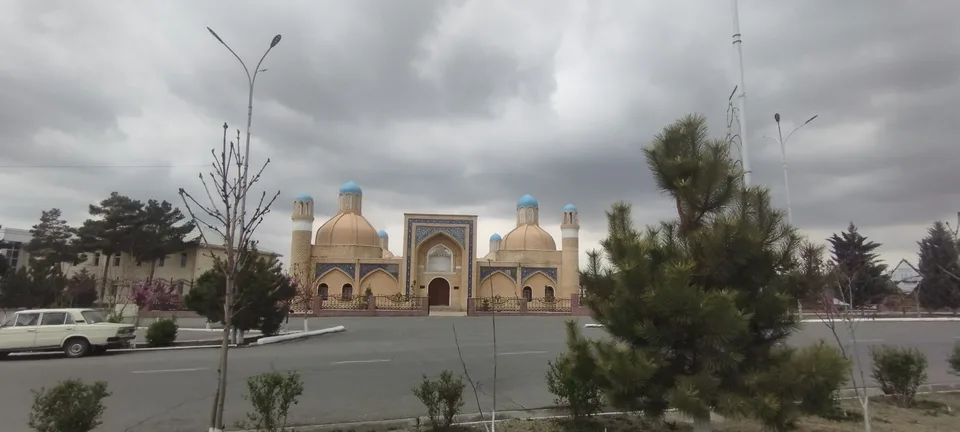
Namangan city has the Mullah Kyrgyz Madrasa of 1910, the 18th-century Khodjamni Kabri (mausoleum of Khoja Amin), the great domed mosque of Ota Valikhon Tora, the regional museum of history and culture, and Babur Park, laid out in the late 19th century. The emblem of modern Namangan is the Afsonalar Vodiysi ('Valley of Legends') park, opened in 2019.
The ruins of Akhsikath in Turakurgan District — 'Fergana's Afrasiab' — were a key Silk Road station. Pop District has the Munchoqtepa necropolis and the Balandtepa town site, while its mountains hold Pop National Nature Park, created in 2022. In Chust, old knife workshops and skullcap makers are still at work.
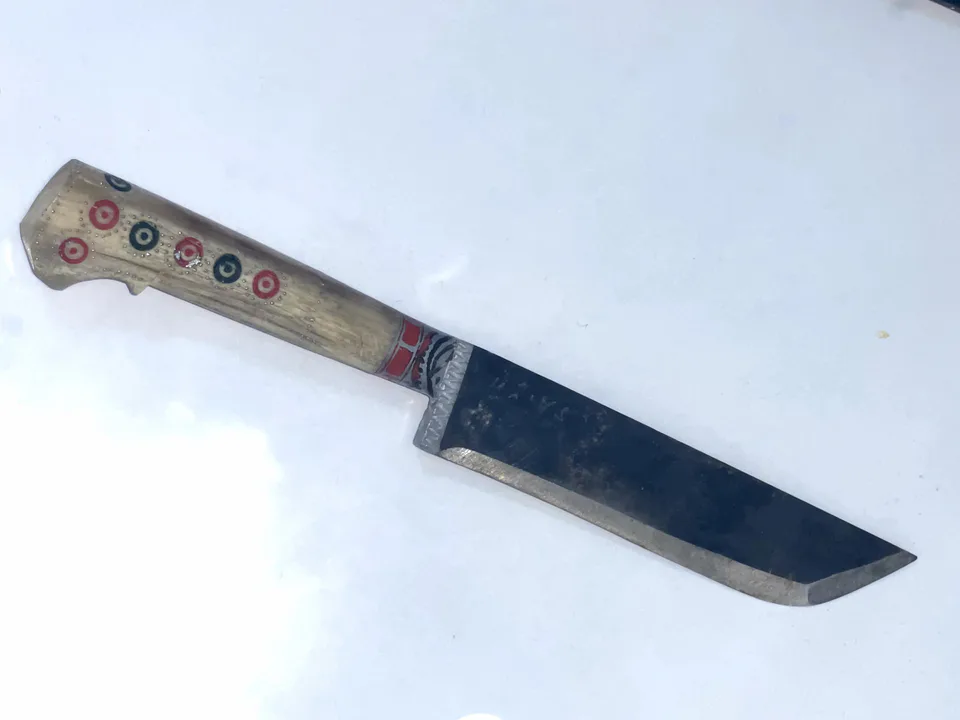
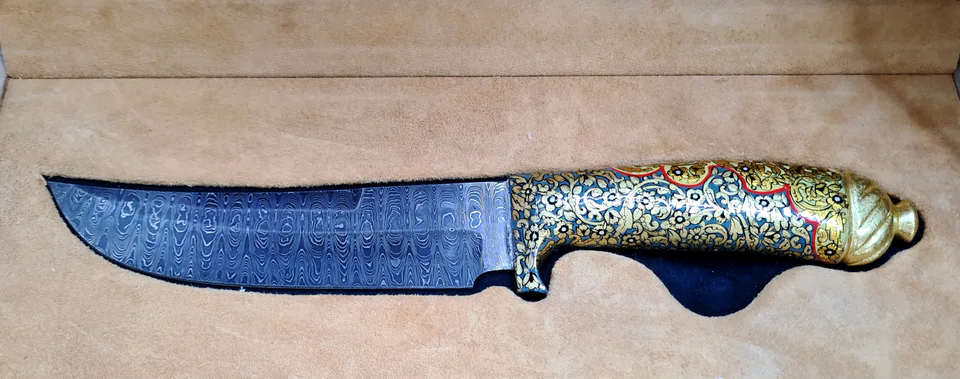
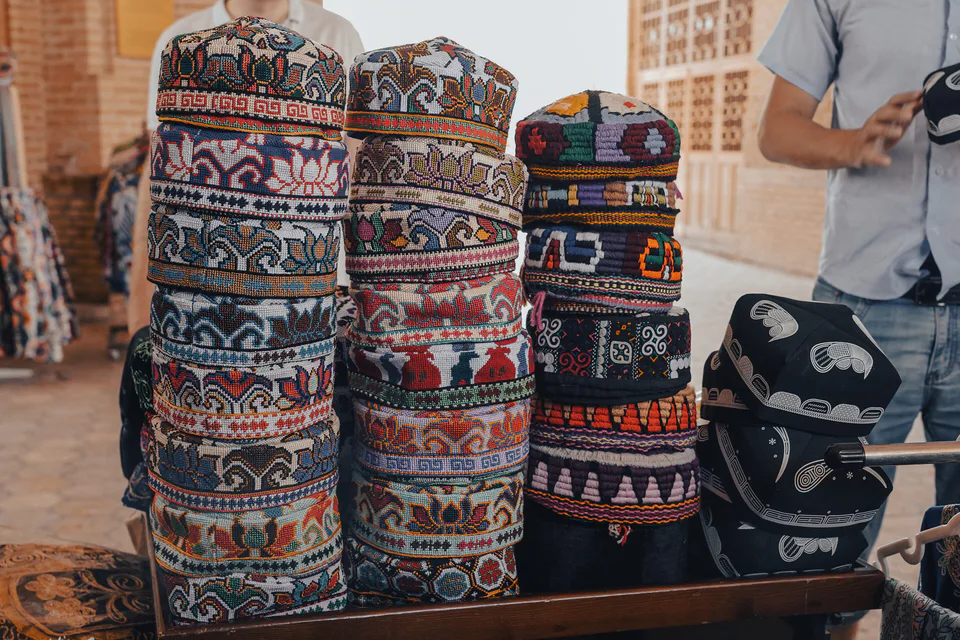
Chust knives are famous throughout Uzbekistan: the town has a quarter of bladesmiths, and every blade is stamped with its maker's mark. The Chust skullcap, embroidered in white on a dark ground with a pepper-pod or almond motif, won acclaim at exhibitions in New Delhi, Montreal, Tokyo and Poznań in 1968–1970. Silk, textiles and jewellery are also traditional industries here.
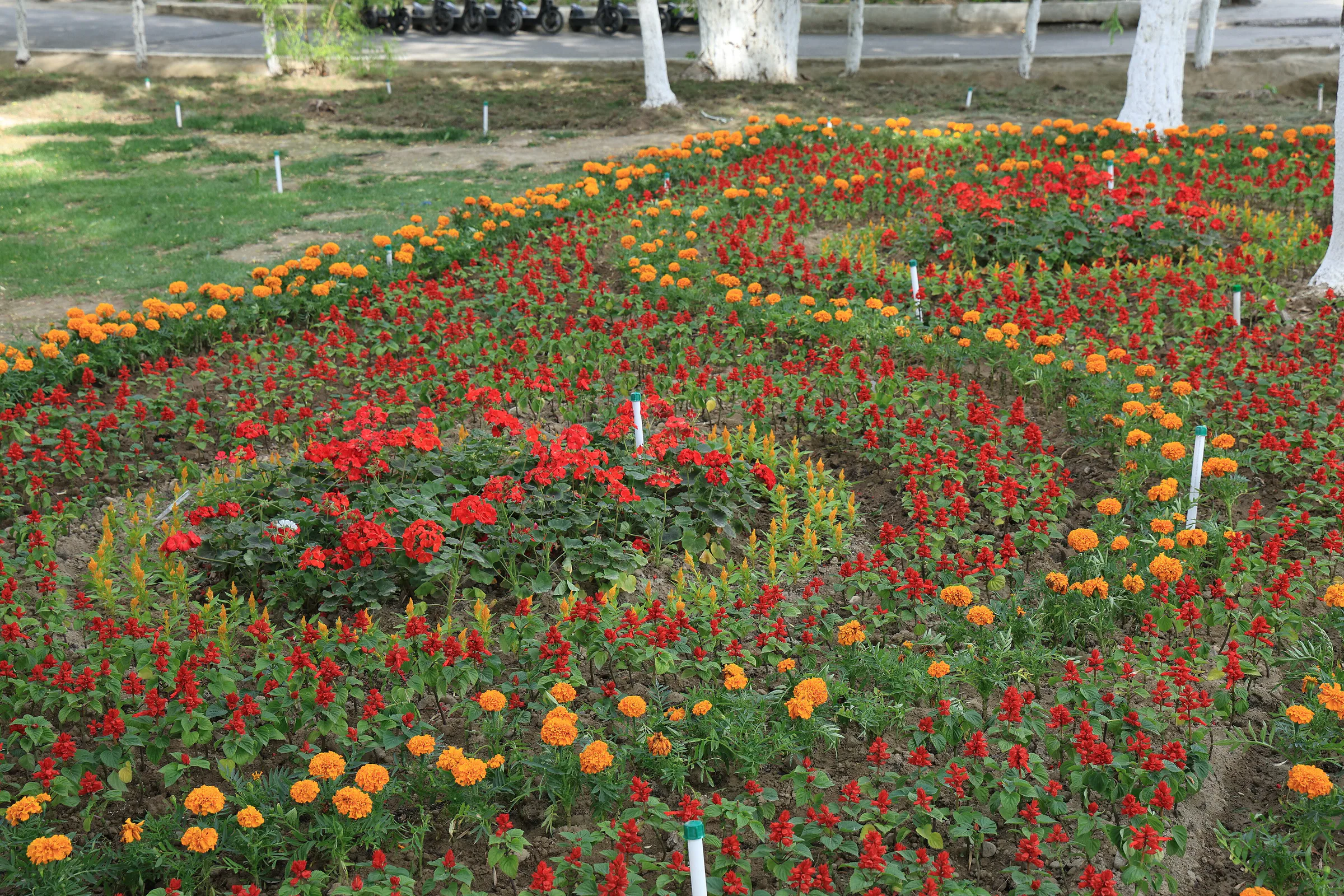
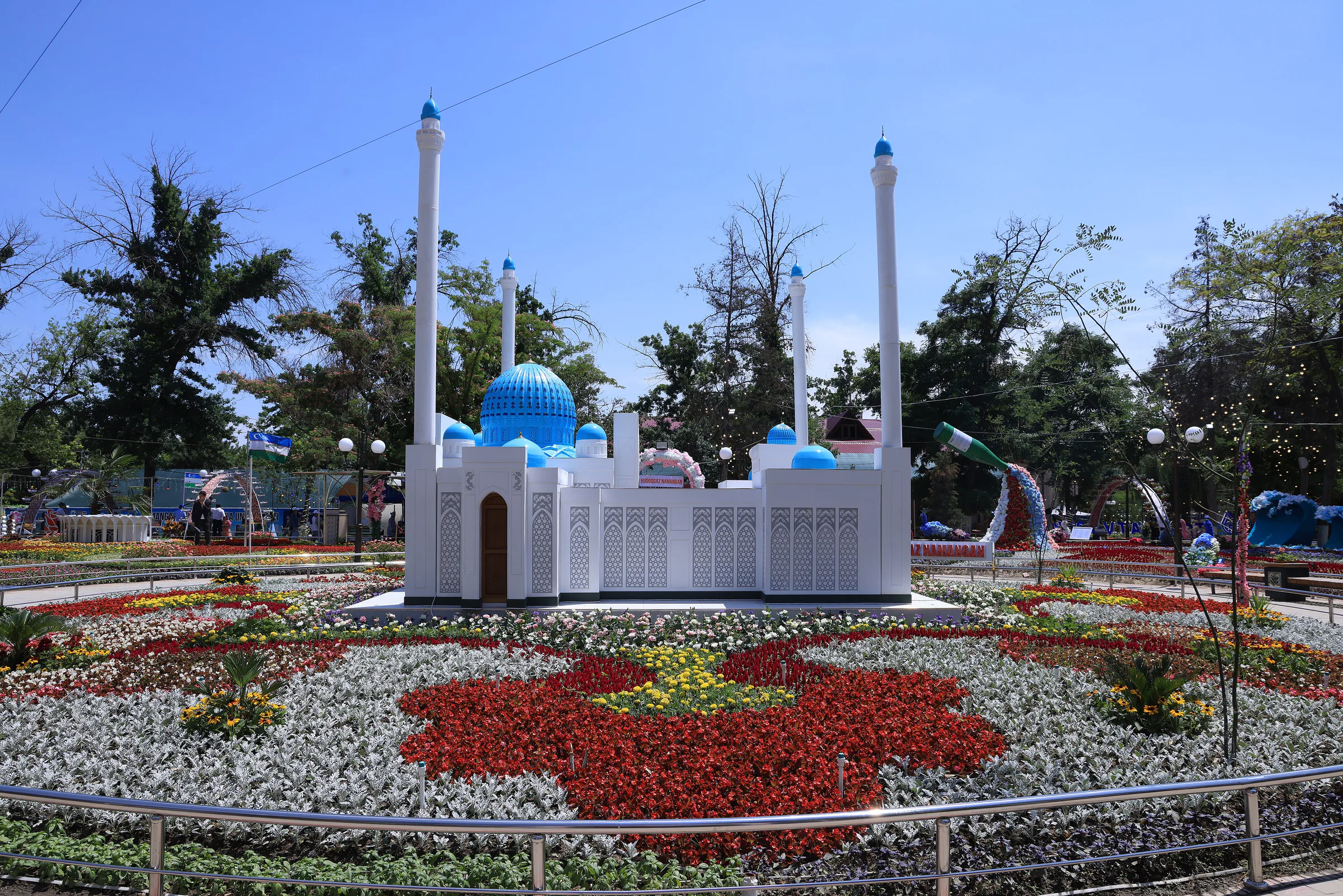
Namangan is the 'city of flowers': a flower festival has been held here every spring, usually in May, since 1961, international since 2019, and the 65th edition took place in 2026. In spring the city's parks, streets and courtyards are ablaze with blooms.
The regional capital is Namangan, which includes the city districts of Davlatobod and Yangi Namangan, created in 2020–2021; the rest of the region is divided into 11 districts. Namangan is one of the largest cities in the valley, with 728,000 residents at the start of 2026. The region's other towns are Chust, Kosonsoy, Chortoq, Uchqurgan, Turakurgan, Pop and Haqqulobod.
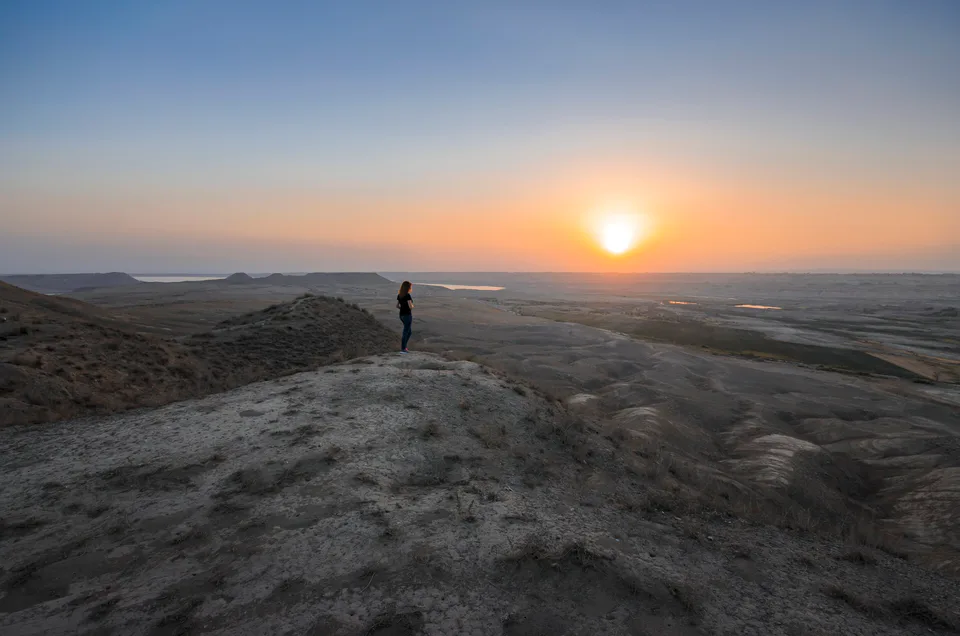
Pop District in the west is the largest by area, stretching from the Chatkal mountains to the Syr Darya and linking the valley with Tashkent over the Kamchik Pass. Kosonsoy, Chortoq and Yangiqurgan lie in the northern foothills, while Uychi, Uchqurgan and Norin occupy the fertile plain along the Naryn. Mingbuloq District, on the left bank of the Syr Darya, preserves the sandy deserts of Central Fergana.
Namangan International Airport has flights to Tashkent and a number of foreign cities. The railway from Tashkent reaches Namangan through the tunnel beneath the Kamchik Pass, and the road crosses the same pass; Tashkent is about 300 km away. Buses and taxis link Namangan with Chust, Pop, Turakurgan and Kosonsoy, and Fergana and Andijan are close by.
Entertainment · Davlatobod District
Modern Namangan's landmark
Park & garden · Namangan
A city garden beneath centuries-old plane trees
Culture & arts · Chust District
Blades stamped with the maker's mark
Museum · Turakurgan District
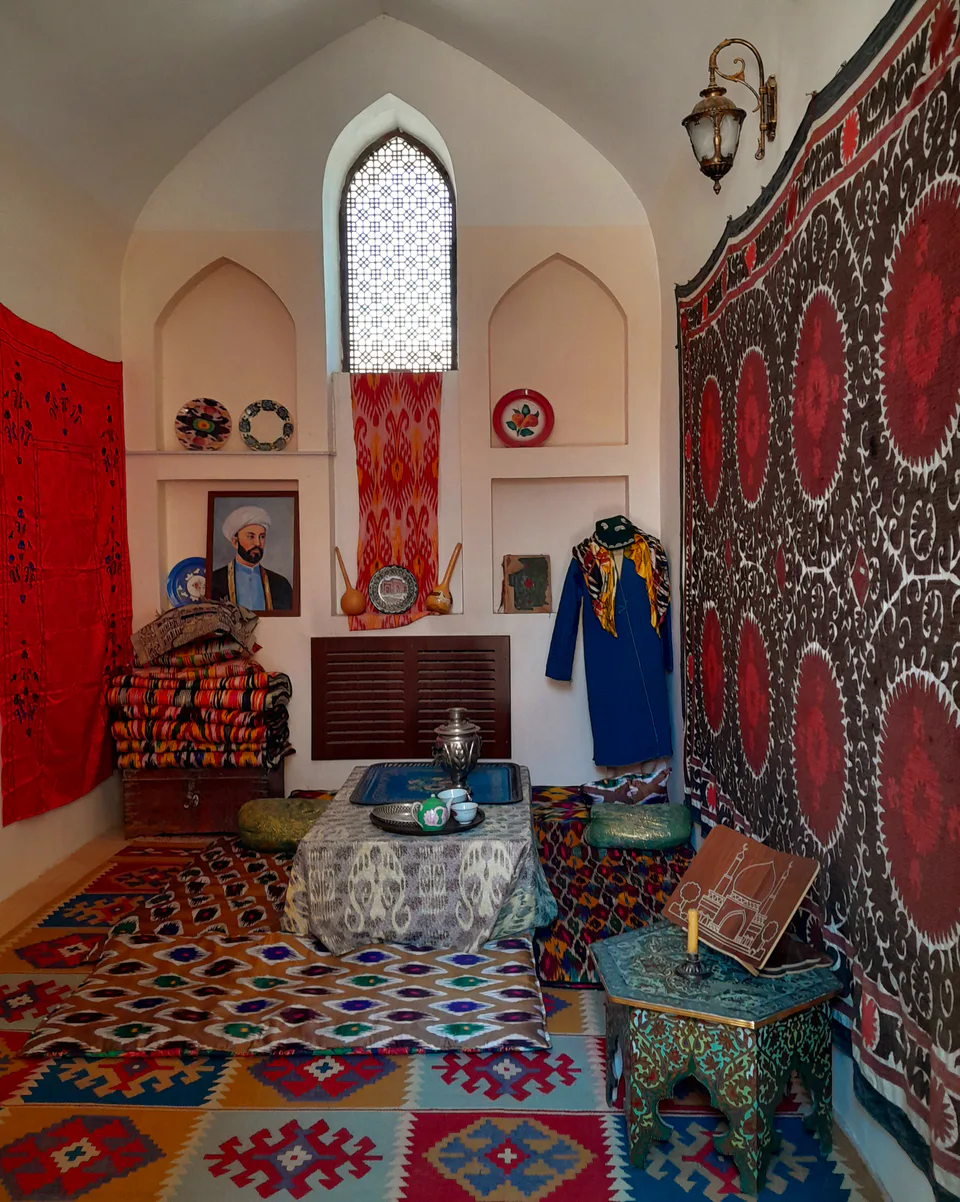
In memory of an enlightener and publisher
Archaeology · Pop District
Ancient Pap and its necropolis
Museum · Namangan
A local-history treasure house since 1918
Mosque · Namangan
Beneath a 14-metre dome
Nature · Pop District
A young national park below the Chatkal
Mausoleum · Namangan
Mausoleum and mosque of Khoja Amin
Mausoleum · Uychi District
Shrine of a 'holy fool' teacher and healer
Mosque · Kosonsoy District
A historic mosque in white and blue
Mausoleum · Namangan
A tomb whose walls are covered in verse
Namangan Region
Airport, railway station and bus stations — addresses, timetables and the live board.
All transportNamangan Region
Road distance, the fastest train and whether there is a direct flight.
All distances| City | Road, km | By car | By train | Flight | Bus |
|---|---|---|---|---|---|
| Margilan Fergana Region |
68 | 1 h 8 min | — | — | — |
| Andijan Andijan Region |
69 | 52 min | 2 h 4 min 096Ф |
— | — |
| Fergana Fergana Region |
77 | 1 h 16 min | — | — | — |
| Rishtan Fergana Region |
112 | 1 h 39 min | — | — | — |
| Kokand Fergana Region |
117 | 1 h 26 min | — | — | — |
| Angren Tashkent Region |
181 | 2 h 11 min | 3 h 7 min 095Ф |
2 flights | — |
| Tashkent Tashkent (city) |
284 | 3 h 47 min | 4 h 33 min 095Ф |
2 flights | — |
| Jizzakh Jizzakh Region |
426 | 5 h 33 min | 7 h 56 min 127Ф |
— | — |
Weather: MET Norway
Namangan Region
Checked hotels and places to eat — with addresses, phone numbers, opening hours and price levels.
17-room hotel with an Uzbek restaurant
New 66-room hotel on the airport road
Hotel in Chust, the knife-makers' town
Large business hotel near Babur Park
Chain hotel known for its breakfast
Modern hotel on the northern ring road
West-side hotel with a courtyard and spa
City hotel next to Babur Park
Hotel with an indoor pool and spa
Budget hostel in the west of the city
Boutique hotel with large rooms
Basic hotel beside the Mulla Kyrgyz Madrasa
Family restaurant with facilities for children
Turkish and Asian dishes in the Shedevr Plaza building
Chust's popular teahouse
European and Turkish dishes on Amir Temur Street
Family restaurant with huge portions
24-hour restaurant in Chust
Tavern with lively music nights
Chust teahouse known for its plov
Restaurant cooking plov with chungara rice
Quiet Turkish café
Round-the-clock coffee shop
Popular family restaurant in central Namangan
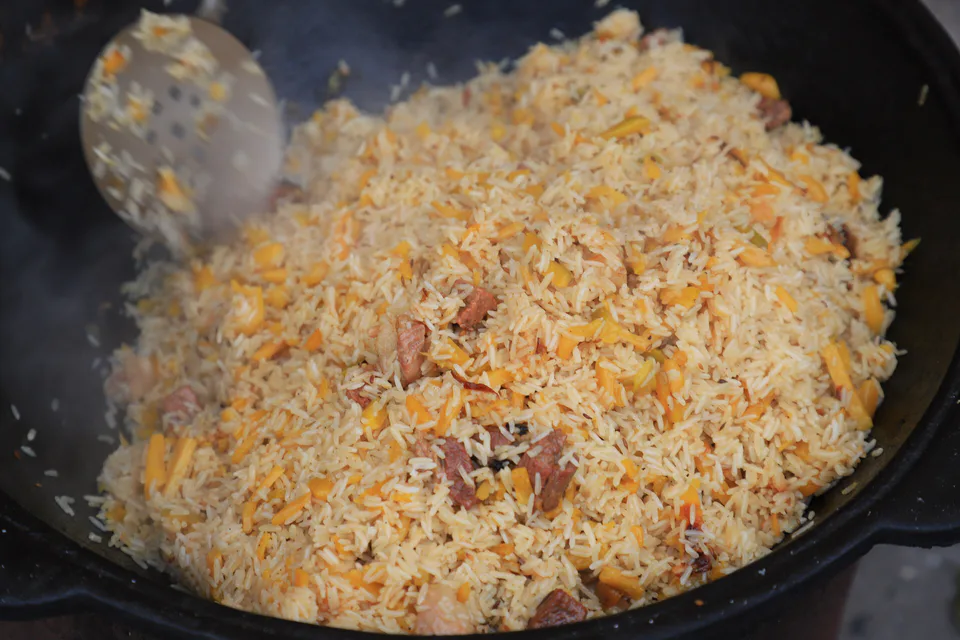
Dish · Fergana, Andijan +1
The dark plov of the Fergana Valley: a bone, meat, onions and carrots are fried long and hard until the zirvak turns deep brown.
Craft · Namangan
Hand-forged knives from Chust in Namangan Region: a blade with a slightly upturned tip, the maker’s stamped ‘signature’ and a decorated sheath.
Craft · Namangan
The four-sided Chust skullcap, with white pepper-pod motifs on dark green, is the best-known emblem of Uzbek dress — and every oasis has its own doppi.
Tradition · Fergana, Andijan +3
A battle of wits born in the Fergana Valley and Tashkent: two or more askiyachi duel in wordplay on a set theme.
Tradition · Fergana, Andijan +1
The Fergana Valley’s ‘great song’: two to five unaccompanied singers, each holding a tray, sing in a soaring high register; UNESCO-listed since 2009.
Namangan Region
Khokimiyat, public service centre and other offices: addresses, phones, hours.
All offices (56)Khokimiyat
57 Istiqlol St, Namangan
Mon–Fri
Read morePublic Service Centre
38 A. Xojayev St, Namangan
Read moreNamangan regional comprehensive service centre · Namangan
75 Toʻraqoʻrgʻon Street, Namangan
+998 69 233 29 46Namangan banking services office · Namangan
7A Quqimboy Street, Namangan 160030
+998 55 503 16 16Namangan banking services centre · Namangan
68A Okhunboboyev Street, Namangan 160033
+998 69 227 66 96Namangan city banking services centre · Namangan
5A Lutfiy Street, Obi Hayot mahalla, Namangan
Namangan Region
Codes 160100–161217. The main code of each city and district:
All postcodes (140)Namangan Region
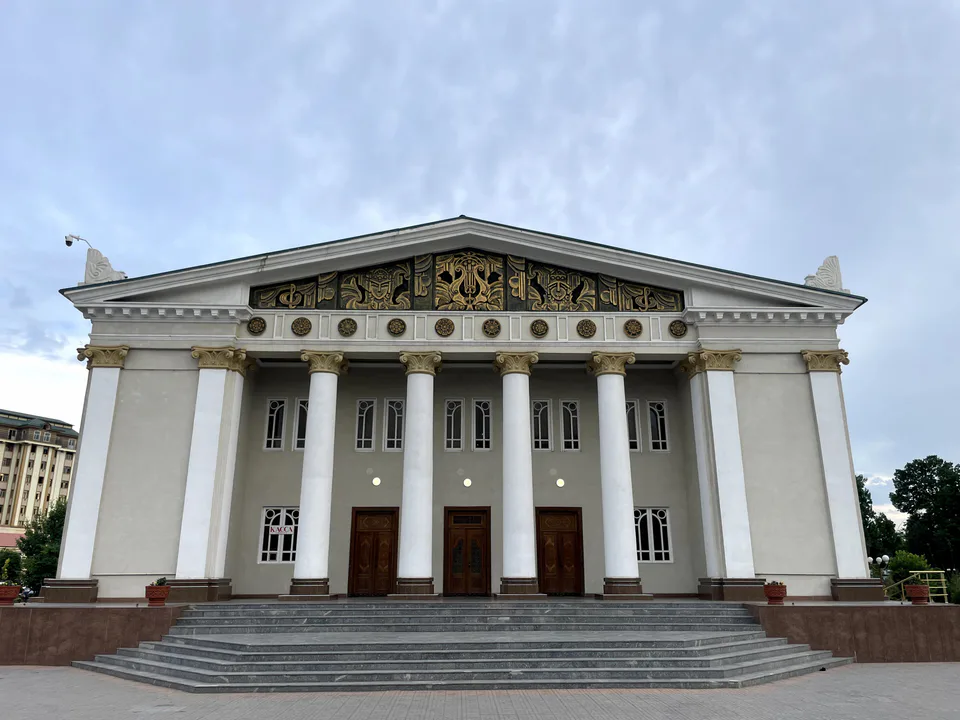
city · The valley's capital of flowers
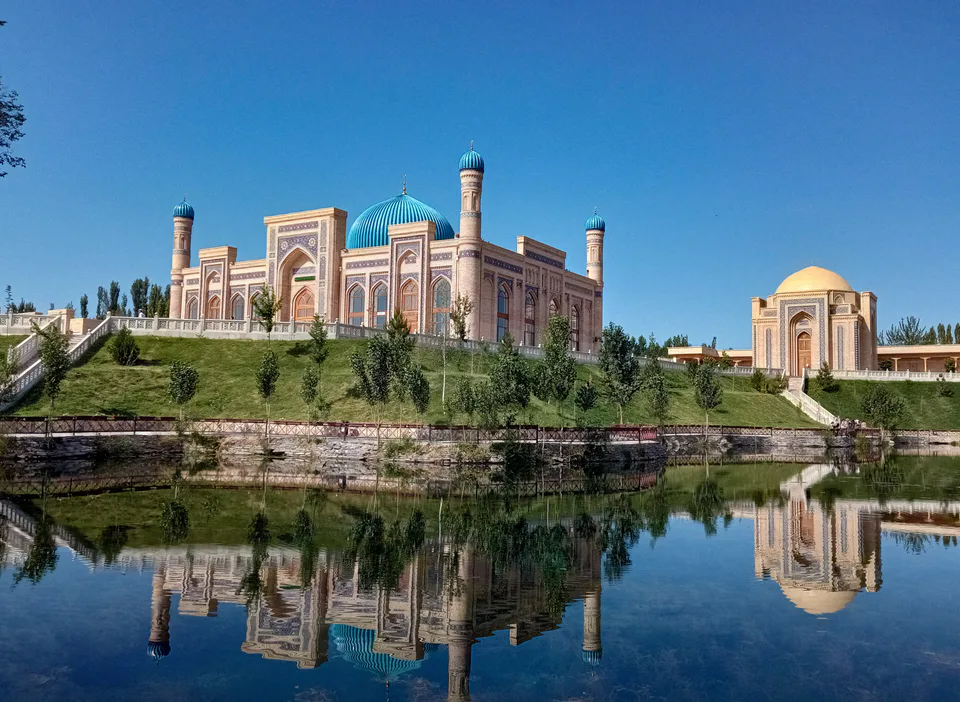
district · Healing springs and 'four hills'
district · Home of knife-makers and skullcap embroiderers
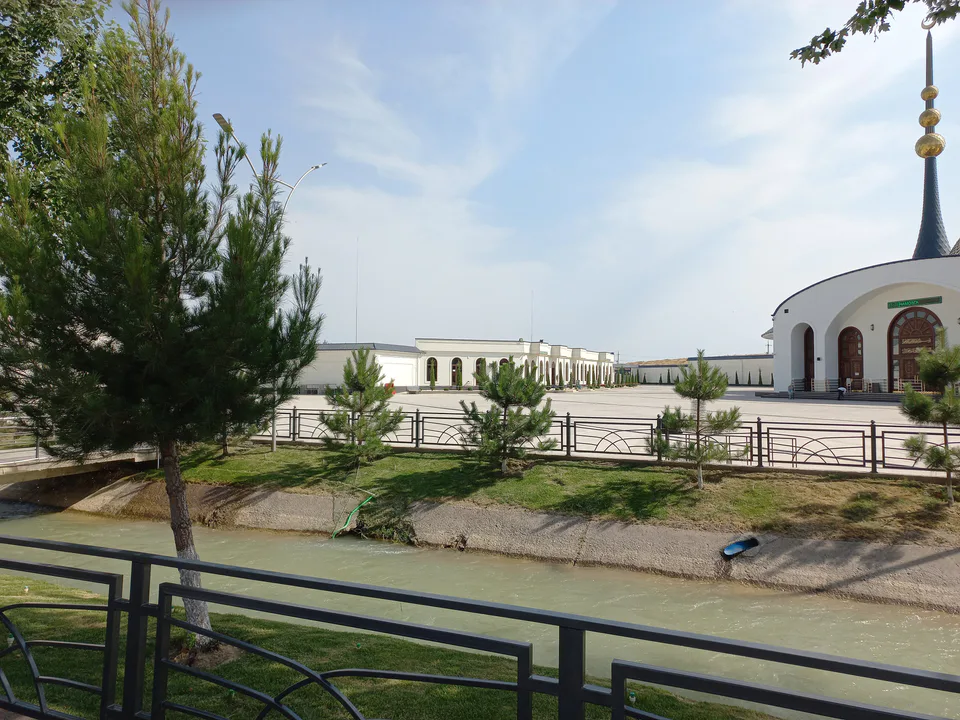
district · Namangan's western city district
district · Land of ancient Kasan and Makhdumi Azam
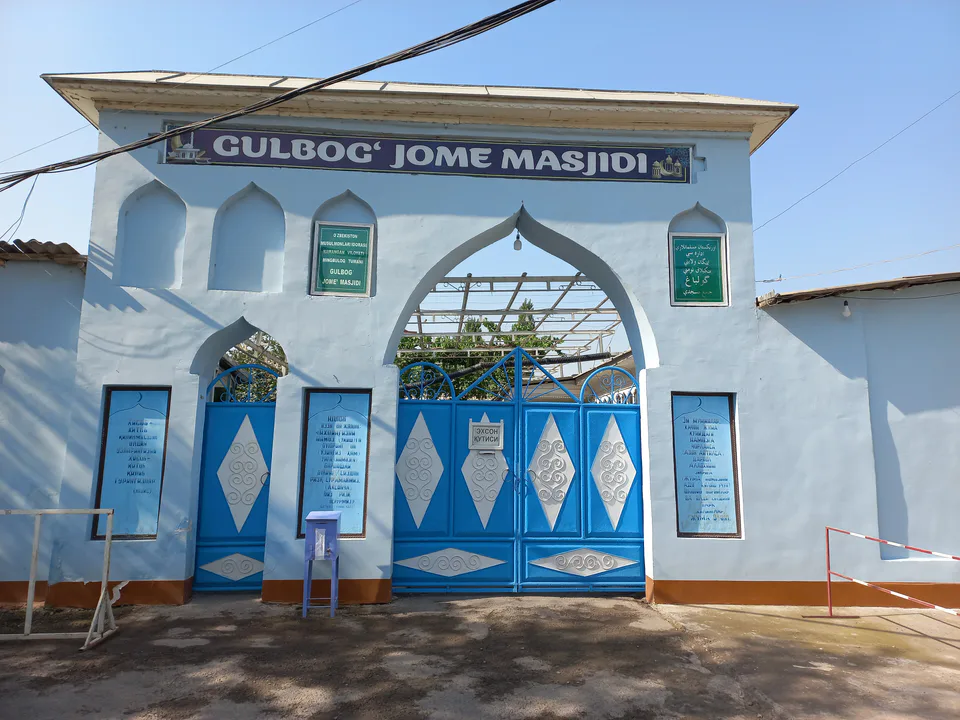
district · Sands and lakes on the Syr Darya's left bank
district · An irrigated oasis between two rivers
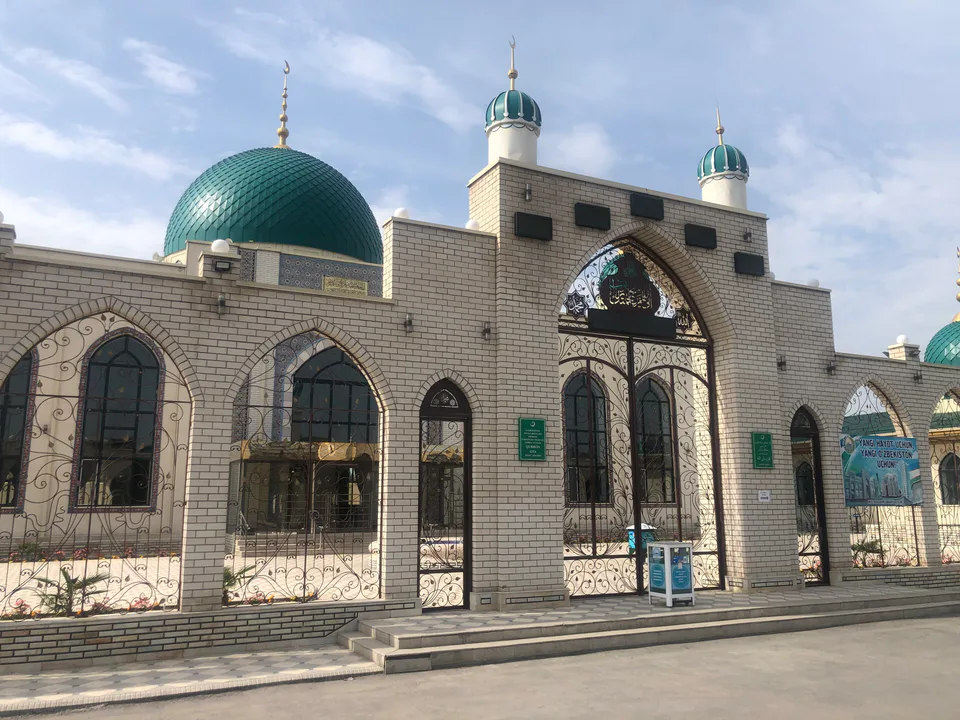
district · A district on the banks of the Naryn
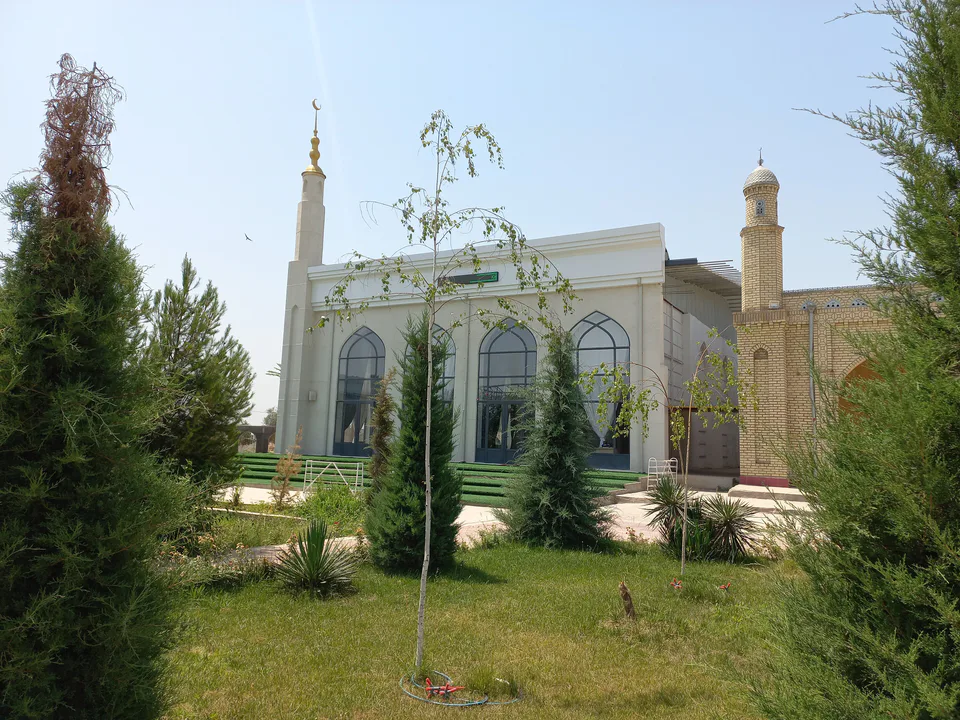
district · Ancient Bab and the Chatkal mountains
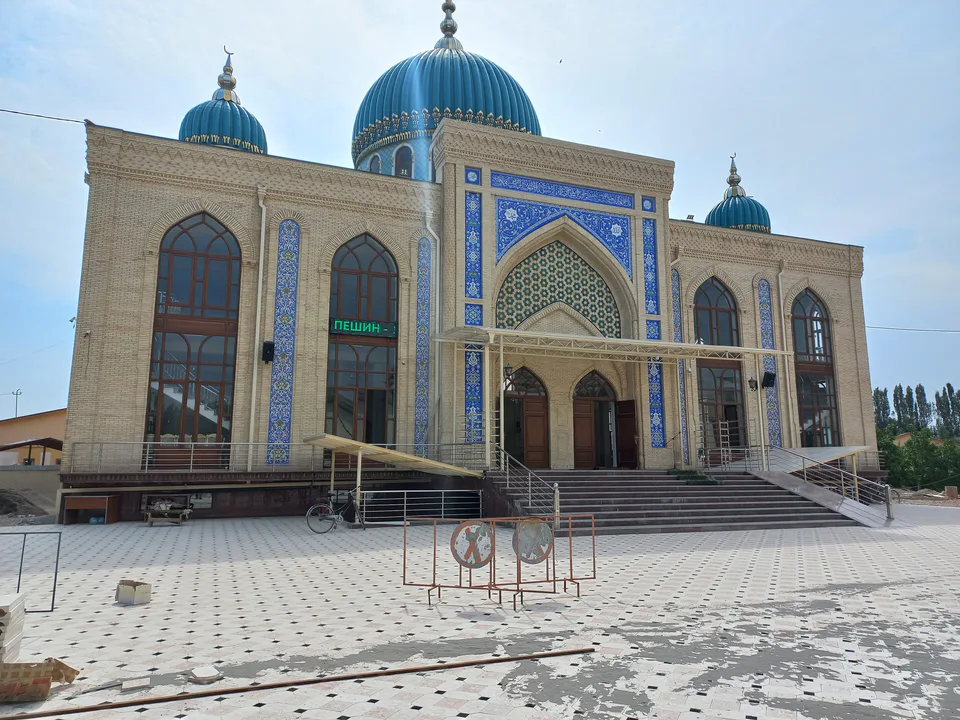
district · The land of Akhsikath and Ibrat
district · 'Three fortresses' on the Naryn
district · Home of the Devona Buva shrine
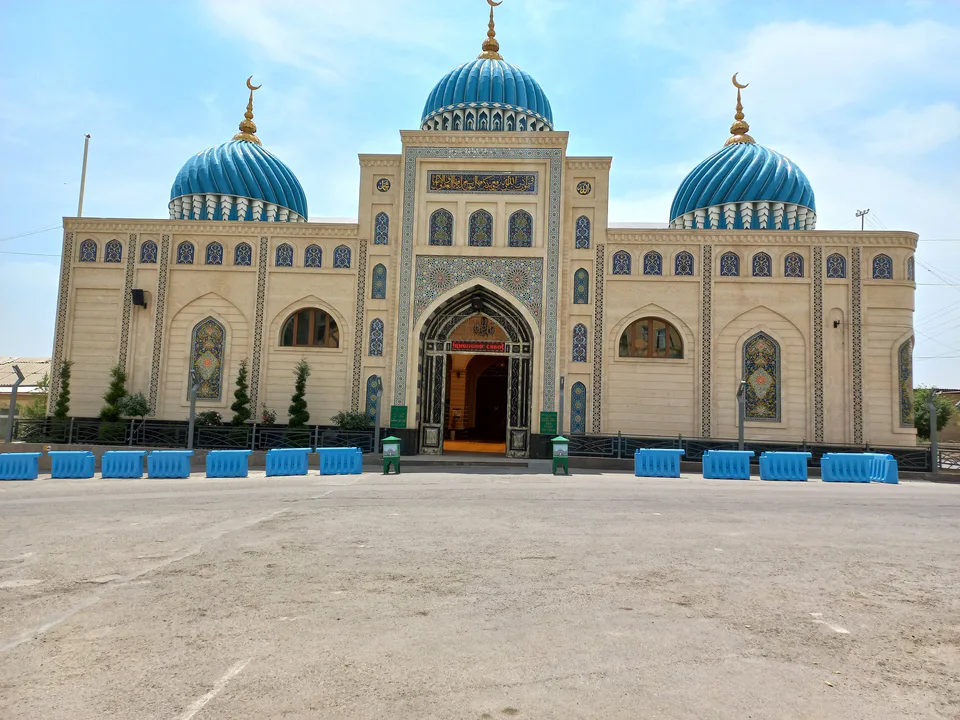
district · The youngest city district
district · Mountains and foothills below the Chatkal