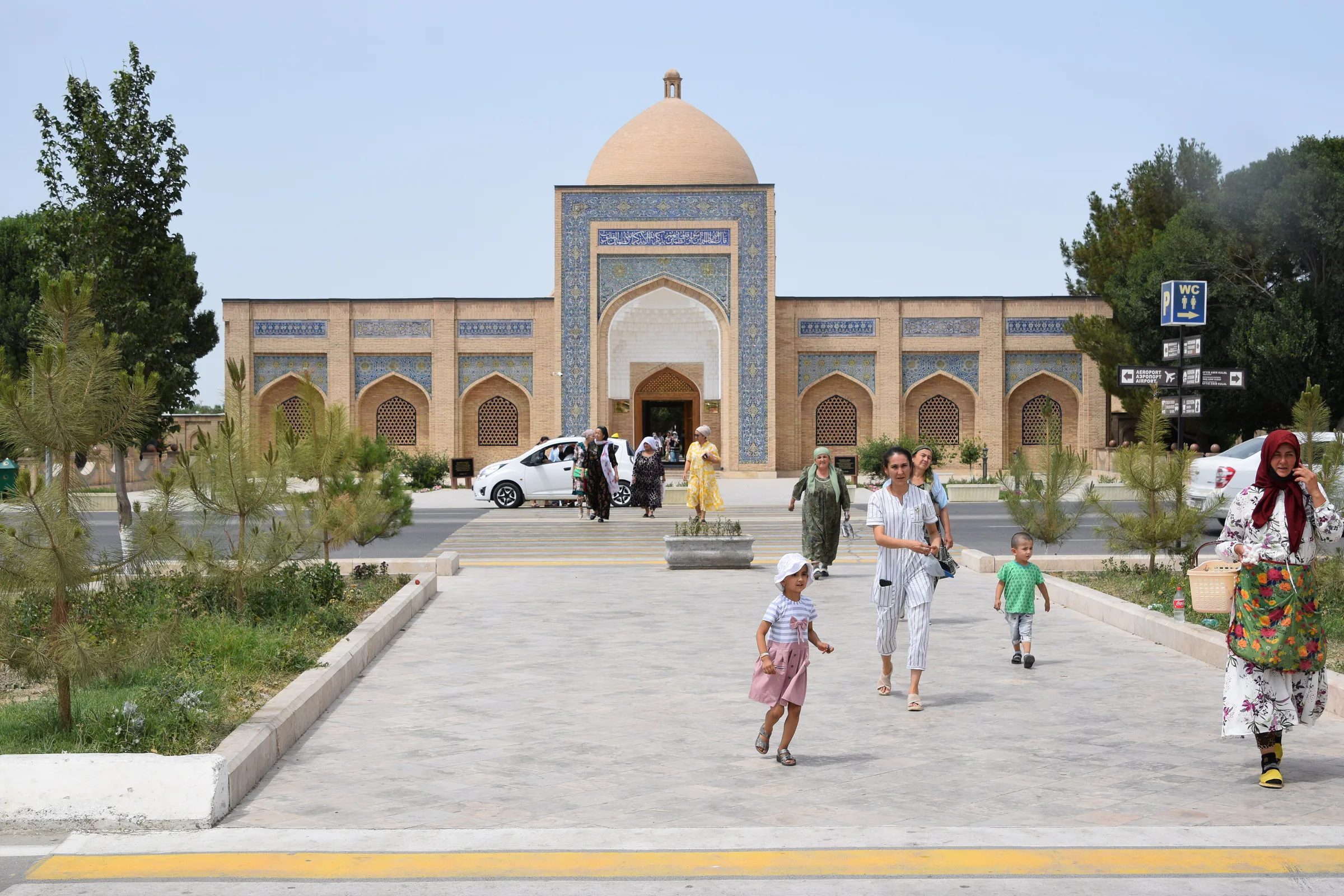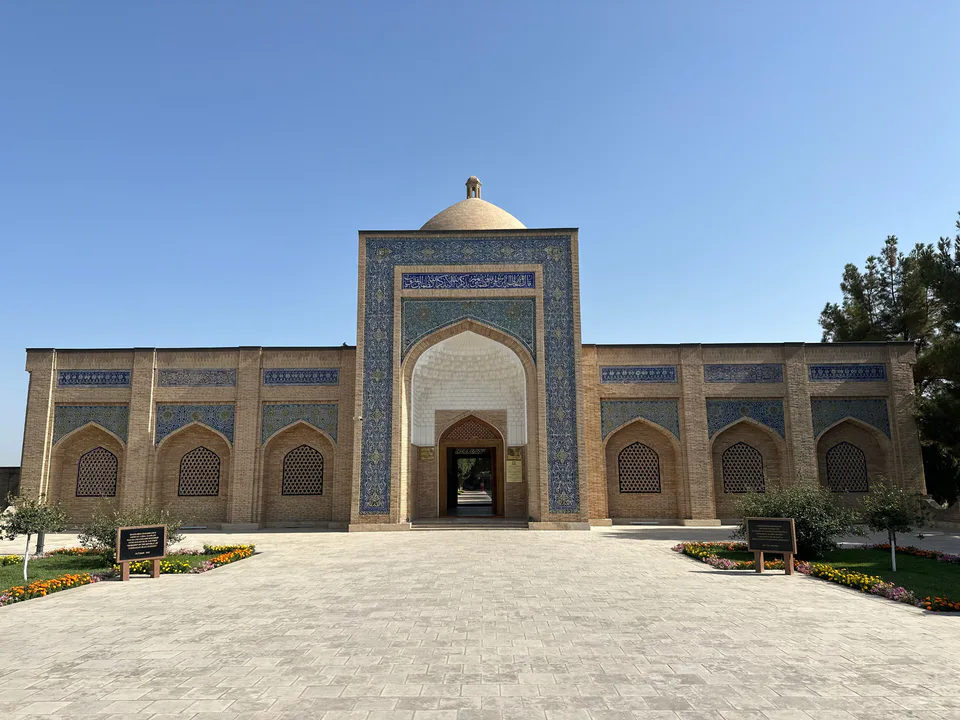
Pilgrimage site · Kogon District
Bahauddin Naqshband Complex
Shrine of the founder of the Naqshbandi order
A thousand years of trade and learning
Set in the lower Zarafshan oasis on the edge of the Kyzylkum, Bukhara Region is home to UNESCO-listed Bukhara, the shrines of the 'seven saints' and the ruins of ancient Silk Road cities.
Bukhara Region lies in south-western Uzbekistan, bordering Turkmenistan, the Navoiy, Qashqadaryo and Xorazm regions and the Republic of Karakalpakstan. Official statistics put its area at 41,800 km² (2026), more than 90% of it covered by the sands of the Kyzylkum Desert. Only in the south, along the lower Zarafshan, do the irrigated oases of Gijduvan, Bukhara and Qorakoʻl spread out.
The climate is desert and sharply continental, with hot, dry summers and cold winters. Water is scarce: the main rivers are the Zarafshan and the Amu Darya, from which the Amu-Bukhara and Amu-Karakul pumped canals bring water to the oases. Lake Dengizkul in the south and the Jeyran ecocentre are havens for rare birds and desert animals.
For millennia the Bukhara oasis was a key link on the Great Silk Road. Ancient Paykend, Varakhsha and Vardanze bear witness to the pre-Islamic culture of Sogdia. In the 9th and 10th centuries Bukhara was the capital of the Samanid state and the greatest centre of learning in Central Asia; Ibn Sina (Avicenna) was born nearby, in Afshona.
From the 16th century Bukhara was the capital of the Bukhara Khanate and later the Emirate, ruled successively by the Shaybanids, Ashtarkhanids and Manghits. The emirate fell in 1920 and the Bukharan People's Soviet Republic was proclaimed. Bukhara Region was created on 15 January 1938, and in 1982 its northern and eastern districts were split off to form Navoiy Region.
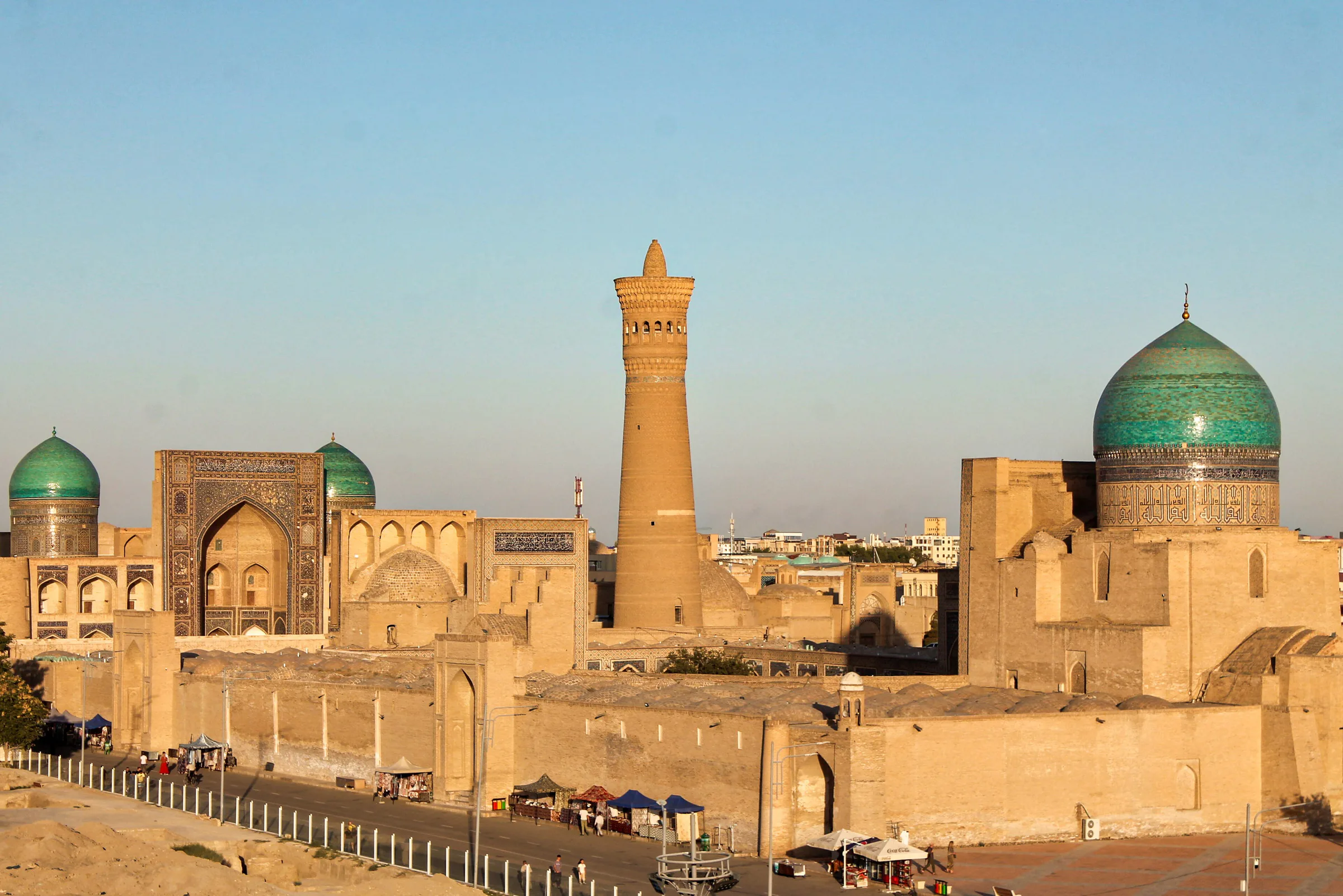
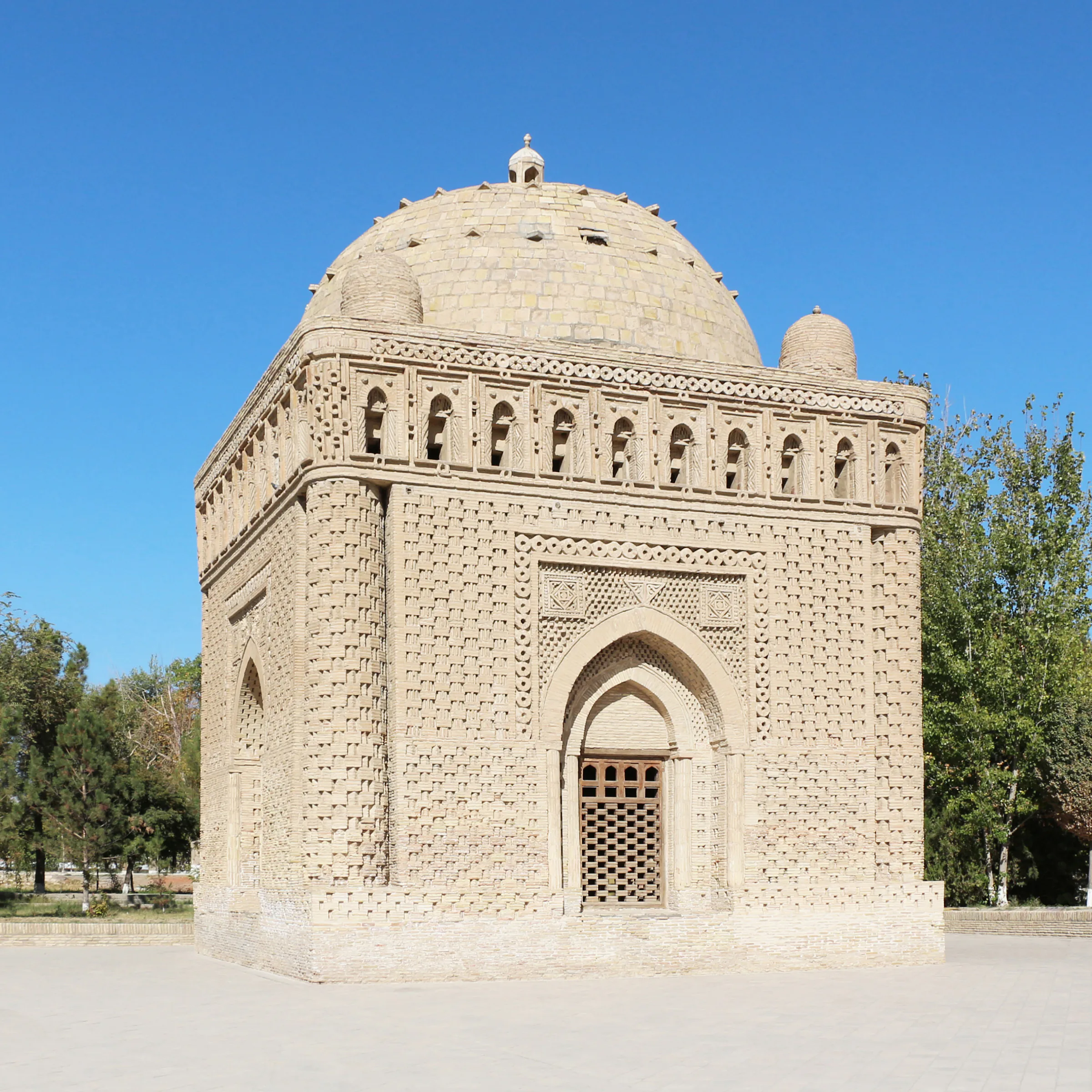
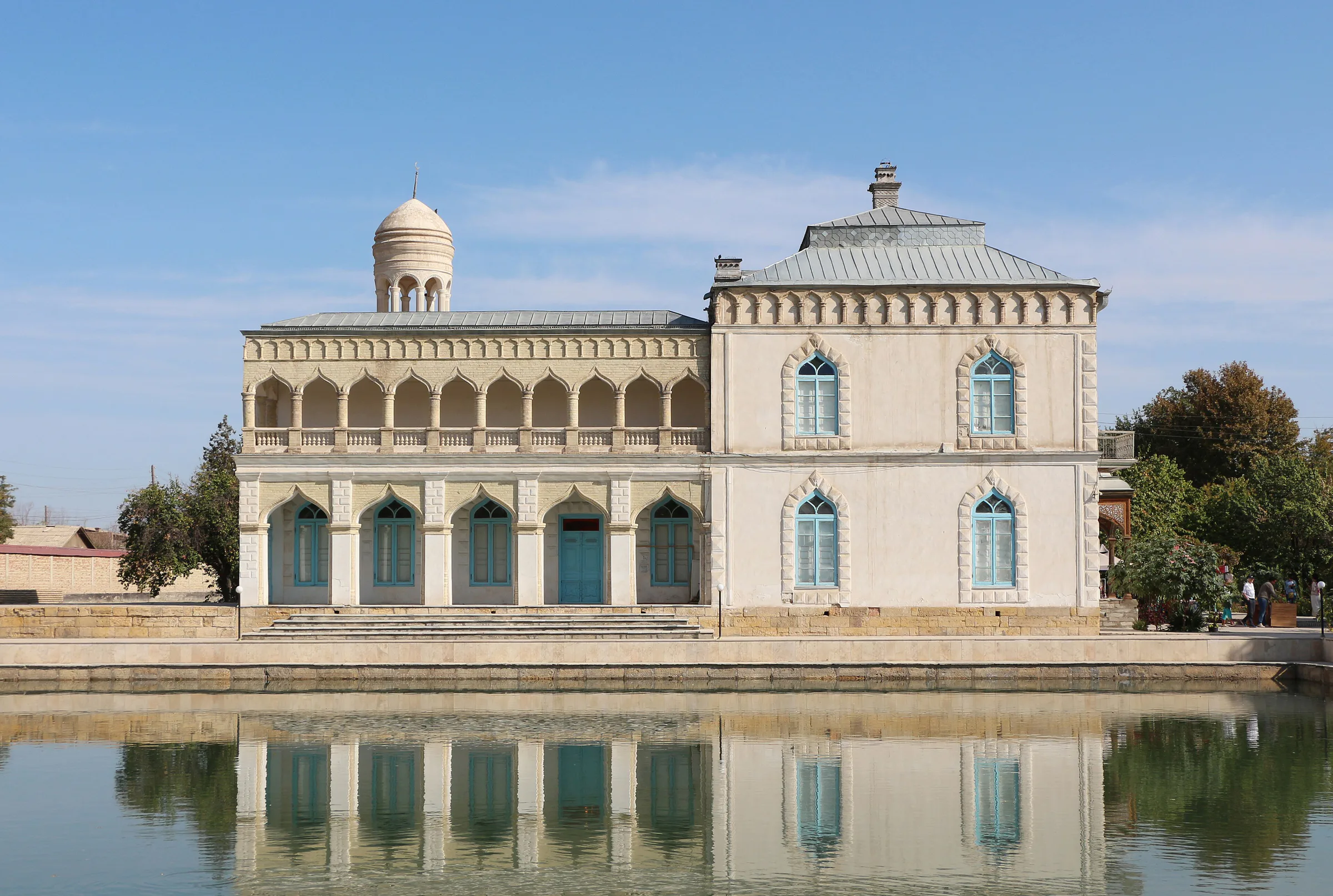
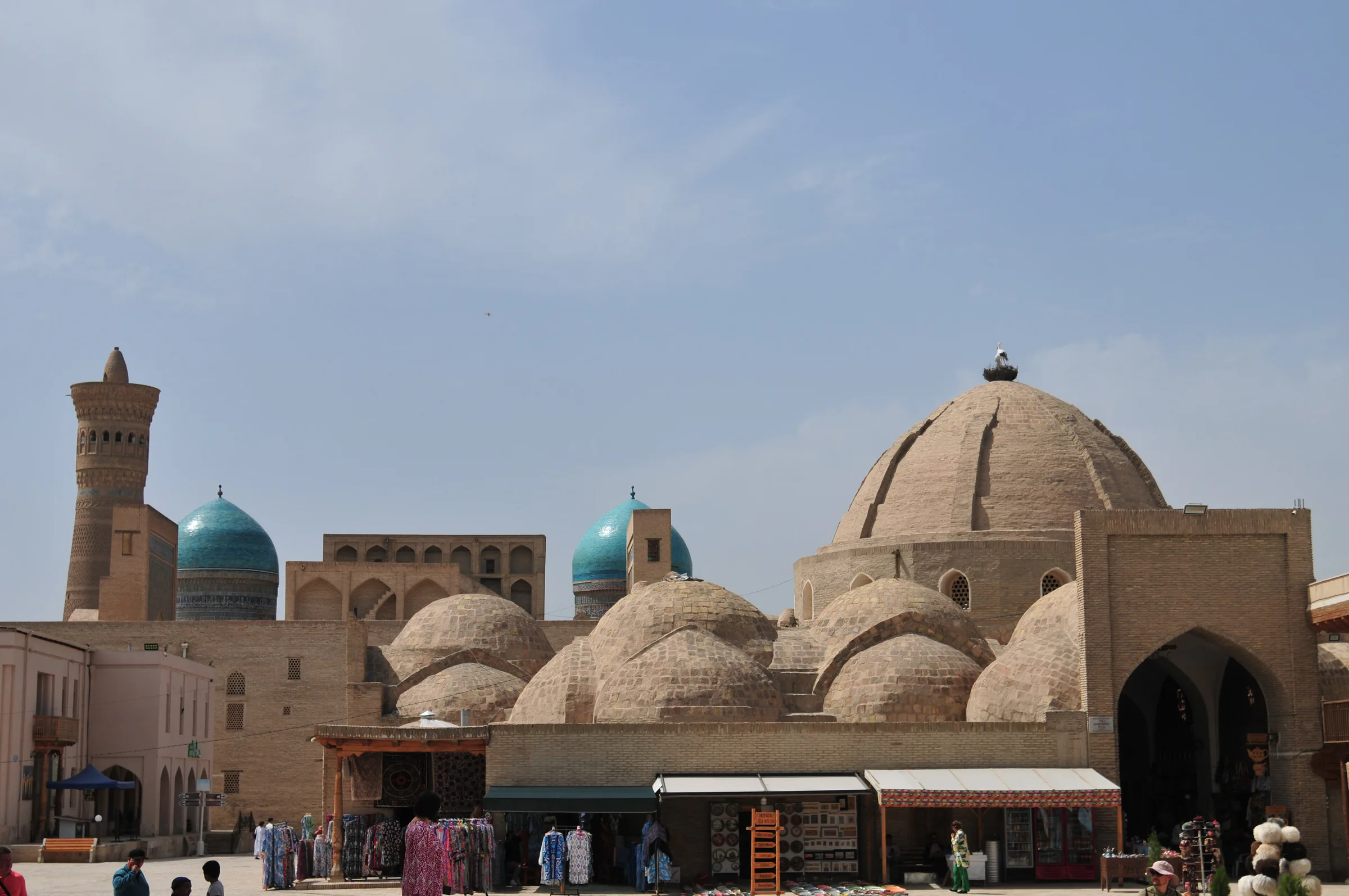
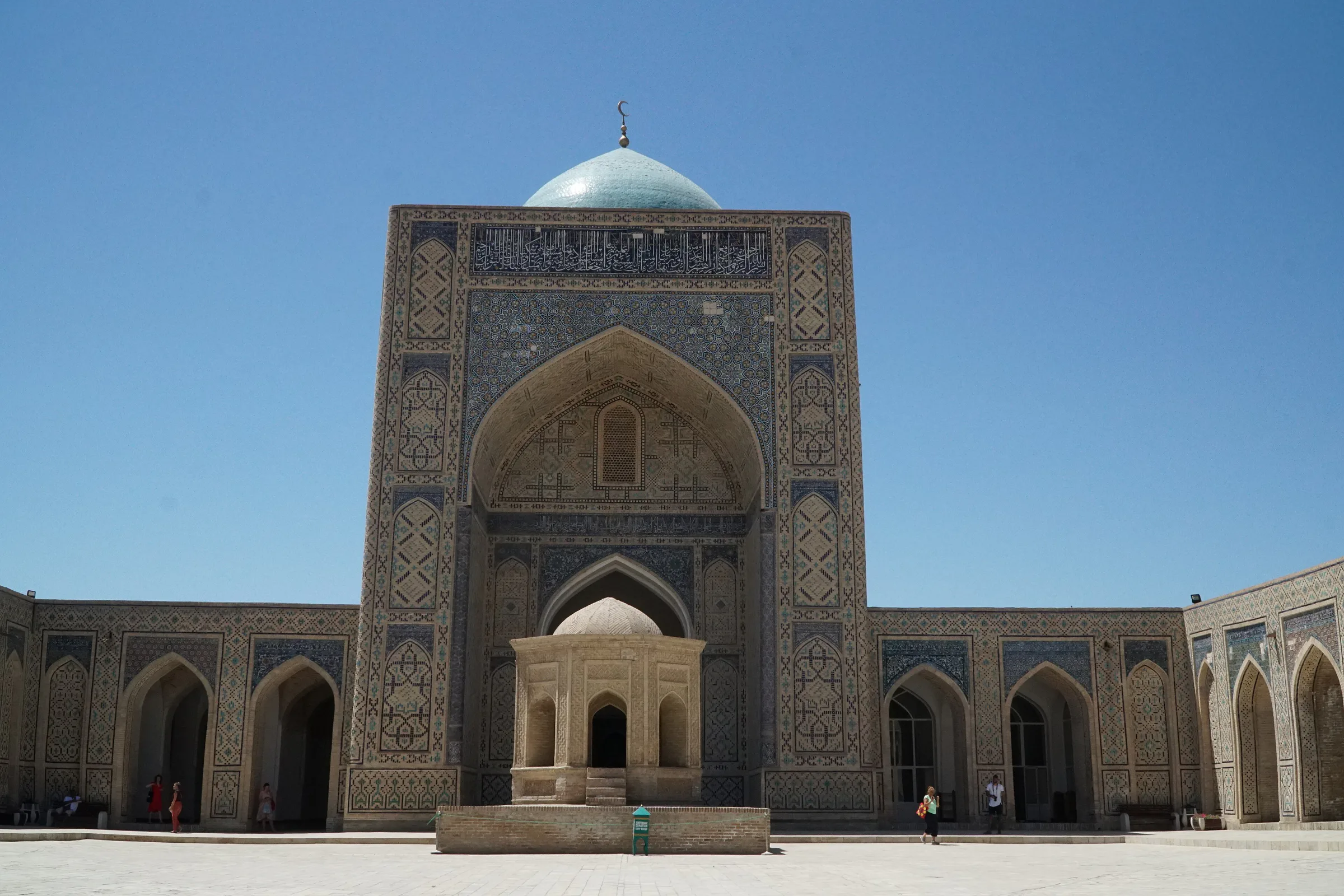
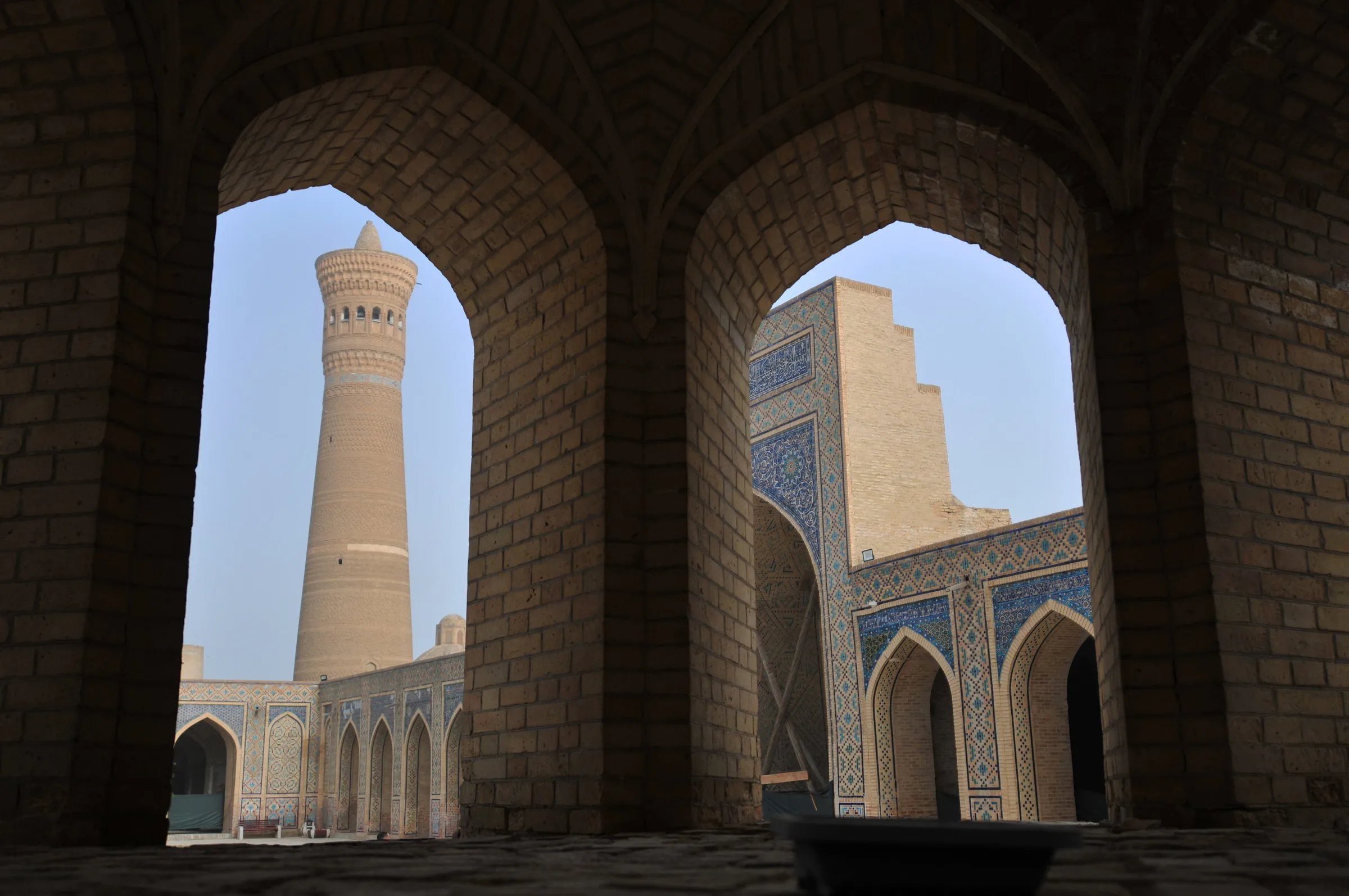
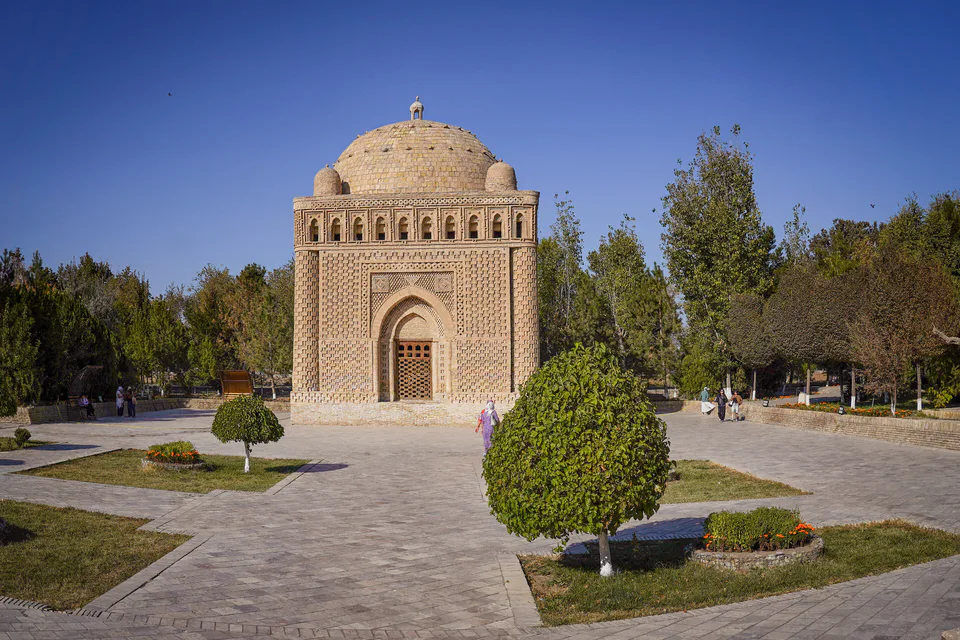
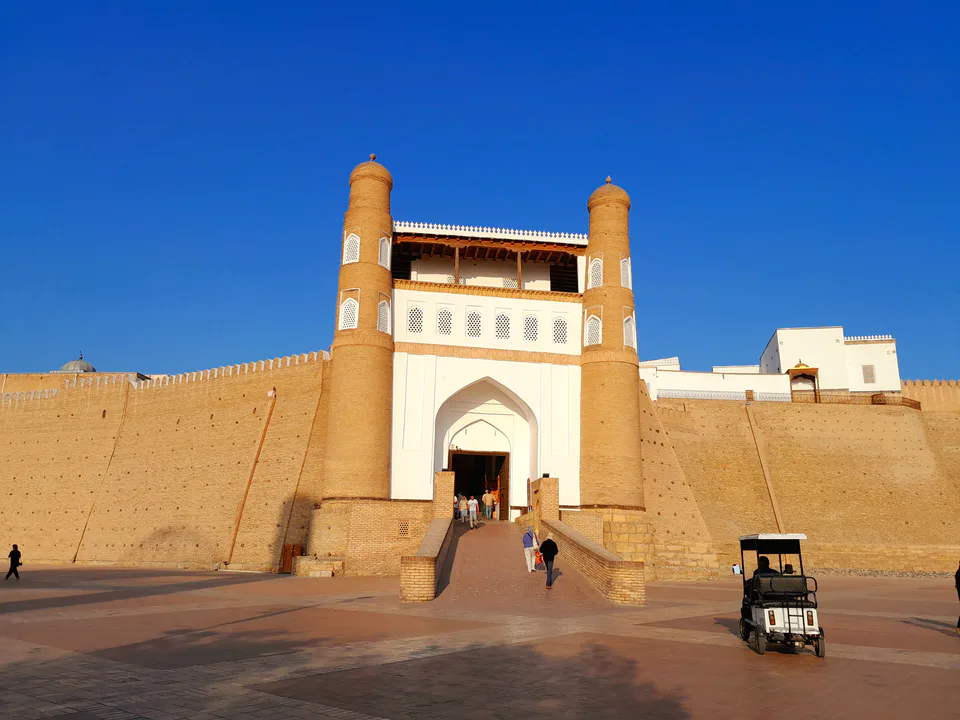
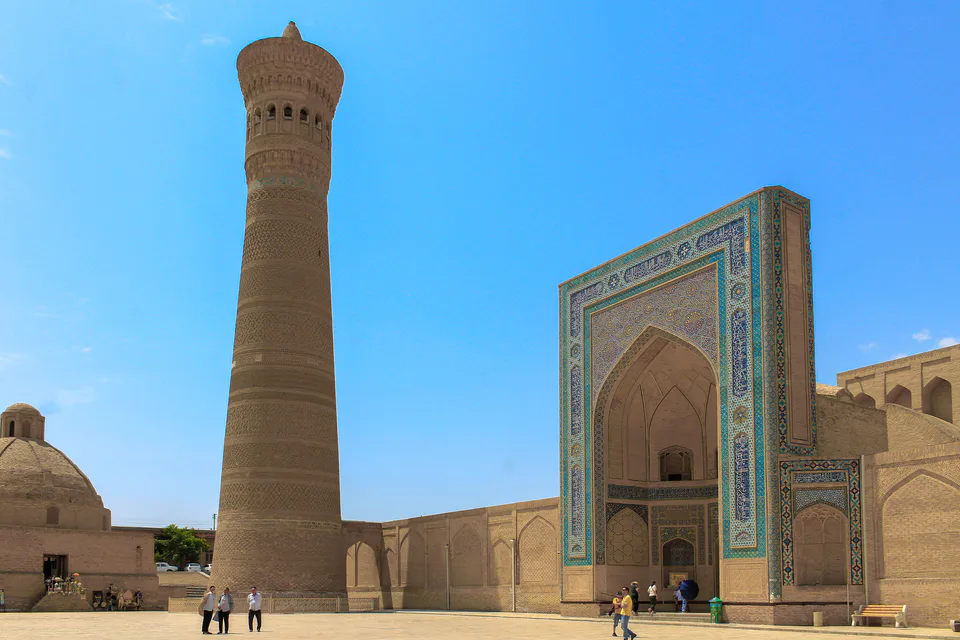
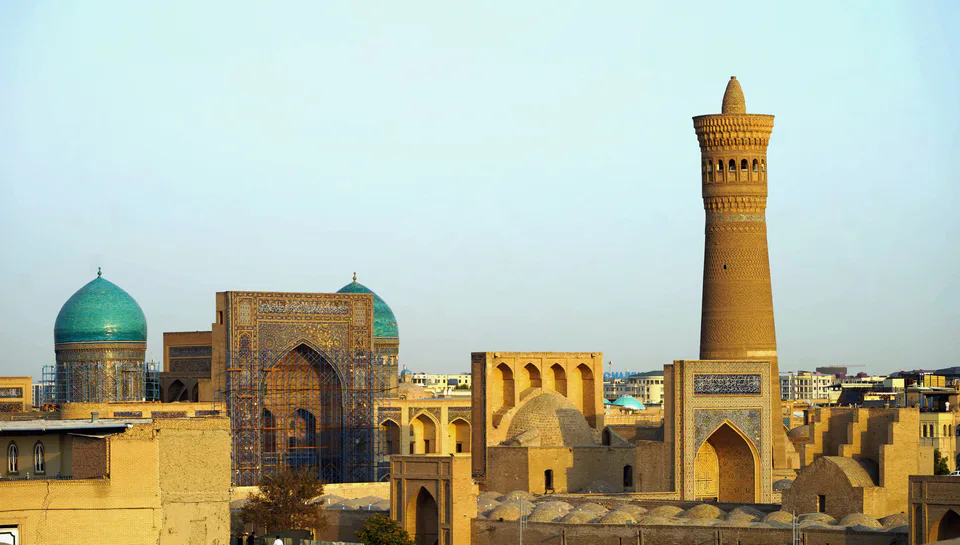
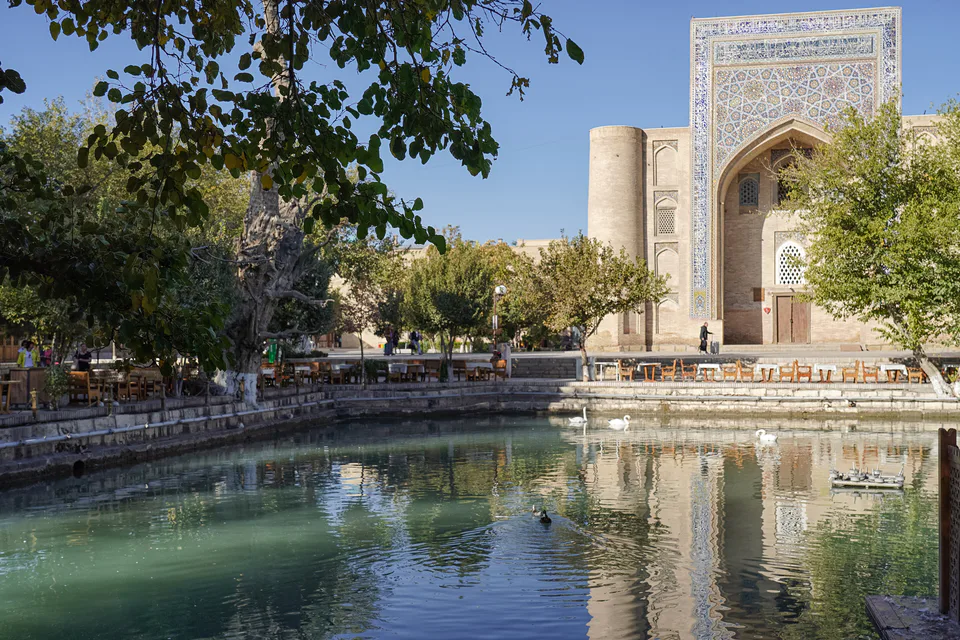
The region's crown jewel is the Historic Centre of Bukhara, inscribed on the UNESCO World Heritage List in 1993: the Ark, the Po-i-Kalyan ensemble, Lyab-i Hauz, the Samanid Mausoleum, the trading domes and hundreds more monuments. Outside the city stands the emir's summer palace, Sitorai Mohi-Khosa.
In 2023 the Bahauddin Naqshband complex, the Chor-Bakr necropolis, the Vobkent Minaret and the ancient cities of Varakhsha, Paykend and Vardanze became part of the UNESCO site Silk Roads: Zarafshan-Karakum Corridor. Anyone interested in Sufism will enjoy the route linking the shrines of Bukhara's 'seven saints', from the Abdulkhaliq Gijduvani complex in Gijduvan to the Bahauddin Naqshband complex near Kogon.
The Bukhara oasis holds a special place in the history of Sufism: in the 12th–14th centuries the Khwajagan order took shape here, later growing into the world-famous Naqshbandi order. The seven masters of the Khwajagan chain — Abdulkhaliq Gijduvani, Arif Revgari, Mahmud Anjir Faghnawi, Ali Romitani, Muhammad Baba Samasi, Sayyid Amir Kulol and Bahauddin Naqshband — are buried in different districts of the region.
Their graves lie in Gijduvan, Shofirkon, Vobkent, Romitan and Kogon districts, so the custom of visiting the 'seven saints' in turn makes a route across the region. These are living shrines visited by Muslims from Uzbekistan and abroad, so dress and behave in keeping with local custom.
Bukhara has always been a city of craftsmen, and its traditional crafts have been revived: gold embroidery, ceramics, copper chasing, carpet weaving and suzani needlework. Many workshops occupy madrasas and caravanserais in the old town around the trading domes, while in Gijduvan the Narzullaev family, now in its sixth generation of potters, runs a workshop-museum.
The region is the centre of Uzbekistan's karakul sheep breeding and karakul pelt production. Teahouses and restaurants around Lyab-i Hauz serve plov, shurpa, samsa and tandoor-baked dishes.
On 1 January 2026 the region had 2,107,035 inhabitants. It is divided into 11 districts and two cities of regional status, Bukhara and Kogon, and has 11 towns and 68 urban-type settlements in all. Historically the area was remarkably diverse: alongside Uzbeks and Tajiks lived Bukharan Jews, Iranis, Turkmens, Kazakhs and others.
The region is rich in natural gas, oil, graphite, bentonite, marble and building materials. The Gazli gas field, the Bukhara oil refinery at Qorovulbozor, and cotton-ginning and textile plants form the backbone of the economy.
You can fly into Bukhara International Airport or come by train: the region's main railway station is in Kogon, 12 km south-east of Bukhara. High-speed trains run to Bukhara from Tashkent and Samarkand, and by road the M37 comes in from Samarkand via Navoiy.
The old town is best explored on foot; take a taxi to Chor-Bakr, the Bahauddin Naqshband complex, Sitorai Mohi-Khosa and the Vobkent Minaret, and hire a car and driver for a day to reach outlying ruins such as Varakhsha and Paykend.
Pilgrimage site · Kogon District
Shrine of the founder of the Naqshbandi order
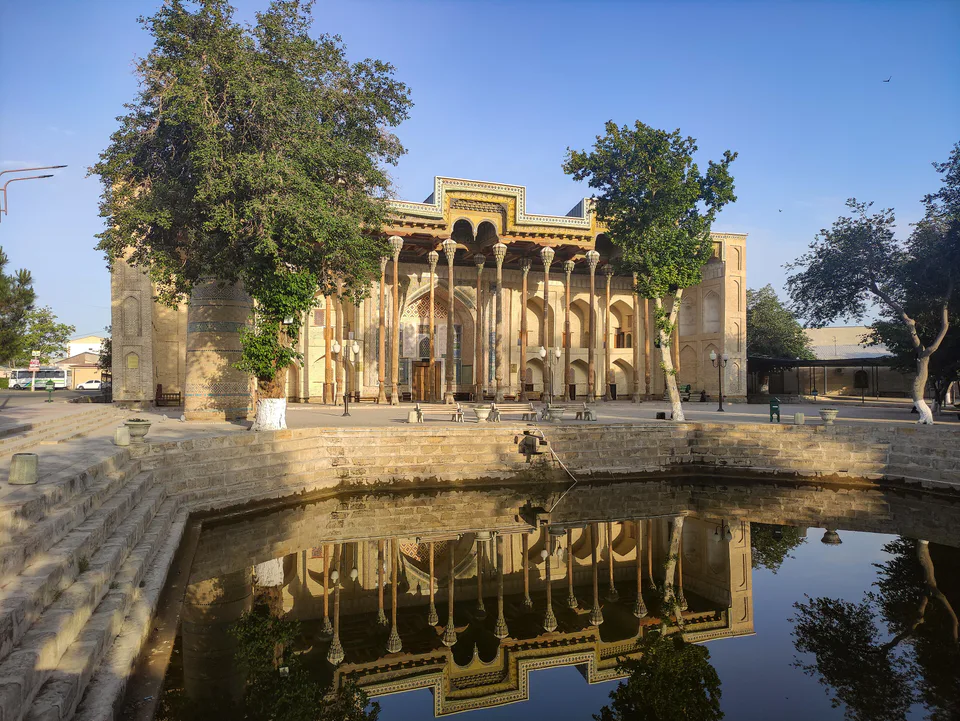
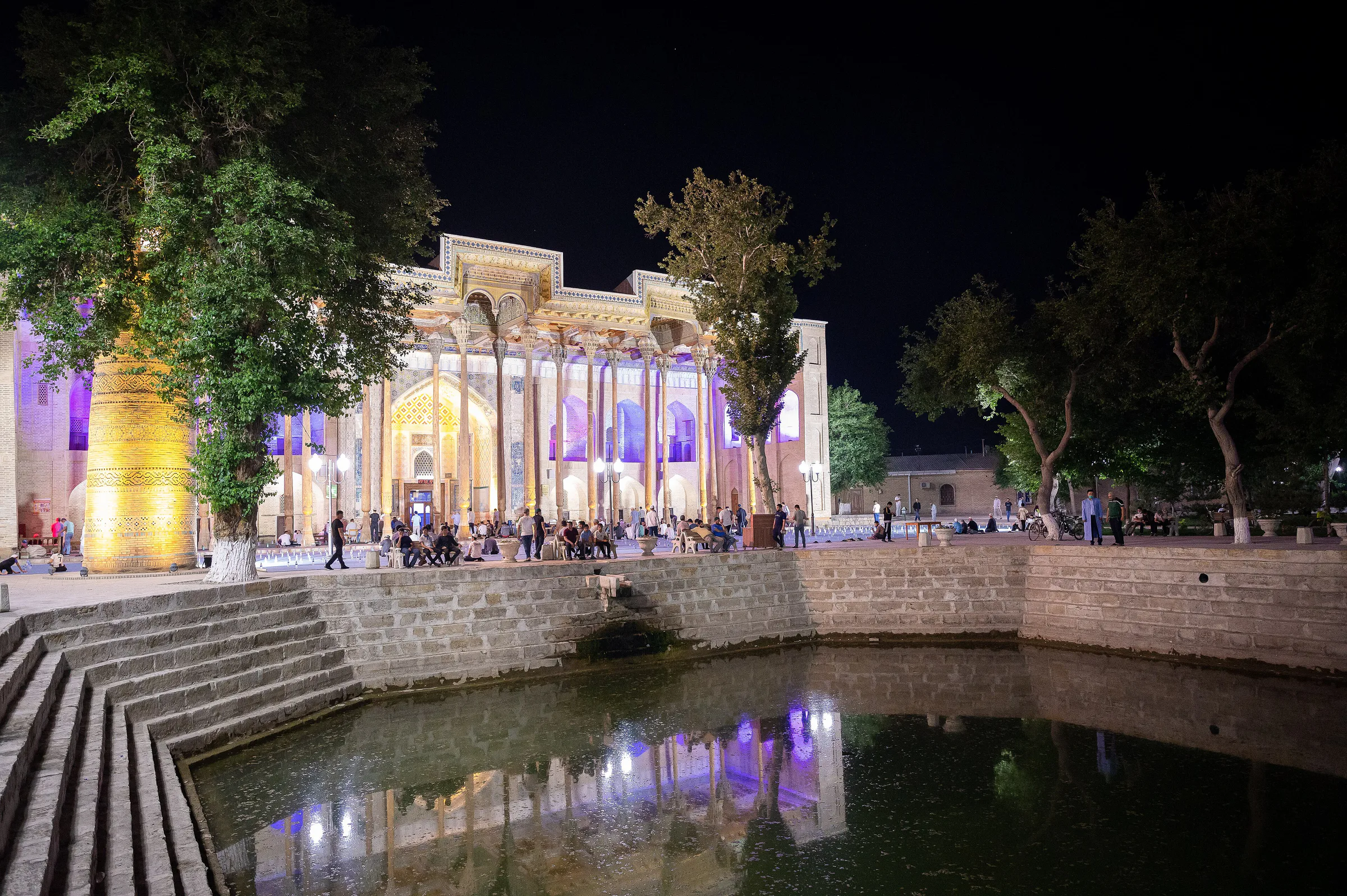
Mosque · Bukhara city
Wooden columns mirrored in a pool
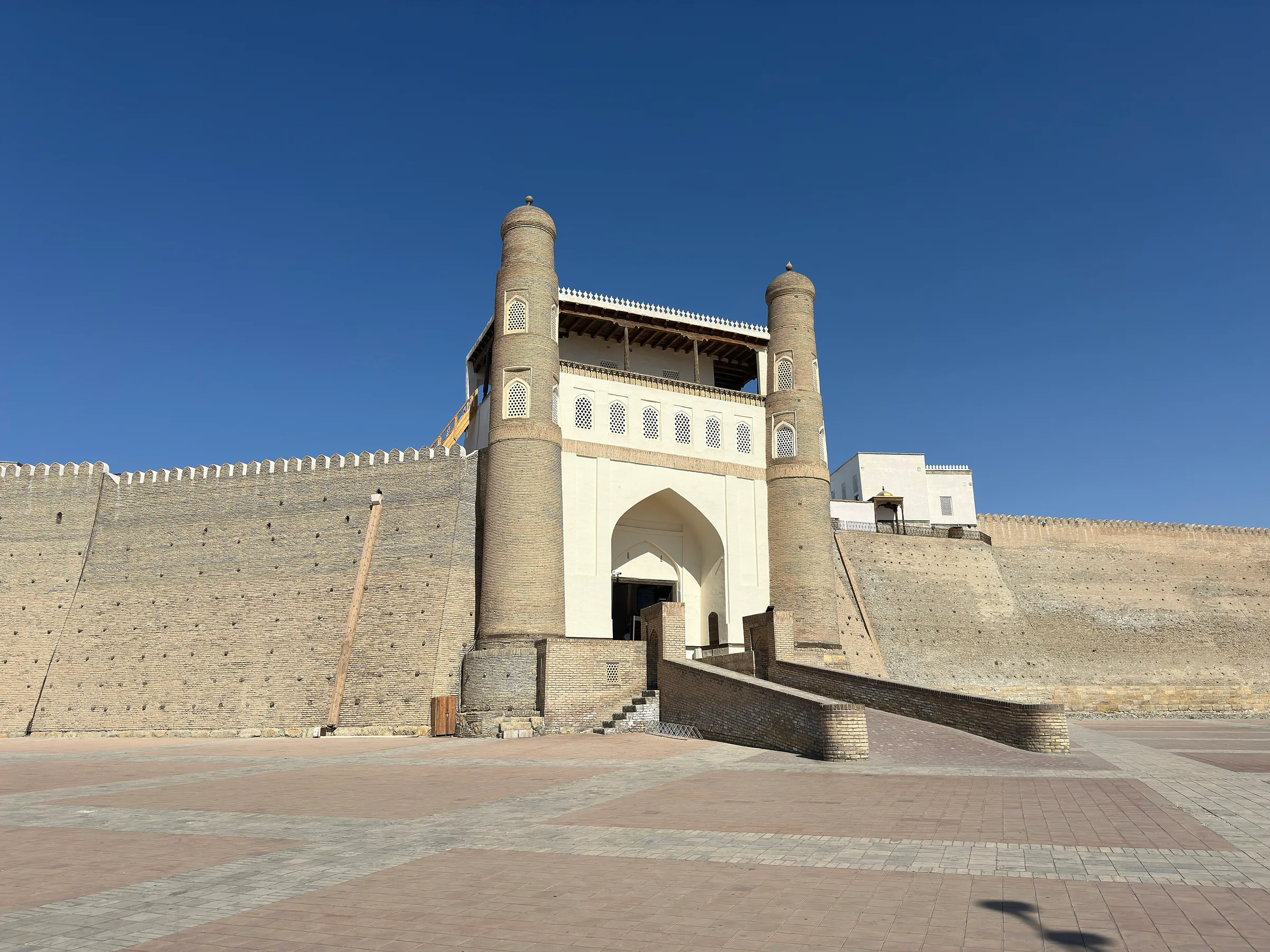
Fortress · Bukhara city
Seat of Bukhara's rulers for over a thousand years
Ensemble · Bukhara city
Central Asia's most complete medieval city
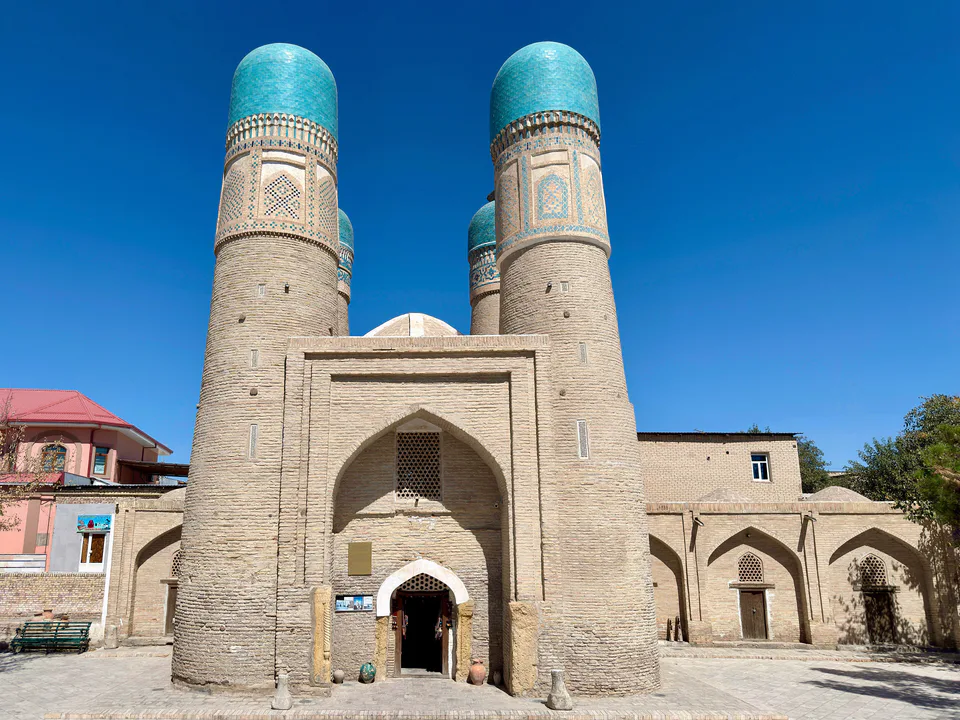
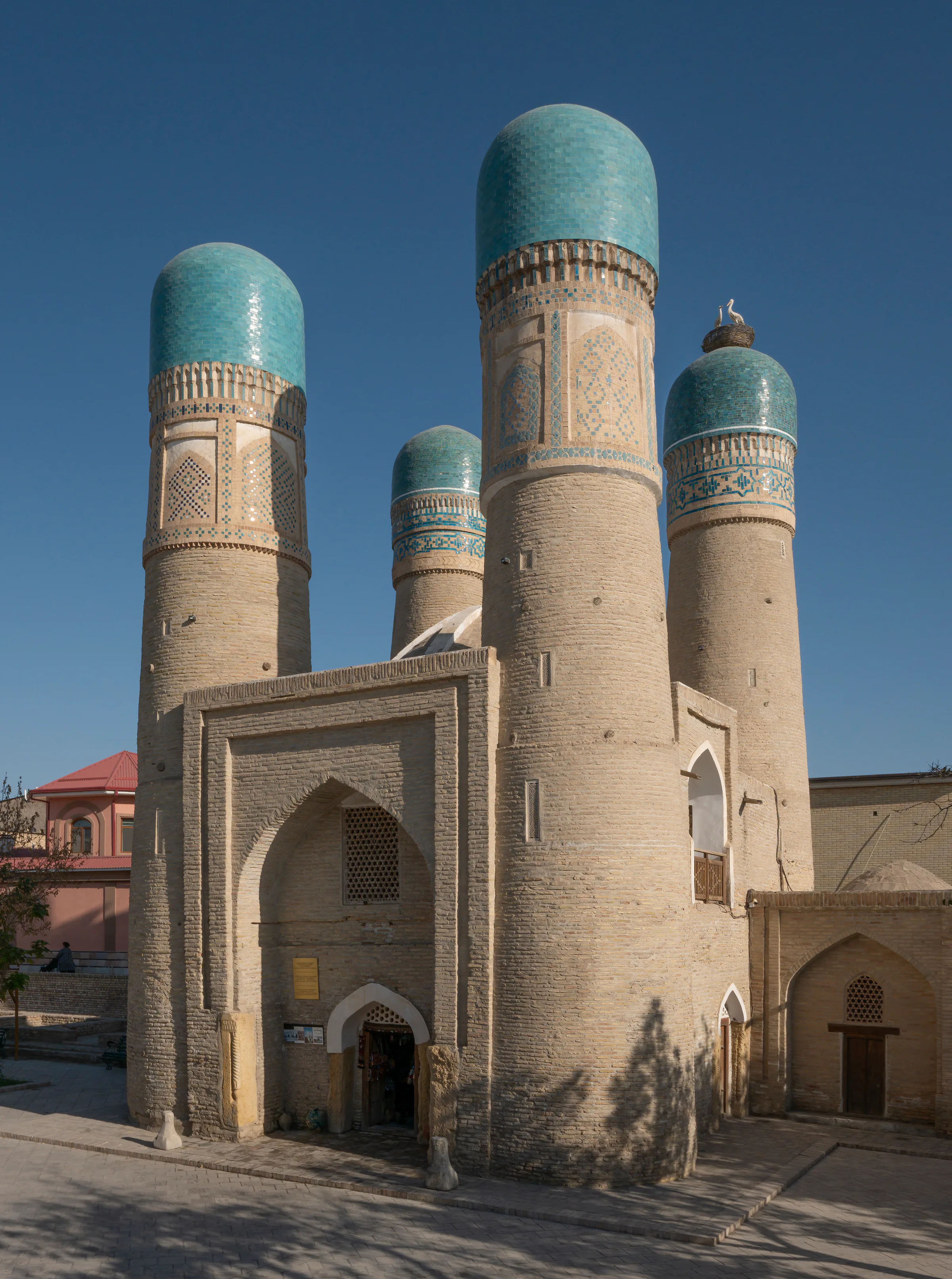
Madrasa · Bukhara city
A four-towered gatehouse — Bukhara's most photogenic building
Minaret · Bukhara city
The tower Genghis Khan left standing
Ensemble · Bukhara city
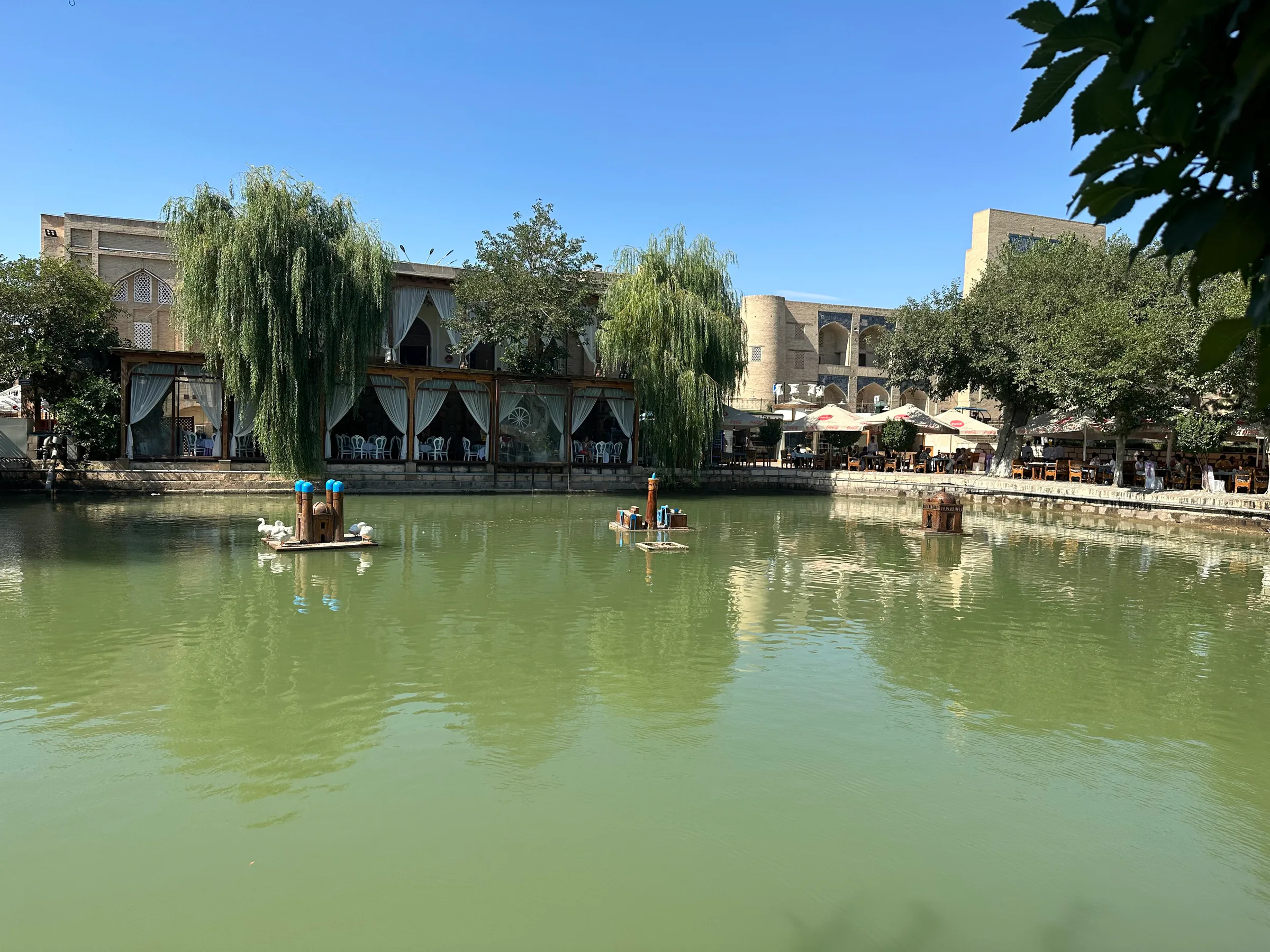
The square by the pool — old Bukhara's beating heart
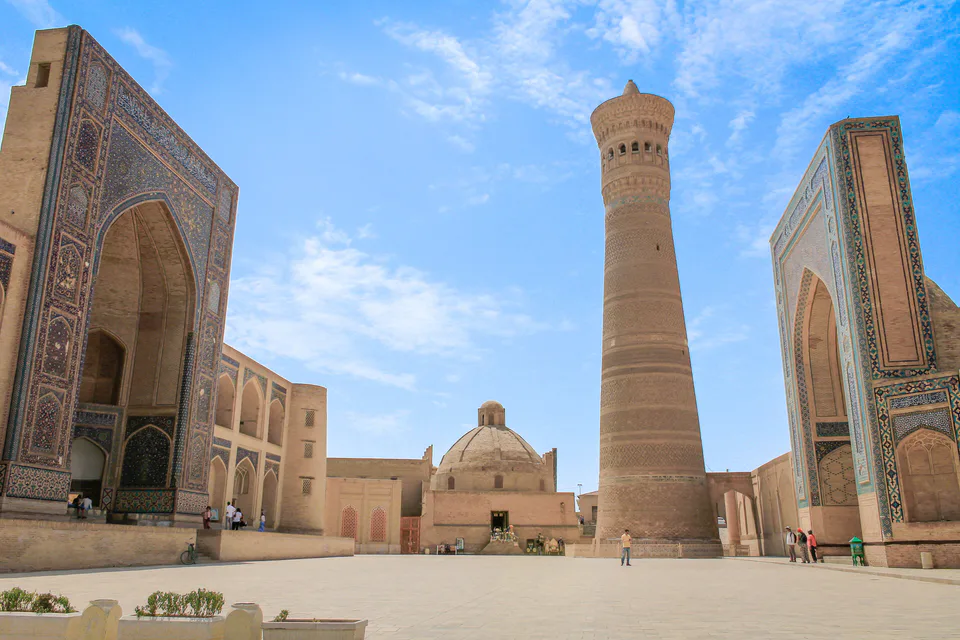
Ensemble · Bukhara city
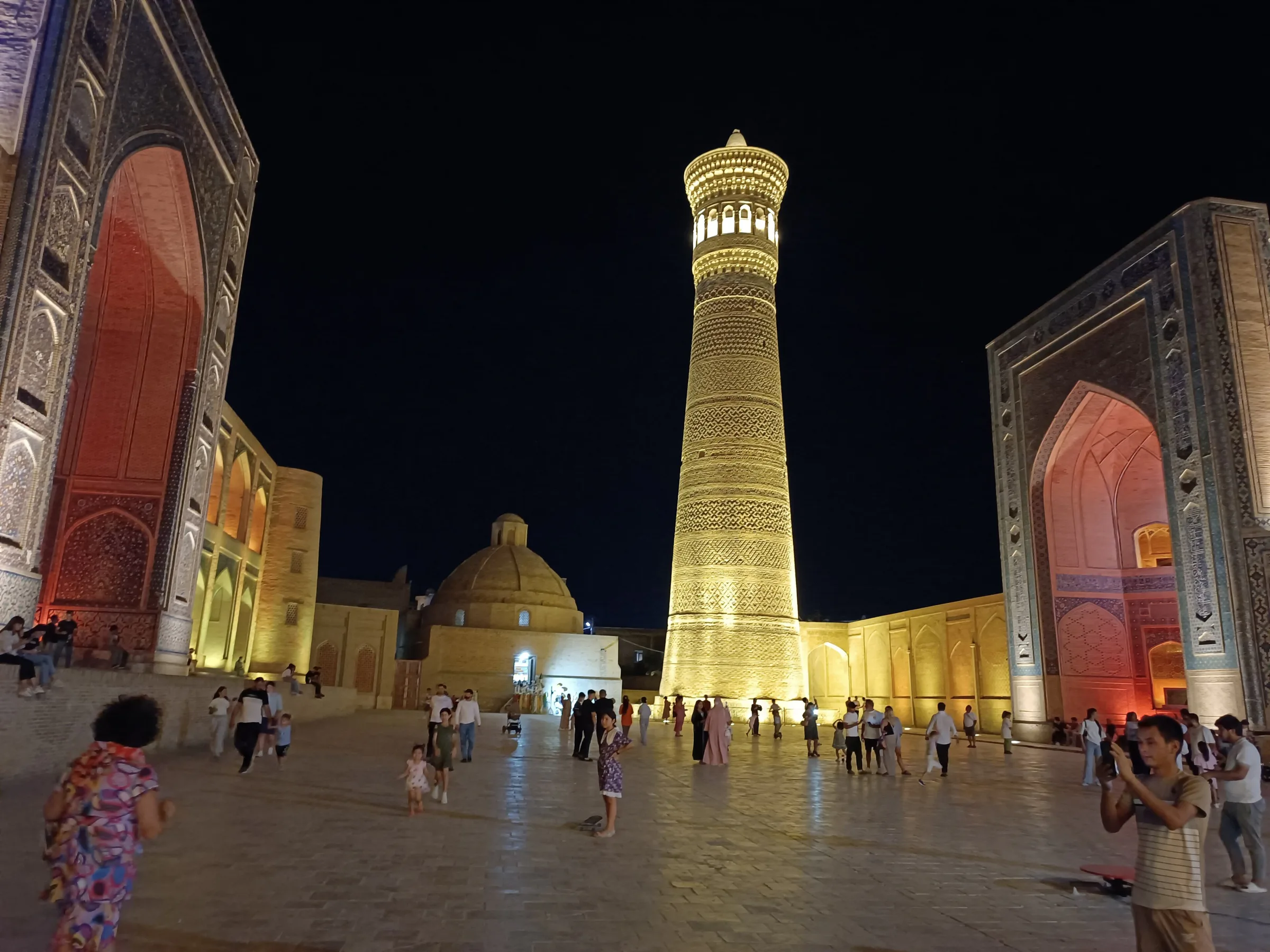
Bukhara's great square: minaret, mosque and madrasa
Mausoleum · Bukhara city
A brick masterpiece more than a thousand years old
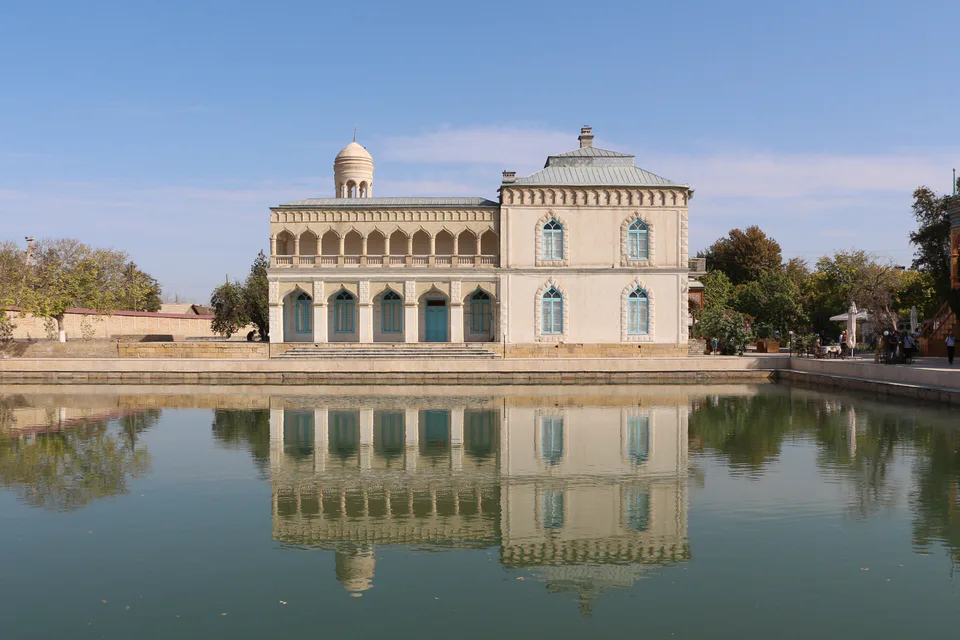
Museum · Bukhara city
The last emir's summer retreat outside the city
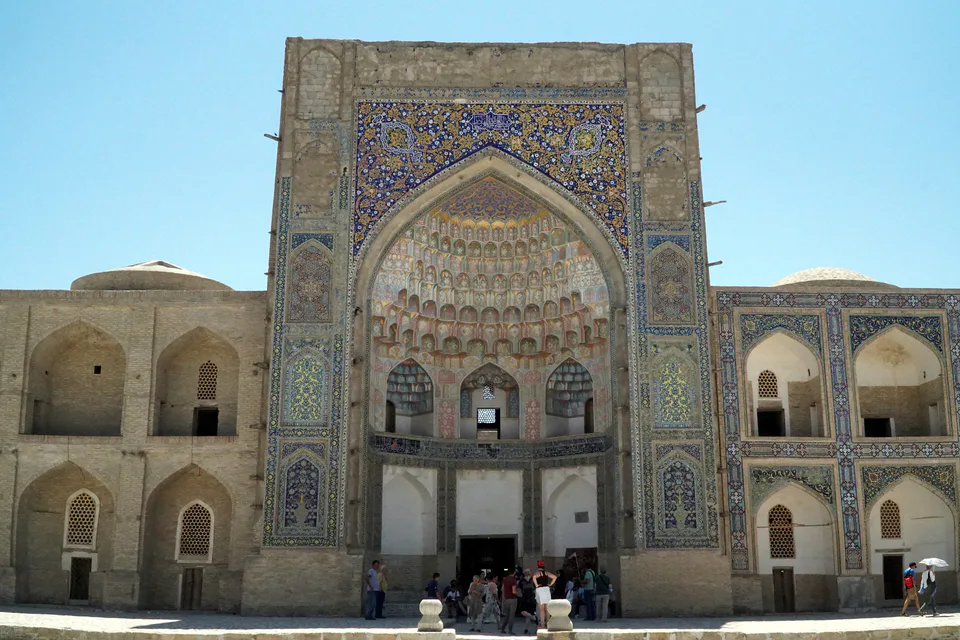
Madrasa · Bukhara city
The last of Bukhara's great madrasas
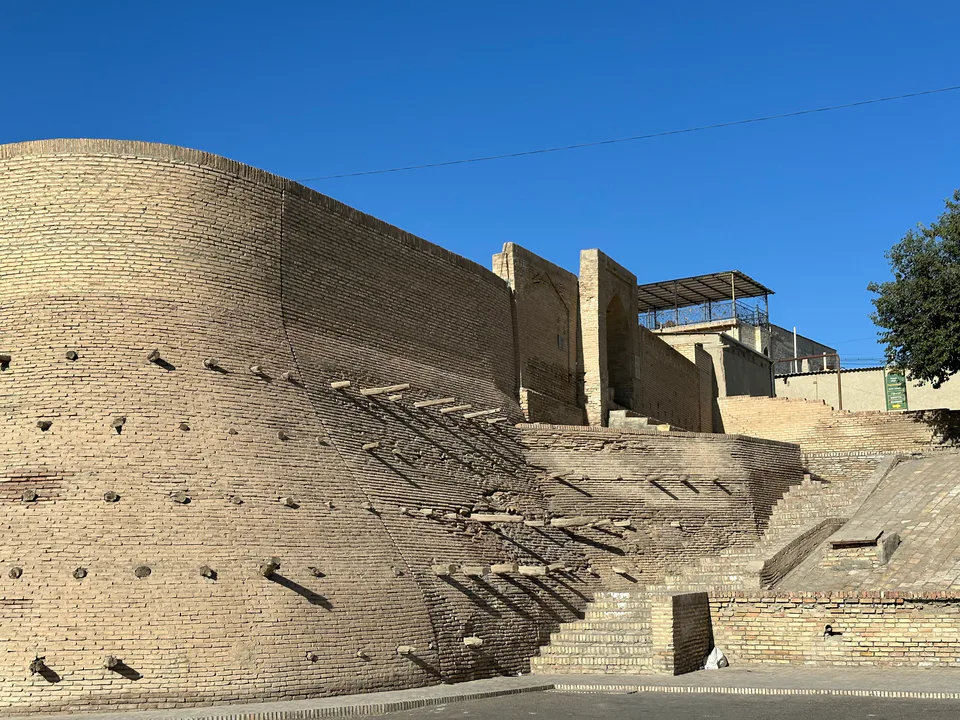
Museum · Bukhara city
The emir's jail and its notorious pit
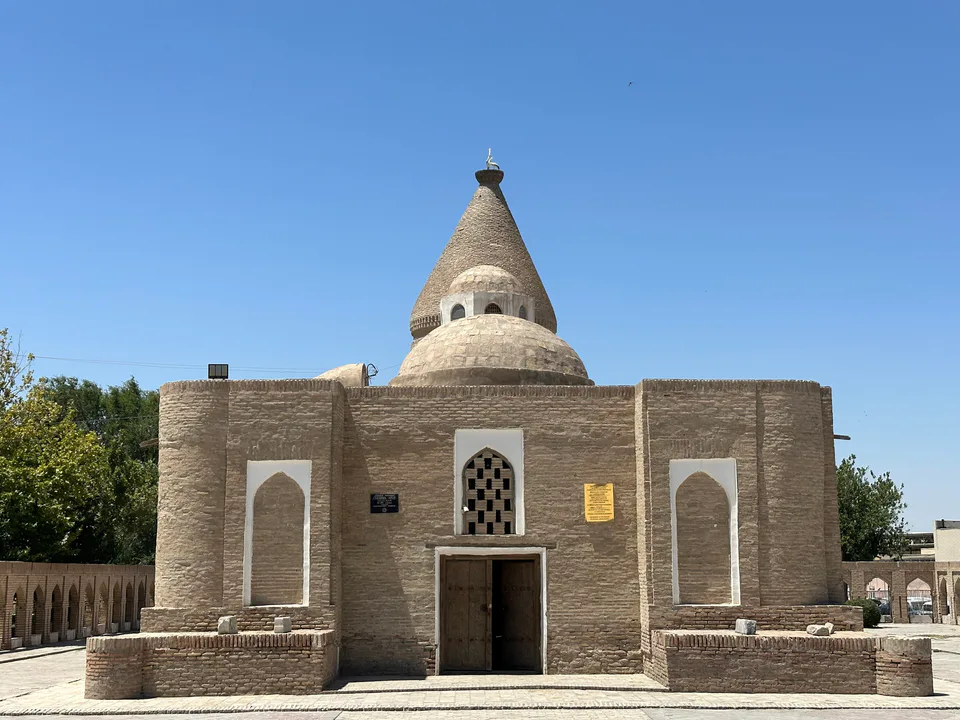
Pilgrimage site · Bukhara city
A mysterious building over the Prophet Job's spring
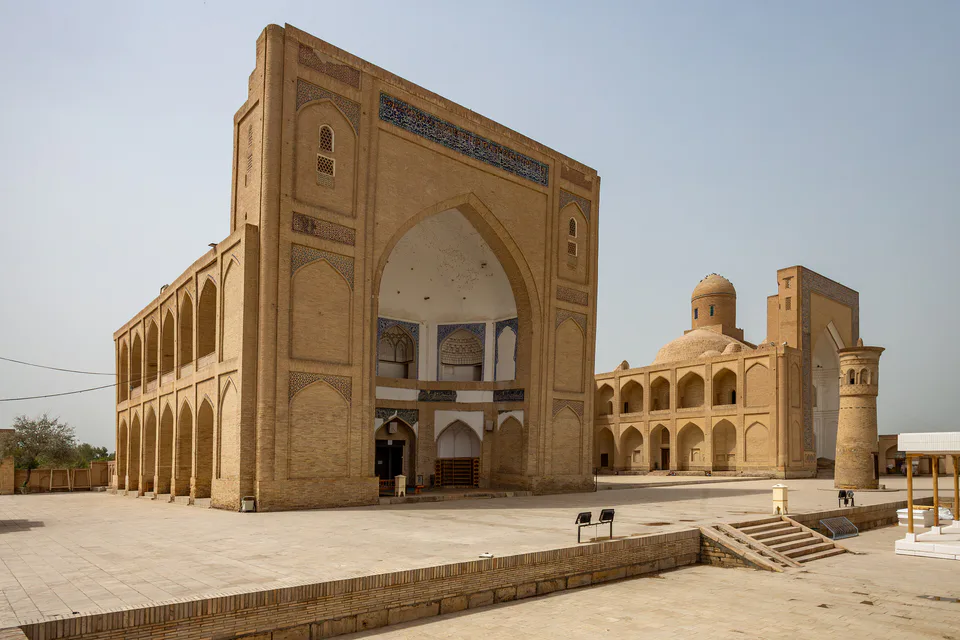
Ensemble · Bukhara District
The 'City of the Dead' of the Juybari sheikhs
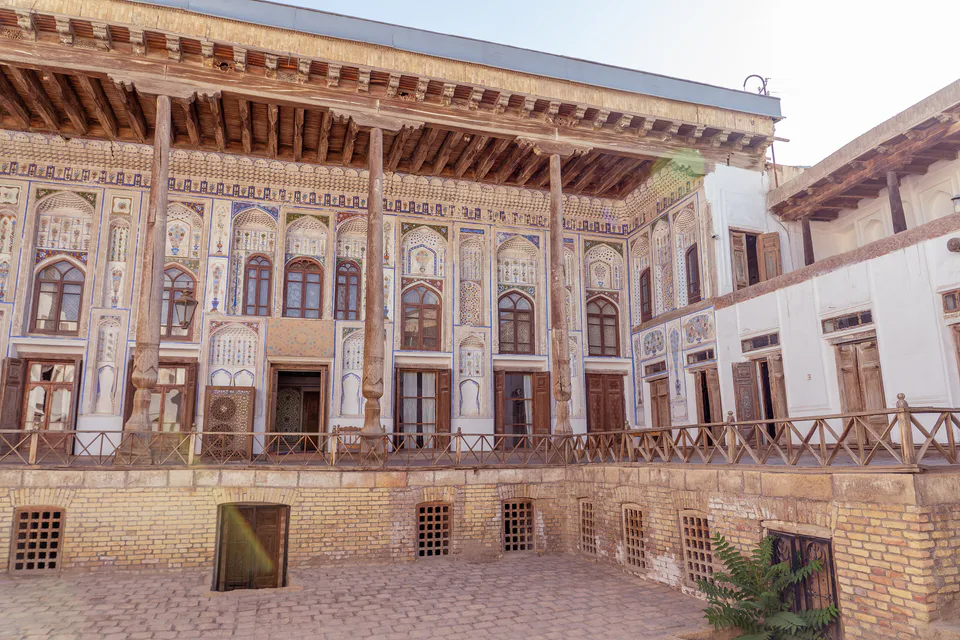
Museum · Bukhara city
The home of a wealthy Bukharan merchant
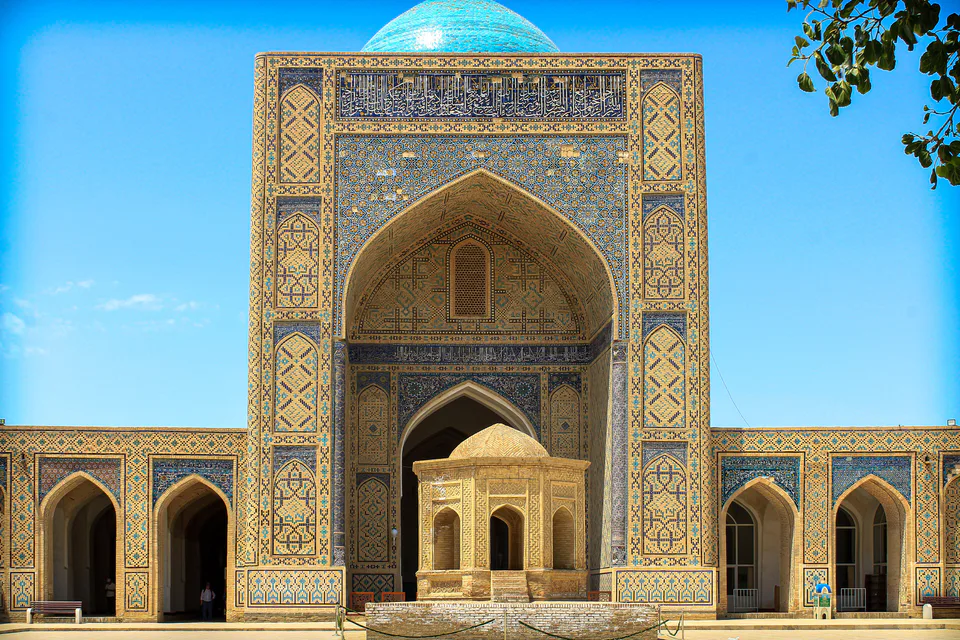
Mosque · Bukhara city
A Friday mosque for 12,000 worshippers
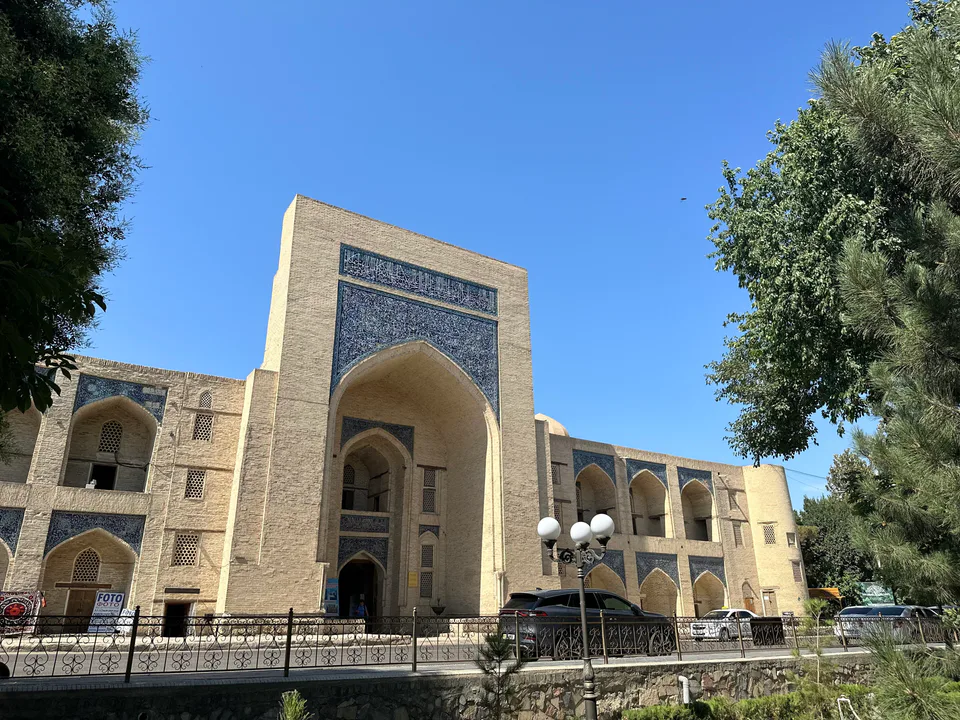
Madrasa · Bukhara city
Central Asia's largest madrasa
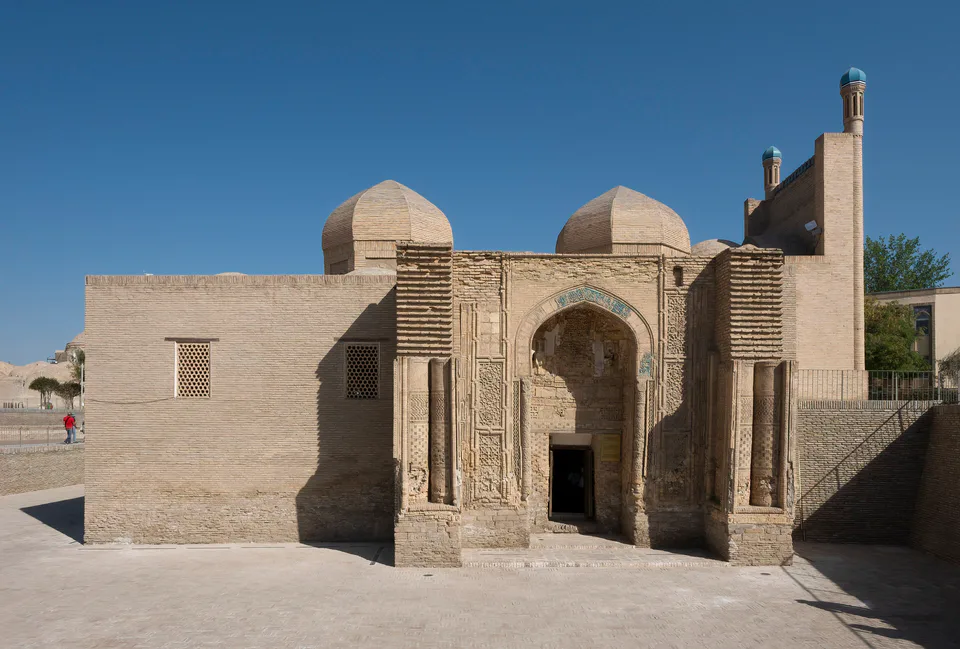
Mosque · Bukhara city
Bukhara's oldest mosque, sunk below the street
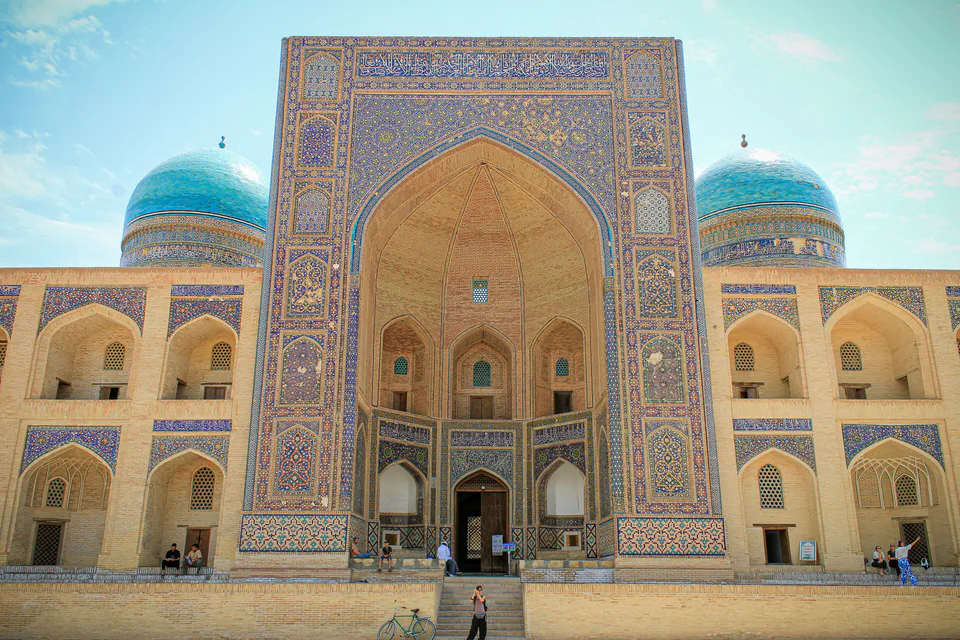
Madrasa · Bukhara city
The madrasa that stayed open under Soviet rule
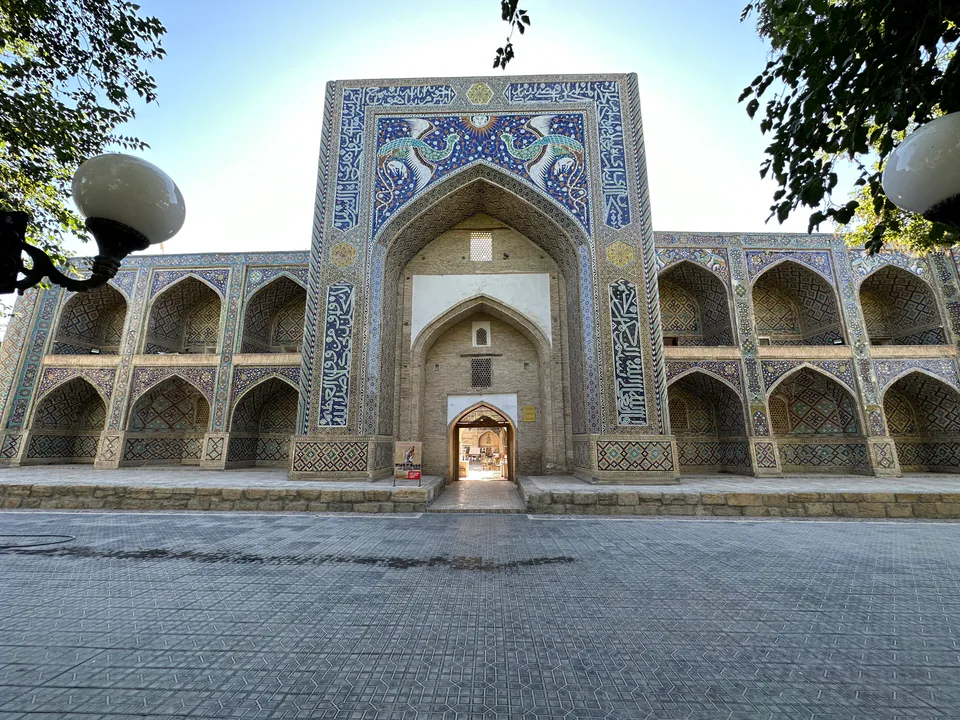
Madrasa · Bukhara city
The caravanserai that became a madrasa
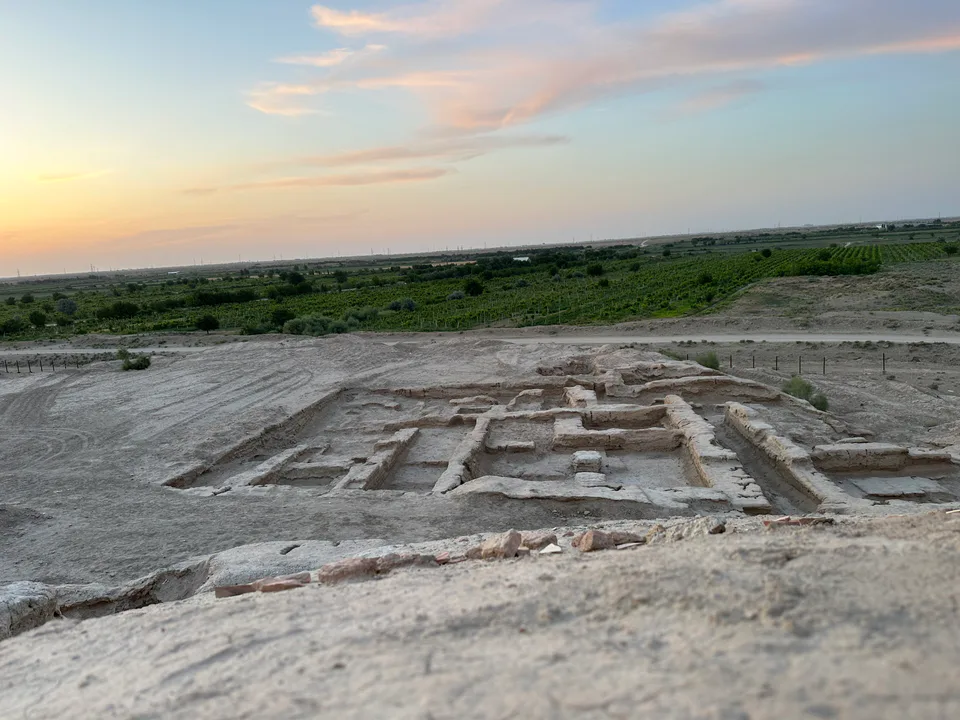
Archaeology · Qorakoʻl District
'City of merchants' with walls of 'copper'
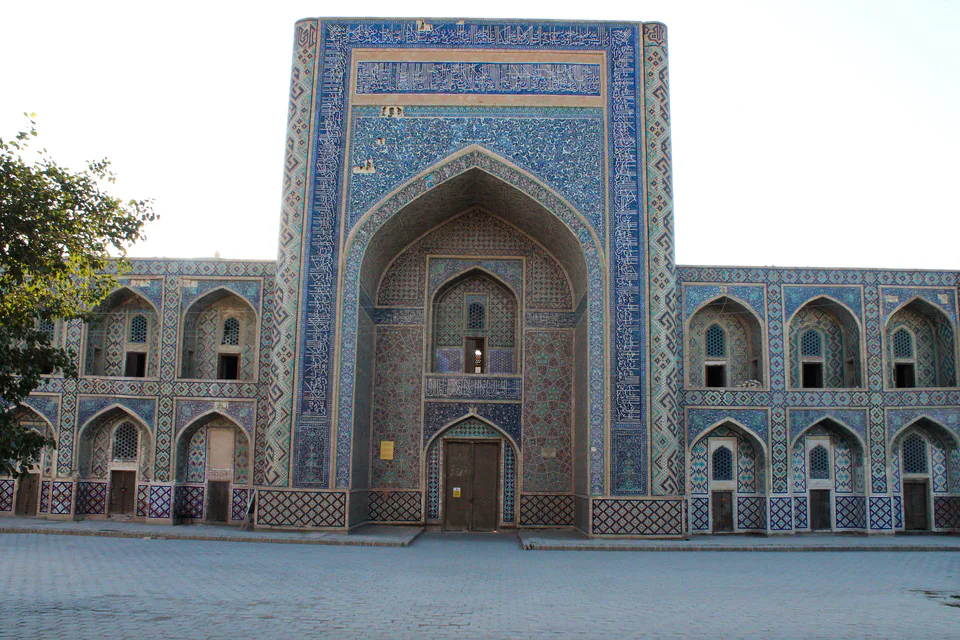
Madrasa · Bukhara city
Two madrasas — for a khan and his mother — face to face
Bukhara Region
Airport, railway station and bus stations — addresses, timetables and the live board.
All transportBukhara Region
Road distance, the fastest train and whether there is a direct flight.
All distances| City | Road, km | By car | By train | Flight | Bus |
|---|---|---|---|---|---|
| Gijduvan Bukhara Region |
48 | 48 min | — | — | — |
| Navoi Navoiy Region |
114 | 1 h 55 min | 34 min Jaloliddin Manguberdi 777М |
— | 1 route |
| Nurata Navoiy Region |
168 | 2 h 38 min | — | — | — |
| Karshi Kashkadarya Region |
169 | 2 h 17 min | — | — | — |
| Kattakurgan Samarkand Region |
194 | 3 h 6 min | 1 h 9 min Afrosiyob 765Ф |
— | — |
| Shahrisabz Kashkadarya Region |
294 | 3 h 45 min | — | — | — |
| Samarkand Samarkand Region |
305 | 4 h 9 min | 1 h 31 min Jaloliddin Manguberdi 753М |
— | — |
| Tashkent Tashkent (city) |
629 | 8 h 53 min | 4 h 1 min Jaloliddin Manguberdi 753М |
9 flights | 1 route |
Weather: MET Norway
Bukhara Region
Checked hotels and places to eat — with addresses, phone numbers, opening hours and price levels.
A four-star hotel with pools and a spa
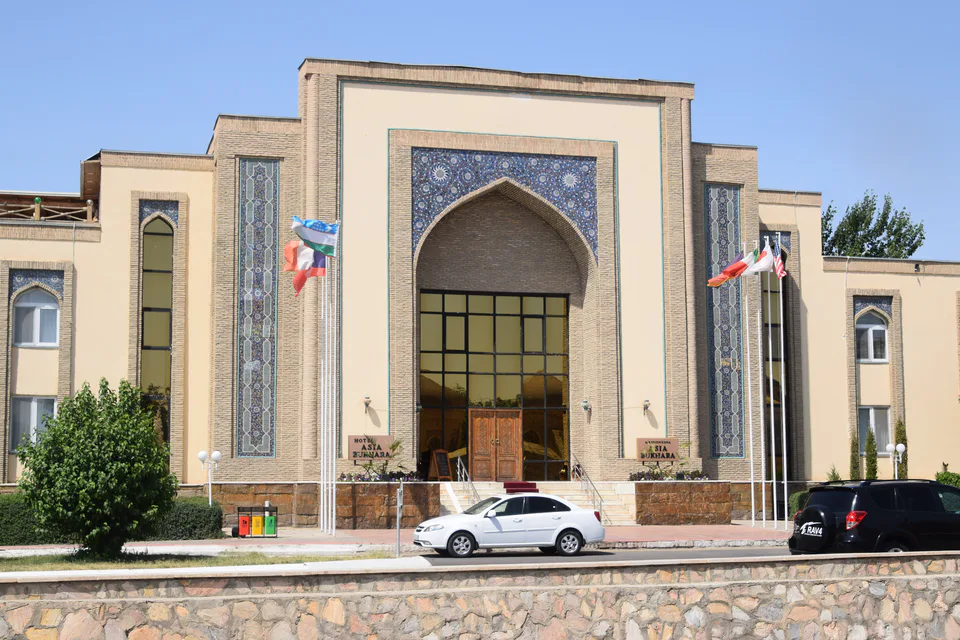
A large old-town hotel with a pool
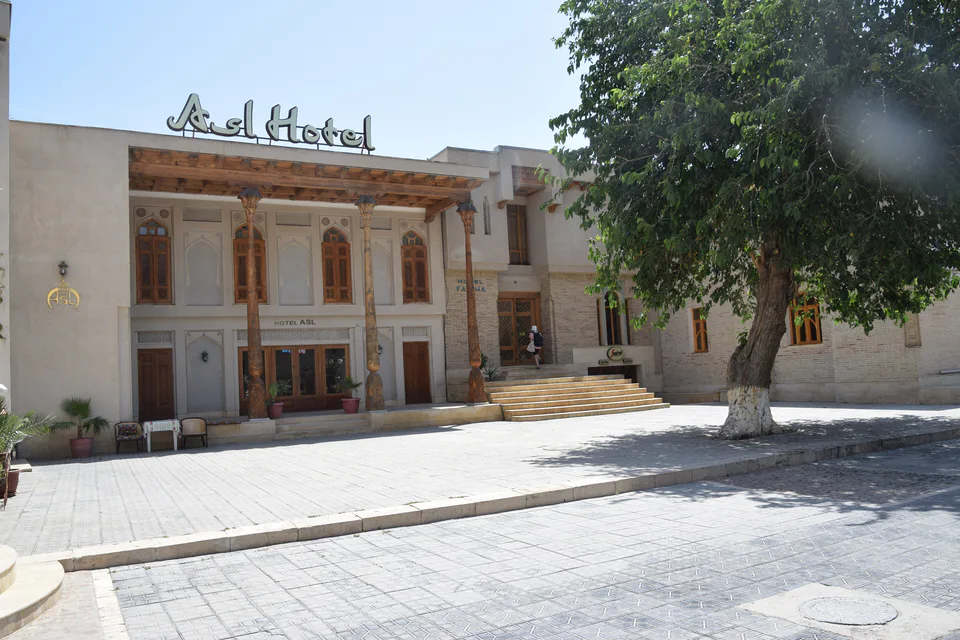
A twelve-room hotel by Lyab-i Hauz
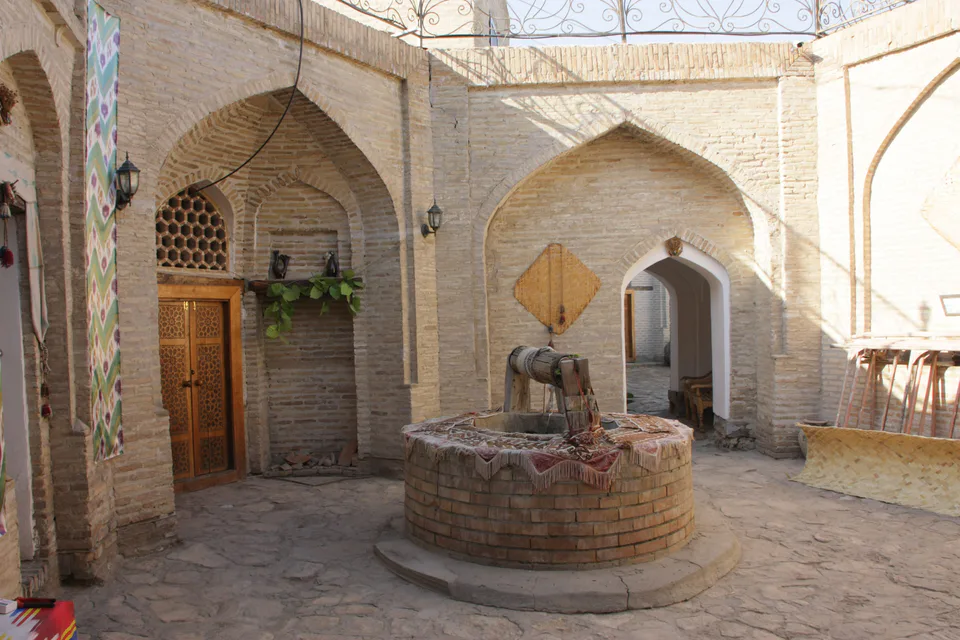
A hotel with rooms in a historic building by Lyab-i Hauz
A hotel with a pool near the Ark fortress
A family boutique hotel in a 19th-century house
A large modern hotel from an international chain
A hotel in a 19th-century madrasah
A new chain hotel away from the centre
A hotel with a roof terrace on a pedestrian street
A boutique hotel by the Eshoni Pir Madrasah
A courtyard mini-hotel by Lyab-i Hauz
A restaurant with a terrace near Lyab-i Hauz
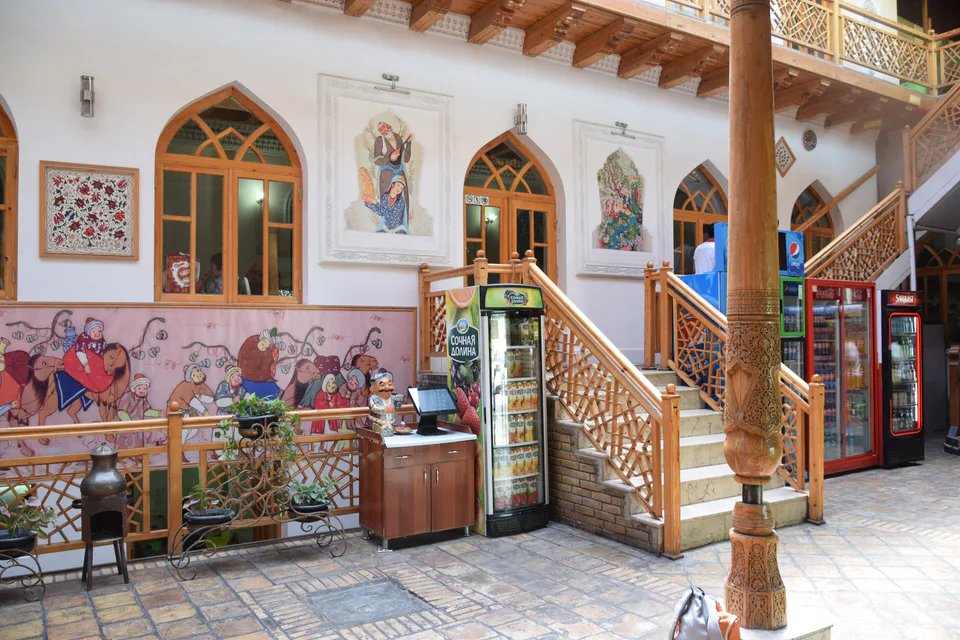
A traditional-style restaurant known for its shashlik
A courtyard-and-balcony restaurant by Lyab-i Hauz
A spacious restaurant near the Kalyan Minaret
A modern Mediterranean-style restaurant
A restaurant set in a 19th-century ayvan
An Italian restaurant near Chor Minor
A three-room café and patisserie
A garden restaurant by Lyab-i Hauz
A big restaurant on the edge of the Lyab-i Hauz pool
A local 24-hour burger joint
A terrace restaurant facing the Kalyan Minaret
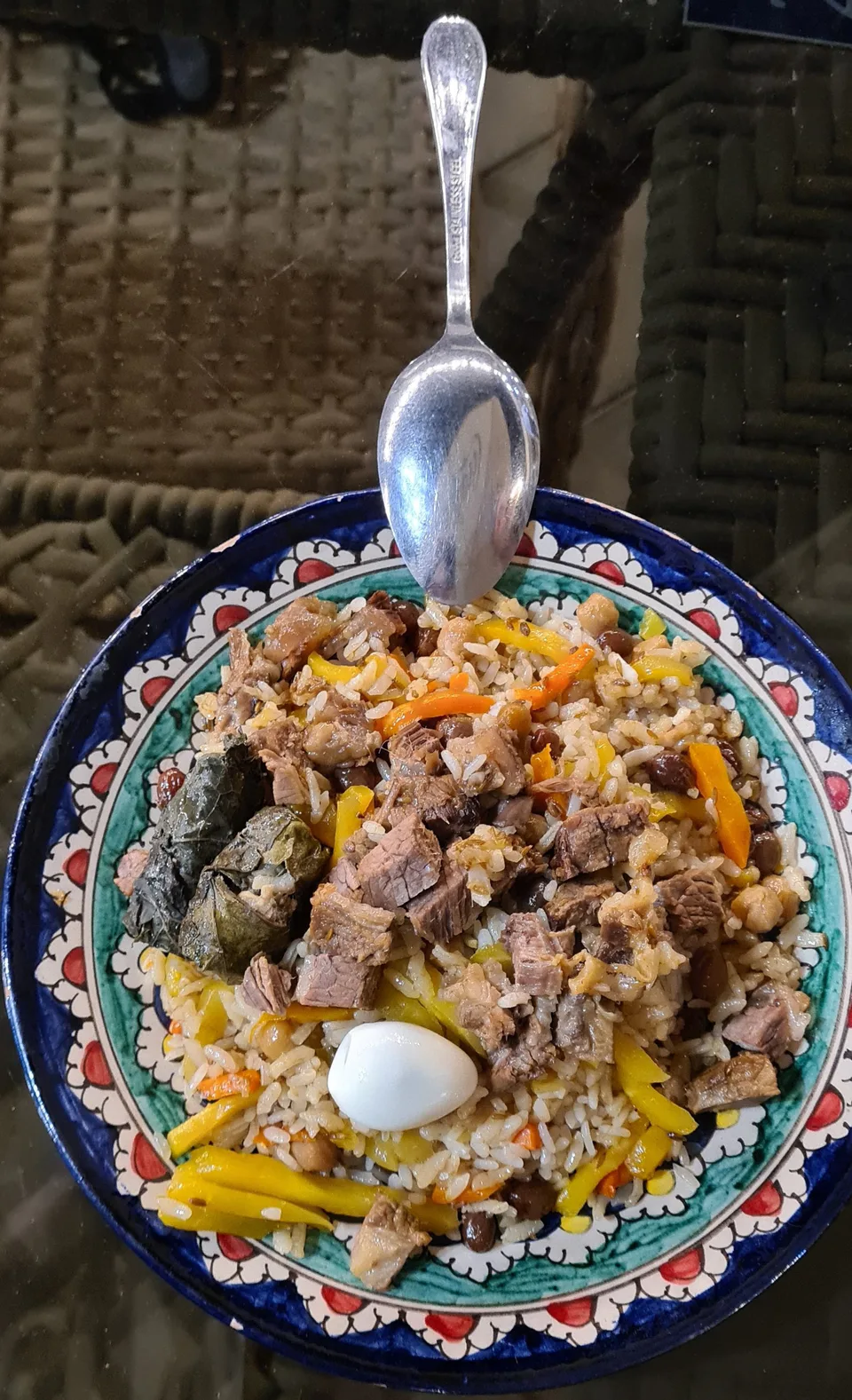
Dish · Bukhara
Bukhara’s own plovs: oshi sofi, made with separately boiled and drained rice, and plov cooked with mung beans.
Dish · Bukhara
The famous minced-meat kebab of Gijduvan in Bukhara Region: the meat is minced twice, frozen, chopped and pressed onto skewers.
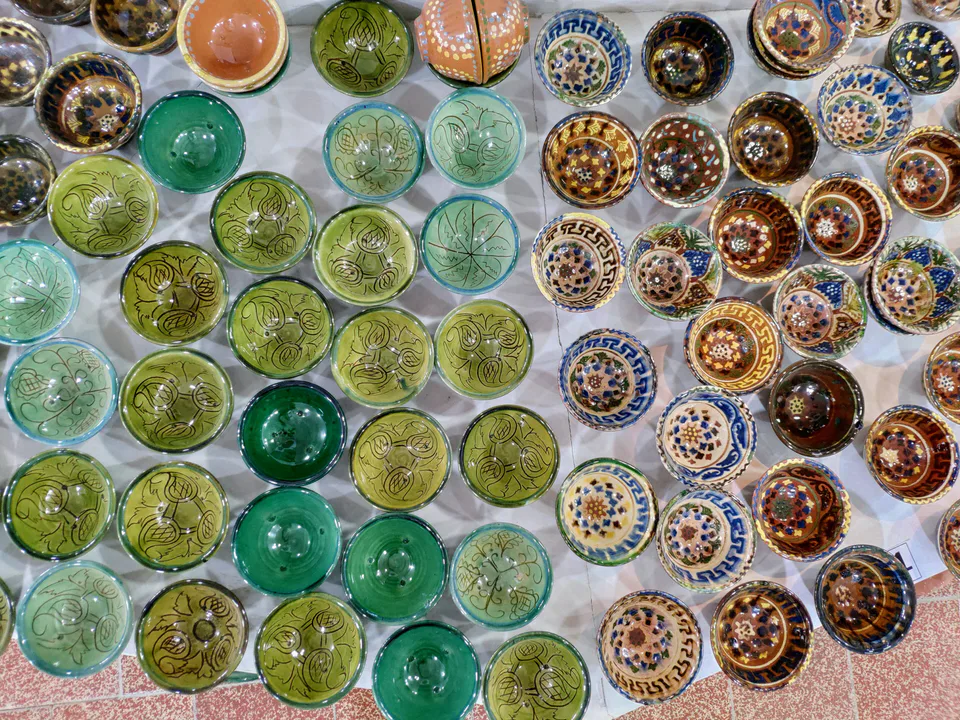
Craft · Bukhara
Pottery from Gijduvan near Bukhara, glazed in browns, yellows and greens — the best-known centre of the Bukhara–Samarkand school.
Craft · Bukhara
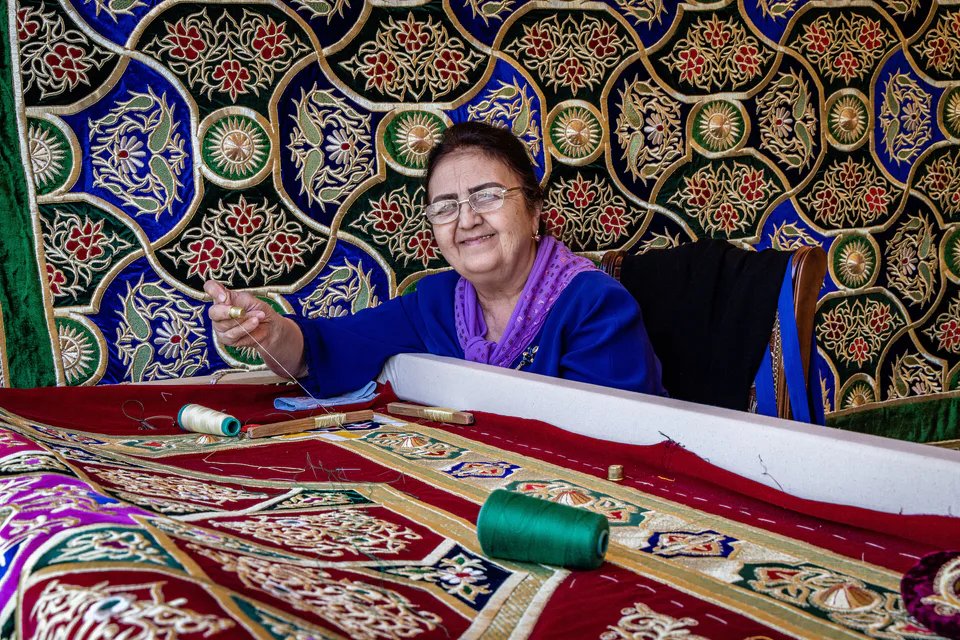
Embroidery in gold and silver thread on velvet and silk — the art of the Bukhara emirs’ court and still the city’s most precious craft.
Craft · Bukhara
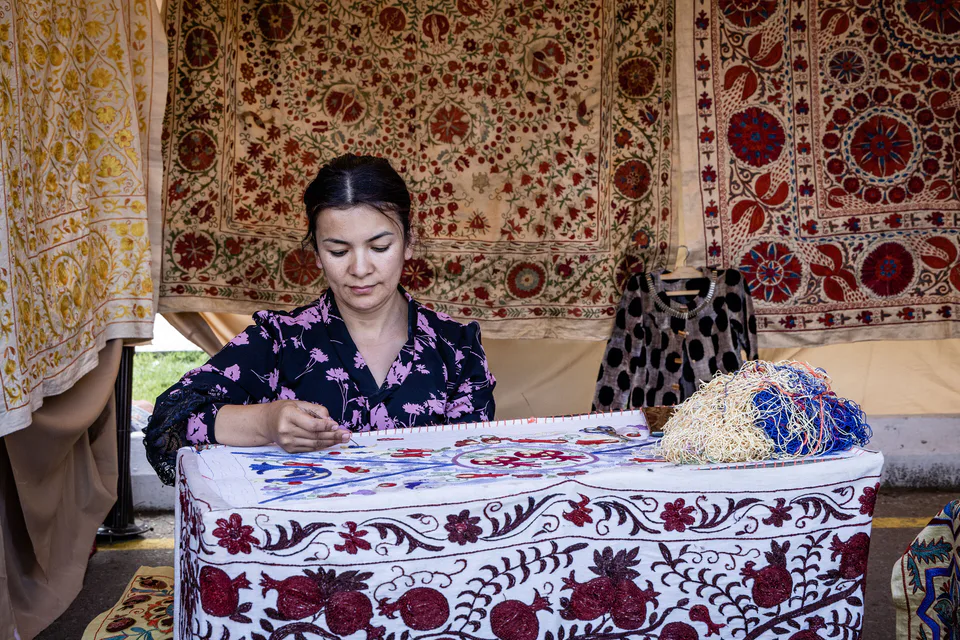
Large hand-embroidered hangings called suzani; the Bukhara school is known for fine designs covering almost the whole cloth in reds and greens on a pale ground.
Tradition · Bukhara
‘Six maqoms’ — a classical suite of instrumental and vocal music that took shape in Bukhara; joint UNESCO heritage of Uzbekistan and Tajikistan since 2008.
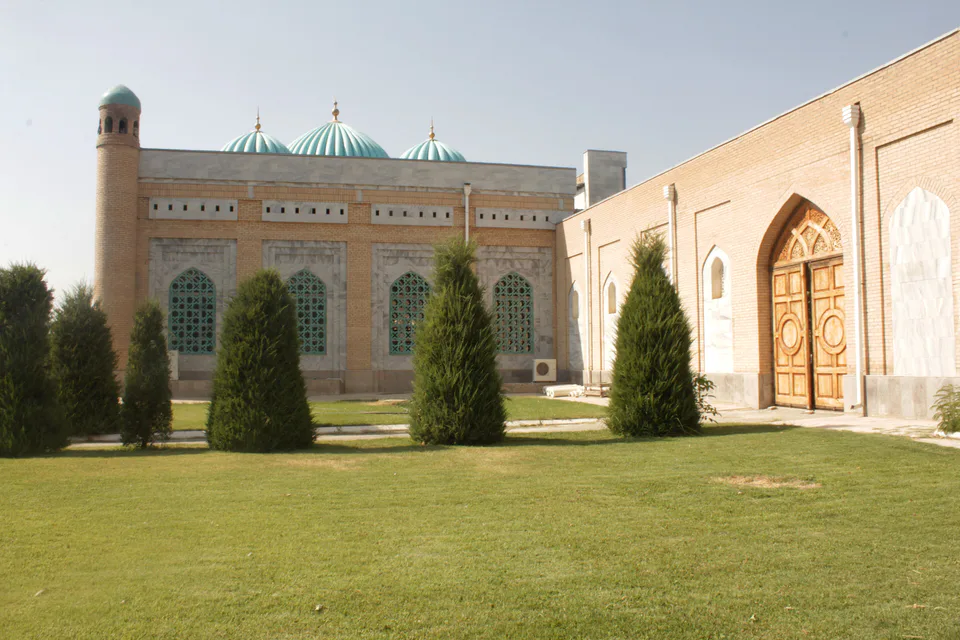
810–870
Hadith scholar, compiler of the Sahih al-Bukhari
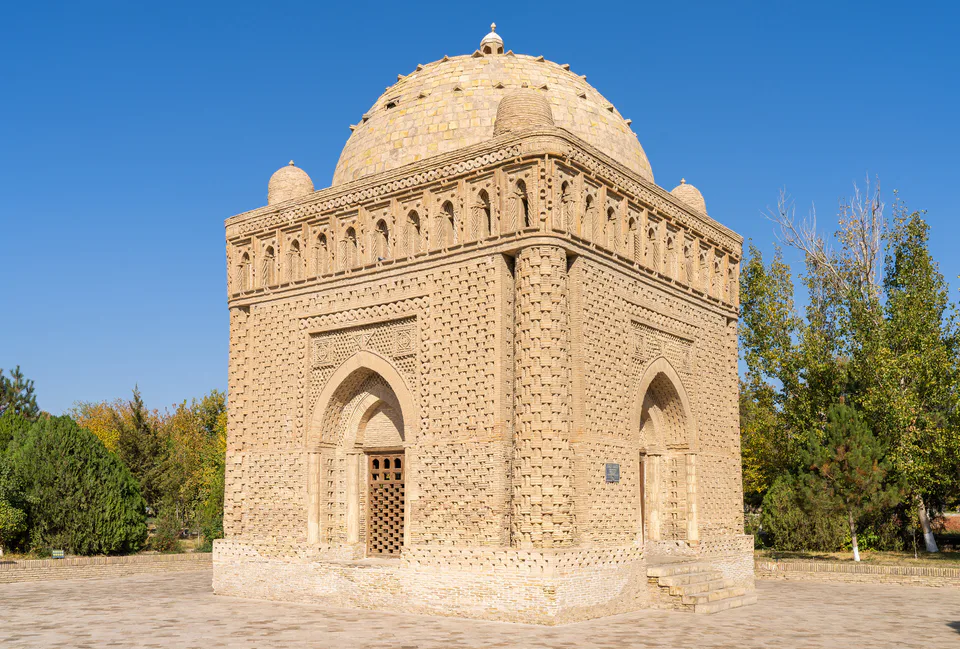
849–907
Samanid emir, founder of the Bukharan state
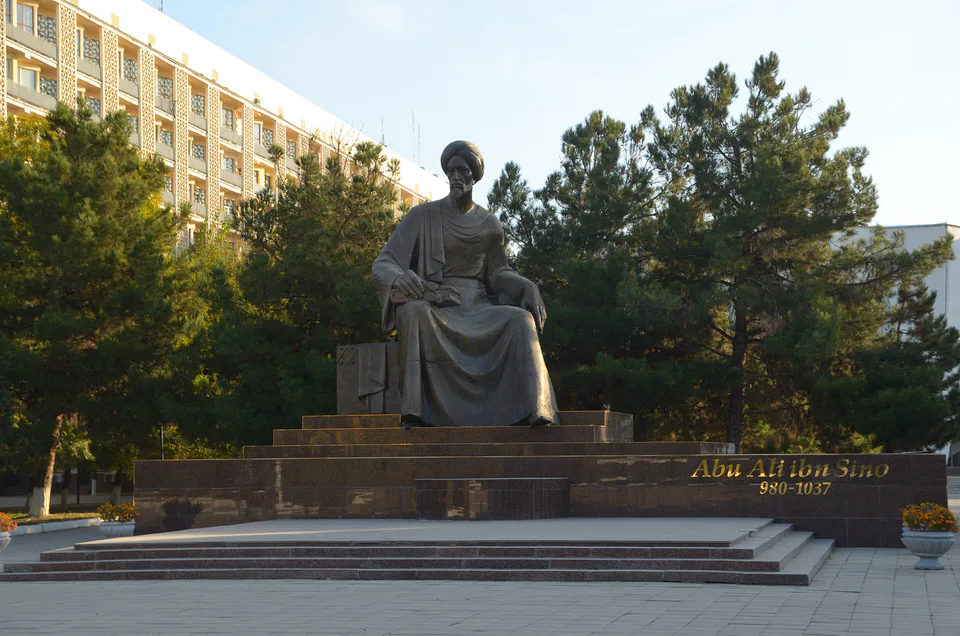
980–1037
Physician, philosopher, polymath
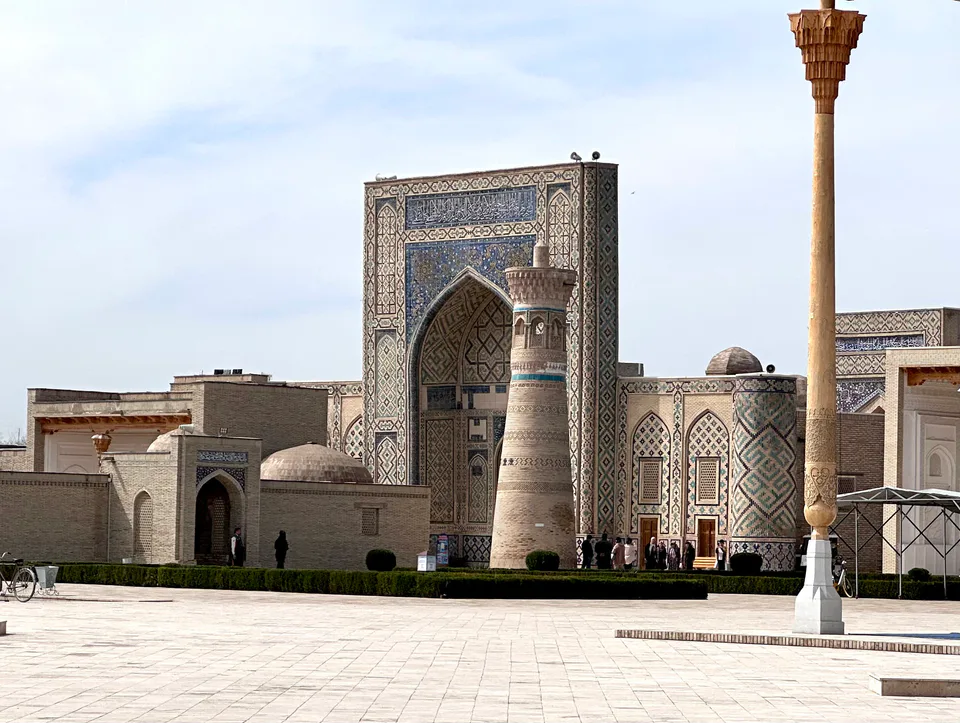
1103–1179
Sufi master, founder of the Khwajagan path
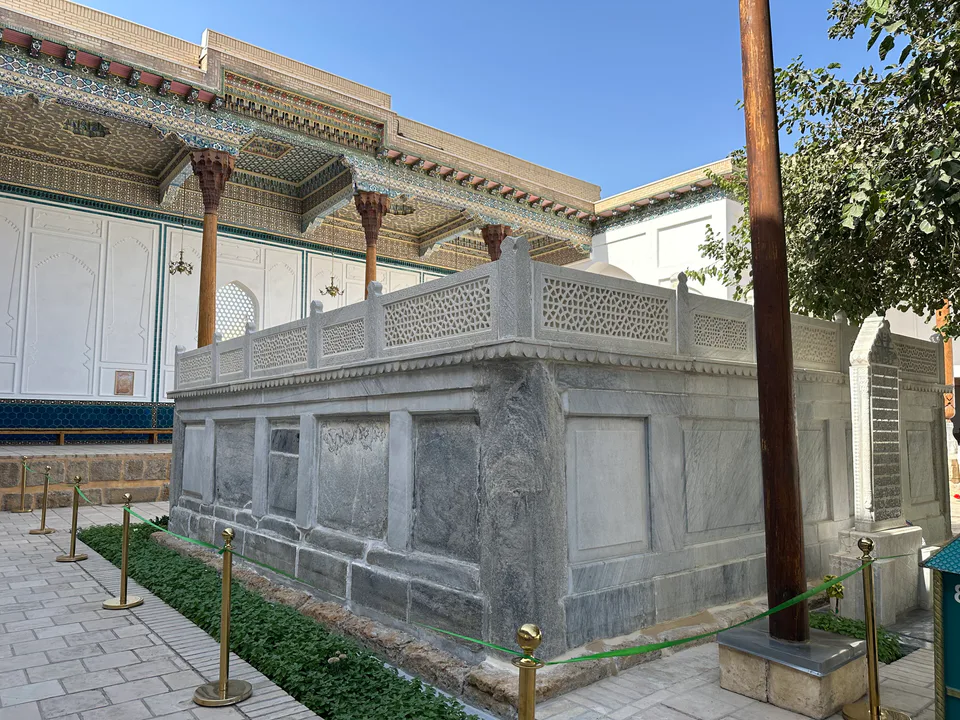
1318–1389
Sufi master, founder of the Naqshbandi order
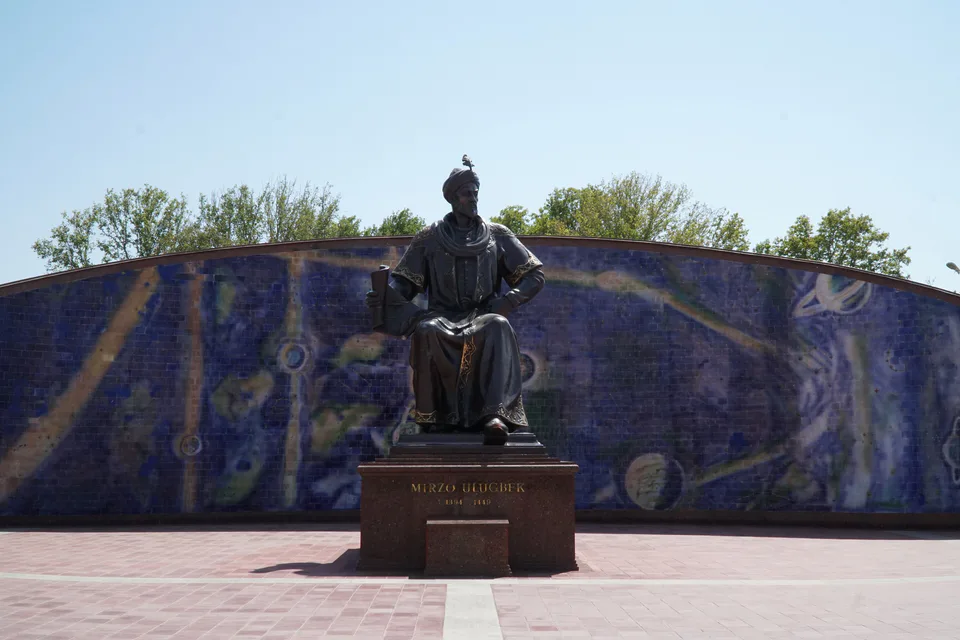
1394–1449
Ruler, astronomer, mathematician
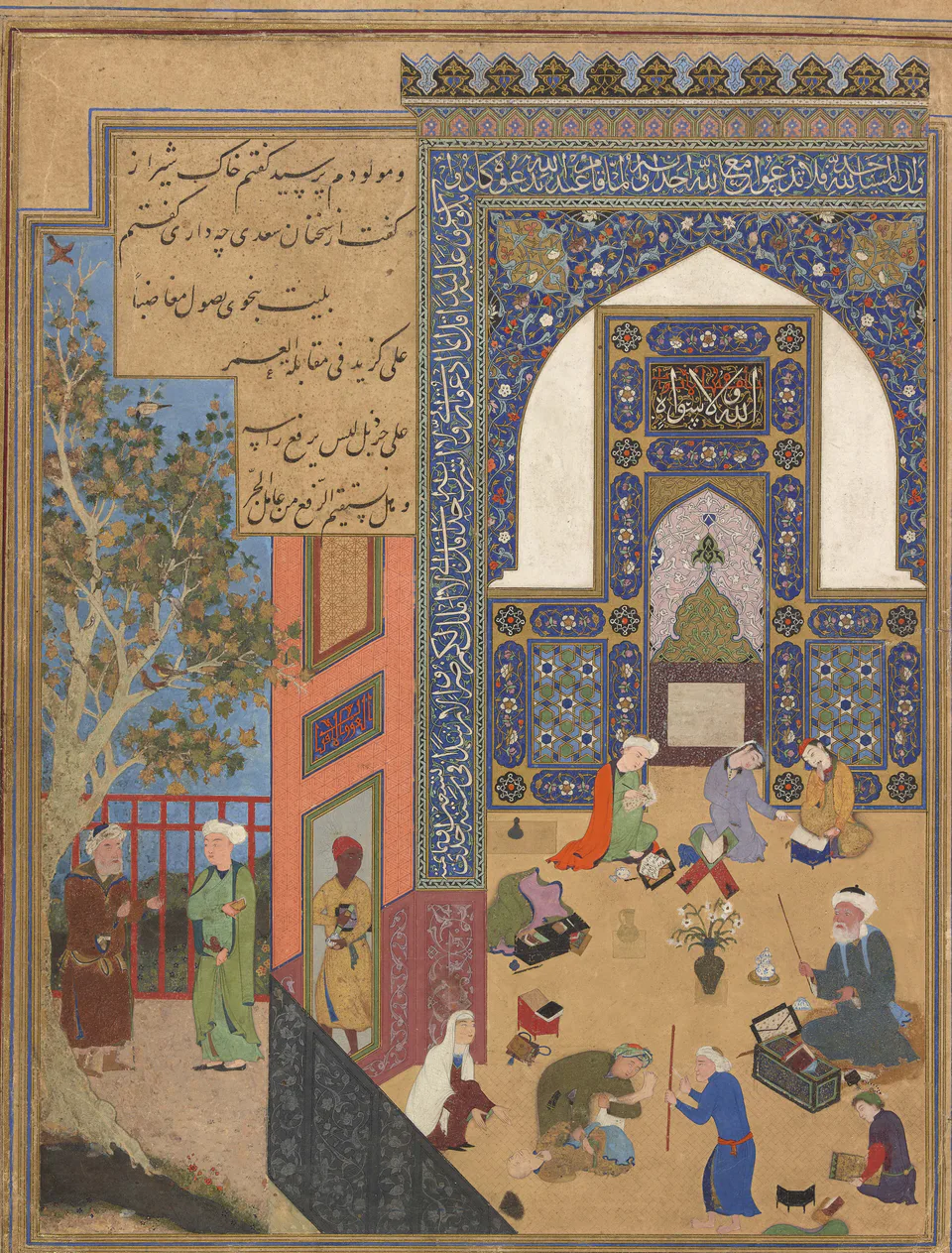
1455–1535
Miniature painter
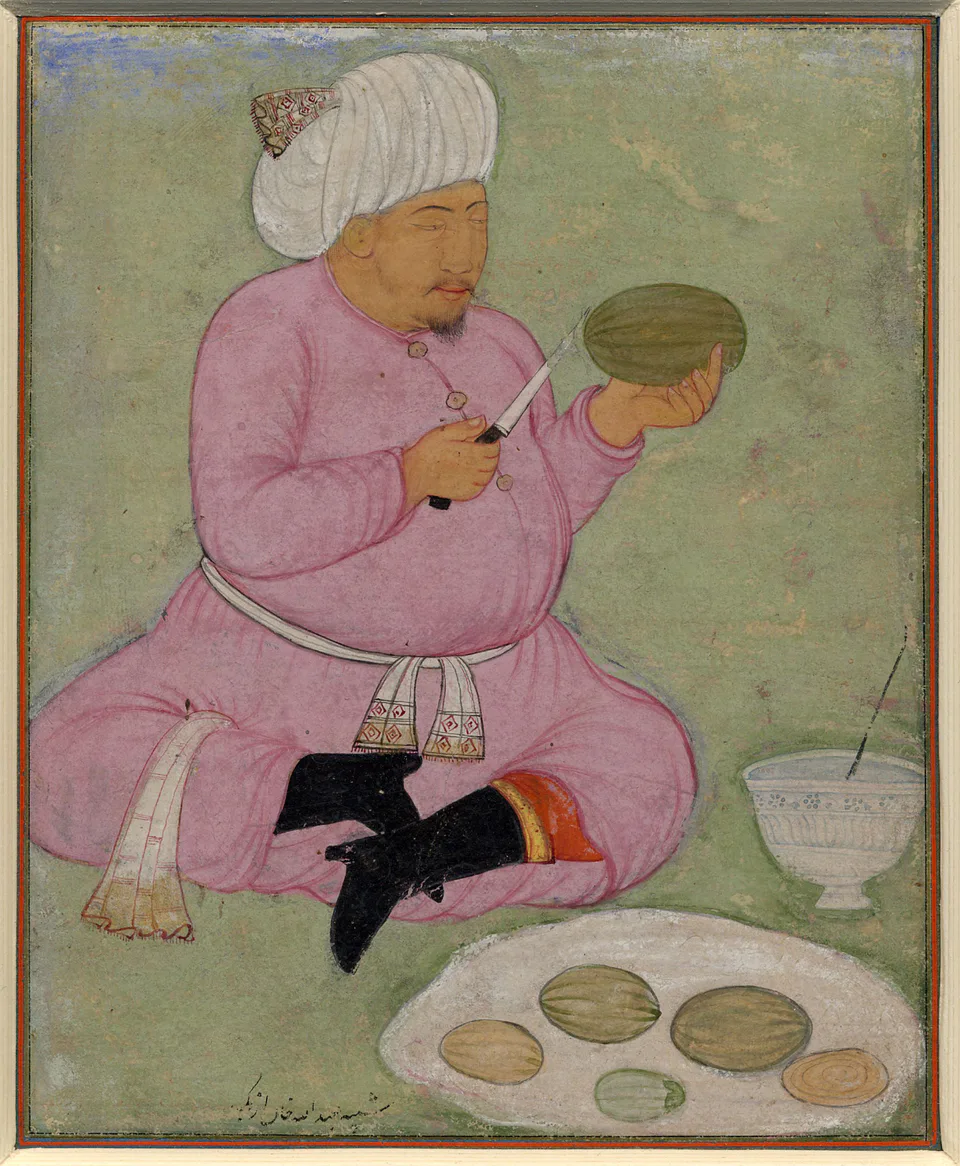
1534–1598
Shaybanid ruler, khan of Bukhara
1827–1897
Enlightener, scholar, writer, diplomat
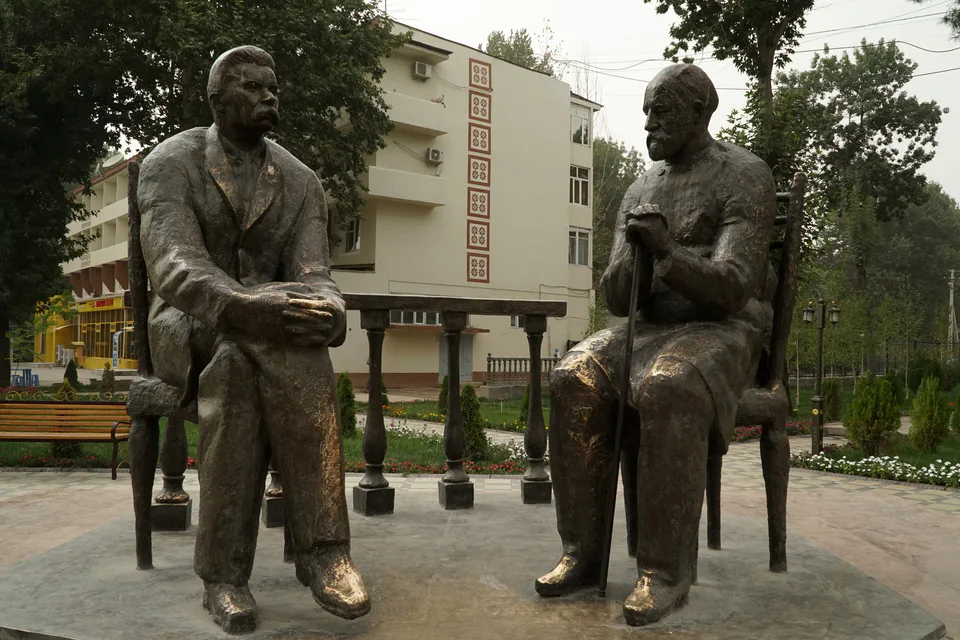
1878–1954
Writer, poet, scholar, enlightener
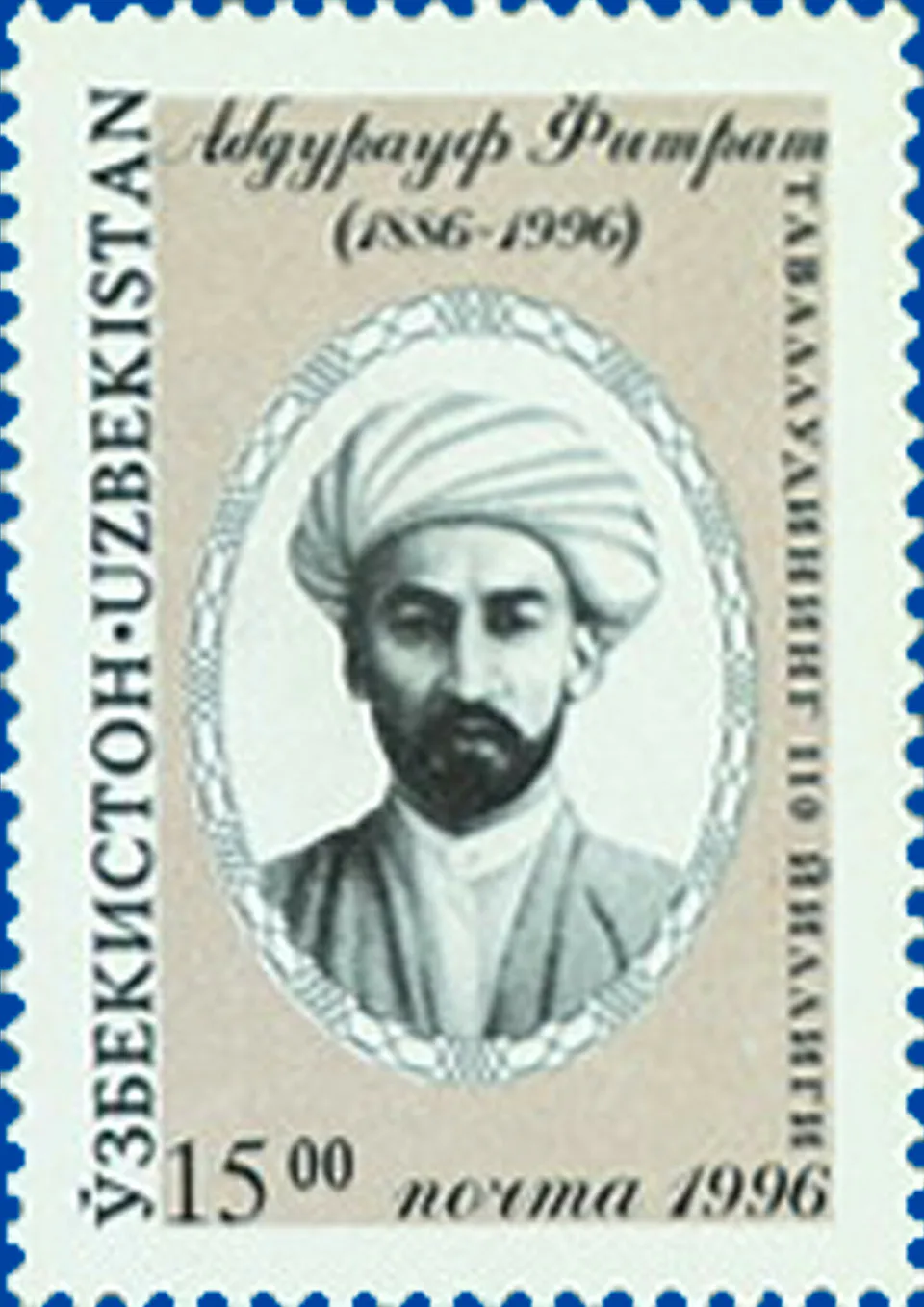
1886–1938
Writer, playwright, scholar, Jadid leader
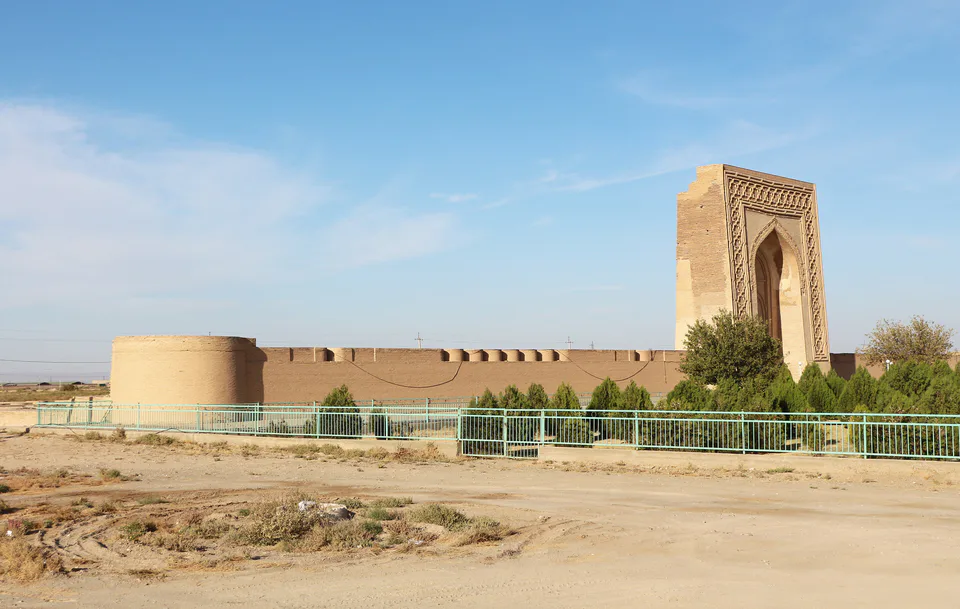
died 1080
Khan of the Western Karakhanid Khanate
8days
Classic
Tashkent (city)SamarkandBukharaKhorezm
14days
Grand tour
Tashkent (city)FerganaSamarkandKashkadaryaNavoiyBukharaKhorezmKarakalpakstan
8days
Pilgrimage
Tashkent (city)Tashkent RegionSurkhandaryaSamarkandBukhara
Bukhara Region
Khokimiyat, public service centre and other offices: addresses, phones, hours.
All offices (62)Khokimiyat
1 Yangi Bukhara St, Gulchorbog Mahalla, Bukhara
Read morePublic Service Centre
168 Bahouddin Naqshband St, Bukhara
Read moreBukhara regional branch · Bukhara city
151/2 B. Naqshband Street, Bukhara
+998 65 223 85 33Bukhara regional comprehensive service centre · Bukhara city
20 Zulfiya Street, Bukhara
+998 65 223 27 44Bukhara banking services office · Bukhara city
6 Hamza Street, Nizomiy Ganjaviy mahalla, Bukhara 200104
+998 55 503 75 75Bukhara banking services centre · Bukhara city
8-1 Hamza Street, Nizomiy Ganjaviy mahalla, Bukhara
Toʻqimachilik banking services centre · Bukhara city
257A Bahouddin Naqshband Street, Ibn Sino mahalla, Bukhara
Bukhara banking services centre · Bukhara city
29/1 I. Mominova Street, Bukhara 200113
+998 65 223 01 25Bukhara Region
Codes 200100–201211. The main code of each city and district:
All postcodes (98)Bukhara Region
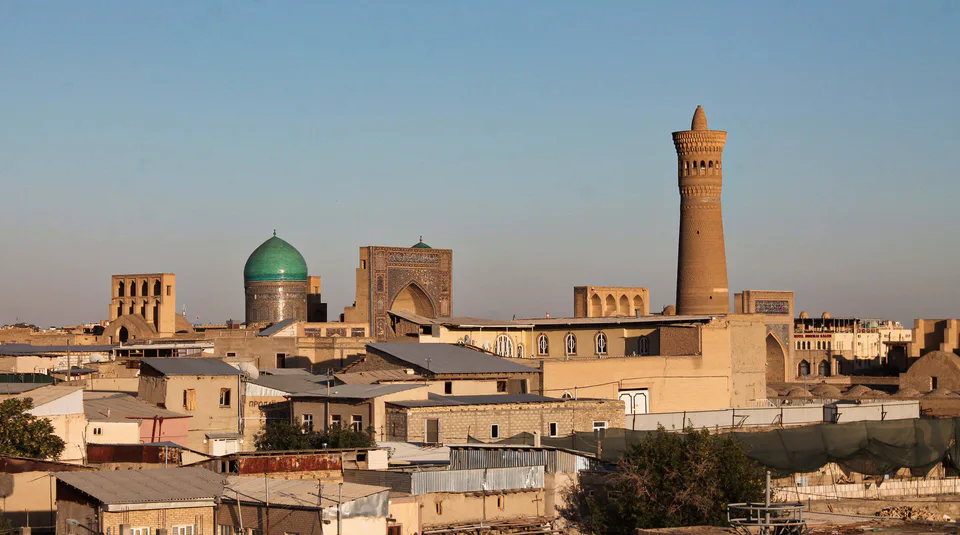
city · Central Asia's living museum city
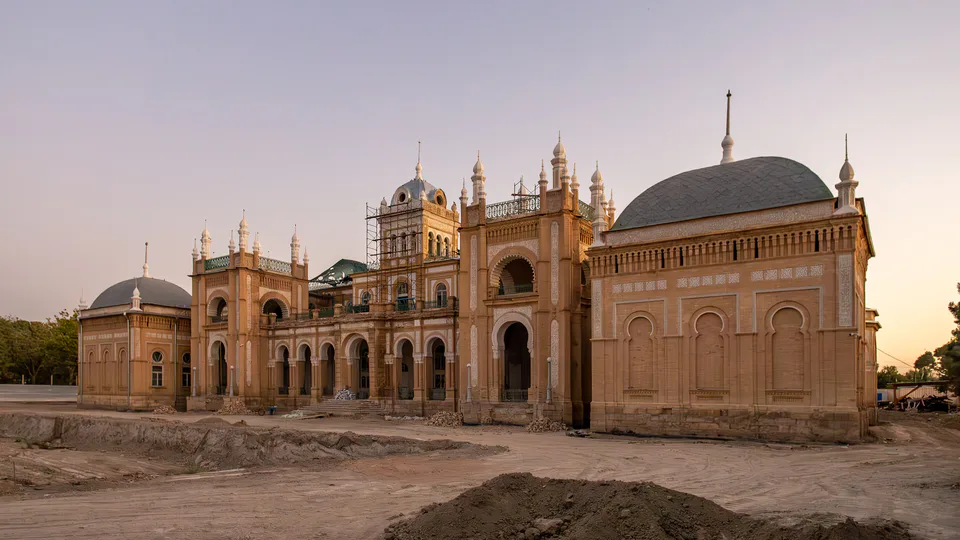
city · 'New Bukhara', born of the railway
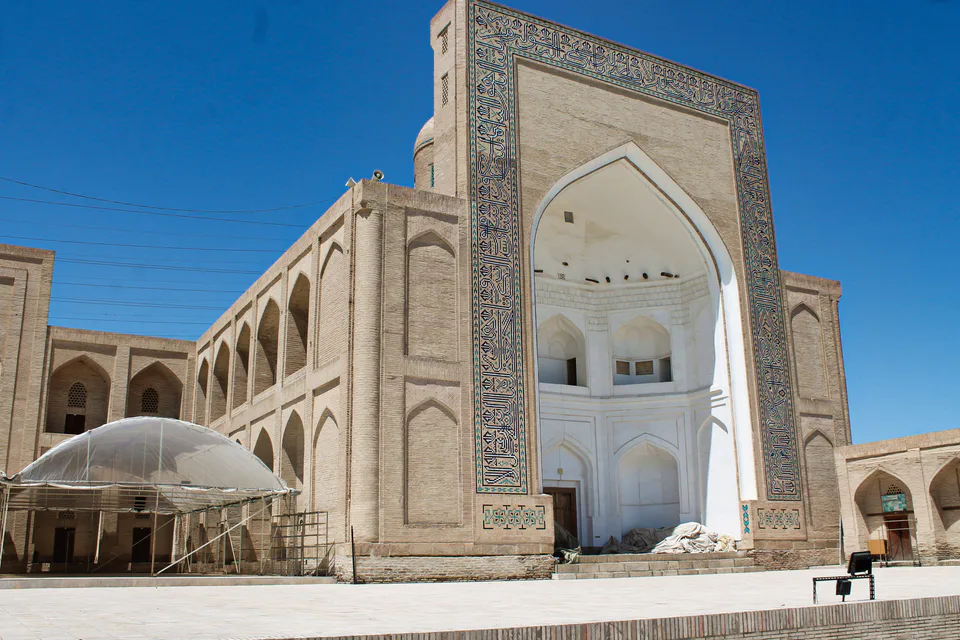
district · The oasis around the city
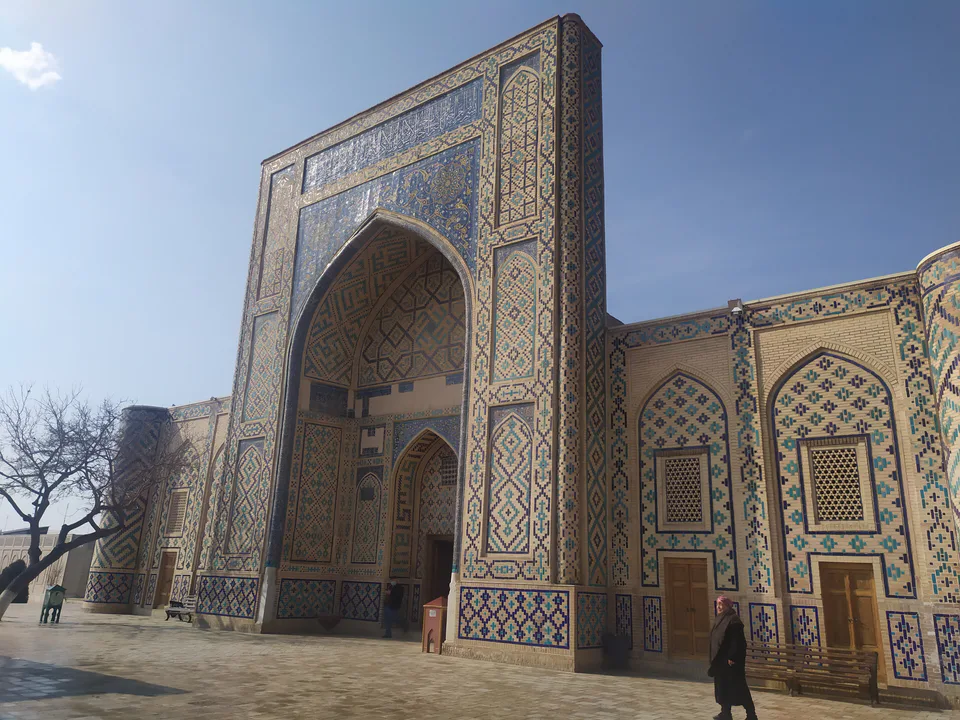
district · Land of potters and Sufis
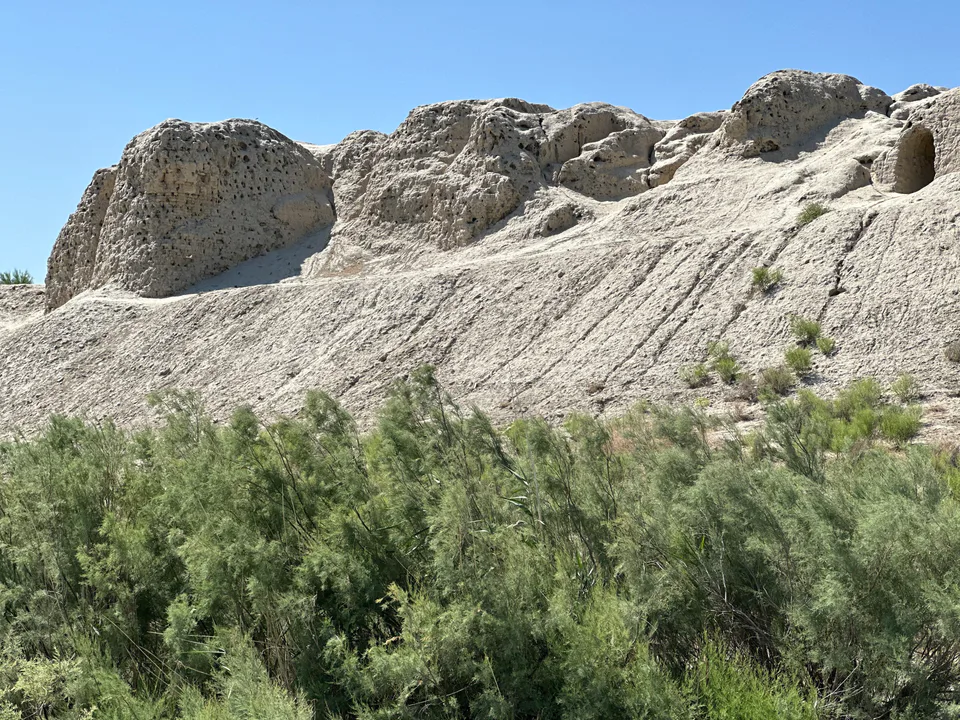
district · Home of Varakhsha and Qizbibi
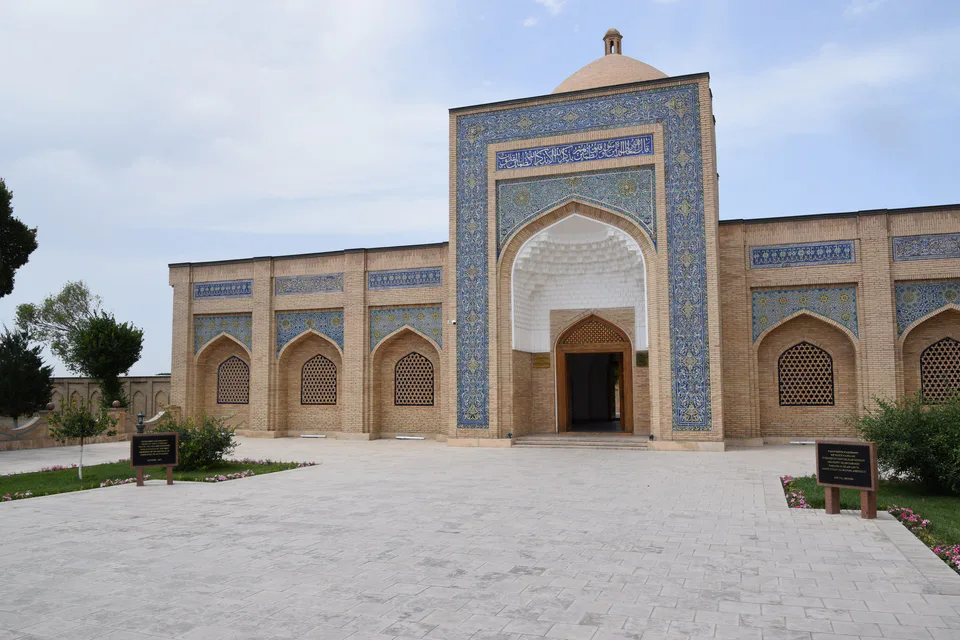
district · Home of the Bahauddin Naqshband shrine
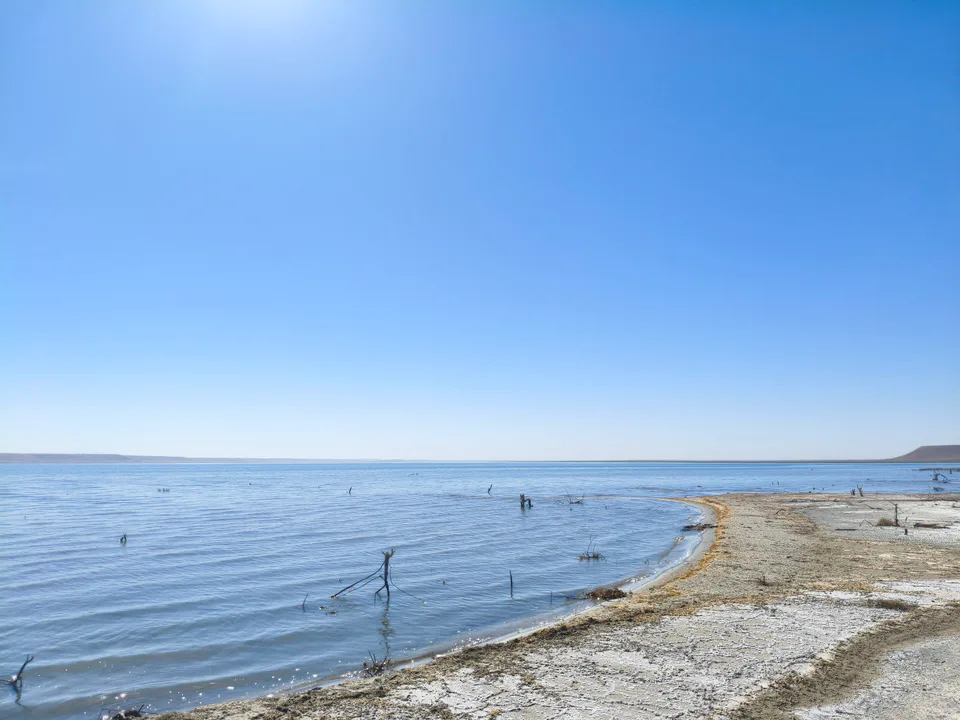
district · A border district on the Amu Darya
district · Avicenna's homeland
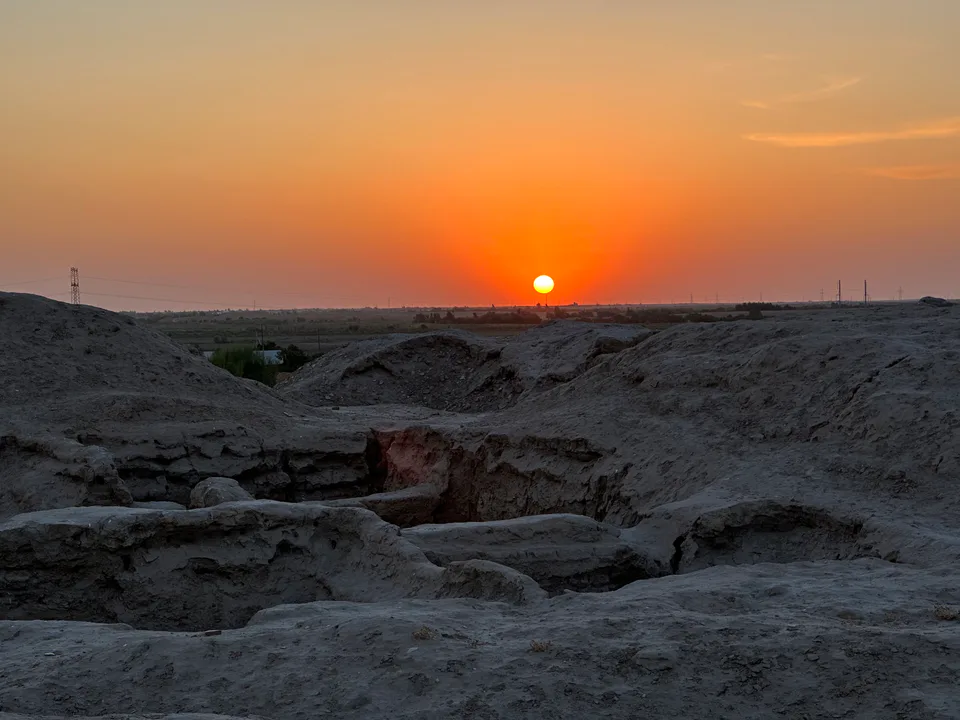
district · Home of Paykend and karakul sheep
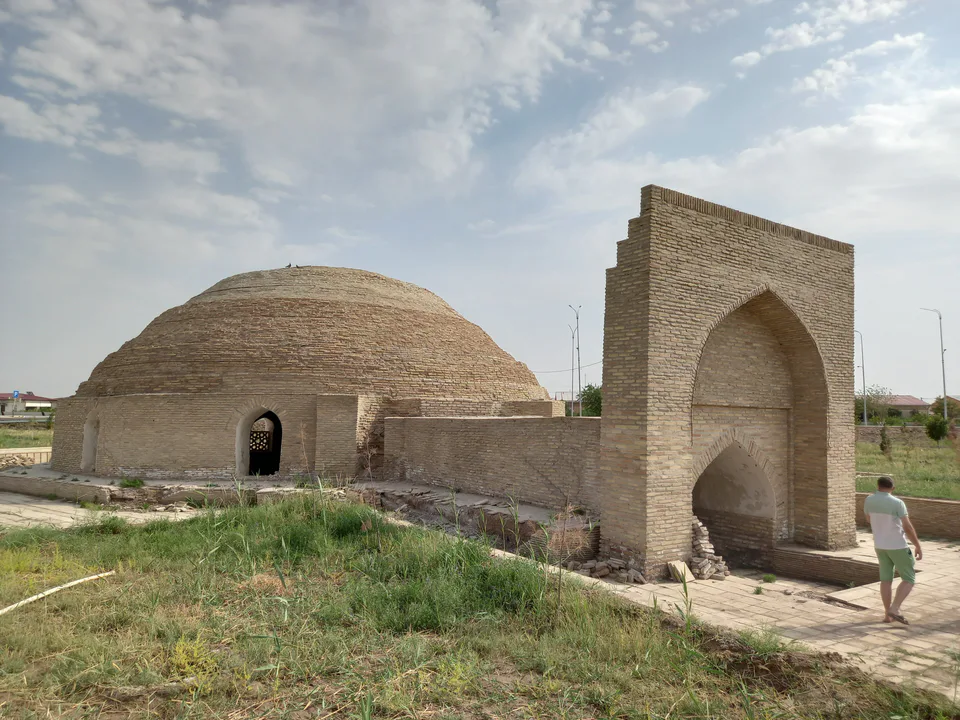
district · Oilmen's district with old cisterns
district · A fortress older than Bukhara, and the Gazli gas field
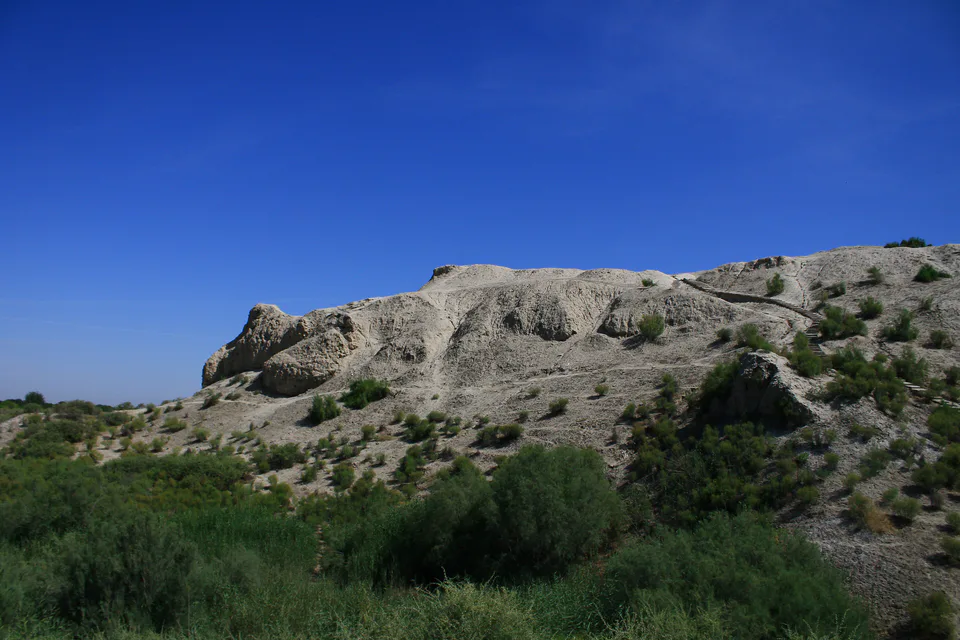
district · Home of Vardanze and Khoja Arif Revgari
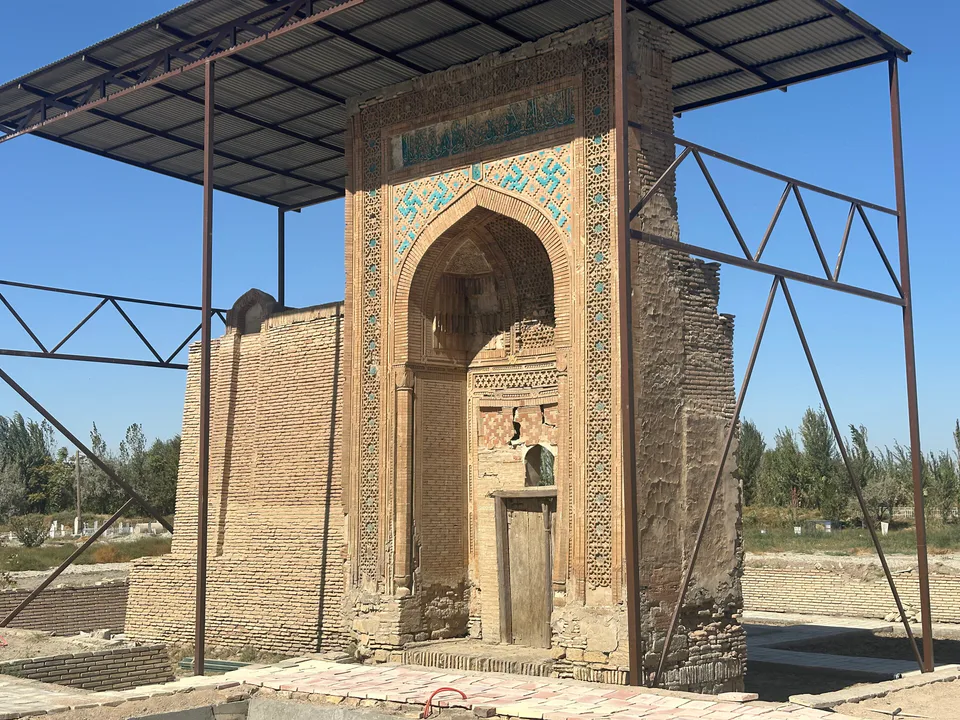
district · An old town with a 12th-century minaret