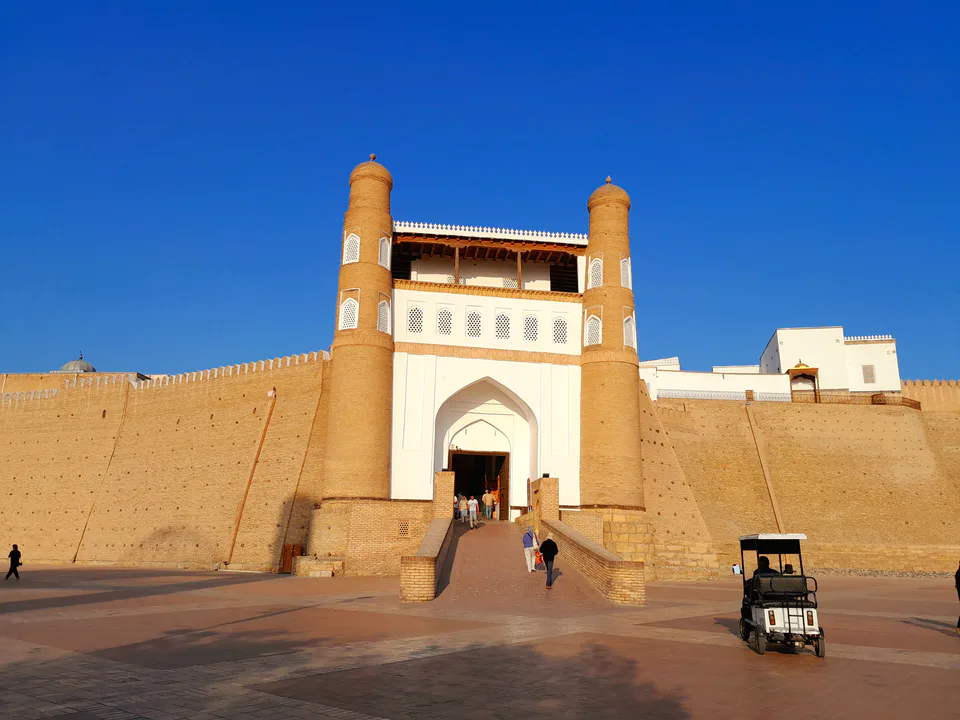
Fortress · Bukhara city
Ark of Bukhara
Seat of Bukhara's rulers for over a thousand years
Museum · Peshku District
Abu Ali ibn Sina (Avicenna) was born in 980 in the ancient village of Afshona in Peshku District, which now has a museum and monument in his honour.
Afshona is an ancient village north-east of Bukhara. The 10th-century historian Narshakhi described it as having a large town quarter and a strong fortress, with several villages attached and a market held one day a week. He says Qutayba ibn Muslim built a Friday mosque here and that the village lands were endowed for madrasa students. Yaqut al-Hamawi and al-Sam'ani also mention it.
Ibn Sina's mother, Sitora, came from Afshona. Ibn Sina was born here in 980 and his brother Mahmud in 985. The future scholar lived in Afshona until he was five, when the family moved to Bukhara. One interpretation holds that the name is Sogdian for 'a holy place where prayers are swiftly answered'.
Afshona has an Abu Ali ibn Sina museum and a statue of the scholar. The millennium of his birth was celebrated here in style, and for the occasion a rest pavilion with two ceramic domes, carved doors and columns and decorated walls was built in the village.
The museum is devoted to Ibn Sina's life and legacy, including the Canon of Medicine, which served as a medical textbook in Europe for centuries.
Fortress · Bukhara city
Seat of Bukhara's rulers for over a thousand years
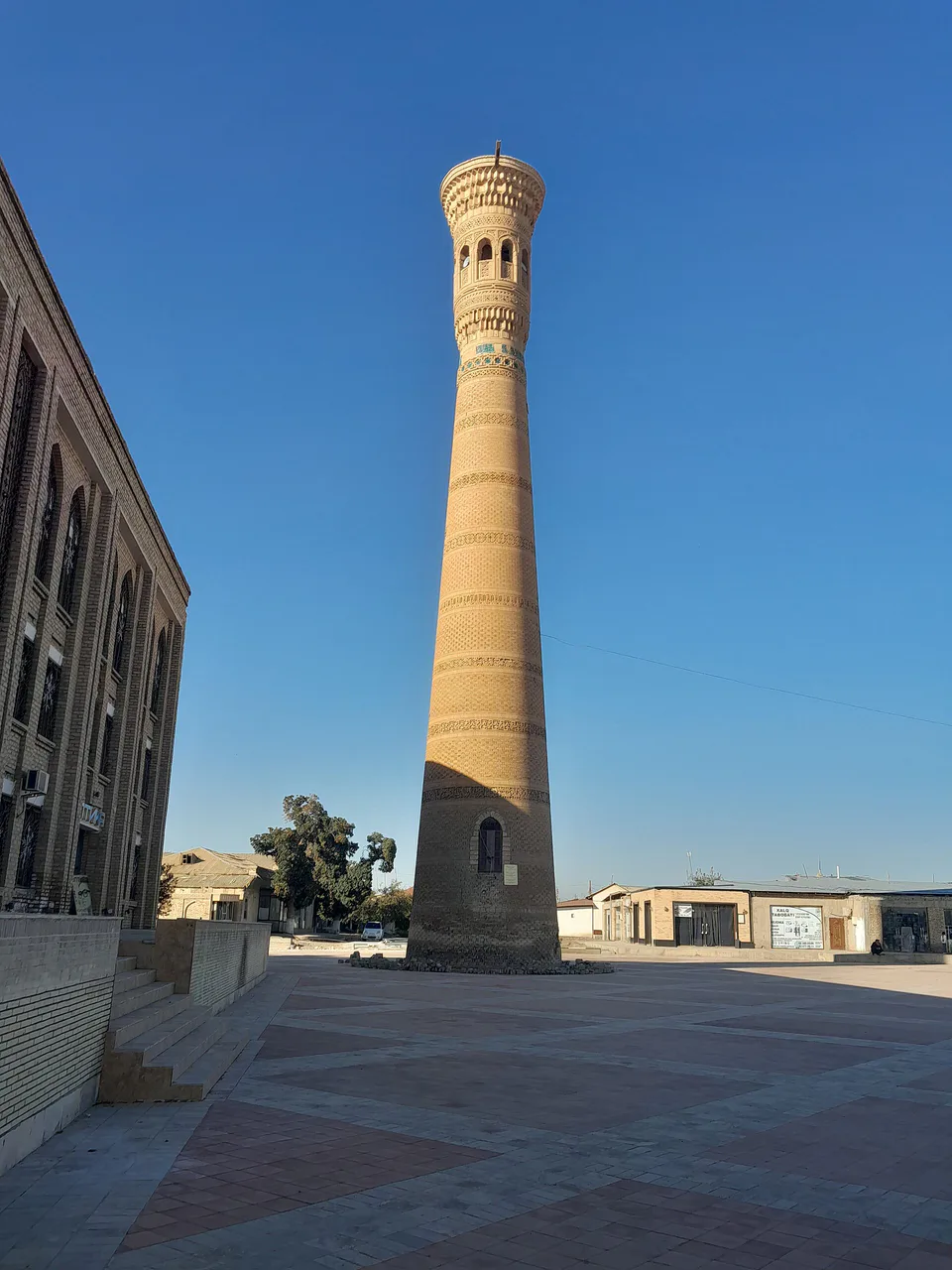
Minaret · Vobkent District
The Kalyan Minaret's 'little brother'
Pilgrimage site · Vobkent District
Anjirbog, resting place of the third of the Seven Pirs
Pilgrimage site · Romitan District
Hazrati Azizon, the weaver saint
Pilgrimage site · Romitan District
The pir who foretold Bahauddin Naqshband’s birth
Pilgrimage site · Shofirkon District
Second stop on the Seven Pirs pilgrimage
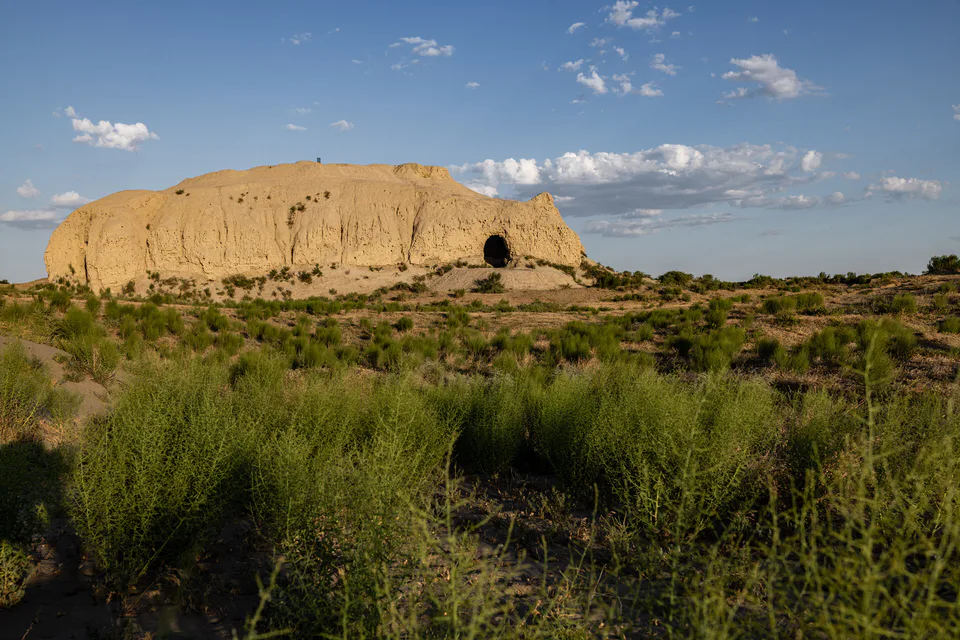
Archaeology · Shofirkon District
The Vardan Khudahs' city, swallowed by sand
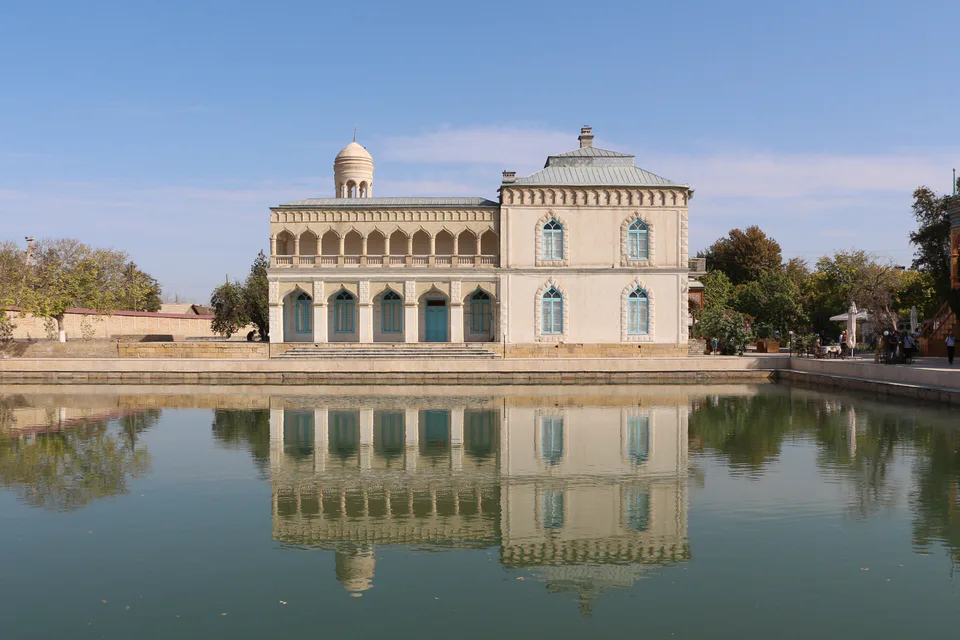
Museum · Bukhara city
The last emir's summer retreat outside the city
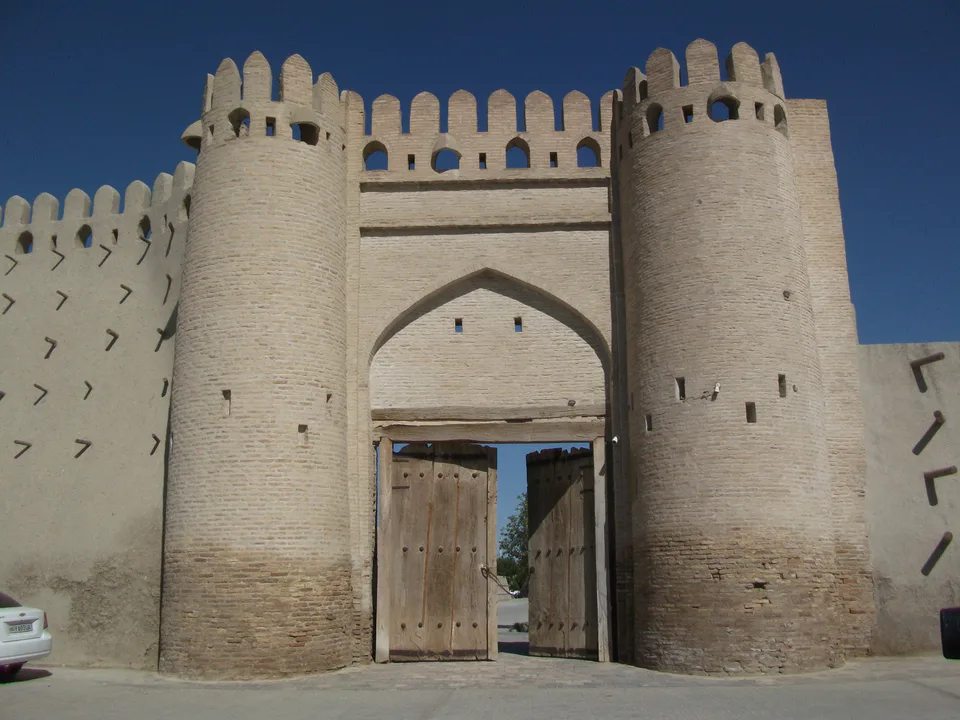
Fortress · Bukhara city
A surviving gate in Bukhara's city wall
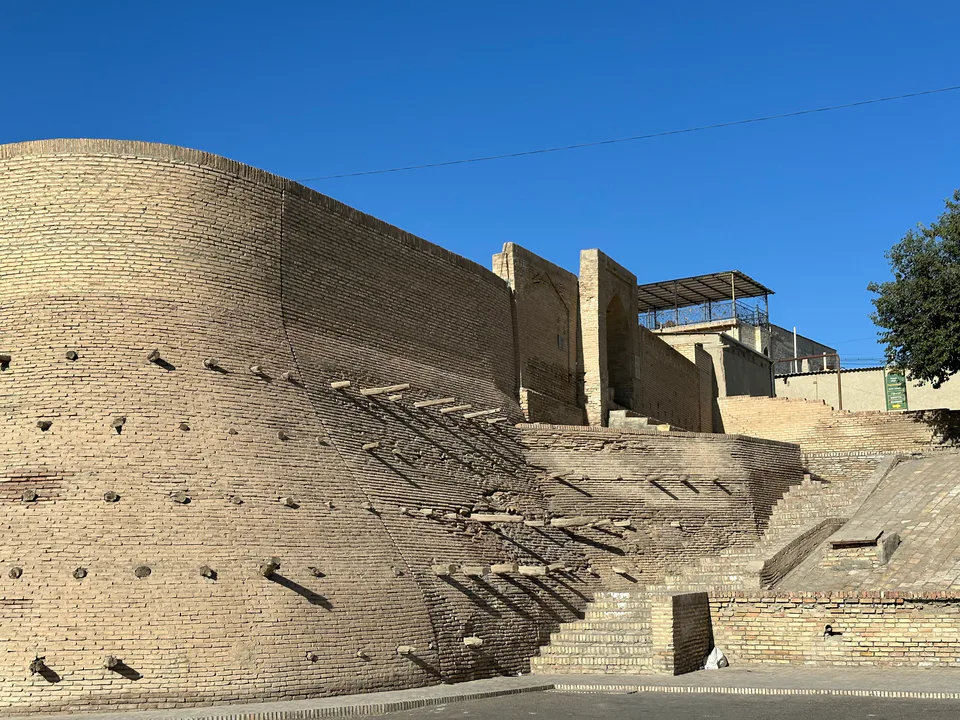
Museum · Bukhara city
The emir's jail and its notorious pit