Nature · Forish District
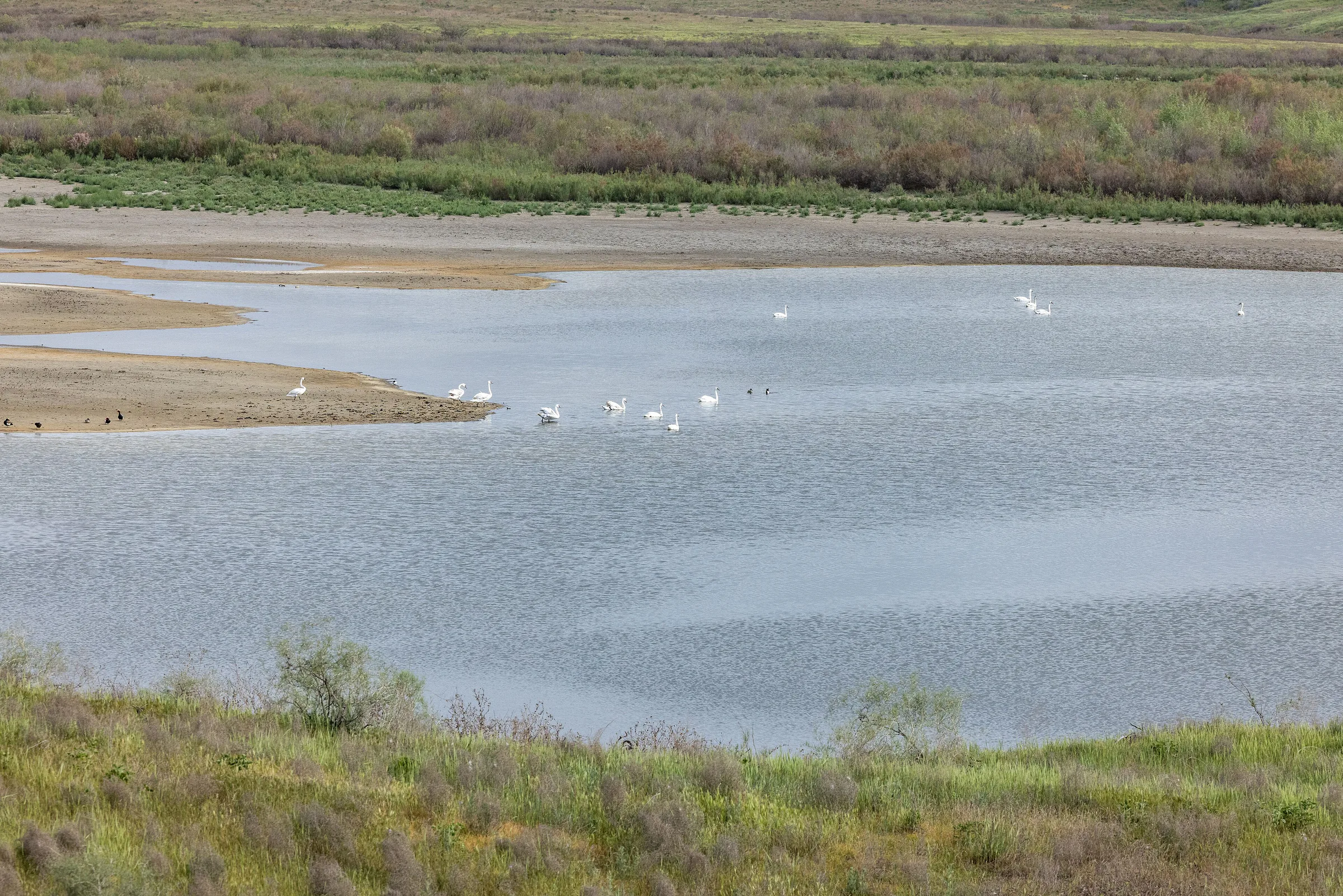
Aydar-Arnasay Lakes
A sea born in the desert
Where mountains, steppe and lakes meet
A region between Tashkent and Samarkand: the juniper forests of Zaamin, the inscriptions of Tamerlane's Gate, the desert lakes of Aydar-Arnasay and villages in the Nuratau mountains.
Jizzakh Region lies in the middle of Uzbekistan, between the Syr Darya and the Zeravshan. It borders Kazakhstan and Syrdarya Region to the north, Tajikistan to the south-east, and Samarkand and Navoiy regions to the west. It covers 21,200 km² and had 1.57 million people at the start of 2026, more than half of them in villages.
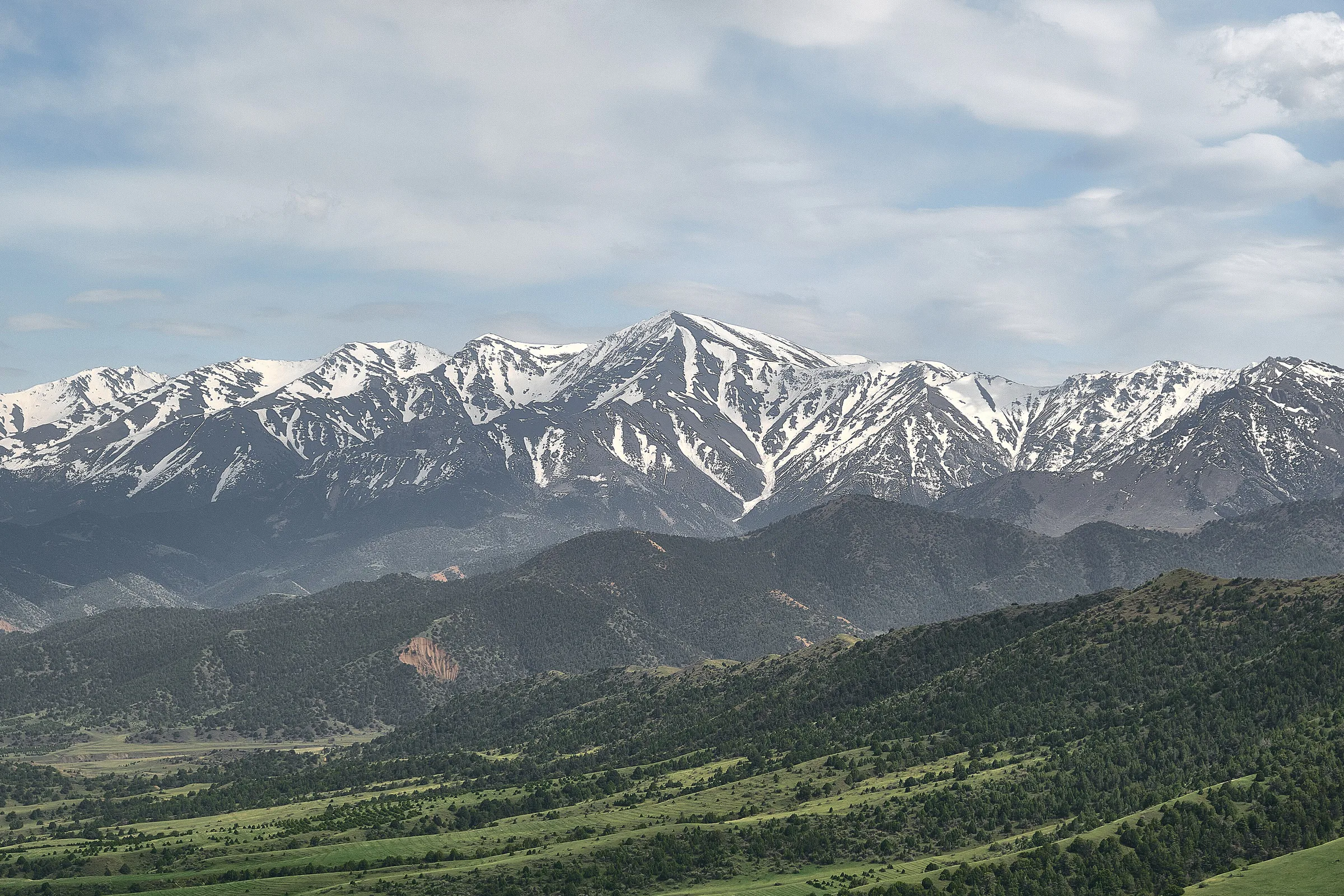
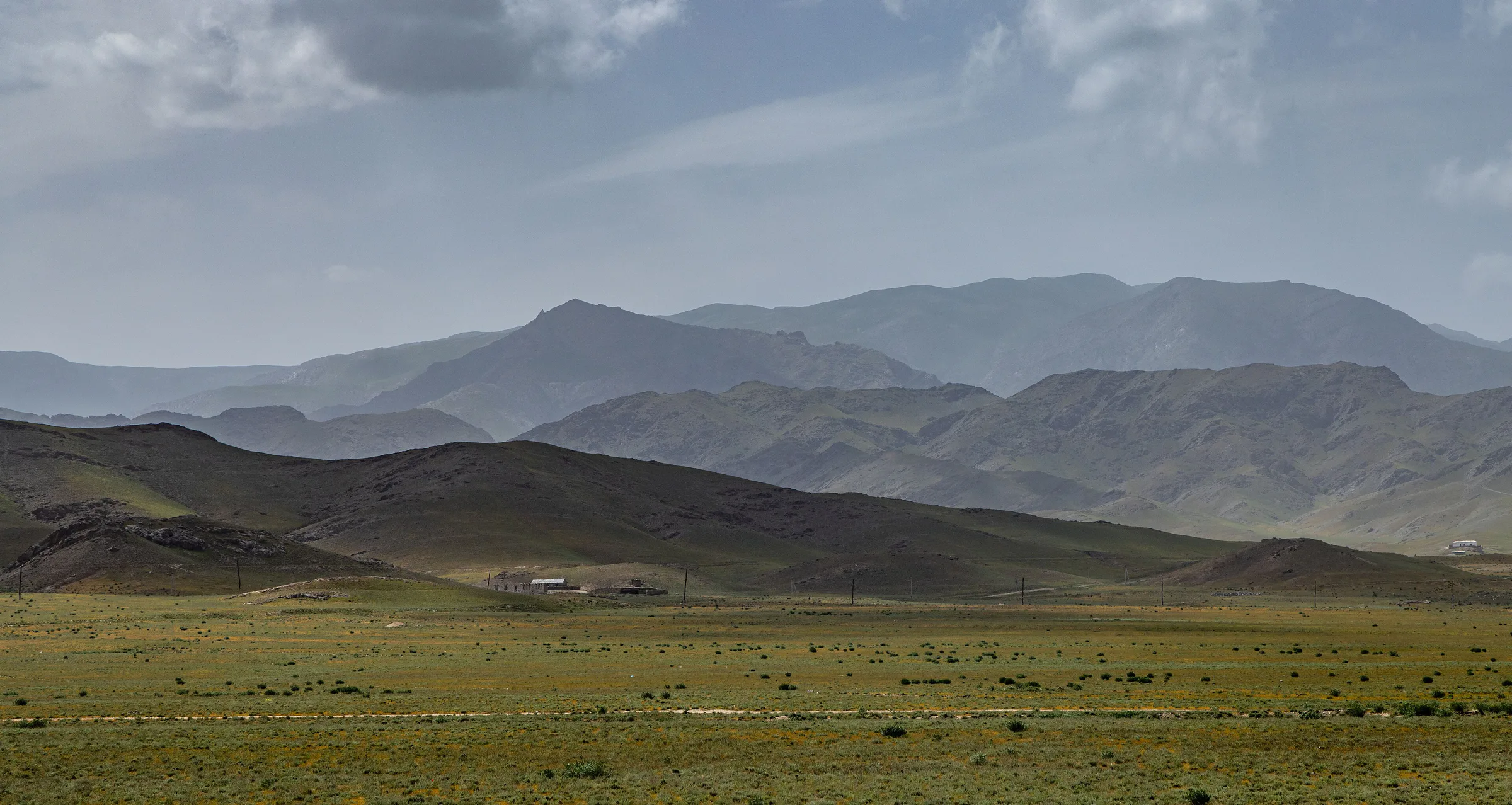
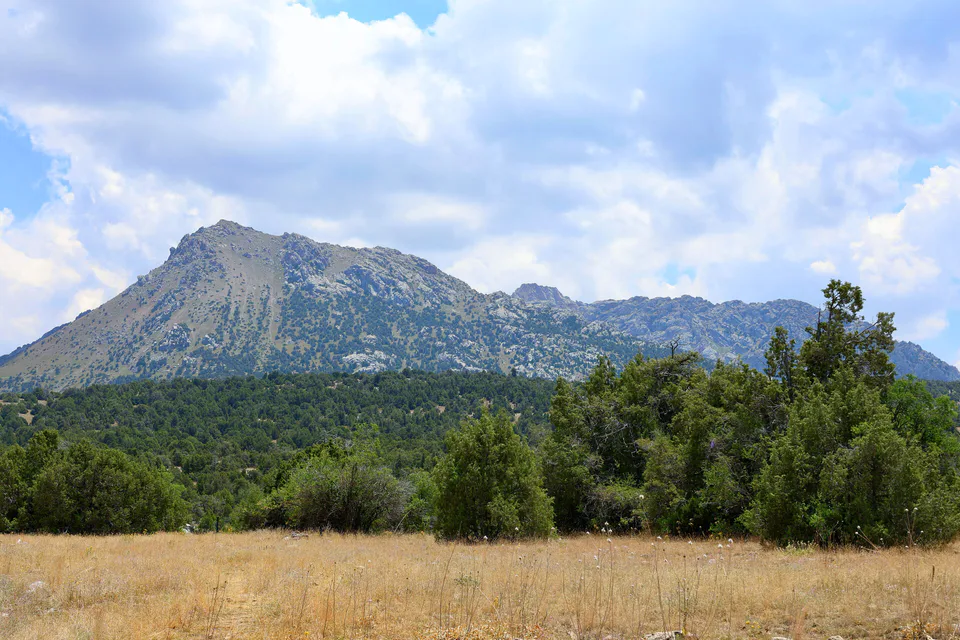
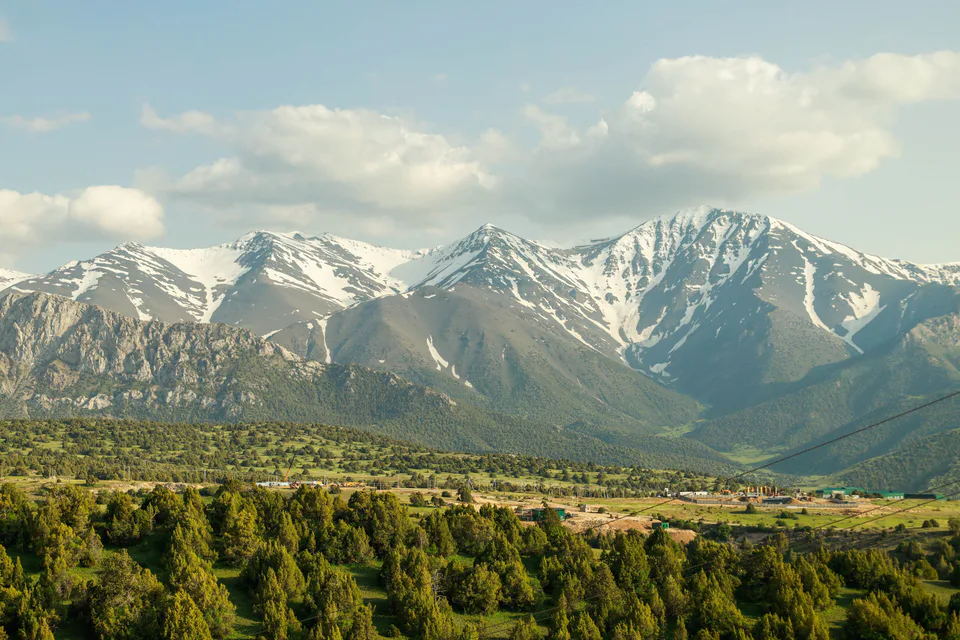
Few regions are so varied. The north-east is the Mirzachul plain, the historic Hungry Steppe; the north-west takes in the eastern edge of the Kyzylkum and the Aydar-Arnasay lakes. The Nuratau range rises in the west, topped by Hayotboshi (2,169.5 m), the Malguzar mountains in the centre and the Turkestan Range in the south, with peaks above 4,000 metres. The largest rivers are the 198-km Sanzar and the Zominsuv. The Sanzar is called the Guralash in its upper reaches and the Kly below Jizzakh before ending in Lake Tuzkan, and a reservoir has been built near the city. The climate is sharply continental and dry, with scorching summers on the plains and cool ones in the mountains.
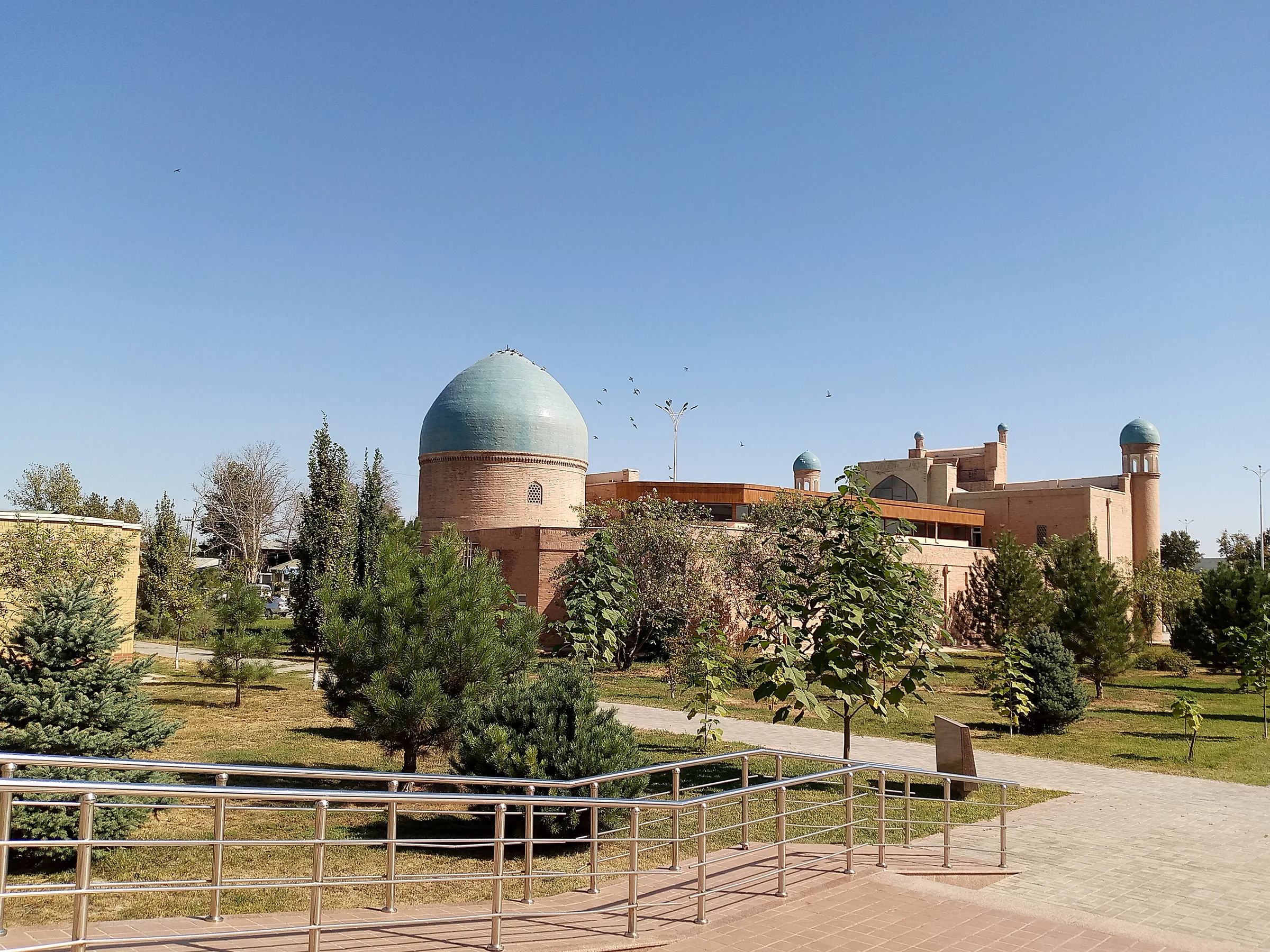
In antiquity the area belonged to Ustrushana; Jizzakh, the Sogdian 'Dizak' or 'little fortress', is recorded as a town from the 10th century under the Samanids. The Qarakhanids and the Khwarazmshahs followed, and in 1220 the Mongols destroyed the town. It revived under the Timurids: in 1425 Ulugh Beg, returning from a campaign against Moghulistan, had an inscription carved on a cliff in the Sanzar gorge, and in 1571 Abdullah Khan added his own victory inscription to the same rock.
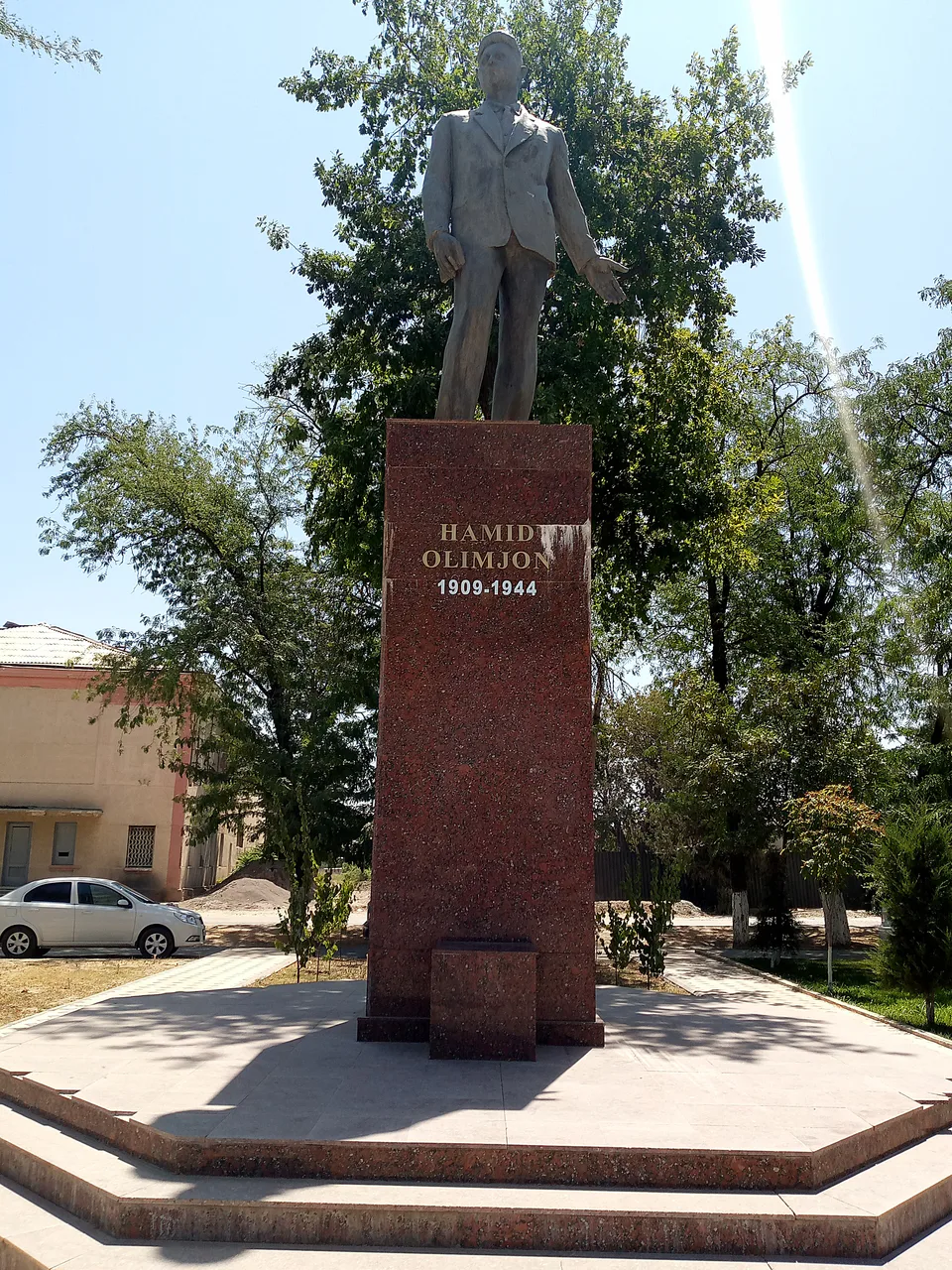
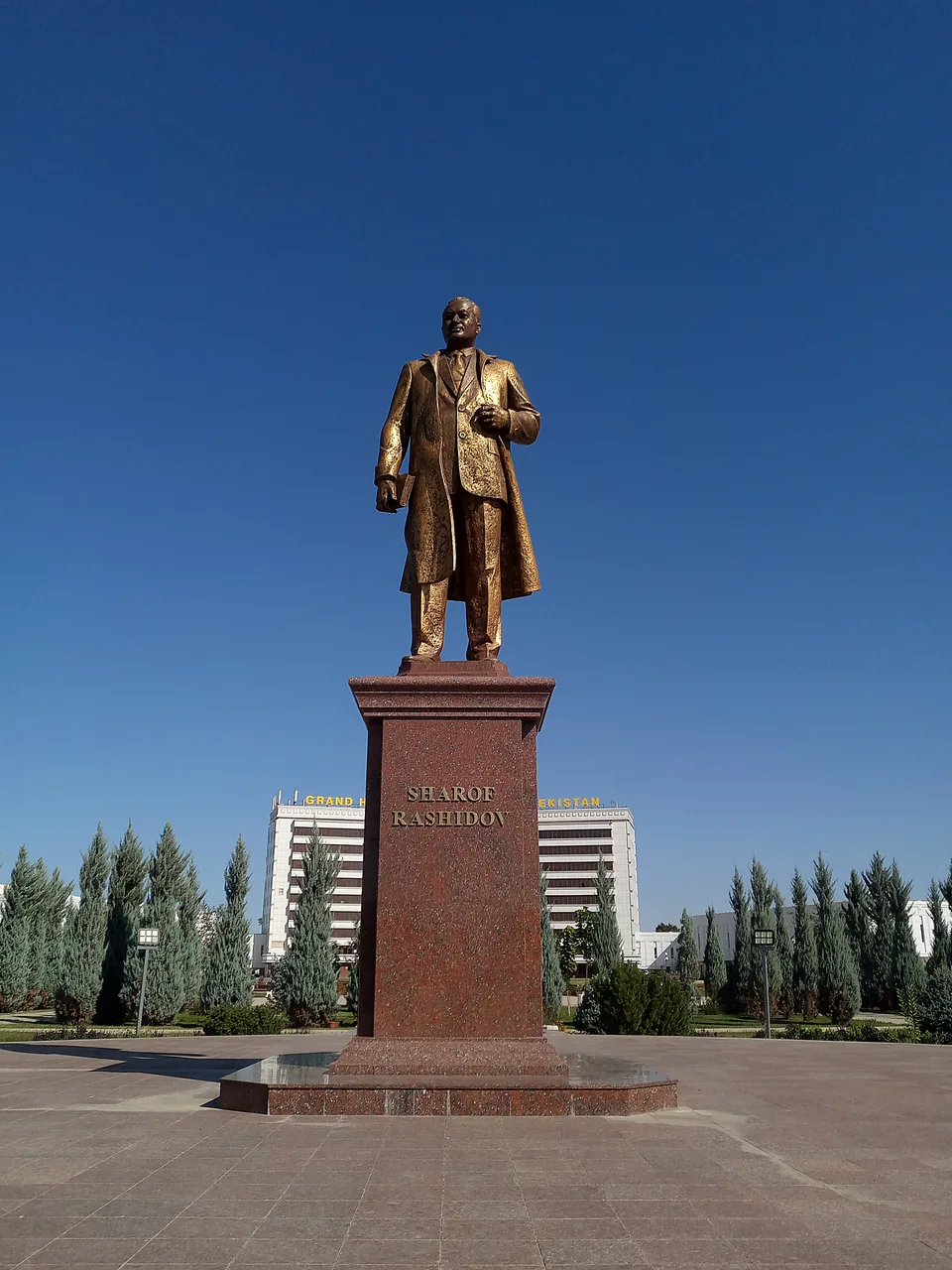
From 1756 to 1866 the Jizzakh beglik was part of the Emirate of Bukhara, until Russian troops took the town in 1866. In 1916 Jizzakh was one of the main centres of the anti-colonial Turkestan uprising. From the mid-20th century the Hungry Steppe was irrigated and settled, and new districts and towns sprang up in the former desert. The region was created on 29 December 1973, abolished in 1988 and restored on 16 February 1990. Jizzakh is the birthplace of the writer and statesman Sharof Rashidov and the poet Hamid Olimjon, and Zomin District is the home district of President Shavkat Mirziyoyev.
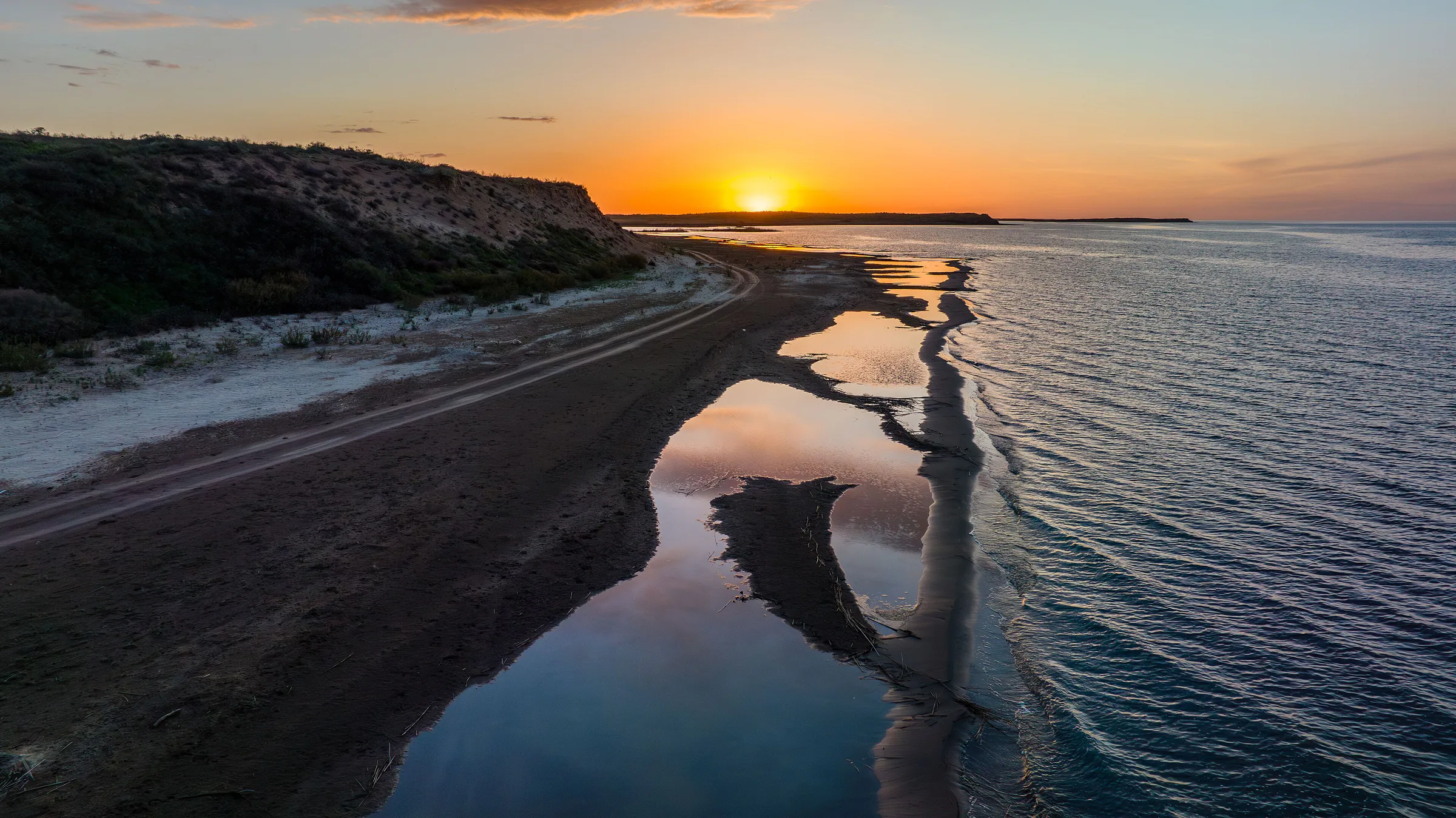
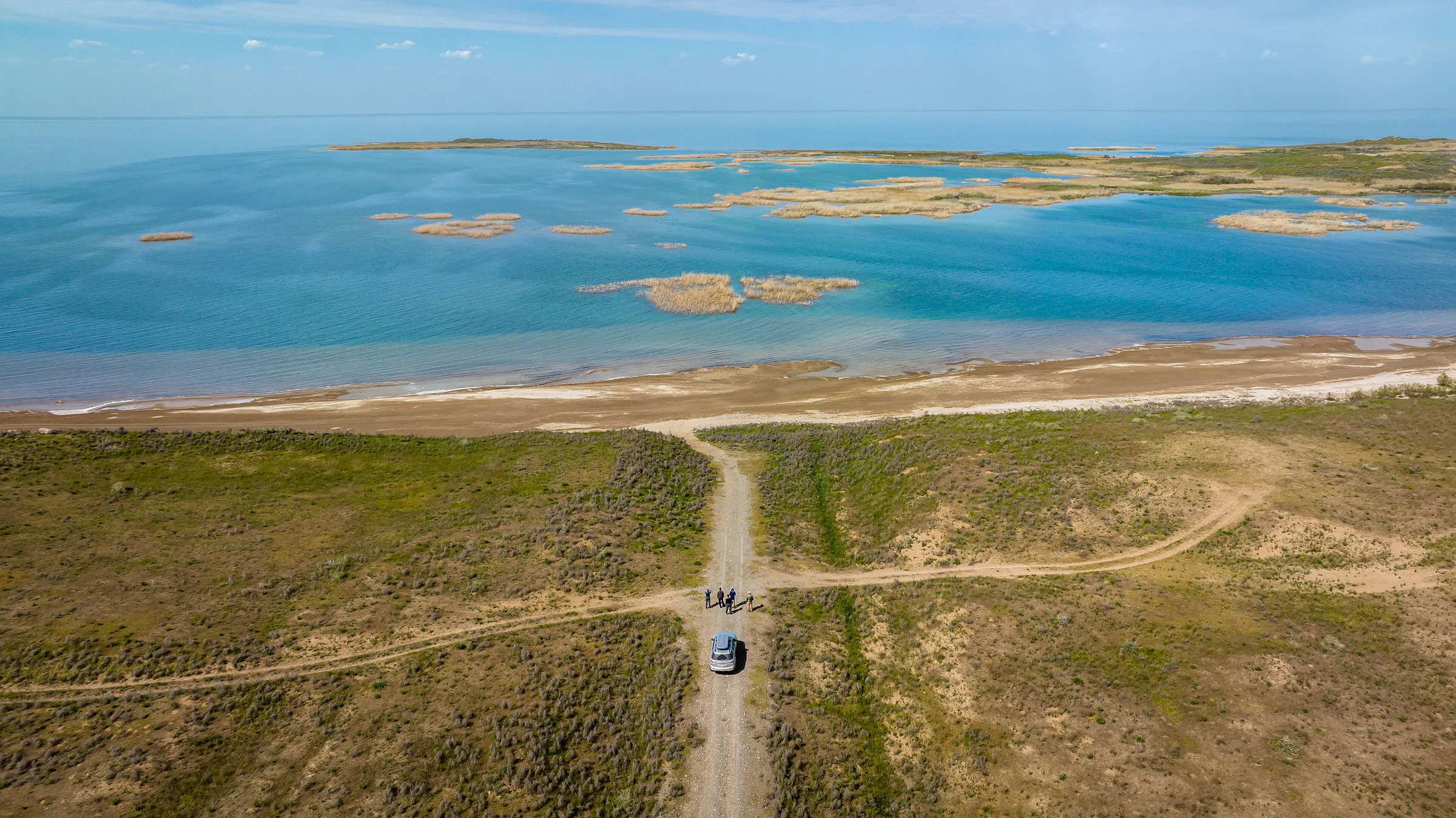
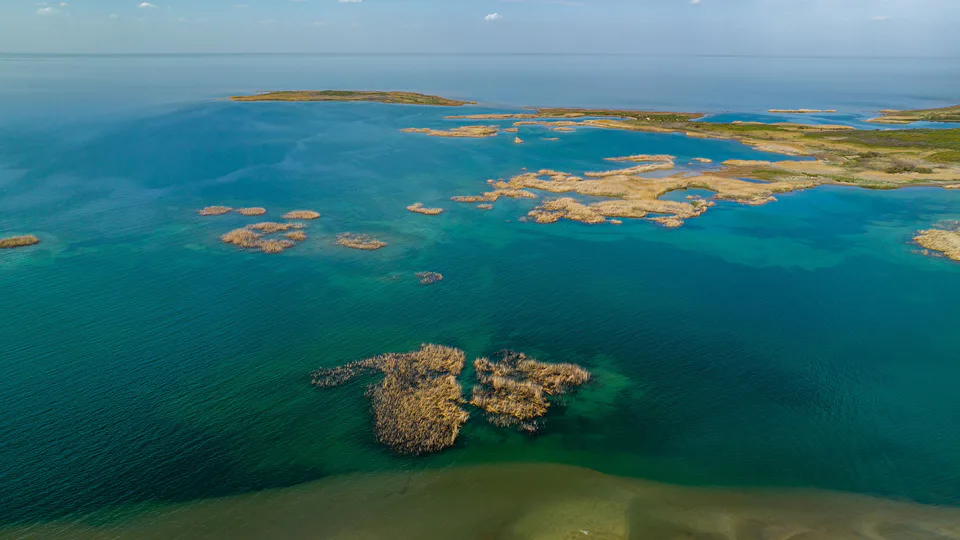
The second half of the 20th century transformed the region. In 1956 part of the Hungry Steppe was transferred from the Kazakh SSR to Uzbekistan, and large-scale irrigation began. The South Hungry Steppe Canal was dug, and between 1967 and 1979 the Pakhtakor, Mirzachul, Dustlik, Zafarobod, Arnasoy and Zarbdor districts were created on the newly watered land, along with new towns such as Gagarin, Dustlik and Pakhtakor. Because the groundwater is shallow and salty, the fields had to be laced with drains. The 1969 flood had an unexpected result: water released from the Shardara reservoir filled the Arnasay depression and created a vast lake system in the middle of the desert.
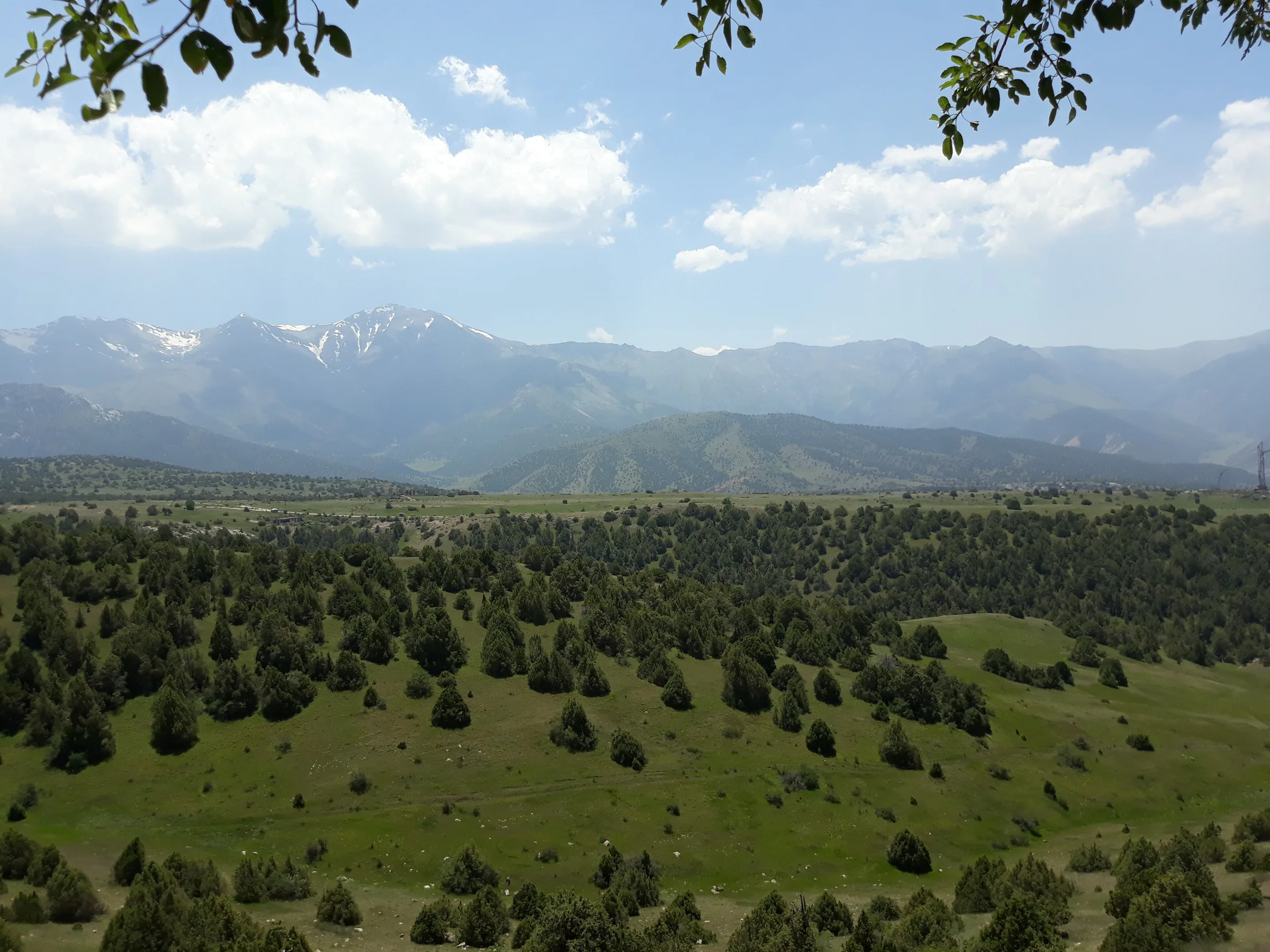
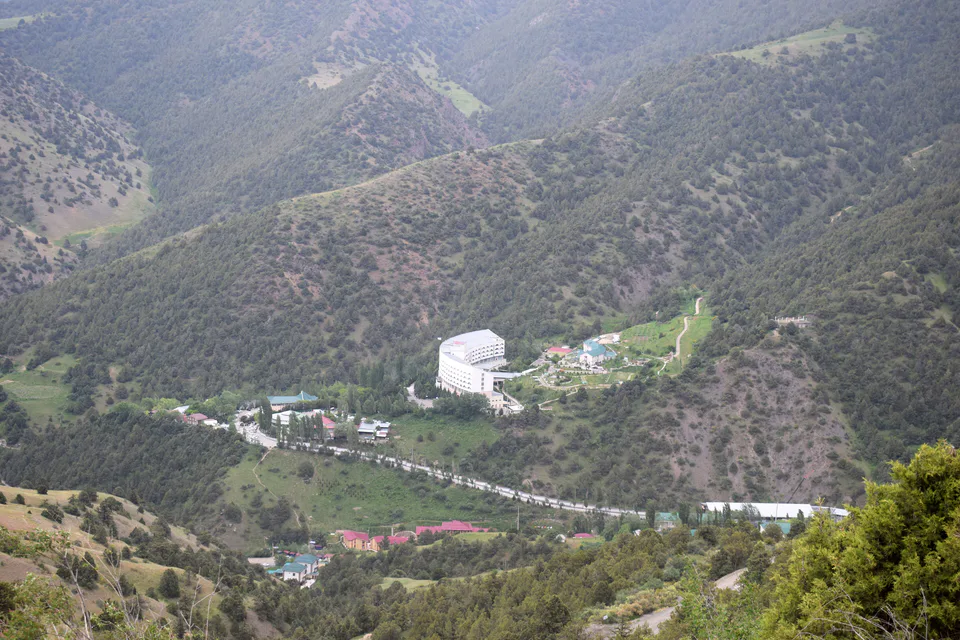
The region's best-known destination is Zaamin National Park and nature reserve on the Turkestan Range, with ancient juniper forests, the Chortangi gorge and the hotels, cable car and suspension bridge of the Zomin tourist zone; in 2024 they joined UNESCO's Tentative List as the 'Zomin Mountains'. Nearby are the Suffa radio observatory and, in the Bakhmal mountains, the lidar-mapped medieval cities of Tugunbulak and Tashbulak (6th–11th centuries).
Tamerlane's Gate, 15–16 km south-west of Jizzakh, is a gorge bearing the inscriptions of Ulugh Beg and Abdullah Khan. In Forish District to the north-west, the Aydar-Arnasay lakes draw birdwatchers and anglers, while Ukhum village and the Nurata reserve in the Nuratau range await eco-travellers. Jizzakh itself has the Sharof Rashidov House Museum, the Hamid Olimjon and Zulfiya Museum and Qaliyatepa, the walled town of ancient Dizak.
The economy rests on farming, with cotton and wheat as the main crops alongside vegetables and melons, orchards in the mountain districts and karakul sheep in Forish. The region has deposits of lead, zinc, iron ore and limestone. Its most famous dish is the Jizzakh samsa: a 300–400-gram pastry of thick dough filled with meat, onion and a whole chunk of tail fat, a meal in itself. Villages in the Nuratau keep up suzani and embroidery traditions, showcased at the Sumalak Sayli festival in Ukhum in spring 2026.
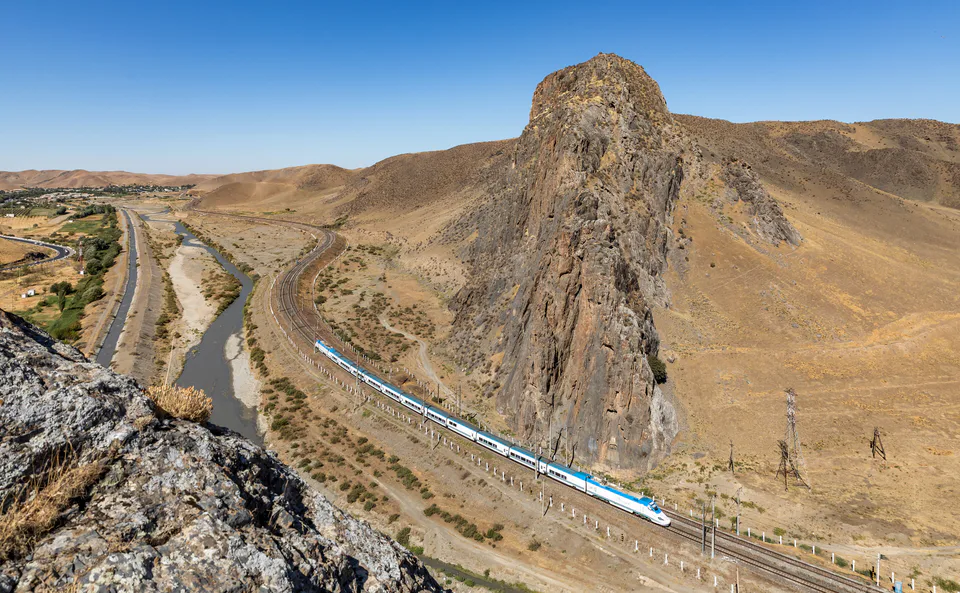
Jizzakh is 180 km south-west of Tashkent and 90 km north-east of Samarkand, on the M39 highway and the high-speed railway, so it is a few hours from Tashkent by train or car. Zomin is reached via Dashtobod station, and Forish and Aydarkul via Bogdon. Public transport is scarce in the mountains and around the lakes, so arrange a taxi or tour transport in advance. A day or two here slots neatly into a Tashkent–Samarkand itinerary.
Nature · Forish District
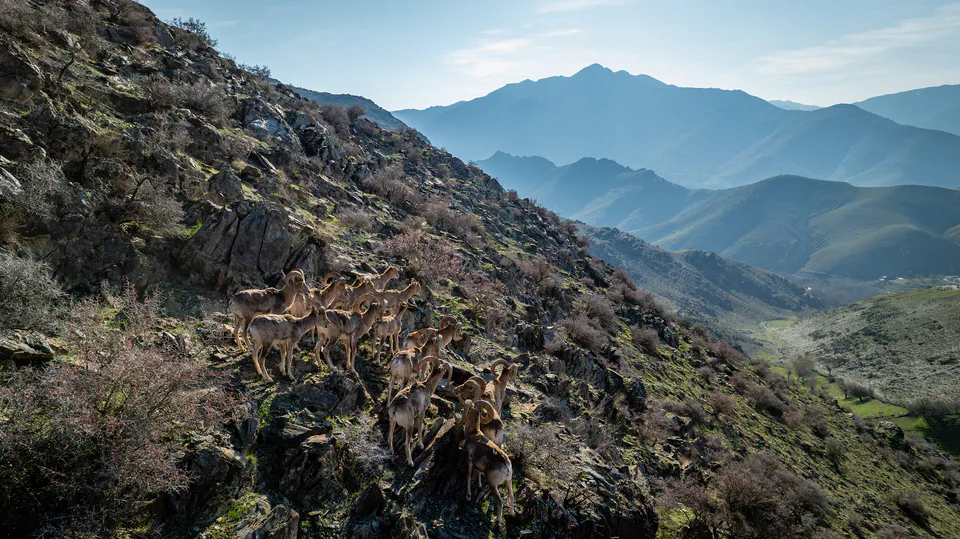
Home of Severtsov's argali and wild walnut groves
Museum · Jizzakh
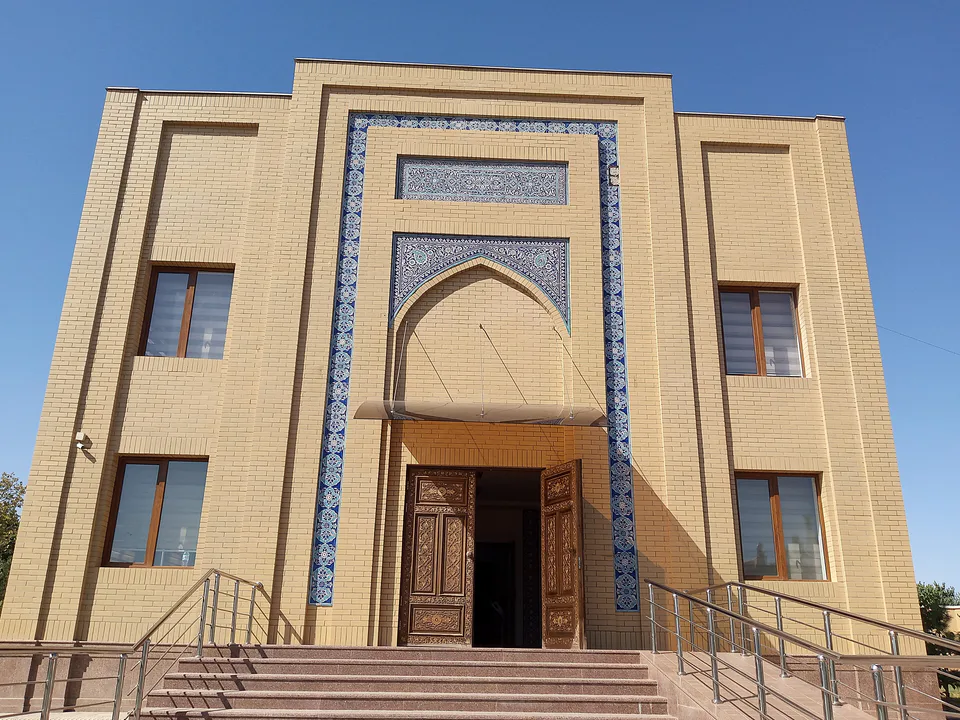
The family home of a writer and Soviet-era leader
Archaeology · Bakhmal District
Medieval mountain cities revealed by lidar
Resort · Forish District
A tourist village in the Nuratau mountains
Nature · Zomin District
The protected juniper forests of the Turkestan Range
Resort · Zomin District
A mountain resort among the junipers
Nature · Zomin District
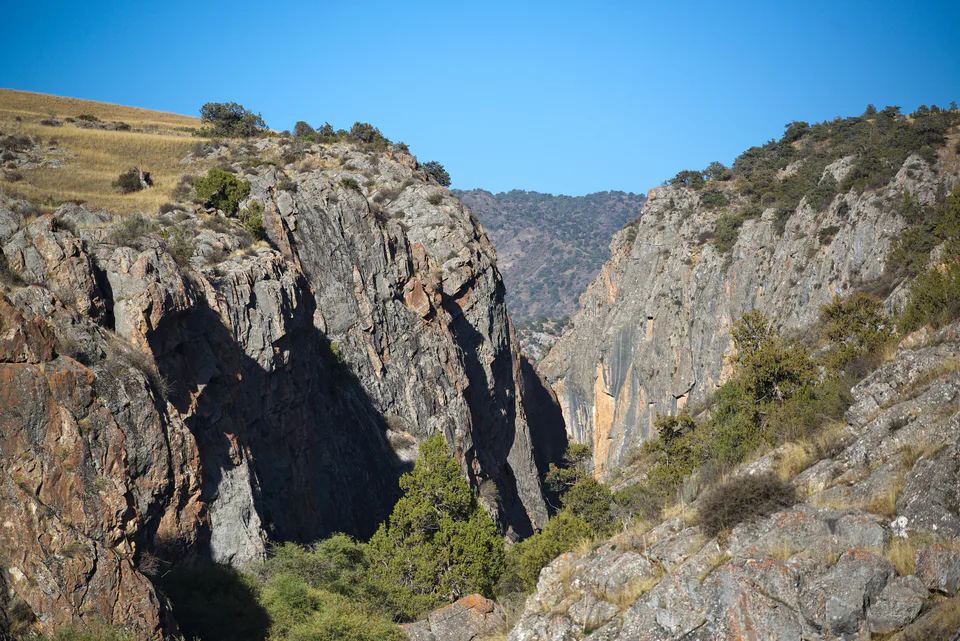
A deep canyon in the Zomin mountains
Museum · Jizzakh
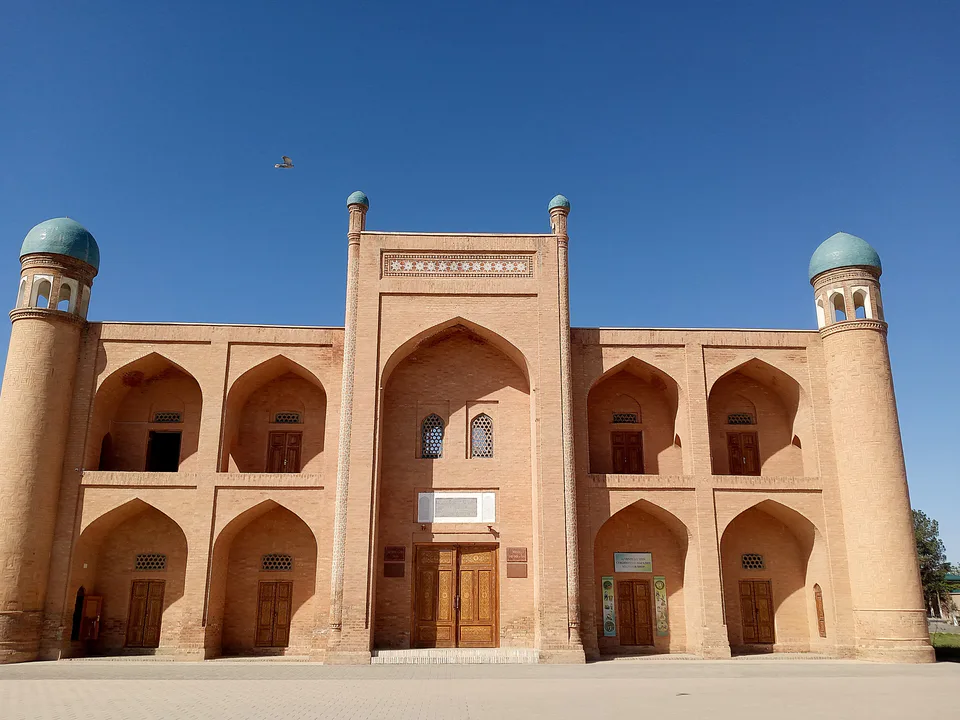
A madrasa devoted to two poets
Nature · Forish District
A miniature mountain land in the Forish steppe
Archaeology · Jizzakh
The remains of Dizak, the 'little fortress'
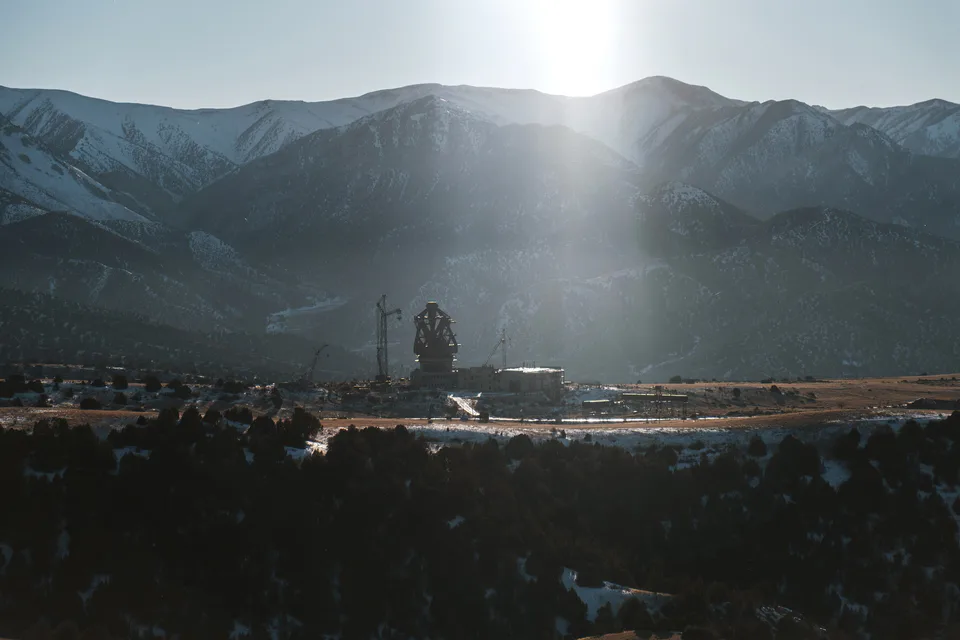
Modern · Zomin District
A 70-metre radio telescope on a mountain plateau
Museum · Zomin District
District history in a former officers' club
Jizzakh Region
Airport, railway station and bus stations — addresses, timetables and the live board.
All transportJizzakh Region
Road distance, the fastest train and whether there is a direct flight.
All distances| City | Road, km | By car | By train | Flight | Bus |
|---|---|---|---|---|---|
| Zaamin Jizzakh Region |
65 | 1 h | — | — | — |
| Samarkand Samarkand Region |
100 | 1 h 36 min | 46 min Afrosiyob 768Ф |
— | — |
| Gulistan Syrdarya Region |
111 | 1 h 45 min | 50 min Afrosiyob 767Ф |
1 flight | — |
| Kattakurgan Samarkand Region |
171 | 2 h 43 min | 2 h 4 min Sharq 712Ф |
— | — |
| Shahrisabz Kashkadarya Region |
177 | 3 h 6 min | — | — | — |
| Tashkent Tashkent (city) |
223 | 3 h 18 min | 1 h 44 min Afrosiyob 767Ф |
1 flight | — |
| Karshi Kashkadarya Region |
250 | 3 h 33 min | 2 h 50 min Nasaf 716Ф |
— | — |
| Navoi Navoiy Region |
259 | 4 h 15 min | 2 h 47 min Sharq 712Ф |
— | — |
Weather: MET Norway
Jizzakh Region
Checked hotels and places to eat — with addresses, phone numbers, opening hours and price levels.
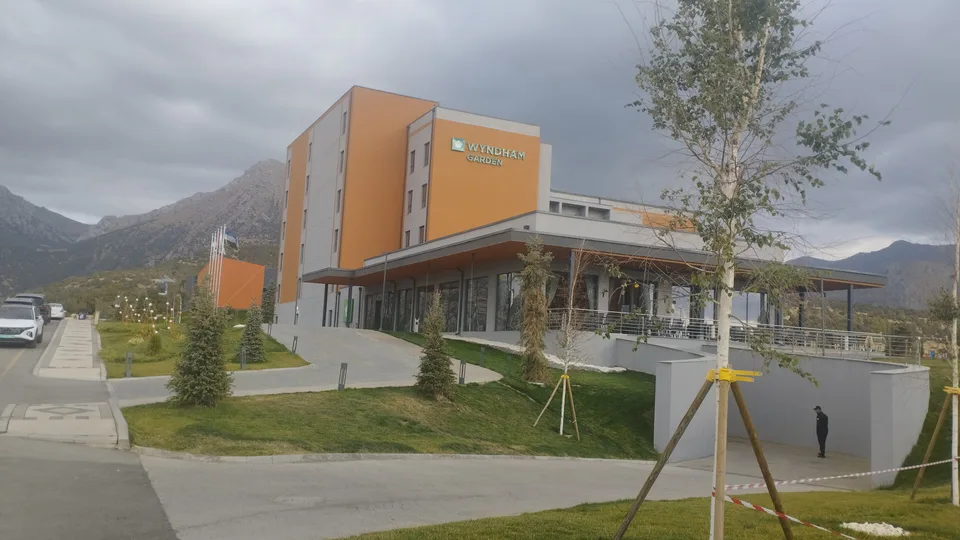
Wyndham-branded hotel in the Zaamin resort area
New resort beside the cable car
New hotel near the Sharof Rashidov Museum
Mountain hotel at 1,750 metres
Mountain resort in the Zaamin hills
Hotel near the Old Town market
Modern city hotel with key-card rooms
Near-central hotel with loyal regulars
Central hotel near the Sharof Rashidov Museum
Hotel with a pool in the south of town
Hotel beside Hamid Olimjon Park
New mini-hotel at mid-range prices
Uzbek restaurant and banquet hall
Famous somsa house on Bogdon Street
Breakfast, coffee and cake
Cosy restaurant-bar with a terrace
One of Jizzakh's most popular teahouses
Turkish restaurant with a modern interior
Somsa centre open from dawn
Restaurant known for its shashlik
Family tandoor-meat house in Zomin town
Fast food open until 3 am
Restaurant with a long menu
Restaurant with a view by the suspension bridge
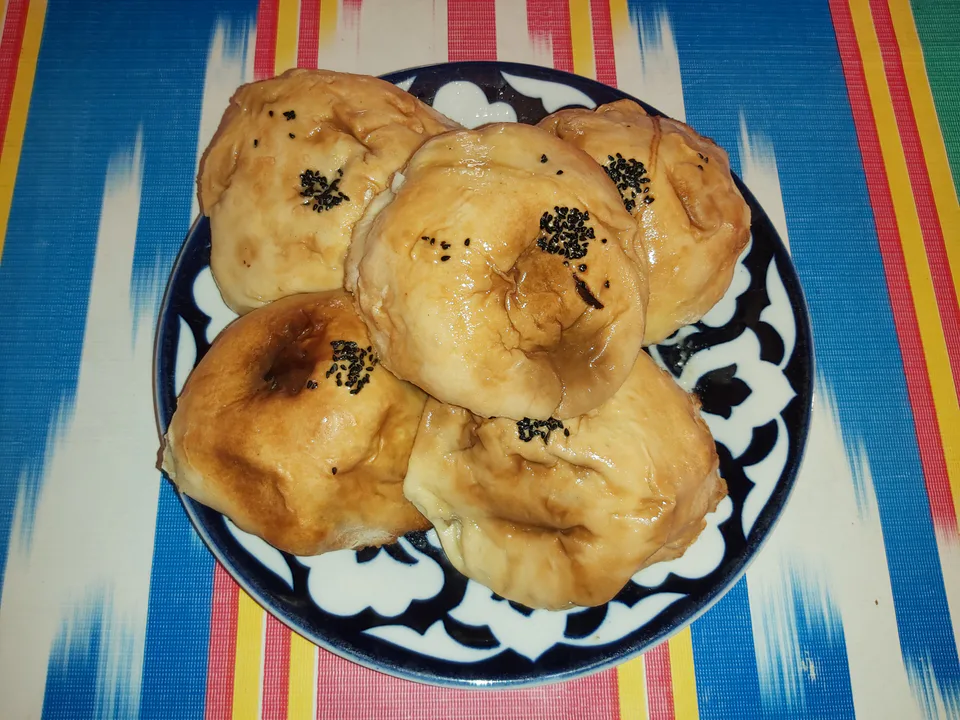
Dish · Jizzakh
Jizzakh’s culinary calling card: a large dome-shaped samsa made from three layers of dough, packed with lamb and tail fat and dipped in sunflower oil.
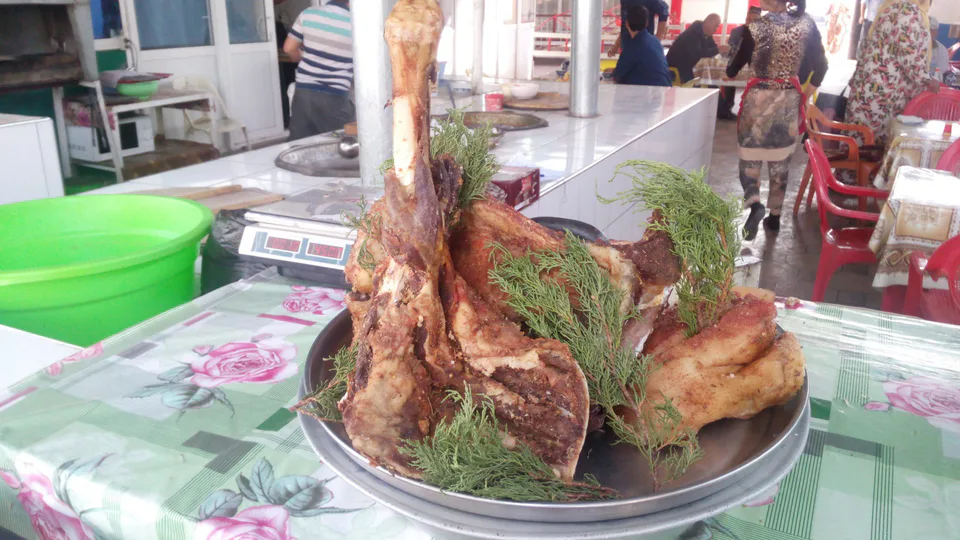
Dish · Kashkadarya, Surkhandarya +1
The pride of Kashkadarya, Surkhandarya and Jizzakh: lamb slow-cooked for hours in a sealed tandoor with juniper branches.
Jizzakh Region
Khokimiyat, public service centre and other offices: addresses, phones, hours.
All offices (64)Khokimiyat
64 Sh. Rashidov Ave, Jizzakh
Mon–Fri 9:00–18:00, lunch 13:00–14:00
Read morePublic Service Centre
4/4 A. Navoiy St, Obod mahalla, Jizzakh
Read moreJizzakh regional comprehensive service centre · Jizzakh
6 Sharof Rashidov Street, Jizzakh
+998 72 226 64 04Jizzakh banking services centre · Jizzakh
115 Sharof Rashidov Avenue, Sayiljoy mahalla, Jizzakh
Jizzakh banking services office · Jizzakh
60 Sayilgoh Street, Kimyogar mahalla, Jizzakh 130100
+998 55 503 25 25Jizzakh banking services centre · Jizzakh
62 Islam Karimov Street, Jizzakh 131100
+998 72 223 47 13Jizzakh city banking services centre · Jizzakh
53 Sharof Rashidov Street, Navroʻz mahalla, Jizzakh
Jizzakh Region
Codes 130100–131304. The main code of each city and district:
All postcodes (83)Jizzakh Region
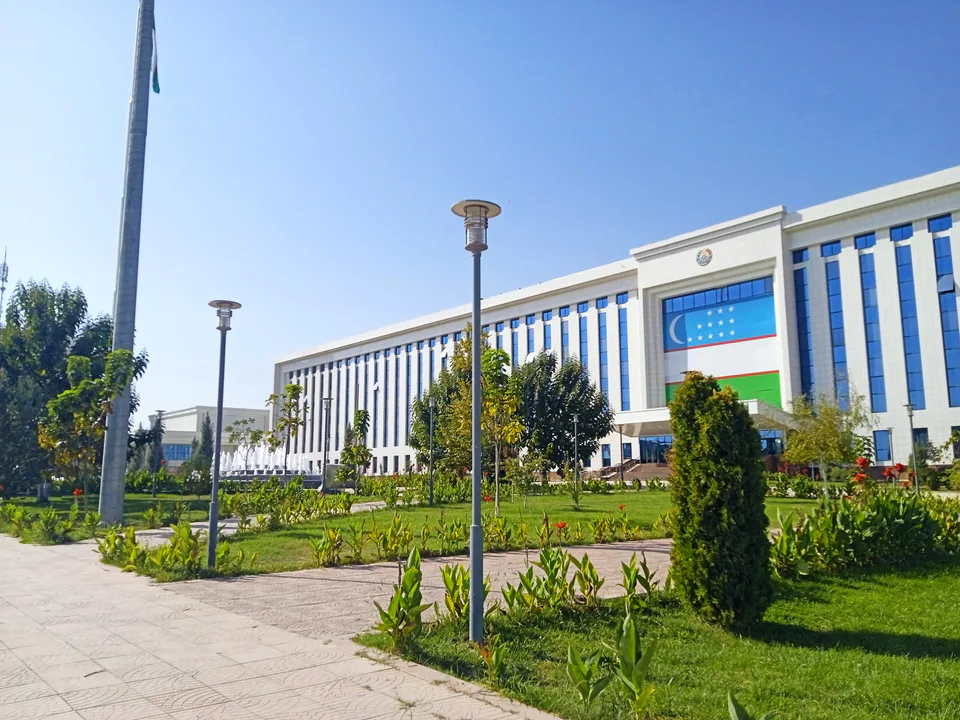
city · The 'little fortress' on the Silk Road
district · A district on the desert lakes
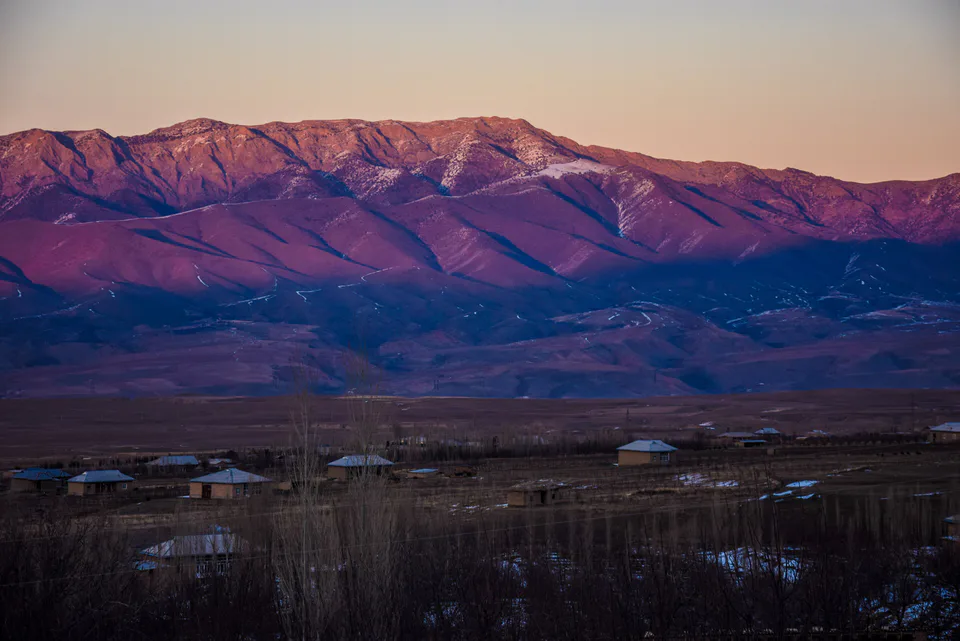
district · Mountain orchards and lost cities
district · The reclaimed fields of the Hungry Steppe
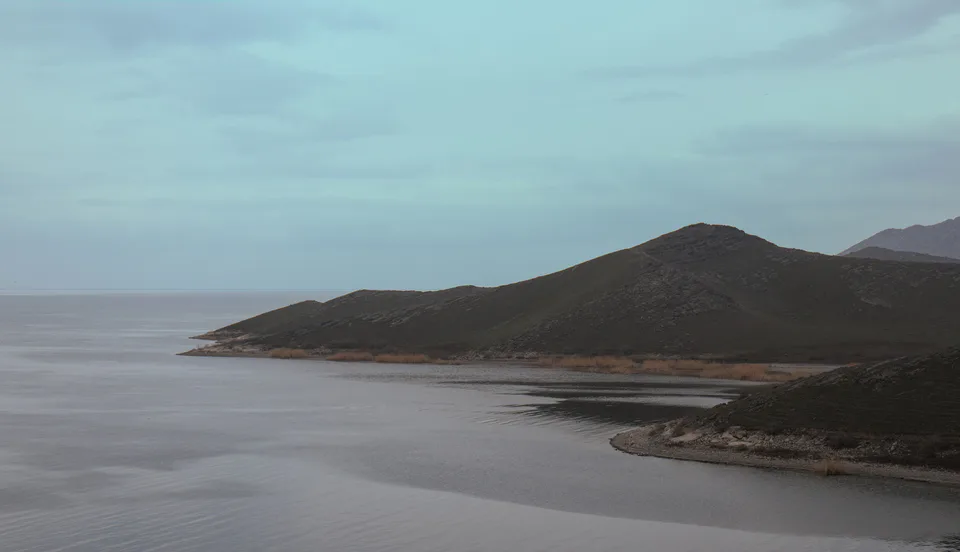
district · Land of the Nuratau mountains and desert lakes
district · The 'grain island' and Tamerlane's Gate
district · The northern edge of the Hungry Steppe
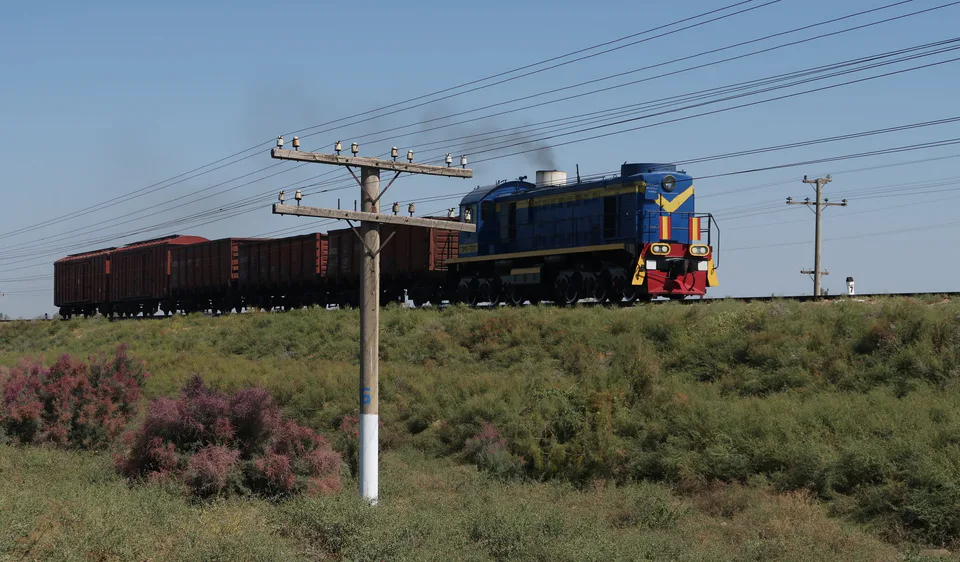
district · The cotton growers' district of the Hungry Steppe
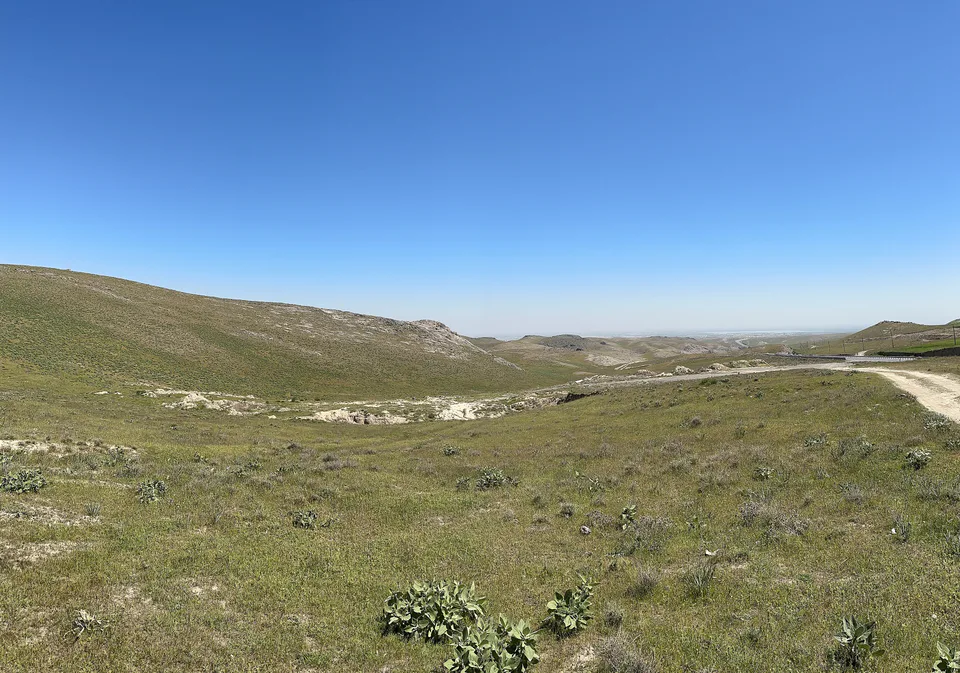
district · The largest district, around the regional capital
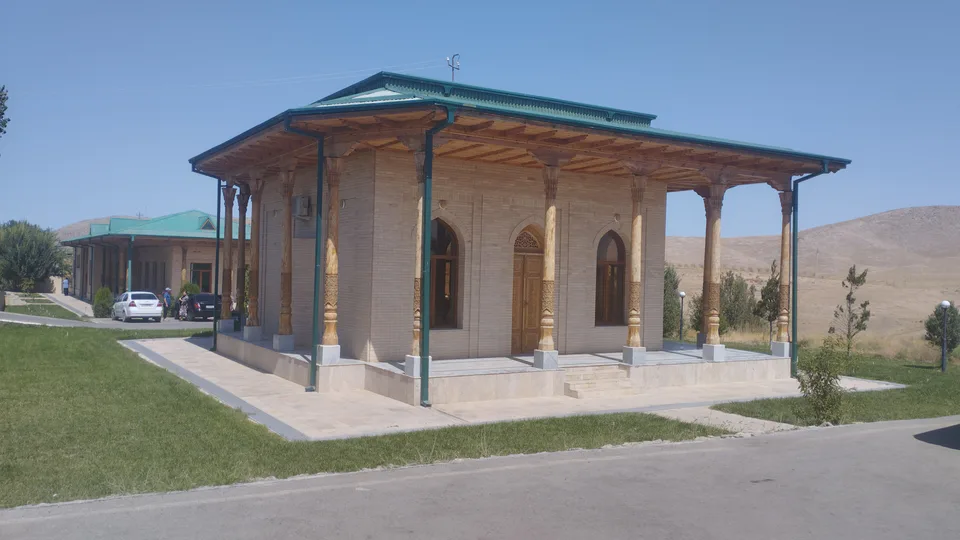
district · The youngest district, on the Tajik border
district · The western edge of the Hungry Steppe
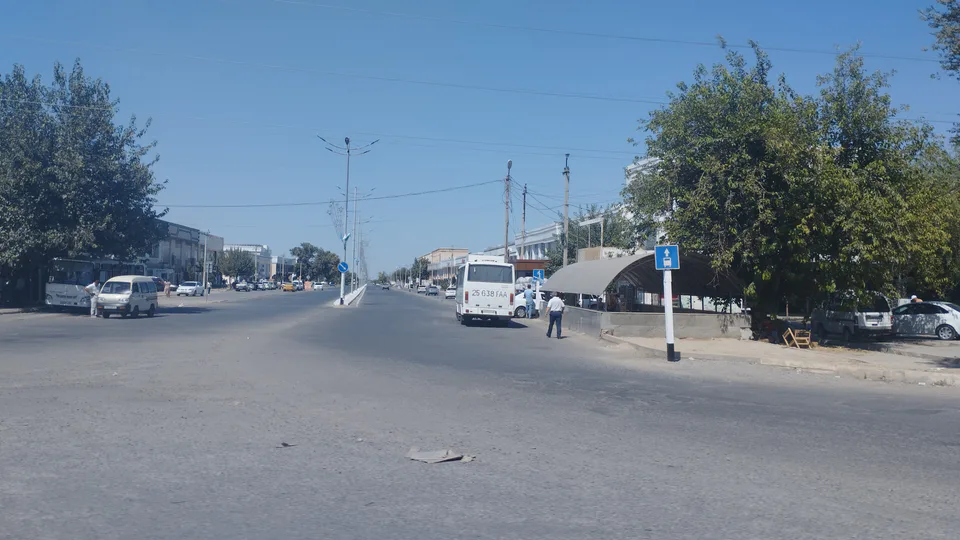
district · Fields on the southern edge of the Hungry Steppe
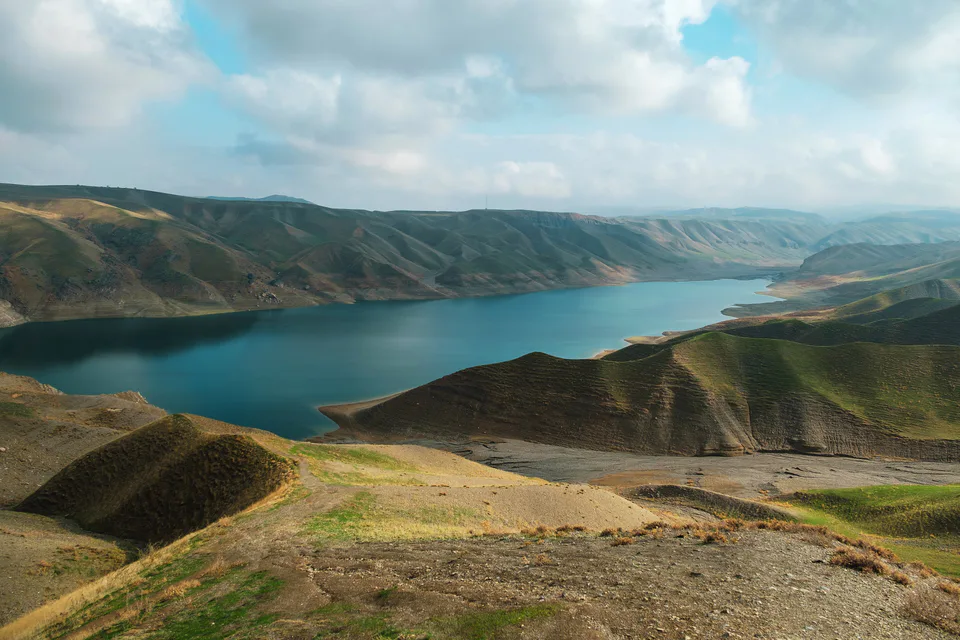
district · Turkestan Range junipers and a mountain resort