Ensemble · Shahrisabz City
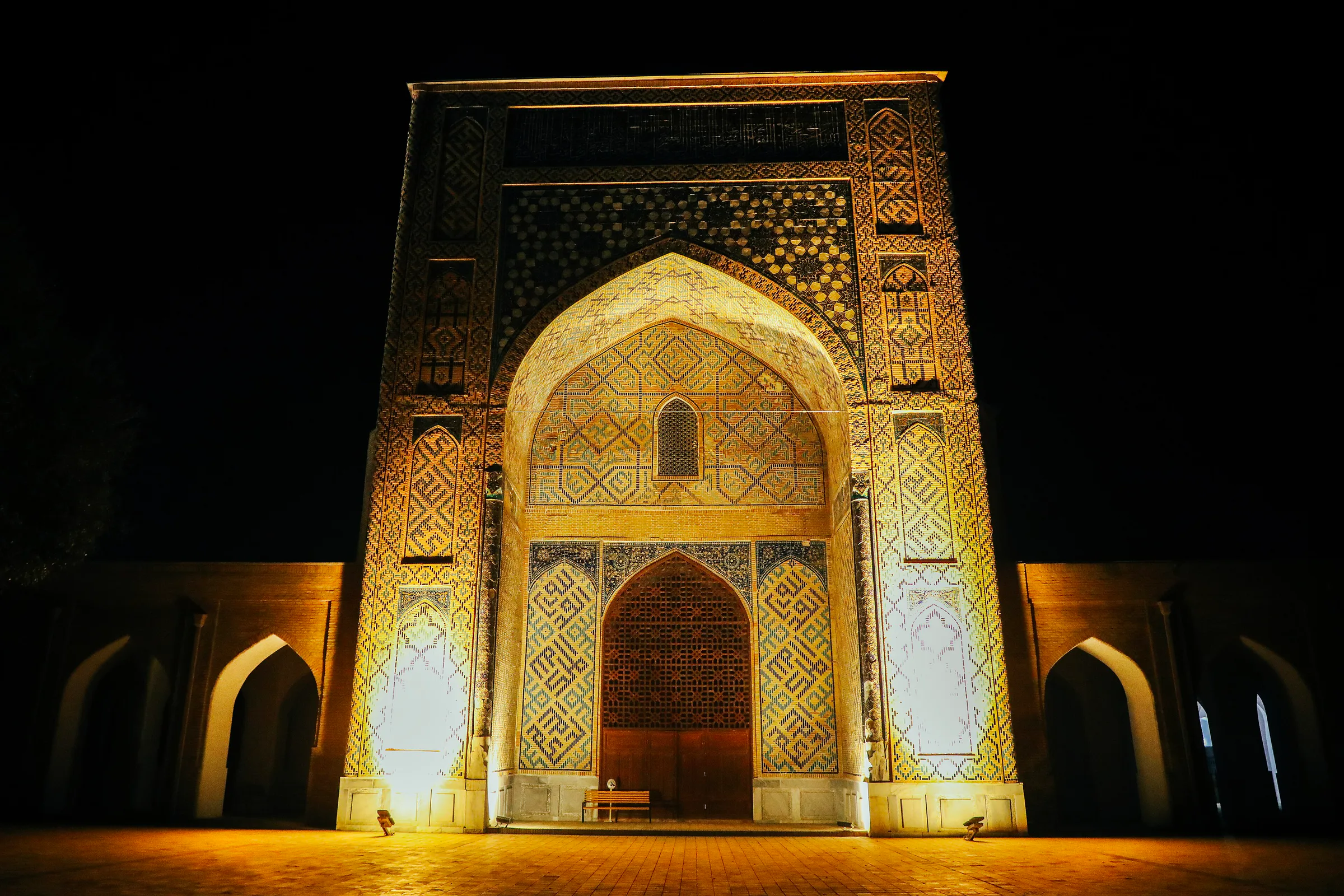
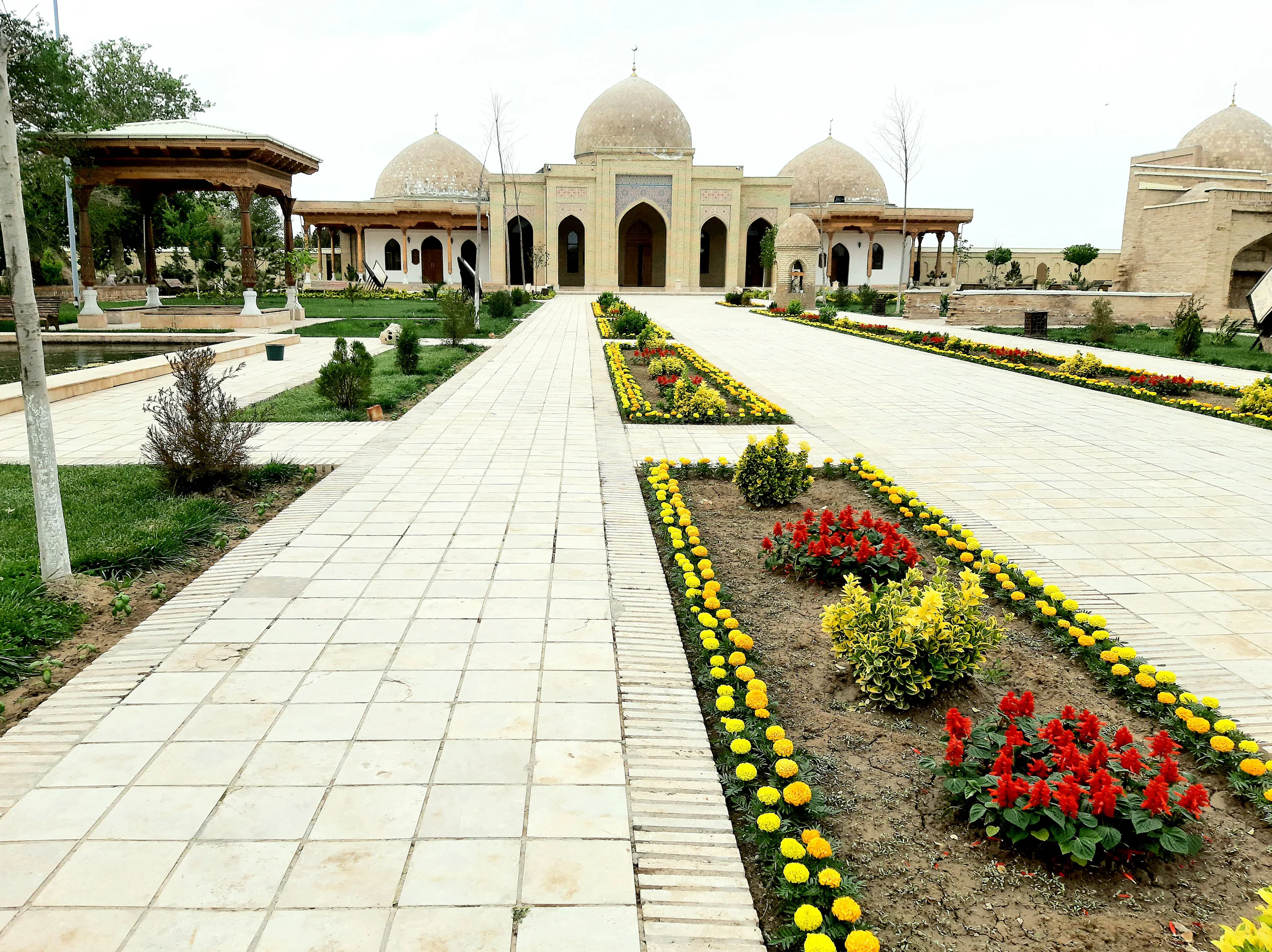
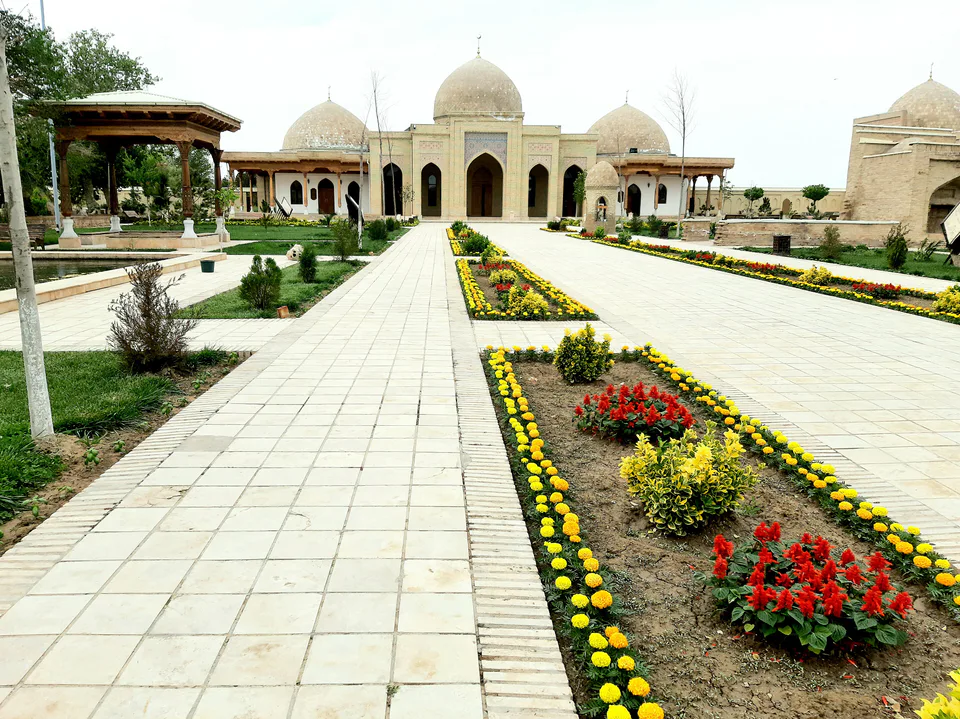
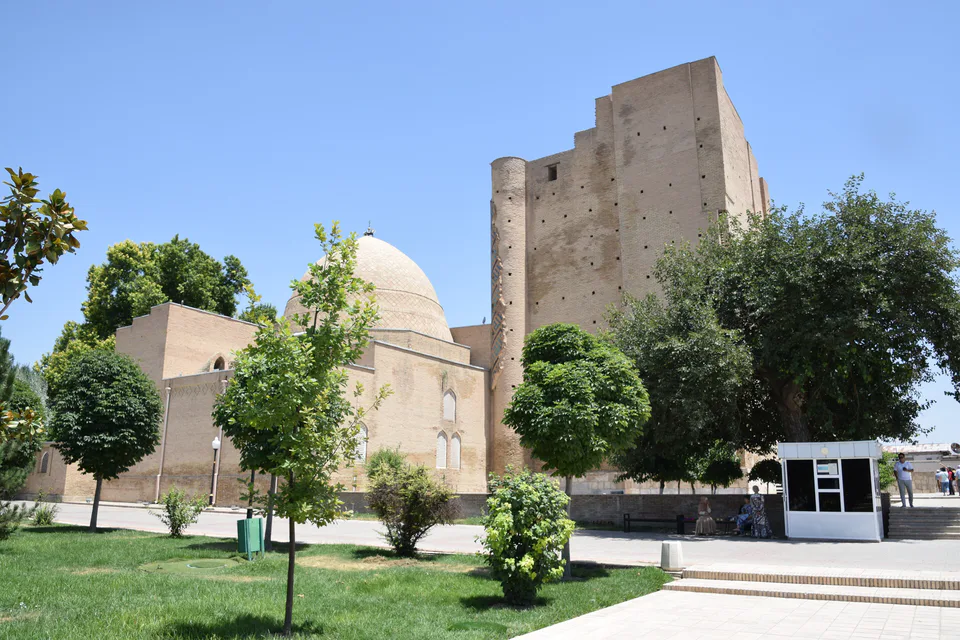
Dorus-Saodat Ensemble
The family mausoleum Timur built for himself and his sons
Timur’s homeland and the ancient Nasaf oasis
A region stretching from the Hisor mountains to the Qarshi steppe: UNESCO-listed Shahrisabz, 2,700-year-old Qarshi, mountain villages and nature reserves.
Kashkadarya Region lies in southern Uzbekistan, in the basin of the Kashkadarya river at the western edge of the Pamir-Alay mountain system. It borders Bukhara Region to the north-west, Navoi and Samarkand regions to the north, Surkhandarya to the south-east, Tajikistan to the east and Turkmenistan to the west. It covers 28,570 km² and had 3,716,949 inhabitants on 1 January 2026; the capital is Qarshi.
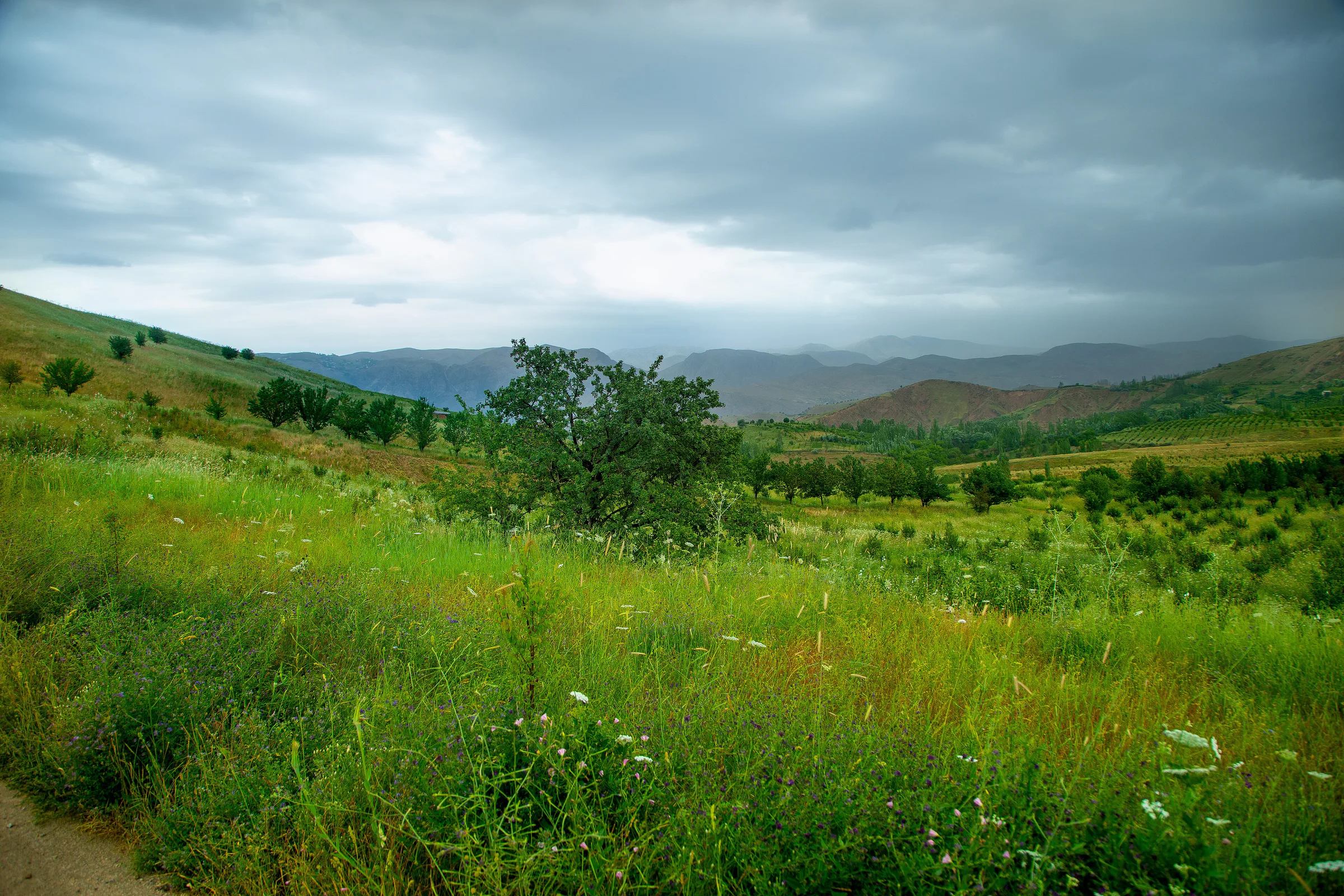
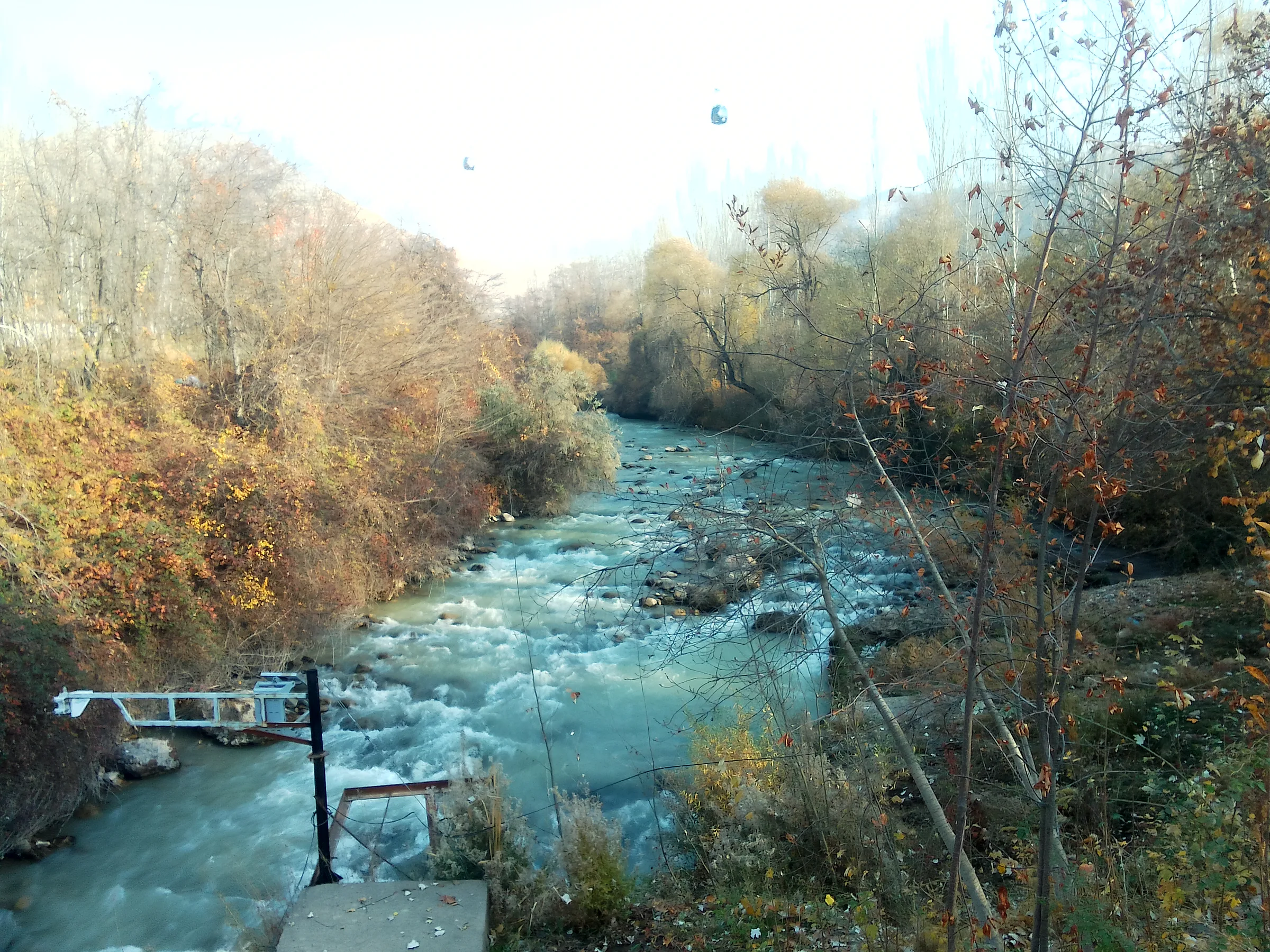
The land rises from west to east. In the west lies the broad Qarshi steppe, merging with the Sandykli and Kyzylkum deserts; in the east rise the Zarafshan and Hisor ranges, with a belt of foothills between. The main river, the Kashkadarya, and its tributaries the Jinnidaryo, Oqsuv, Yakkabogdaryo, Tankhozdaryo and Guzordaryo are fed by mountain snow and glaciers. The climate is continental, with fairly mild winters and long, hot, dry summers. To irrigate the Qarshi steppe, the Qarshi main canal with pumping stations lifting water from the Amu Darya was built, along with the Tallimarjon, Chimqo‘rg‘on and Pachkamar reservoirs.
In the eastern mountains the Hisor State Reserve protects juniper forest, snow leopards and birds of prey, while the Kitab Geological Reserve preserves the fossilised remains of a Devonian sea.
The Kashkadarya oasis is one of Central Asia’s oldest cultural centres. Yerqo‘rg‘on near Qarshi, capital of ancient Nakhshab, arose in the 8th–7th centuries BC, and Kesh, on the site of Shahrisabz, was a leading town of Sogdiana. Alexander the Great campaigned here, and the oasis later belonged to the Kushan empire, the Turkic Khaganate and the Arab Caliphate. In the Middle Ages Nasaf (Nakhshab) was a centre of learning, and many celebrated Islamic scholars bore the name al-Nasafi.
In the 14th century the Chagatai khan Kebek built a palace near Nasaf; the Mongol word qarshi, “palace”, eventually became the city’s name. In 1336 Timur was born near Kesh, and he endowed his home town with the Ak-Saray Palace and dynastic mausoleums. Under the Shaybanids, especially Abdullah Khan II, Qarshi gained a bridge, mosques and sardobas (cisterns). Later the oasis was divided into the Qarshi, Shahrisabz, Kitob, G‘uzor and other begliks of the Emirate of Bukhara.
The modern region was created in 1943, abolished in 1960 and restored in 1964. Shahrisabz celebrated its 2,700th anniversary in 2002, and Qarshi in 2006.
Among the best-known figures of the Nasaf school was Najm al-Din Umar al-Nasafi (1068–1142), whose creed al-Aqa’id al-Nasafiyya served for centuries as a core theology textbook in madrasas across the Islamic world; the theologian Abu al-Mu’in al-Nasafi also came from the oasis. In the early 20th century the Jadid reform movement was active in Qarshi and Shahrisabz, opening new-method schools.
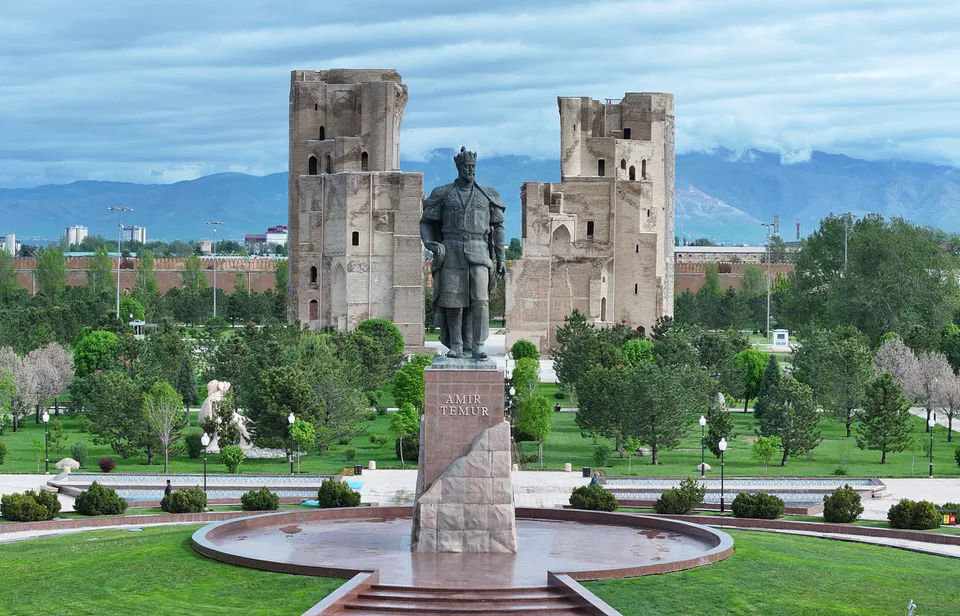
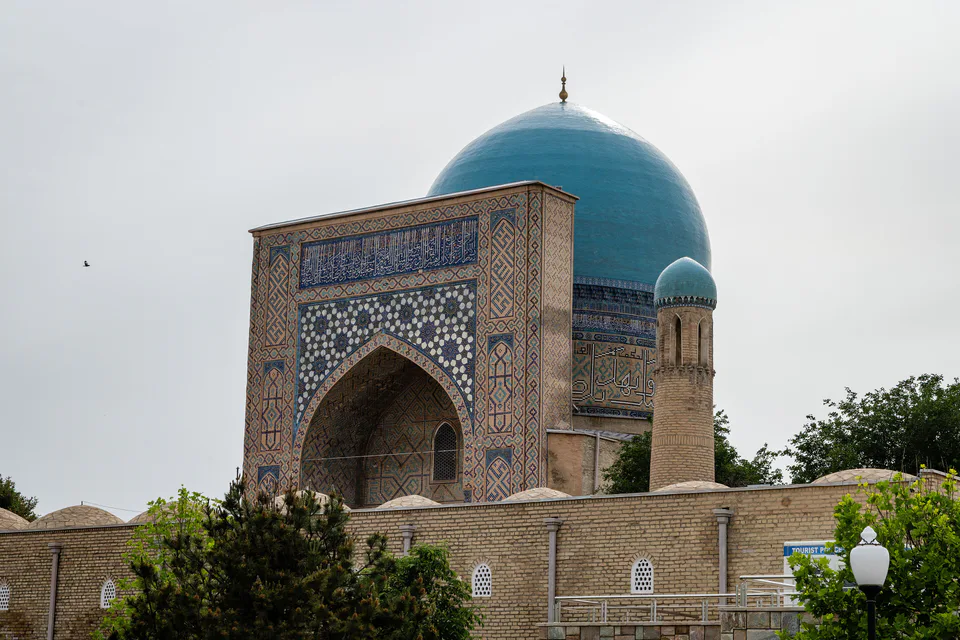
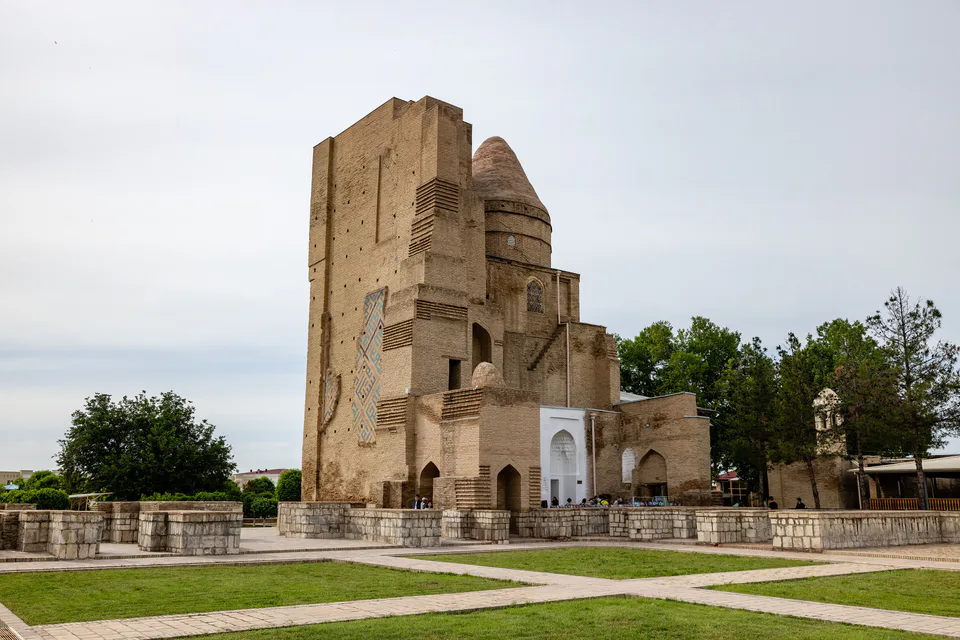
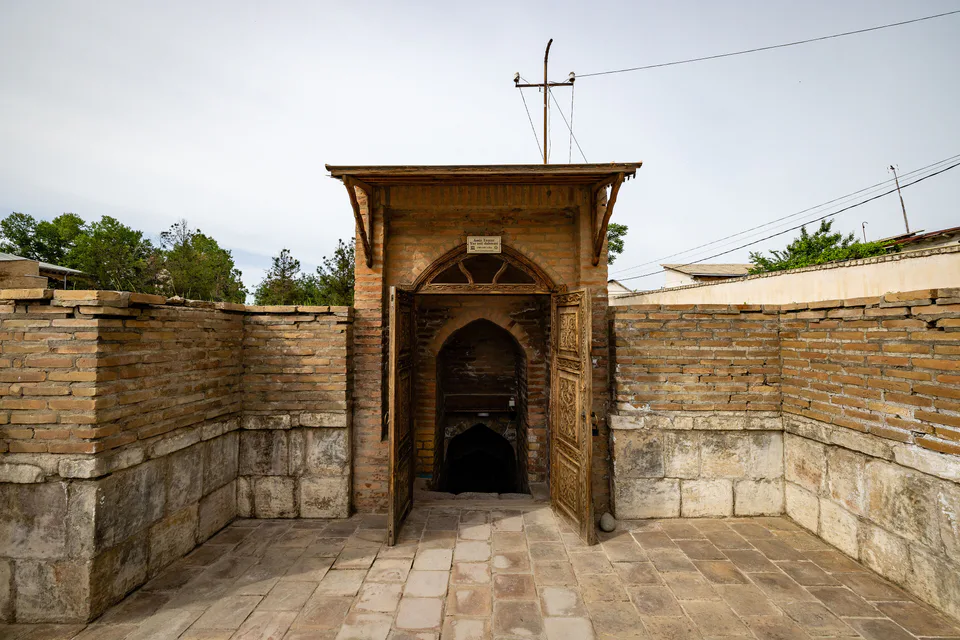
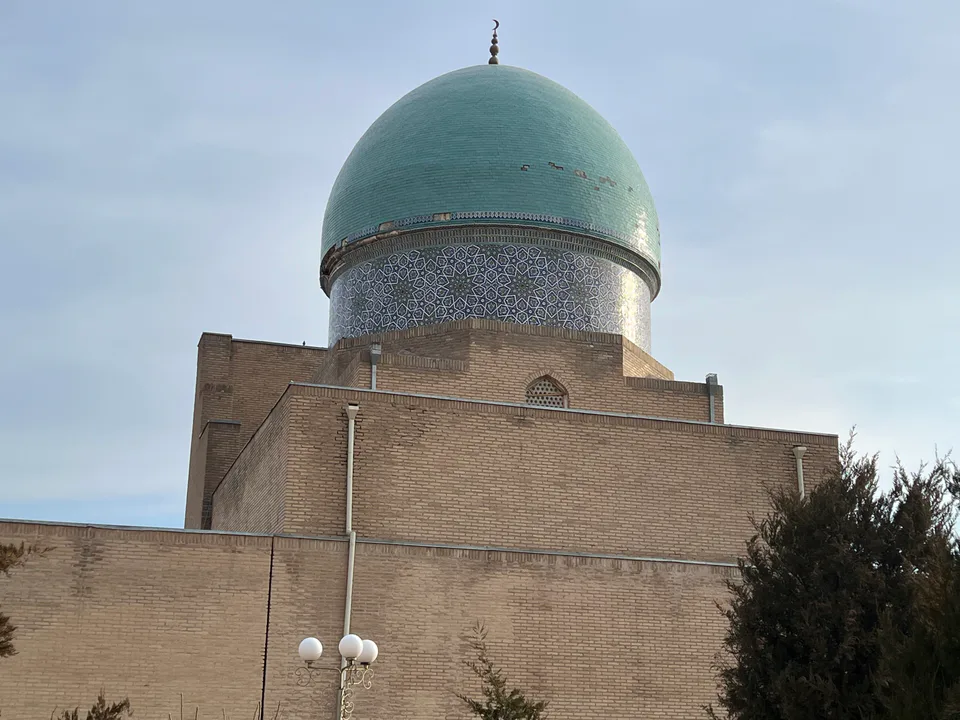
The region’s jewel is the Historic Centre of Shakhrisyabz, inscribed on the World Heritage List in 2000: the pylons of Ak-Saray, the Dorut Tilovat and Dorus-Saodat ensembles, the Kok Gumbaz Mosque, the Jahangir Mausoleum and Timur’s underground crypt. Qarshi offers the Odina Mosque, its own Kok Gumbaz Mosque, a 16th-century brick bridge and early 20th-century madrasas, with the ruins of Yerqo‘rg‘on just outside town.
In the mountains, the Langar Ota complex in Qamashi District, the Hazrati Bashir shrine in Kitob District, the Maidanak Observatory and the Kitab latitude station, working since 1930, are all of interest. Nature lovers can visit the Kitab Geological Reserve and the villages of the Hisor foothills, though the Hisor reserve itself has been closed to tourists since 2015.
Shahrisabz has long been famous for embroidery, and its tradition of suzani and other needlework continues today. Carpet-weaving, felt-making and pottery also thrive in the oasis, and a craftsmen’s association works in Qarshi’s Abdulazizxoja Madrasa.
Kashkadarya cooking draws on herding and farming traditions: meat dishes, tandoor-baked bread and meat, and dairy products form the core of the table, while the orchards and vineyards of the Kitob–Shahrisabz oasis are known for their fruit. Oil, gas and gas processing, including the Muborak gas processing plant and the Sho‘rtan gas-chemical complex, are mainstays of the regional economy.
Qarshi International Airport has flights to Tashkent. Railways link Qarshi with Samarkand, Bukhara and Tashkent, with a branch towards Kitob, and the Tashguzar–Boysun–Qumqo‘rg‘on line crosses the region’s south-east into Surkhandarya.
From Samarkand the short road to Shahrisabz crosses the Takhtakaracha Pass, which snow can close in winter; the alternative route goes via Kitob. Shahrisabz and Qarshi are about 100 km apart.
Ensemble · Shahrisabz City
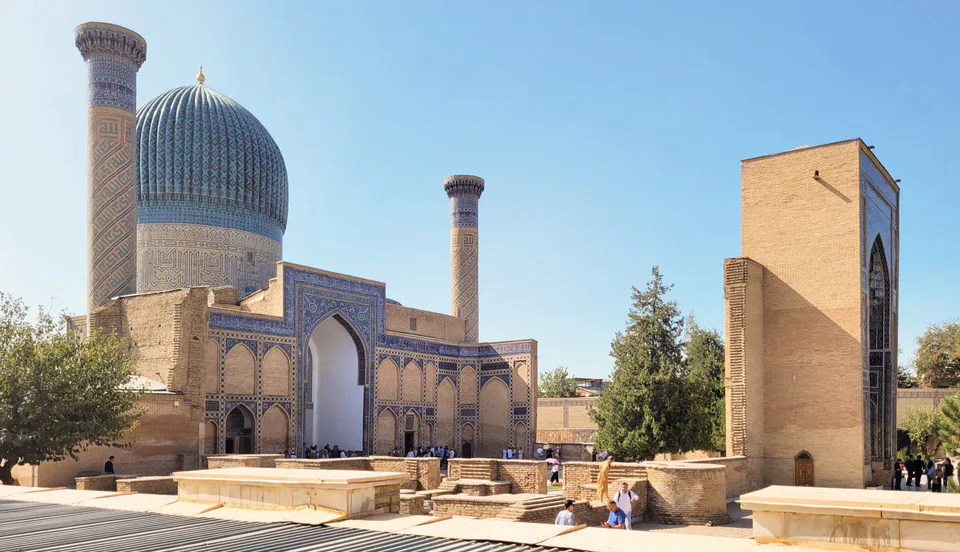
The family mausoleum Timur built for himself and his sons
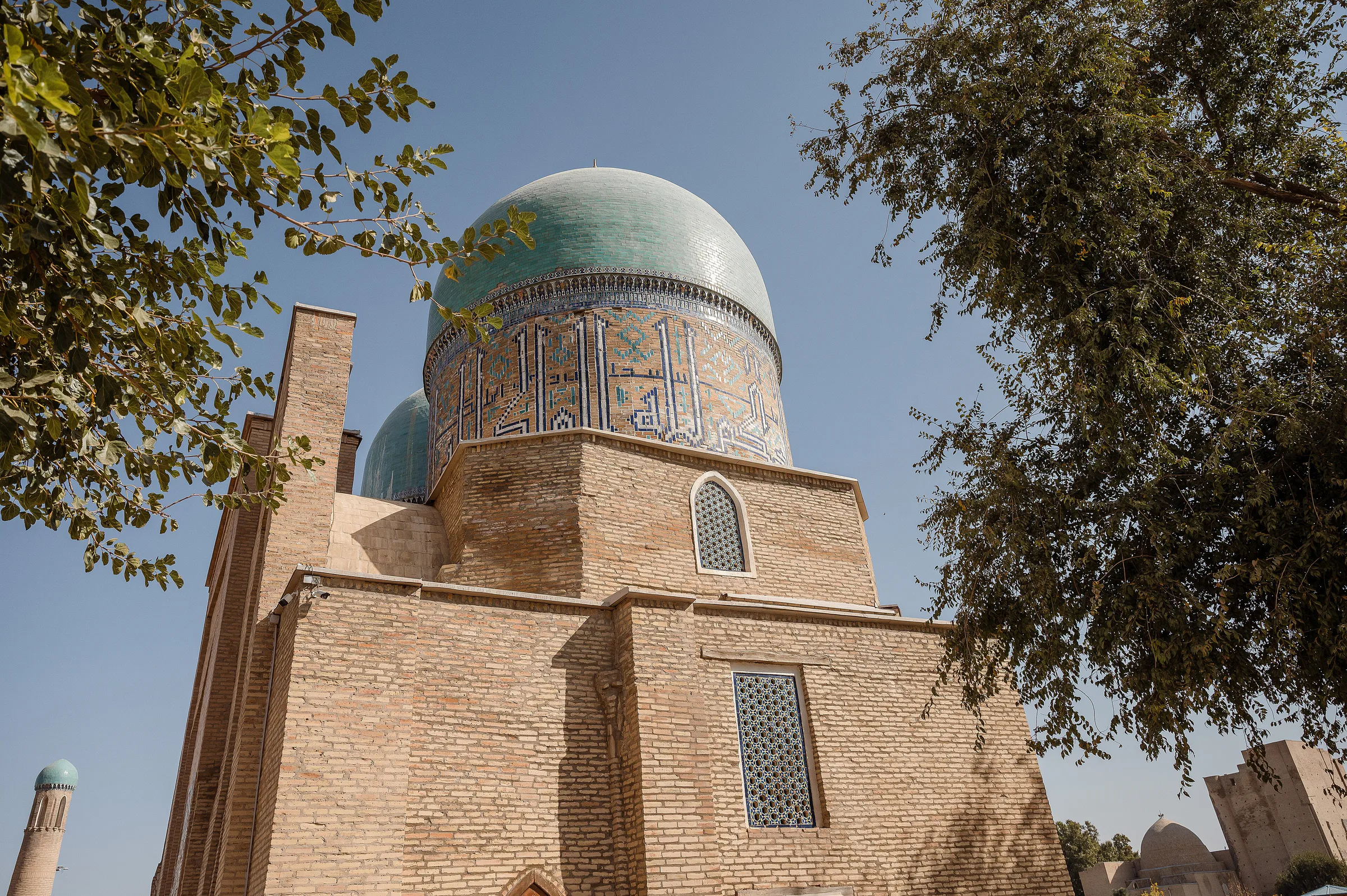
Ensemble · Shahrisabz City
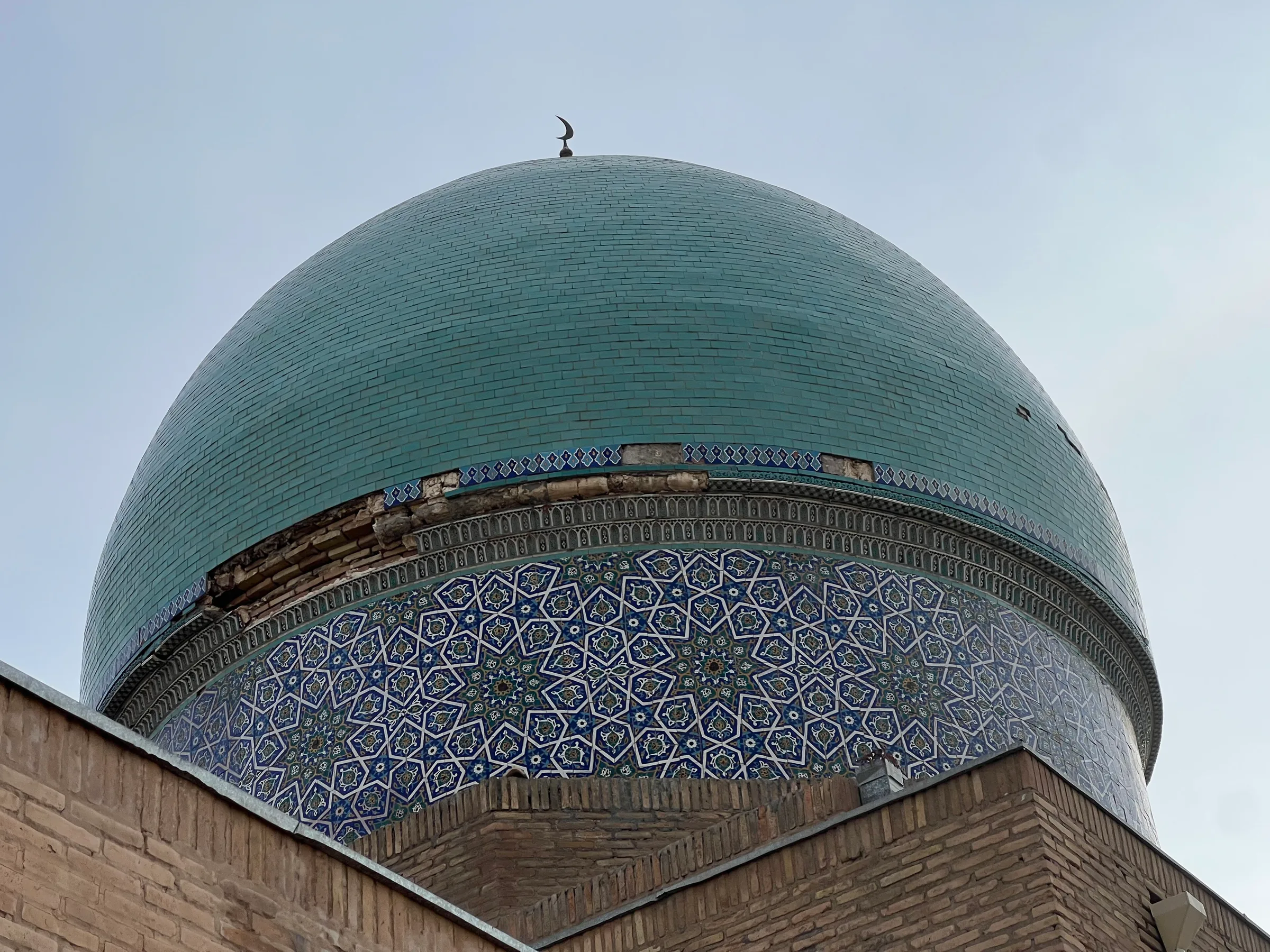
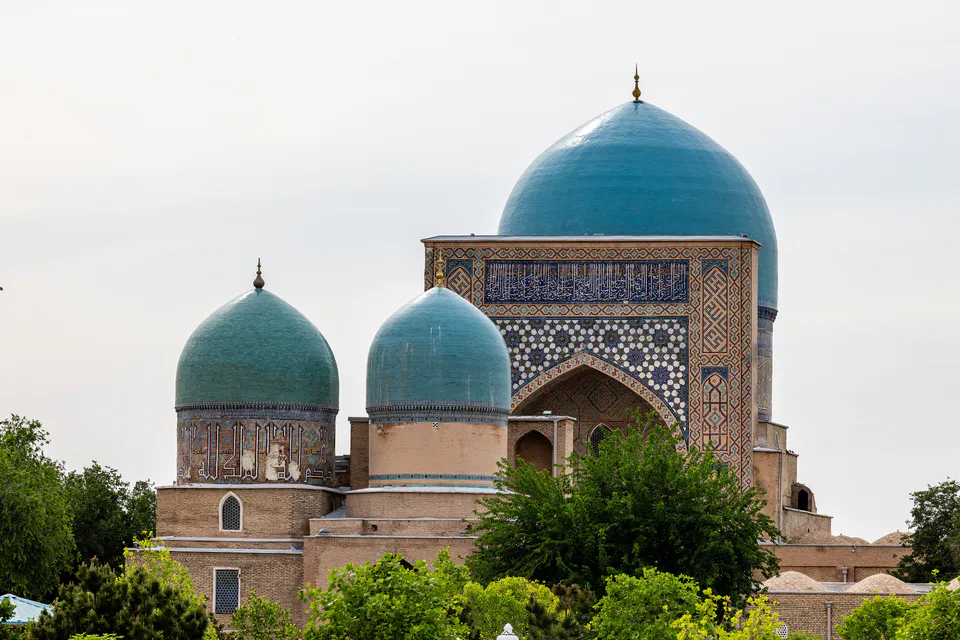
A Timurid family shrine and Ulugh Beg’s Blue Dome
Ensemble · Shahrisabz City
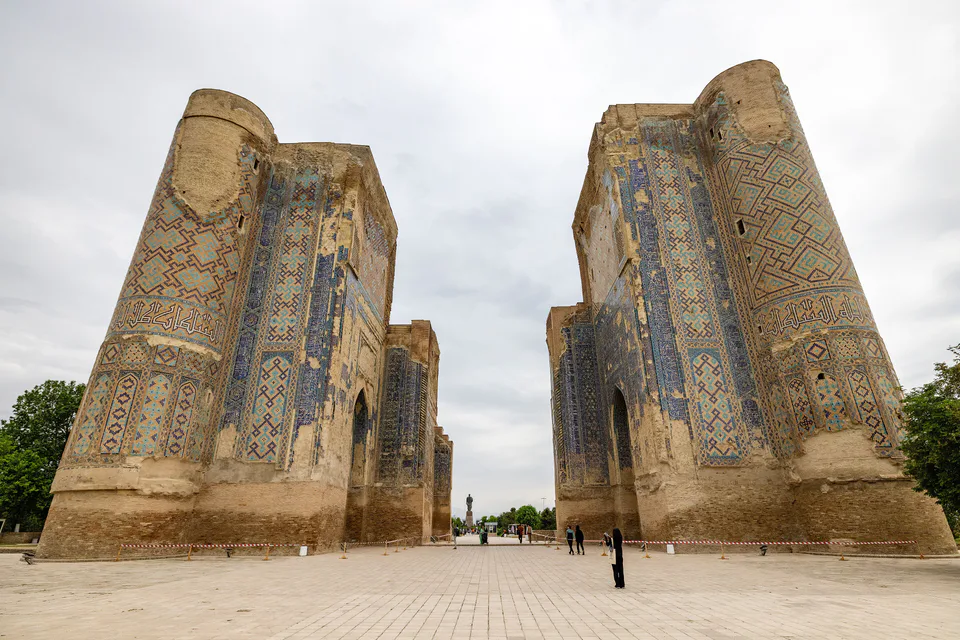
What remains of Timur’s colossal palace in his home town
Ensemble · Shahrisabz City
Kesh, Timur’s birthplace and a UNESCO site
Mausoleum · Shahrisabz City
The tomb Timur prepared for himself, which stayed empty
Mausoleum · Shahrisabz City
A cone-domed tomb for Timur’s favourite son
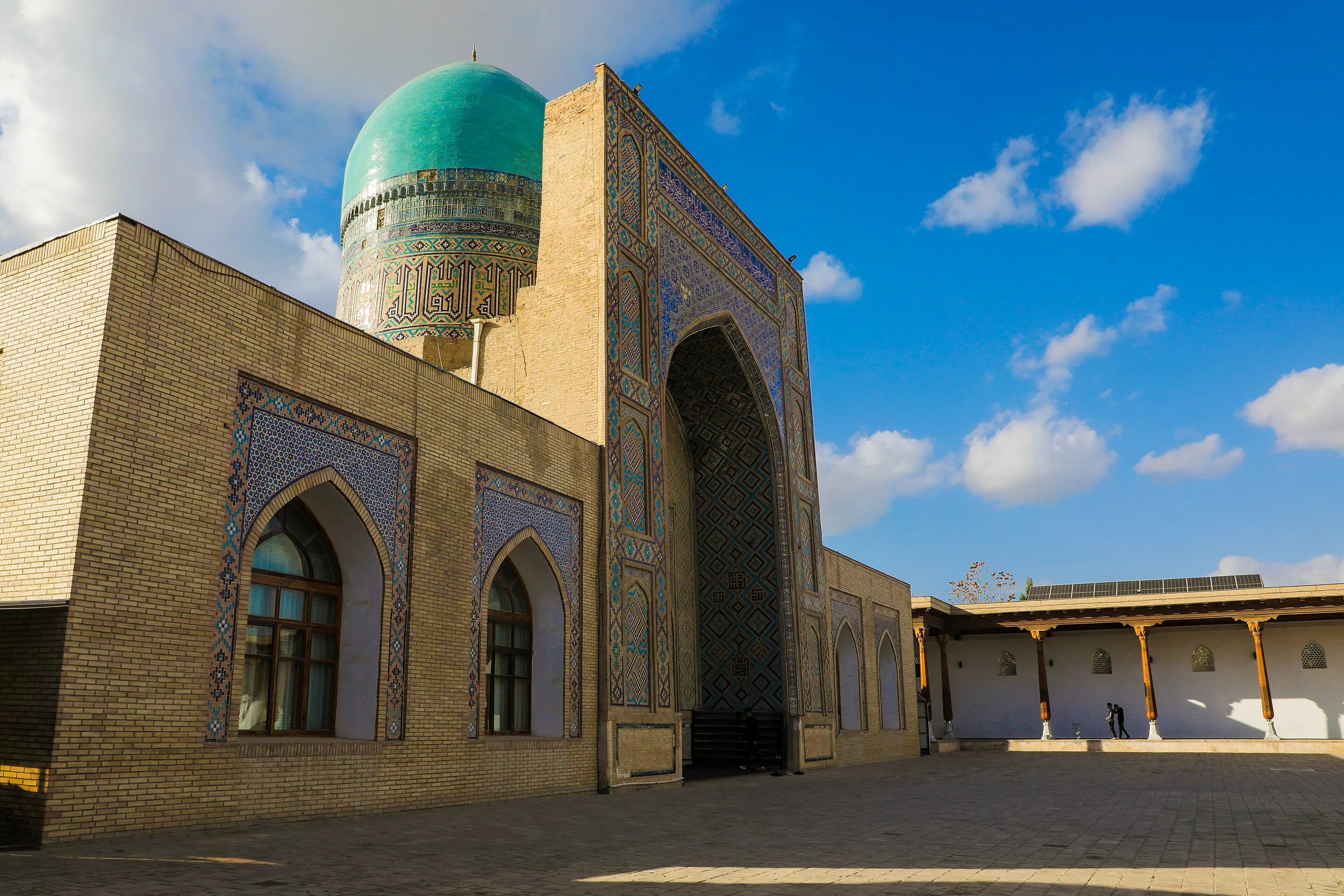
Mosque · Shahrisabz City
The Friday mosque Ulugh Beg built in his father’s name
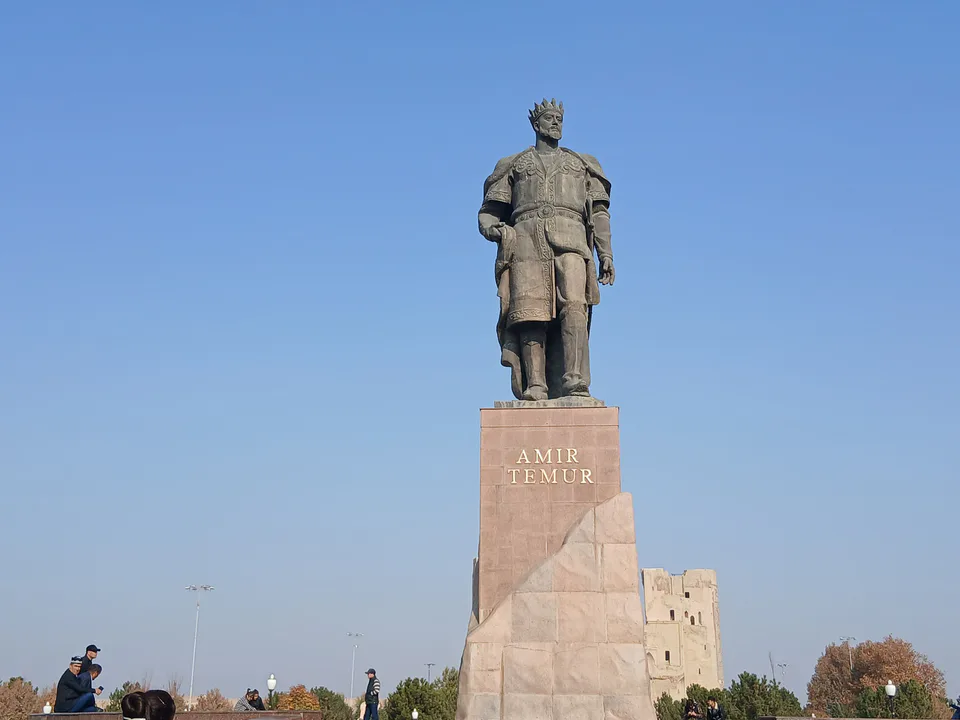
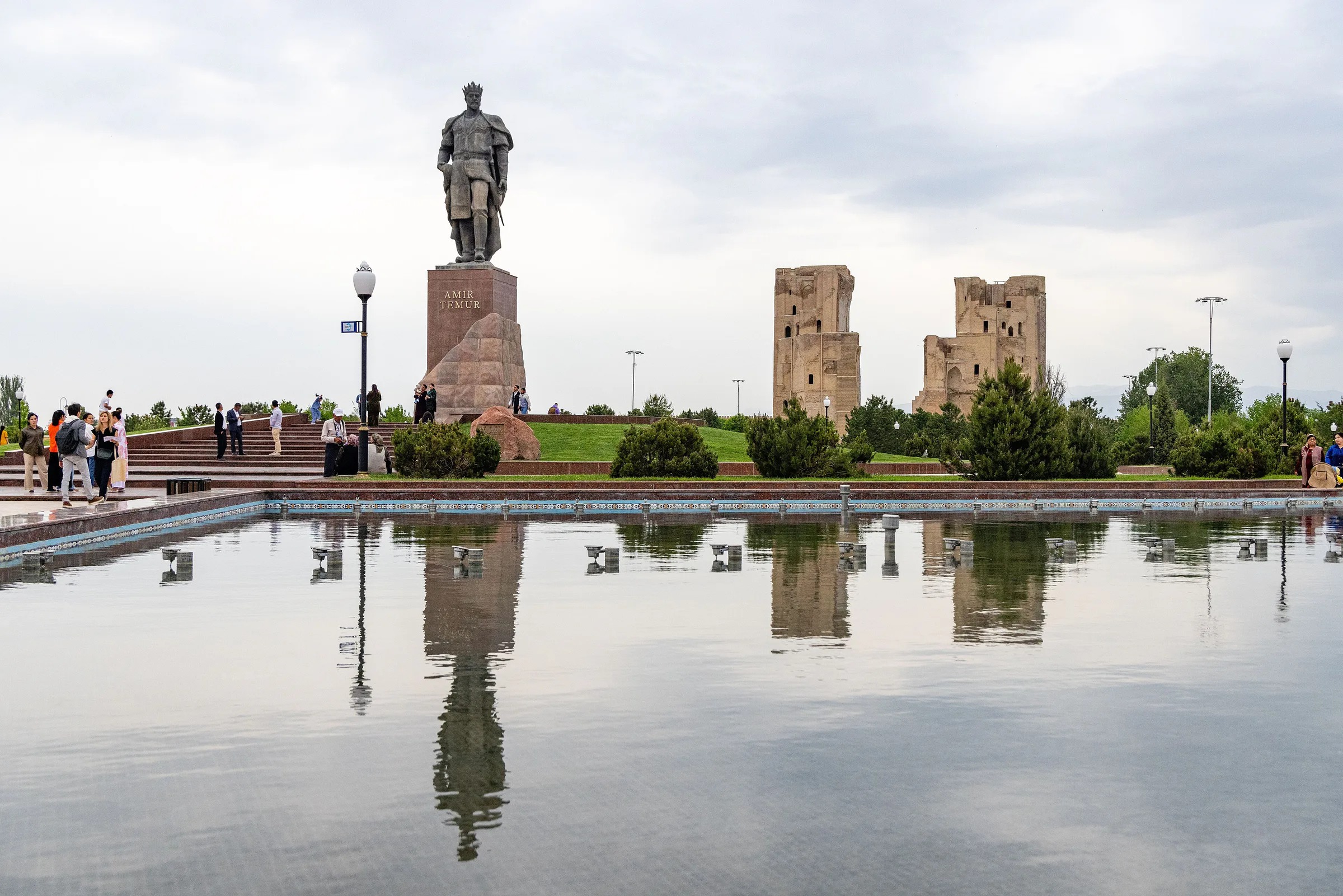
Modern · Shahrisabz City
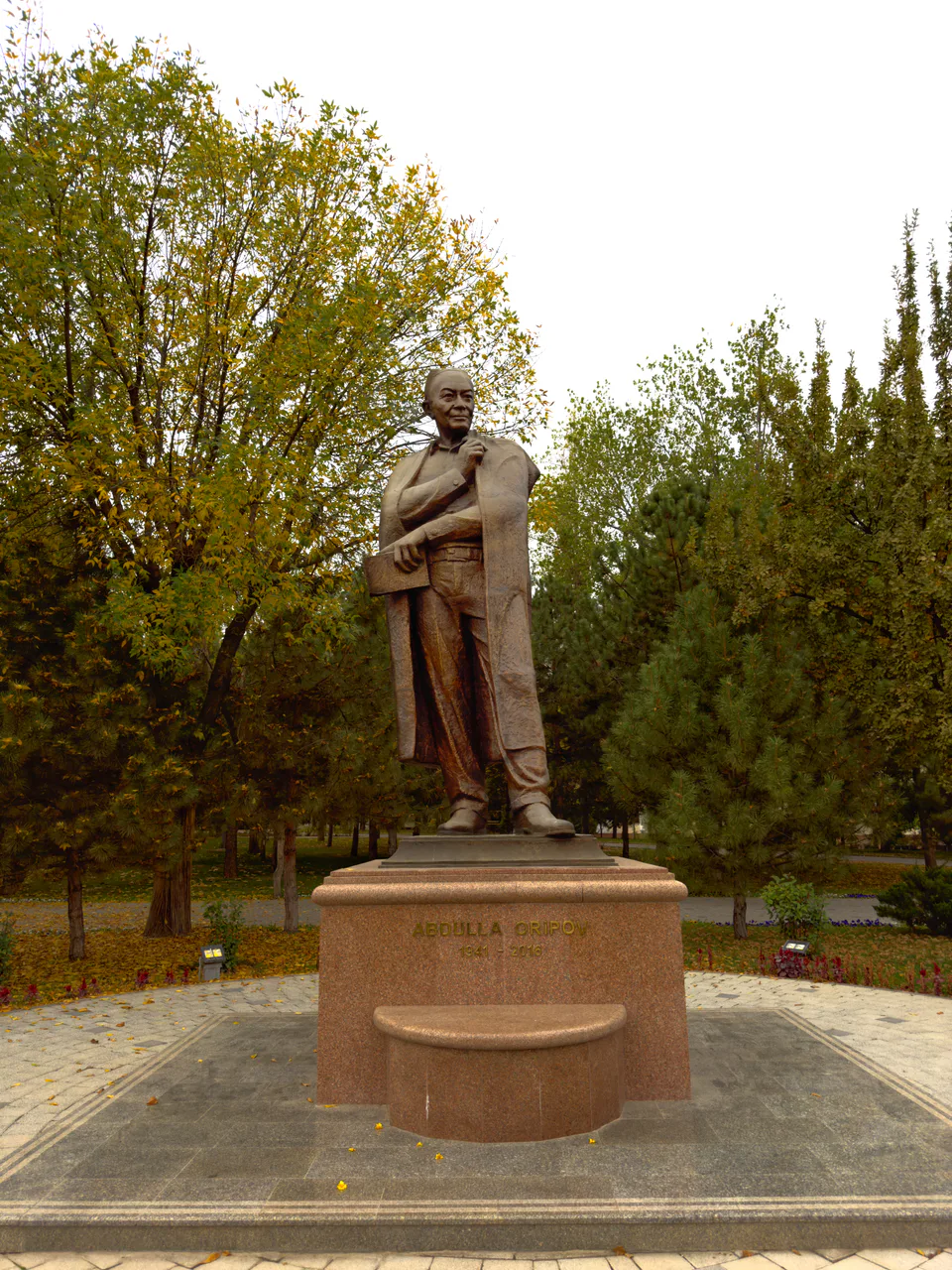
Timur stands tall in his home town
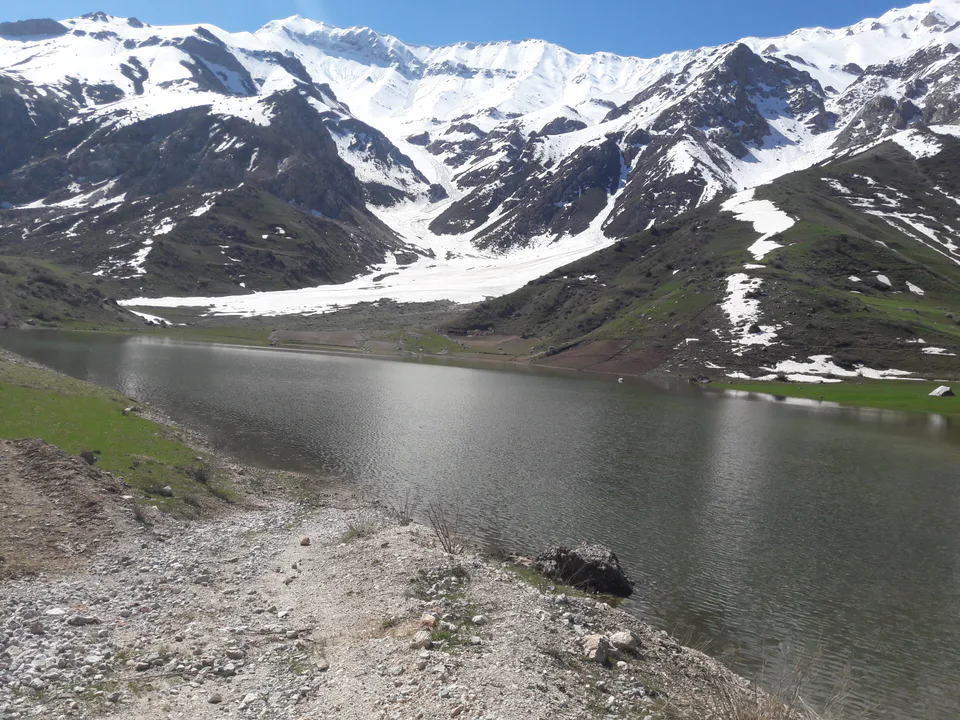
Nature · Shahrisabz District
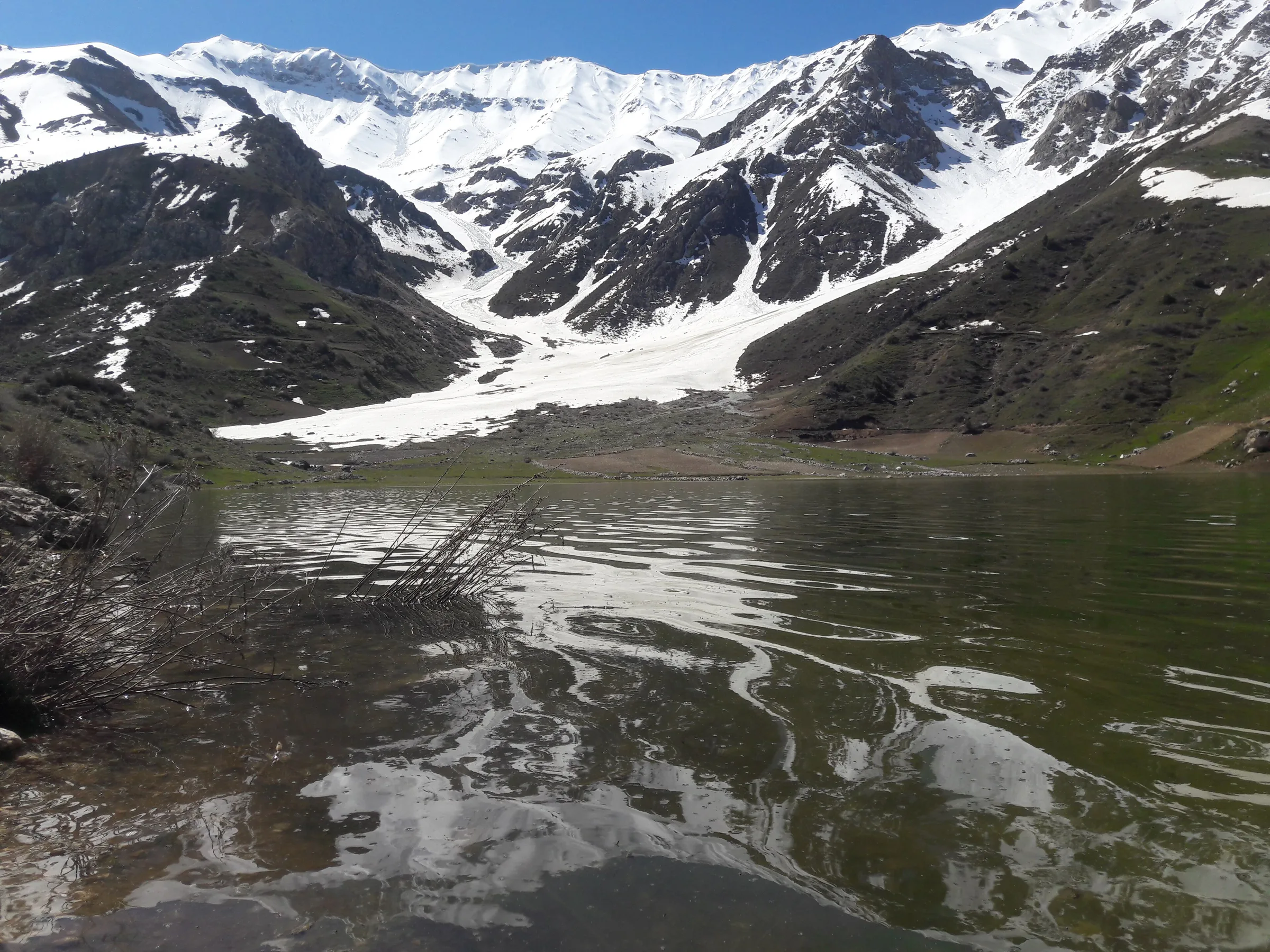
Juniper mountains at the source of the Kashkadarya, home of the snow leopard
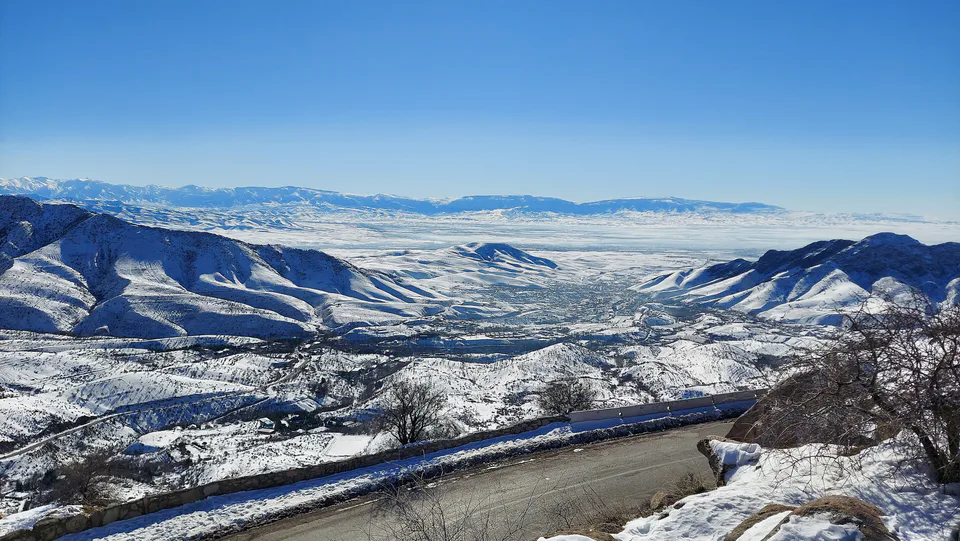
Nature · Kitob District
The petrified pages of a Devonian sea
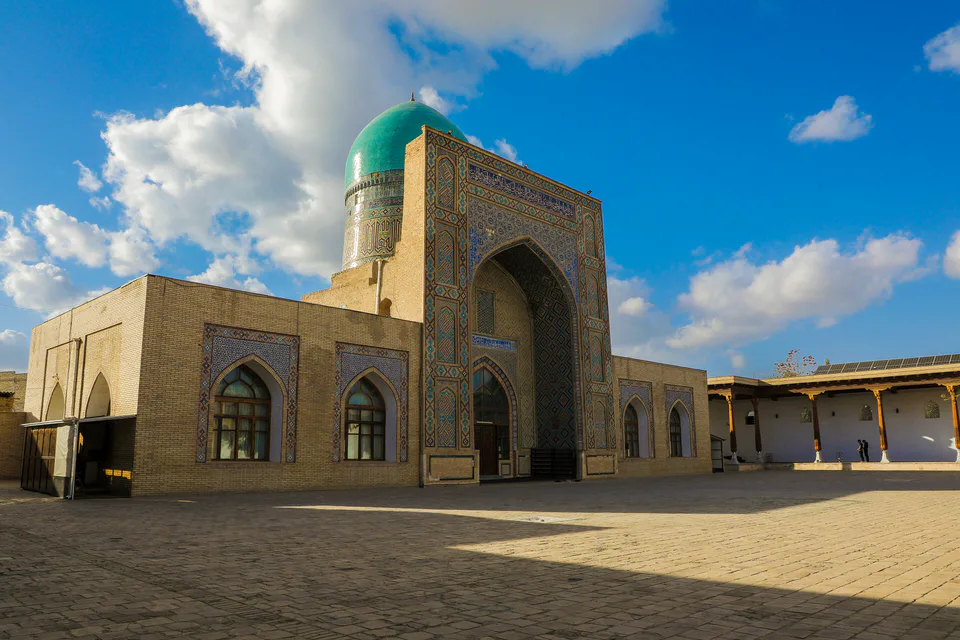
Mosque · Qarshi City
A Friday mosque from the reign of Abdullah Khan II
Pilgrimage site · Qamashi District
A tiled mosque and Sufi shrine in a mountain village below the Hisor Range
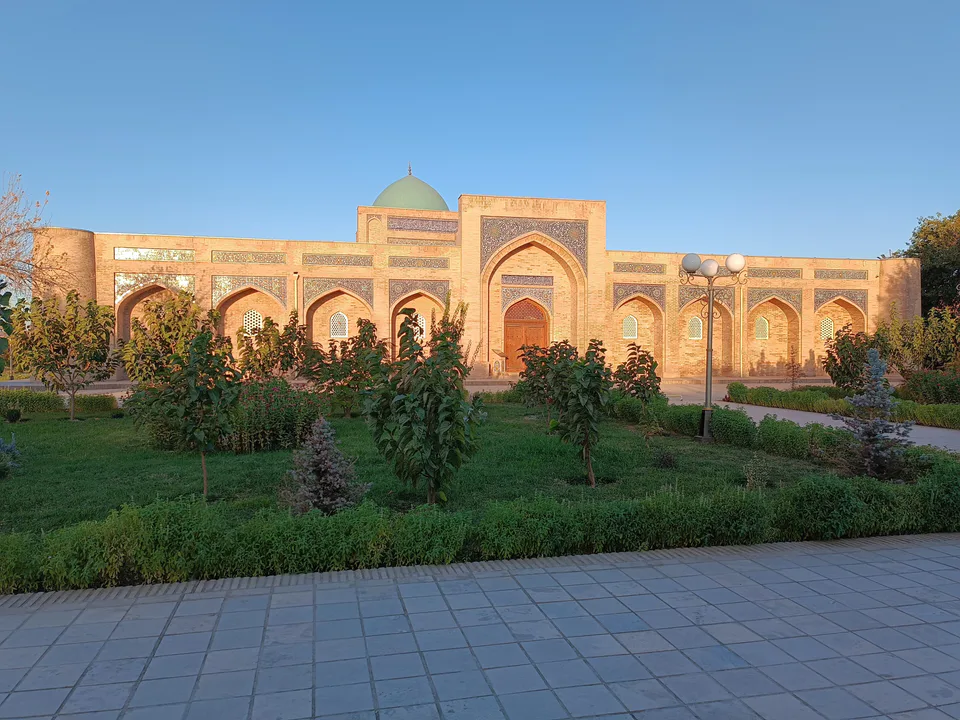
Mosque · Qarshi City
Qarshi’s oldest building, now a memorial museum
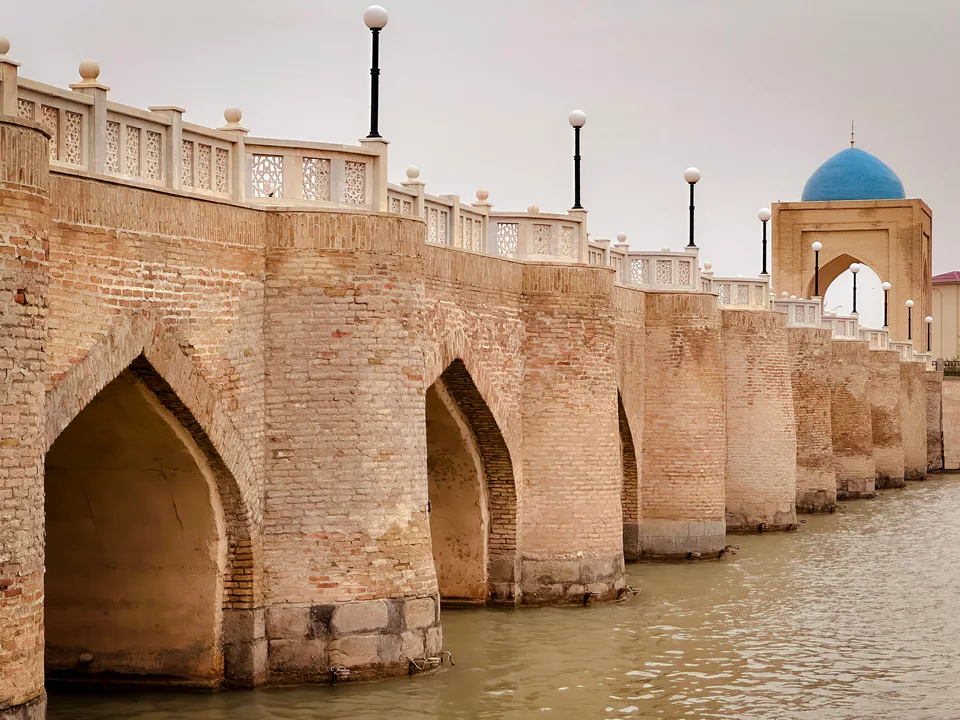
Ensemble · Qarshi City
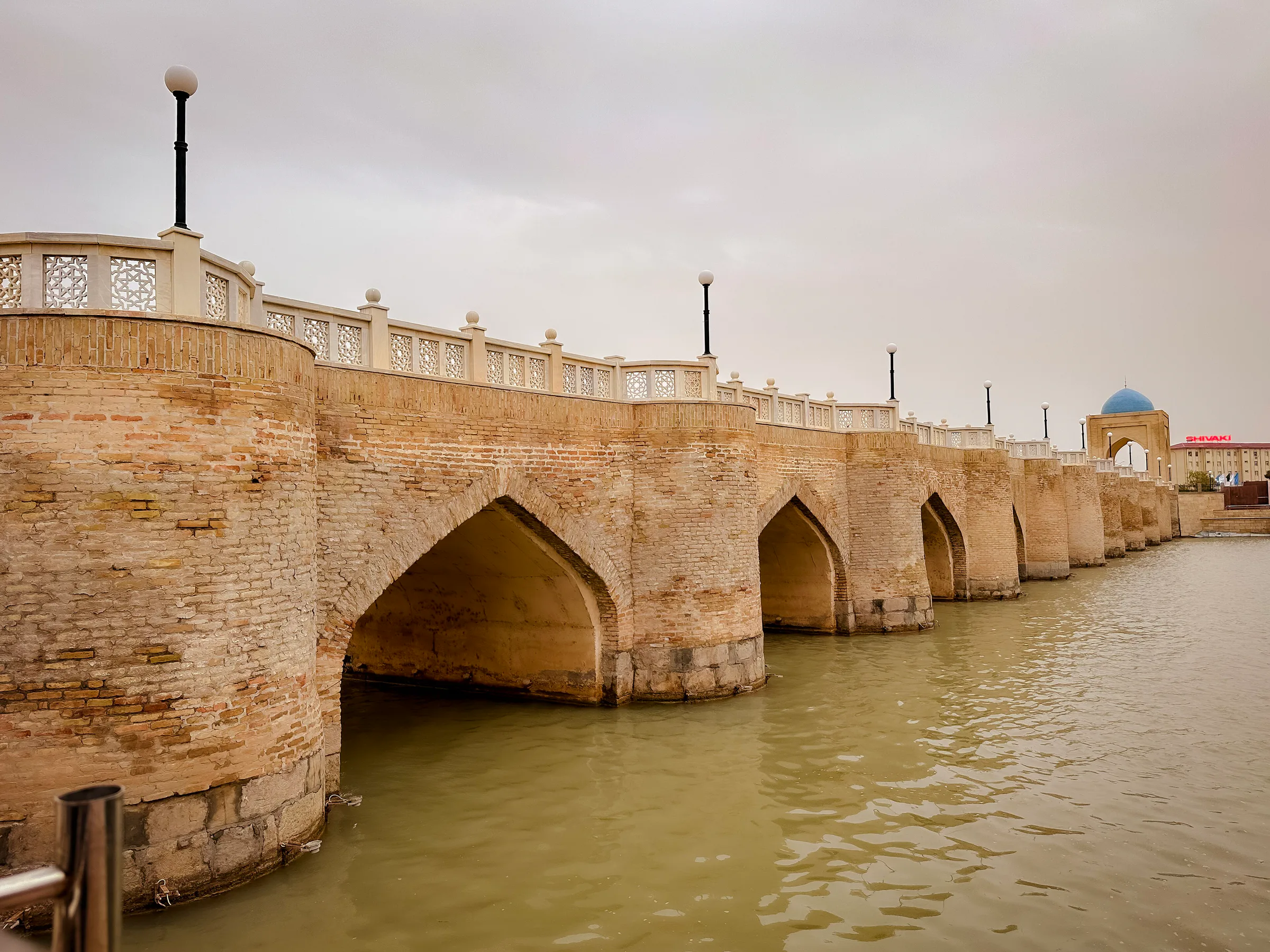
A 122-metre brick bridge from the reign of Abdullah Khan II
Museum · Qarshi City
From Nasaf to Qarshi in 38,000 objects
Archaeology · Koson District
Ancient Nakhshab, first capital of the Qarshi oasis
Kashkadarya Region
Airport, railway station and bus stations — addresses, timetables and the live board.
All transportKashkadarya Region
Road distance, the fastest train and whether there is a direct flight.
All distances| City | Road, km | By car | By train | Flight | Bus |
|---|---|---|---|---|---|
| Shahrisabz Kashkadarya Region |
129 | 1 h 34 min | 55 min Afrosiyob 774Ф |
— | — |
| Samarkand Samarkand Region |
150 | 2 h 6 min | 1 h 10 min Afrosiyob 763Ф |
— | — |
| Bukhara Bukhara Region |
168 | 2 h 16 min | — | — | — |
| Kattakurgan Samarkand Region |
173 | 2 h 35 min | — | — | — |
| Boysun Surkhandarya Region |
179 | 2 h 30 min | 4 h 34 min 129Ф |
— | — |
| Gijduvan Bukhara Region |
216 | 2 h 55 min | — | — | — |
| Navoi Navoiy Region |
251 | 3 h 44 min | — | — | — |
| Tashkent Tashkent (city) |
475 | 6 h 50 min | 3 h 35 min Afrosiyob 763Ф |
2 flights | 1 route |
Weather: MET Norway
Kashkadarya Region
Checked hotels and places to eat — with addresses, phone numbers, opening hours and price levels.
Business hotel with an indoor pool and sauna
Chain hotel in the city centre
Hotel on Nasaf Street, handy for the station
Upscale retreat among orchards and vineyards
Central hotel next to the regional museum
Resort hotel in the mountain village of Miraki
One of the closest hotels to the old town and Odina Mosque
Modern central hotel with a pool
Small budget hotel near the Kok Gumbaz Mosque
Small family-run hotel with a garden
Hotel with an outdoor pool near Ak-Saray
63-room hotel on Islam Karimov Street
Central café for coffee, pastries and pizza
Qarshi branch of the national fast-food chain
Large restaurant near the old town
Family restaurant specialising in Turkish food
Café-restaurant at the southern edge of town
Well-known tandir meat stop on the ring road
Café famous for its ice cream and desserts
Family restaurant in the centre, open from 7 am
Uzbek-food restaurant in northern Shahrisabz
Modern teahouse on Amir Temur Street
Teahouse-restaurant in national style in the centre
Tandir meat teahouse in G‘uzor
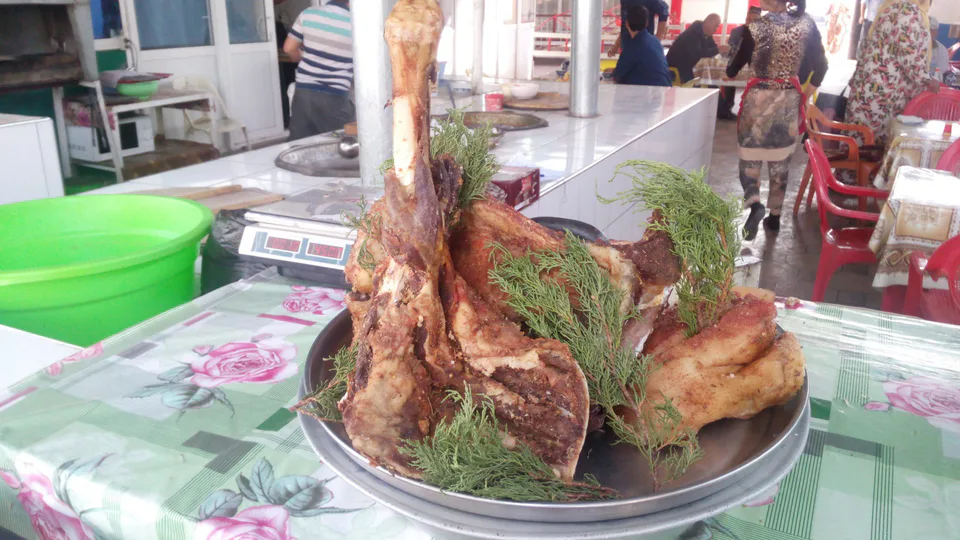
Dish · Kashkadarya, Surkhandarya +1
The pride of Kashkadarya, Surkhandarya and Jizzakh: lamb slow-cooked for hours in a sealed tandoor with juniper branches.
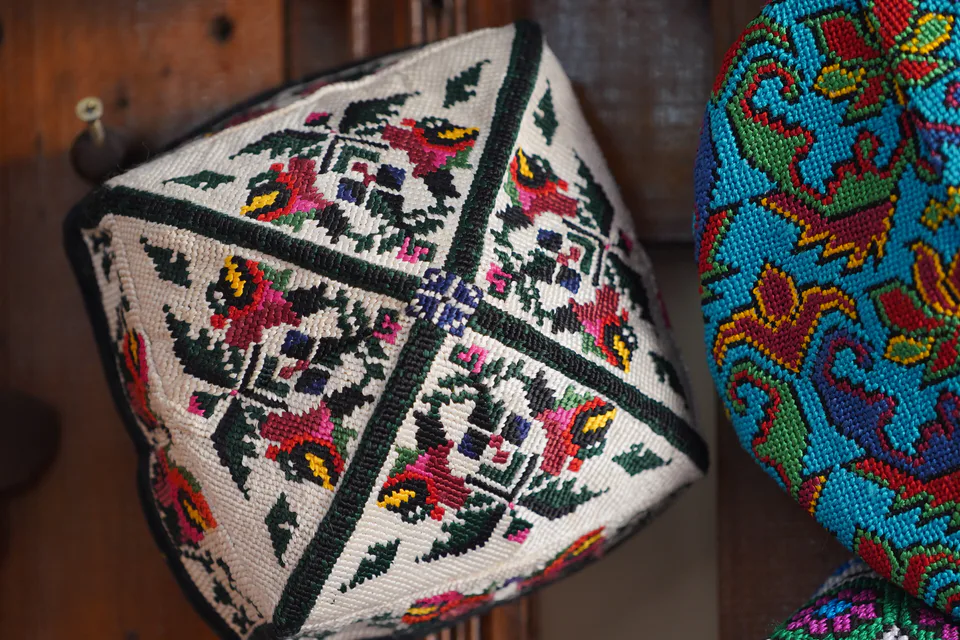
Craft · Kashkadarya
Kashkadarya’s embroidery centre: densely worked suzanis on coloured cloth and cross-stitched iroqi skullcaps, the best of them made in Shahrisabz and Kitab.
Tradition · Surkhandarya, Kashkadarya +2
Epic poems sung from memory to the dombra, kobyz or dutar — the performers of Alpamysh and Go‘ro‘g‘li; UNESCO-listed since 2021.
Kashkadarya Region
Khokimiyat, public service centre and other offices: addresses, phones, hours.
All offices (71)Khokimiyat
1 Mustaqillik Ave, Karshi
Mon–Fri 9:00–18:00
Read morePublic Service Centre
6 Zarin St, Buyuk Turon Mahalla, Karshi
Read moreKashkadarya Region
Bank branches and offices in the region: addresses and phones.
All banks (22)Kashkadarya regional comprehensive service centre · Qarshi City
7A Mustaqillik Avenue, Karshi
+998 75 221 00 90Karshi banking services office · Qarshi City
4 Sohibkor Street, Xontepa mahalla, Karshi 180118
+998 55 503 42 42Karshi banking services centre · Qarshi City
28 Komilon Street, Karshi 180103
+998 75 225 59 81Kashkadarya Region
Codes 180100–181427. The main code of each city and district:
All postcodes (174)Kashkadarya Region
city · Heir to Nakhshab and Nasaf, a 2,700-year-old regional capital
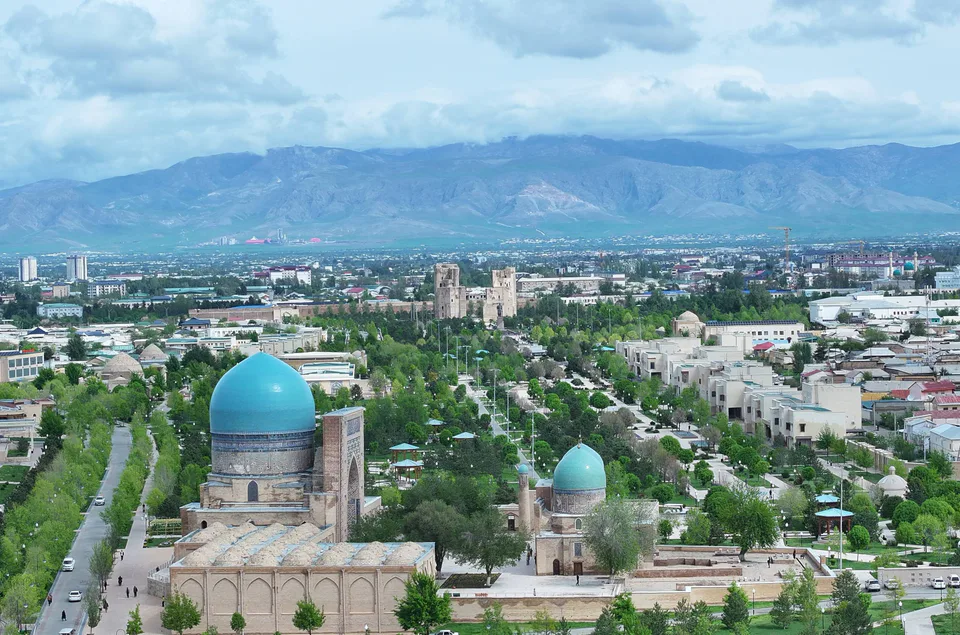
city · The “green city”, birthplace of Timur
district · A former beglik and the Siypantosh rock art
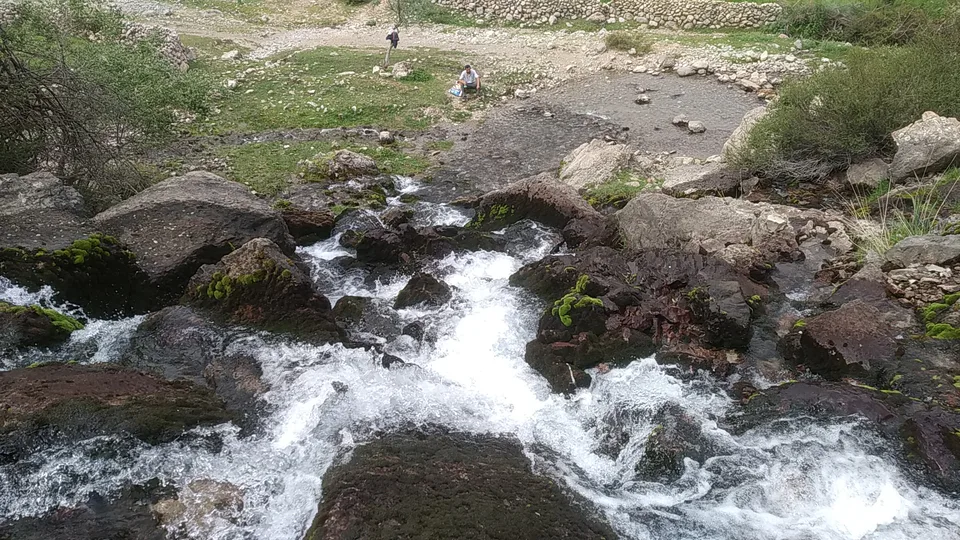
district · Salt deposits and the western spurs of the Hisor Range
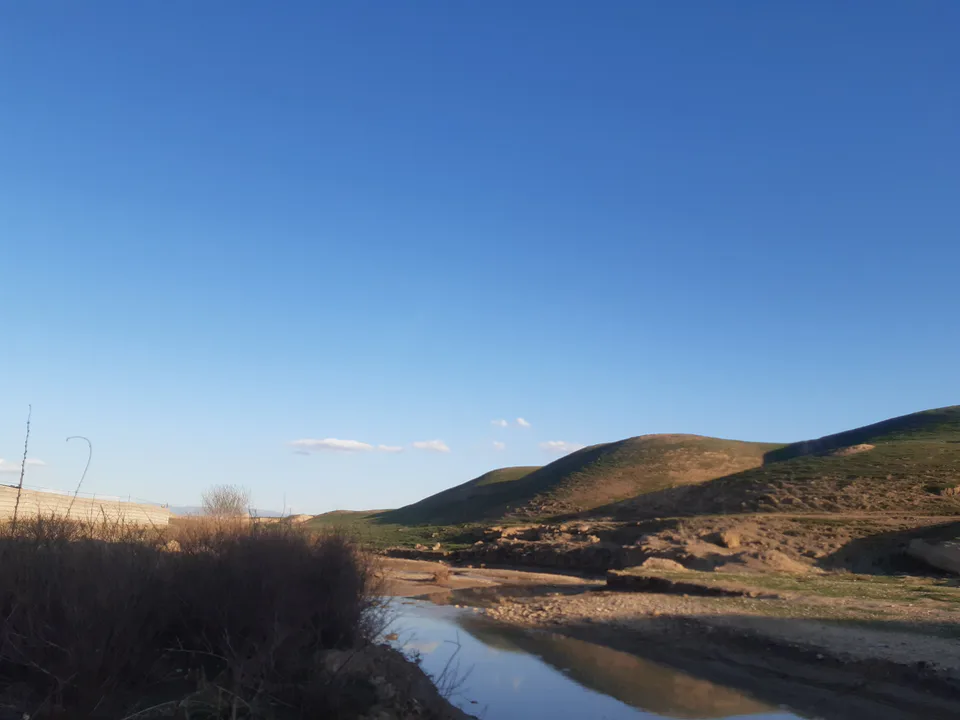
district · A caravan crossroads and the Sho‘rtan gas field
district · Irrigated farming on the Qarshi steppe
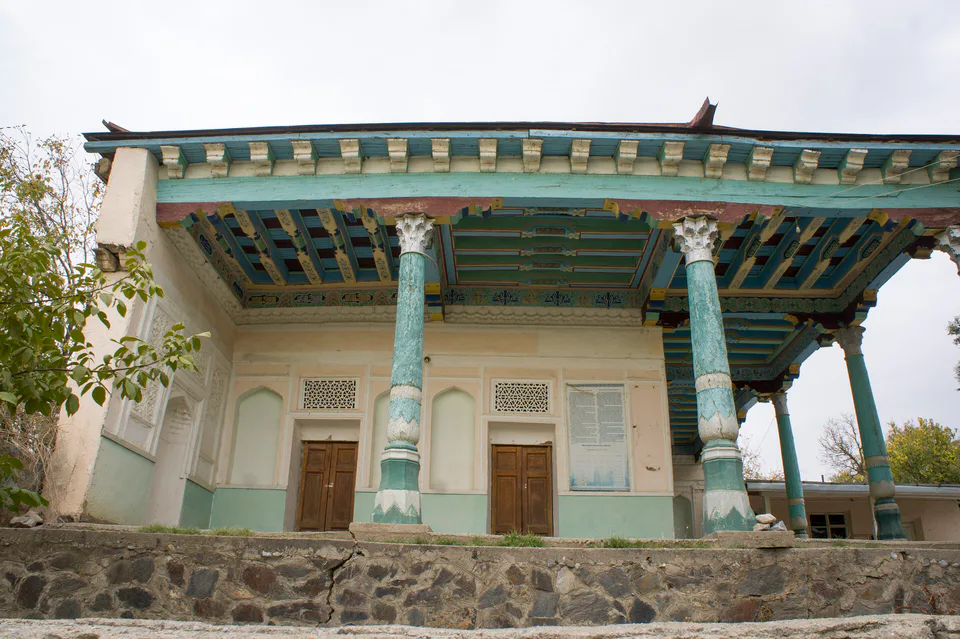
district · A foothill oasis with the mildest climate in the region
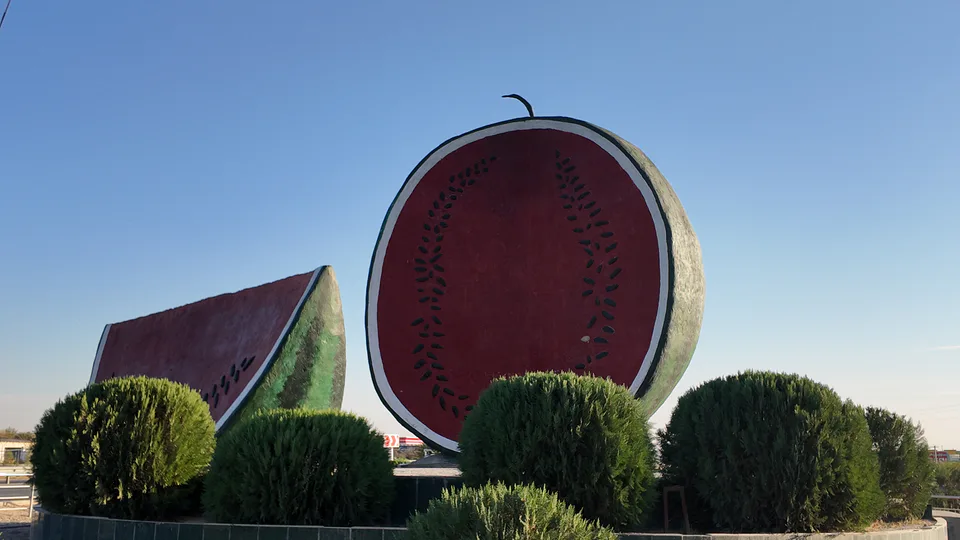
district · The region’s youngest district, created in 2022
district · An ancient oasis on the lower Kashkadarya
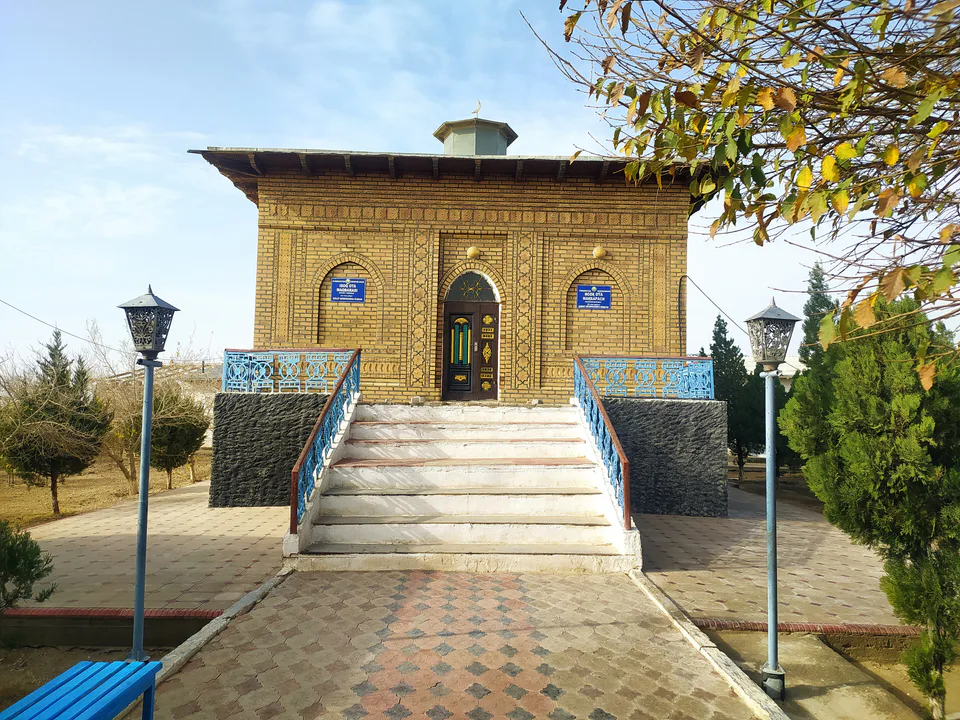
district · The western edge of the Qarshi steppe, on the Turkmen border
district · One of the capitals of Uzbekistan’s gas industry
district · The Tallimarjon reservoir and the southern Qarshi steppe
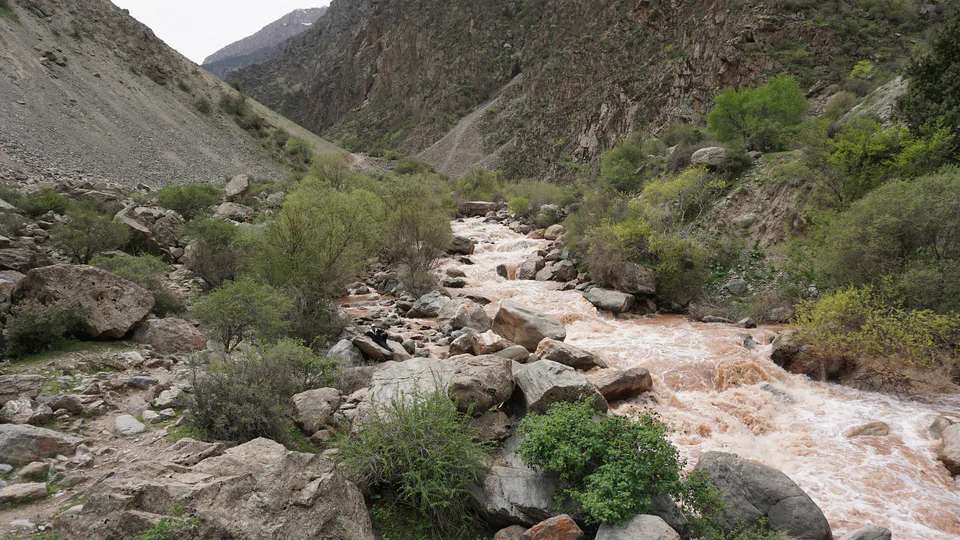
district · From the Qarshi steppe to the Hisor peaks
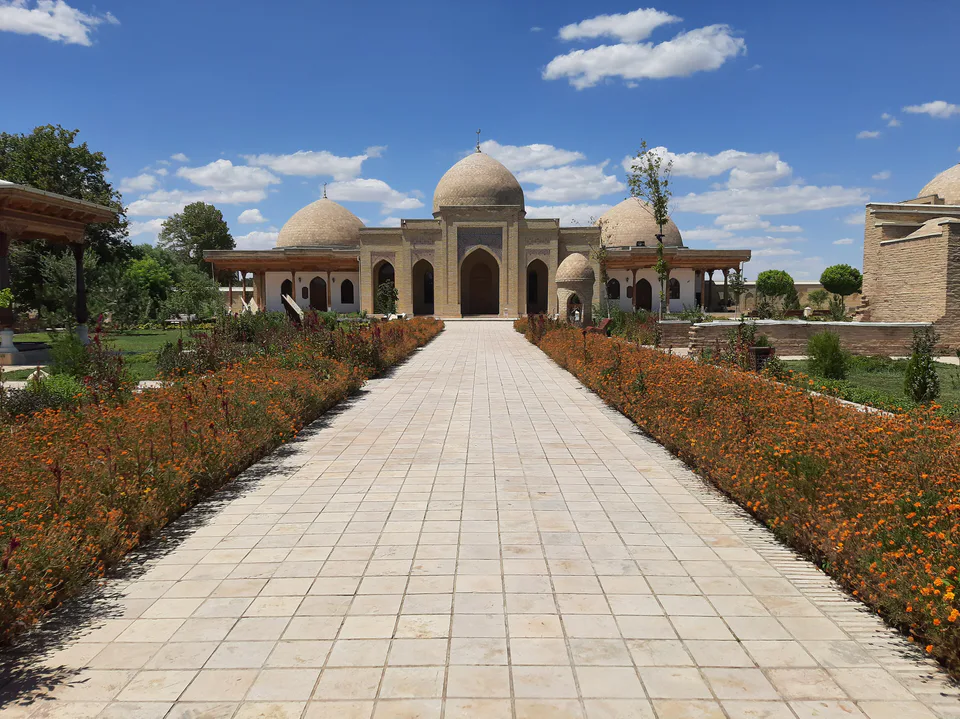
district · The lower Kashkadarya around the regional capital
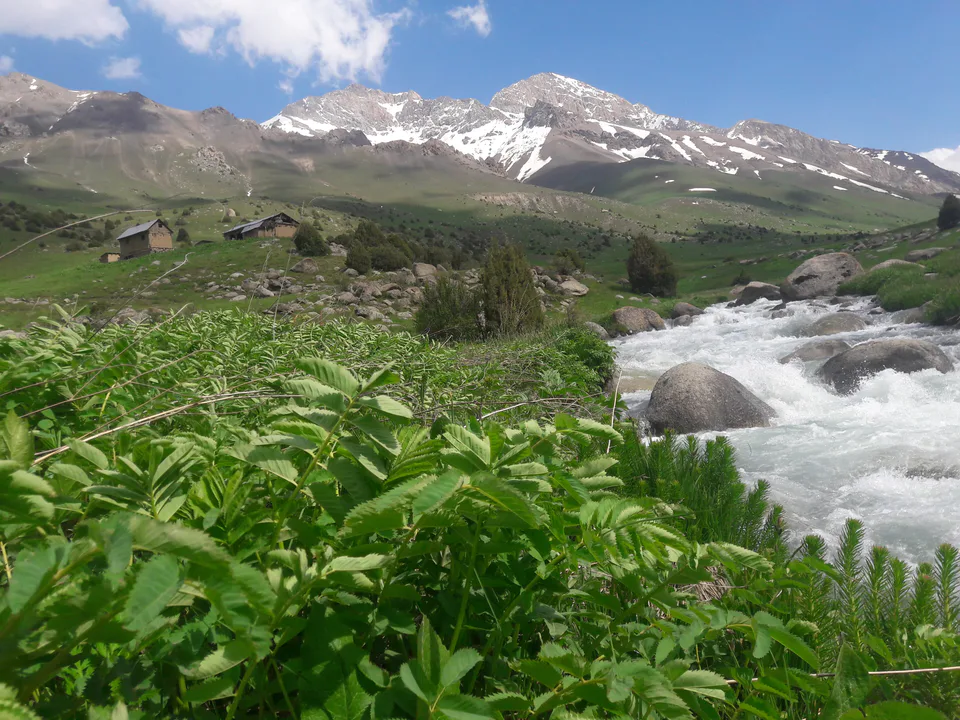
district · Hisor foothills, Miraki and the headwaters of the Kashkadarya
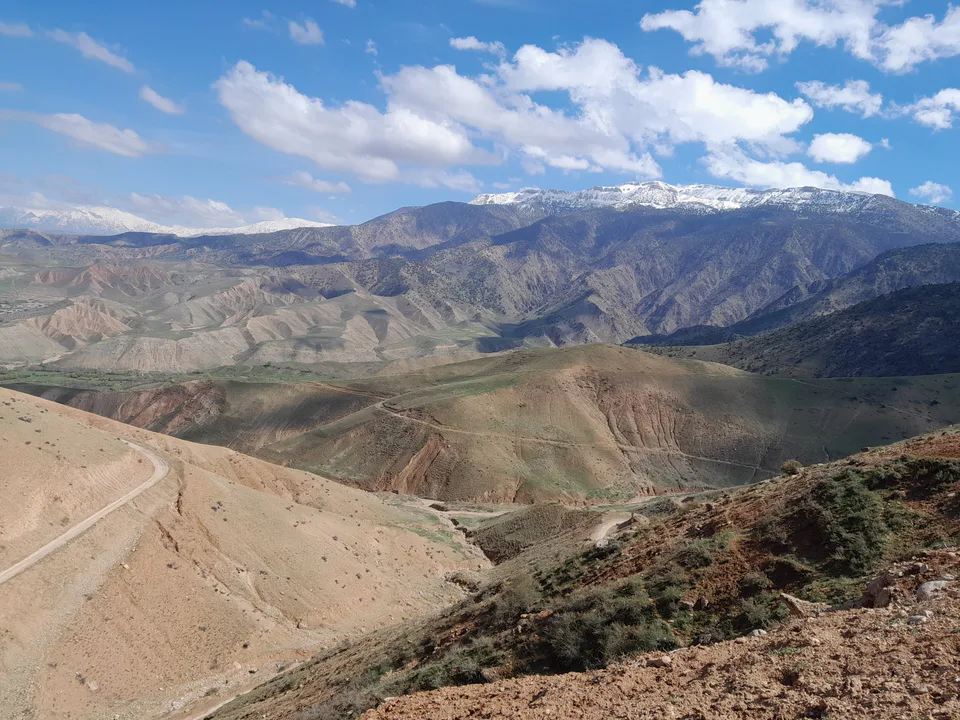
district · Home to Khoja Ilgar, the village where Timur was born