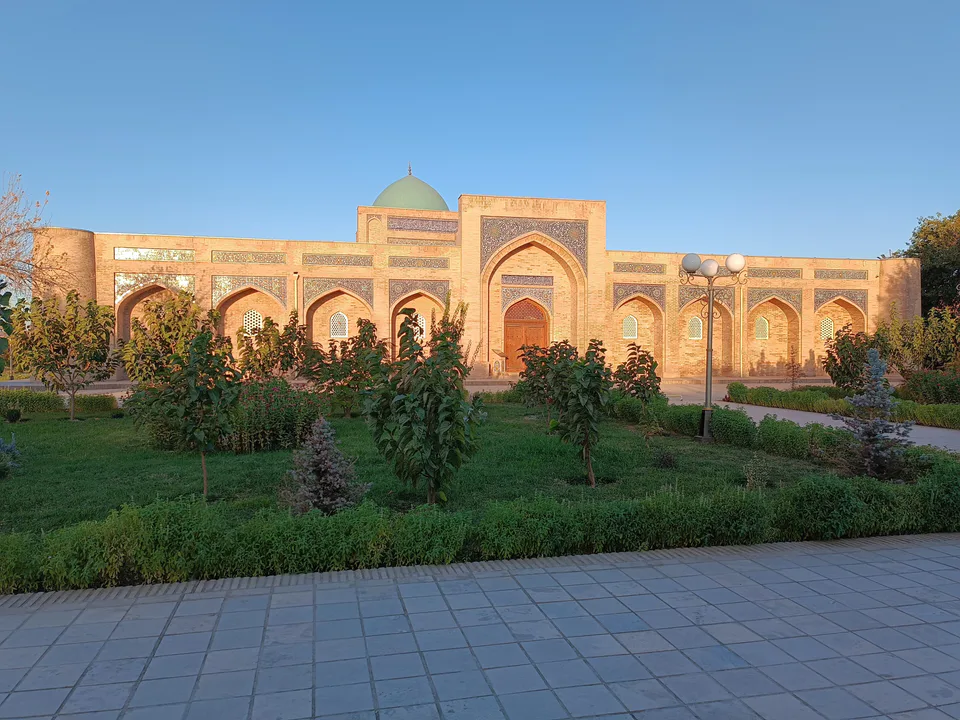
Mosque · Qarshi City
Odina Mosque
Qarshi’s oldest building, now a memorial museum
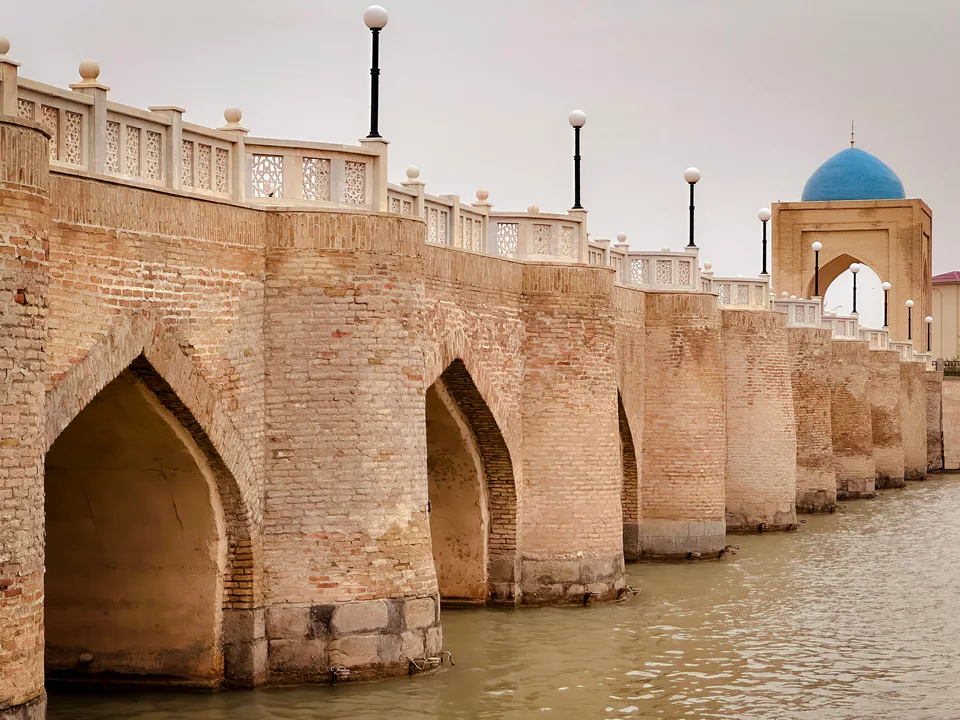
Ensemble · Qarshi City
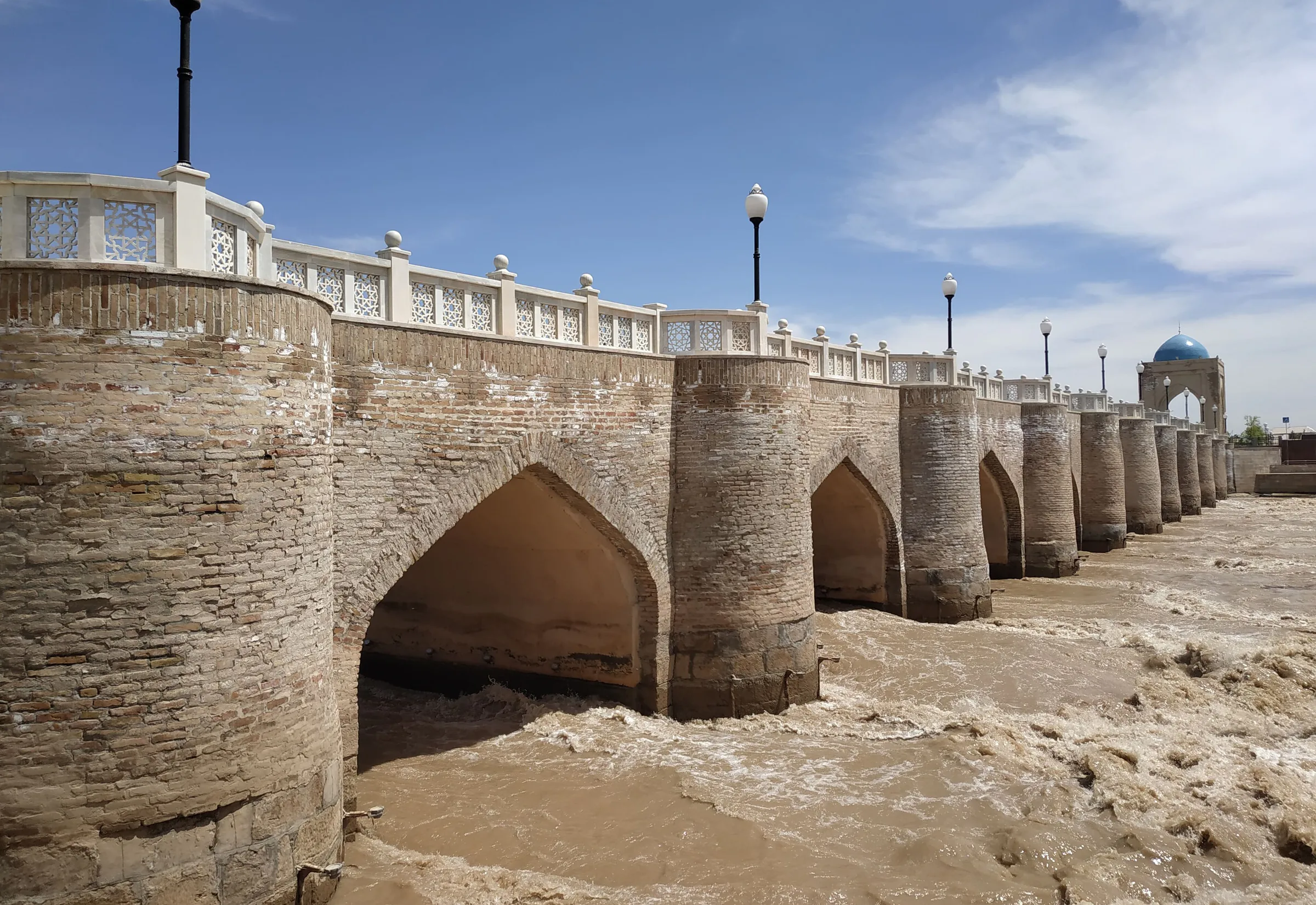
A 16th-century brick bridge over the Kashkadarya and the symbol of Qarshi: 122 m long and 8.2 m wide, restored in 2016.
Qarshi has always sat on caravan routes linking Iran and India with Mawarannahr. A bridge at this crossing is recorded as early as the 15th century, but the present one was built in the second half of the 16th century under Abdullah Khan II of Bukhara, most often dated to 1583. The old bridge could be crossed only on foot; the new one carried riders and carts.
The Hungarian traveller Ármin Vámbéry, here in the mid-19th century, described caravanserais by the bridge, a large bazaar and a garden where townspeople relaxed. In 1914 the bridge was repaired and extended at both ends. Locals sometimes call it Amir Timur’s Bridge, though it has nothing to do with Timur; sources also call it the Shaybani or Nikolaevsky Bridge.
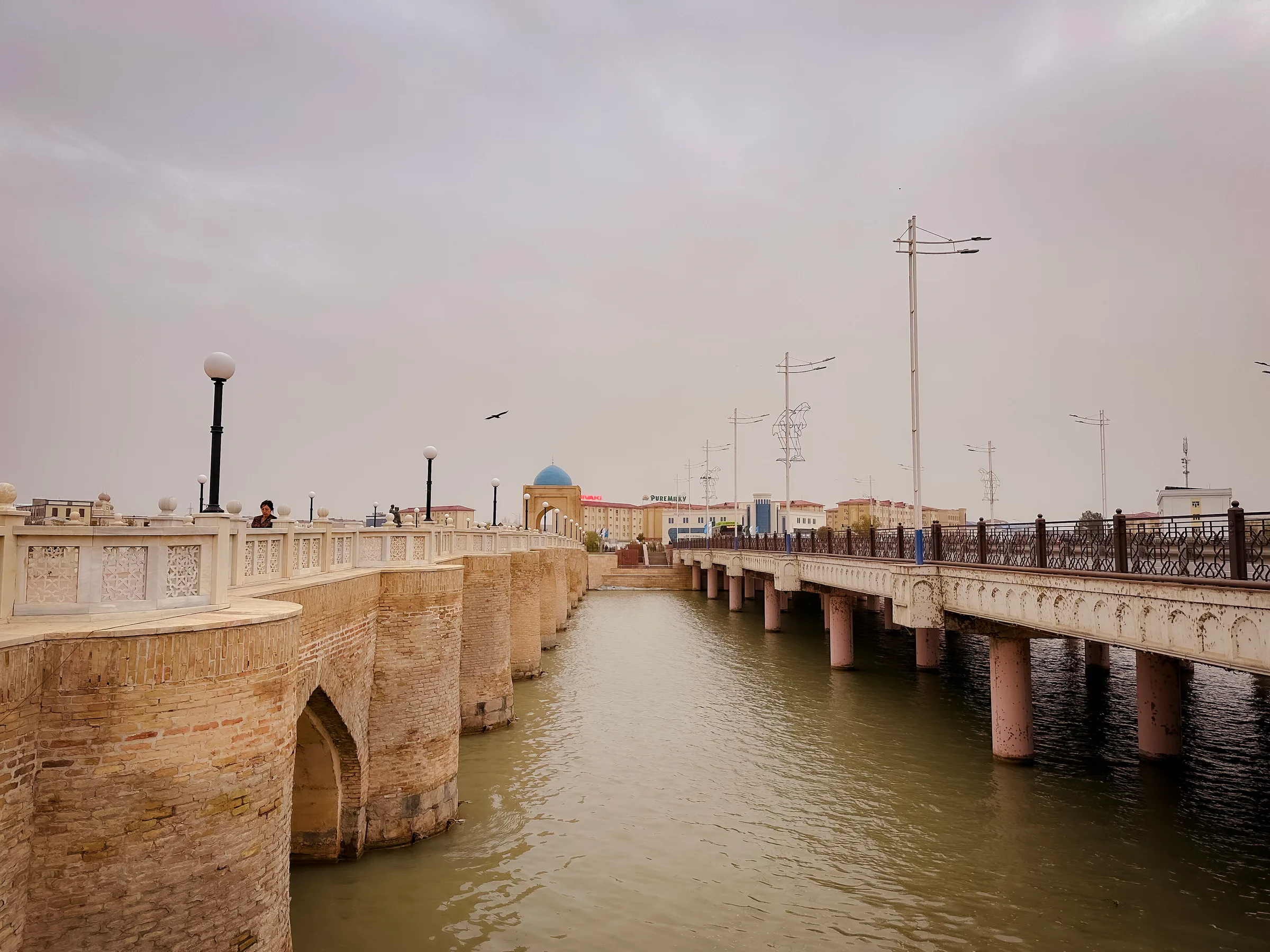
Built of fired brick in a strong mortar, the bridge is 122 m long, 8.2 m wide and more than 5 m above the water. The roadway rests on low, broad arches between twelve massive piers that widen towards the base, with stairways leading down to the water on both sides.
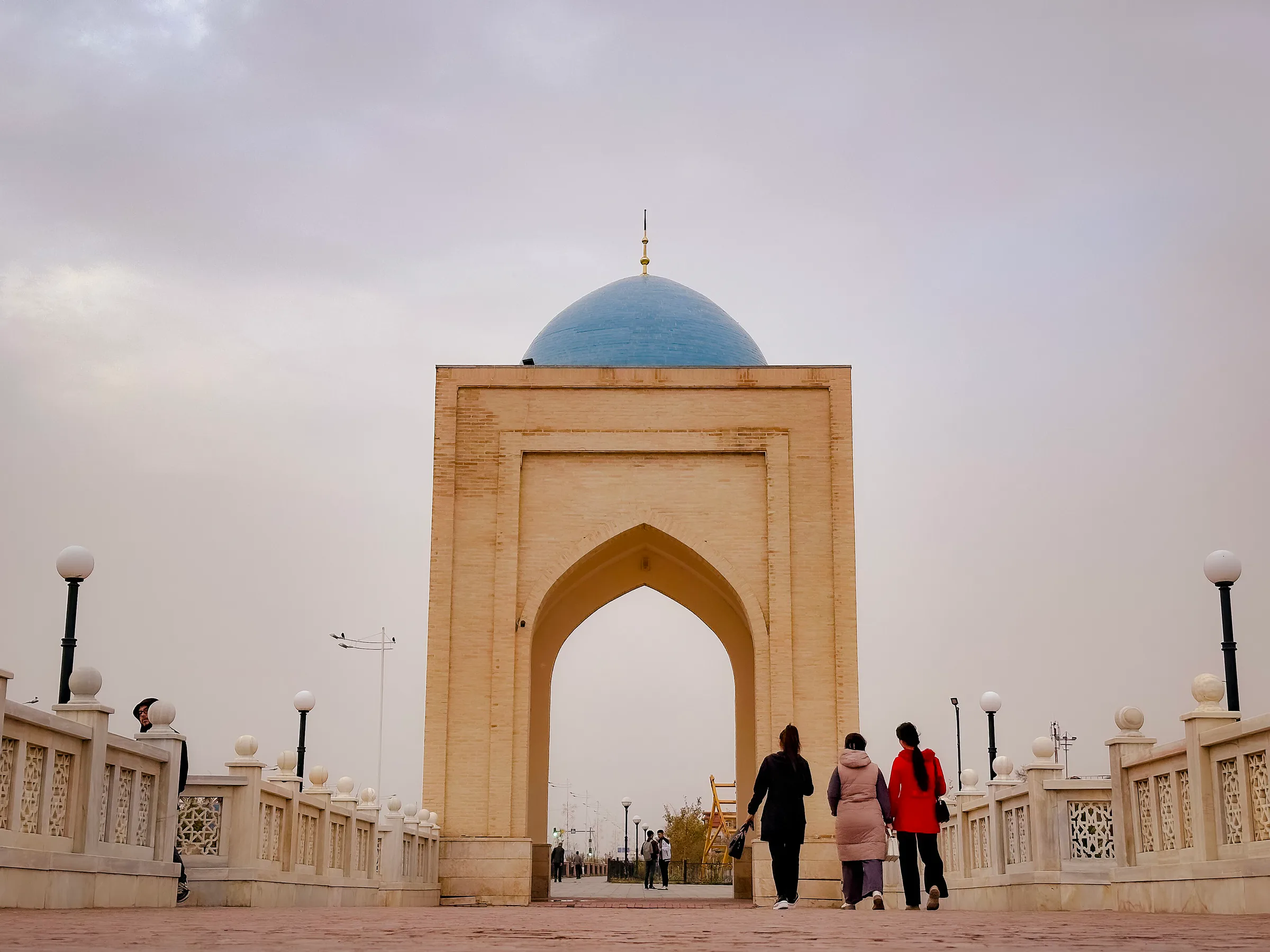
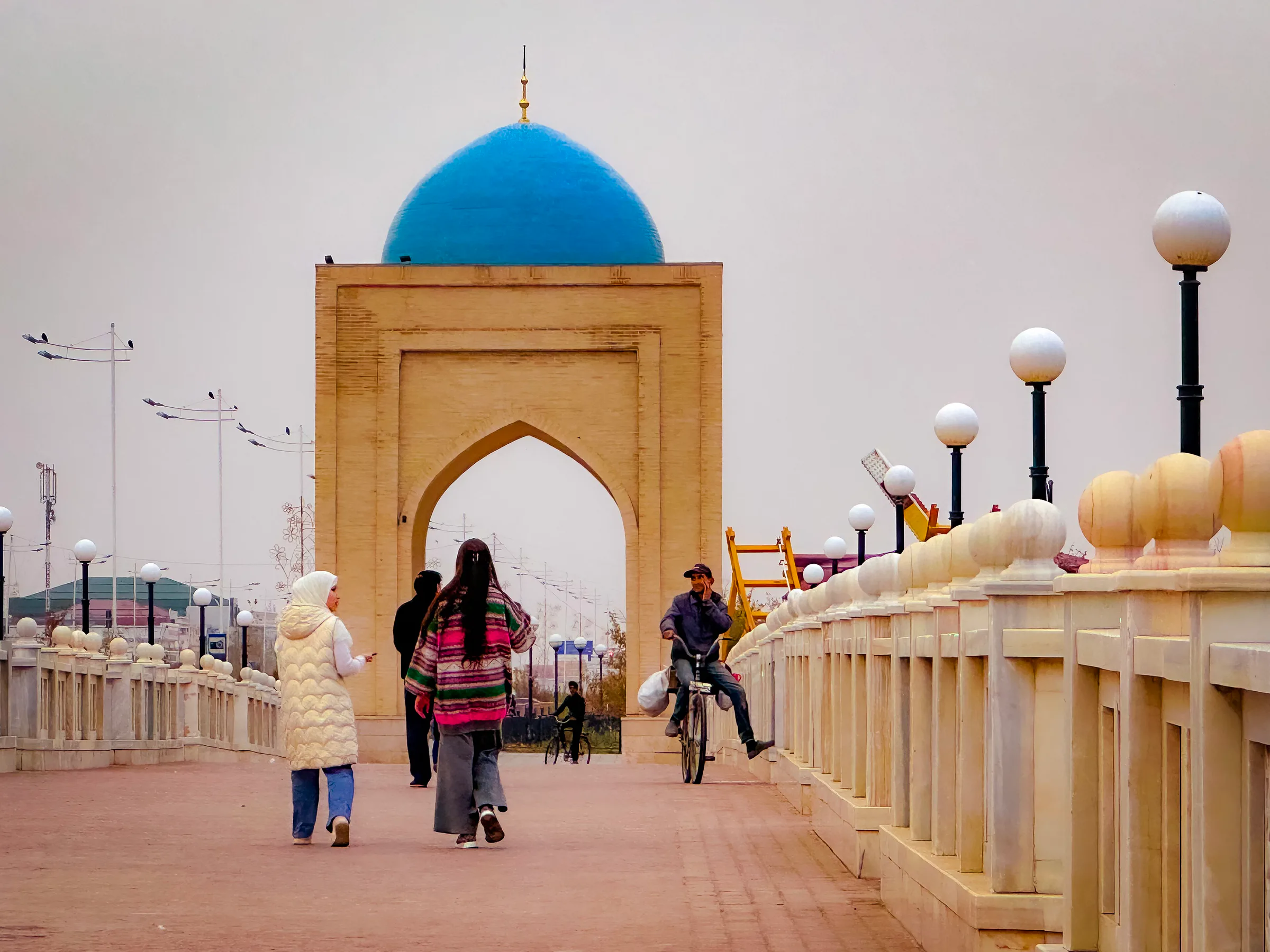
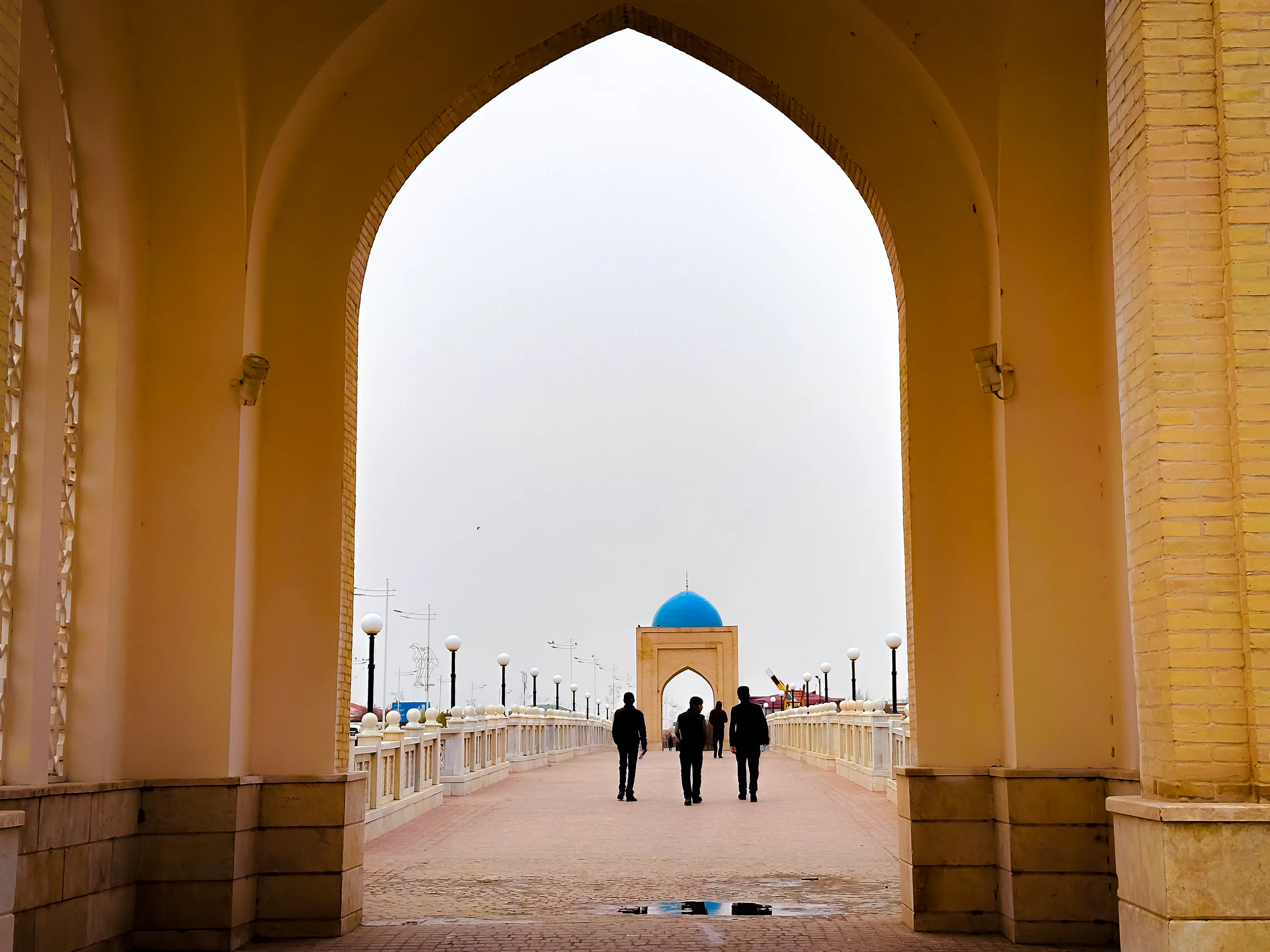
A major restoration in 2016 created a 24-hectare recreation area around it, and the bridge is now a favourite spot for evening strolls.
Mosque · Qarshi City
Qarshi’s oldest building, now a memorial museum
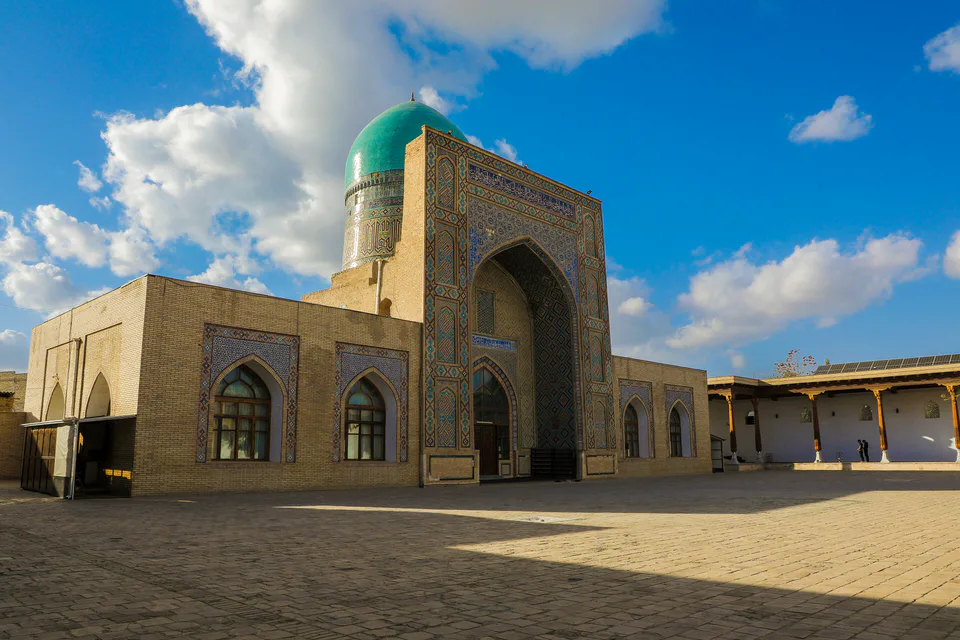
Mosque · Qarshi City
A Friday mosque from the reign of Abdullah Khan II
Museum · Qarshi City
From Nasaf to Qarshi in 38,000 objects
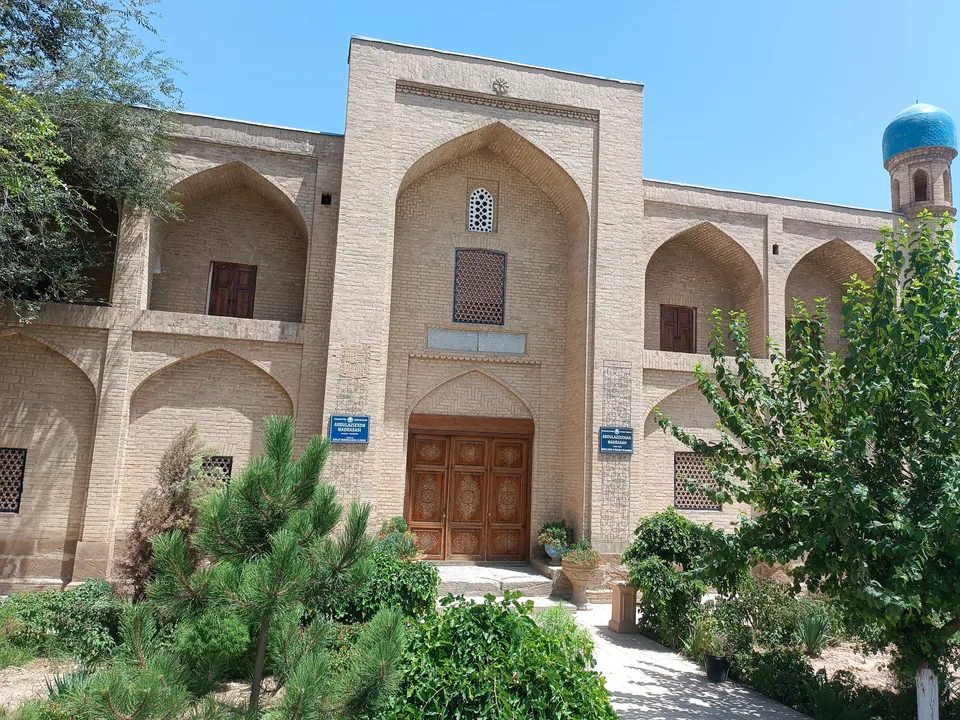
Madrasa · Qarshi City
A two-storey madrasa that long housed the regional museum
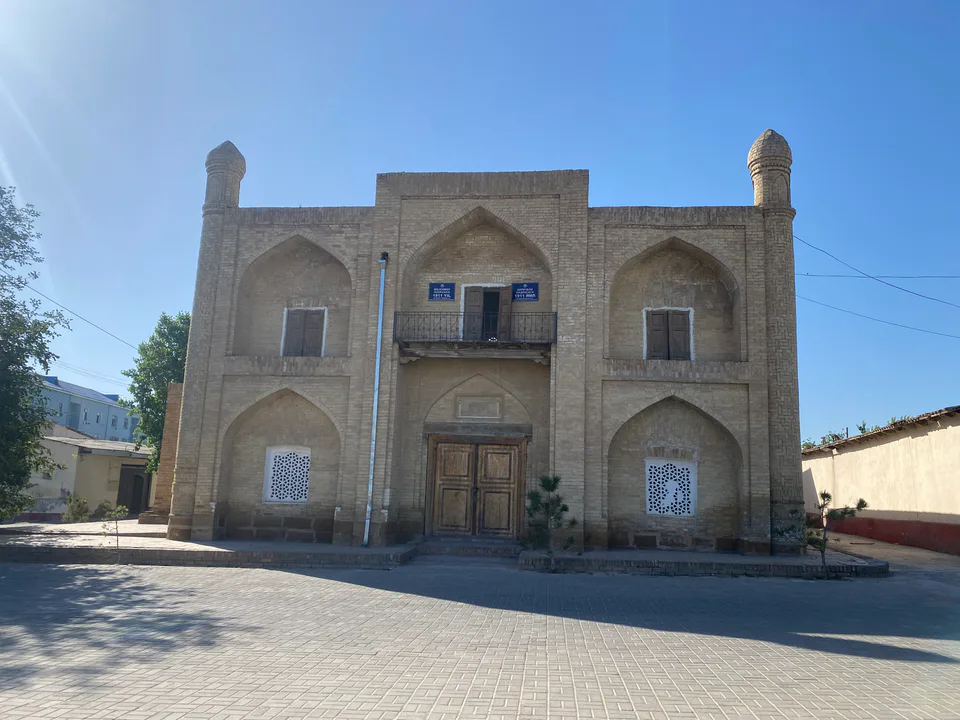
Madrasa · Qarshi City
A small madrasa once used as a prison, now a library and museum
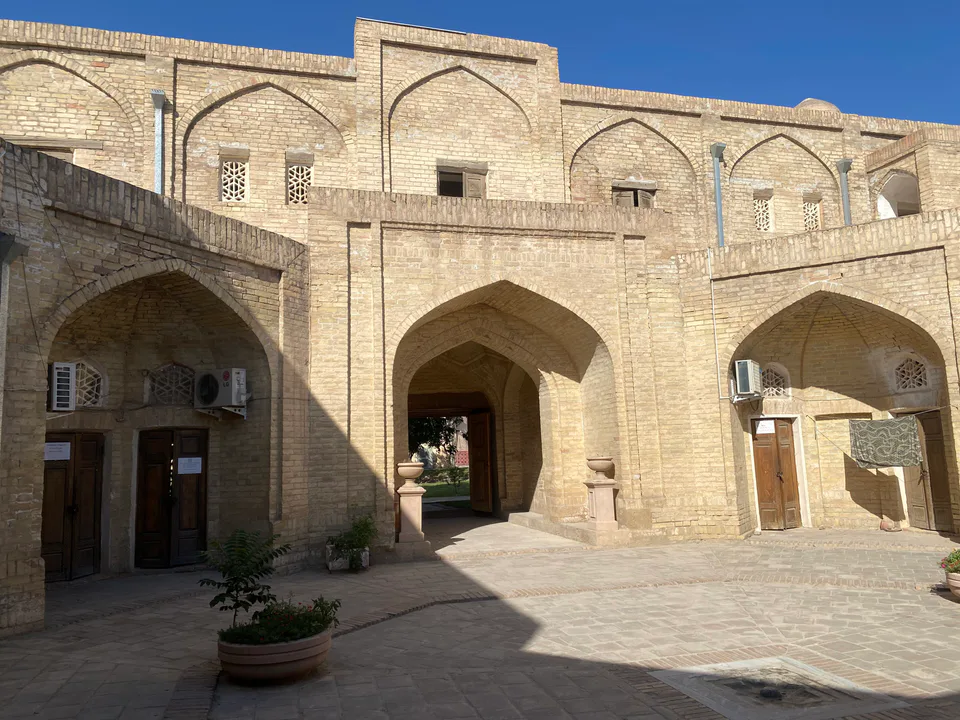
Madrasa · Qarshi City
An untiled Bukhara-style madrasa by the Registan
Archaeology · Koson District
Ancient Nakhshab, first capital of the Qarshi oasis