Museum · Qarshi City
Kashkadarya Regional Museum of History and Culture
From Nasaf to Qarshi in 38,000 objects
Archaeology · Koson District
The ruins of a large ancient city near Qarshi: the capital of Nakhshab arose in the 8th–7th centuries BC and survived until the 6th century AD. The inner city covers some 40 ha.
Yerqo‘rg‘on, “earthen fortress”, is the largest archaeological site in the Kashkadarya oasis and the capital of Nakhshab, the southern province of ancient Sogdiana. The city grew up in the Kashkadarya delta in the 8th–7th centuries BC, walled from the start. It later expanded, and in the 2nd century BC an outer wall was built around the inner city, bringing the total area to about 150 ha.
Life continued here until the 6th century AD. Uzbek scholars believe the city was burned and destroyed when the Turkic Khaganate and the Sasanians campaigned against the Hephthalites. The centre of the oasis then shifted to where Nasaf and later Qarshi grew up.
S. K. Kabanov carried out the first excavations in 1948, and M. E. Masson’s team worked here in 1965. Large-scale research began in 1971 with the founding of the Institute of Archaeology of the Uzbek Academy of Sciences. Over more than twenty years archaeologists uncovered the citadel, a palace complex, a city temple, a Zoroastrian dakhma, a mausoleum of the urban elite, potters’ and metalworkers’ quarters and the fortifications.
The inner city is a neat pentagon of about 40 ha, dotted with more than twenty mounds, the ruins of houses and public buildings; the tallest proved to be the ruler’s palace.
Museum · Qarshi City
From Nasaf to Qarshi in 38,000 objects
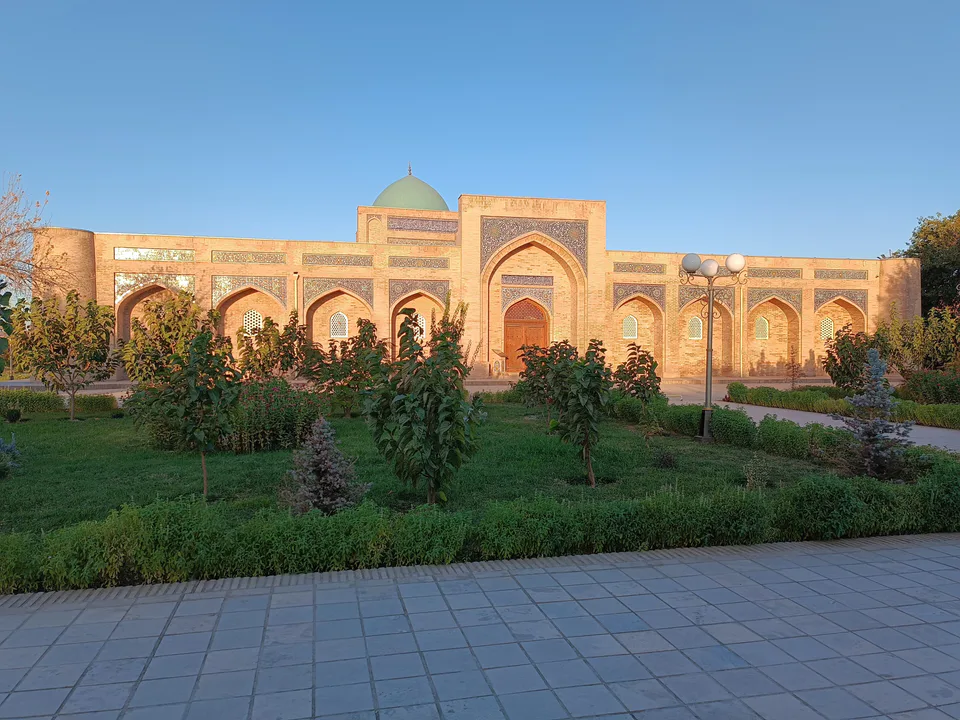
Mosque · Qarshi City
Qarshi’s oldest building, now a memorial museum
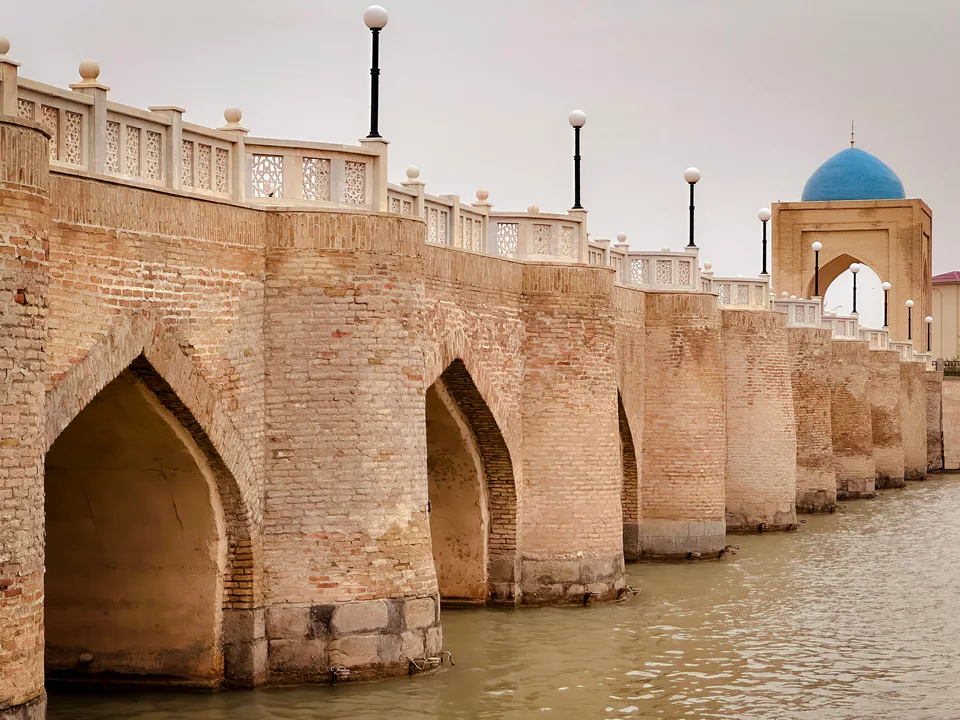
Ensemble · Qarshi City
A 122-metre brick bridge from the reign of Abdullah Khan II
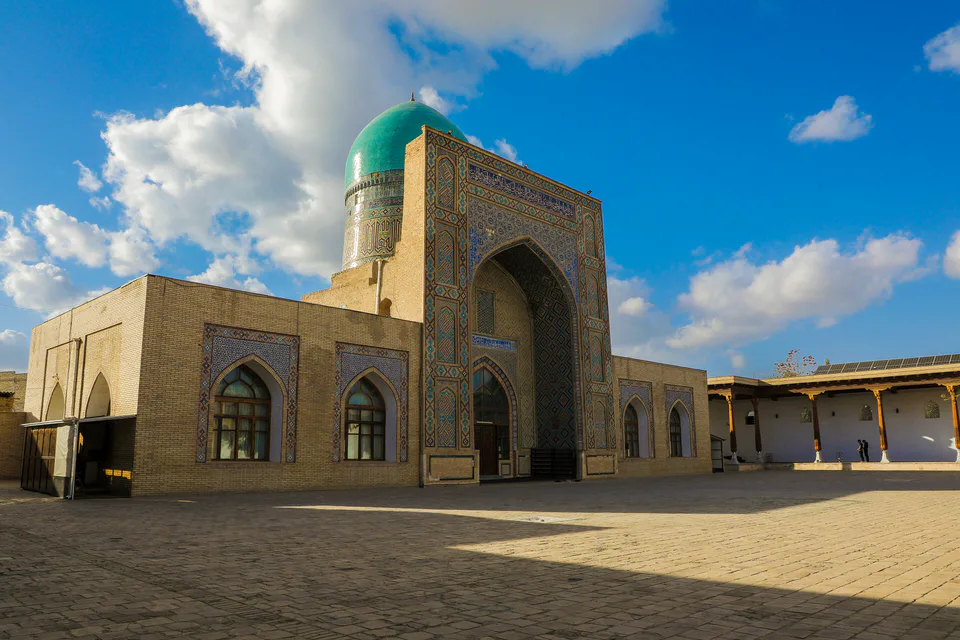
Mosque · Qarshi City
A Friday mosque from the reign of Abdullah Khan II
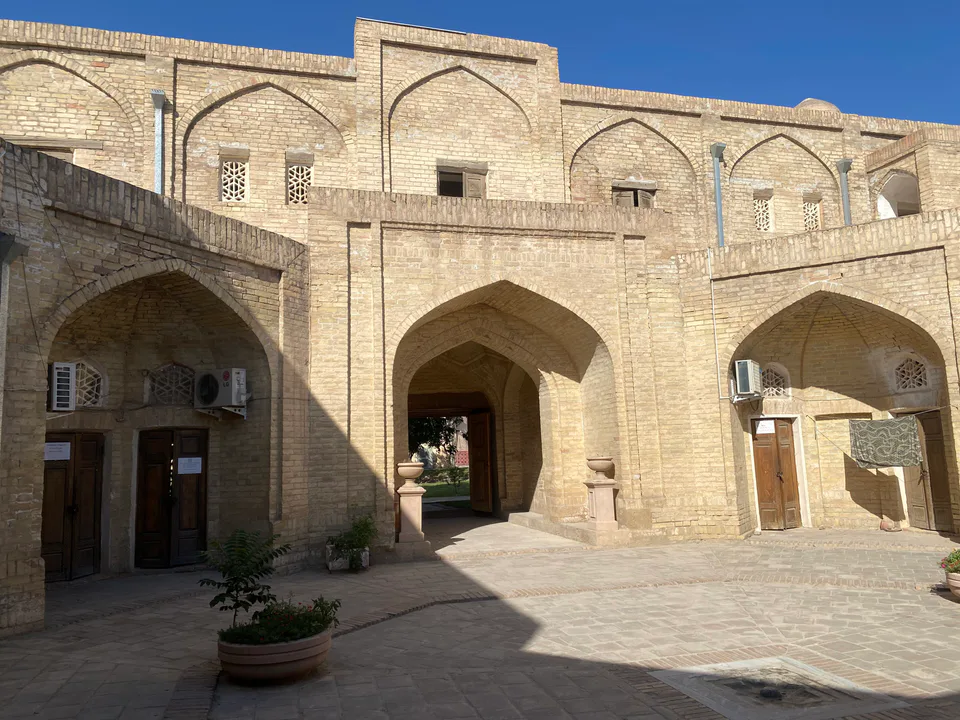
Madrasa · Qarshi City
An untiled Bukhara-style madrasa by the Registan
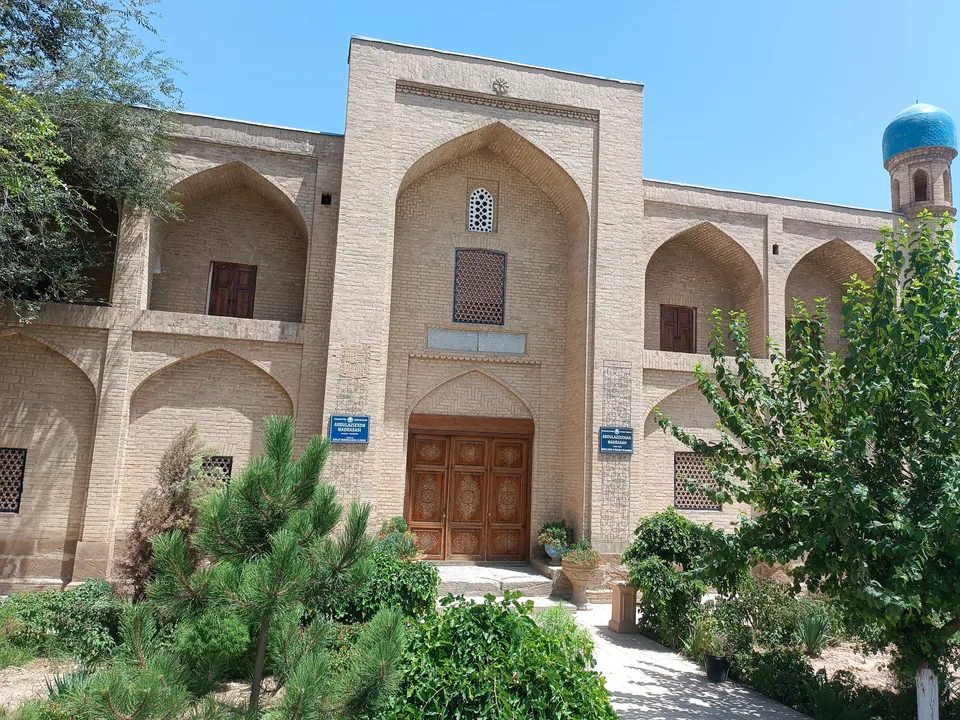
Madrasa · Qarshi City
A two-storey madrasa that long housed the regional museum
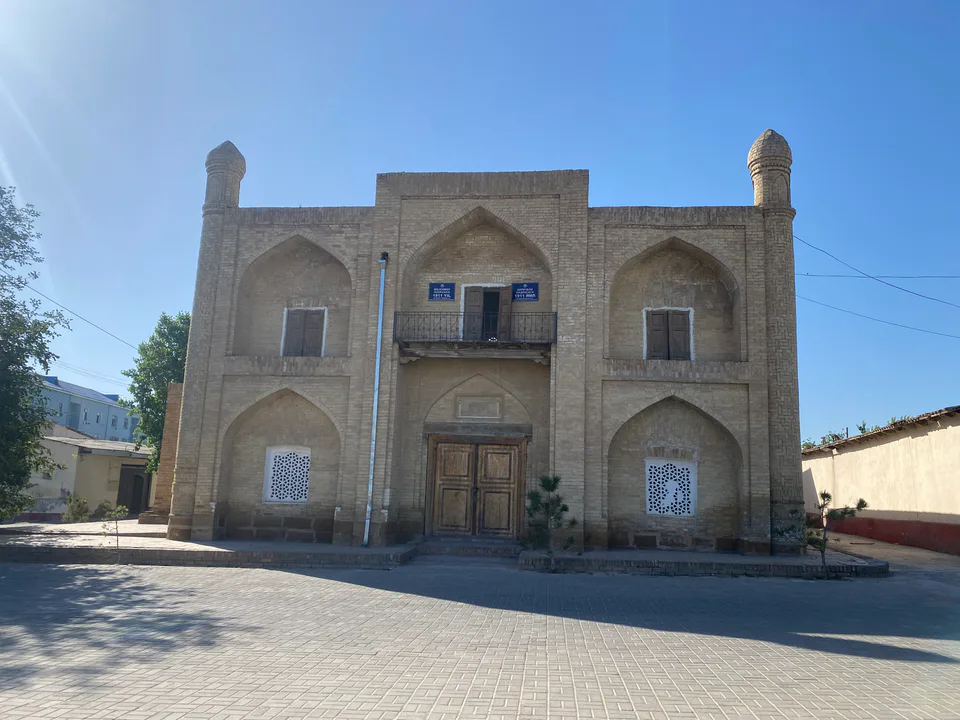
Madrasa · Qarshi City
A small madrasa once used as a prison, now a library and museum