Archaeology · Karmana District
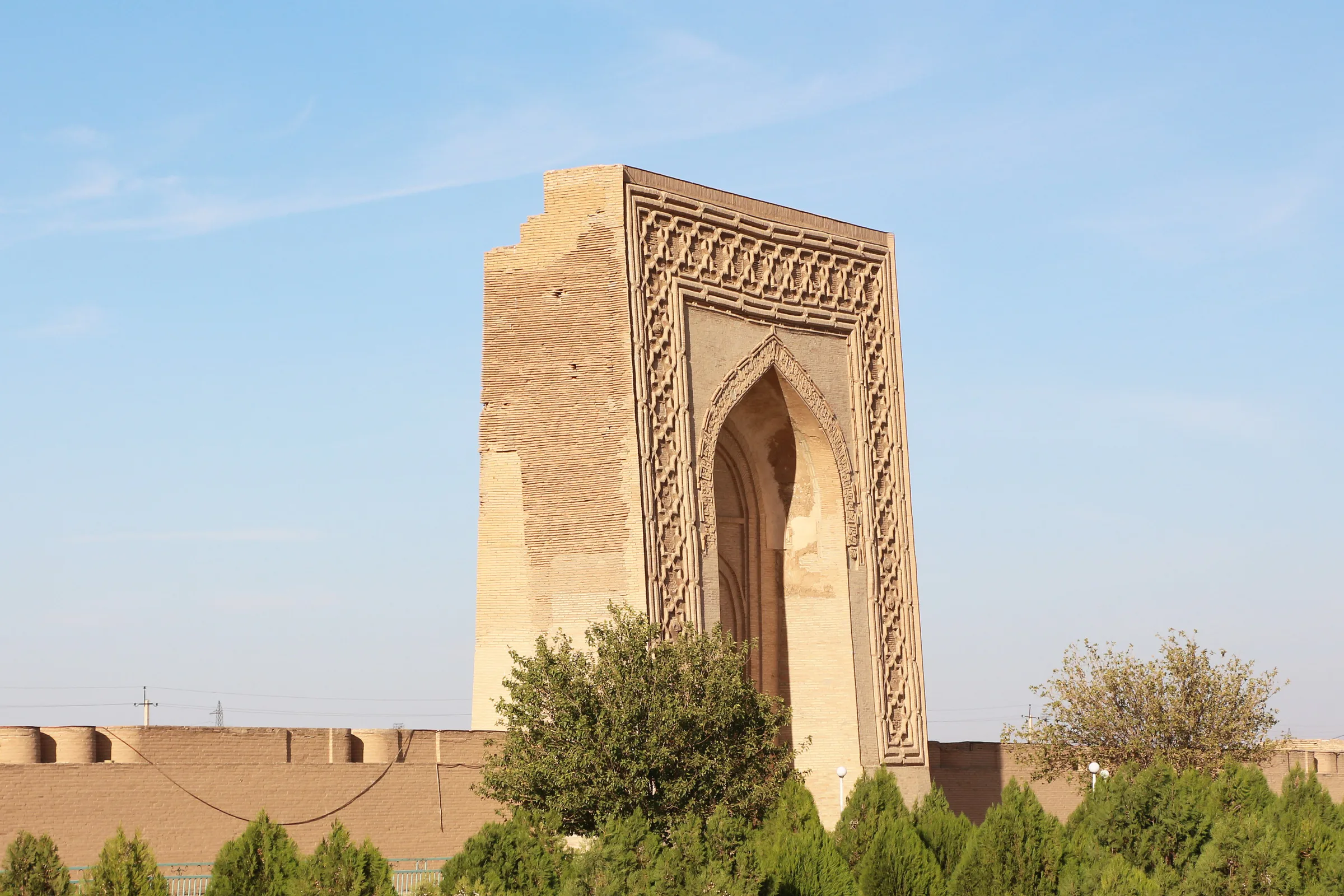
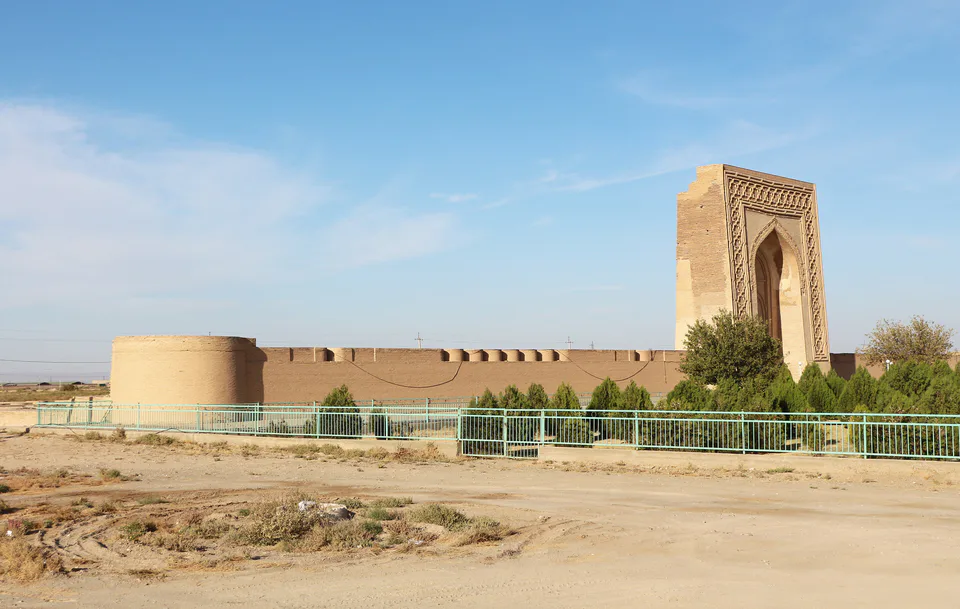
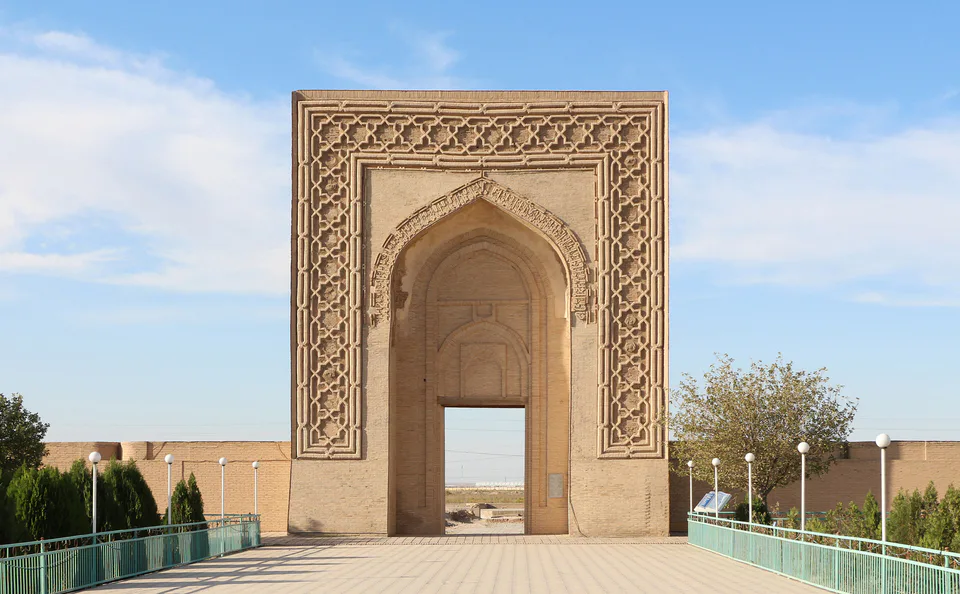
Rabati Malik
The Qarakhanids' 'royal fortress' in the steppe
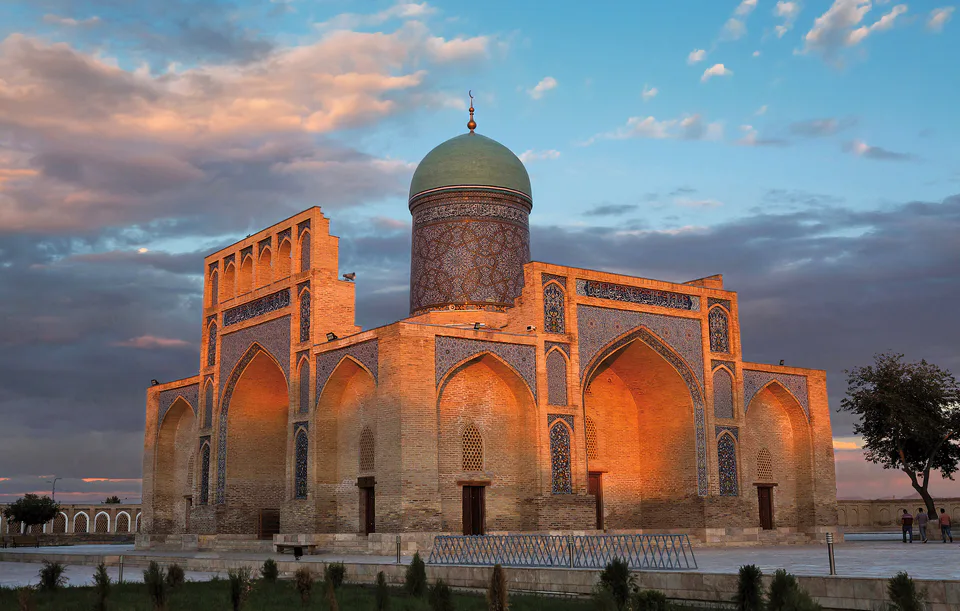
Kyzylkum gold and Silk Road monuments
Uzbekistan's largest region spans the Kyzylkum Desert, the Nuratau Mountains and Aydarkul Lake, and is home to Rabati Malik, the Sarmishsay petroglyphs and one of the world's biggest gold deposits.
Navoiy Region sits in the centre of the country, bordering Kazakhstan, the Republic of Karakalpakstan and the Bukhara, Samarkand, Jizzakh and Qashqadaryo regions. Official statistics give its area as 109,500 km² (2026), making it the largest of Uzbekistan's regions (only the Republic of Karakalpakstan is bigger) — and one of the most thinly populated.
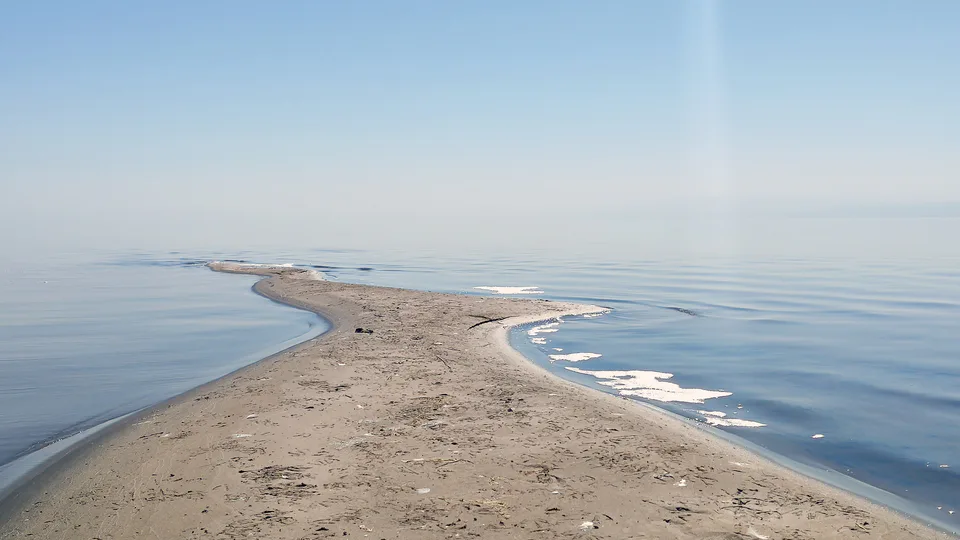
The Kyzylkum plateau covers the north-west, the Nuratau ranges run along the east and the Zarafshan River fringes the south. The climate is sharply continental, desert and dry. Aydarkul in the north-east, formed after the 1969 flood, is now one of the country's largest lakes, while the Tudakul reservoir in Qiziltepa District is a haven for waterbirds.
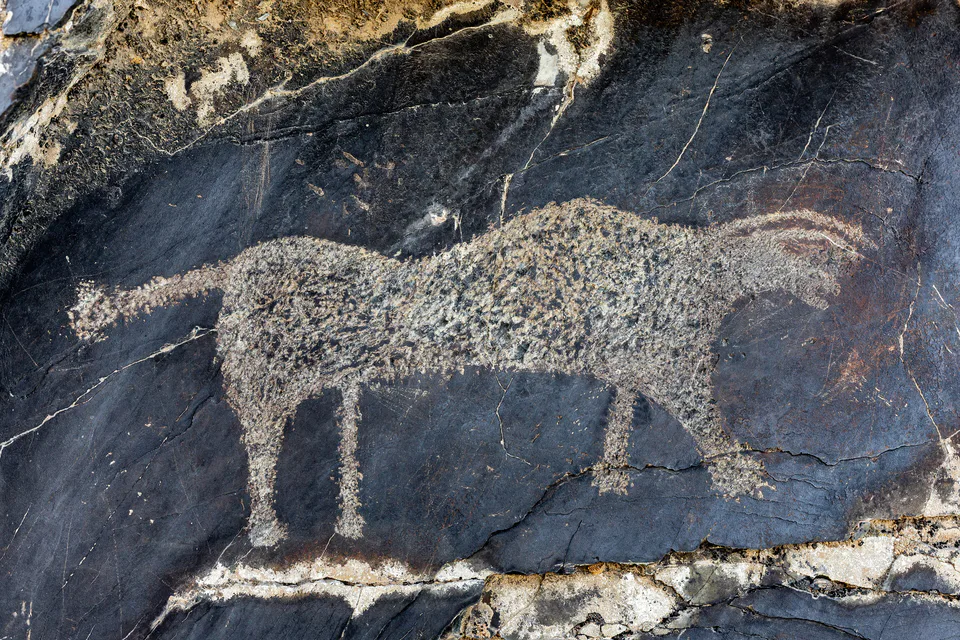
People have lived in the Zarafshan valley and the Nuratau foothills since remote antiquity: the oldest of the thousands of rock carvings in the Sarmishsay gorge are dated to the 9th millennium BC. In the Middle Ages Karmana was a major town on the Samarkand–Bukhara road, the Qarakhanids built their 'royal fortress' of Rabati Malik beside it, and Nur (Nurota) was already a famous shrine in Narshakhi's day. From the 16th century these lands belonged to the Bukhara Khanate and later the Emirate; Emir Abdulahad Khan spent much of his life in Karmana and is buried there.
Navoiy Region was created on 20 April 1982 from parts of the Bukhara and Samarkand regions and Karakalpakstan. It was merged into Samarkand Region in 1988 and restored on 27 January 1992. The region and its capital are named after the great poet Alisher Navoiy.
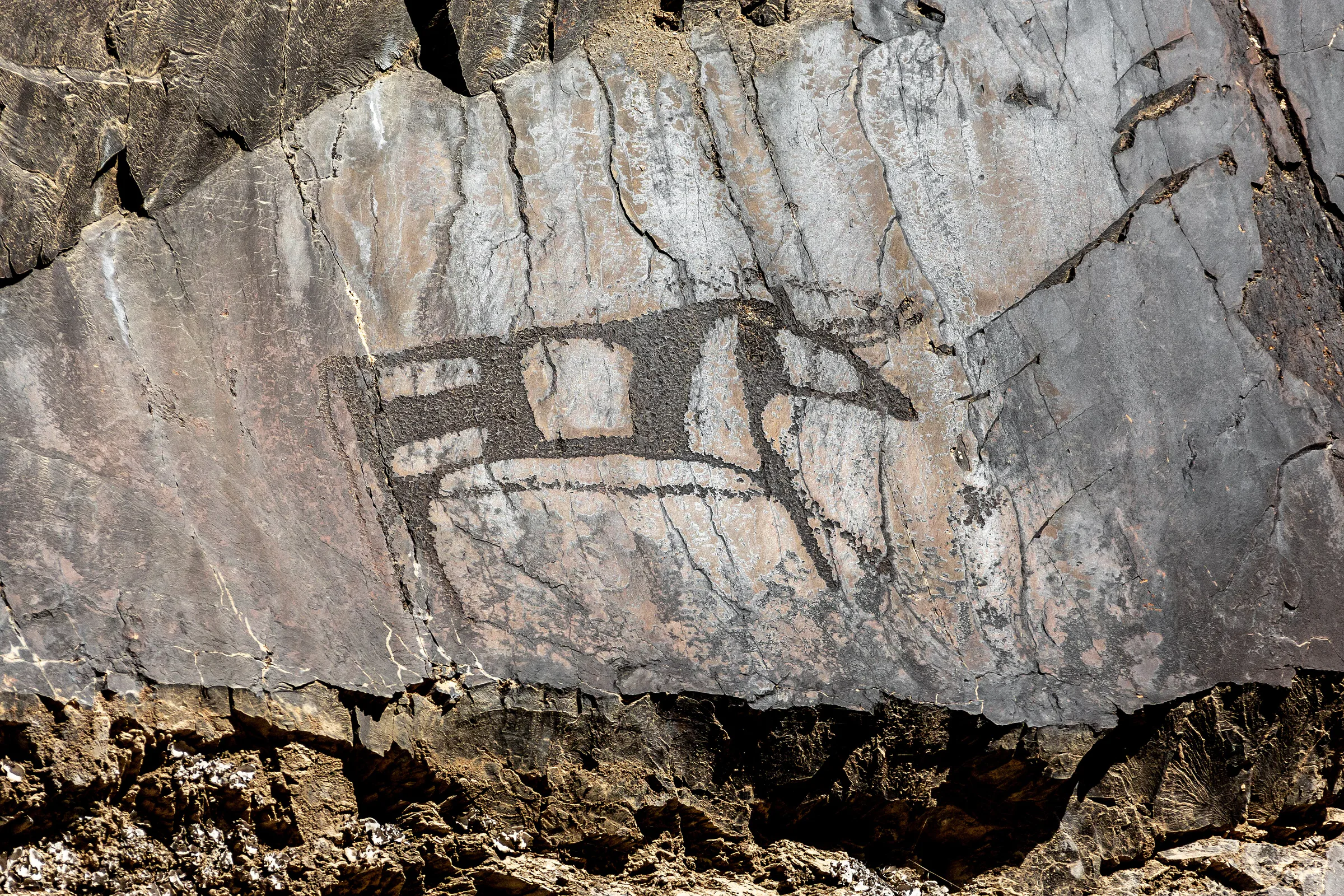
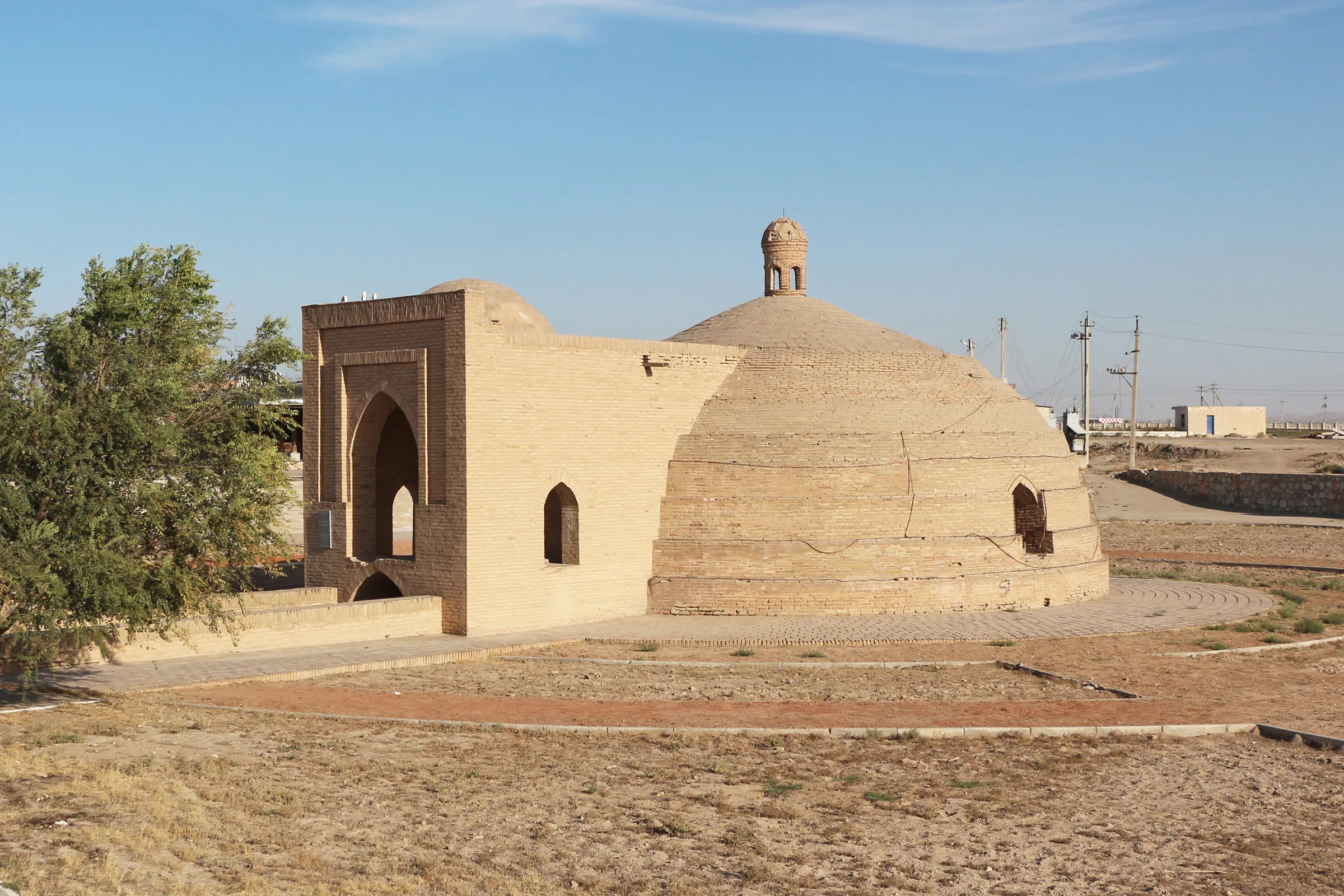
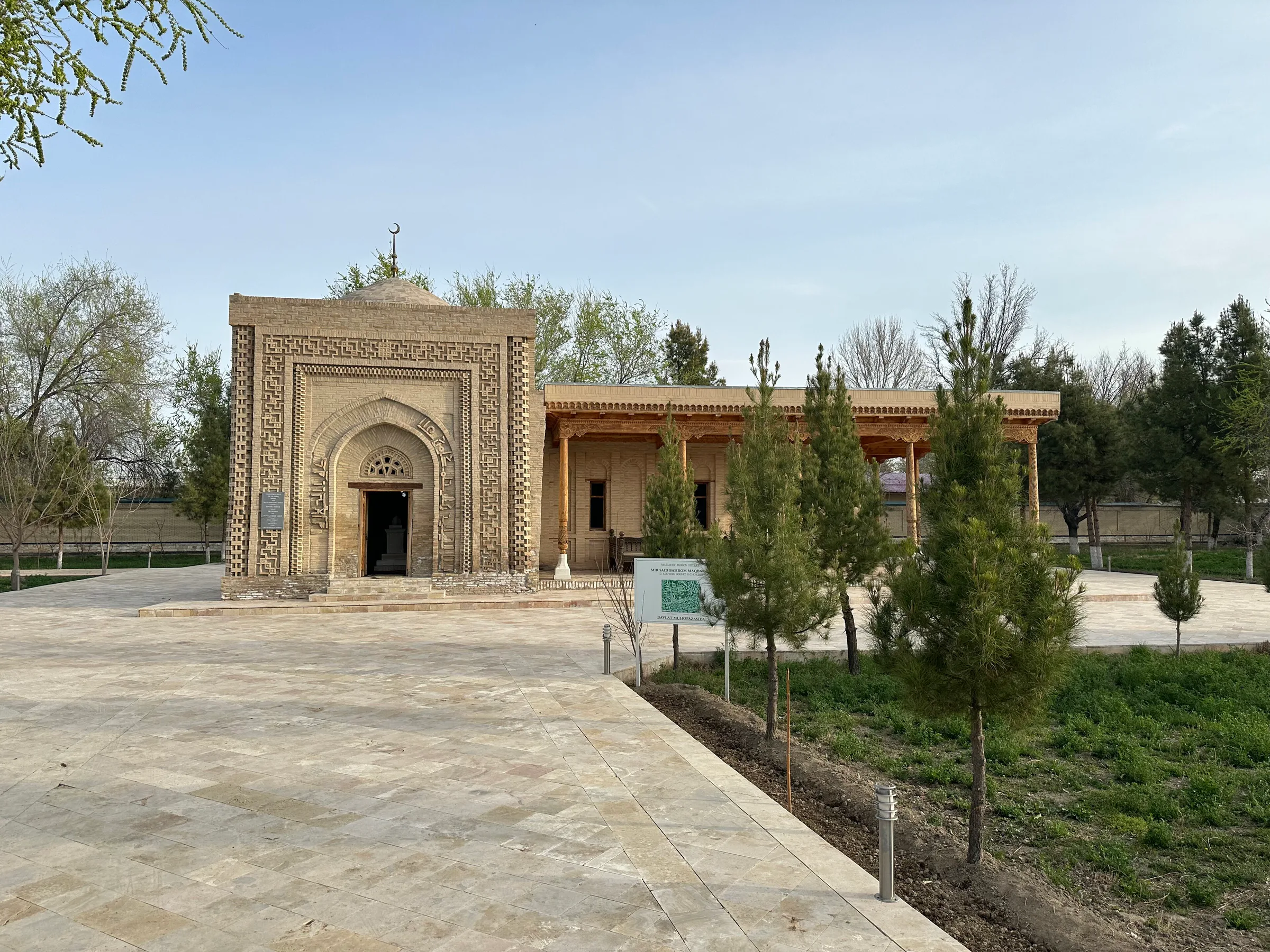
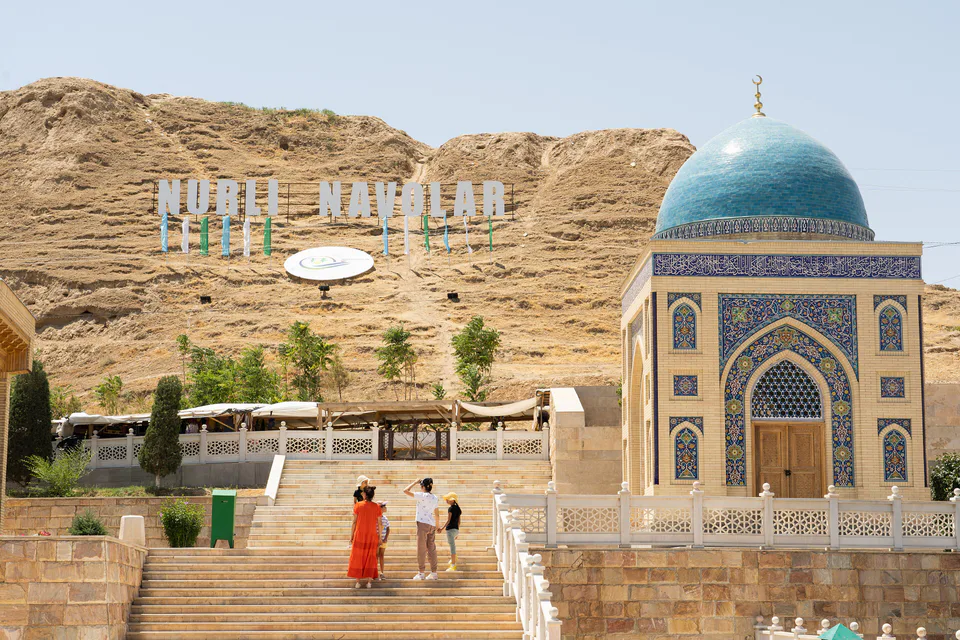
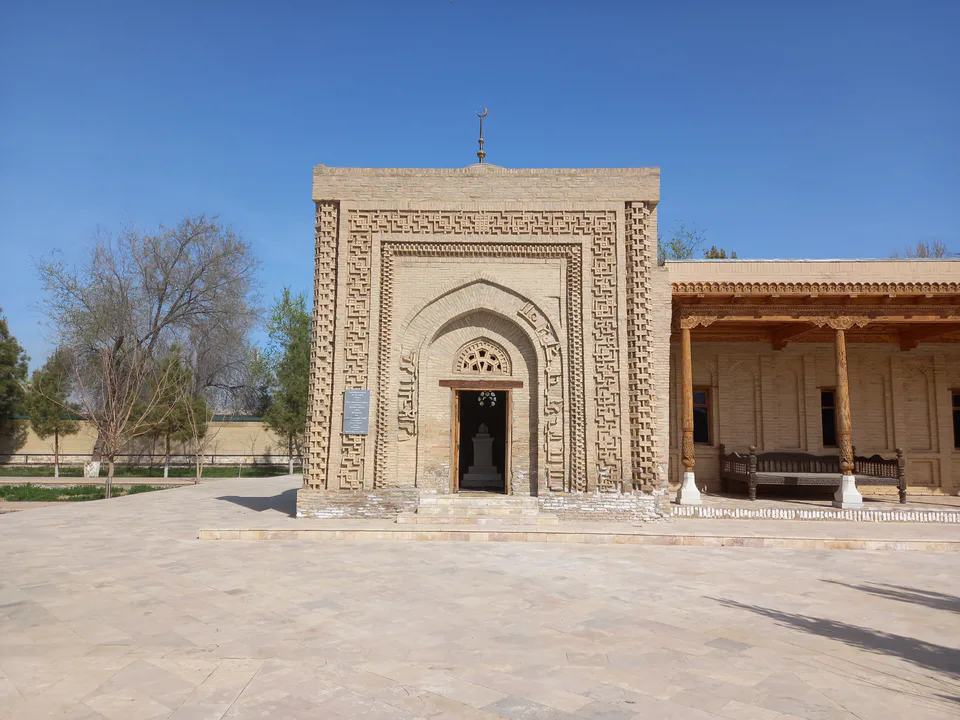
In 2023 four of the region's monuments joined the UNESCO site Silk Roads: Zarafshan-Karakum Corridor: the Rabati Malik caravanserai and its sardoba, the Qosim Sheikh complex and Mir Said Bahrom Mausoleum in Karmana, and the Deggaron Mosque in Hazora. The Sarmishsay gorge in Navbahor District is an open-air museum-reserve with more than 5,000 petroglyphs and is on UNESCO's Tentative List.
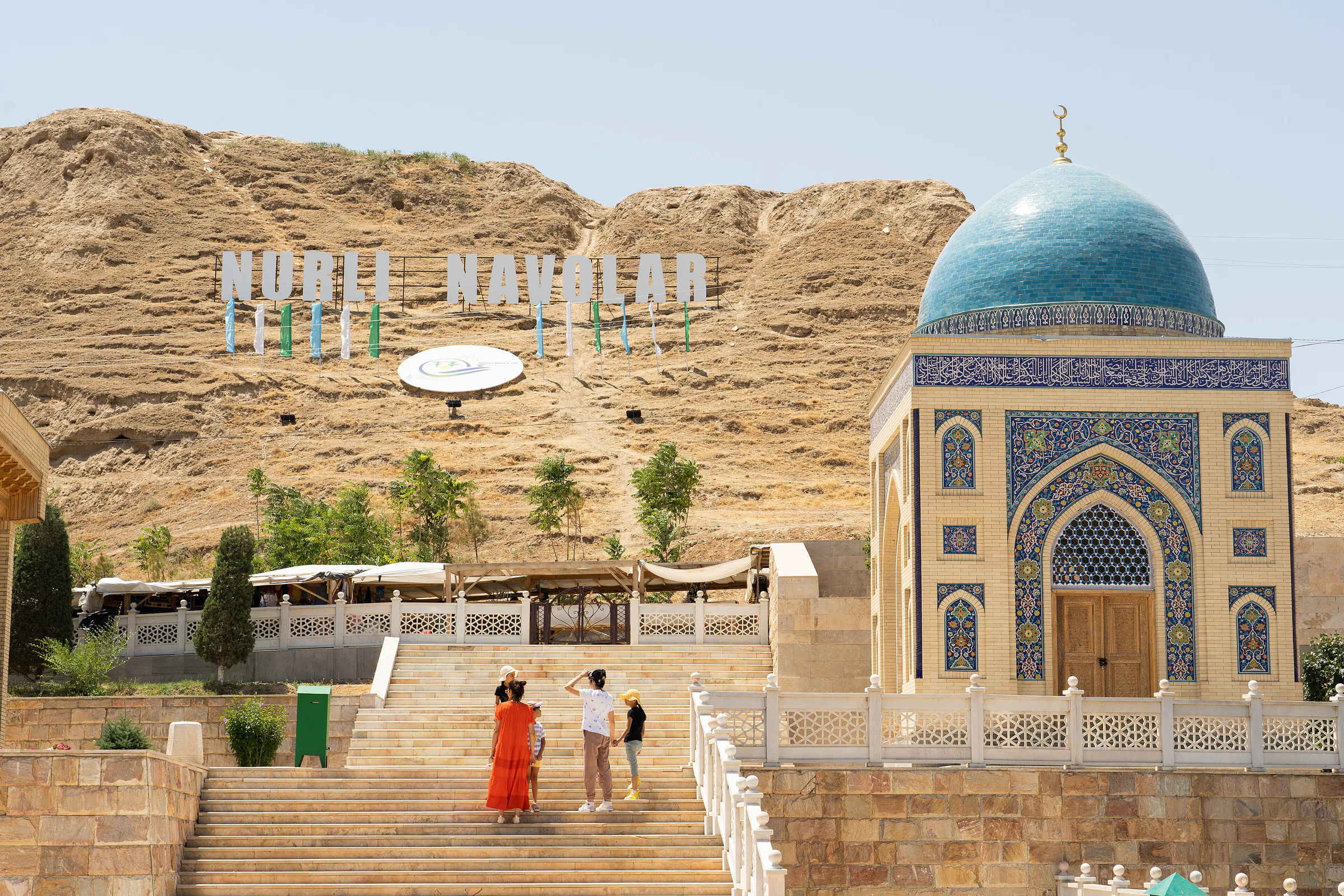
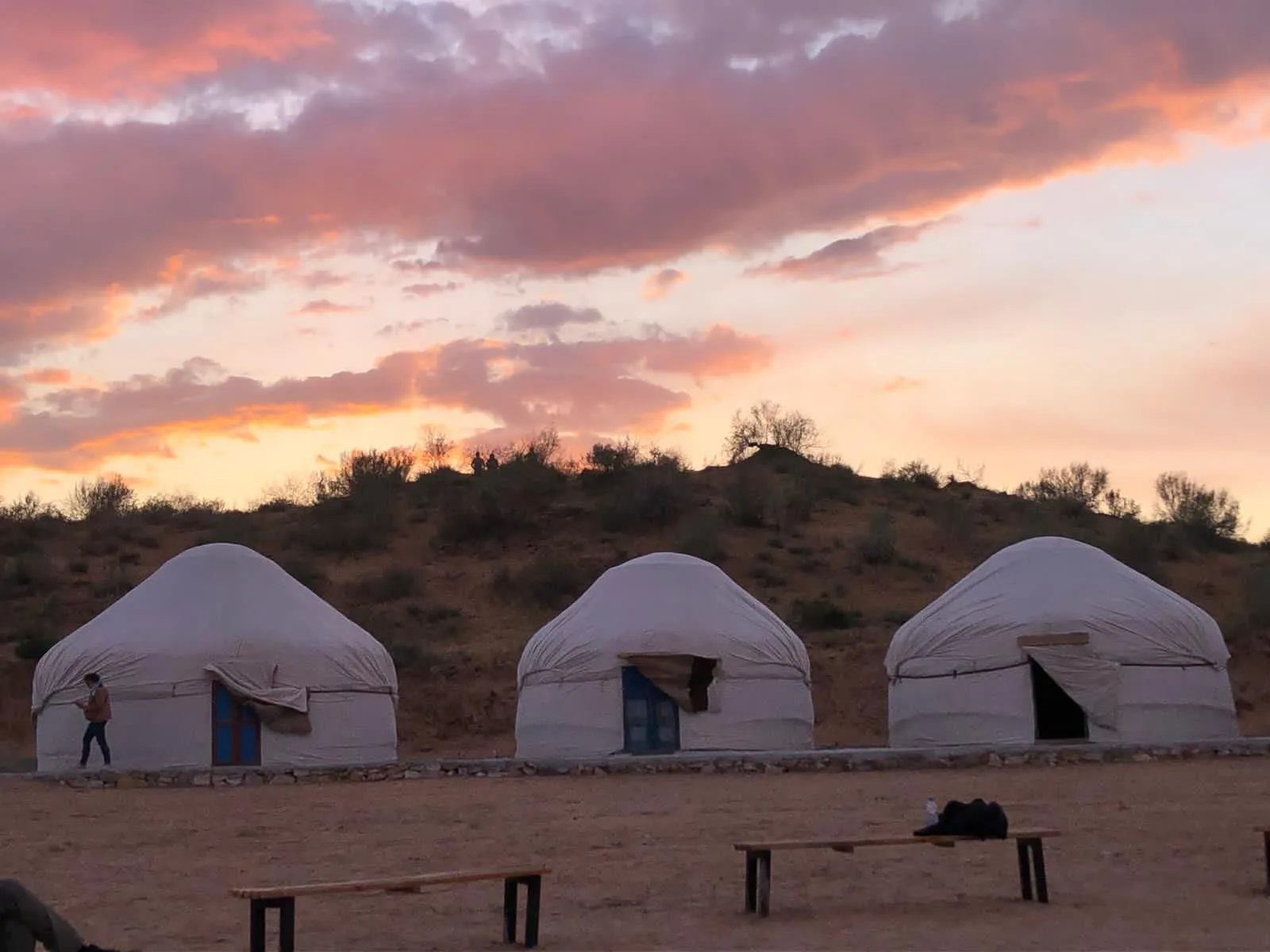
In Nurota you'll find the Chashma complex over a sacred spring and the ancient Nur fortress; to the north-east lie the yurt camps by Aydarkul and the mountain village of Sentob in the Nuratau. Deep in the Kyzylkum is Jaraquduq, with its dinosaur beds and Stone Forest.
Where desert, mountains and lakes meet, protected areas abound. BirdLife International lists the Nuratau Mountains as an Important Bird Area, with breeding Egyptian and cinereous vultures and saker falcons. The Aydar-Arnasay lake system and the Tudakul reservoir are Ramsar wetlands of international importance.
The Kyzylkum holds the Oqtogʻ-Tomdi state reserve and the Central Kyzylkum national nature park, with the Qarnobchoʻl sanctuary in Qiziltepa District and the Oqtov sanctuary in Nurota District. Desert monitors and Russian tortoises live in the sands, Kyzylkum argali (Severtsov's sheep) roam around Sarmishsay, and the Jaraquduq canyons have yielded Late Cretaceous dinosaur remains.
On 1 January 2026 the region had 1,111,898 inhabitants. It is divided into 8 districts and three cities of regional status — Navoiy, Zarafshon and Gʻozgʻon — and has 7 towns and 46 urban-type settlements in all. Xatirchi District is the most populous (219,200) and Tomdi the least (15,200).
The economy rests on mining and metallurgy, chemicals and building materials. The region holds large reserves of gold, uranium, phosphorites, quartz sand, granite and marble. Muruntau in Tomdi District is one of the world's largest gold deposits, and the Navoi Mining and Metallurgical Company ranks among the world's major producers of gold and uranium; the towns of Navoiy, Zarafshon and Uchquduq grew up around its operations.
The Navoiyazot chemical plant, a thermal power station and a free economic zone have made the region one of the country's main industrial hubs. Farming centres on cotton, grain and karakul sheep, and marble from Gʻozgʻon and Nurota is known throughout Uzbekistan.
Gʻozgʻon keeps a stone-carving school handed down through generations — the architect Abdurahim Gʻozgʻoniy, who built Emir Abdulahad Khan's tomb and the Mirzachorbogʻ residence, came from here. Nurota's craftsmen have long been known for carpentry, ironwork, pottery, copperware, embroidery and jewellery.
Navoiy lies on the Tashkent–Samarkand–Bukhara railway and the M37 highway, with Navoiy International Airport close by and flights from Zarafshon airport to Tashkent. The Tashkent–Turkmenistan and Tashkent–Uchquduq rail lines cross the region.
Karmana's monuments and Rabati Malik can be seen in half a day from Navoiy. Drive to Sarmishsay, Nurota and Aydarkul, but venture into the deep Kyzylkum only by 4×4 with a local guide.
Archaeology · Karmana District
The Qarakhanids' 'royal fortress' in the steppe
Nature · Nurota District
A 'sea in the sand' in the Kyzylkum
Pilgrimage site · Nurota District
A healing spring and the 'light of Bukhara'
Archaeology · Navbahor District
Ten thousand years of history carved in stone
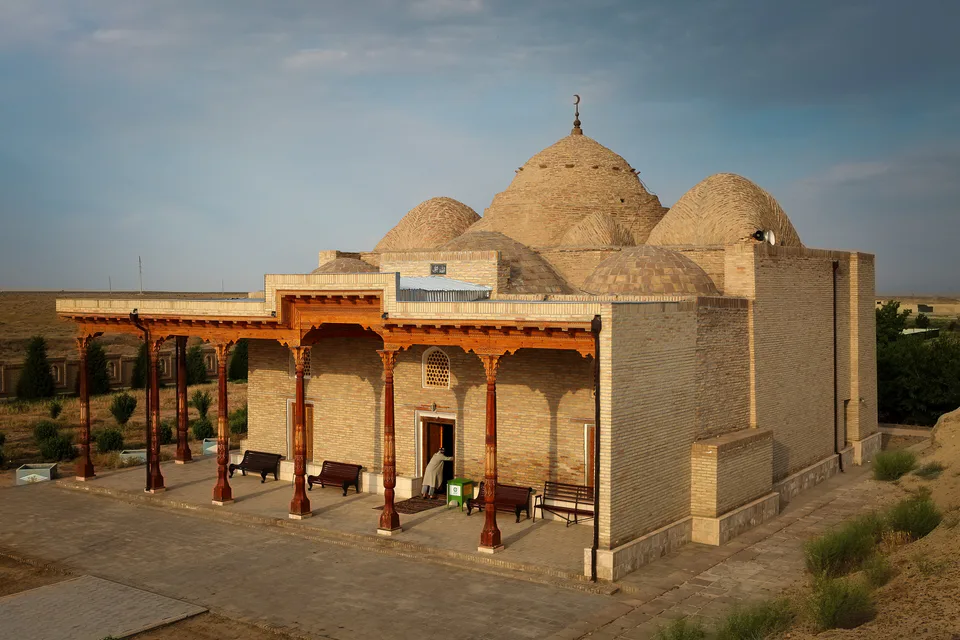
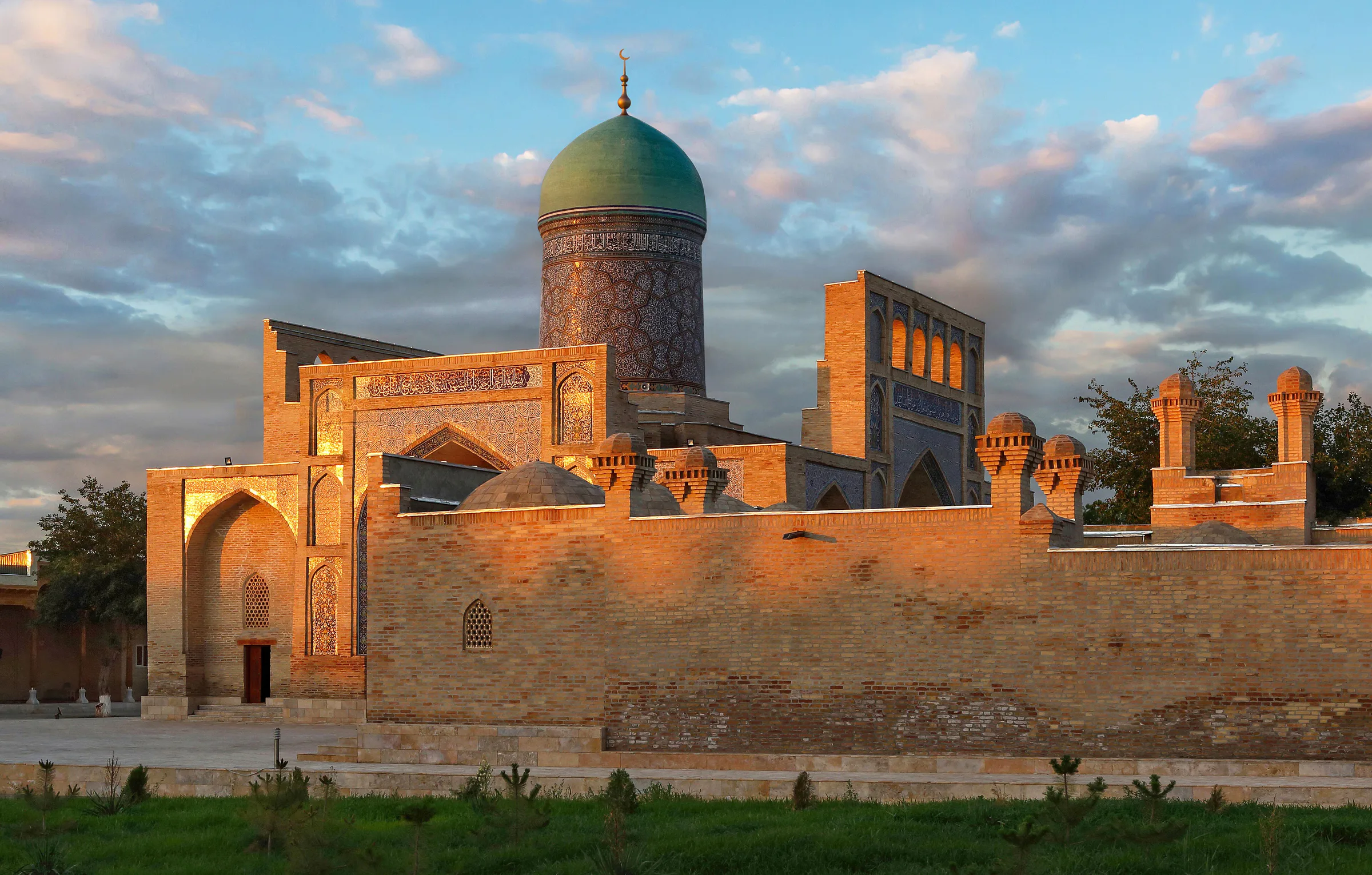
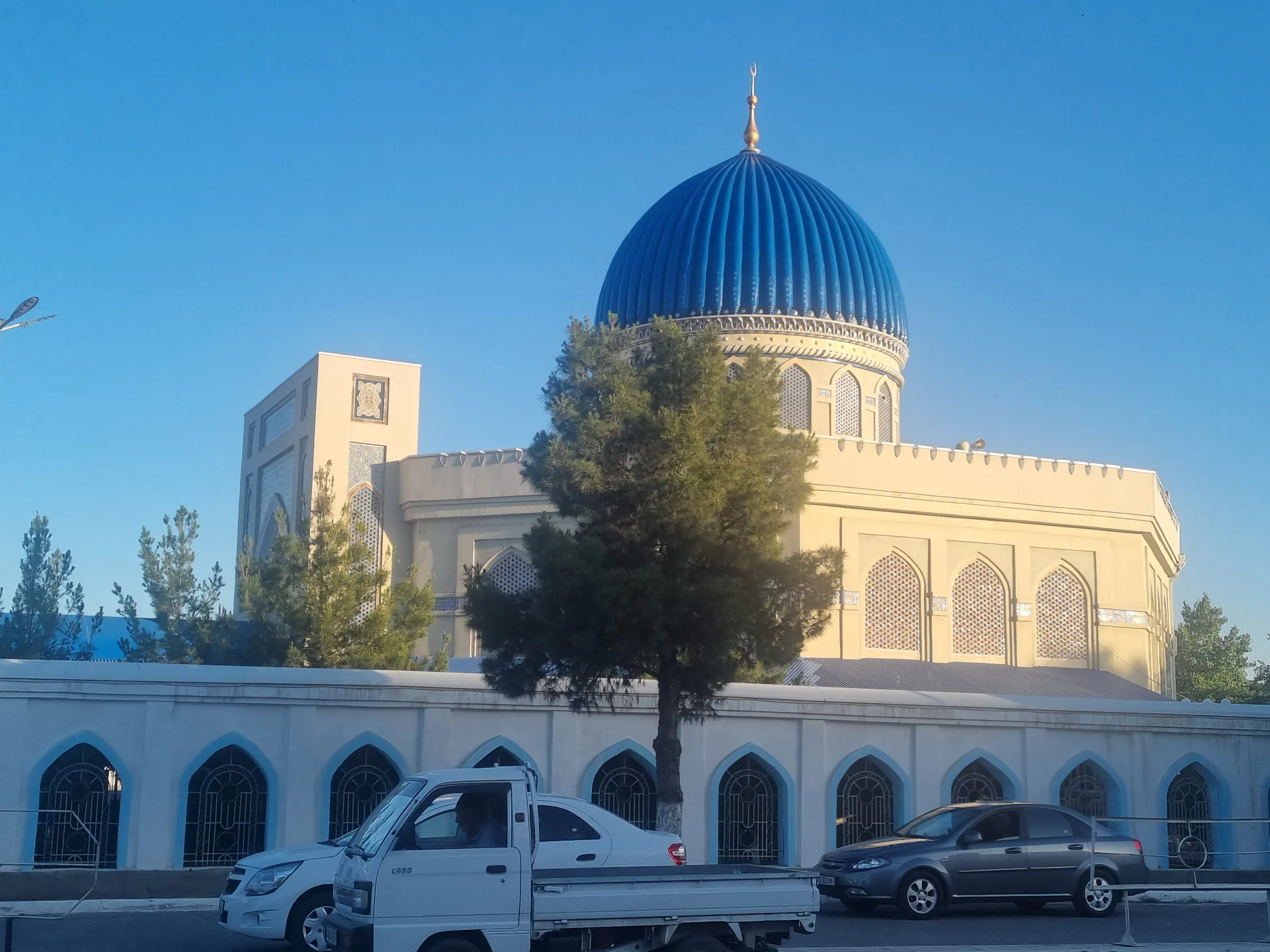
Mosque · Karmana District
A dome on four pillars — one of Uzbekistan's oldest mosques
Mausoleum · Karmana District
Karmana's cousin of the Samanid Mausoleum
Pilgrimage site · Karmana District
The lodge of the sheikh who saved Abdullah Khan II
Nature · Uchquduq District
A Cretaceous seashore in the middle of the Kyzylkum
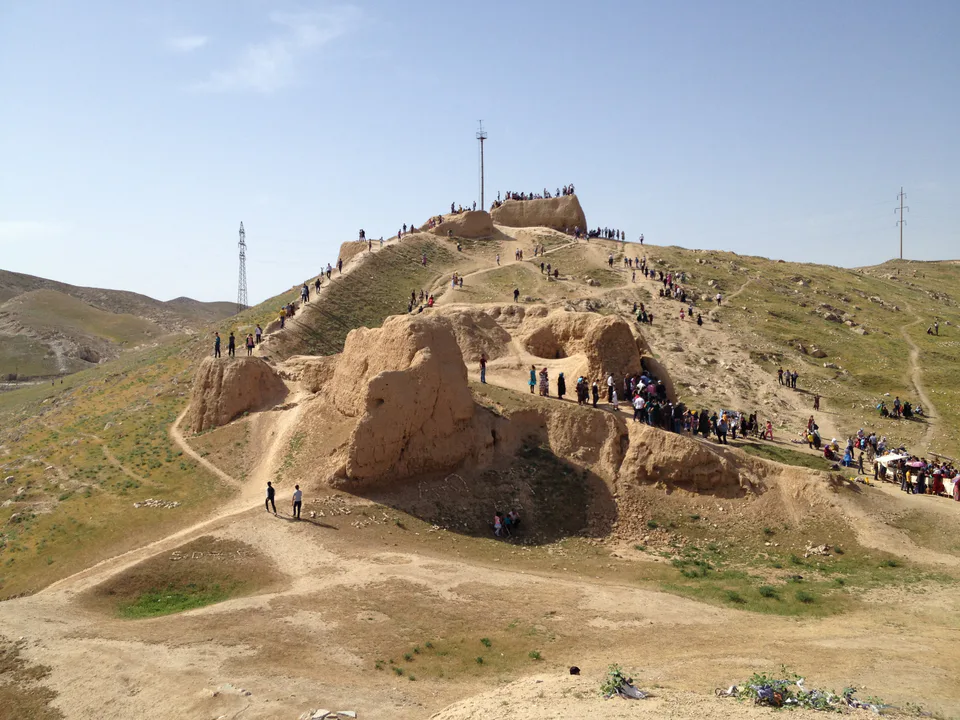
Archaeology · Nurota District
An ancient stronghold on the edge of the steppe
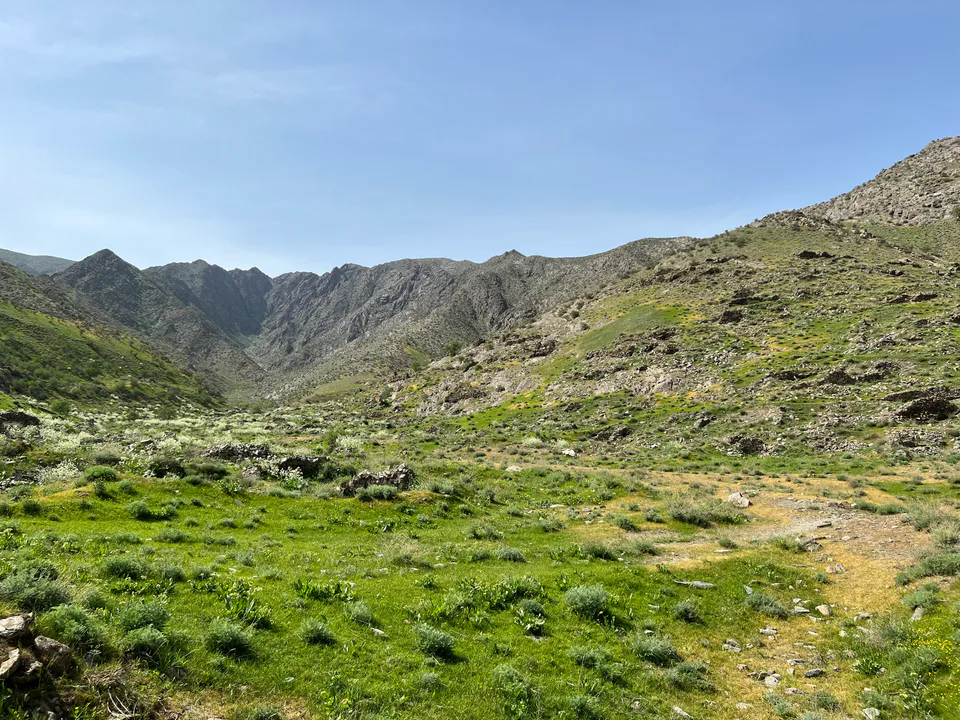
Nature · Nurota District
Walnut groves, wild sheep and welcoming mountain villages
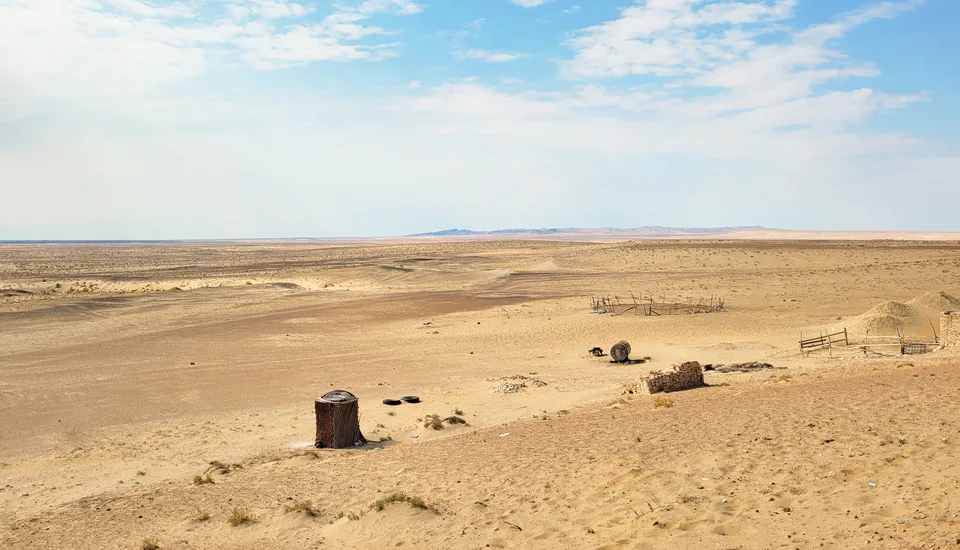
Nature · Tomdi District
The 'red sands' — land of gold and uranium
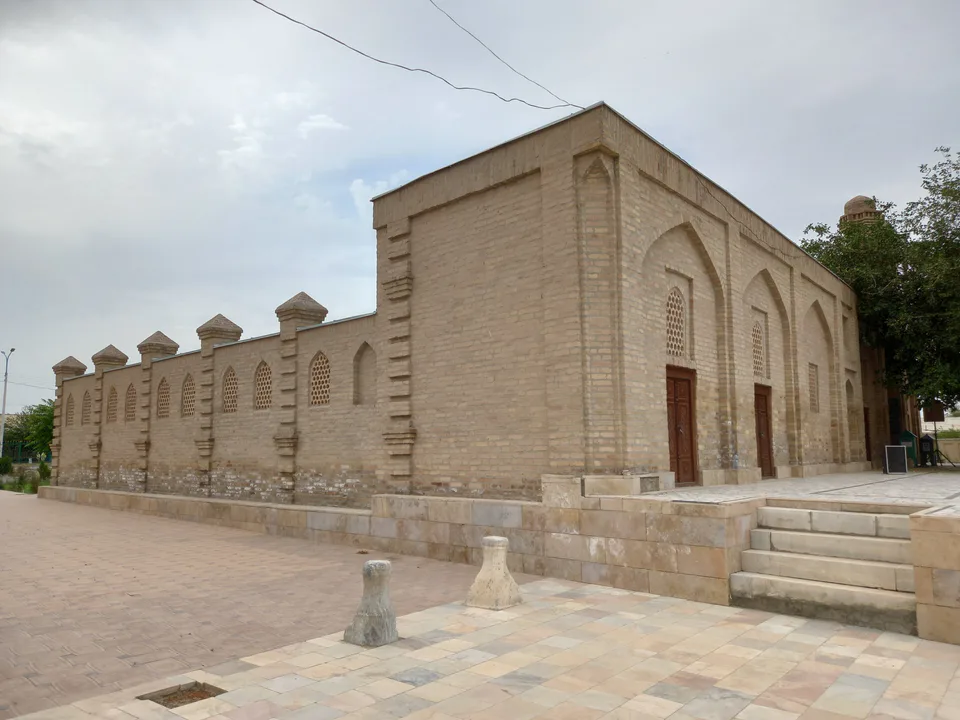
Mausoleum · Karmana District
A Bukharan emir's grave in Karmana
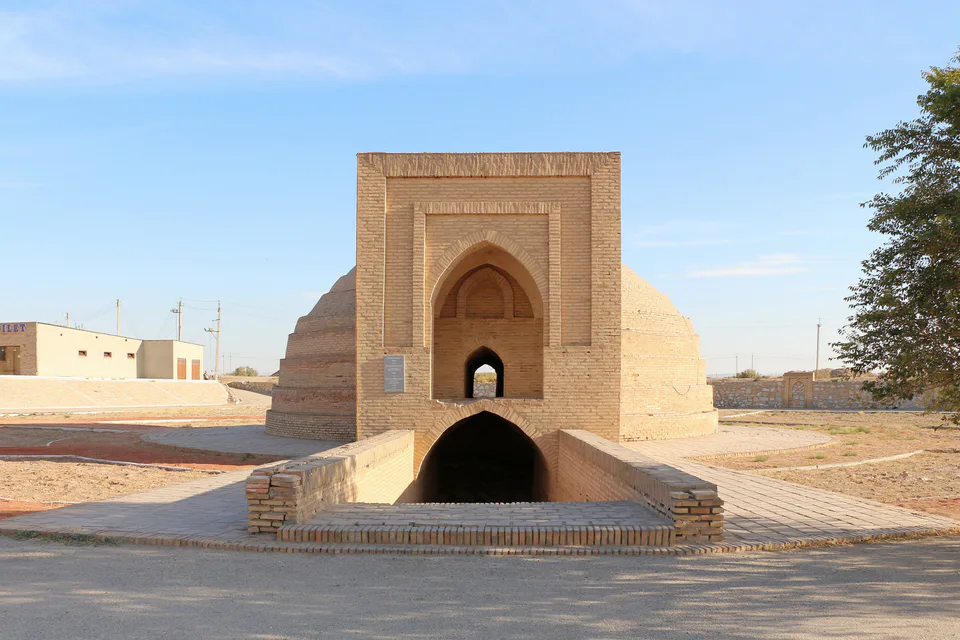
Archaeology · Karmana District
A domed cistern for passing caravans
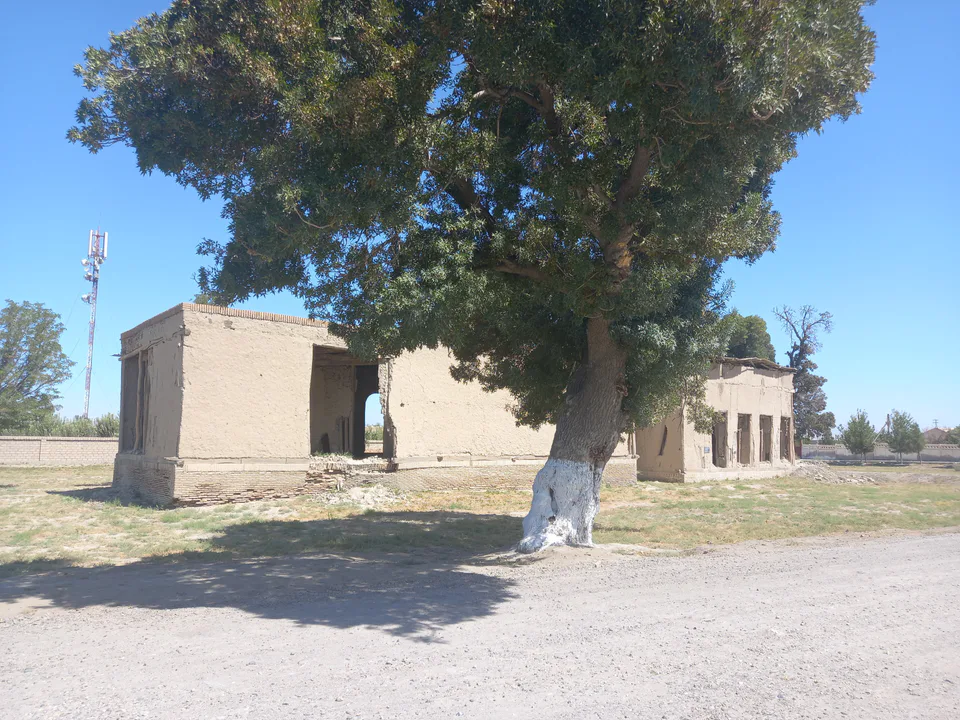
Ensemble · Karmana District
The Bukharan emirs' summer palace in Karmana
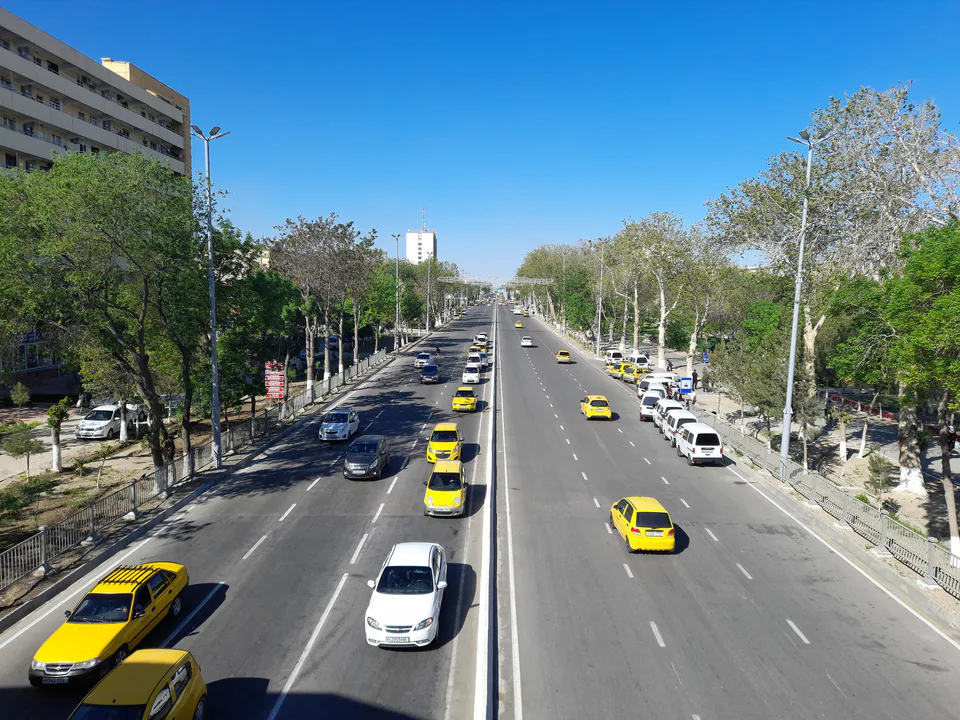
Modern · Navoiy city
An industrial city built to a single master plan
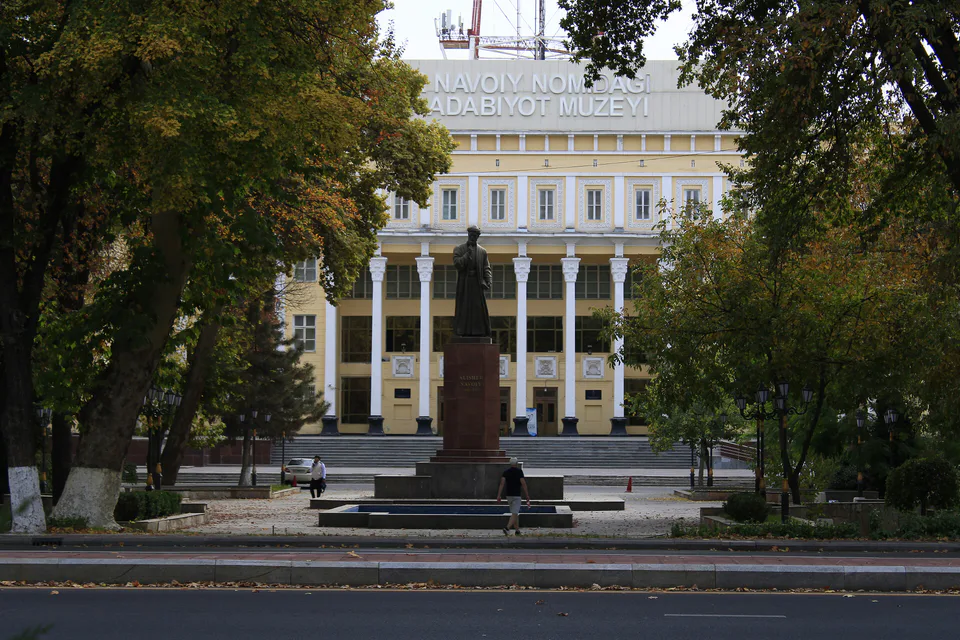
Museum · Karmana District
A treasure house of the Zarafshan oasis
Navoiy Region
Airport, railway station and bus stations — addresses, timetables and the live board.
All transportNavoiy Region
Road distance, the fastest train and whether there is a direct flight.
All distances| City | Road, km | By car | By train | Flight | Bus |
|---|---|---|---|---|---|
| Gijduvan Bukhara Region |
67 | 1 h 13 min | — | — | — |
| Nurata Navoiy Region |
70 | 1 h 17 min | — | — | — |
| Kattakurgan Samarkand Region |
90 | 1 h 37 min | 31 min Afrosiyob 765Ф |
— | — |
| Bukhara Bukhara Region |
114 | 1 h 56 min | 35 min Jaloliddin Manguberdi 778Ж |
— | — |
| Samarkand Samarkand Region |
160 | 2 h 43 min | 59 min Afrosiyob 771Ф |
— | — |
| Zarafshan Navoiy Region |
214 | 2 h 48 min | — | — | 2 routes |
| Shahrisabz Kashkadarya Region |
252 | 4 h 11 min | — | — | — |
| Tashkent Tashkent (city) |
485 | 7 h 33 min | 3 h 24 min Jaloliddin Manguberdi 777М |
2 flights | 3 routes |
Weather: MET Norway
Navoiy Region
Checked hotels and places to eat — with addresses, phone numbers, opening hours and price levels.
A large hotel with a pool in central Navoi
A new hotel on the M37 highway
A private hotel in a park setting
A Navoi hotel with a pool and restaurant
A 47-room hotel with new rooms
A quiet hotel on the edge of Zarafshan
A 40-yurt camp welcoming guests since 1995
A recently refurbished budget hotel
A long-established budget hotel in Navoi
A family guest house and tours in Nurata
A hotel next to the Chashma complex
A desert yurt camp near Lake Aydarkul
The Navoi branch of a national fast-food chain
A café-bakery for fresh pastries and desserts
A restaurant in central Zarafshan
A family restaurant with a veranda and booths
A sushi and Asian-food restaurant
A spacious restaurant in Zarafshan
A hotel restaurant with a summer terrace
A family restaurant with live singing
A Turkish restaurant with a kids’ play area
A café with a cosy interior
A family restaurant that opens early
A café for shashlik and kazan kebab
Navoiy Region
Khokimiyat, public service centre and other offices: addresses, phones, hours.
All offices (43)Khokimiyat
77A Islam Karimov St, Navoiy
Read morePublic Service Centre
27 S. Ayni St, Navoiy
Read moreNavoiy regional comprehensive service centre · Karmana District
330 Toshkent Street, Talqoq mahalla, Karmana district, Navoiy Region
+998 79 539 99 99Navoiy banking services centre · Navoiy city
1000 Mahmud Torobiy Street, Farovon mahalla, Navoiy
Navoi banking services office · Navoiy city
4V A. Temur Street, Oʻzbekiston mahalla, Navoi 210100
+998 55 503 79 79Navoi banking services centre · Navoiy city
55T M. Tarobiy Street, Yoshlik mahalla, Navoi 210100
+998 79 220 64 94Navoiy city banking services centre · Navoiy city
54B Islom Karimov Street, Block 4, Navoiy
Navoiy Region
Codes 210100–211017. The main code of each city and district:
All postcodes (60)Navoiy Region
city · A town of marble and stone-carvers
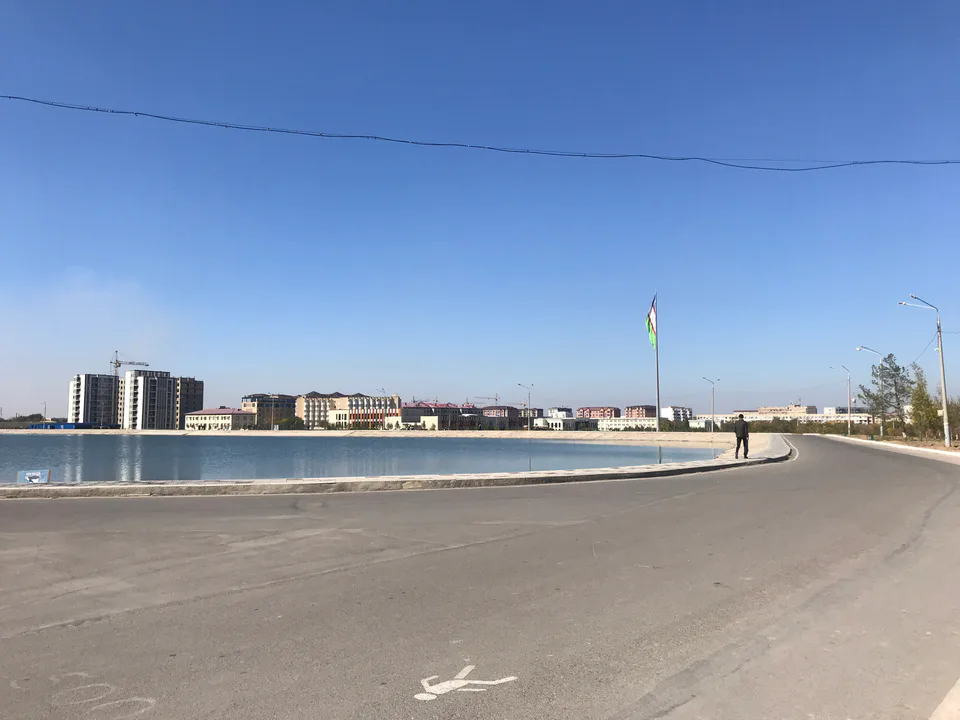
city · An industrial city built to one master plan
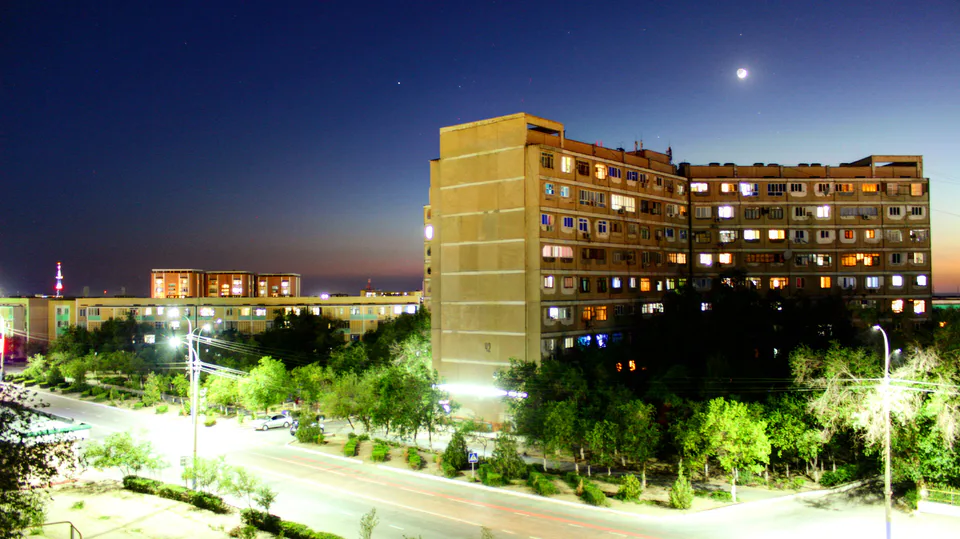
city · Uzbekistan's 'gold capital'
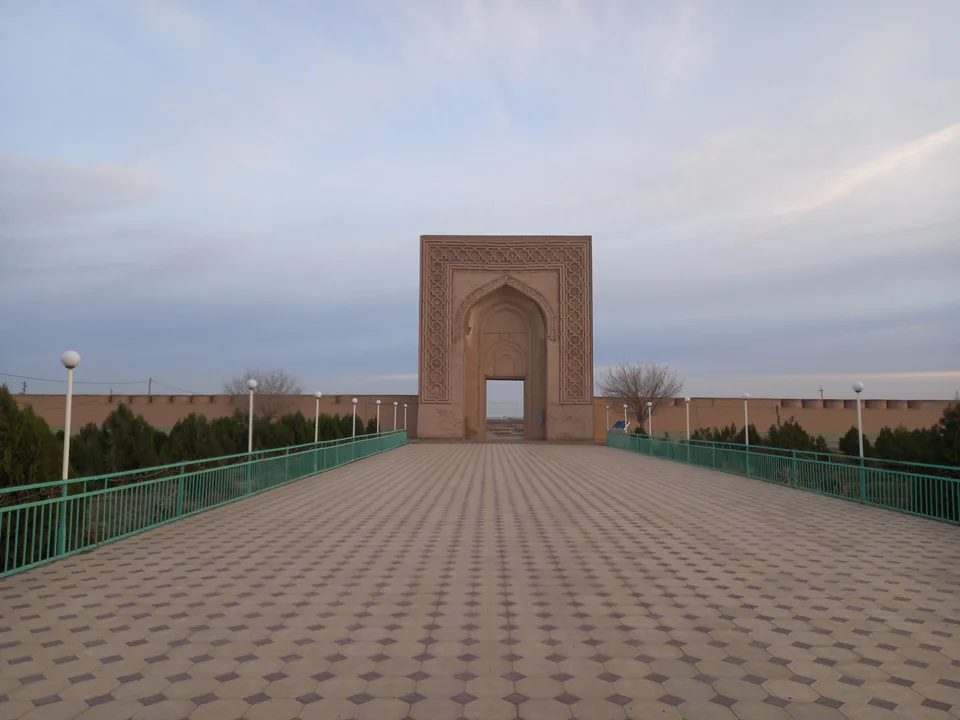
district · An ancient Silk Road town and UNESCO monuments
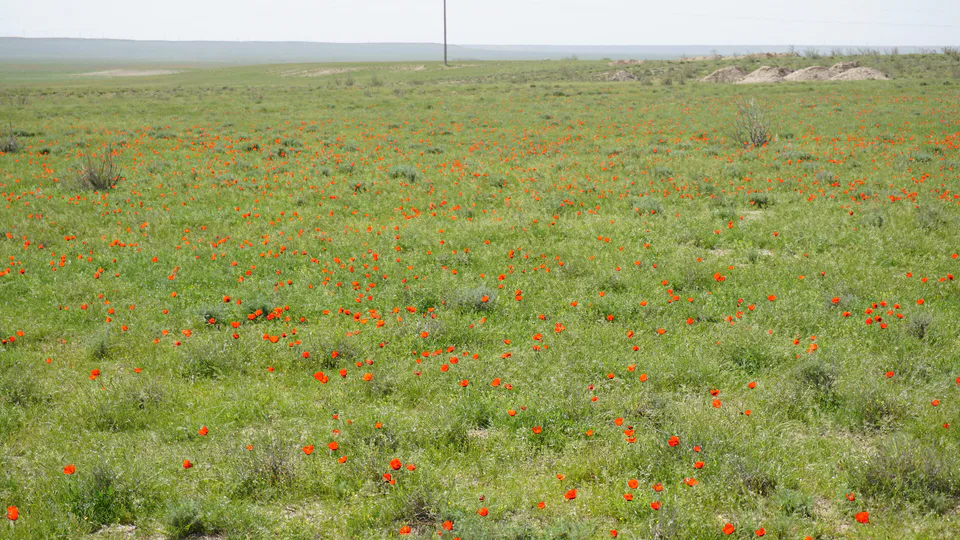
district · A desert district on the edge of the Kyzylkum
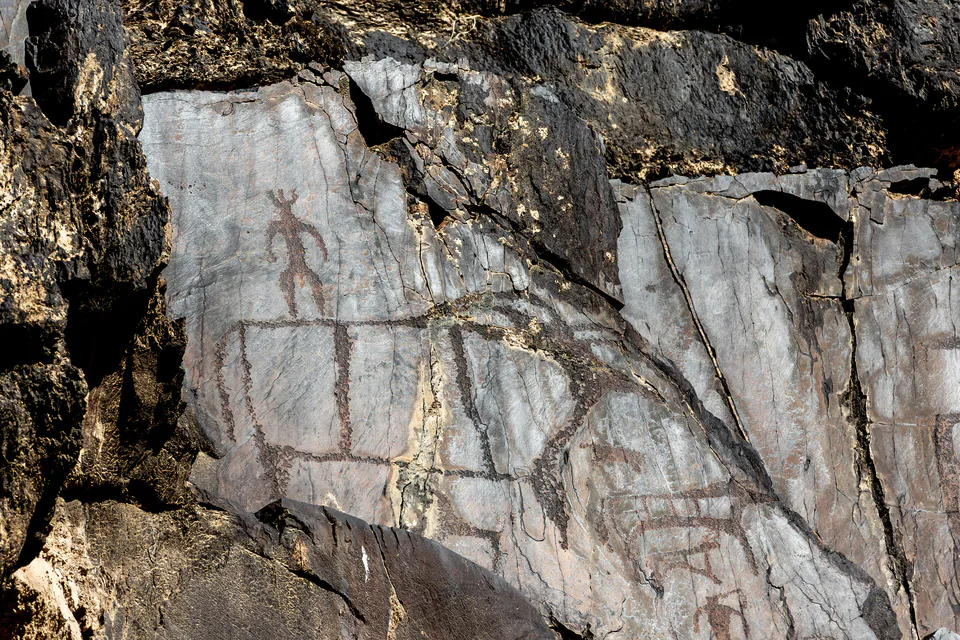
district · Home of the Sarmishsay petroglyphs
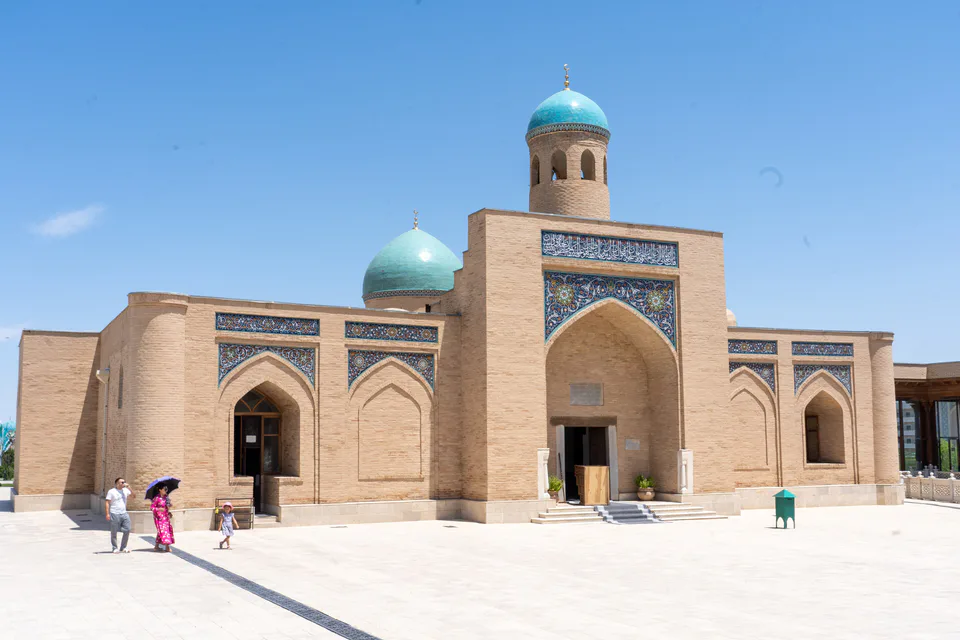
district · A sacred spring, mountains and Aydarkul
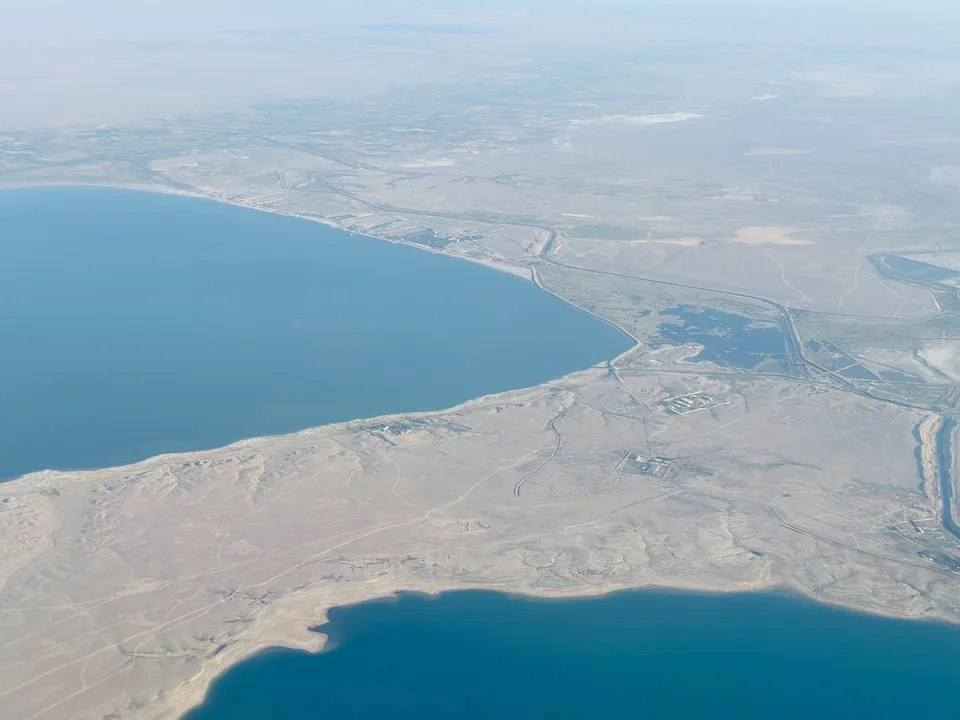
district · The Zarafshan valley and Tudakul
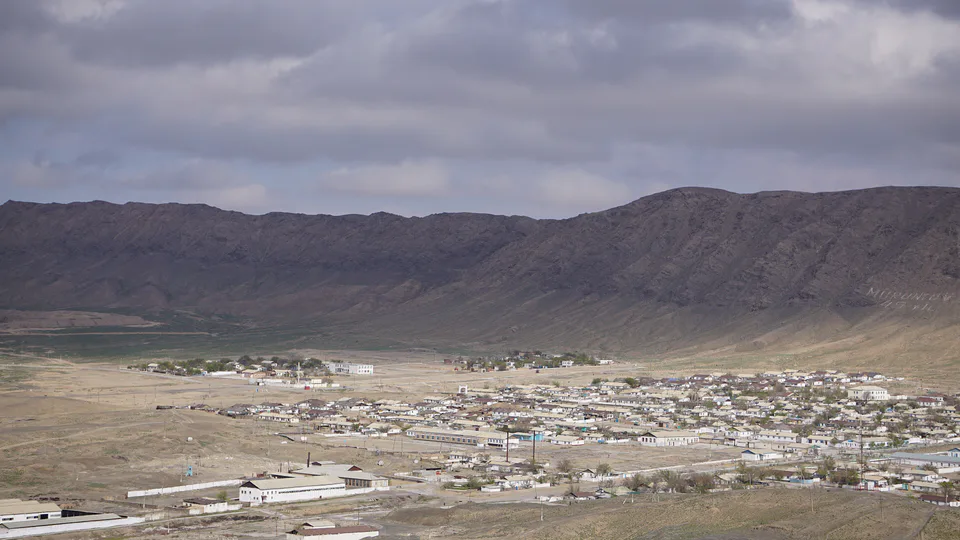
district · The heart of the Kyzylkum and Muruntau gold
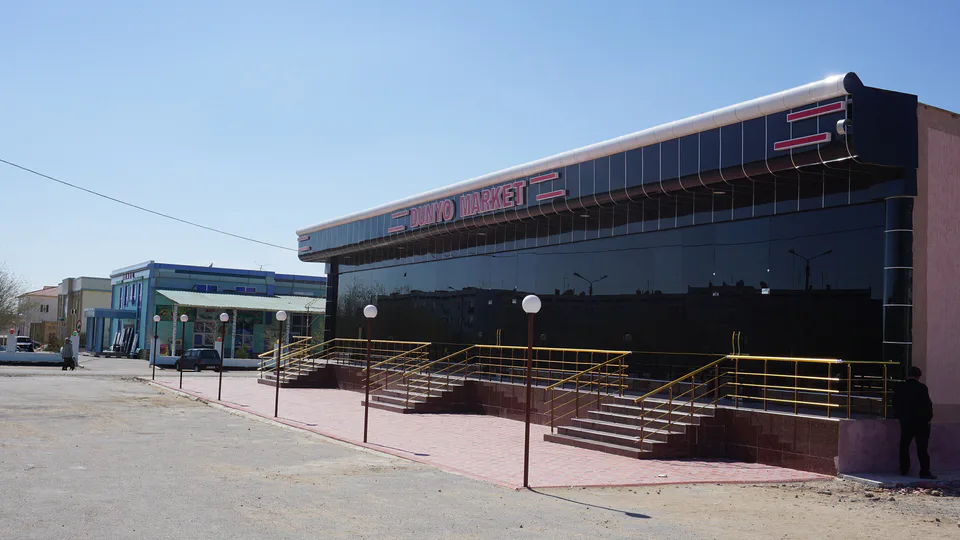
district · The region's biggest district — land of uranium and dinosaurs
district · The region's most populous district