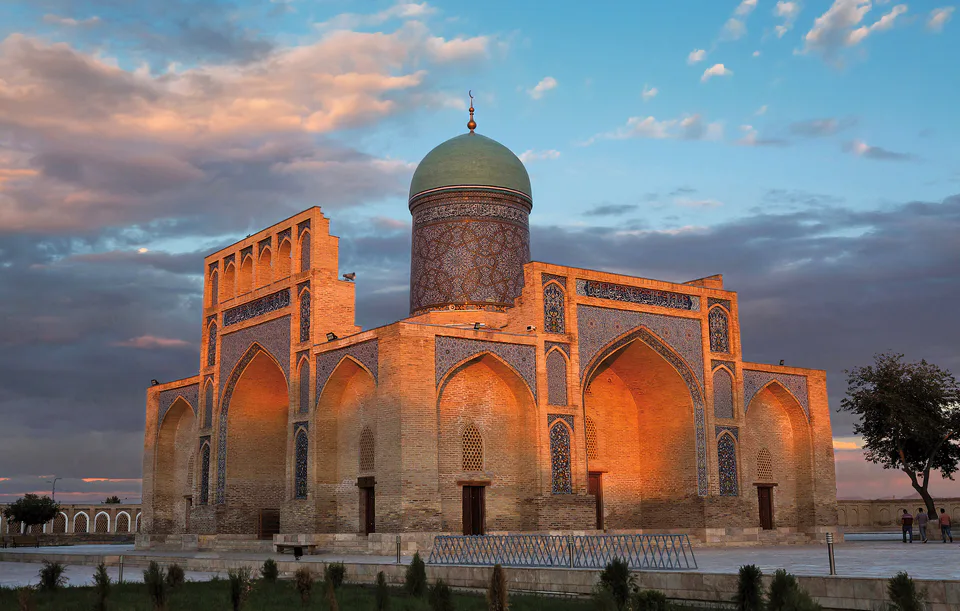
Pilgrimage site · Karmana District
Qosim Sheikh Complex
The lodge of the sheikh who saved Abdullah Khan II
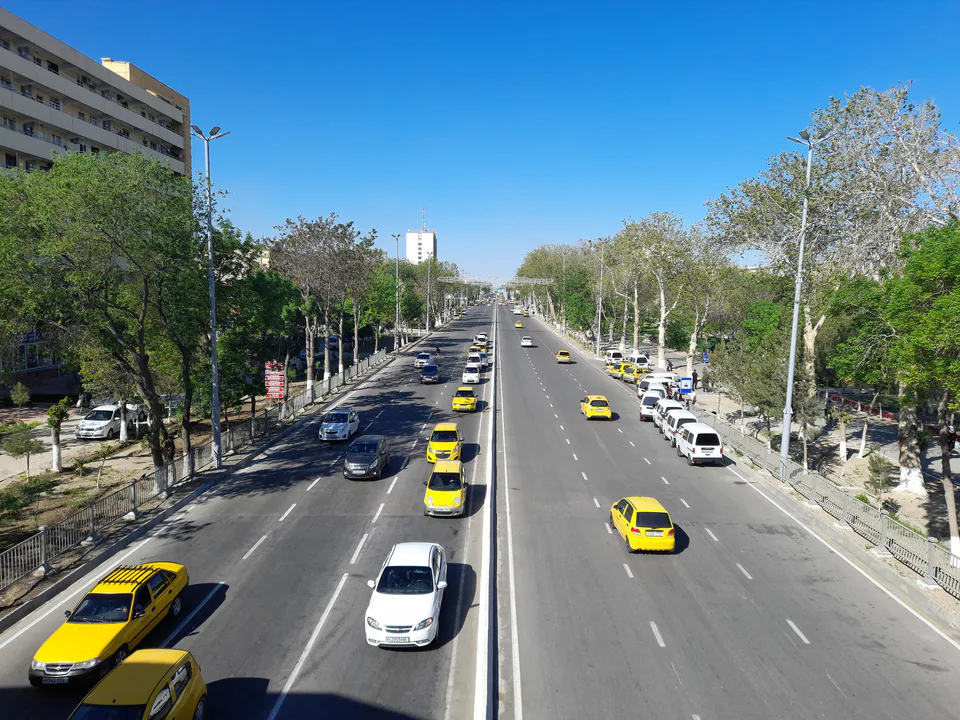
Modern · Navoiy city
Founded in 1958 and named after the poet Alisher Navoiy, the city was built to a single master plan. Its centre of broad boulevards, parks and the poet's monument makes a handy base for exploring the region.
The city was founded in 1958 alongside a mining and metallurgical plant near the village of Karmana and named after the great poet and thinker Alisher Navoiy. In the 1960s it was built to a single master plan by Leningrad architects, who won the USSR State Prize for it in 1969. The chief builder was Z. P. Zarapetyan, whose monument stands in the centre.
Until 1982 Navoiy belonged to Bukhara Region. Today it is an industrial hub, home to the Navoi Mining and Metallurgical Company, Navoiyazot and a free industrial economic zone, with 171,300 residents on 1 January 2026.
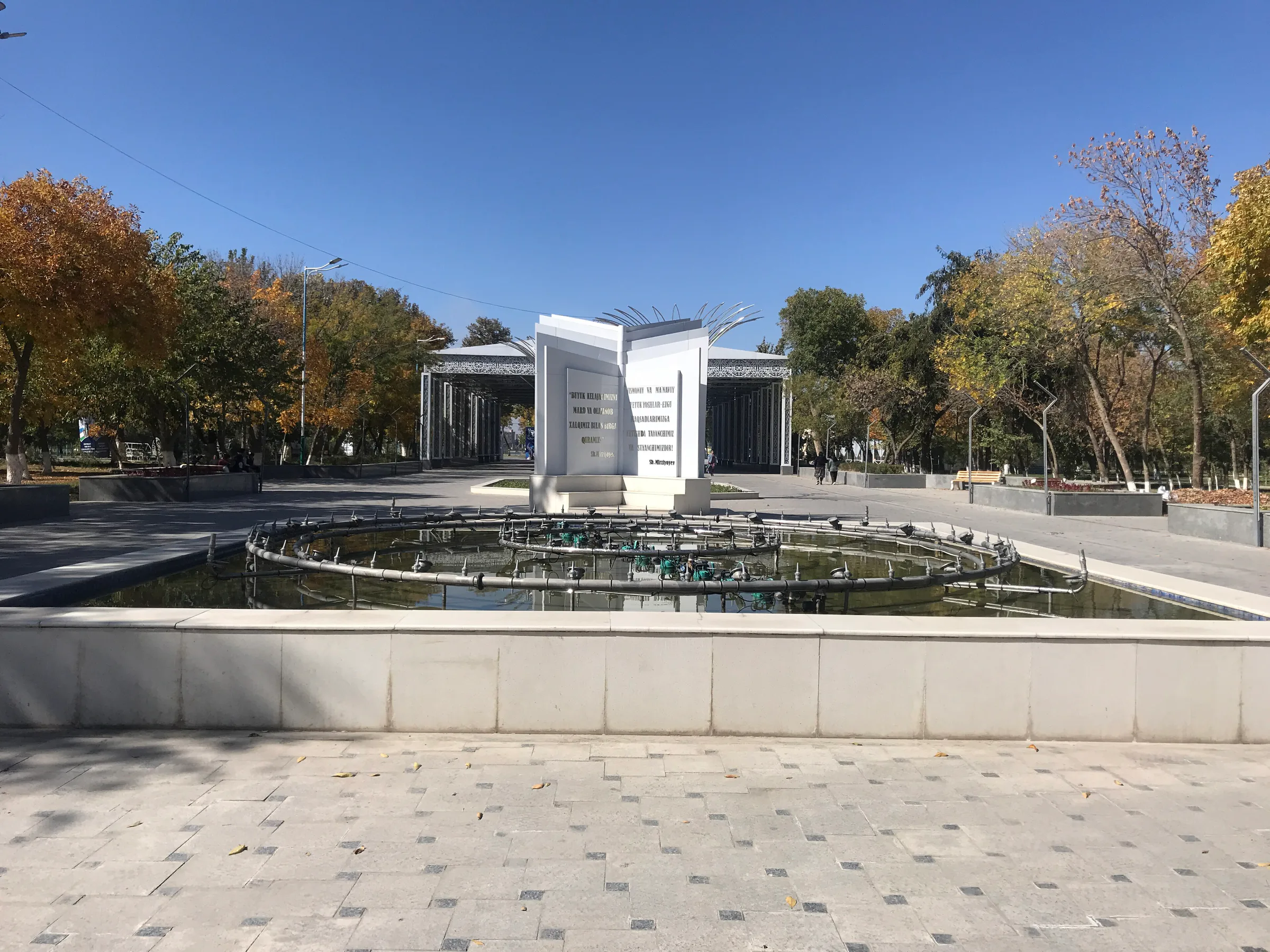
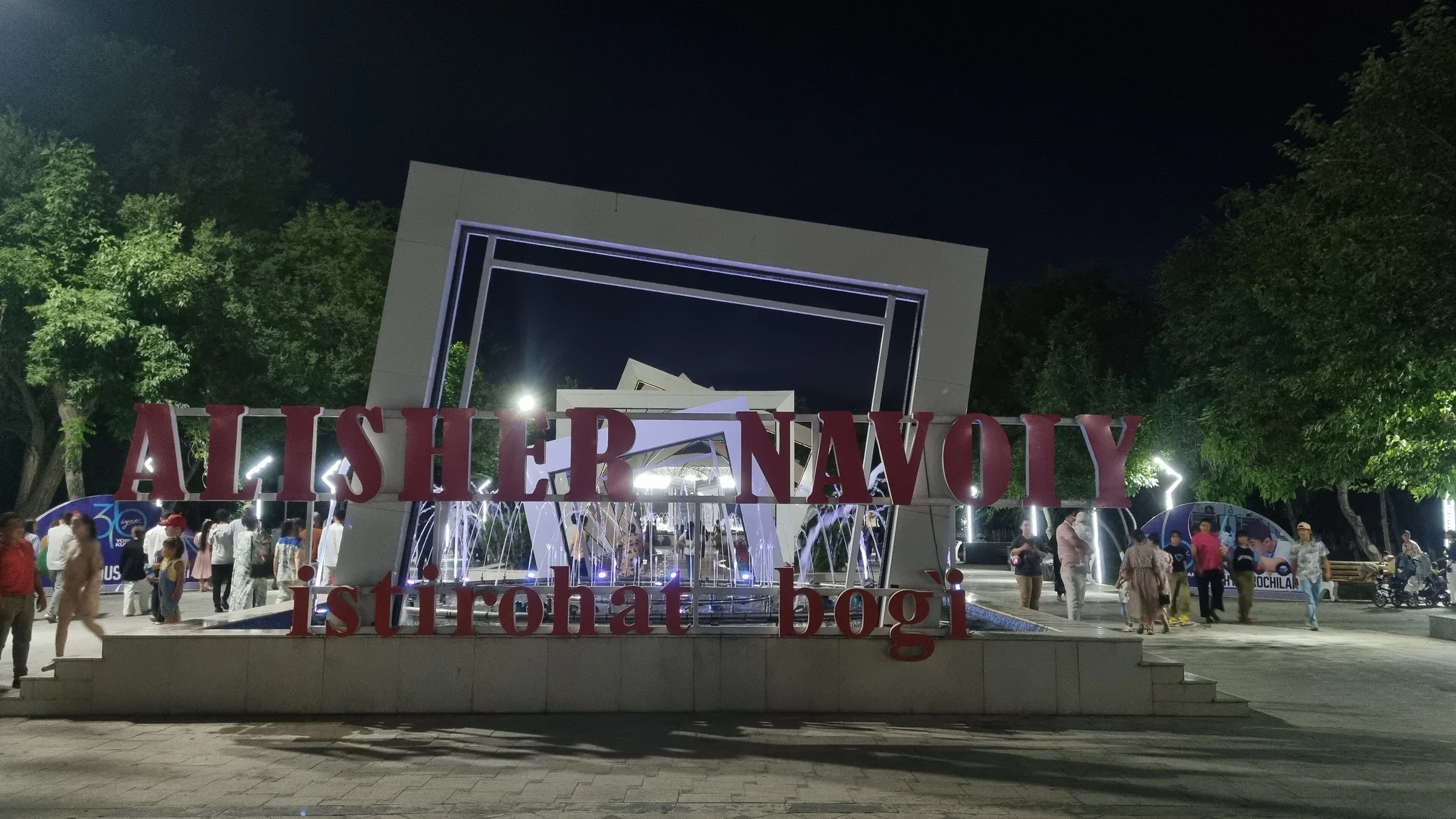
Boulevards and gardens surround the Alisher Navoiy monument, with a park, aquapark, zoo and puppet theatre nearby. Karmana's monuments and the regional museum are 4–6 km north; Rabati Malik is 20 km west.
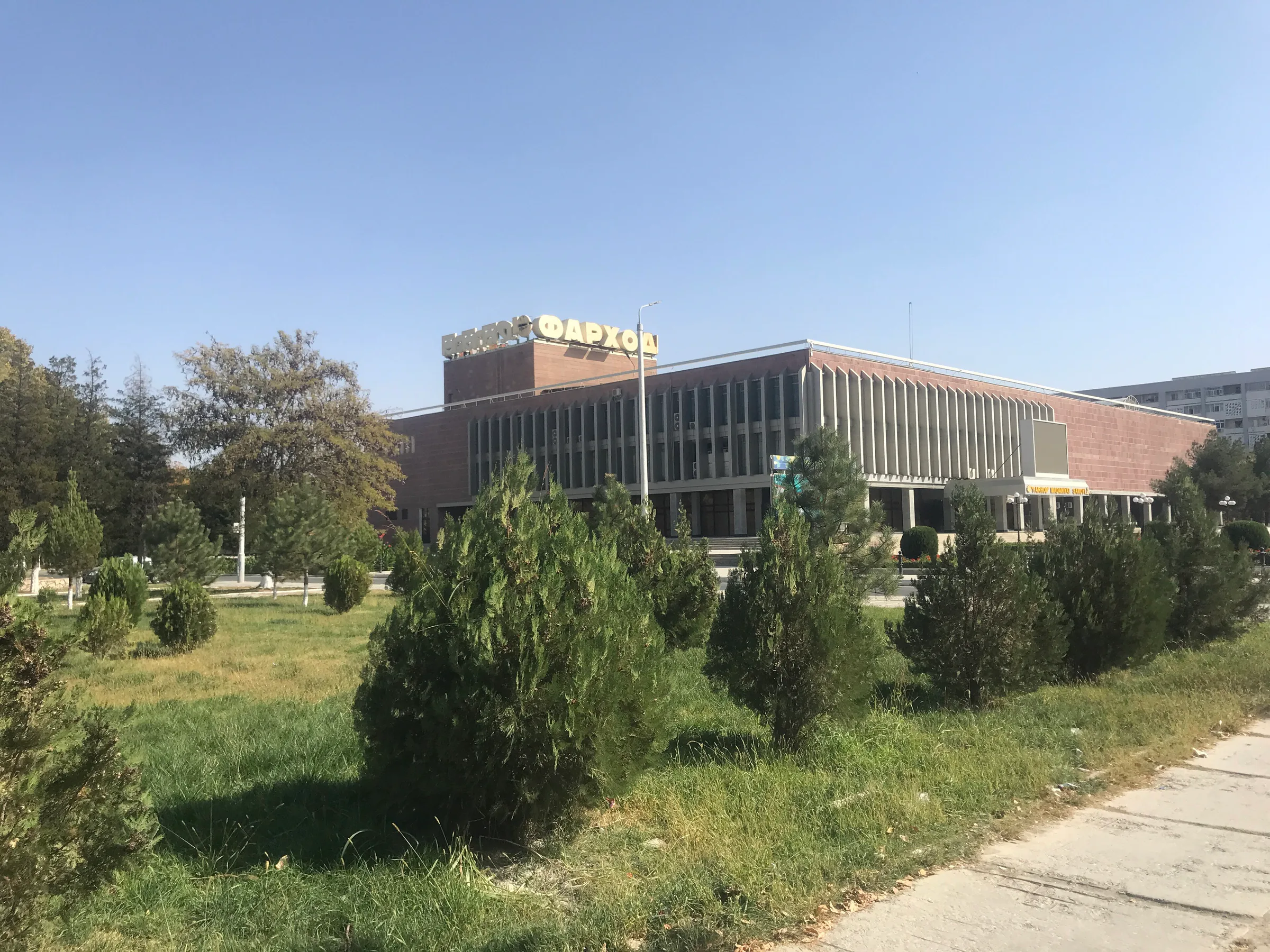
Pilgrimage site · Karmana District
The lodge of the sheikh who saved Abdullah Khan II
Museum · Karmana District
A treasure house of the Zarafshan oasis
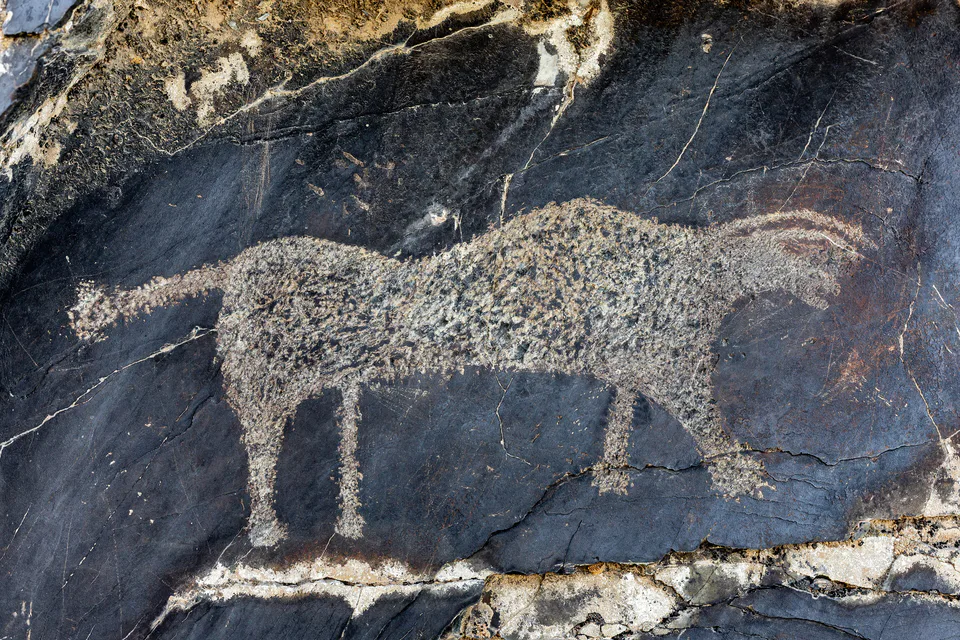
Archaeology · Navbahor District
Ten thousand years of history carved in stone
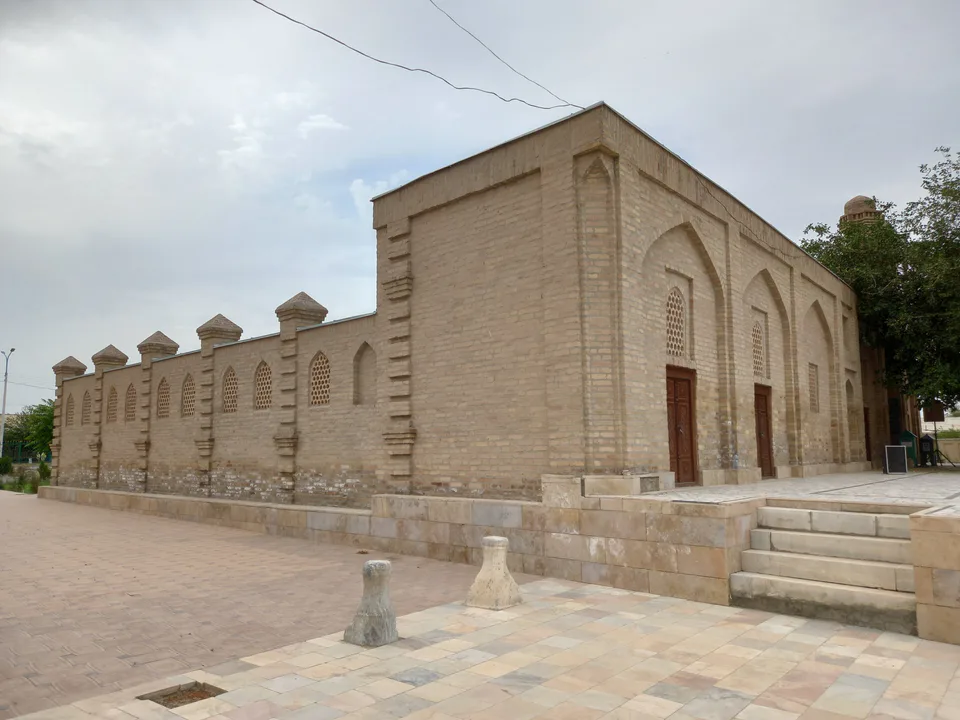
Mausoleum · Karmana District
A Bukharan emir's grave in Karmana
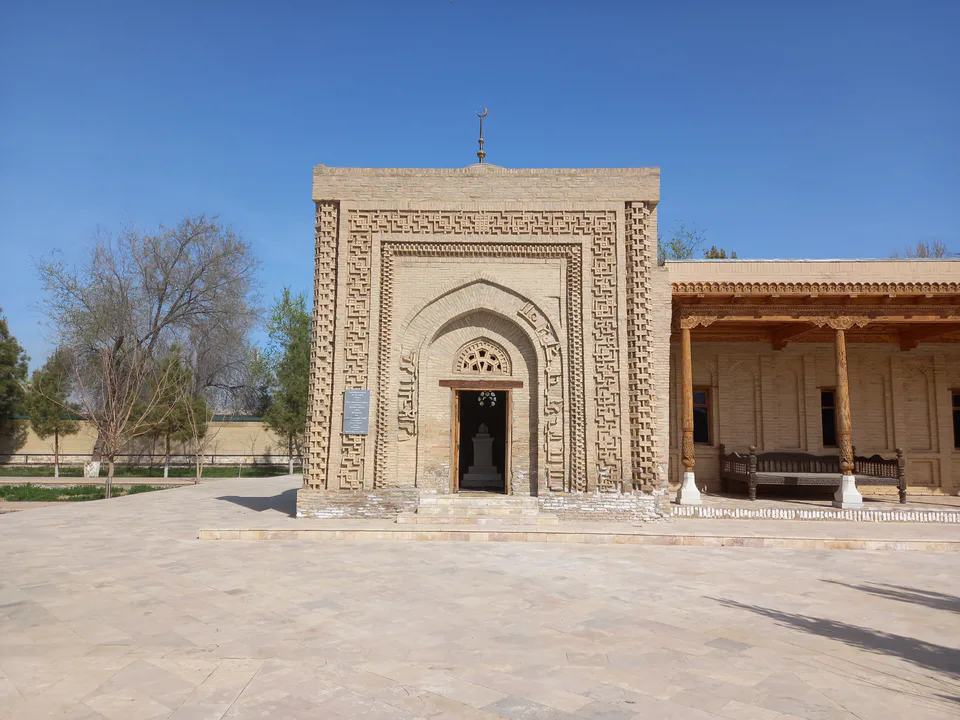
Mausoleum · Karmana District
Karmana's cousin of the Samanid Mausoleum
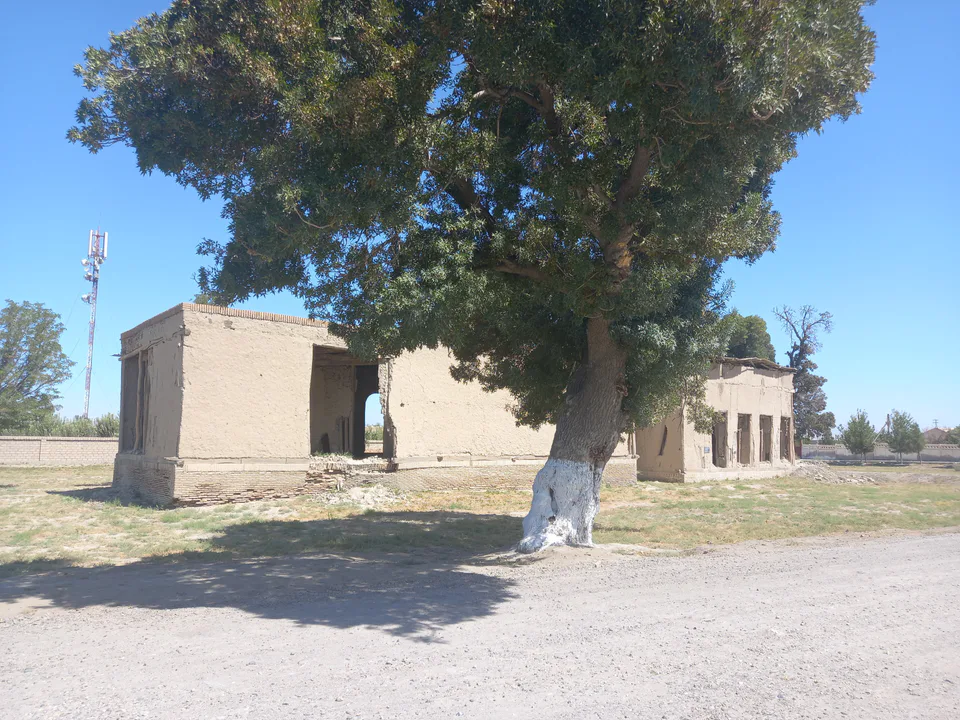
Ensemble · Karmana District
The Bukharan emirs' summer palace in Karmana
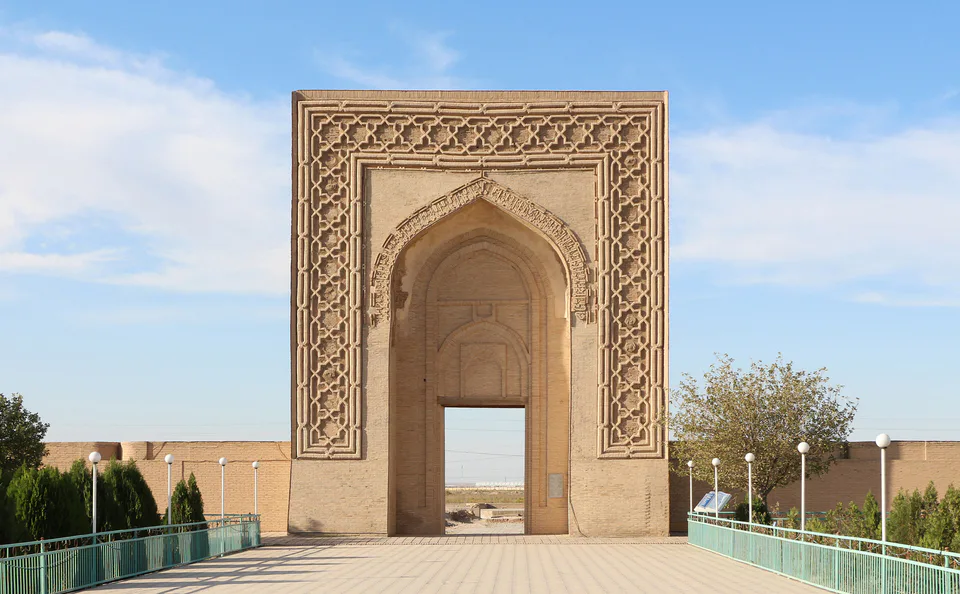
Archaeology · Karmana District
The Qarakhanids' 'royal fortress' in the steppe
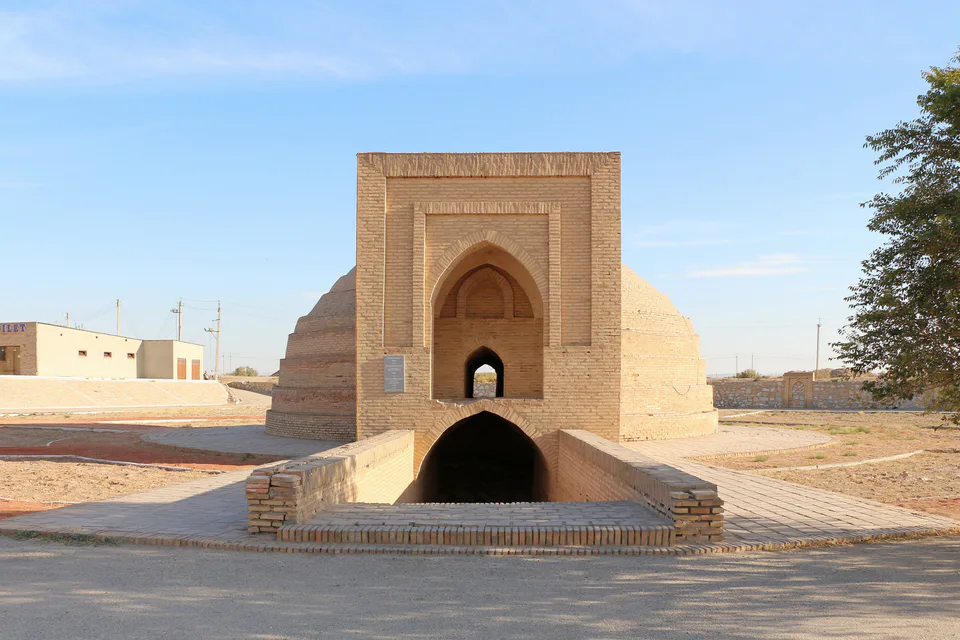
Archaeology · Karmana District
A domed cistern for passing caravans
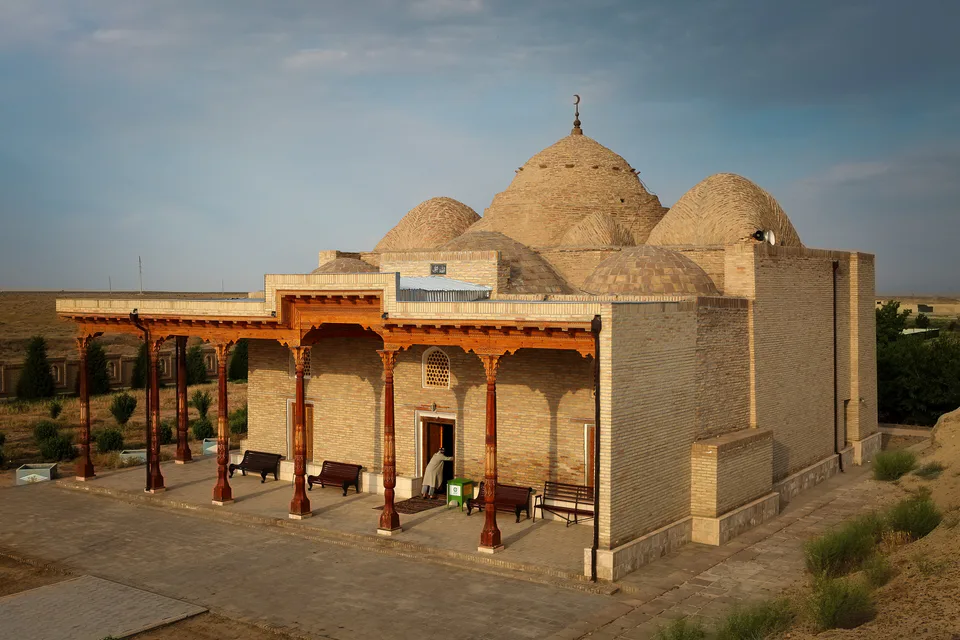
Mosque · Karmana District
A dome on four pillars — one of Uzbekistan's oldest mosques