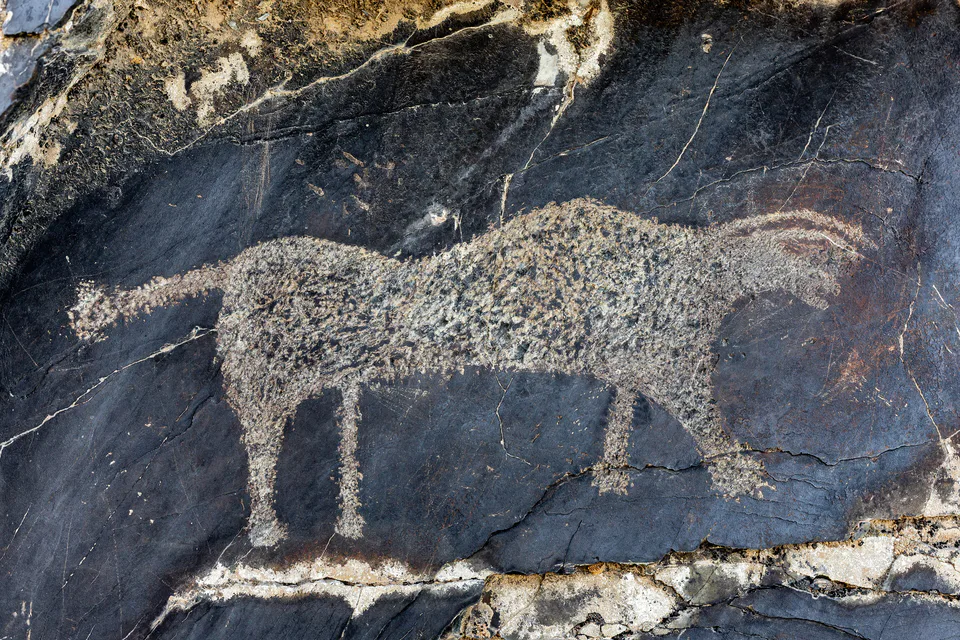
Archaeology · Navbahor District
Sarmishsay Petroglyphs
Ten thousand years of history carved in stone
Museum · Karmana District
Founded in 1992, the regional museum holds more than 25,000 items, from archaeological finds to pieces of the 'Stone Forest' from the Mingbulak depression. The Sarmishsay museum-reserve is one of its branches.
The museum was founded on 30 January 1992 by decision of the regional governor as a museum of history and local lore. On 15 December 2017 it became the State Museum of History and Culture of Navoiy Region, absorbing the collections of the Konimex, Xatirchi and Tomdi district museums and of the Jubay Balimanov house-museum in Tomdi. It has four branches, including the open-air Sarmishsay petroglyph museum-reserve.
In 2022 the museum and its branches held 25,911 items and collections, about a hundred of them unique according to staff. Highlights include remains of the 'Stone Forest' found in the Mingbulak depression in Uchquduq District and a 2,300-year-old khum — a large clay water jar — unearthed in 1999–2000 on the Burquttepa mound in Karmana District. Displays cover the history of the Zarafshan oasis, archaeology, coins, ethnography and folk applied art.
Archaeology · Navbahor District
Ten thousand years of history carved in stone
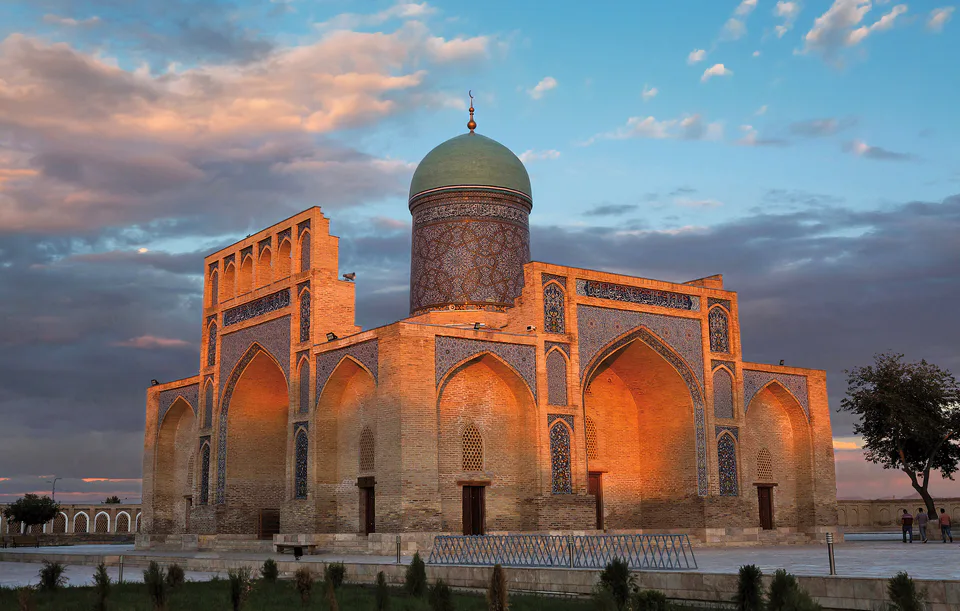
Pilgrimage site · Karmana District
The lodge of the sheikh who saved Abdullah Khan II
Nature · Uchquduq District
A Cretaceous seashore in the middle of the Kyzylkum
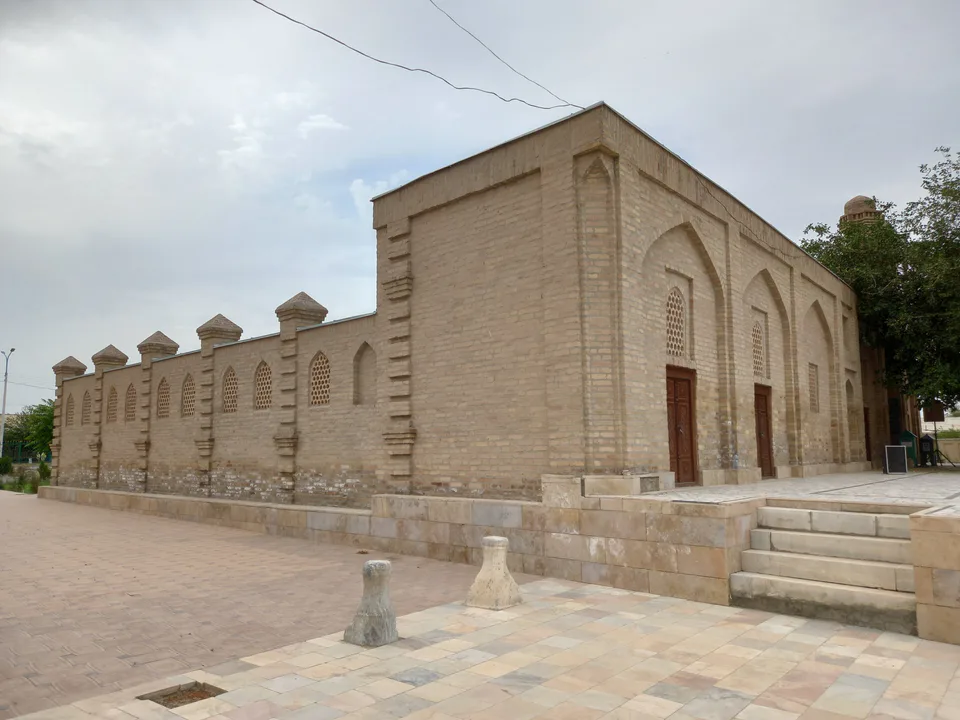
Mausoleum · Karmana District
A Bukharan emir's grave in Karmana
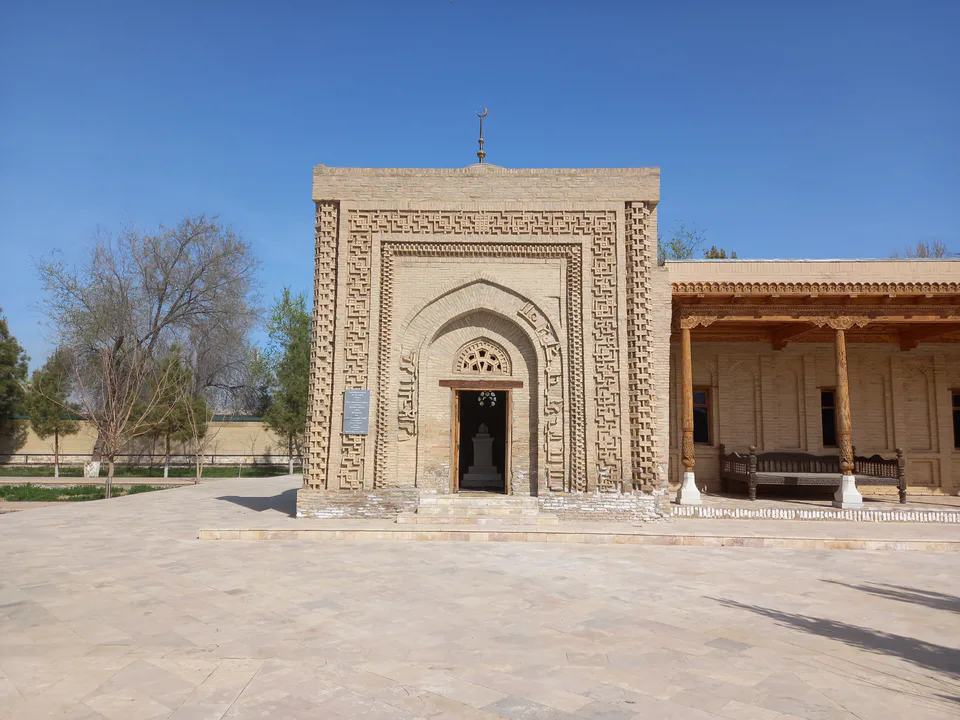
Mausoleum · Karmana District
Karmana's cousin of the Samanid Mausoleum
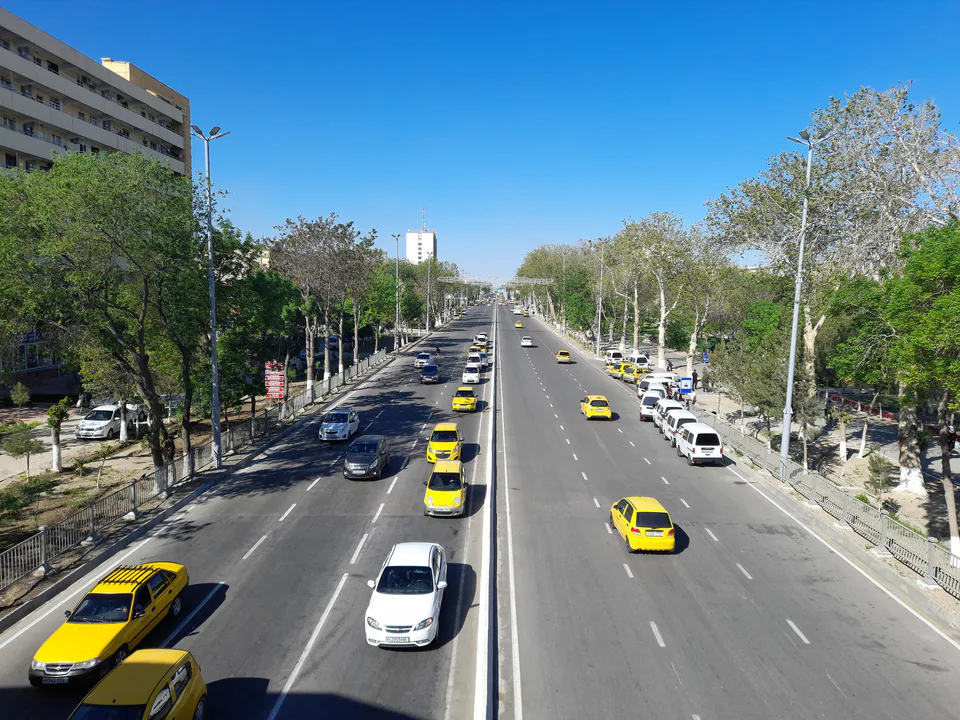
Modern · Navoiy city
An industrial city built to a single master plan
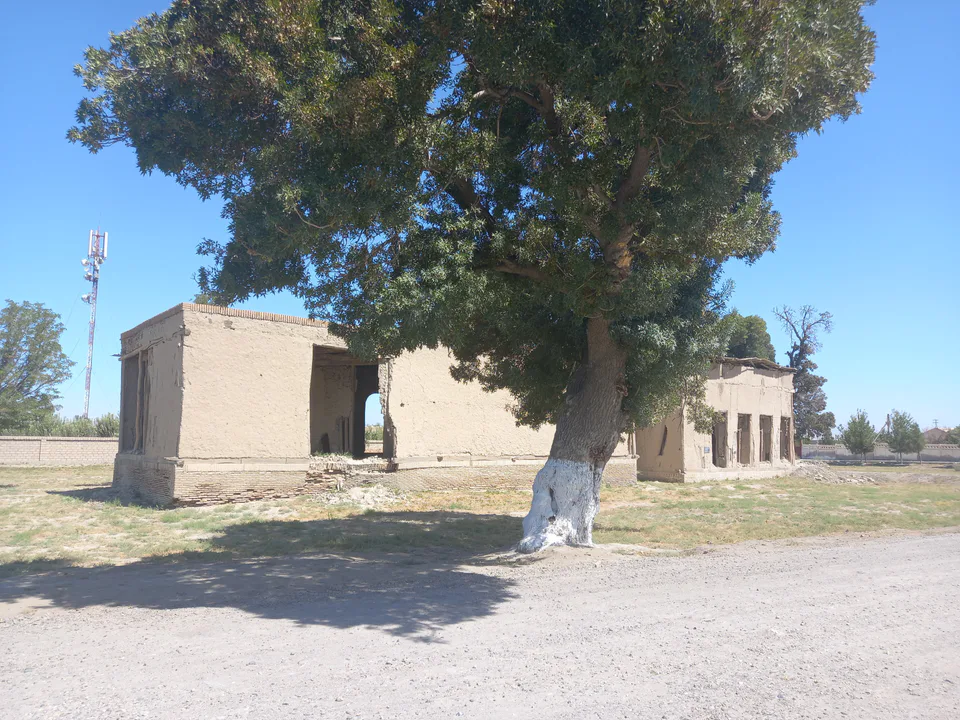
Ensemble · Karmana District
The Bukharan emirs' summer palace in Karmana
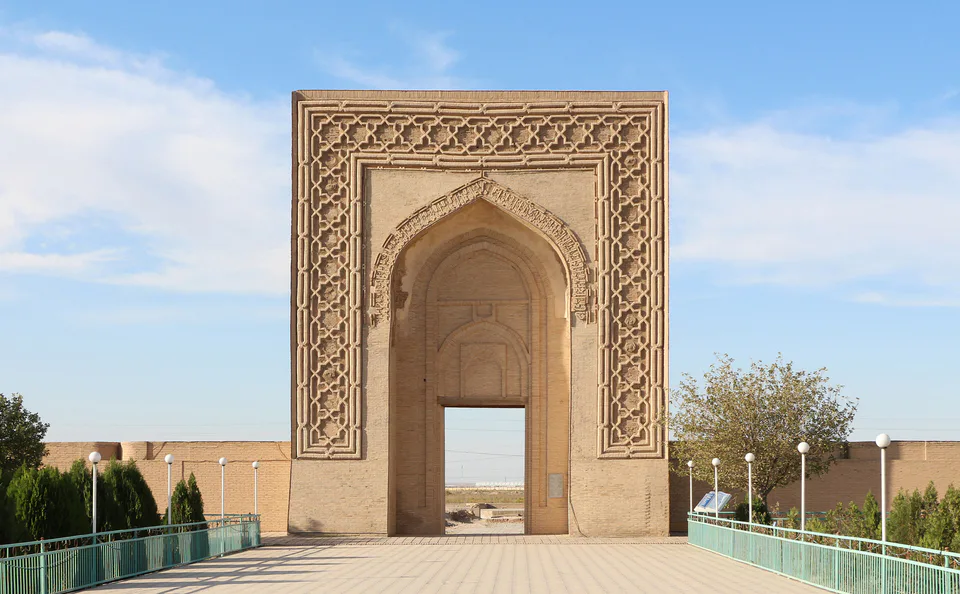
Archaeology · Karmana District
The Qarakhanids' 'royal fortress' in the steppe
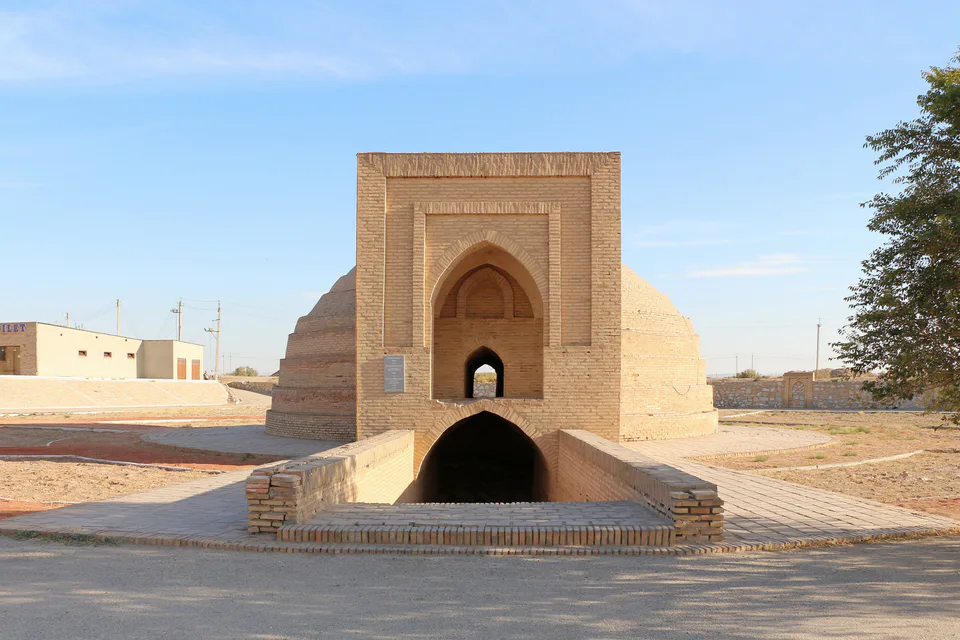
Archaeology · Karmana District
A domed cistern for passing caravans
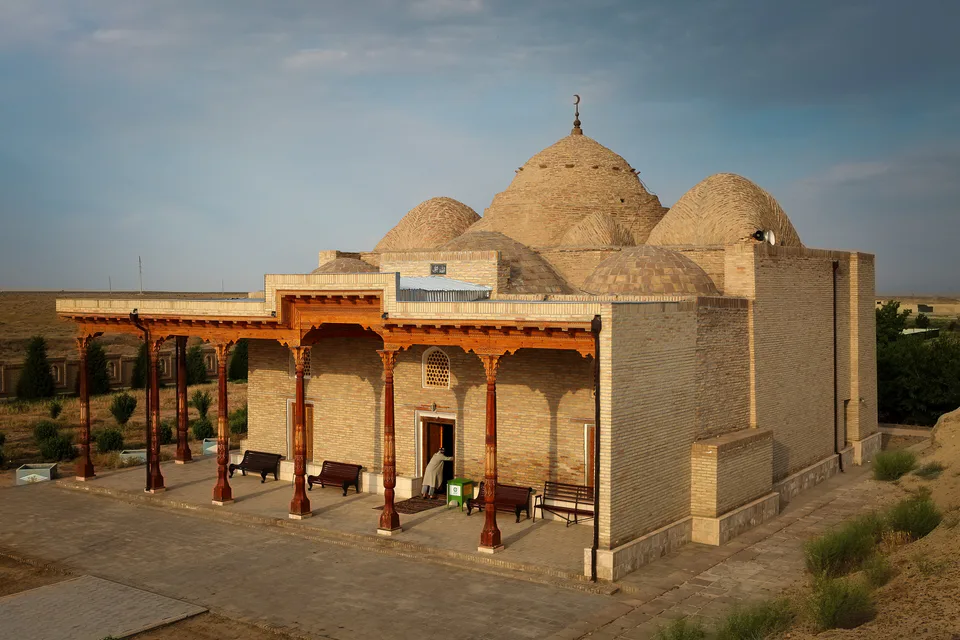
Mosque · Karmana District
A dome on four pillars — one of Uzbekistan's oldest mosques