Museum · Karmana District
State Museum of History and Culture of Navoiy Region
A treasure house of the Zarafshan oasis
Archaeology · Navbahor District
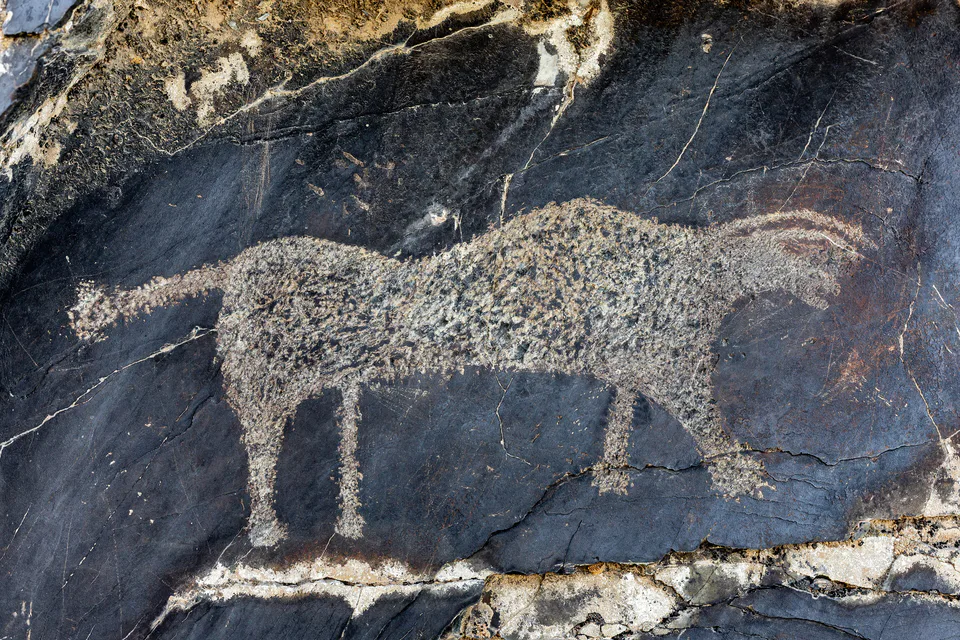
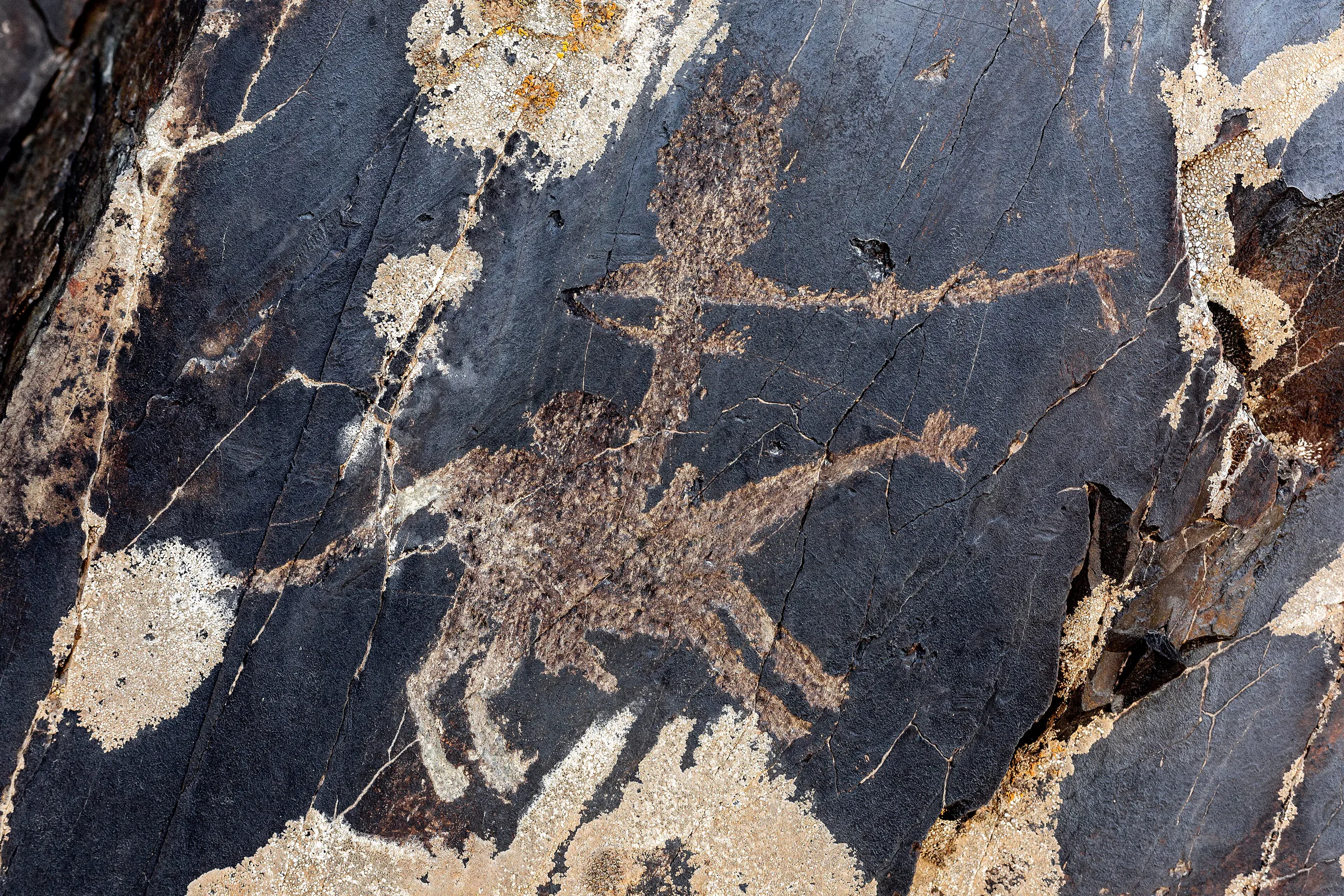
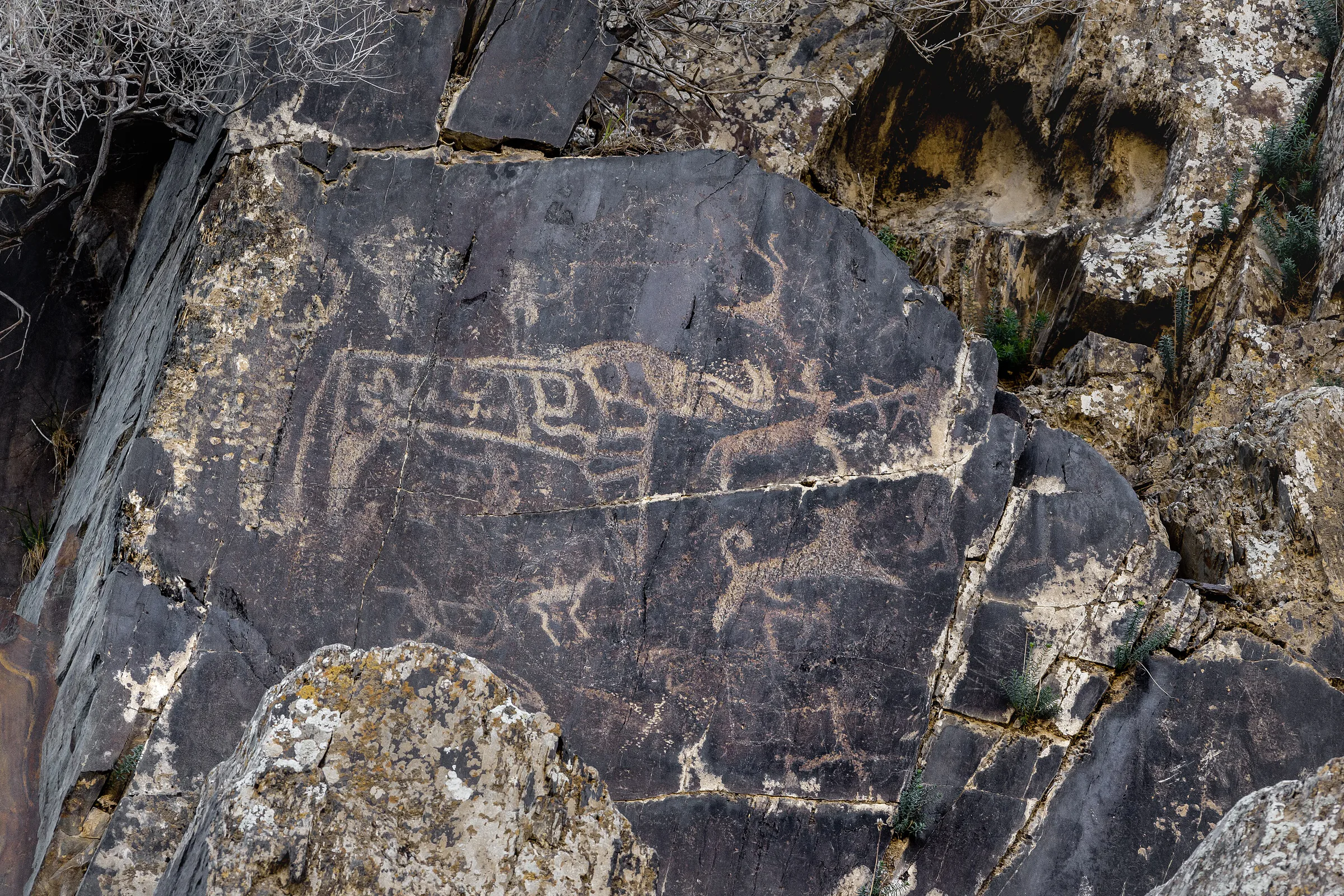
The Sarmishsay gorge on the southern slope of the Karatau range holds more than 5,000 rock carvings — over 10,000 by some counts — making it Uzbekistan's largest rock-art site and a UNESCO tentative-list candidate.
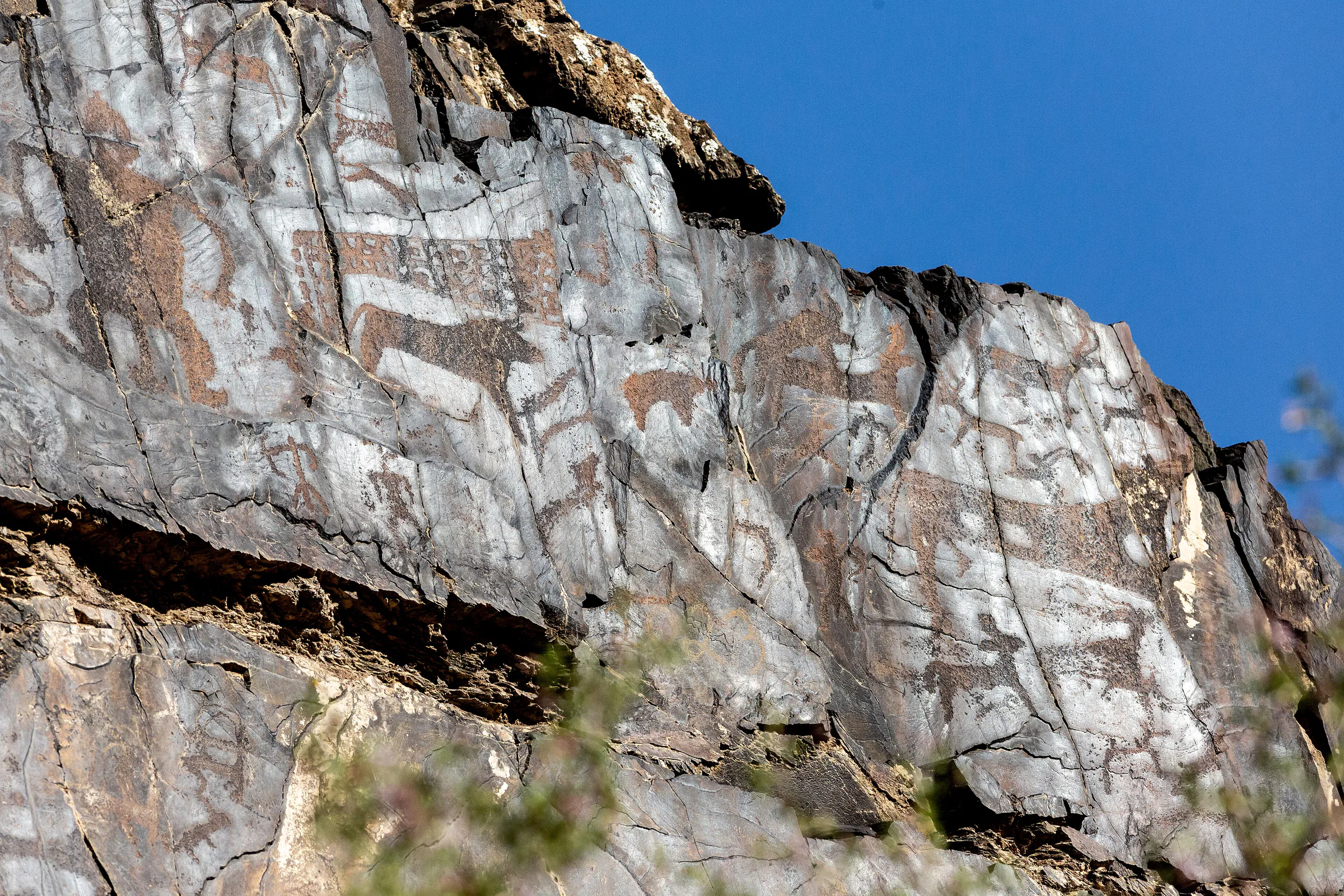
Sarmishsay lies 30–40 km north-east of Navoiy on the slopes of the Karatau, a southern spur of the Nuratau range. More than 200 archaeological sites have been found here — cemeteries, burial mounds, settlement remains and flint workshops — but the highlight is the rock art: the 2.5 km gorge at the heart of the site contains more than 5,000 petroglyphs, or over 10,000 by some estimates. The name is explained as coming from an old Turkic-Mongol word, sarmish, for wild onion or garlic.
Study of the carvings began in the mid-20th century with an expedition led by Ya. G. Gulyamov; Uzbek sources say they were found in 1958 by Kh. Mukhamedov. Local researchers J. Kabirov and B. S. Shalatonin documented the images, and since 1987 Mukhiddin Khujanazarov of the Institute of Archaeology has led research here.
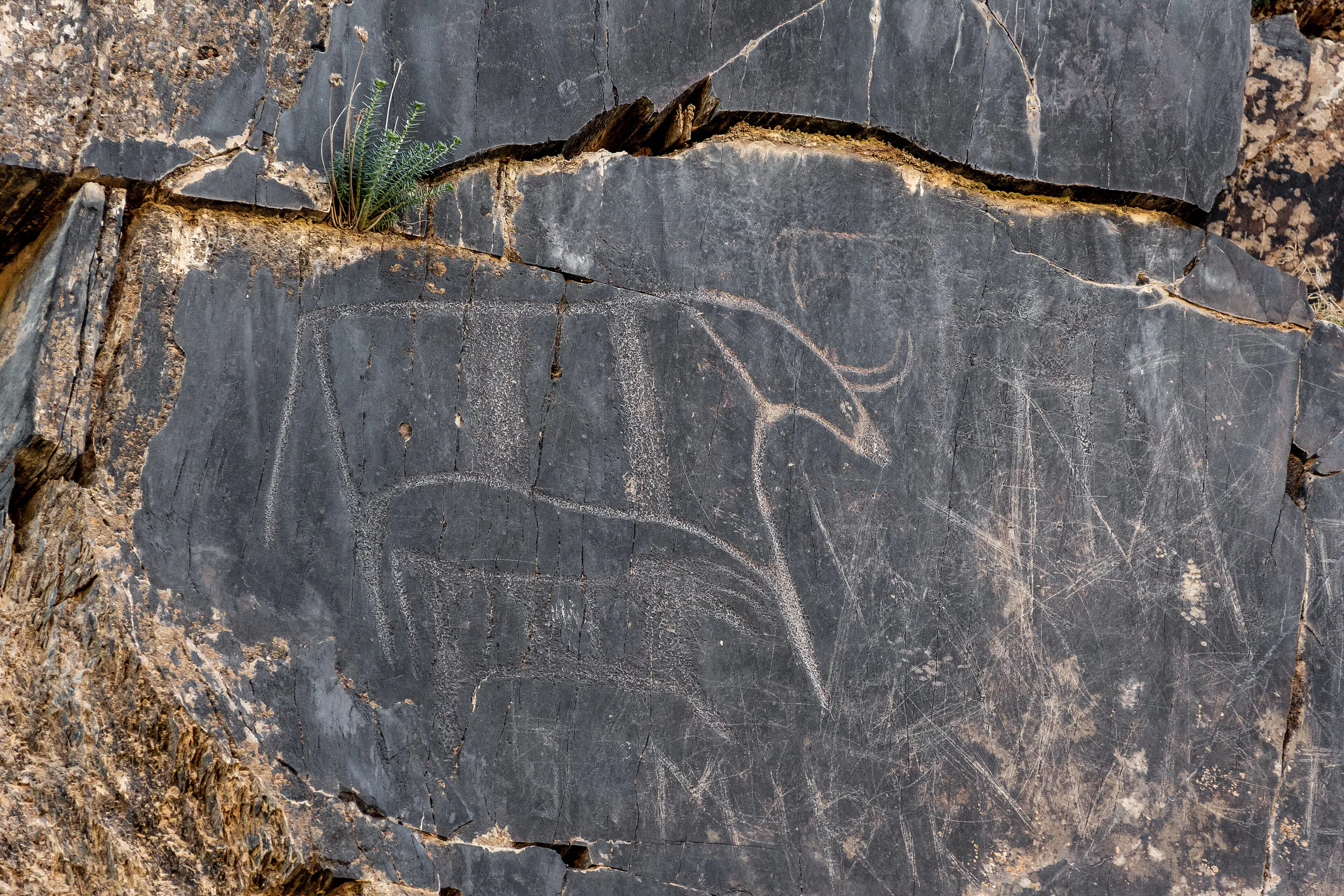
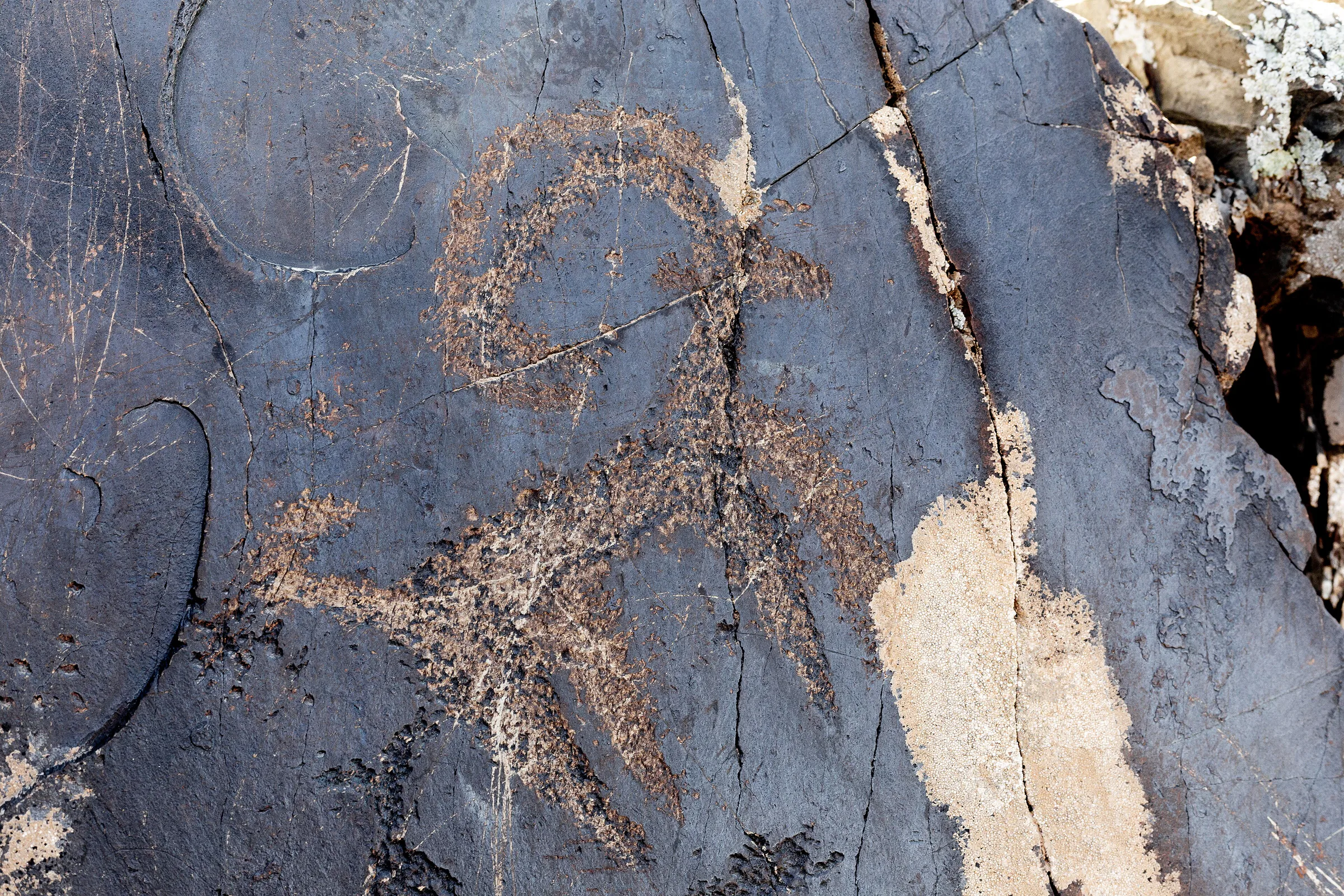
Most carvings date from the Bronze Age (3000–900 BC), but there are also Mesolithic, Neolithic and Chalcolithic images, as well as Saka-Scythian and medieval ones. The oldest are dated to around the 9th millennium BC, while the latest include Arabic-script texts about the lives of dervishes. They cluster on the black rocks of the central gorge, covering almost every flat surface, sometimes several to a stone.
Around 35 themes appear: people with tools, weapons and clothing; ibex, argali, yak, camels, kulans and aurochs, along with snow leopard, lion, wolf, goitered gazelle and saiga — many long vanished from the area. Ibex and bulls are the most common motifs, and hunting scenes, daily work and five-fingered hand outlines are favourites.
Sarmishsay is also an important natural site, with 650 plant species from 62 families recorded, 27 of them endemic. The Central Asian cobra, cinereous vulture and Kyzylkum argali (Severtsov's sheep) found here are on Uzbekistan's Red List.
In 2004 the Navoiy regional administration made Sarmishsay a historical, cultural and natural-landscape museum-reserve covering 5,000 ha, and in 2019 the gorge was entered on the national list of cultural heritage. It is run as a branch of the State Museum of History and Culture of Navoiy Region.
Local guides say some images can only be seen at dawn, noon or sunset, when the sun strikes at a particular angle, and others appear only when rain darkens the rock.
Similar carvings of ibex and bulls have been found at Zarautsay in Uzbekistan, Gobustan in Azerbaijan and on the Arabian Peninsula.
Museum · Karmana District
A treasure house of the Zarafshan oasis
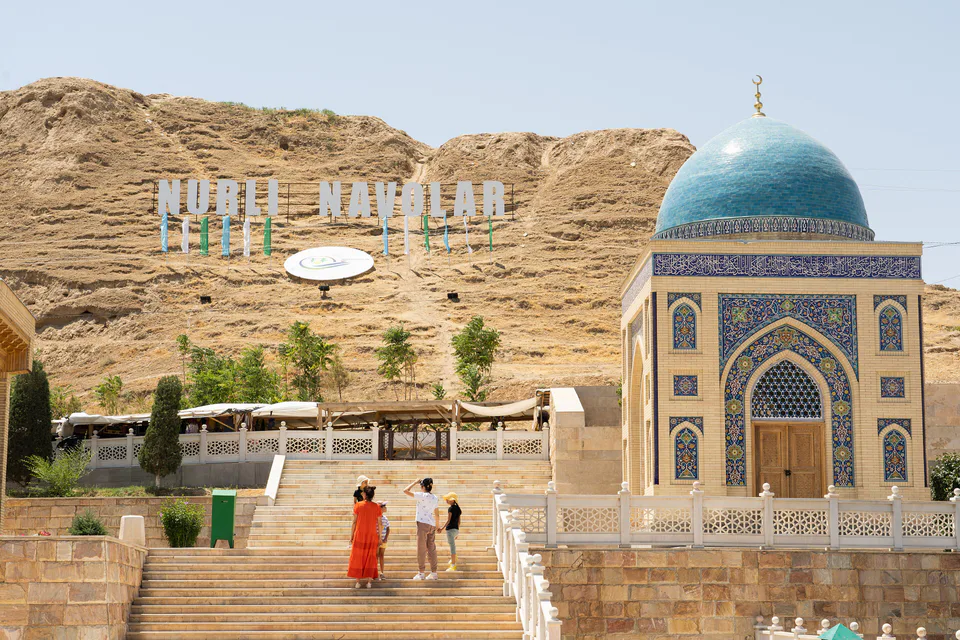
Pilgrimage site · Nurota District
A healing spring and the 'light of Bukhara'
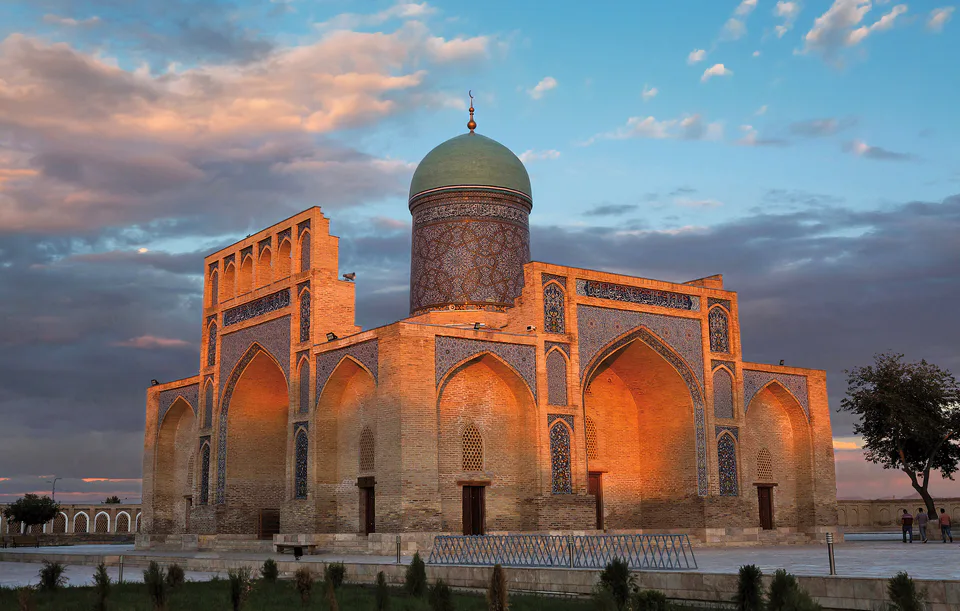
Pilgrimage site · Karmana District
The lodge of the sheikh who saved Abdullah Khan II
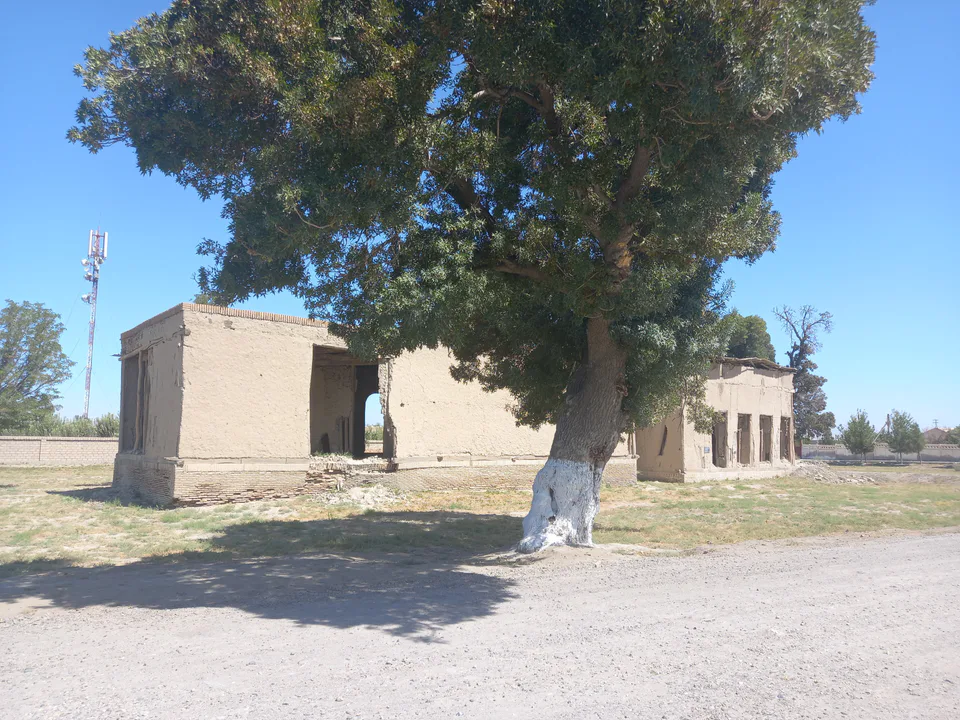
Ensemble · Karmana District
The Bukharan emirs' summer palace in Karmana
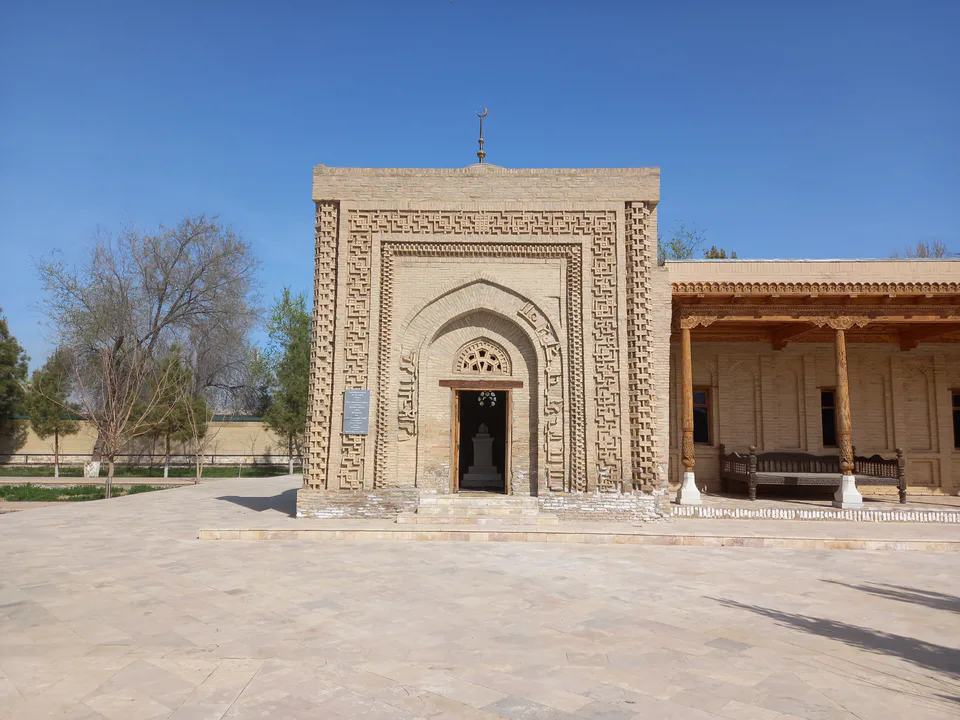
Mausoleum · Karmana District
Karmana's cousin of the Samanid Mausoleum
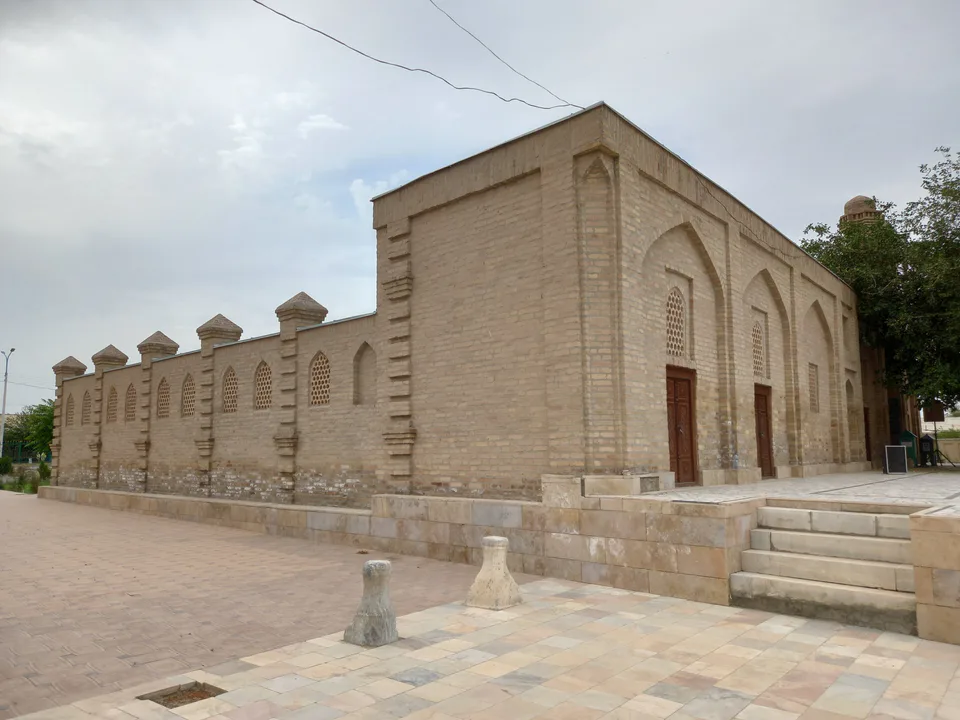
Mausoleum · Karmana District
A Bukharan emir's grave in Karmana
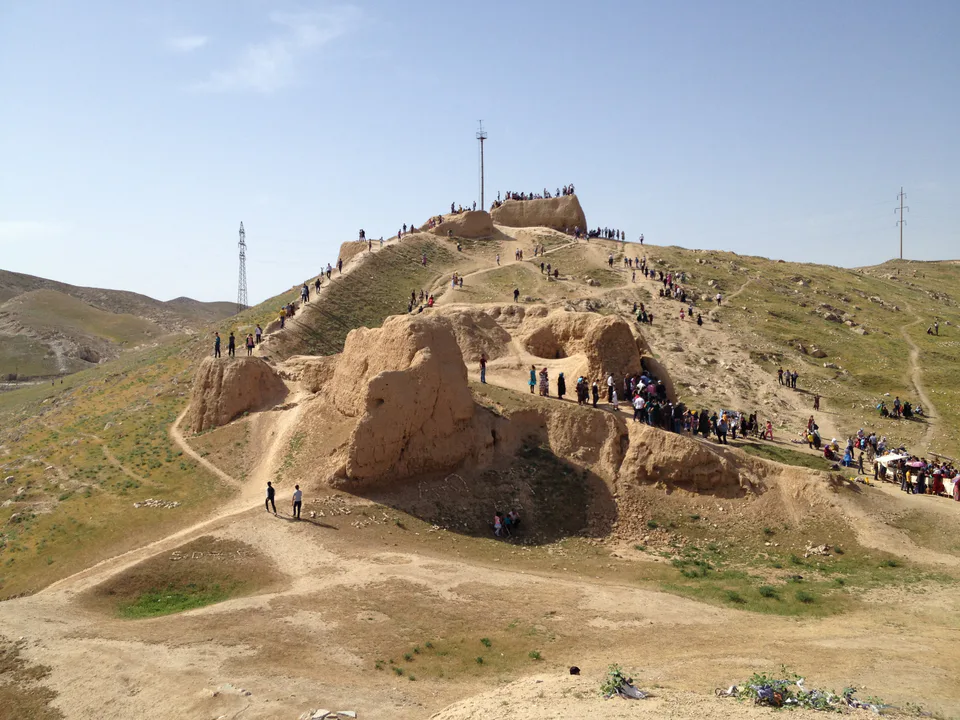
Archaeology · Nurota District
An ancient stronghold on the edge of the steppe
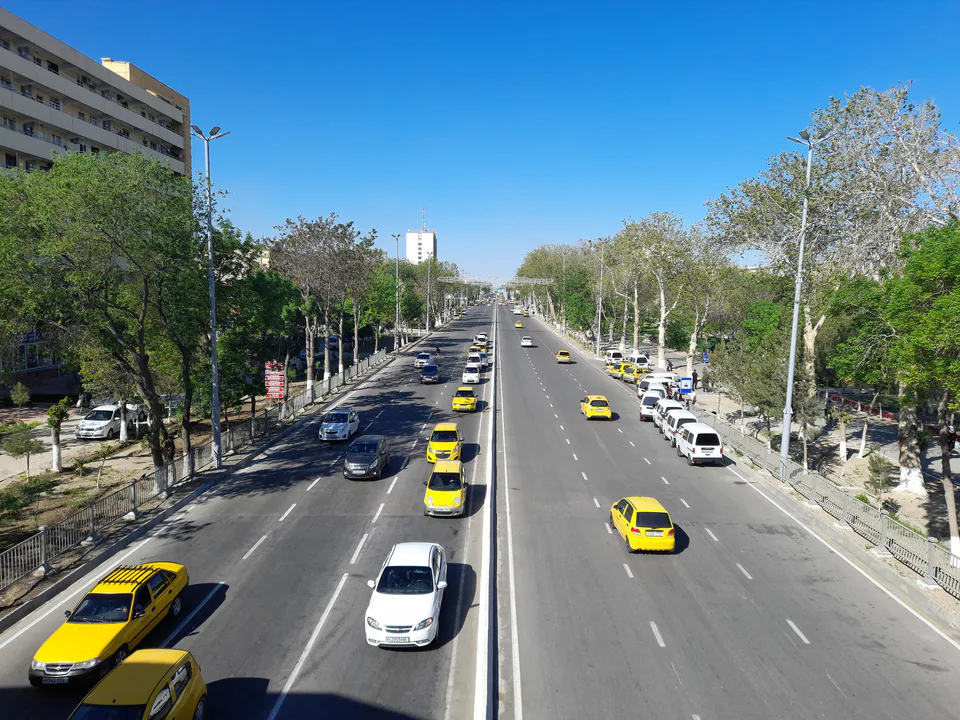
Modern · Navoiy city
An industrial city built to a single master plan