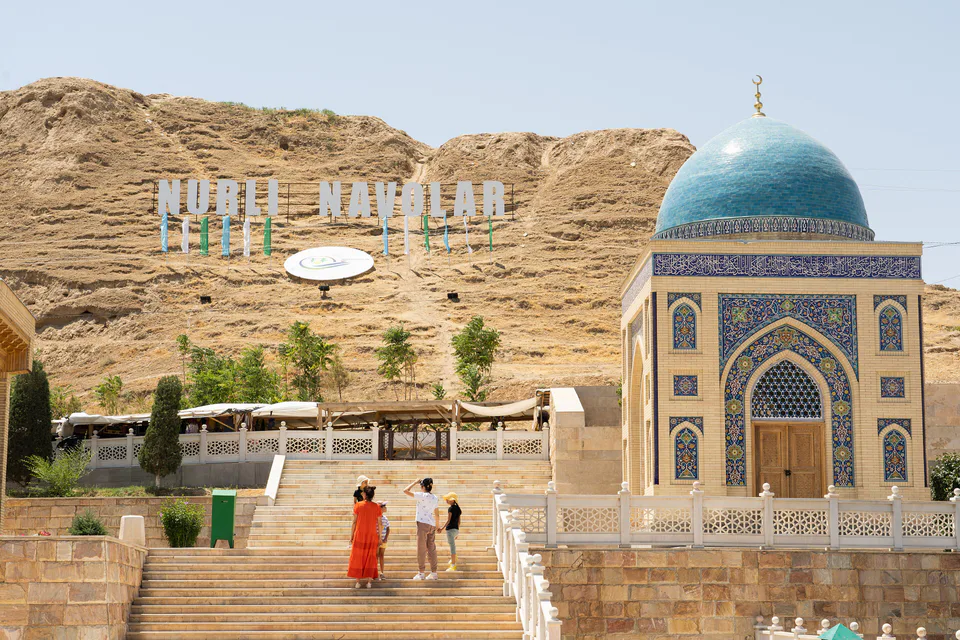
Pilgrimage site · Nurota District
Chashma Complex, Nurota
A healing spring and the 'light of Bukhara'
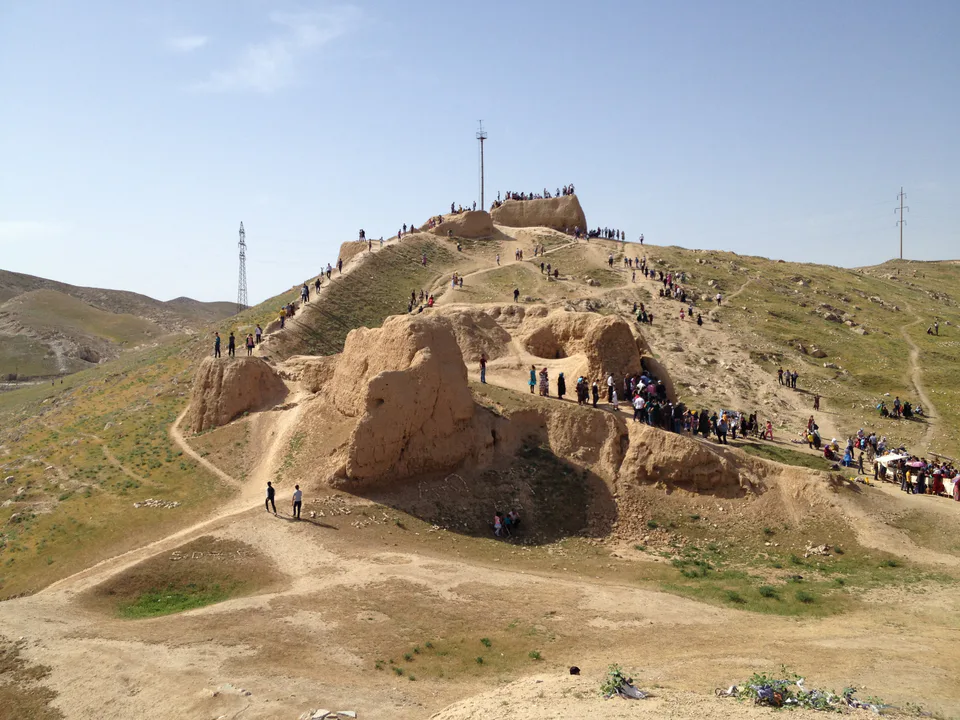
Archaeology · Nurota District
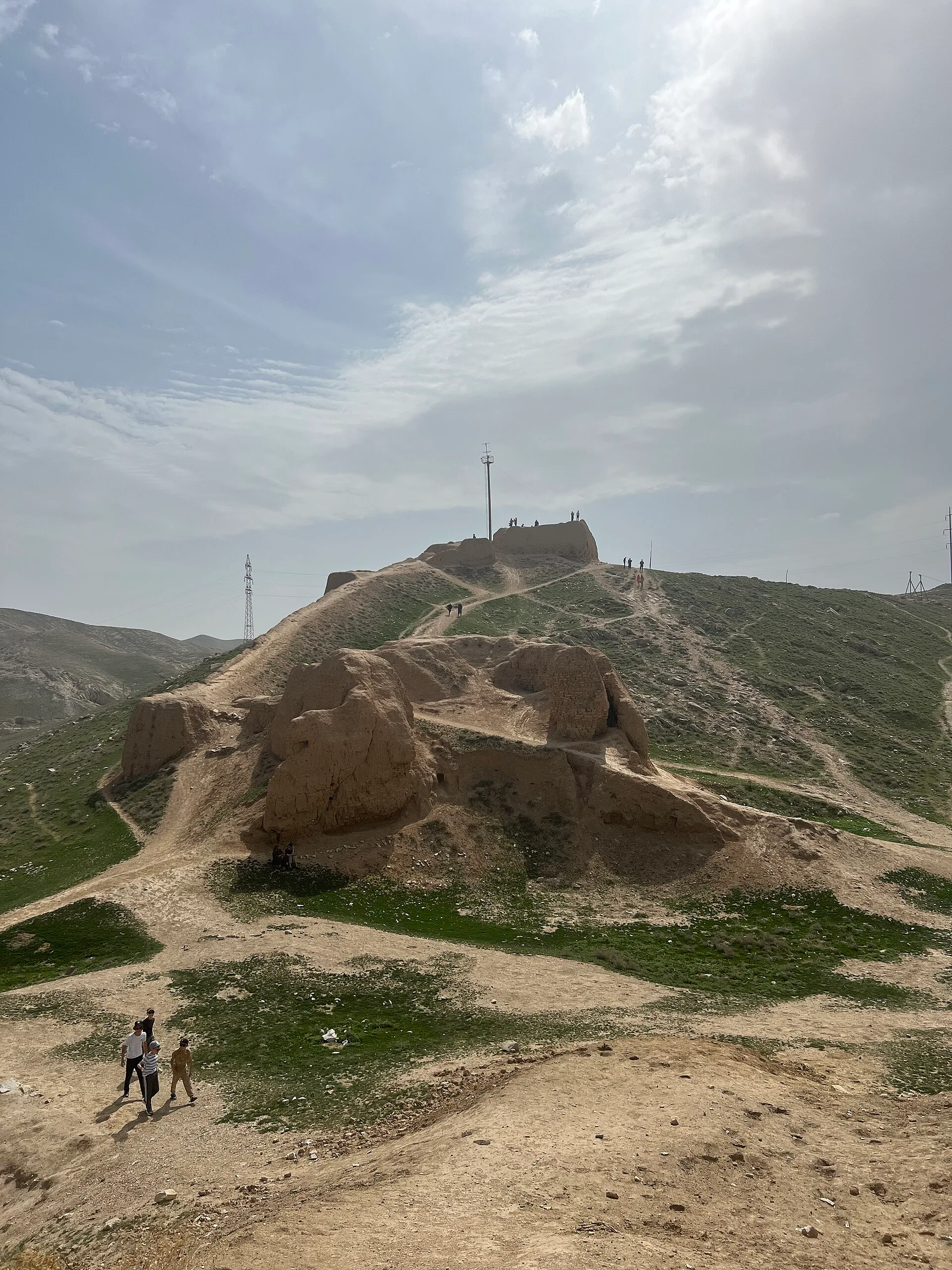
On the hill above the Chashma spring in Nurota stand the ruins of the ancient Nur fortress, which locals link to Alexander the Great and call 'Iskandar's fortress'.
Local tradition ties Nur's origins to Alexander the Great, said to have founded a fortress here in the 4th century BC — hence the names Iskandar's fortress and Iskandariya. It stood at a strategic point where the farming oasis met the steppe, and sources mention it as a mustering ground for armies and a refuge for rebels. Nur was regarded as the second 'gate', after Jizzakh, into the Bukhara and Samarkand oases.
Nur appears as a stronghold in the struggles of the last Samanid, Muntasir, and descendants of Seljuk lived around it for a time. Some sources describe a shahristan, or inner town, 500 × 500 m in size, enclosed by a high wall with towers.
Ancient karizes — underground water channels — survive around Nurota, and tradition links them too with Alexander; local accounts date them to roughly the 4th–3rd centuries BC. A kariz carried spring water for several kilometres, with wells sunk every few metres to clean it. Some have been restored and are still used by local people today. Remains of the Pirosta defensive wall also survive in town.
Pilgrimage site · Nurota District
A healing spring and the 'light of Bukhara'
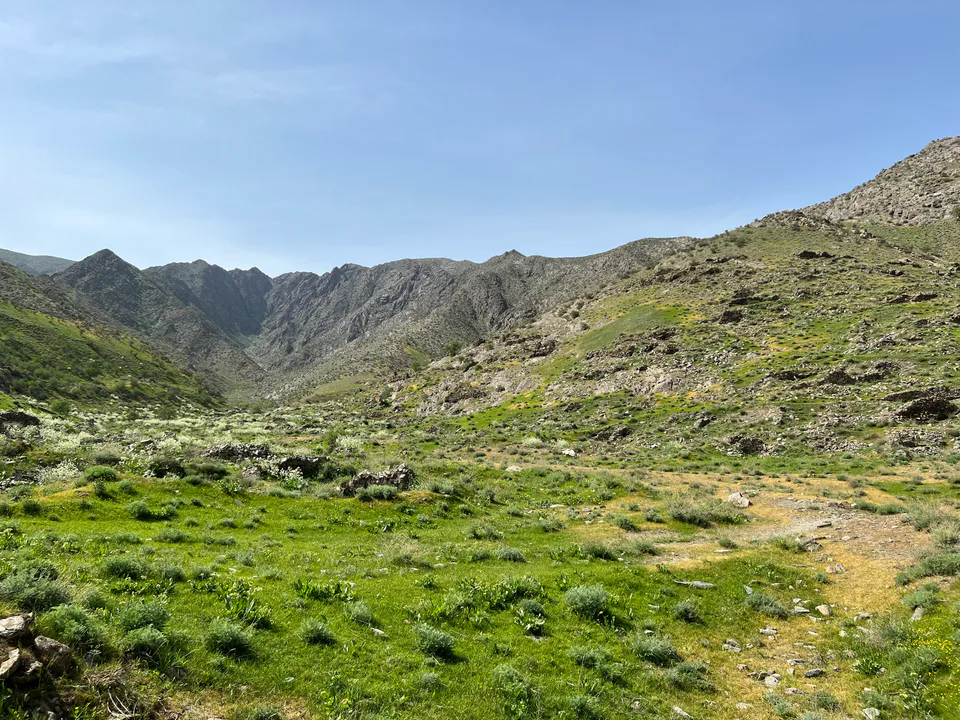
Nature · Nurota District
Walnut groves, wild sheep and welcoming mountain villages
Archaeology · Navbahor District
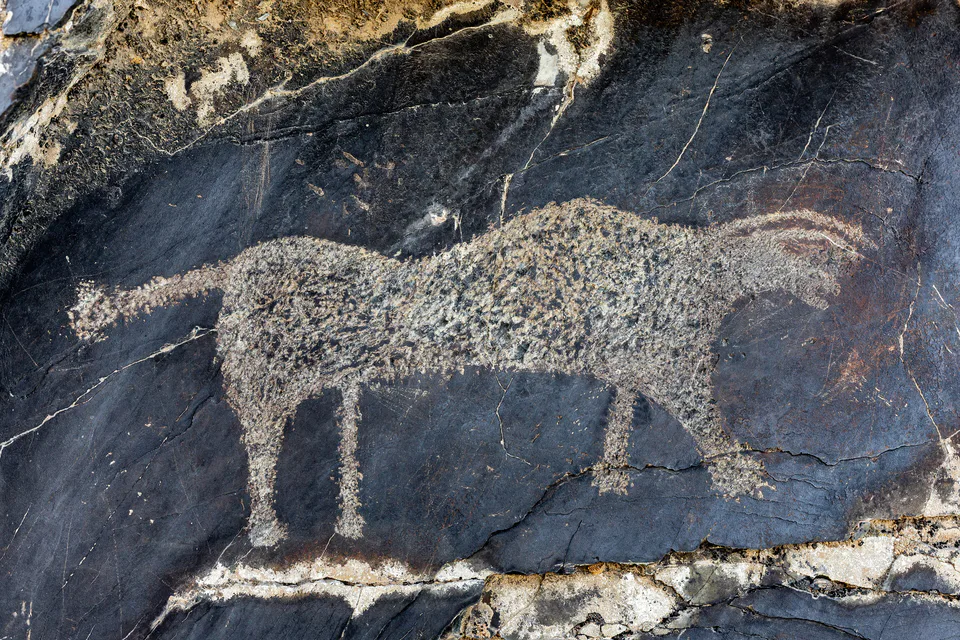
Ten thousand years of history carved in stone