Archaeology · Nurota District
Nur Fortress (Alexander's Fortress)
An ancient stronghold on the edge of the steppe
Pilgrimage site · Nurota District
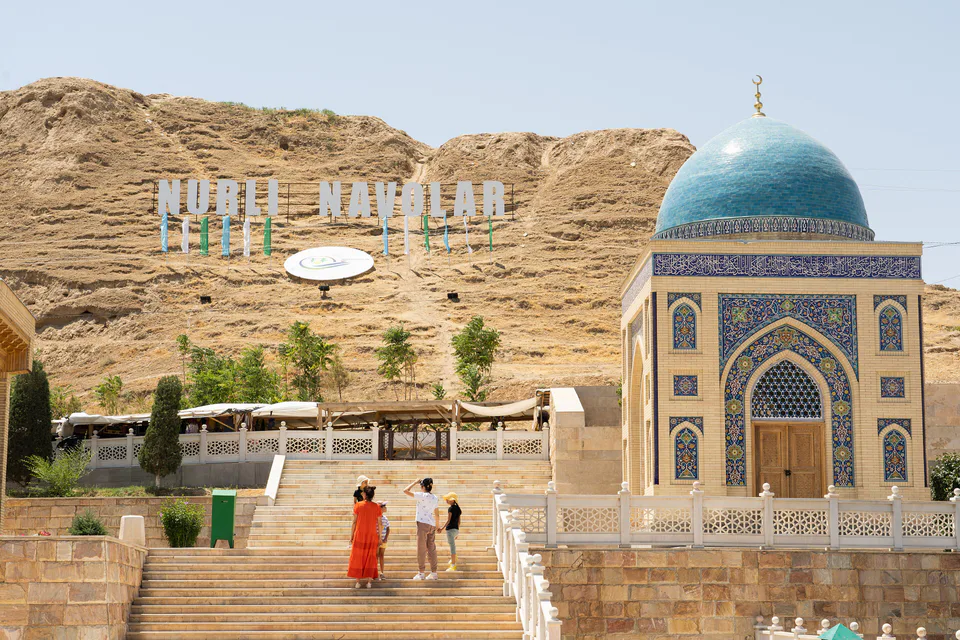
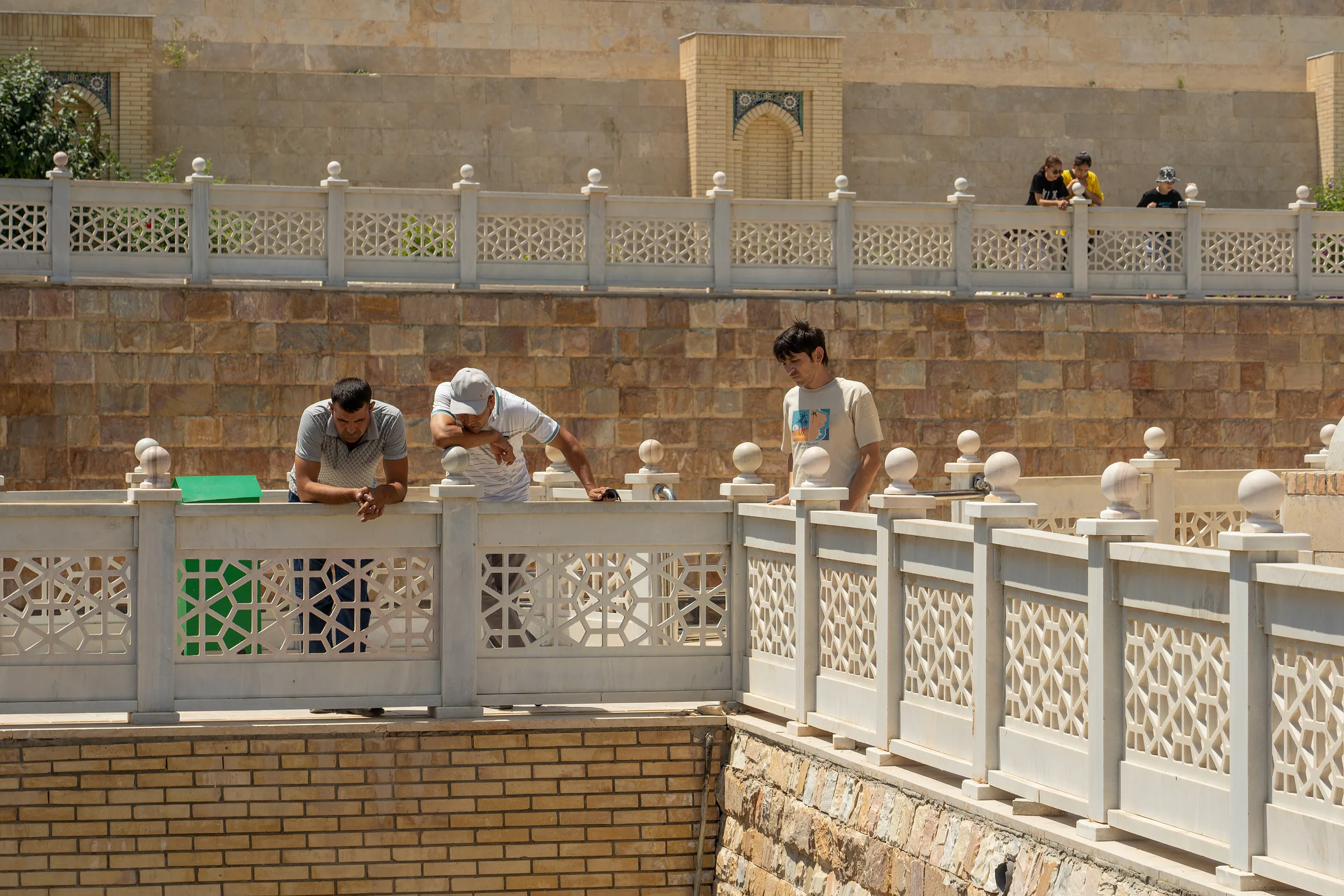
Built up in the 16th and 17th centuries around a sacred spring, Nurota's complex of mosques, bathhouse and cemetery has for centuries been one of the most revered shrines of the Bukhara oasis.
Nurota — ancient Nur — appears in Narshakhi's 10th-century History of Bukhara. He tells of a Friday mosque and many ribats, and of holy graves that drew pilgrims from Bukhara and beyond every year; some even said that a pilgrimage to Nur was as meritorious as the hajj, and the city was garlanded when pilgrims returned. Narshakhi adds that Nur was called the 'light of Bukhara' because many tabi'un — people who had seen the Companions of the Prophet — were buried there.
The town takes its name from the spring, the Nur Chashma; some sources say the later name Nurota honours the 12th-century Sheikh Abulhasan Nuri. From the 16th century Nurota belonged to the Bukhara Khanate as the seat of the Nurota beylik, and the present Chashma complex took shape around the spring in the 16th and 17th centuries.
At its heart is the spring, welling up from the bottom of a pool. Fish swim in it which locals consider sacred and never catch, and the water itself is believed to heal — pilgrims fill bottles to take home.
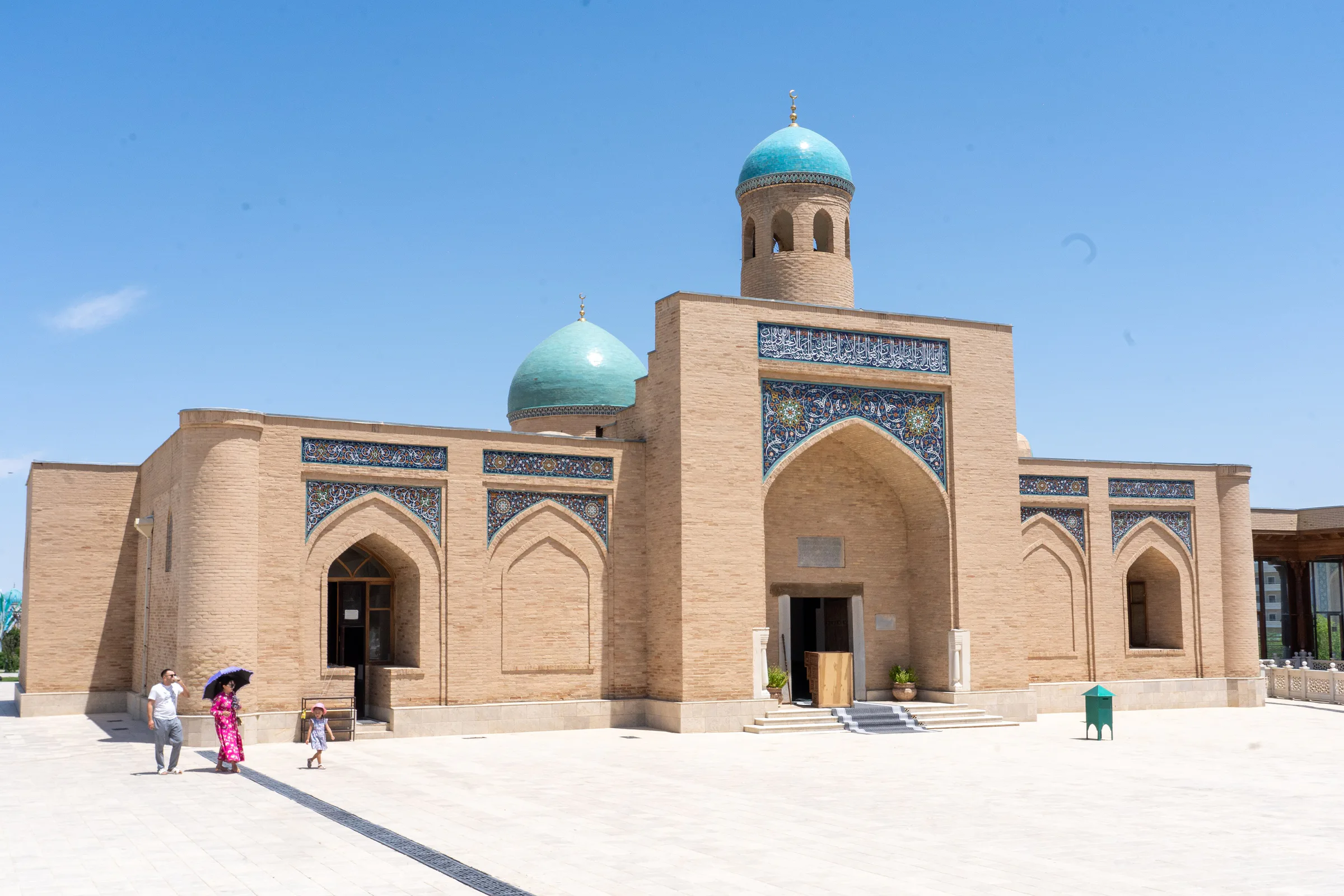
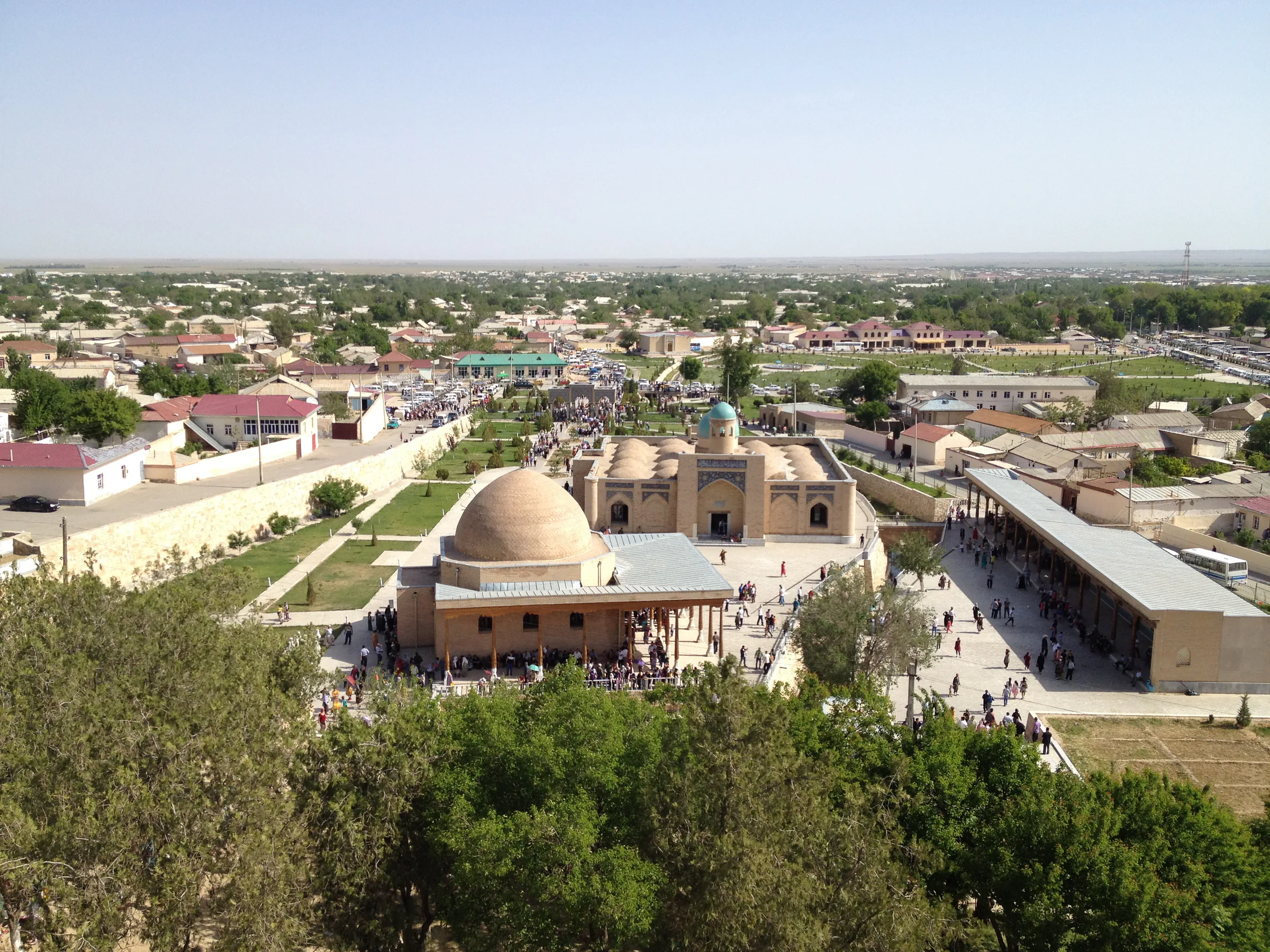
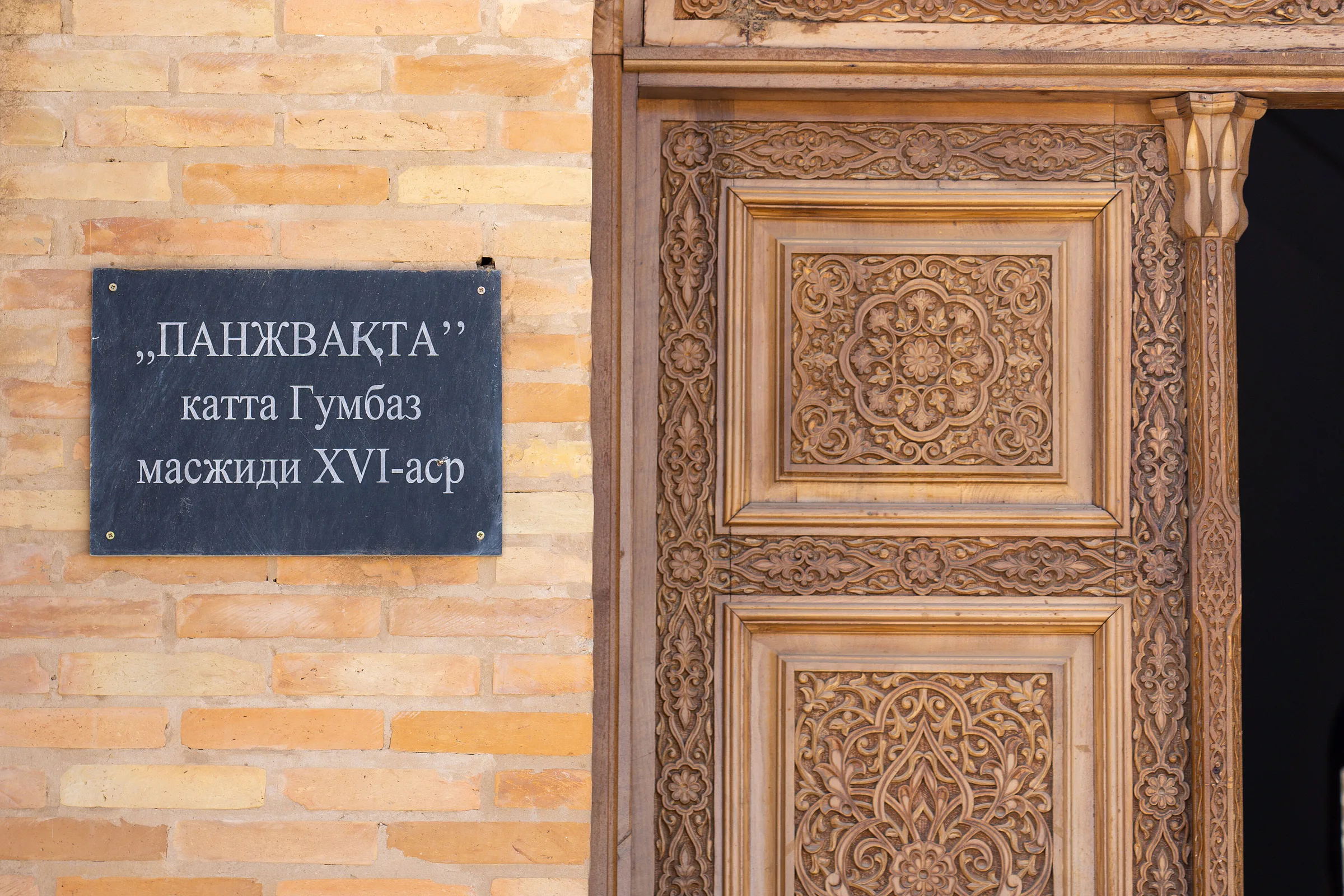
Beside the spring stands the Katta Gumbaz (Great Dome) Mosque of 1582–1590, whose huge dome is often cited as one of the largest in Central Asia. The complex also includes the Chilustun ('forty-column') Friday mosque of the 19th–early 20th century, a well and a bathhouse, and to the south-east lies the Nur-Ota cemetery with a saint's grave. Other late-19th and early-20th-century mosques survive in town, among them the Sayidota, Oqmasjid and Bargsoʻz.
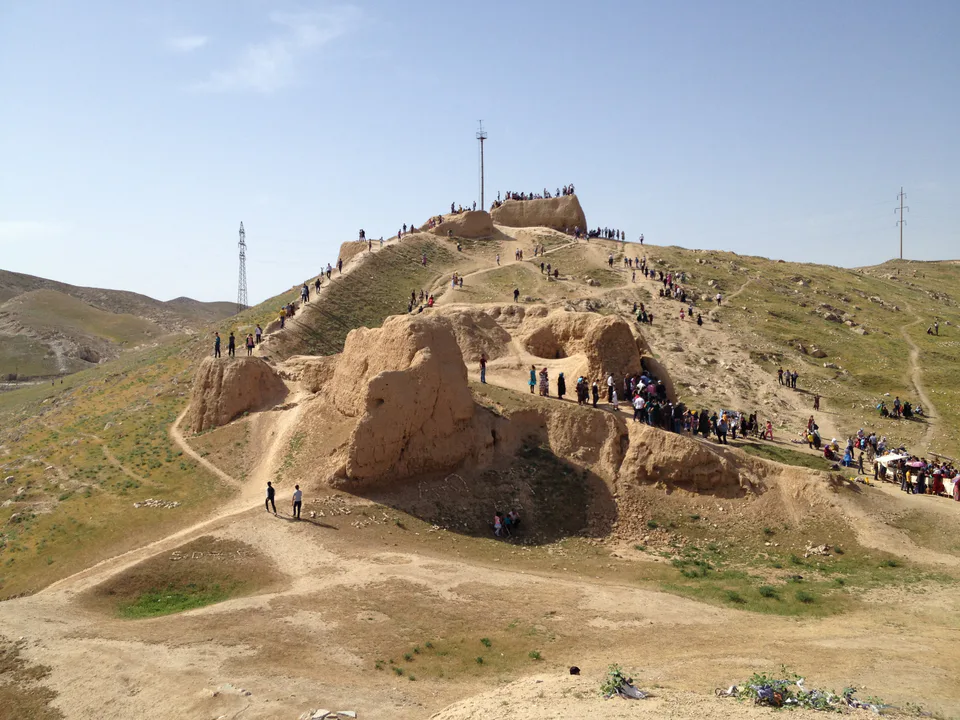
On the hill behind the spring rise the ruins of the ancient Nur fortress, which legend attributes to Alexander the Great. Climb up for a view over the complex and the whole town.
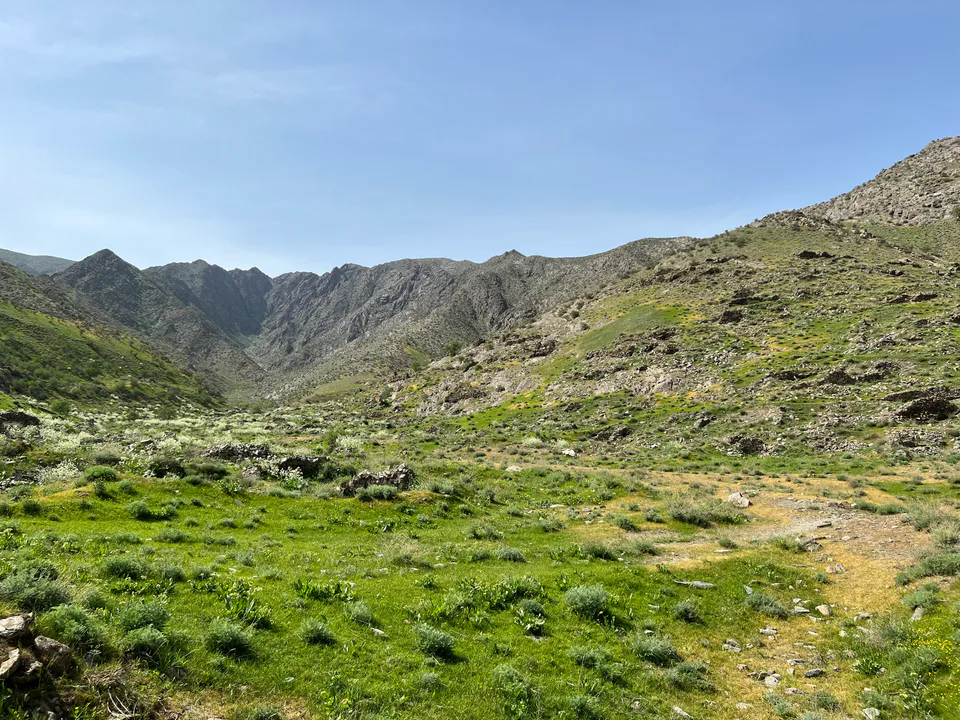
Nurota is the gateway to Aydarkul and the Nuratau Mountains: trips to the yurt camps by the lake and to the village of Sentob often start here.
In January 1220 the vanguard of Genghis Khan's army crossed the Kyzylkum and entered Nur. Legend says the townspeople at first took the Mongols for a caravan from afar; the route by which they were guided to Nur later became known as the 'Khan's road'.
In the early 1920s Nurota had 32 mosques, divided among four quarters.
Archaeology · Nurota District
An ancient stronghold on the edge of the steppe
Nature · Nurota District
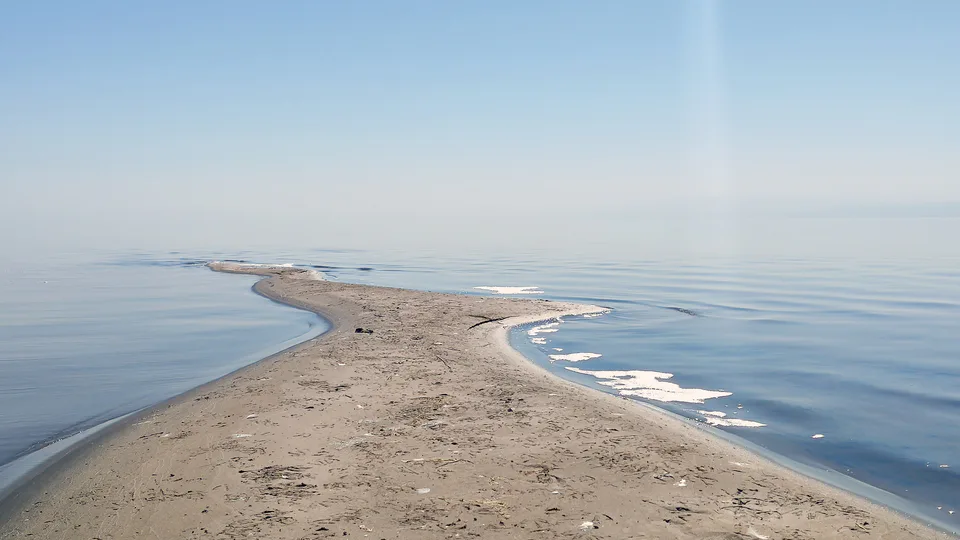
A 'sea in the sand' in the Kyzylkum
Nature · Nurota District
Walnut groves, wild sheep and welcoming mountain villages
Archaeology · Navbahor District
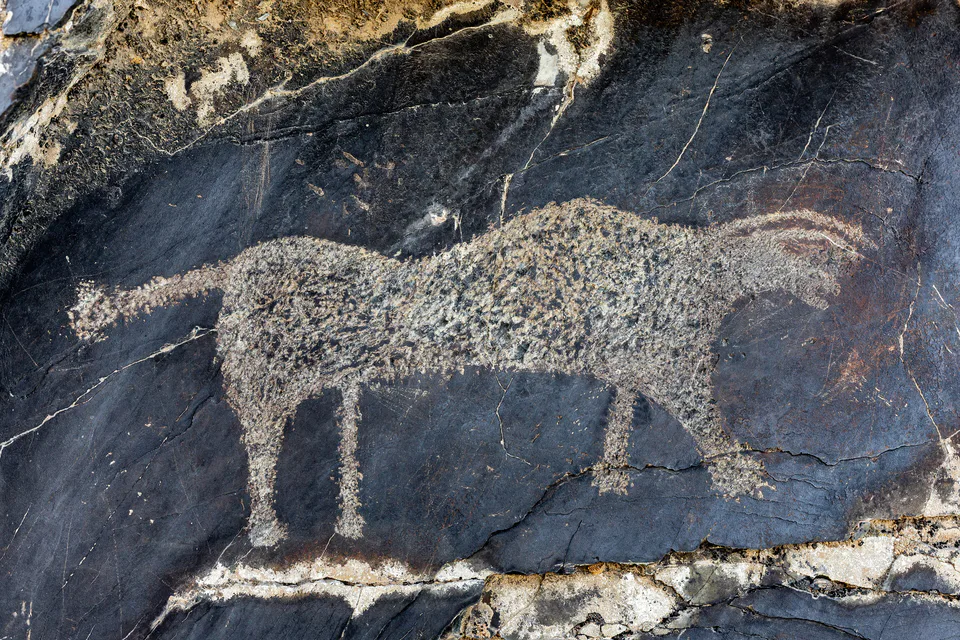
Ten thousand years of history carved in stone