Mosque · Kokand
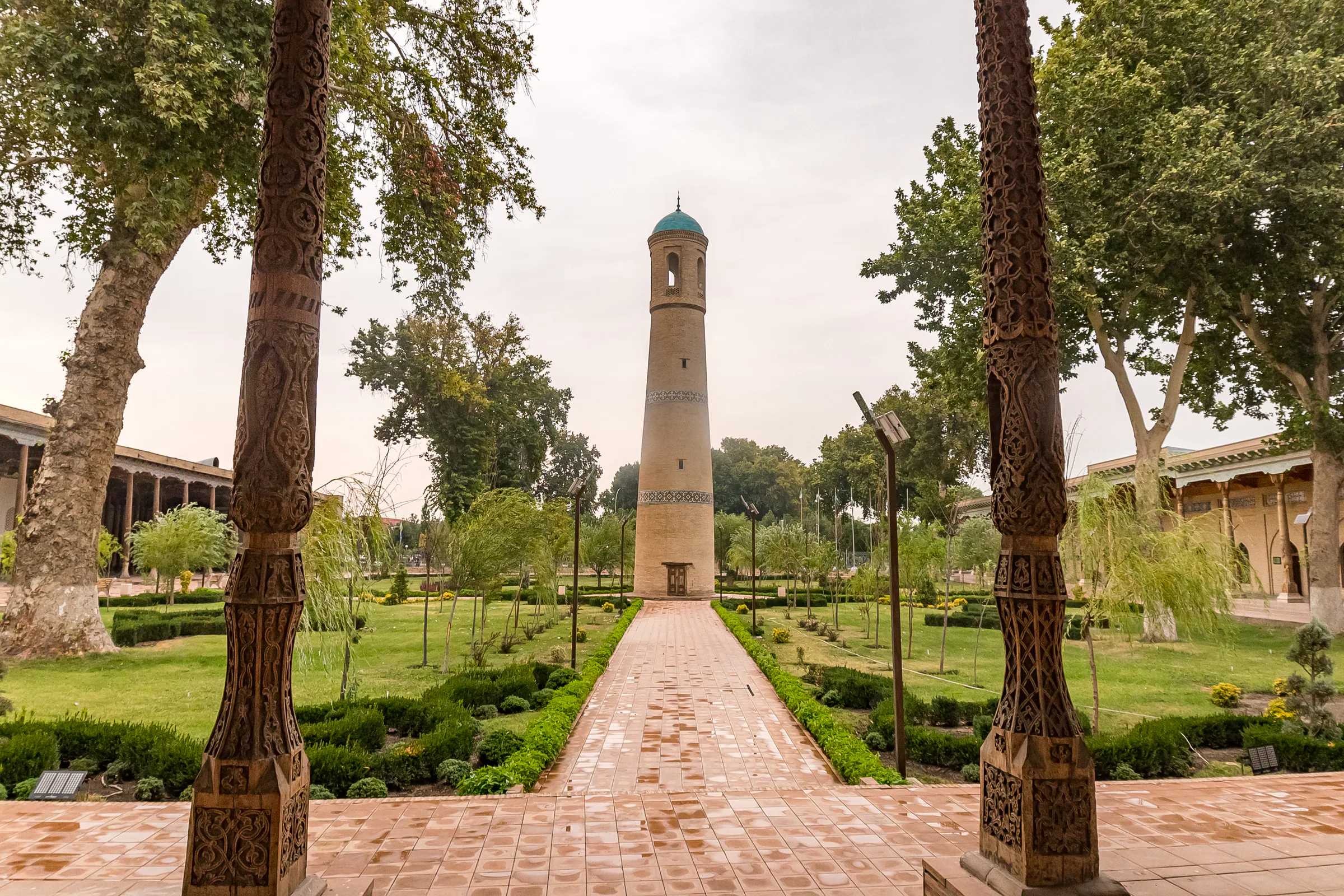
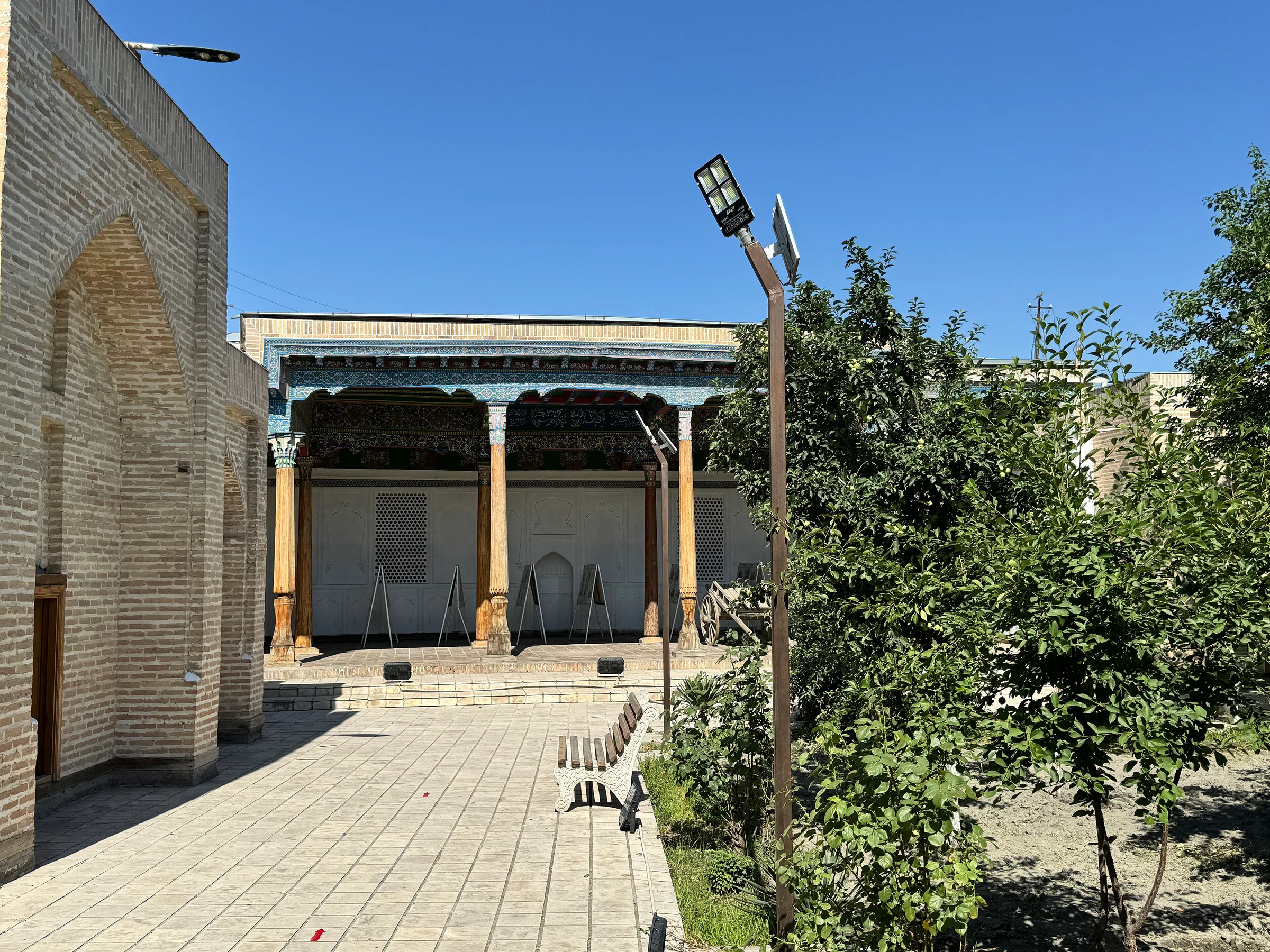
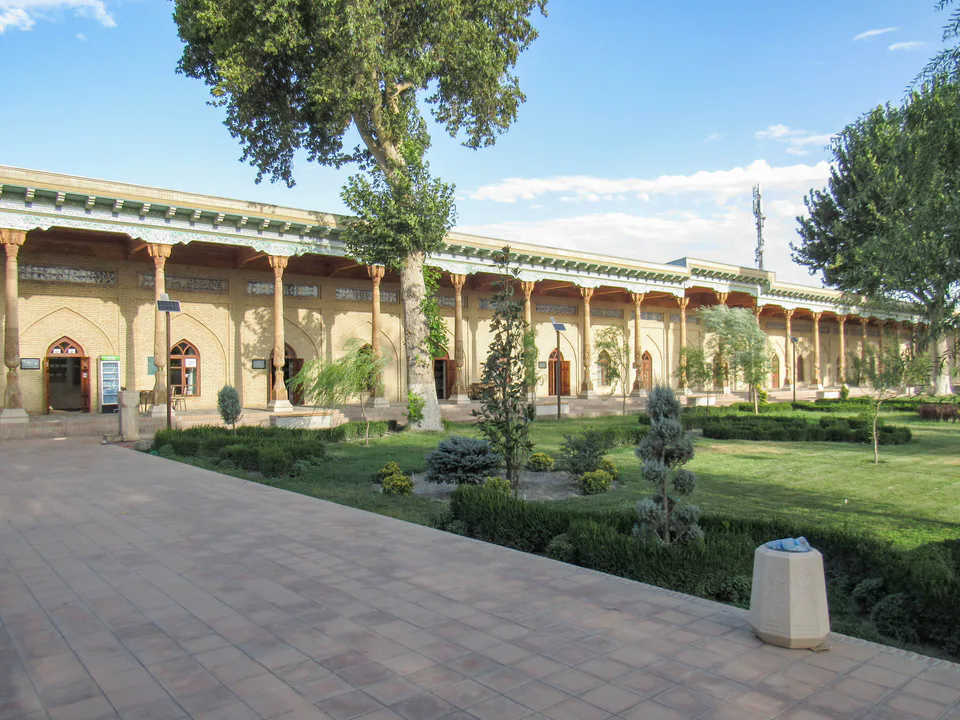
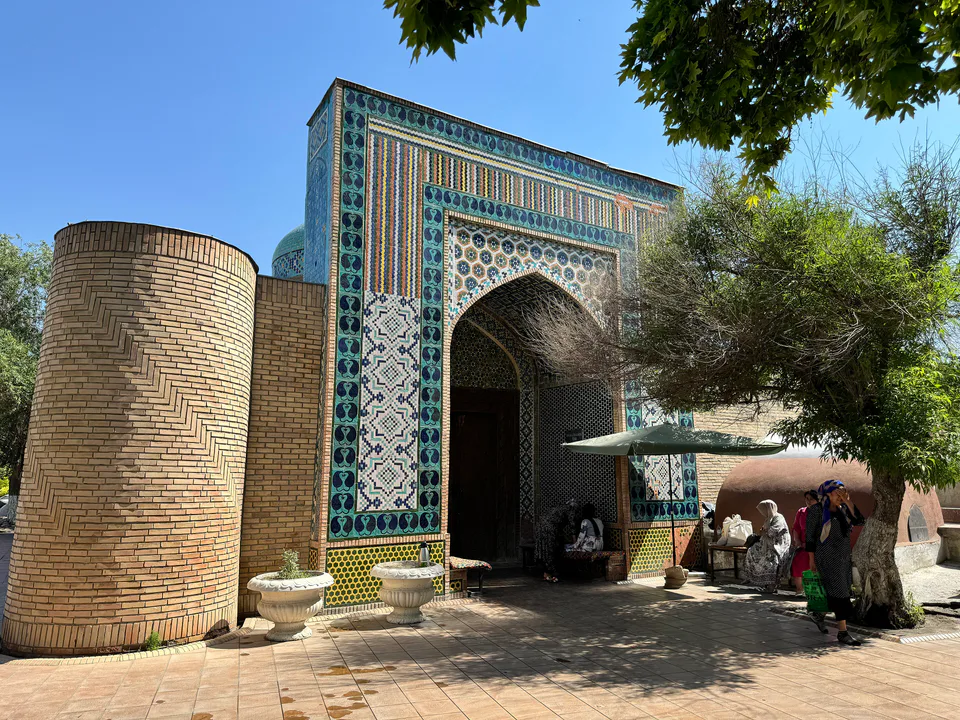
Kokand Jami Mosque
A 98-column iwan and the Chorsu minaret
The valley of silk, ceramics and a khans' capital
The southern Fergana Valley: the Kokand khans' palace, Margilan ikat silk, Rishtan ceramics and mountain Shohimardon — Uzbekistan's most crowded and most craft-minded region.
Fergana Region covers the southern half of the Fergana Valley, a fertile basin ringed by mountains. It borders Namangan and Andijan regions to the north, Kyrgyzstan to the south and east, and Tajikistan to the west. Its area is only about 6,800 km², yet more than 4.2 million people live here — over 600 per square kilometre, one of the highest densities in the country.
The Syr Darya runs along the north-western boundary, while the Sokh, Isfara, Shohimardonsoy and Isfayramsoy rivers come down from the Alay Range in the south; their alluvial fans have watered orchards and fields for centuries. Sandy tracts of the Yazyavan and Karakalpak steppes still survive in the centre of the valley. The climate is continental, with July averages around 28 °C and fairly mild winters. The western valley is known for the 'Kokand wind', which blows hardest in spring and autumn.
The region also administers two exclaves inside Kyrgyzstan — Sokh District and Shohimardon — a tangle of history and geography that requires special arrangements to visit.
People have lived here since deep antiquity: caves in the Sokh valley hold Stone Age traces, and settlements of the Chust culture date from the Bronze Age. Chinese chronicles of the 2nd century BC called the country Dayuan and praised its 'heavenly horses'. In the early Middle Ages Kuva, Margilan and Rishtan were Silk Road stops; excavations at Kuva uncovered a Buddhist temple of the 7th–8th centuries.
The valley produced great scholars, among them the 9th-century astronomer Ahmad al-Farghani and the 12th-century jurist Burhan al-Din al-Marghinani, author of the Hidaya. In the early 18th century Shahrukh Biy founded the Khanate of Kokand (1709–1876), with Kokand as its capital; under Umar Khan and the poet Nodira the city flourished as a centre of poetry and architecture.
In 1876 the Russian Empire abolished the khanate and created Fergana Oblast. A new administrative centre, New Margelan, was built near Margilan; it was renamed Skobelev in 1907 and Fergana in 1924. The present region was formed on 15 January 1938, and Andijan and Namangan regions were carved out of it in 1941.
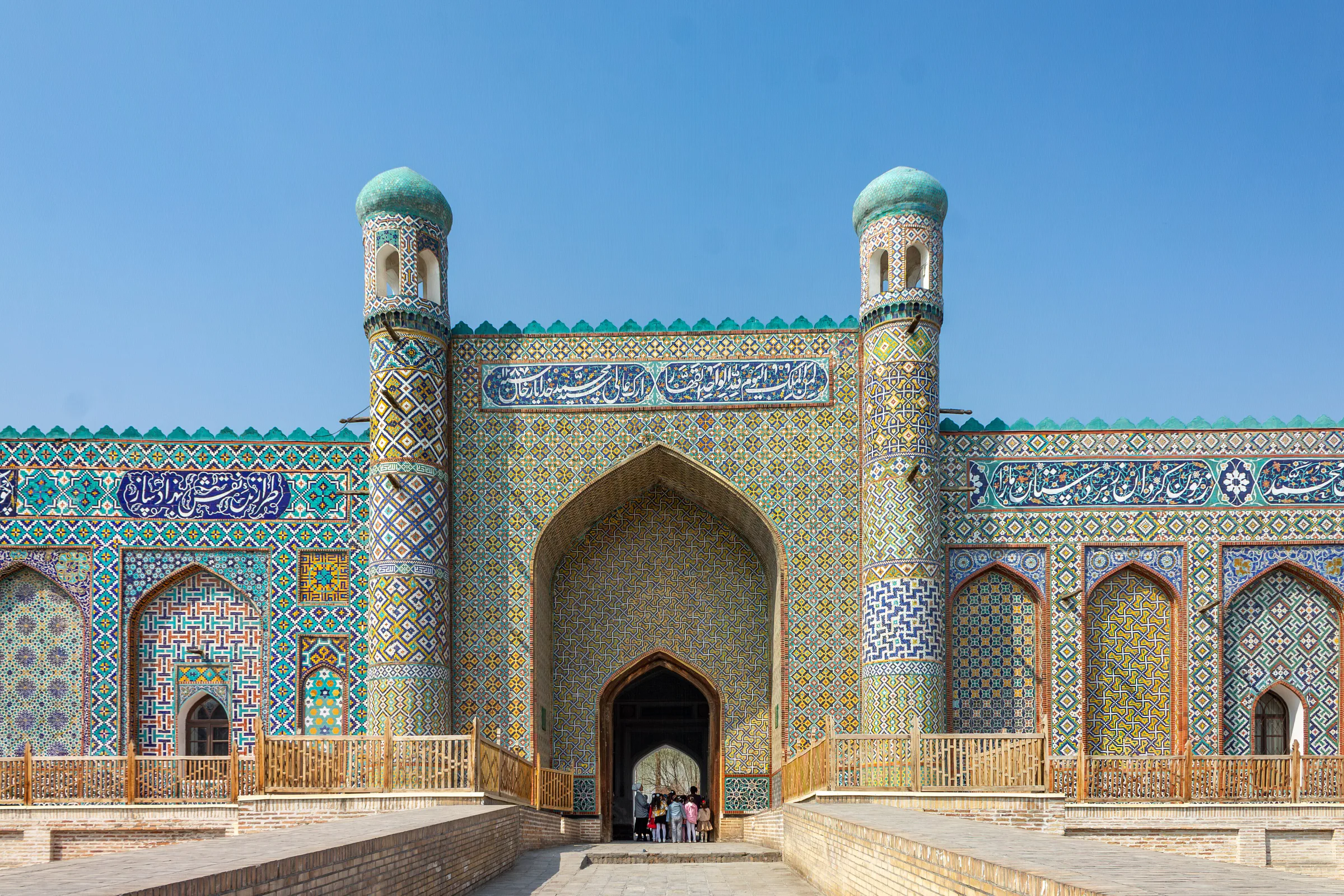
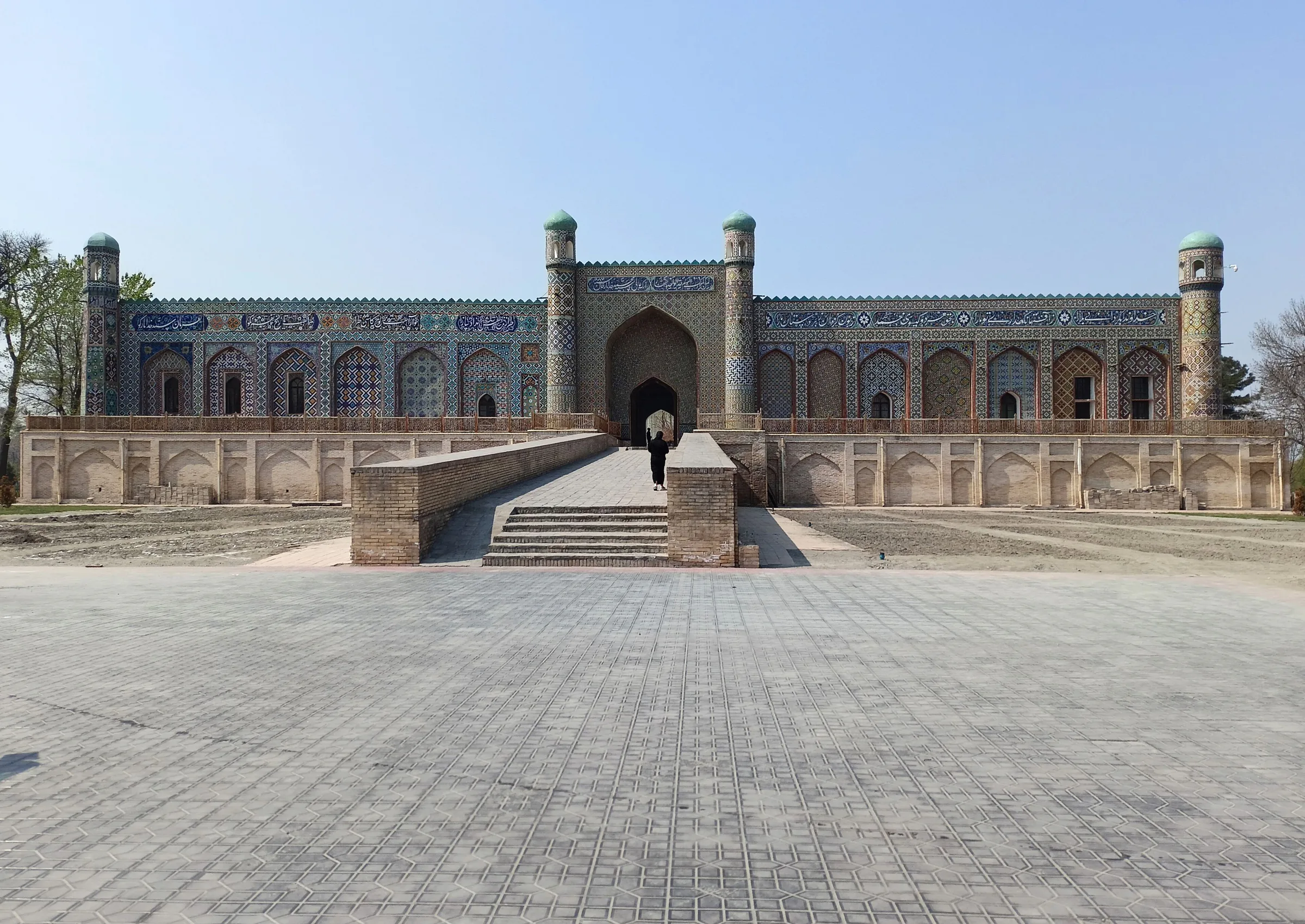
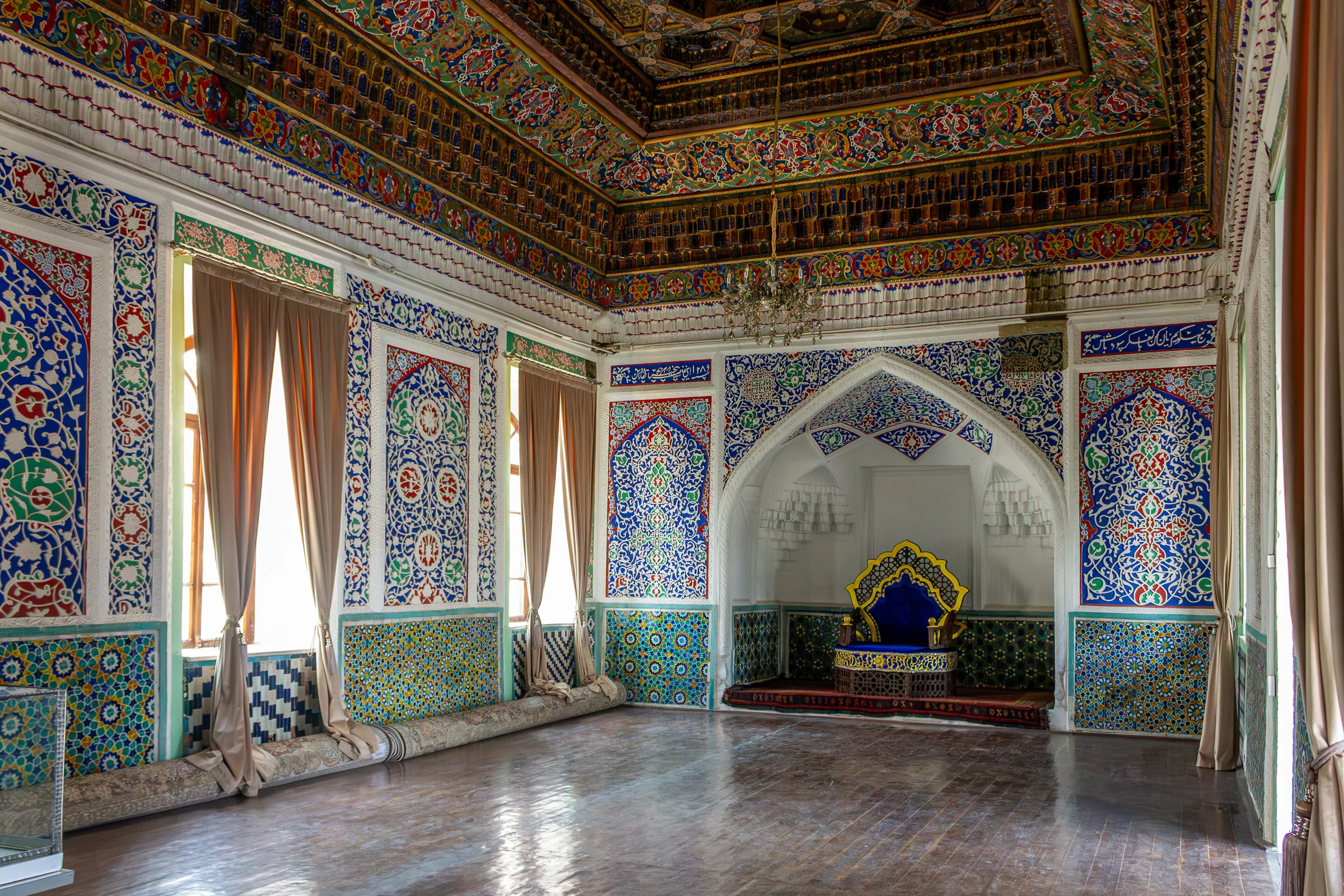
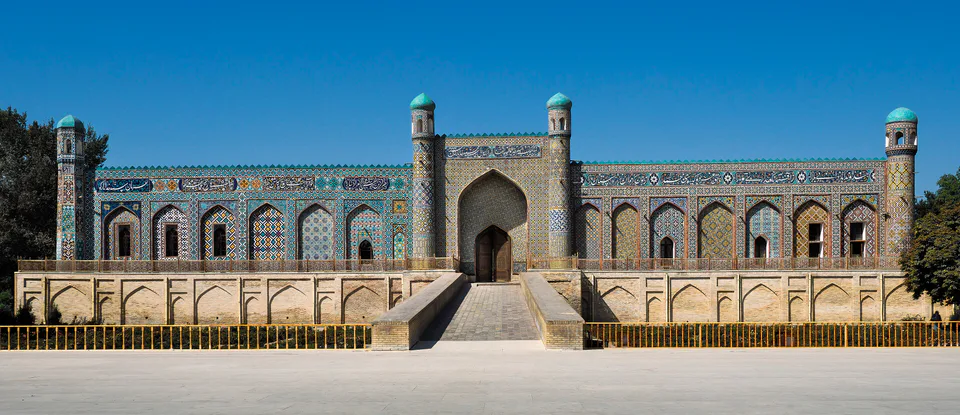
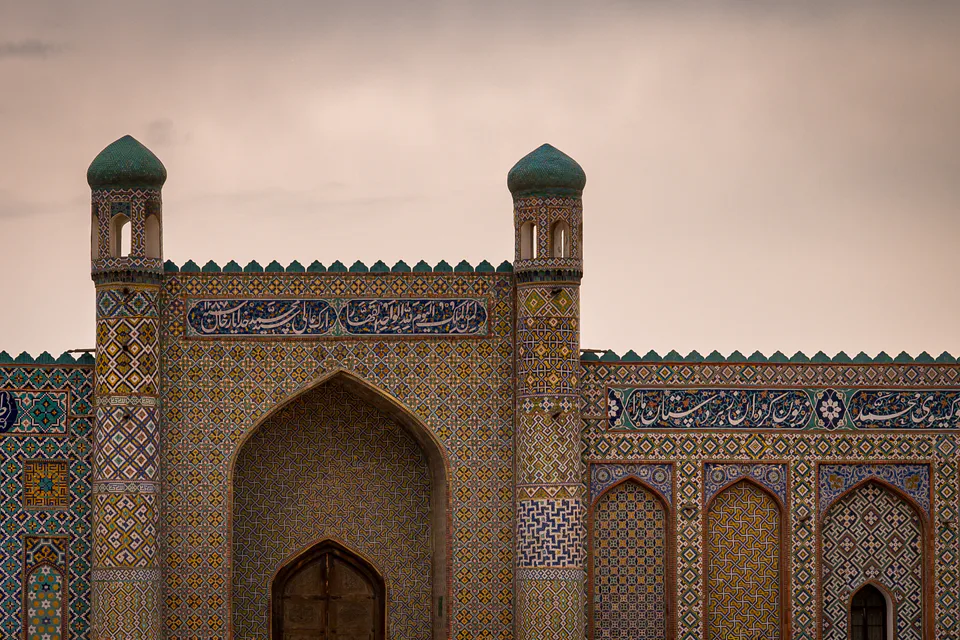
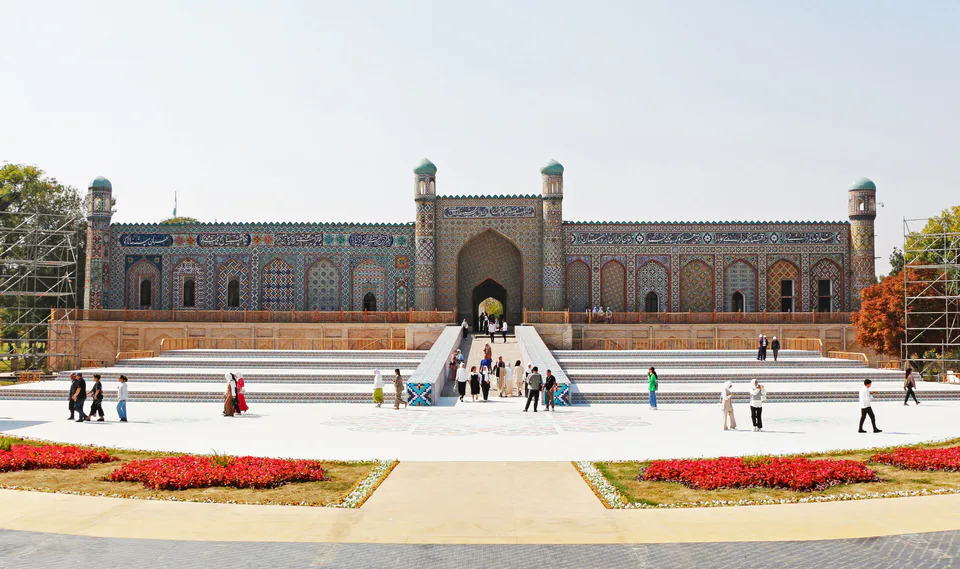
Kokand has the Palace of Khudayar Khan, unusual for its yellow-and-green tilework, the 98-column Jami Mosque, the Narbuta Biy Madrasa and the khans' burial ground of Dakhma-i-Shakhon. In Margilan you can follow silk from cocoon to cloth at the Yodgorlik factory, meet craftsmen in the Said Ahmad Khoja Madrasa and, on a Sunday, head to Kumtepa Bazaar.
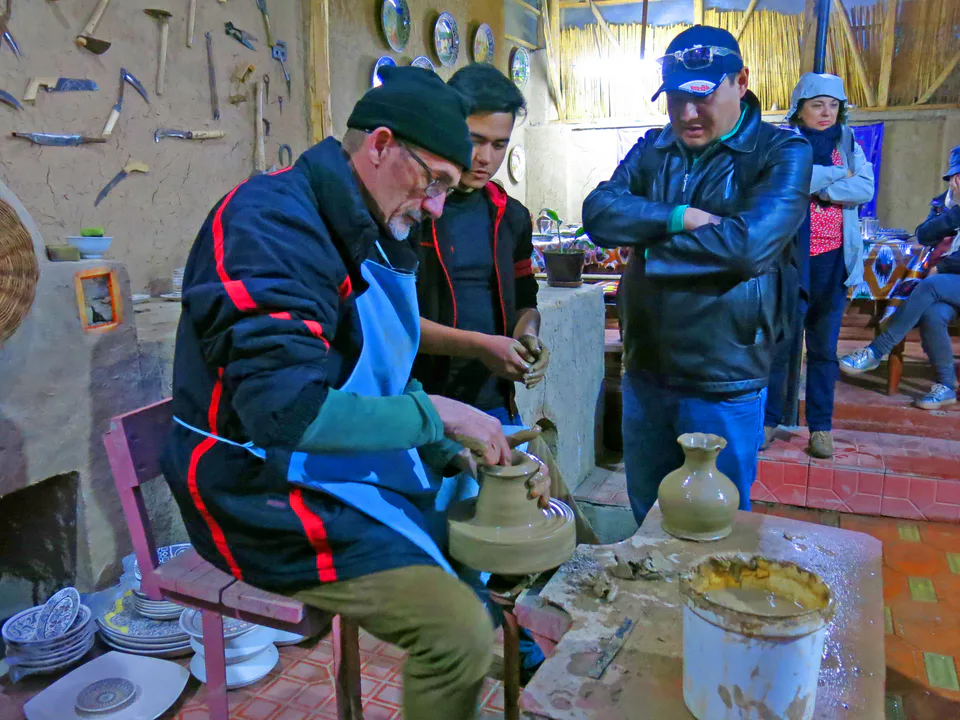
Rishtan is one of Central Asia's best-known pottery towns: in the home museums of master potters you can watch blue alkaline-glazed bowls being made. Fergana city has the Ahmad al-Farghani Park and the regional museum of local lore. In the mountains to the south lies the shrine and resort of Shohimardon, and at Kuva the ruins of an ancient city survive.
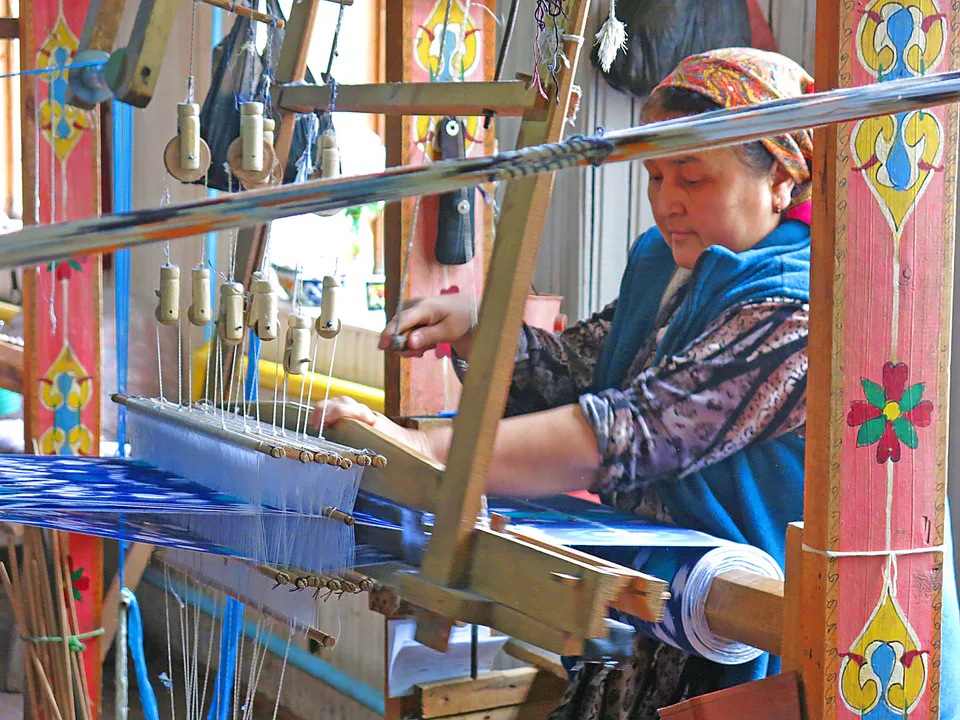
Margilan is famous for atlas and adras ikat: the Margilan Crafts Development Centre's work safeguarding traditional atlas and adras technologies was selected for UNESCO's Register of Good Safeguarding Practices in 2017. Rishtan potters use local reddish clay and ishkor glaze made from plant ash, while Kokand is known for woodcarving and chased copperware.
Valley cooking has its own character: Fergana-style plov, Kokand halva and pastries, and market fruit — apricots, pomegranates, grapes. The teahouse remains the heart of neighbourhood life.
The region is made up of 15 districts and four cities of regional status. Fergana, the capital, stands apart from older valley towns with its broad avenues, grid plan and Russian-era buildings. Kokand, the former khanate capital, has an old town full of madrasas and mosques and a newer quarter of early-20th-century banks and merchant houses. Margilan is a city of silk and trade, while Kuvasay is a small industrial town at the foot of the mountains.
Among the districts, Rishtan stands out for its potters, Kuva for its ancient ruins, Buvayda and Baghdad for their shrines, and Uzbekistan District for the Sokh river valley. Villages still keep a traditional rhythm centred on the guzar square, the teahouse and the neighbourhood mosque, and in spring the whole valley is white with apricot and apple blossom.
Fergana International Airport has flights to Tashkent and a number of foreign cities. Trains from Tashkent run through the tunnel beneath the Kamchik Pass to Kokand and Margilan, whose station is also the nearest major passenger stop for Fergana city; the main road crosses the same pass. Distances inside the region are short: Fergana to Margilan is about 15 km, and Kokand is roughly one and a half to two hours away by car.
Mosque · Kokand
A 98-column iwan and the Chorsu minaret
Culture & arts · Rishtan District
An open museum of Rishtan pottery
Resort · Fergana District
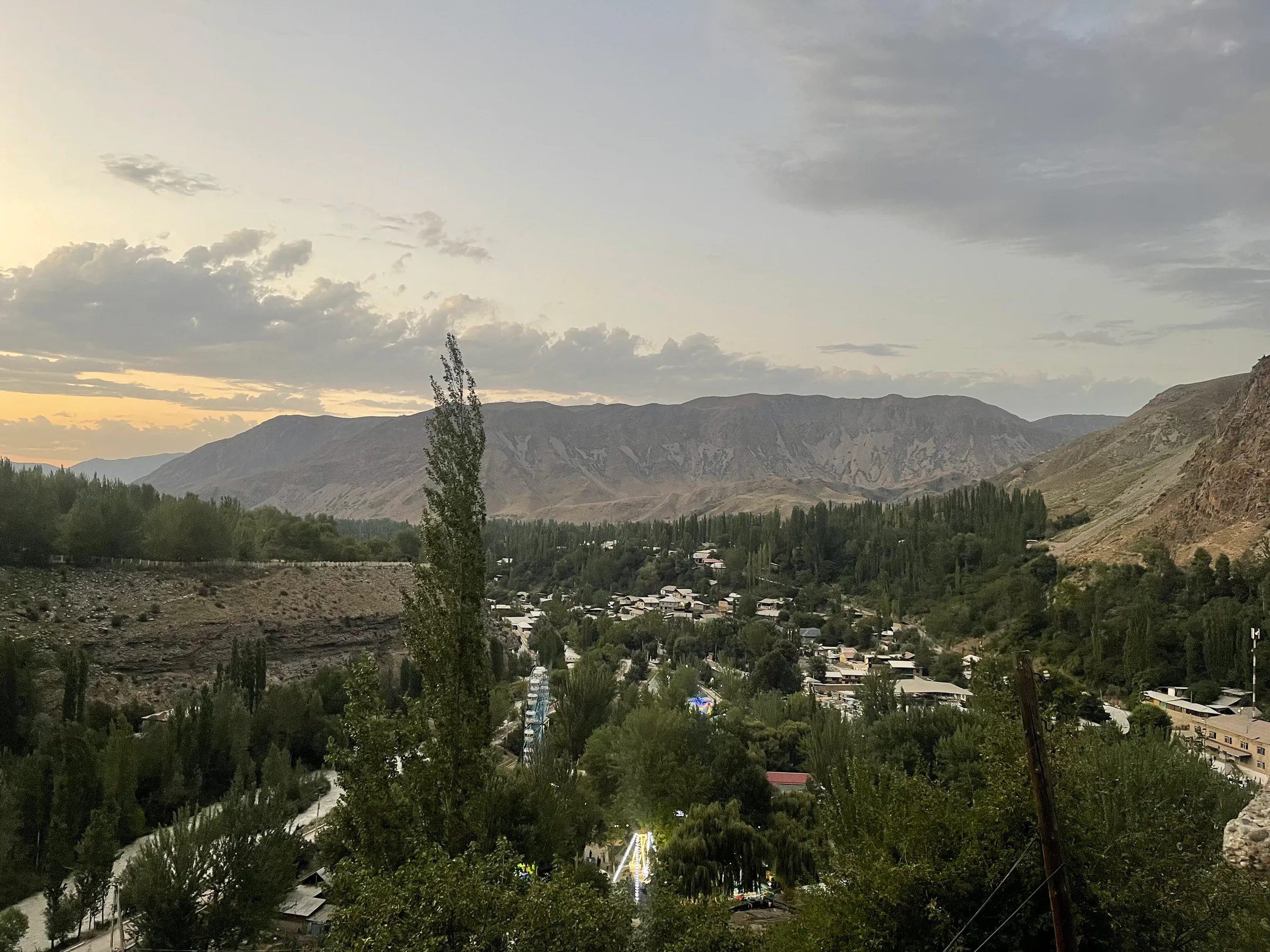
An Uzbek valley inside the mountains of Kyrgyzstan
Ensemble · Kokand
The last palace of the khans of Kokand
Culture & arts · Margilan
From cocoon to ikat under one roof
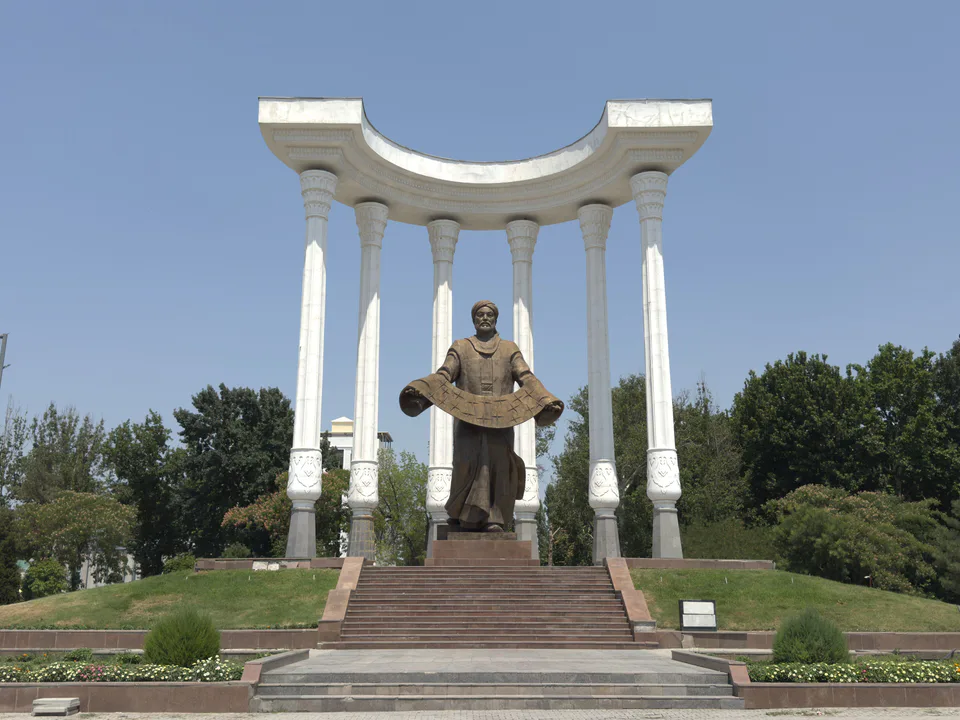
Park & garden · Fergana
A city park named after an astronomer
Culture & arts · Rishtan District
A pottery school in Rishtan
Mausoleum · Kokand
Burial place of the khans of Kokand
Museum · Fergana
One of the oldest museums in Uzbekistan
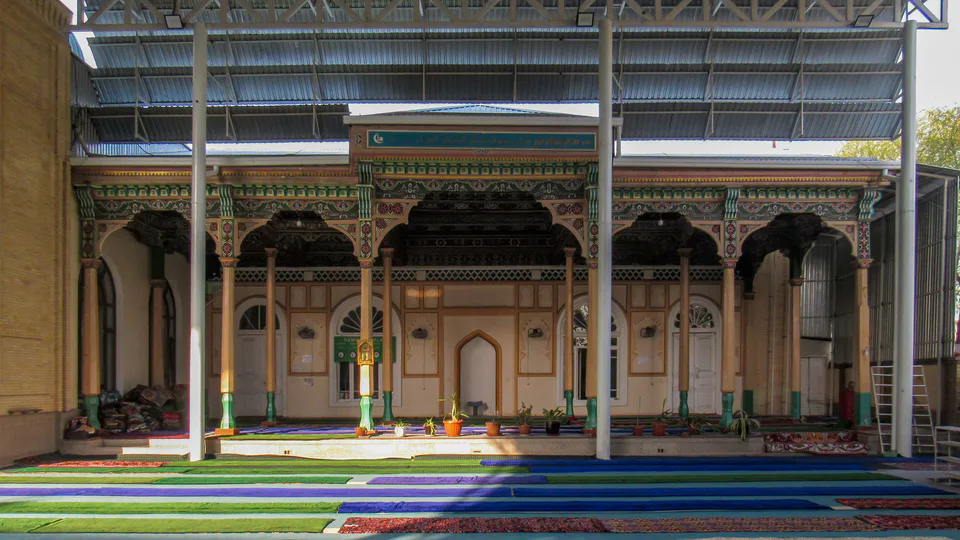
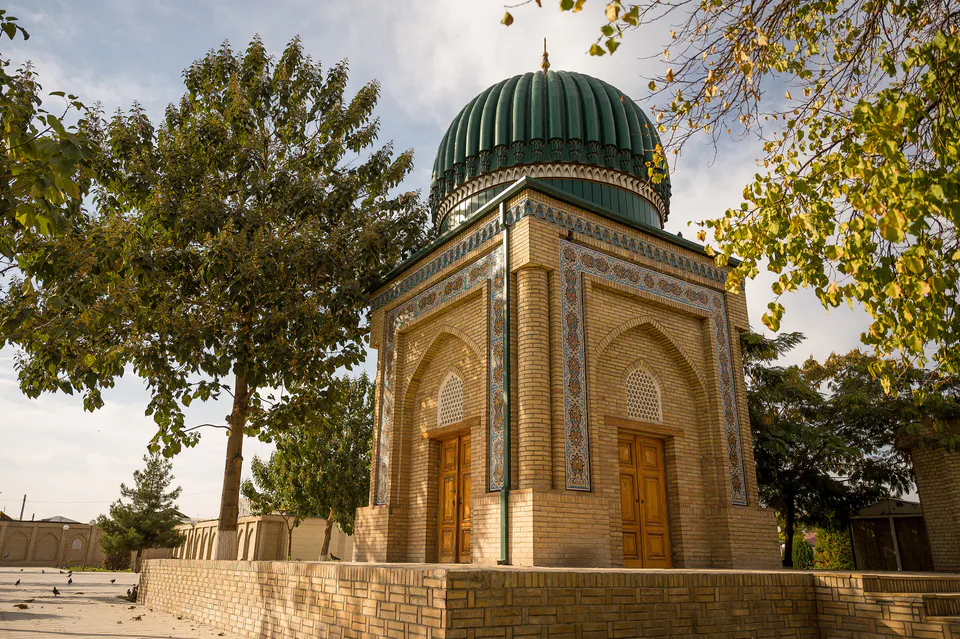
Mosque · Kokand
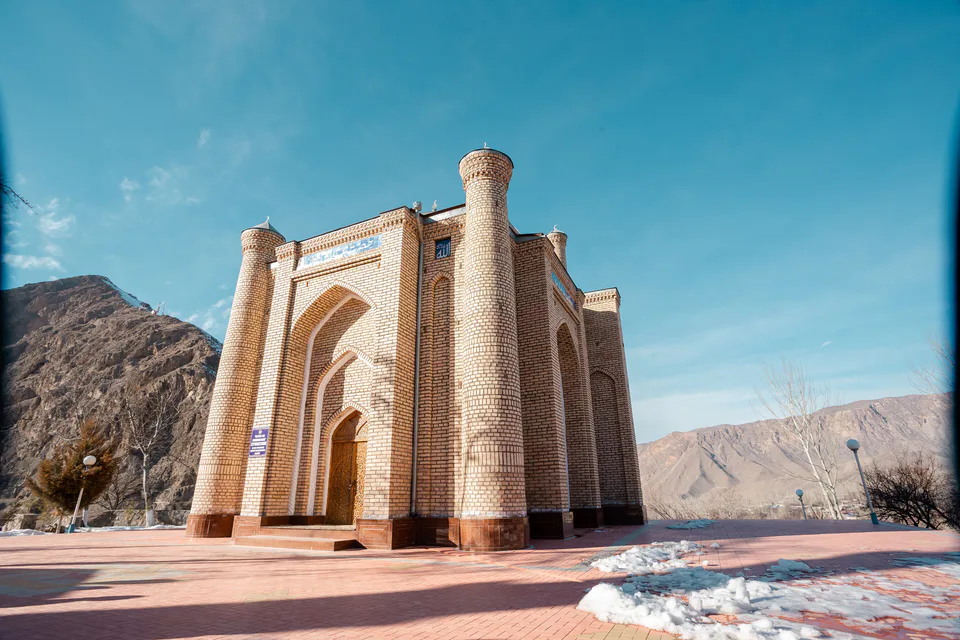
Kokand's brick neighbourhood mosque
Bazaar · Qoshtepa District
A traditional valley market near Margilan
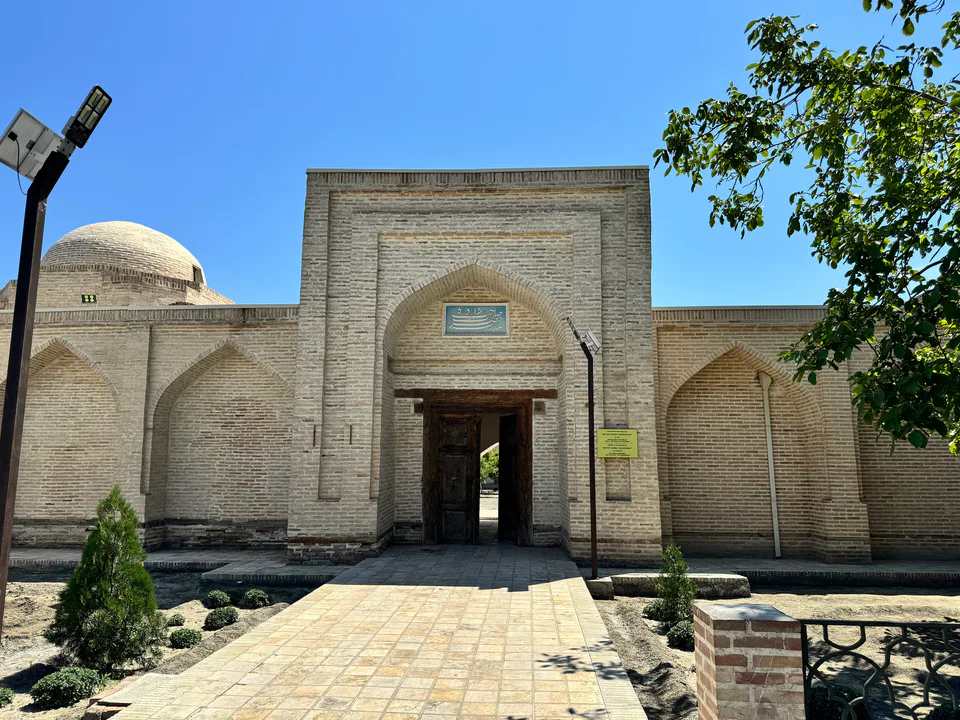
Madrasa · Kokand
The cell where the poet Mukimi lived
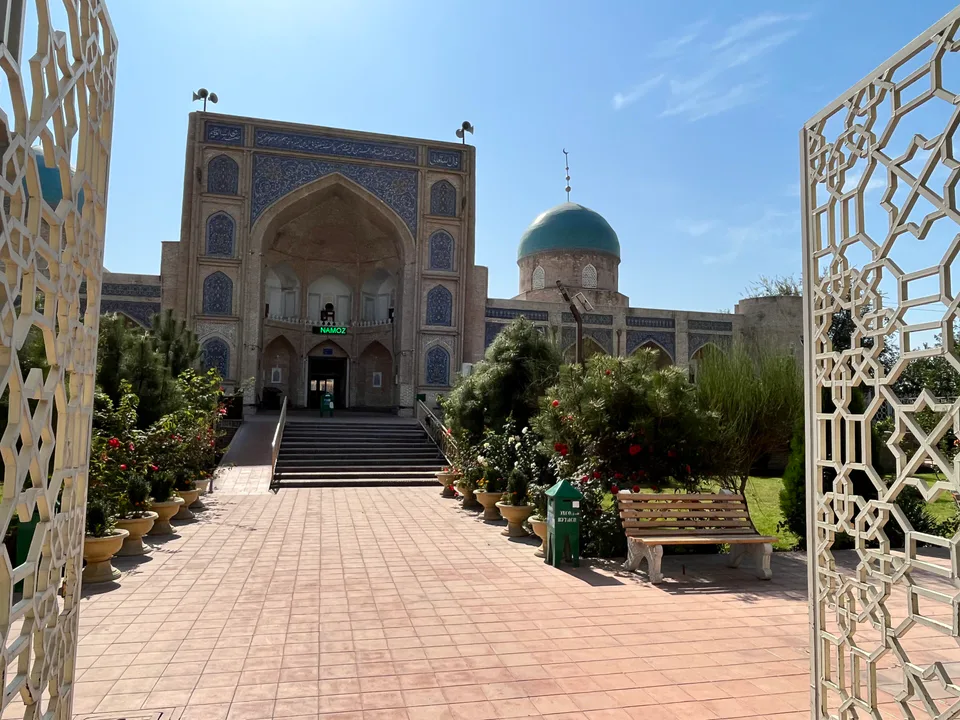
Madrasa · Kokand
Kokand's oldest surviving building
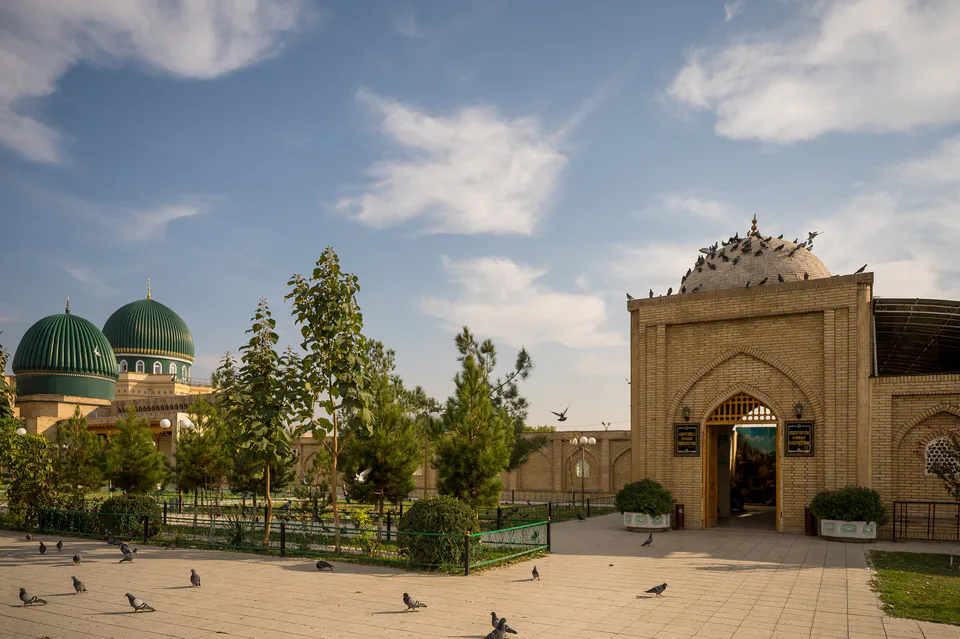
Pilgrimage site · Margilan
The saint who was saved by pigeons
Pilgrimage site · Buvayda District
The shrine of Fergana's 'supreme patron'
Archaeology · Quva District
The ruins of Kuba and its Buddhist temple
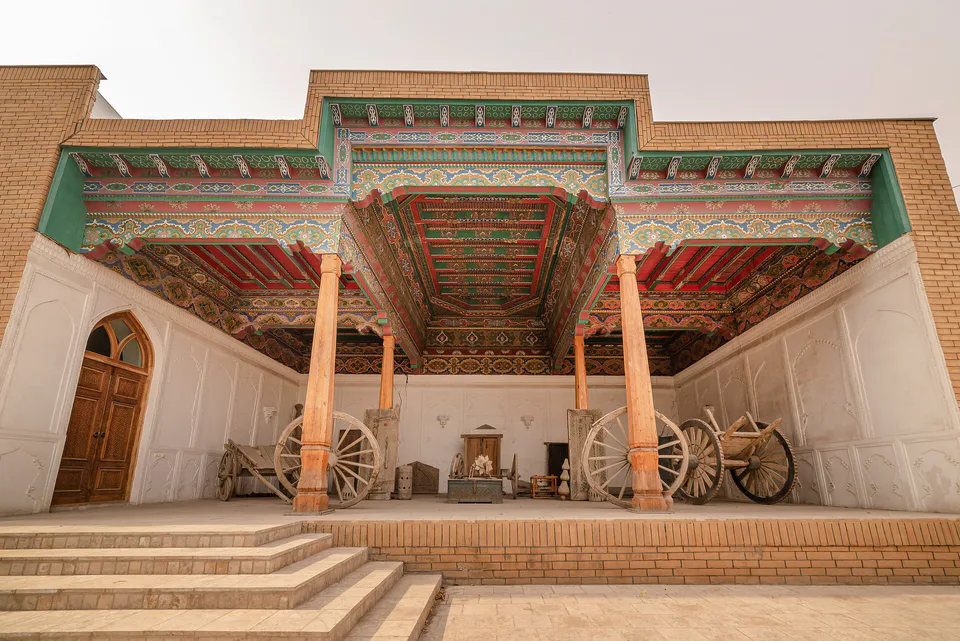
Madrasa · Margilan
Where Margilan's craftsmen work
Fergana Region
Airport, railway station and bus stations — addresses, timetables and the live board.
All transportFergana Region
Road distance, the fastest train and whether there is a direct flight.
All distances| City | Road, km | By car | By train | Flight | Bus |
|---|---|---|---|---|---|
| Margilan Fergana Region |
11 | 13 min | — | — | — |
| Rishtan Fergana Region |
52 | 42 min | — | — | — |
| Andijan Andijan Region |
73 | 1 h 1 min | 37 min 730З |
— | — |
| Namangan Namangan Region |
78 | 1 h 16 min | — | — | — |
| Kokand Fergana Region |
92 | 1 h 10 min | 32 min 731Г |
— | — |
| Angren Tashkent Region |
219 | 2 h 43 min | 3 h 28 min 093Ф |
3 flights | — |
| Tashkent Tashkent (city) |
323 | 4 h 18 min | 3 h 42 min 729Ь |
3 flights | — |
| Jizzakh Jizzakh Region |
381 | 5 h 20 min | 8 h 18 min 125Ф |
— | — |
Weather: MET Norway
Fergana Region
Checked hotels and places to eat — with addresses, phone numbers, opening hours and price levels.
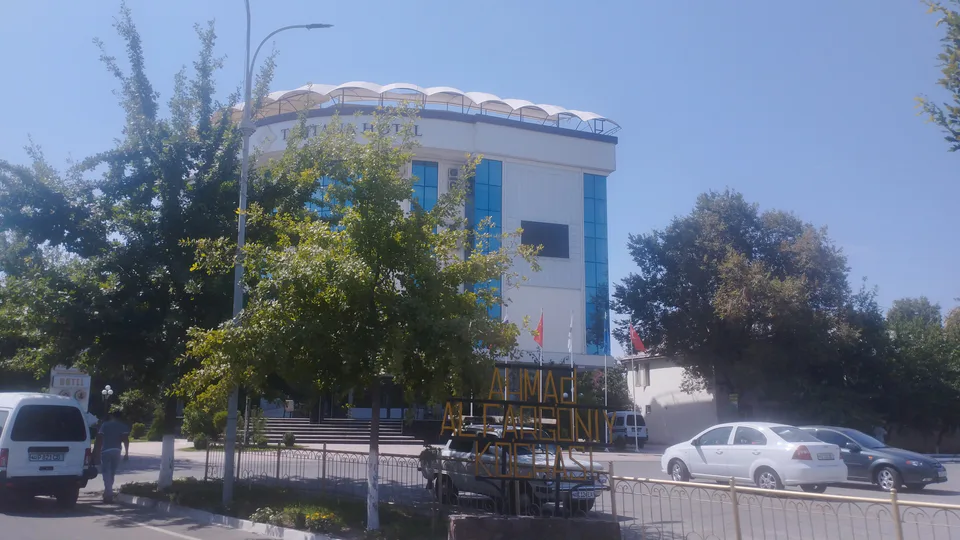
City hotel opened in 2021
Hotel with a pool near Khudayar Khan's Palace
Large hotel by the bazaar with two pools
35-room boutique hotel with a garden courtyard
Small hotel with an indoor pool near the park
Modern 32-room hotel in Margilan
21-room boutique hotel with a heated pool
Hotel complex with large grounds and a seasonal pool
Central hotel with a garden and outdoor pool
Rishtan hotel offering pottery classes
Reikartz-run hotel in central Kokand
Reikartz-run hotel in the city centre
Lounge restaurant with a courtyard and pool
Gastropub where half the town gathers at night
Popular pirate-ship-themed restaurant
Teahouse by the bazaar serving Uzbek classics
Family restaurant with an indoor playground
Large restaurant next to Khudayar Khan's Palace
Modern café on Sayilgoh Street
Long-standing kebab café
Turkish restaurant by the water
Dumplings and home-style cooking
Busy kebab house in the north of town
Patisserie-café open from morning till late
Dish · Fergana, Andijan +1
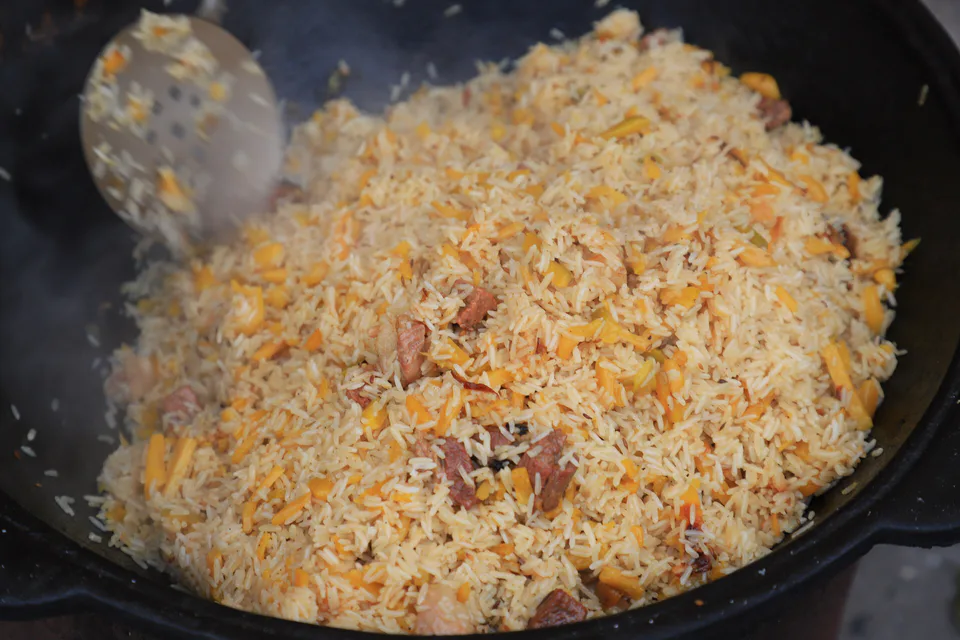
The dark plov of the Fergana Valley: a bone, meat, onions and carrots are fried long and hard until the zirvak turns deep brown.
Dish · Tashkent (city), Fergana
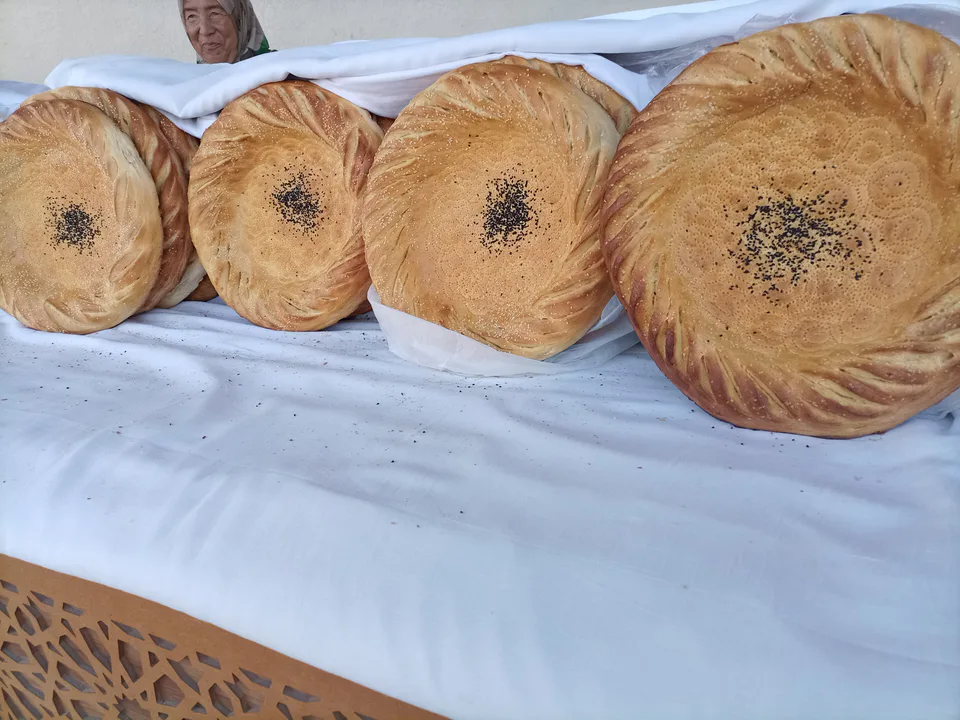
A rich, layered tandoor bread made with butter, cracklings or onion; Tashkent and the Fergana Valley bake dozens of kinds.
Craft · Fergana
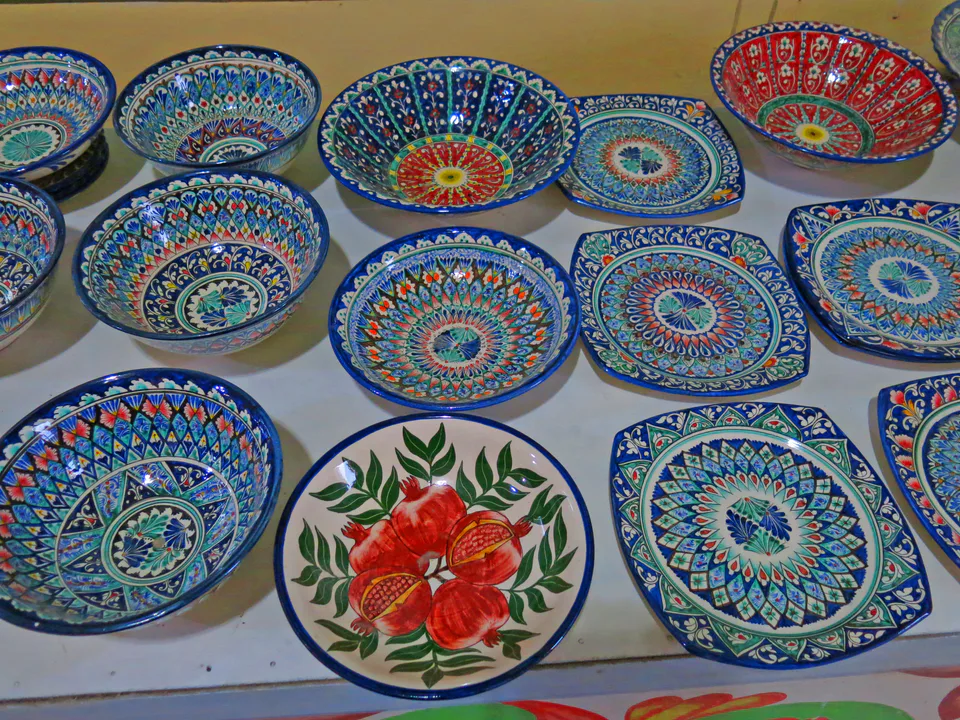
The blue and turquoise pottery of Rishtan in the Fergana Valley, famed for its ishkor glaze made from plant ash and its local red clay.
Craft · Fergana
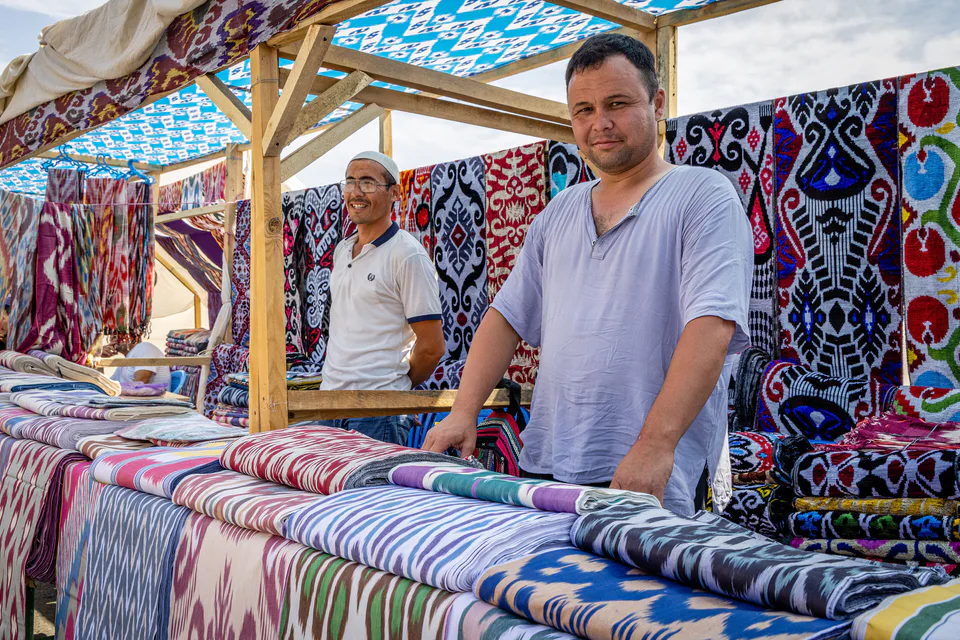
Margilan’s ikat silks: pure-silk atlas and half-silk adras. UNESCO recognises the town’s work to safeguard them as a model practice.
Tradition · Fergana, Andijan +3
A battle of wits born in the Fergana Valley and Tashkent: two or more askiyachi duel in wordplay on a set theme.
Tradition · Fergana, Andijan +1
The Fergana Valley’s ‘great song’: two to five unaccompanied singers, each holding a tray, sing in a soaring high register; UNESCO-listed since 2009.
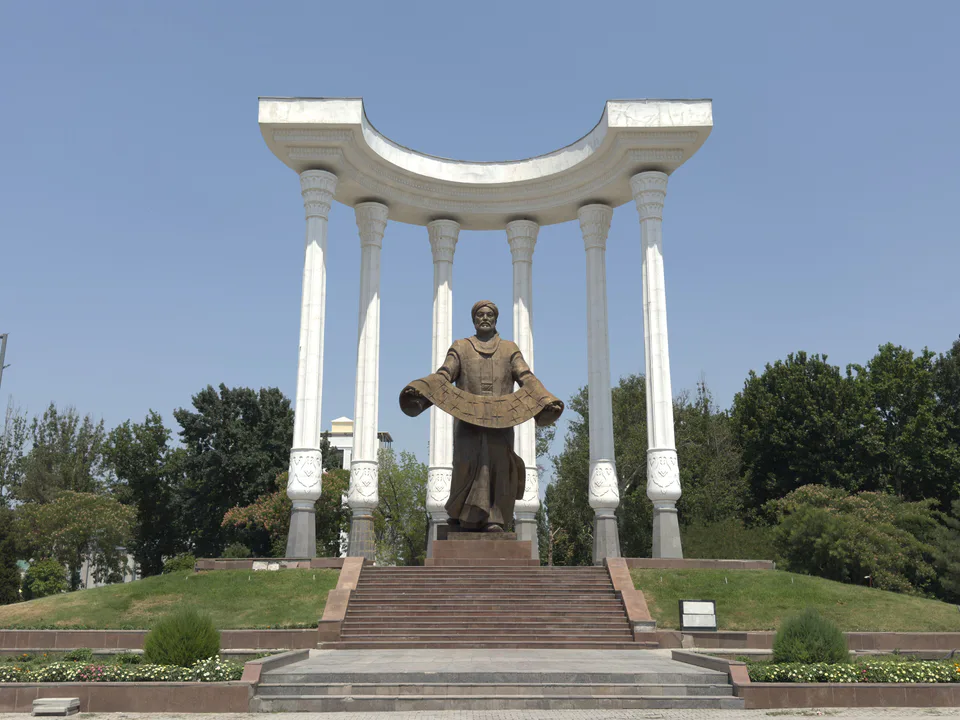
born 798
Astronomer, mathematician, engineer
1117–1197
Jurist, leading authority on Hanafi law
1781–1845
Poet, otin (women's teacher), educator
1792–1842
Poet, queen of Kokand, stateswoman
1831–1886
One of the last khans of Kokand
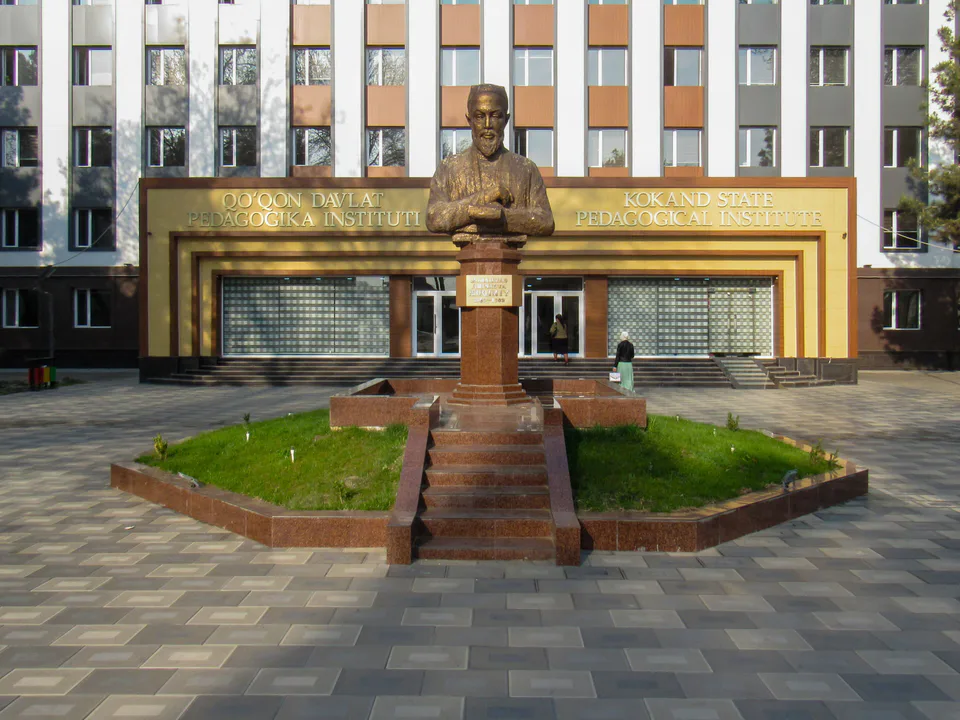
1850–1903
Poet, satirist
1859–1909
Poet, publicist, calligrapher
1886–1957
Painter, founder of the “Turkestan avant-garde”
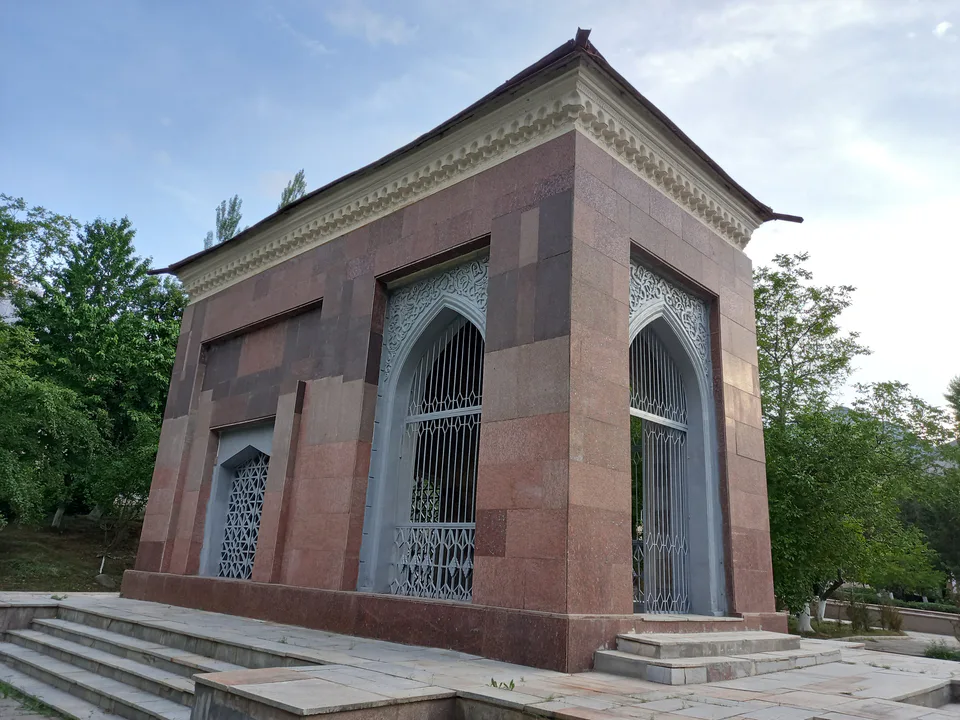
1889–1929
Poet, playwright, composer, teacher
1906–1991
Dancer, singer, actress, choreographer
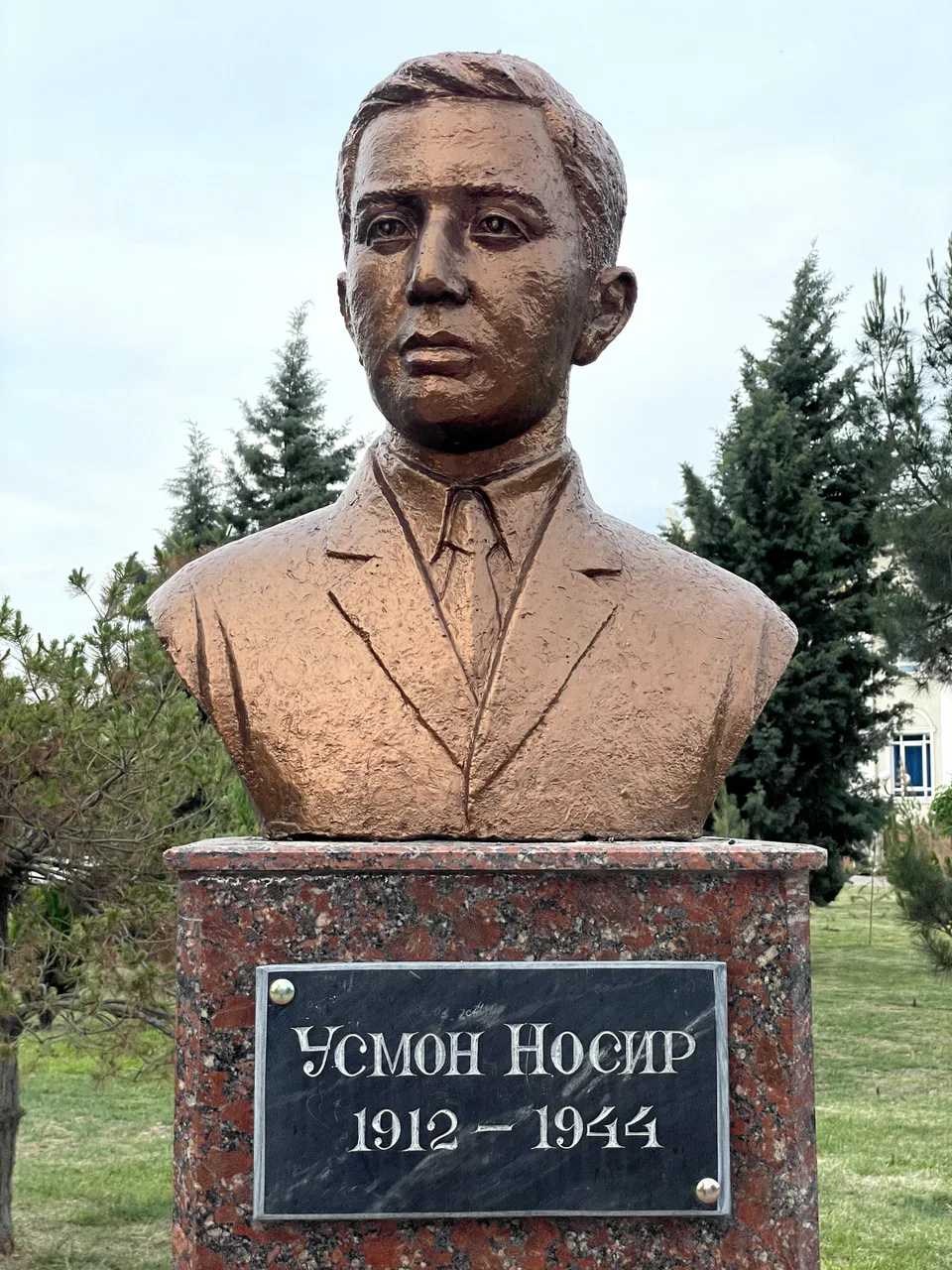
1912–1944
Poet, playwright, translator
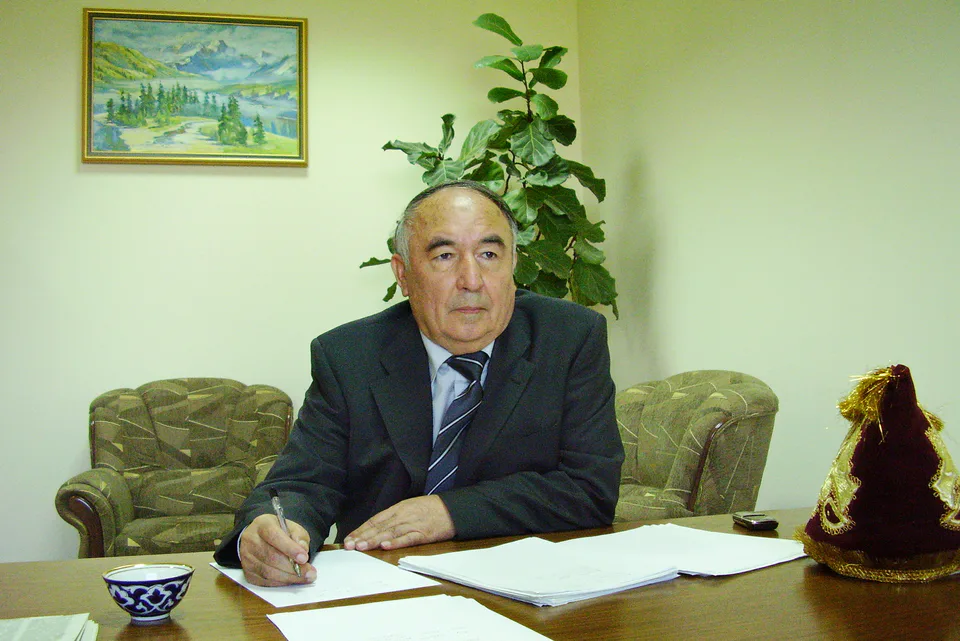
1936–2016
Poet, playwright, translator, statesman
Fergana Region
Khokimiyat, public service centre and other offices: addresses, phones, hours.
All offices (90)Khokimiyat
15 Alisher Navoiy St, Fergana
Mon–Sat 9:00–18:00
Read morePublic Service Centre
2 Murabbiylar St, Yoshlar mahalla, Fergana
Read moreFergana regional comprehensive service centre · Fergana
69A Burhoniddin Margʻinoniy Street, Fergana
+998 73 244 44 55Kokand regional comprehensive service centre · Kokand
1 Turkiston Street, Kokand
+998 73 543 33 55Fergana banking services office · Fergana
53 Yuksalish Street, Yangi Soy mahalla, Fergana 150100
+998 55 503 74 74Fergana banking services centre · Fergana
32/5 Burhoniddin Marginoniy Street, Mashal mahalla, Fergana
Fergana Region
Codes 150100–151913. The main code of each city and district:
All postcodes (173)Fergana Region
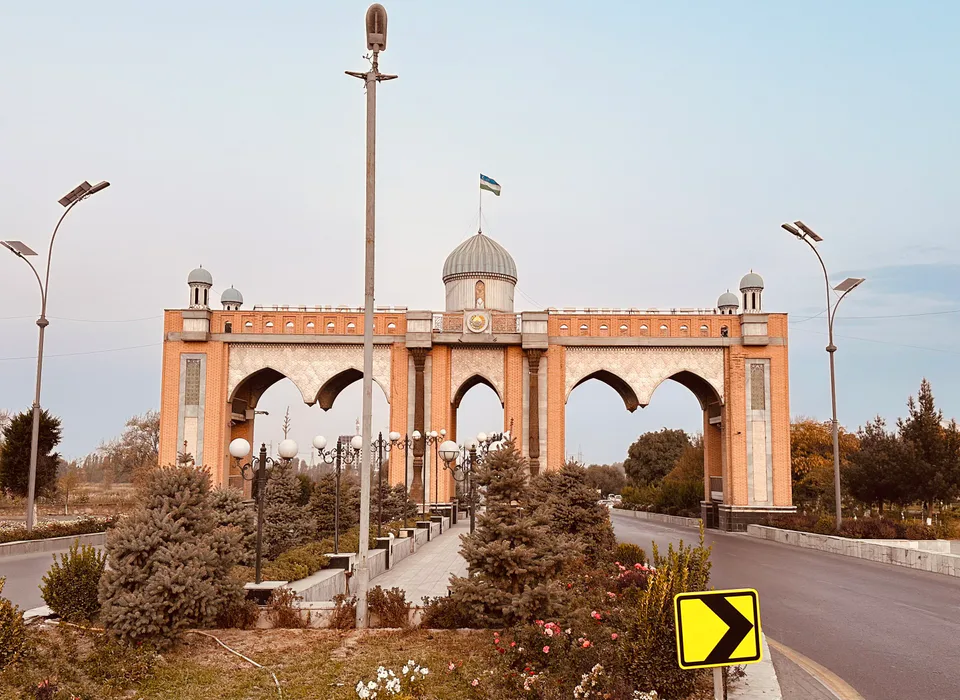
city · The valley's leafy administrative capital
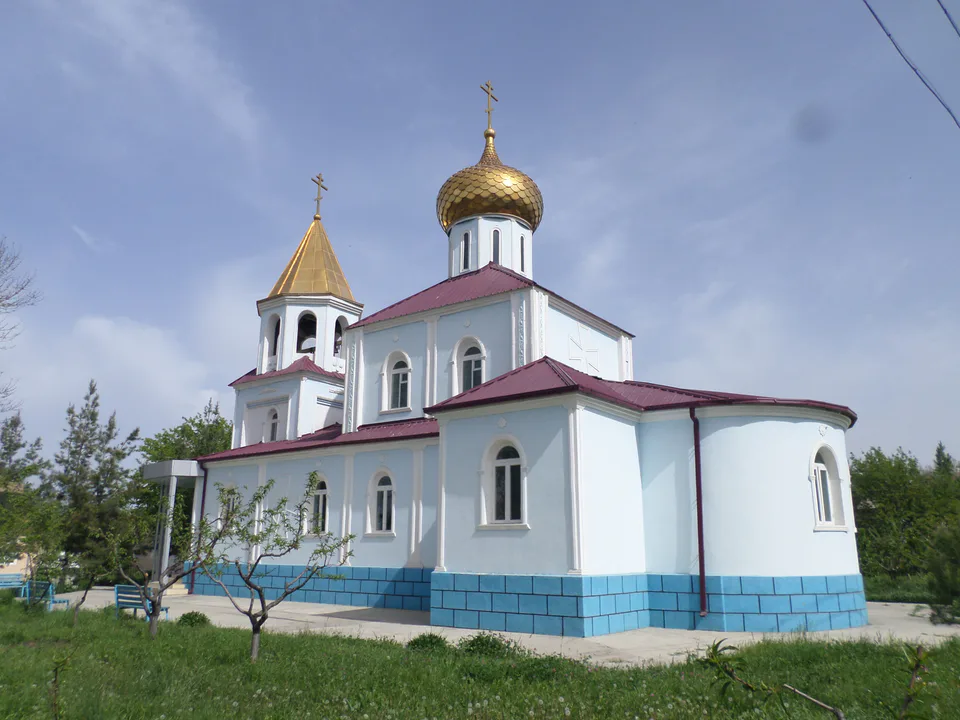
city · Khanate capital and city of poets
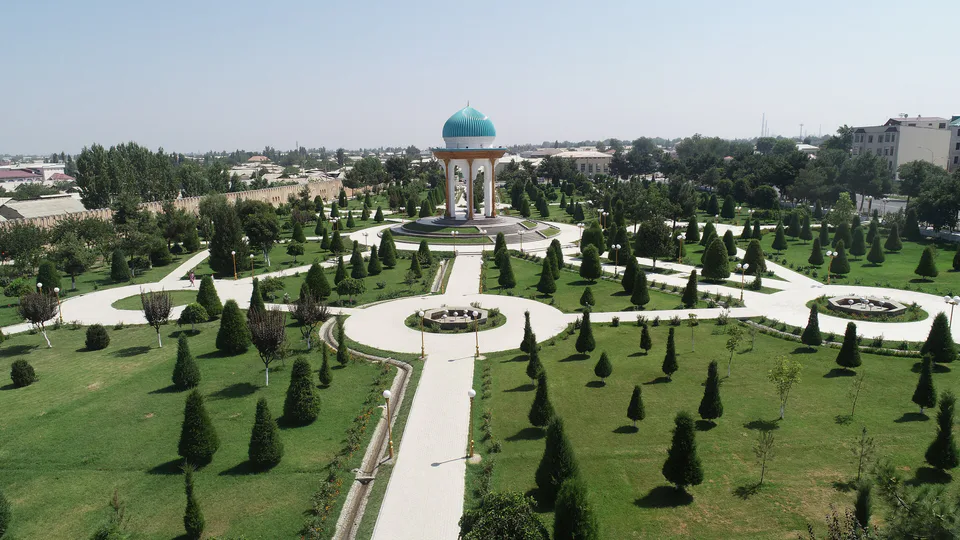
city · An industrial town at the foot of the mountains
city · Home of atlas and adras silk
district · Villages from Mukimi's travel satire
district · A border district between the Syr Darya and the Isfara
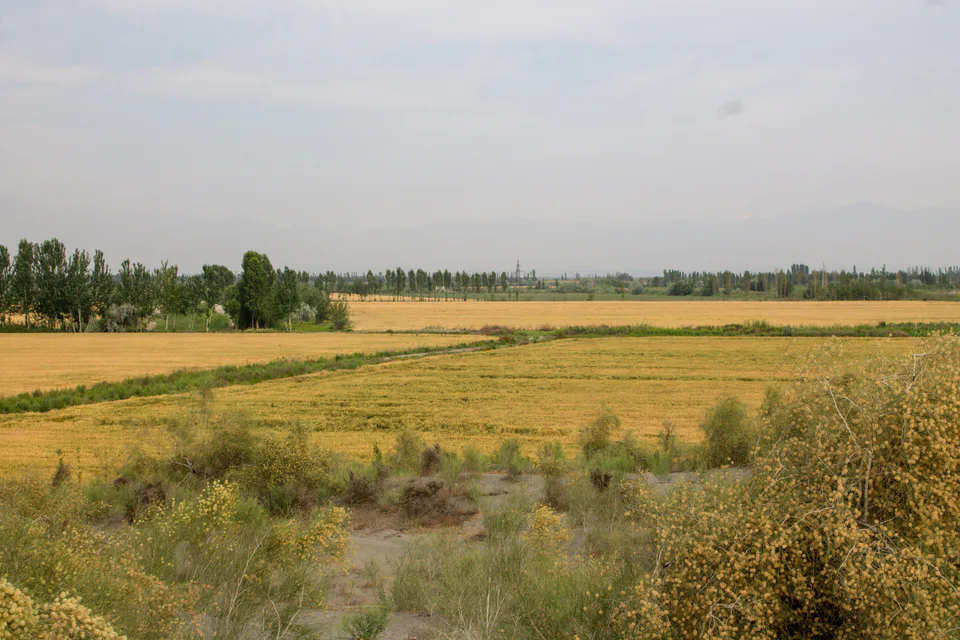
district · Land of the Bibi Ubayda and Podsho Pirim shrines
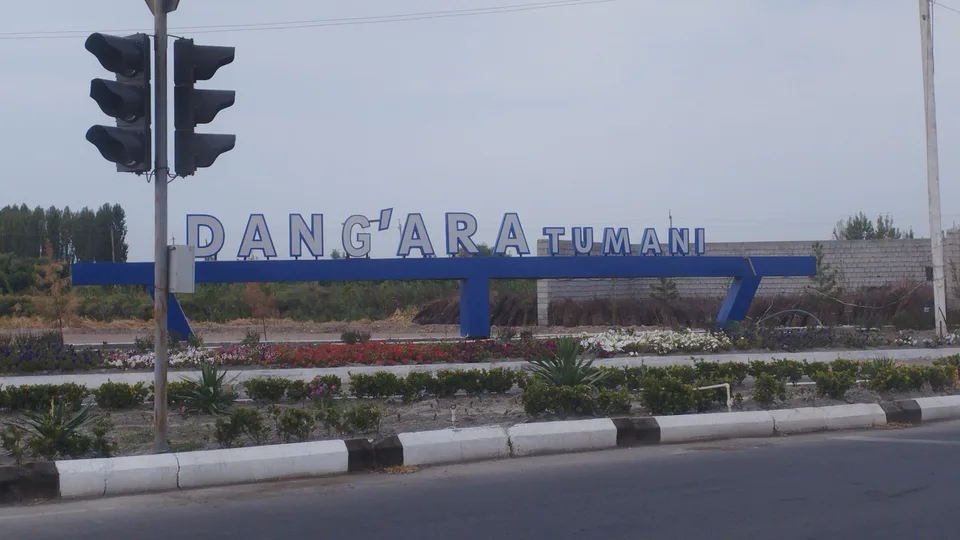
district · A windswept oasis on the Syr Darya terraces
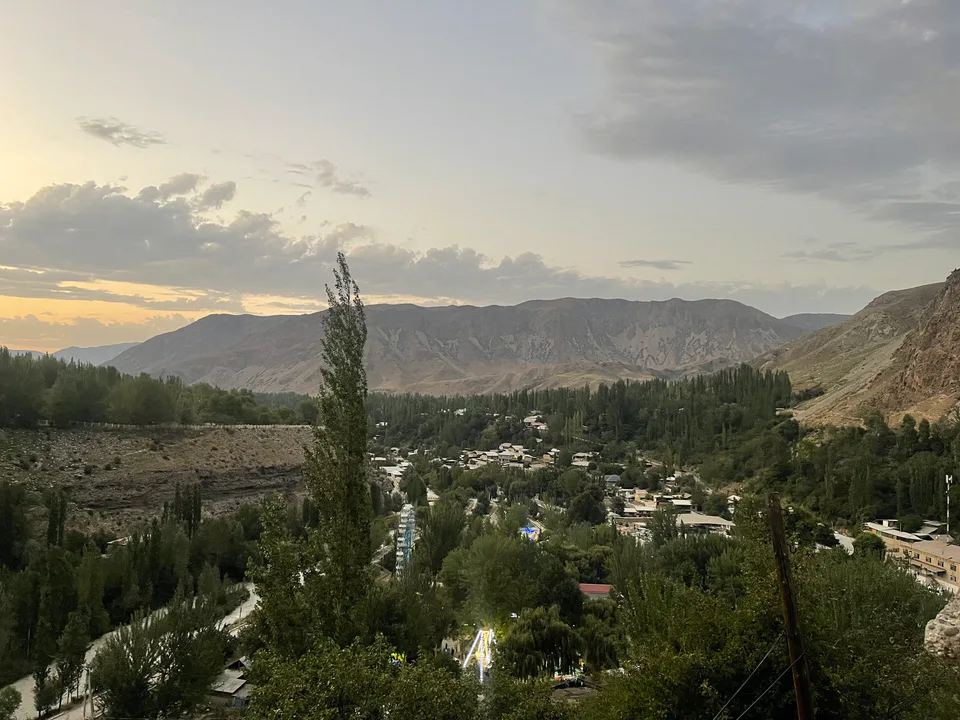
district · Vodil's plane trees and the road to Shohimardon
district · The youngest district, named after a poet
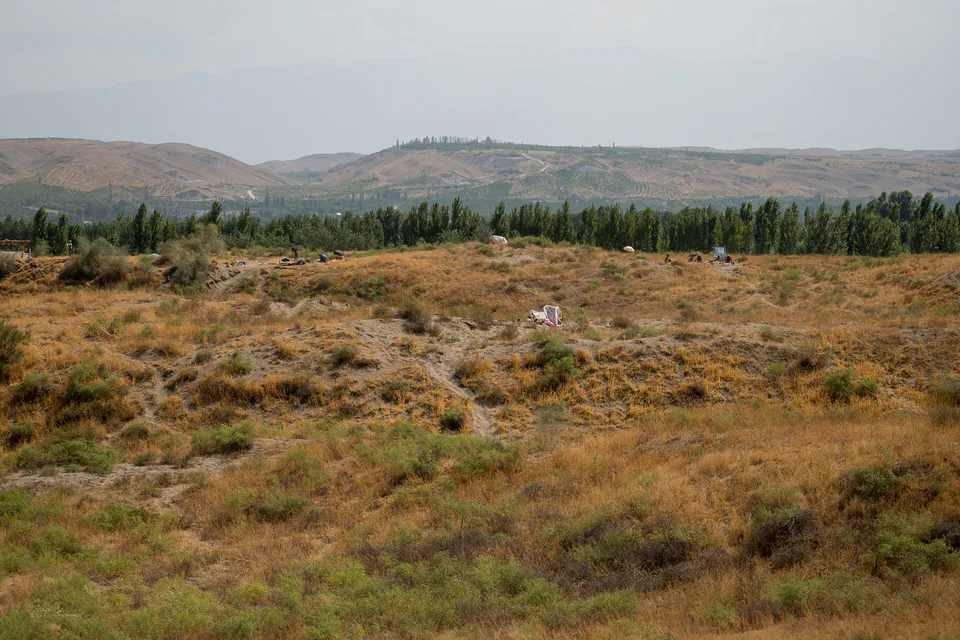
district · The land of 'six canals' below the foothills
district · Hills and the Kumtepa Bazaar
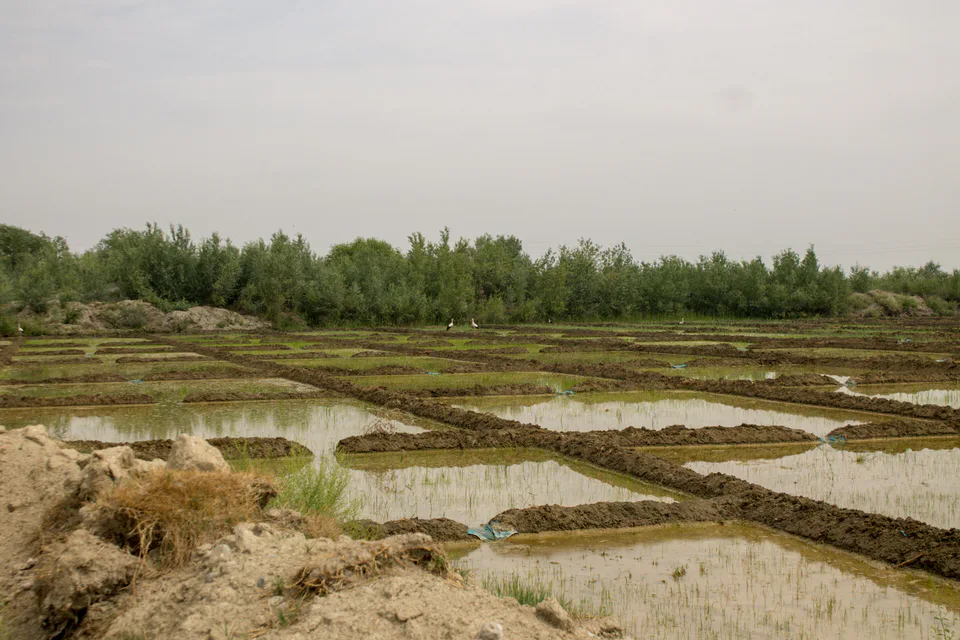
district · Ancient Kuba of the Fergana Valley
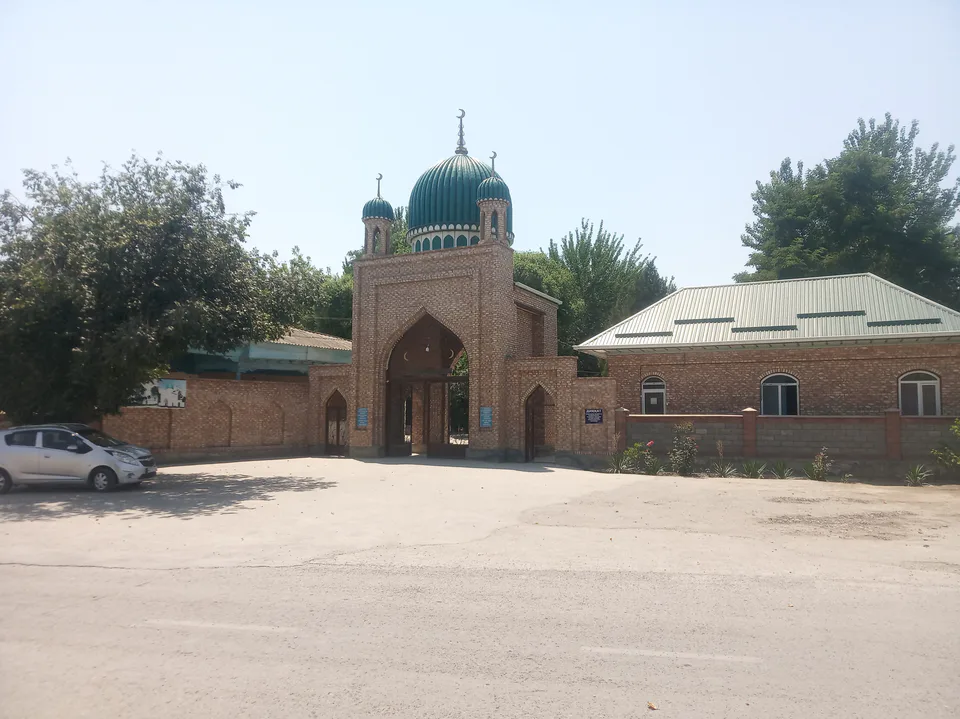
district · Home of the blue-glazed pottery
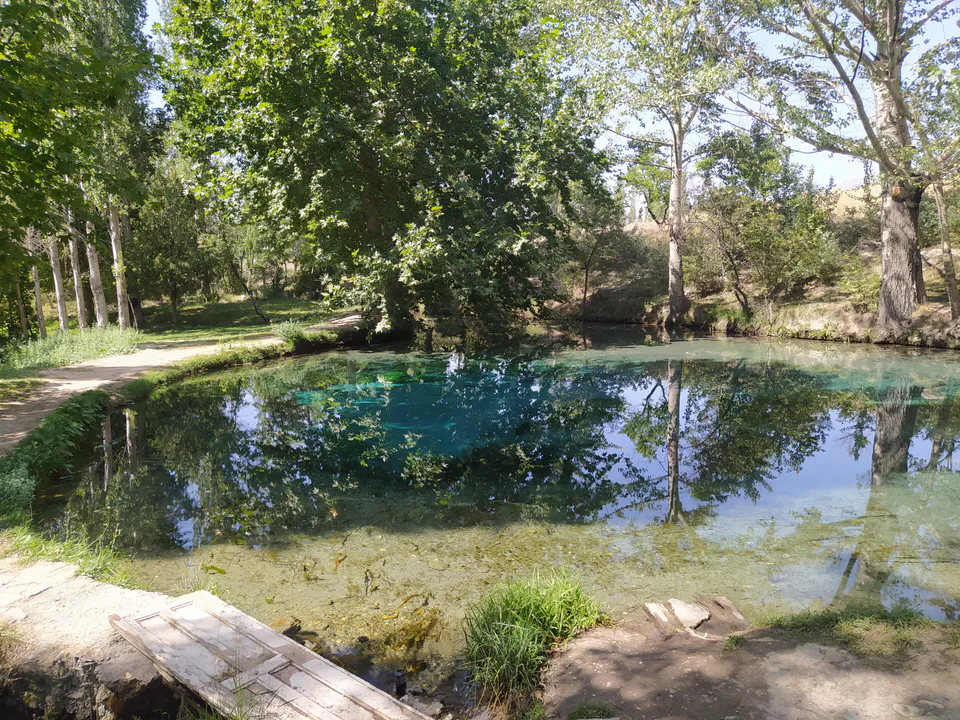
district · A mountain exclave inside Kyrgyzstan
district · Orchards between Margilan and Kuva
district · The 'three bridges' oasis next to Kokand
district · A border district below the Turkestan Range
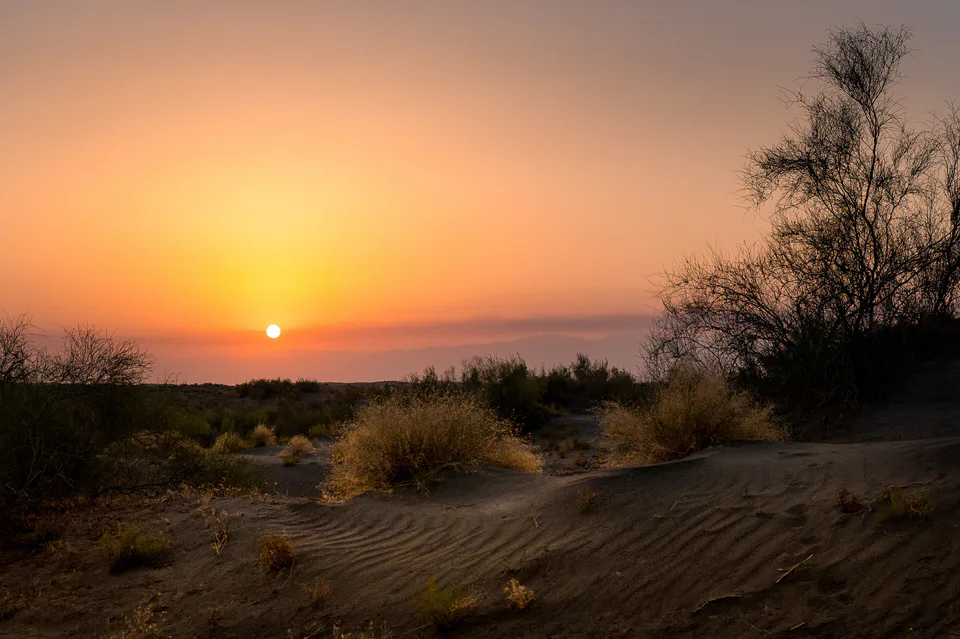
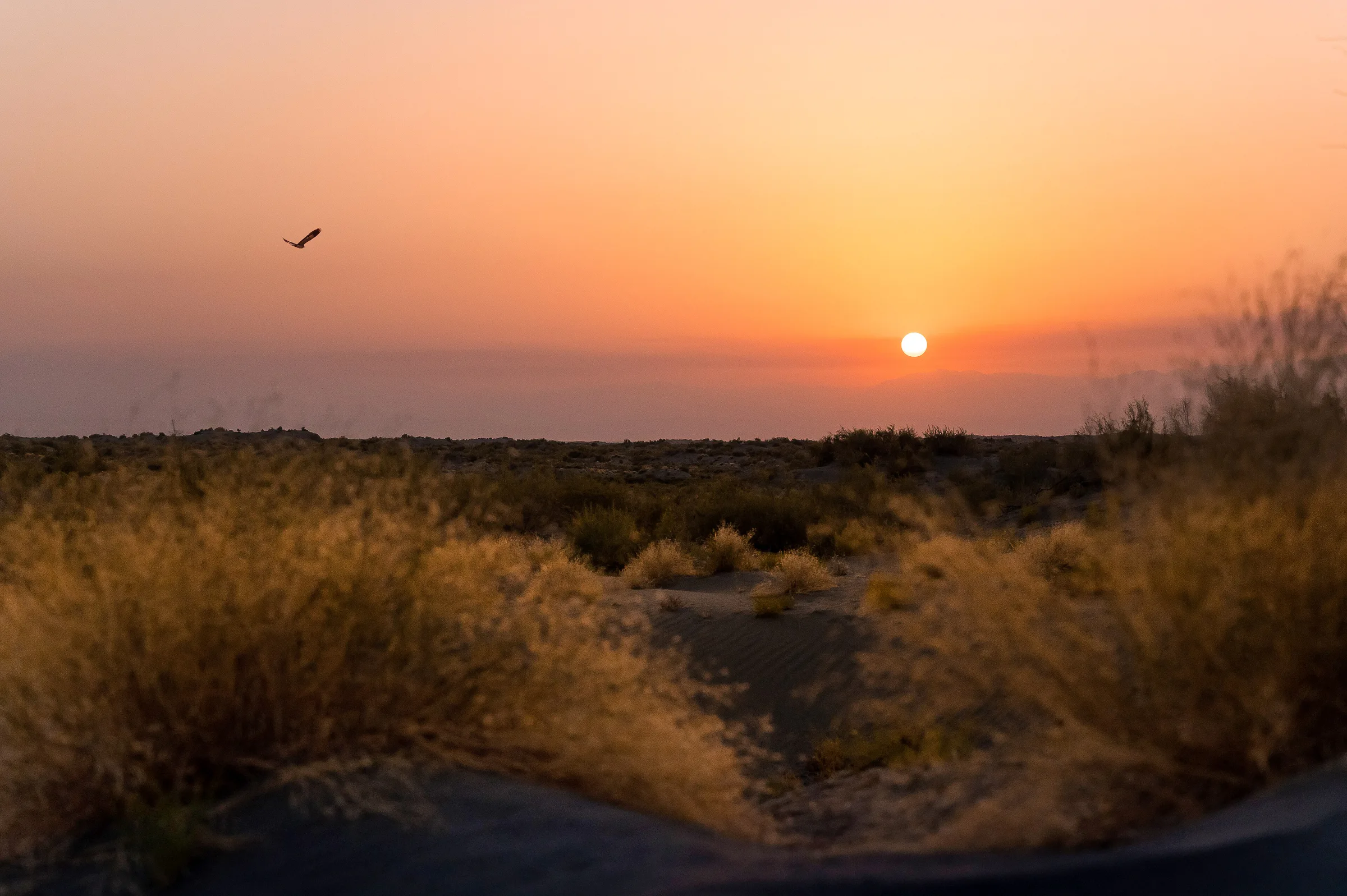
district · A sandy desert at the heart of the valley