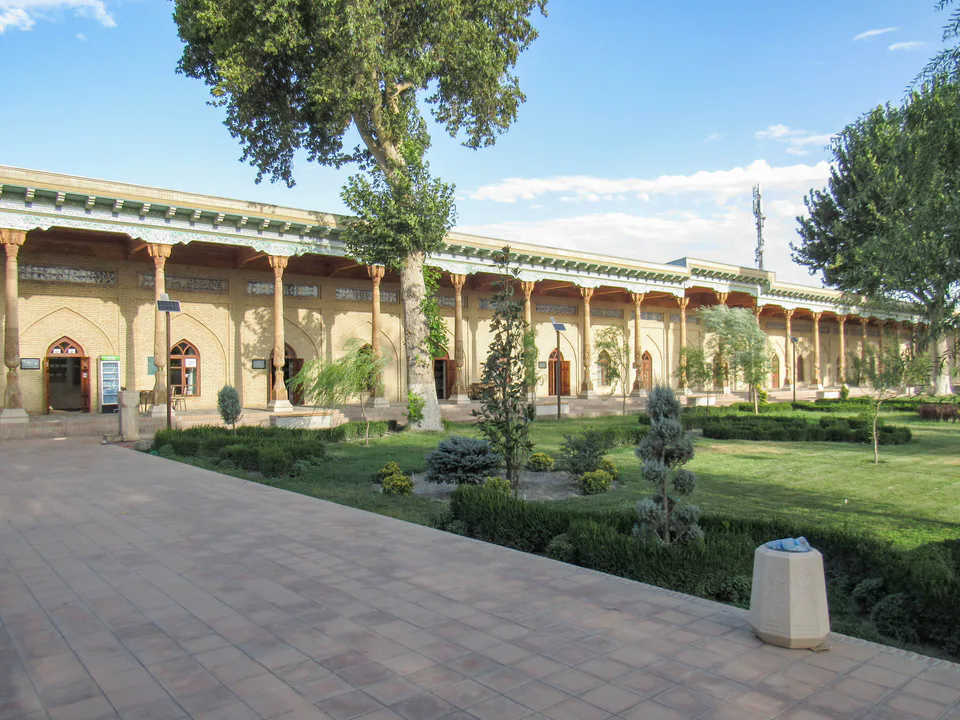
Mosque · Kokand
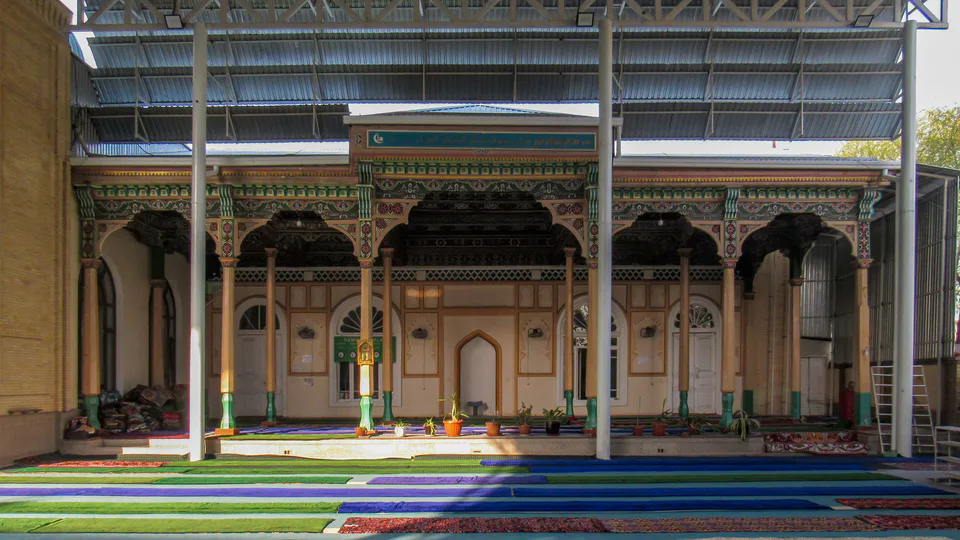
Kokand Jami Mosque
A 98-column iwan and the Chorsu minaret
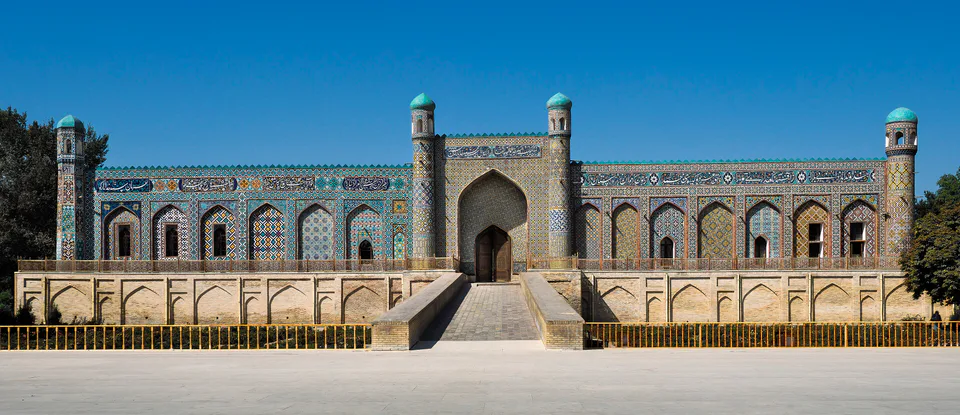
Ensemble · Kokand
Built by one of the last rulers of the Kokand Khanate: a portal clad in yellow-and-green tiles, painted ceilings, and a museum that has been open since 1925.
The palace was built in the 1860s–1870s on the orders of Said Muhammad Khudayar Khan, as the Khanate of Kokand entered its final decades; most sources give the date as 1871. Construction was led by the architect and engineer Mir Ubaydulla Muhandis, with master builders including Mulla Suyarqul, Solikhoja and Fozilkhoja of Bukhara, while potters from Rishtan made the tiles for the main facade. Tradition says 80 master craftsmen and thousands of conscripted labourers worked on it.
The palace did not serve for long. In 1876 Russian troops entered Kokand and abolished the khanate; a garrison moved in, and for a time the throne room was used as a church. In the first quarter of the 20th century much of the complex, including the harem, was demolished. An agricultural exhibition opened here in 1924, and the local history museum has occupied the building since 1925; during the Second World War it also served as a military hospital.
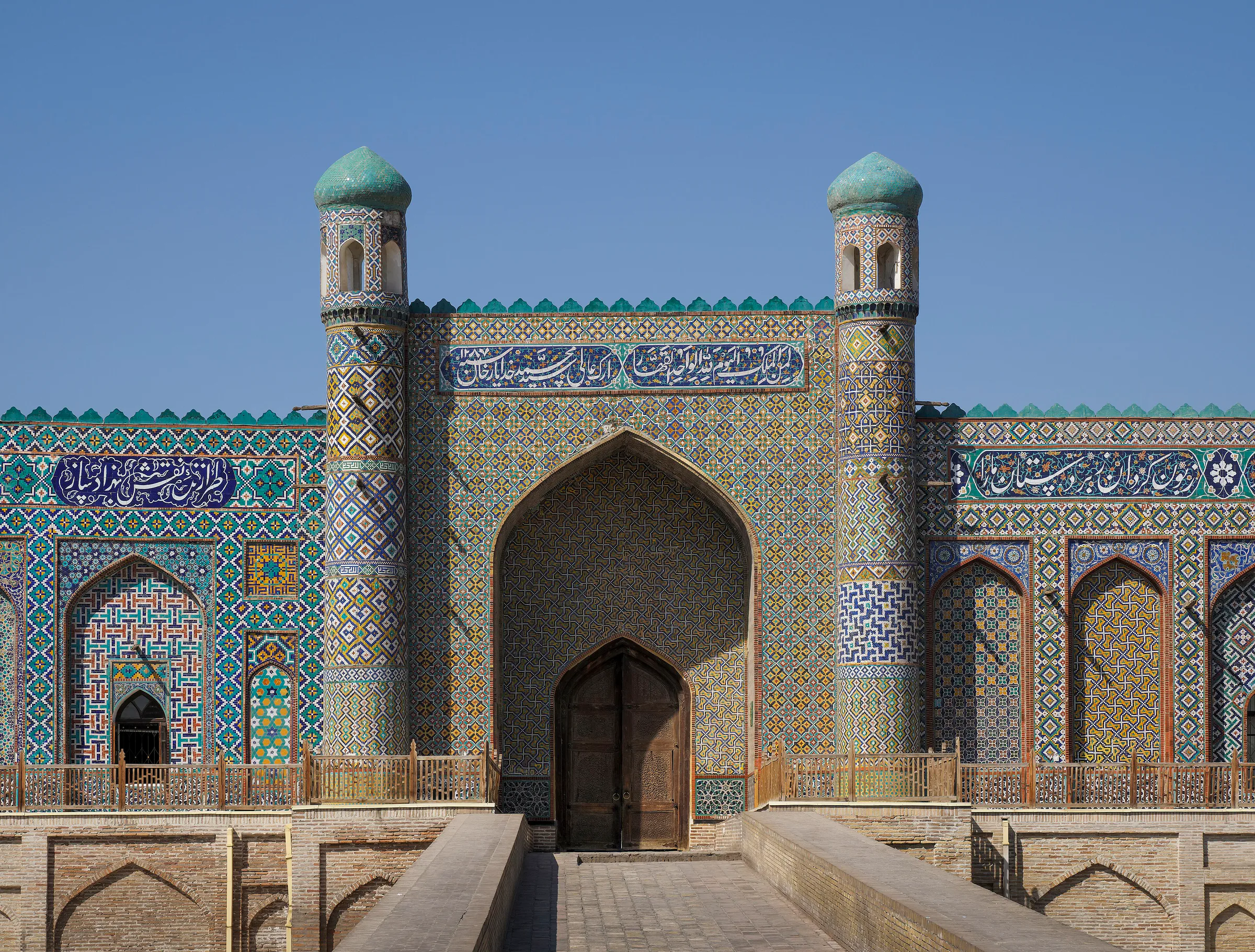
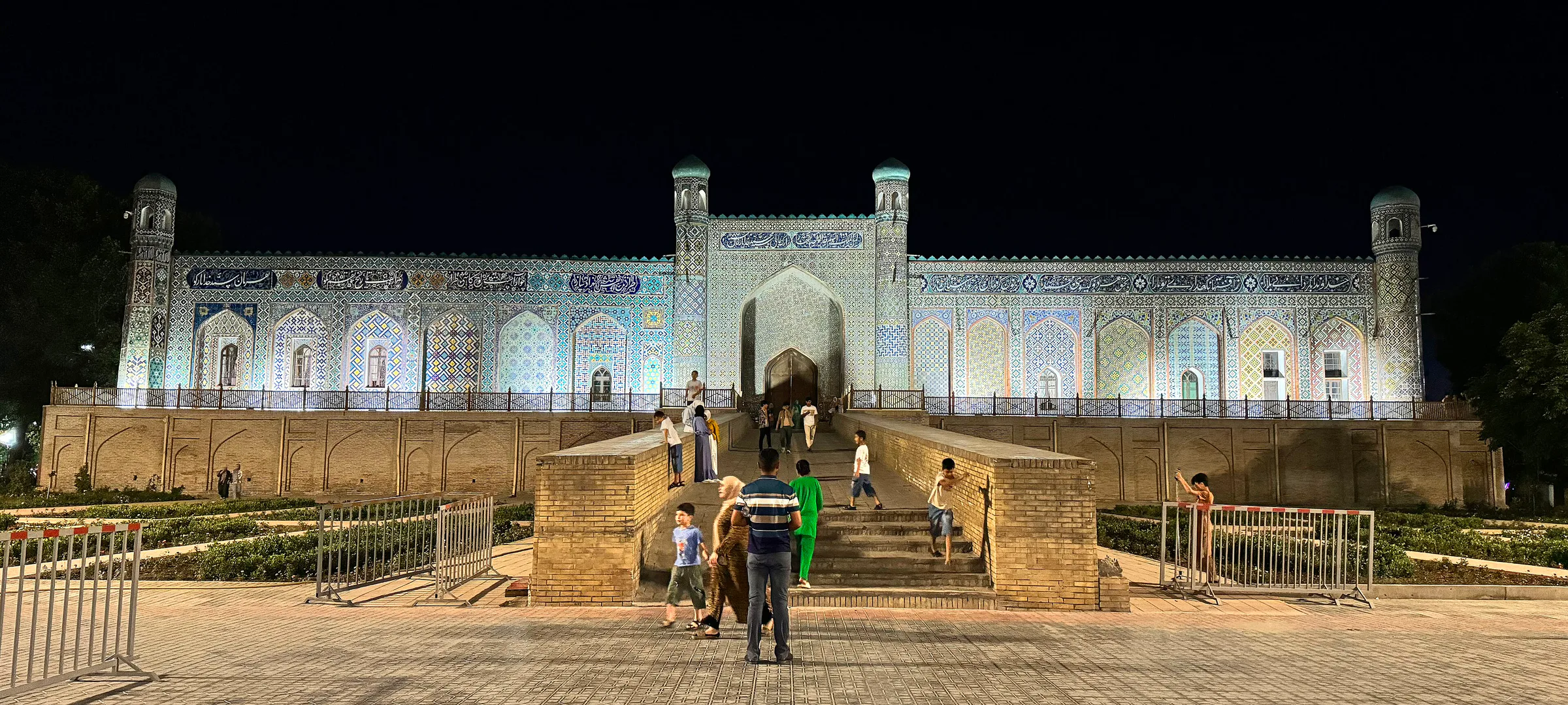
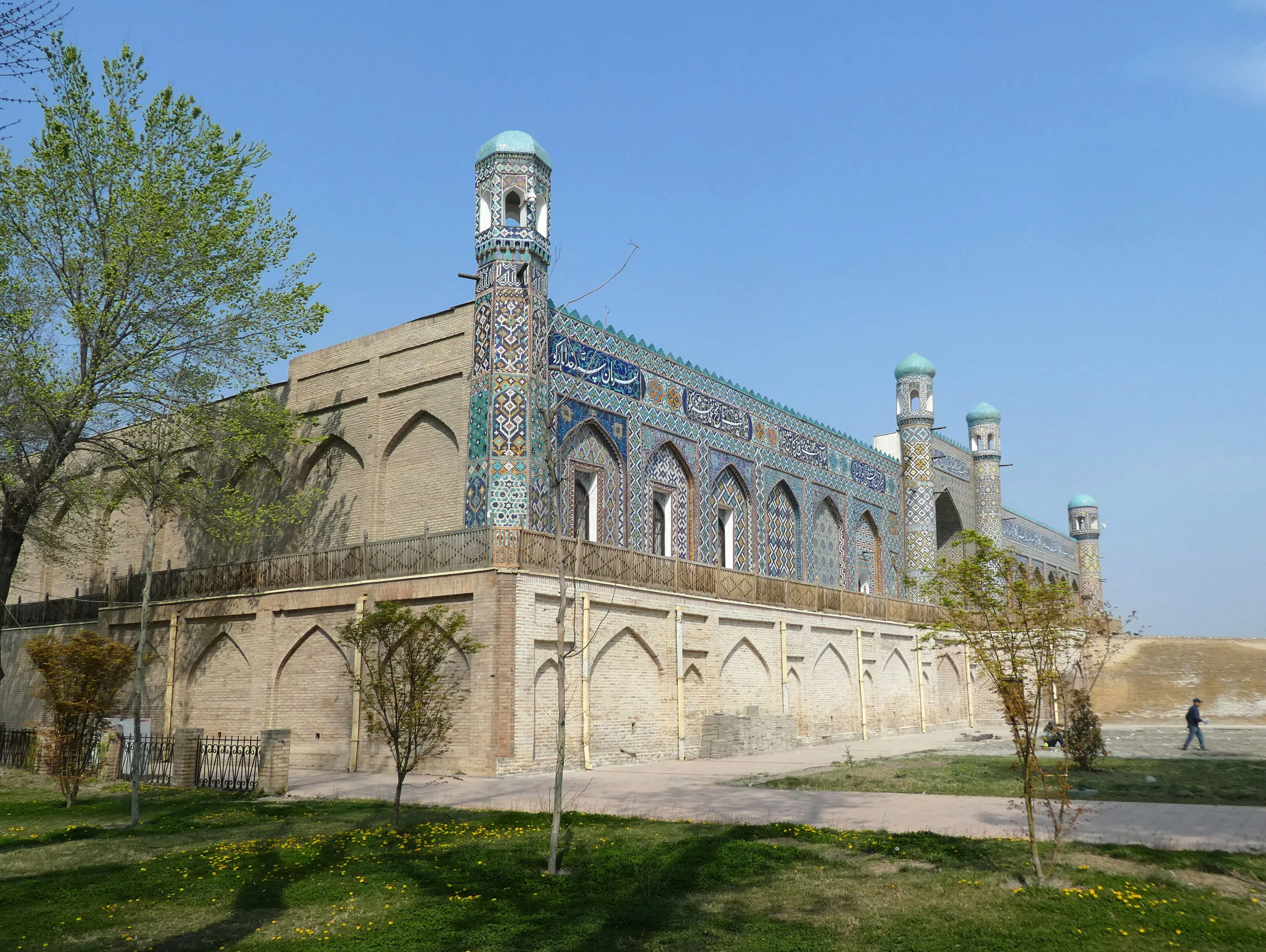
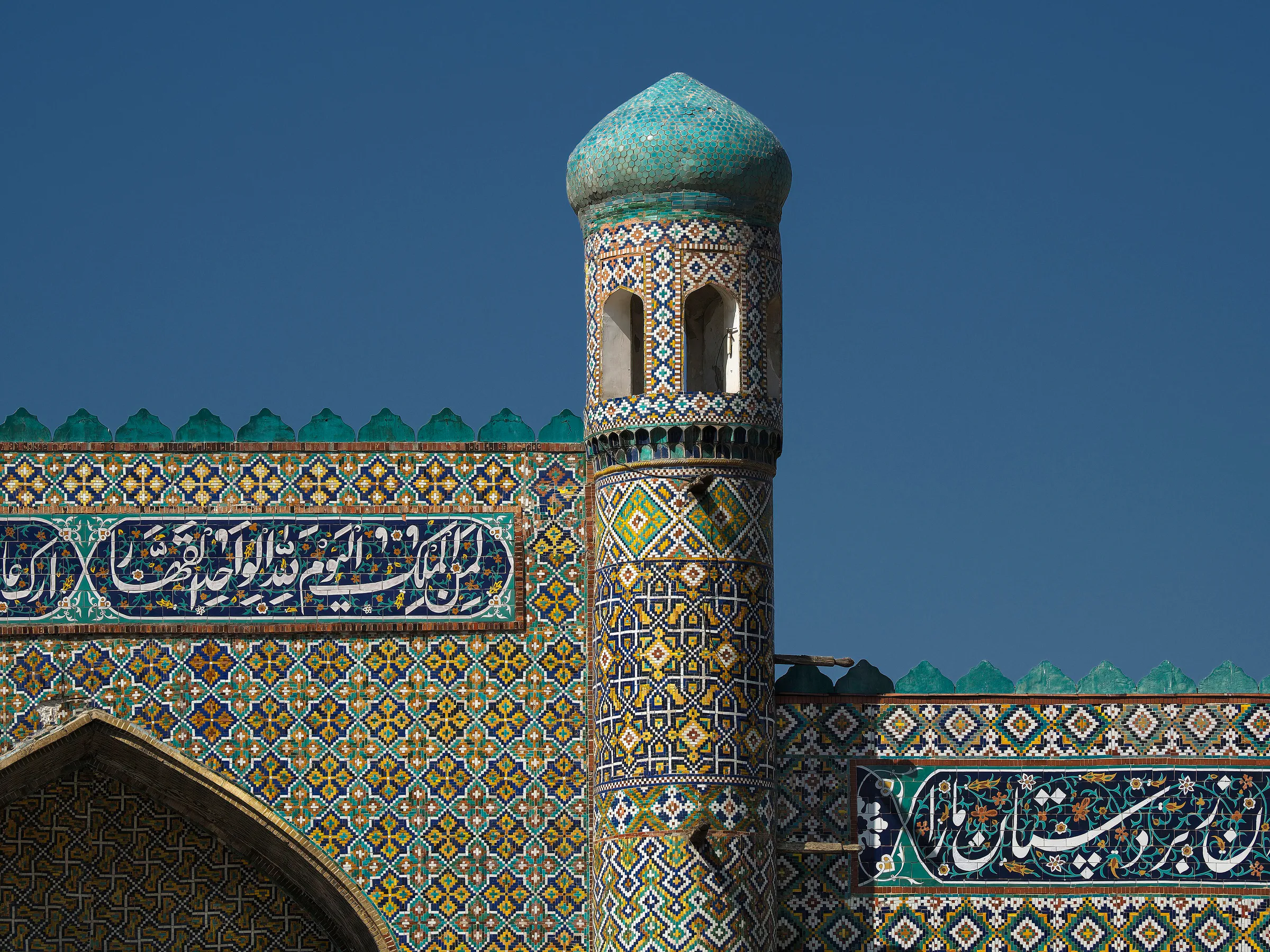
The urda is a rectangle of about 138 by 68 metres raised on an artificial mound and a high brick plinth, within grounds of nearly four hectares. A ramp leads up to the east-facing main facade, where a tall portal is framed by slender corner towers and a long arcade of niches. Above the portal an inscription names it the 'High Palace of Said Muhammad Khudayar Khan'.
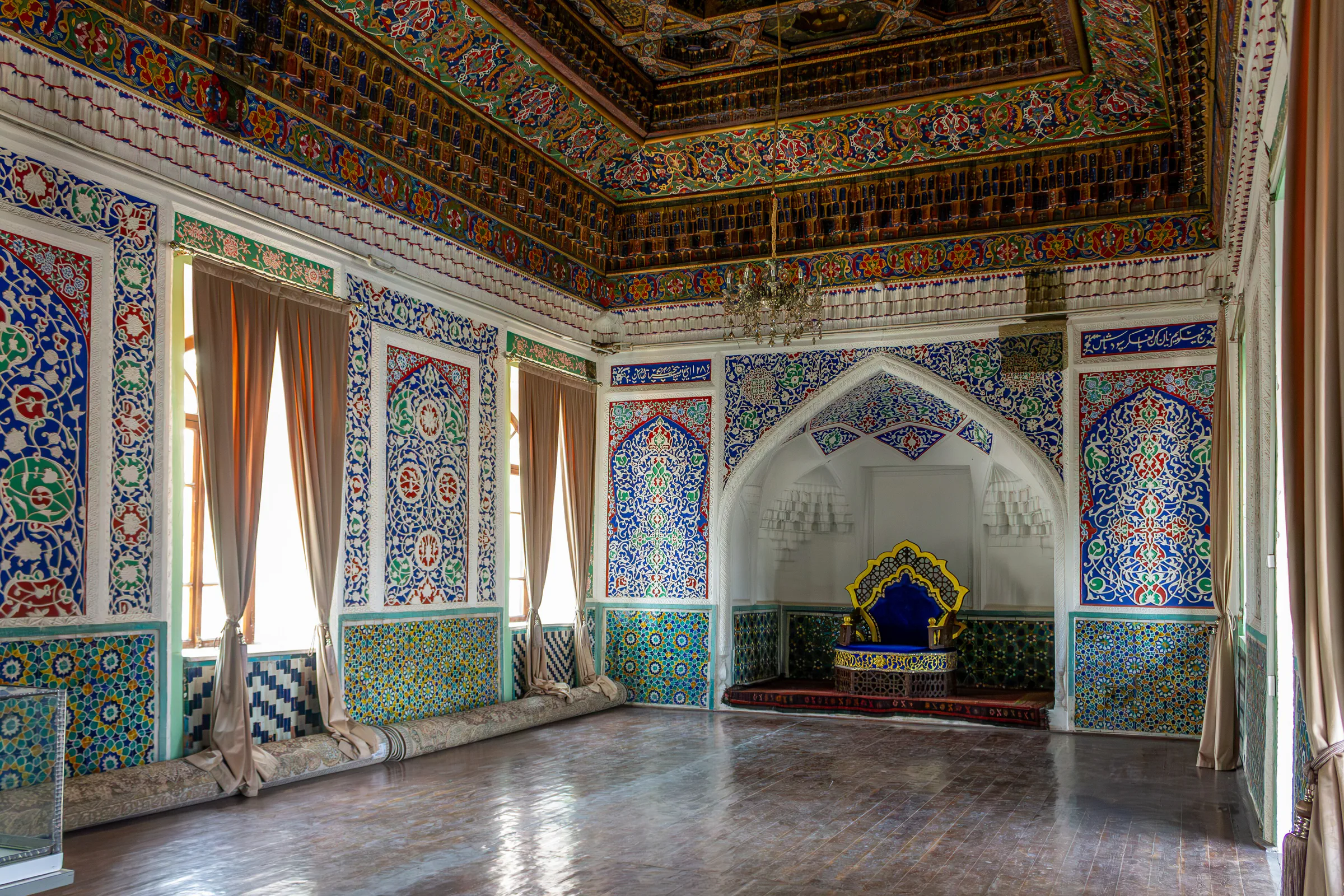
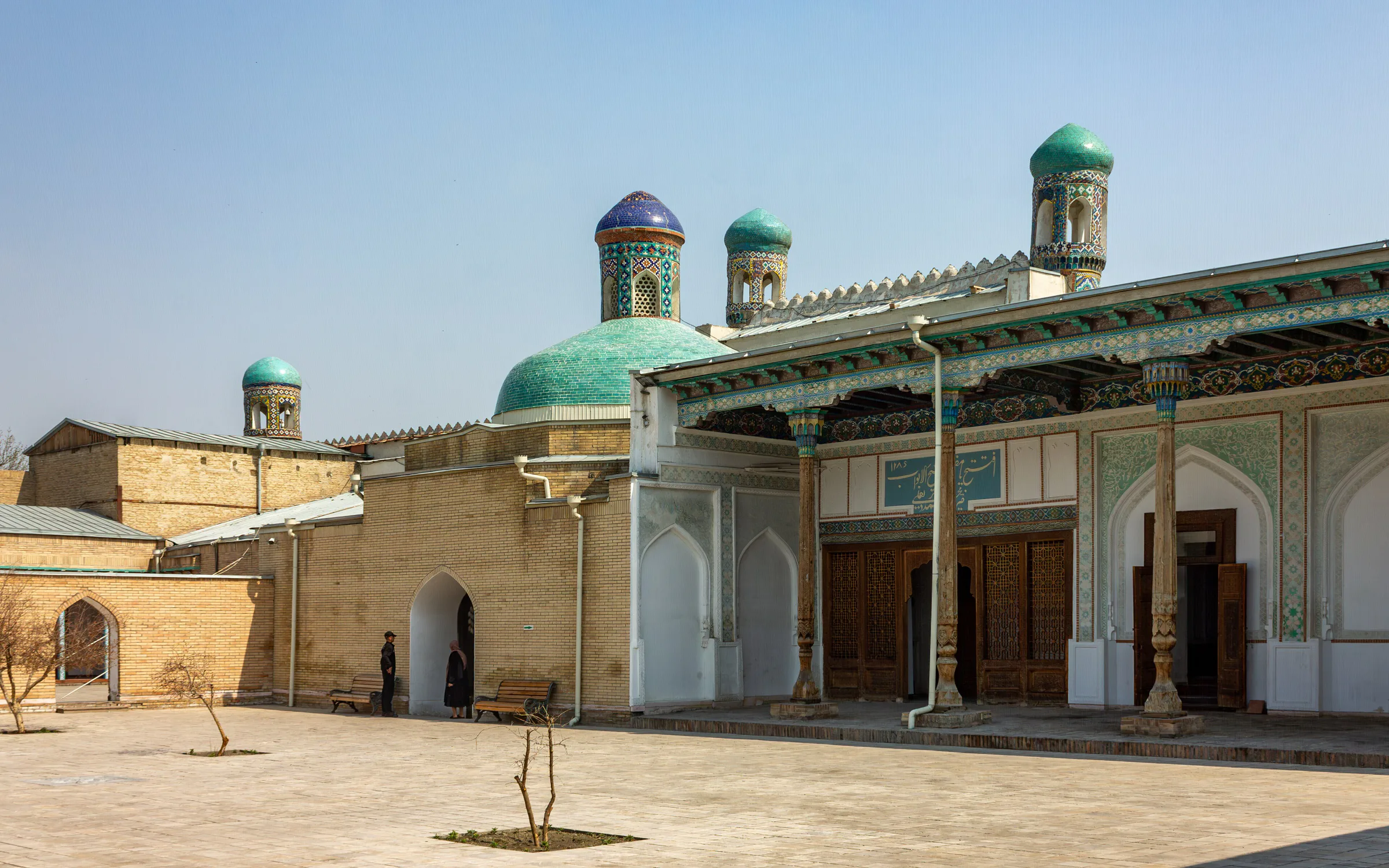
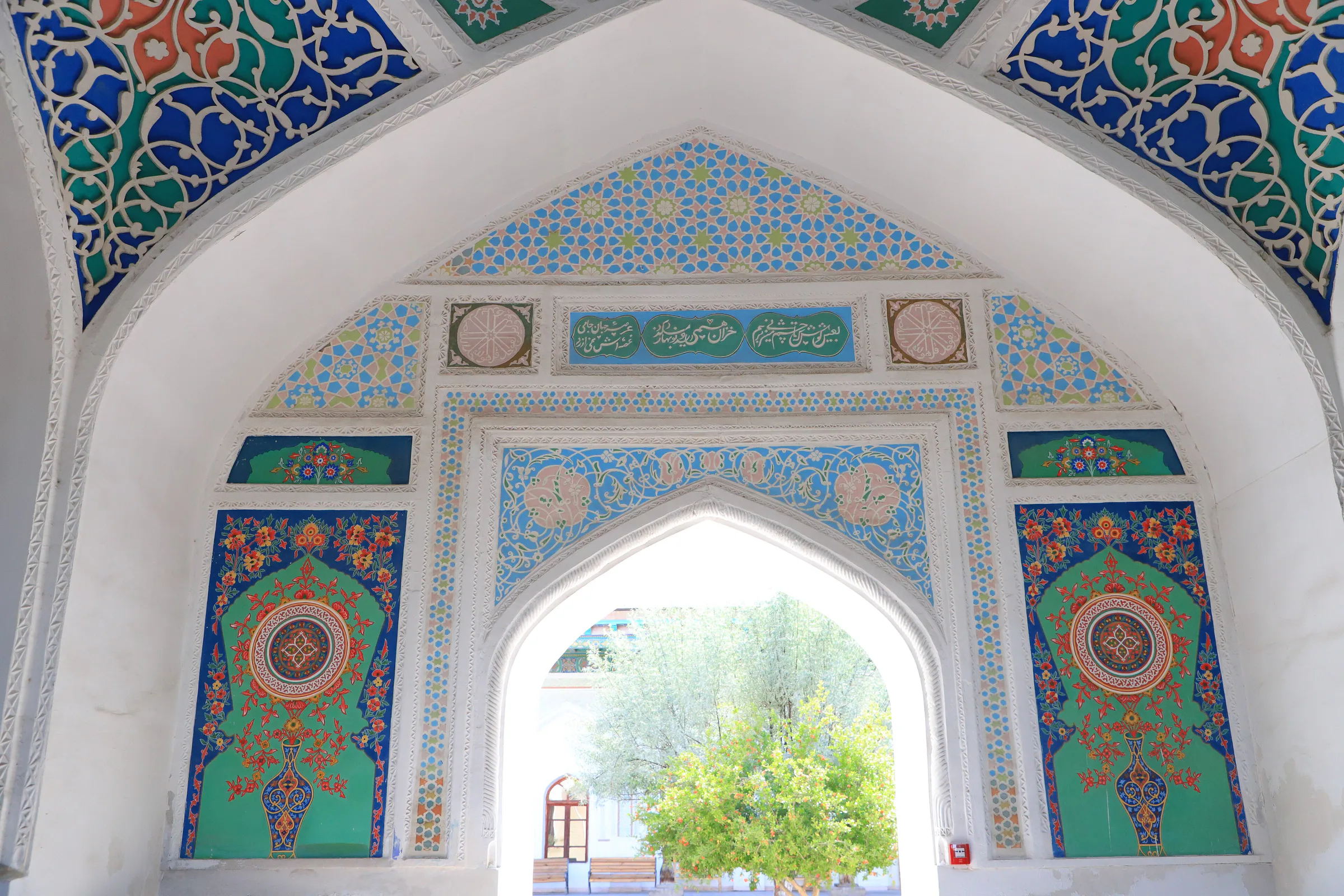
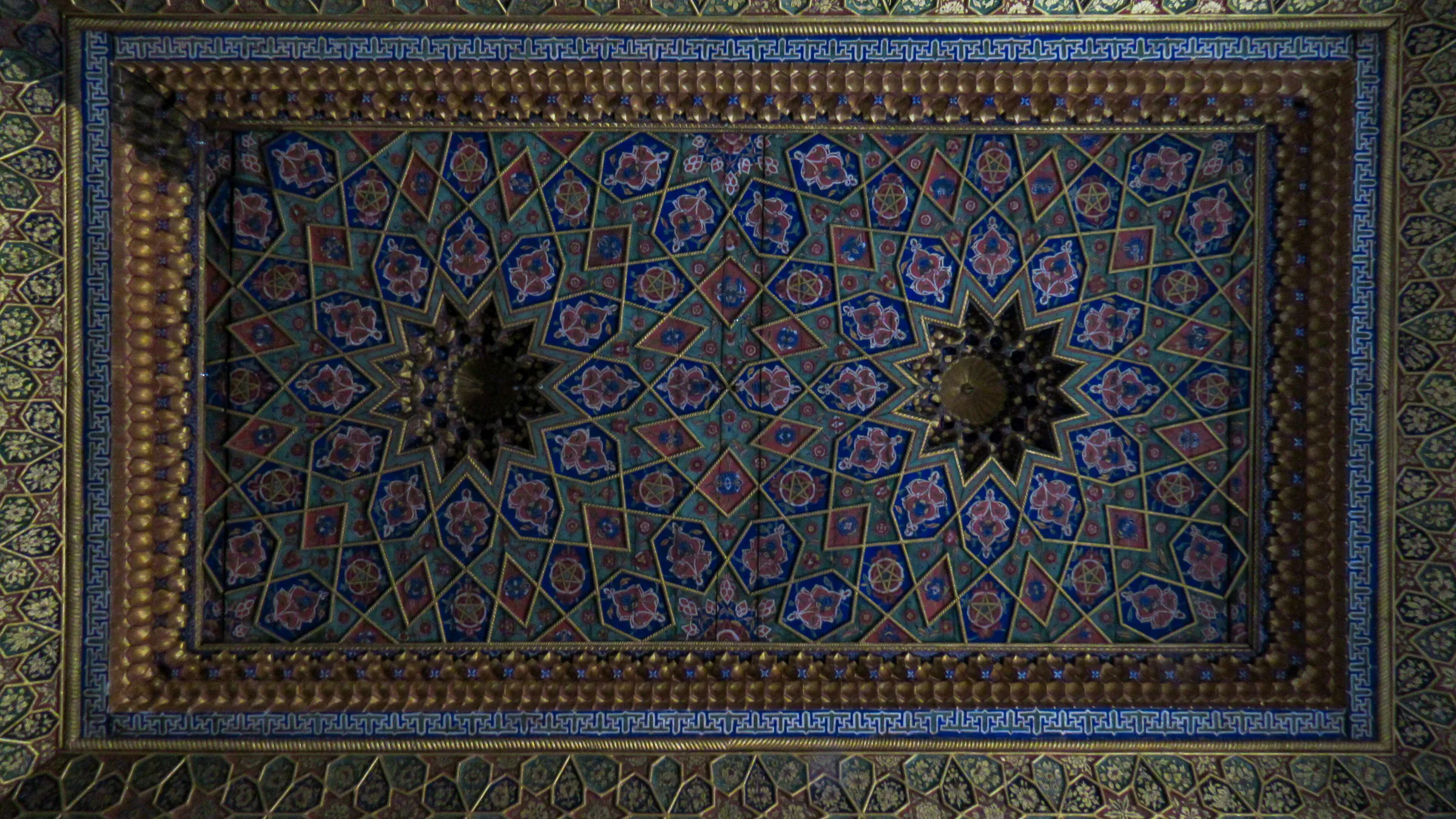
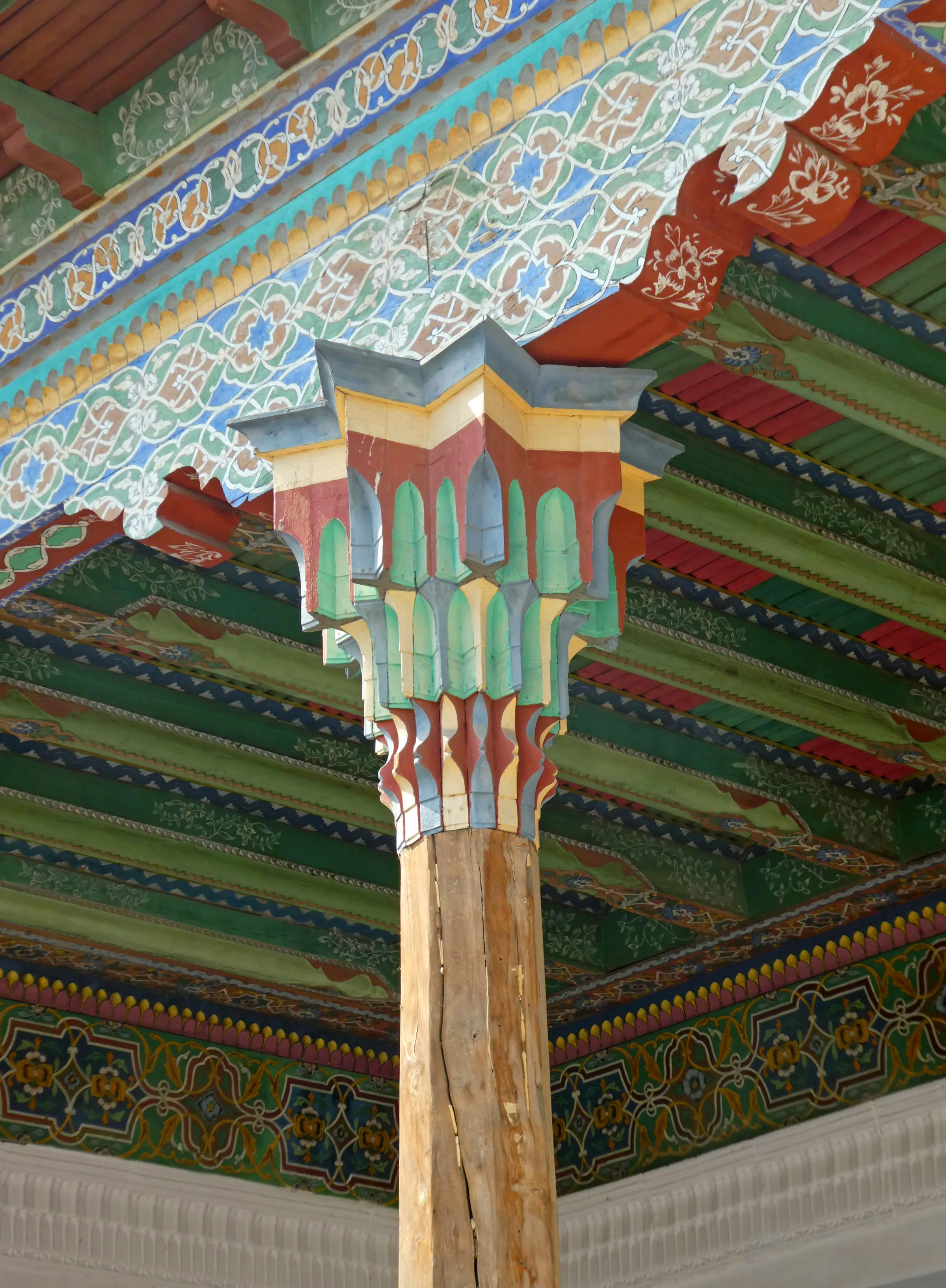
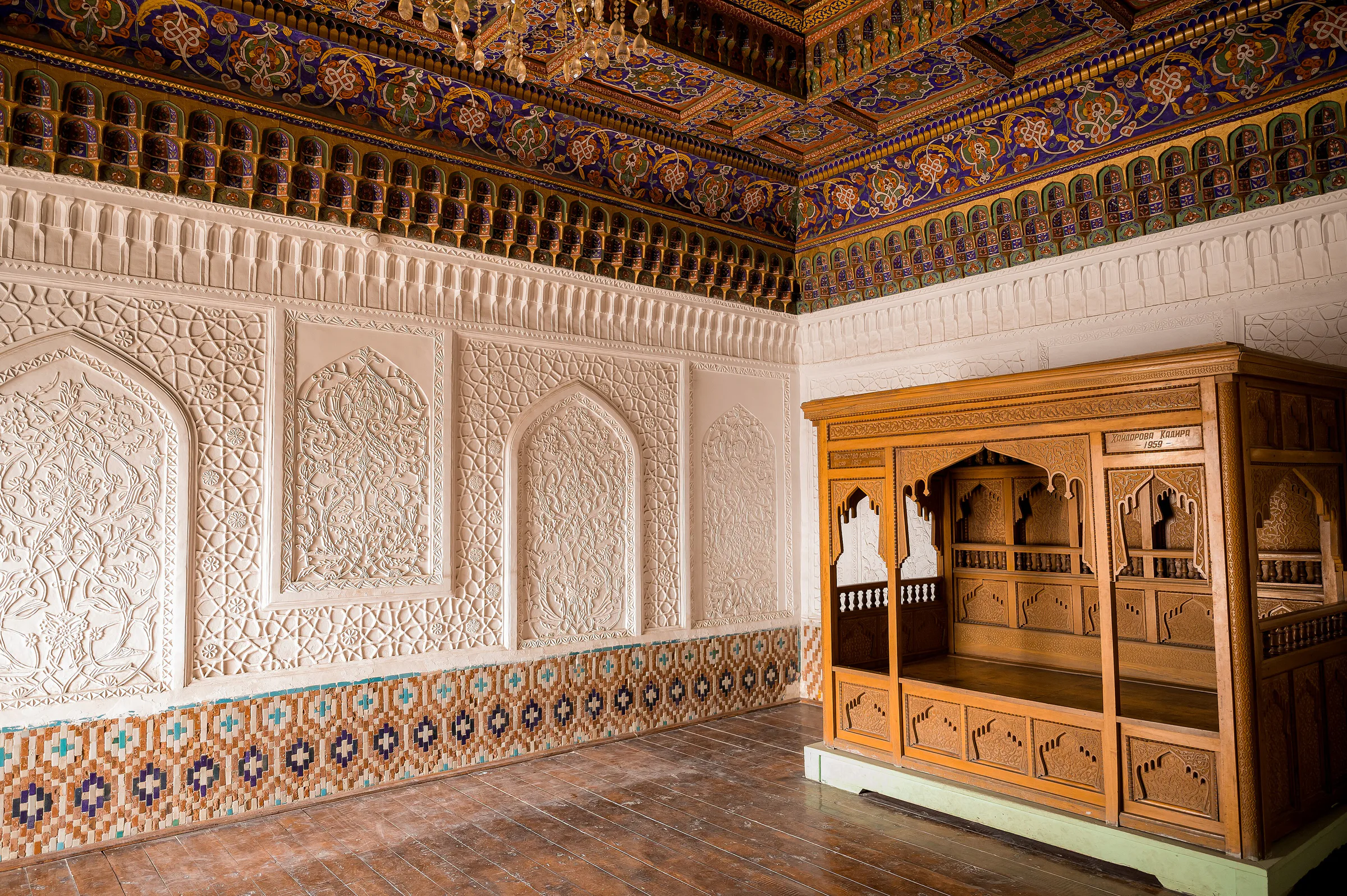
The tilework is unusual in its palette: alongside blue and turquoise, yellow and green are used generously, setting it apart from the predominantly blue monuments of Bukhara and Samarkand. Inside you will find carved wooden doors and columns, carved ganch plaster and painted coffered ceilings. Originally the palace had seven courtyards and more than a hundred rooms; five courtyards and 19 rooms survive.
The palace is the main building of the Kokand State Museum-Reserve, with displays on the khanate, the valley's natural history, archaeology and applied art. After restorations in 1938 and 1974, a major campaign in 2009–2011 saw woodcarvers recreate several doors and eight columns and restore the original colours of the painted halls. A replica of the khan's throne stands in the throne room. The grounds are now a landscaped park that hosts city celebrations and events of the crafts festival.
The American diplomat Eugene Schuyler, who visited Kokand in the 1870s, called the newly built palace the largest and most magnificent in Central Asia, noting how its fresh blue, yellow and green tiles glittered in the sun.
By tradition it was the seventh and last in a series of khans' palaces in Kokand, each ruler striving to outdo his predecessor's residence.
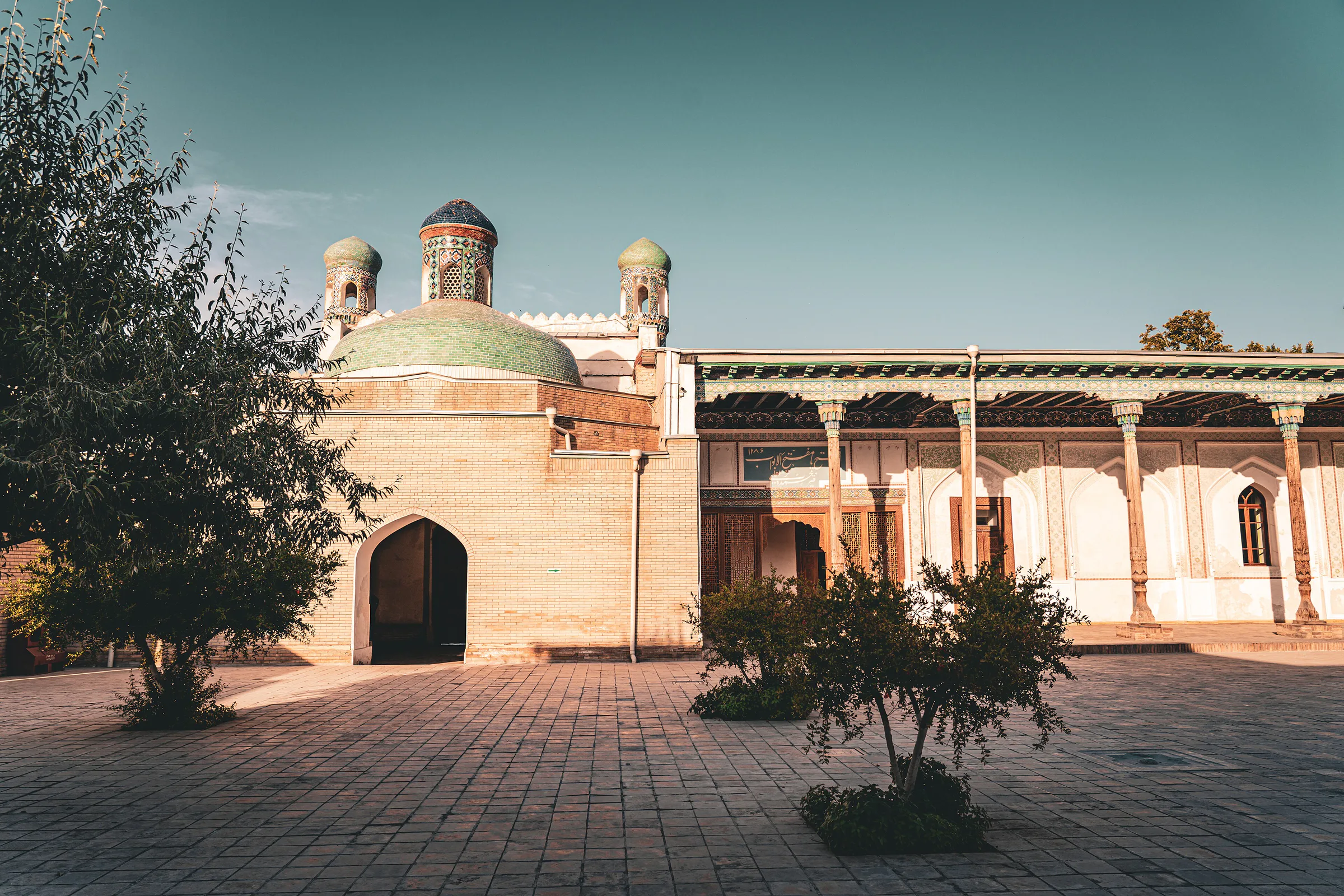
Mosque · Kokand
A 98-column iwan and the Chorsu minaret
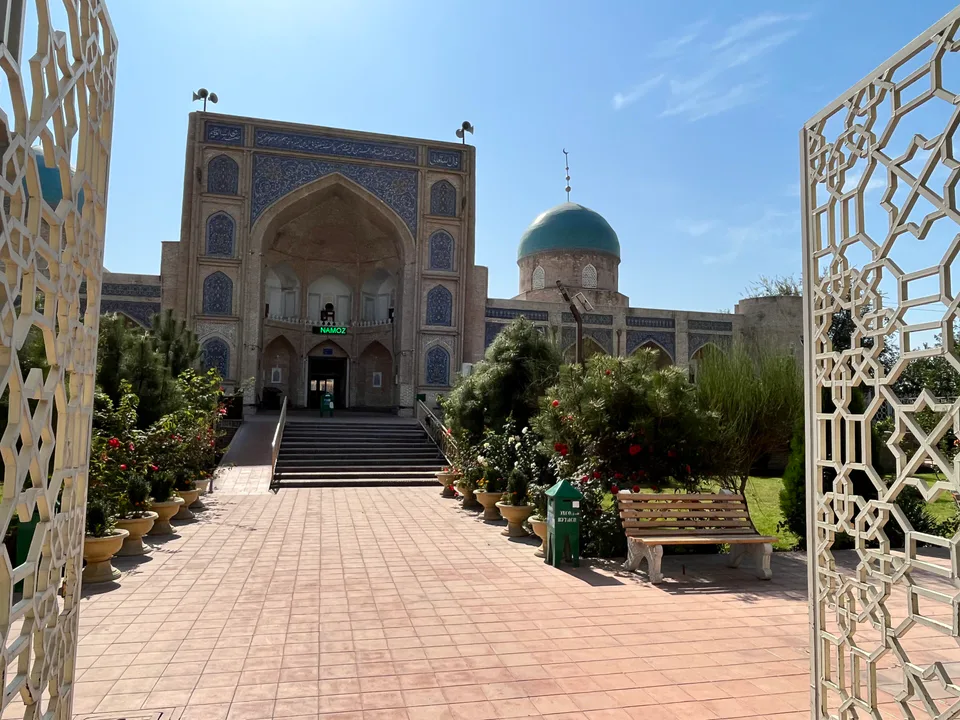
Madrasa · Kokand
Kokand's oldest surviving building
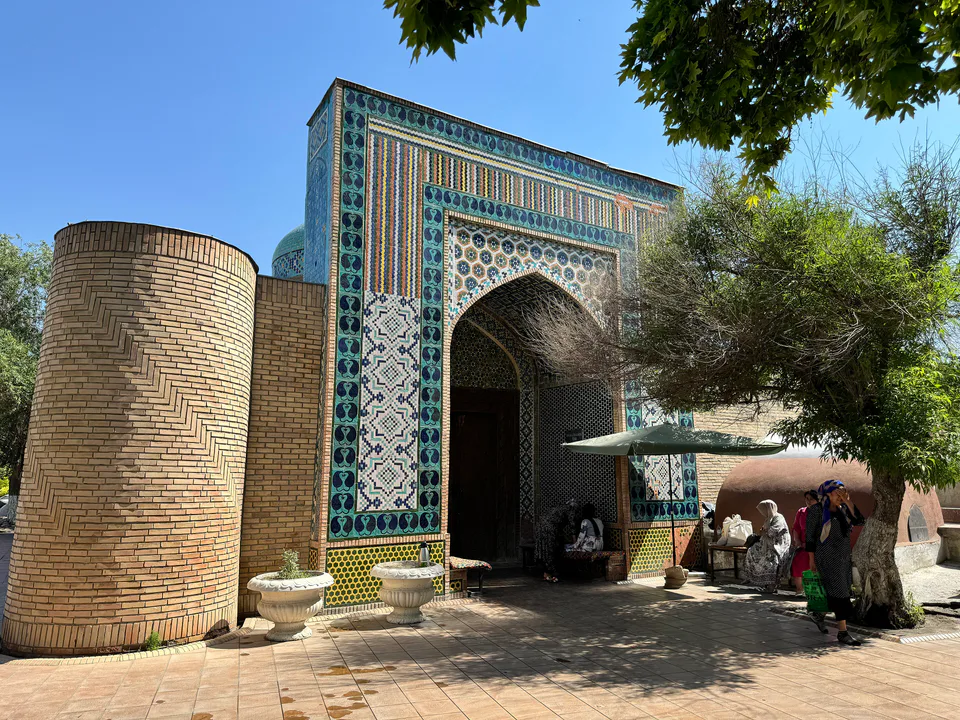
Mausoleum · Kokand
Burial place of the khans of Kokand
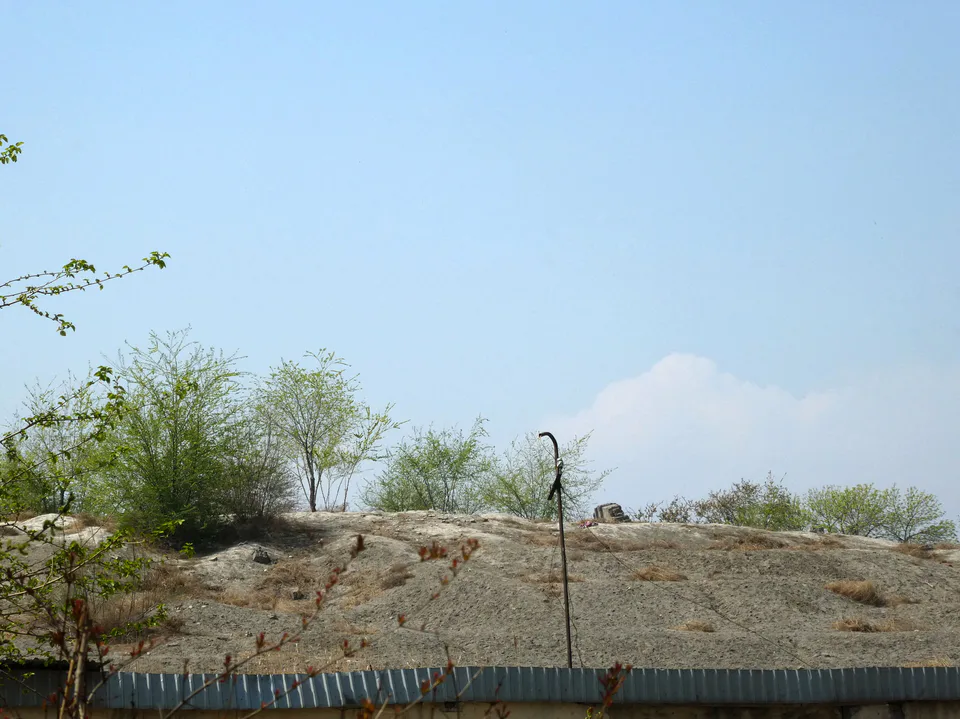
Archaeology · Kokand
Kokand's two-thousand-year-old mound
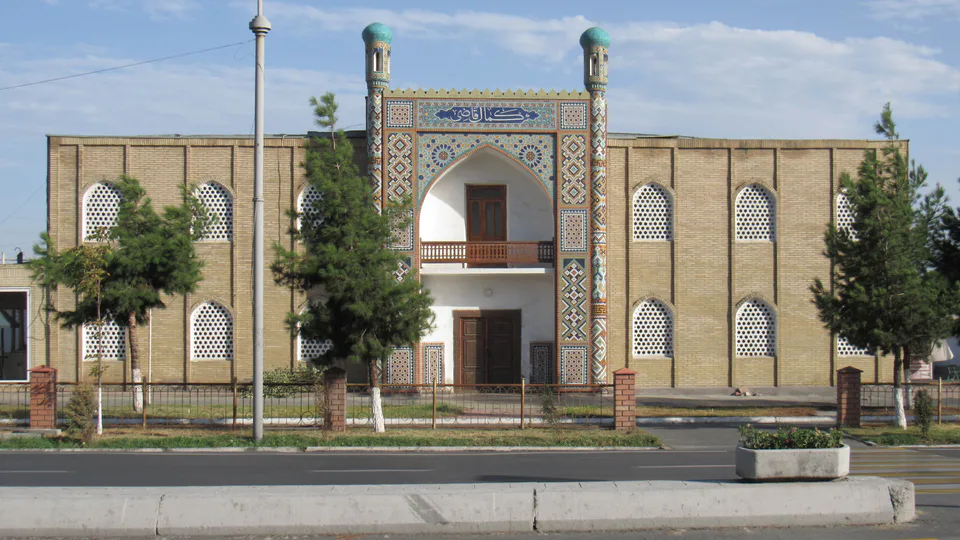
Madrasa · Kokand
A compact madrasa built by Judge Kamol
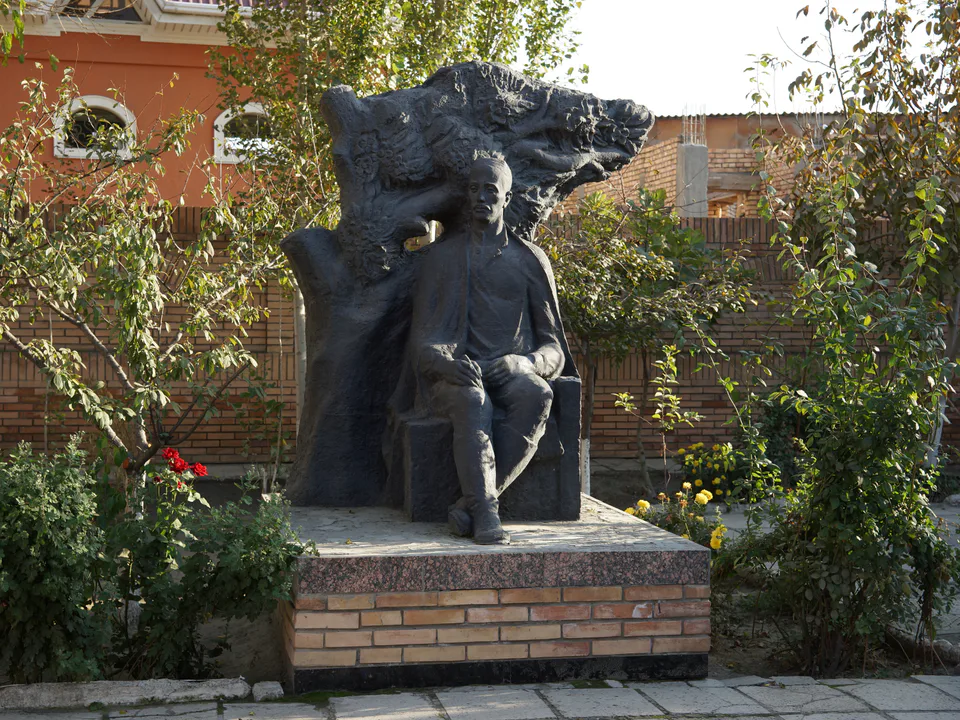
Museum · Kokand
In memory of the poet and playwright Hamza
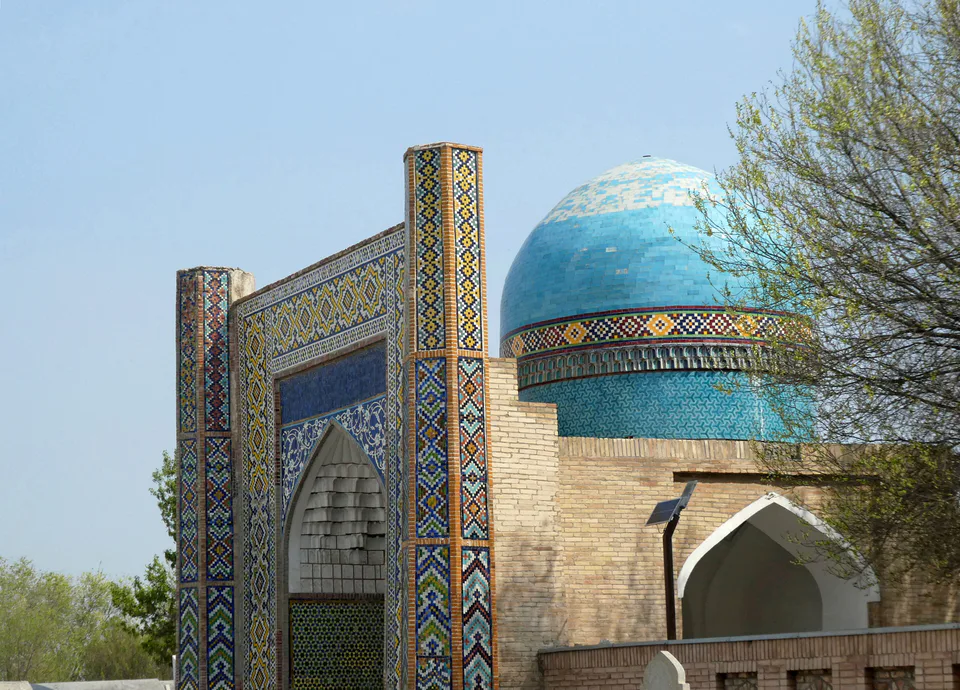
Mausoleum · Kokand
A tomb built for the khan's mother
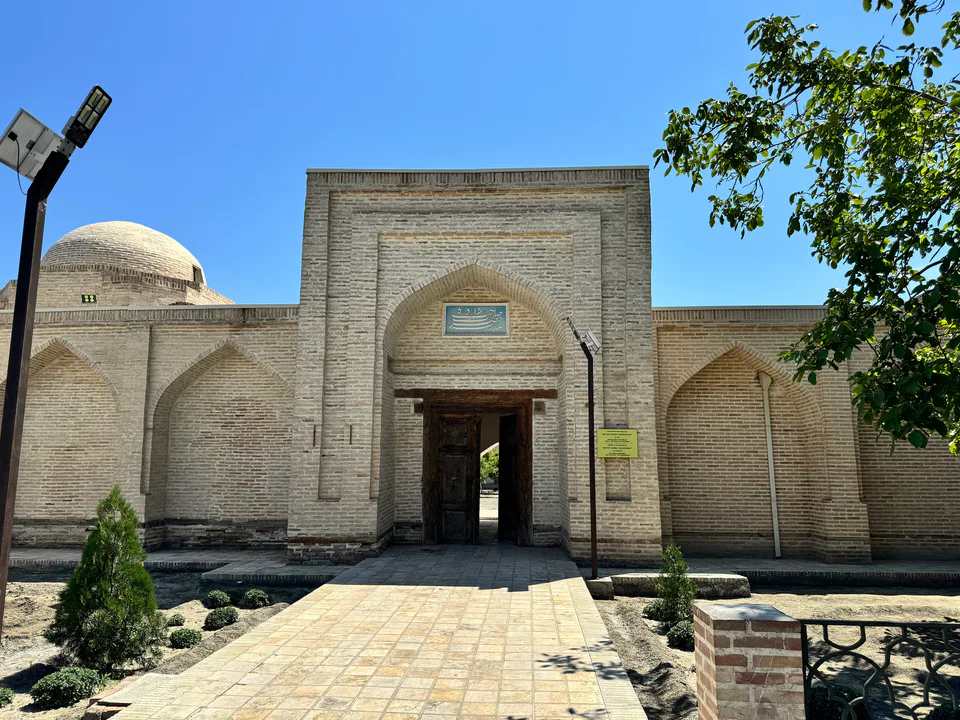
Madrasa · Kokand
The cell where the poet Mukimi lived
Mosque · Kokand
Kokand's brick neighbourhood mosque
Mausoleum · Buvayda District
The shrine that named a district