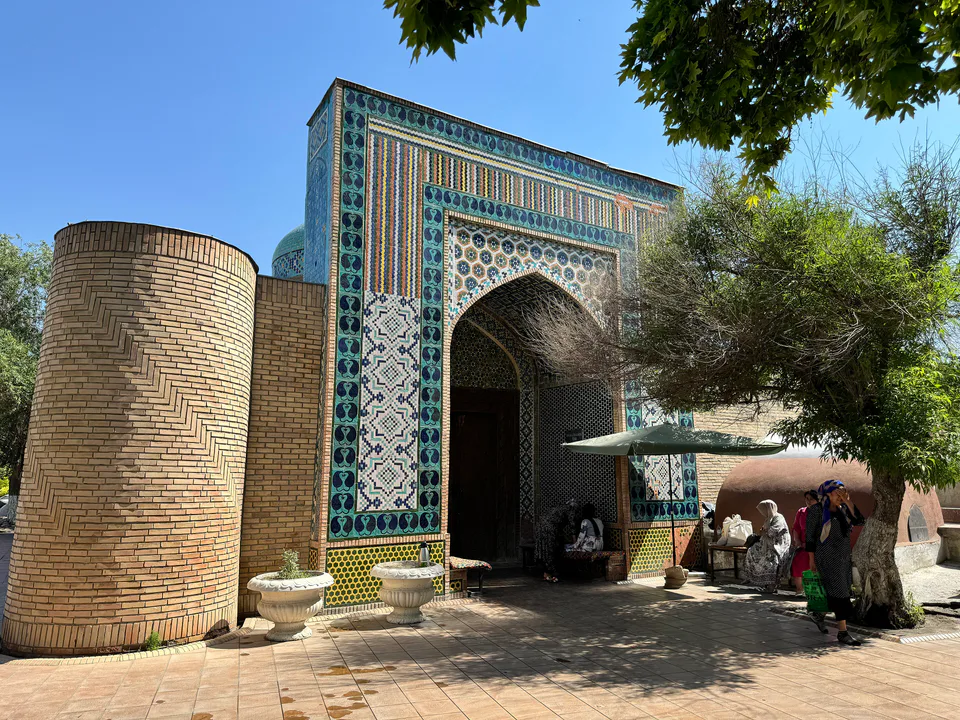
Mausoleum · Kokand
Dakhma-i-Shakhon
Burial place of the khans of Kokand
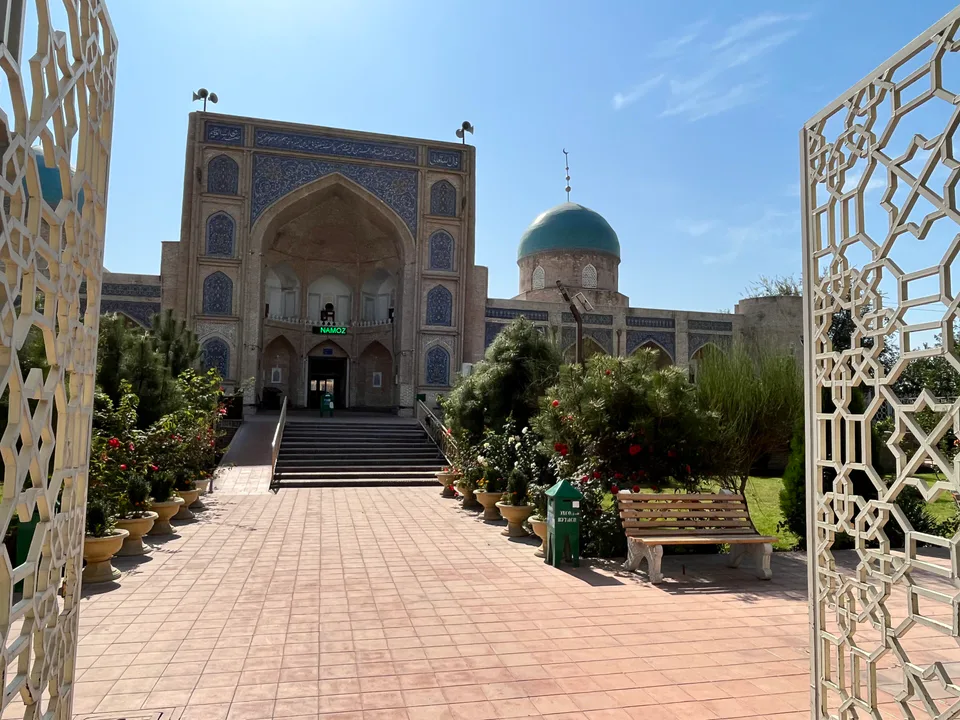
Madrasa · Kokand
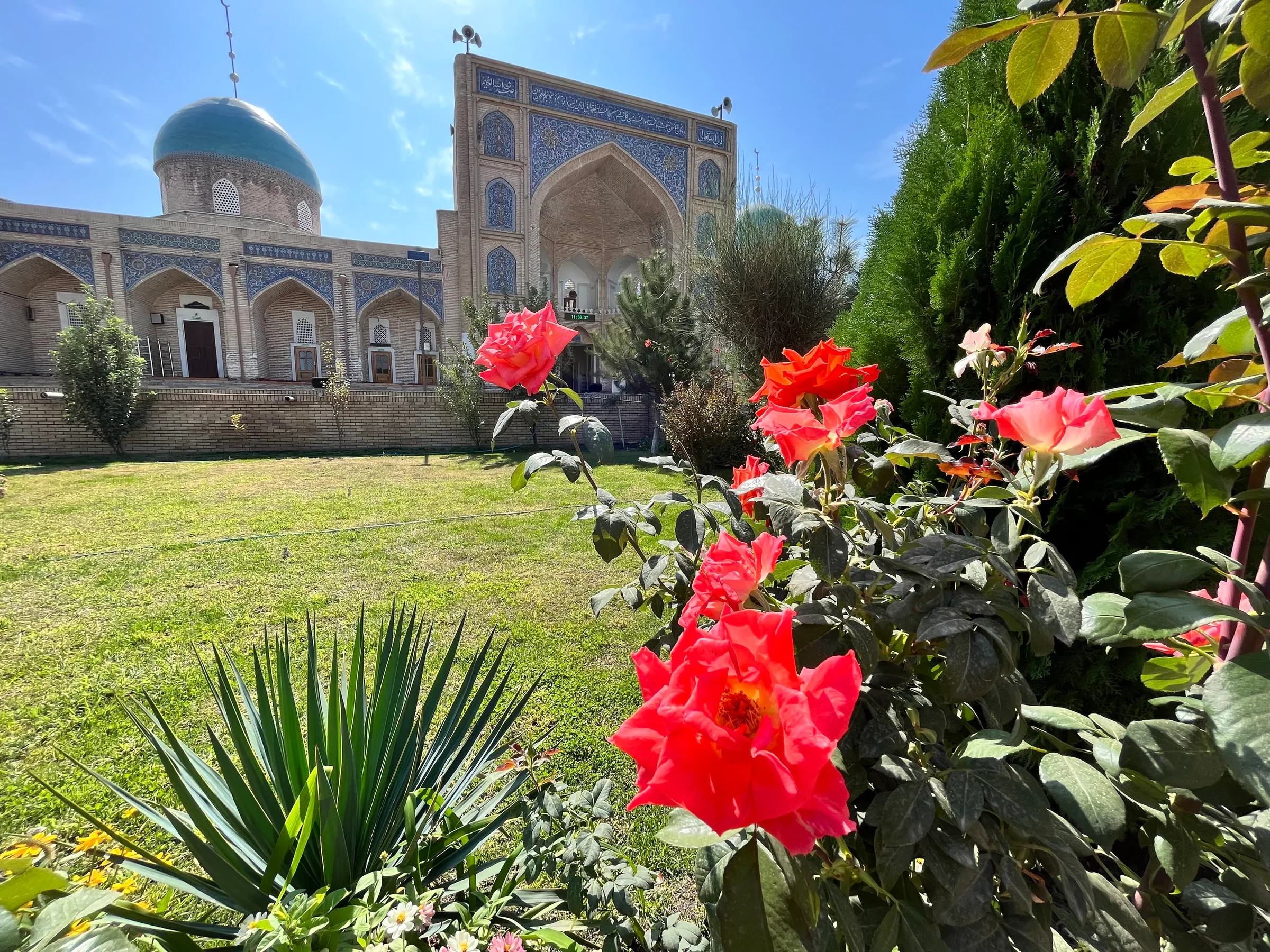
The largest and oldest madrasa in the city, built in 1798 by the ruler Narbuta Biy and known locally as the Madrasa-i Mir.
The madrasa was built in 1213 AH (1798–1799) by Narbuta Biy, ruler of Kokand, on the former Buljar square, today's Yangi Chorsu. After the ruler's title, amir al-muslimin, official documents called it the Madrasa-i Amir al-Muslimin, shortened to Madrasa-i Mir, while townspeople named it after its builder. Local legend says it was raised by Bukharan craftsmen brought to Kokand against their will.
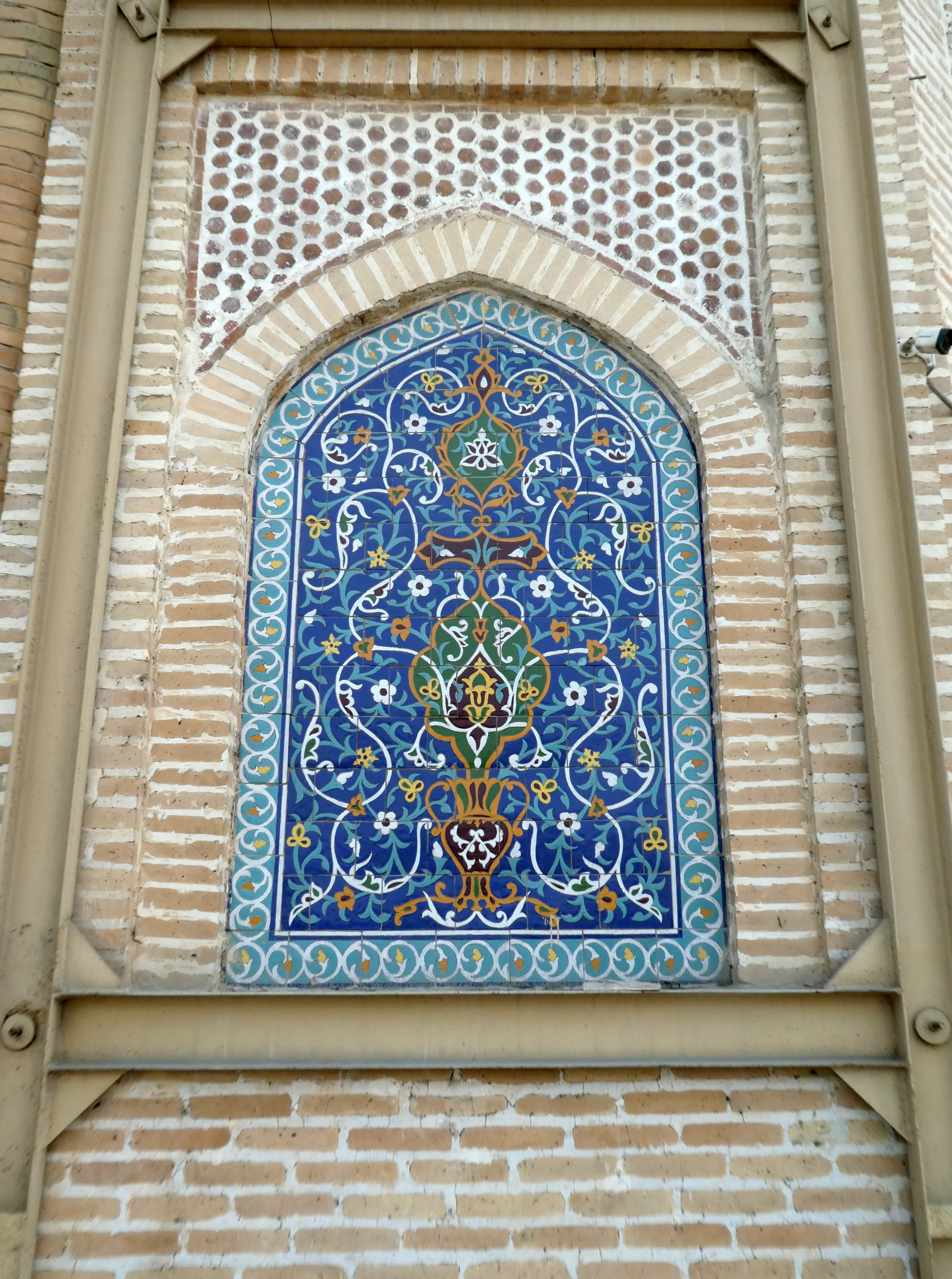
The madrasa was closed in the 1920s. After independence the building was repaired and its main facade dressed in majolica; it now functions as a mosque and is regarded as the oldest surviving building in Kokand.
It is the city's largest madrasa, 52 by 72 metres around a 38-metre-square courtyard. Behind the north-facing portal lies a vestibule, flanked by a domed mosque on one side and a lecture hall on the other; student cells line the courtyard, and towers mark the corners. The mosque dome rests on intersecting arches, and its cornice and mihrab niche are worked in ganch muqarnas. The gate leaves are carved with girih outside and floral islimi inside. Stylistically the building is close to the Bukhara school.
According to the sources, the madrasa had 50 cells, where 114 students studied under 12 teachers, with Muhammad Yaqub Okhund as chief mudarris. For a long time the building stood almost bare: its brickwork was left exposed, and the interiors were still plain white plaster in the early 1980s. Scholars also note that the facade arches are of uneven span.
Mausoleum · Kokand
Burial place of the khans of Kokand
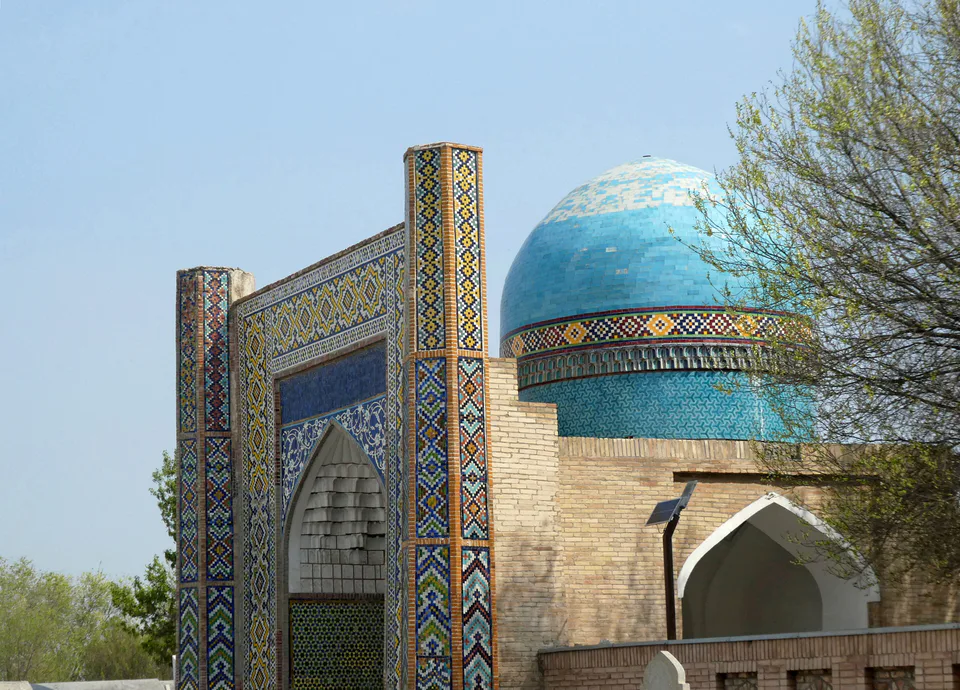
Mausoleum · Kokand
A tomb built for the khan's mother
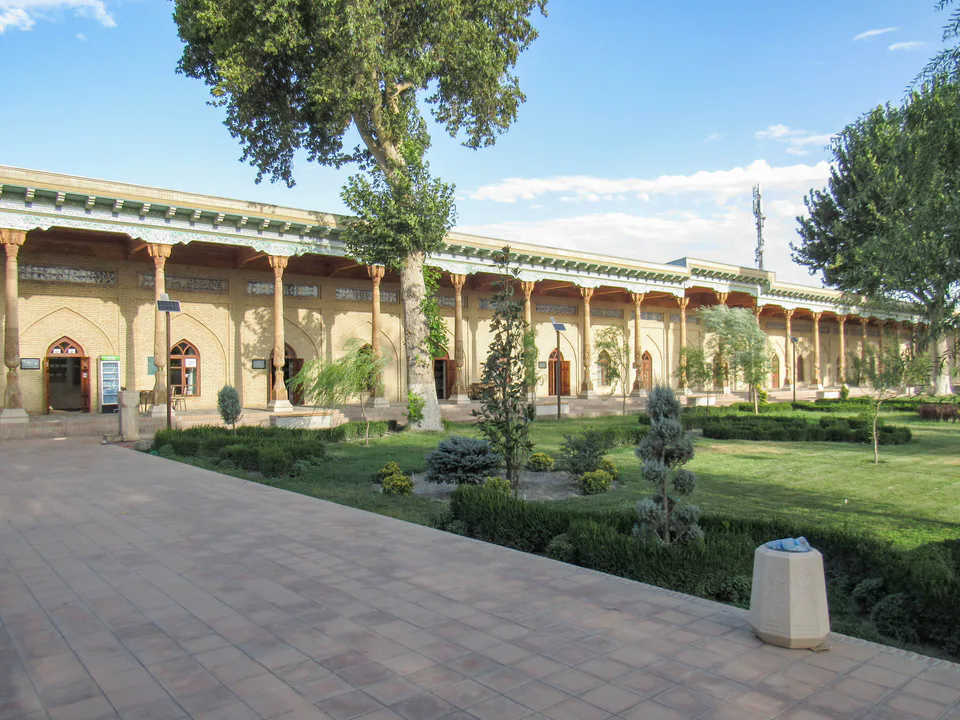
Mosque · Kokand
A 98-column iwan and the Chorsu minaret
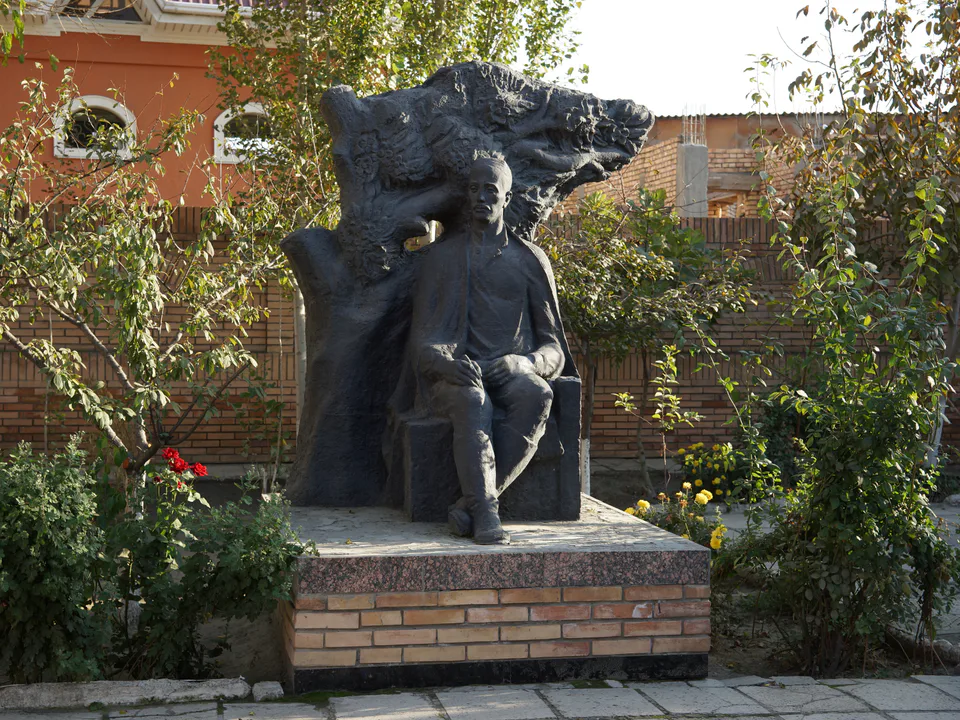
Museum · Kokand
In memory of the poet and playwright Hamza
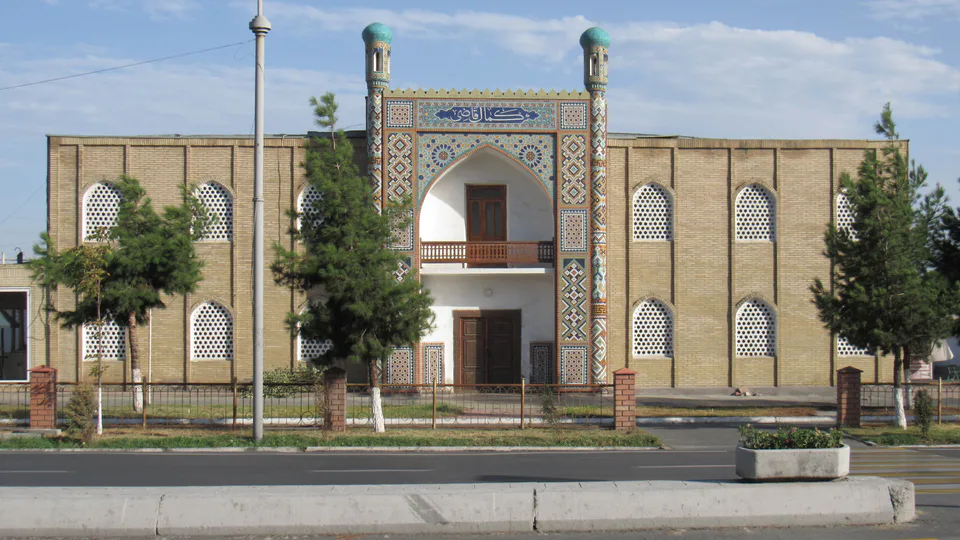
Madrasa · Kokand
A compact madrasa built by Judge Kamol
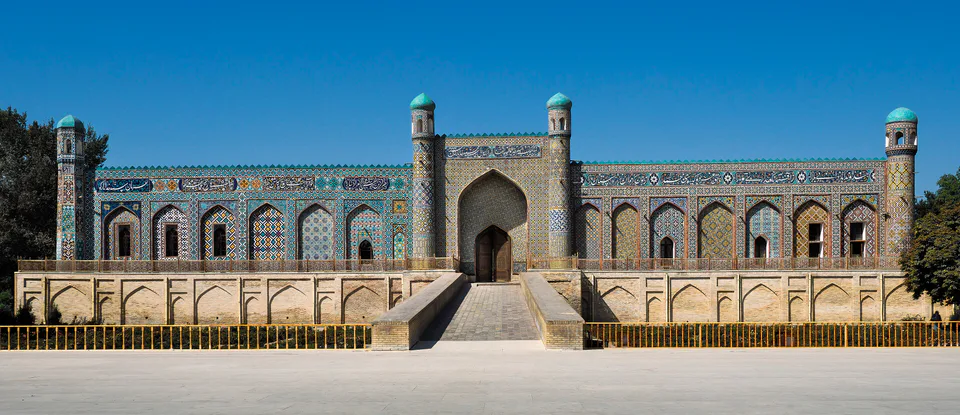
Ensemble · Kokand
The last palace of the khans of Kokand
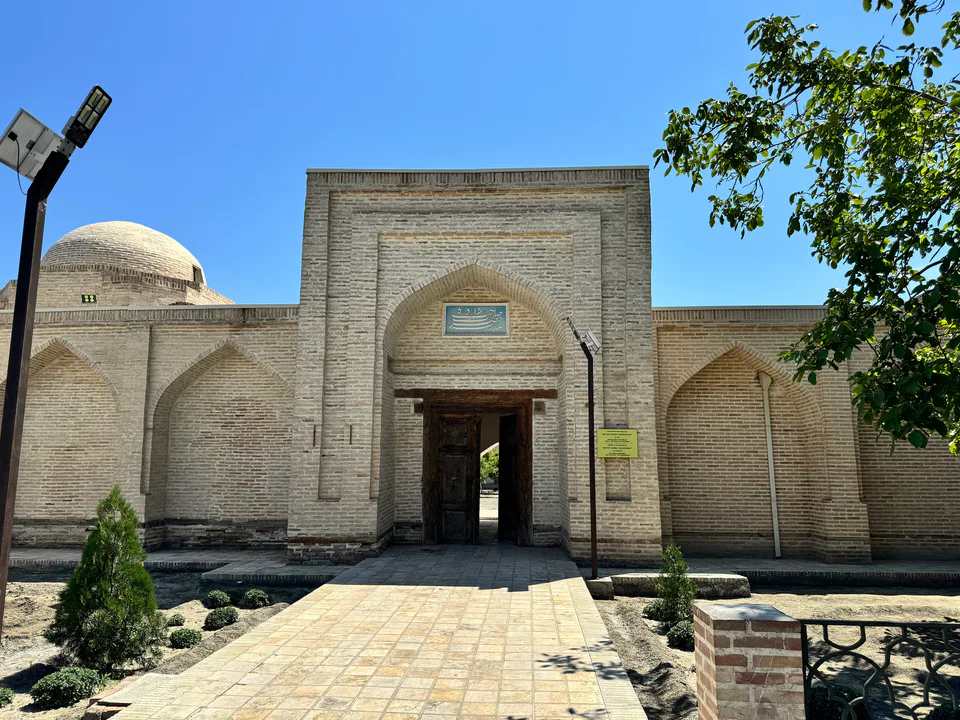
Madrasa · Kokand
The cell where the poet Mukimi lived
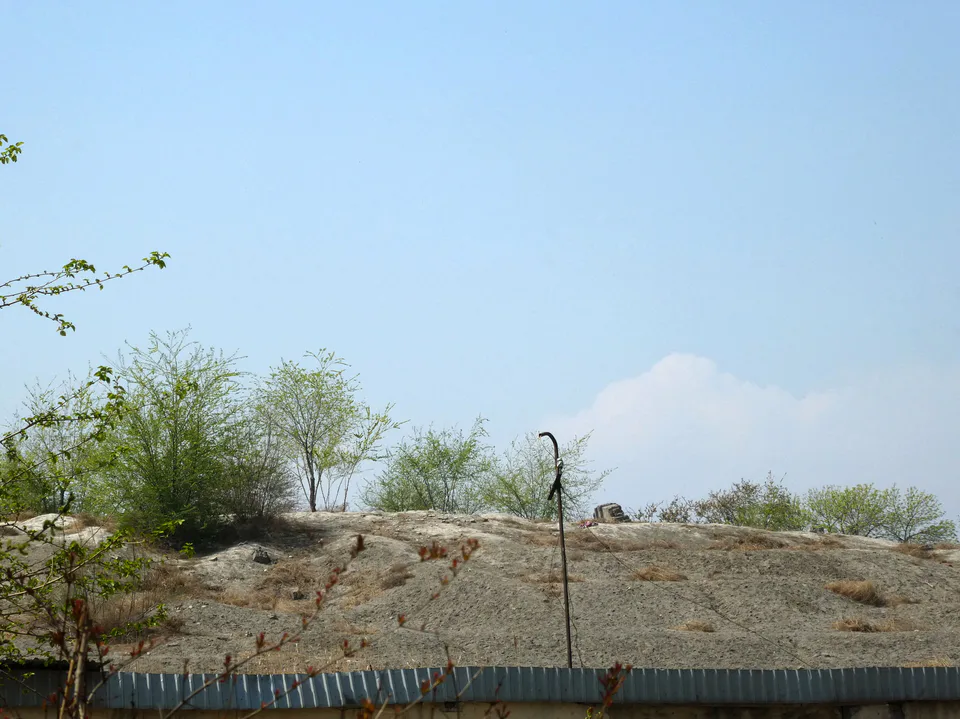
Archaeology · Kokand
Kokand's two-thousand-year-old mound
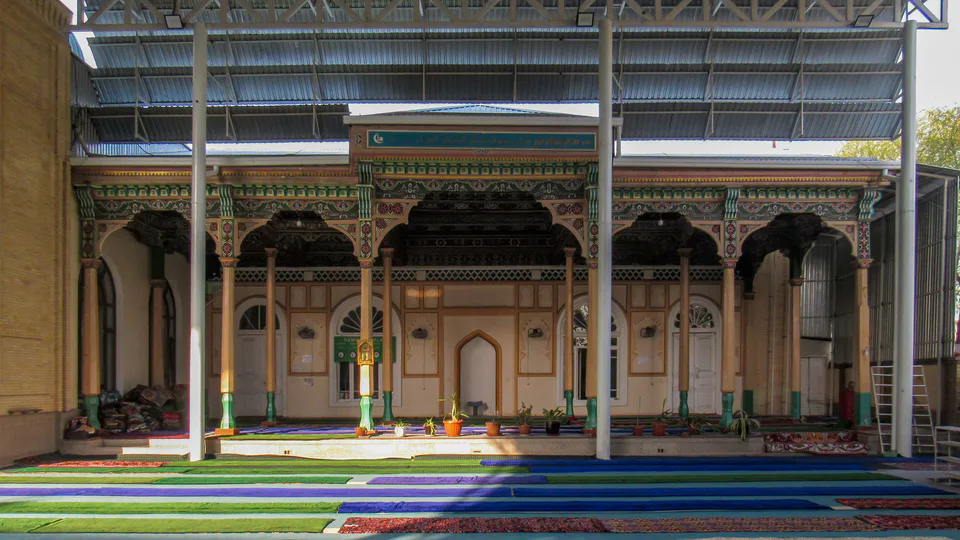
Mosque · Kokand
Kokand's brick neighbourhood mosque
Mausoleum · Buvayda District
The shrine that named a district