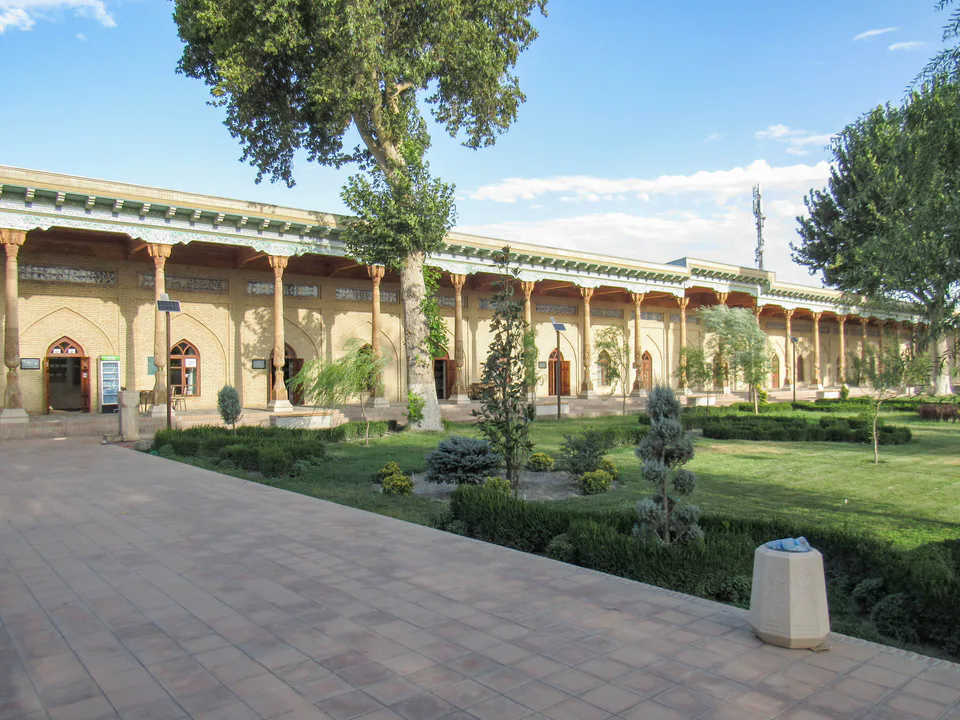
Mosque · Kokand
Kokand Jami Mosque
A 98-column iwan and the Chorsu minaret
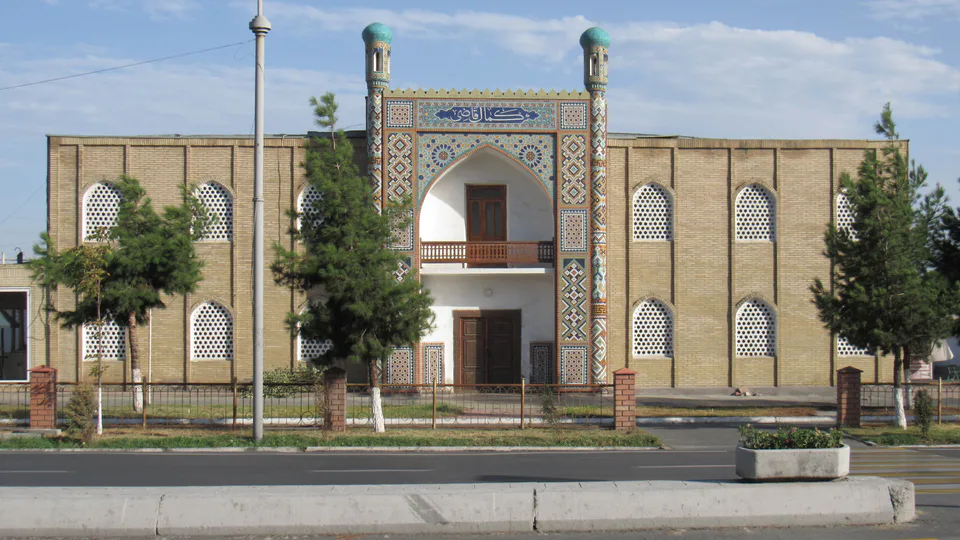
Madrasa · Kokand
A small madrasa with a mosaic-tiled portal, built in 1830–1832 under Madali Khan at the expense of Kokand's qazi, Kamol.
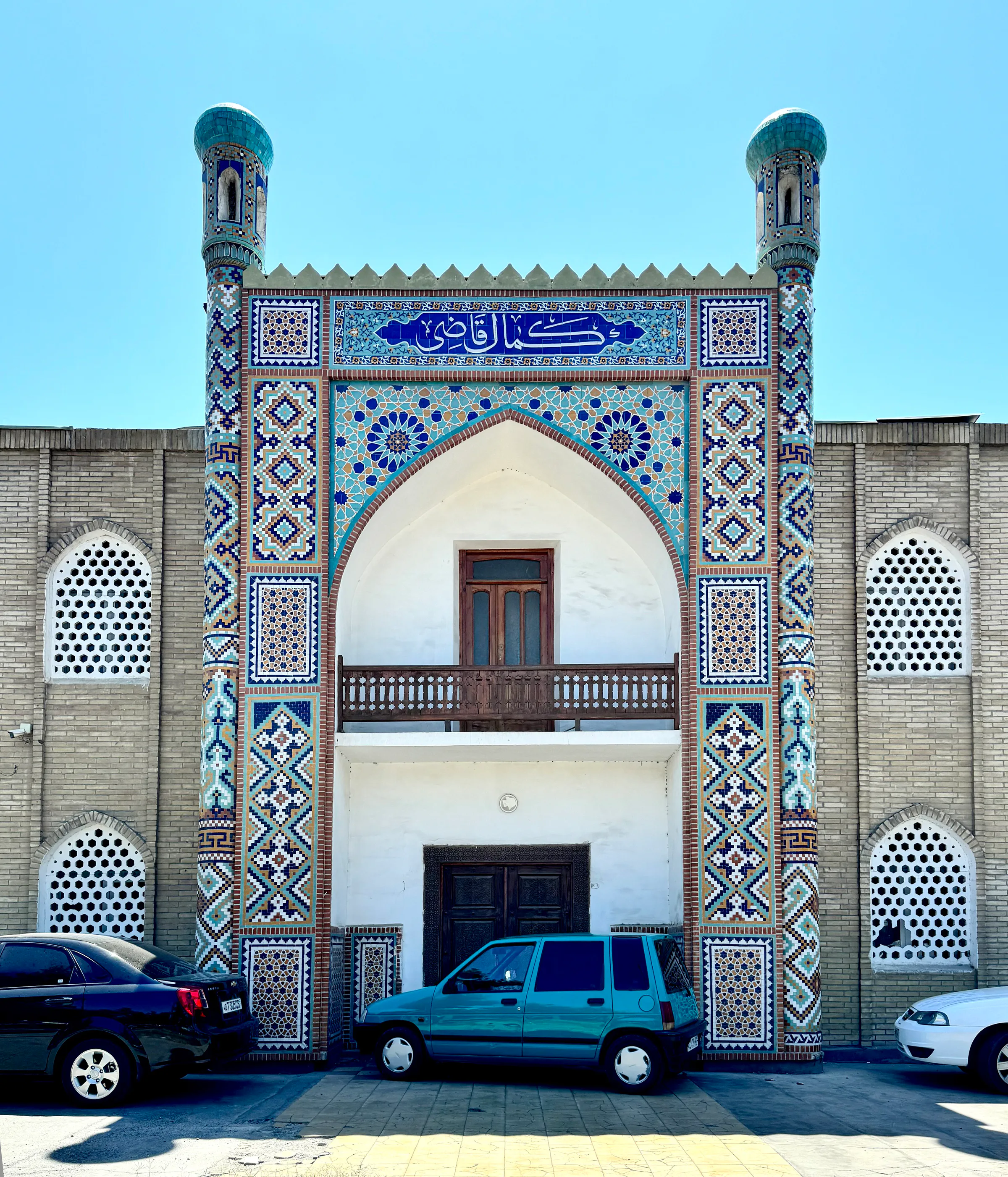
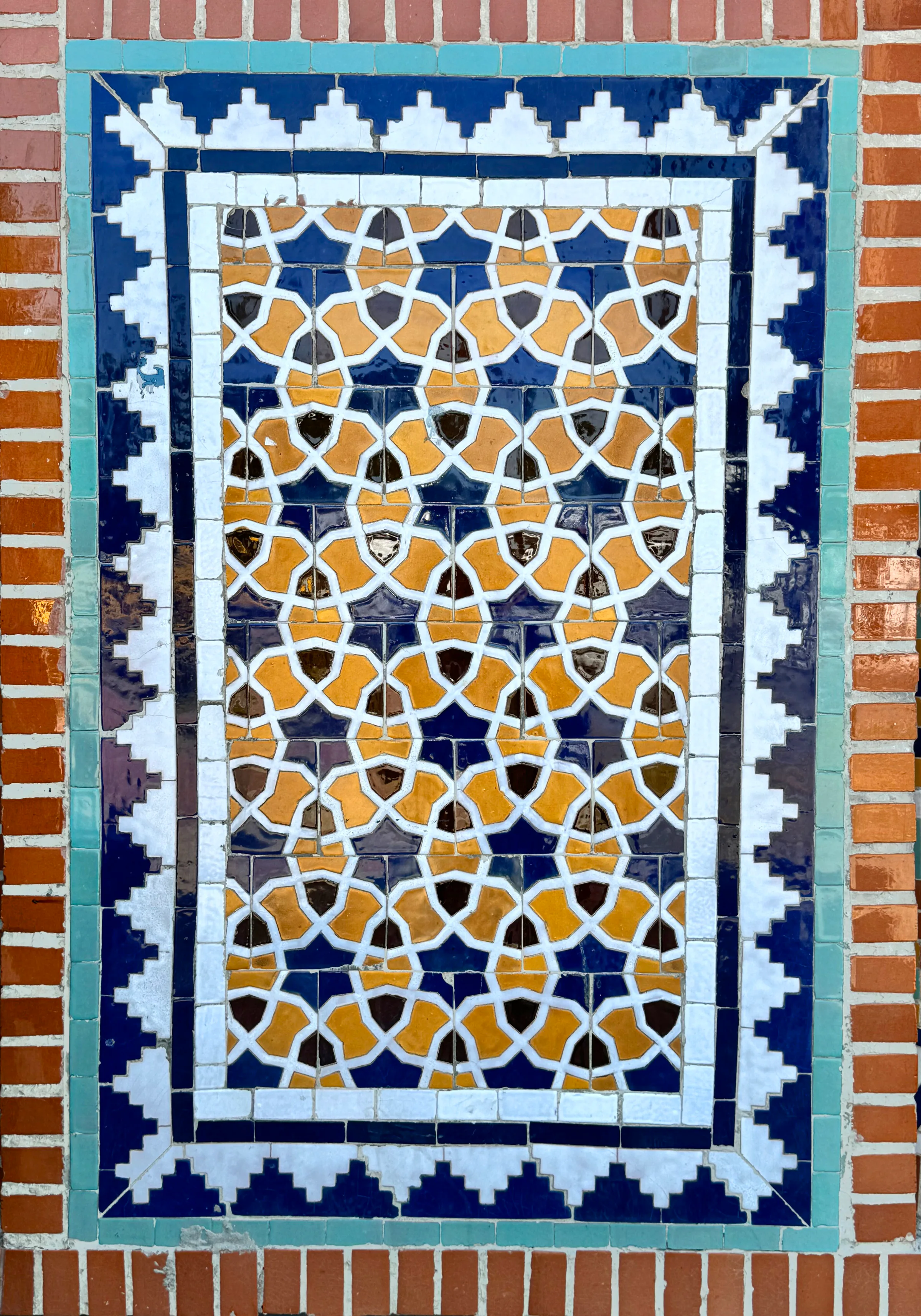
The madrasa was built in 1830–1832, during the reign of Muhammad Ali Khan (Madali Khan), with money from Kamol, the qazi or judge of Kokand; children of the local nobility studied here. It follows the classic Kokand plan: single-storey cells around a 20-metre-square courtyard, a four-column iwan mosque and a lecture hall. The portal, with cylindrical corner towers and domed lanterns, is entirely covered in mosaic tiles that combine geometric patterns with Arabic inscriptions. The lecture room sits above the vestibule, with a balcony overlooking the main facade. The interiors are decorated with ganch and hand painting, while the outer walls of fired brick were left unplastered, as on many public buildings. Closed in the Soviet period, the madrasa was later restored and placed on the national heritage list.
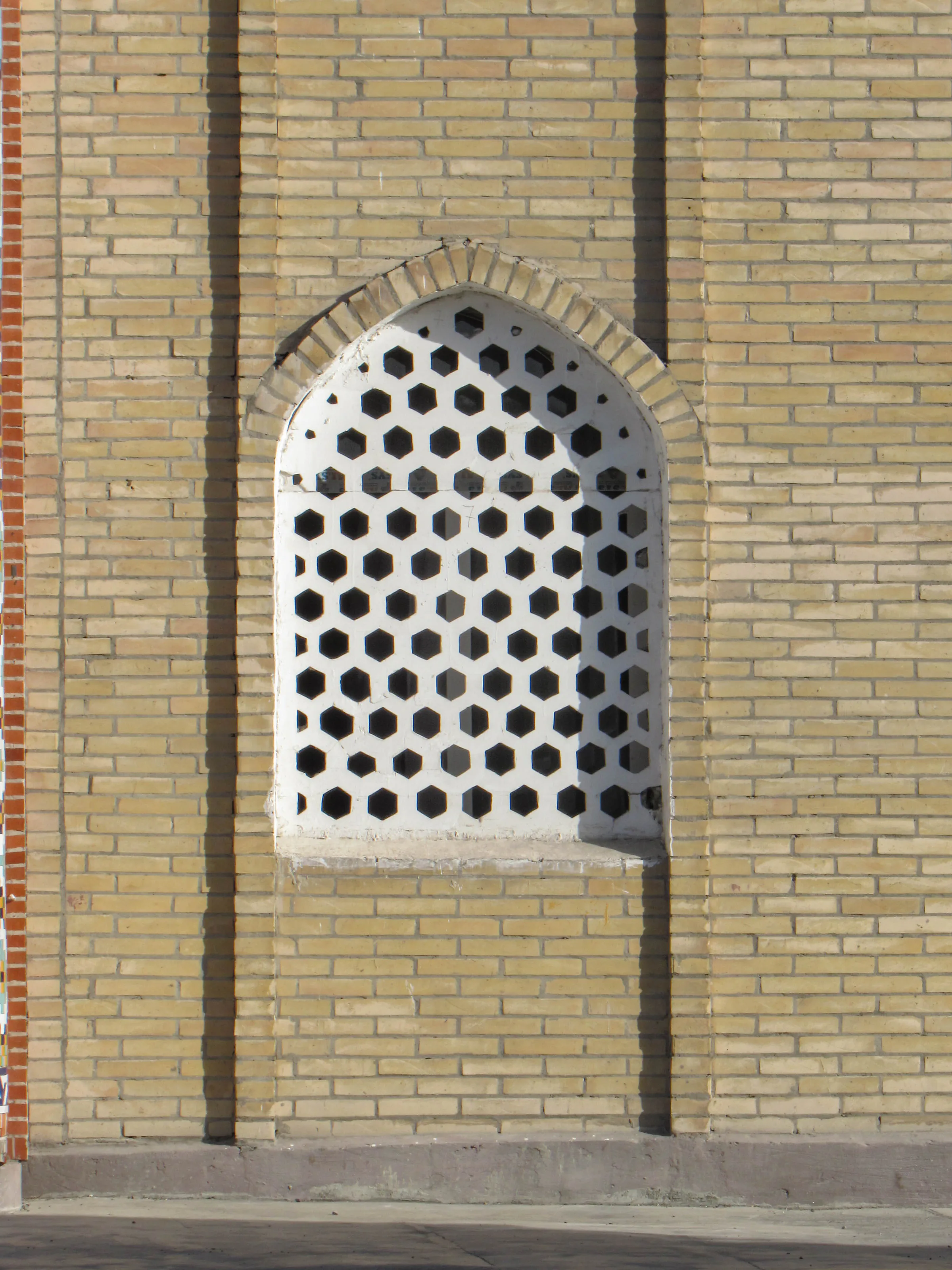
Mosque · Kokand
A 98-column iwan and the Chorsu minaret
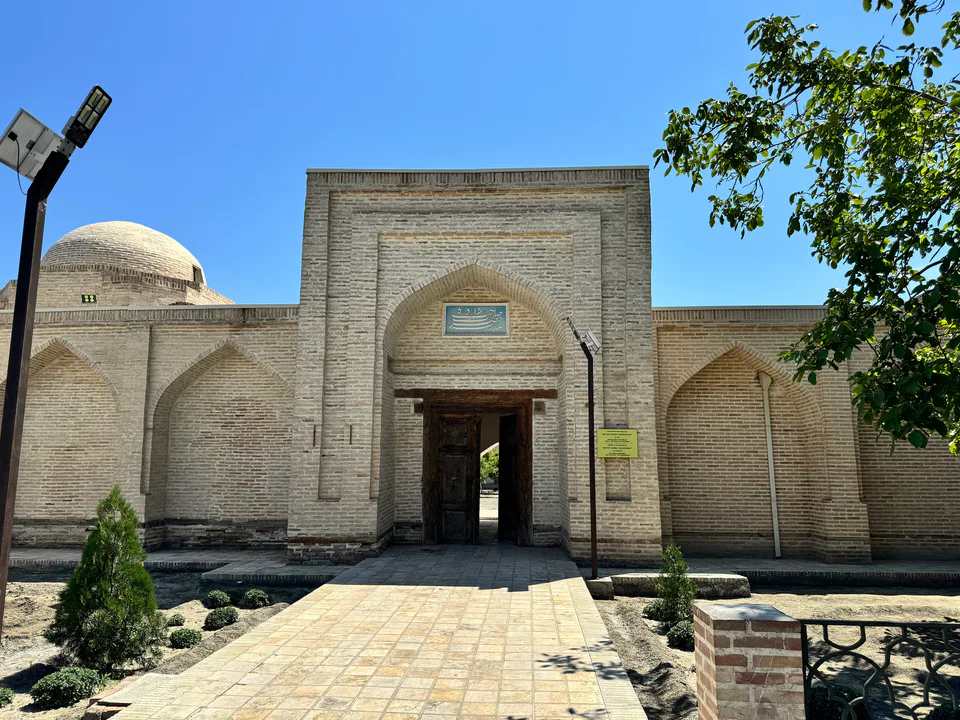
Madrasa · Kokand
The cell where the poet Mukimi lived
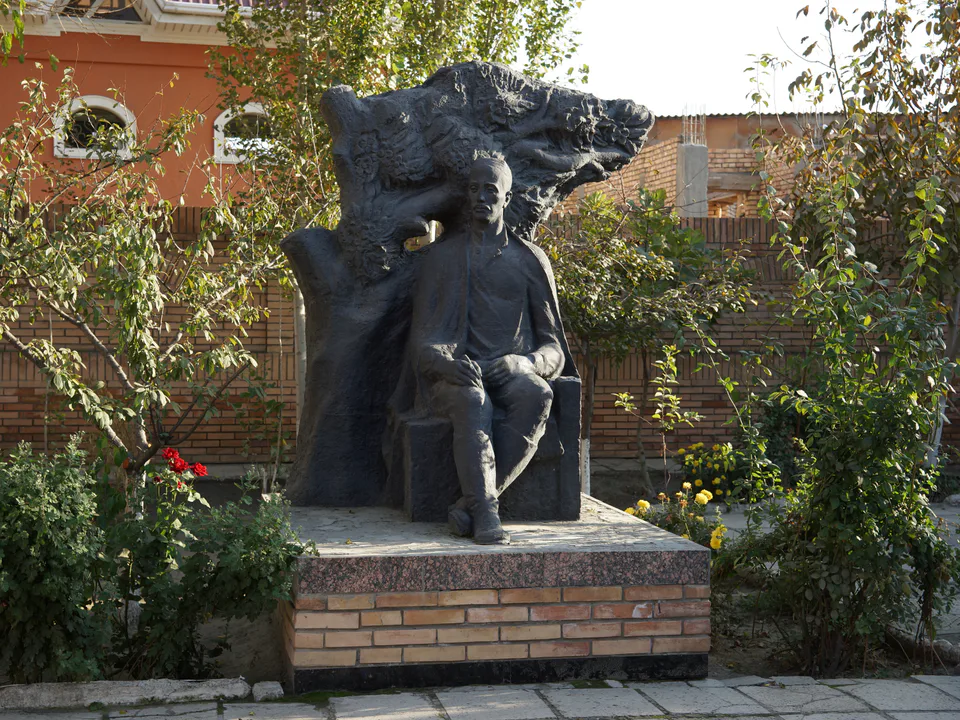
Museum · Kokand
In memory of the poet and playwright Hamza
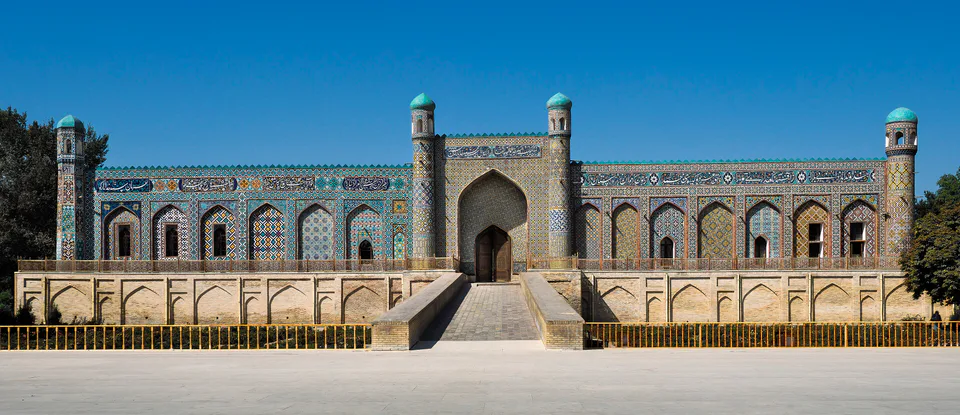
Ensemble · Kokand
The last palace of the khans of Kokand
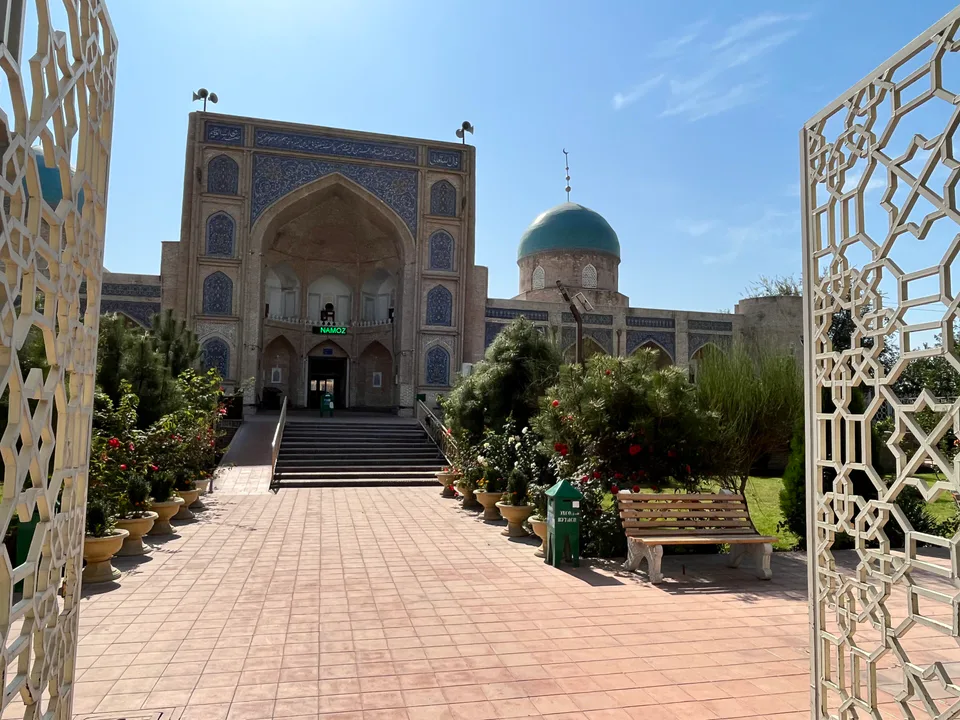
Madrasa · Kokand
Kokand's oldest surviving building
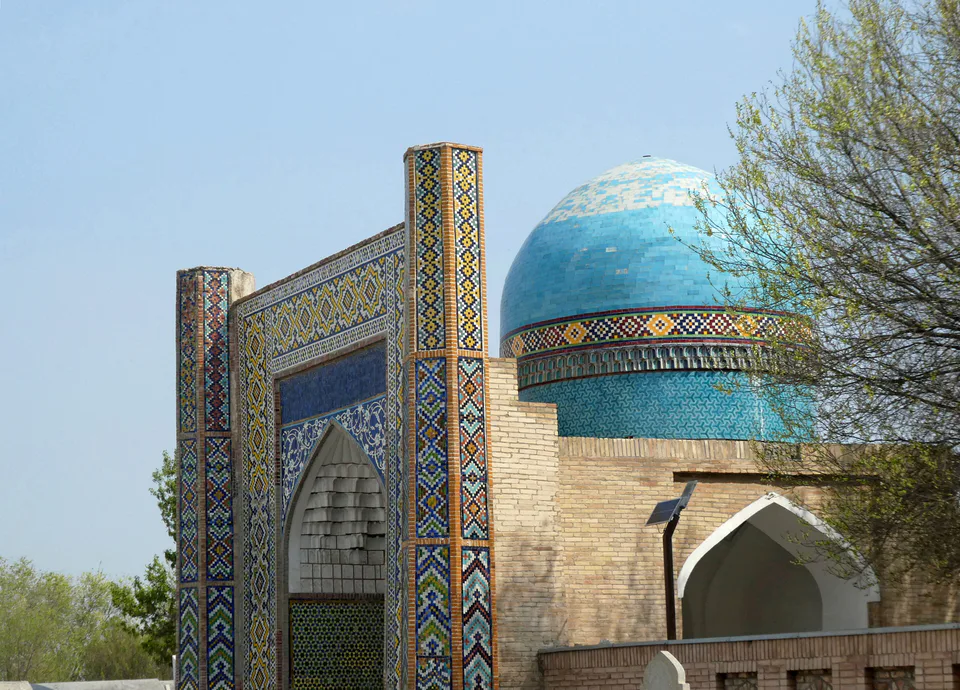
Mausoleum · Kokand
A tomb built for the khan's mother
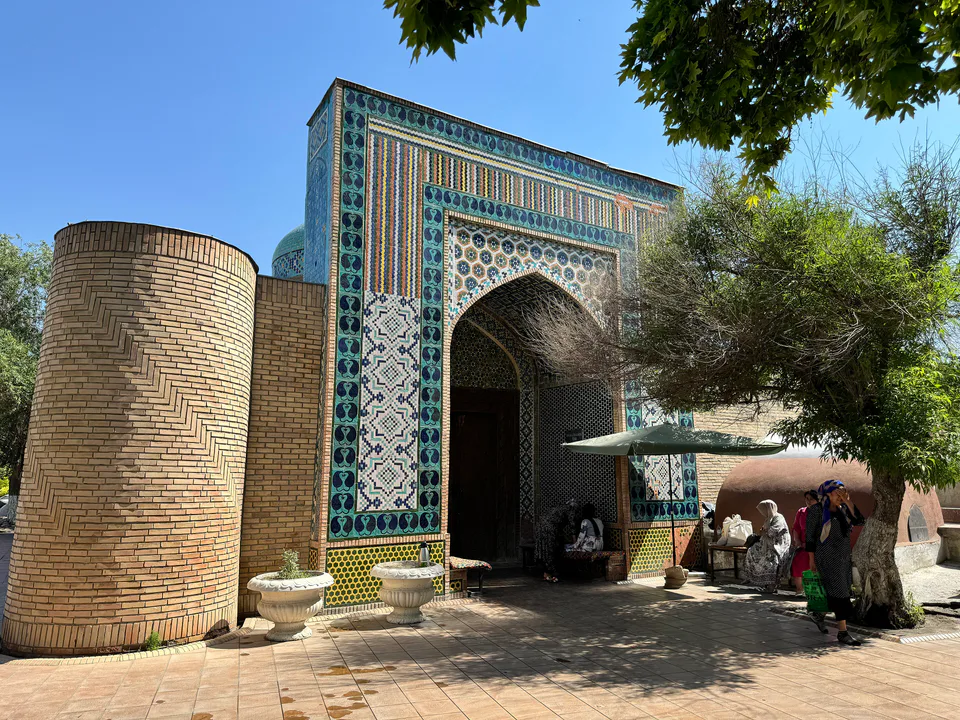
Mausoleum · Kokand
Burial place of the khans of Kokand
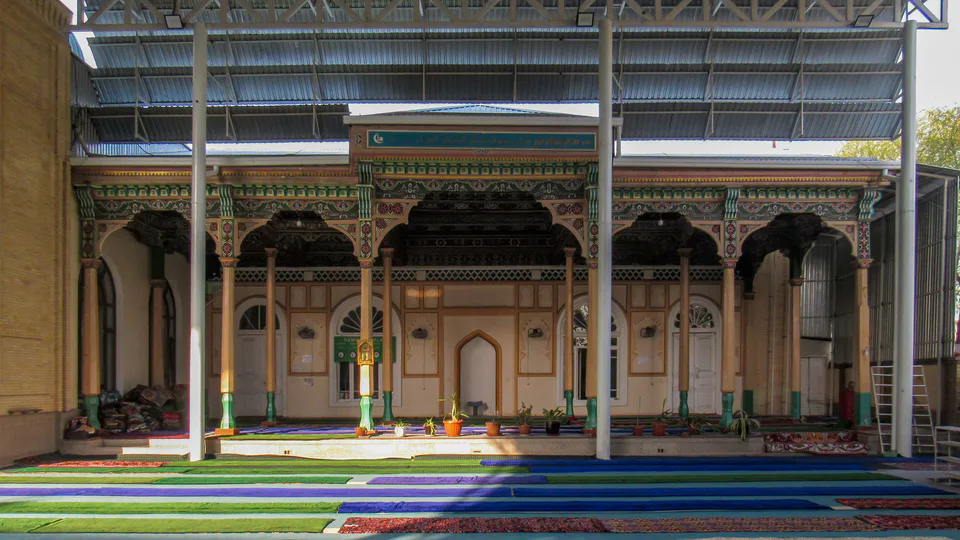
Mosque · Kokand
Kokand's brick neighbourhood mosque
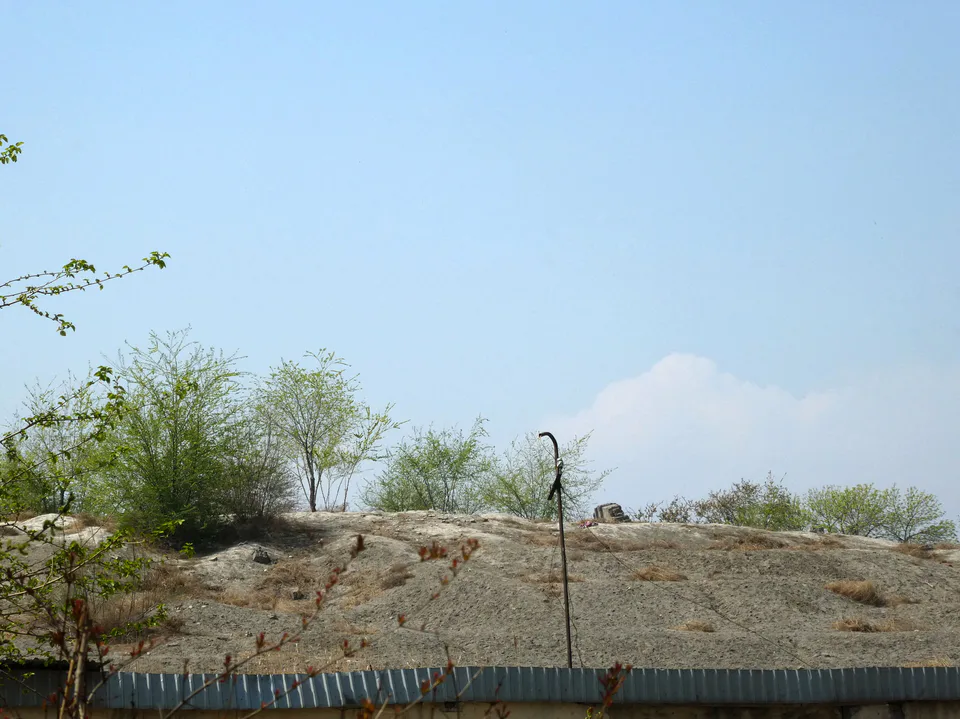
Archaeology · Kokand
Kokand's two-thousand-year-old mound
Mausoleum · Buvayda District
The shrine that named a district