Revolution and armed struggle, the birth of the Uzbek SSR, collectivisation and purges, the war years, industrialisation and the cotton monoculture — 74 years full of contradictions.
In October 1917 the Bolsheviks seized power in Tashkent. The Turkestan Autonomy proclaimed in Kokand was crushed in blood in February 1918, after which an armed movement against Soviet rule spread through the Fergana Valley and later Eastern Bukhara, lasting until the mid-1920s. In 1920 the khan of Khiva and the emir of Bukhara were overthrown and people's soviet republics set up. The national delimitation of 1924 created the Uzbek SSR, with Samarkand as capital until 1930 and Tashkent thereafter. The Karakalpak ASSR joined Uzbekistan in 1936.
Forced change and terror
The 1920s and 1930s brought land and water reform, collectivisation and “dekulakisation”, with thousands of families deported. From 1927 the Hujum campaign pressed women to abandon the veil. The script changed twice — from Arabic to Latin in 1929 and to Cyrillic in 1940. Literacy soared and universities and theatres opened, but most mosques and madrasas were closed. The purges of 1937–1938 claimed Fayzulla Khodjaev, Akmal Ikramov, Abdulla Qodiriy, Cho'lpon, Fitrat and tens of thousands of others. In 1939 the Great Fergana Canal was dug by mass communal labour.
War and the post-war years
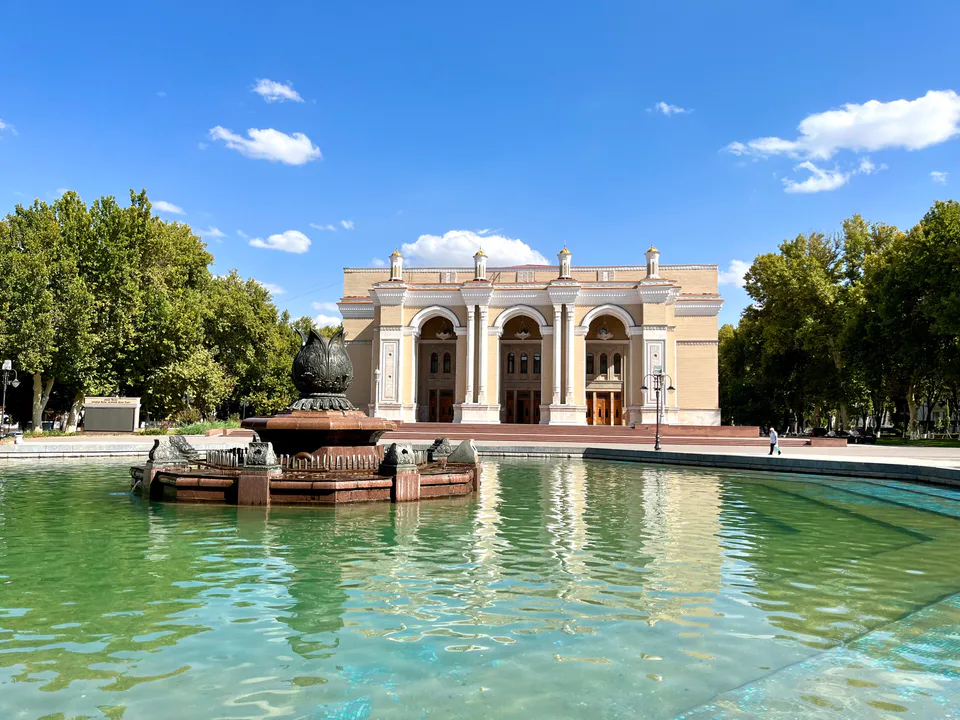
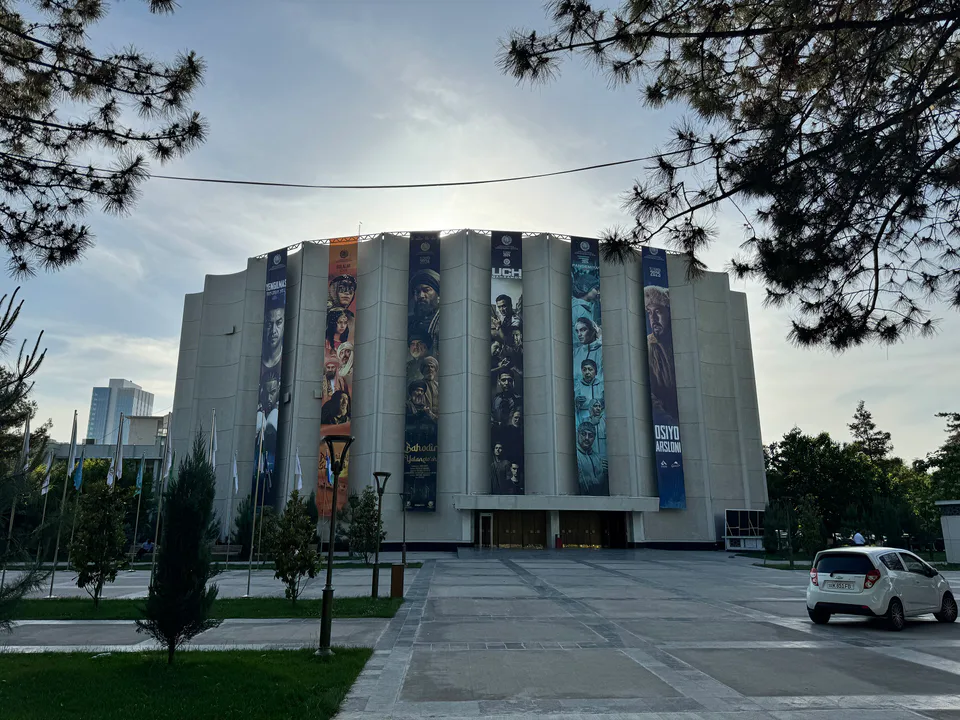
During the Second World War 1.5–2 million people from Uzbekistan went to the front, and more than half a million did not return. The republic absorbed evacuated factories, research institutes and hundreds of thousands of people. The Uzbek Academy of Sciences was founded in 1943, and Tashkent'sAlisher Navoi Opera and Ballet Theatre opened in 1947. After the war the Hungry Steppe was irrigated, and the Muruntau gold mine and the city of Navoiy rose in the Kyzylkum.
Cotton, the Aral and a new Tashkent
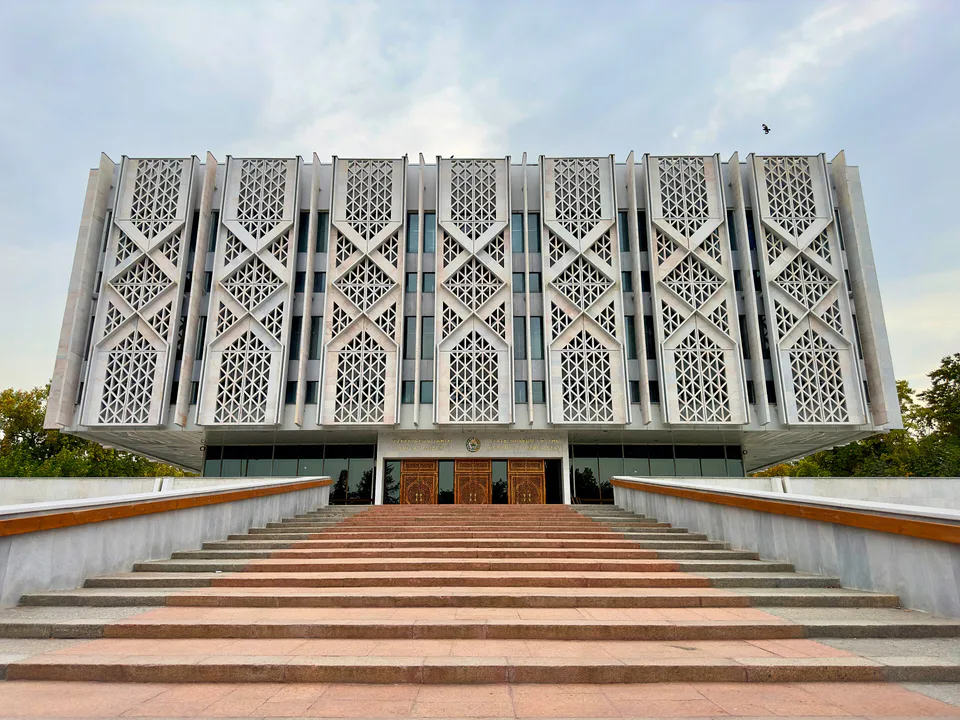
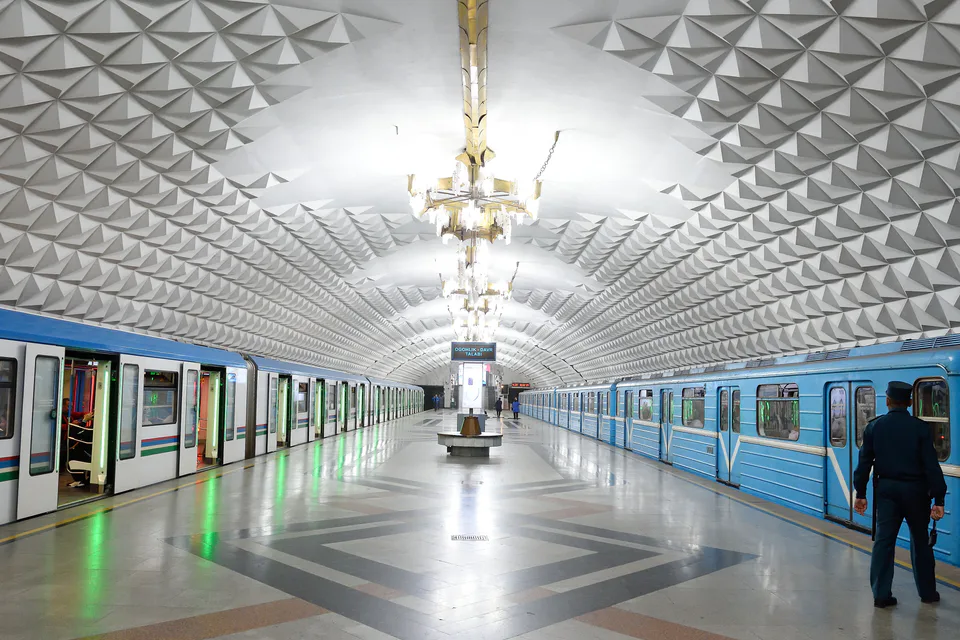
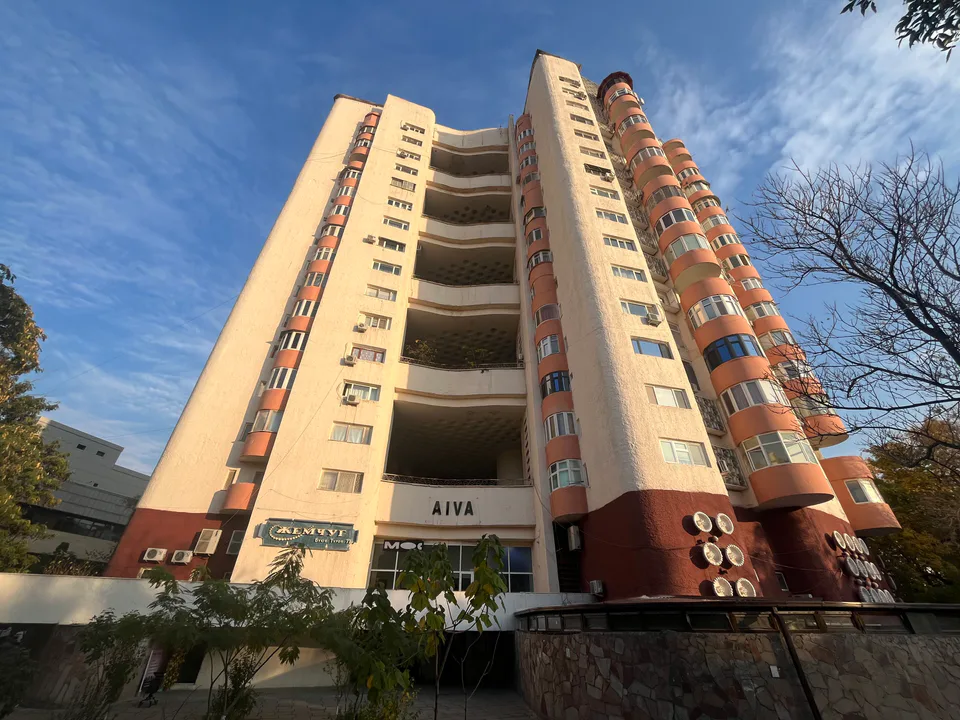
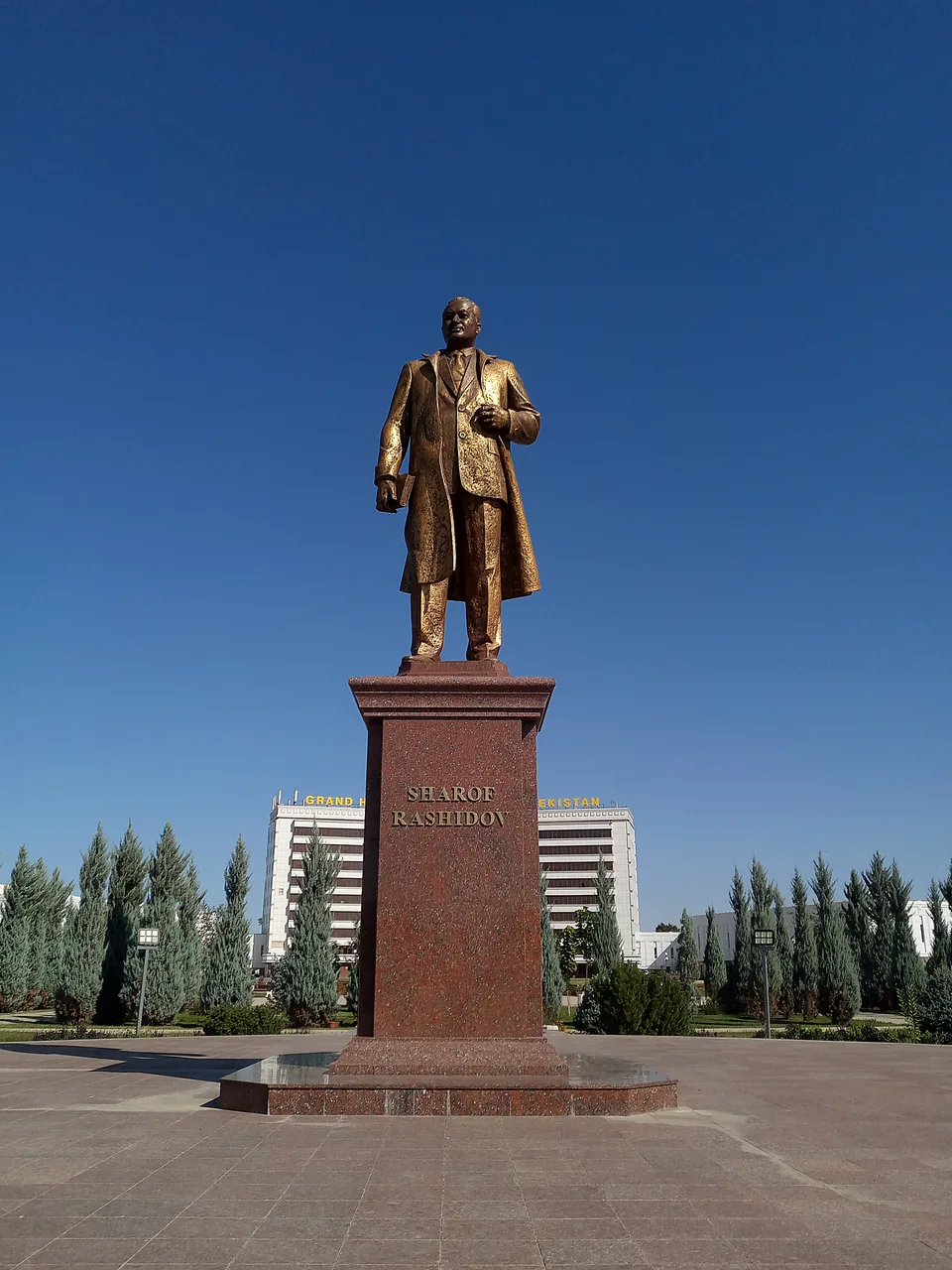
The economy was bent to a cotton monoculture: the waters of the Amu Darya and Syr Darya were diverted to the fields, and from the 1960s the Aral Sea began to dry up. After the 1966 earthquake Tashkent was rebuilt with help from across the Union and gained a metro in 1977; its modernist architecture is now on the UNESCO list. Sharof Rashidov led the republic for many years. In the 1980s sweeping investigations known as the “cotton affair” led to thousands of convictions, many later overturned.
Towards independence
Perestroika brought a national revival: in 1989 Uzbek became the state language and victims of the purges were rehabilitated. In March 1990 Islam Karimov was elected president of the Uzbek SSR, and on 20 June the republic adopted a declaration of sovereignty. Independence was proclaimed on 31 August 1991.
After the October Revolution of 1917, power in Tashkent passed to a Bolshevik-led soviet that excluded the local Muslim majority. In response, the Fourth Extraordinary Congress of Turkestan Muslims, meeting in Kokand on 27 November 1917, proclaimed a Turkestan Autonomy within a Russian federation. Its government was led by Mukhamedzhan Tynyshpaev and then Mustafa Chokay, with Jadids among its members. In February 1918 Red Guard units sent from Tashkent stormed Kokand; much of the city was destroyed and thousands of civilians were killed. Short-lived as it was, the autonomy is seen as a milestone in the region's pursuit of national statehood.
After the Turkestan Autonomy was crushed, an armed movement against Soviet rule spread through the Fergana Valley from 1918. Soviet sources called it the Basmachi movement; Uzbek historians today more often describe it as a struggle for independence. It was led by local commanders, or kurbashi, such as Ergash, Madamin Bek and Shermuhammad Bek (Kurshermat). After 1920 the fighting shifted to Eastern Bukhara and the mountains of Kashkadarya and Surkhandarya, where Ibrahim Bek was a leading figure; the Ottoman general Enver Pasha joined in 1921–1922 and was killed in 1922. Large Red Army forces had largely suppressed the movement by the mid-1920s, though isolated bands held out into the early 1930s.
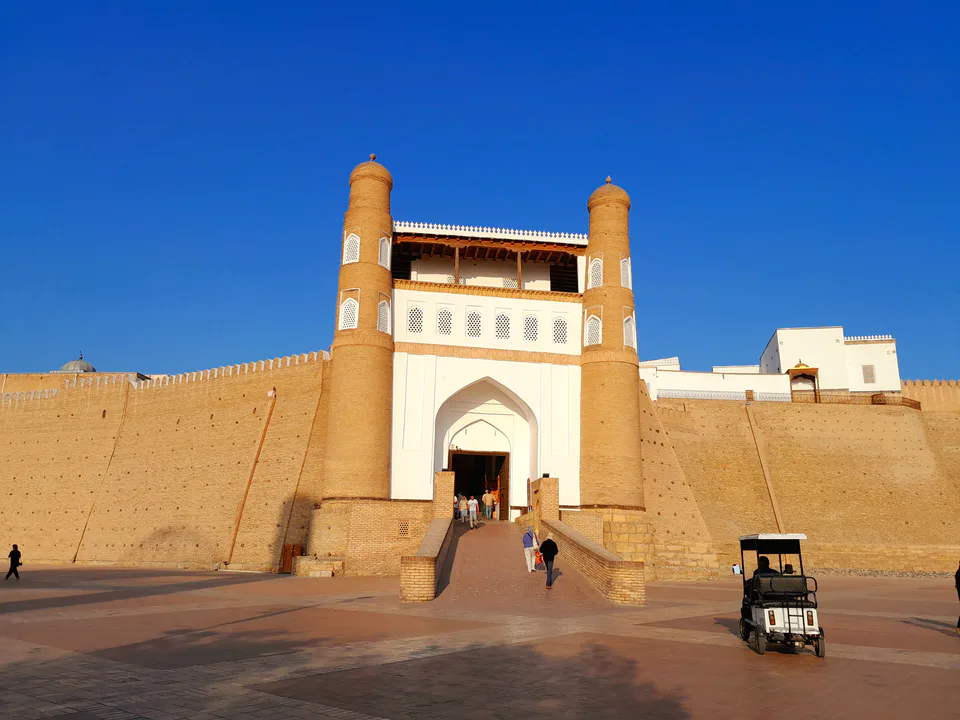
In February 1920 the Red Army and Young Khivan forces ended the Khanate of Khiva: the last khan, Said Abdullah, abdicated, and in April the Khorezm People's Soviet Republic was proclaimed. On 2 September 1920 the Red Army under Mikhail Frunze, together with the Young Bukharans, took Bukhara after a bombardment that set the Ark and parts of the city ablaze; Emir Alim Khan fled to Eastern Bukhara and in 1921 to Afghanistan. In October the Bukharan People's Soviet Republic was created, headed by Fayzulla Khodjaev, with Fitrat among its ministers. Both republics were dissolved in the national delimitation of 1924.
In 1924 Central Asia underwent national-territorial delimitation: the Turkestan ASSR and the Bukharan and Khorezm republics were replaced by new republics drawn largely along ethnic lines. On 27 October 1924 the Uzbek Soviet Socialist Republic was formed, with the Tajik ASSR inside it until 1929. Its First Congress of Soviets met in Bukhara in February 1925. Samarkand was the first capital; in 1930 the capital moved to Tashkent. The borders drawn then largely define today's Uzbekistan, but in mixed areas such as the Fergana Valley they left complicated frontiers and enclaves.
On 8 March 1927, International Women's Day, the Soviet authorities launched the Hujum (“assault”) campaign in Central Asia. It aimed to persuade women to give up the paranja robe and horsehair veil and to change their status through literacy classes and work outside the home, with mass veil-burnings staged in city squares. The campaign met fierce resistance: many unveiled women were harassed, and by some estimates around 2,500 were murdered. Historians judge the Hujum in different ways — as a reform that opened education and careers to women, and as a coercive policy that cost many lives.
After the national delimitation, in 1925 a Karakalpak Autonomous Oblast was created on the lands of the lower Amu Darya, first within the Kazakh ASSR and from 1930 directly under the Russian SFSR. On 20 March 1932 it became the Karakalpak Autonomous Soviet Socialist Republic, the only ASSR in Soviet Central Asia. On 5 December 1936 it was transferred to the Uzbek SSR. Its first capital, Turtkul, was threatened by the eroding Amu Darya, so in 1939 the capital moved to Nukus. The republic declared sovereignty in 1990; today it is the Republic of Karakalpakstan within Uzbekistan.
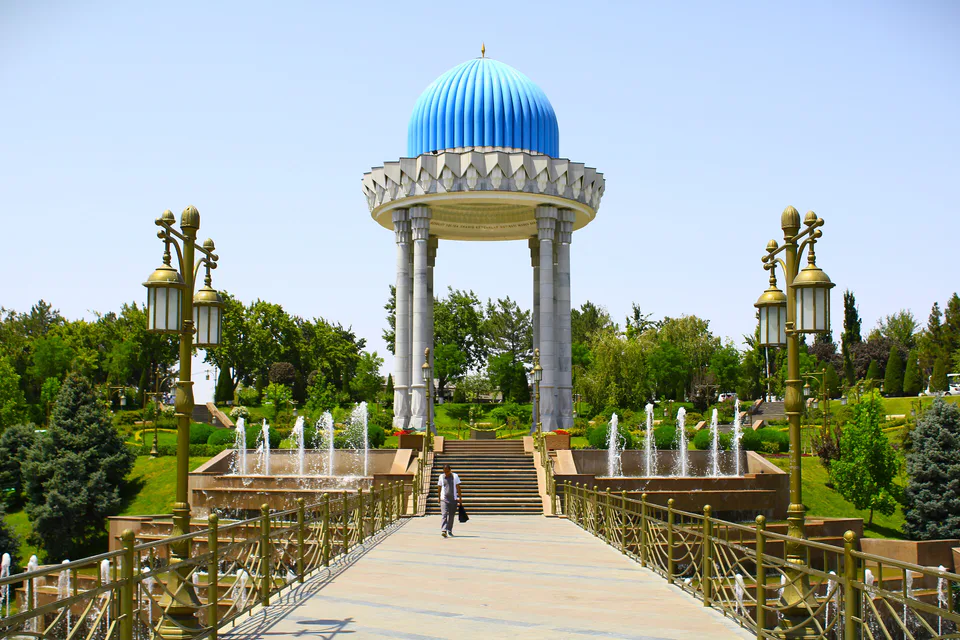
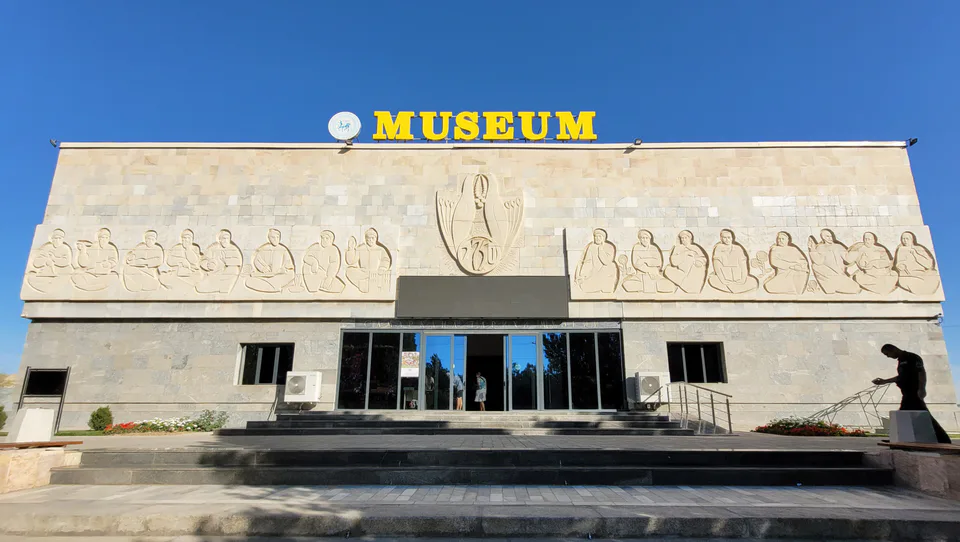
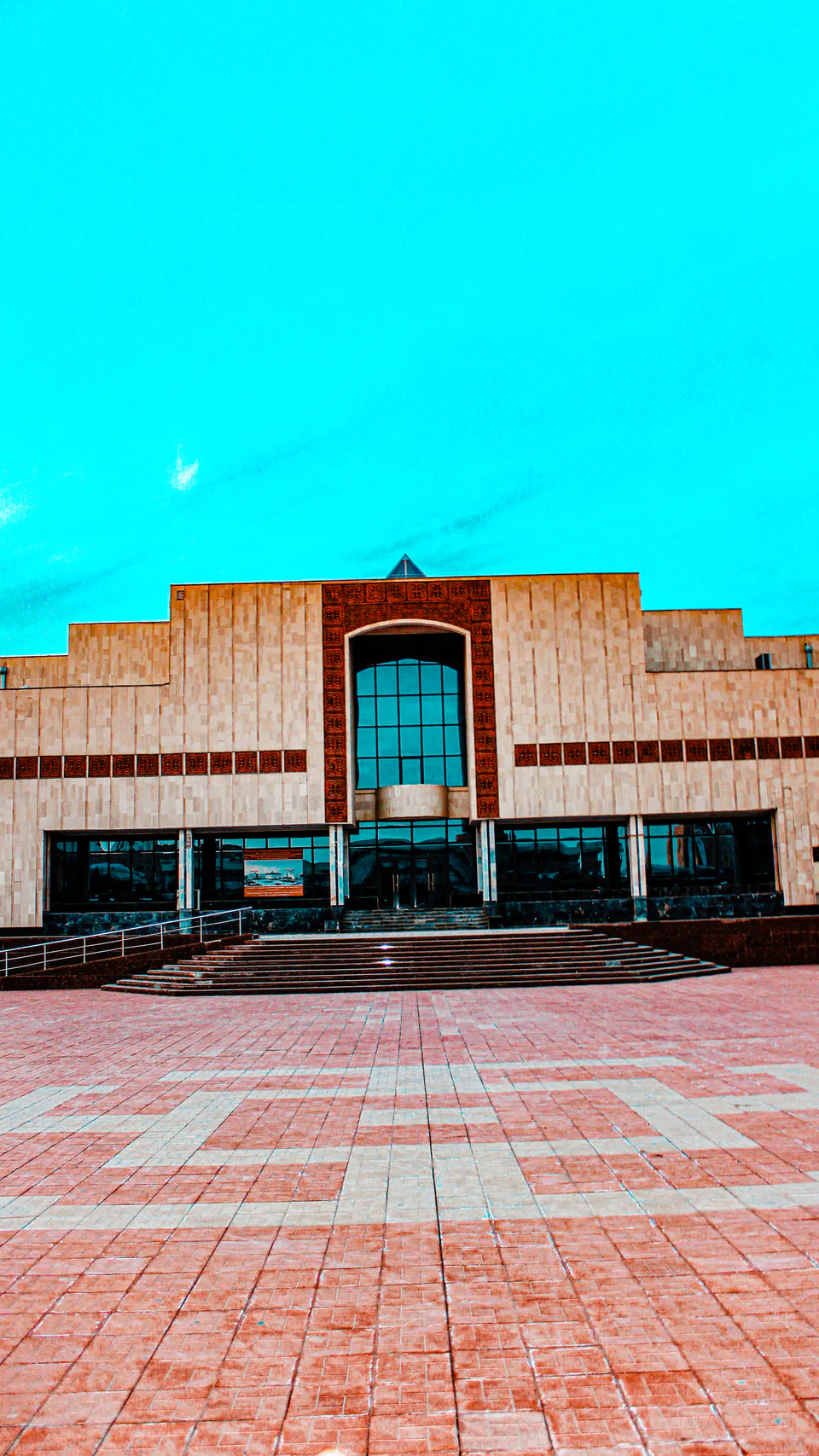
In the 1930s Uzbekistan saw campaigns of “dekulakisation” and against clergy and “nationalists”, culminating in the Great Terror of 1937–1938. The republic's first leaders, Fayzulla Khodjaev and Akmal Ikramov, were shot in Moscow in March 1938. On the night of 4–5 October 1938 the writers Abdulla Qodiriy, Cho'lpon, Fitrat and many other intellectuals were executed in Tashkent. Tens of thousands were arrested, deported or shot; most were rehabilitated from the late 1950s. At the burial site in Tashkent's Yunusabad district stand the Shahidlar Xotirasi memorial and the Museum of Victims of Repression.
In summer 1939 work began on the 270-kilometre Great Fergana Canal. Through hashar, communal voluntary labour, some 160,000 collective farmers, mostly Uzbek and Tajik, were mobilised, and the canal was dug — largely with ketmen hoes and hand barrows — in 45 days. Carrying water from the Naryn and Kara Darya across the valley, it opened new land and expanded cotton fields, with more than a thousand hydraulic structures along its course. Soviet propaganda made it a symbol of collective effort; its pace and harsh conditions were later viewed more critically. It remains the valley's main irrigation artery.
Between 1941 and 1945, by various estimates, 1.5 to 2 million people from Uzbekistan went to the front, and more than 500,000 never returned. Over 300 natives of the republic were made Heroes of the Soviet Union. Uzbekistan became a rear base: dozens of factories, research institutes, theatres and hundreds of thousands of evacuees, many of them orphaned children, arrived from the west. The Tashkent blacksmith Shoahmad Shomahmudov and his wife Bahri became famous for adopting orphans of many nationalities — between 14 and 16, according to different sources. The war turned Tashkent into an industrial centre, while the countryside endured gruelling work and shortages.
Efforts to irrigate the waterless Hungry Steppe (Mirzachul) on the left bank of the Syr Darya began in the late 19th century: a canal named after Nicholas I opened in 1895, and Grand Duke Nikolai Konstantinovich dug channels and founded villages for Russian settlers. Large-scale development came in the 1950s and 1960s: in 1956 part of the steppe was transferred from the Kazakh SSR to Uzbekistan, the Kirov Northern canal was rebuilt and new Central and South Hungry Steppe canals were dug. Some 800,000 hectares of new cotton land appeared, along with Gulistan, Yangiyer and dozens of state-farm villages. Syrdarya Region was created in 1963. Soil salinisation later became a serious problem.
In 1958 geologists discovered a giant gold deposit in the Muruntau hills of the south-western Kyzylkum; the team won the Lenin Prize in 1966. Industrial mining began in 1969, creating one of the world's largest open-pit gold mines, some 3.5 km long and about 600 metres deep. The city of Navoiy was founded near Karmana the same year as the discovery, and desert towns such as Uchkuduk and Zarafshan grew up around the Navoi Mining and Metallurgical Combine. Navoiy Region was created in 1982 (temporarily abolished in 1988–1992) and is today one of Uzbekistan's main industrial regions.
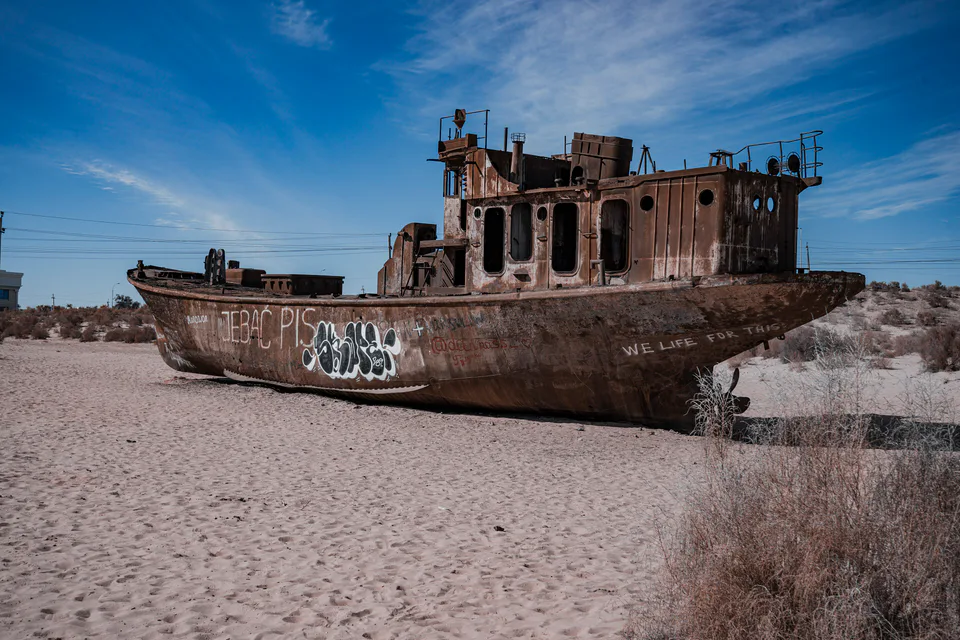
Once covering 68,000 km² and among the largest lakes on Earth, the Aral Sea began to shrink in the 1960s, when the waters of its feeder rivers, the Amu Darya and Syr Darya, were diverted to irrigate cotton. By 2007 it had fallen to about 10% of its former area and split into several lakes, leaving behind the new Aralkum desert. Moynaq, once a busy fishing port, now lies tens of kilometres from the water, with a “graveyard” of rusting ships on the sand. Salt and dust storms have seriously affected public health. UN Secretary-General Ban Ki-moon called it one of the planet's worst environmental disasters.
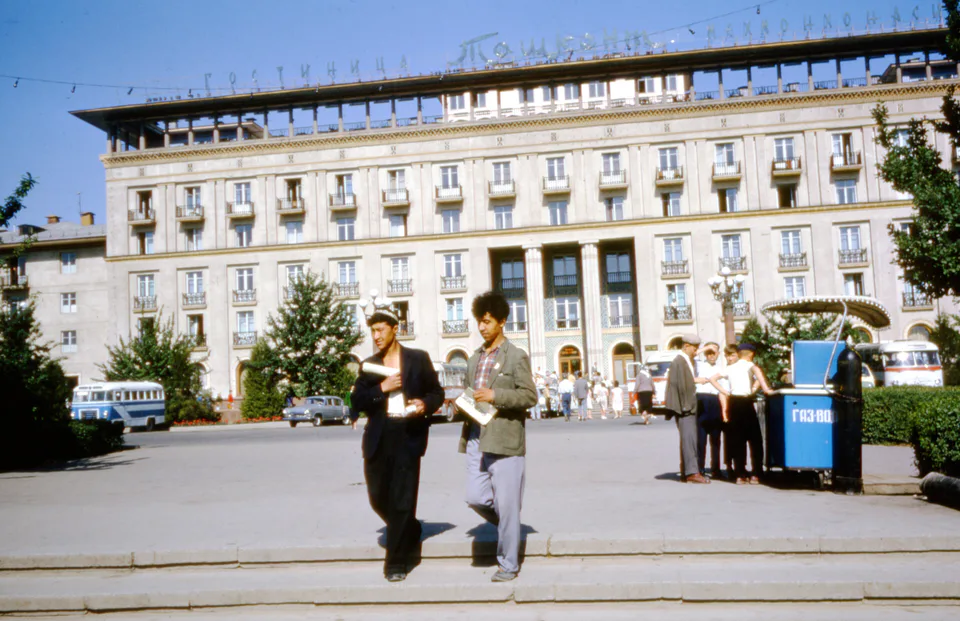
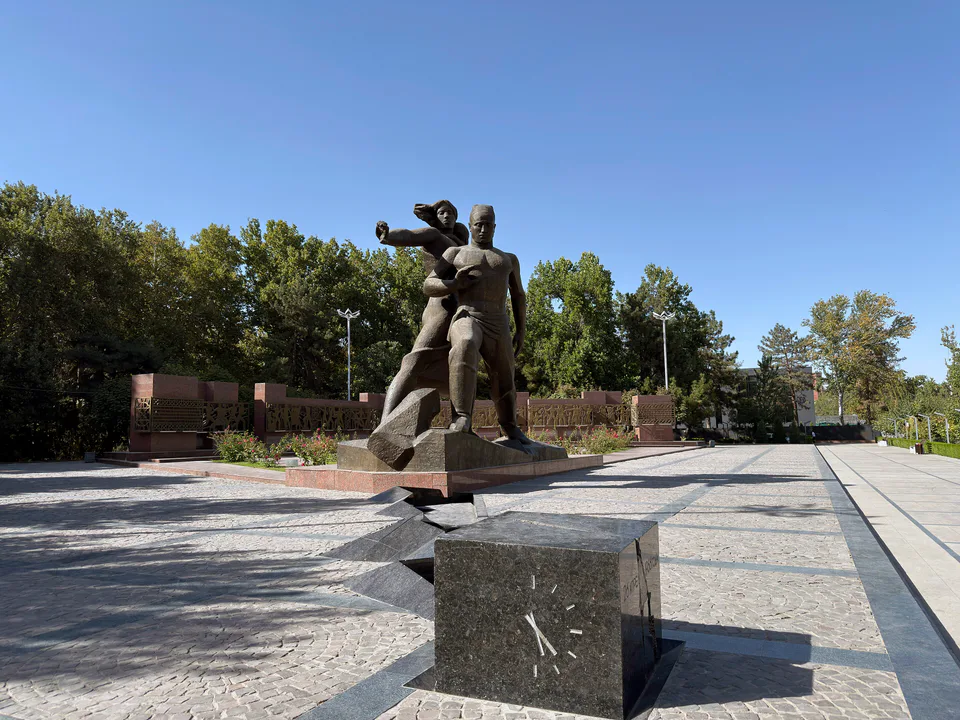
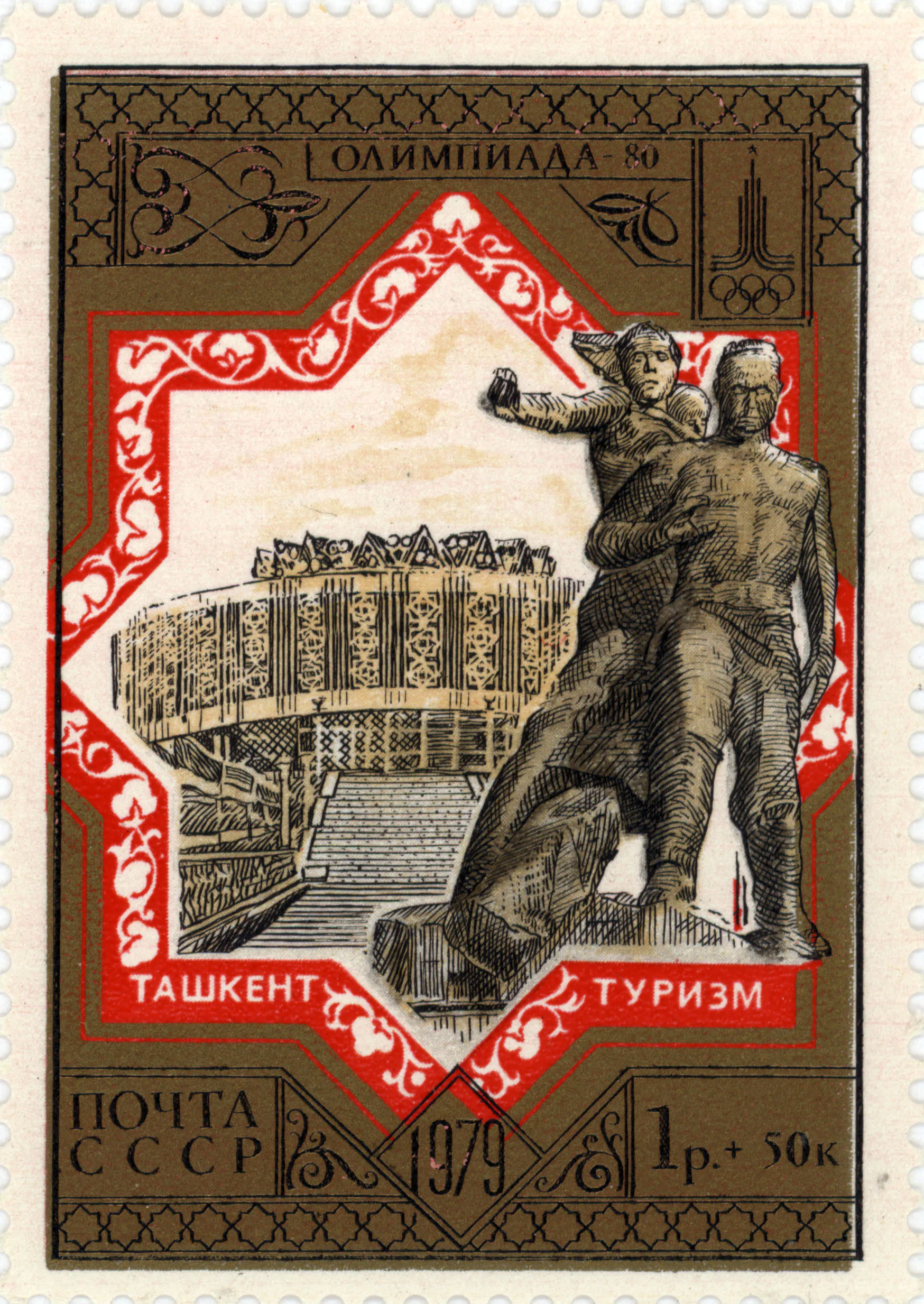
Early on 26 April 1966 a powerful earthquake of magnitude 5.2 struck directly beneath central Tashkent at a depth of only 3–8 km. It destroyed much of the old housing in the centre and left 200,000–300,000 people homeless; the official death toll was 15, though other estimates are far higher. Builders from across the Soviet Union rebuilt the city, and within a few years new housing districts and broad avenues gave Tashkent its Soviet-modernist face. In 1977 Central Asia's first metro opened. The Courage Monument has marked the epicentre since 1976.
During perestroika interest in the national language, history and culture surged. On 21 October 1989 the Supreme Soviet of the Uzbek SSR passed the Law on the State Language, making Uzbek the state language while Russian kept its role as the language of inter-ethnic communication. The law widened the use of Uzbek in administration, education and the press, and became a key symbol of the national revival on the eve of independence. Since 2019, 21 October has been celebrated as Uzbek Language Day. In the same years victims of the purges were rehabilitated, and the works of Qodiriy, Cho'lpon and Fitrat were published again.