Conquest and administration
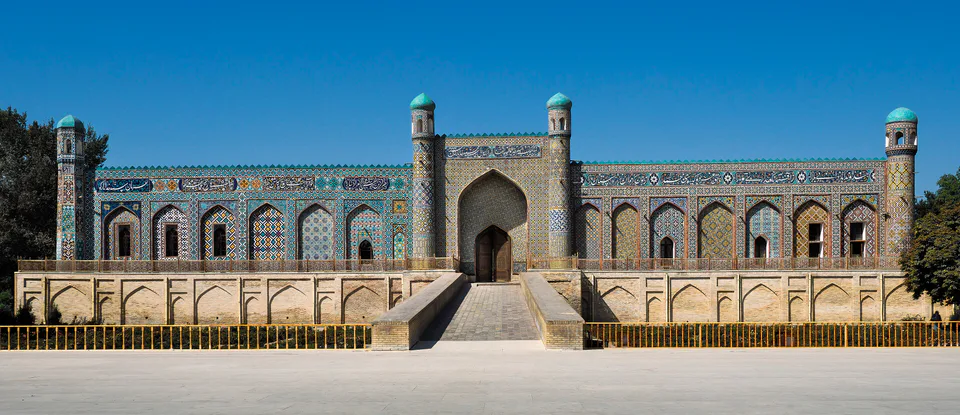
Russia's advance into Central Asia peaked with the capture of Tashkent in 1865. In 1867 the Governorate-General of Turkestan was created with its seat in Tashkent, first headed by General Konstantin von Kaufman. Samarkand fell in 1868 and the Emirate of Bukhara became a protectorate; the Khanate of Khiva followed in 1873, and in 1876 the Khanate of Kokand was abolished and turned into Fergana Oblast. The territory was run by a military administration, while the local population, governed through district elders and qadis, had no political rights.
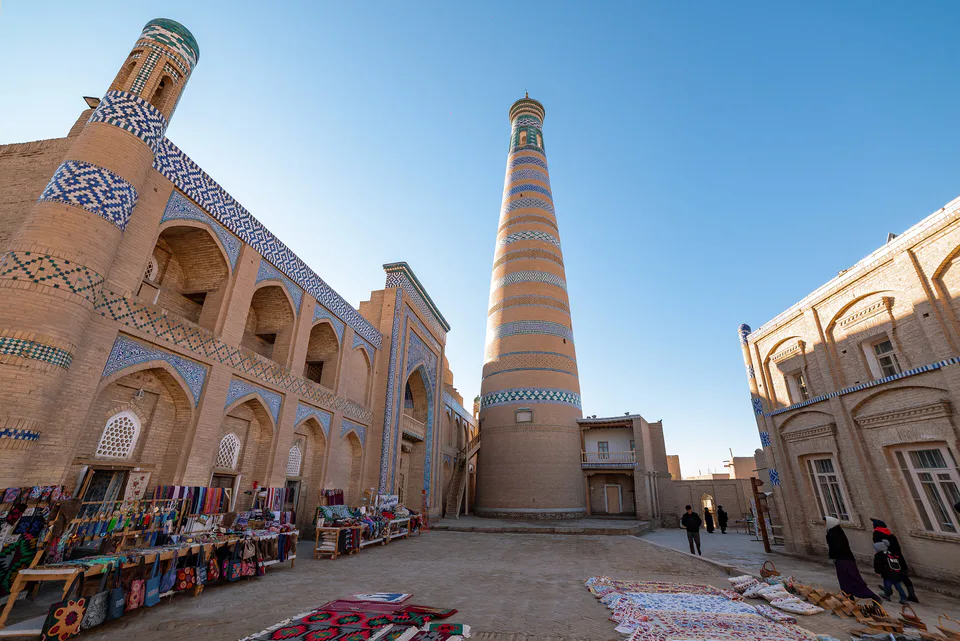
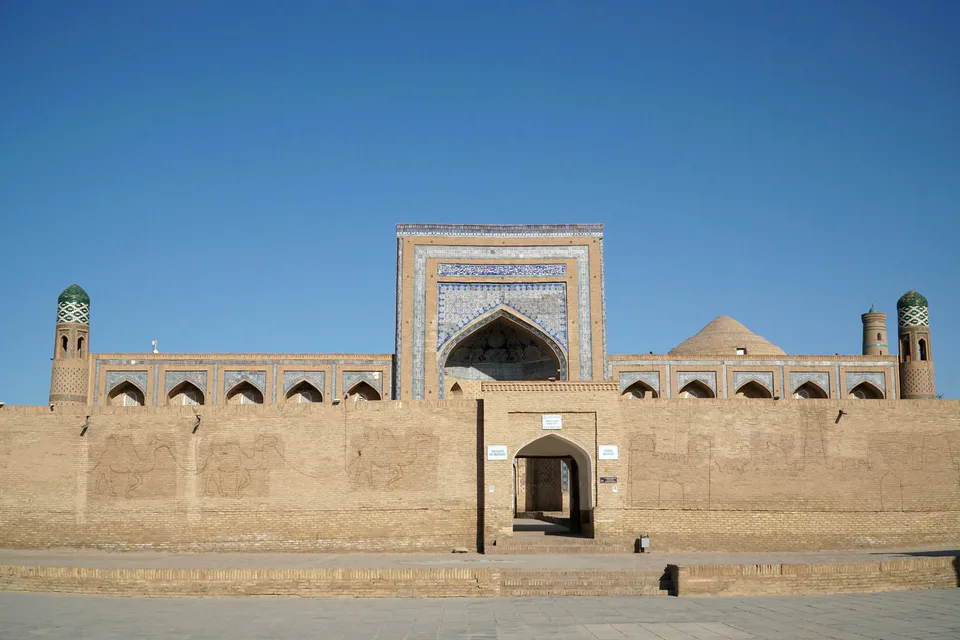
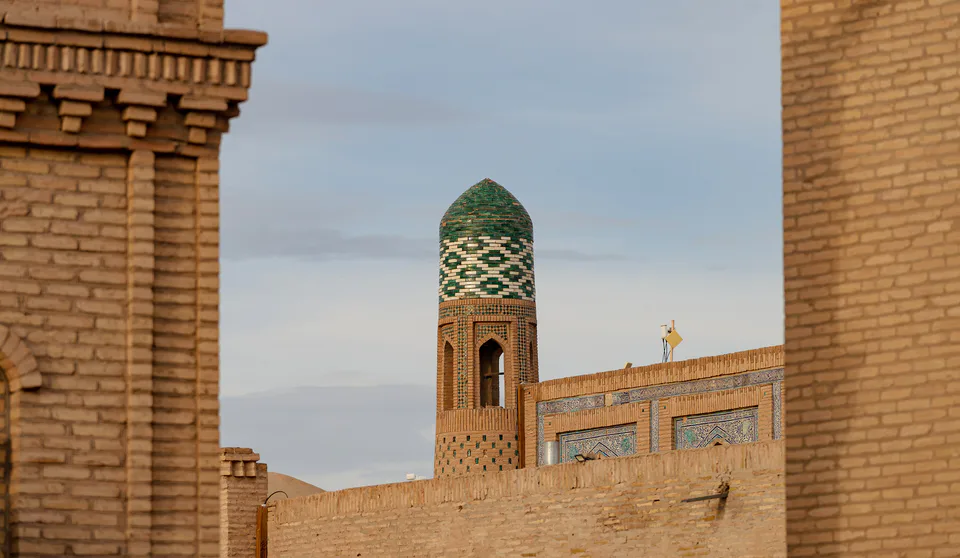
The emir of Bukhara and the khan of Khiva kept their thrones, but foreign policy passed to Russian control. In Khiva the vizier Islam Khoja attempted reforms, building a school, a hospital and a post office; the minaret and madrasa bearing his name were completed in 1910.
Railways, cotton and new towns
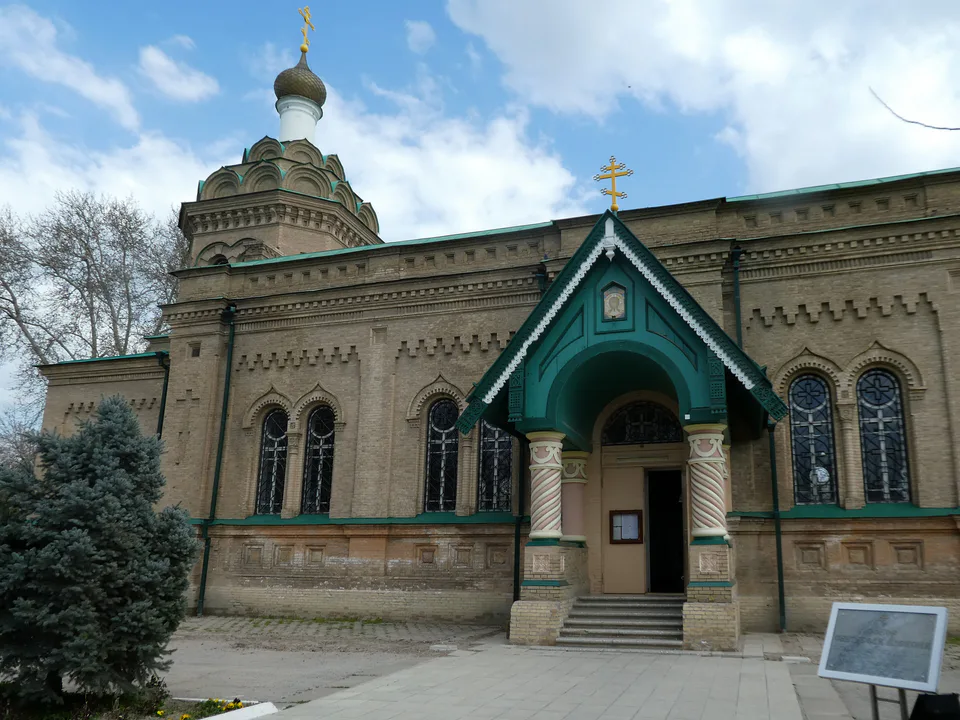
The Trans-Caspian Railway reached Samarkand in 1888 and Tashkent and Andijan in 1898, and the Tashkent–Orenburg line opened in 1906. From the 1880s American cotton varieties were planted in the Fergana Valley, and the region became the main raw-material base of the empire's textile industry. Radially planned Russian quarters grew up beside the old cities — in Tashkent, Samarkand, Kagan and New Margelan (today's Fergana) — while Termez gained a military fortress and settlement. Villages and canals for Russian settlers appeared in the Hungry Steppe.
Society and culture
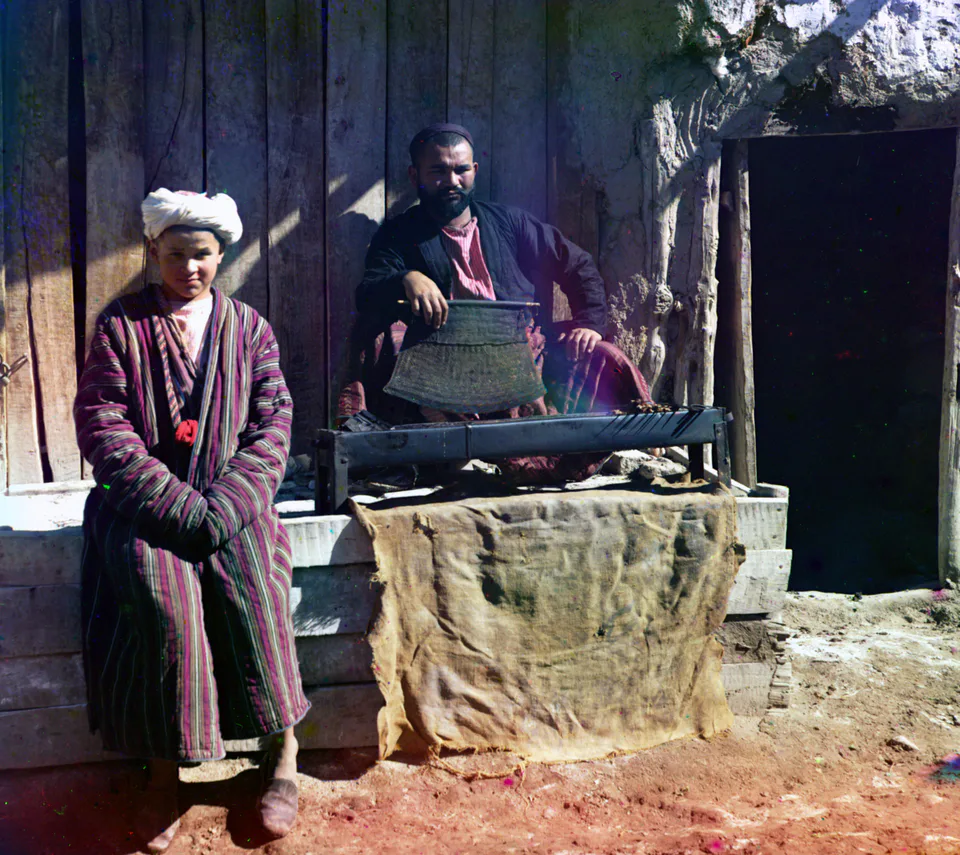
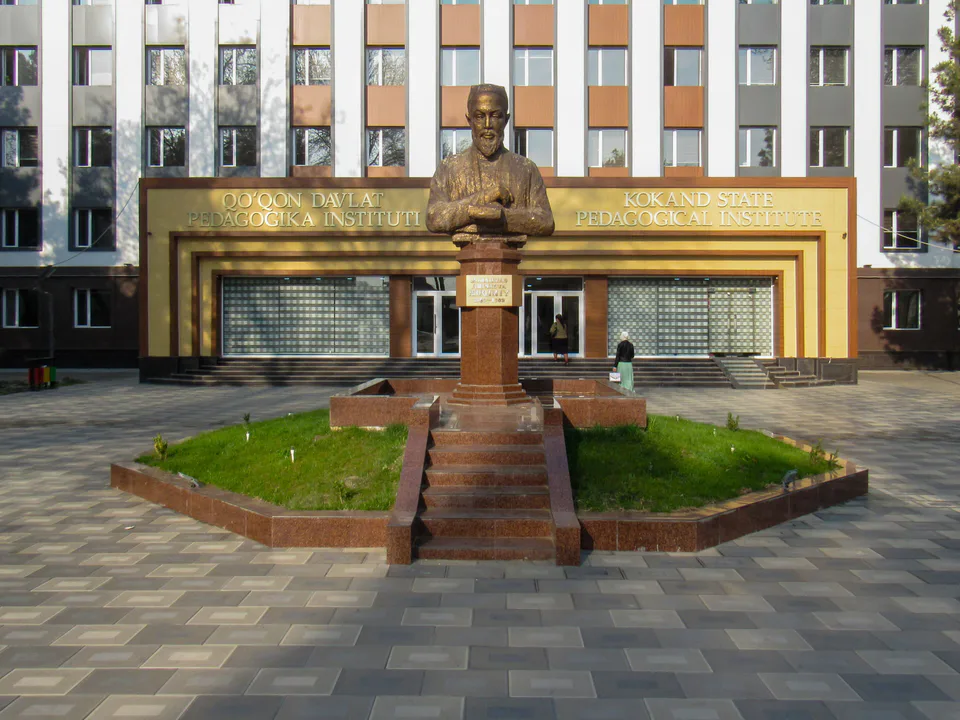
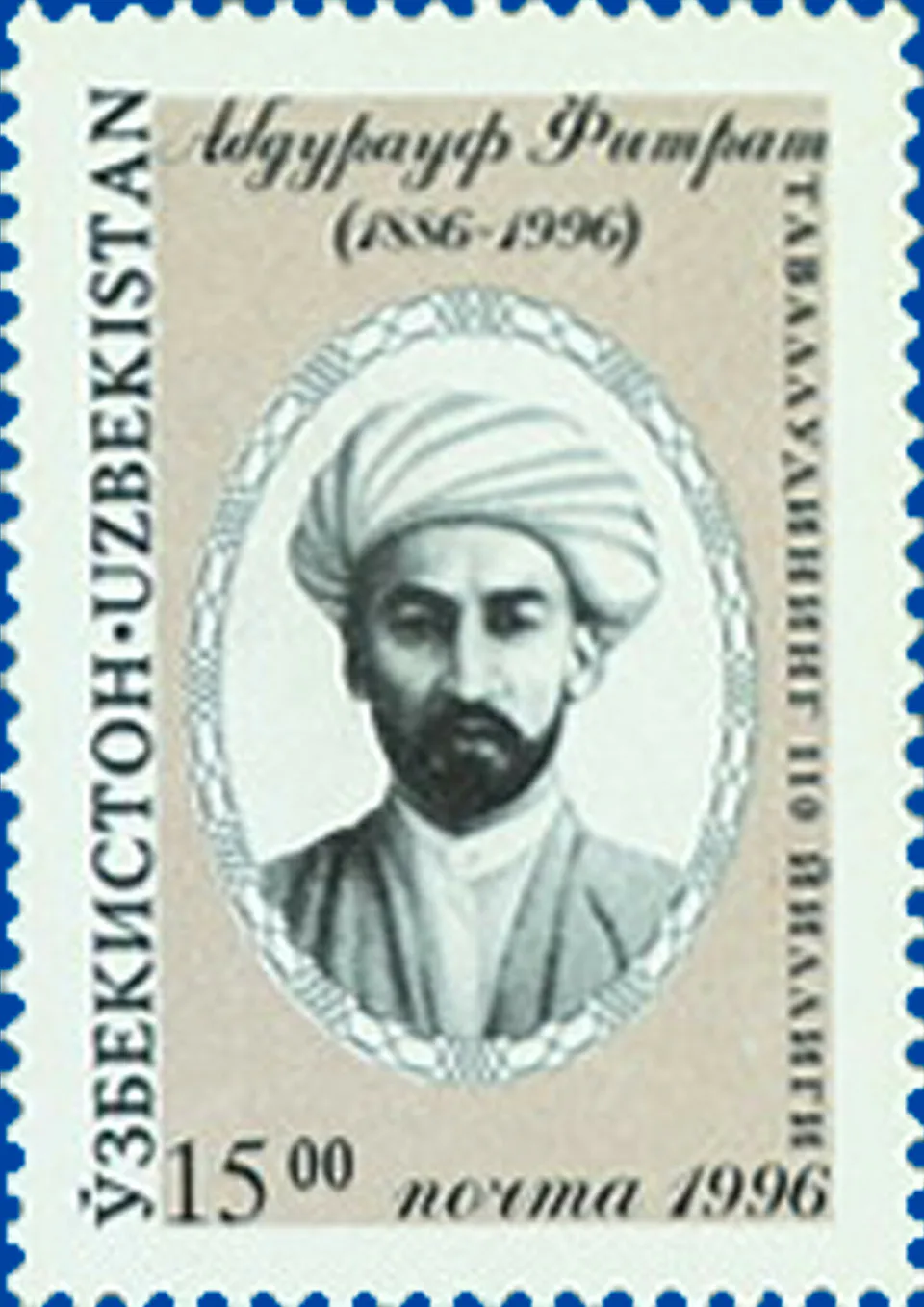
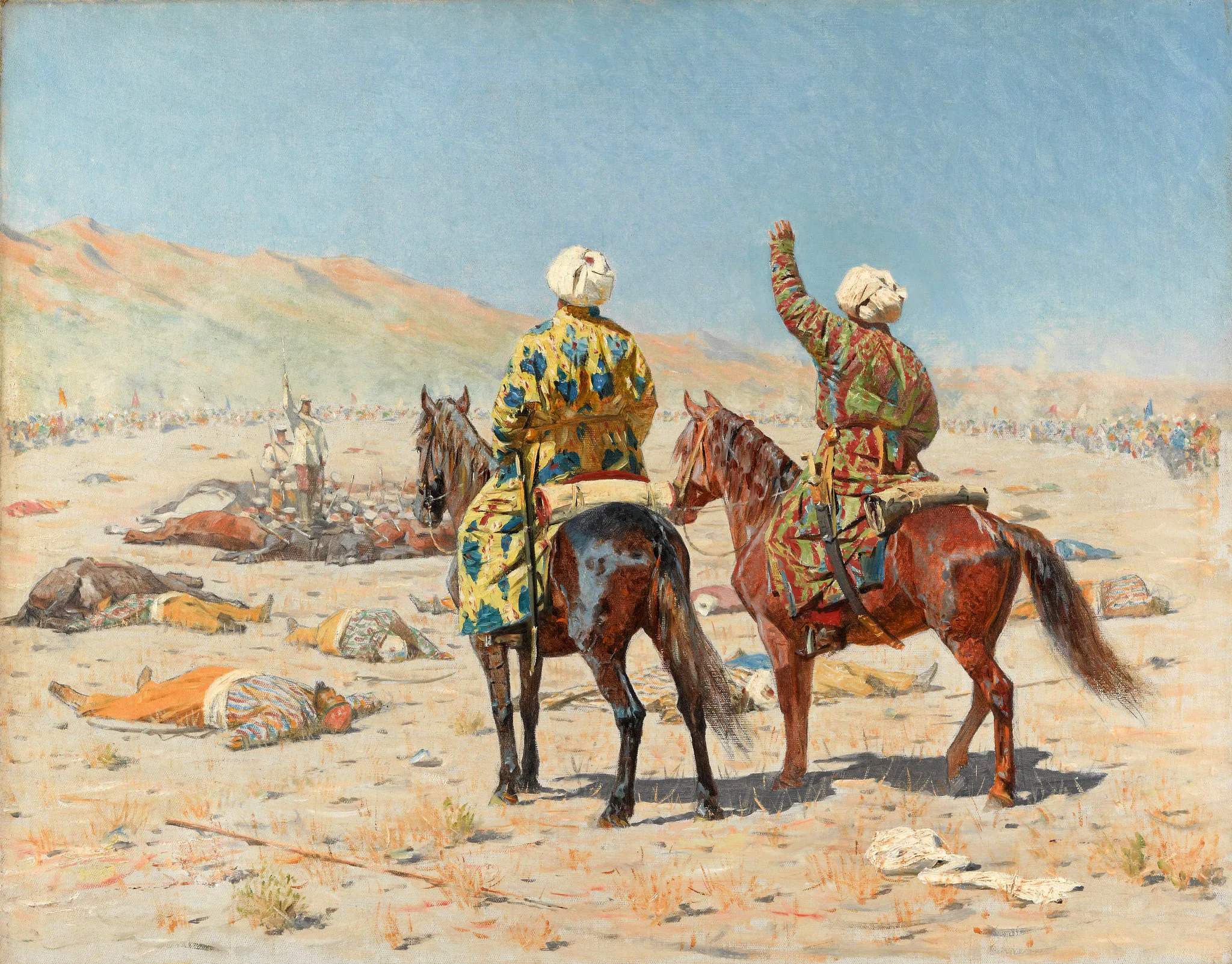
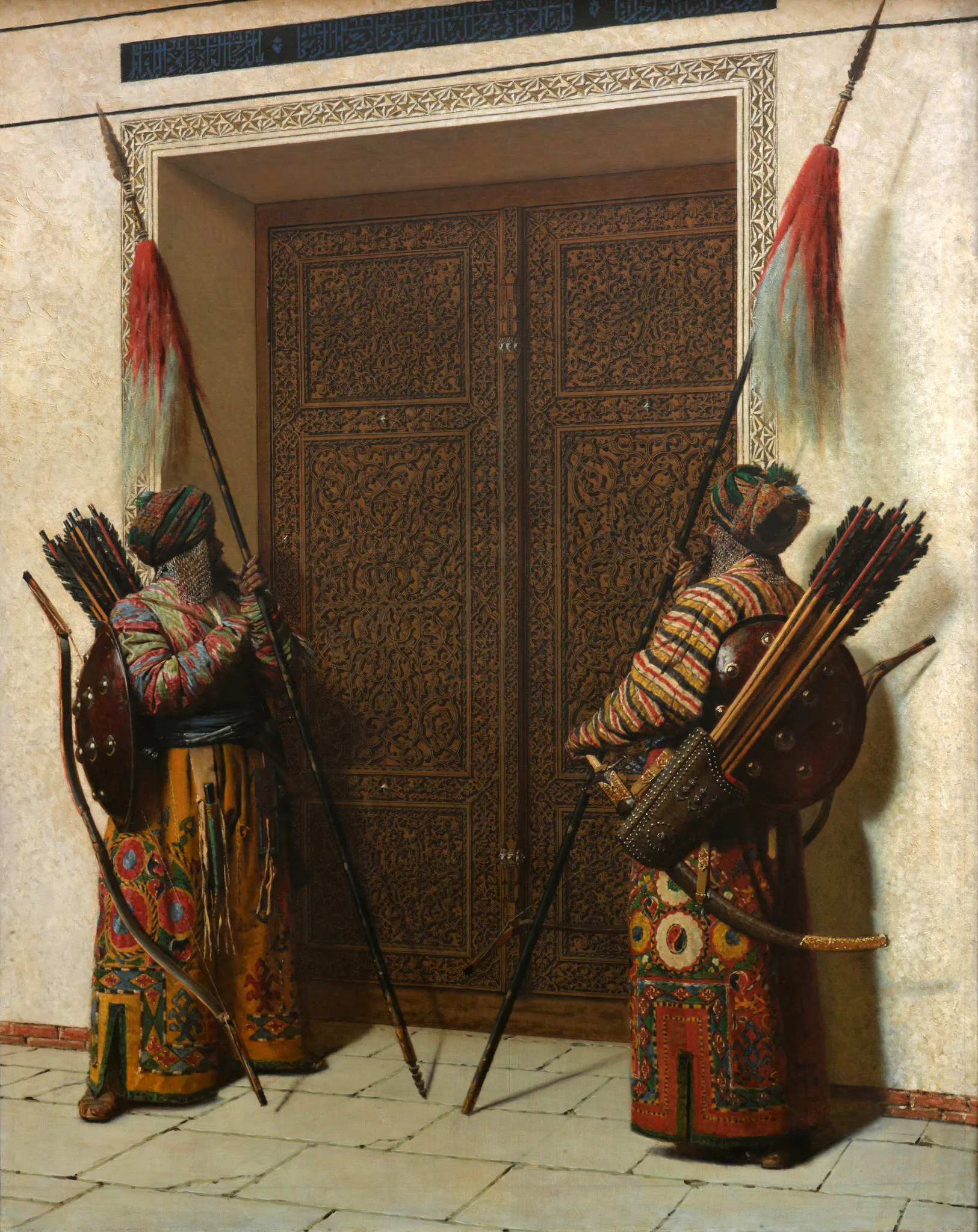
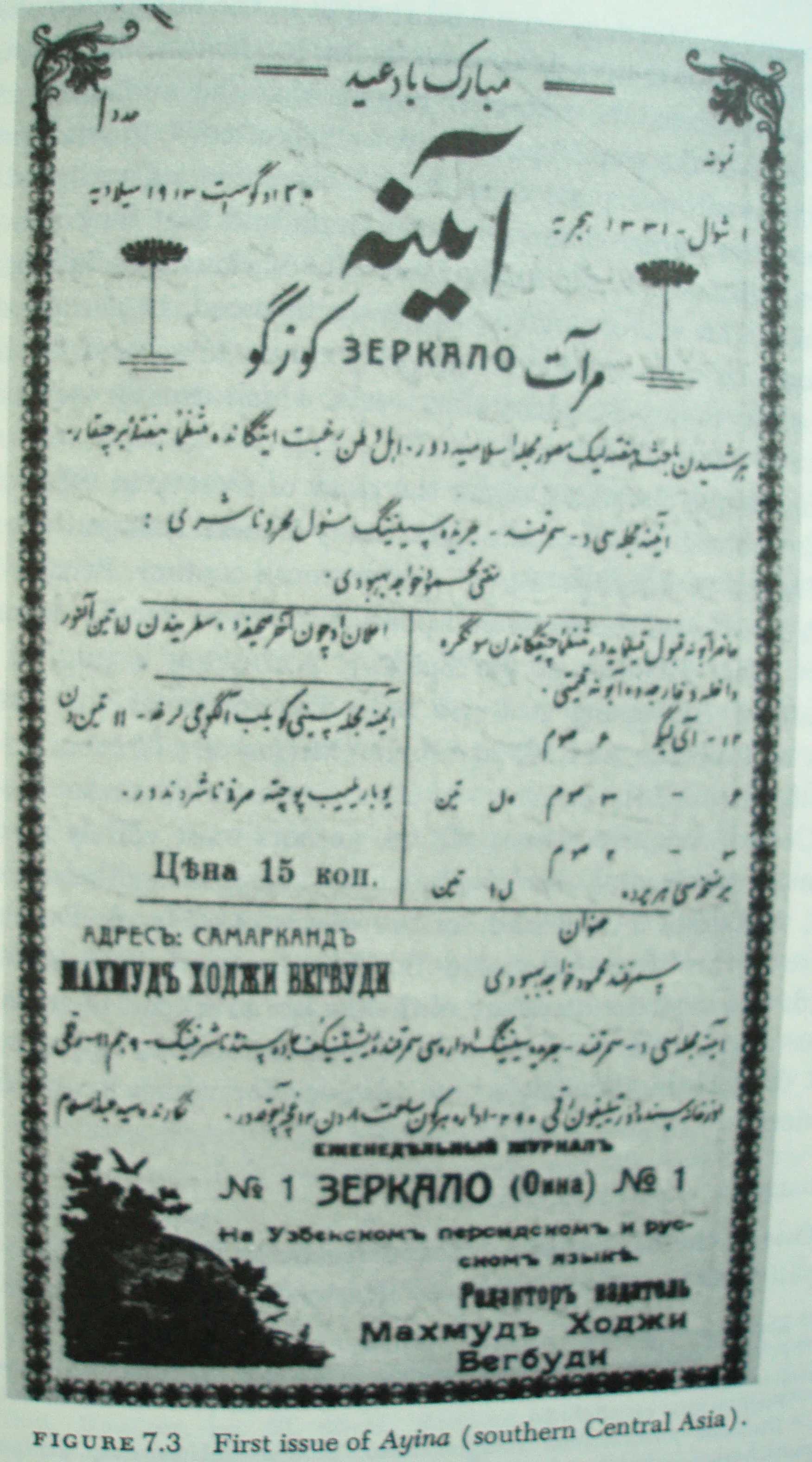
Resentment of colonial rule erupted in the Andijan uprising of 1898. In the early 20th century the Jadids — Mahmudkhoja Behbudiy, Munavvar Qori, Is'hoqxon Ibrat, Abdurauf Fitrat and others — founded new-method schools, newspapers and a national theatre, while the poets Muqimiy and Furqat wrote about the social problems of their day. Russian scholars and artists studied the region too: the Turkestan Album was compiled in 1871–1872, Vasily Vereshchagin painted his famous Turkestan series, and in 1908 Vasily Vyatkin discovered Ulugh Beg's observatory.
1916 and the fall of the empire
During the First World War taxes and prices rose. A 1916 decree conscripting Turkestanis for labour behind the front triggered a mass revolt, crushed with particular brutality in Jizzakh. After the February Revolution of 1917 political life revived, and in October power in Tashkent passed to the Bolsheviks.
Where to see it
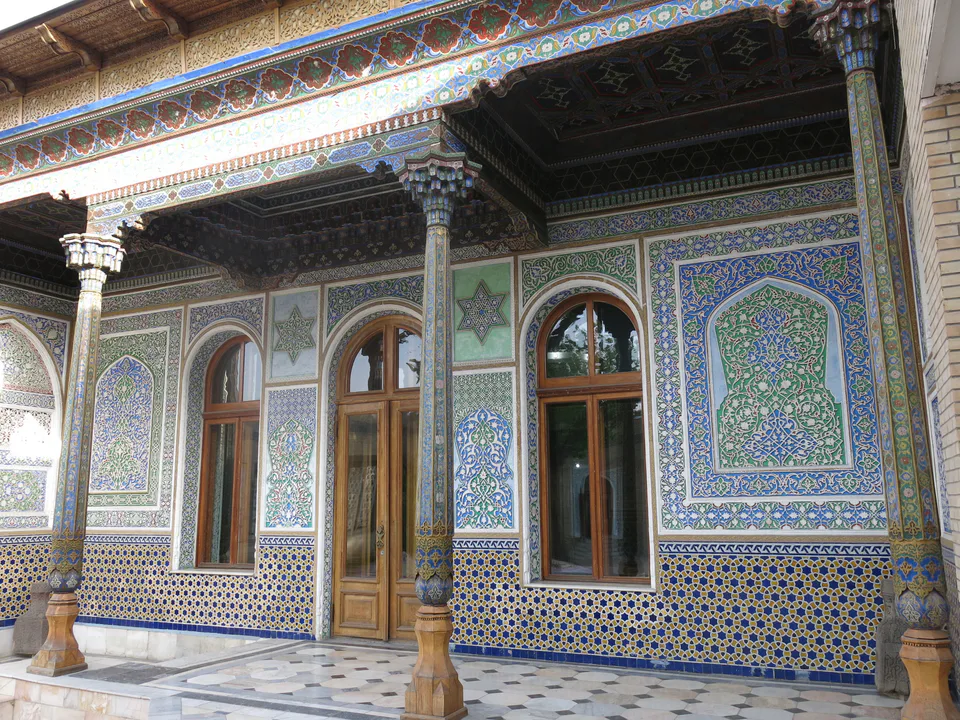
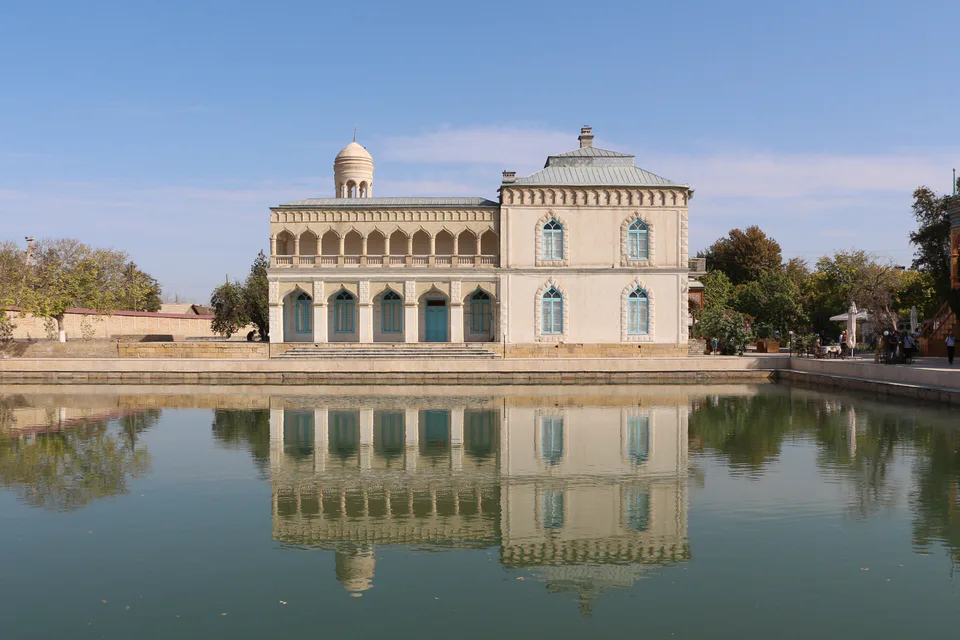
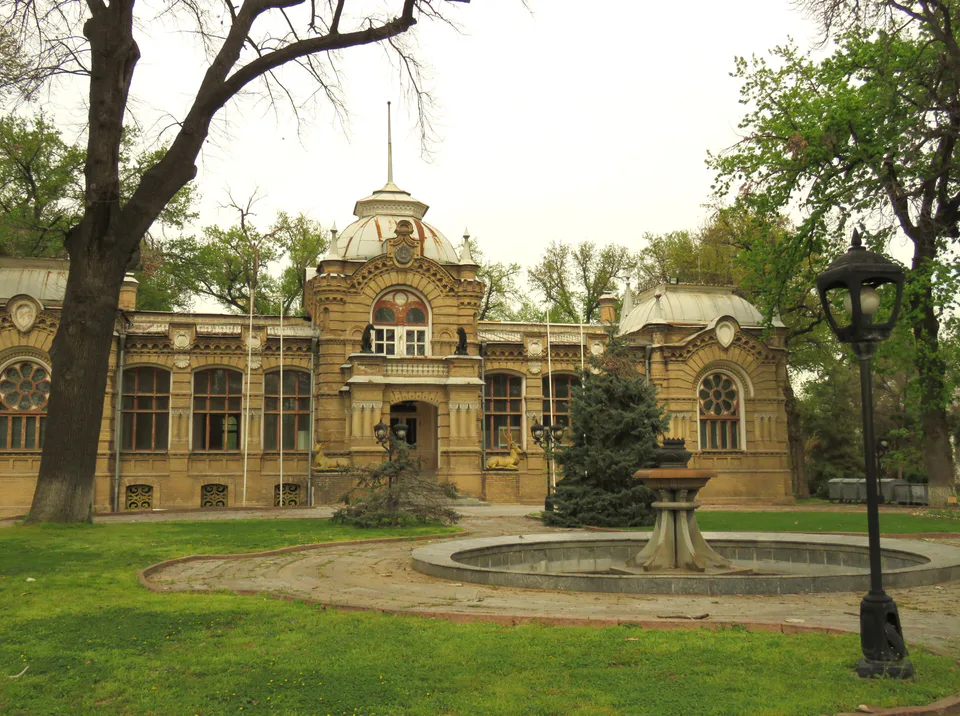
The palace of Grand Duke Nikolai Konstantinovich (1891) and the Museum of Applied Arts building in Tashkent, the “new town” around University Boulevard in Samarkand, the Sitorai Mohi Khosa palace in Bukhara and the Islam Khoja minaret in Khiva all capture the look of the era.