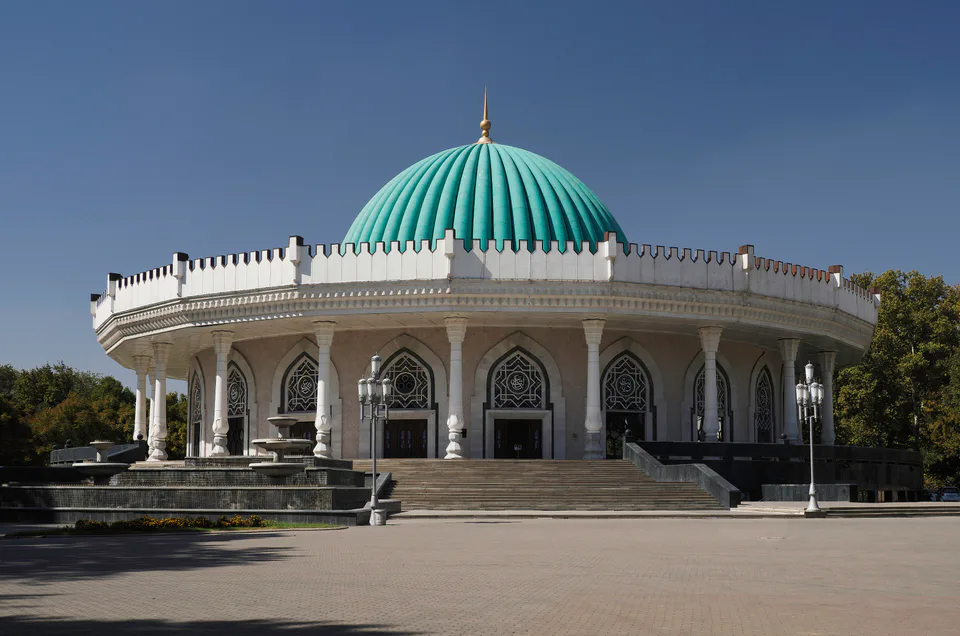
Museum · Yunusabad District
Amir Timur Museum
The age of Tamerlane under a blue dome
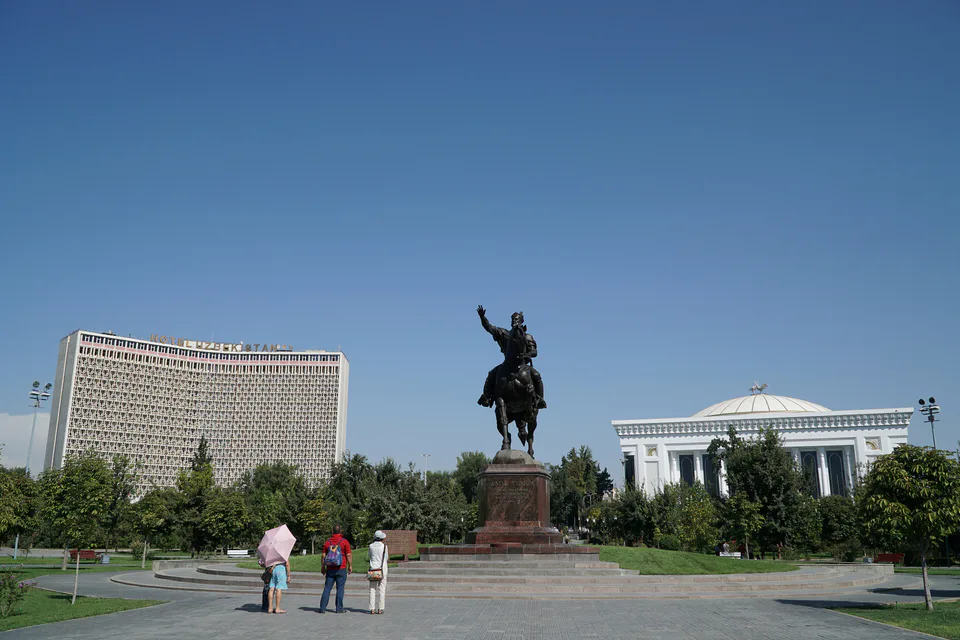
Park & garden · Yunusabad District
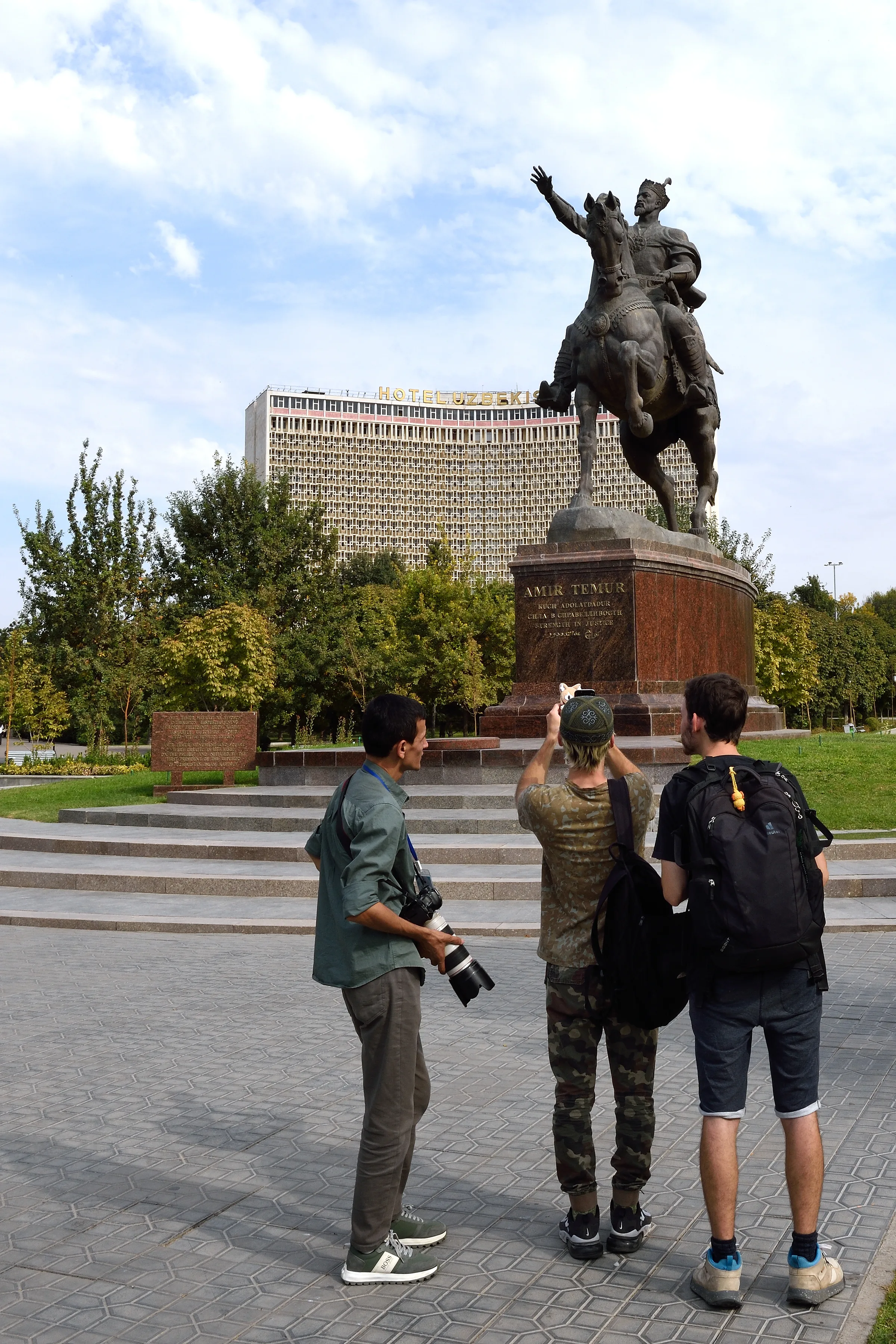
A garden square in central Tashkent laid out in 1882 as Konstantinovsky Square; since 1994 an equestrian statue of Amir Timur has stood at its centre.
The square was laid out in 1882 on the initiative of General Mikhail Chernyaev to a design by architect Nikolai Ulyanov, on the site of Konstantinovskaya Square. Its plan was built around the crossing of two great avenues, Kaufmann and Moscow, which divided it into four quarters threaded with shady footpaths. Both streets followed ancient trade routes: Moscow Avenue was part of the caravan road to Kashgar and on to China.
Boys' and girls' gymnasiums, the State Bank and a teachers' seminary rose around the square; the gymnasiums and the bank still stand. On 4 May 1913 a monument to the first Governor-General of Turkestan, Konstantin von Kaufmann, designed by I. Schleifer, was unveiled at the centre, and the square became known as Kaufmann Square.
The Kaufmann statue was removed in the summer of 1919 and the square renamed Revolution Square. Over the following decades the granite plinth carried revolutionary symbols and, from the late 1940s, a statue of Stalin by Merkurov, taken down in 1961. A statue of Karl Marx arrived in 1968 and was removed in 1993.
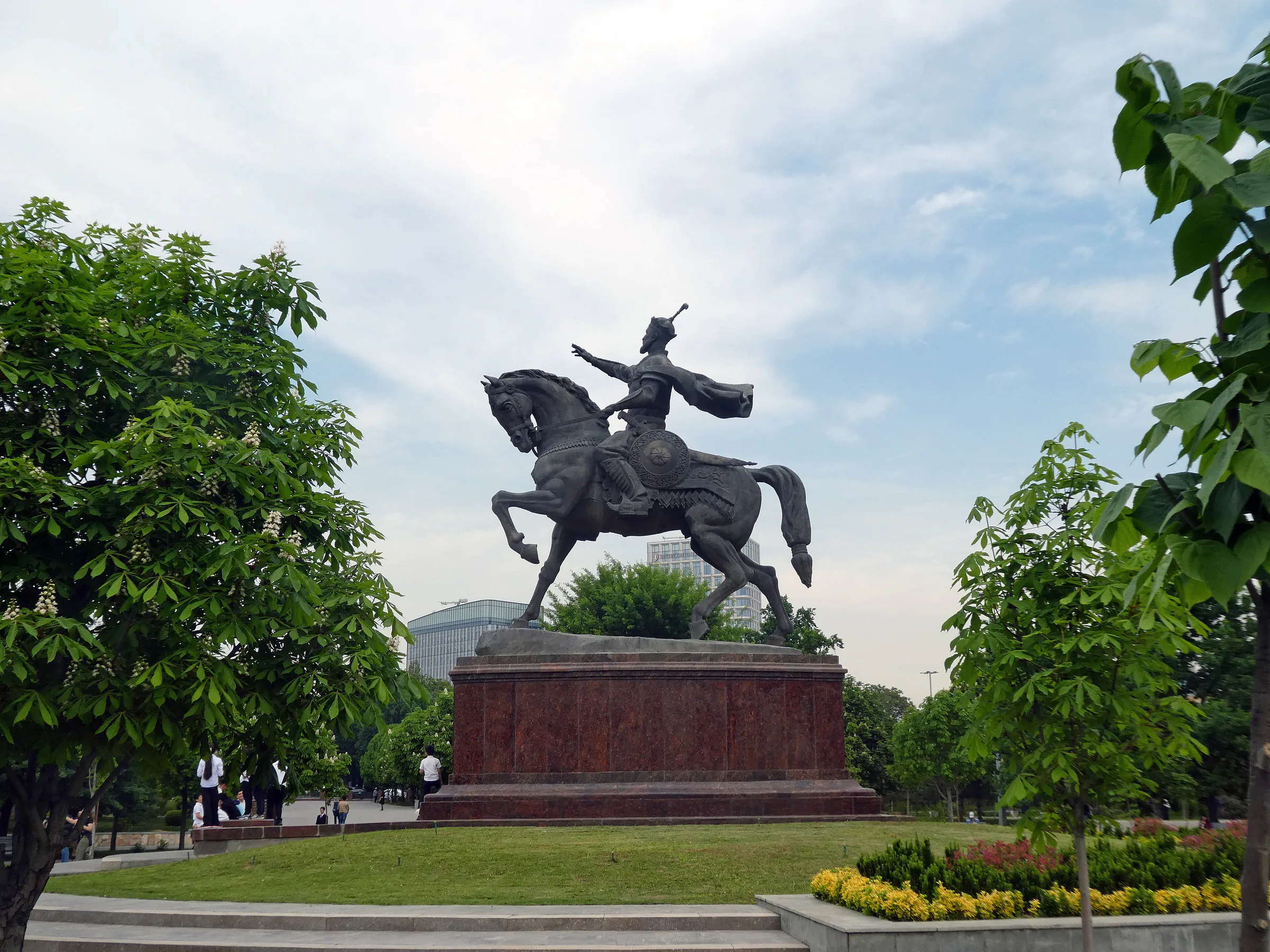
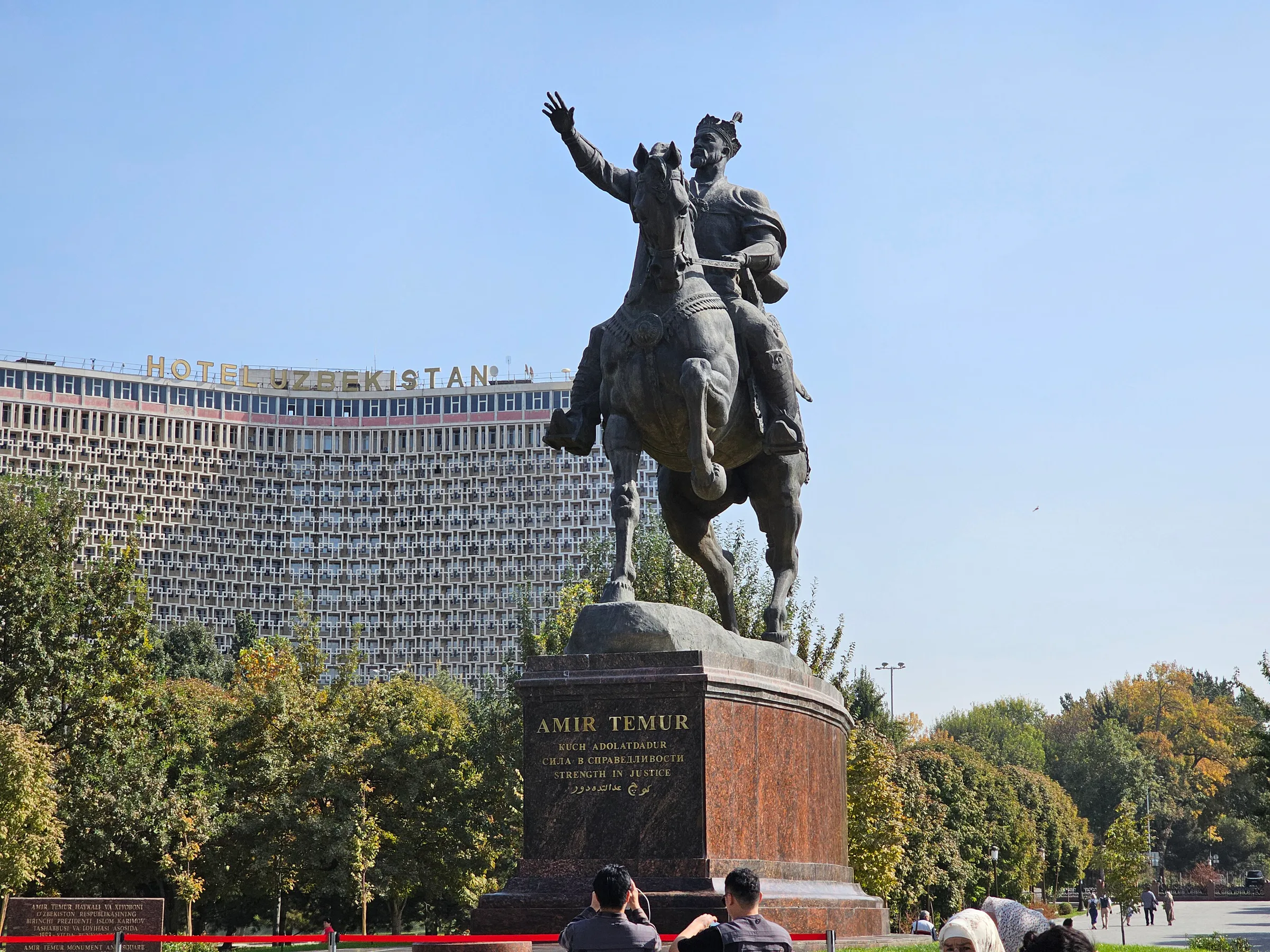
On 31 August 1994, on the eve of the third anniversary of independence, the square was renamed after Amir Timur and a bronze equestrian statue by sculptor Ilhom Jabbarov was placed at its centre. A major makeover in 2009 brought new paths and lighting, and saw century-old trees felled and replaced with new plantings.
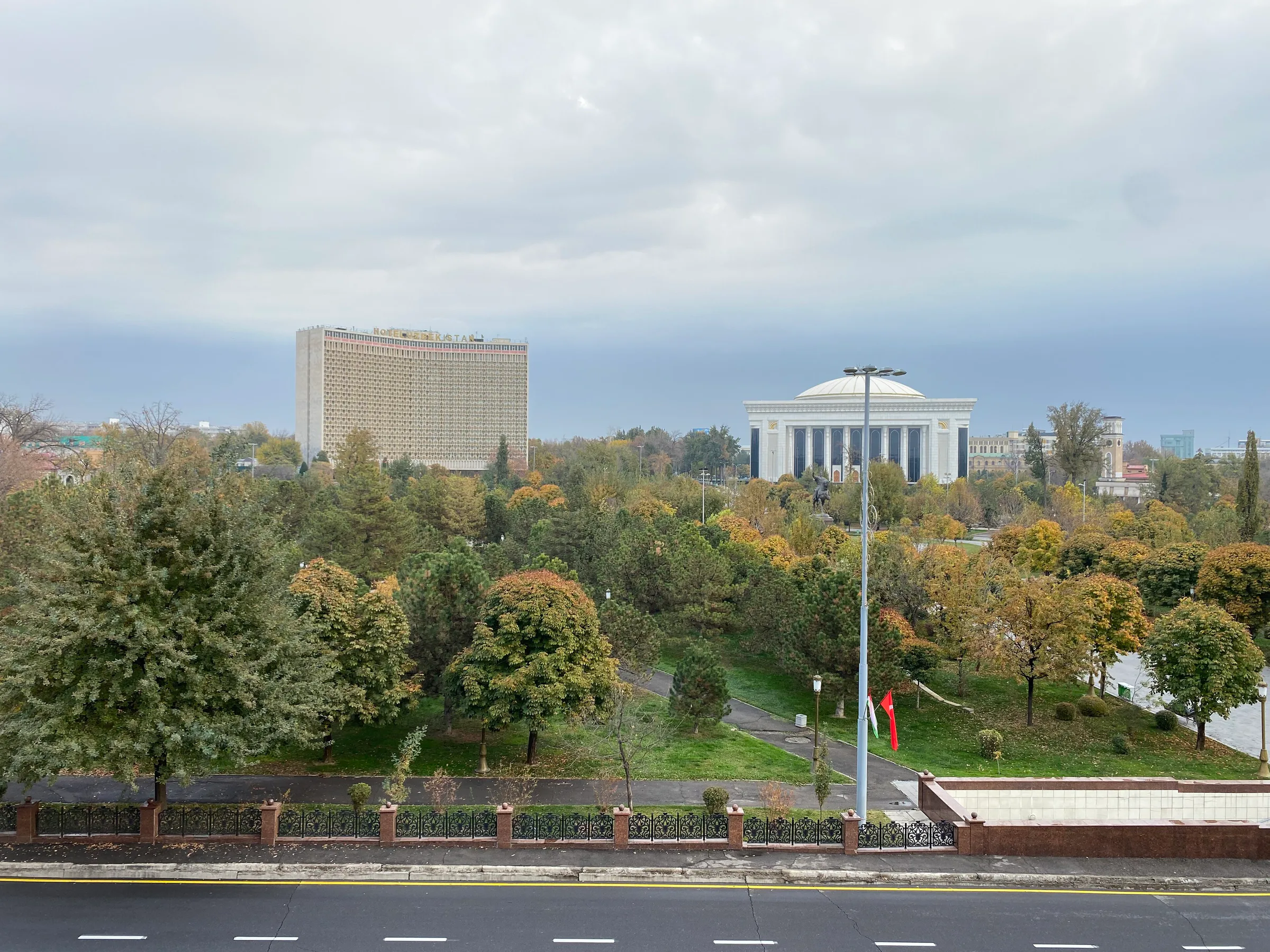
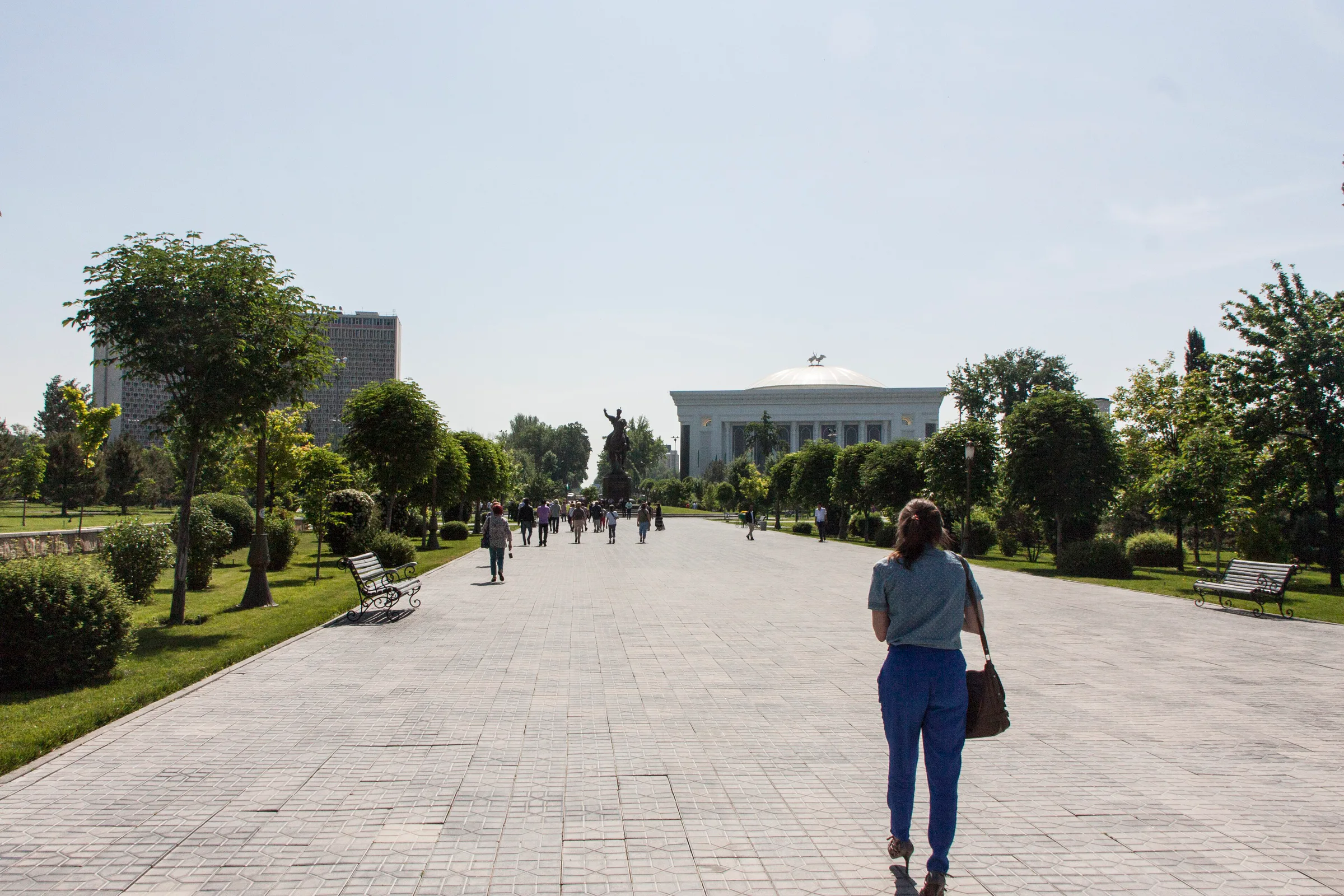
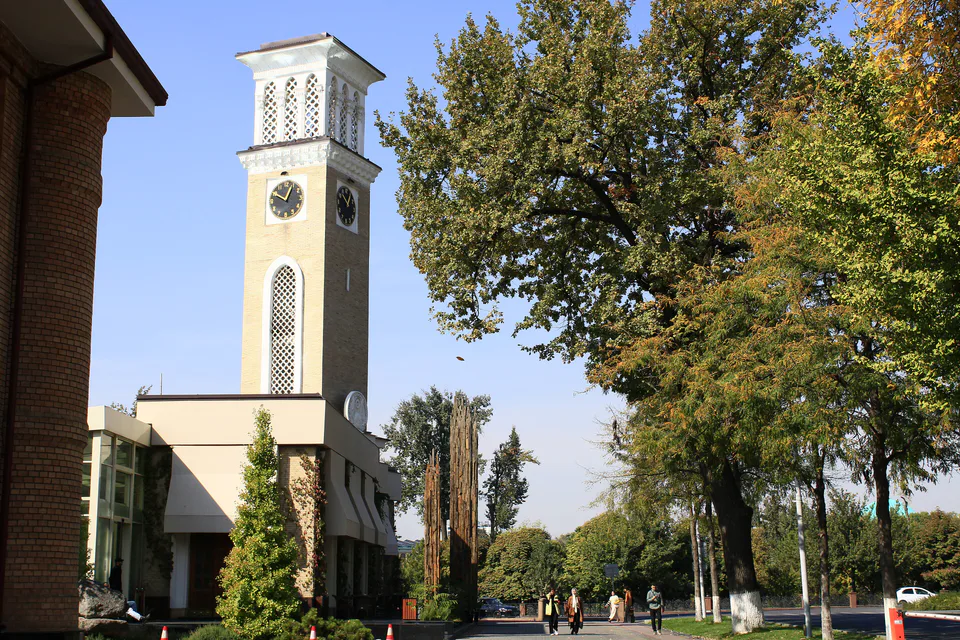
North of the square is the blue-domed Amir Timur Museum; on the south side stand the Tashkent Chimes, keeping time since 1947. To the east looms the Hotel Uzbekistan with its latticed facade, and to the west the pedestrian Sayilgoh Street leads towards Independence Square. Two metro stations, Amir Temur Hiyoboni and Yunus Rajabiy, are close by, and Independence Square, the Romanov Palace and the State Museum of History are all within walking distance.
Governor-General Konstantin von Kaufmann, who died in Tashkent in May 1882, was originally buried in this very square, and more than 80,000 roubles were raised by public subscription for his monument. In 1901 the square hosted the Turkestan Exhibition; a Moorish-style pavilion by architect A. L. Benois survived even the 1966 earthquake and long served as a flower kiosk. A former seminary church next to the square, built in 1898 to a design by Alexei Benois, was demolished in 2009.
Museum · Yunusabad District
The age of Tamerlane under a blue dome
Modern · Mirabad District
Keeping the city's time since 1947
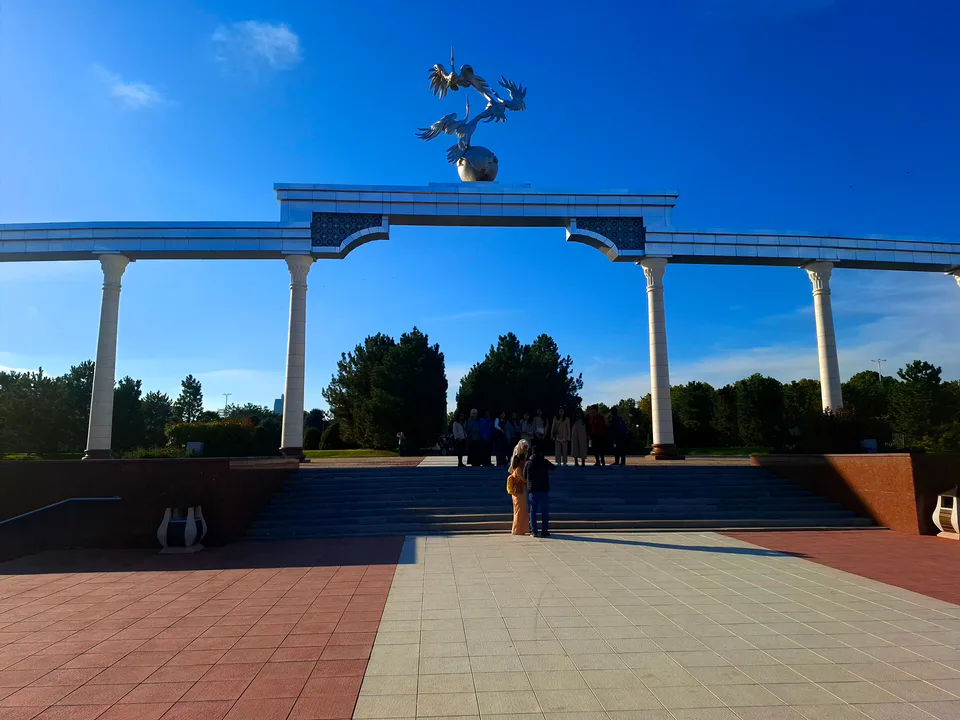
Modern · Yunusabad District
From Cathedral Square to Independence Square
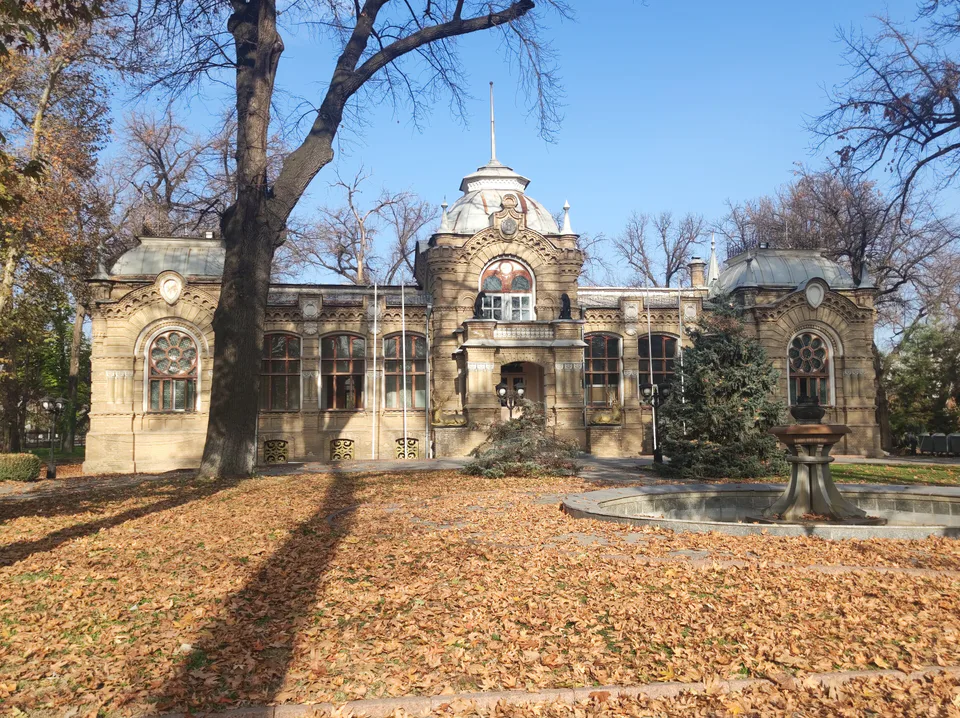
Culture & arts · Yunusabad District
The Tashkent home of an exiled grand duke
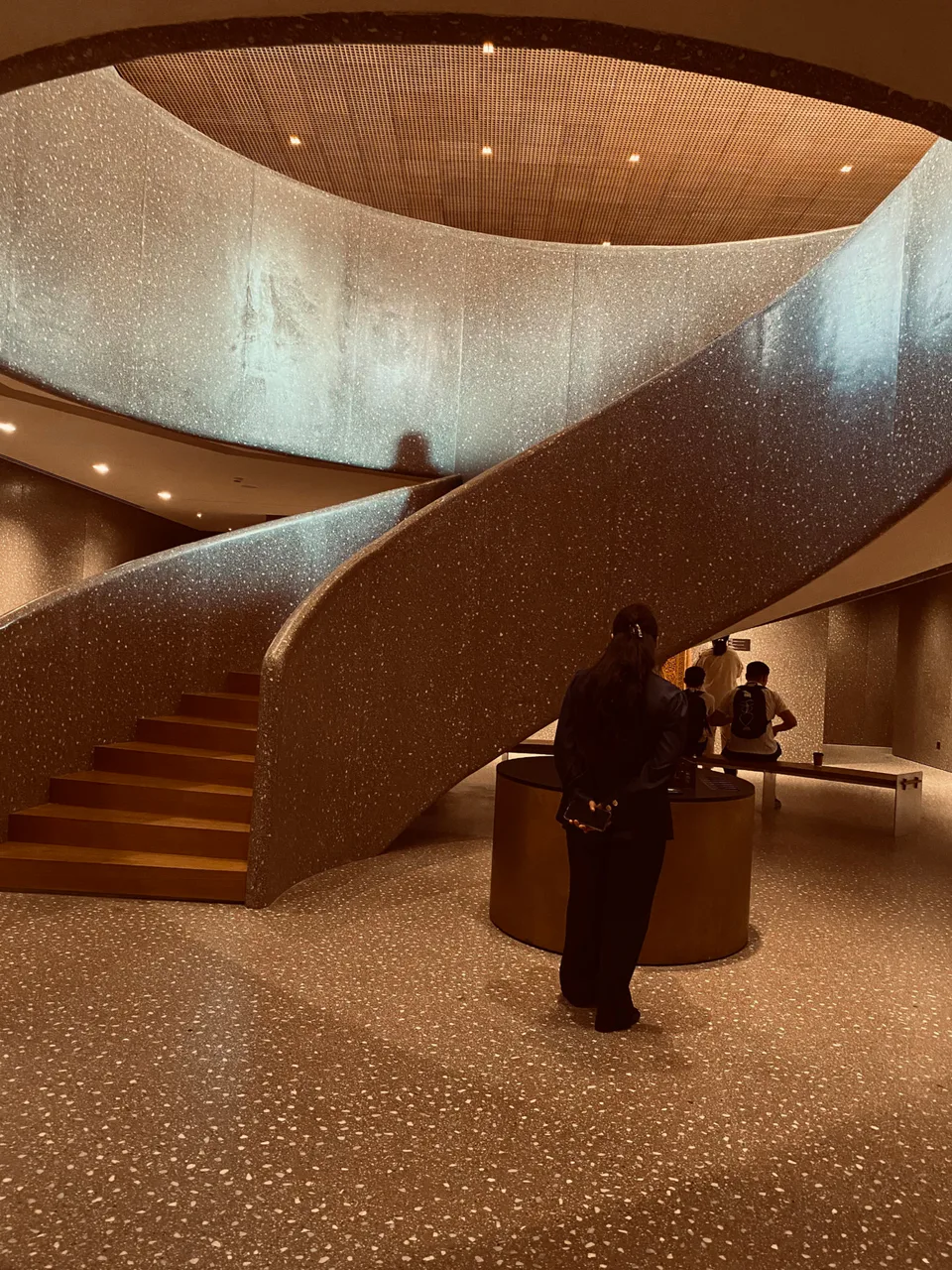
Culture & arts · Mirabad District
A new art space in an old power station
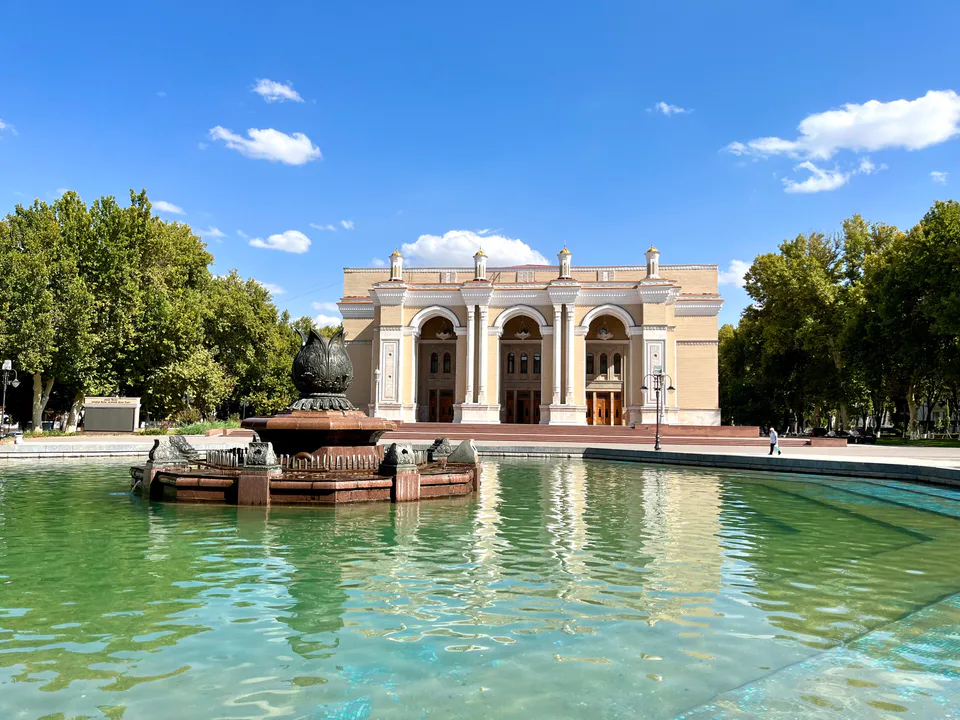
Culture & arts · Mirabad District
Shchusev's design, craftsmen from six regions
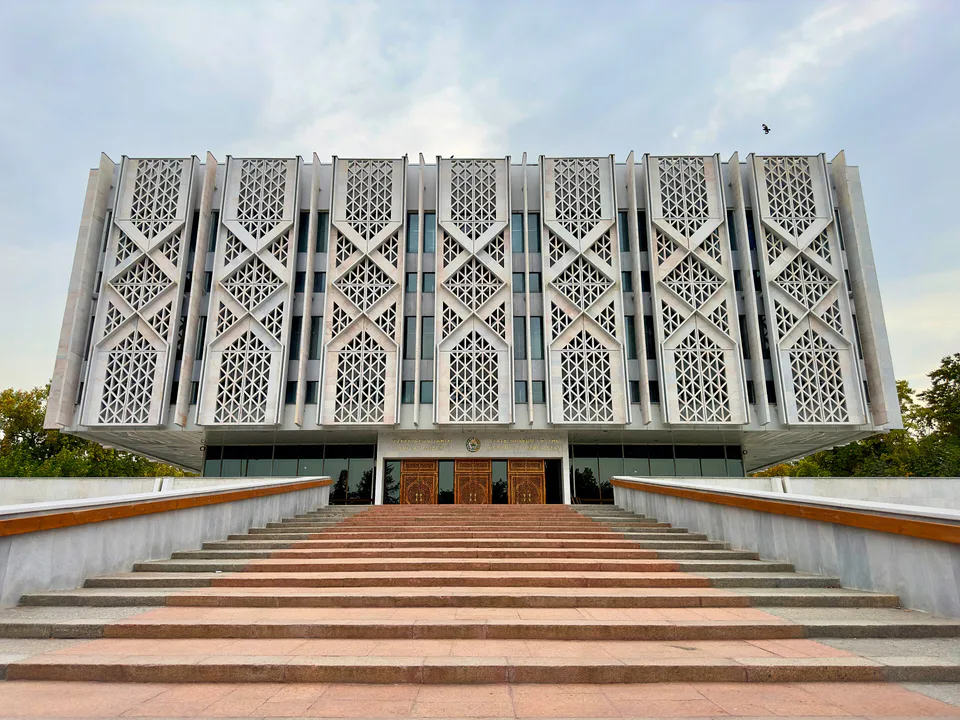
Museum · Yunusabad District
One of Central Asia's oldest museums
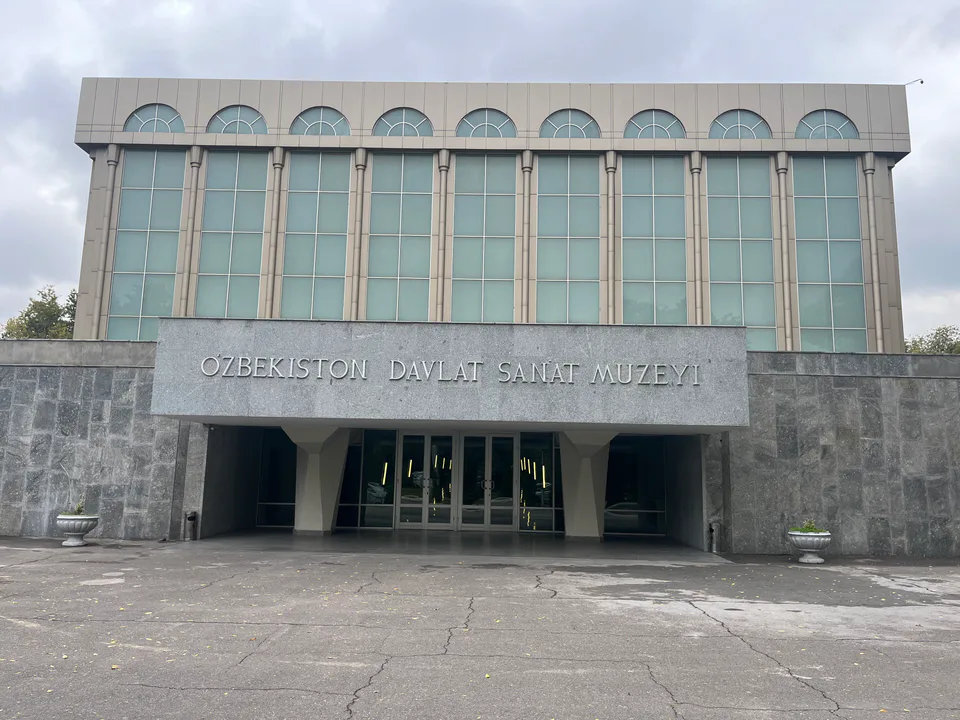
Museum · Mirabad District
A museum born of the Romanov collection
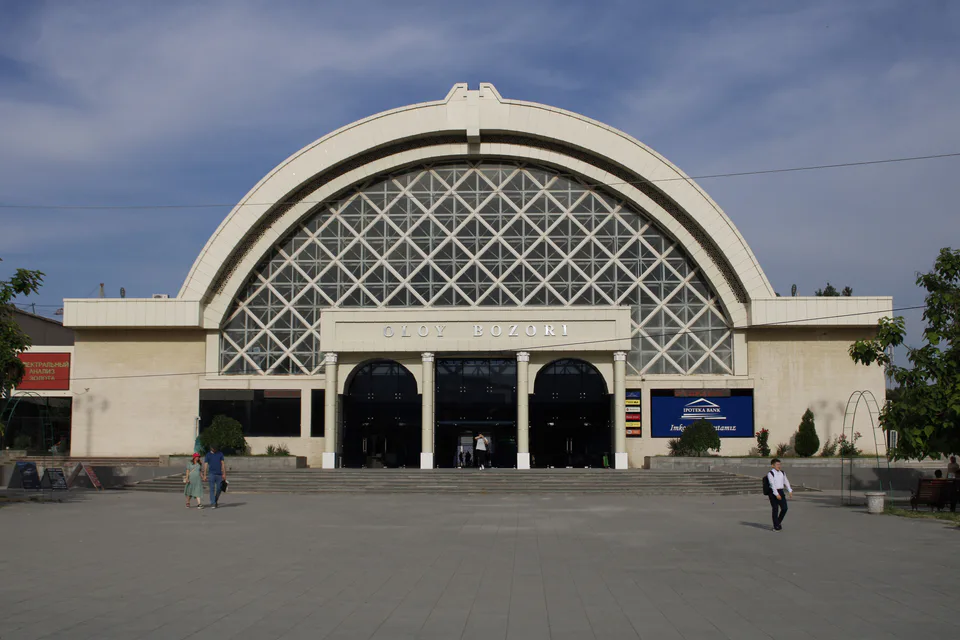
Bazaar · Yunusabad District
The fruit market in the city centre
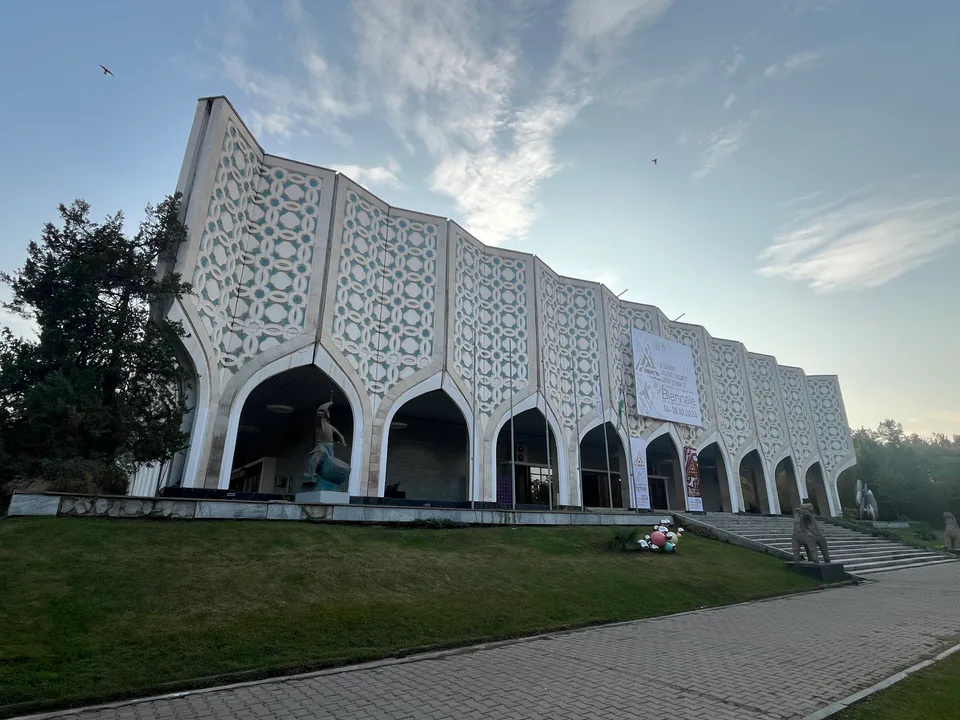
Culture & arts · Yakkasaray District
A gallery wrapped in peshtaq-style arches