Park & garden · Yunusabad District
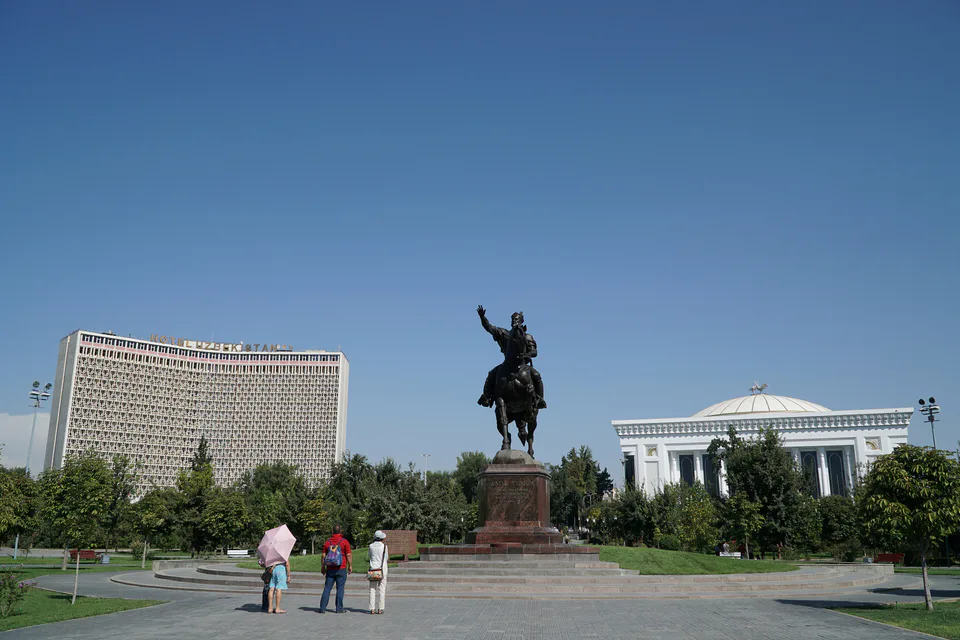
Amir Timur Square
The heart of Tashkent's new town
Modern · Yunusabad District
Tashkent's main square, which grew up around the governor-general's residence on the Ankhor canal; today it holds the Independence Monument, the Ezgulik Arch and the Square of Memory.
After the Russian Empire took Tashkent in 1865, a new European town began to rise on the left bank of the Ankhor canal. Across the road from a fortress built opposite the Old City's Qoymas Gate stood the residence of the Governor-General of Turkestan — the 'White House', with a garden laid out in 1883. A military cathedral of the Transfiguration was later built facing it, and the space became Cathedral Square.
In the early 1930s the cathedral was demolished and the square renamed Red Square. In 1930 a building for the Uzbek SSR's Council of People's Commissars, designed by S. Polupanov, replaced the governor's house; the first Lenin statue went up in 1936, and in 1956 the square officially became Lenin Square.
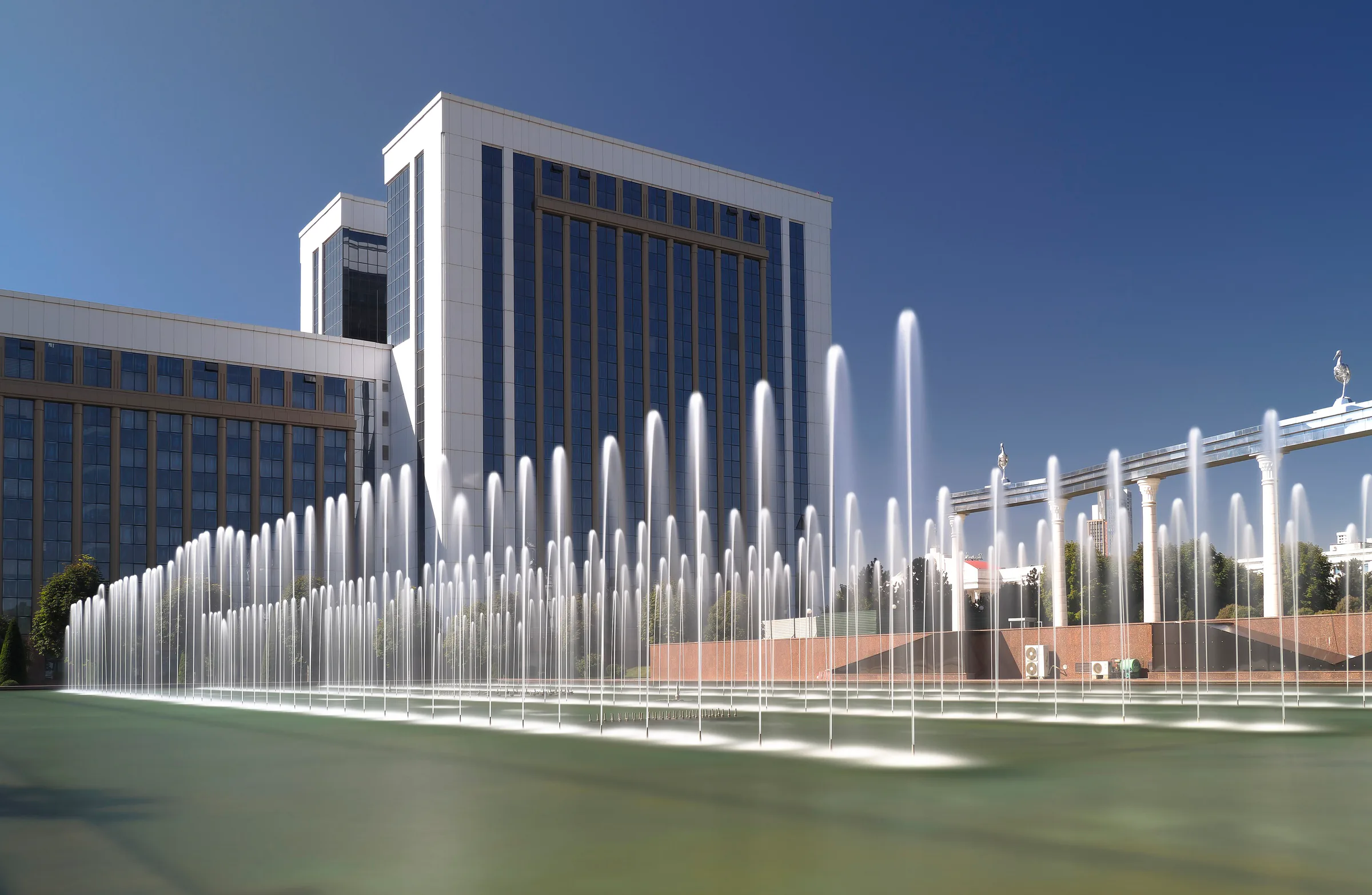
In 1965–1967 a new concrete-and-glass Council of Ministers building, designed by a team led by B. Mezentsev, rose on the south side. After the 1966 earthquake the square was completely redesigned; finished in 1974, it was three and a half times larger and received a bigger Lenin monument by sculptor N. Tomsky and architect S. Adylov. A raised terrace with a long pool and cascade splits it into upper and lower levels, and from 1974 it was the setting for parades and holiday marches.
In 1992 the square was renamed Mustaqillik (Independence); Lenin came down and the old plinth received the Independence Monument, a golden globe bearing the outline of Uzbekistan. In 2006 the 'Happy Mother', a seated mother and child by Ilhom and Kamol Jabbarov, was added in front, as a full reconstruction of the square was completed.
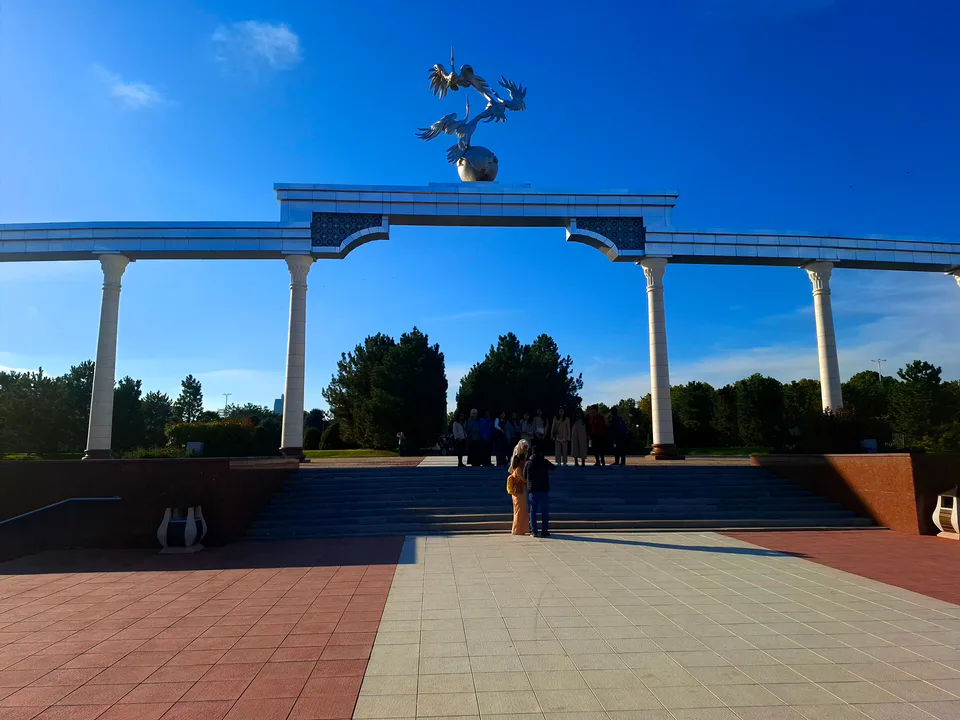
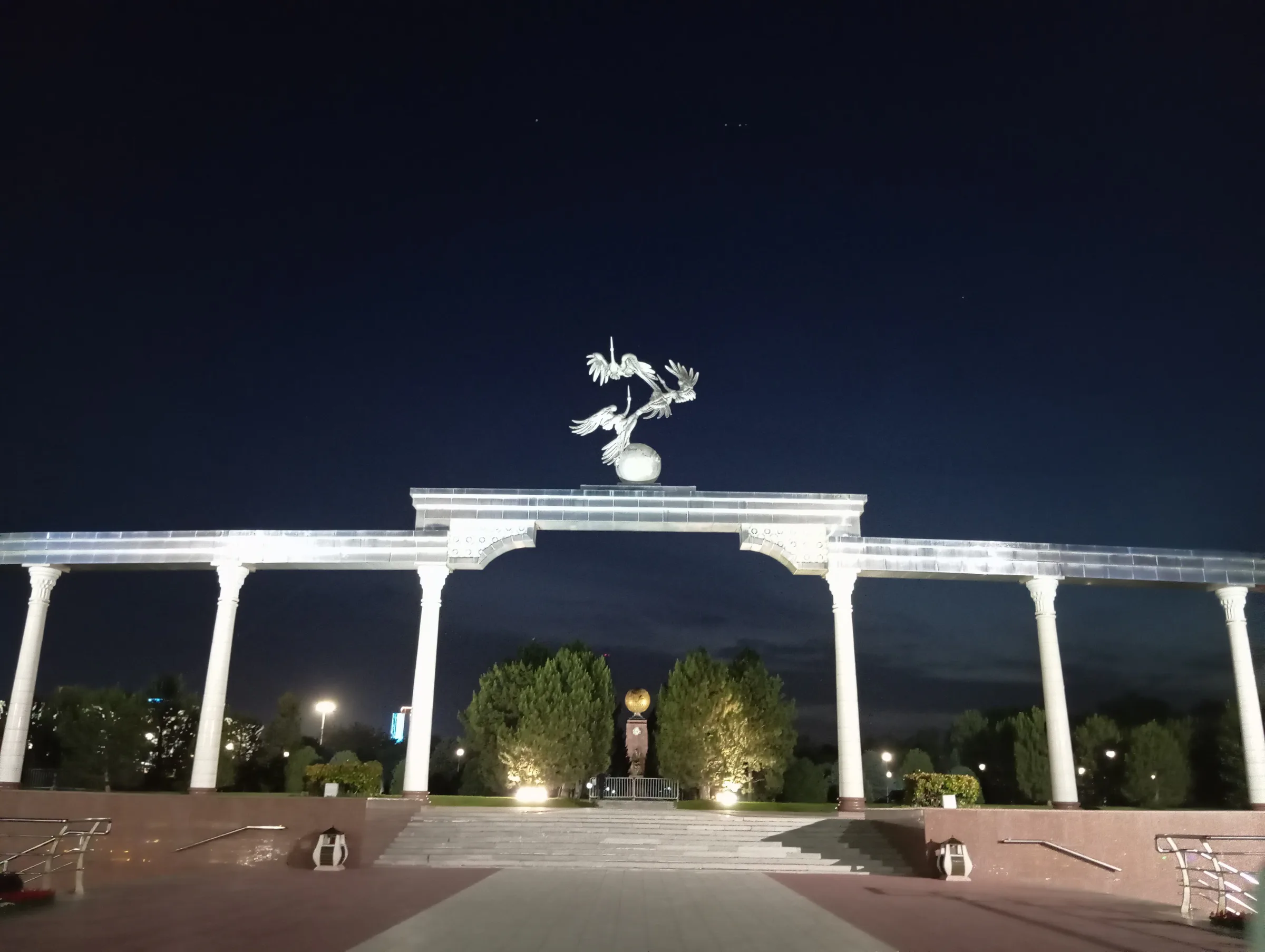
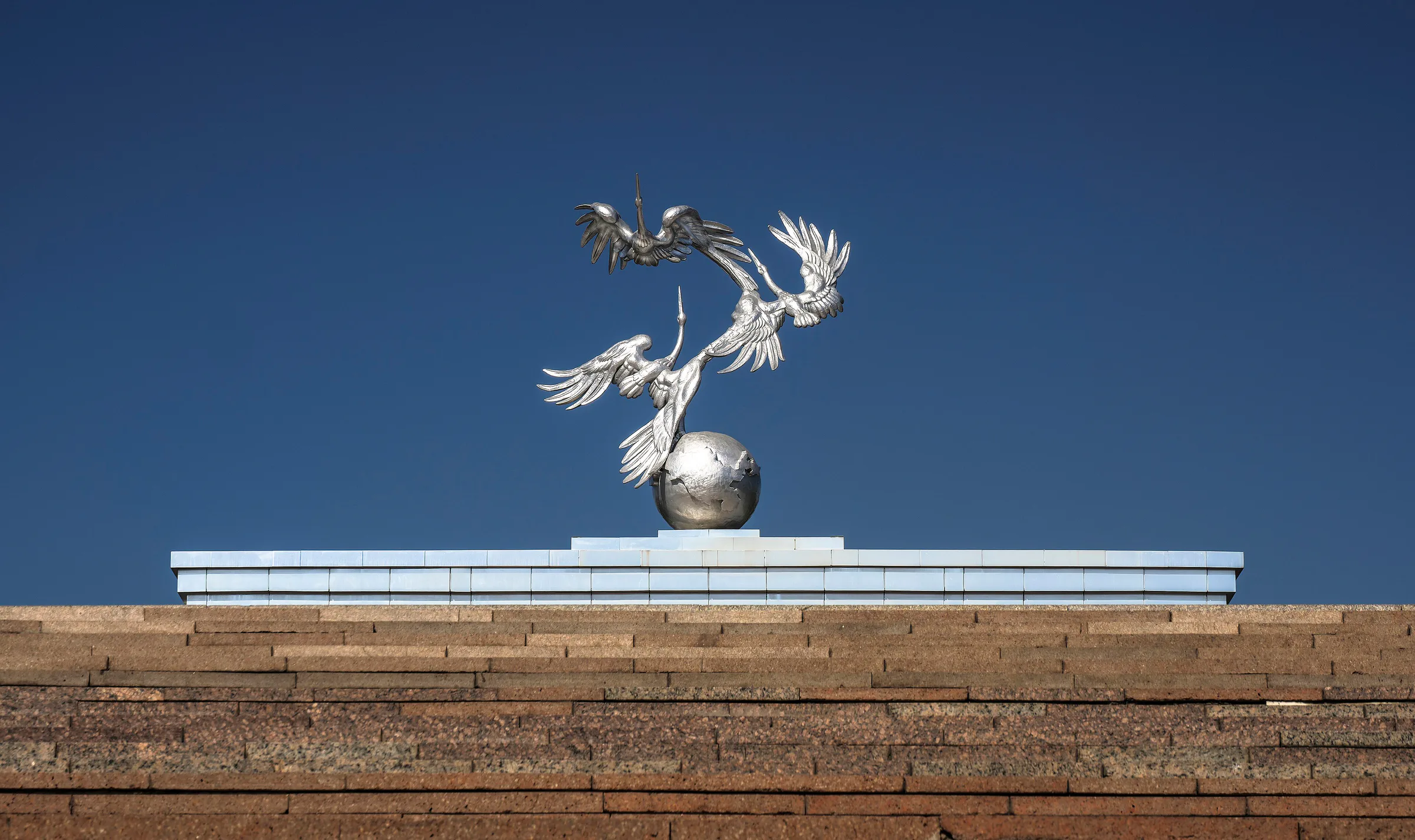
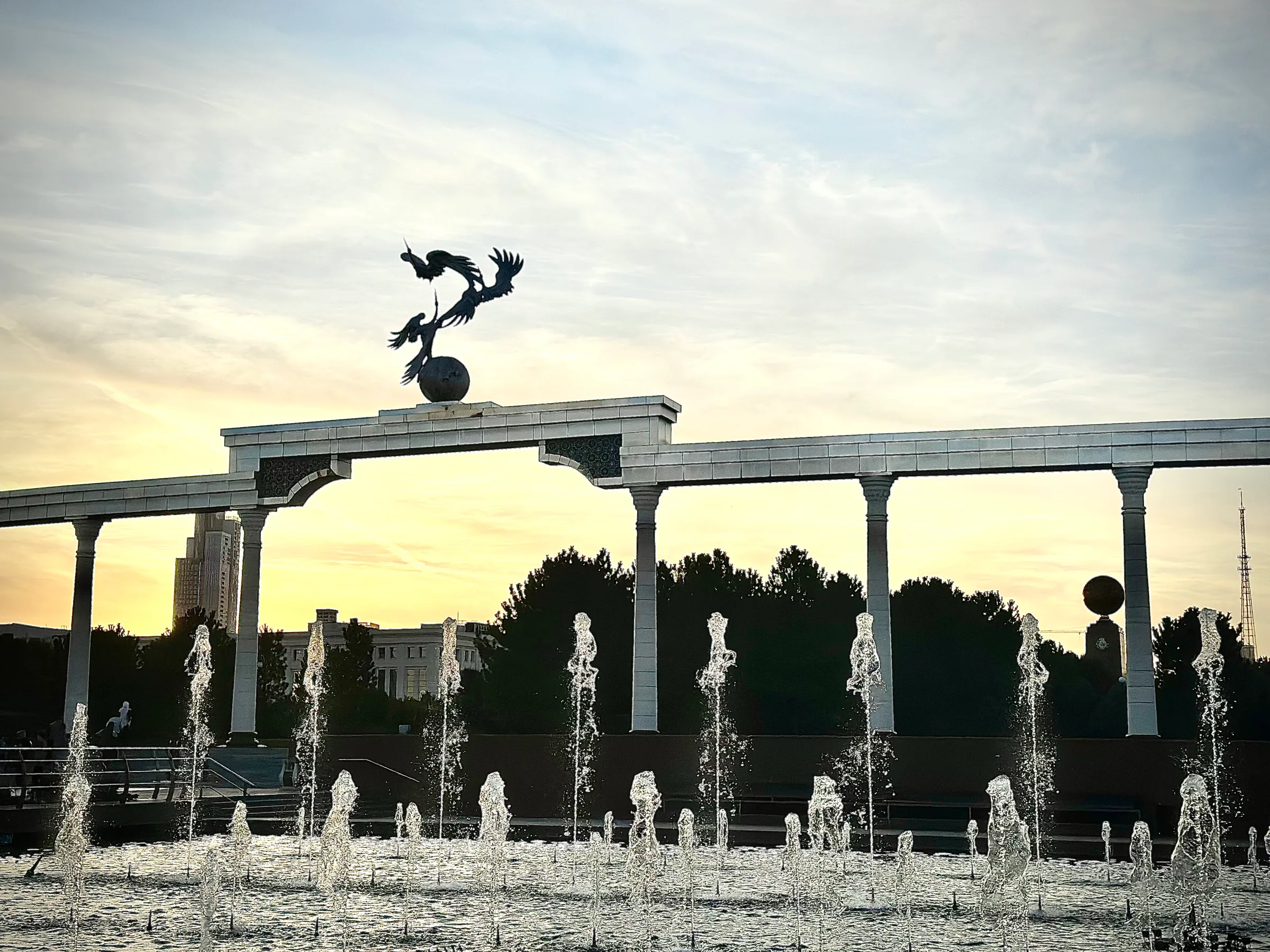
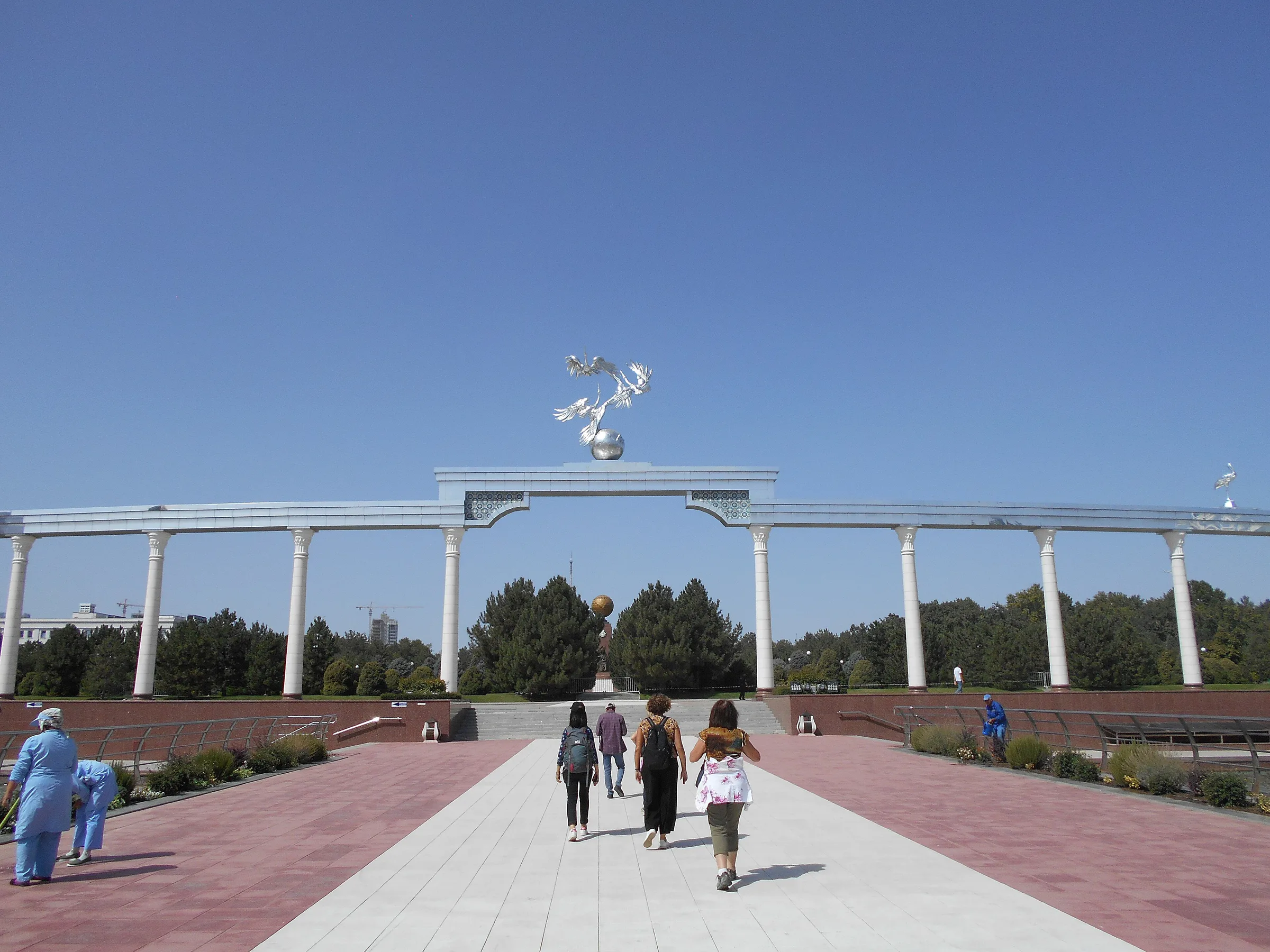
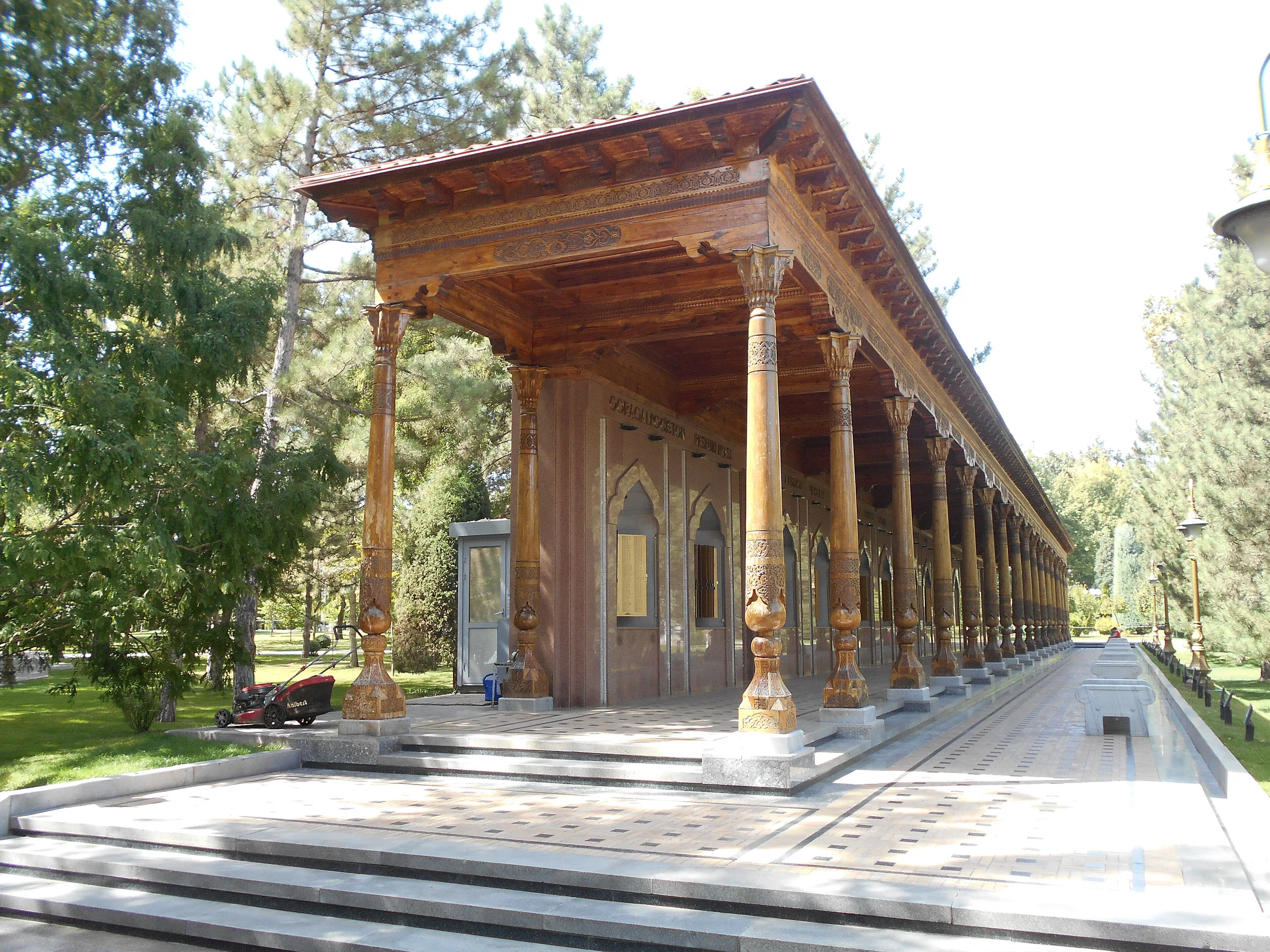
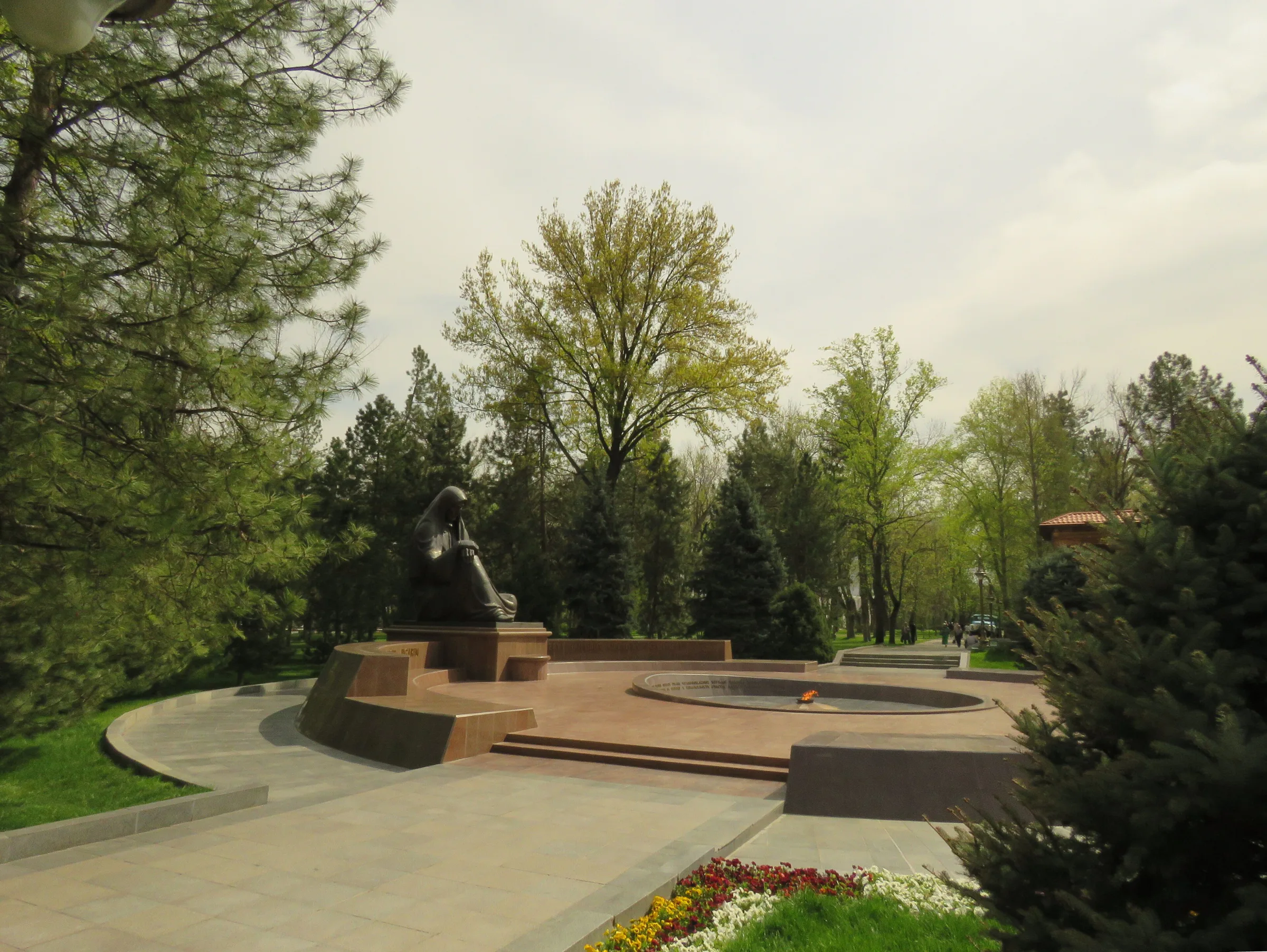
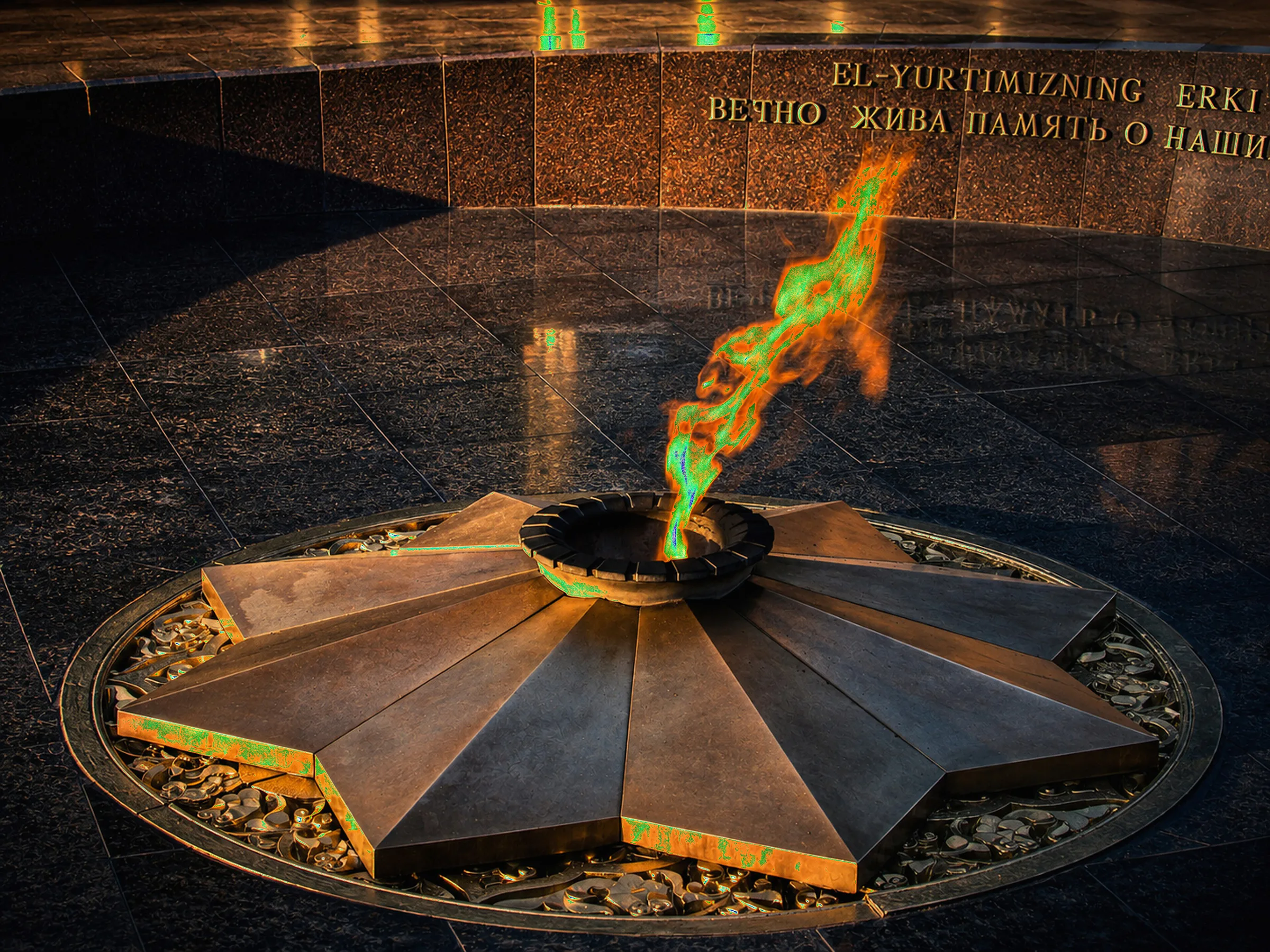
The entrance is marked by the Ezgulik Arch ('Arch of Good and Noble Aspirations'), topped by storks. To one side lies the Square of Memory and Honour, opened in 1999: colonnades shelter wall 'pages' inscribed with the names of Uzbekistan's Second World War dead, and a 'Mourning Mother' bends over an eternal flame. The Cabinet of Ministers and the Senate occupy buildings on the square.
The square's Lenins moved on: B. Korolev's 1936 statue went to Urgench after the 1950s rebuilding, and M. Manizer's 1956 statue was sent to Samarkand in 1974. Before the Square of Memory, a Tomb of the Unknown Soldier stood here from 1975. The Ankhor canal runs through the area, and its tree-lined banks are the coolest place for a stroll on hot days.
Park & garden · Yunusabad District
The heart of Tashkent's new town
Culture & arts · Yunusabad District
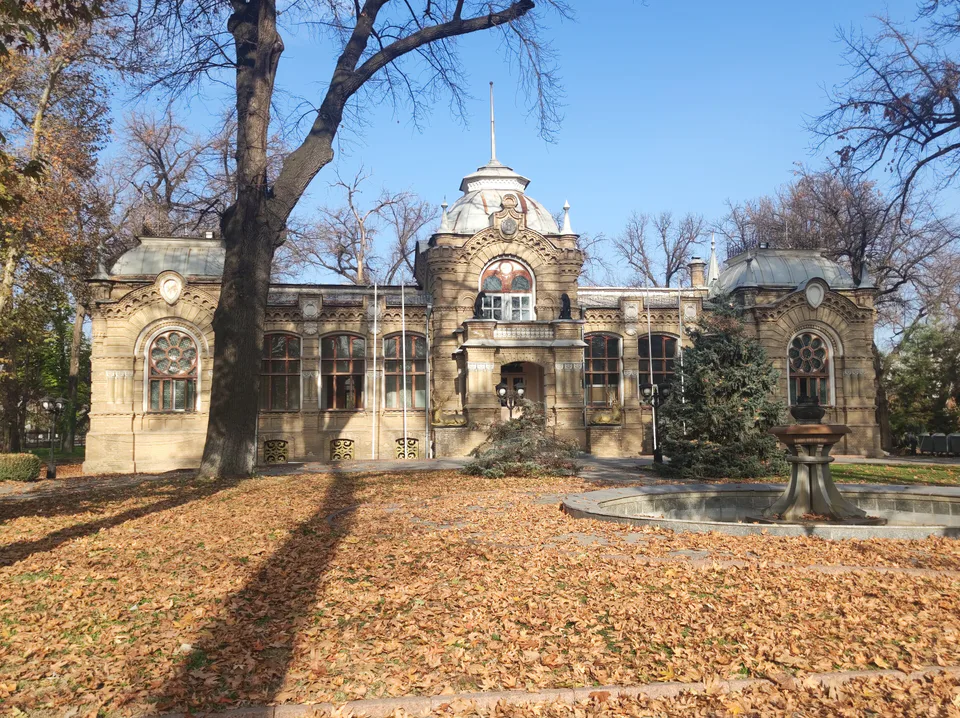
The Tashkent home of an exiled grand duke
Museum · Yunusabad District
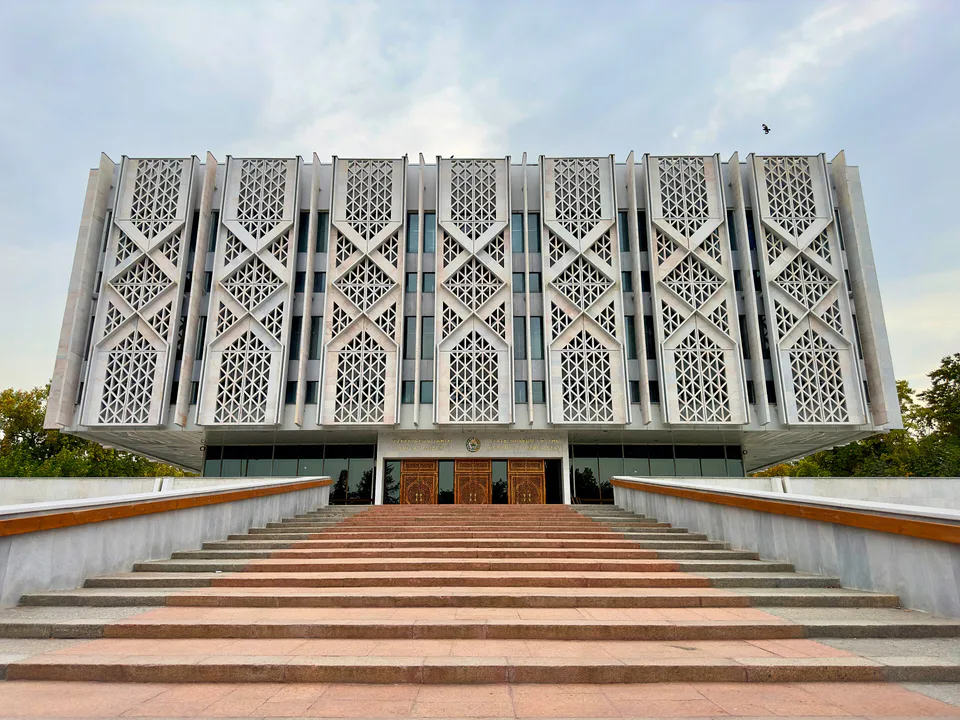
One of Central Asia's oldest museums
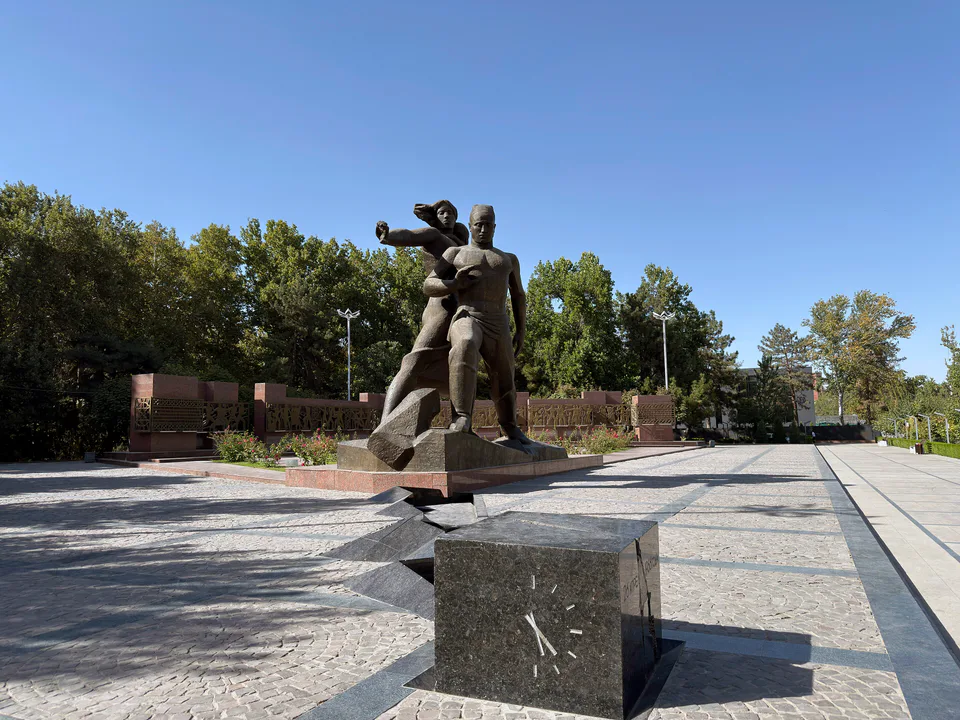
Modern · Yunusabad District
A memorial at the 1966 earthquake's epicentre
Culture & arts · Shaykhantahur District
One of the USSR's first independent theatres
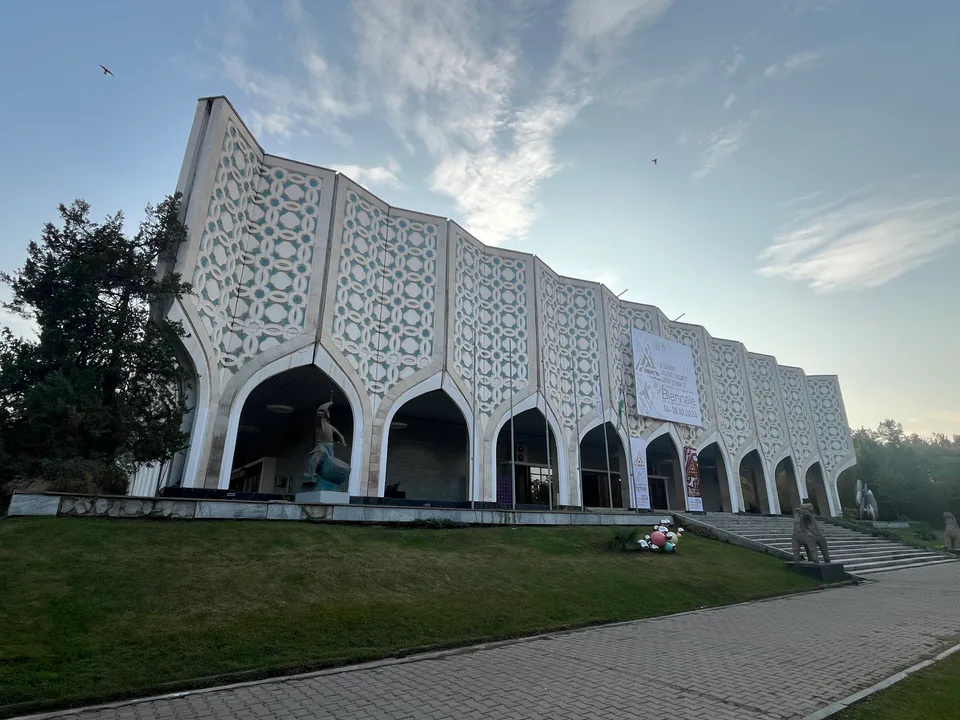
Culture & arts · Yakkasaray District
A gallery wrapped in peshtaq-style arches
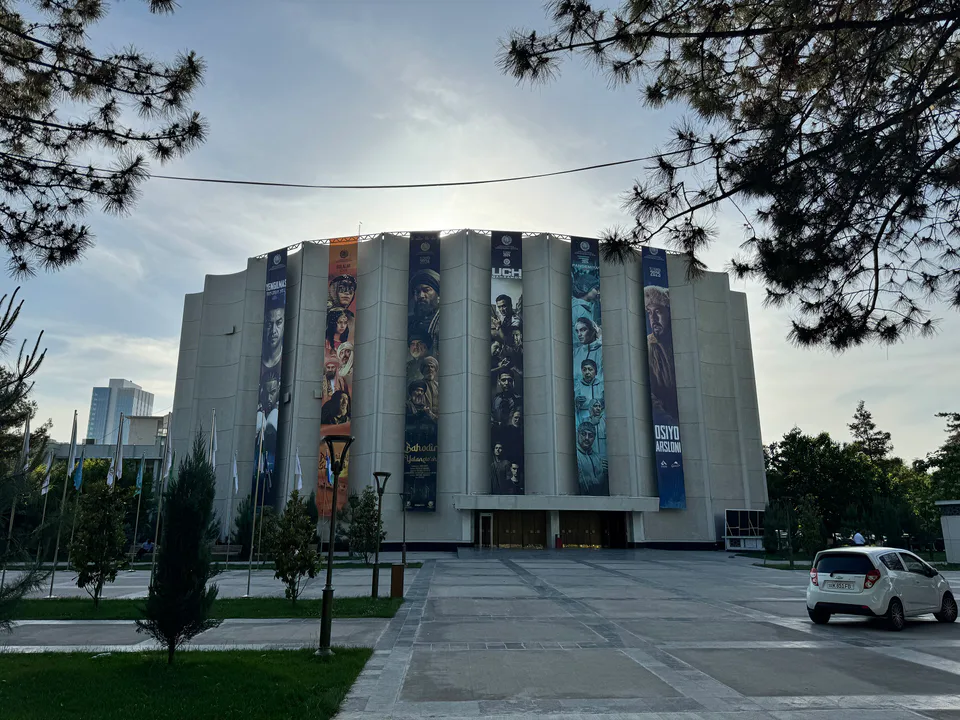
Culture & arts · Shaykhantahur District
Uzbekistan's first panoramic cinema
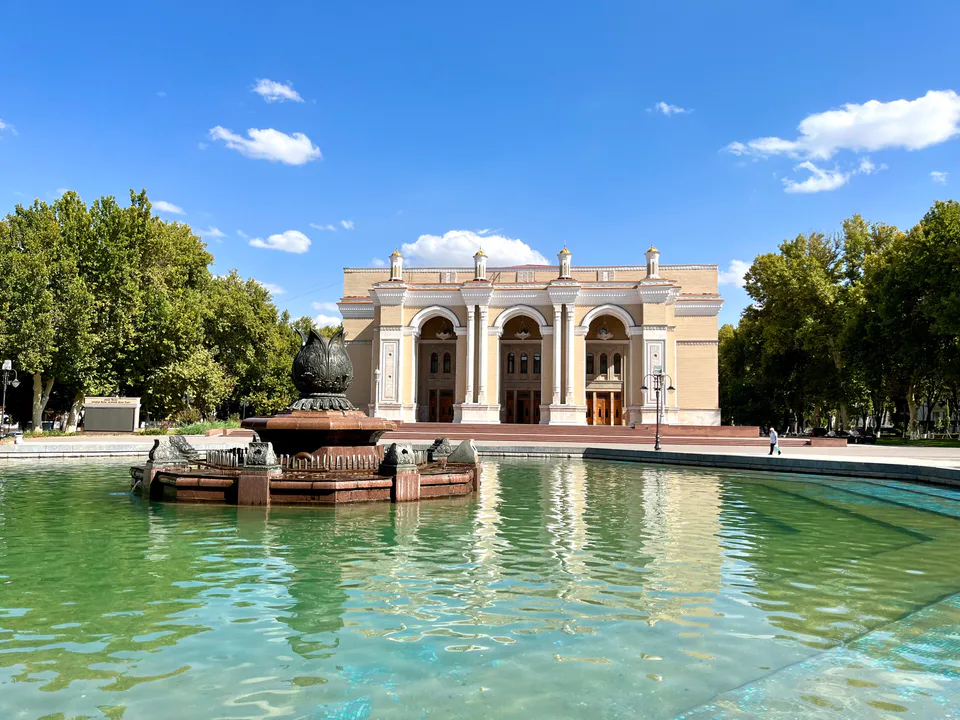
Culture & arts · Mirabad District
Shchusev's design, craftsmen from six regions
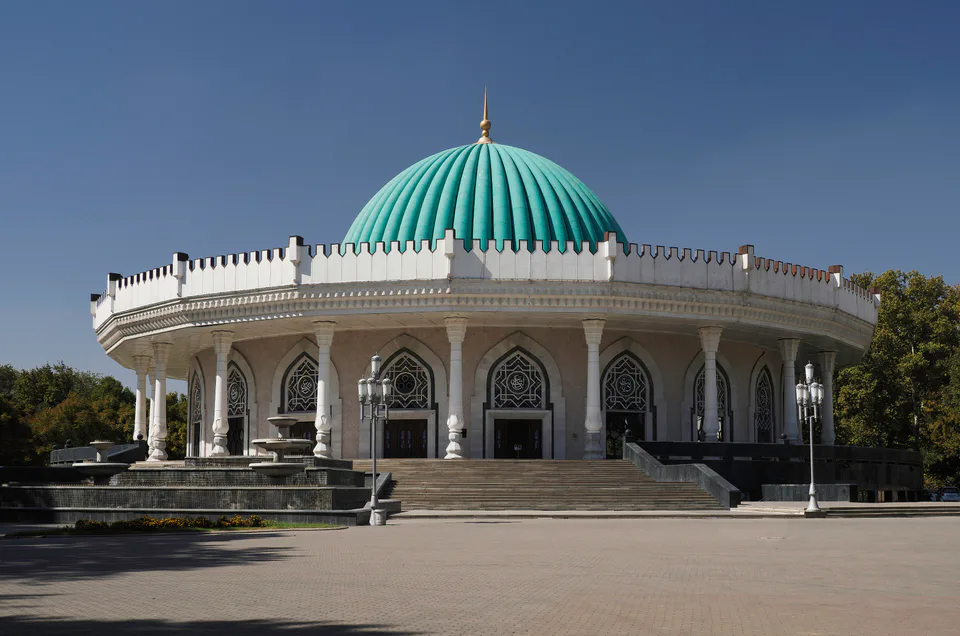
Museum · Yunusabad District
The age of Tamerlane under a blue dome
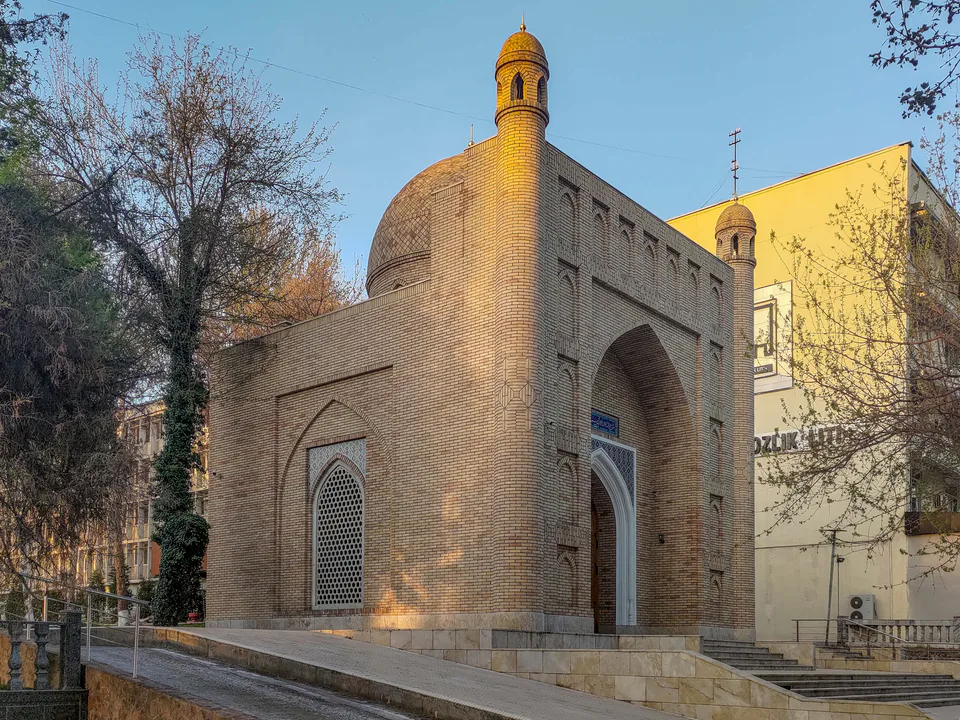
Ensemble · Shaykhantahur District
The saint who gave his name to a city quarter