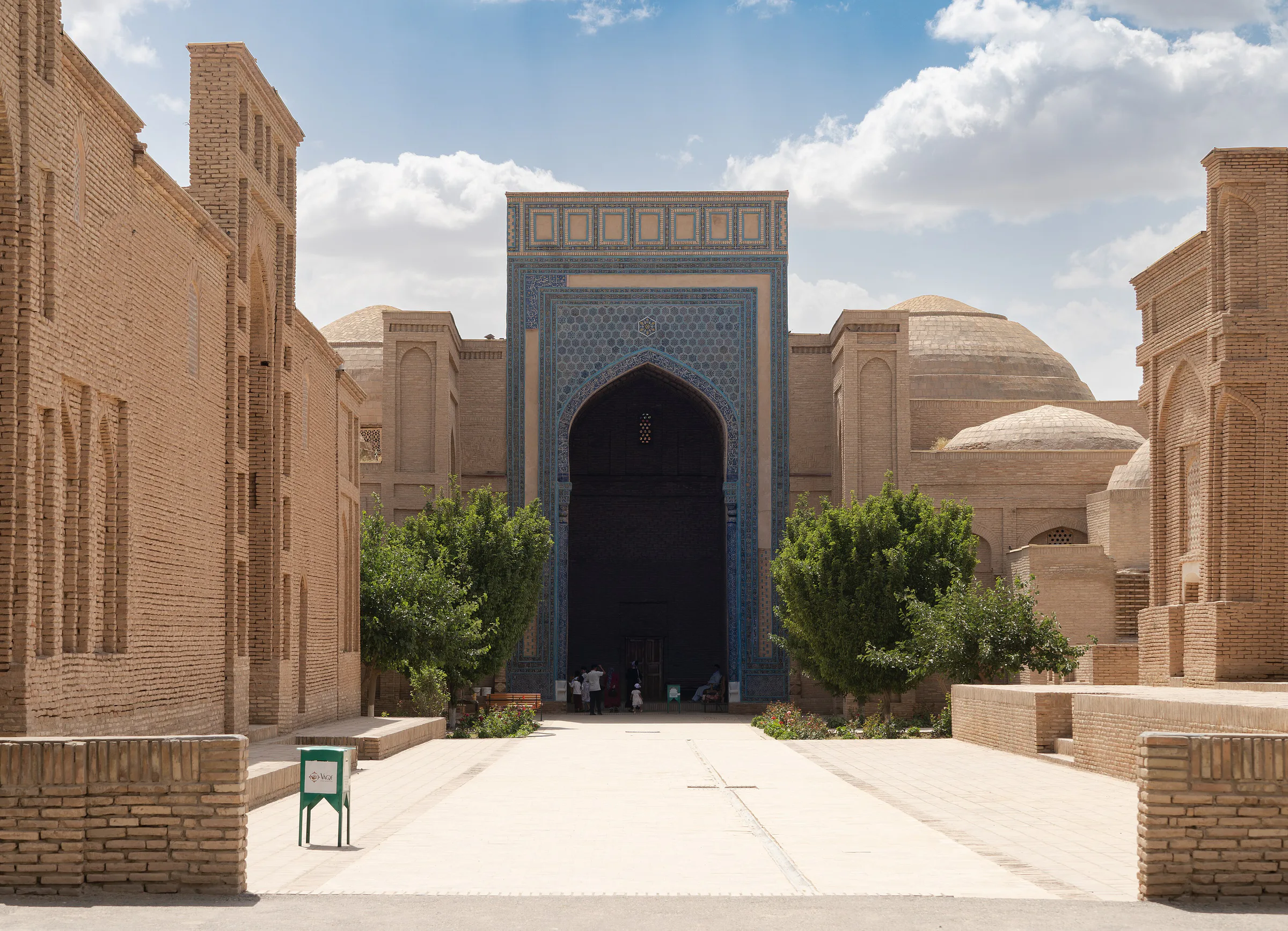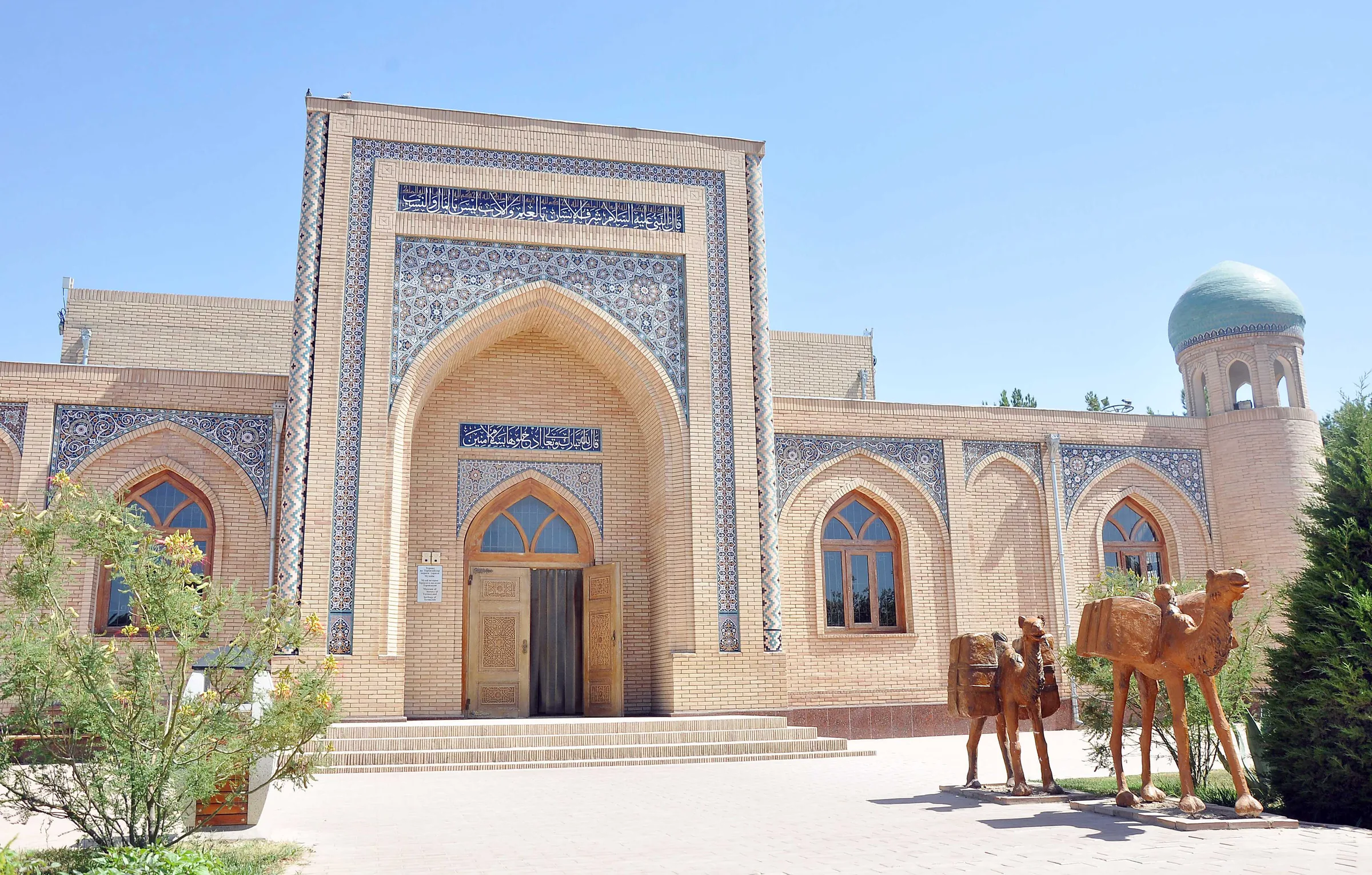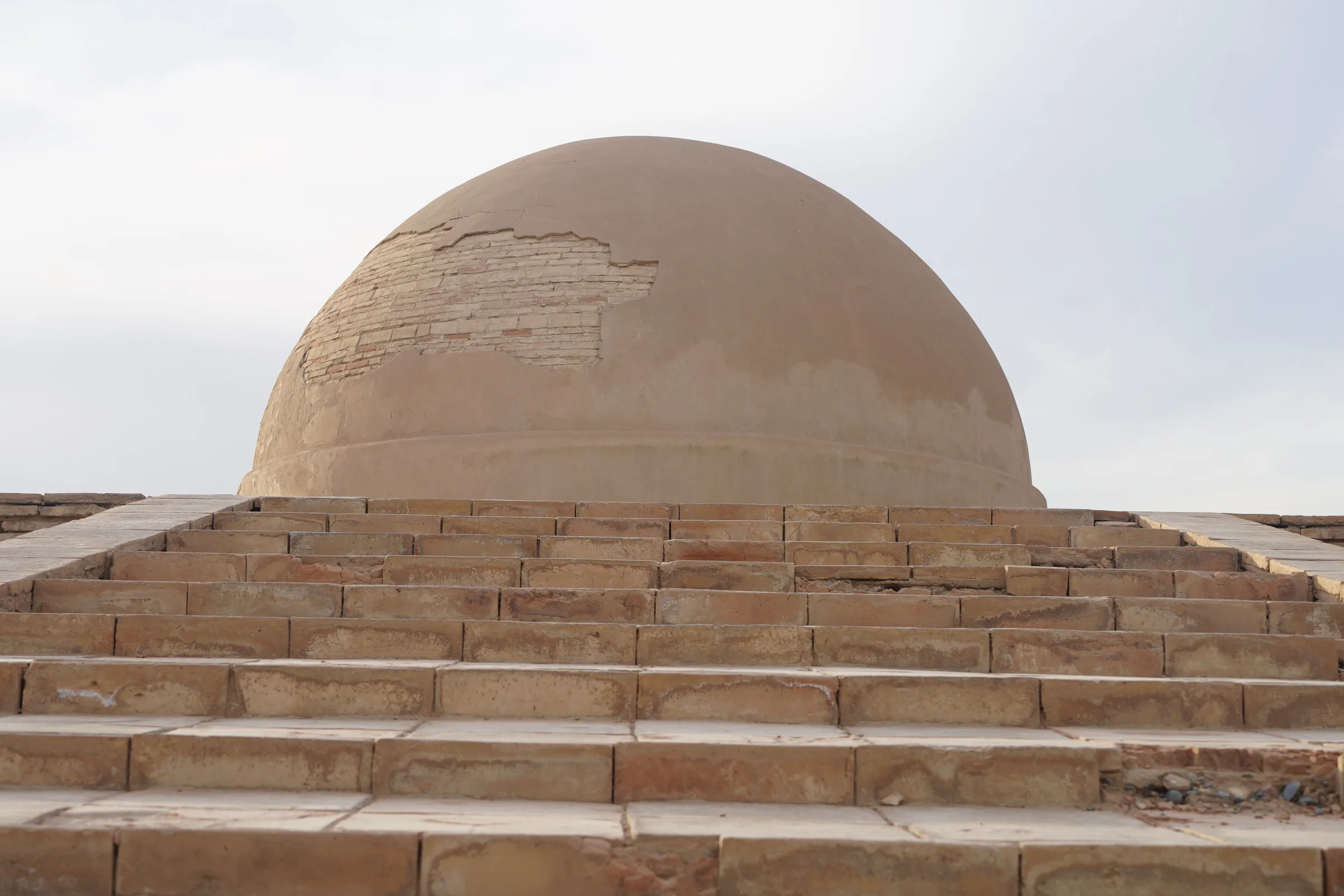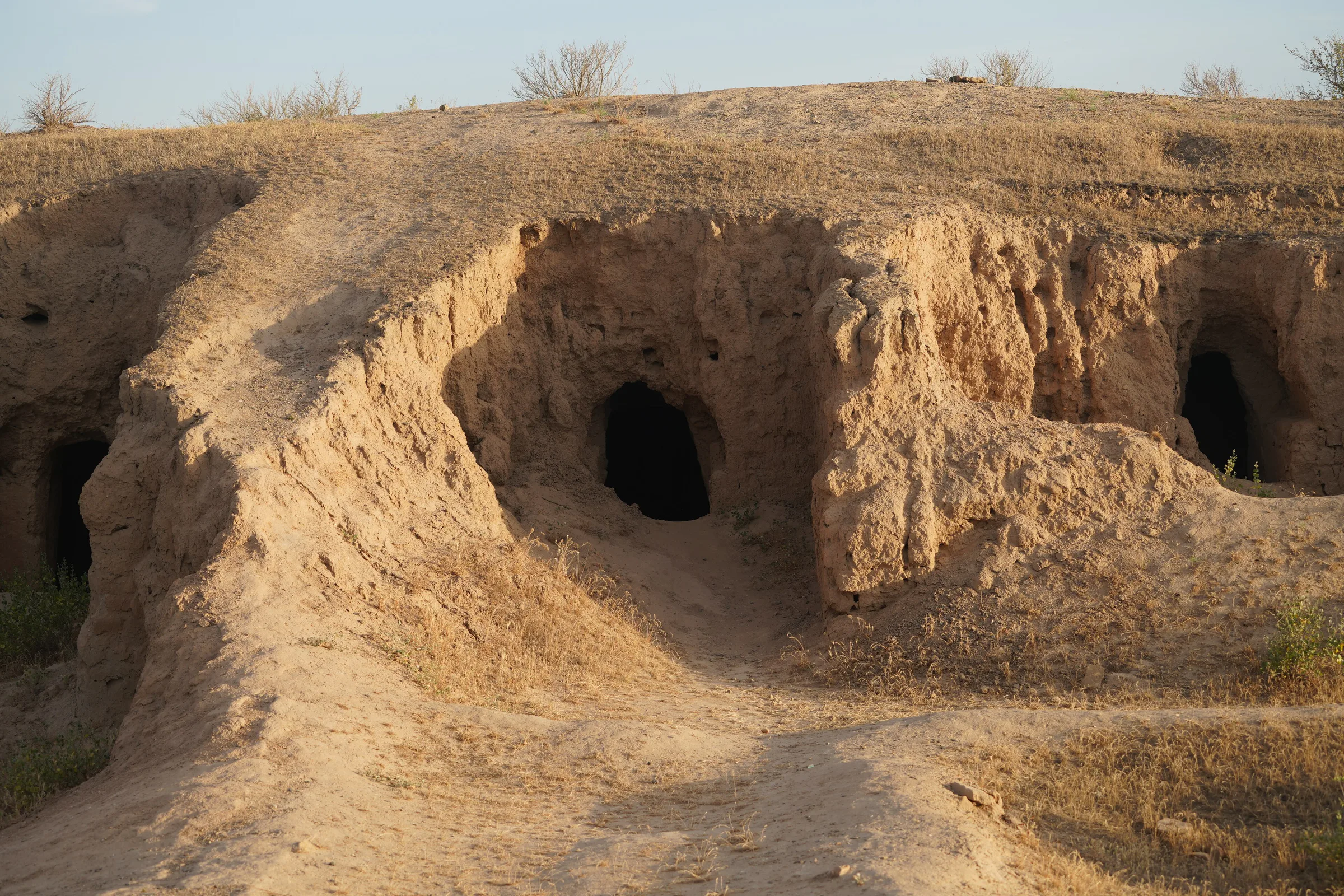
Pilgrimage site · Termez District
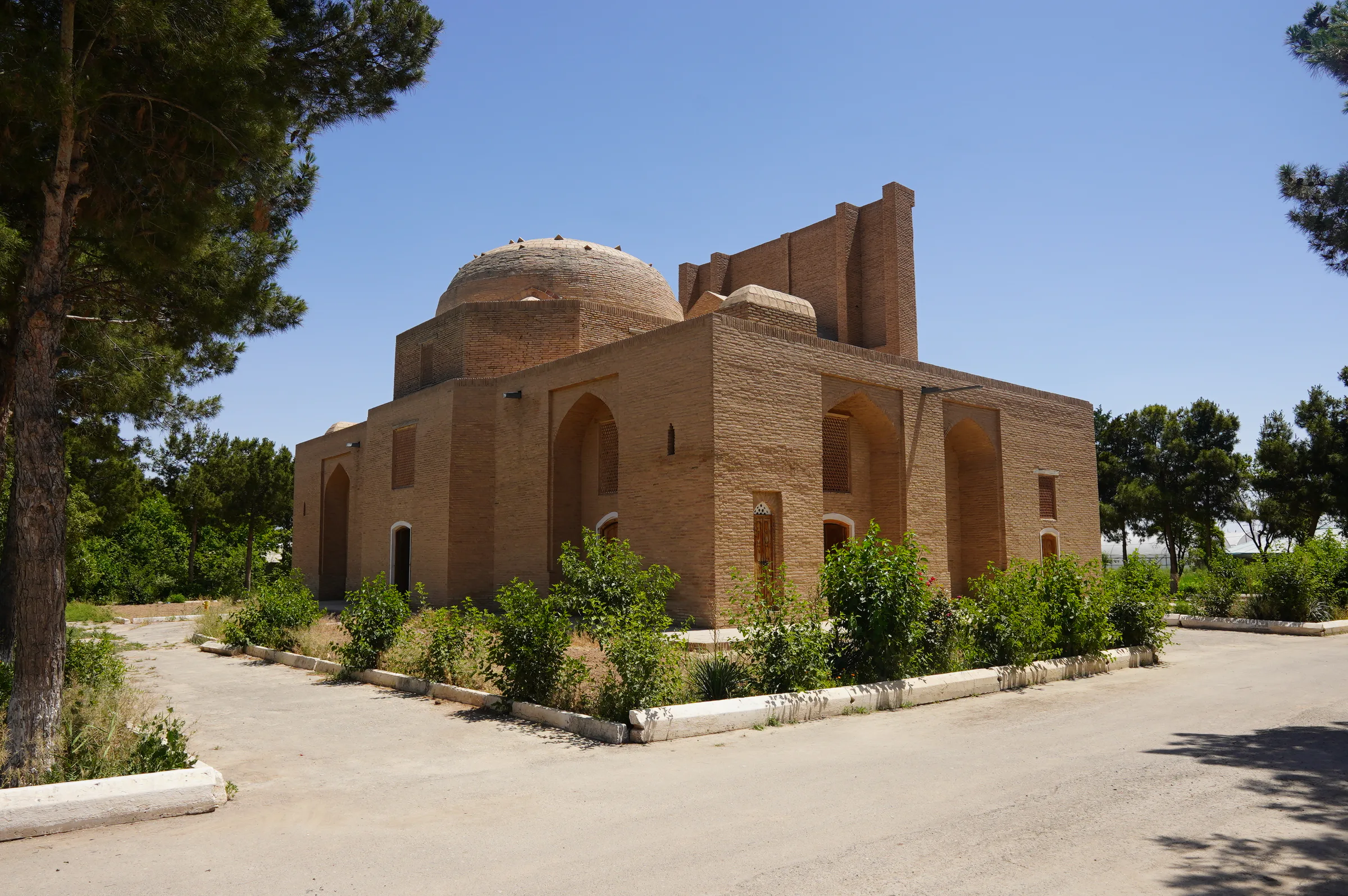
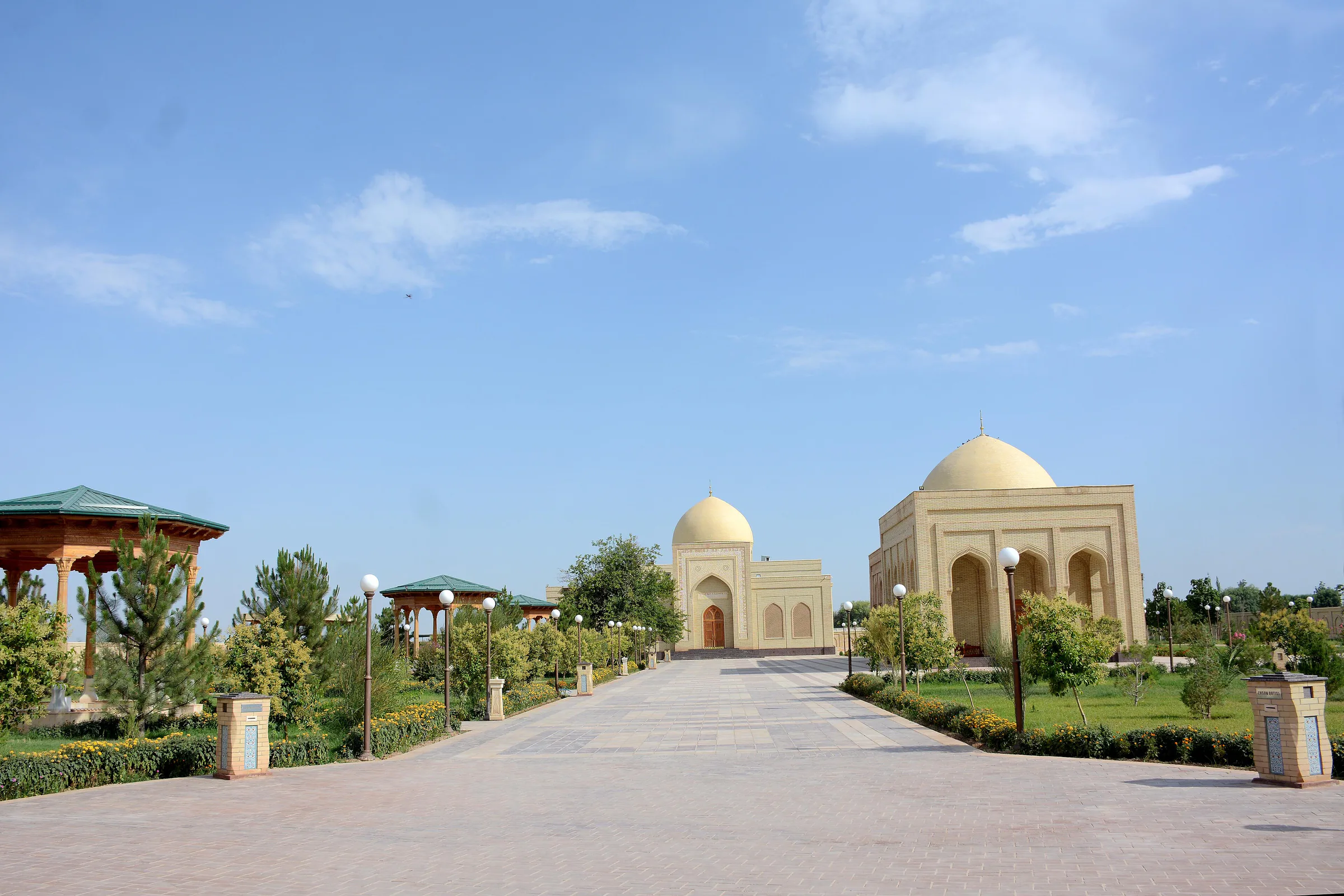
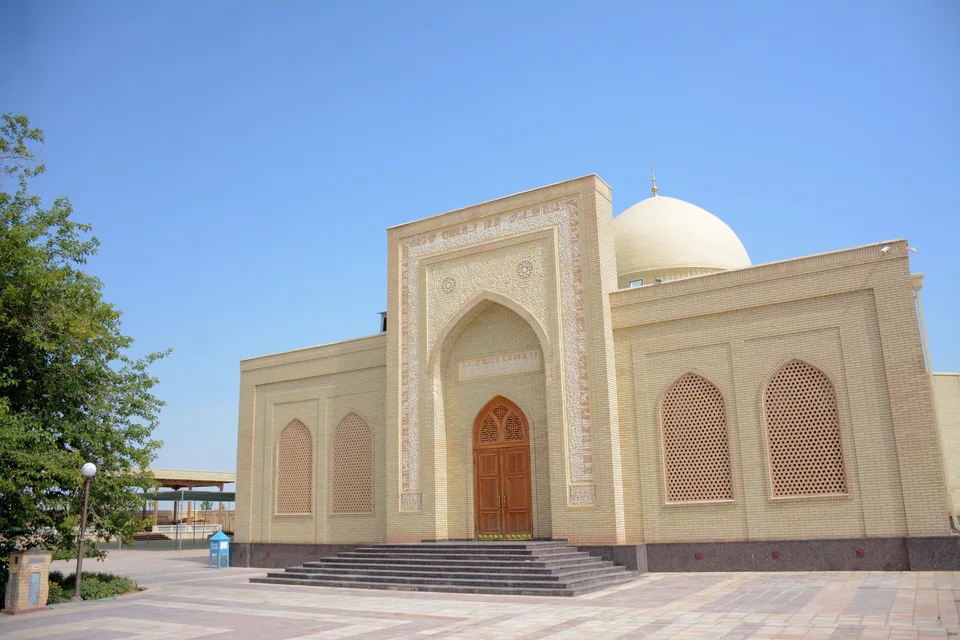
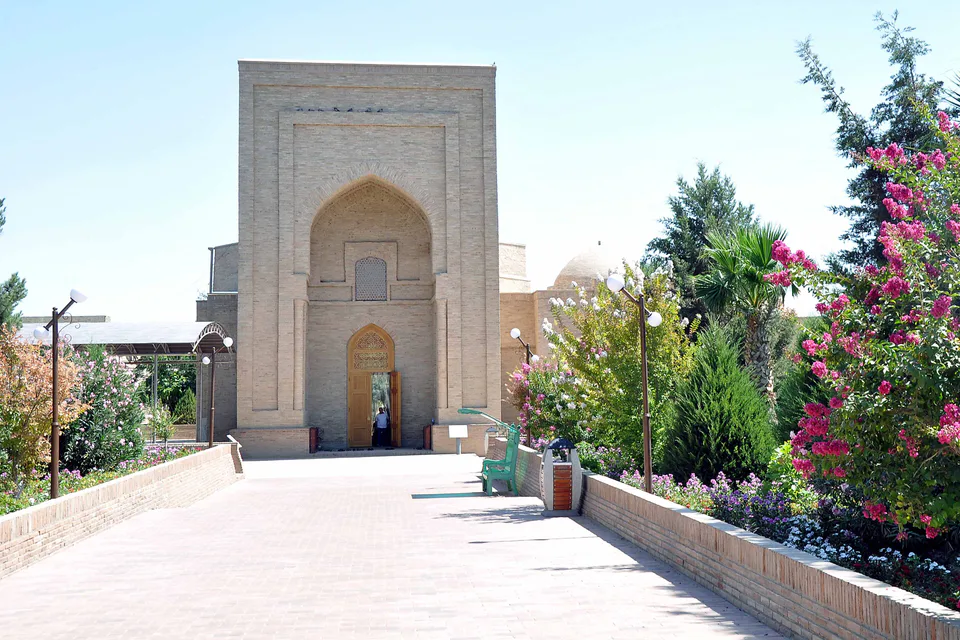
Al-Hakim al-Tirmidhi Memorial Complex
The shrine of “Termiz Ota”, the city’s patron saint
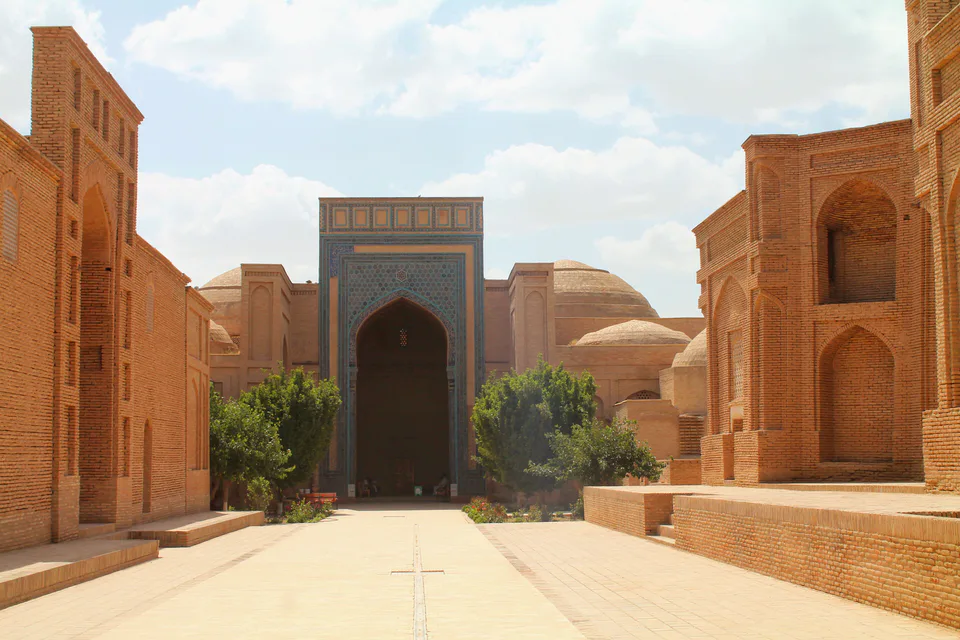
Bactrian heritage in Uzbekistan’s far south
The country’s southernmost region, from the Amu Darya to the Hisor peaks: Buddhist Termez, Kushan cities, Boysun’s living traditions and Uzbekistan’s highest point.
Surkhandarya is Uzbekistan’s southernmost region, bordering Afghanistan across the Amu Darya to the south, Turkmenistan to the south-west, Kashkadarya Region to the north-west and Tajikistan to the north and east. It covers 20,100 km² and had 3,011,000 inhabitants on 1 January 2026. The capital is Termez, and the region comprises 14 districts plus the city of Termez.
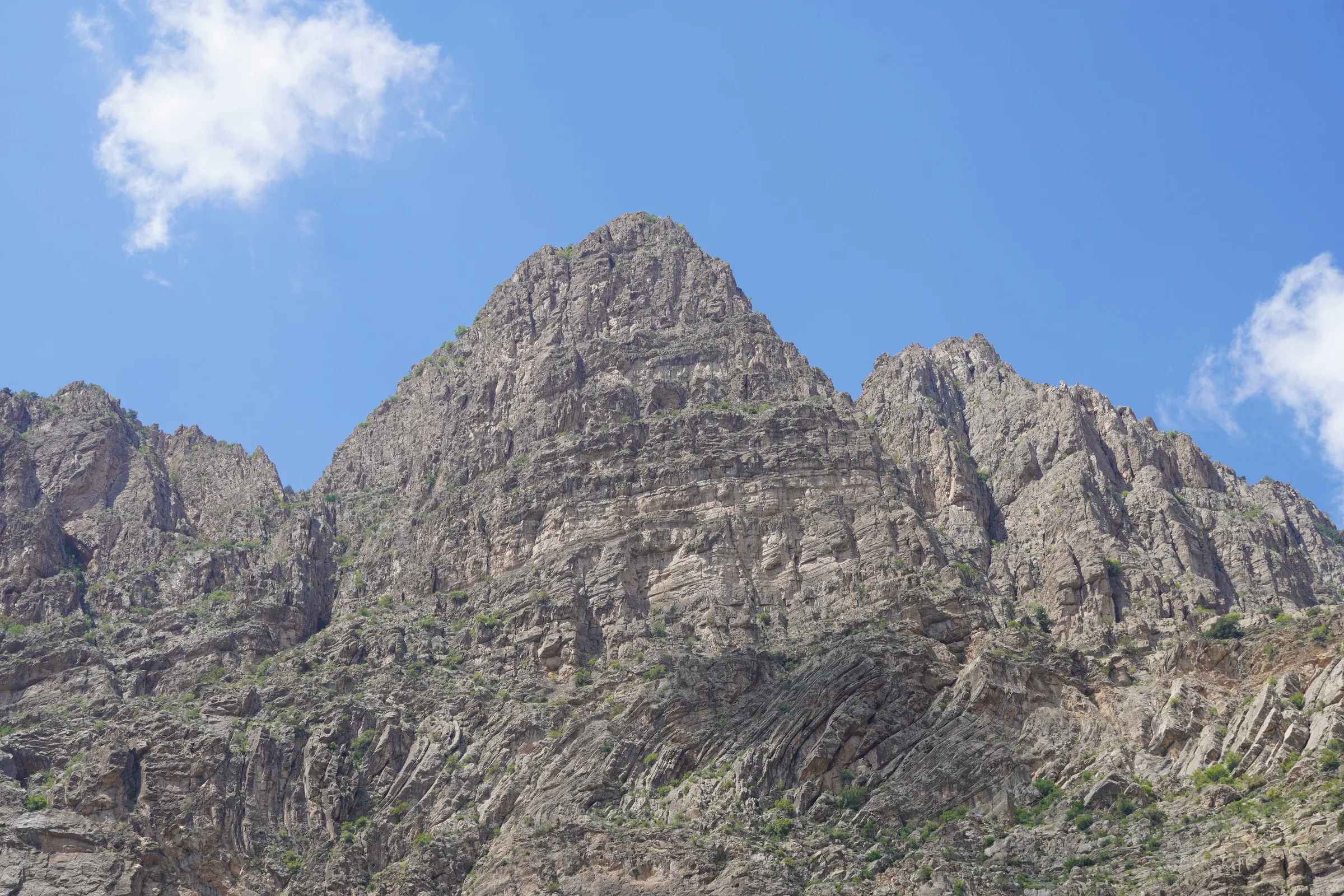
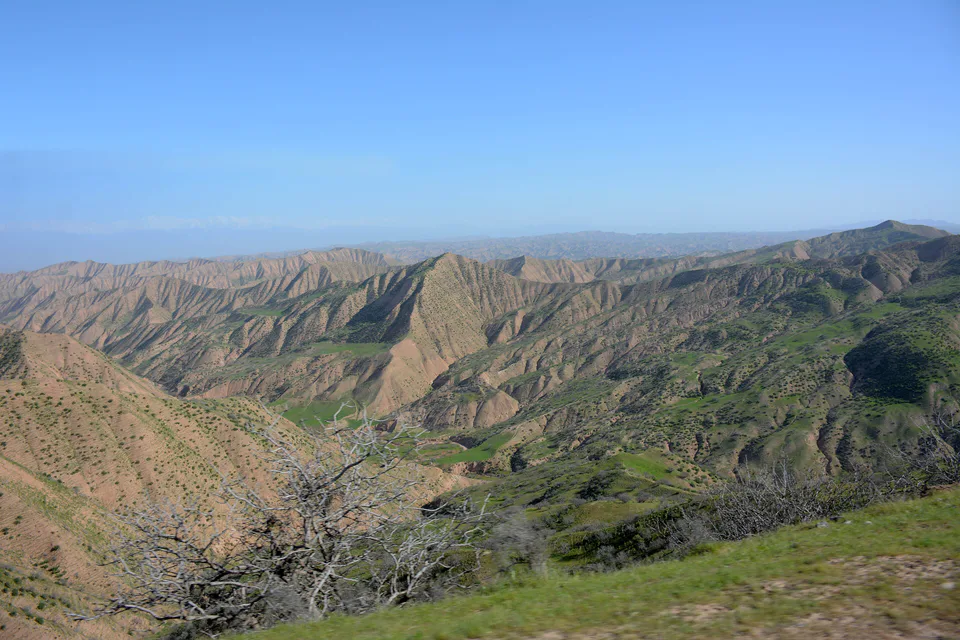
The centre and south are taken up by the plains of the Surkhan–Sherobod valley. To the north rises the Hisor Range, where Khazret Sultan (4,643 m) on the Tajik border is officially the country’s highest point; the Boysuntog and Kohitang ranges run along the west and the Bobotog along the east. The main rivers, the Surkhandarya and Sherobod, flow into the Amu Darya. The climate ranges from dry desert in the south to subtropical in the north, with short mild winters and very hot summers; around Termez temperatures often top 40 °C.
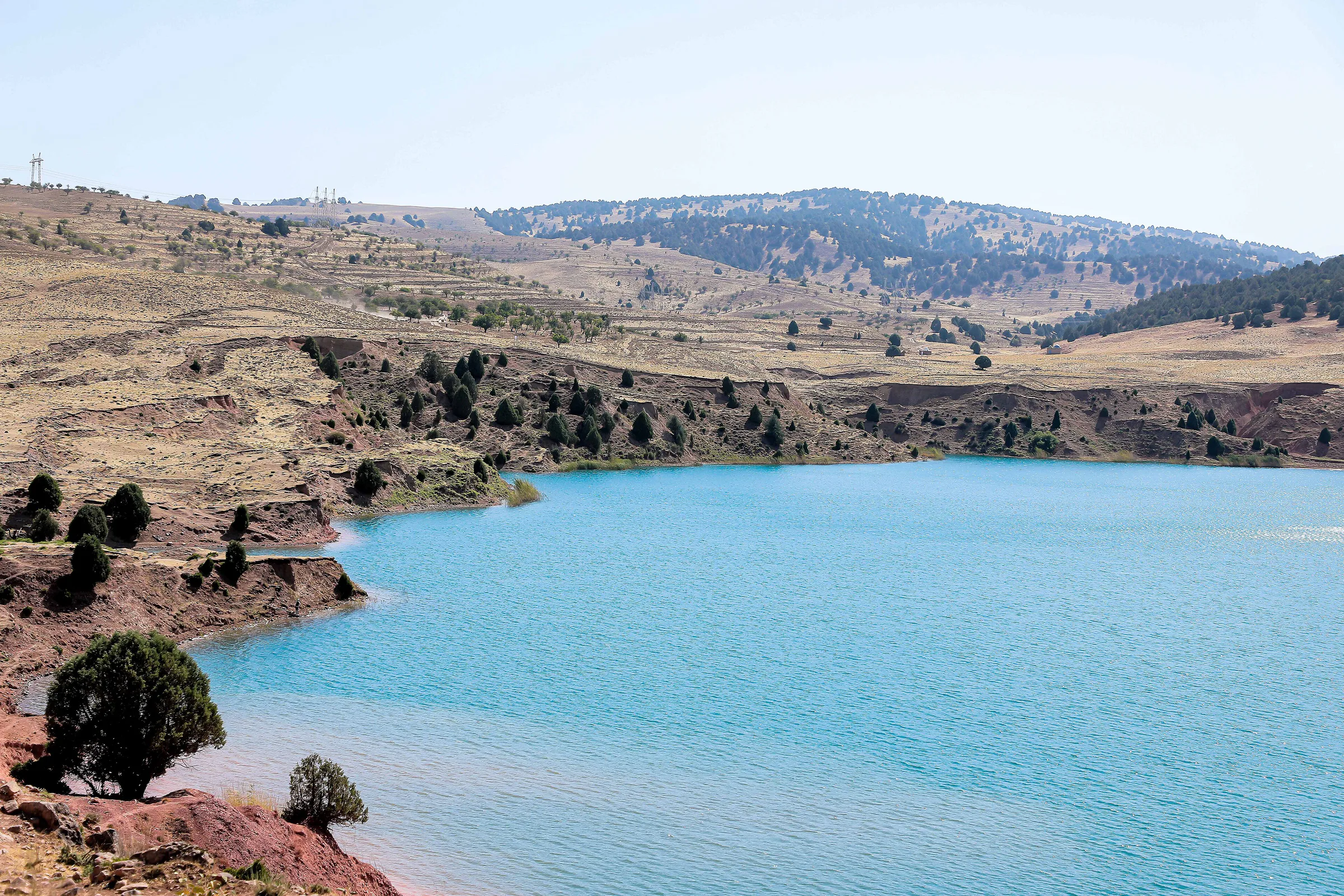
Protected areas include the Surkhan State Nature Reserve (Kohitang juniper forest and the riverine woodland of Aral-Paygambar island) and the Bobotog and Yuqori Topalang national parks created in 2022. Boybuloq in the mountains is the deepest cave in Central Asia.
The Surkhan oasis is the northern part of ancient Bactria and one of the places where humanity’s earliest chapters were written. In 1938 the grave of a Neanderthal child was found in the Teshik-Tash cave in the Boysuntog mountains. In the Bronze Age the first proto-urban settlements, Sapallitepa and Djarkutan, arose here. The land joined the Achaemenid empire in the 6th century BC, Alexander the Great’s army passed through in 329 BC, and Graeco-Bactrian forts such as Kampir Tepe and Uzundara followed.
In the 1st–3rd centuries AD the oasis was the heart of the Kushan empire, the age of Dalverzin Tepe, Khalchayan and Zartepa, of Termez’s Kara Tepe and Fayaz Tepe monasteries and the Zurmala stupa; Termez was a major Buddhist centre of Tokharistan. After the Arab conquest it became a centre of Islamic learning, while Chaghaniyan, around Denov, had its own dynasty. Genghis Khan destroyed Termez in 1220; in the 14th–15th centuries the new Termez was a key river crossing of the Timurid state.
Later the oasis was divided among the Termez, Sherobod, Boysun and Denov begliks of the Bukhara Emirate. In 1893 a Russian border fort was built by the village of Pattagissar, renamed Termez in 1928. The region was created on 6 March 1941. The Friendship Bridge to Afghanistan was built across the Amu Darya in 1982, and Termez celebrated its 2,500th anniversary in 2002.
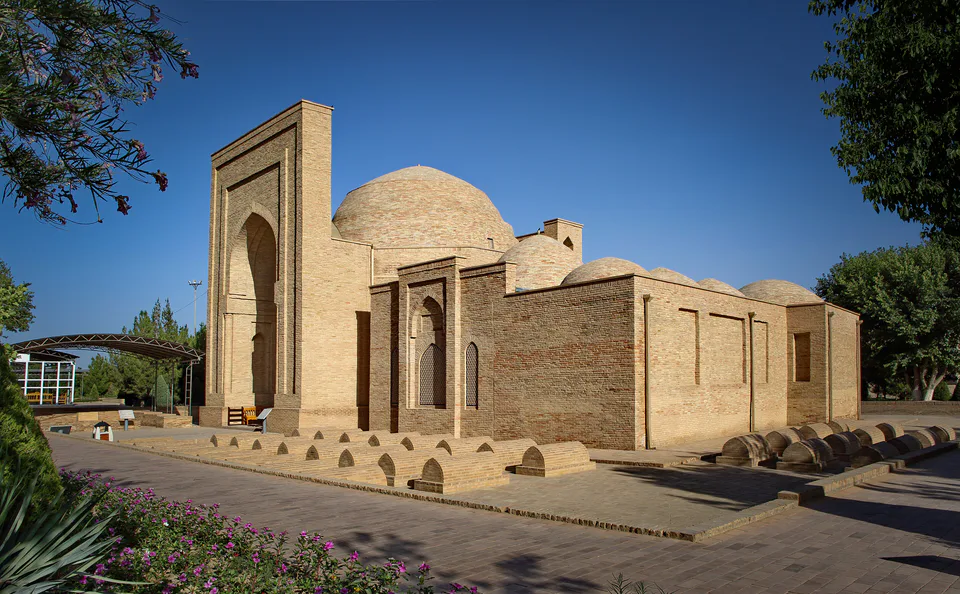
Termez gave the Islamic world many scholars, among them Abu Isa Muhammad al-Tirmidhi (824–892), compiler of the Sunan al-Tirmidhi hadith collection, and the Sufi thinker al-Hakim al-Tirmidhi. For centuries the sayyids of Termez led the city’s spiritual life, and their family necropolis, the Sultan Saodat ensemble, still stands.
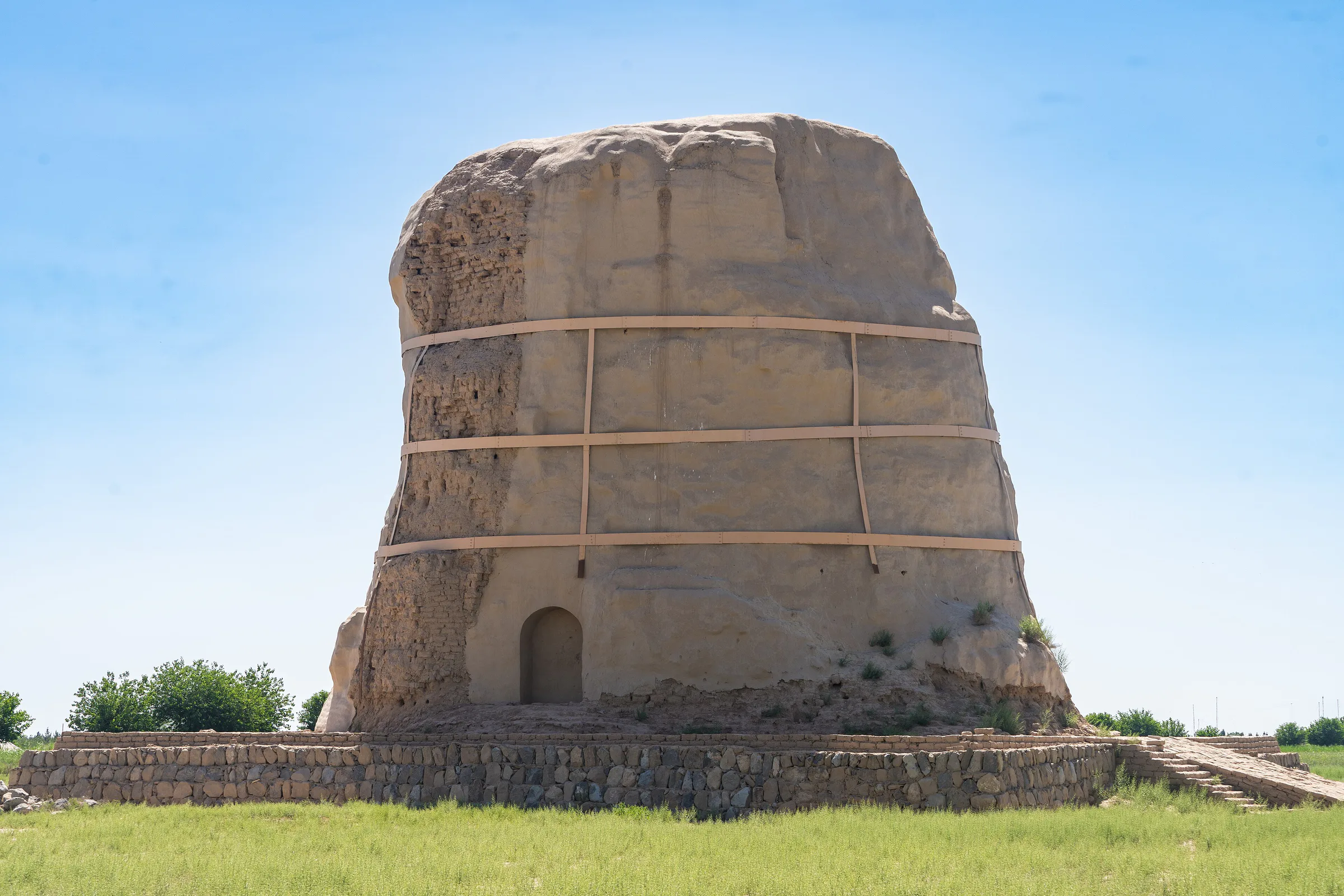
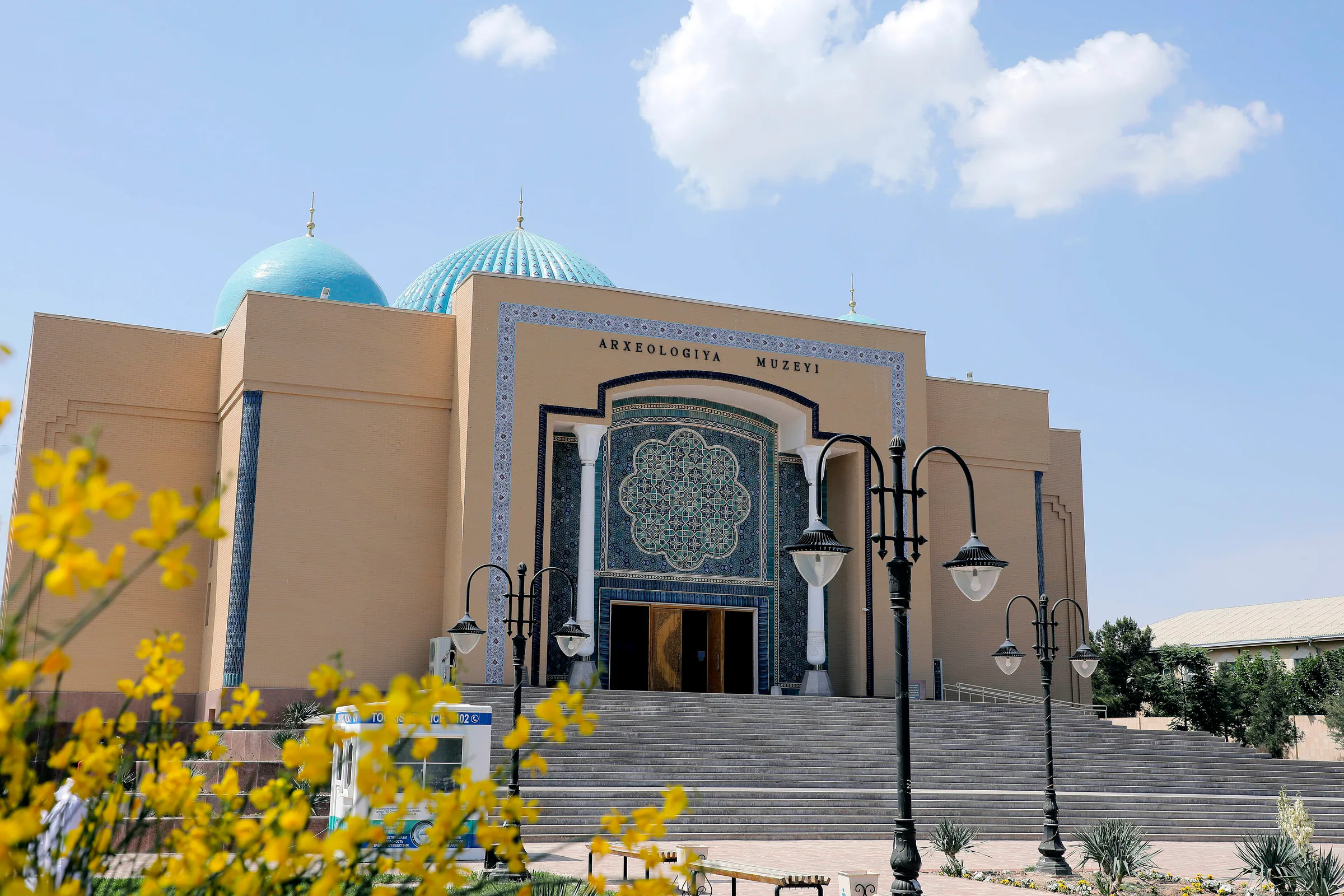
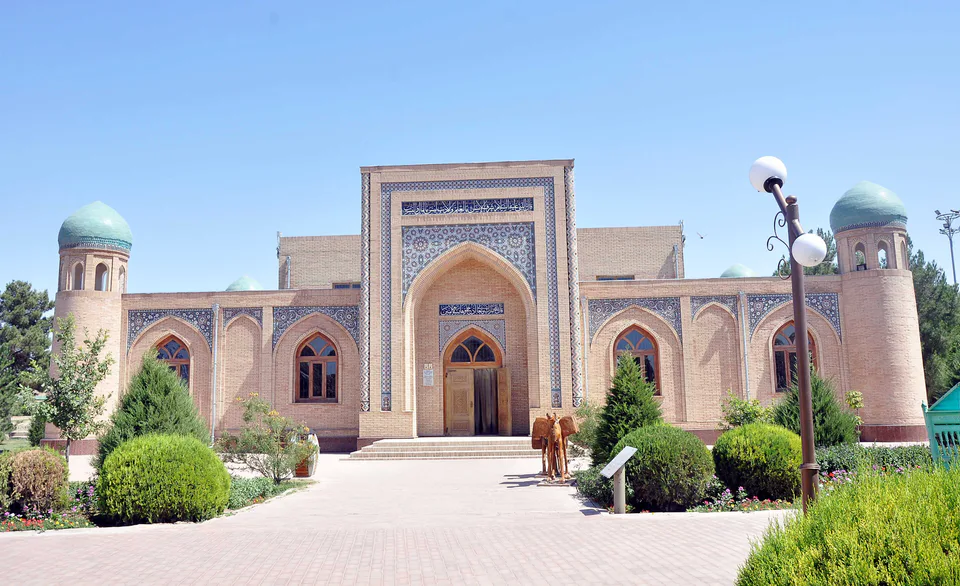
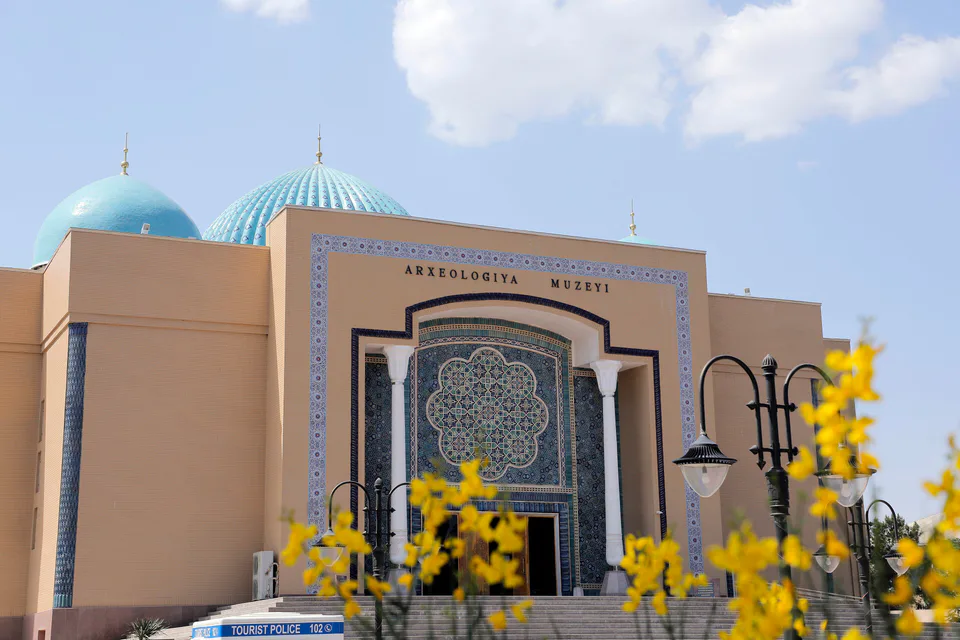
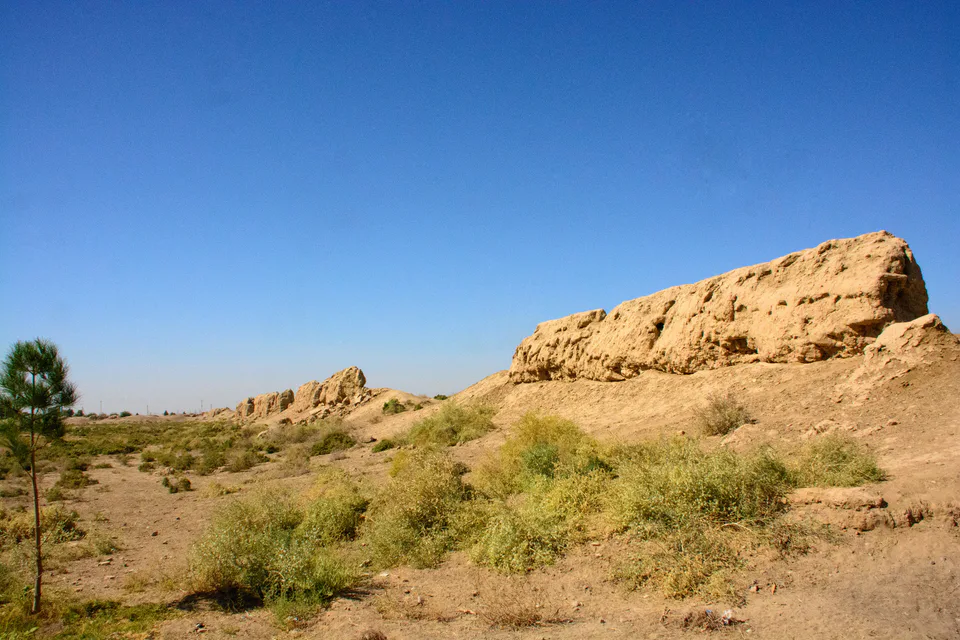
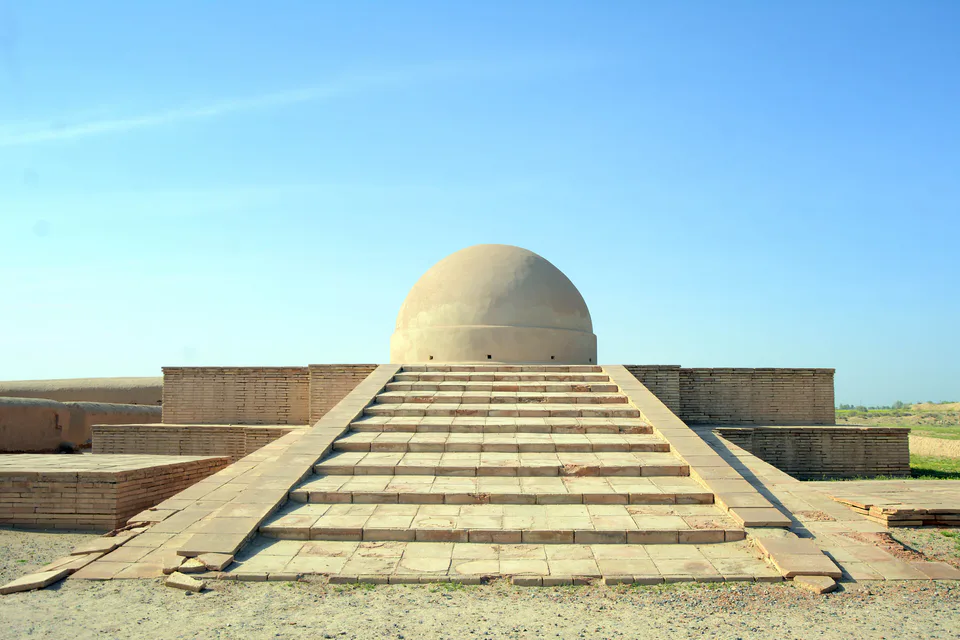
Termez has the al-Hakim al-Tirmidhi complex, the Sultan Saodat ensemble, the Kokildor Ota khanqah, the Kyrk Kyz fortress and the Termez Archaeological Museum, rich in Bactrian and Kushan finds. Around the city lie the ruins of Old Termez, the Buddhist monasteries of Kara Tepe and Fayaz Tepe and the Zurmala stupa.
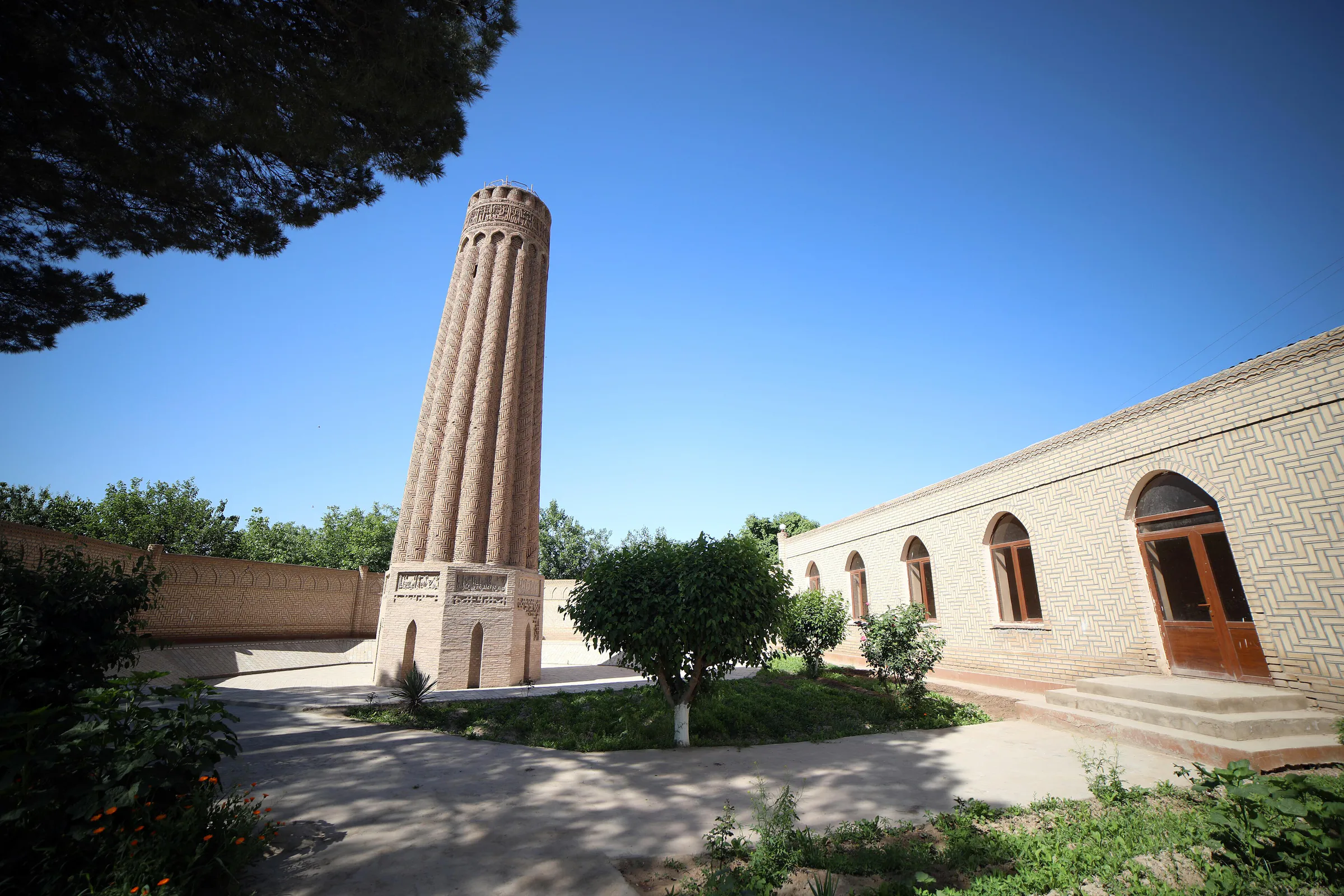
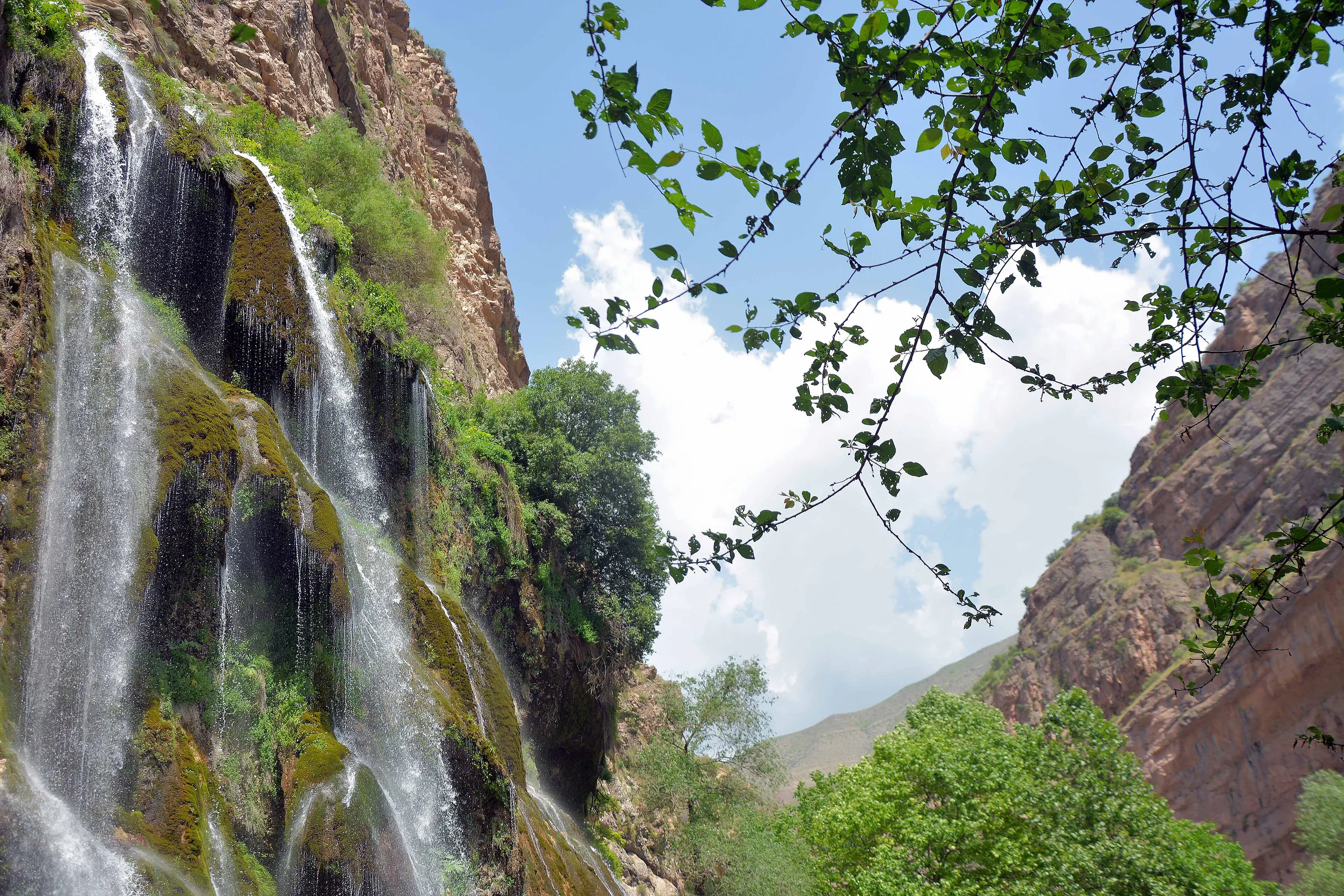
Elsewhere, look for the Jarqo‘rg‘on minaret (1108–1109), Kampir Tepe, Dalverzin Tepe, Khalchayan, the Said Otaliq Madrasa in Denov, and Djarkutan and the Zarautsoy rock paintings in Sherobod District. Boysun District draws visitors to the Teshik-Tash cave, the Iron Gate and Darband Wall and the Omonxona spring, and Sariosiyo to the Sangardak waterfall.
UNESCO proclaimed the Cultural Space of Boysun District a Masterpiece of the Oral and Intangible Heritage of Humanity in 2001 and inscribed it on the Representative List in 2008. Ancient rituals, epic storytelling linked to Alpomish, embroidery and carpet-weaving survive here, and the Boysun Bahori folklore festival is held in spring.
The subtropical climate allows early vegetables and fruit, and the Surkhan oasis is known for its orchards and vineyards. Meat dishes, tandoor bread and dairy products dominate the table, while mountain villages keep old ways of cooking alive.
Termez International Airport has regular flights to Tashkent. The railway links Termez with Tashkent via the Tashguzar–Boysun–Qumqo‘rg‘on line, built to bypass Turkmenistan. By road, the route from Qarshi and G‘uzor runs through Darband and Sherobod.
Termez is an important border and logistics hub: the Friendship Bridge over the Amu Darya leads to Hairatan in Afghanistan. Visiting some sites near the border may require a passport and permission arranged in advance.
Pilgrimage site · Termez District
The shrine of “Termiz Ota”, the city’s patron saint
Archaeology · Termez District
The ruins of a 2,500-year-old city at an Amu Darya crossing
Ensemble · Termez City
The family necropolis of the sayyids of Termez, built over seven centuries
Museum · Termez City
Bactrian and Kushan treasures under one roof
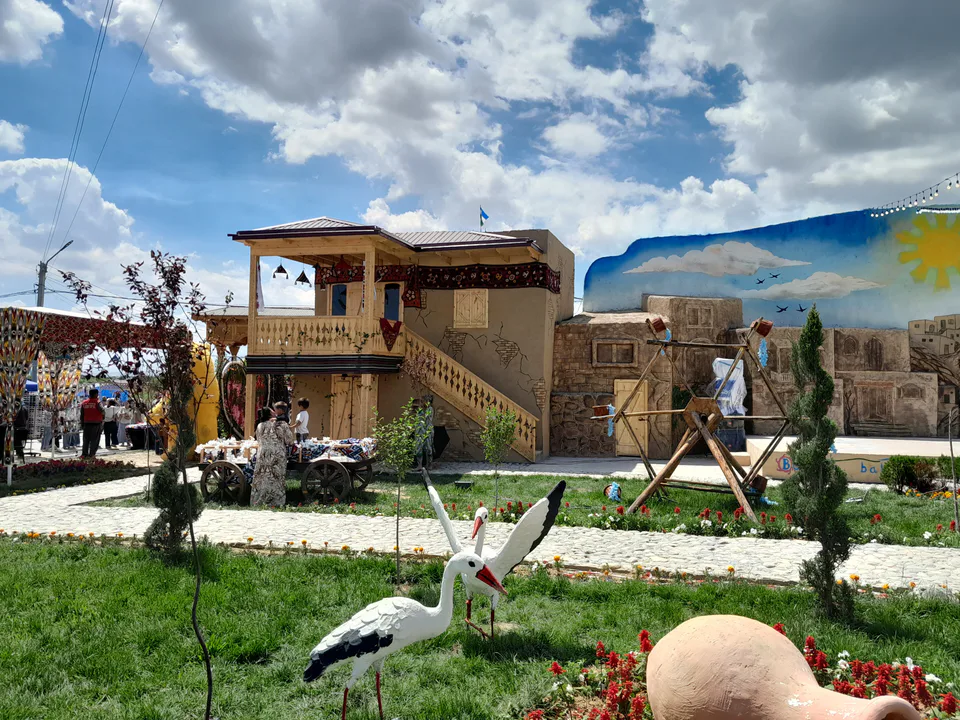
Culture & arts · Boysun District
A mountain district where ancient customs are still alive
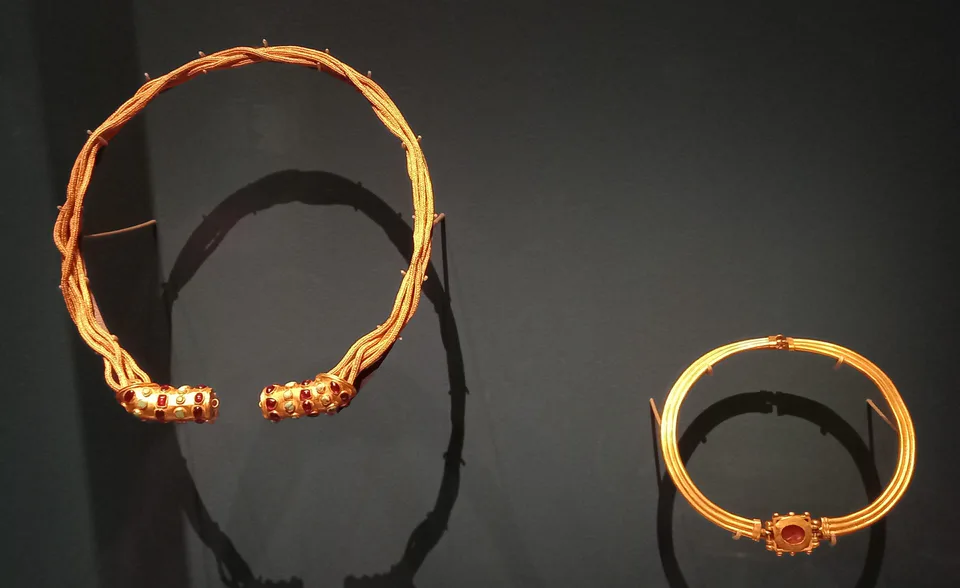
Archaeology · Sho‘rchi District
The Kushan city that yielded Central Asia’s largest gold hoard
Archaeology · Termez District
A Buddha found by a shepherd and a Kushan monastery
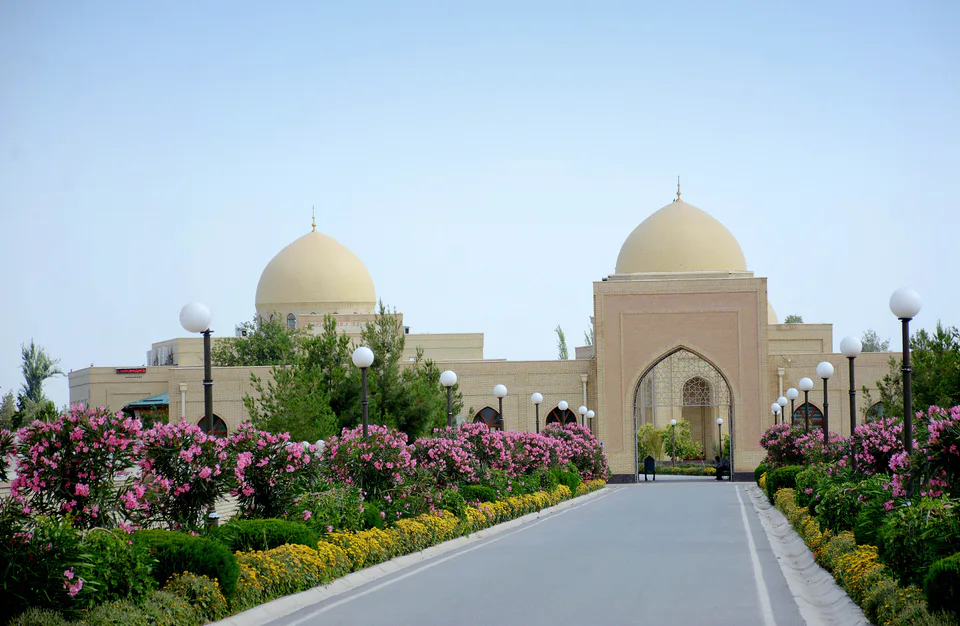
Pilgrimage site · Sherobod District
Resting place of the compiler of Jami al-Tirmidhi
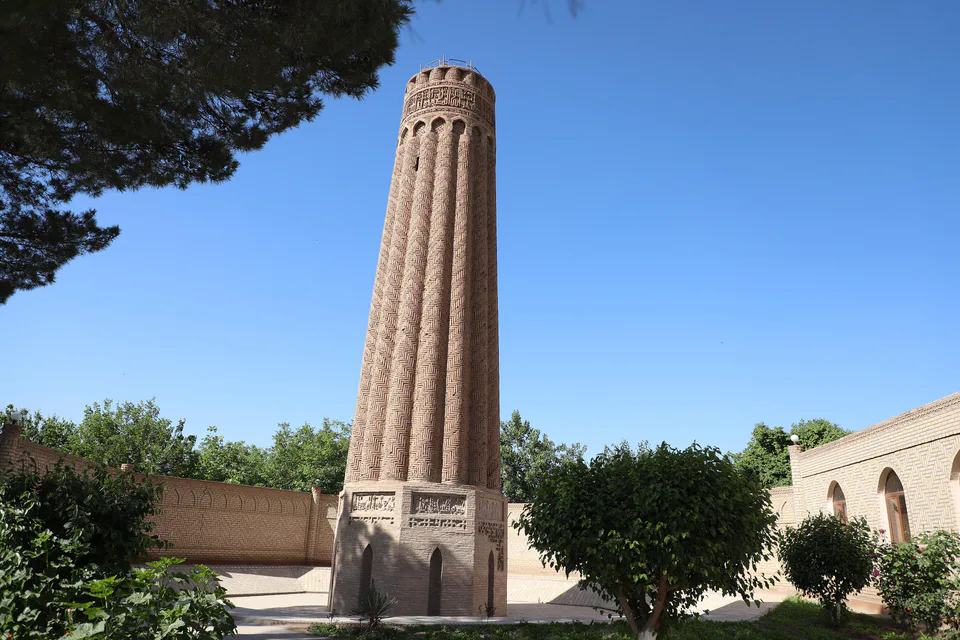
Minaret · Jarqo‘rg‘on District
A Seljuk minaret with a fluted shaft
Archaeology · Sherobod District
A Bronze Age “proto-city” with a fire temple
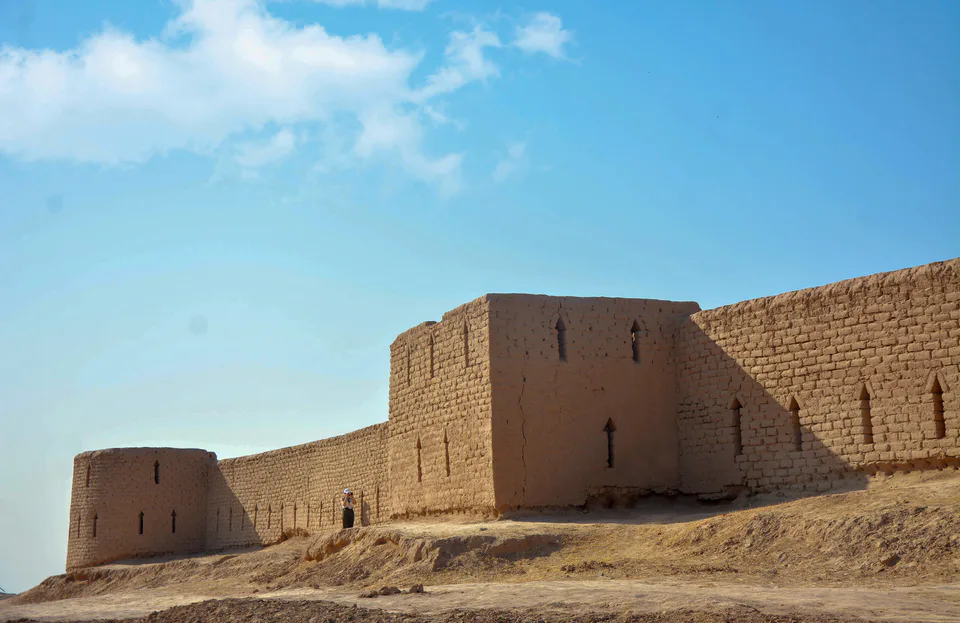
Archaeology · Muzrabot District
A Hellenistic fortress on the Amu Darya: the lost Alexandria on the Oxus?
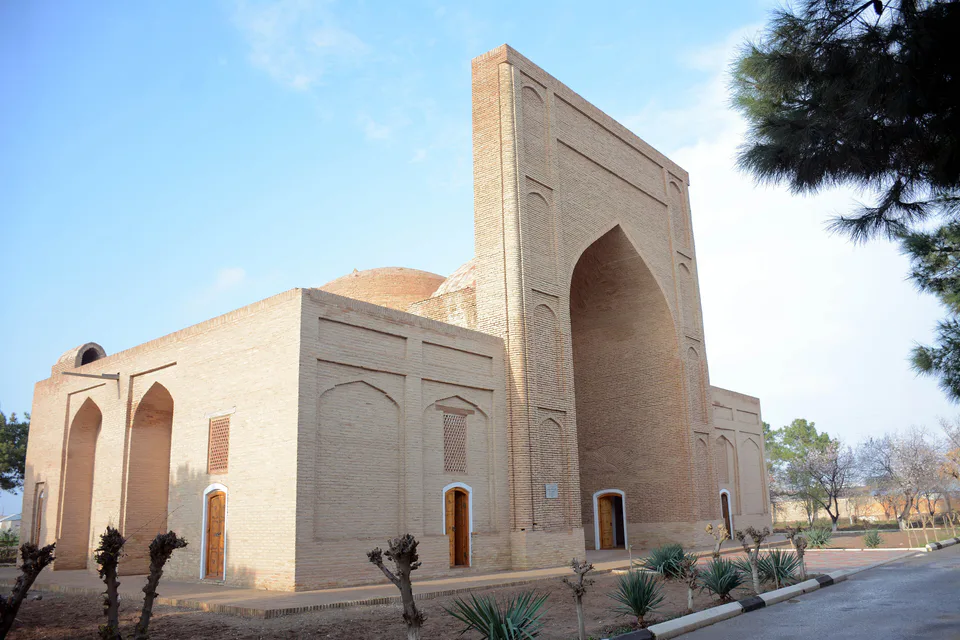
Pilgrimage site · Termez City
A ganch-carved dome and a first-haircut ritual
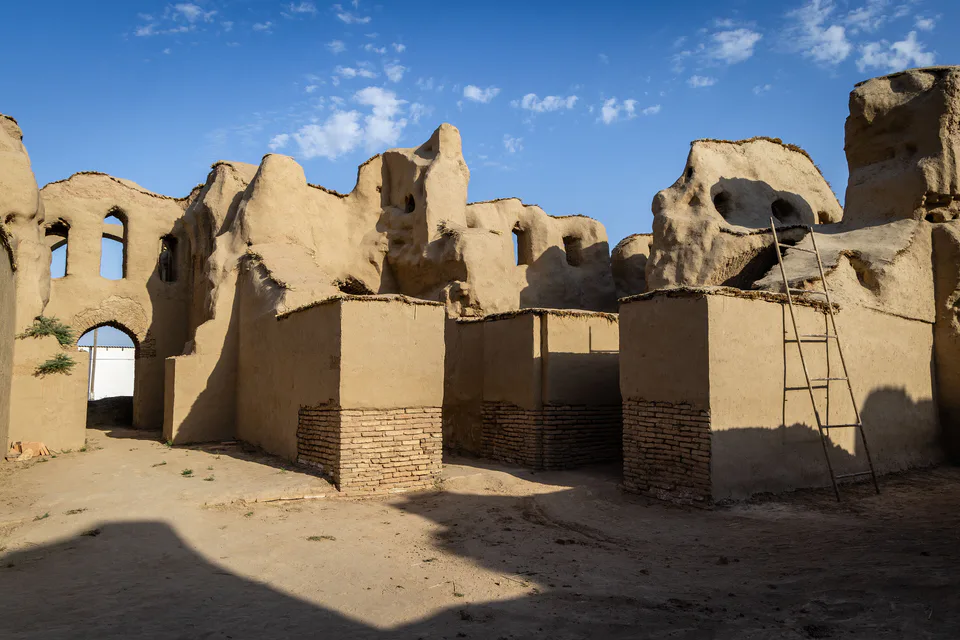
Fortress · Termez District
A Samanid building whose purpose remains a mystery
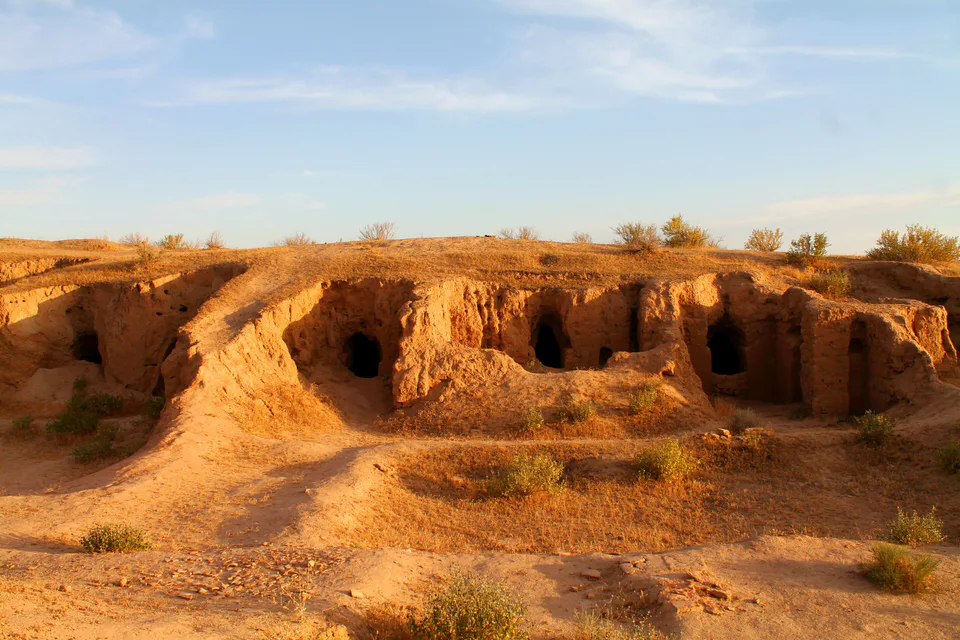
Archaeology · Termez District
Buddhist cave monasteries cut into the hills
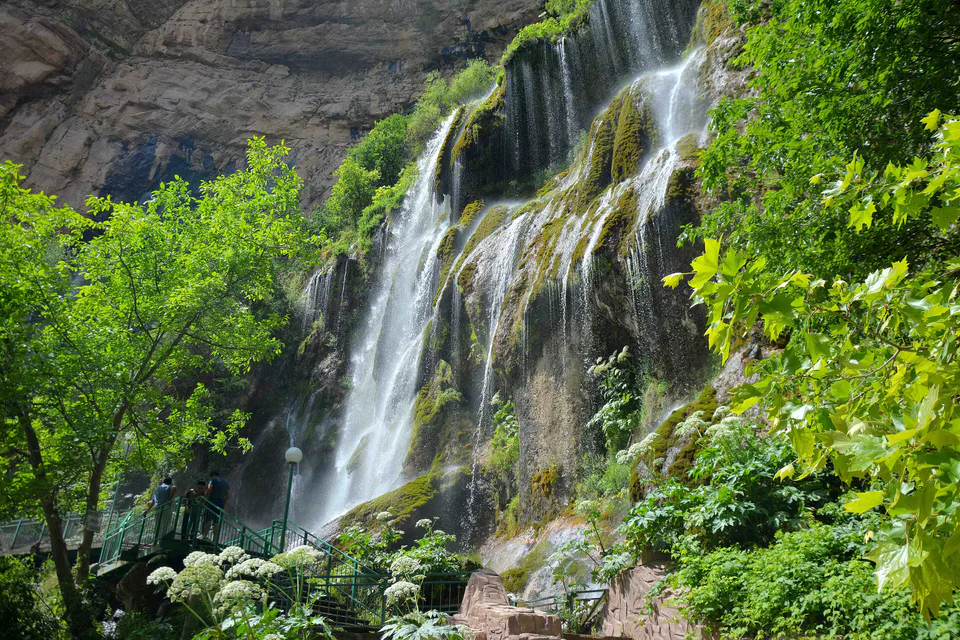
Nature · Sariosiyo District
A karst waterfall that bursts from the rock
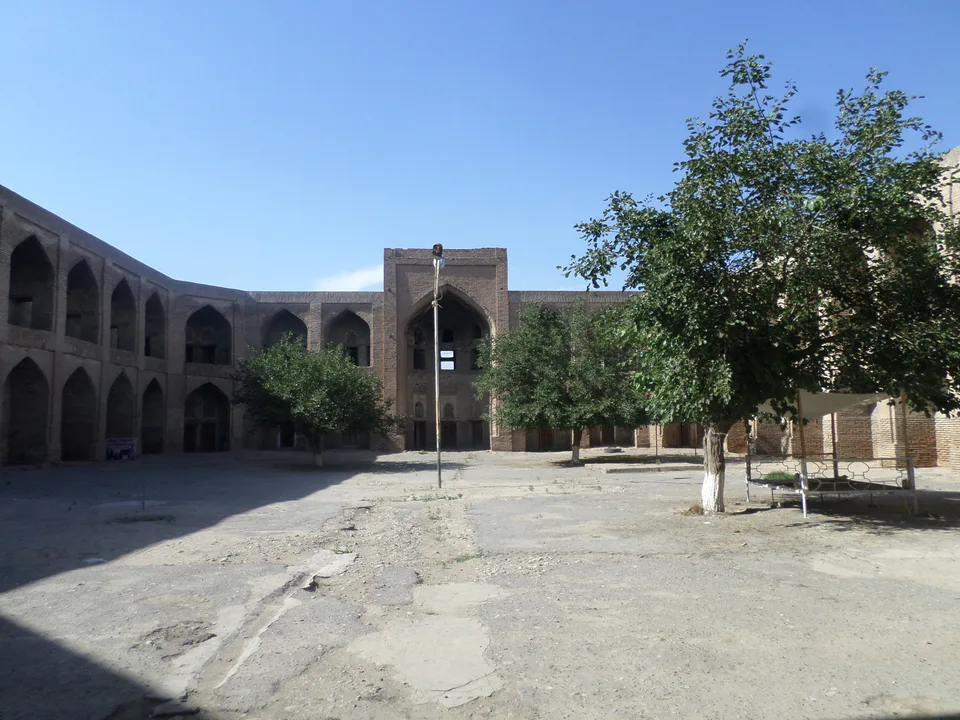
Madrasa · Denov District
The only large Bukhara-style madrasa in the Surkhan oasis
Surkhandarya Region
Airport, railway station and bus stations — addresses, timetables and the live board.
All transportSurkhandarya Region
Road distance, the fastest train and whether there is a direct flight.
All distances| City | Road, km | By car | By train | Flight | Bus |
|---|---|---|---|---|---|
| Boysun Surkhandarya Region |
141 | 1 h 58 min | 2 h 22 min 130Ф |
— | — |
| Denau Surkhandarya Region |
141 | 1 h 43 min | — | — | — |
| Karshi Kashkadarya Region |
276 | 3 h 21 min | 6 h 57 min 130Ф |
— | — |
| Shahrisabz Kashkadarya Region |
288 | 3 h 28 min | — | — | — |
| Samarkand Samarkand Region |
376 | 4 h 35 min | 9 h 16 min 130Ф |
— | — |
| Bukhara Bukhara Region |
441 | 5 h 30 min | — | — | — |
| Jizzakh Jizzakh Region |
477 | 6 h 5 min | 10 h 49 min 130Ф |
— | — |
| Tashkent Tashkent (city) |
654 | 9 h 4 min | 13 h 23 min 130Ф |
7 flights | 1 route |
Weather: MET Norway
Surkhandarya Region
Checked hotels and places to eat — with addresses, phone numbers, opening hours and price levels.
80-room hotel next to the archaeological museum
Hilton in the Airitom zone by the Afghan border
Large 71-room hotel with a spa
Large 95-room hotel in the city centre
Family-run hotel in Boysun
New hotel by Boysun bus station
Central Denov hotel with a pool
Hotel with spacious rooms in northern Denov
Seven-room family guesthouse in the south of town
Out-of-town hotel with a courtyard and pool
Hotel with a pool near the Amu Darya
Budget hotel with a pool near the station
Fast food open until 3 am
One of the most-rated restaurants in the centre
Popular fast-food spot near the museum
Good-value restaurant on Alisher Navoi Street
Family restaurant with live music
Restaurant specialising in fried fish
Meat-dish specialist
Family restaurant next to Termez Palace
Café near the Chaganiyan citadel
Restaurant for music-filled evenings and parties
Round-the-clock restaurant in the centre
Uzbek restaurant with private dining booths
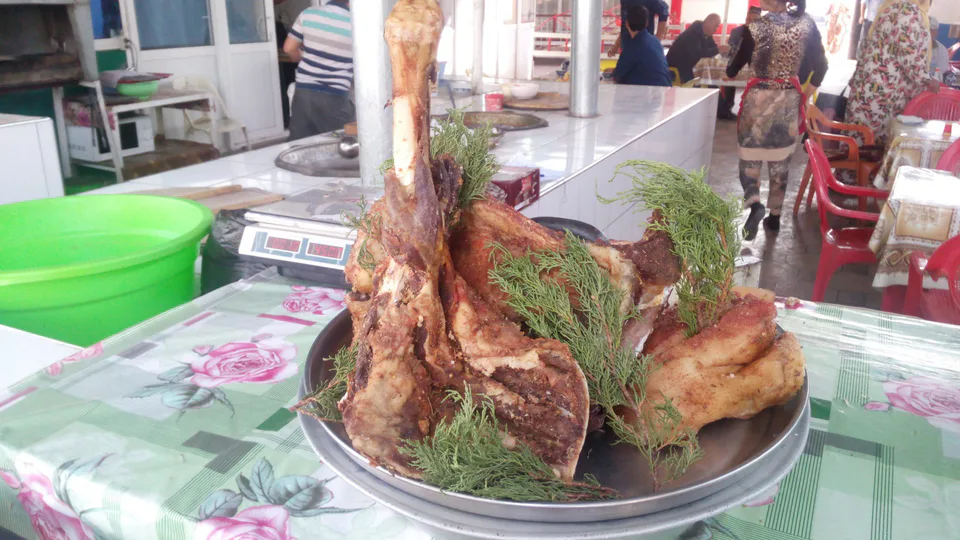
Dish · Kashkadarya, Surkhandarya +1
The pride of Kashkadarya, Surkhandarya and Jizzakh: lamb slow-cooked for hours in a sealed tandoor with juniper branches.
Tradition · Surkhandarya, Kashkadarya +2
Epic poems sung from memory to the dombra, kobyz or dutar — the performers of Alpamysh and Go‘ro‘g‘li; UNESCO-listed since 2021.
Tradition · Surkhandarya
Baysun in the Surkhandarya mountains, where rituals keep traces of shamanism, Zoroastrianism, Buddhism and Islam; a UNESCO Masterpiece since 2001.
Surkhandarya Region
Khokimiyat, public service centre and other offices: addresses, phones, hours.
All offices (56)Khokimiyat
1A At-Termizi St, Termez
Mon–Fri 9:00–18:00, lunch 13:00–14:00
Read morePublic Service Centre
41Z A. Navoi St, Termez
Read moreSurkhandarya Region
Bank branches and offices in the region: addresses and phones.
All banks (17)Surkhandarya regional comprehensive service centre · Termez City
9A Alisher Navoiy Street, Termez
+998 76 224 12 94Termez banking services office · Termez City
11 Al-Hakim at-Termiziy Street, Dostlik mahalla, Termez
Termez banking services office · Termez City
1G Baxt Street, Boʻston mahalla, Termez 190108
+998 55 503 65 65Surkhandarya banking services office · Termez District
16A Ayritom Street, Ayritom mahalla, Termez district, Surkhandarya Region (Ayritom free trade zone)
Surkhandarya banking services centre · Termez City
32 F. Khojayeva Street, Termez 190100
+998 76 223 06 99Surkhandarya Region
Codes 190100–191515. The main code of each city and district:
All postcodes (123)Surkhandarya Region
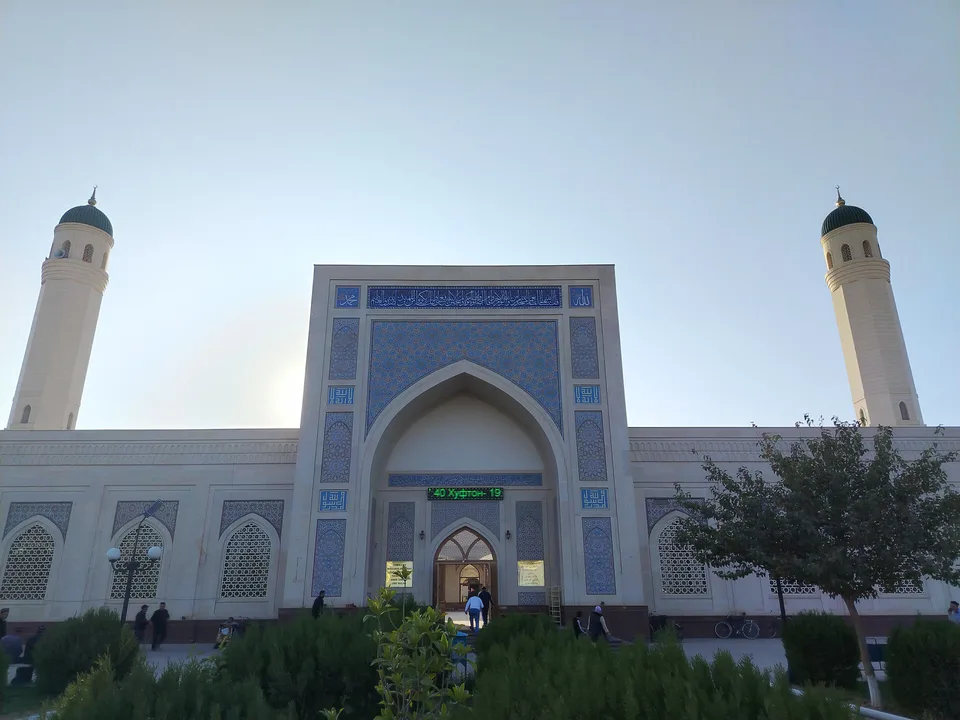
city · A 2,500-year-old border city on the Amu Darya
district · Home of Zartepa, a Kushan town near Termez
district · A district created twice, named after an ancient “khan’s dam”
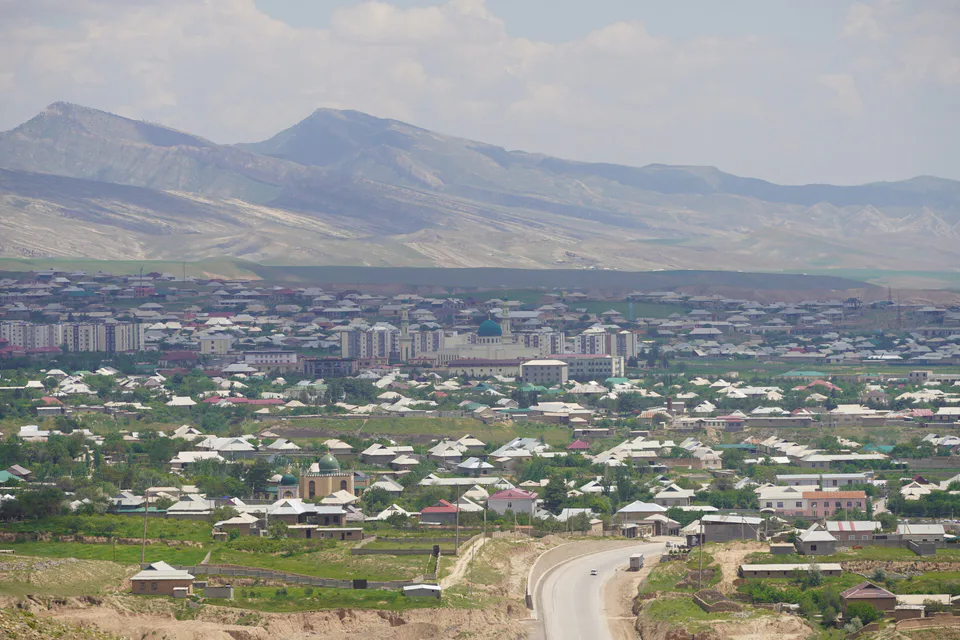
district · A living culture recognised by UNESCO, among ancient mountains
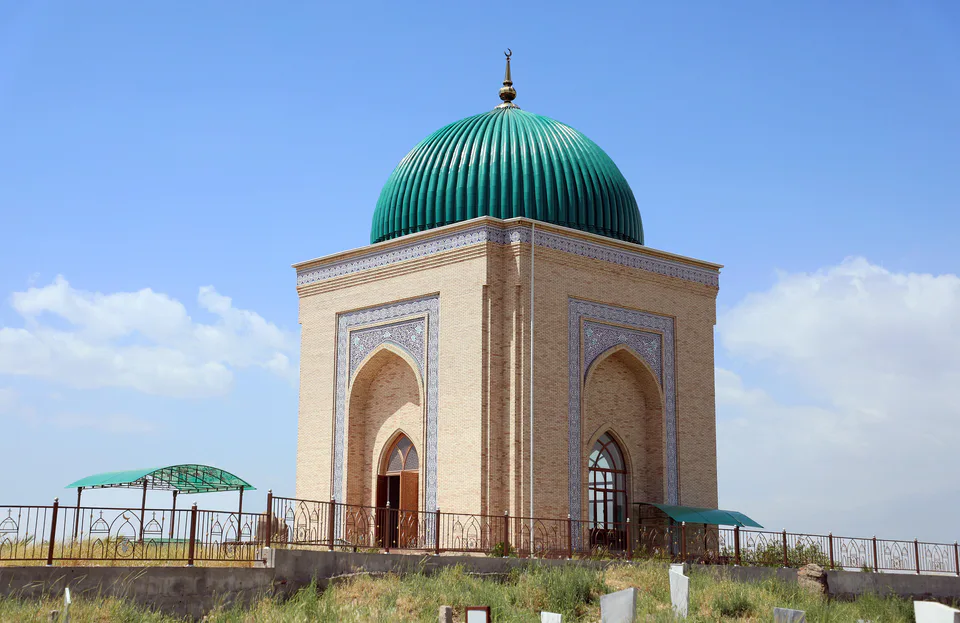
district · The heart of ancient Chaghaniyan and the region’s most populous district
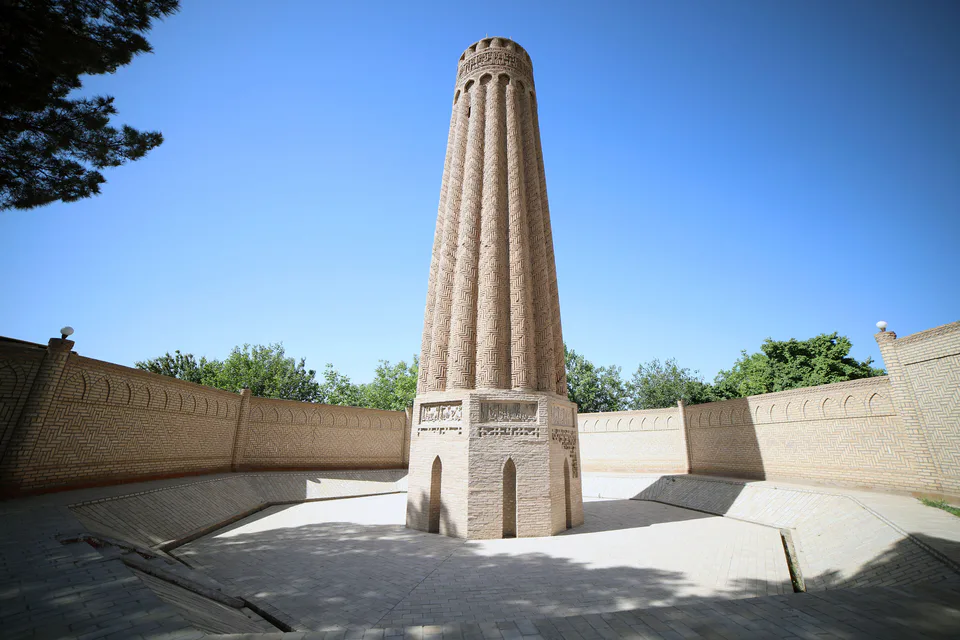
district · A Seljuk minaret and the plains of the Surkhan valley
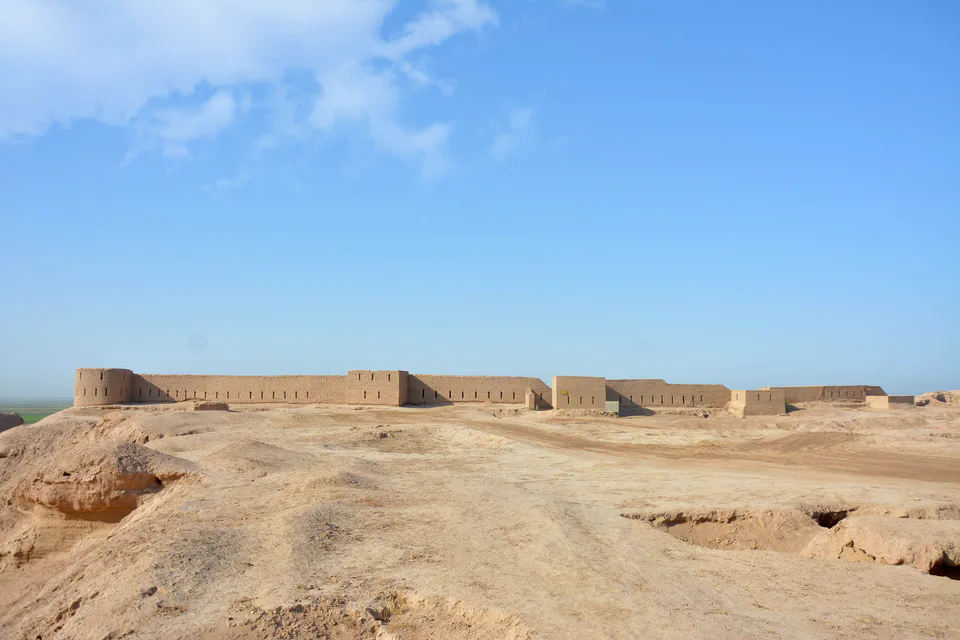
district · Kampir Tepe on the Amu Darya and Bronze Age Sapallitepa
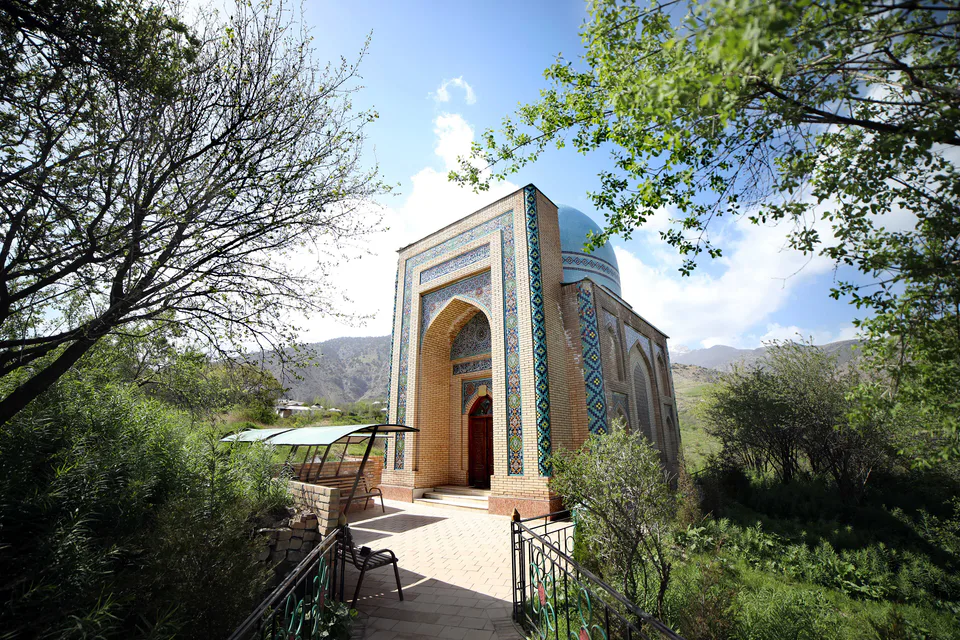
district · Vineyards and the shrine of Khojaipok Ota
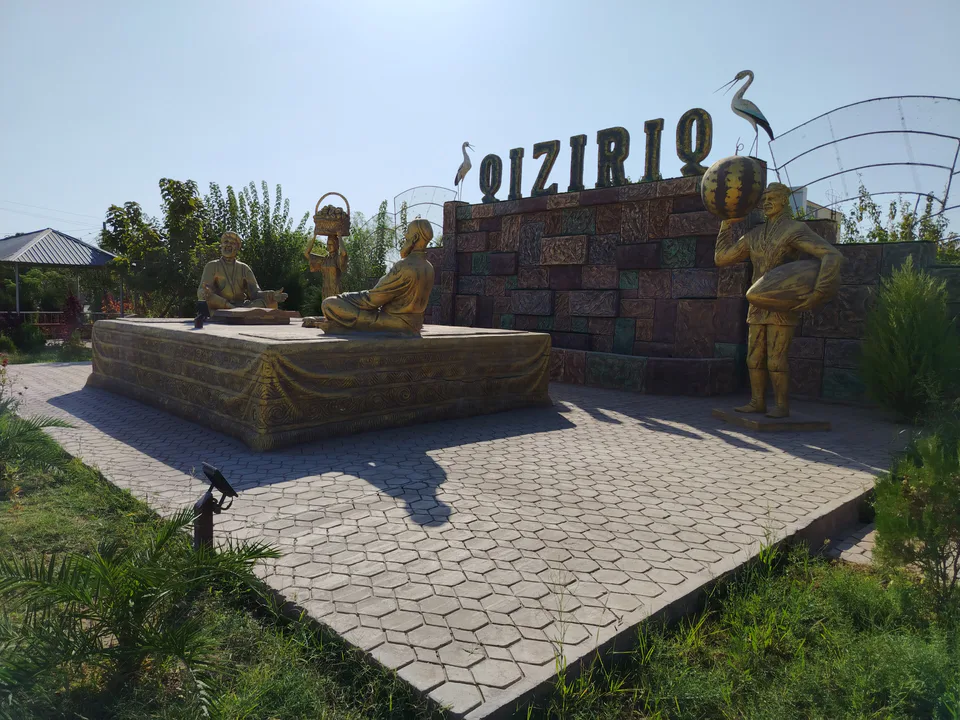
district · One of the region’s hottest steppe plains
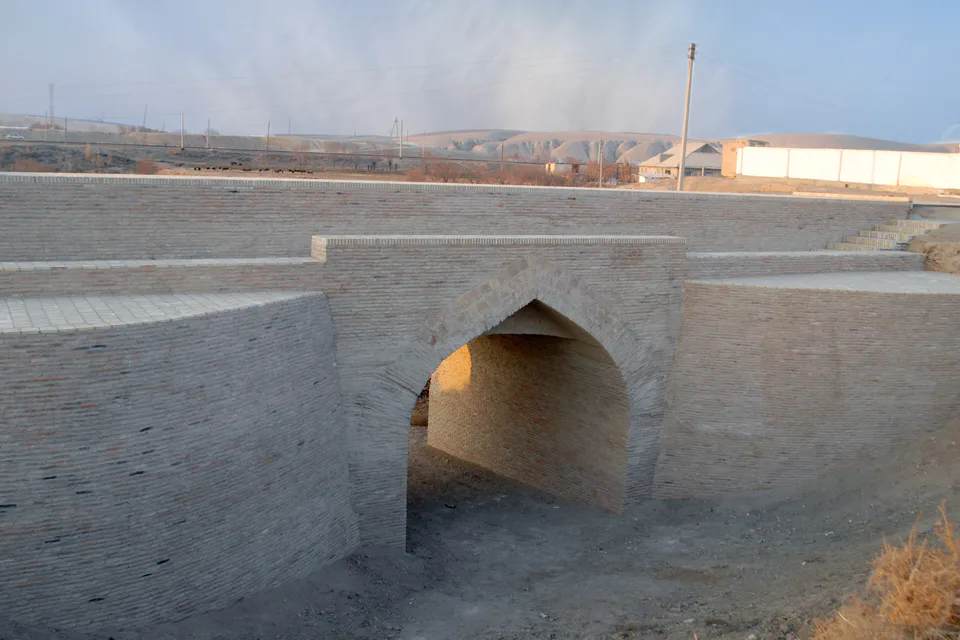
district · The region’s centre and the end of the Tashguzar–Boysun–Qumqo‘rg‘on railway
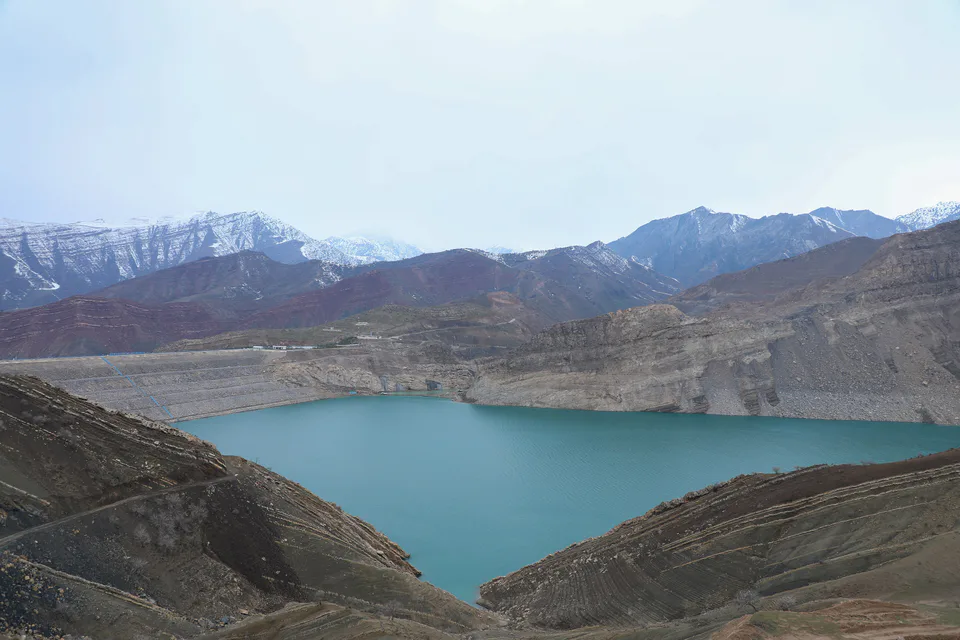
district · Hisor peaks, Sangardak waterfall and the Topalang valley
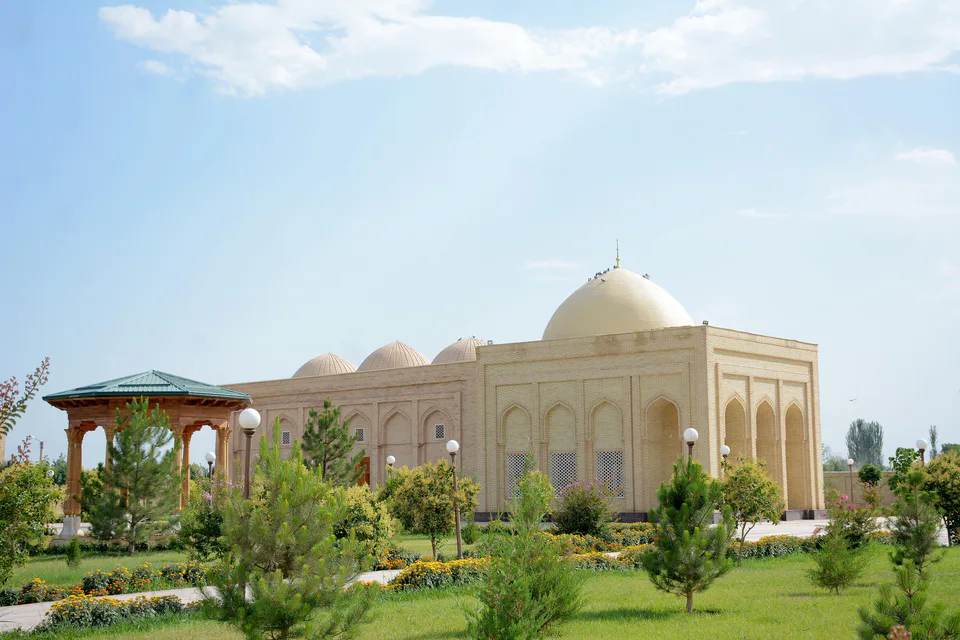
district · The Kohitang mountains, Zarautsoy rock art and Bronze Age Djarkutan
district · Home of Dalverzin Tepe and its gold hoard
district · Where two rivers meet: Old Termez and its Buddhist monasteries
district · Bobotog country, bordered by Tajikistan on three sides