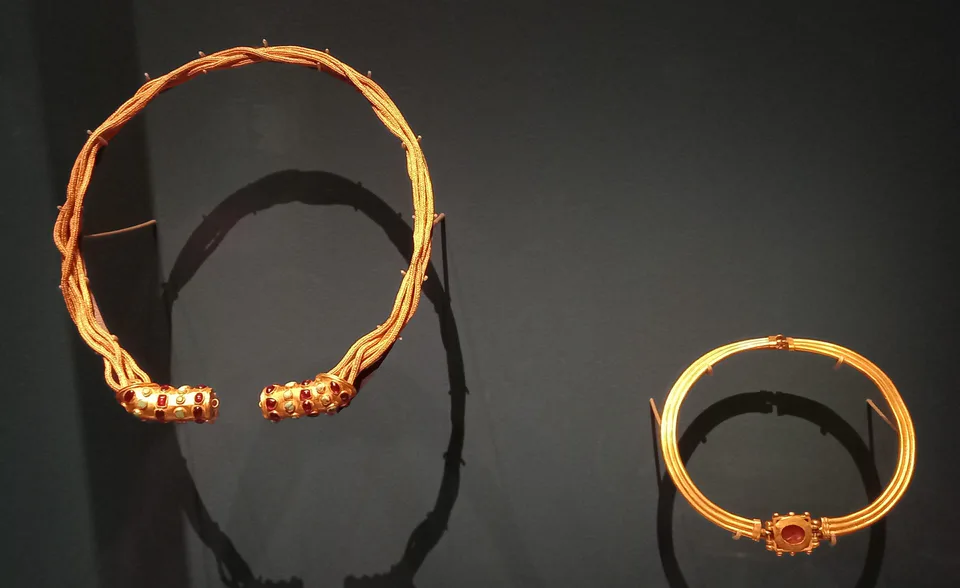
Archaeology · Sho‘rchi District
Dalverzin Tepe
The Kushan city that yielded Central Asia’s largest gold hoard
Archaeology · Denov District
The ruins of a small palace or reception hall near Denov. Its clay sculptures and paintings of the 1st century BC are among the earliest examples of Kushan art.
Khalchayan lies in the Surkhandarya valley near modern Denov. Galina Pugachenkova excavated it in 1959–1963. It is usually attributed to the early Kushans or their ancestors, the Yuezhi (Tokharians), and is thought to have been a small palace or reception hall.
Its interior walls were decorated with clay sculpture and paintings dated to the mid-1st century BC, which may depict events as early as the 2nd century BC.
The panels show scenes of Kushan life: battles, feasts and portraits of rulers. Some appear to depict the Yuezhi fighting the Saka, the former shown with majestic bearing, the latter with side-whiskers and in rather grotesque poses. Among the sculptures is the bust of a Parthian king; from coin likenesses, scholars suggest Vardanes I, who sought refuge in Bactria around AD 35.
The art historian Benjamin Rowland argued that Khalchayan sculpture derives from Hellenistic art and may have influenced the rise of Gandharan art; the famous head of a Yuezhi prince bears a striking resemblance to Gandharan bodhisattvas.
Khalchayan lies in the upper Surkhandarya valley, in historic Chaghaniyan. The Yuezhi reached Bactria in the 2nd century BC and later founded the Kushan empire, which makes these sculptures a rare visual record of nomad chiefs becoming rulers of a great empire.
Archaeology · Sho‘rchi District
The Kushan city that yielded Central Asia’s largest gold hoard
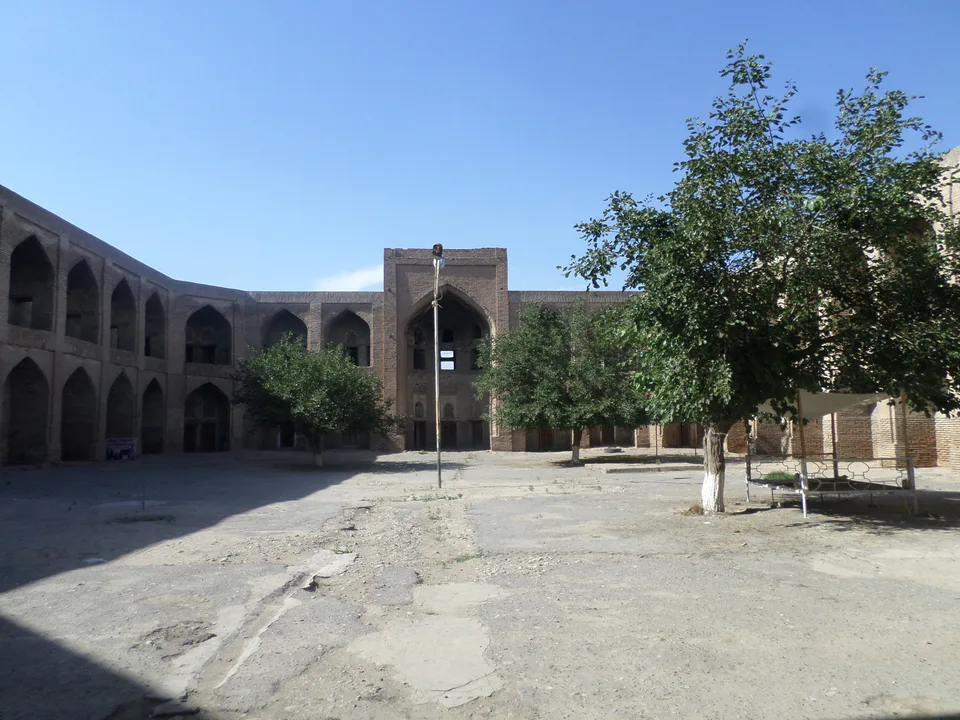
Madrasa · Denov District
The only large Bukhara-style madrasa in the Surkhan oasis
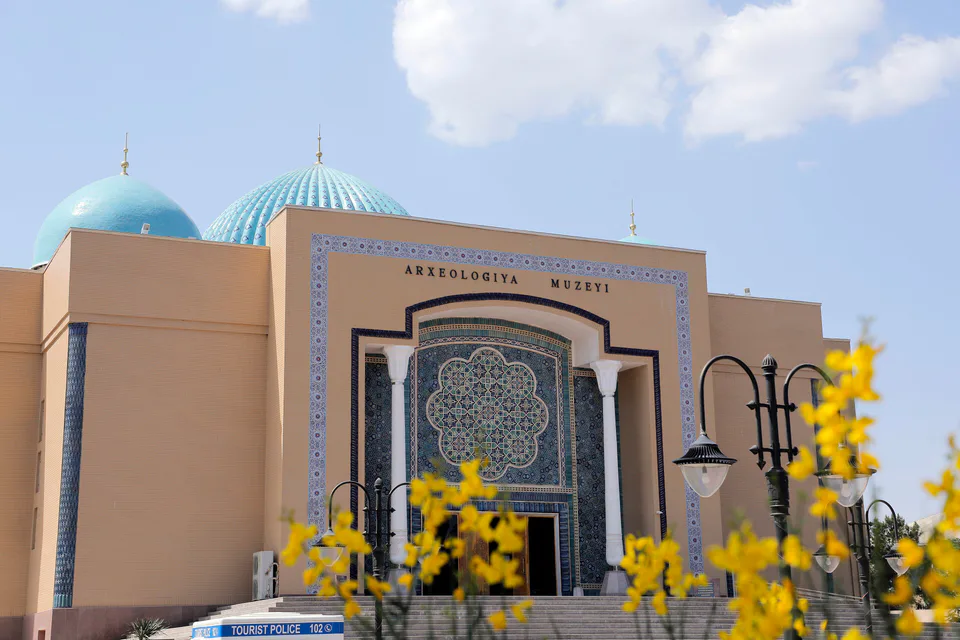
Museum · Termez City
Bactrian and Kushan treasures under one roof
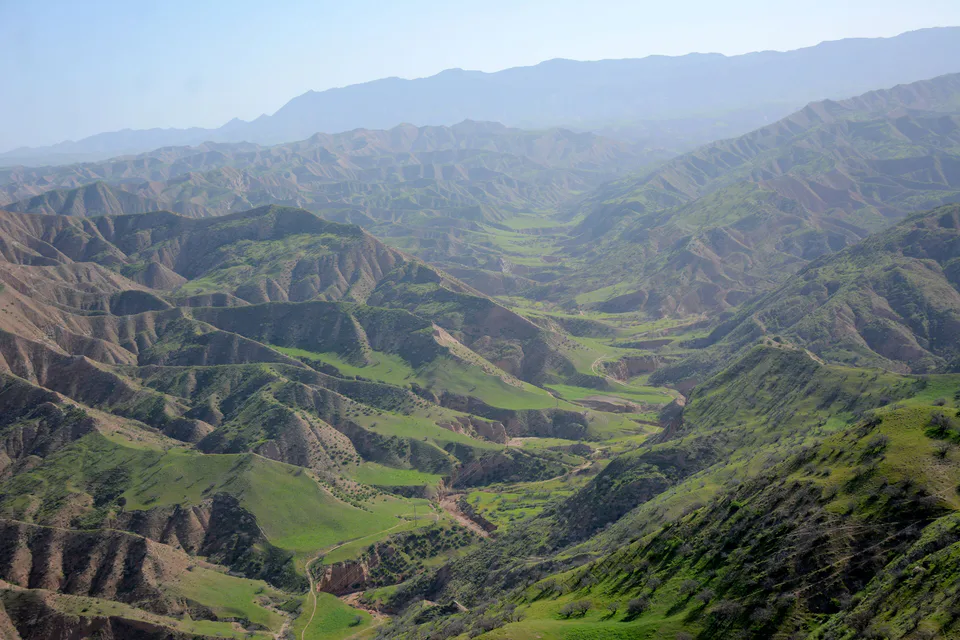
Nature · Uzun District
A new national park in Bukhara markhor country