Archaeology · Denov District
Khalchayan
A palace of clay portraits of the Kushans’ ancestors
Archaeology · Sho‘rchi District
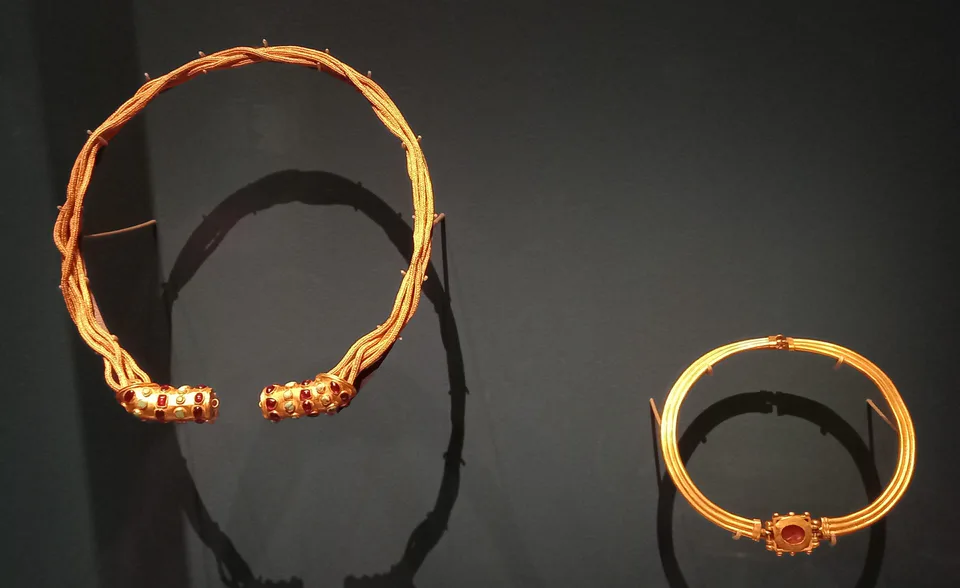
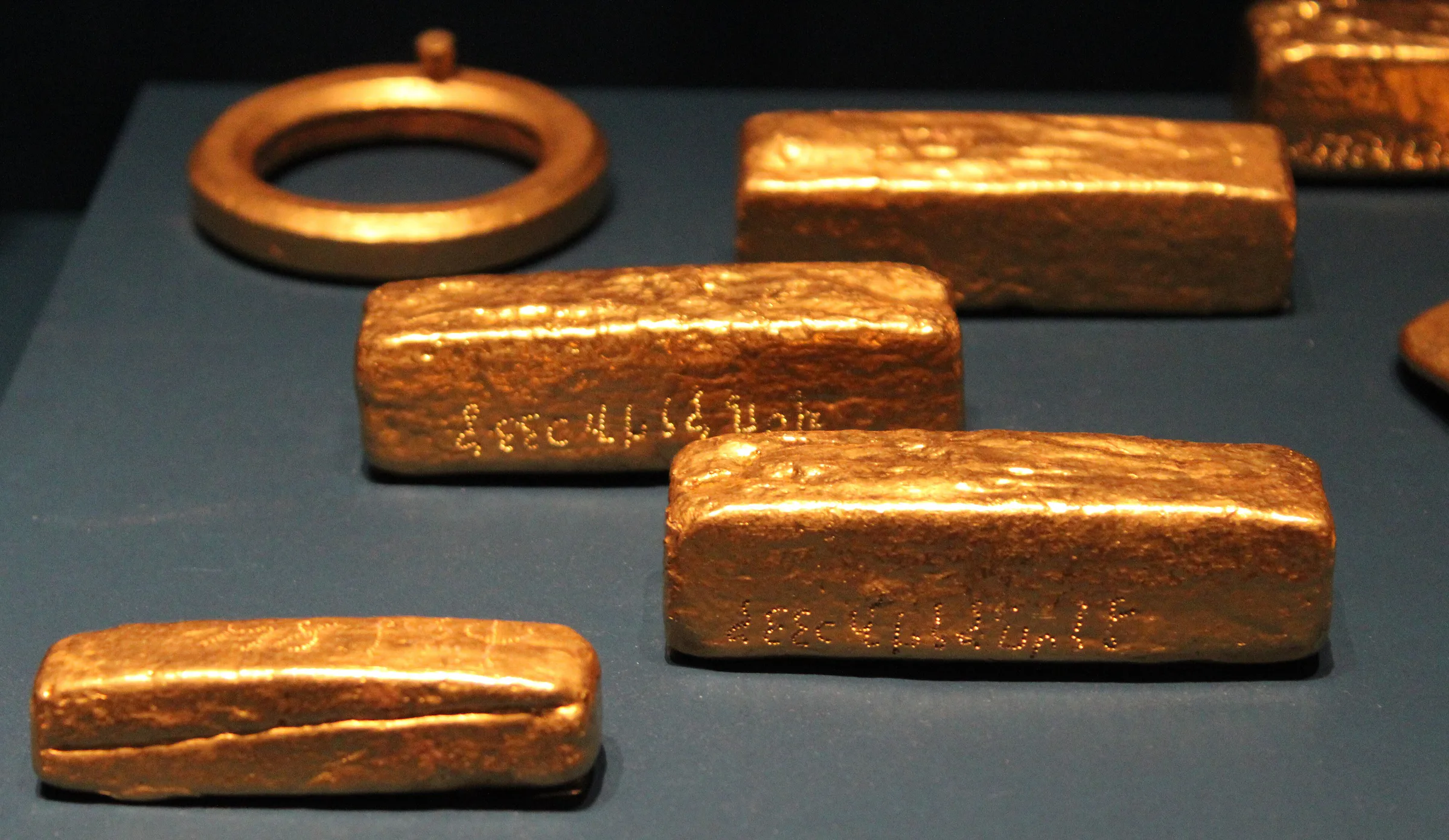
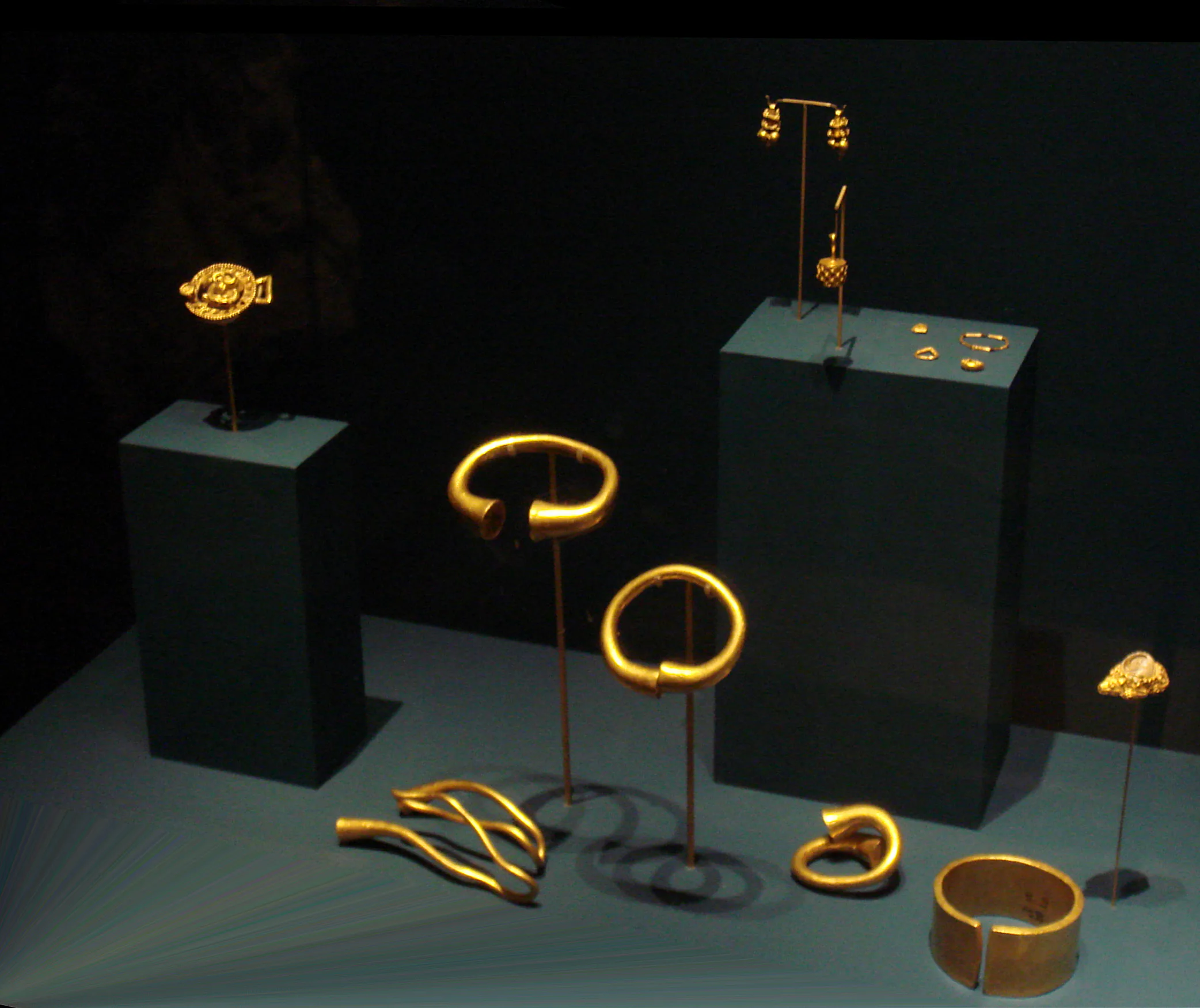
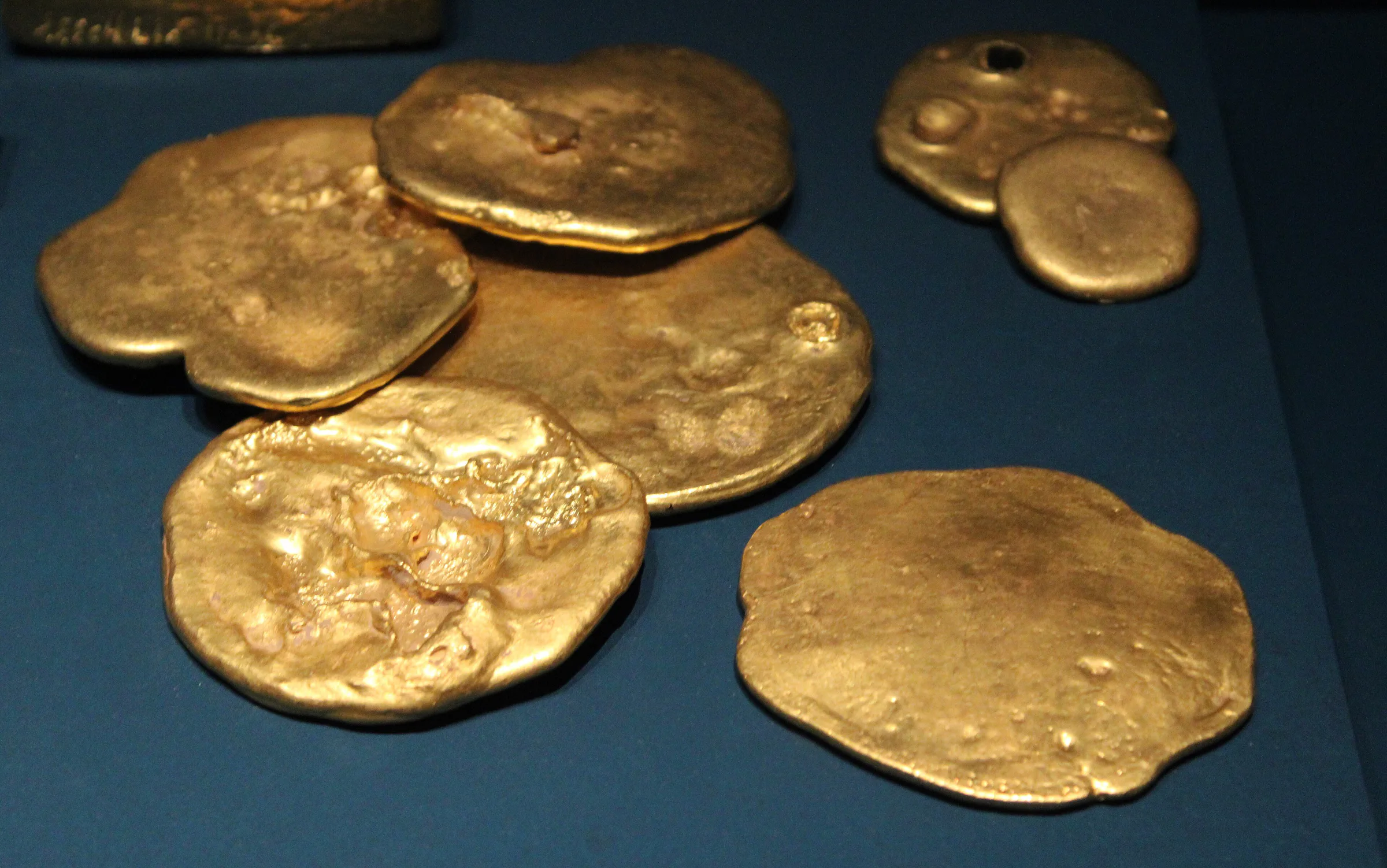
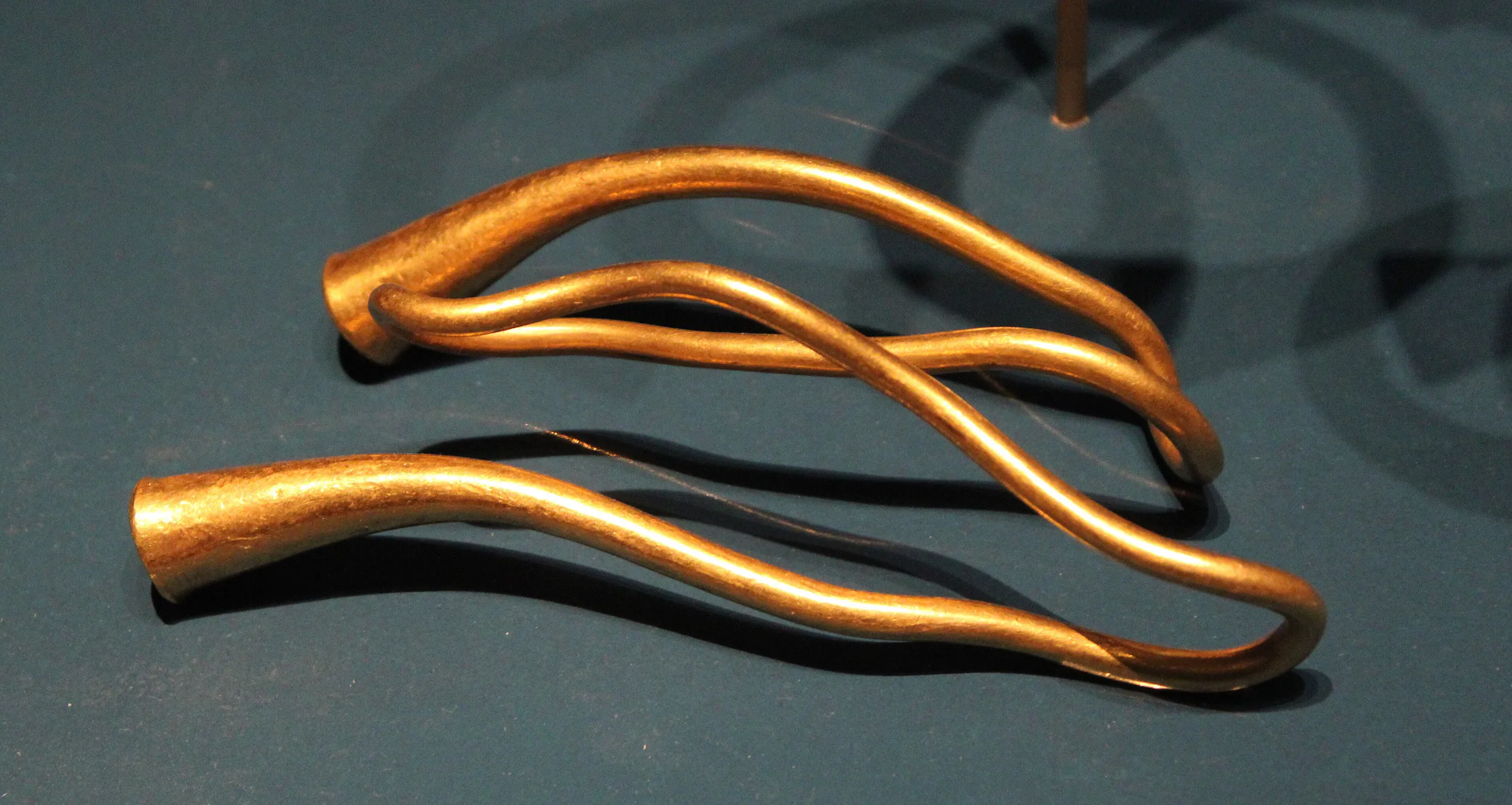
The ruins of a city founded by the Graeco-Bactrians in the 3rd century BC that flourished under the Kushans. In 1972 a hoard of 115 gold objects weighing 36 kg was found here.
Dalverzin Tepe began in the 3rd century BC, under the Graeco-Bactrian kingdom, as a small fortified town around a central citadel. Under the Kushans (1st–3rd centuries AD) it grew and prospered: the citadel was rebuilt and the walls doubled in thickness. Galina Pugachenkova believed it was the first capital of the Kushan empire.
In the 5th–6th centuries it came under the Hephthalites, but by then the city and its temples were already in decline and the thick walls were used mostly for burials. After the Arab conquest in the 8th century the site was abandoned for good.
In the Kushan period the city was a rectangle of 650 × 500 m with the citadel at its centre and buildings in parallel rows, divided into administrative-military, residential, religious and craft zones. Excavations revealed large houses built around a central hall, two Buddhist temples adorned with terracotta sculpture, two more temples to local goddesses and a potters’ quarter, with water piped into the houses underground.
In 1972 one of the buildings yielded the largest gold hoard ever found in Central Asia: 115 objects weighing 36 kg in all, dating from the 1st century AD and buried early in the 2nd. The first Buddhist complex was excavated in 1967–1968.
The archaeologist L. I. Albaum identified the site in 1949. G. A. Pugachenkova excavated it in the 1960s and 1970s, and B. A. Turgunov in the 1980s, when he found the second Buddhist temple.
Archaeology · Denov District
A palace of clay portraits of the Kushans’ ancestors
Madrasa · Denov District
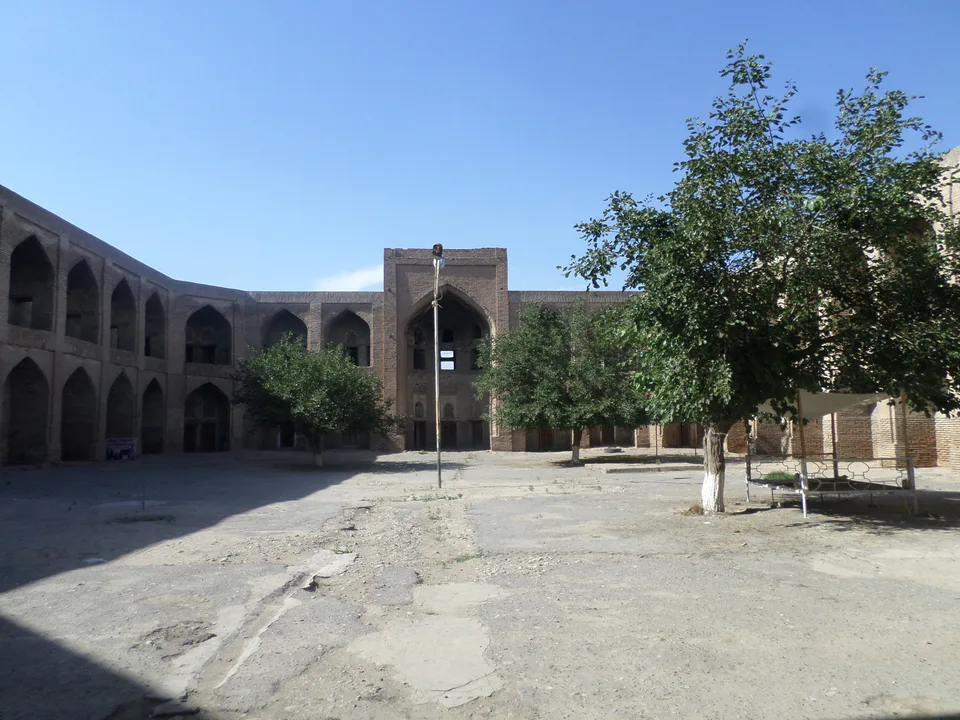
The only large Bukhara-style madrasa in the Surkhan oasis
Museum · Termez City
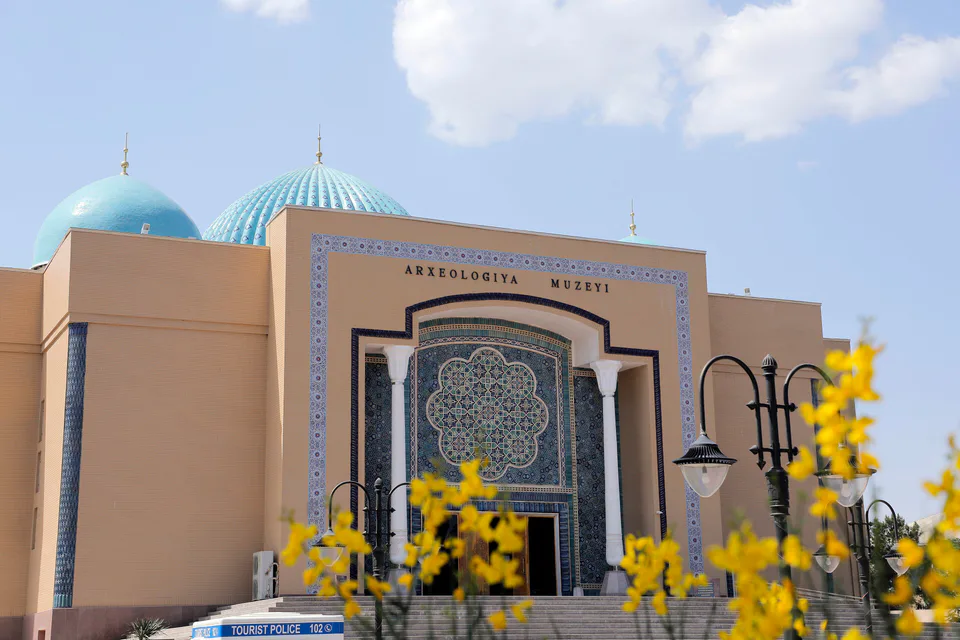
Bactrian and Kushan treasures under one roof
Nature · Uzun District
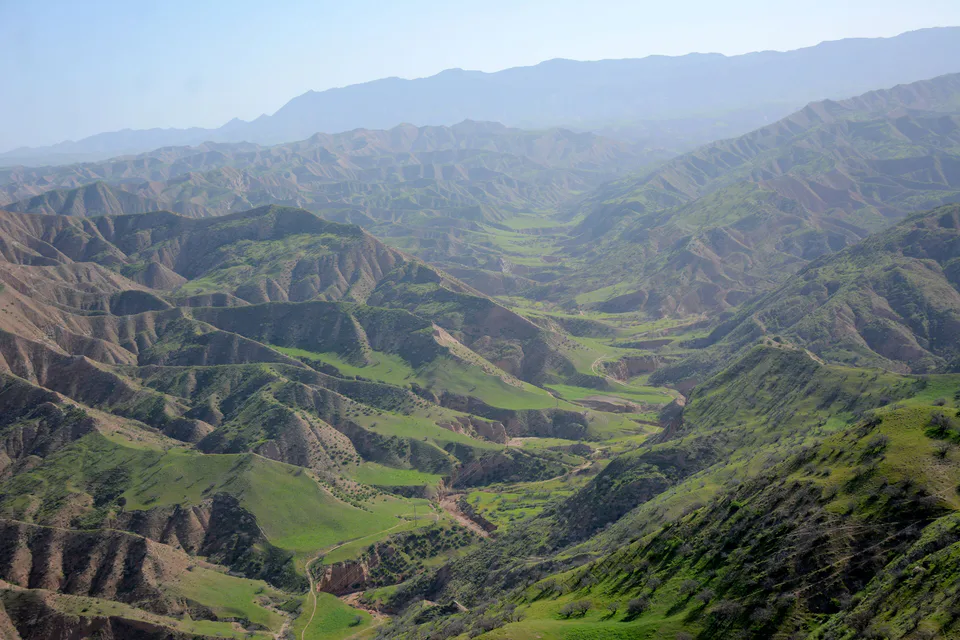
A new national park in Bukhara markhor country