Archaeology · Denov District
Khalchayan
A palace of clay portraits of the Kushans’ ancestors
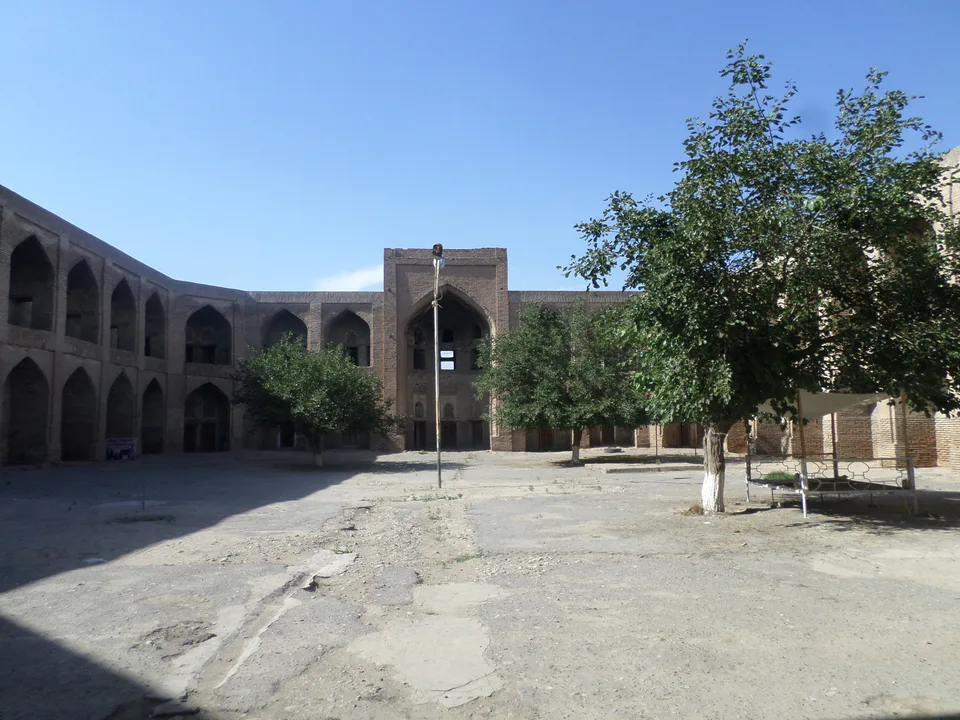
Madrasa · Denov District
A two-storey madrasa in central Denov whose date is disputed: the state list says 16th century, other sources the 19th. Before the revolution some 400 students studied here.
The madrasa stands on Mustaqillik Street in the centre of Denov, and its origins are debated. Some sources, citing Mir Olim Bukhari’s Fathnoma-yi Sultoni, say it was built in the 19th century to a design by the Bukharan master Ahmad Mamat Bukhari under the patronage of Said Otaliq, father-in-law of Emir Haydar of Bukhara and for some years governor of Denov. Others link it with descendants of the Naqshbandi sheikh Khoja Alouddin Attor, who died in Denov in 1400. The national heritage list records it as a 16th-century monument.
Before the revolution 33 teachers taught about 400 students here. The madrasa was closed in Soviet times and studied by scholars in 1956–1960 and 1972–1973; after independence teaching briefly resumed.
Built in the manner of great Bukharan madrasas such as Kukeldash, it is unique in Surkhandarya. Large and small two-storey cells surround the courtyard, with the main hall, a mosque and classrooms behind the portal. The foundations go down 5.5 m, and the decoration of windows, arches and façades is in carved ganch.
Surveys in 2018–2020 found the building at risk of collapse because of serious cracks. It was added to the national heritage list in 2019, and in 2020 plans were announced to save it and turn it into a crafts centre.
Archaeology · Denov District
A palace of clay portraits of the Kushans’ ancestors
Archaeology · Sho‘rchi District
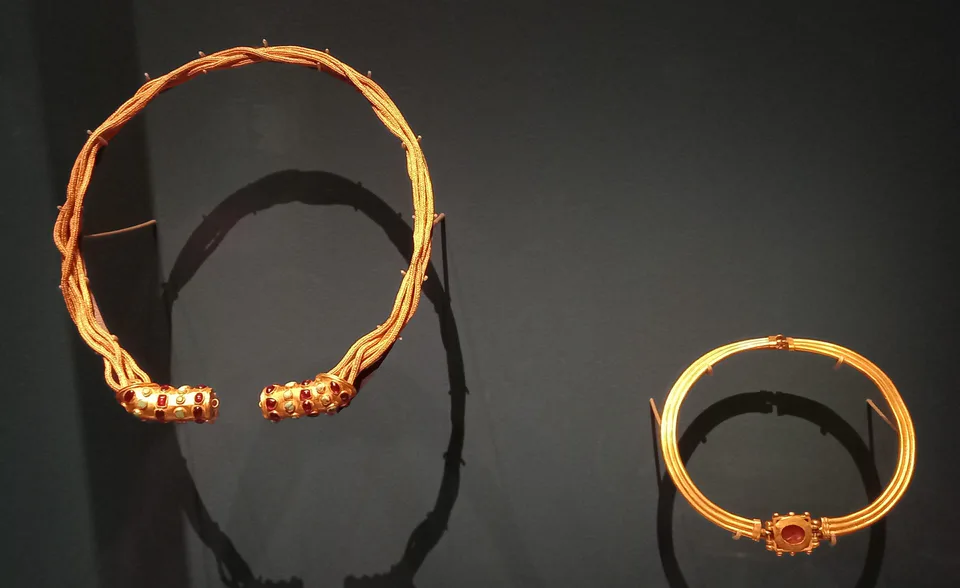
The Kushan city that yielded Central Asia’s largest gold hoard
Nature · Sariosiyo District
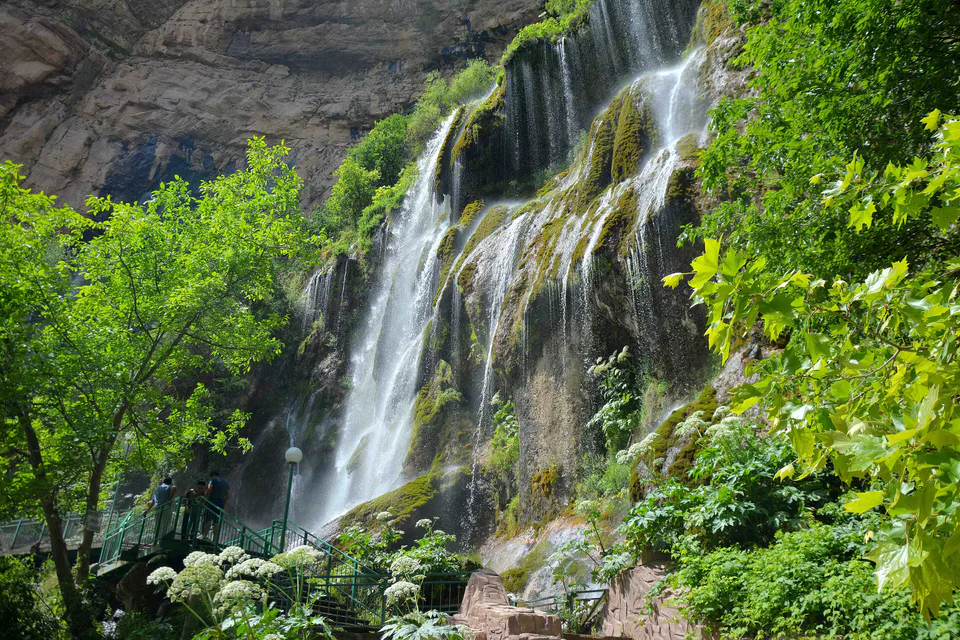
A karst waterfall that bursts from the rock
Nature · Uzun District
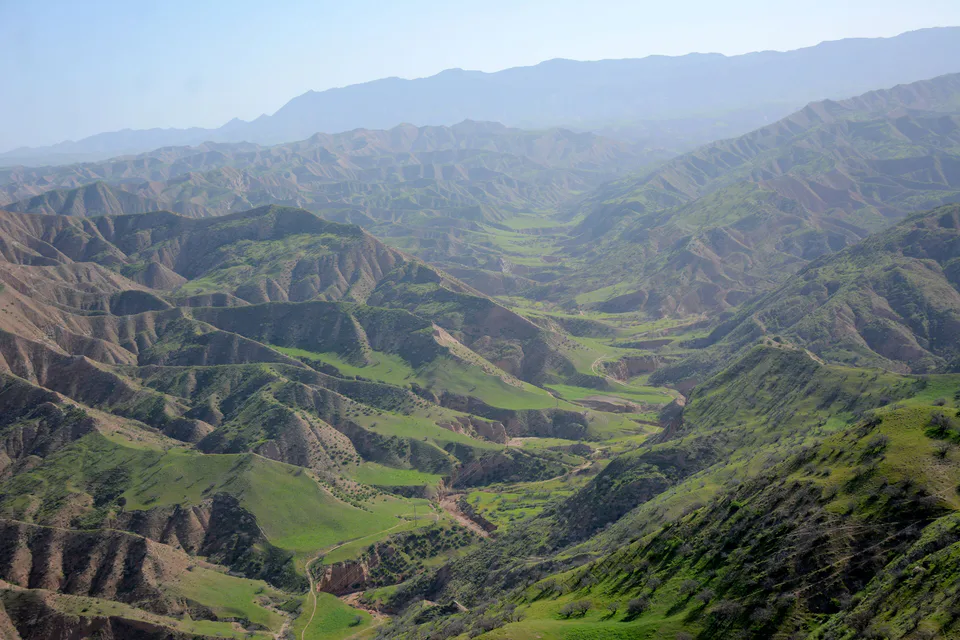
A new national park in Bukhara markhor country
Nature · Qumqo‘rg‘on District
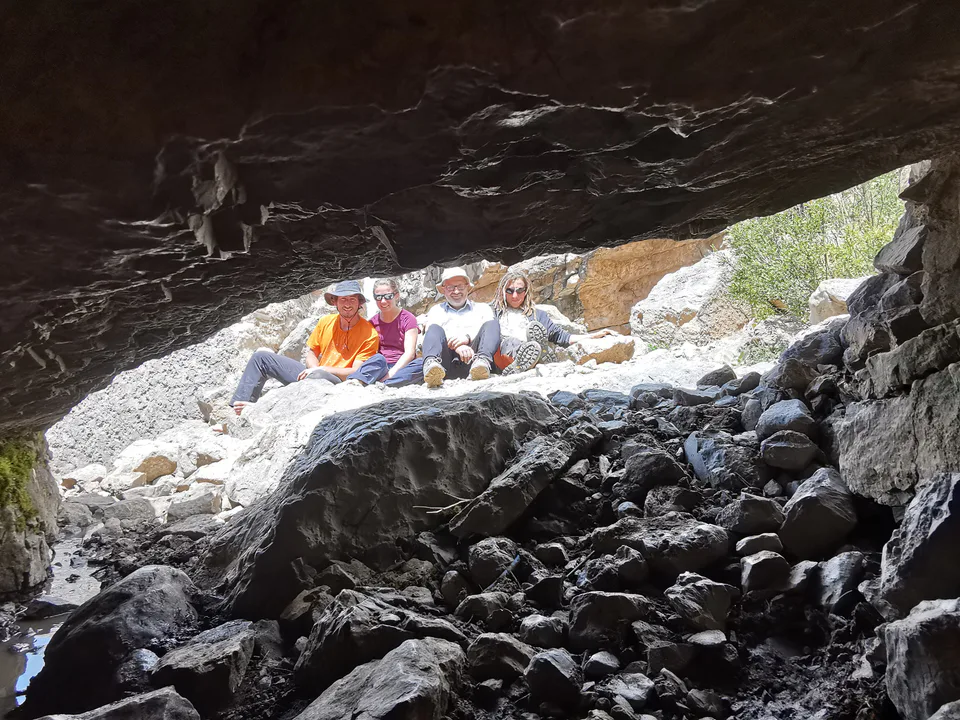
The deepest cave in Central Asia