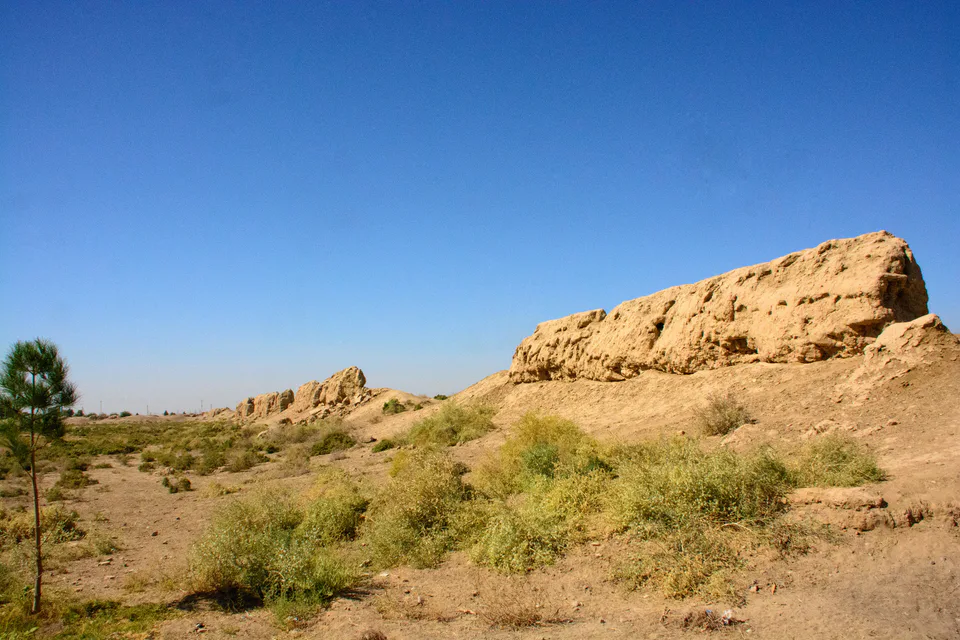
Archaeology · Termez District
Old Termez
The ruins of a 2,500-year-old city at an Amu Darya crossing
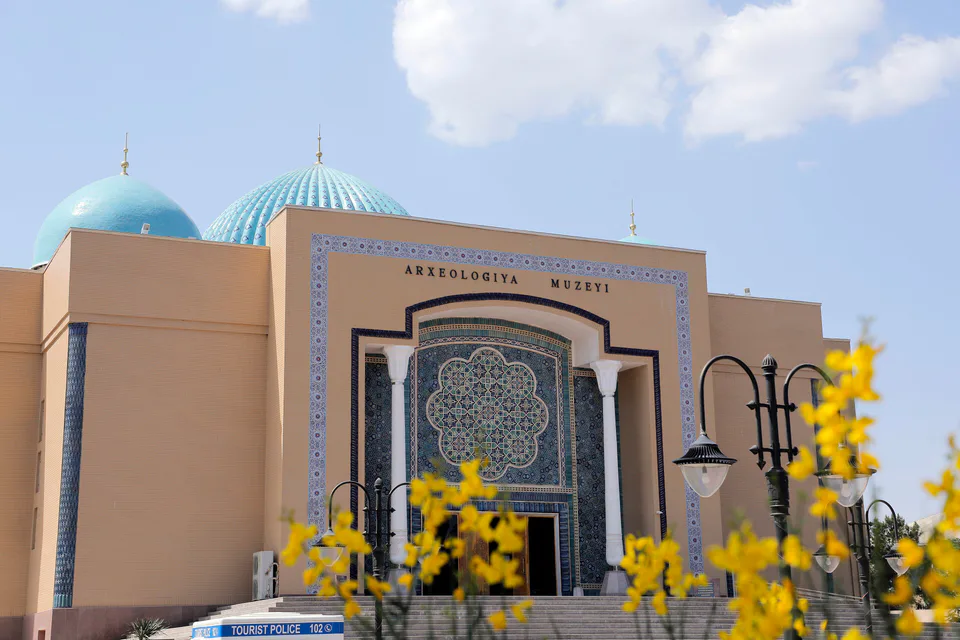
Museum · Termez City
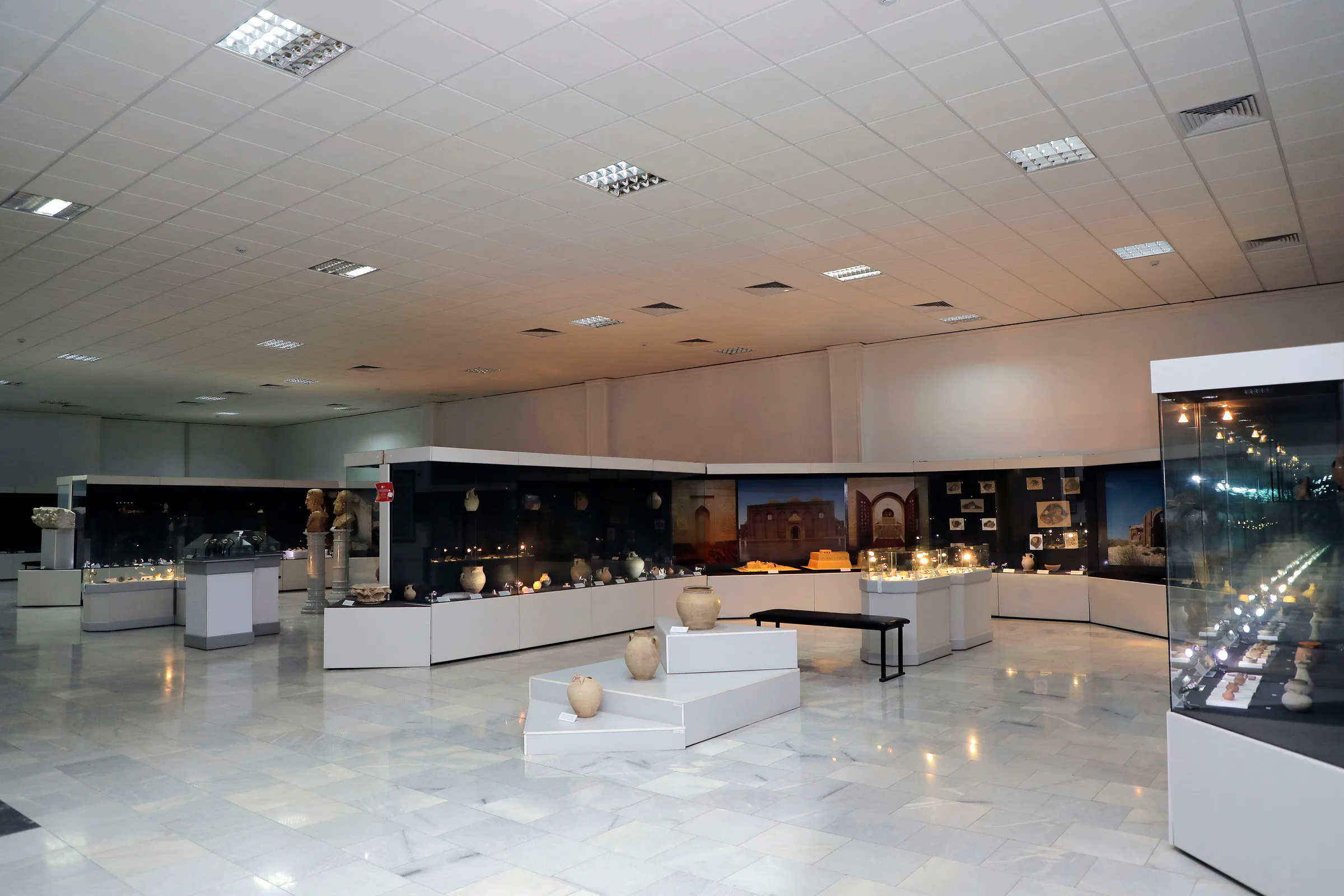
The museum of finds from excavations in Surkhandarya: Graeco-Bactrian and Kushan sculpture, coins, murals and scale models of ancient cities.
The museum was created under a presidential decree of 12 January 1998 on improving museums and a government resolution of 27 December 1999 on preparations for Termez’s 2,500th anniversary. In 2001 it joined the Ministry of Culture’s network and archaeologists approved the plan of its displays; the building was designed to store up to 100,000 objects.
Termez celebrated its 2,500th anniversary in 2002, and the museum was one of the jubilee’s main cultural legacies. It brings together the results of nearly a century of archaeological work in southern Uzbekistan.
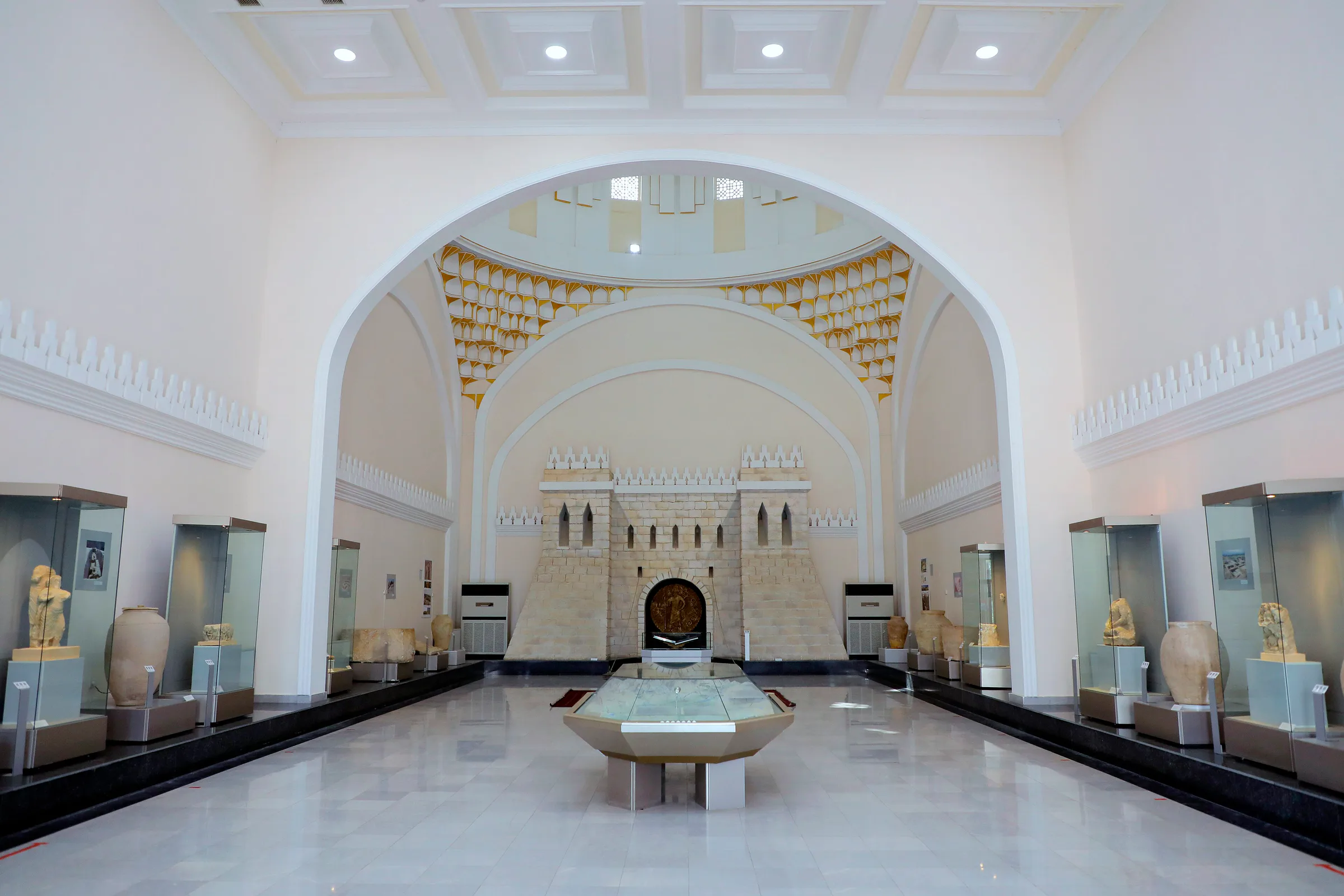
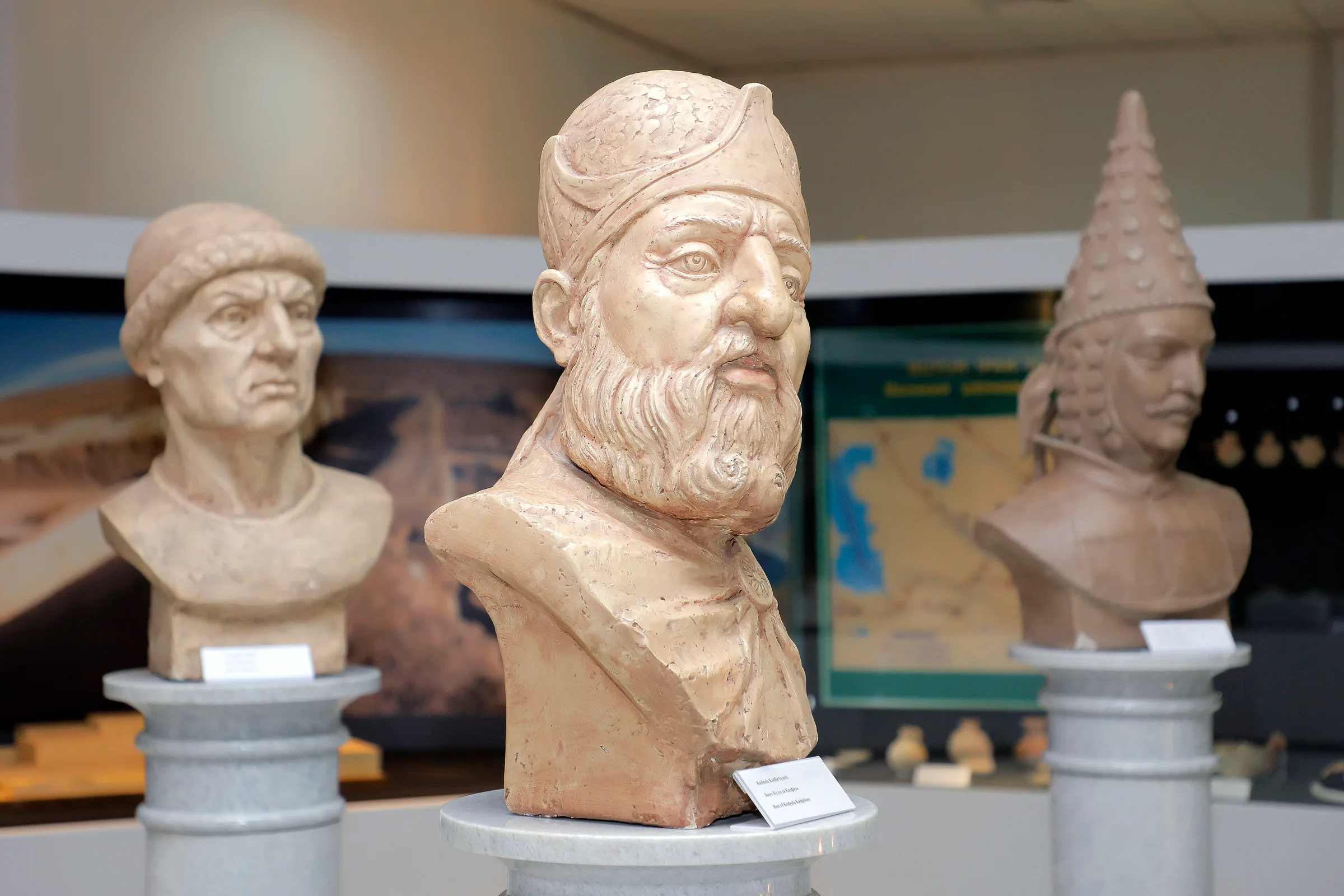
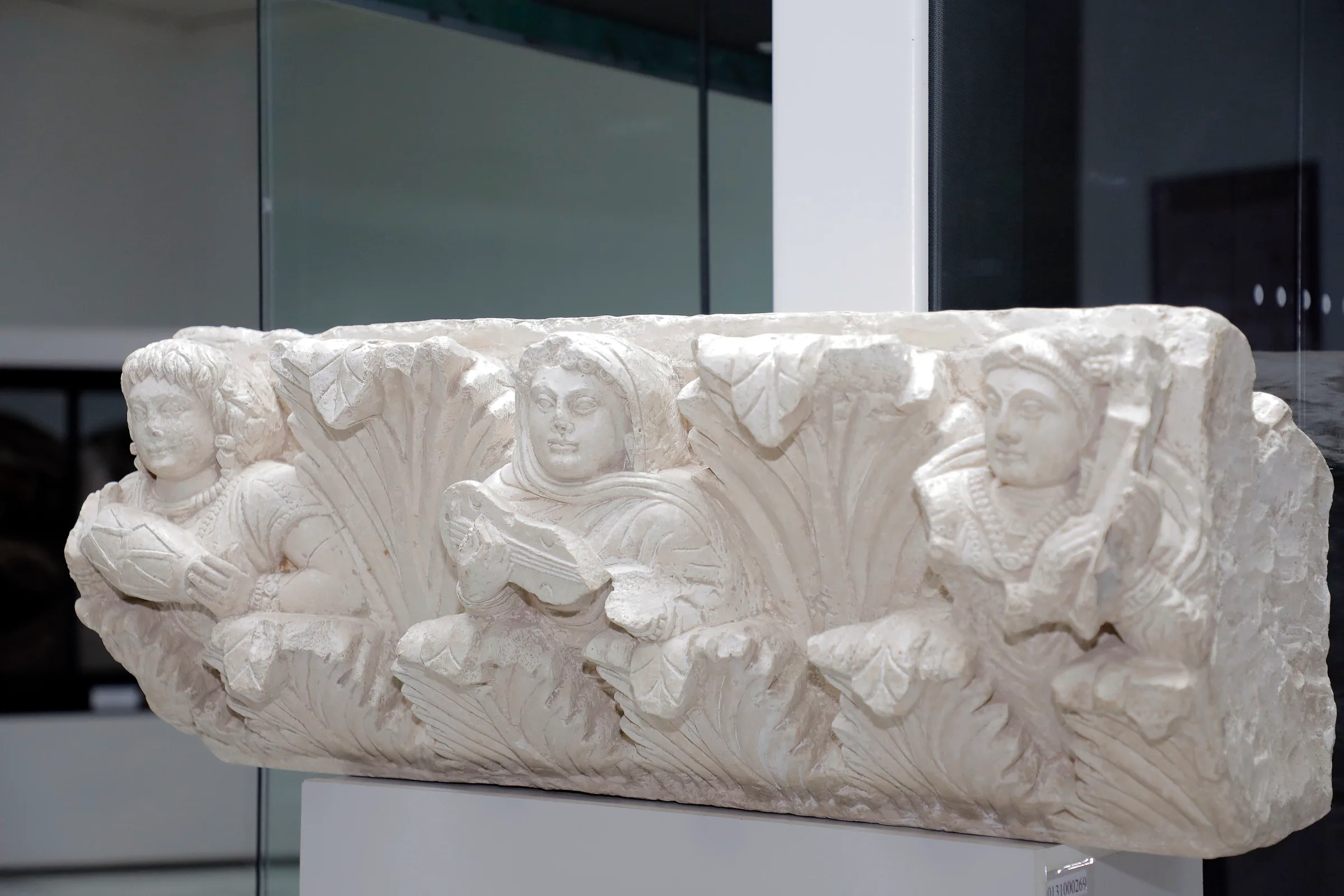
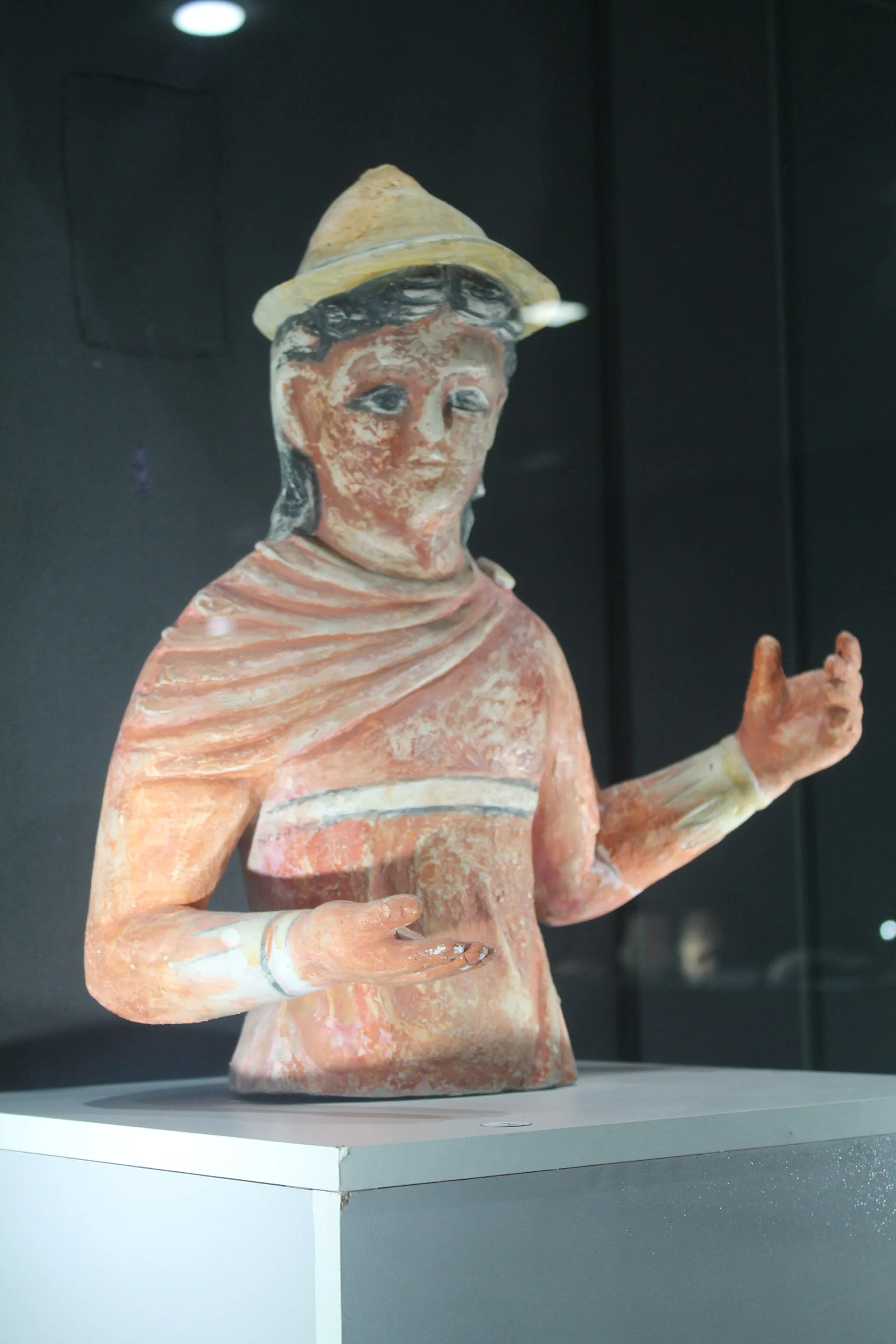
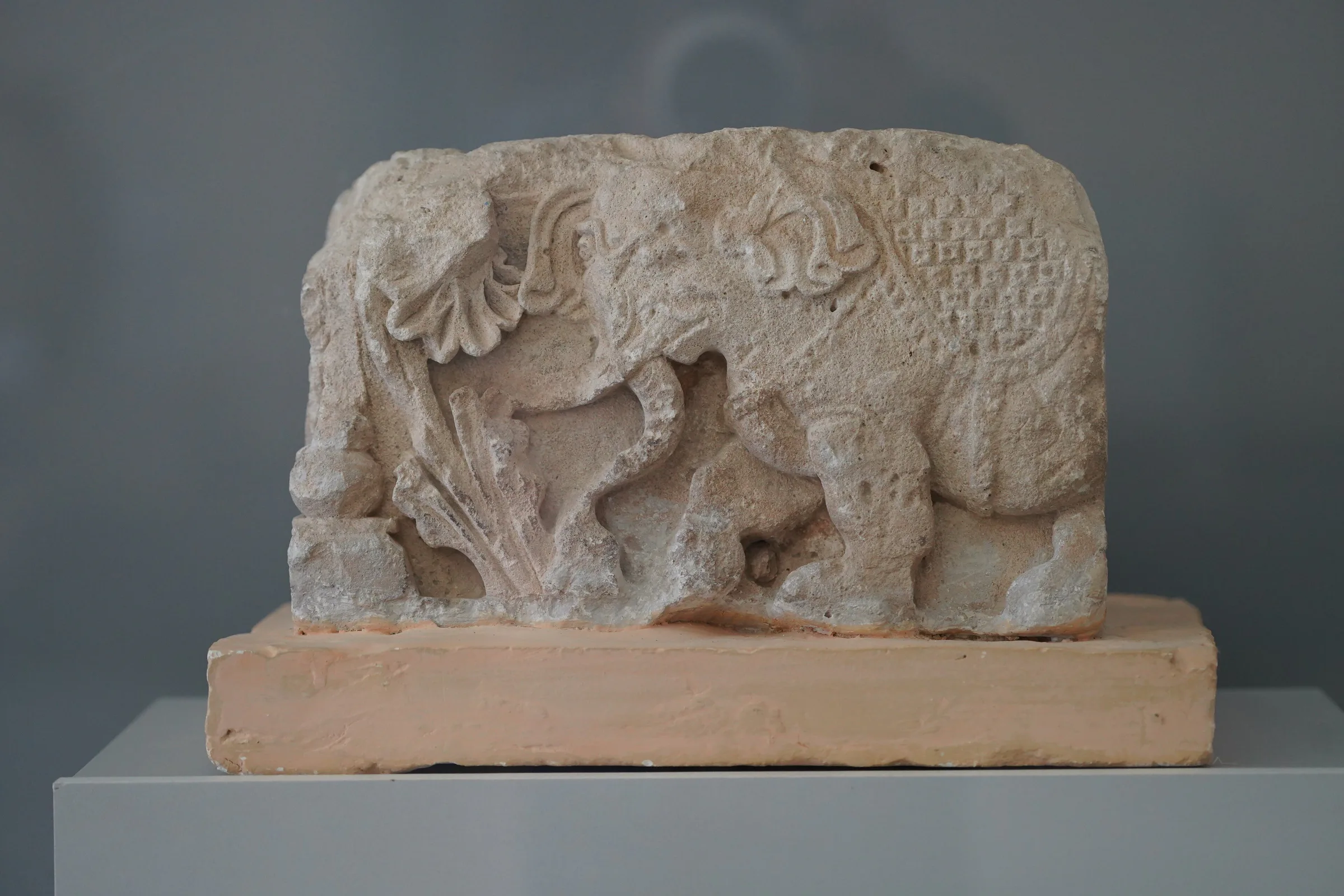
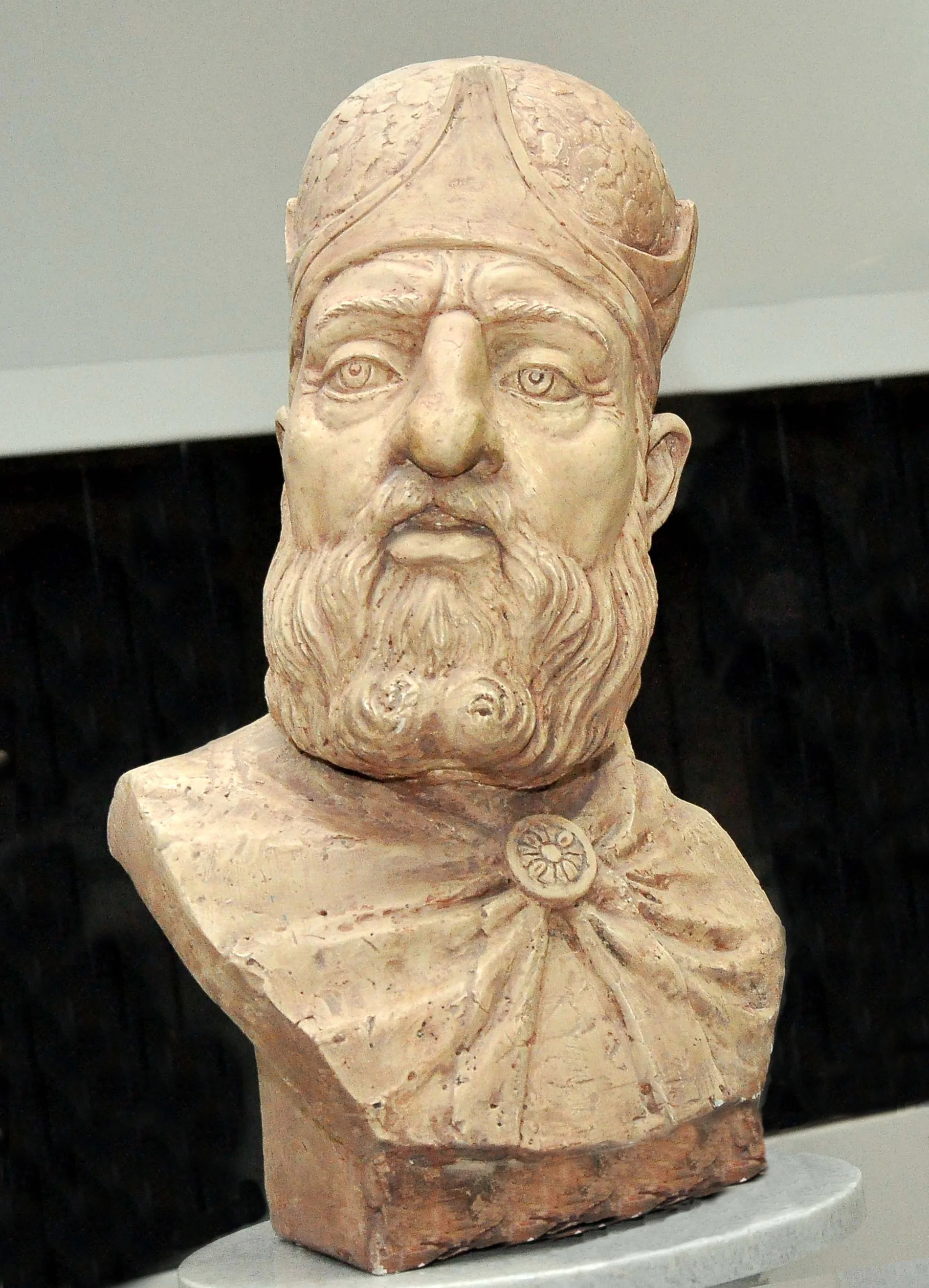
The core of the collection dates from the Graeco-Bactrian and Kushan periods, when the Surkhan oasis was a flourishing part of Bactria: sculpture, pottery, coins, jewellery and fragments of architectural decoration. Some famous pieces, such as the Buddha beneath the Bodhi tree from Fayaz Tepe and the head of a Kushan prince, are shown as copies; the originals are in the State Museum of History of Uzbekistan in Tashkent and the Hermitage in St Petersburg.
A highlight is the set of large scale models of Sapallitepa, Kampir Tepe, Khalchayan, Balalyk Tepe and Fayaz Tepe, which show how these buildings looked before you visit the ruins. The museum also tells the story of the celebrated mural known as the Princess of Tokharistan, found at Tavka Kurgan in Sherobod District.
Most sites around Termez are now eroded mounds and stumps of walls. The sculpture, murals and models here bring them back to life, so that at Kara Tepe or Dalverzin Tepe you can picture where the temple stood and where the street ran.
The museum is in the city centre, so it makes sense to visit on your first day and devote the following days to the ruins and shrines.
The museum’s location is no accident: Surkhandarya is one of Uzbekistan’s richest regions for archaeology. It has yielded the Neanderthal child burial at Teshik-Tash (1938), the Bronze Age settlements of Sapallitepa and Djarkutan, the Hellenistic forts of Kampir Tepe and Uzundara, the Kushan cities of Dalverzin Tepe and Khalchayan, Termez’s Buddhist monasteries and its medieval Islamic city. The museum ties this long story, from the Stone Age to the Middle Ages, into a single narrative, while small finds such as seals, coins and terracotta figurines evoke everyday life in ancient Bactria.
Archaeology · Termez District
The ruins of a 2,500-year-old city at an Amu Darya crossing
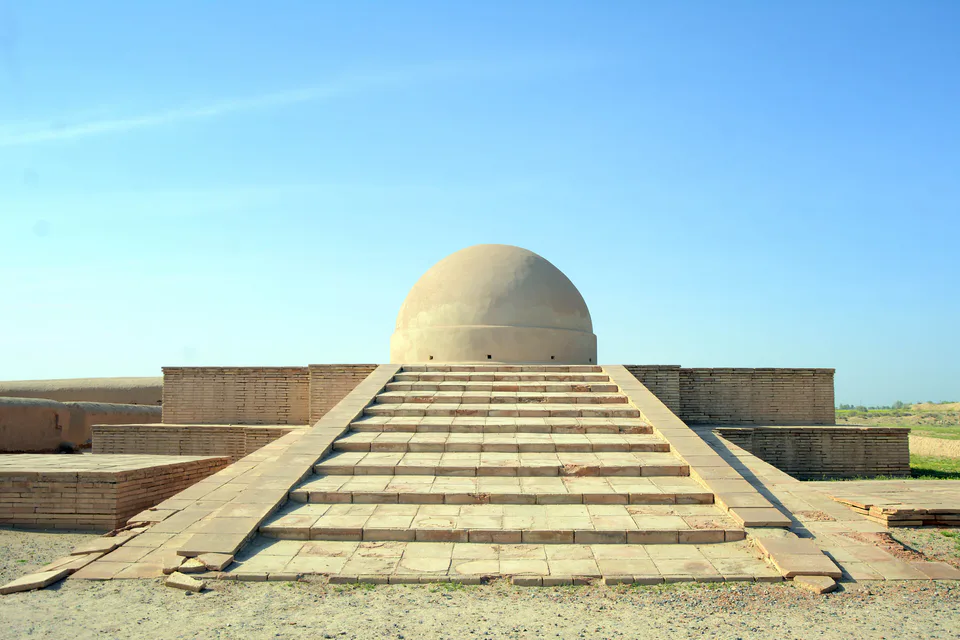
Archaeology · Termez District
A Buddha found by a shepherd and a Kushan monastery
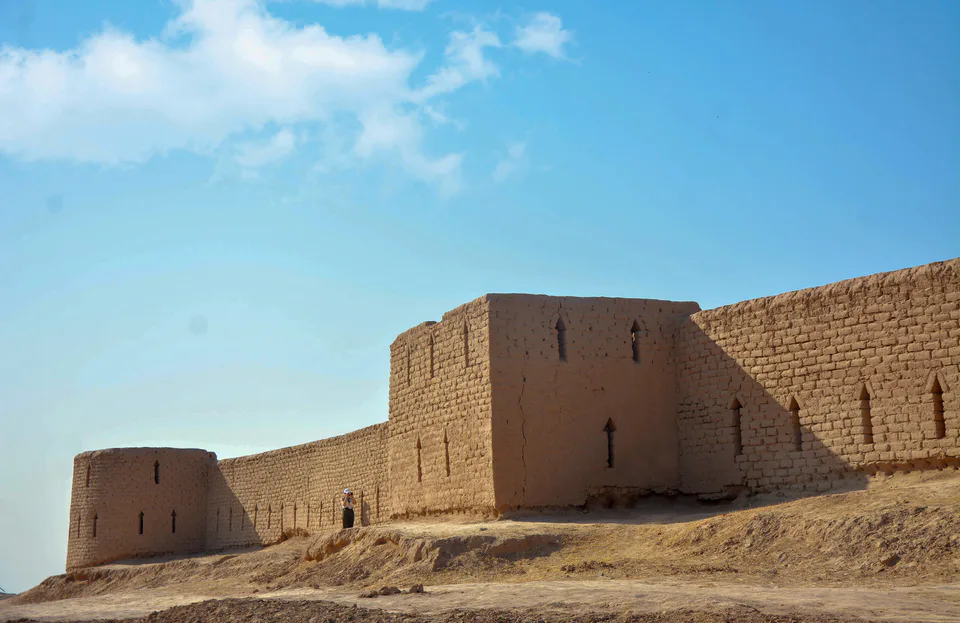
Archaeology · Muzrabot District
A Hellenistic fortress on the Amu Darya: the lost Alexandria on the Oxus?
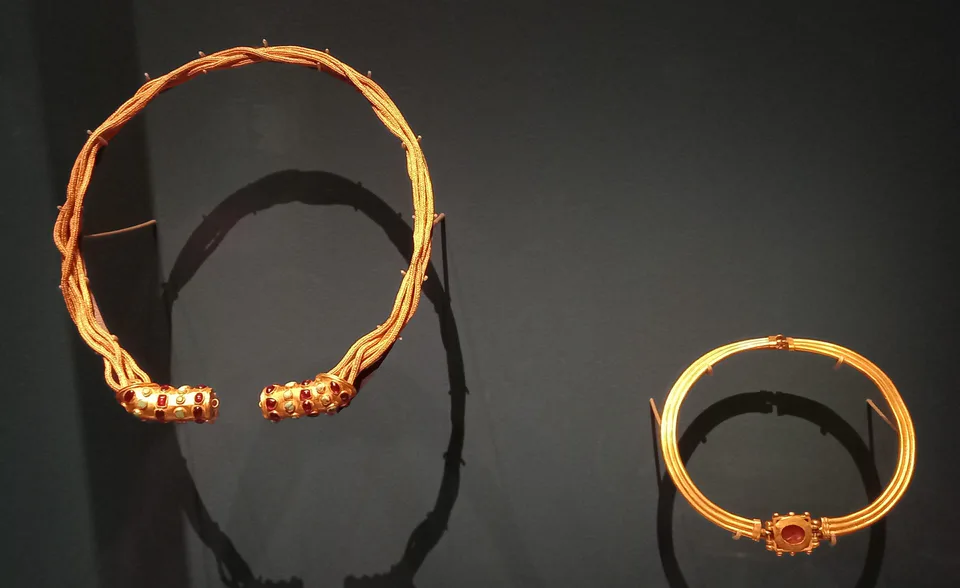
Archaeology · Sho‘rchi District
The Kushan city that yielded Central Asia’s largest gold hoard
Archaeology · Denov District
A palace of clay portraits of the Kushans’ ancestors
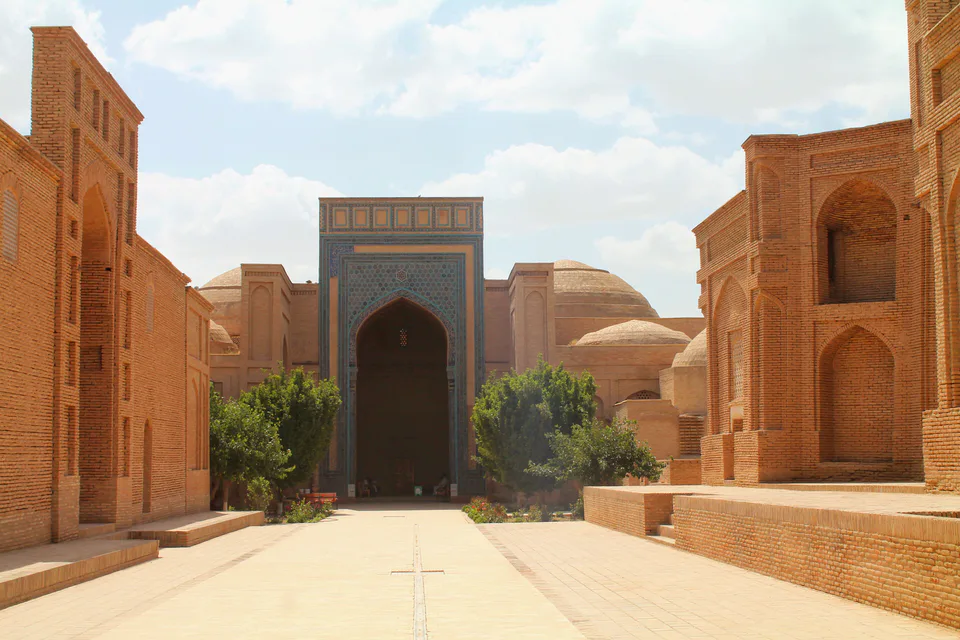
Ensemble · Termez City
The family necropolis of the sayyids of Termez, built over seven centuries
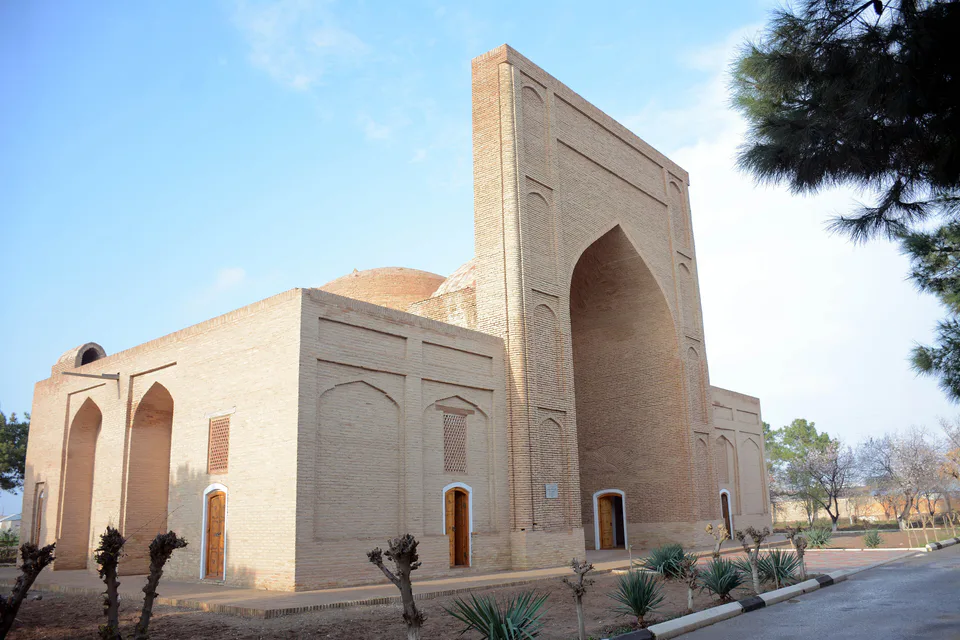
Pilgrimage site · Termez City
A ganch-carved dome and a first-haircut ritual
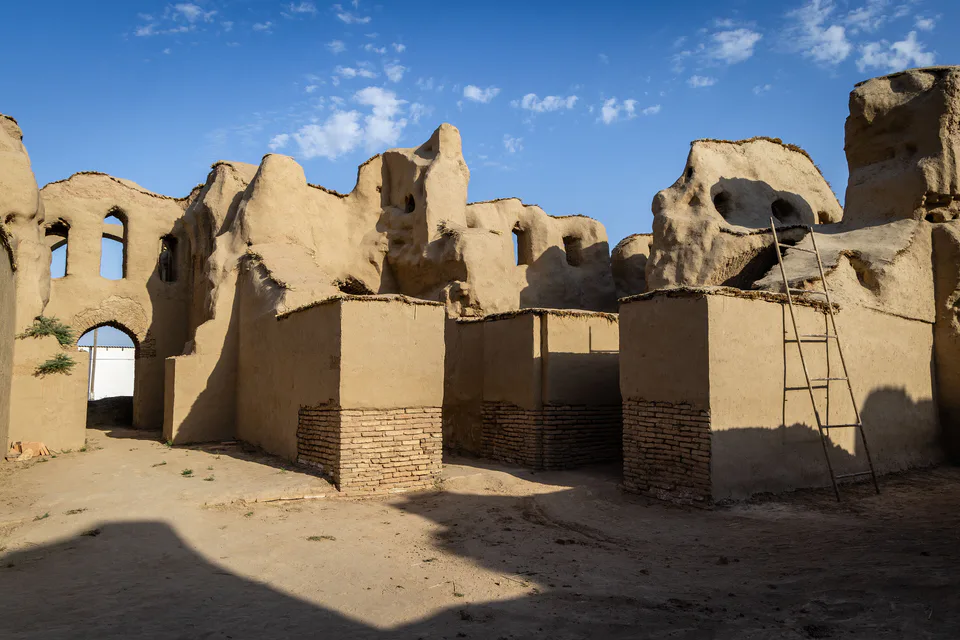
Fortress · Termez District
A Samanid building whose purpose remains a mystery
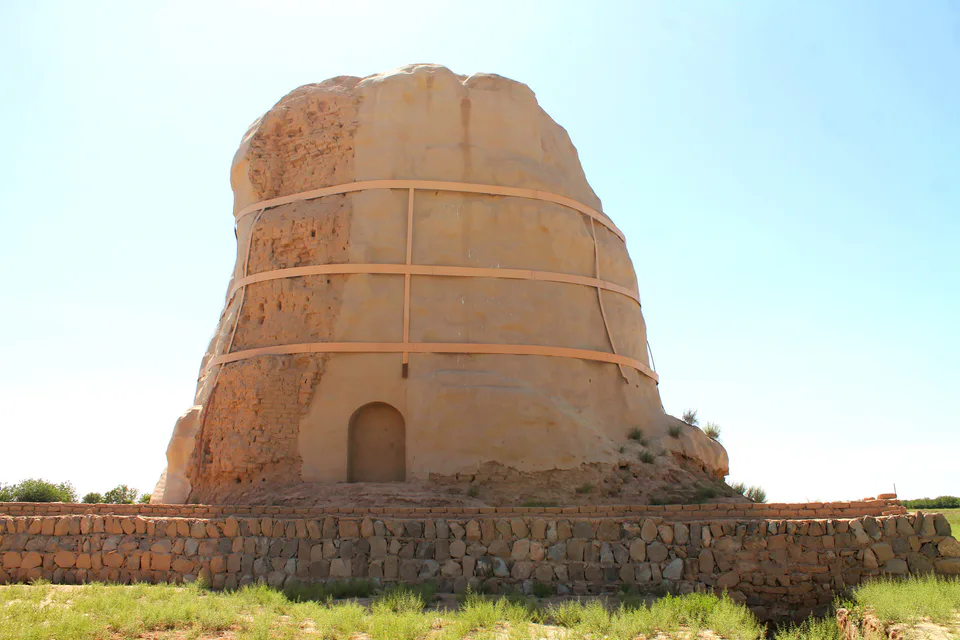
Archaeology · Termez District
One of the oldest standing structures in Uzbekistan
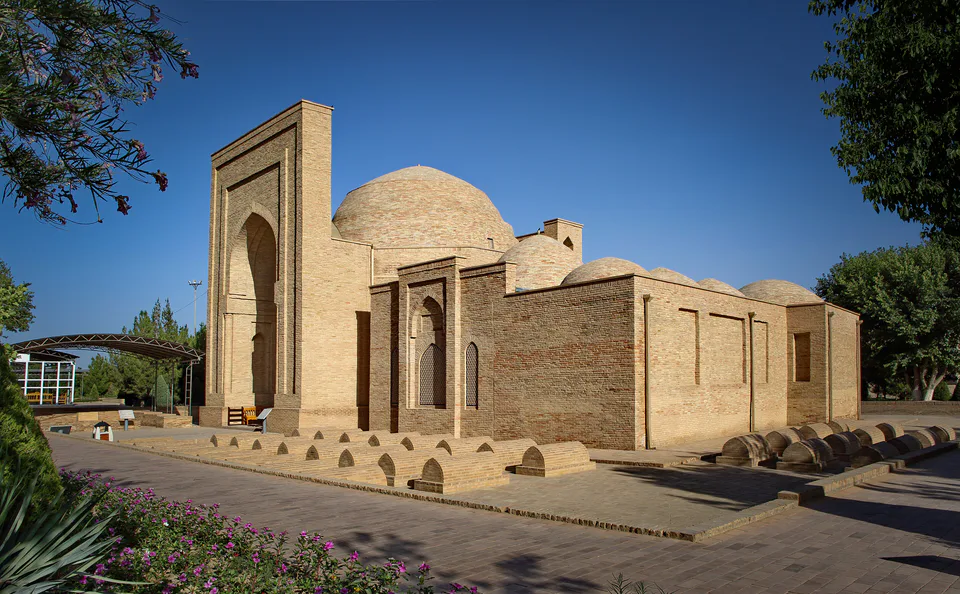
Pilgrimage site · Termez District
The shrine of “Termiz Ota”, the city’s patron saint