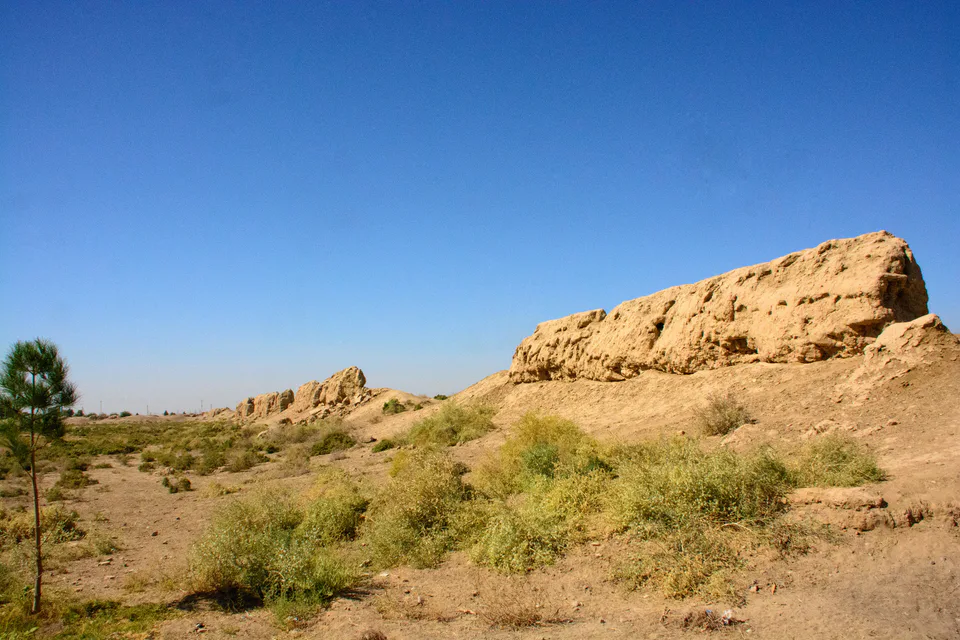
Archaeology · Termez District
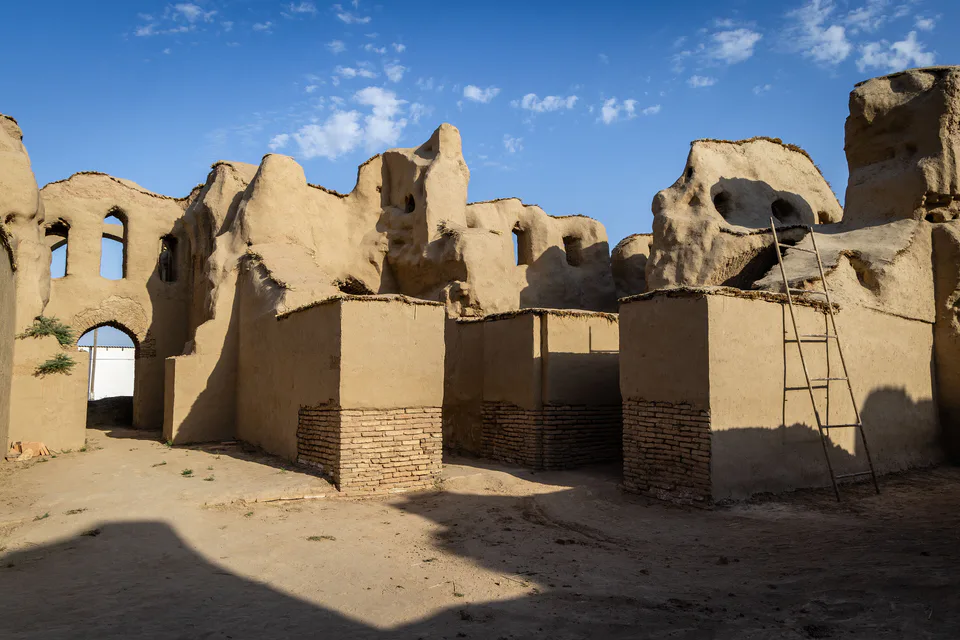
Old Termez
The ruins of a 2,500-year-old city at an Amu Darya crossing
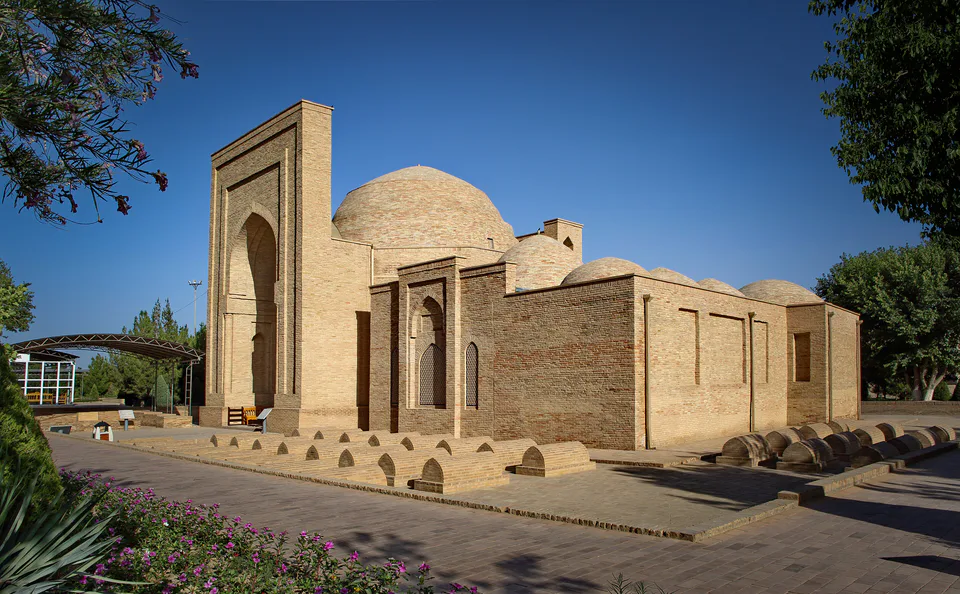
Pilgrimage site · Termez District
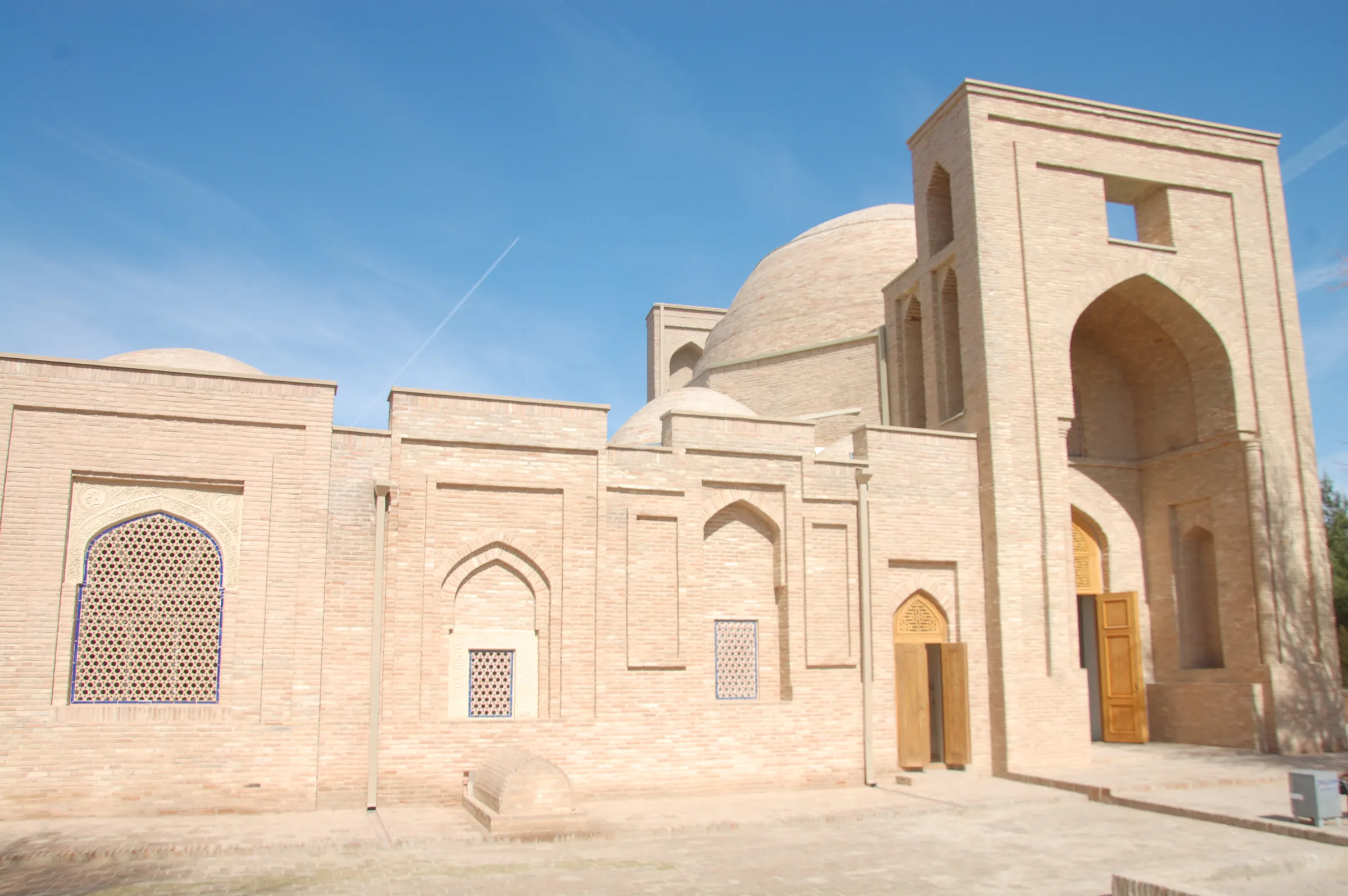
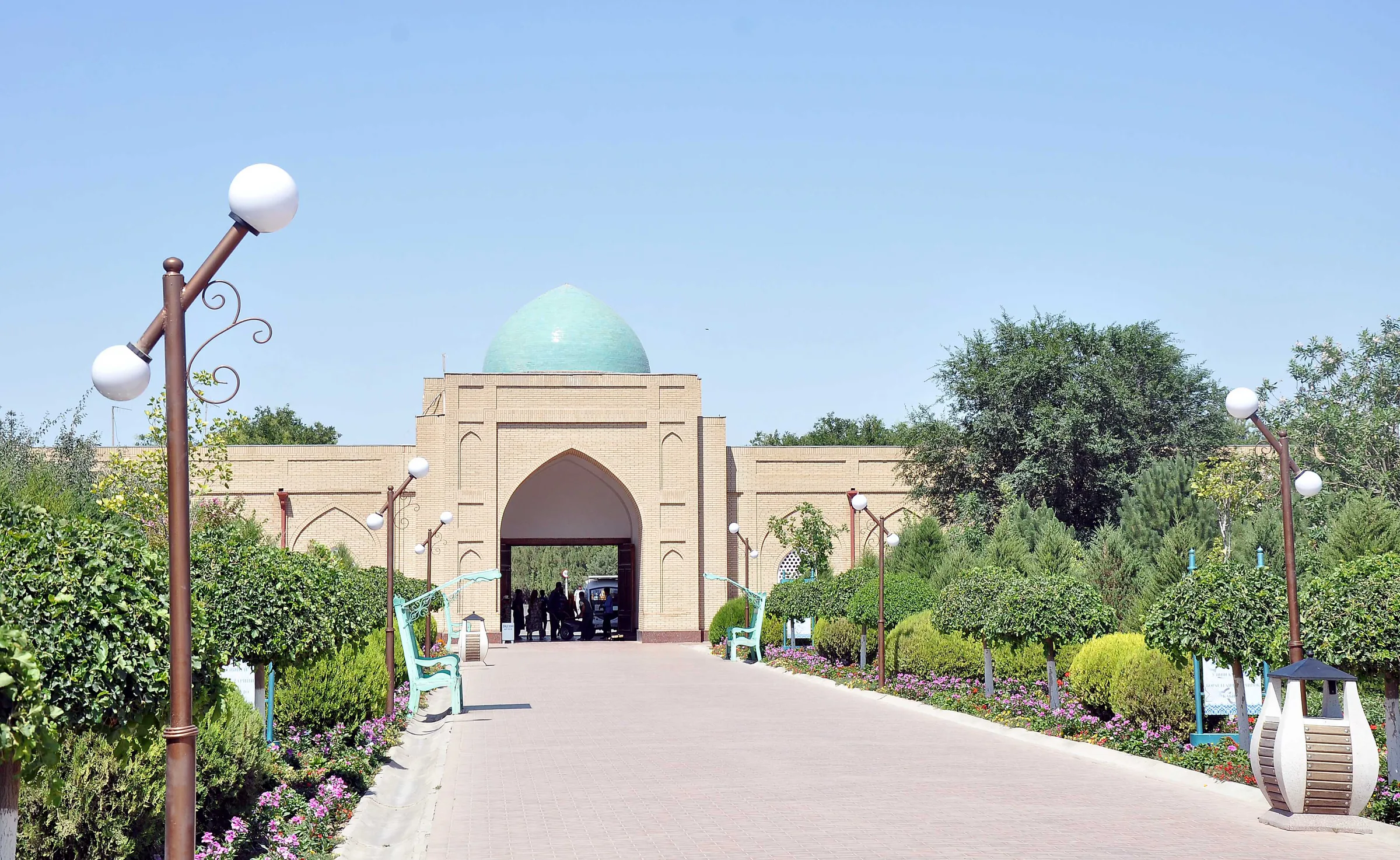
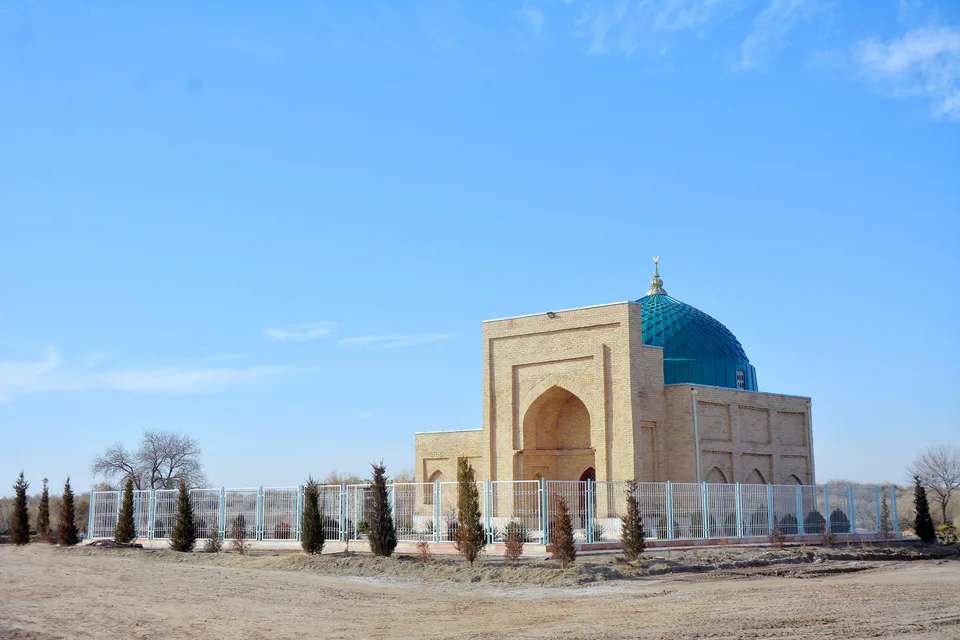
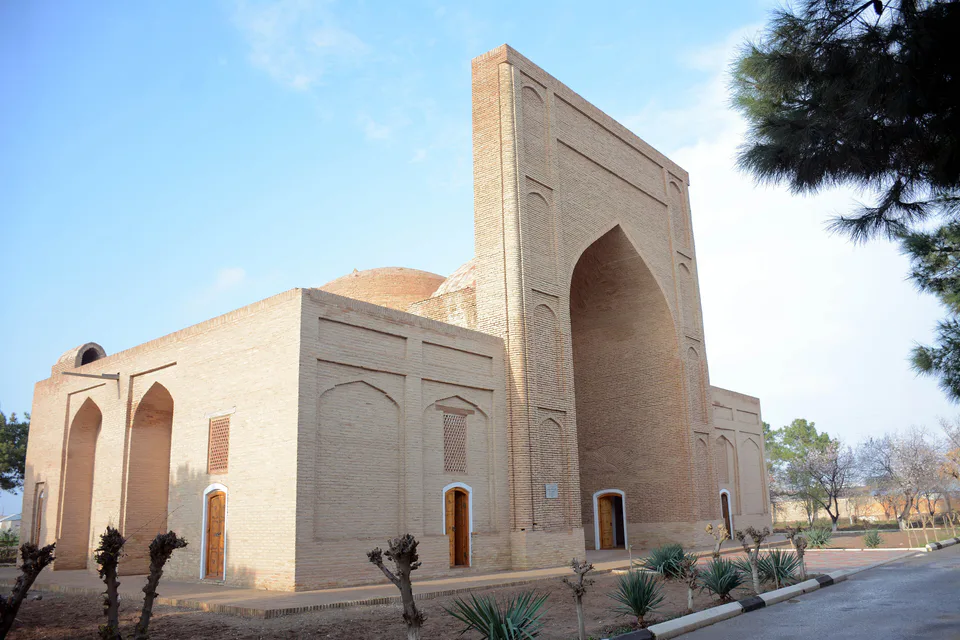
A complex that grew around the grave of the 9th-century Sufi thinker Abu Abdullah Muhammad al-Hakim al-Tirmidhi: mausoleum, mosque, khanqah and ancient retreat cells. Termez’s principal shrine.
Abu Abdullah Muhammad ibn Ali al-Hakim al-Tirmidhi was a 9th-century Islamic thinker, hadith scholar and Sufi. His works, among them Khatm al-Awliya (The Seal of the Saints) and Nawadir al-Usul, hold an important place in Islamic spiritual literature; many treatises are attributed to him, a number of which survive. Locals call him Termiz Ota and regard him as the city’s spiritual patron.
Tradition says he spent most of his life modestly in his parents’ house, teaching students. Accounts of his death vary; one has him killed by enemies. Another legend claims that Genghis Khan’s troops spared the mausoleum when they sacked Termez, though no historical source confirms this.
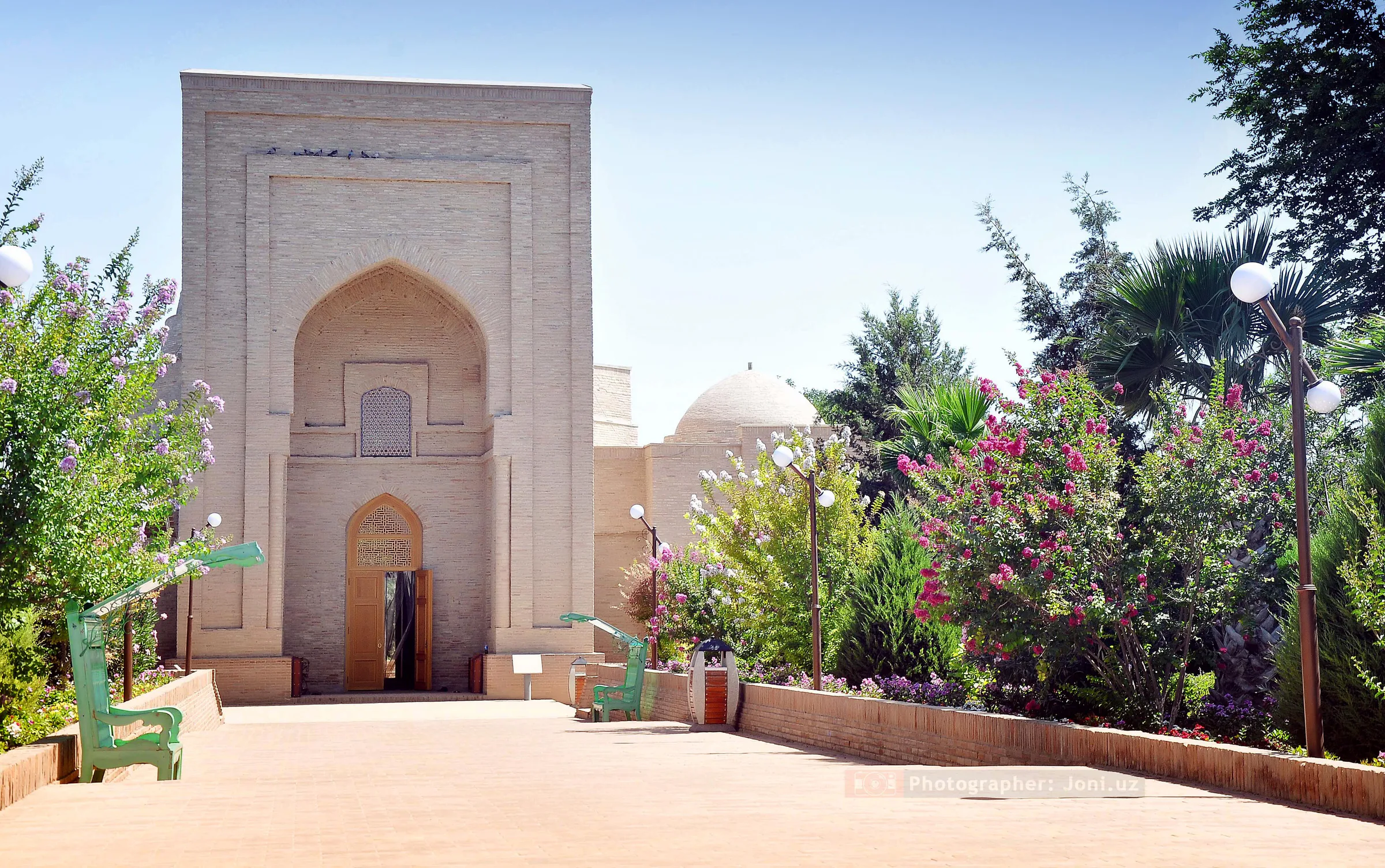
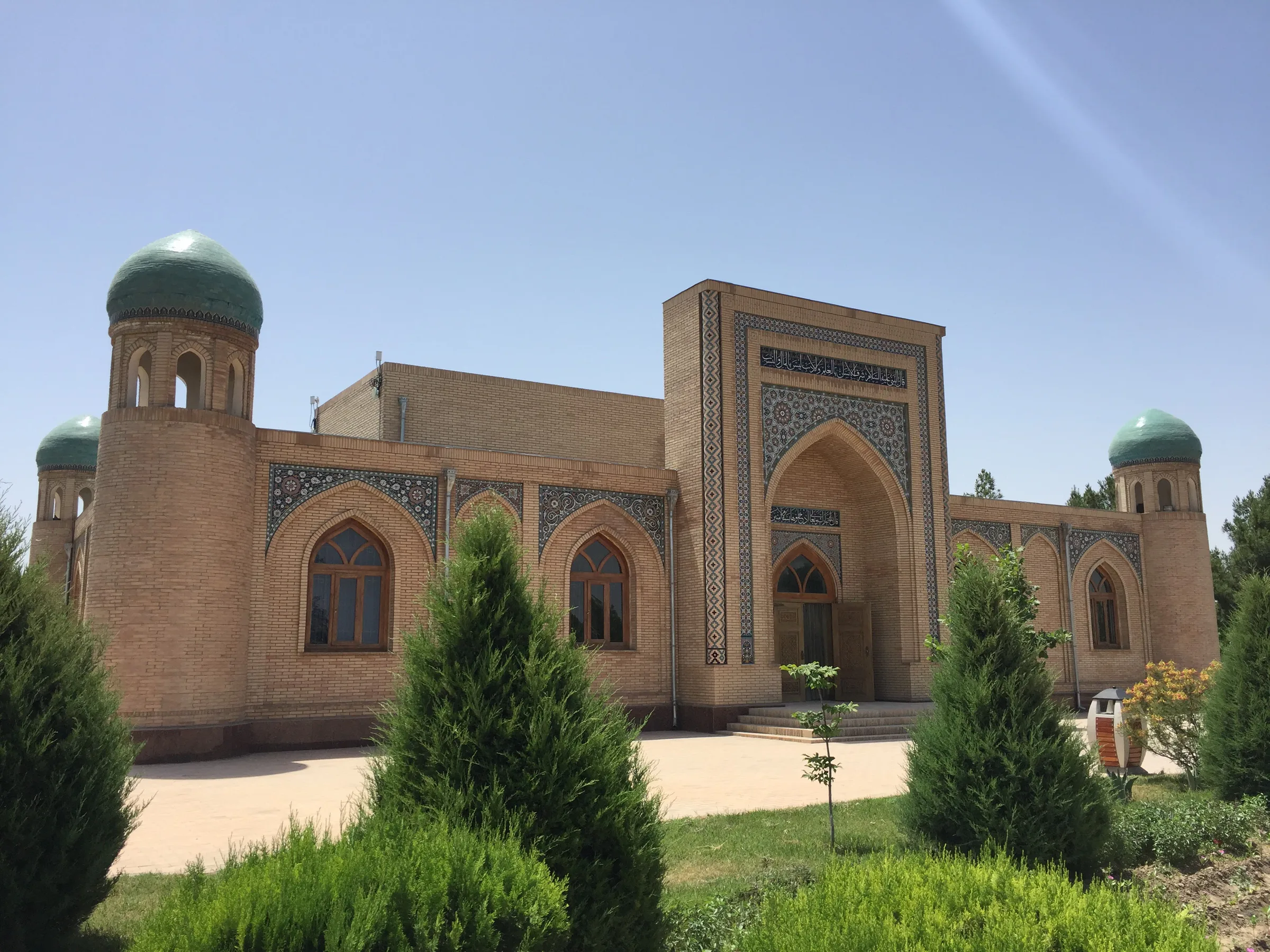
The complex developed around his grave in the western part of the Old Termez shahristan, which had emptied by the 11th century. By tradition its oldest part is a 9th-century mud-brick khanqah where al-Hakim is believed to have lived and taught. A mausoleum was later built over the grave in the khanqah’s south-west corner; in the 10th century the tomb of his son Abdullah was added against its east wall, and in the 11th–12th centuries a corridor-like three-domed mosque and extra rooms appeared on the north side.
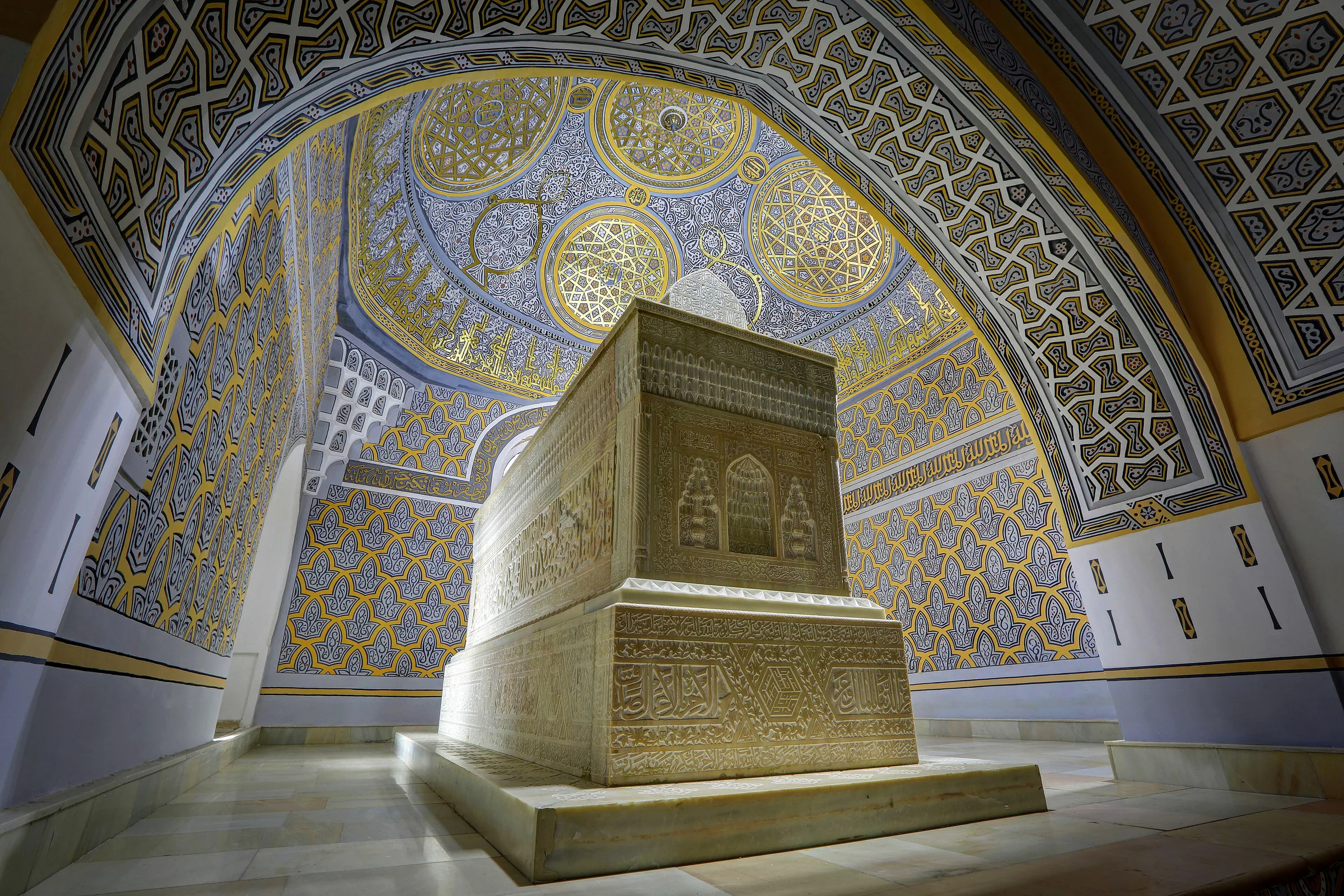
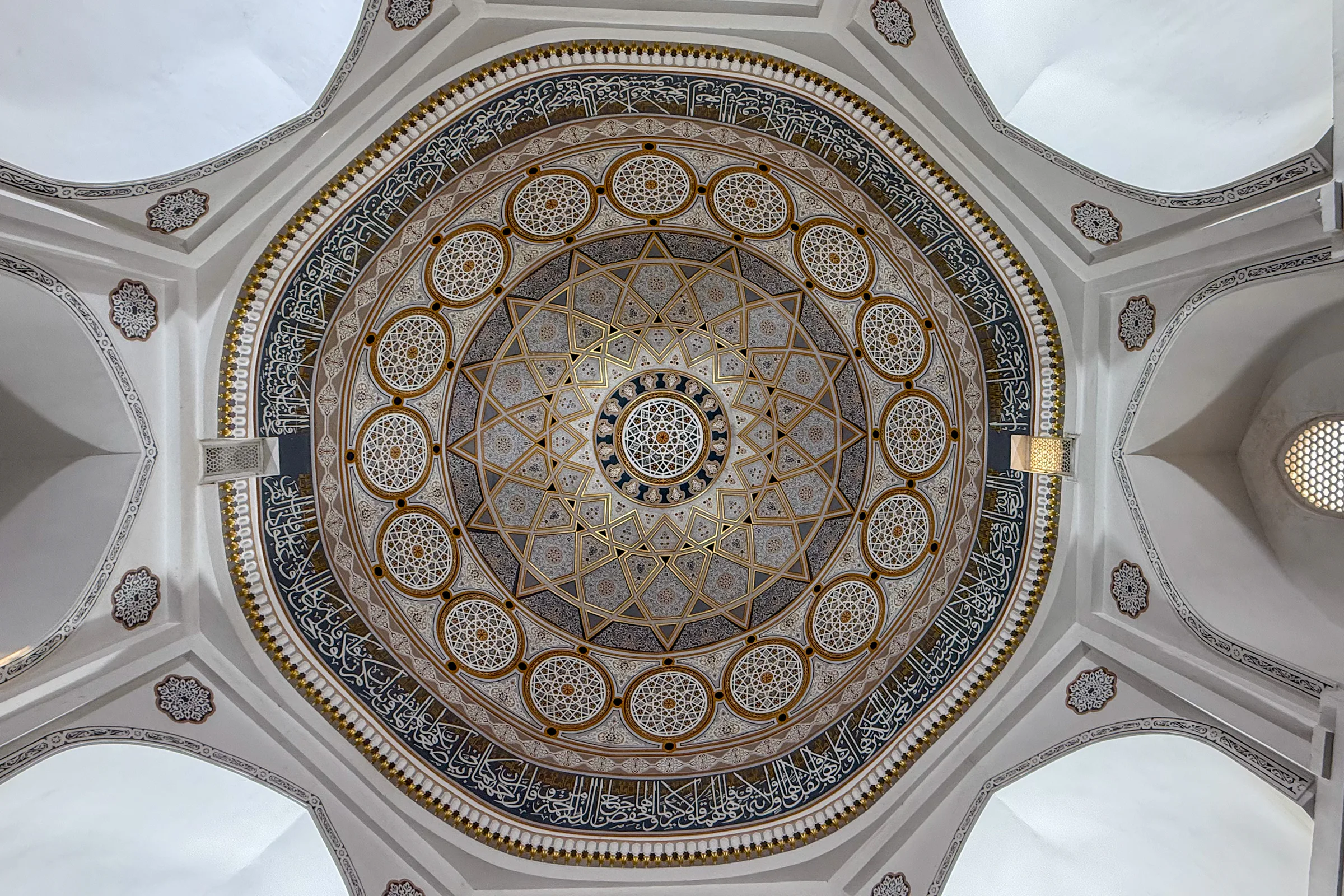
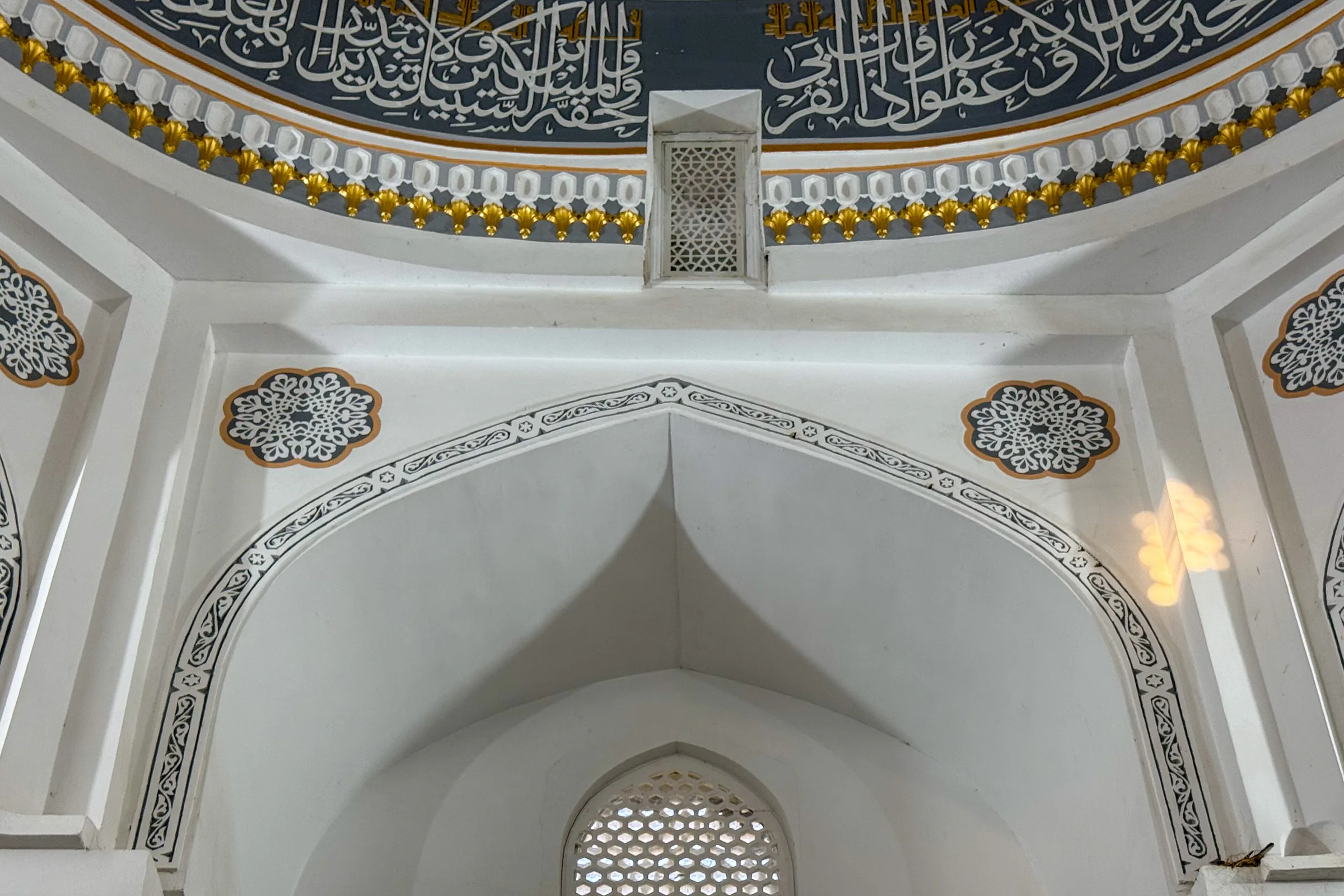
The complex measures 28 × 29 m; the mausoleum itself 5.10 × 4.70 m. It was restored and embellished under the Timurids. The domed mausoleum retains its mihrab and delicate carved ganch, and the prize is the marble cenotaph over the grave, covered in carved ornament and Arabic inscriptions.
Underground rooms of the 5th–10th centuries, the chillakhonas, survive on the site: cave-like cells for prayer and contemplation in complete seclusion, possibly used in early times by Buddhist monks as well.
The complex stands on the bank of the Amu Darya beside the ruins of Old Termez, with Afghanistan on the far shore. The Buddhist monasteries of Kara Tepe and Fayaz Tepe and the ruins of Chingiz Tepe are close by, so you can see several eras of Termez’s history in a single day.
It is Surkhandarya’s most visited shrine, drawing pilgrims from across Uzbekistan and abroad. The grounds have been landscaped with paths and resting places for visitors.
Termez gave the Islamic world many scholars bearing the name al-Tirmidhi. The most famous, Abu Isa Muhammad al-Tirmidhi (824–892), compiler of the hadith collection Sunan al-Tirmidhi, is buried in Sherobod District and is often confused with al-Hakim al-Tirmidhi.
Archaeology · Termez District
The ruins of a 2,500-year-old city at an Amu Darya crossing
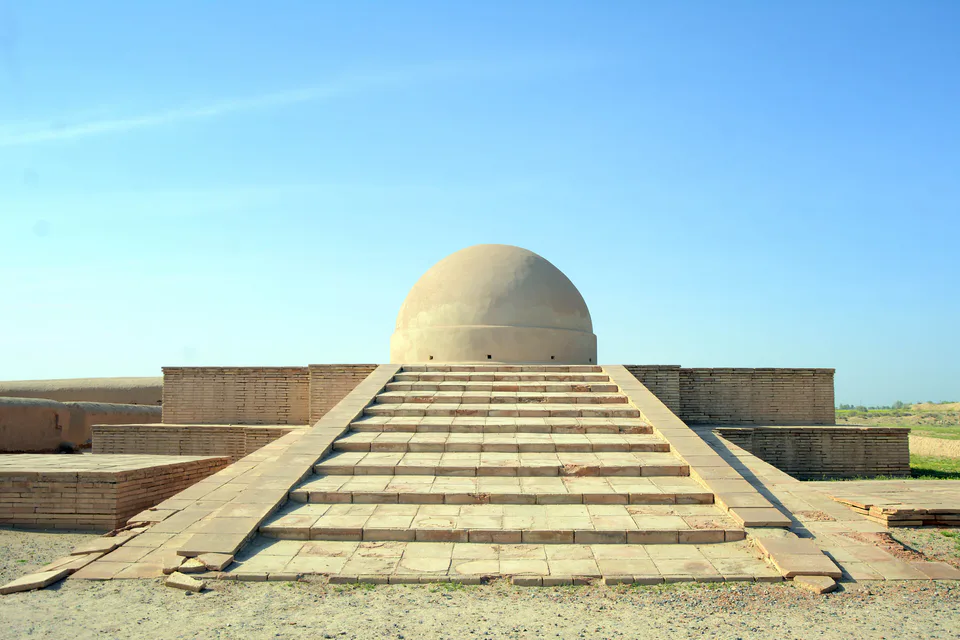
Archaeology · Termez District
A Buddha found by a shepherd and a Kushan monastery
Archaeology · Termez District
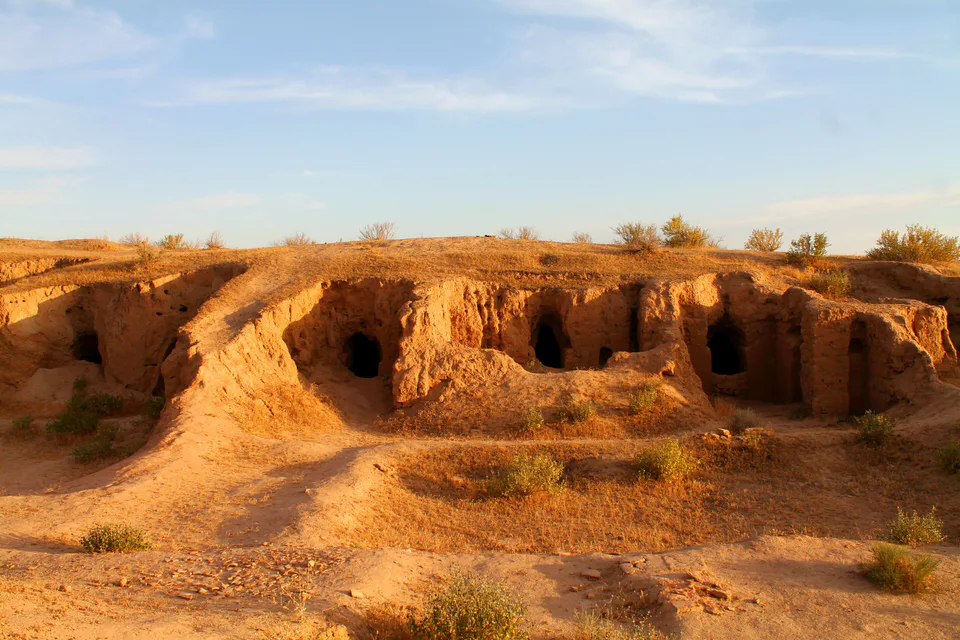
Buddhist cave monasteries cut into the hills
Museum · Termez City
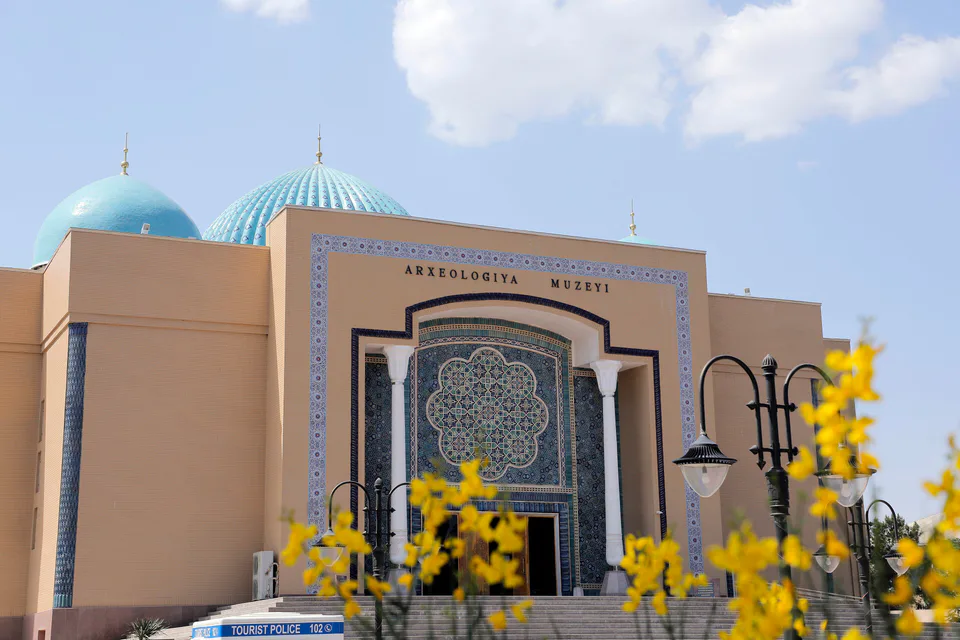
Bactrian and Kushan treasures under one roof
Ensemble · Termez City
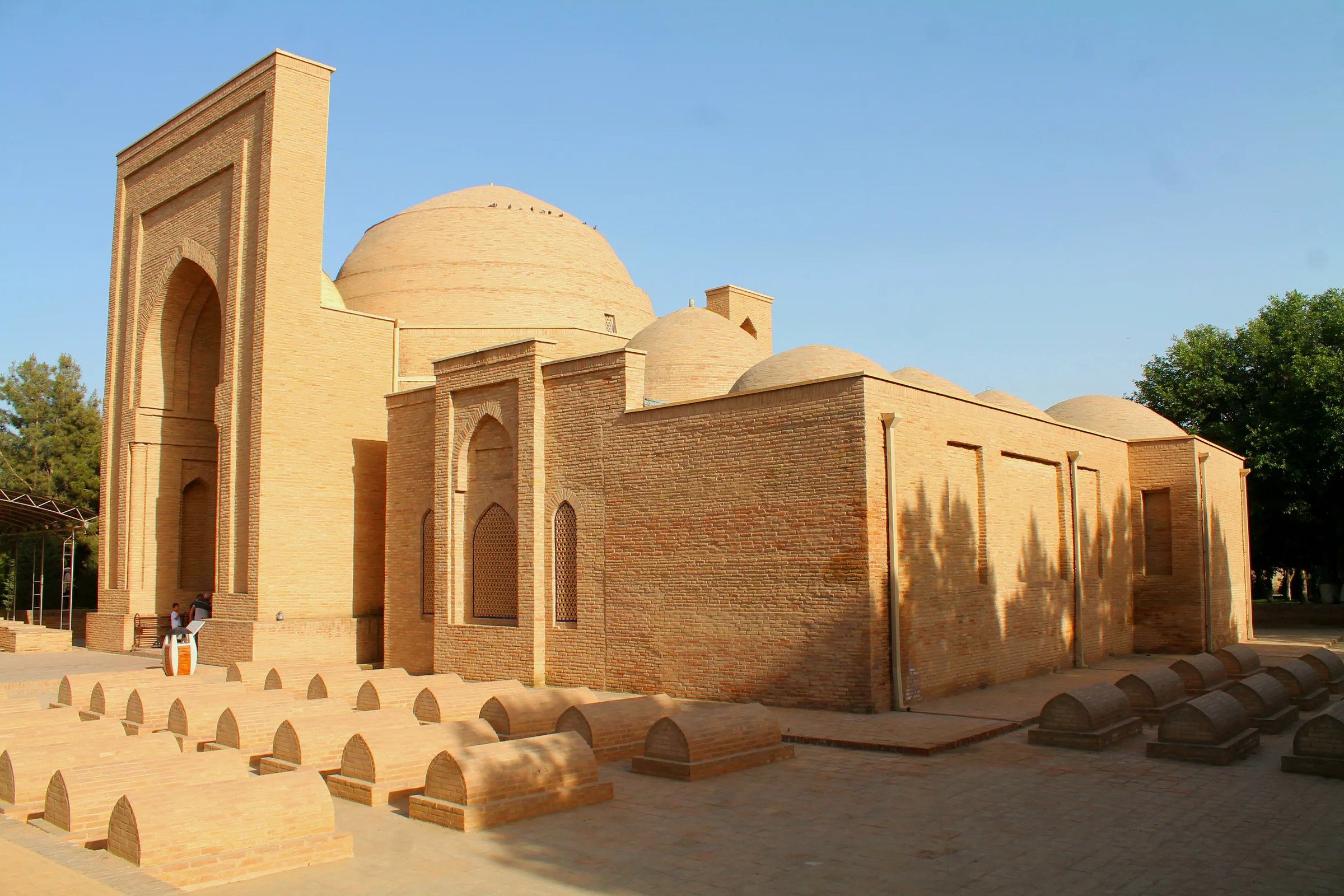
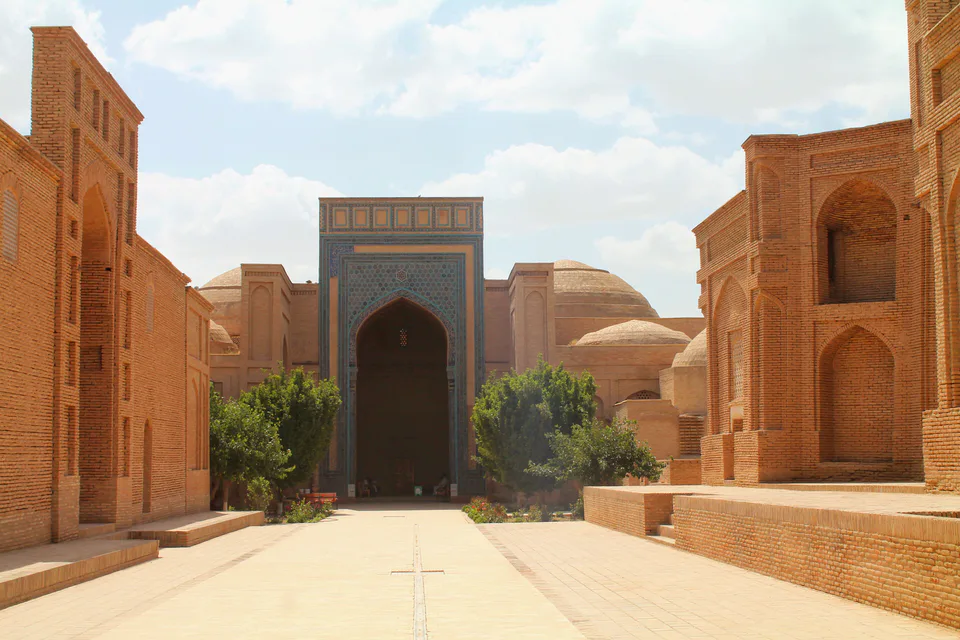
The family necropolis of the sayyids of Termez, built over seven centuries
Archaeology · Termez District
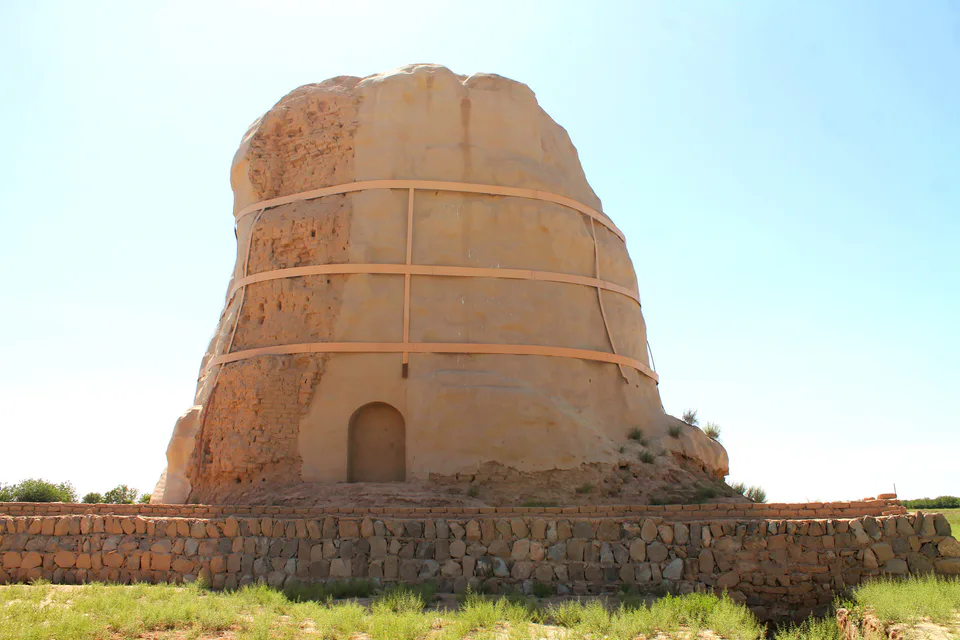
One of the oldest standing structures in Uzbekistan
Pilgrimage site · Termez District
The shrine that named the Prophet’s Island
Fortress · Termez District
A Samanid building whose purpose remains a mystery
Pilgrimage site · Termez City
A ganch-carved dome and a first-haircut ritual
Archaeology · Angor District
The Kushan-era hub of the Sherobod oasis