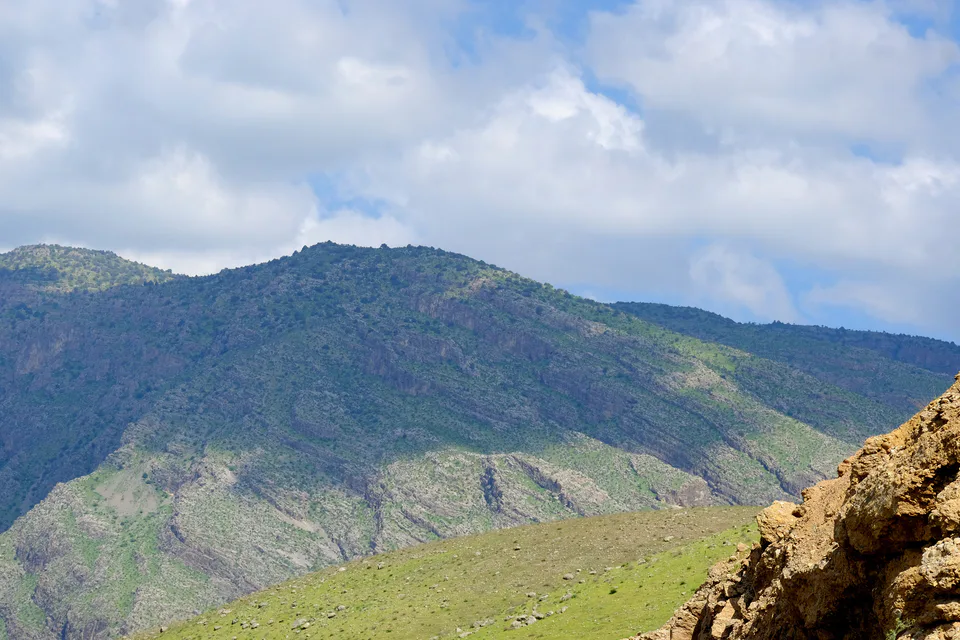
Nature · Sherobod District
Surkhan State Nature Reserve
Kohitang junipers and Amu Darya riverine forest
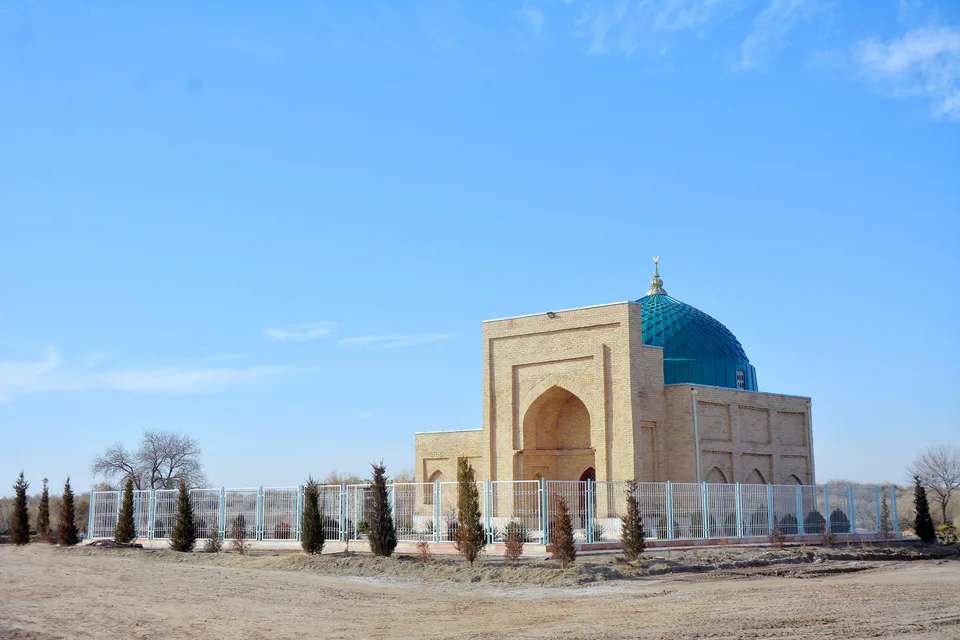
Pilgrimage site · Termez District
An 11th–12th-century mosque and tomb on Aral-Paygambar island in the Amu Darya, by tradition the grave of the Prophet Dhul-Kifl. It lies in a closed border zone.
The mausoleum stands at the southern end of Aral-Paygambar island in the Amu Darya near Termez. Tradition holds that the Prophet Dhul-Kifl, named in the Quran, is buried here, hence the island’s name, “Island of the Prophet”, and in the 12th–13th centuries it was a revered place of pilgrimage. The buildings are dated to the 11th–12th centuries, the Ghaznavid era: a square domed mosque with a portal (6.95 × 6.95 m), a tomb chamber of 6 × 4 m raised about a metre above the mosque floor, and two rooms, with carved girih ganch in the mihrab. The mausoleum was restored in early 2018 but, lying on the Afghan border, is closed to pilgrims.
Nature · Sherobod District
Kohitang junipers and Amu Darya riverine forest
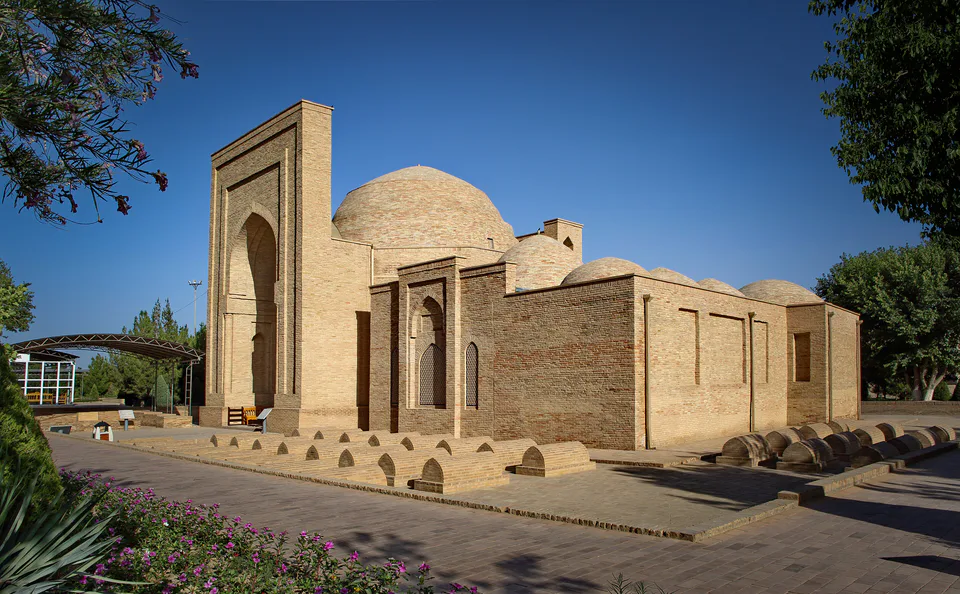
Pilgrimage site · Termez District
The shrine of “Termiz Ota”, the city’s patron saint
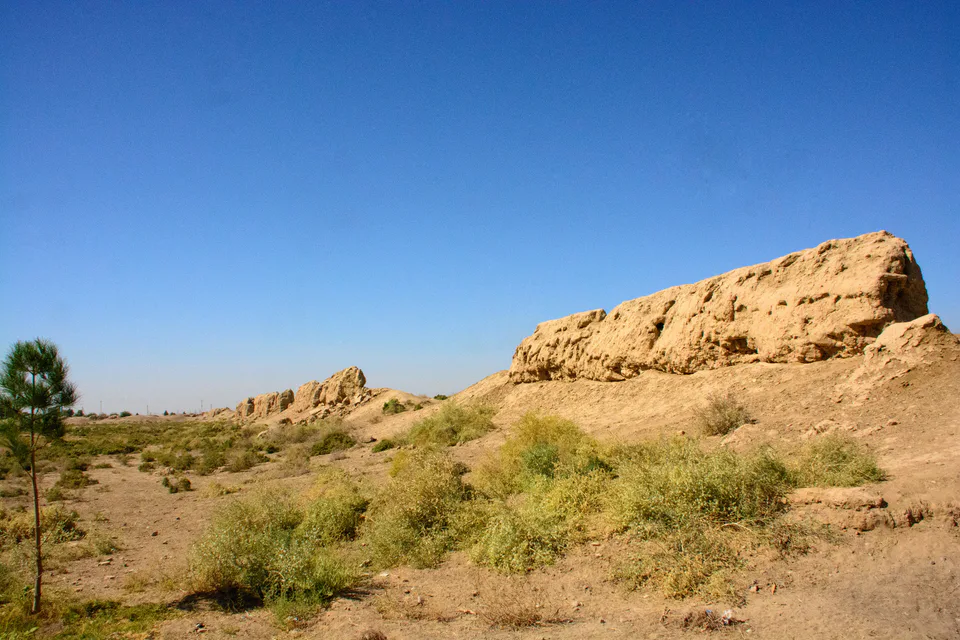
Archaeology · Termez District
The ruins of a 2,500-year-old city at an Amu Darya crossing
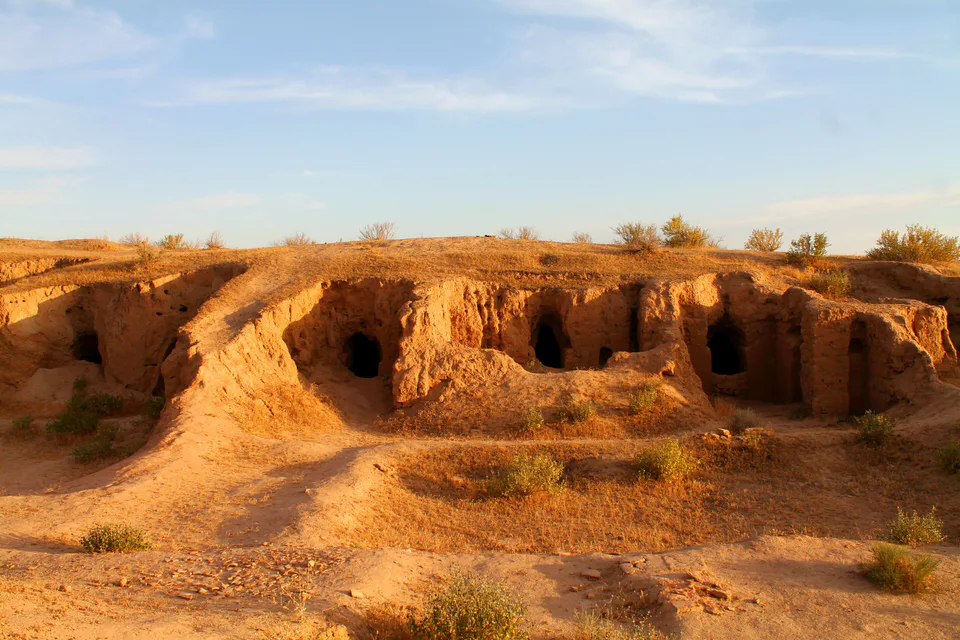
Archaeology · Termez District
Buddhist cave monasteries cut into the hills
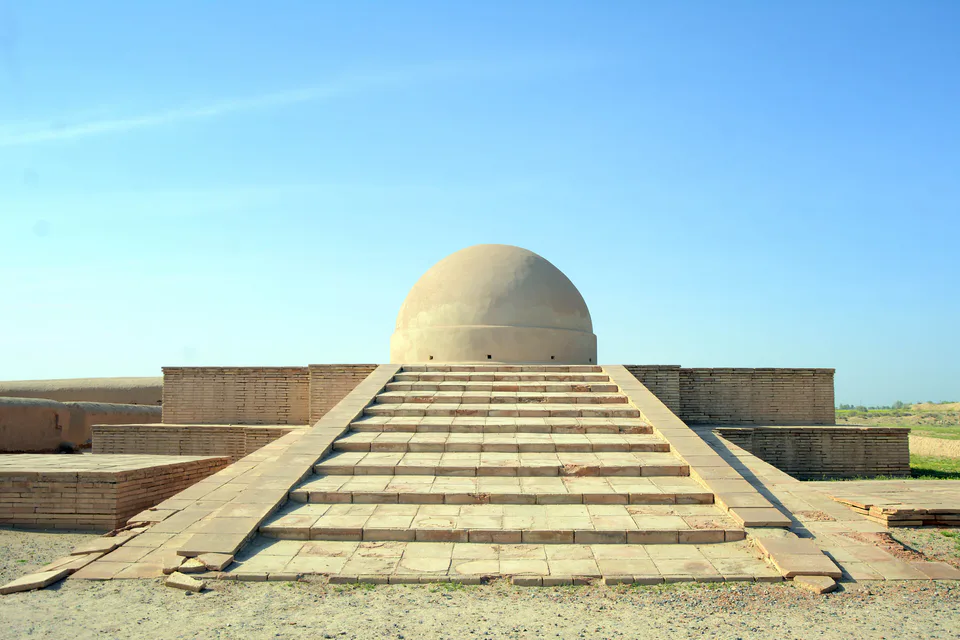
Archaeology · Termez District
A Buddha found by a shepherd and a Kushan monastery
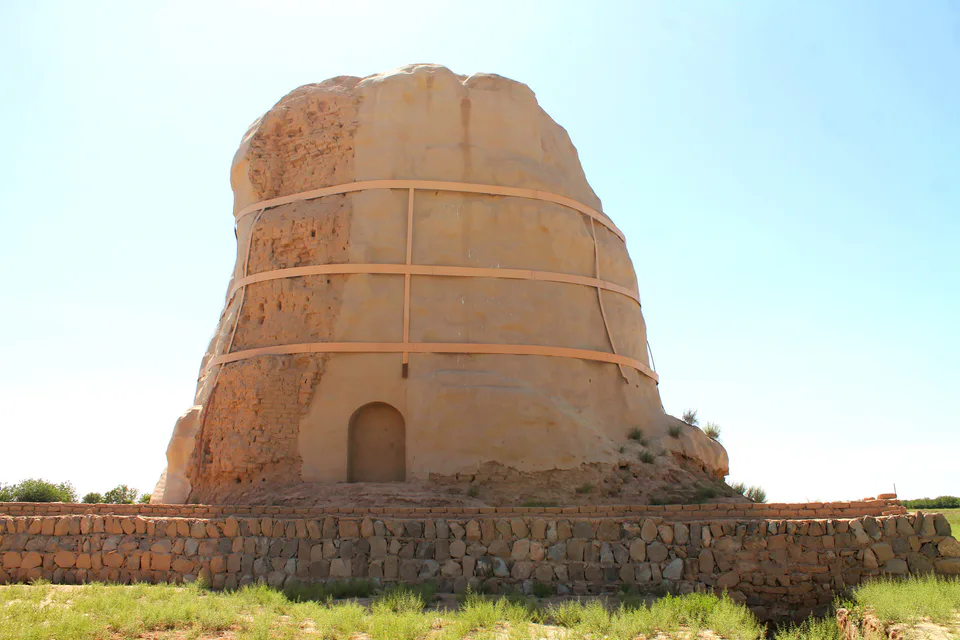
Archaeology · Termez District
One of the oldest standing structures in Uzbekistan
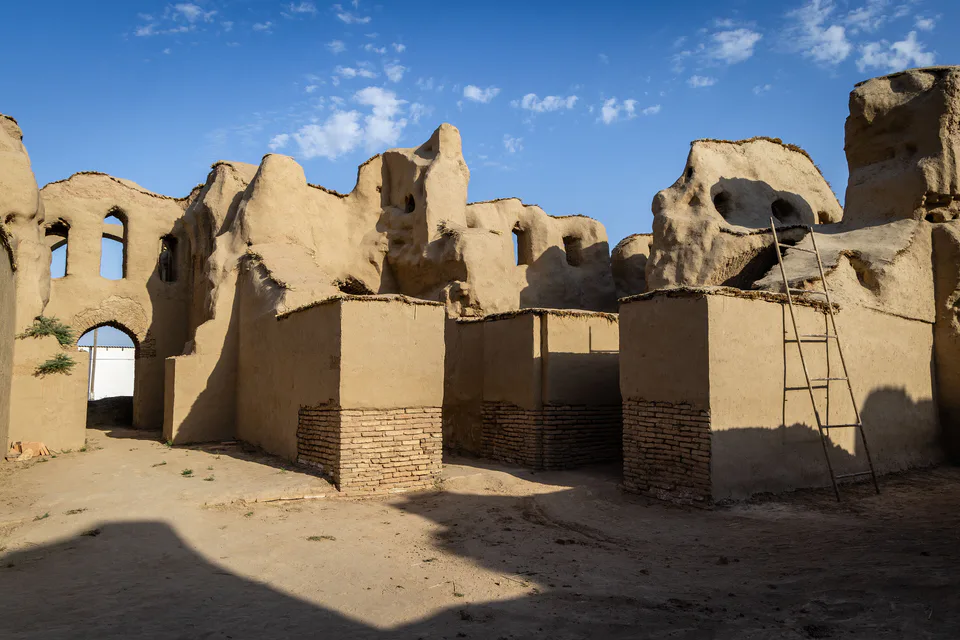
Fortress · Termez District
A Samanid building whose purpose remains a mystery
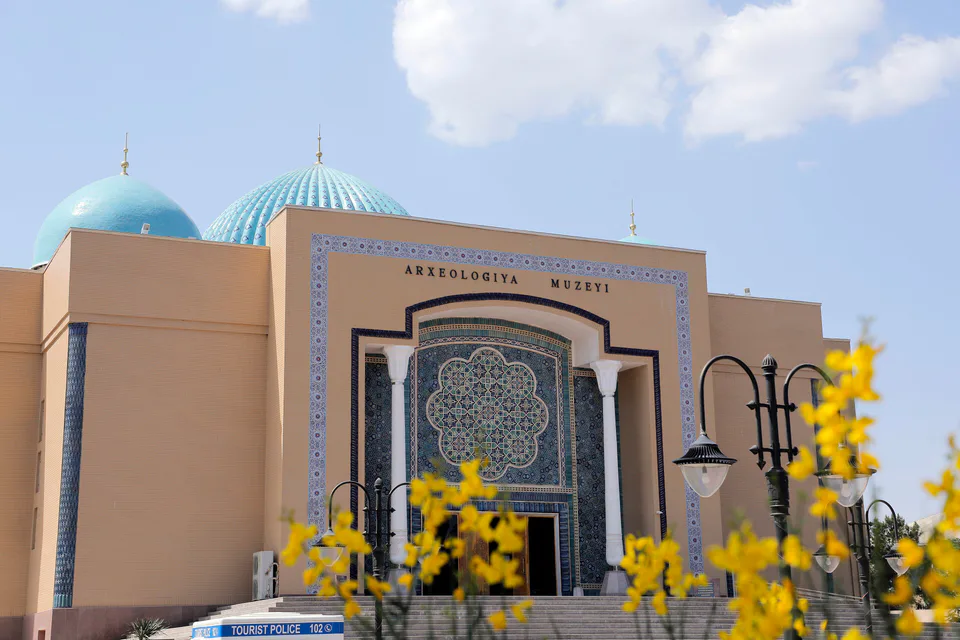
Museum · Termez City
Bactrian and Kushan treasures under one roof
Archaeology · Angor District
The Kushan-era hub of the Sherobod oasis
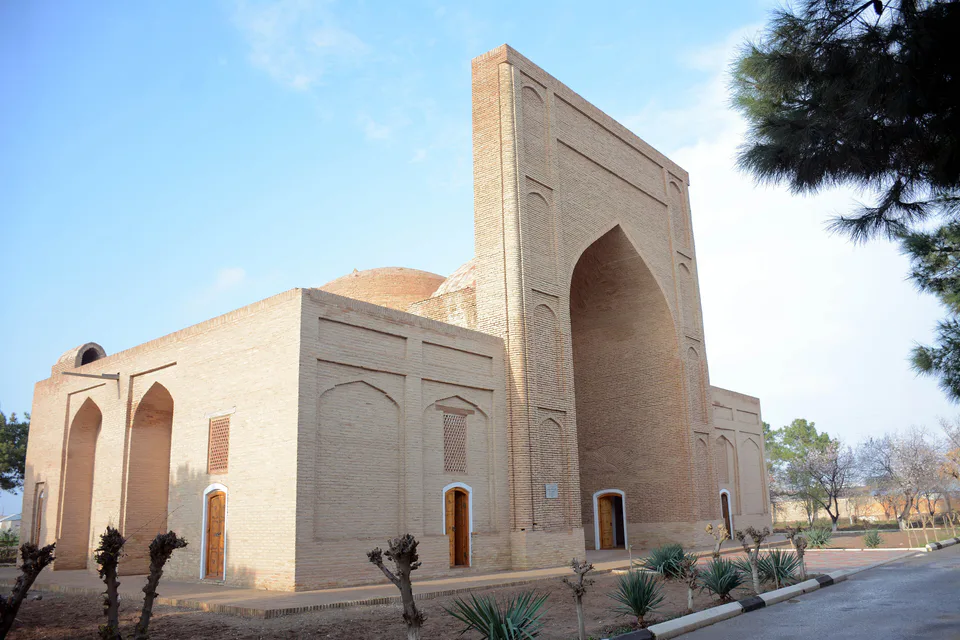
Pilgrimage site · Termez City
A ganch-carved dome and a first-haircut ritual