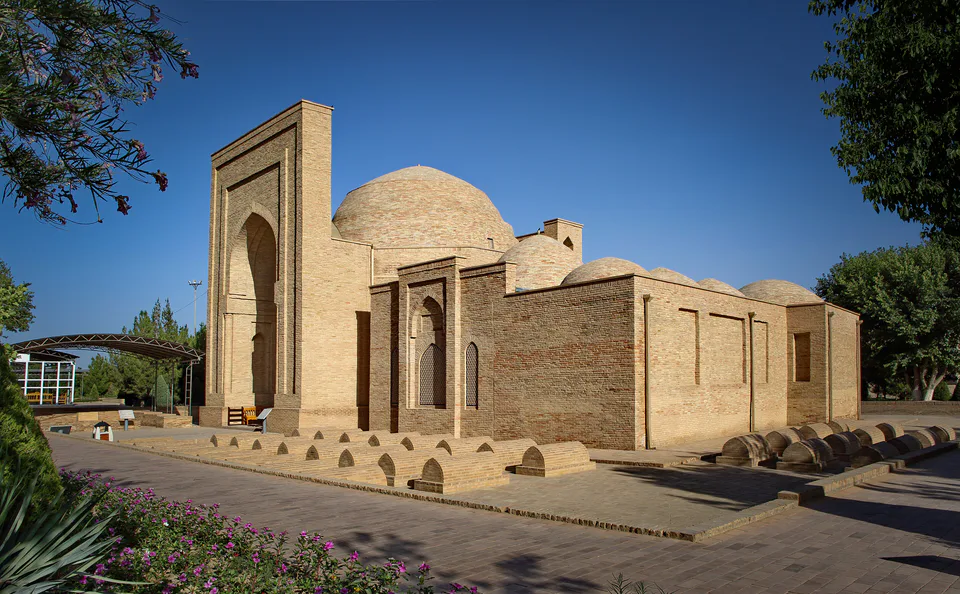
Pilgrimage site · Termez District
Al-Hakim al-Tirmidhi Memorial Complex
The shrine of “Termiz Ota”, the city’s patron saint
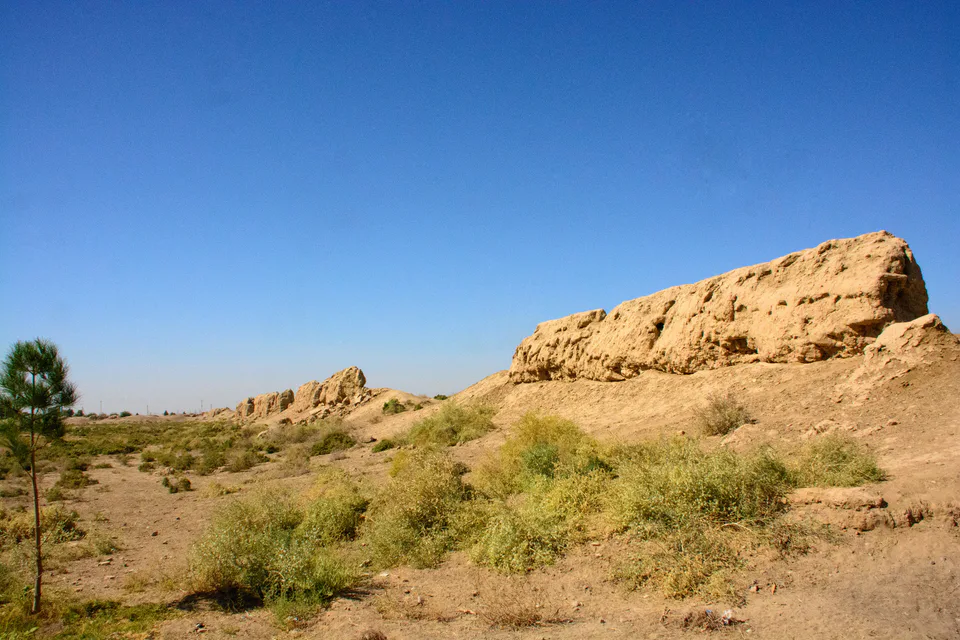
Archaeology · Termez District
The site of ancient and medieval Termez: a Buddhist centre under the Kushans, a major Islamic city in the 9th–12th centuries, destroyed by Genghis Khan’s army in 1220.
The ruins of Old Termez stretch north-west of the modern centre along the right bank of the Amu Darya. Linguists derive the name from an Old Iranian word meaning “place of crossing”, and with reason: for centuries this was one of the key fords of the river. The city joined the Achaemenid empire in the 6th century BC and fell to Alexander the Great in 329 BC.
In the Kushan period (1st–3rd centuries AD) the city, then called Tarmita, became a major Buddhist centre in Tokharistan. A 70-hectare shahristan grew around the citadel, and the whole district may have been protected by a “long wall” enclosing some 450 hectares. The Chinese pilgrim Xuanzang, who passed through in 629–630, wrote of more than ten monasteries and over a thousand monks.
The Arab Caliphate took Termez in 705. By the 9th–10th centuries it was a great centre of trade, crafts and learning, with 10 km of walls and nine gates. After the Samanids it passed in turn to the Ghaznavids, Karakhanids and Seljuks, and in 1206 to the Khwarazmshahs. The Chor Sutun mosque and one of Central Asia’s earliest minarets were built in the north of the shahristan, while a shrine grew up around the grave of al-Hakim al-Tirmidhi in the west.
In 1220, after a ten-day siege, Genghis Khan’s army took and sacked Termez and massacred its people. Only the south-eastern suburb survived, and there a new town effectively arose in the 14th century. Old Termez has lain in ruins ever since.
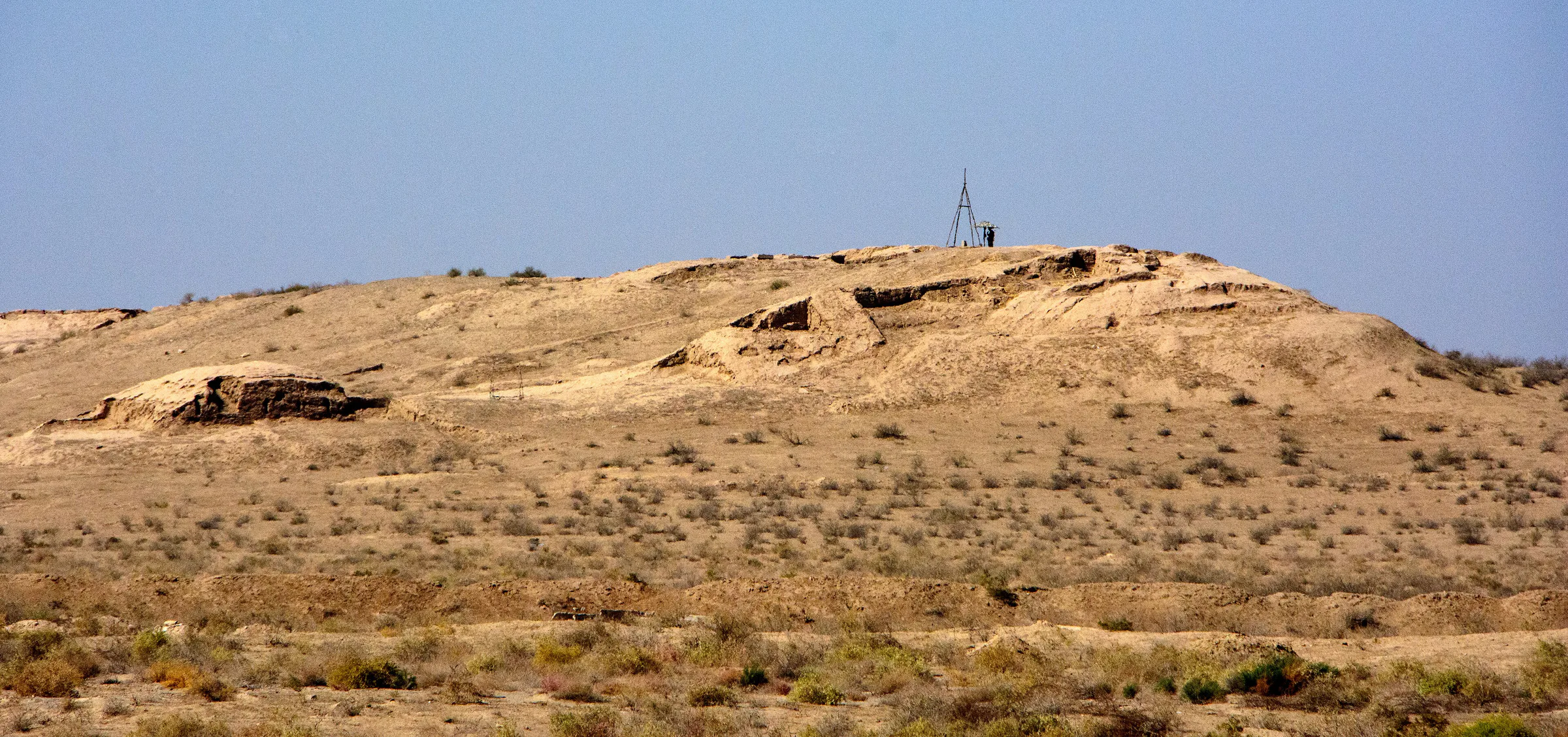
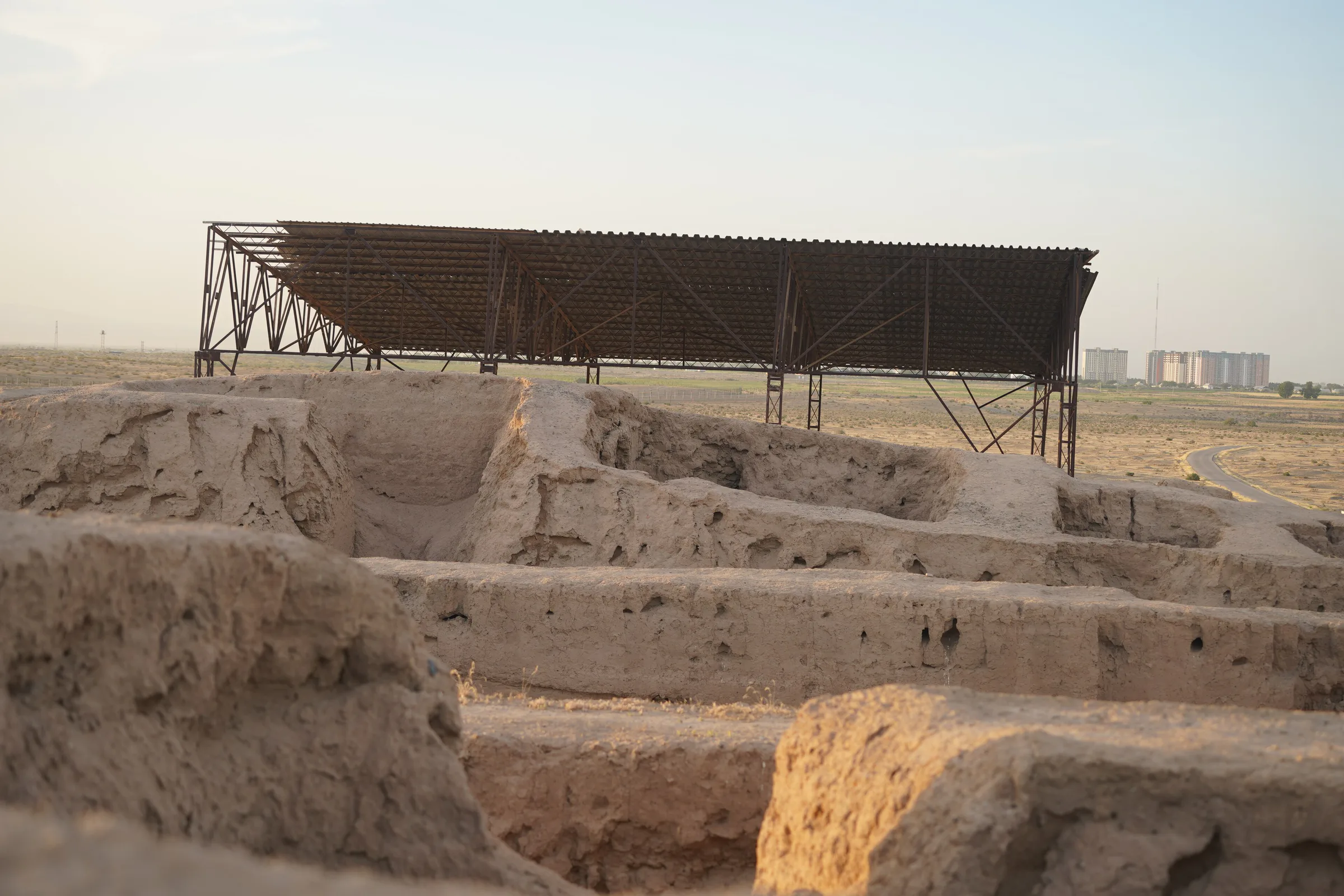
Today Old Termez is a vast archaeological zone of mud-brick walls, mounds and trenches. The long side of the rectangular citadel runs about 470 m along the river. The shahristan and suburb, the ruins of Chingiz Tepe and the Buddhist monasteries of Kara Tepe and Fayaz Tepe to the north-west are all studied as parts of the old city.
The first scientific excavations were carried out in 1926–1928 by an expedition of the Museum of Oriental Cultures in Moscow under A. S. Strelkov. In 1936–1938 M. E. Masson led the Termez Archaeological Complex Expedition, and G. A. Pugachenkova, E. V. Rtveladze and others, including foreign teams, later continued the work.
In the 14th–15th centuries the new Termez was a vital crossing and trading town of the Timurid state; the Castilian envoy Clavijo crossed the river here on his way to Samarkand in 1404. The historian Hafiz-i Abru counted Termez among the four great cities of Mawarannahr, with Bukhara, Samarkand and Khujand.
Pilgrimage site · Termez District
The shrine of “Termiz Ota”, the city’s patron saint
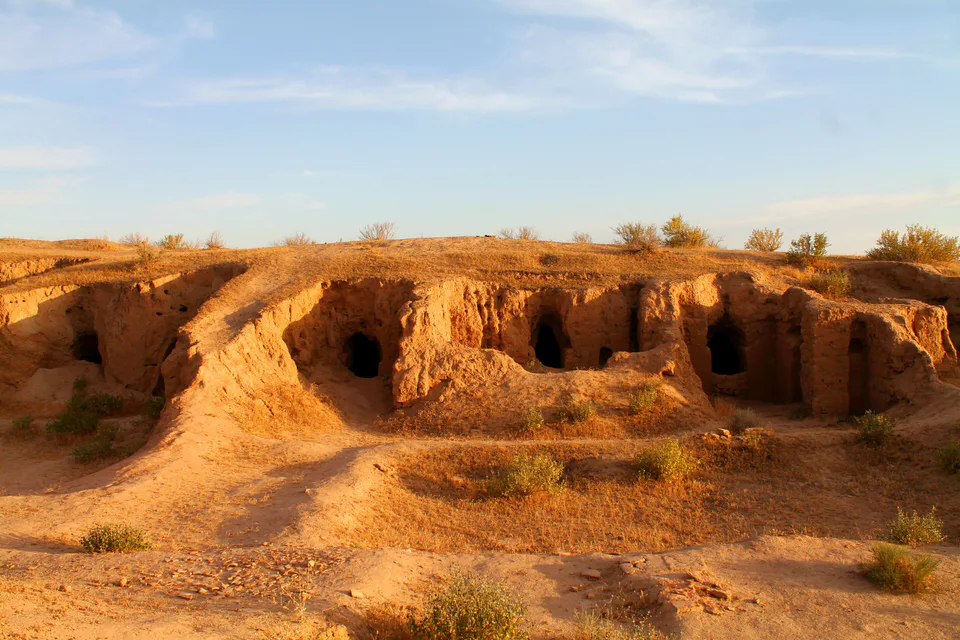
Archaeology · Termez District
Buddhist cave monasteries cut into the hills
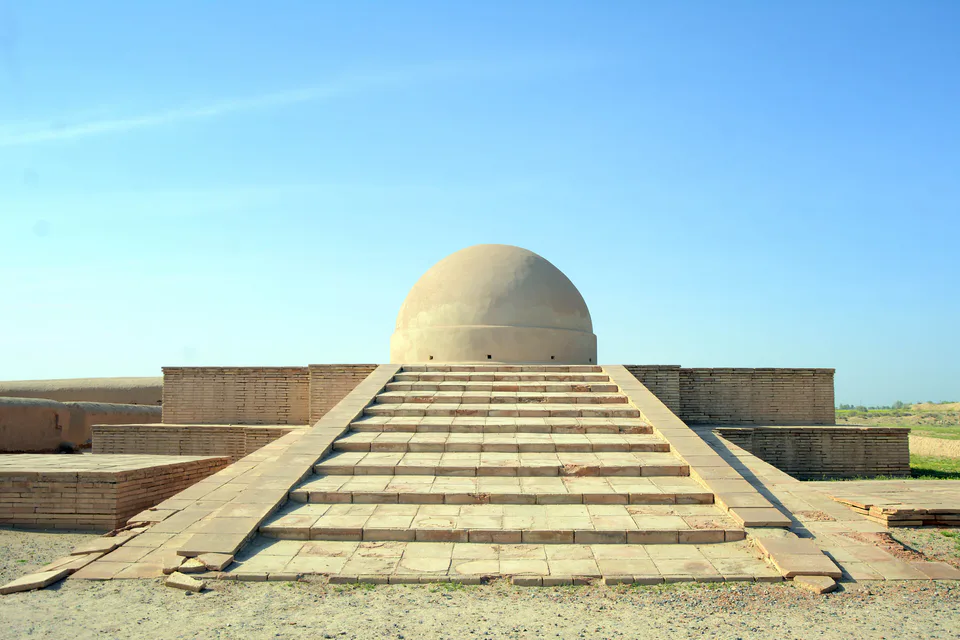
Archaeology · Termez District
A Buddha found by a shepherd and a Kushan monastery
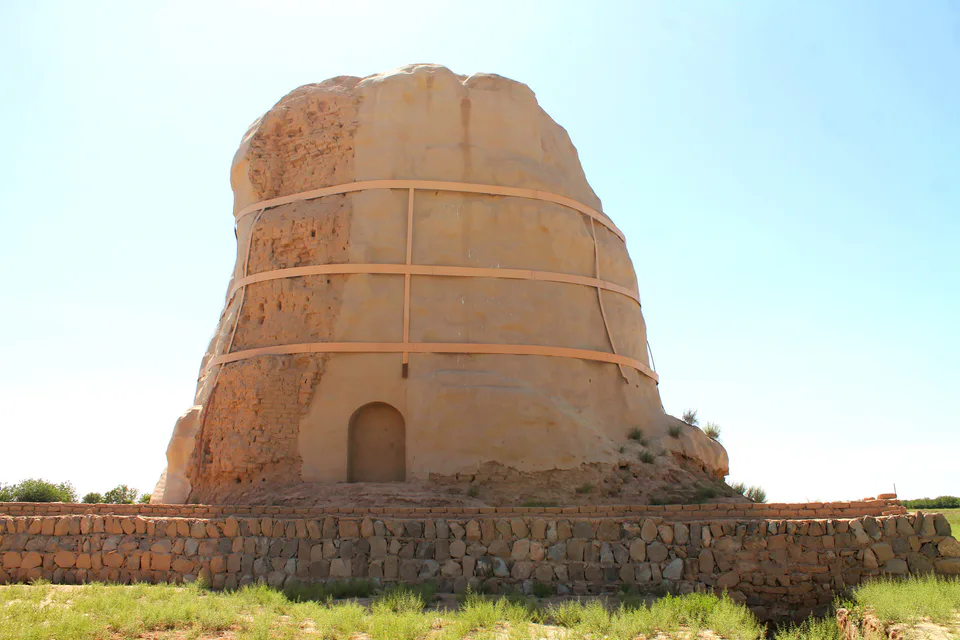
Archaeology · Termez District
One of the oldest standing structures in Uzbekistan
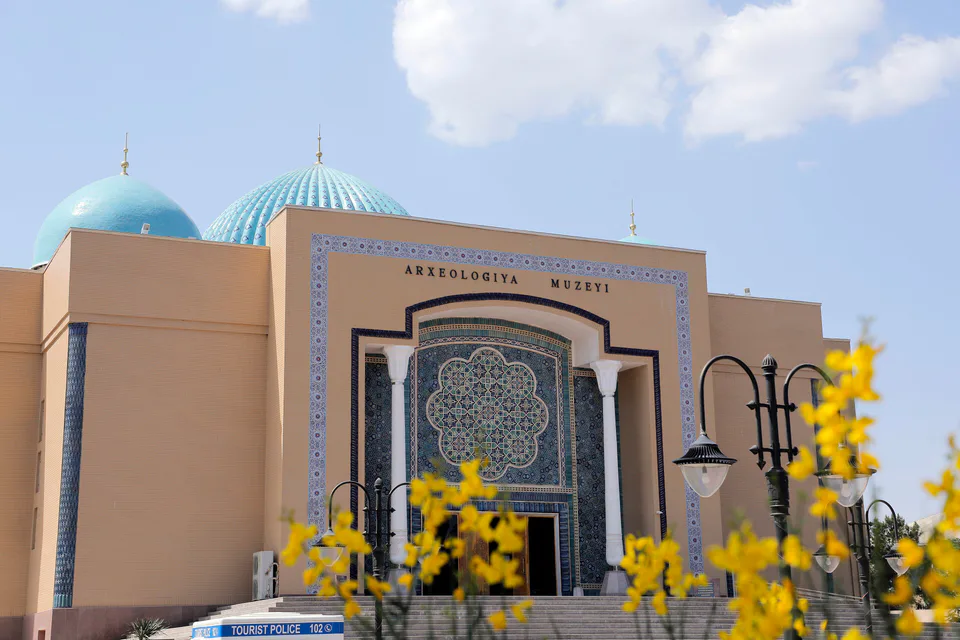
Museum · Termez City
Bactrian and Kushan treasures under one roof
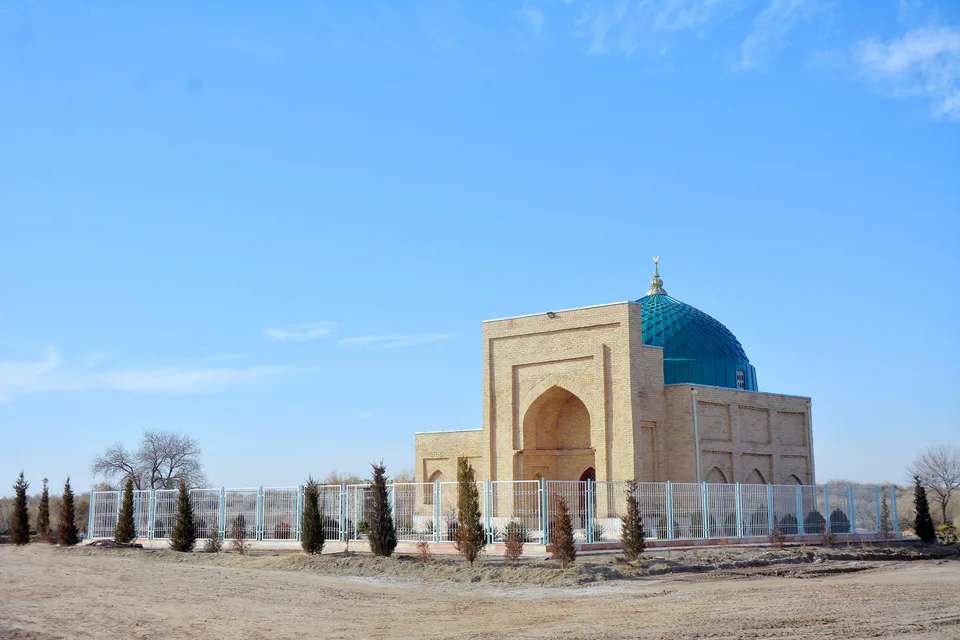
Pilgrimage site · Termez District
The shrine that named the Prophet’s Island
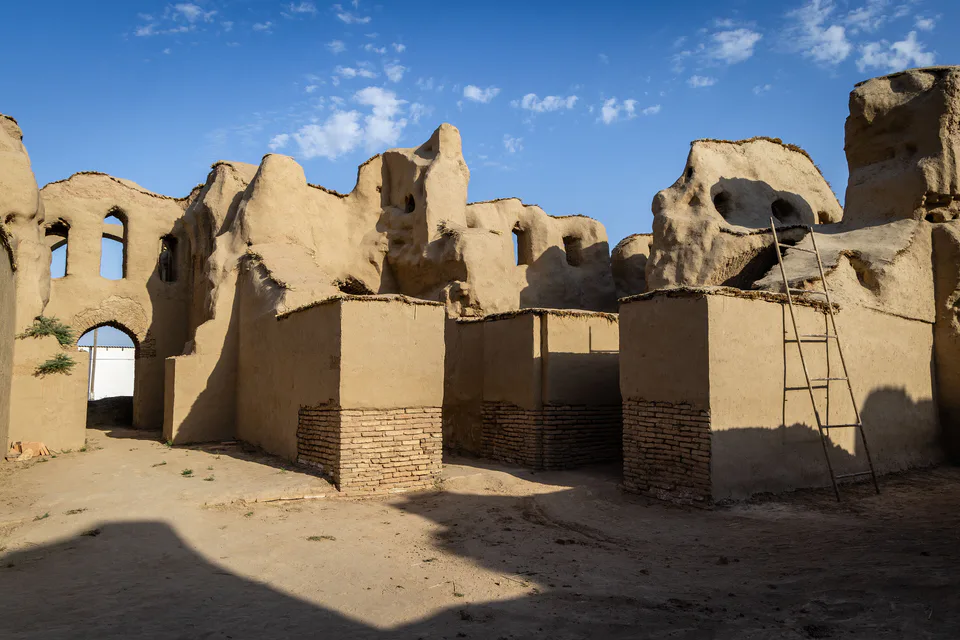
Fortress · Termez District
A Samanid building whose purpose remains a mystery
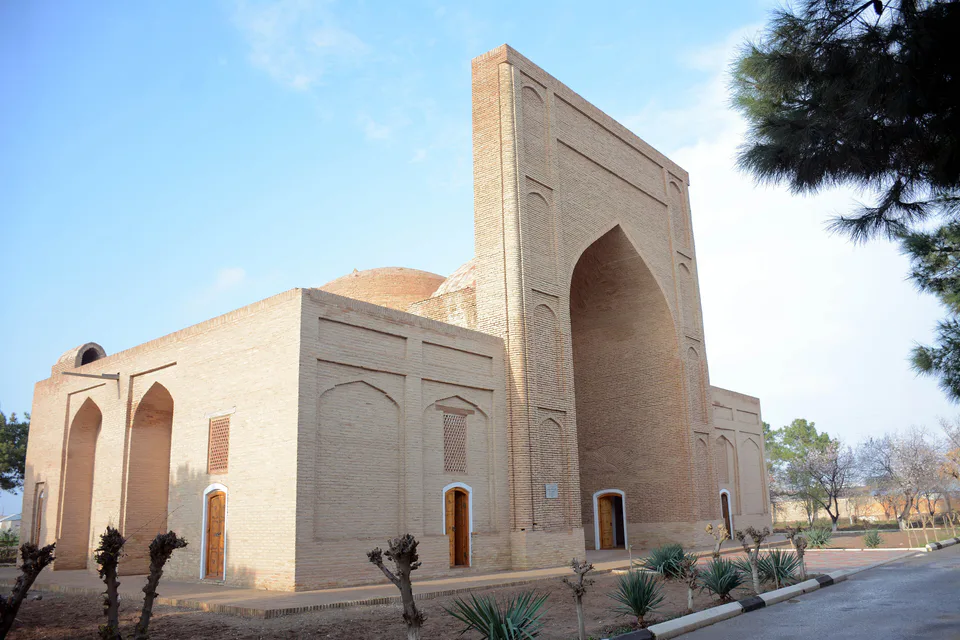
Pilgrimage site · Termez City
A ganch-carved dome and a first-haircut ritual
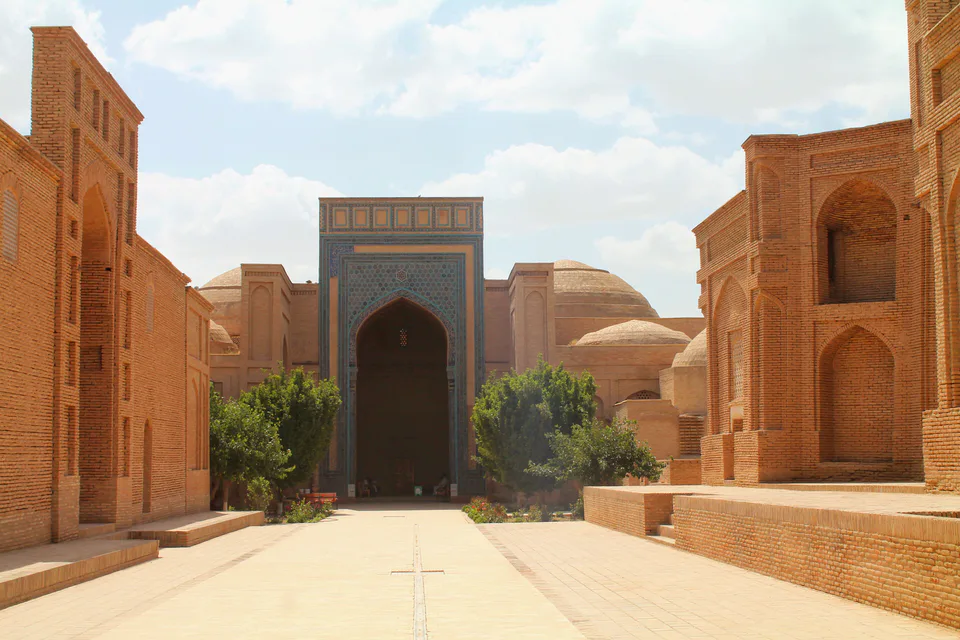
Ensemble · Termez City
The family necropolis of the sayyids of Termez, built over seven centuries
Archaeology · Angor District
The Kushan-era hub of the Sherobod oasis