Archaeology · Samarkand
Afrasiyab
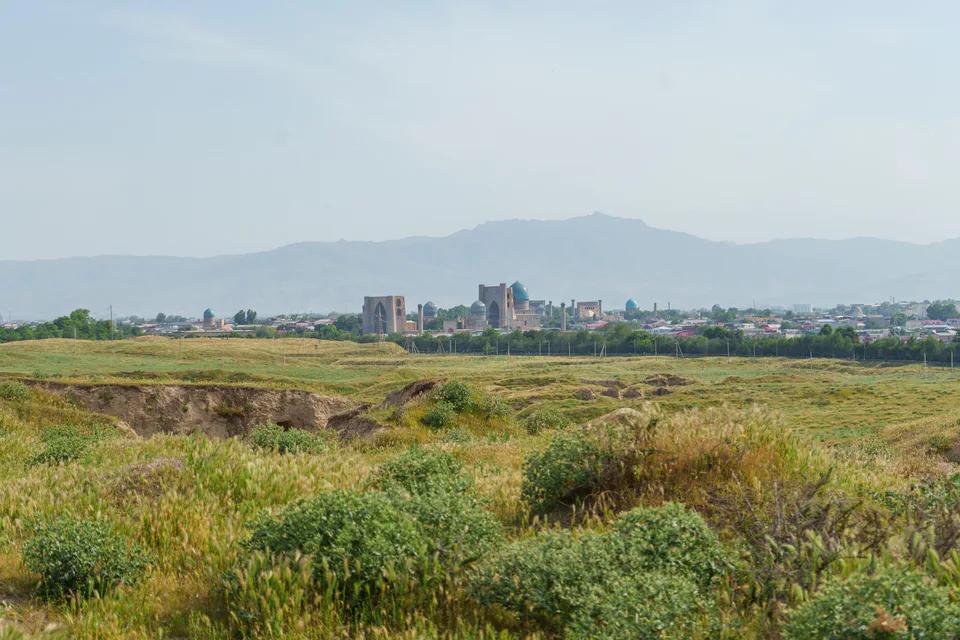
The ruins of pre-Mongol Samarkand
city · Samarkand Region
Samarkand is the regional capital: 600,000-plus residents, 215 mahallas, major universities, an international airport and high-speed rail. In 2026 its territory was enlarged almost 2.5-fold.
Samarkand sits in the Zarafshan valley, on the left bank of the river, about 700 metres above sea level. It is the capital of Samarkand Region and the seat of its government. Its historic core has been on UNESCO’s World Heritage List since 2001 as “Samarkand – Crossroads of Cultures”, yet this is no open-air museum: hundreds of thousands of people live, study and work here.
The climate is dry and continental, with hot, almost rainless summers and short, fickle winters. On 1991–2020 normals, January averages +2.3 °C and July +27.2 °C; annual precipitation is around 380 mm, most of it falling in late winter and spring. The most pleasant months for a visit are April–May and September–October.
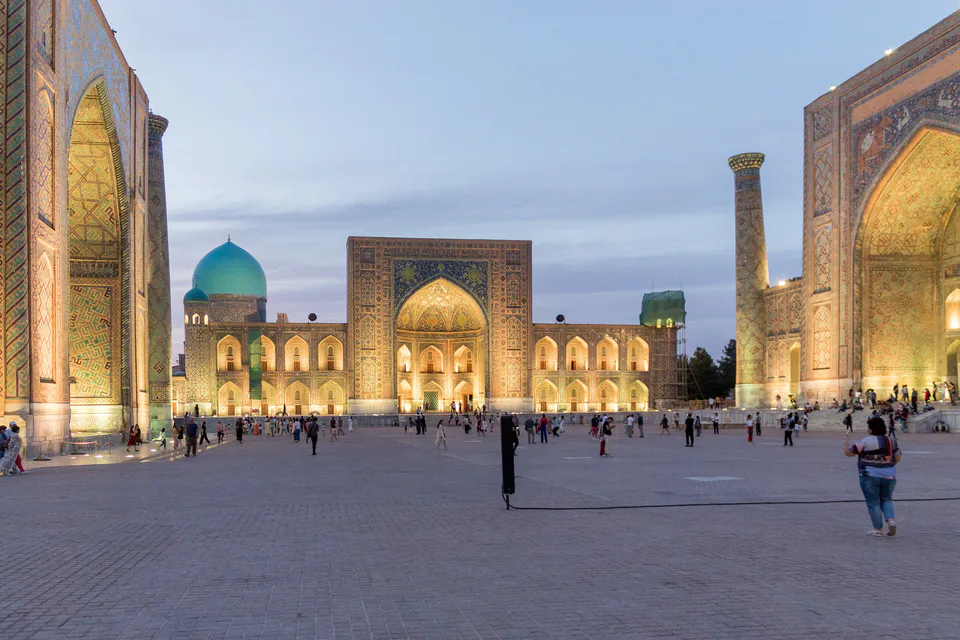
Samarkand currently has no districts: the city is made up of 215 mahalla (neighbourhood) assemblies and also includes the settlements of Kimyogarlar, Farhod and Khishrav. The east is the old city of narrow lanes and courtyard houses around the Registan, Bibi-Khanym and Siyob Bazaar. After 1868 a planned “new town” of broad boulevards grew up to the west, and University Boulevard with its Imperial-era buildings still defines the centre. To the north rise the mounds of ancient Afrasiyab; Soviet-era housing blocks spread the city further.
On the eastern edge, the Silk Road Samarkand complex (2022) groups hotels, a congress hall and the Eternal City (Boqiy Shahar), a stylised old town. A new chapter began on 8 August 2026, when Uzbekistan’s Senate approved abolishing Samarkand District and transferring 17,226.5 hectares to the city. Samarkand’s territory will grow from about 11,800 to nearly 29,000 hectares, and its population is projected to approach 880,000. The reform is very recent, so the population and area figures below are pre-expansion.
According to official statistics, Samarkand had 605,800 permanent residents on 1 January 2026 (551,700 in 2021). The city has always been multi-ethnic: alongside Uzbeks and Tajiks live Russians, Armenians, Tatars, Koreans, Iranians and others. Uzbek is the state language, but Tajik and Russian are heard just as often, and many Samarkandis switch easily between them.
Samarkand Region is the country’s most populous: the 2026 census counted over 4.4 million people (preliminary results).
Samarkand State University, named after Sharof Rashidov, traces its roots to a Higher Pedagogical Institute founded in 1927; the State Medical University dates from 1930. Others include institutes of foreign languages and of architecture and civil engineering, and the Silk Road International University of Tourism and Cultural Heritage. The Academy of Sciences’ Institute of Archaeology, based here, leads research on Afrasiyab and the Zarafshan valley.
The city is the backbone of the regional economy. It leads the region in industrial output per head and accounts for over a quarter (26.2%) of regional market services. Major employers include the SamAvto bus and truck plant and chemical, food, wine and textile factories; silk-carpet weaving, embroidery and ceramics live on in workshops open to visitors.
Tourism is growing fastest. Samarkand hosted the Shanghai Cooperation Organisation summit in September 2022, the 43rd session of the UNESCO General Conference in October–November 2025 and the 46th Chess Olympiad in September 2026. Since 1997 the Registan has staged the biennial Sharq Taronalari international music festival.
The international airport, 6 km north of the centre, is the country’s second-largest. Afrosiyob high-speed trains reach Tashkent in about two hours and Bukhara in roughly ninety minutes; trains to Khiva and international services also call here. By road, the M39 runs to Tashkent and Termez and the M37 to Bukhara; the Tajik border is about 35 km away.
In town there are modern trams (two lines since 2017), buses and cheap taxis. In August 2026 more than 250 buses served 23 routes, with the fleet due to reach 500; city buses may now run up to 12 km beyond the city limits.
The city began on the Afrasiyab plateau to the north; archaeologists date its origins to the 8th–7th centuries BC, though the exact date is debated. Classical writers called it Marakanda, which Alexander the Great took in 329 BC. As the capital of Sogdiana it was one of the richest stops on the Silk Road; the Arabs arrived in 712, followed by the Samanids and Karakhanids. Genghis Khan’s army sacked the city in 1220, and from 1370 Samarkand was the capital of Amir Timur’s empire: Gur-e-Amir, Bibi-Khanym, Shah-i-Zinda and Ulugh Beg’s observatory belong to that age, while the Registan ensemble took shape between the 15th and 17th centuries.
From the 16th to the 19th century the city belonged to the Khanate, later Emirate, of Bukhara. Russian troops took it in 1868, and the Trans-Caspian Railway arrived in 1888. From 1925 to 1930 Samarkand was the capital of the Uzbek SSR. Since independence its monuments have been restored; in 2007 the city marked its 2,750th anniversary. The full story is in the History section.
Samarkand
Archaeology · Samarkand
The ruins of pre-Mongol Samarkand
Mosque · Samarkand
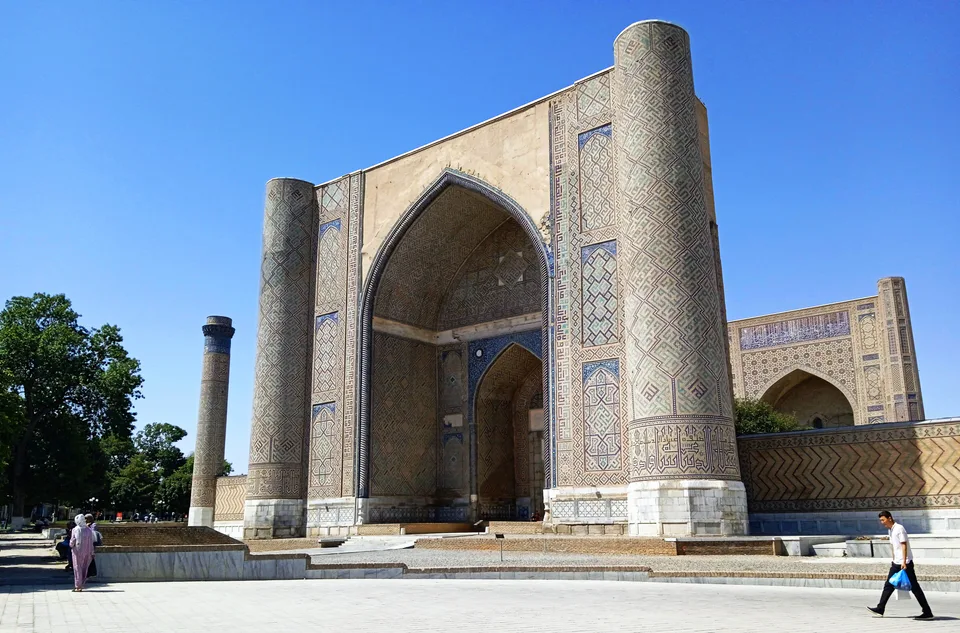
Timur's colossal Friday mosque
Mausoleum · Samarkand
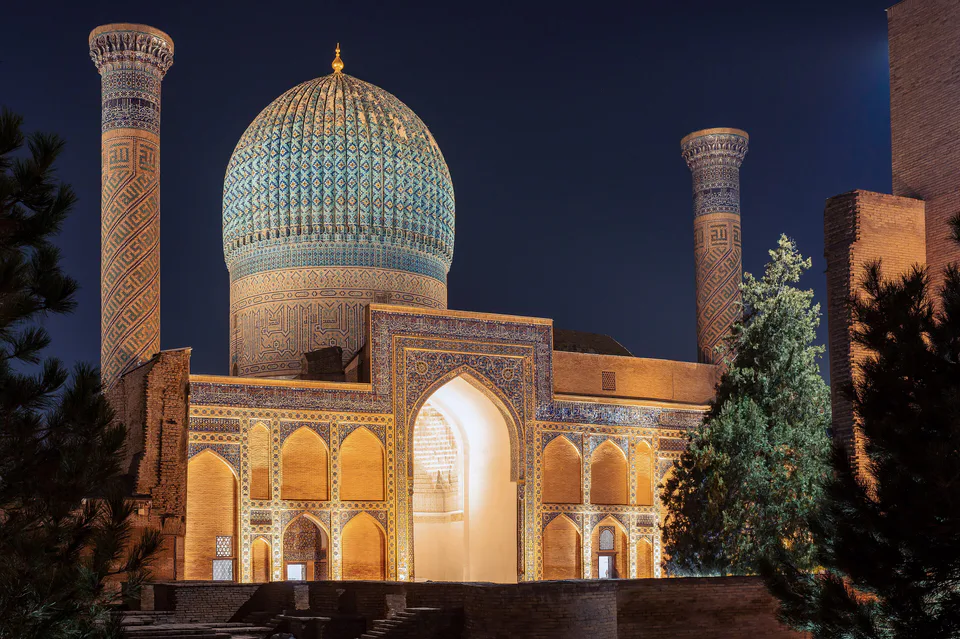
Tomb of Timur and his dynasty
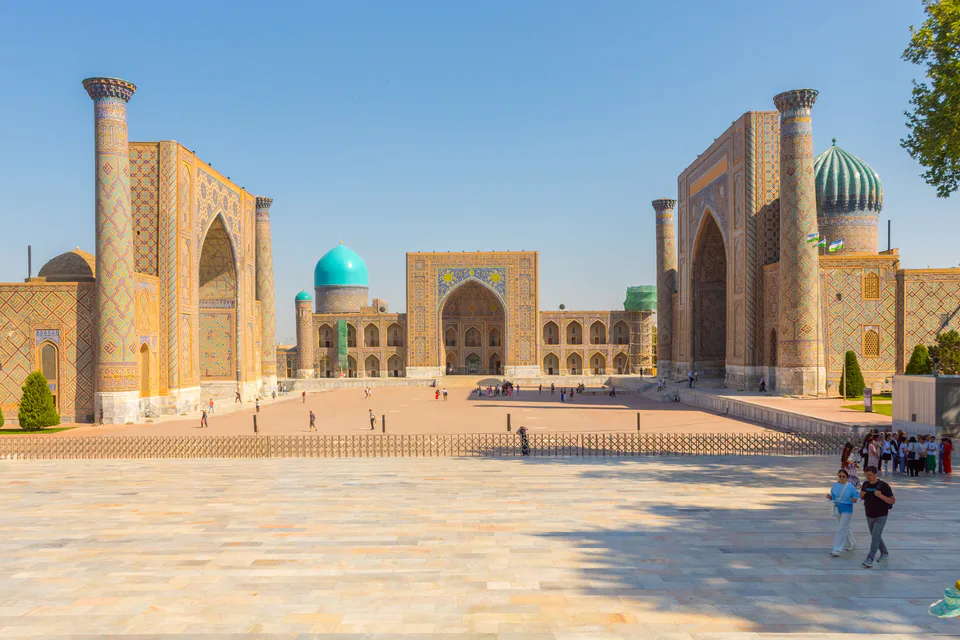
Ensemble · Samarkand
The great square of three madrasas
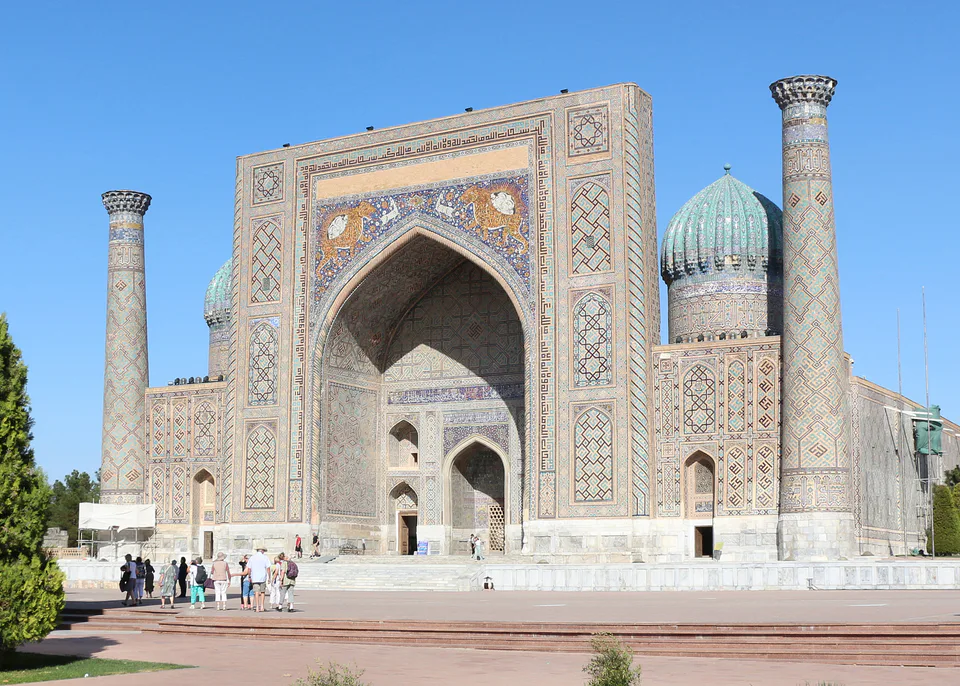
Madrasa · Samarkand
The portal of the sun-lions
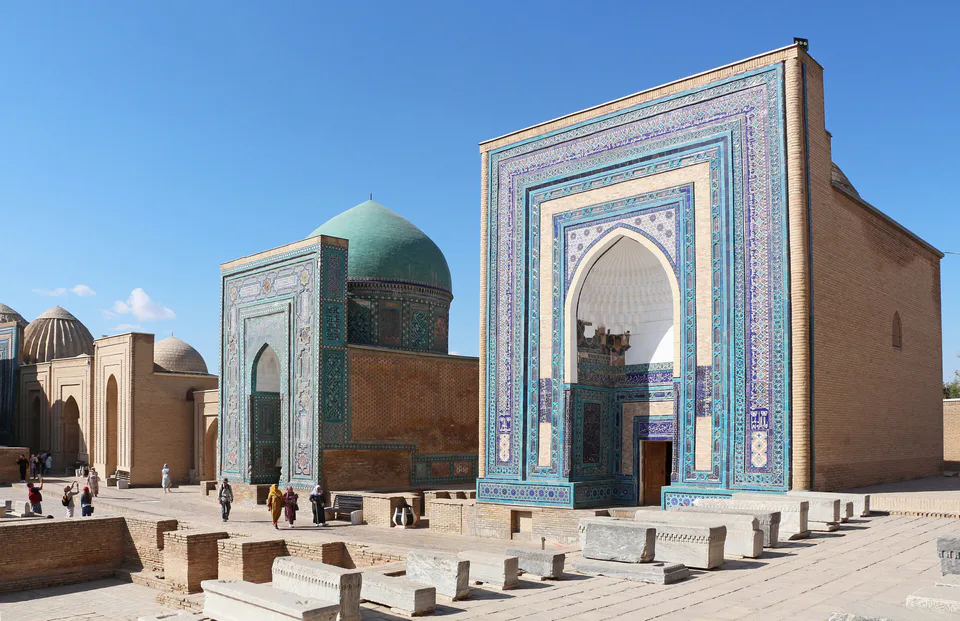
Ensemble · Samarkand
The avenue of mausoleums
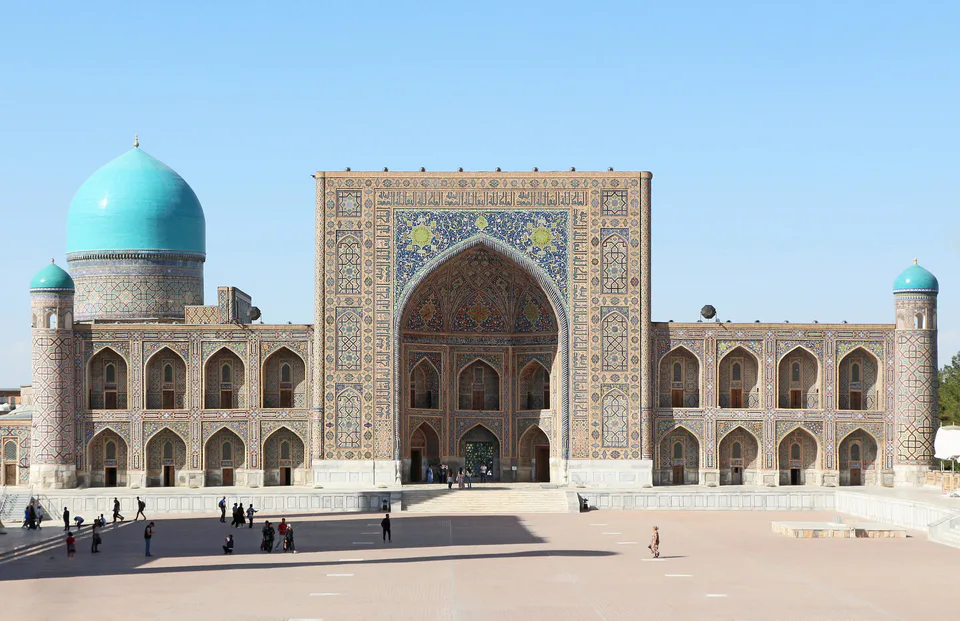
Madrasa · Samarkand
The gilded mosque-madrasa
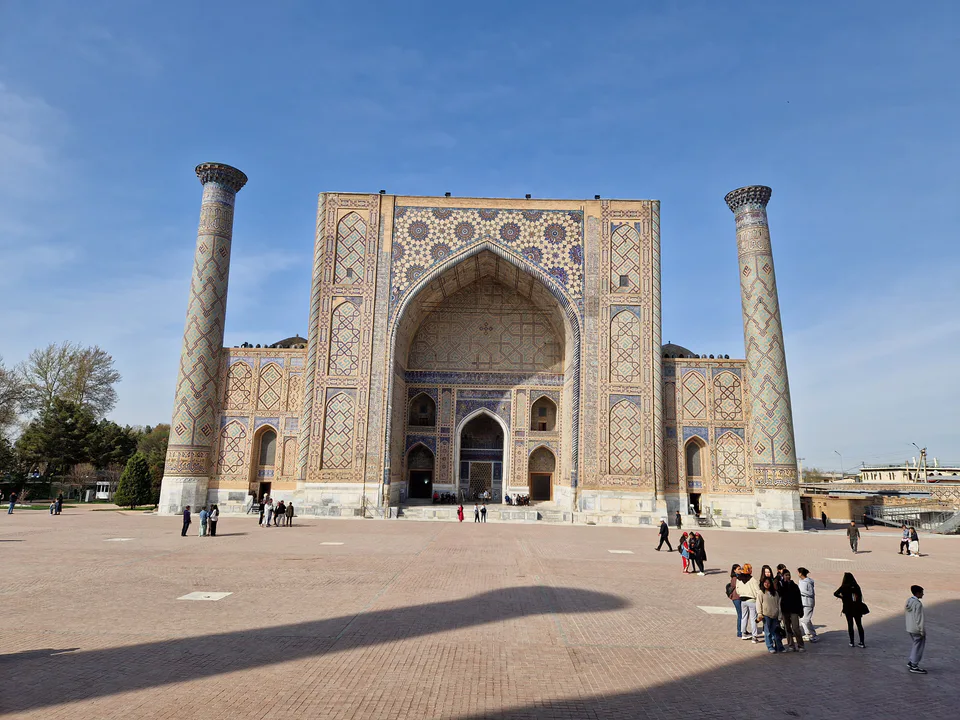
Madrasa · Samarkand
The astronomer-king's university
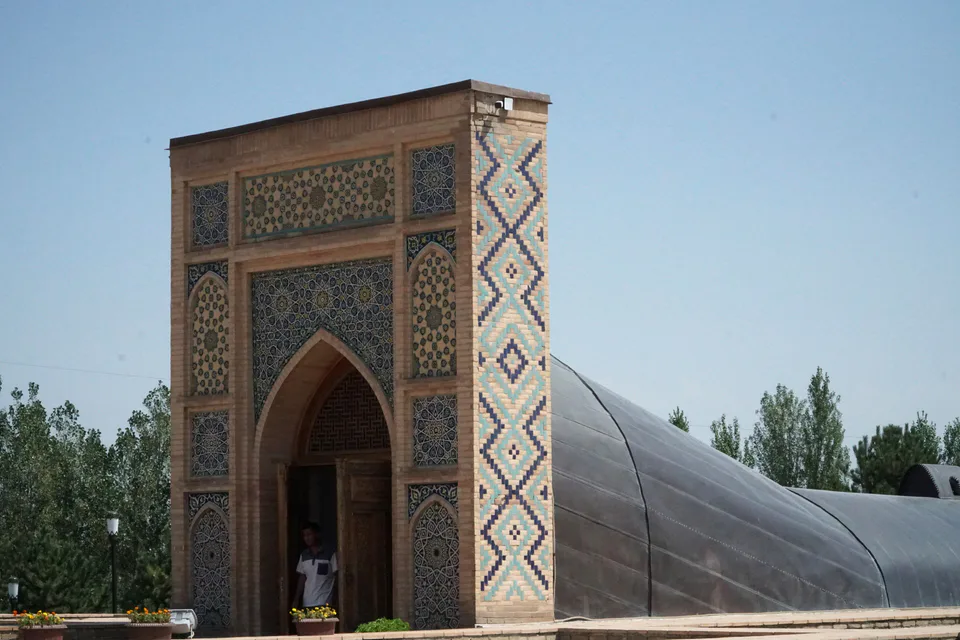
Museum · Samarkand
The greatest astronomical instrument of the Middle Ages
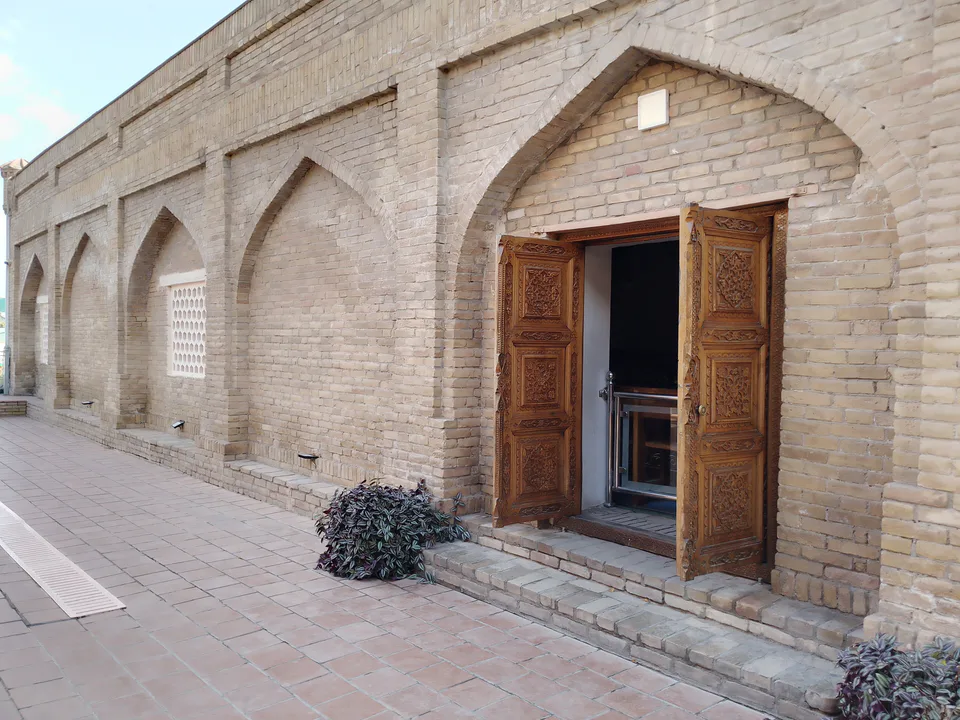
Pilgrimage site · Samarkand
A shrine revered by three faiths
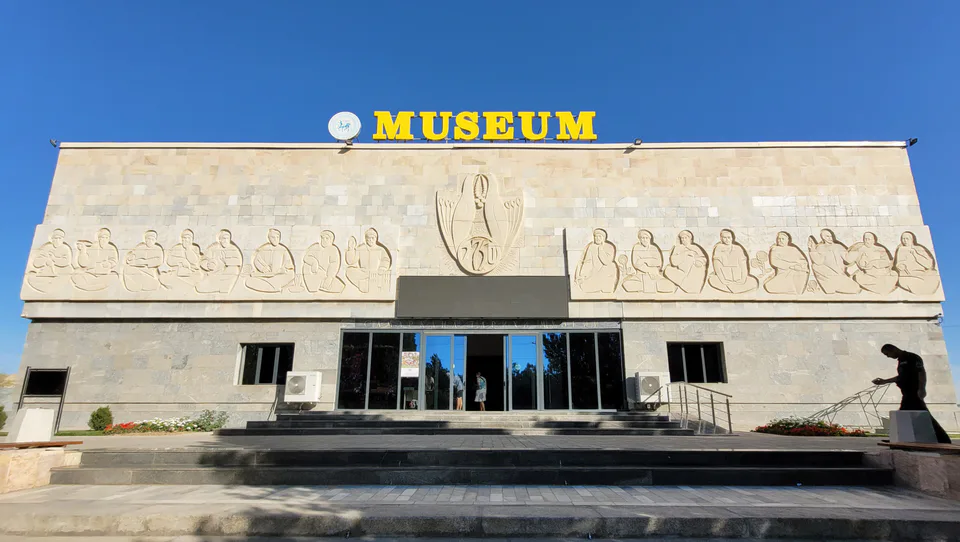
Museum · Samarkand
Home of the Hall of Ambassadors
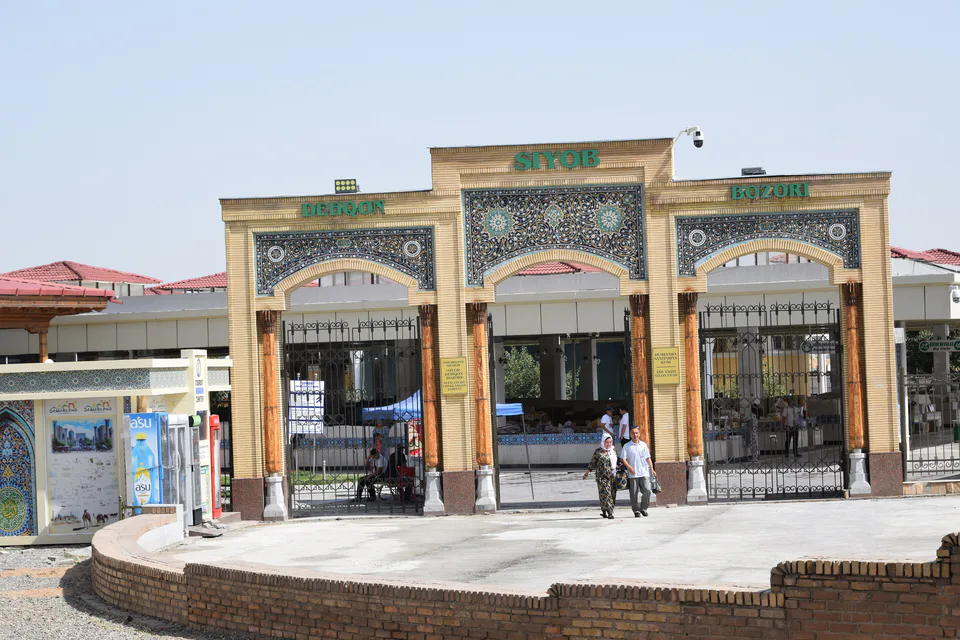
Bazaar · Samarkand
Samarkand's biggest and oldest market
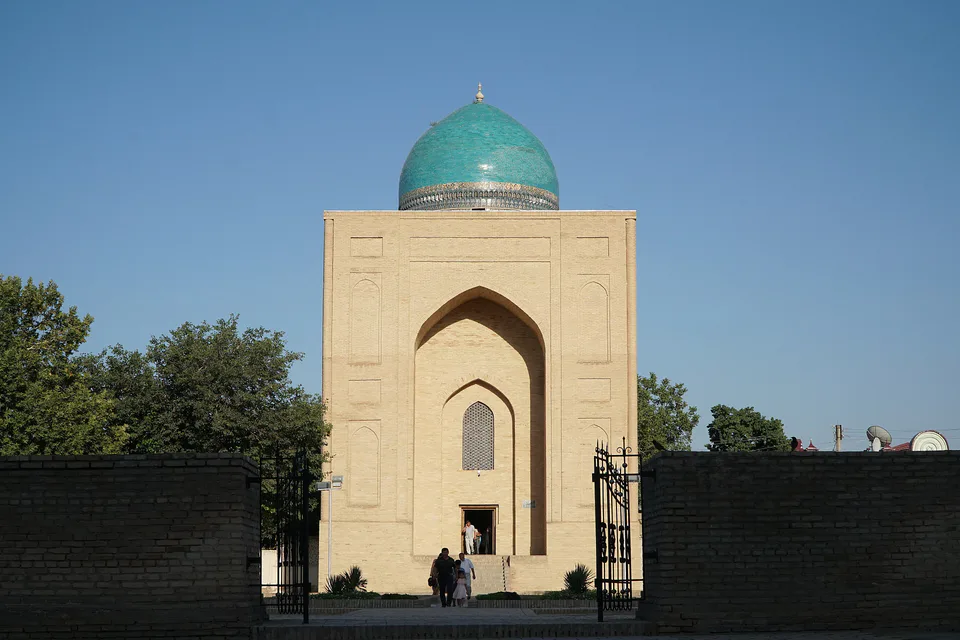
Mausoleum · Samarkand
Tomb of Timur's senior wife
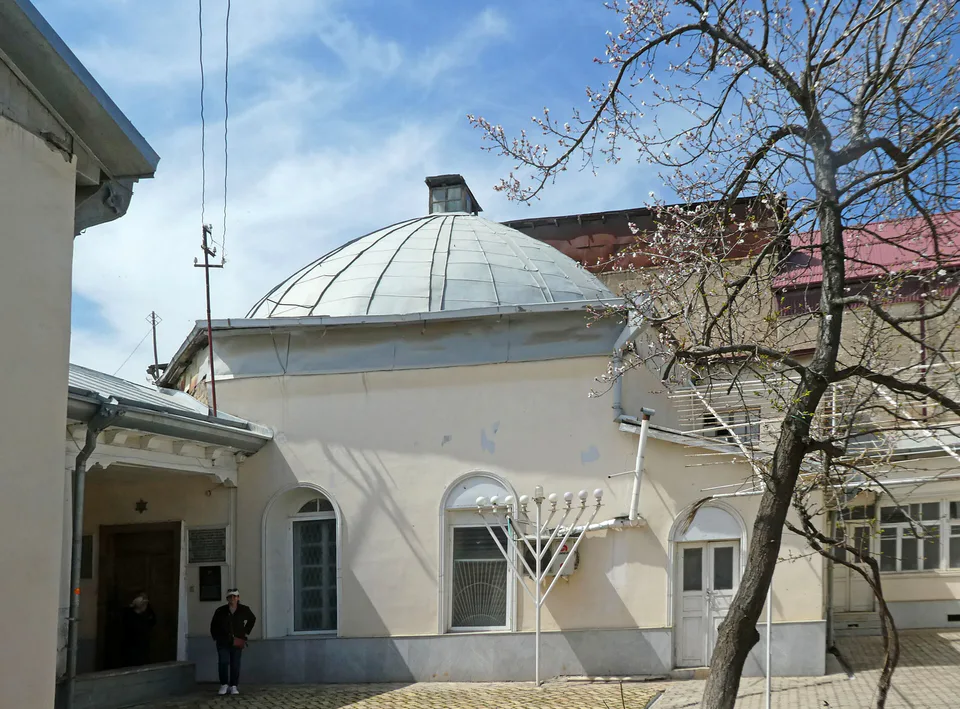
Temple & church · Samarkand
A Bukharan Jewish synagogue that never closed
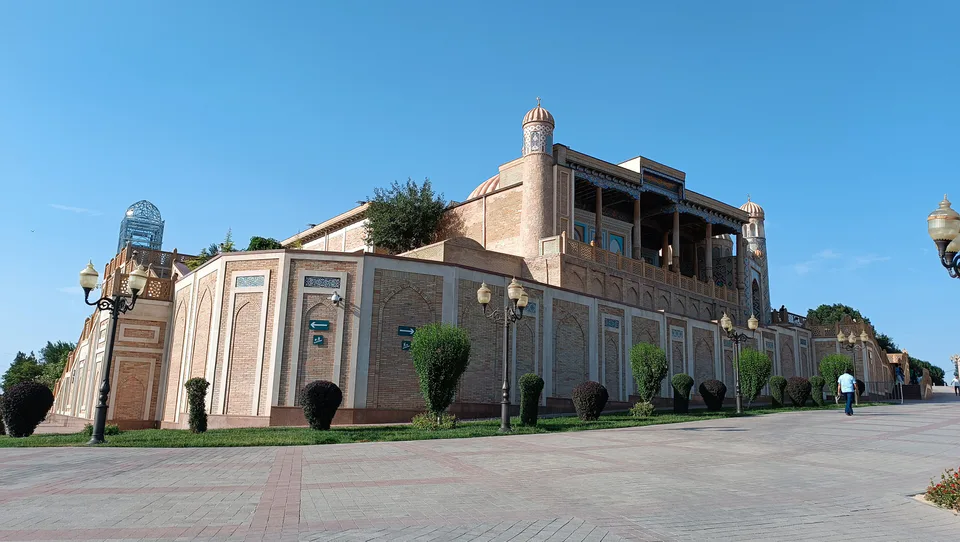
Mosque · Samarkand
A hilltop mosque at the old gate of Afrasiyab
Pilgrimage site · Samarkand
A memorial to the 'Imam of Guidance'
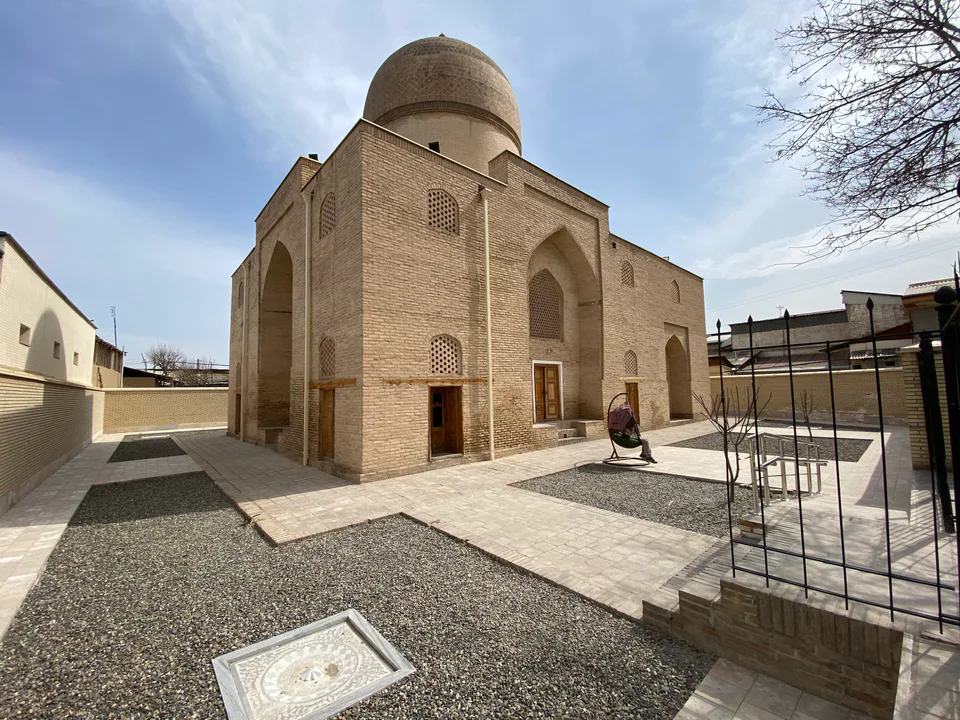
Mausoleum · Samarkand
Plain outside, golden within
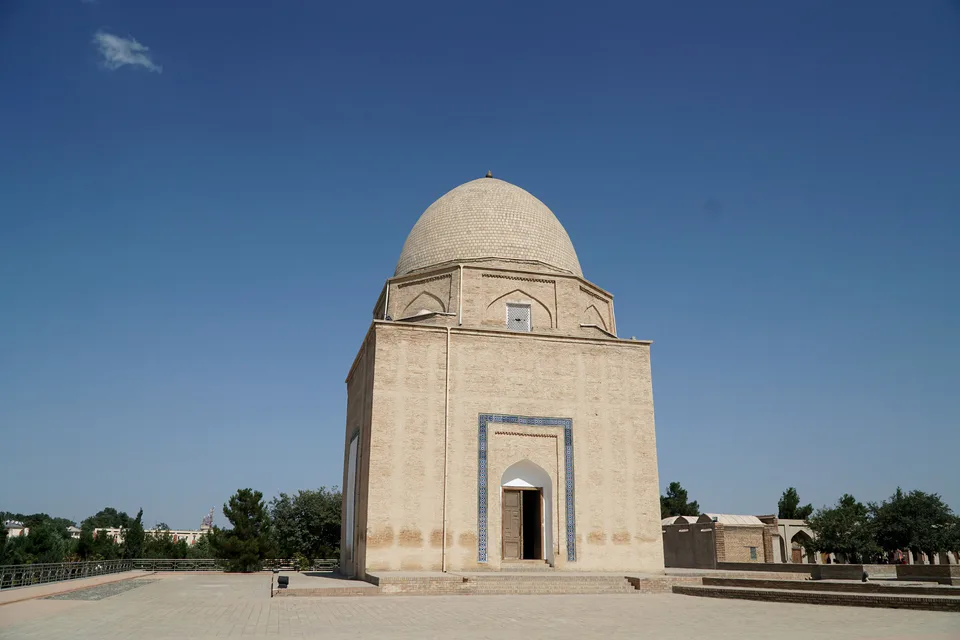
Mausoleum · Samarkand
The "abode of the spirit", a saint Timur revered
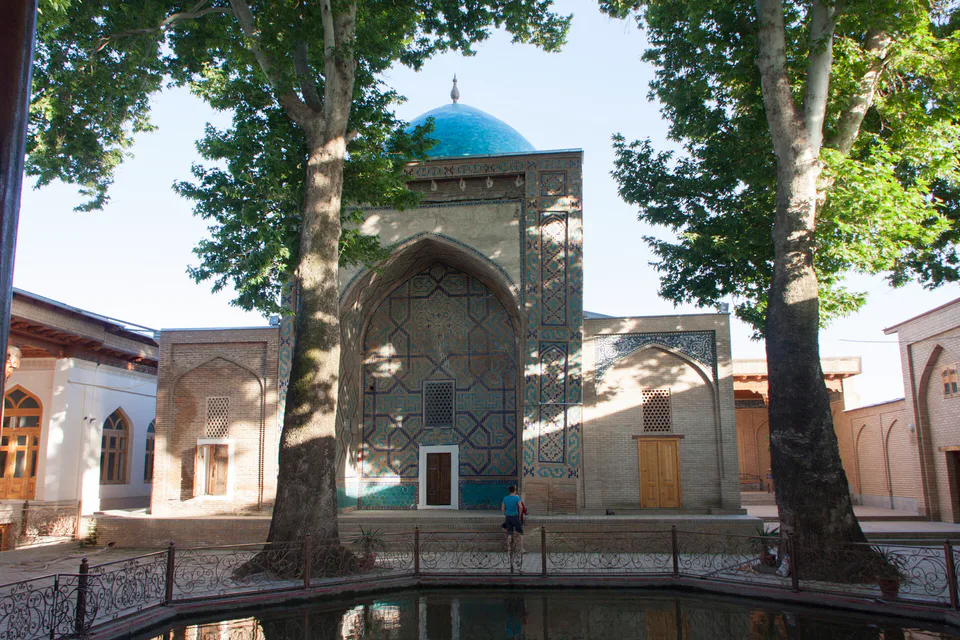
Pilgrimage site · Samarkand
An ancient shrine around a plane-shaded pool
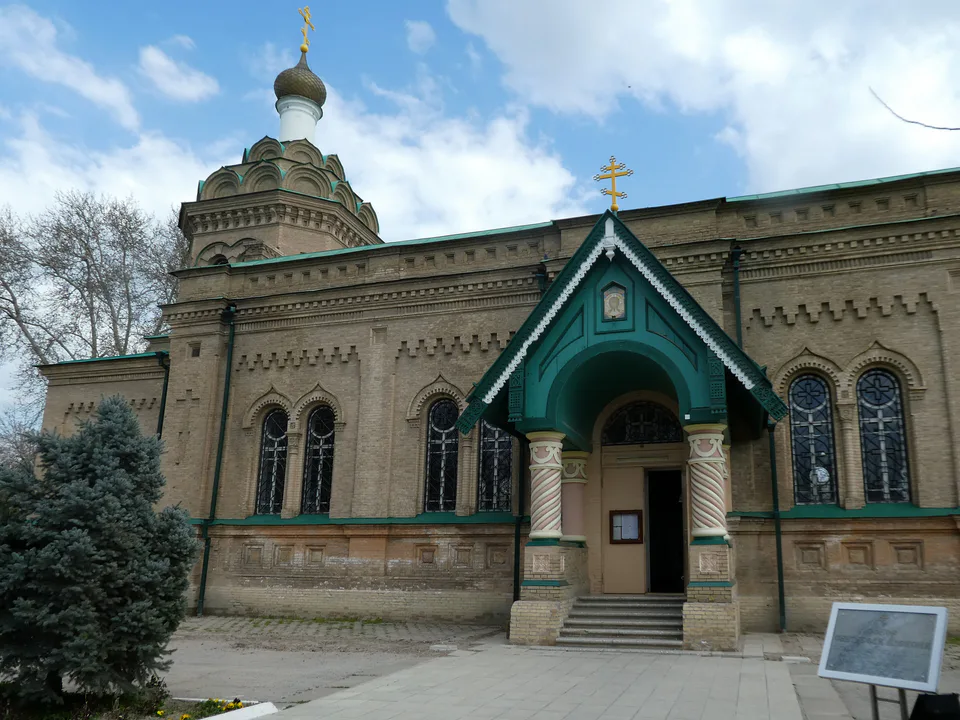
Temple & church · Samarkand
Samarkand's principal Orthodox church
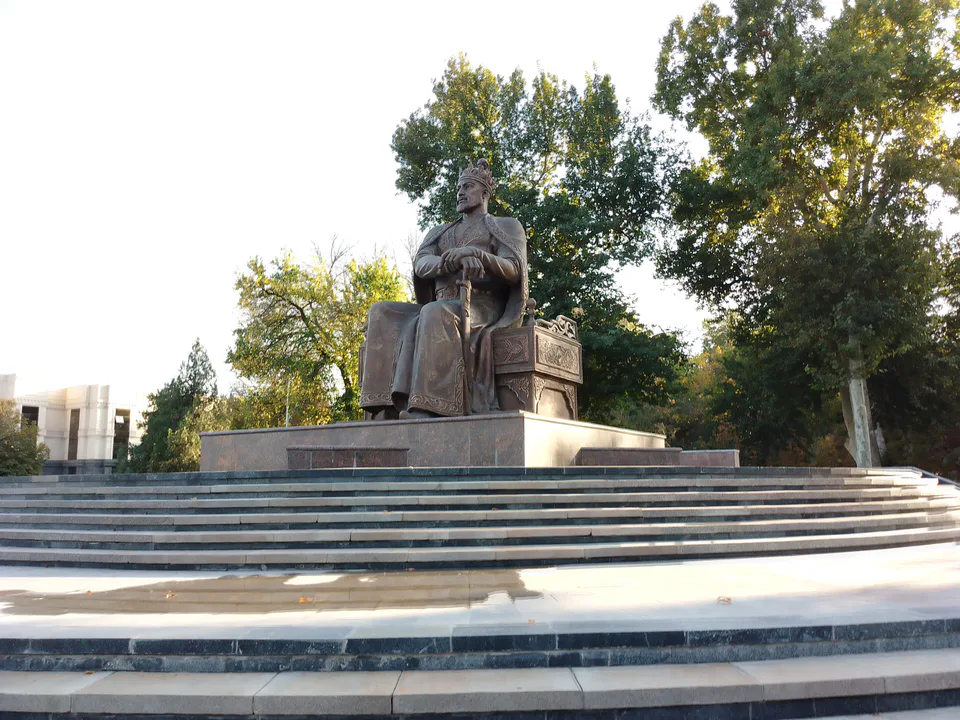
Modern · Samarkand
The conqueror enthroned
Culture & arts · Samarkand
A family carpet workshop on Hujum Street
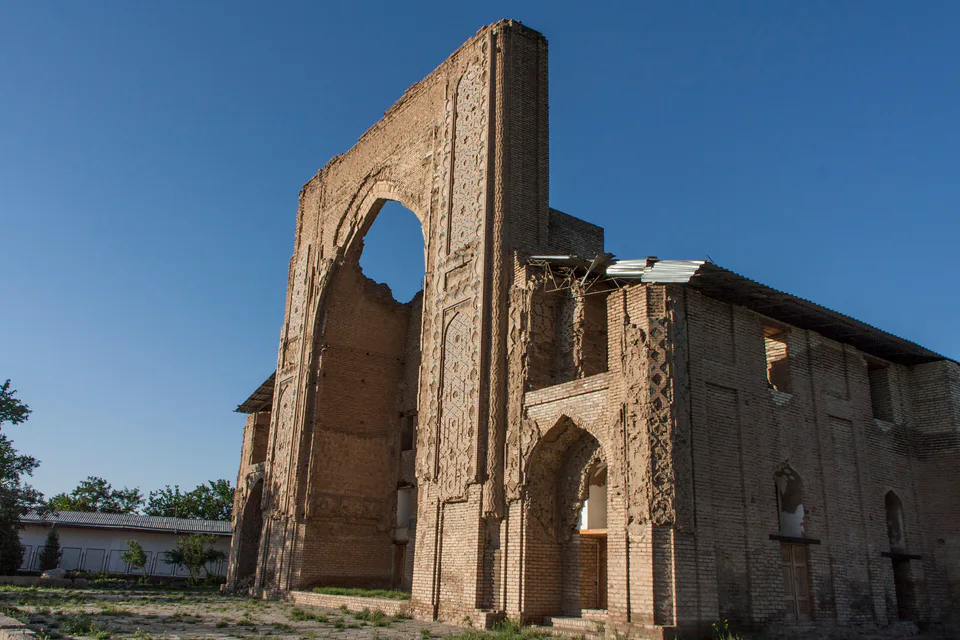
Mausoleum · Samarkand
The roofless tomb of Timurid princesses
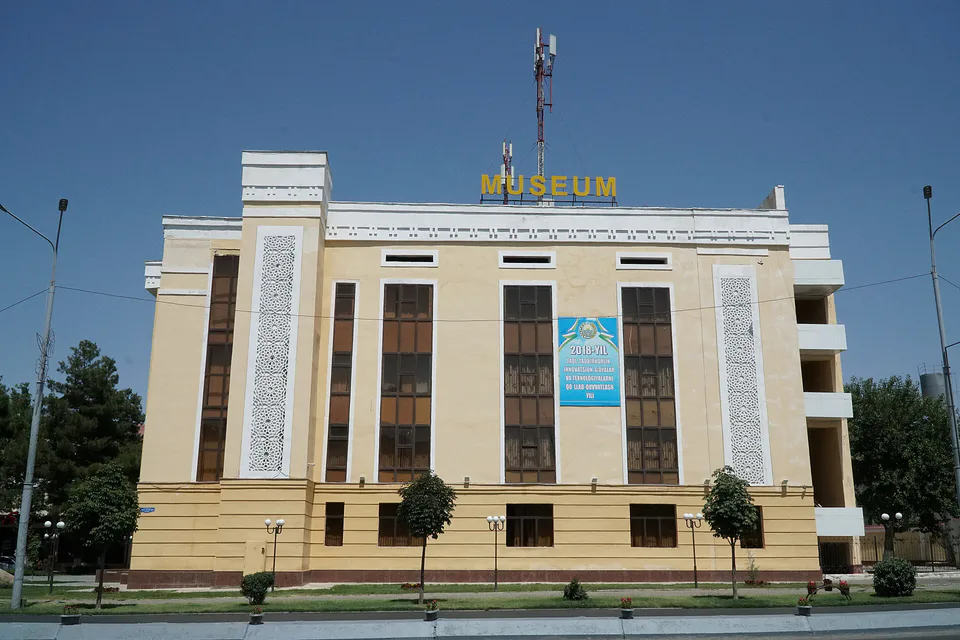
Museum · Samarkand
From the Neolithic to the present
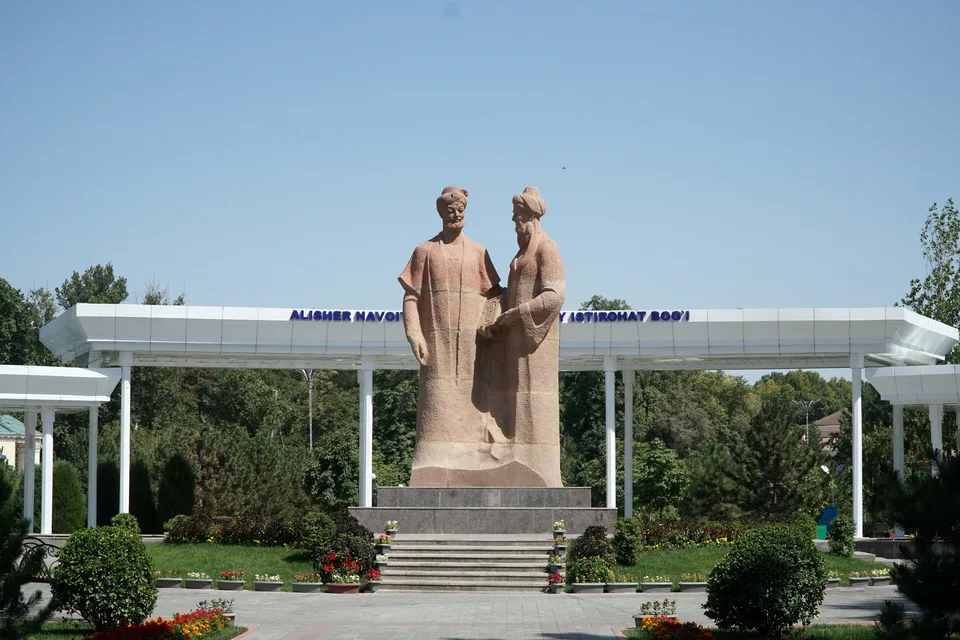
Park & garden · Samarkand
The 1886 city garden at the green heart of the centre
Entertainment · Samarkand
A new amusement park with a 92-metre Ferris wheel
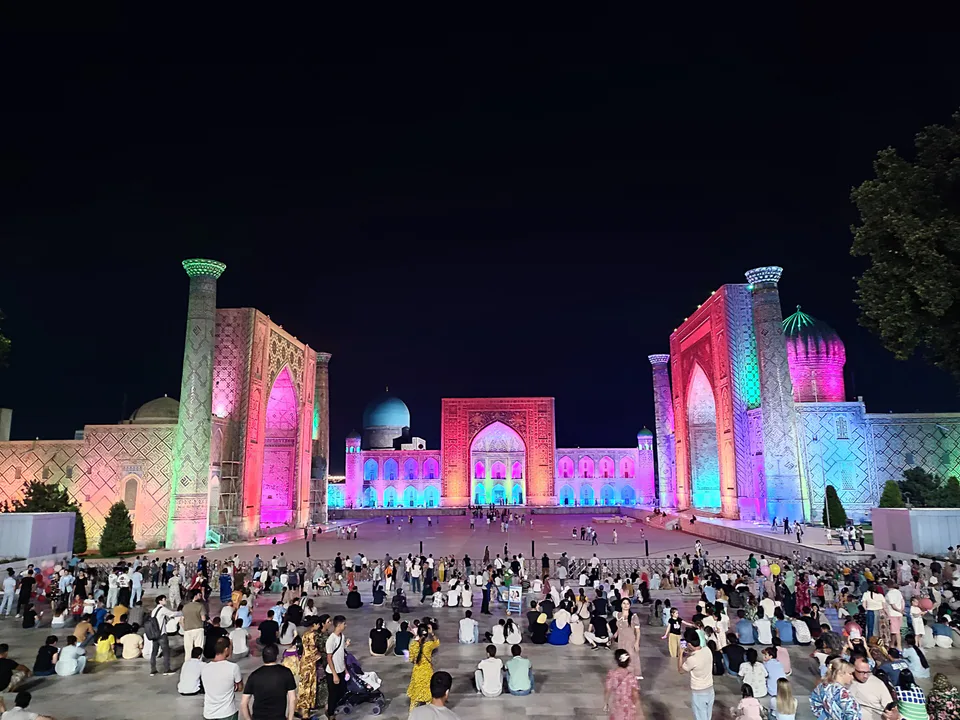
Entertainment · Samarkand
Three madrasas as a stage for light and music
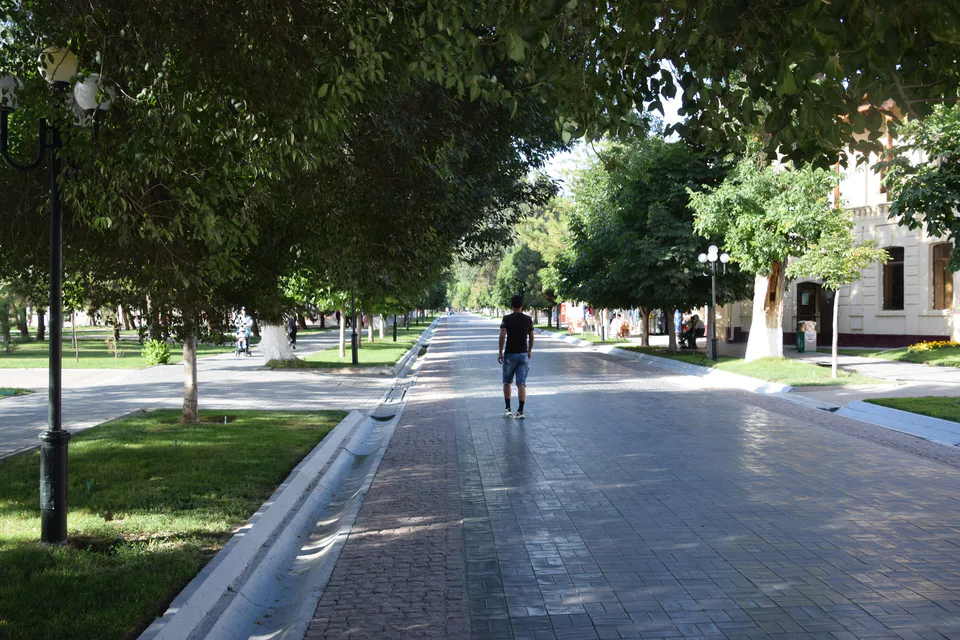
Modern · Samarkand
The pedestrian street from the Registan to Bibi-Khanym
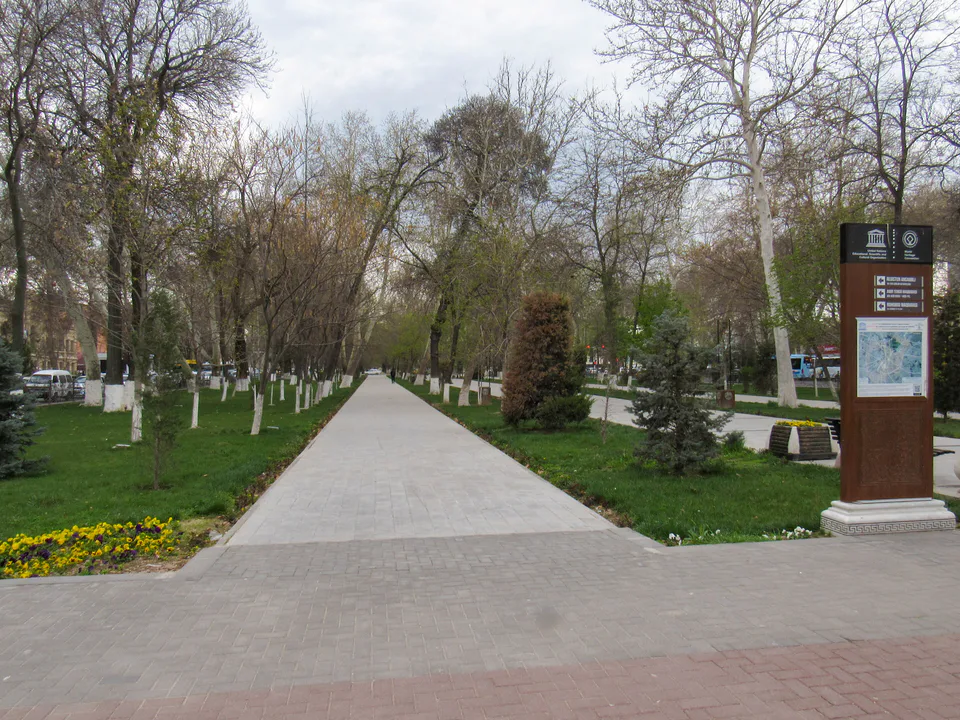
Park & garden · Samarkand
The shady avenue between the old city and Russian Samarkand
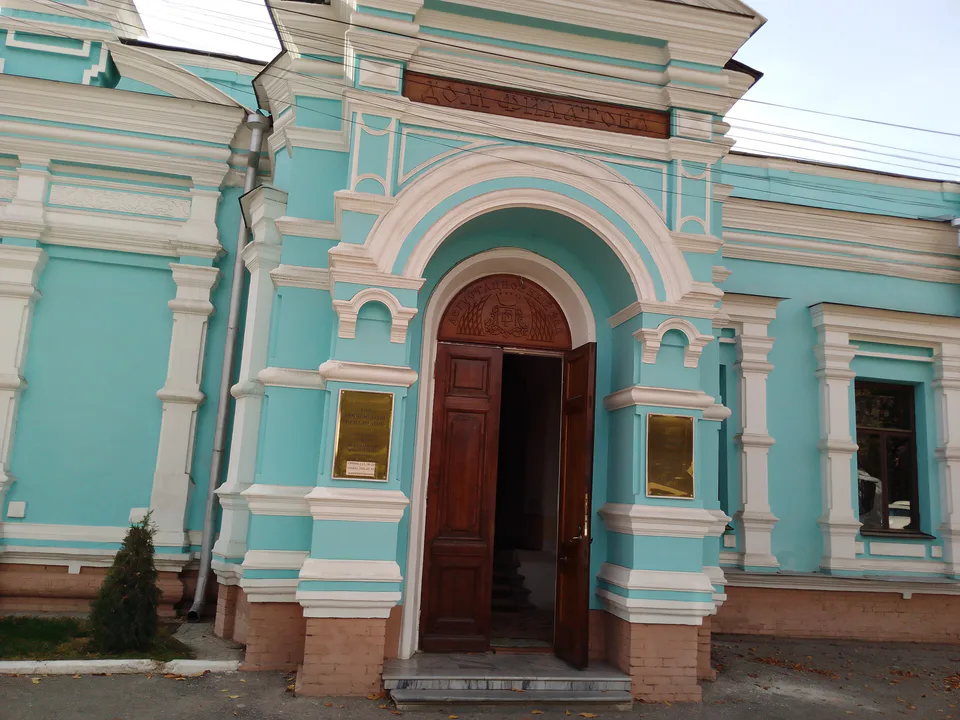
Museum · Samarkand
Making wine since 1868
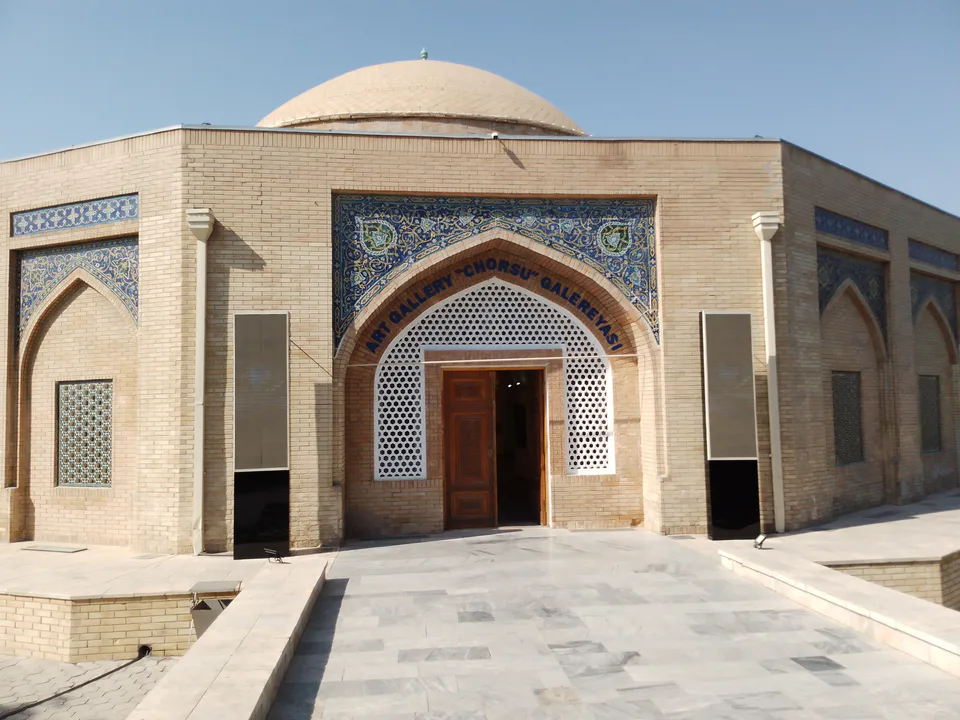
Museum · Samarkand
From trading dome to art gallery
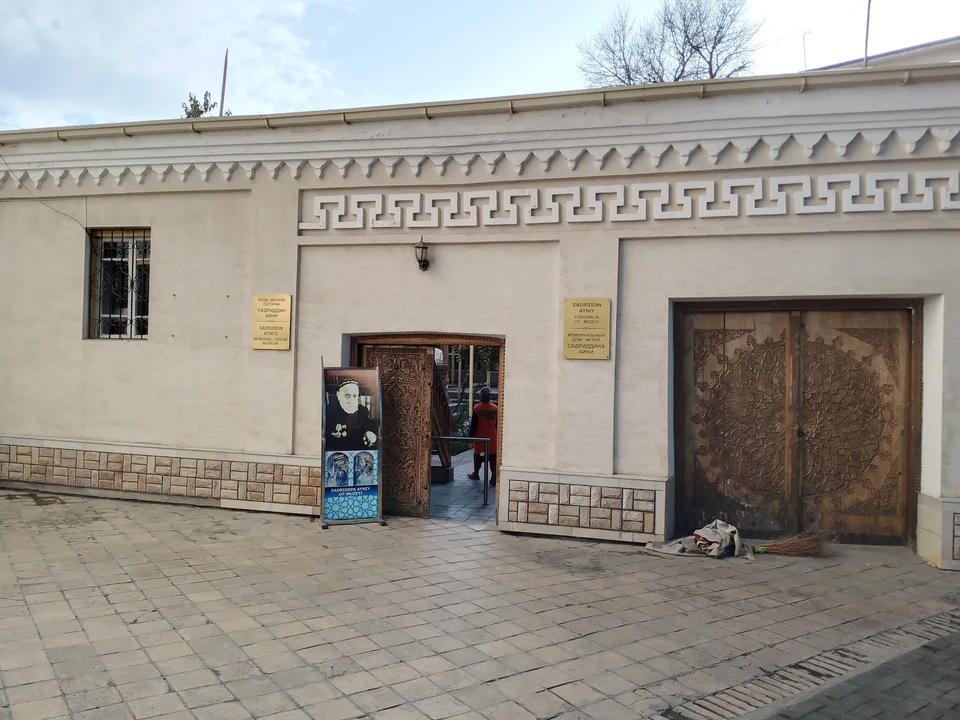
Museum · Samarkand
The courtyard where “Slaves” was written
Park & garden · Samarkand
The fig-garden quarter — Uzbekistan's first tourism mahalla
Pilgrimage site · Samarkand
A Timurid dome on the city's highest point
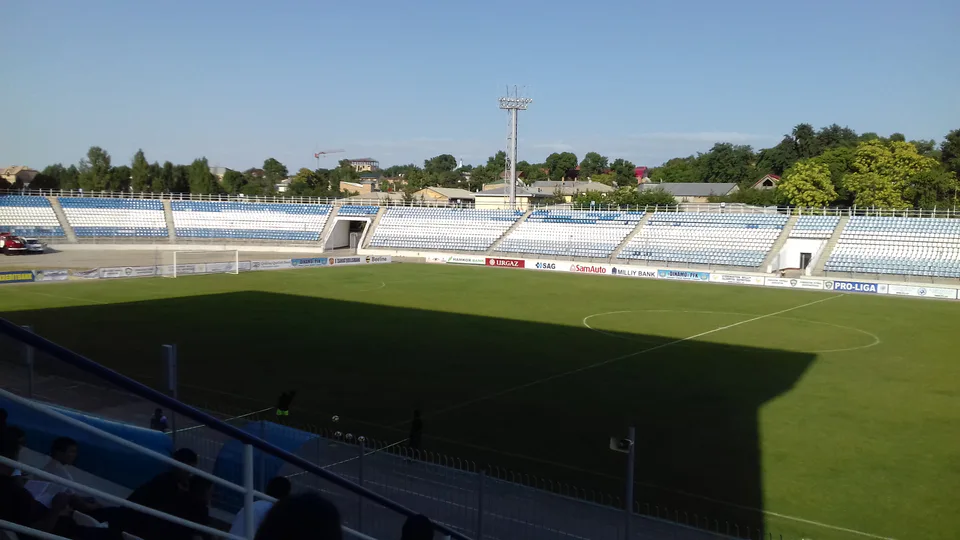
Modern · Samarkand
The home of Samarkand football
Bazaar · Samarkand
A shopping and leisure centre with an ice arena
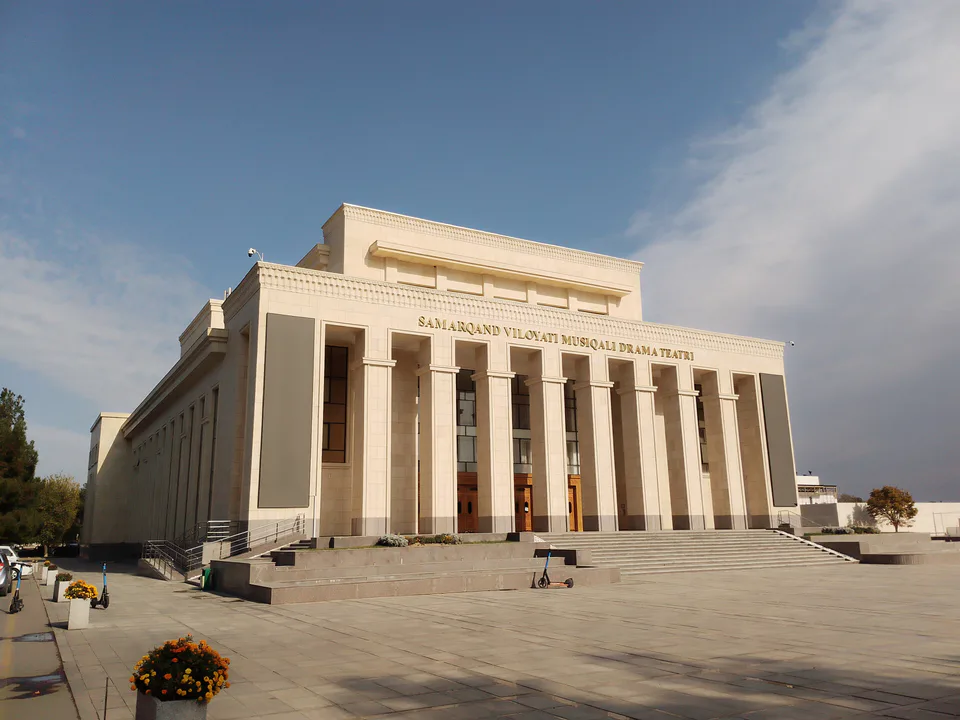
Culture & arts · Samarkand
A stage that began with “The Patricide”
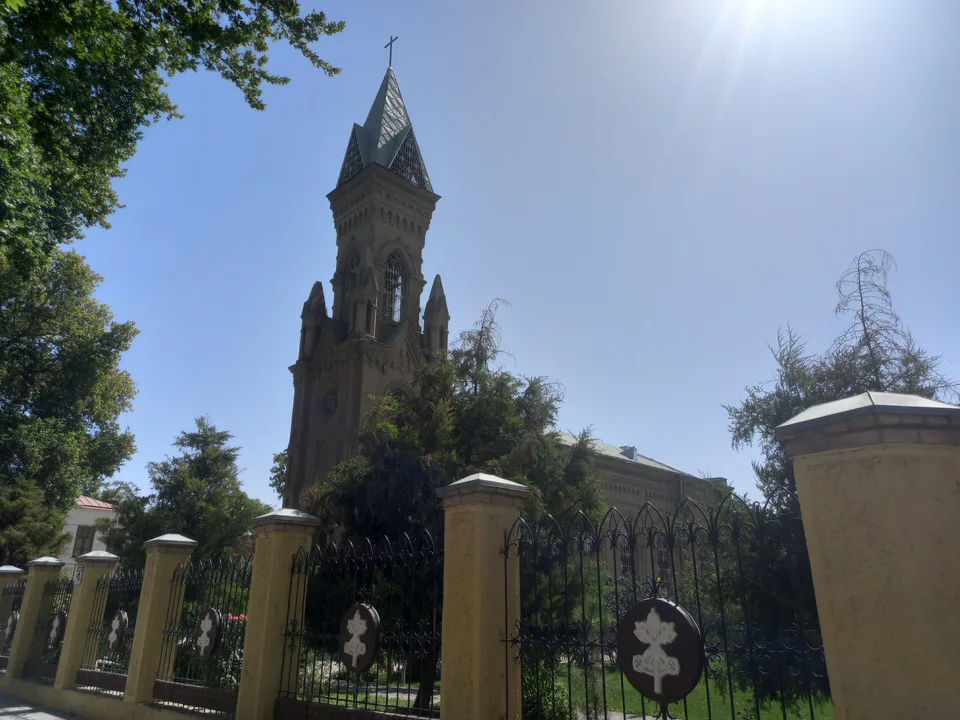
Temple & church · Samarkand
Samarkand's only Catholic church
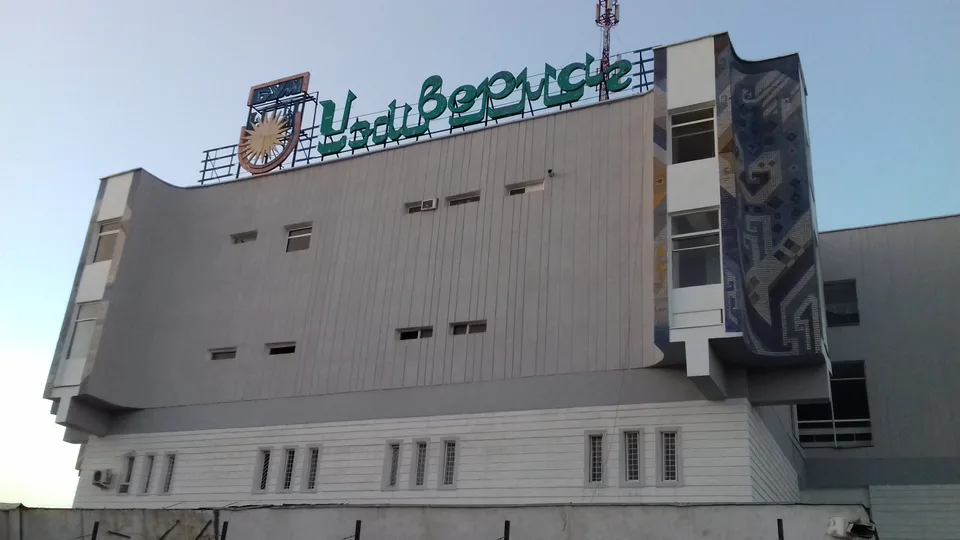
Bazaar · Samarkand
A shopping hub in the heart of Russian Samarkand
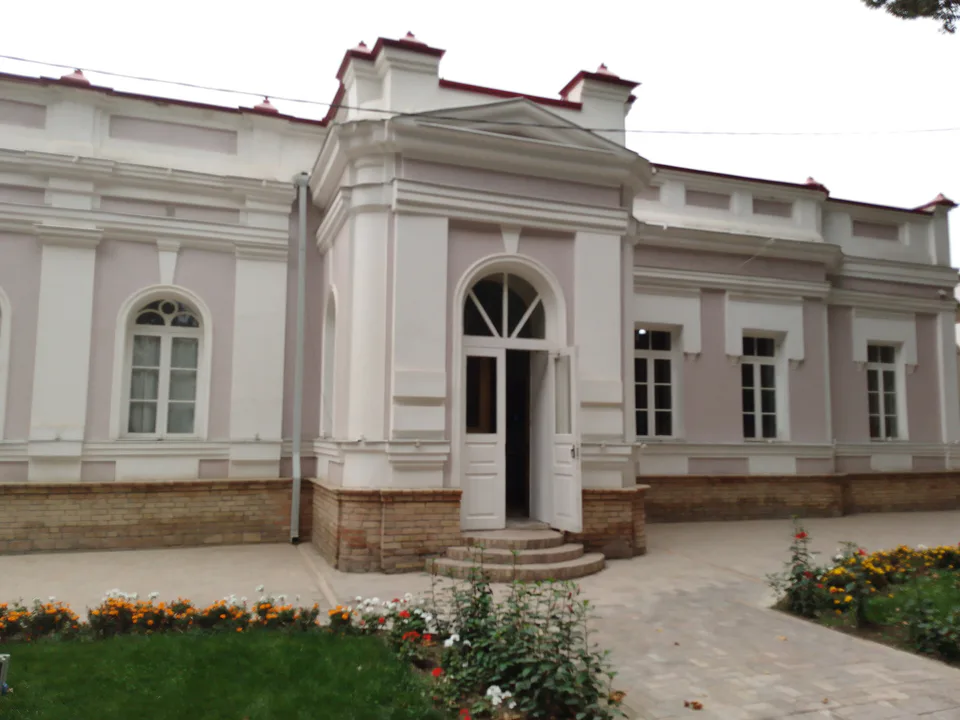
Culture & arts · Samarkand
A children's stage in the 1895 Assembly House
Culture & arts · Samarkand
Still the “Chekhov Theatre” to locals
Park & garden · Samarkand
A youth hub on the grounds of a former military hospital
Entertainment · Samarkand
An amusement park with a Soviet past
Samarkand
Airport, railway station and bus stations — addresses, timetables and the live board.
All transportSamarkand
Road distance, the fastest train and whether there is a direct flight.
All distances| City | Road, km | By car | By train | Flight | Bus |
|---|---|---|---|---|---|
| Kattakurgan Samarkand Region |
71 | 1 h 10 min | 32 min Afrosiyob 766Ф |
— | — |
| Shahrisabz Kashkadarya Region |
86 | 1 h 46 min | 2 h 16 min Afrosiyob 774Ф |
— | — |
| Jizzakh Jizzakh Region |
101 | 1 h 40 min | 46 min Afrosiyob 767Ф |
— | — |
| Karshi Kashkadarya Region |
150 | 2 h 5 min | 1 h 11 min Afrosiyob 764Ф |
— | — |
| Navoi Navoiy Region |
160 | 2 h 43 min | 59 min Jaloliddin Manguberdi 778Ж |
— | — |
| Zaamin Jizzakh Region |
160 | 2 h 34 min | — | — | — |
| Nurata Navoiy Region |
178 | 2 h 57 min | — | — | — |
| Tashkent Tashkent (city) |
324 | 4 h 54 min | 2 h 15 min Afrosiyob 765Ф |
1 flight | — |
Samarkand regional capital
14°clear sky
Weather: MET Norway
Samarkand
Checked hotels and places to eat — with addresses, phone numbers, opening hours and price levels.
Five-star Mövenpick off University Boulevard
Five-star boutique hotel by Navoi Park
Hilton's 162-room hotel in the city itself
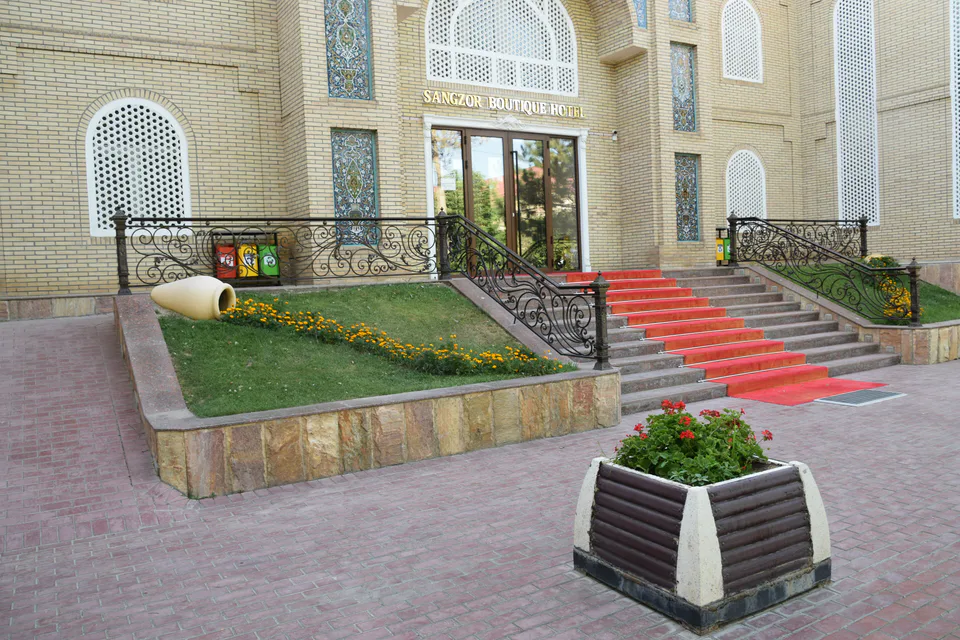
Boutique hotel between the Registan and Bibi-Khanym
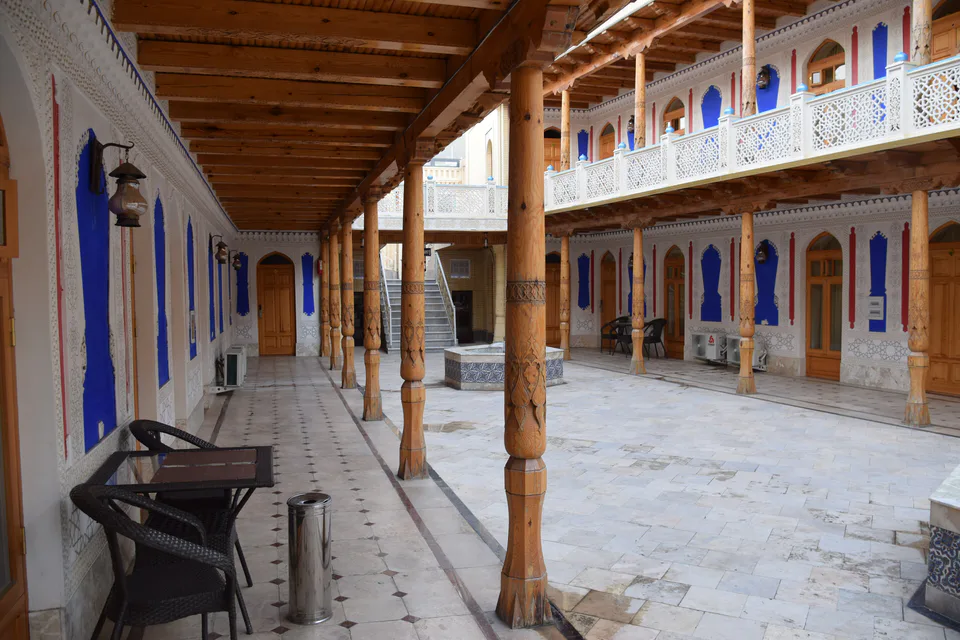
Hotel overlooking the dome of Bibi-Khanym Mosque
Five-star hotel and spa by Siyob Bazaar
Four-star hotel near Navoi Park
Four-star business hotel on University Boulevard
Four-star hotel near University Boulevard
Four-star hotel between the airport and Siyob Bazaar
Family hotel with a garden and pool
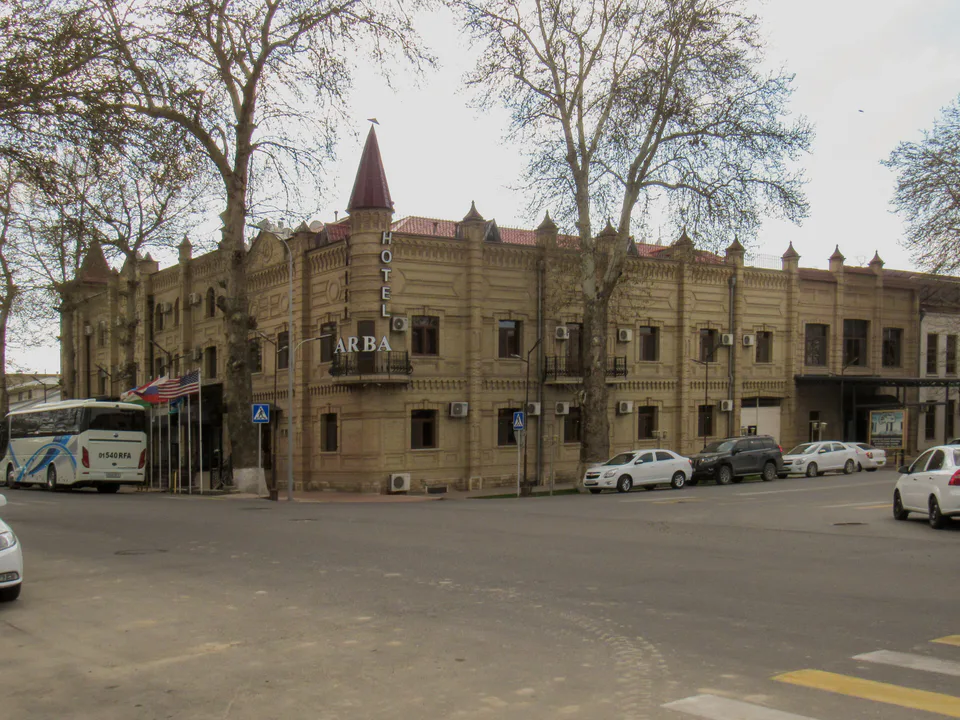
45-room hotel near University Boulevard
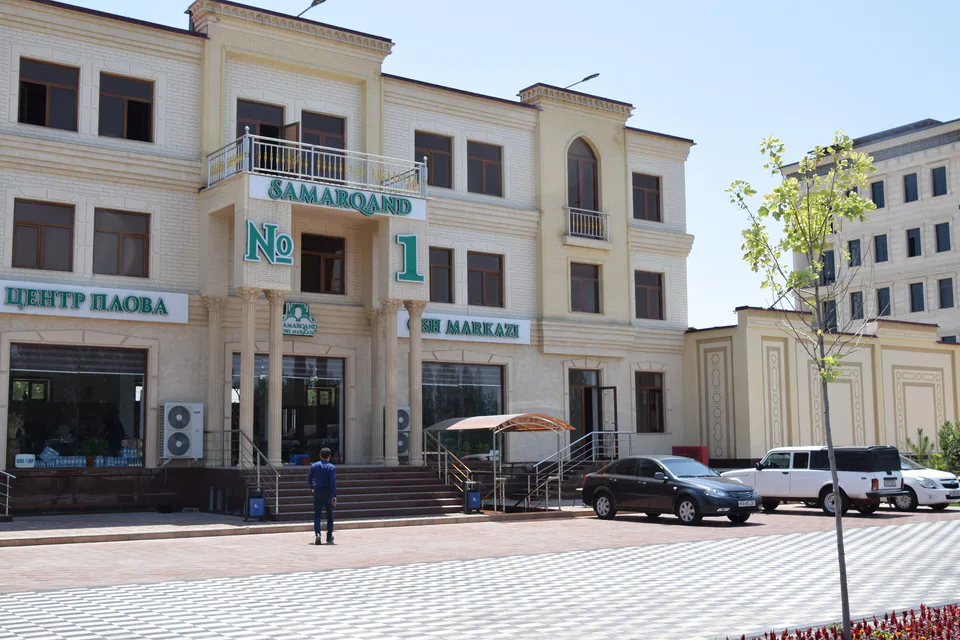
Famous plov centre serving nothing but Samarkand-style plov
Long-running restaurant in a 19th-century building on Pushkin St
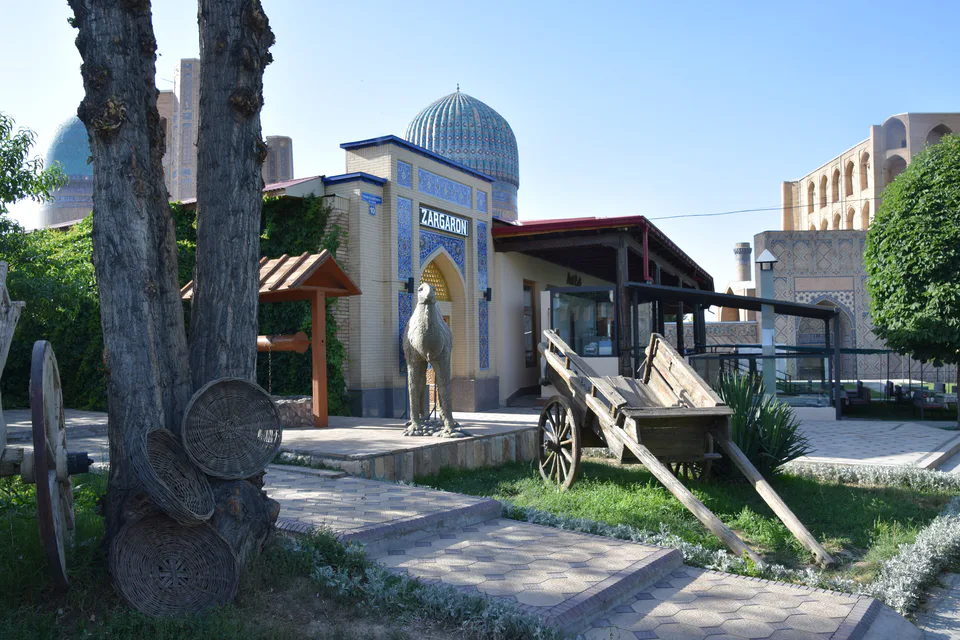
Upstairs dining room facing the Bibi-Khanym Mosque
Restaurant, bakery and coffee bar on University Boulevard
Coffee house inside the Theatre of Historical Costume
Eastern and European restaurant styled on khan-atlas silk
Restaurant with a rooftop terrace overlooking the Registan
Branch of a nationwide lavash chain, open until 3am
Evos branch on Dahbed Street, north of the Registan
Home-cooked Uzbek food and cooking classes in a family house
Fountain-terrace café near University Boulevard
Shashlik.uz grill restaurant at The Royal hotel on Ibn Sino Street
Samarkand
Khokimiyat, public service centre and other offices: addresses, phones, hours.
All offices (53)Khokimiyat
59 Abdurahmon Jomiy St, Samarkand
Read morePublic Service Centre
152 Amir Temur St, Samarkand
Read more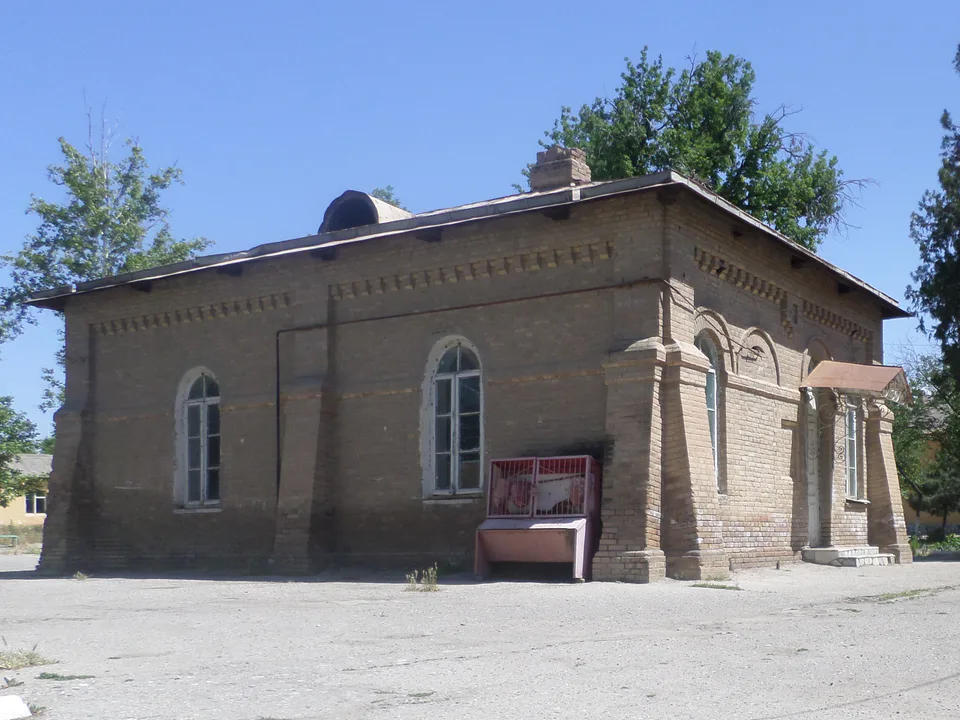
city · Western gateway to the Zarafshan valley, beside the “Uzbek Sea”
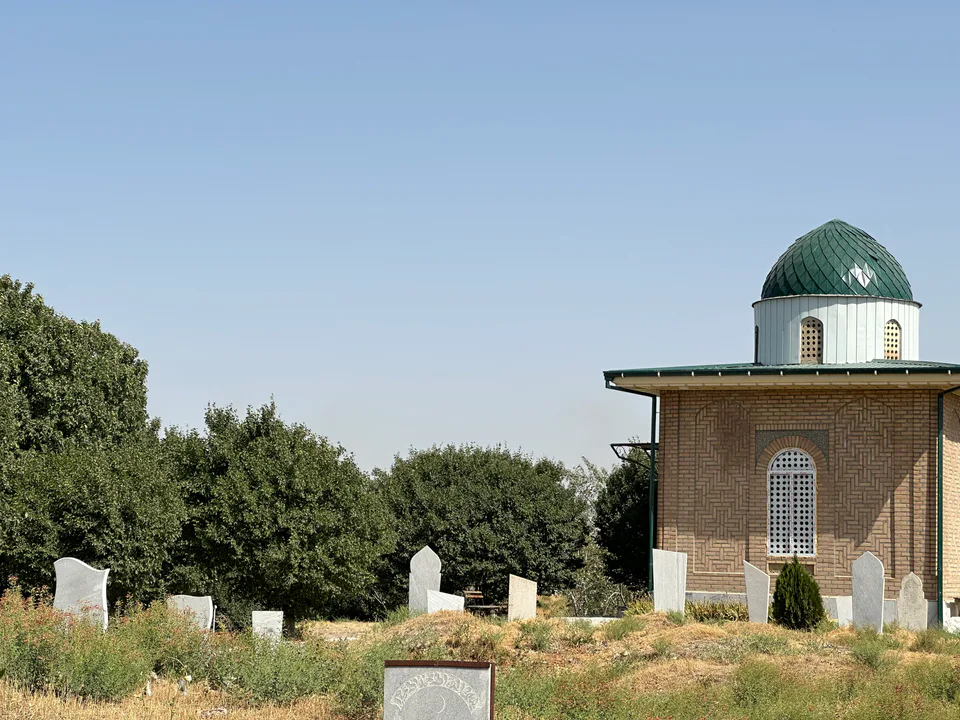
district · Land of epic bards and Timur's own Shiraz
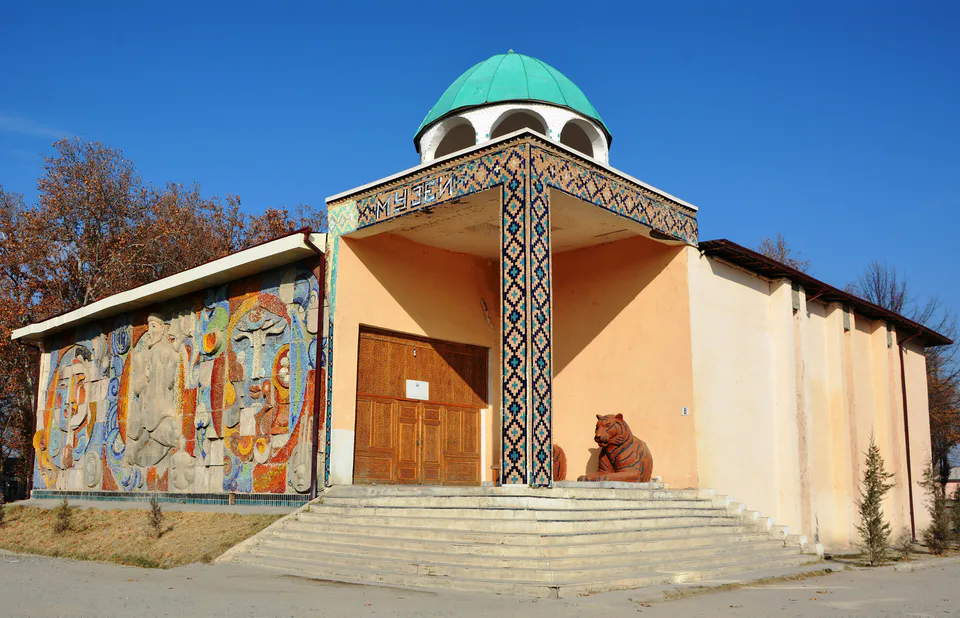
district · Former seat of the Sogdian ikhshids in the Miankal oasis
district · The Zarafshan’s right bank: Shaybani Khan’s bridge and Sheikh Khudoydod’s shrine
district · Miankal orchards and the 'Kattakurgan Sea'
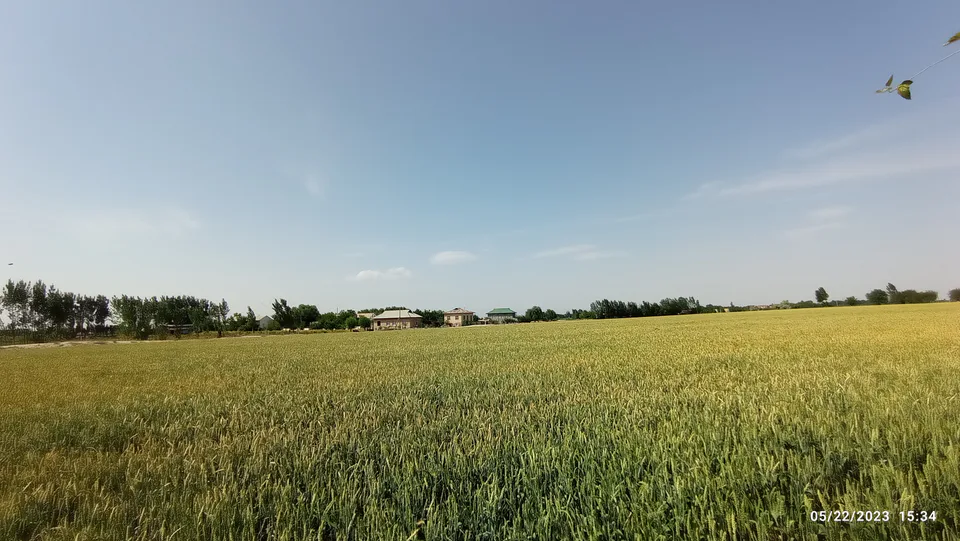
district · Zerabulak heights and the land at the canal's end
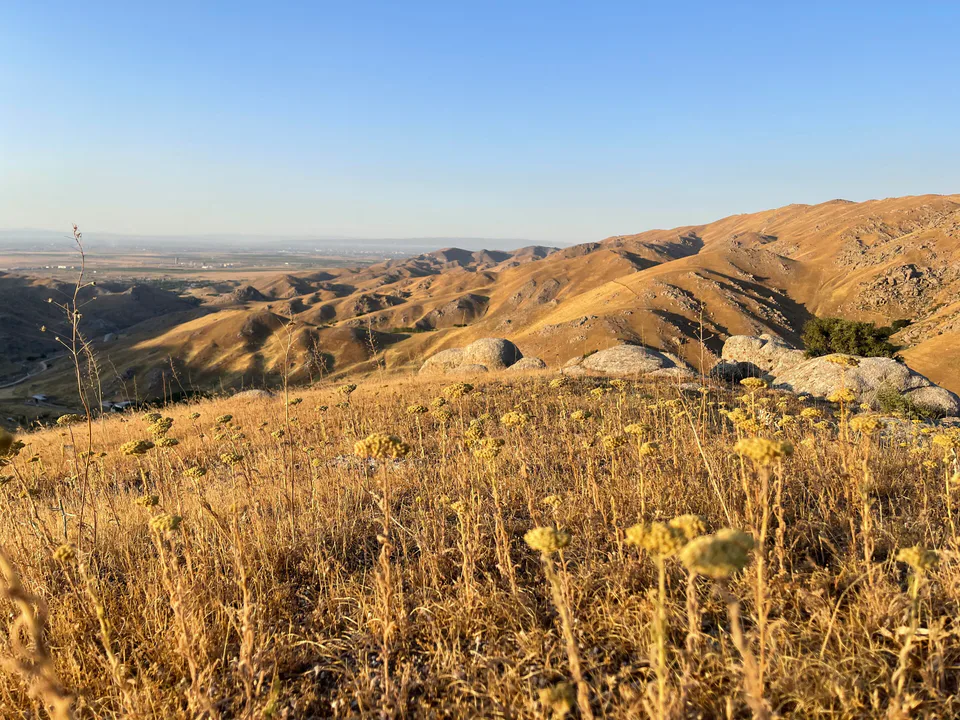
district · A Samanid tomb, a cave shrine and healing springs
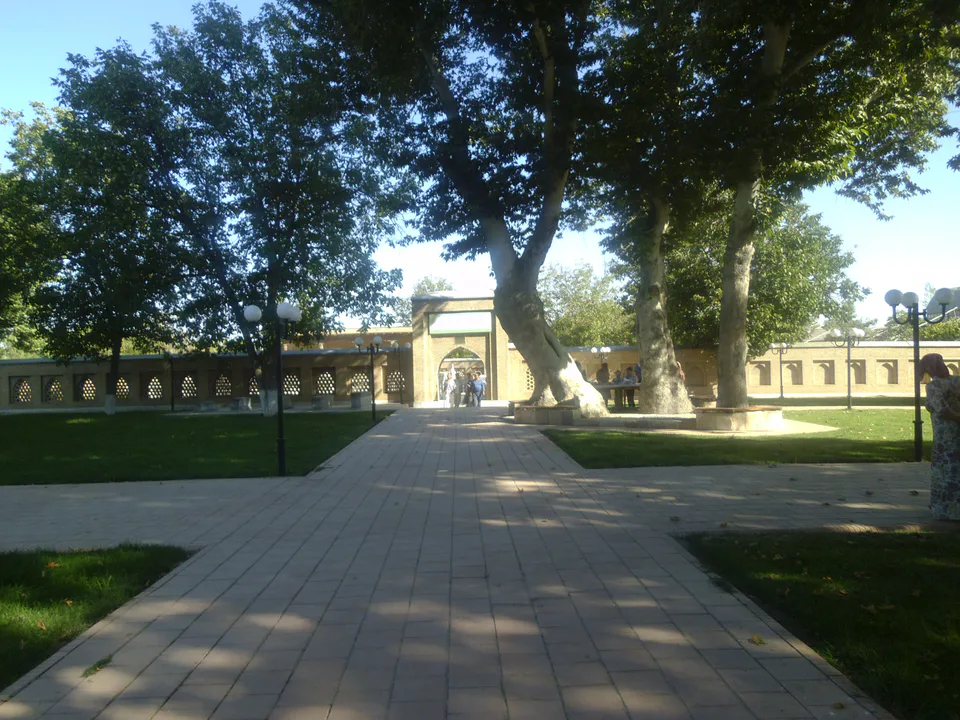
district · An oasis between the Zarafshan’s channels, home to Makhdumi Azam’s Dahbed
district · Orchards on the Dargom and master furniture makers
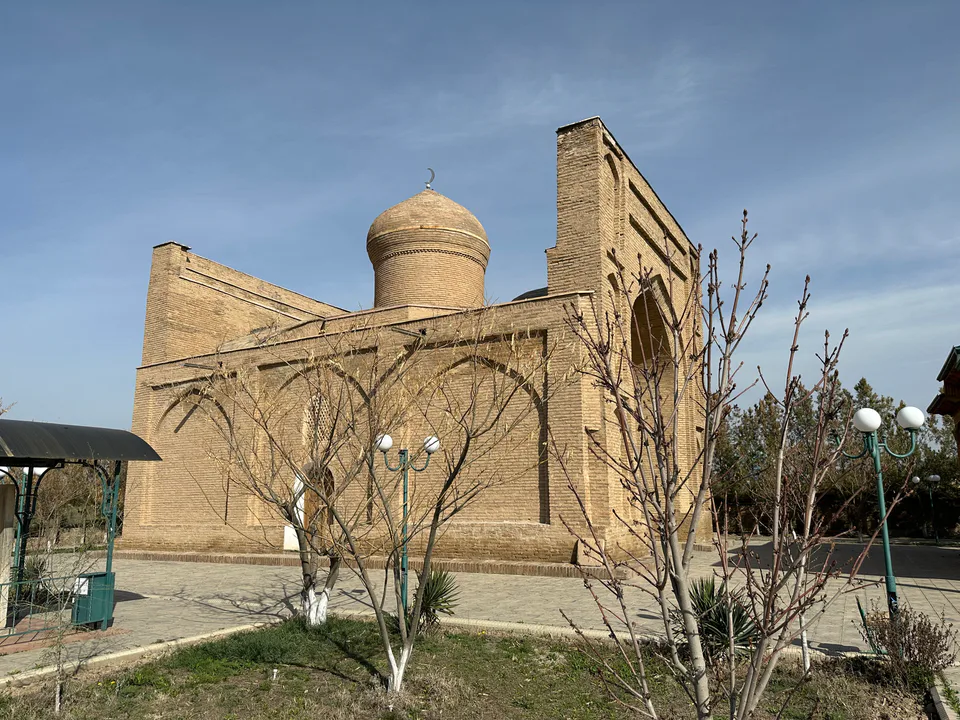
district · Ancient Dabusiya on the Zarafshan
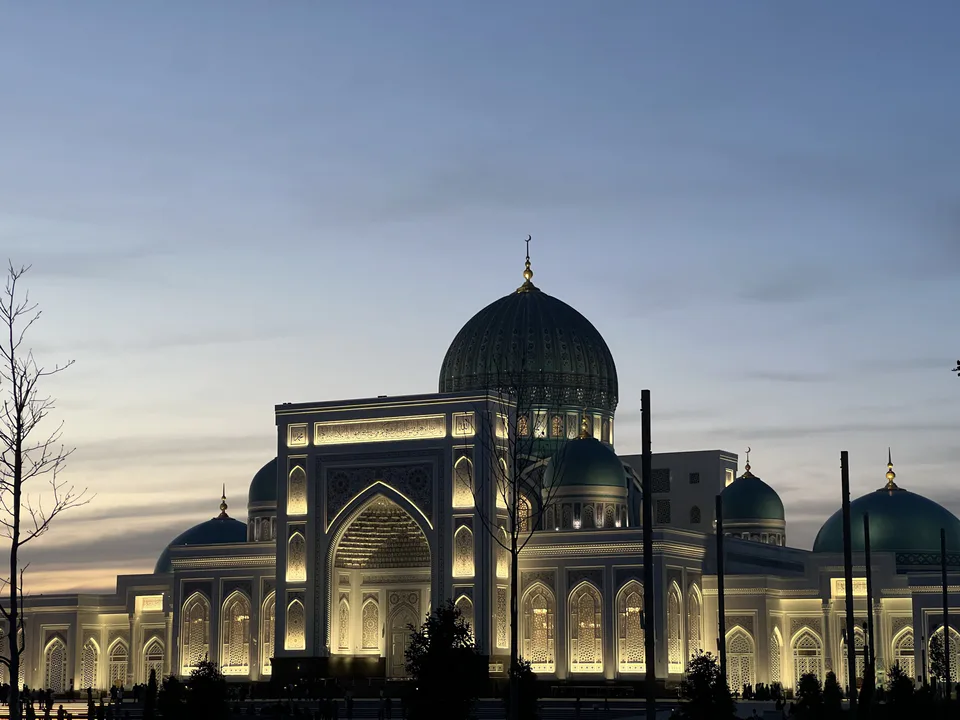
district · Imam al-Bukhari’s shrine and the Nuratau foothills
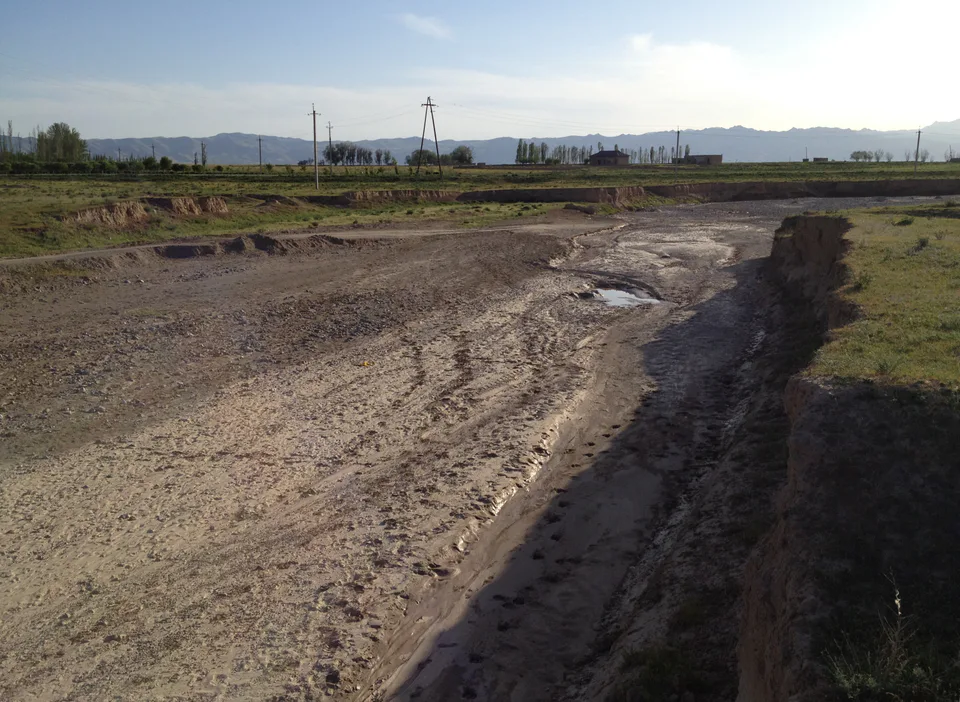
district · The Nuratau mountains, cradle of epic bards
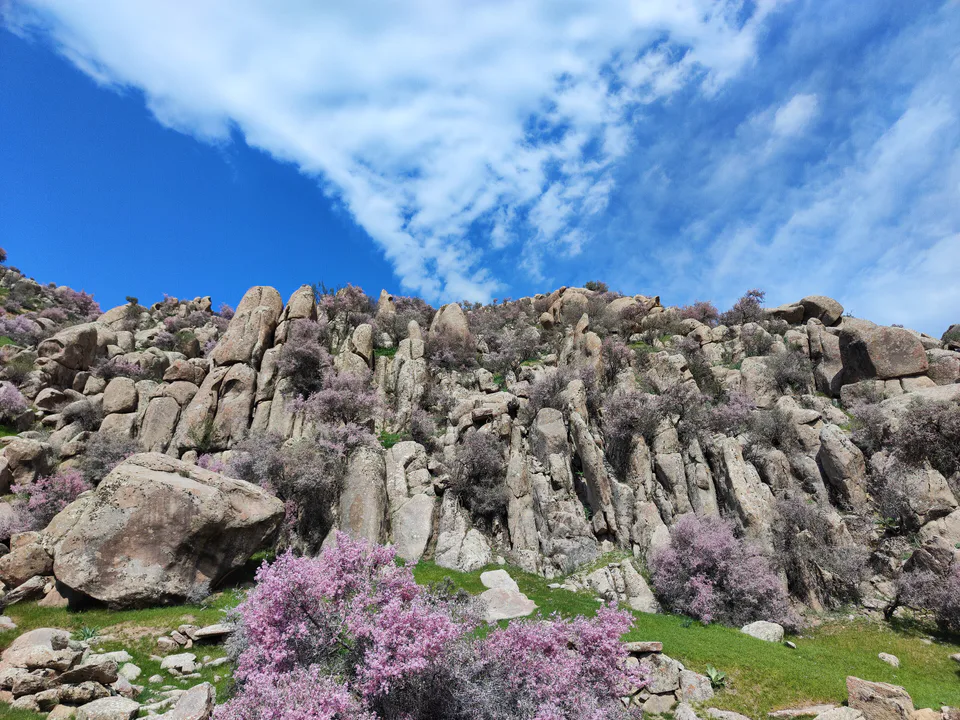
district · The farm belt around the regional capital, abolished in 2026
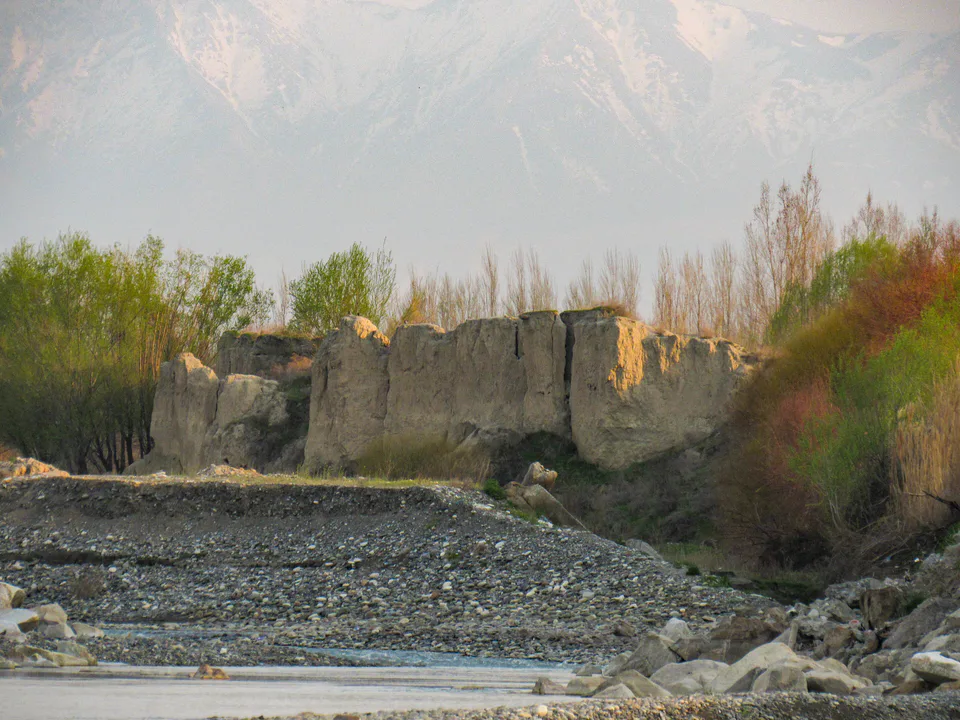
district · Orchards on Samarkand's doorstep
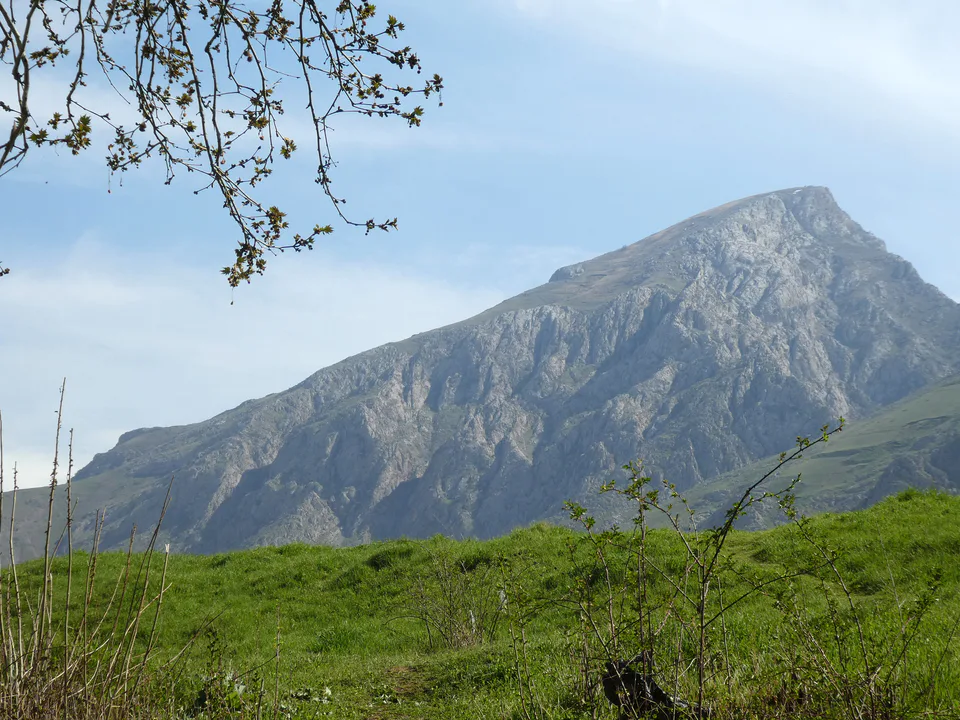
district · Bazaar, ancient plane trees and crafts at the foot of the mountains