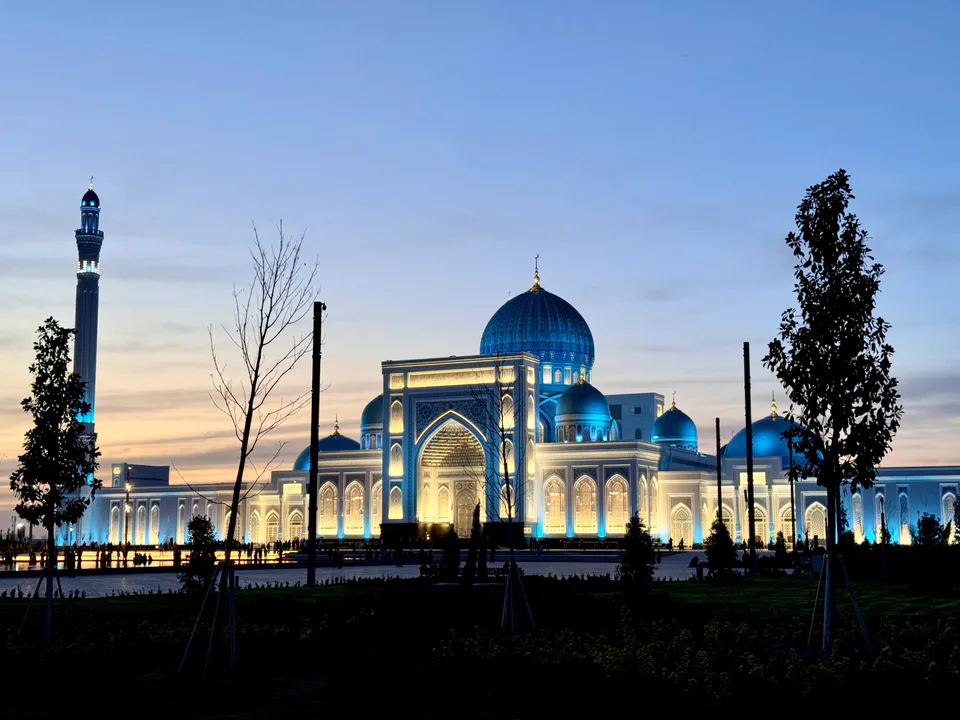
Pilgrimage site · Payariq District
Imam al-Bukhari Memorial Complex
Resting place of Islam's foremost hadith scholar
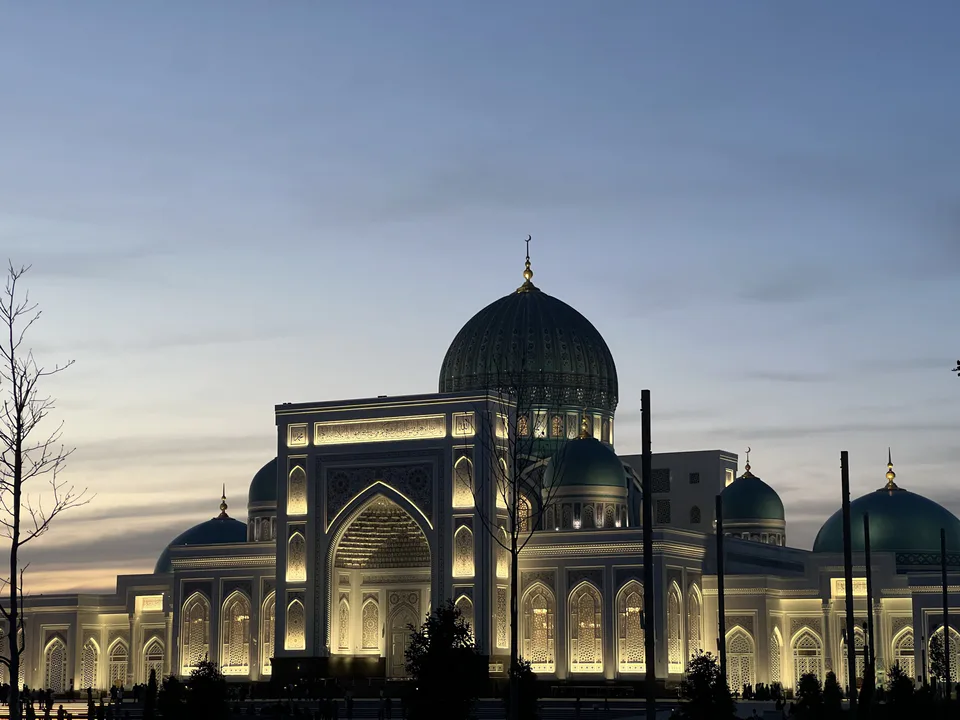
district · Samarkand Region
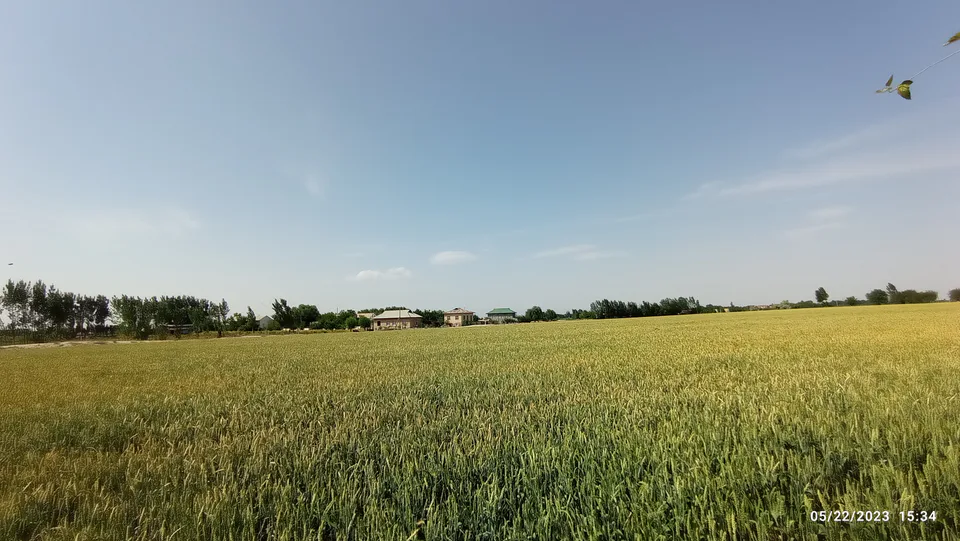
Payariq, in the north of the region below the Nuratau hills, is home to the Imam al-Bukhari Memorial Complex, the ancient site of Koktepe, Chelak with its pistachios and qurt, and wide cotton and grain fields.
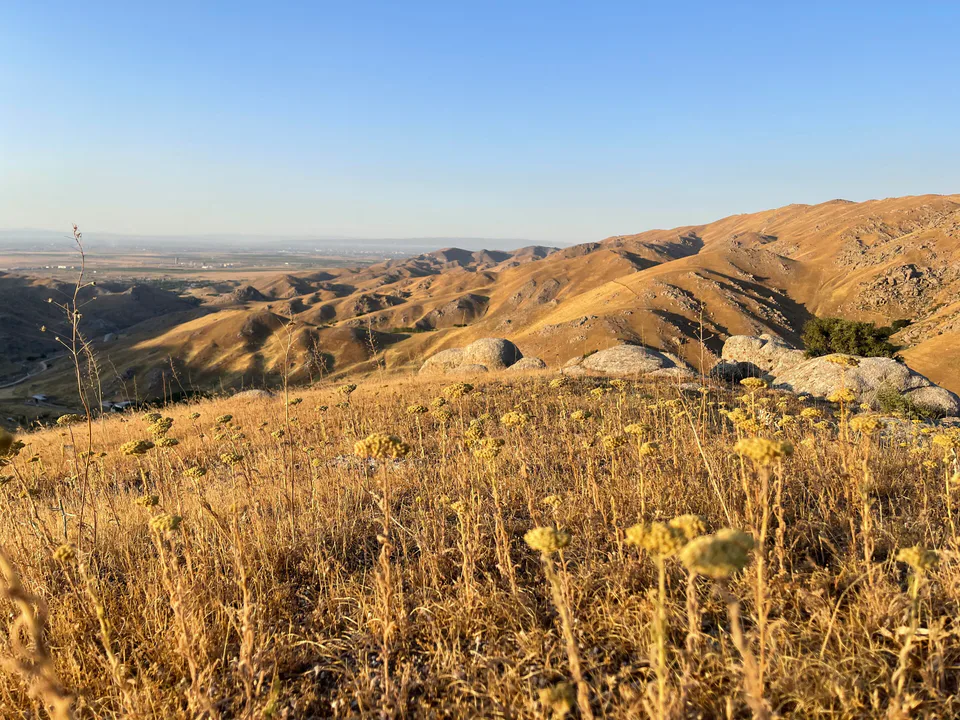
The district occupies the north of the region, on the southern foothills of the Nuratau range, at an average altitude of 610 metres. It borders the Forish and Gallaorol districts of Jizzakh Region to the north, Qoshrabot and Ishtixon to the west, and Oqdaryo and Jomboy to the south, covering 1,290 km². The north is a landscape of mountains, foothills and intermontane basins; the south is a plain watered by the Qorasuv branch of the Zarafshan, and in spring the mountain streams drain into the Saganoqsoy.
The climate is sharply continental: January averages −1.2 °C and July 27 °C, with about 312 mm of precipitation a year, mostly in winter and spring. Wormwood, wild grasses and spring ephemerals cover the foothills, home to foxes, hares, porcupines and tortoises.
This has long been the frontier between the steppe and the settled oases. At Koktepe, some 30 km north of Samarkand, archaeologists found the rich grave of a nomad princess, and some scholars identify the site with the town of Gabae mentioned by classical authors. Fifth-century silver vessels have been found near Chelak, and dozens of ancient mounds such as Chelaktepa, Shortepa, Uchtepa and Yigirmatepa dot the district.
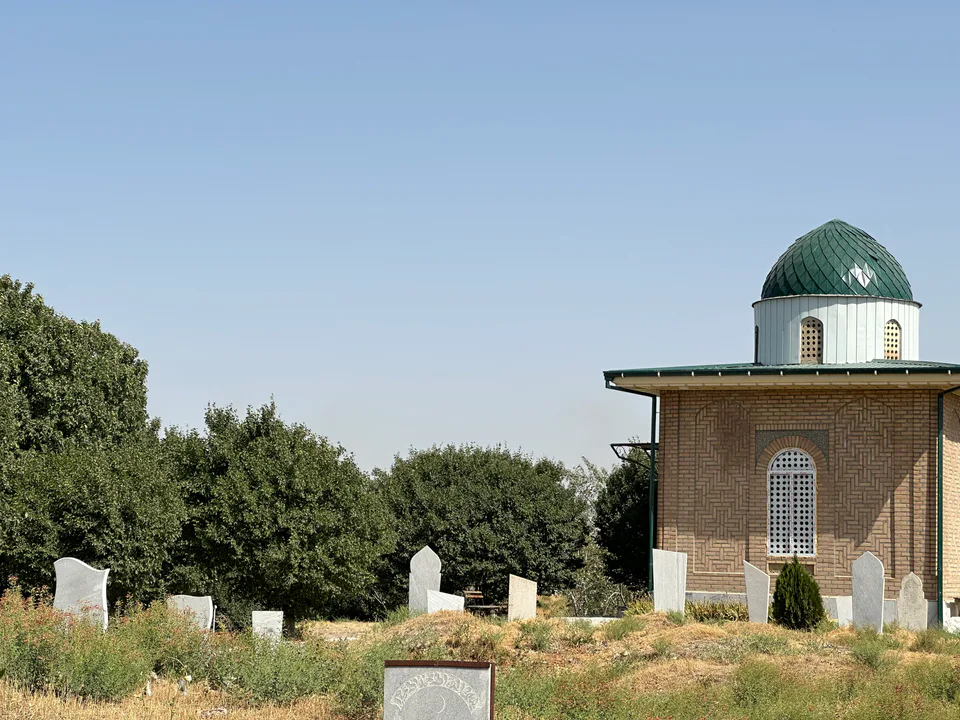
The great hadith scholar Imam al-Bukhari (810–870) died in the village of Hartang near Samarkand and was buried there. Under the Shaybanids in the 16th century a small mausoleum and mosque were raised over his grave; neglected in Soviet times, the complex was rebuilt in 1998 for the 1,225th anniversary of his birth in the Islamic calendar. Payariq town itself began in the 1880s as a village of settlers from Russia called Fyodorovka (Katalas) and was known as Narimanovka until 1991; its present name comes from the Pay irrigation canal. The district was formed on 29 September 1926 and merged again with Chelak District in 2001.
On 1 January 2026 the district had 285,000 residents, 78,400 of them in the towns of Payariq and Chelak and nine smaller settlements. The economy rests on cotton, grain and livestock, with potatoes, vegetables, melons, orchards and vineyards as well. Chelak has a cotton gin and a tomato-paste plant, and is known across the region for its pistachios and qurt, salty dried-yoghurt balls.
The district’s chief shrine is the Imam al-Bukhari Memorial Complex. In 2025 it was greatly enlarged, gaining four 75-metre minarets around its perimeter, a new mosque for 10,000 worshippers and a museum, bringing the complex to 44 hectares. In the north of Payariq town stand the mausoleum and mosque of Sheikh Tohir, while the ruins of Koktepe will appeal to archaeology enthusiasts.
The Imam al-Bukhari complex is about 22 km north of Samarkand, 25–30 minutes by car; Payariq town is 41 km away, around 45 minutes. Buses run from Samarkand to Payariq and Chelak, but a taxi or tour is easiest for the shrine. Dress modestly, covering arms and legs.
Payariq District
Airport, railway station and bus stations — addresses, timetables and the live board.
All transportSamarkand Nearest point: Samarkand, 39 km
12°clear sky
Weather: MET Norway
Payariq District
Checked hotels and places to eat — with addresses, phone numbers, opening hours and price levels.
Payariq District
Khokimiyat, public service centre and other offices: addresses, phones, hours.
All offices (13)Khokimiyat
52 Samarqand St, Payariq
Read morePublic Service Centre
Cholpon St, Gozal mahalla, Payariq
Read morePayariq District
Codes of the post offices in this city or district.
All postcodes (14)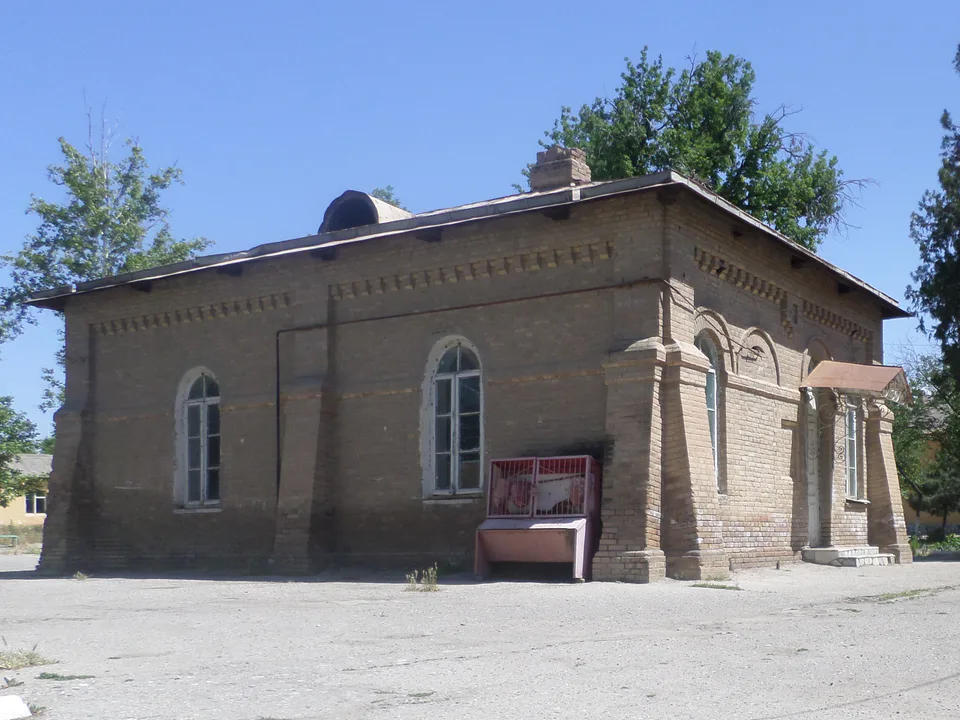
city · Western gateway to the Zarafshan valley, beside the “Uzbek Sea”
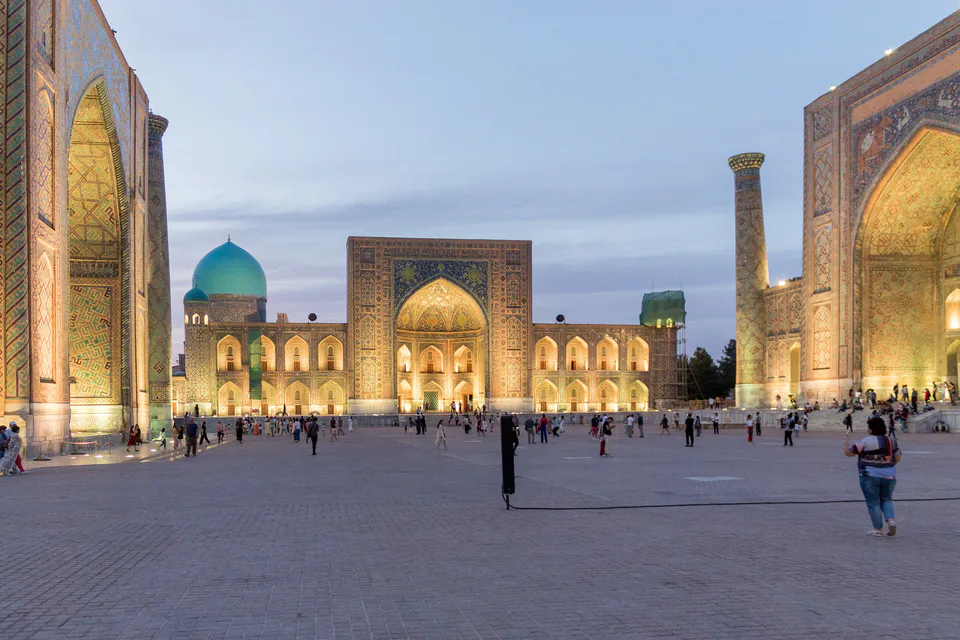
city · Ancient capital, modern regional hub
district · Land of epic bards and Timur's own Shiraz
district · Former seat of the Sogdian ikhshids in the Miankal oasis
district · The Zarafshan’s right bank: Shaybani Khan’s bridge and Sheikh Khudoydod’s shrine
district · Miankal orchards and the 'Kattakurgan Sea'
district · Zerabulak heights and the land at the canal's end
district · A Samanid tomb, a cave shrine and healing springs
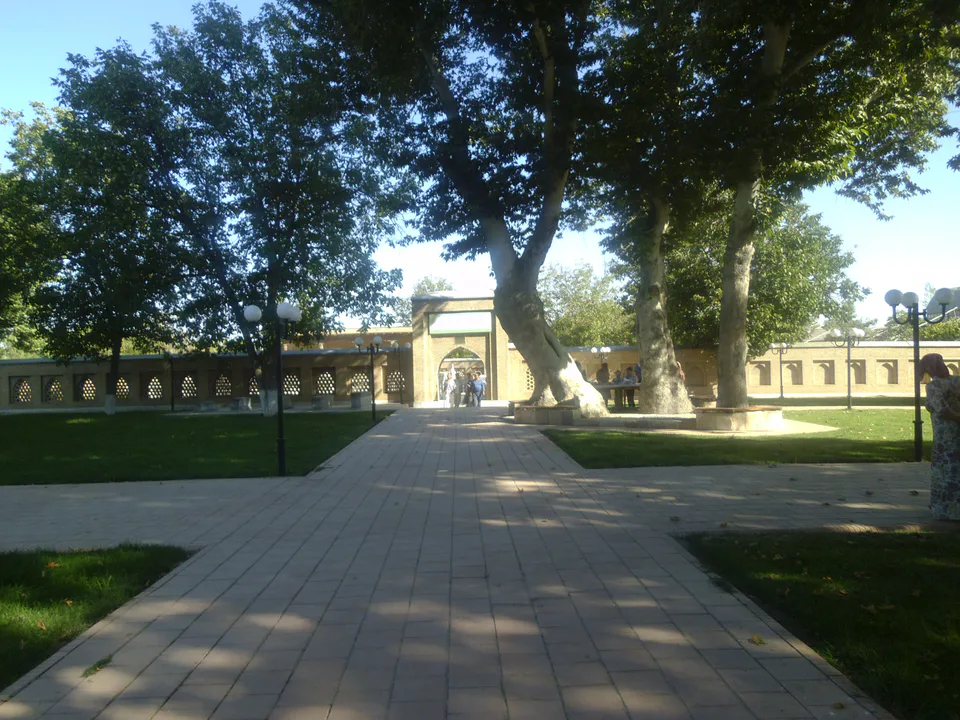
district · An oasis between the Zarafshan’s channels, home to Makhdumi Azam’s Dahbed
district · Orchards on the Dargom and master furniture makers
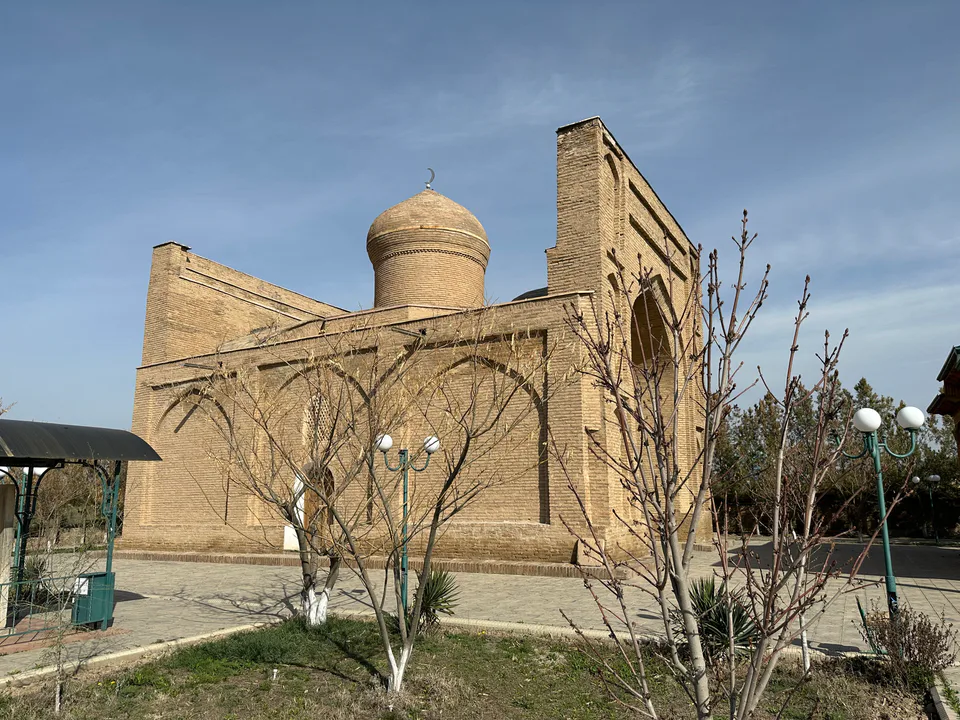
district · Ancient Dabusiya on the Zarafshan
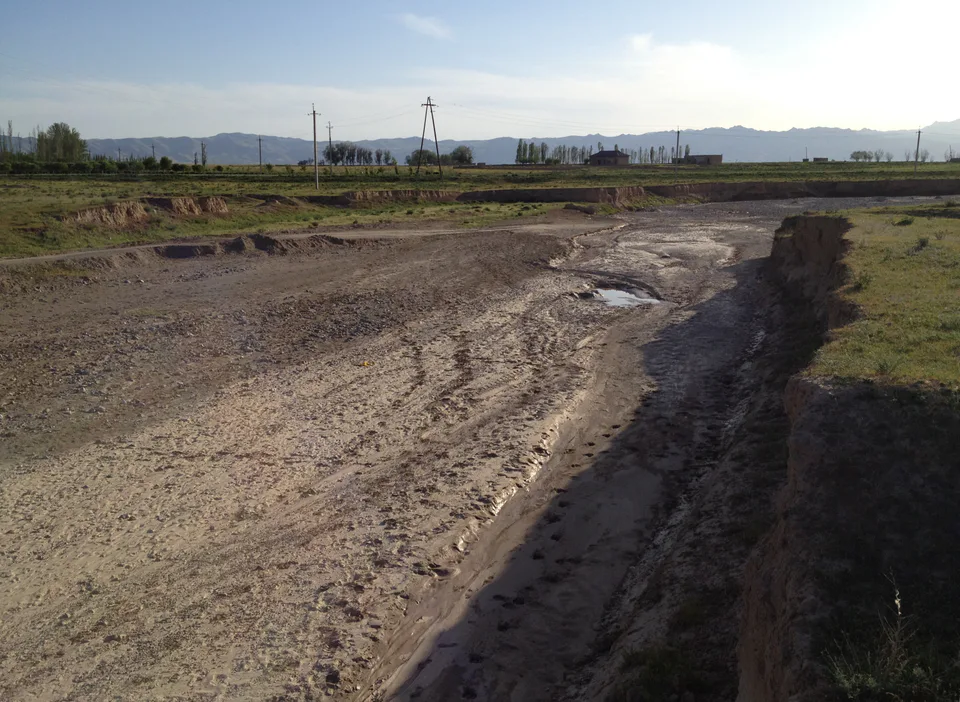
district · The Nuratau mountains, cradle of epic bards
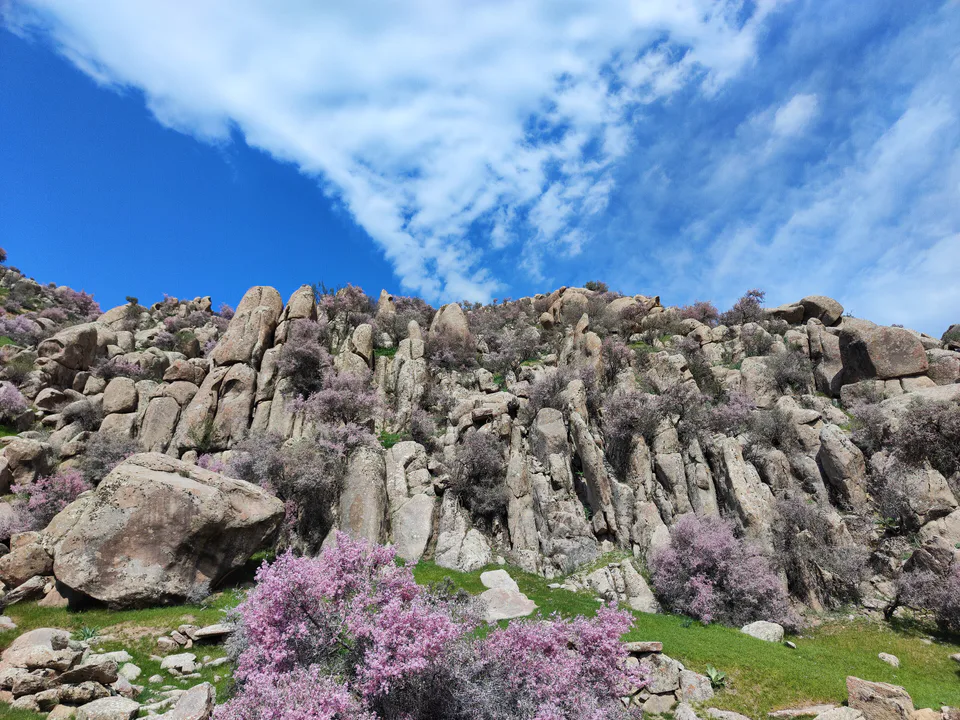
district · The farm belt around the regional capital, abolished in 2026
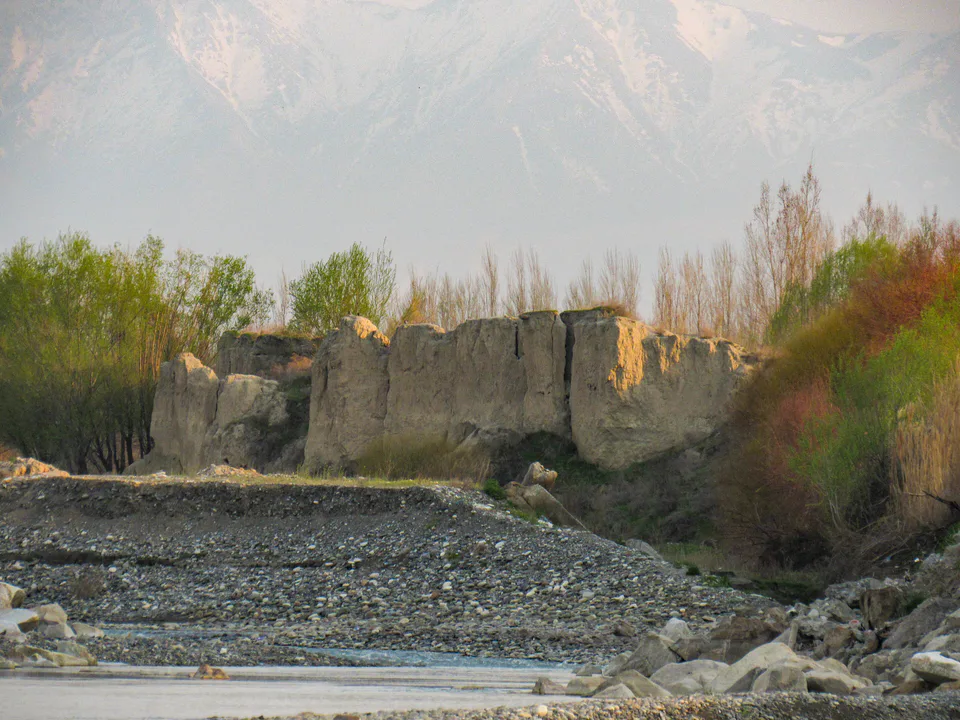
district · Orchards on Samarkand's doorstep
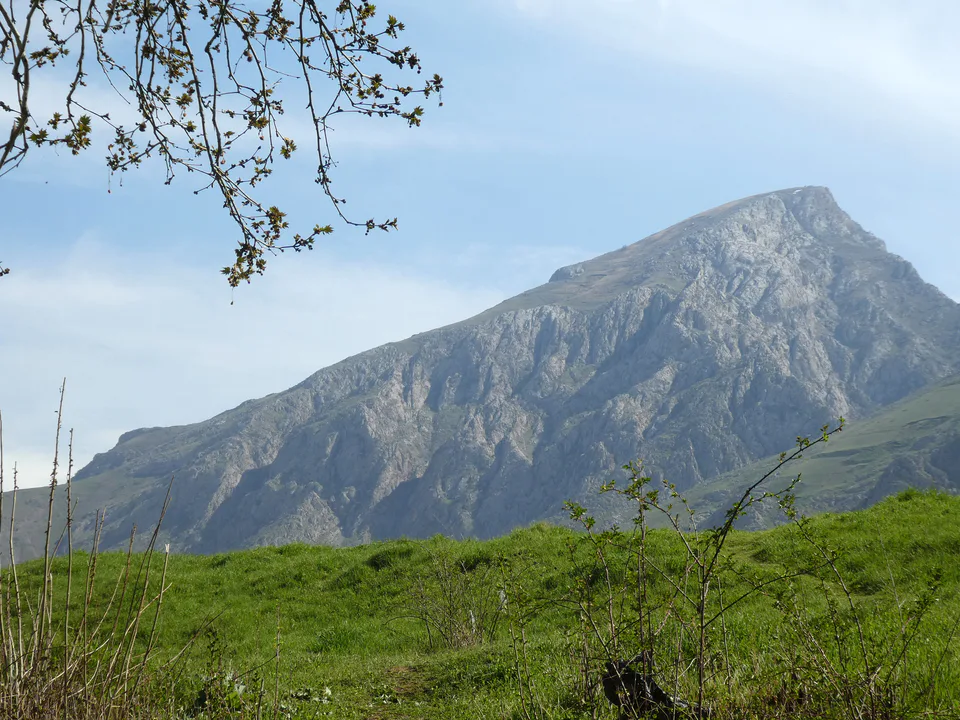
district · Bazaar, ancient plane trees and crafts at the foot of the mountains