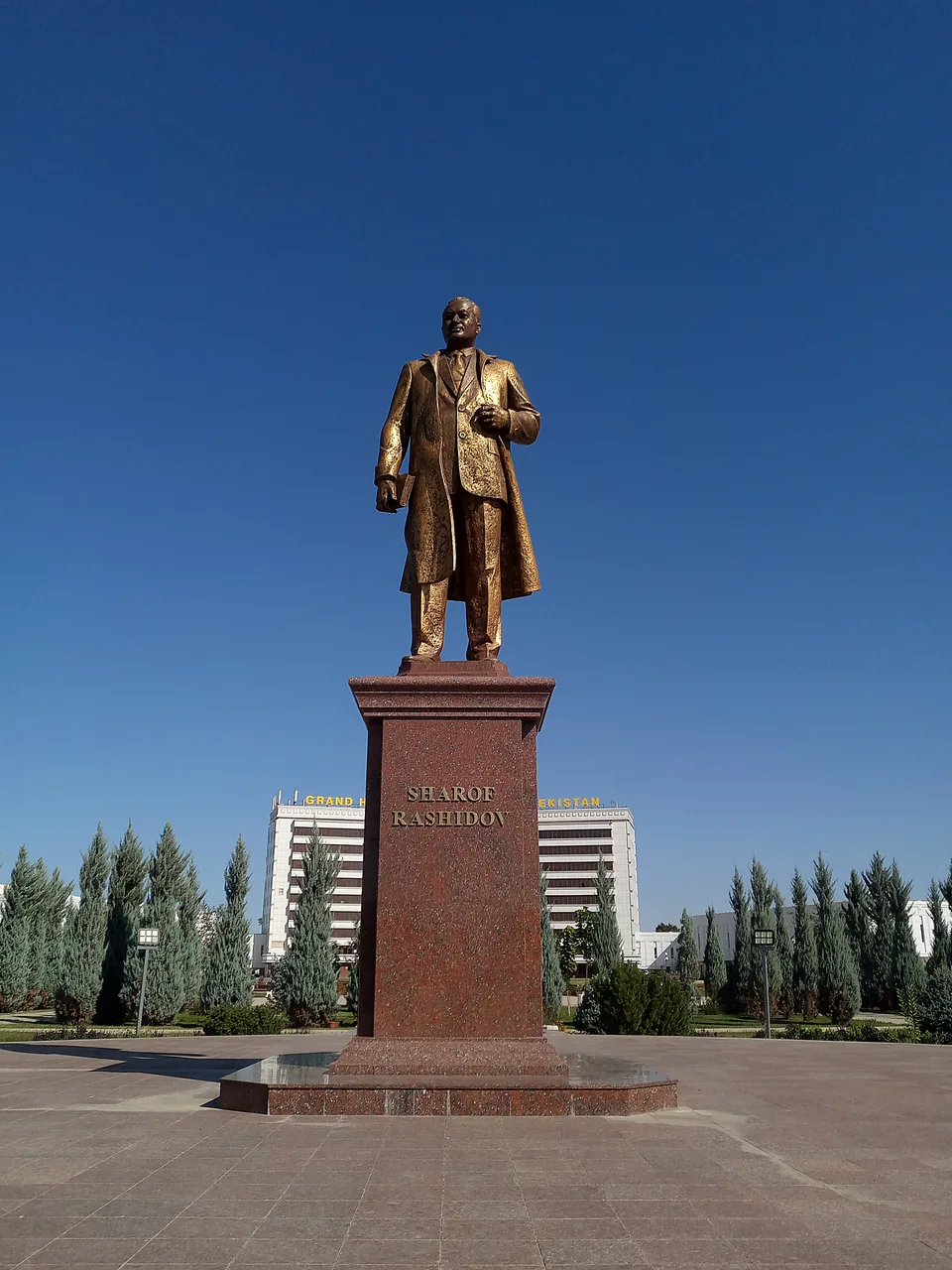
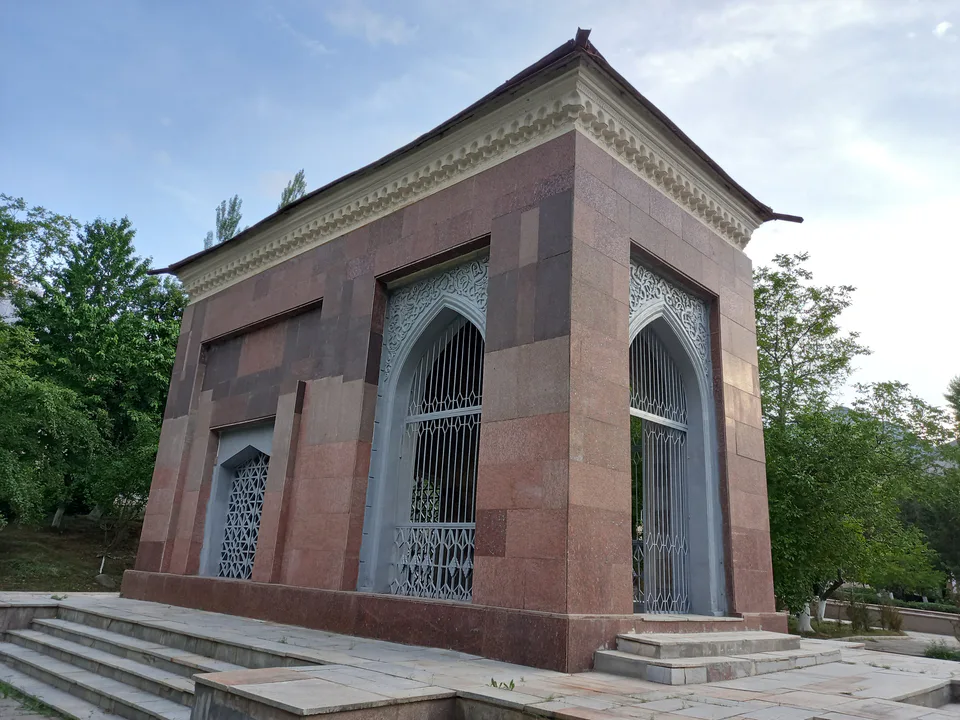
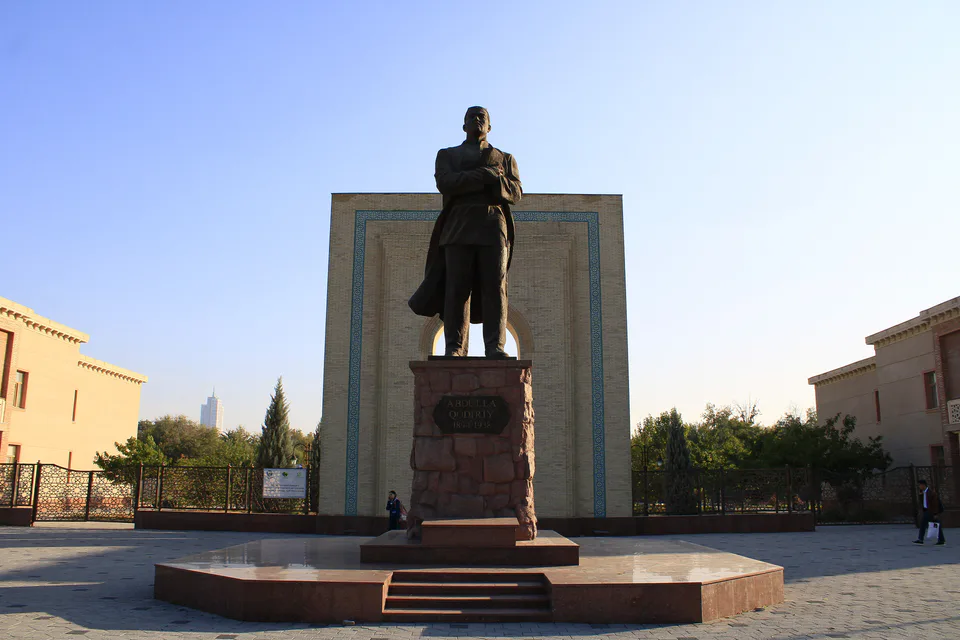
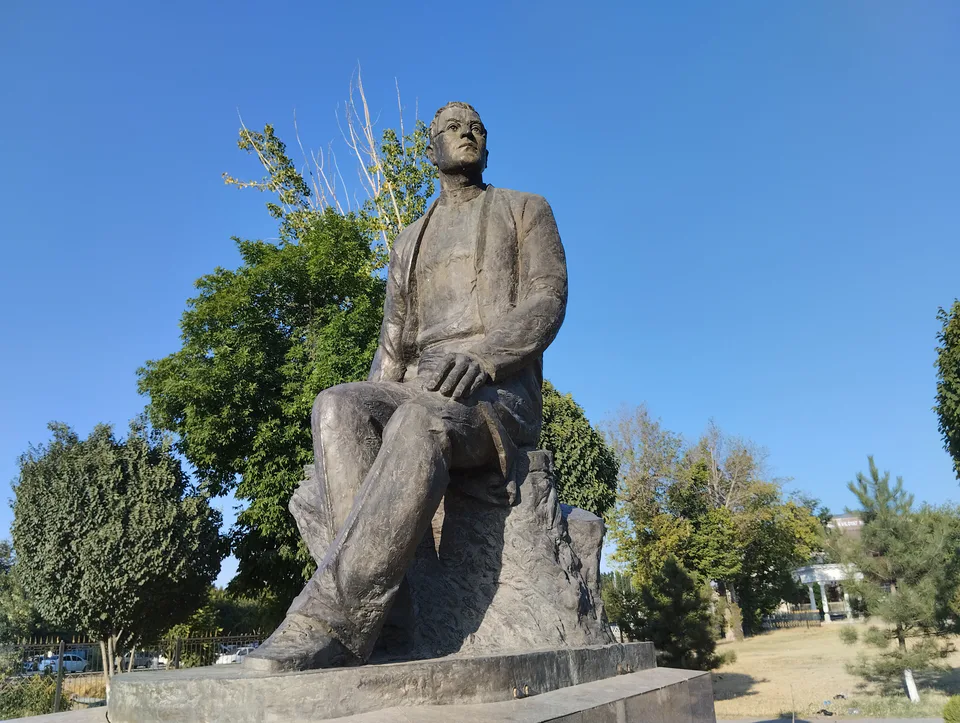
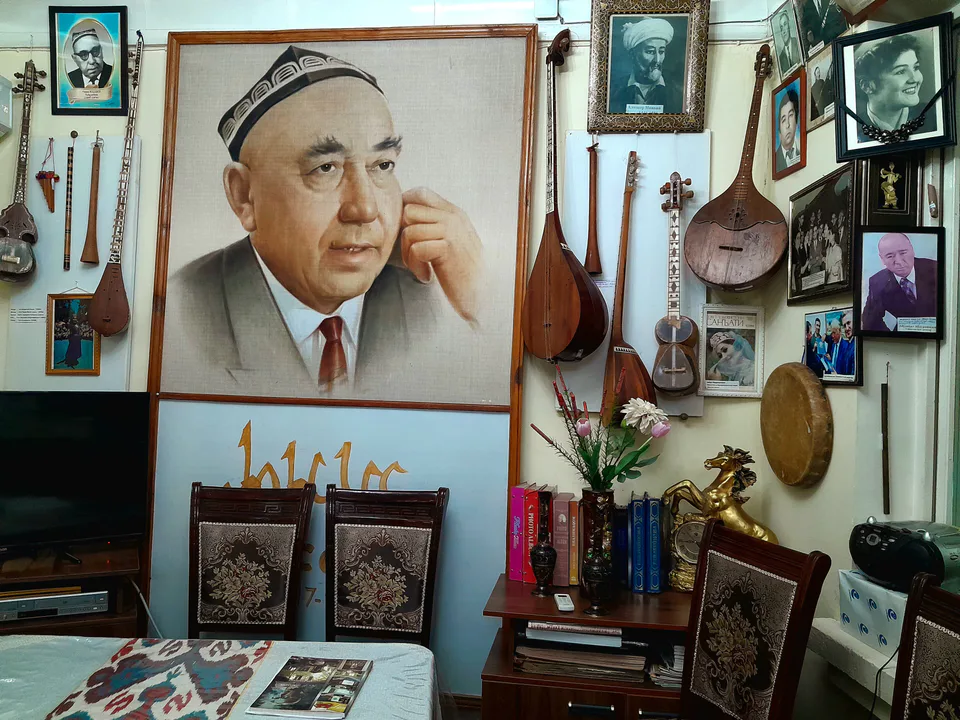
Born in Jizzakh, he led the Communist Party of Uzbekistan as First Secretary from 1959 to 1983 and was also a writer. His era is judged in very different ways; a district of Jizzakh Region bears his name.
Sharof Rashidov was born in Jizzakh on 6 November (24 October Old Style) 1917 to a peasant family. He graduated from the Jizzakh teacher-training college (1935) and in philology from Samarkand State University (1941), and worked as a teacher and editor of the Samarkand regional newspaper. In the Second World War he fought in the Battle of Moscow and was badly wounded on the Volkhov front, returning to Uzbekistan in 1943. He went on to chair the Writers' Union of Uzbekistan (1949–1950) and the Presidium of the Supreme Soviet of the Uzbek SSR (1950–1959), and from 1959 until his death was First Secretary of the Communist Party of Uzbekistan. He was twice made Hero of Socialist Labour.
Writer and leader
Rashidov was also a writer, author of the poem “The Border Guard”, the novels “The Victors”, “Stronger than the Storm” (1958) and “The Mighty Wave” (1964), and the novella “Kashmiri Song” (1956), based on an Indian legend. In the 1950s he was among those who pressed for the rehabilitation of intellectuals purged in 1937–1938. Under him Tashkent was rebuilt after the 1966 earthquake, Samarkand's 2,500th anniversary was celebrated in 1970, the metro opened in 1977 and cotton acreage expanded sharply. He died on 31 October 1983 during a trip to Ellikkala district in Karakalpakstan and was first buried in central Tashkent. In the “cotton affair” investigations that followed, his era was condemned, and in 1986 his remains were moved — to Chigatay cemetery in Tashkent or to his native Jizzakh, according to different sources.
Assessments and memory
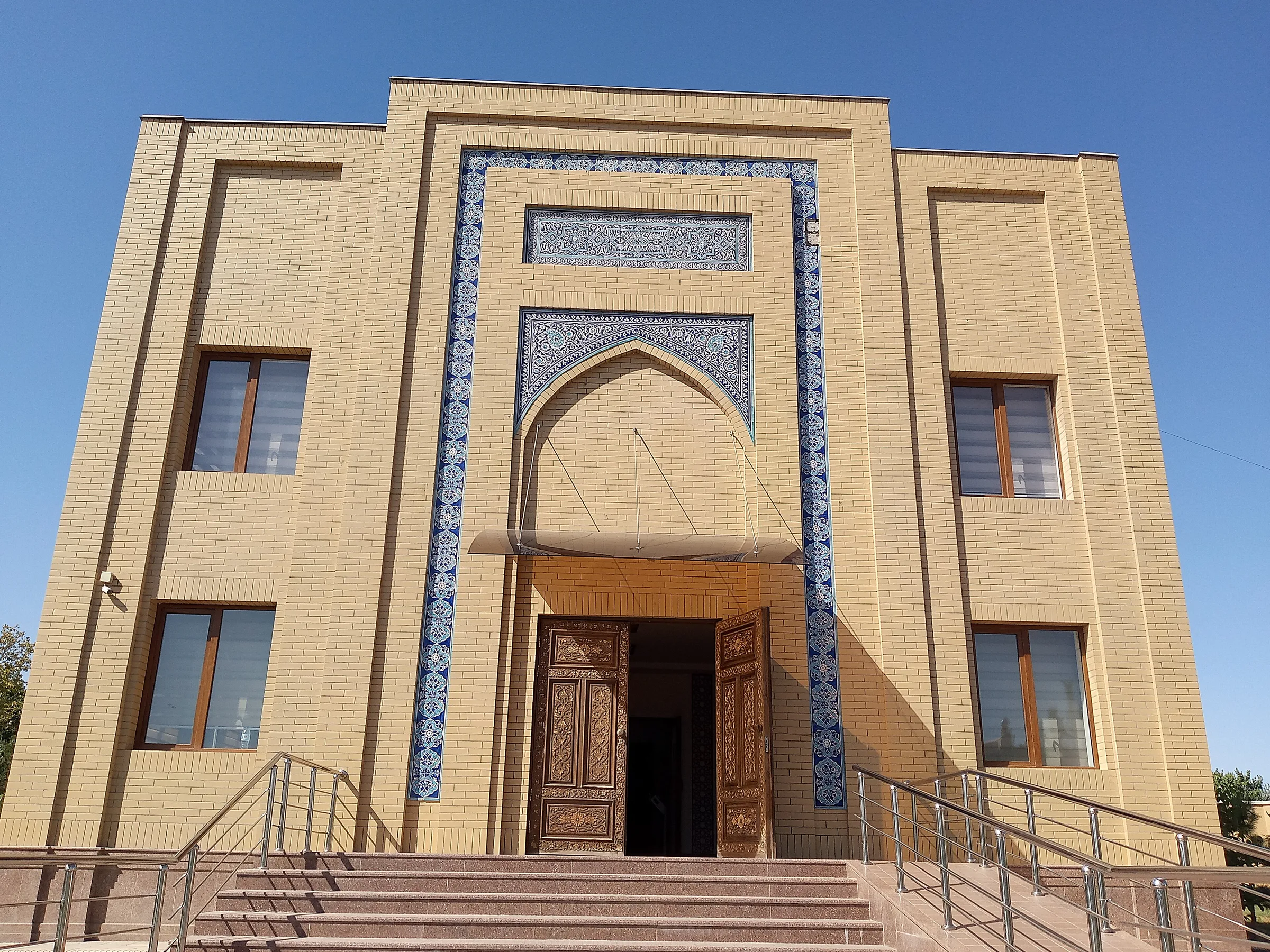
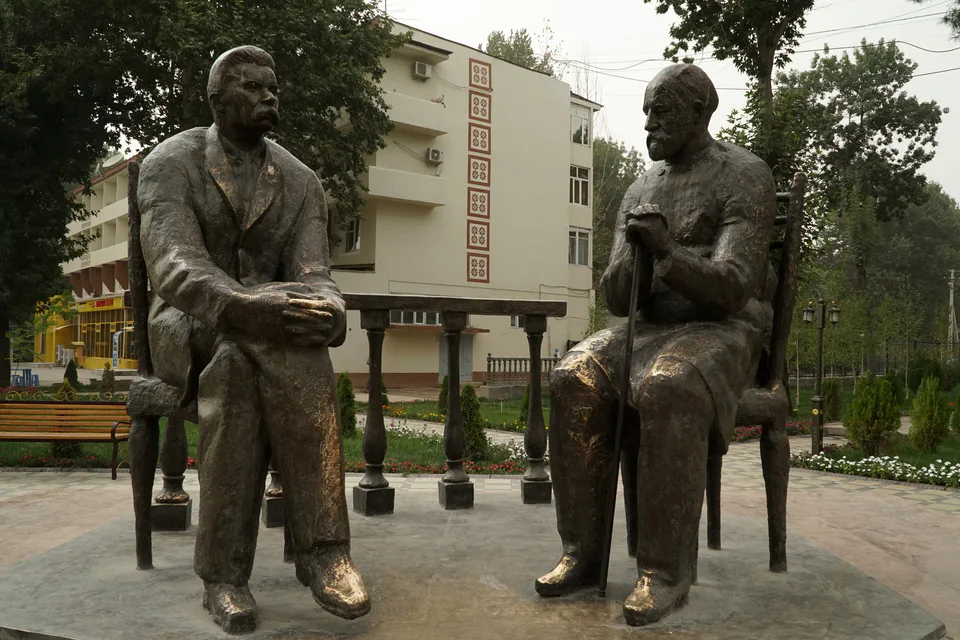
After independence Rashidov's name was rehabilitated and he came to be honoured as a leader who defended the republic's interests, though historians also point to the cotton monoculture and falsified figures of his time. Sharof Rashidov district in Jizzakh Region, and streets and schools in Tashkent and Jizzakh, bear his name, and Jizzakh has a statue and a museum devoted to him.
After the October Revolution of 1917, power in Tashkent passed to a Bolshevik-led soviet that excluded the local Muslim majority. In response, the Fourth Extraordinary Congress of Turkestan Muslims, meeting in Kokand on 27 November 1917, proclaimed a Turkestan Autonomy within a Russian federation. Its government was led by Mukhamedzhan Tynyshpaev and then Mustafa Chokay, with Jadids among its members. In February 1918 Red Guard units sent from Tashkent stormed Kokand; much of the city was destroyed and thousands of civilians were killed. Short-lived as it was, the autonomy is seen as a milestone in the region's pursuit of national statehood.
After the Turkestan Autonomy was crushed, an armed movement against Soviet rule spread through the Fergana Valley from 1918. Soviet sources called it the Basmachi movement; Uzbek historians today more often describe it as a struggle for independence. It was led by local commanders, or kurbashi, such as Ergash, Madamin Bek and Shermuhammad Bek (Kurshermat). After 1920 the fighting shifted to Eastern Bukhara and the mountains of Kashkadarya and Surkhandarya, where Ibrahim Bek was a leading figure; the Ottoman general Enver Pasha joined in 1921–1922 and was killed in 1922. Large Red Army forces had largely suppressed the movement by the mid-1920s, though isolated bands held out into the early 1930s.
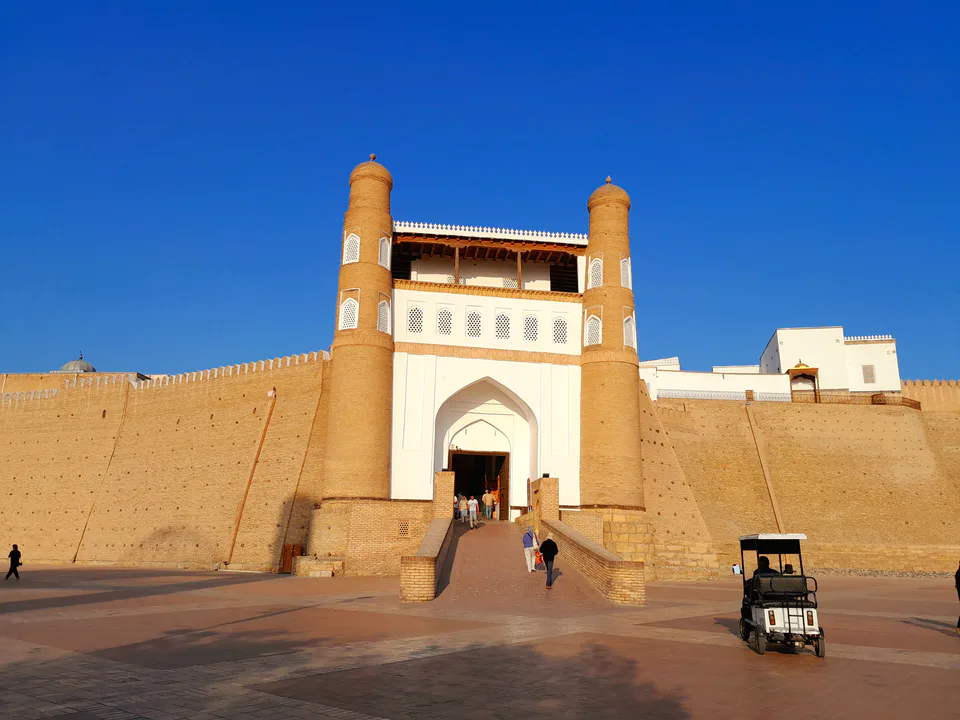
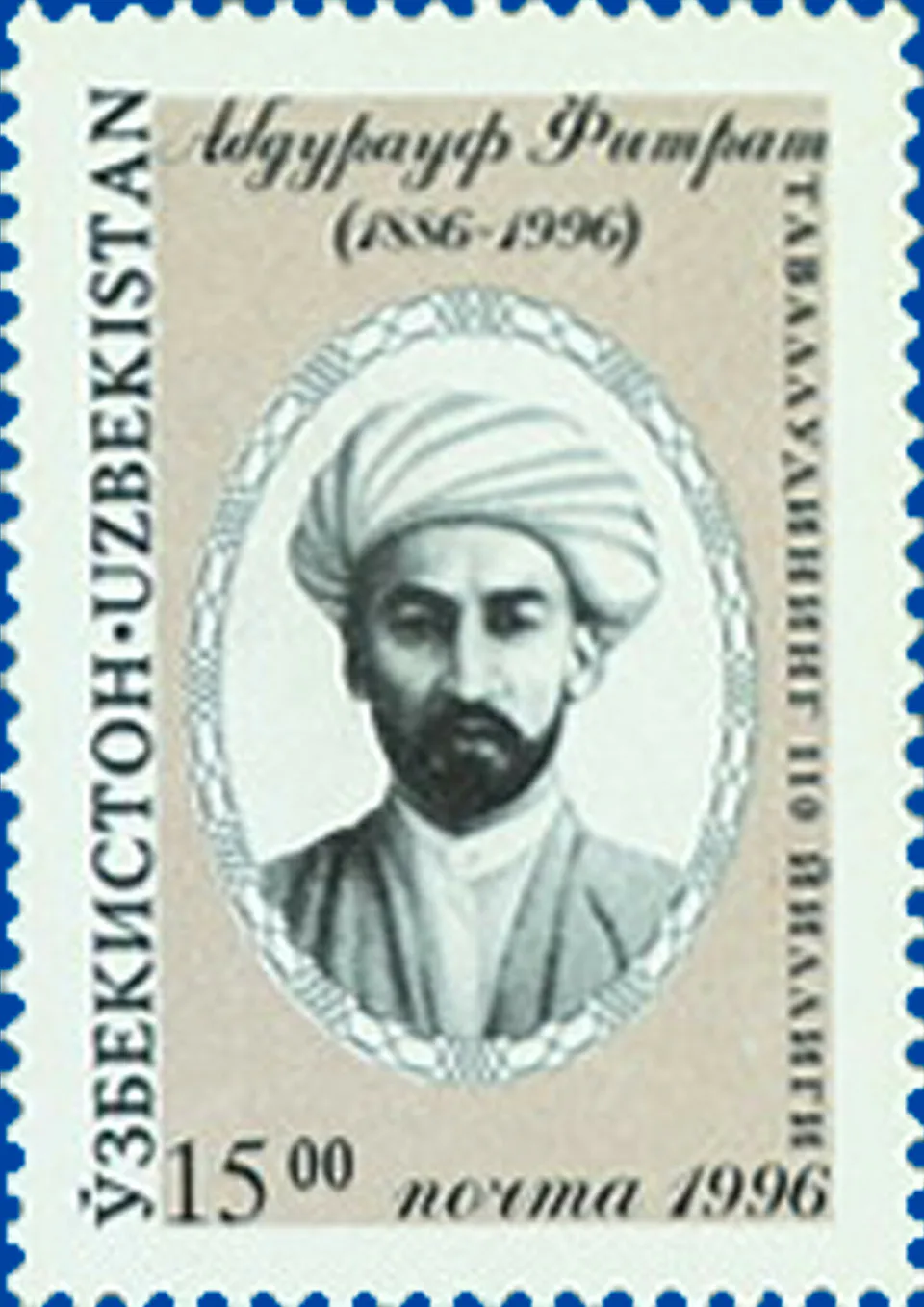
In February 1920 the Red Army and Young Khivan forces ended the Khanate of Khiva: the last khan, Said Abdullah, abdicated, and in April the Khorezm People's Soviet Republic was proclaimed. On 2 September 1920 the Red Army under Mikhail Frunze, together with the Young Bukharans, took Bukhara after a bombardment that set the Ark and parts of the city ablaze; Emir Alim Khan fled to Eastern Bukhara and in 1921 to Afghanistan. In October the Bukharan People's Soviet Republic was created, headed by Fayzulla Khodjaev, with Fitrat among its ministers. Both republics were dissolved in the national delimitation of 1924.
In 1924 Central Asia underwent national-territorial delimitation: the Turkestan ASSR and the Bukharan and Khorezm republics were replaced by new republics drawn largely along ethnic lines. On 27 October 1924 the Uzbek Soviet Socialist Republic was formed, with the Tajik ASSR inside it until 1929. Its First Congress of Soviets met in Bukhara in February 1925. Samarkand was the first capital; in 1930 the capital moved to Tashkent. The borders drawn then largely define today's Uzbekistan, but in mixed areas such as the Fergana Valley they left complicated frontiers and enclaves.
On 8 March 1927, International Women's Day, the Soviet authorities launched the Hujum (“assault”) campaign in Central Asia. It aimed to persuade women to give up the paranja robe and horsehair veil and to change their status through literacy classes and work outside the home, with mass veil-burnings staged in city squares. The campaign met fierce resistance: many unveiled women were harassed, and by some estimates around 2,500 were murdered. Historians judge the Hujum in different ways — as a reform that opened education and careers to women, and as a coercive policy that cost many lives.
After the national delimitation, in 1925 a Karakalpak Autonomous Oblast was created on the lands of the lower Amu Darya, first within the Kazakh ASSR and from 1930 directly under the Russian SFSR. On 20 March 1932 it became the Karakalpak Autonomous Soviet Socialist Republic, the only ASSR in Soviet Central Asia. On 5 December 1936 it was transferred to the Uzbek SSR. Its first capital, Turtkul, was threatened by the eroding Amu Darya, so in 1939 the capital moved to Nukus. The republic declared sovereignty in 1990; today it is the Republic of Karakalpakstan within Uzbekistan.