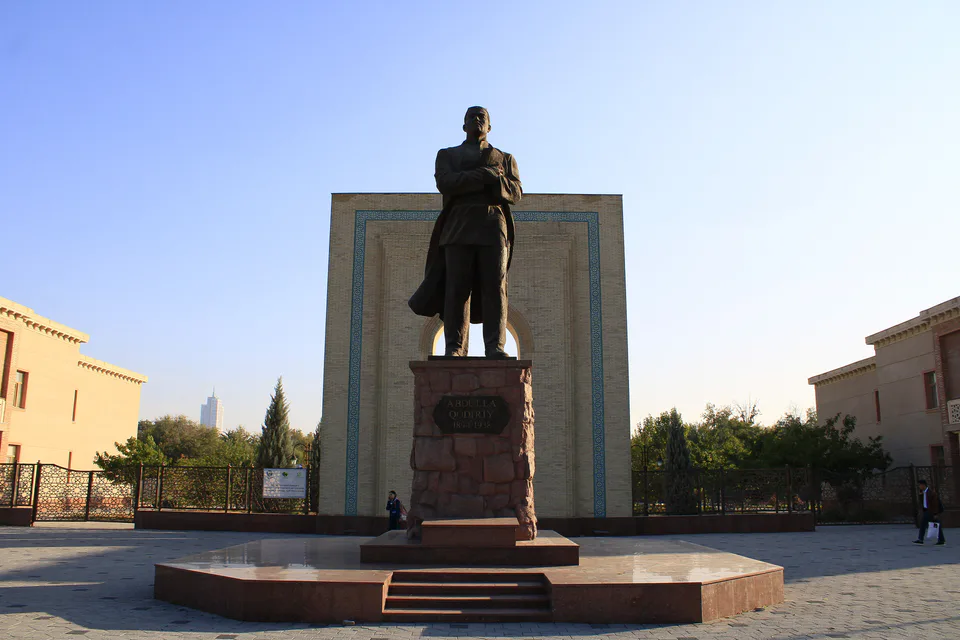
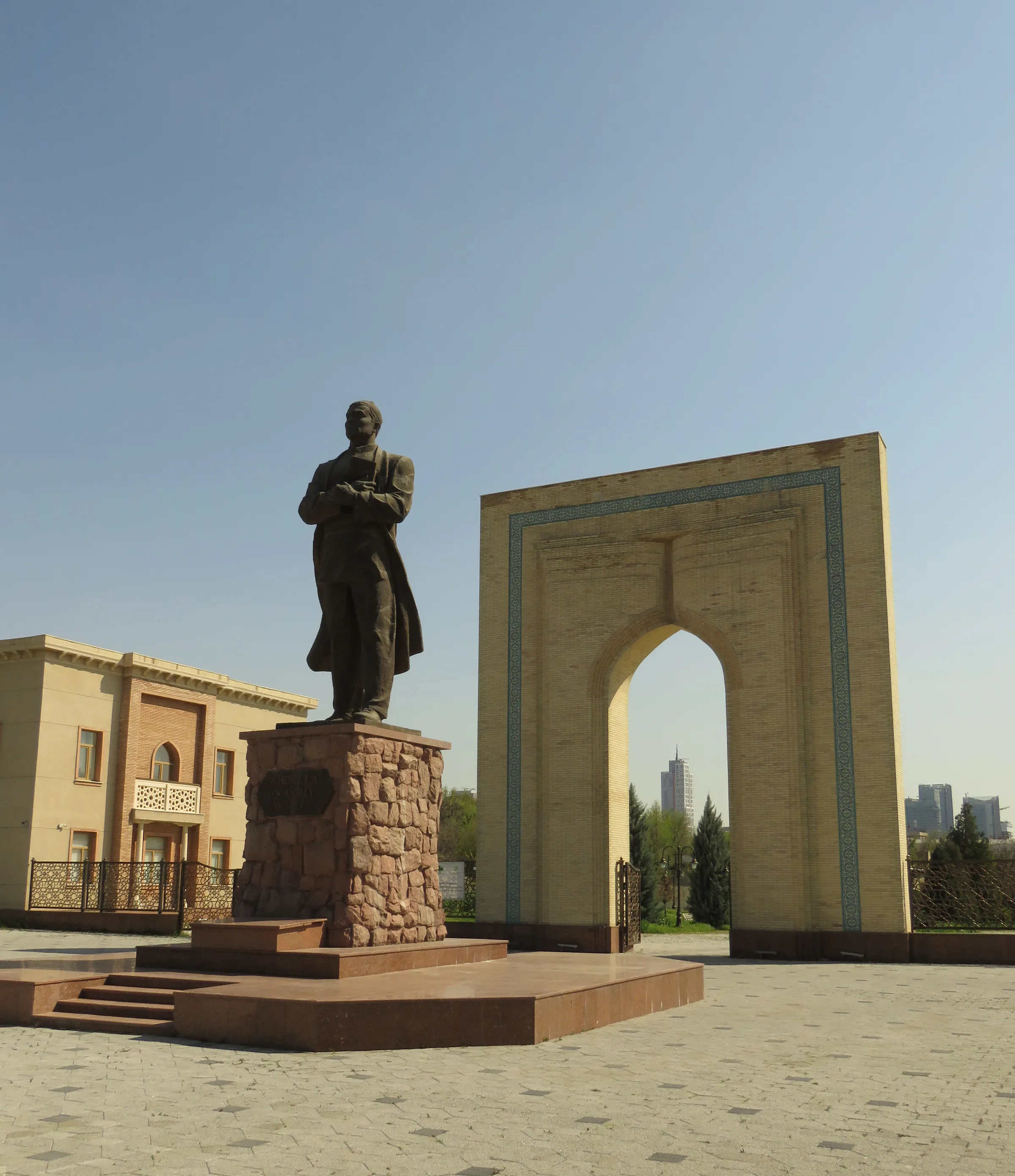
A Tashkent writer who founded the Uzbek novel: “Days Gone By” and “Scorpion from the Pulpit” remain among the best-loved books in Uzbek literature. He was executed in 1938.
Abdulla Qodiriy was born on 10 April 1894 in Tashkent's old city, the son of a gardener. His father, Qodir-bobo, had fought in the defence of Tashkent in 1865, and his stories inspired the future novelist's historical fiction. Abdulla attended a Muslim school and then a Russian-native school and worked as a merchant's clerk. In the mid-1910s his first poems and stories appeared in the Jadid press. After 1917 he worked in various offices, helped found the satirical magazine Mushtum (“The Fist”) and wrote biting sketches under the pen name Julqunboy. In 1924–1925 he attended literary courses in Moscow.
“Days Gone By” and the purge
Qodiriy wrote the first Uzbek novel, “Days Gone By” (O'tkan kunlar), in 1919–1920; chapters ran in the journal Inqilob from 1922 and the book appeared in 1925–1926. Through the tragic love of Otabek and Kumush in mid-19th-century Tashkent and Margilan, it depicts the feuds, ignorance and tyranny of the khanate era. “Scorpion from the Pulpit”, set in the Khanate of Kokand, followed in 1929, and the village novella “Obid Ketmon” in 1935. Arrested briefly in 1926 over an article, he was seized again at the end of 1937 and shot in Tashkent on 4 October 1938. His books were long banned and returned to print from the late 1950s; in 2023 the Supreme Court also quashed his 1926 conviction.
Remembrance
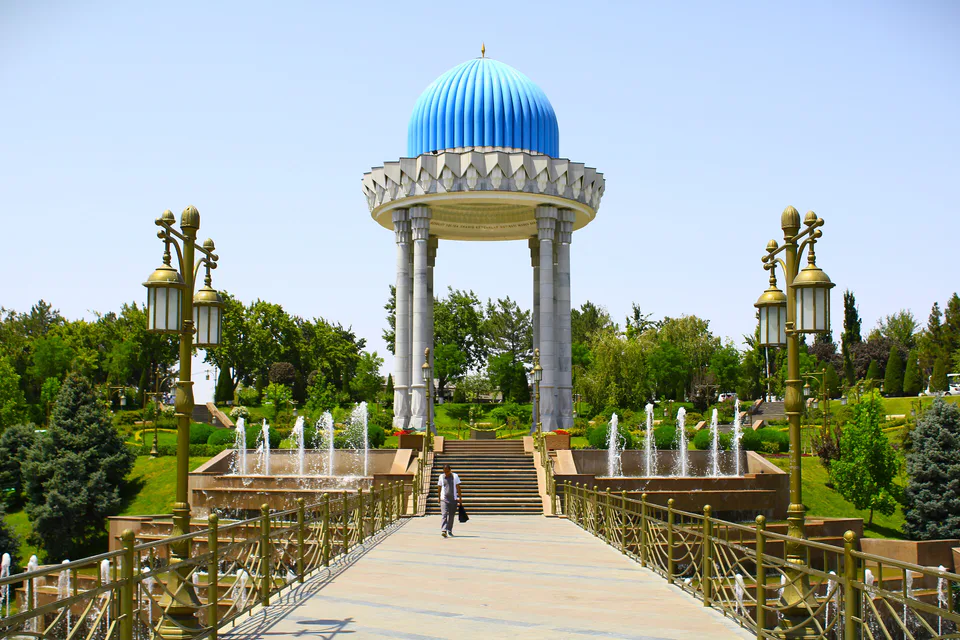
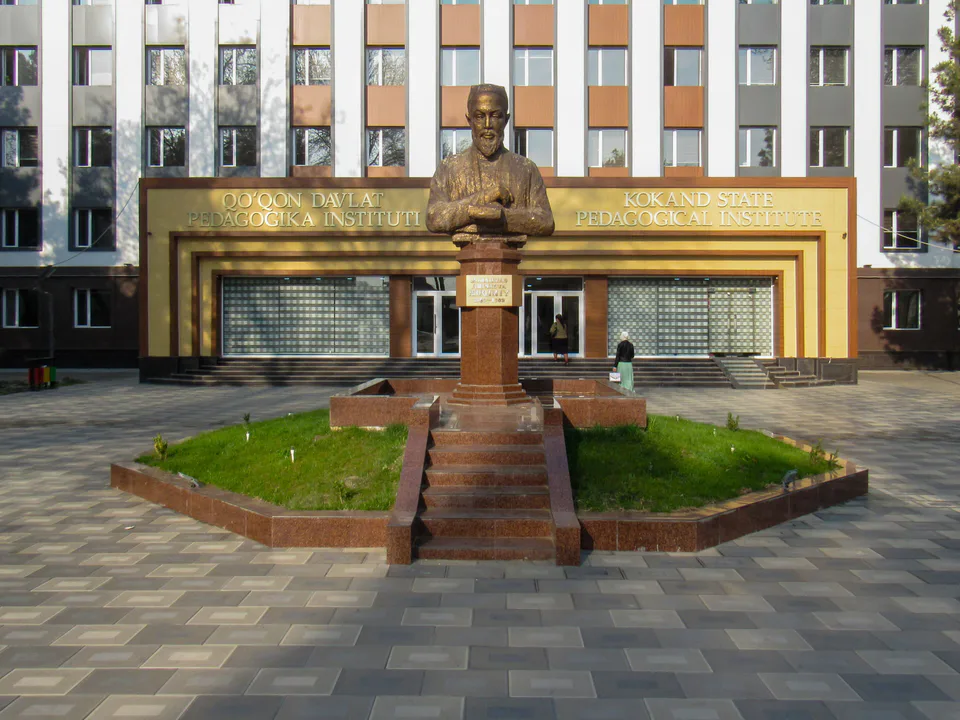
Qodiriy was posthumously awarded the Alisher Navoi State Prize in 1991 and, for his centenary in 1994, the Order of Independence. A state prize bears his name, as do the Tashkent State Institute of Culture, a Tashkent park and many streets, and “Days Gone By” was filmed in 1969. He and other victims of the purges are commemorated at the Shahidlar Xotirasi memorial complex in Tashkent.
On the night of 29 May 1898 some 1,500 armed men led by the Naqshbandi sheikh Muhammad Ali Madali, known as Dukchi Ishan, attacked the Russian army camp at Andijan. The rising fed on resentment of colonial rule, taxation and land policy, as well as on religious appeals. The troops quickly recovered and beat off the attack, and within days the revolt was crushed. Dukchi Ishan and other leaders were executed, many participants exiled and their villages punished. The episode pushed the authorities to tighten control over Muslim institutions in Turkestan.
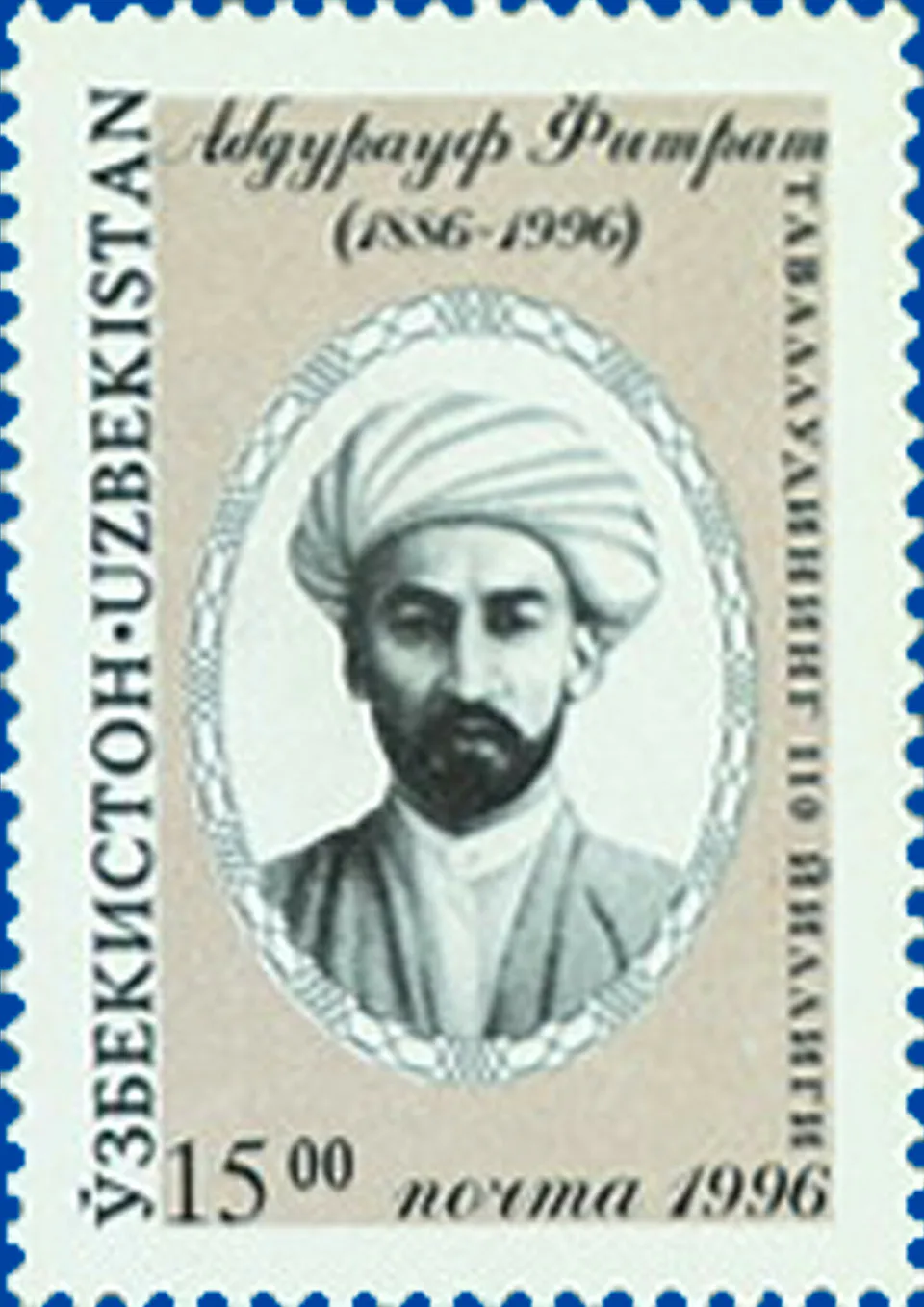
In the late 19th and early 20th centuries a reform movement took shape in Turkestan: the Jadids, advocates of usul-i jadid, the “new method”. Inspired by the Crimean Tatar educator Ismail Gasprinsky, Mahmudkhoja Behbudiy, Munavvar Qori, Abdulla Avloniy, Is'hoqxon Ibrat, Abdurauf Fitrat and others opened schools teaching literacy by the phonetic method and wrote textbooks. From 1906 Uzbek-language newspapers such as Taraqqiy and Khurshid appeared in Tashkent, and Behbudiy's play “The Patricide” (Padarkush), staged in 1914, launched a national theatre. The Jadids sought to renew society through education, the press and reform. Many were repressed in the 1920s–1930s; their legacy is being rediscovered today.
On 25 June (8 July) 1916, at the height of the First World War, Nicholas II decreed the conscription of Turkestani men aged 19 to 43 for labour behind the front. Issued at harvest time and enforced through unfair lists, the decree provoked mass unrest. In July there were protests in Khujand, Tashkent and towns of the Fergana Valley; in Jizzakh the rising turned into armed fighting and was crushed with great brutality by punitive detachments, which left the old town badly damaged. The revolt also spread across Kazakhstan and Kyrgyzstan. Tens of thousands of labourers were eventually sent to the front zone regardless.
After the October Revolution of 1917, power in Tashkent passed to a Bolshevik-led soviet that excluded the local Muslim majority. In response, the Fourth Extraordinary Congress of Turkestan Muslims, meeting in Kokand on 27 November 1917, proclaimed a Turkestan Autonomy within a Russian federation. Its government was led by Mukhamedzhan Tynyshpaev and then Mustafa Chokay, with Jadids among its members. In February 1918 Red Guard units sent from Tashkent stormed Kokand; much of the city was destroyed and thousands of civilians were killed. Short-lived as it was, the autonomy is seen as a milestone in the region's pursuit of national statehood.
After the Turkestan Autonomy was crushed, an armed movement against Soviet rule spread through the Fergana Valley from 1918. Soviet sources called it the Basmachi movement; Uzbek historians today more often describe it as a struggle for independence. It was led by local commanders, or kurbashi, such as Ergash, Madamin Bek and Shermuhammad Bek (Kurshermat). After 1920 the fighting shifted to Eastern Bukhara and the mountains of Kashkadarya and Surkhandarya, where Ibrahim Bek was a leading figure; the Ottoman general Enver Pasha joined in 1921–1922 and was killed in 1922. Large Red Army forces had largely suppressed the movement by the mid-1920s, though isolated bands held out into the early 1930s.
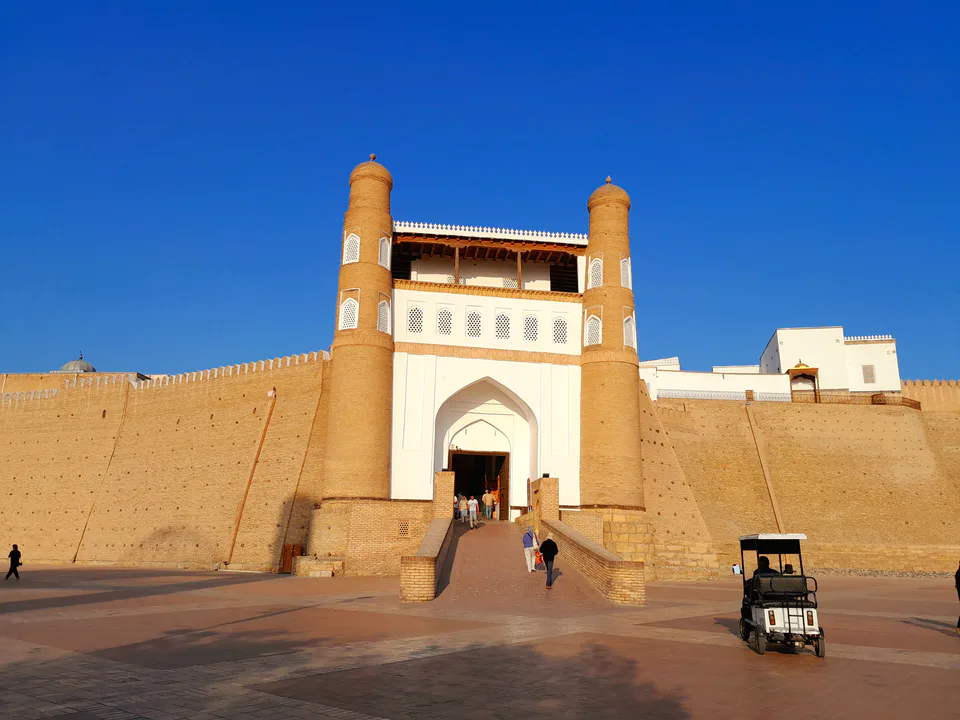
In February 1920 the Red Army and Young Khivan forces ended the Khanate of Khiva: the last khan, Said Abdullah, abdicated, and in April the Khorezm People's Soviet Republic was proclaimed. On 2 September 1920 the Red Army under Mikhail Frunze, together with the Young Bukharans, took Bukhara after a bombardment that set the Ark and parts of the city ablaze; Emir Alim Khan fled to Eastern Bukhara and in 1921 to Afghanistan. In October the Bukharan People's Soviet Republic was created, headed by Fayzulla Khodjaev, with Fitrat among its ministers. Both republics were dissolved in the national delimitation of 1924.