Poet, thinker, statesman, founder of Uzbek literature
14411501
The great 15th-century poet and statesman of Herat, the first to write a complete Khamsa in Turkic (Chagatai). Revered as the founder of classical Uzbek literature, he has a region, a city, a theatre and museums named after him.
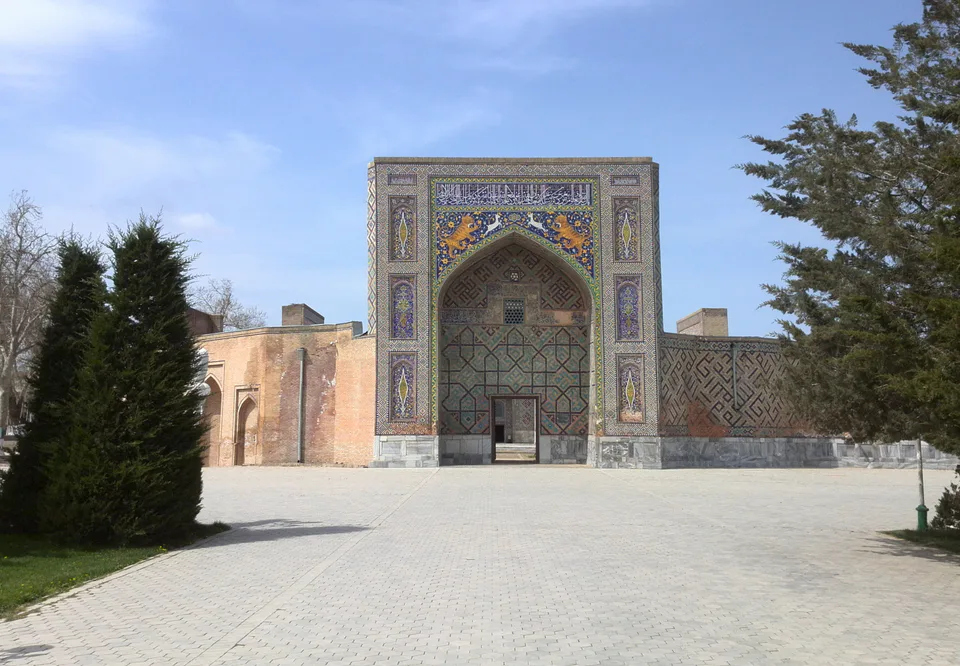
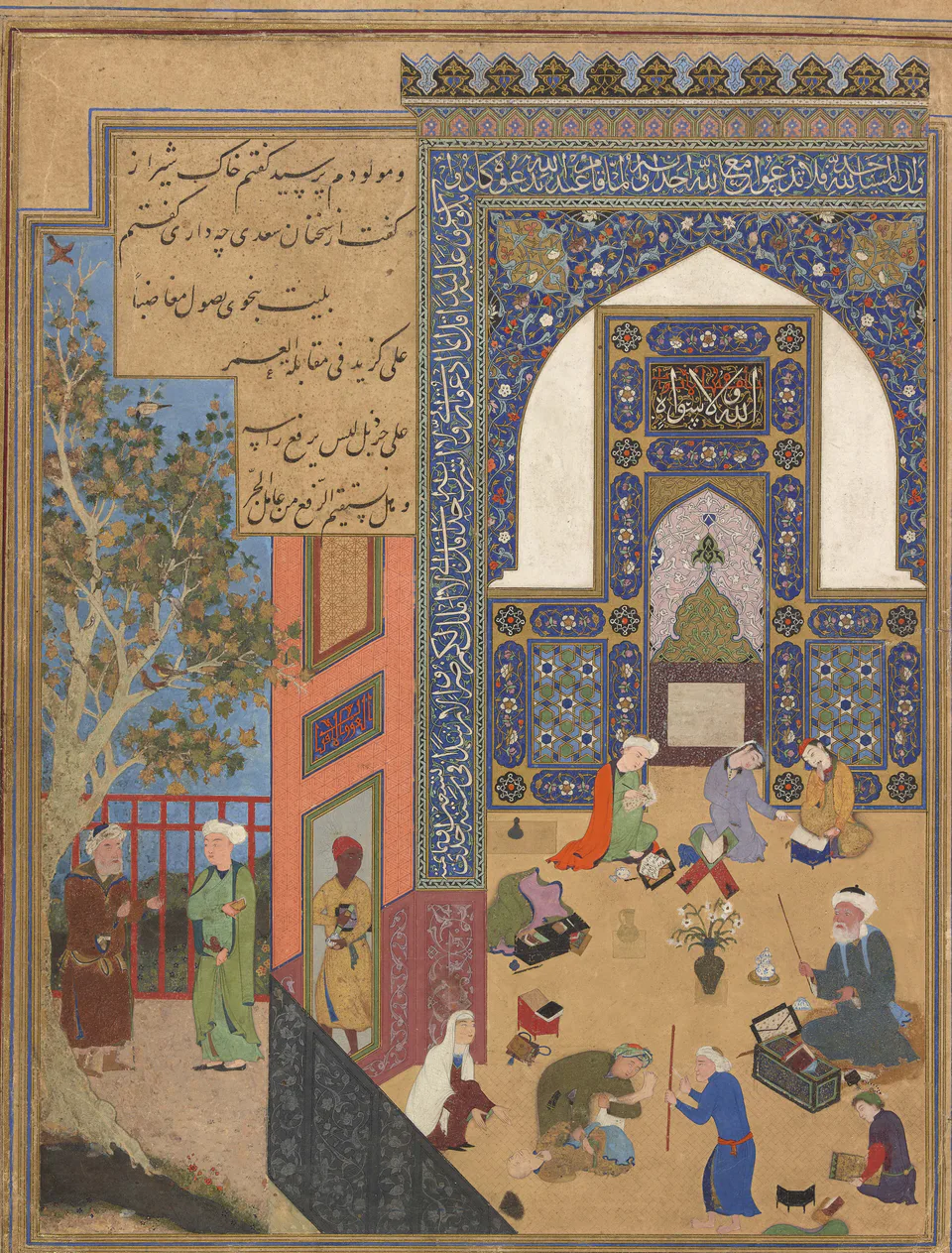
Nizam al-Din Mir Alisher was born on 9 February 1441 in Herat, in today's Afghanistan, into a family close to the Timurid court, and spent most of his life there. From boyhood he was a friend of the future sultan Husayn Bayqara. In the 1460s he studied in Mashhad and Samarkand, attending the madrasa of the noted jurist Fazlullah Abullays in Samarkand in 1465–1469. When Husayn Bayqara took the throne of Herat in 1469, Navoi became keeper of the seal and then vizier, later giving up formal office while remaining the sultan's intimate. At his own expense he built madrasas, a khanaqah, a hospital, baths and bridges in Herat, and he was patron to scholars, poets and painters, Kamoliddin Behzod among them. He died in Herat on 3 January 1501.
His work
Navoi wrote in Turkic as Navoi and in Persian as Fani. His masterpiece is the Khamsa of 1483–1485, five narrative poems — “The Wonder of the Righteous”, “Farhad and Shirin”, “Layli and Majnun”, “The Seven Planets” and “The Wall of Iskandar” — the first complete Khamsa in Turkic. He gathered his lyric poetry into the four-divan “Treasury of Thoughts”, wrote the philosophical poem “The Language of the Birds”, the prose “Beloved of Hearts” and much more. In “The Judgement of Two Languages” (1499) he argued that Turkic was every bit the equal of Persian as a literary language. His work shaped the literature of the whole Turkic world for centuries.
His legacy in Uzbekistan
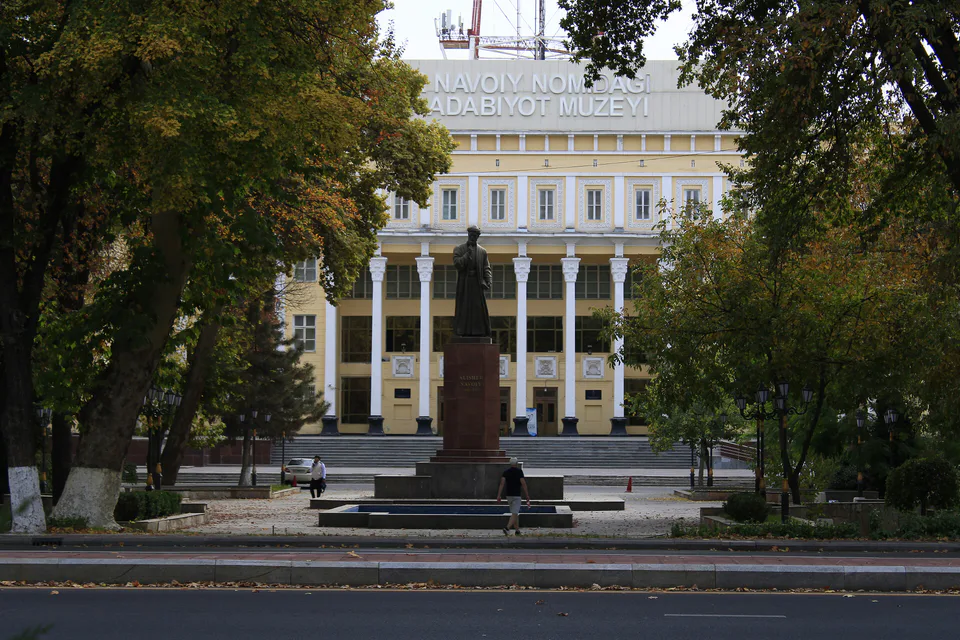
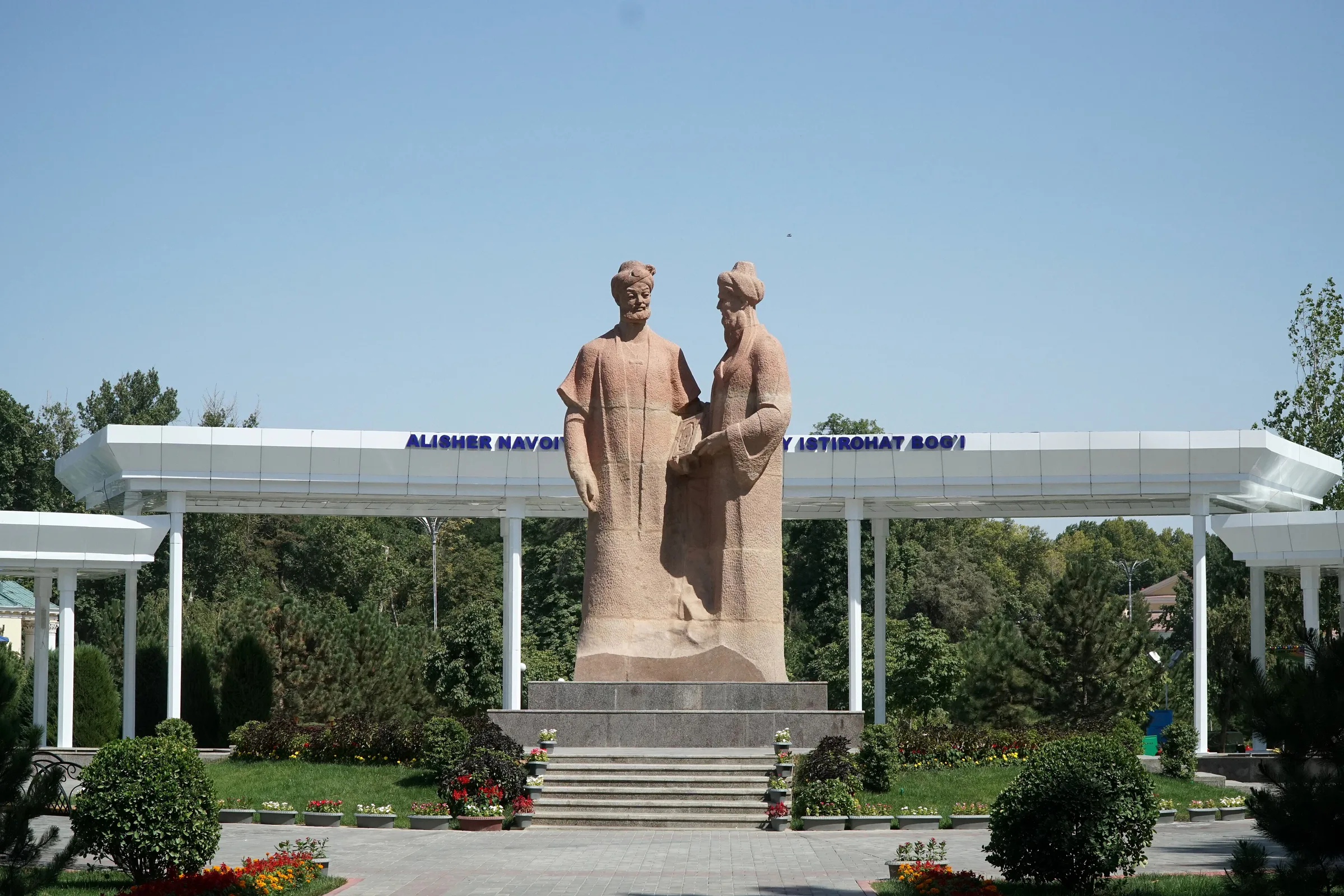
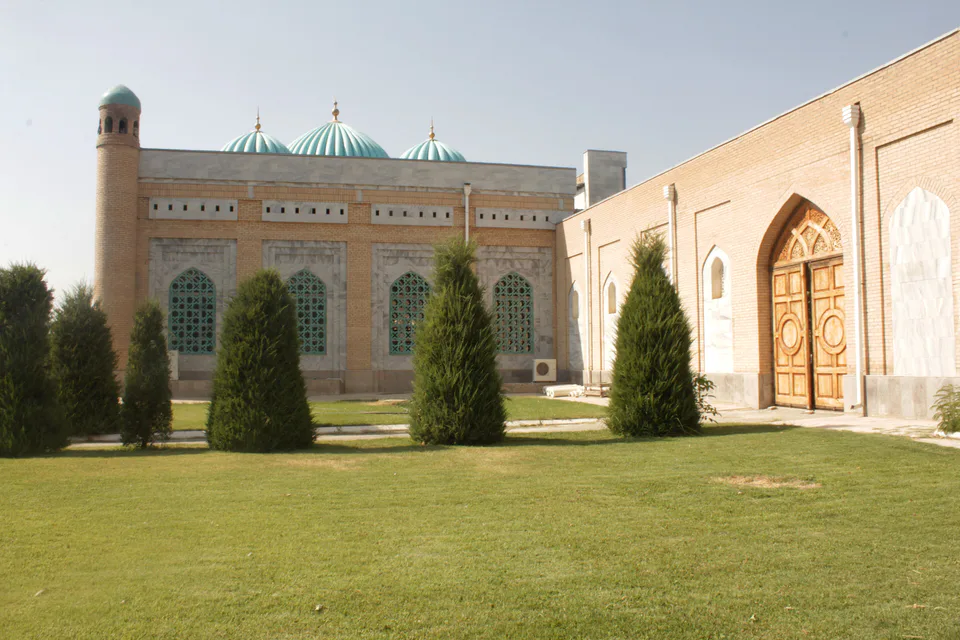
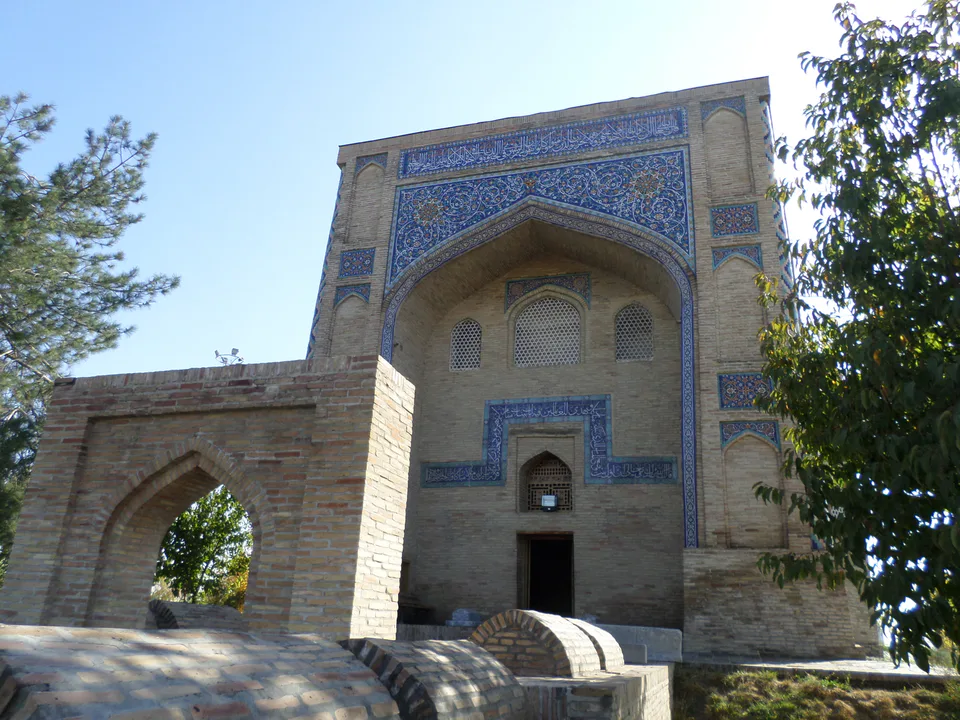
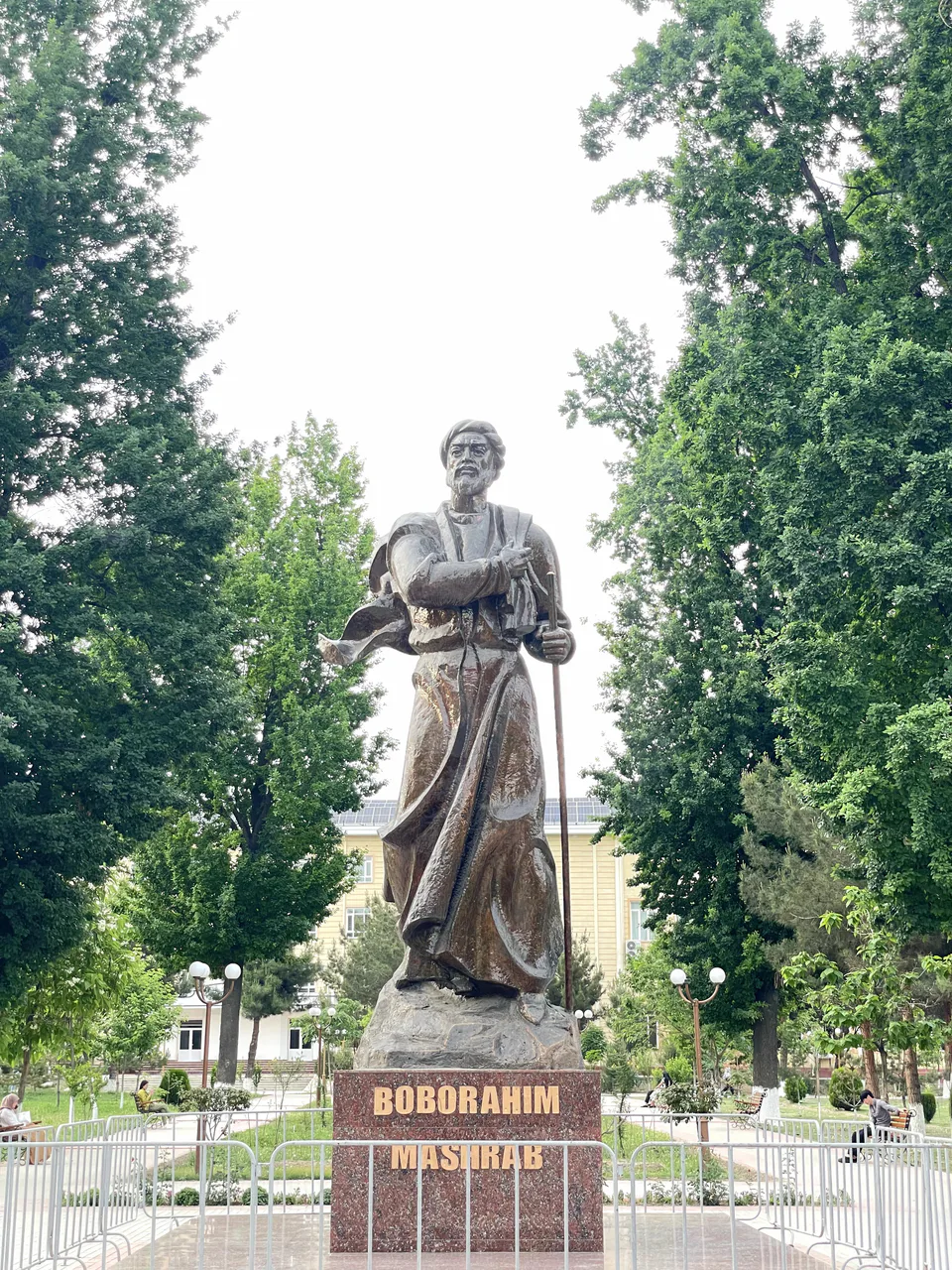
Though not born on Uzbek soil, Navoi is honoured as the founder of classical Uzbek literature. Navoiy Region and the city of Navoiy, Tashkent's State Academic Opera and Ballet Theatre, the State Museum of Literature, the National Library and a metro station all bear his name, and in 1991, for his 550th anniversary, his statue was unveiled in Tashkent's National Park. In Samarkand, the memory of his student years lives on in the city's literary tradition.
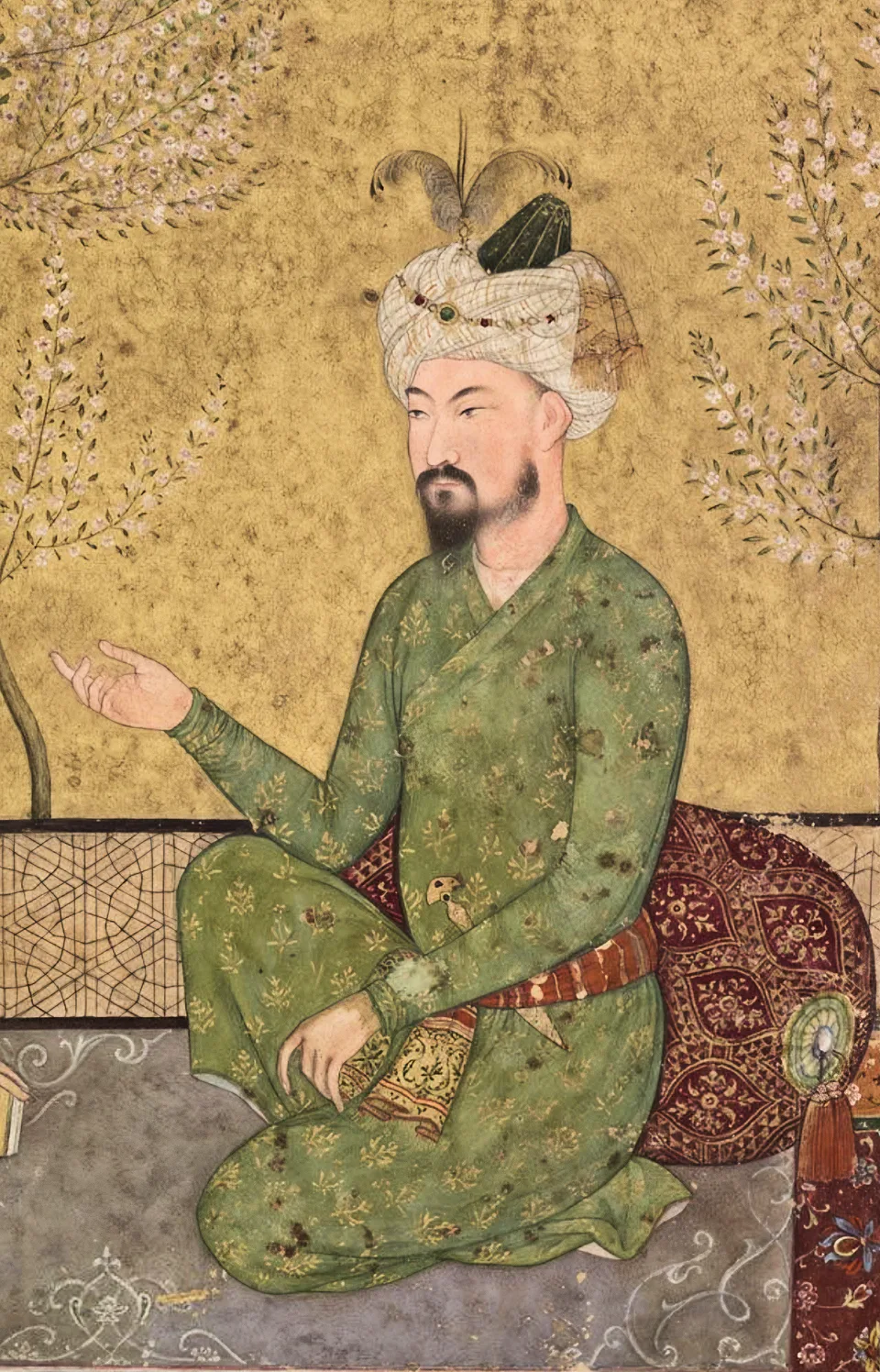
In June 1494 Umar Shaikh Mirza, ruler of Fergana, was killed at the fortress of Akhsi when a dovecote on the edge of a ravine collapsed beneath him. His son Zahir ud-Din Muhammad Babur, born in Andijan in 1483, became ruler in Andijan at the age of eleven — the opening scene of the Baburnama. Years of struggle for Samarkand followed: Babur twice took the city briefly but lost out to Muhammad Shaybani Khan and left for Kabul in 1504. In 1526 his victory at Panipat founded the Mughal Empire in India. Andijan's Babur National Park holds the “Babur and World Culture” museum and a symbolic mausoleum of the poet.
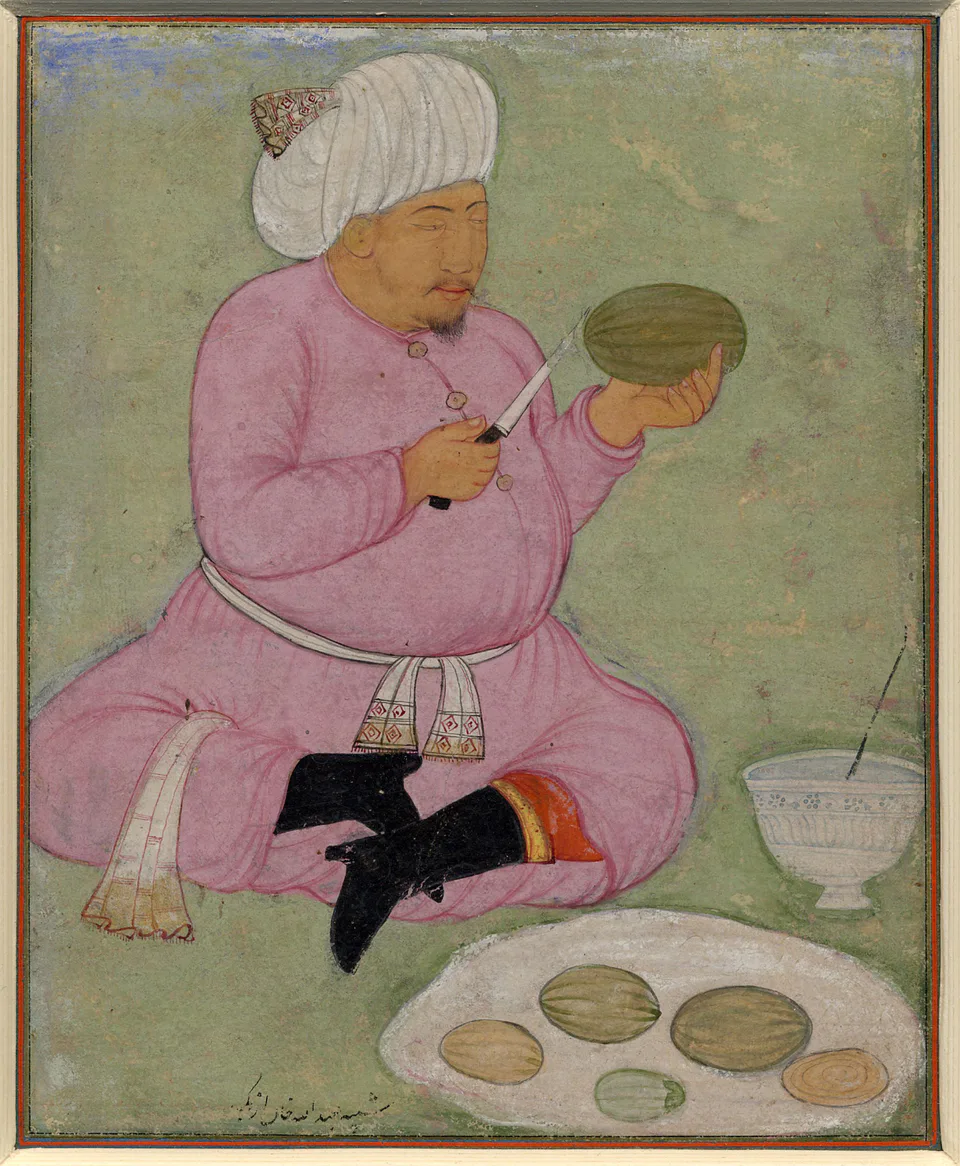
Muhammad Shaybani Khan, grandson of Abulkhayr Khan of the Uzbeks of the Dasht-i Kipchak, took Samarkand in 1500 and within a few years Bukhara, Tashkent, Fergana and, in 1507, Herat, ending Timurid rule. He fell in battle near Merv in 1510 against Shah Ismail of Iran, but his dynasty ruled Transoxiana until the end of the 16th century, first from Samarkand and then from Bukhara. Under the Shaybanids Bukhara gained the Mir-i Arab, Kukeldash and Abdullah Khan madrasas, trading domes and caravanserais, while cisterns and bridges were built across the country. The wide use of the name “Uzbek” in the region also dates from this period.