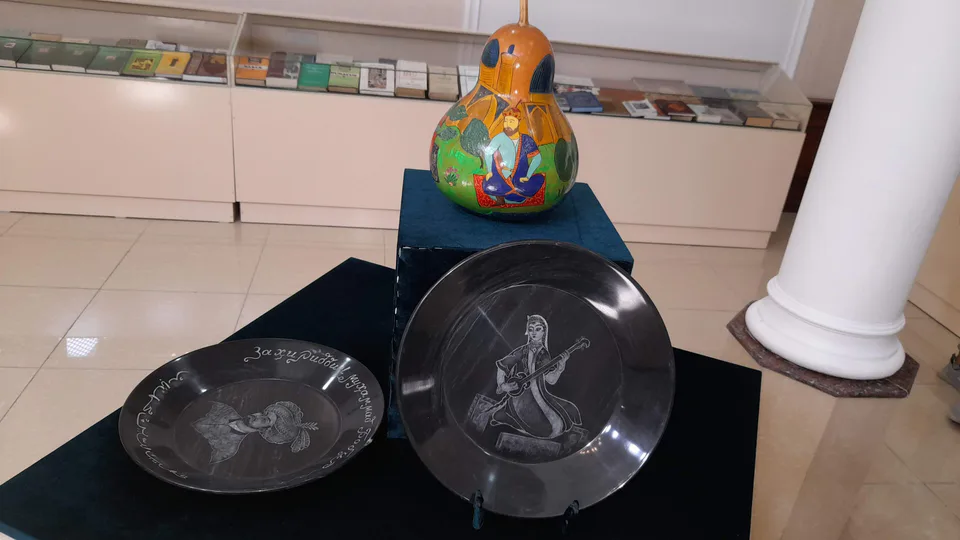
Museum · Andijan
Babur House Museum (Ark-ichi Madrasa)
Where Babur grew up
Park & garden · Andijan
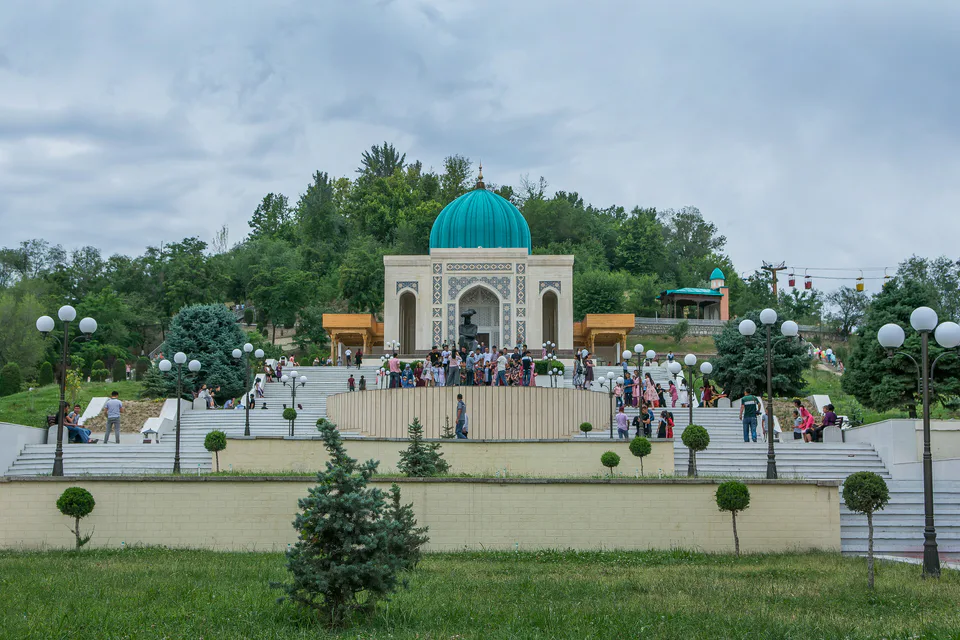
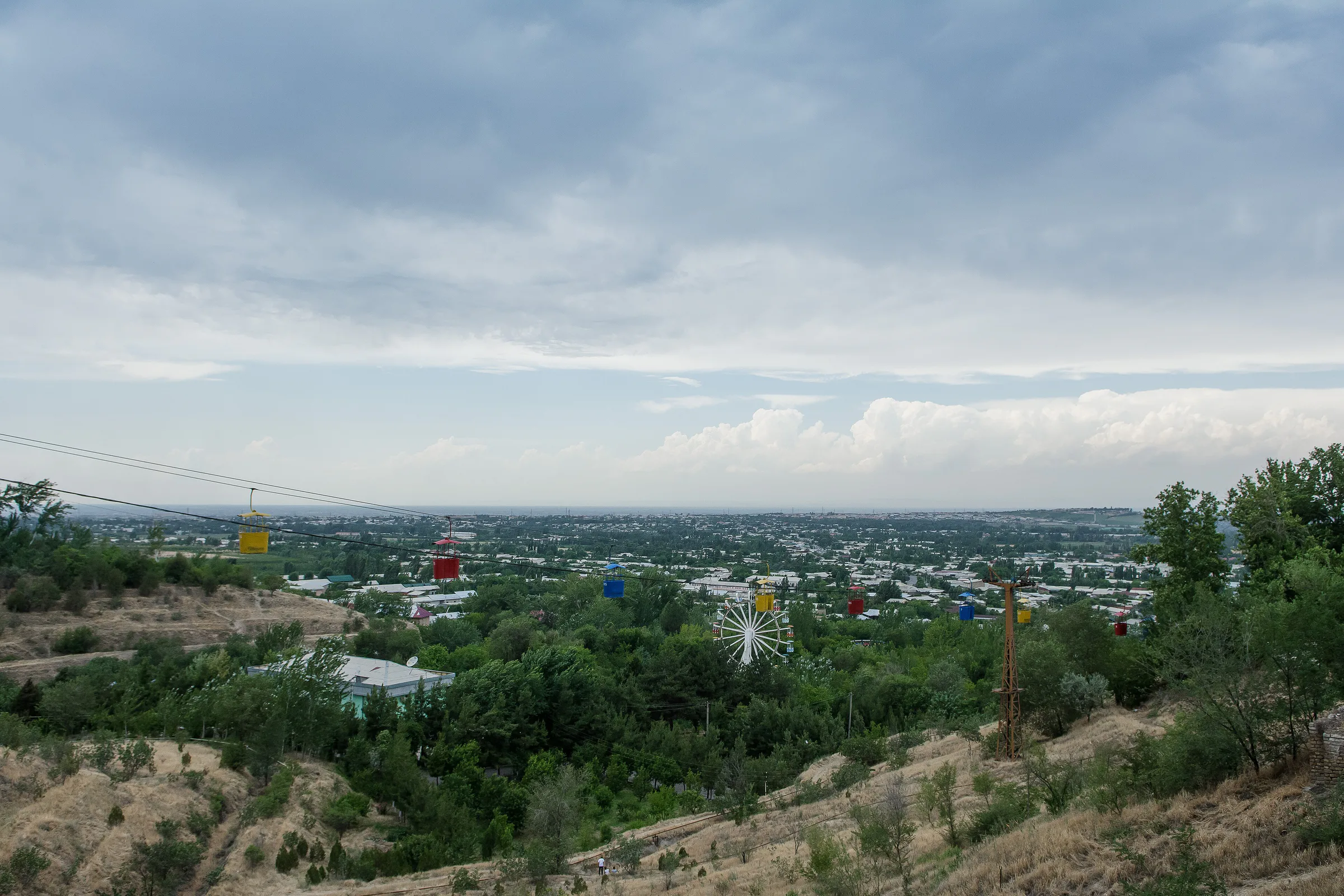
A 357-hectare park on the Bogishamol hills south-east of Andijan, with a statue of Babur, the Babur and World Culture museum, the poet's symbolic tomb and views over the whole city.
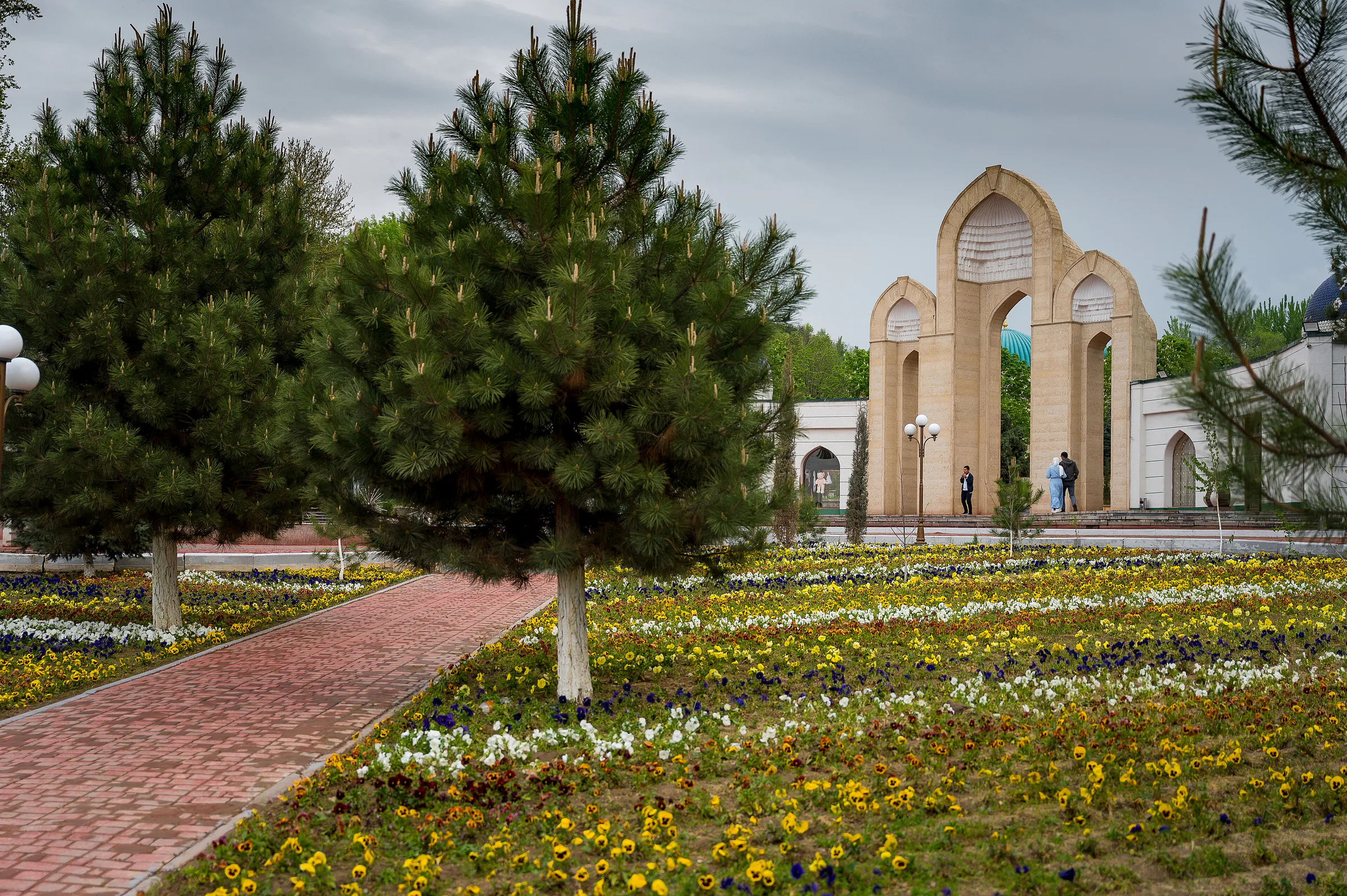
The park dates back to 1973, when the regional authorities set aside 300 hectares of the Khakan hills next to the city for a recreation area called Bogishamol. Saplings were planted in volunteer hashar drives, and the bare loess hills slowly turned into groves of plane trees, elms and juniper. The grounds have since grown to 357 hectares.
In 1991–1993 the area was remodelled as a memorial complex dedicated to Zahiriddin Muhammad Babur. The project was driven by the International Babur Foundation and designed by the architect Muhammadjon Mirzayev. It opened for the 510th anniversary of Babur's birth, and its concept echoes the Bagh-e Babur garden in Kabul.
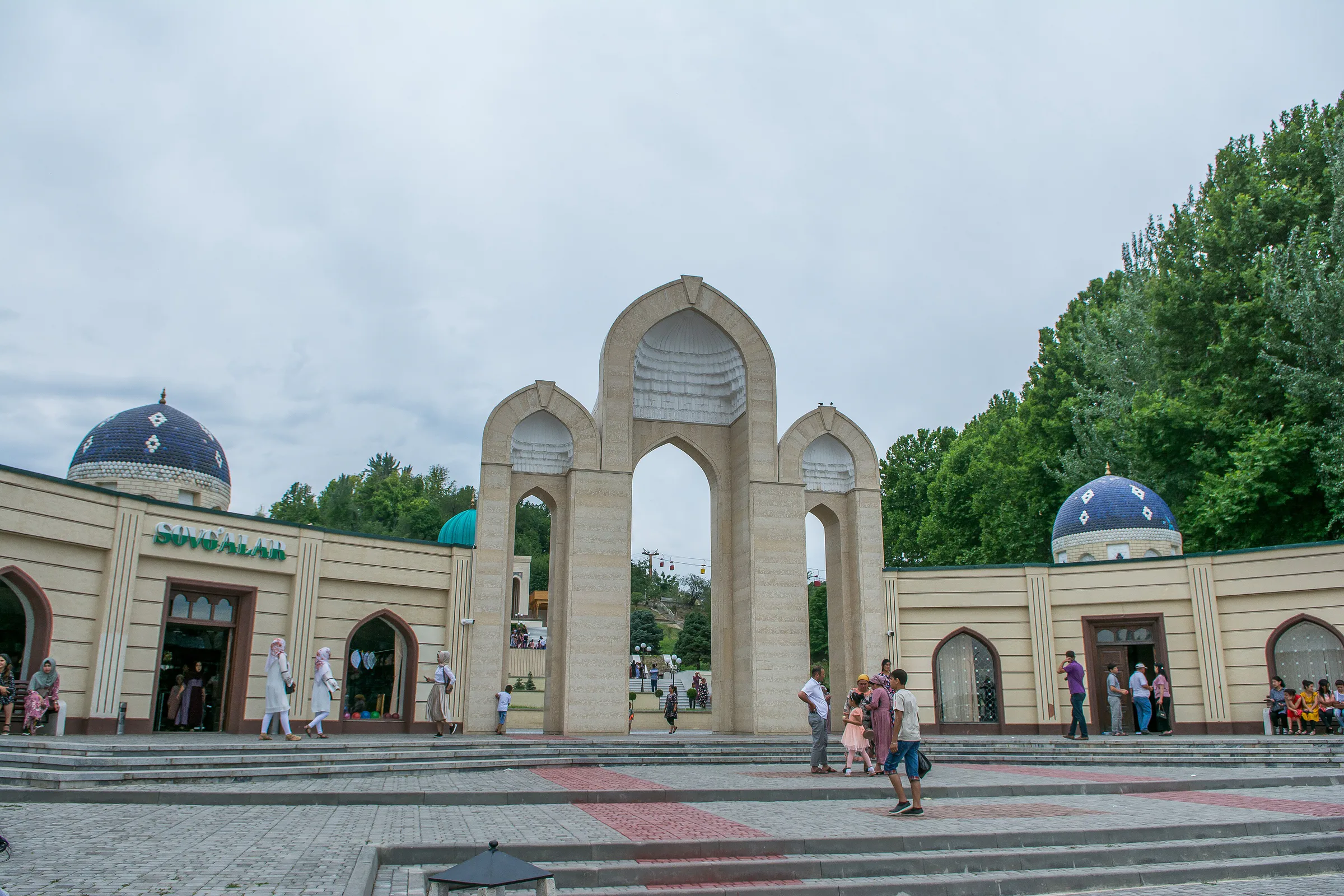
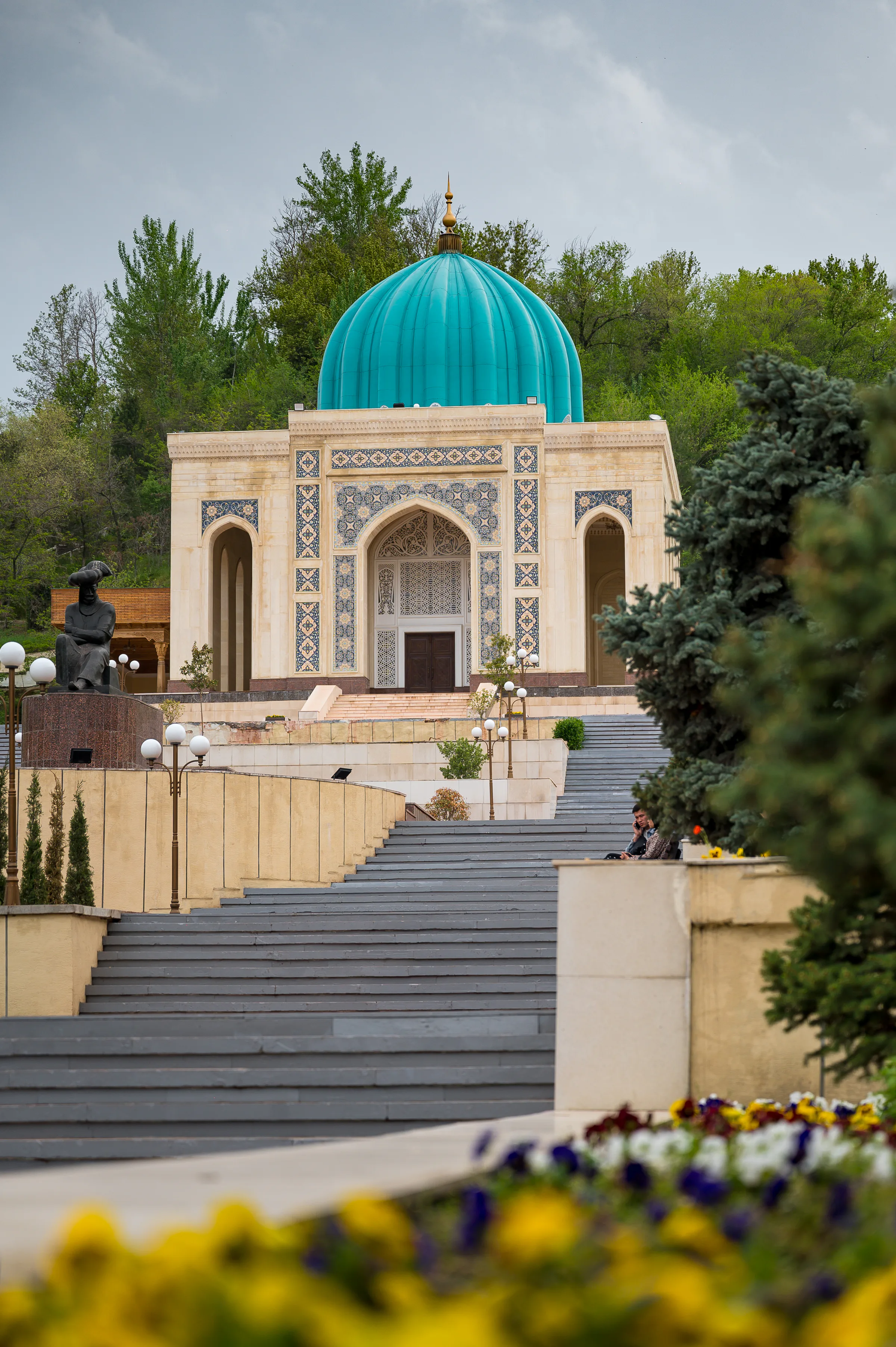
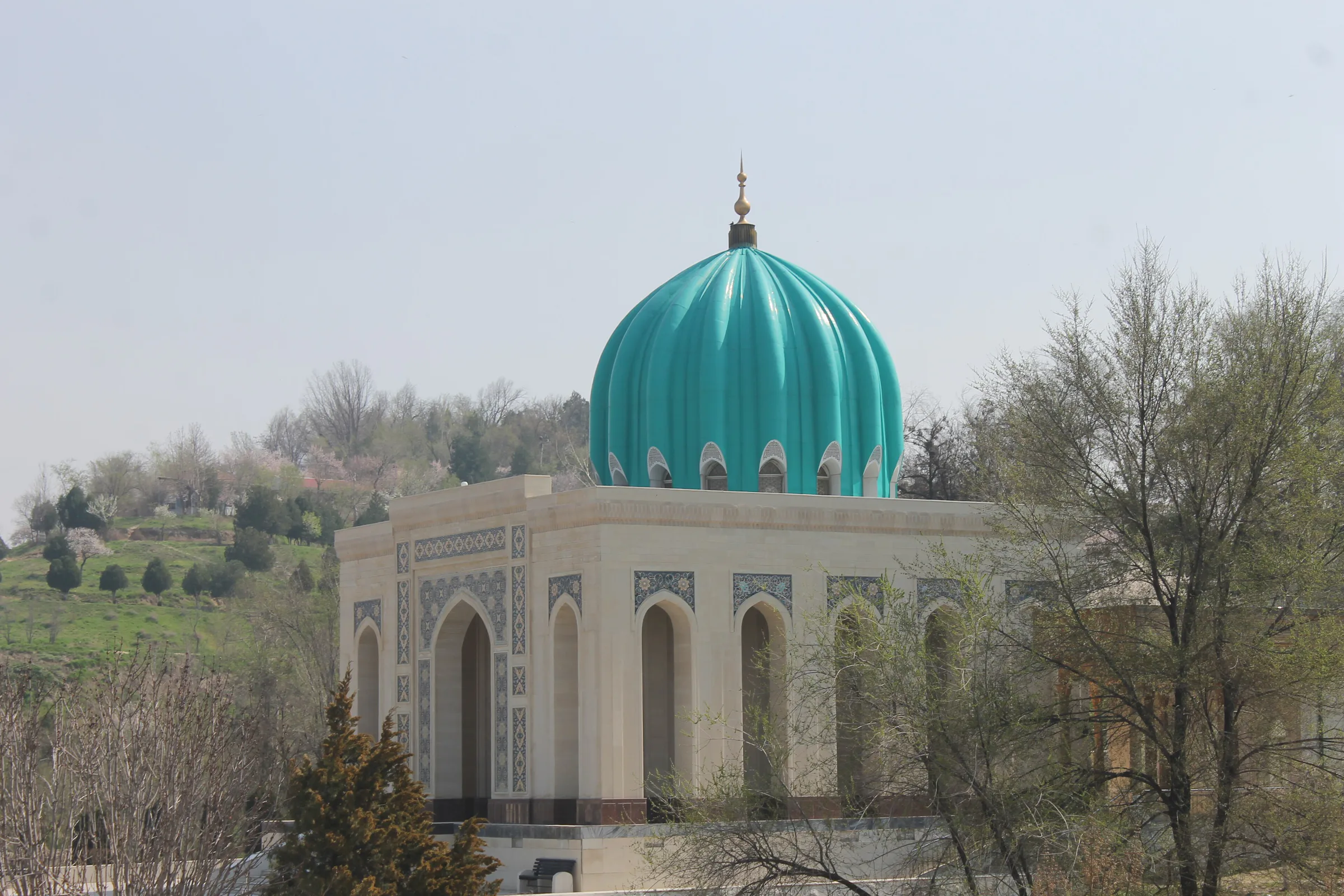
From an oriental-style marble gateway, long flights of steps climb the hill. The first terrace holds a monumental statue of Babur by the sculptor Qodirjon Salohiddinov. Above it stands the blue-domed Babur and World Culture museum, its dome and walls painted with scenes from the Baburnama by the local artist Ulugbek Boltaboyev.
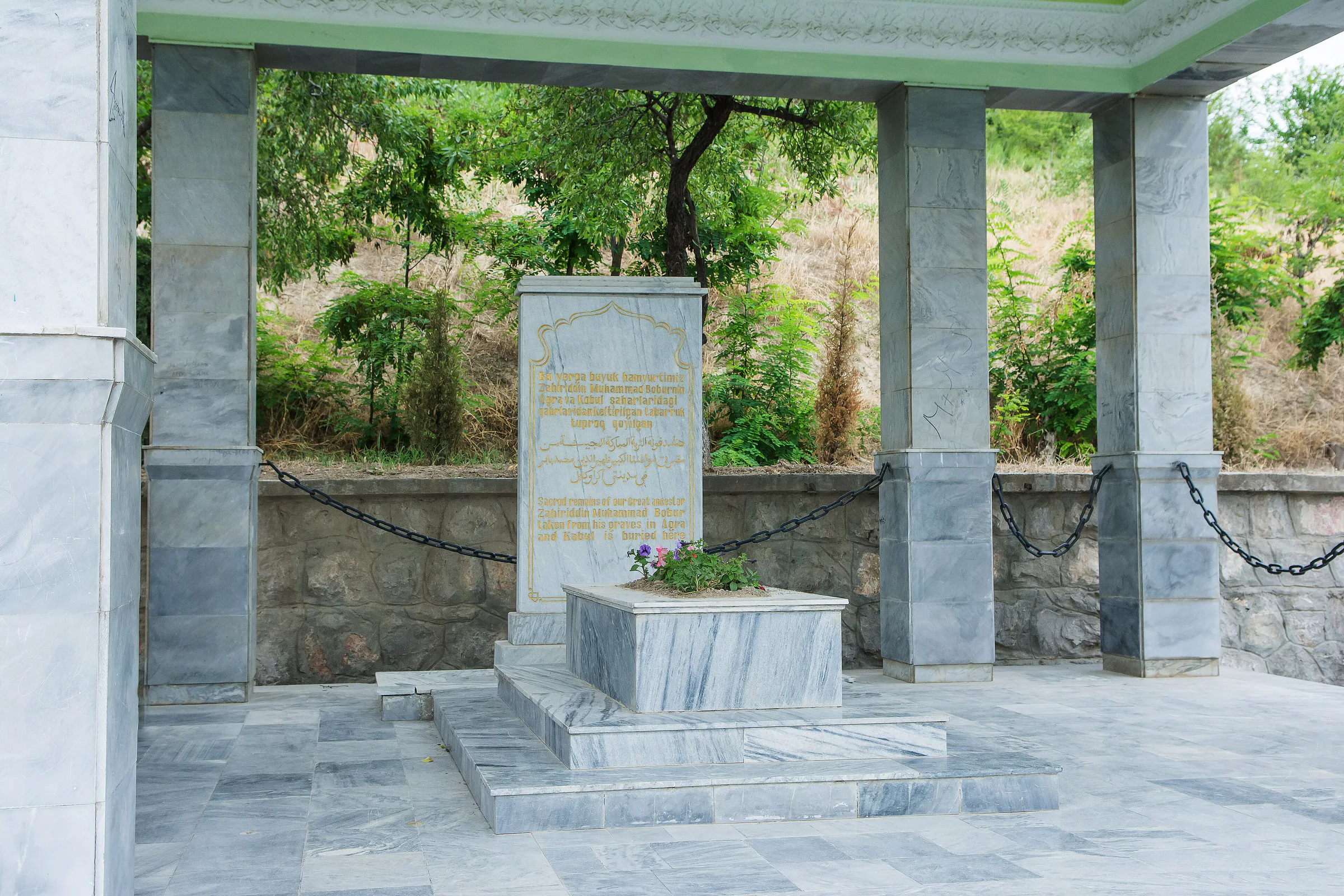
The museum displays books gathered by the foundation's expeditions abroad, manuscript copies of Babur's works, a Quran copied in the Khatt-i Baburi script, Mughal coins, weapons and court dress. The topmost terrace holds Babur's symbolic tomb, which contains a handful of earth brought from his graves in Agra and Kabul.
On the hilltop there is also a small reconstructed pavilion, a symbolic copy of the porch-fronted retreat where, according to the Baburnama, the young ruler liked to rest. Together with the Institute of Astronomy, the Babur Foundation has opened a youth education centre with a small observatory at the park's highest point.
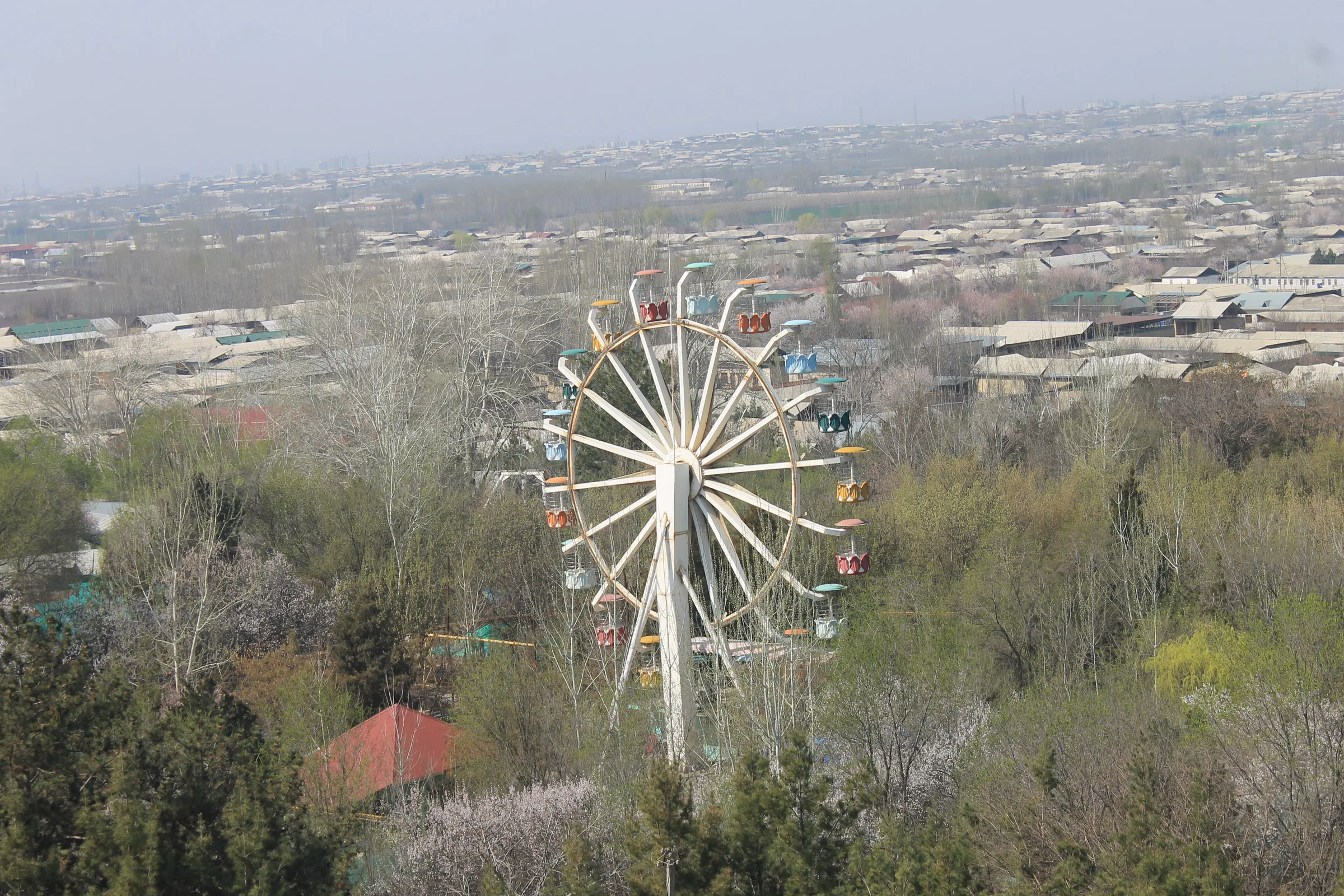
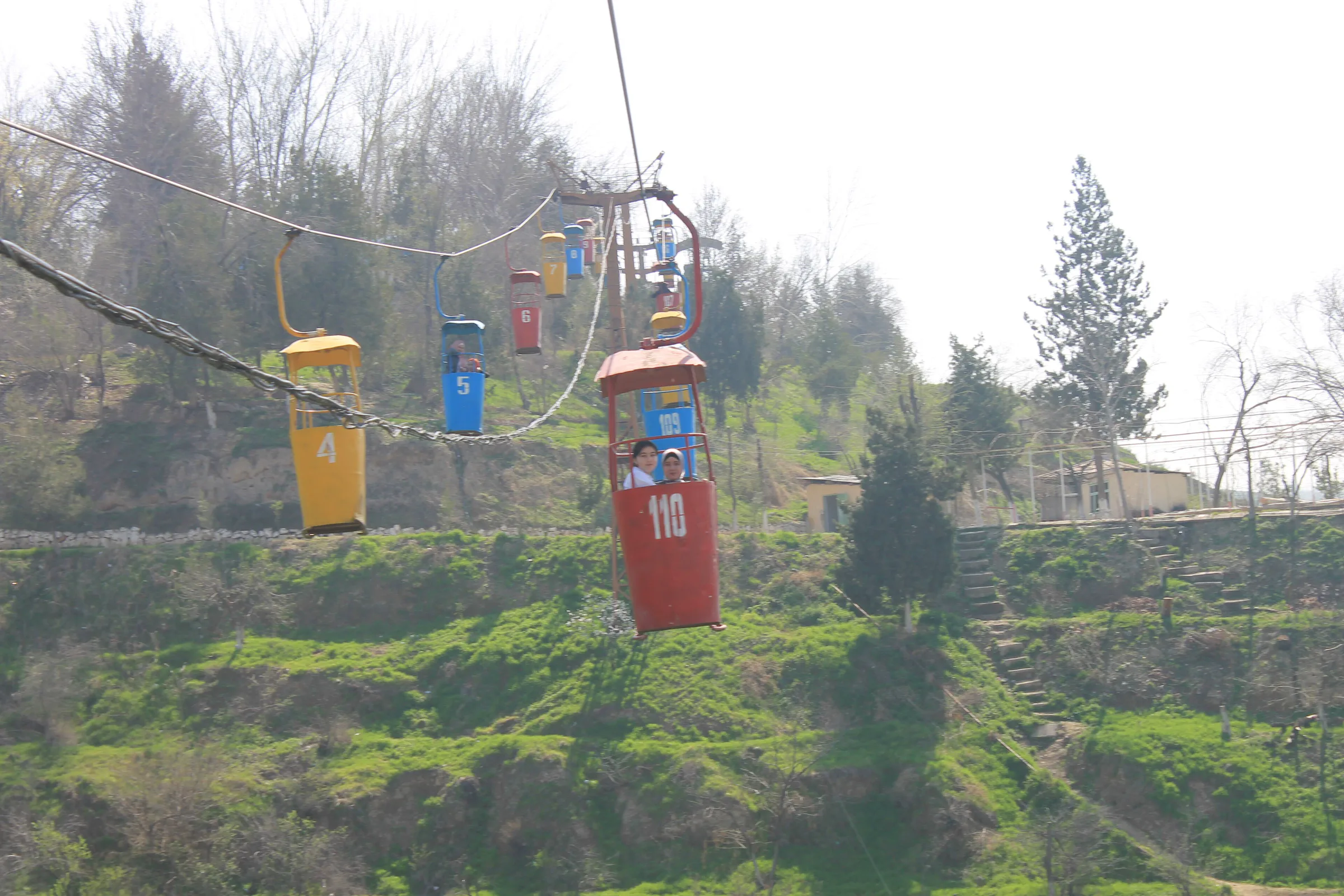
For locals this is the big weekend park, with rides, fountains, teahouses and canteens, a hotel, a library and a cable car gliding over the hills. More than 20 kinds of fruit trees and over ten ornamental species grow here. Navruz and Independence Day bring folk festivities, and in summer the park sees 2,000–4,000 visitors a day.
The park lies about 8 km south-east of the centre, next to the Bogishamol housing estate, some 15–20 minutes away by taxi. Walking up from the lower gate to the symbolic tomb takes around half an hour, so wear comfortable shoes and carry water. You can also ride the cable car up and stroll back down.
Babur was born in Andijan in 1483, took Kabul in 1504 and Delhi in 1526, founding the Mughal Empire in India. He died in Agra in 1530 and his remains were later moved to Kabul. The Andijan tomb is therefore symbolic, a way of bringing the poet-emperor, buried far from home, back to his native city.
Museum · Andijan
Where Babur grew up
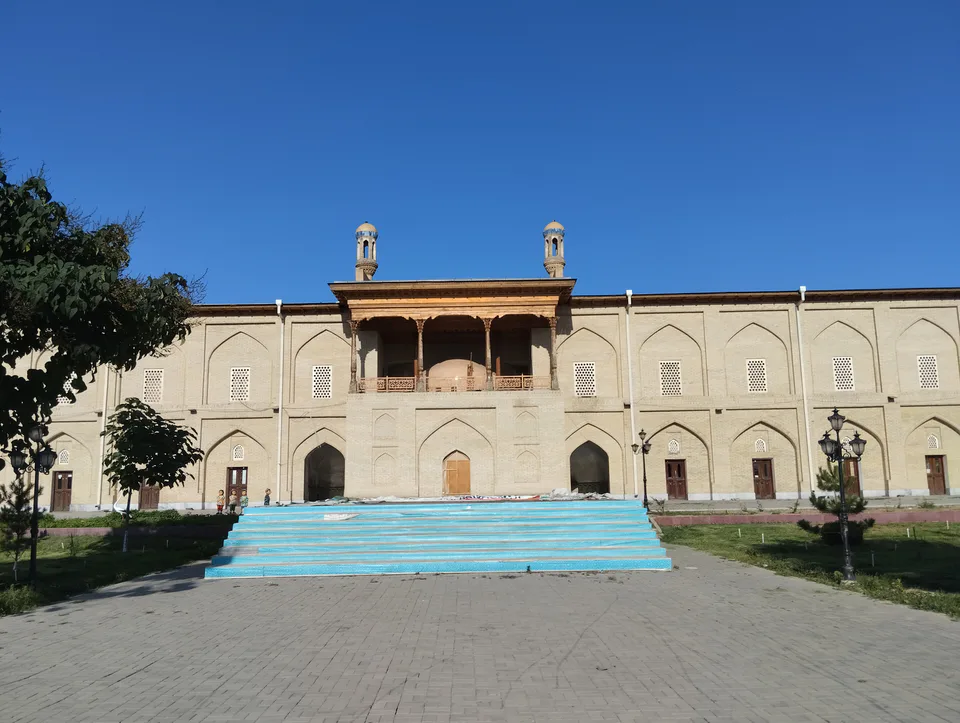
Ensemble · Andijan
The tallest minaret in the Fergana Valley
Fortress · Andijan
From garrison fort to art gallery
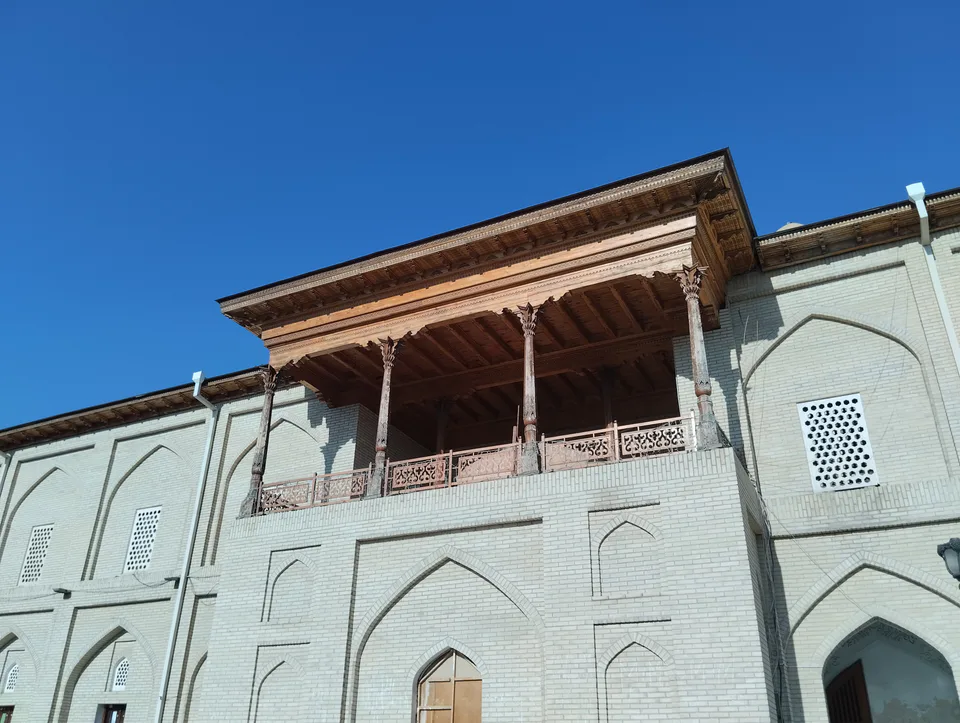
Museum · Andijan
The valley's main treasure house
Pilgrimage site · Jalaquduq District
A shrine linked to an Arab conqueror
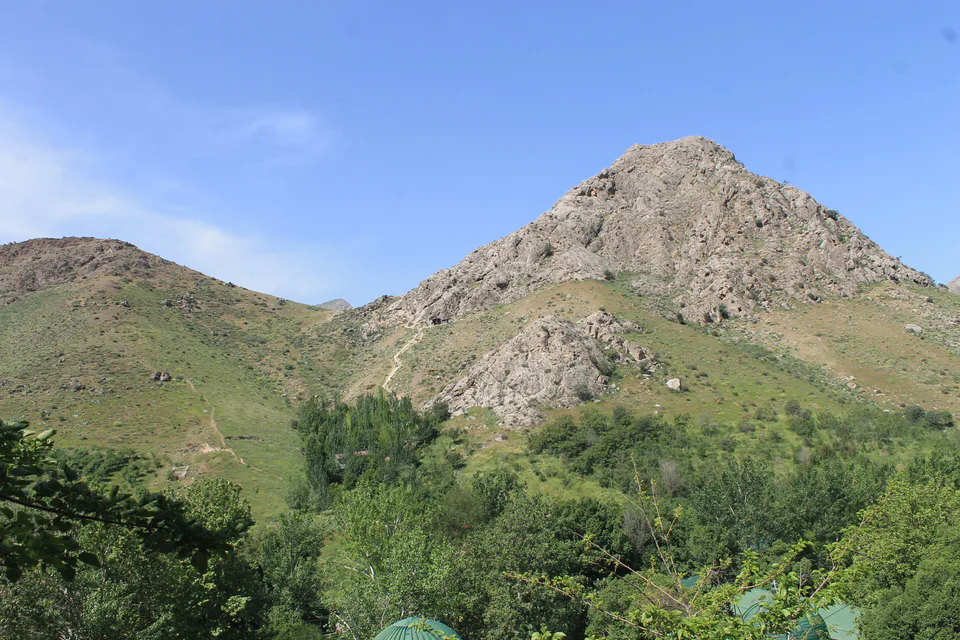
Pilgrimage site · Khojaobod District
An old shrine in the foothills
Archaeology · Marhamat District
Possibly the capital of ancient Dayuan
Madrasa · Pakhtaobod District
A small masterpiece of brickwork