Ensemble · Andijan
Jome Complex, Andijan
The tallest minaret in the Fergana Valley
Museum · Andijan
The Zahiriddin Muhammad Babur house museum in the Ark-ichi madrasa of old Andijan: copies of Baburnama miniatures, Timurid and Mughal artefacts and the family tree of the dynasty.
Zahiriddin Muhammad Babur was born in Andijan on 14 February 1483 to Umar Shaikh Mirza, ruler of Fergana, whose capital Andijan then was. In the Baburnama he writes that, after Samarkand and Kesh, there was no larger fortress in Transoxiana than Andijan's. In 1494, when his father died, the eleven-year-old Babur took the throne here.
The young ruler spent the next decade fighting for Andijan and Samarkand, and while he campaigned for Samarkand, Andijan slipped from his grasp more than once. In 1504 he left the valley for good, headed for Kabul and never returned. The 1902 earthquake flattened much of old Andijan, yet the name Ark-ichi, 'inside the citadel', still marks where Babur's fortress once stood.
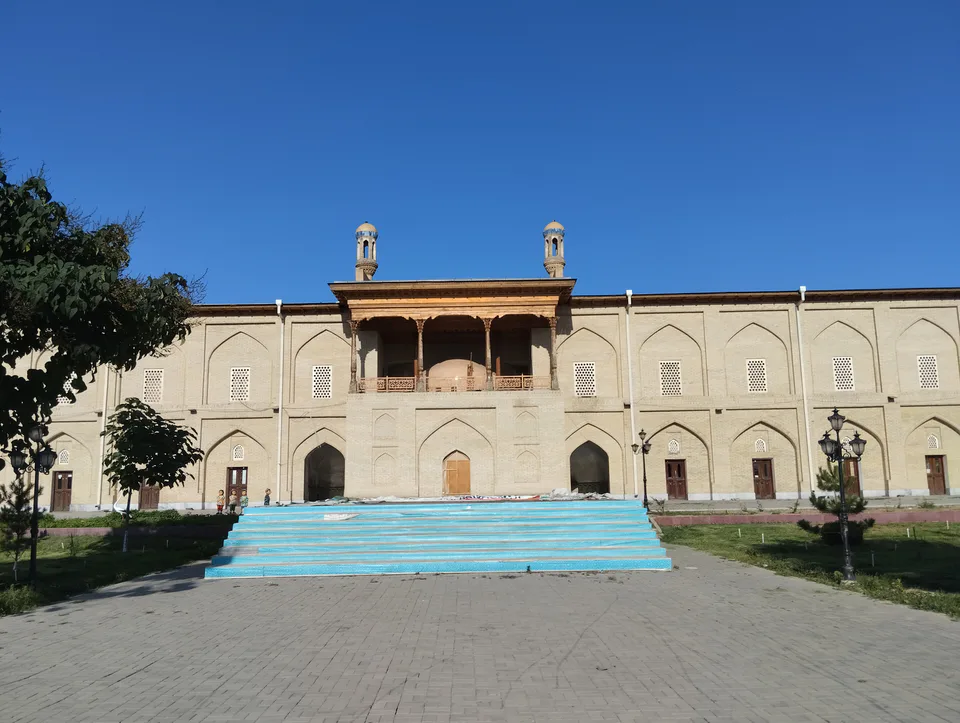
The museum sits in the heart of the old town, inside the former ark, or citadel, in the building of the Ark-ichi madrasa. The state heritage register lists the building as a 16th-century monument. It has been restored and is now a branch of the State Museum of History and Culture of Andijan Region.
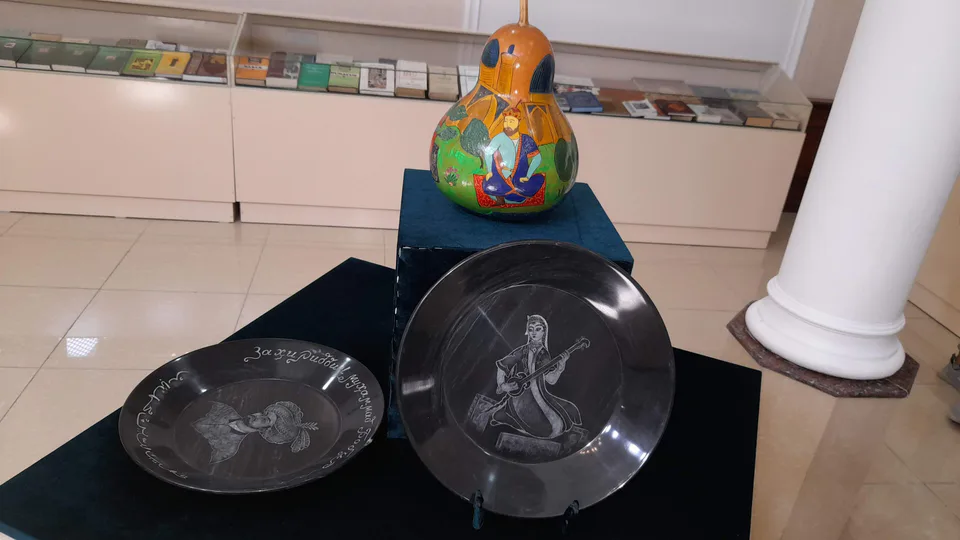
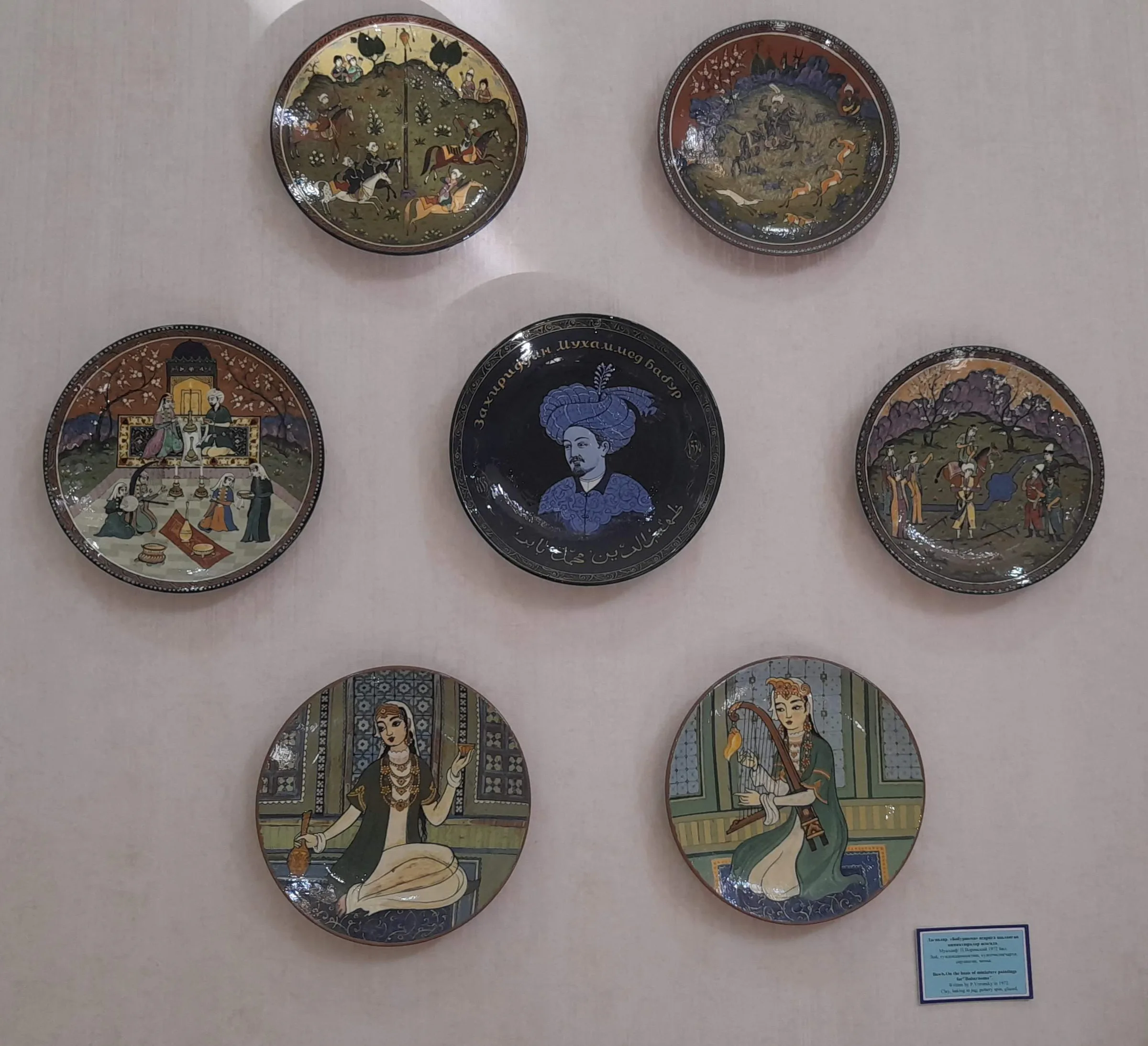
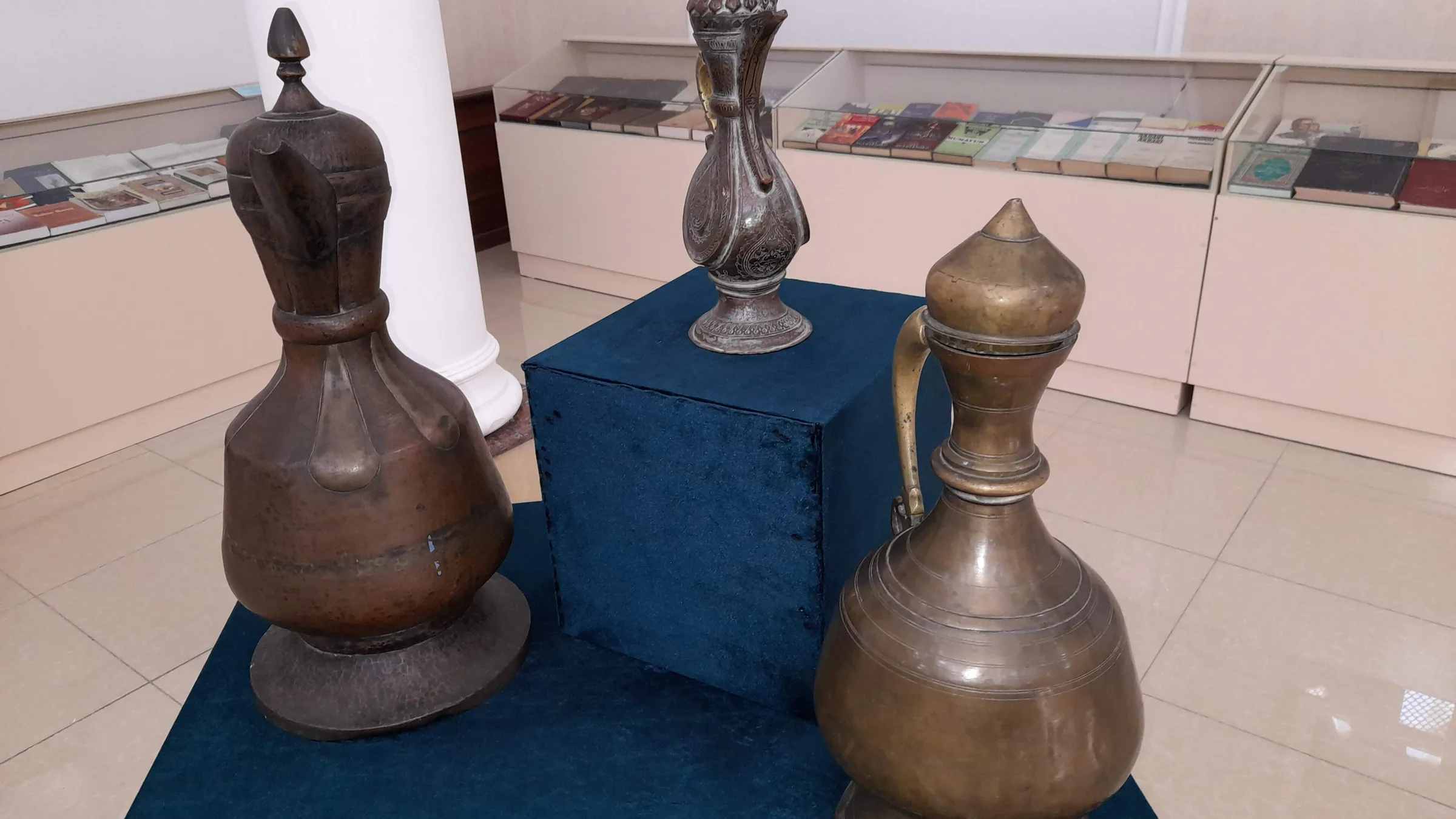
The displays follow Babur's life and writing: copies of Baburnama miniatures, Timurid and Mughal objects, literary works by Babur and his daughter Gulbadan Begum, and a family tree of the Timurid and Mughal line. There are also paintings of episodes from Babur's life, suzani embroideries, ceramics and a medieval sword.
The building is of fired brick, with rooms opening onto a small courtyard and a shaded porch at the back. The layout recalls a traditional Fergana Valley house and gives the museum an intimate, domestic feel. The old bazaar, a crafts quarter and the Khoja Naib madrasa are all close by.
Combine the museum with the Jome complex and the old bazaar on a single walk, as they are only a few hundred metres apart. Babur's symbolic tomb and the Babur and World Culture museum are in Babur National Park in the south-east of the city, so both can be seen in a day. Start here for context, then head out to the park. Reading the Baburnama's opening chapters on Fergana and Andijan beforehand brings the exhibits vividly to life.
The Baburnama is one of the earliest full-length memoirs in a Turkic language. Alongside battles and dynastic struggle, Babur describes the landscapes, fruit and people of his homeland in loving detail. In the late 16th century it was translated into Persian, and illustrated copies were produced at the Mughal court; copies of those miniatures now hang in the museum.
Ensemble · Andijan
The tallest minaret in the Fergana Valley
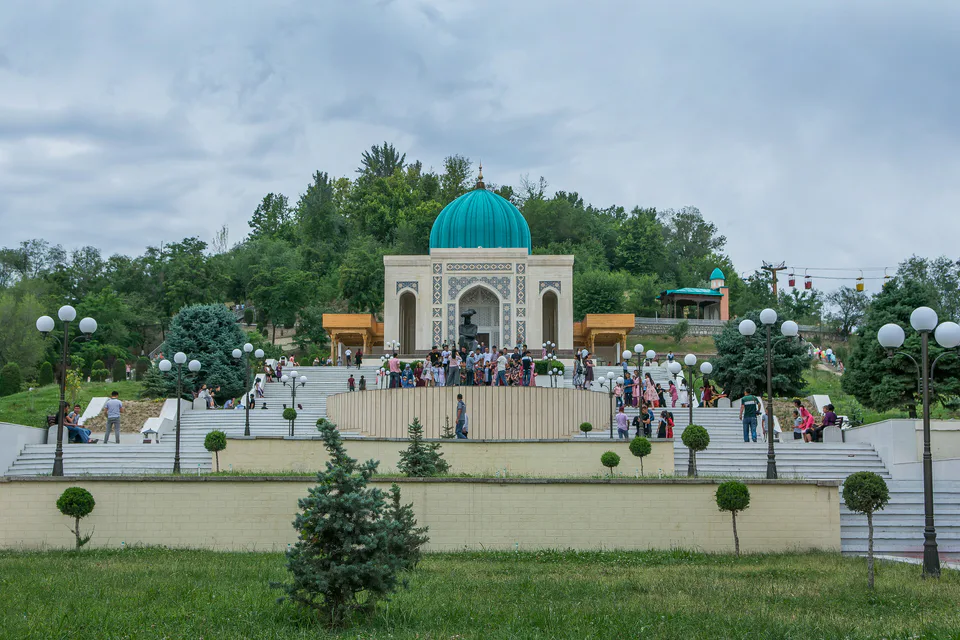
Park & garden · Andijan
A memorial garden to Babur above Andijan
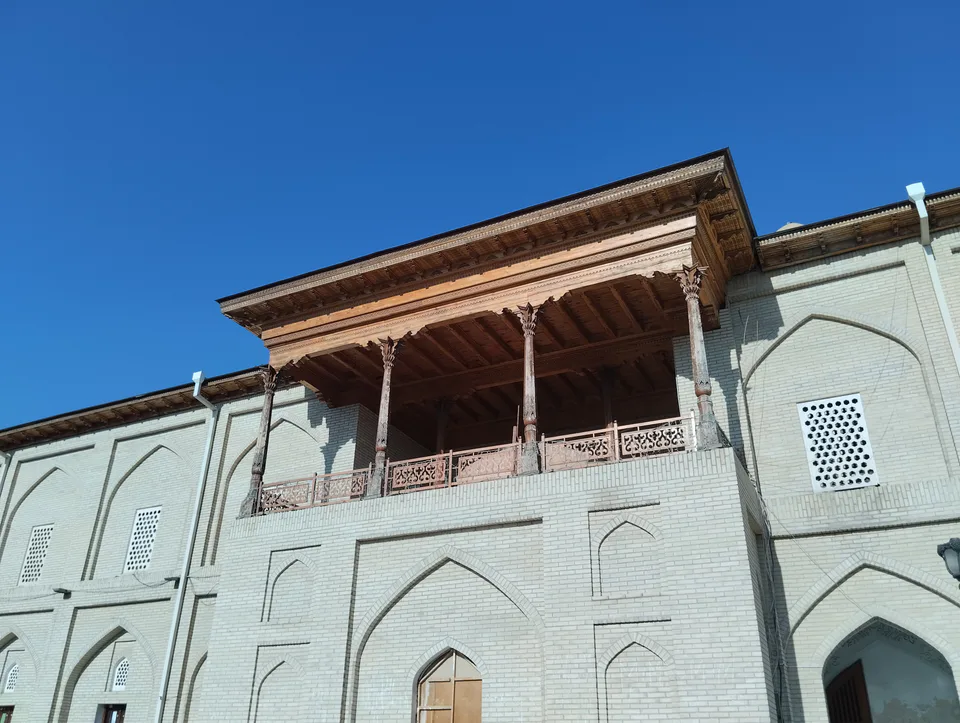
Museum · Andijan
The valley's main treasure house
Fortress · Andijan
From garrison fort to art gallery
Pilgrimage site · Jalaquduq District
A shrine linked to an Arab conqueror
Madrasa · Pakhtaobod District
A small masterpiece of brickwork
Archaeology · Marhamat District
Possibly the capital of ancient Dayuan
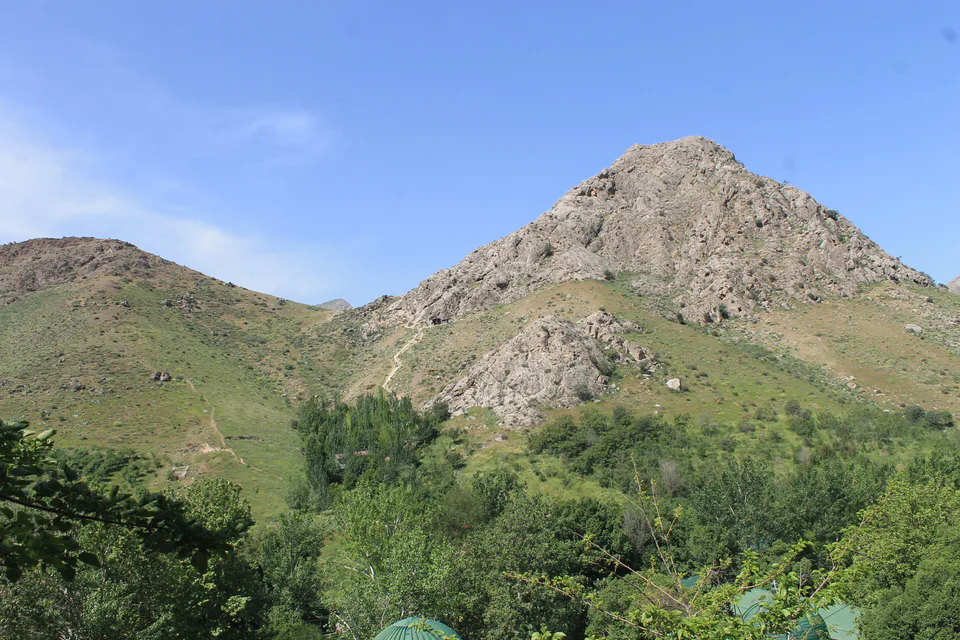
Pilgrimage site · Khojaobod District
An old shrine in the foothills