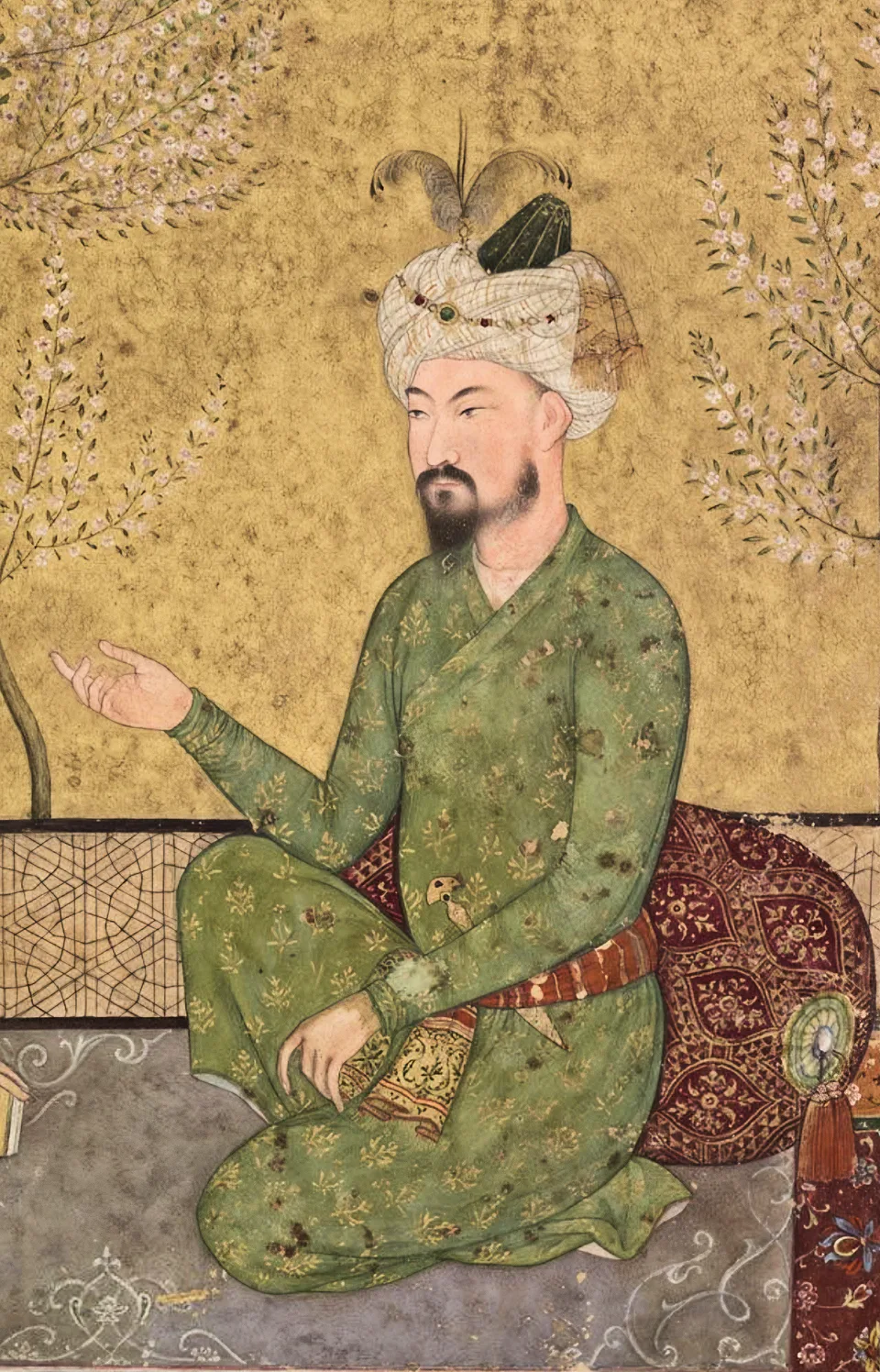
Ruler, poet, author of the Baburnama, founder of the Mughal Empire
14831530
A Timurid prince from Andijan who founded the Mughal Empire in India and a major poet of classical Uzbek literature. His Baburnama is one of the most celebrated memoirs in world literature.
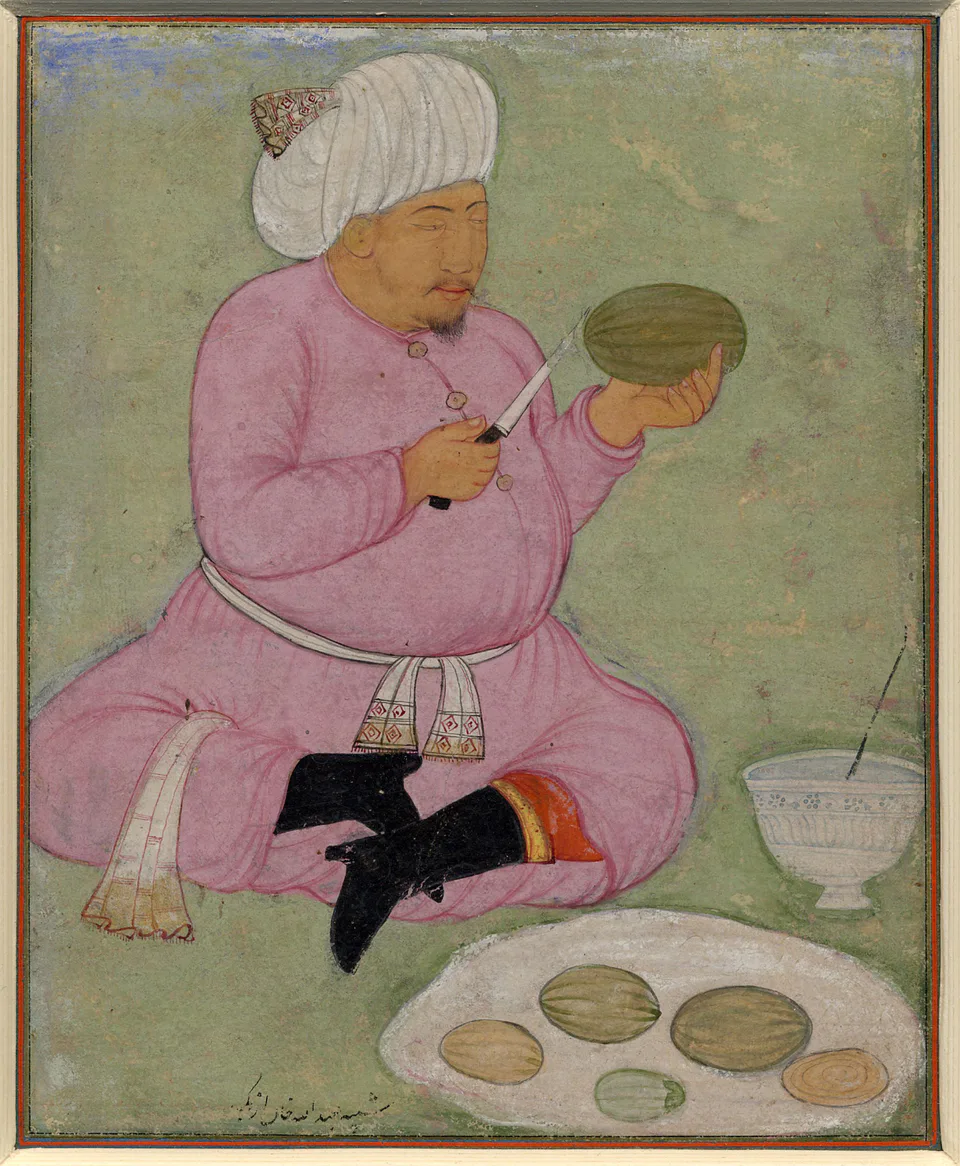
Zahir ud-Din Muhammad Babur was born on 14 February 1483 in Andijan, son of Umar Shaikh Mirza, ruler of Fergana; he descended from Timur on his father's side and from Genghis Khan on his mother's. In 1494, after his father was killed in an accident at the fortress of Akhsi, the eleven-year-old Babur took the throne of Fergana. Samarkand, the Timurid capital, became the dream of his youth: he took the city three times — in 1497, 1500 and 1511 — and lost it each time. Defeated by Shaybani Khan in 1501 and driven from Fergana as well, he seized Kabul in 1504 and made it his base.
India and the Baburnama
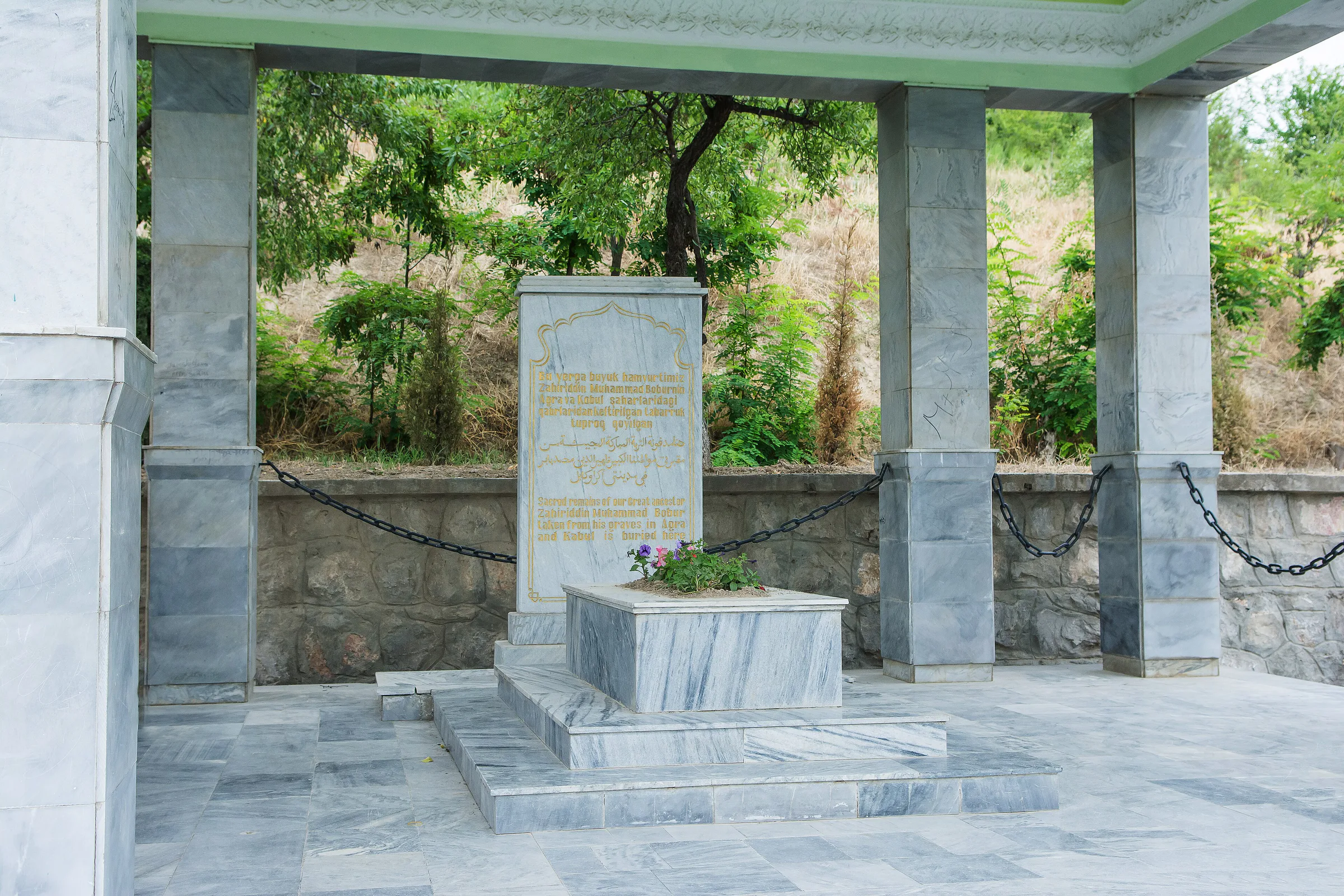
In 1526 Babur defeated Sultan Ibrahim Lodi of Delhi at Panipat and founded a new empire in India, known to Europeans as the Mughal Empire. He died in Agra on 26 December 1530 and, as he had wished, was buried in a garden in Kabul. His memoirs, the Baburnama, written in Chagatai (Old Uzbek), give a vivid and candid account of the events of his time and of the landscapes, cities and people of Fergana, Samarkand, Kabul and India; of Andijan he wrote that there was no larger town in Fergana. Babur was also a gifted poet, and his divan, a treatise on prosody and other works survive.
Remembered in Andijan
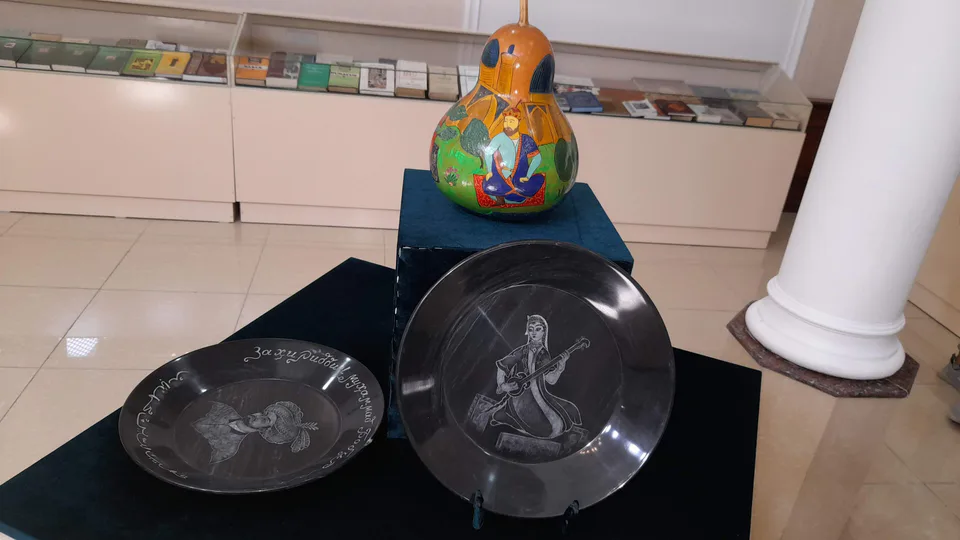
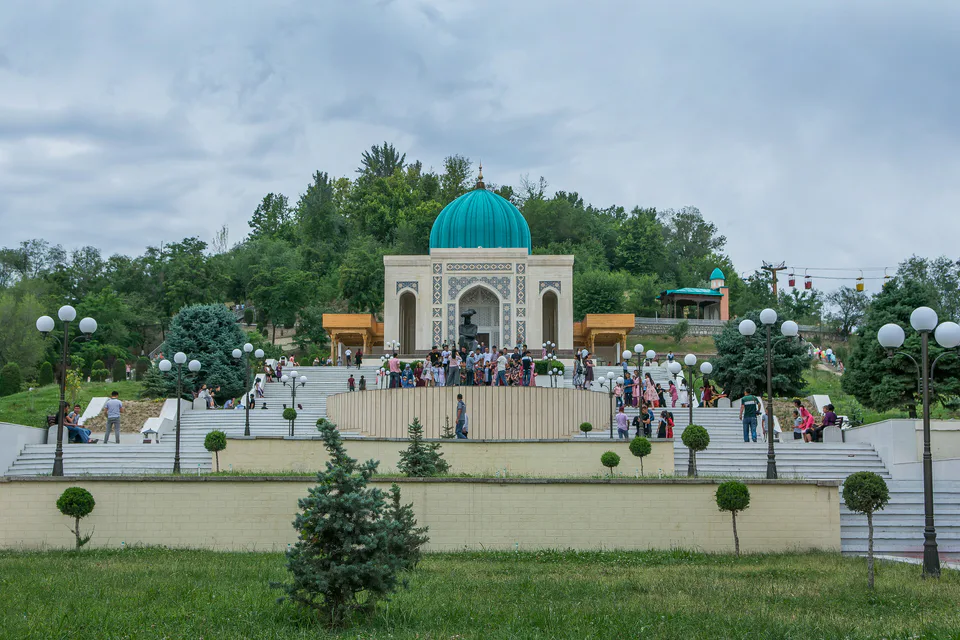
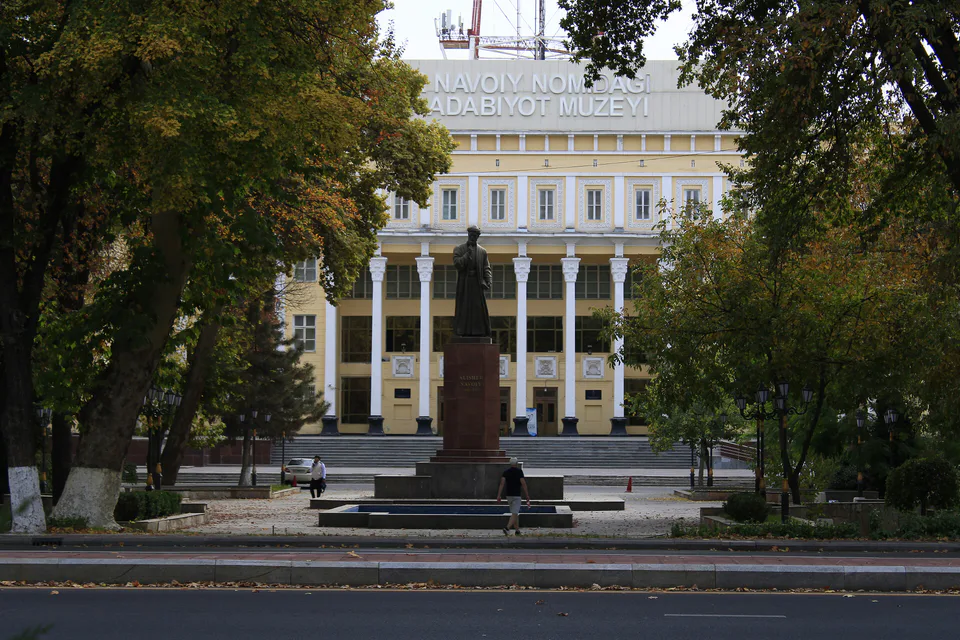
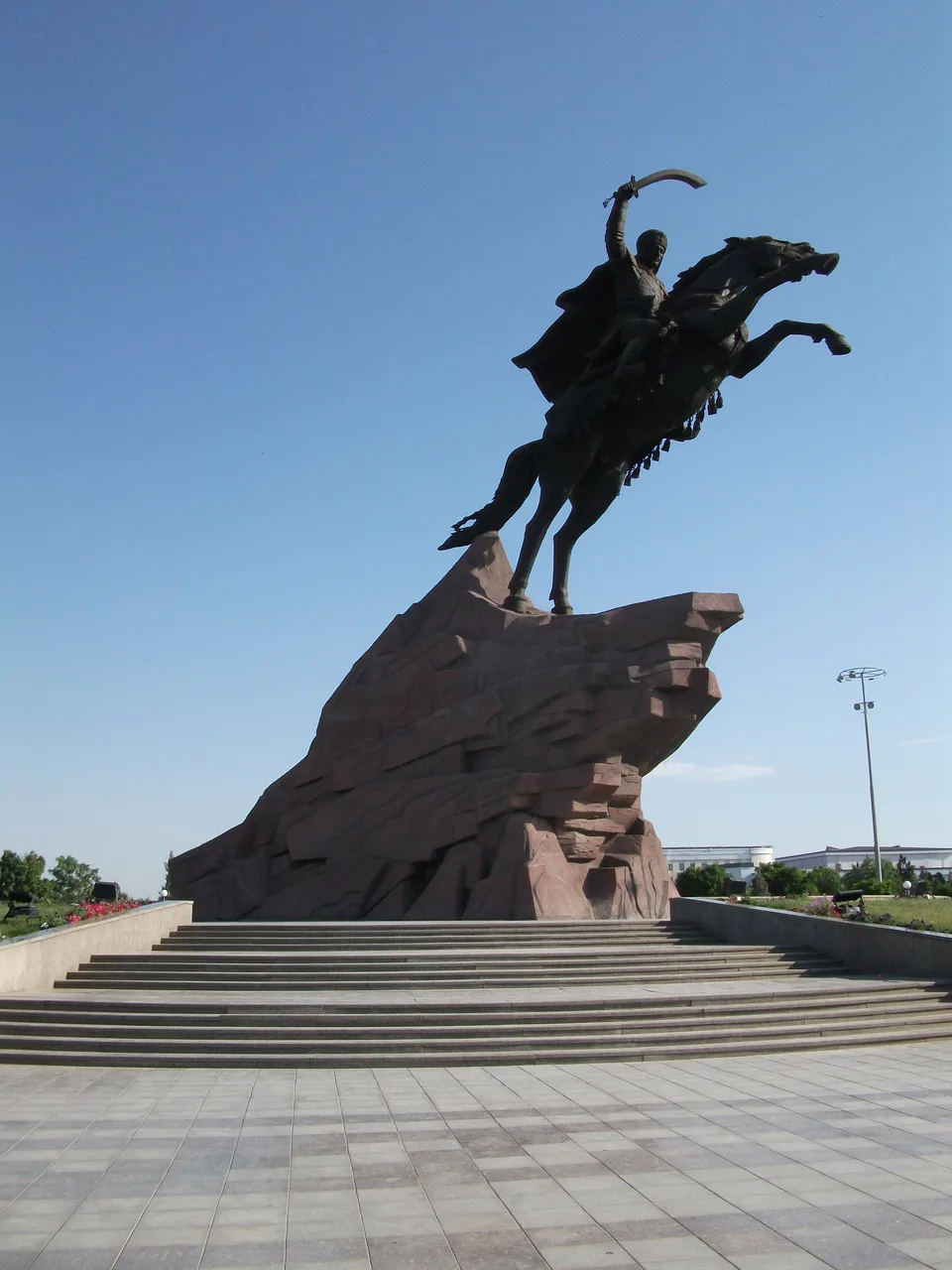
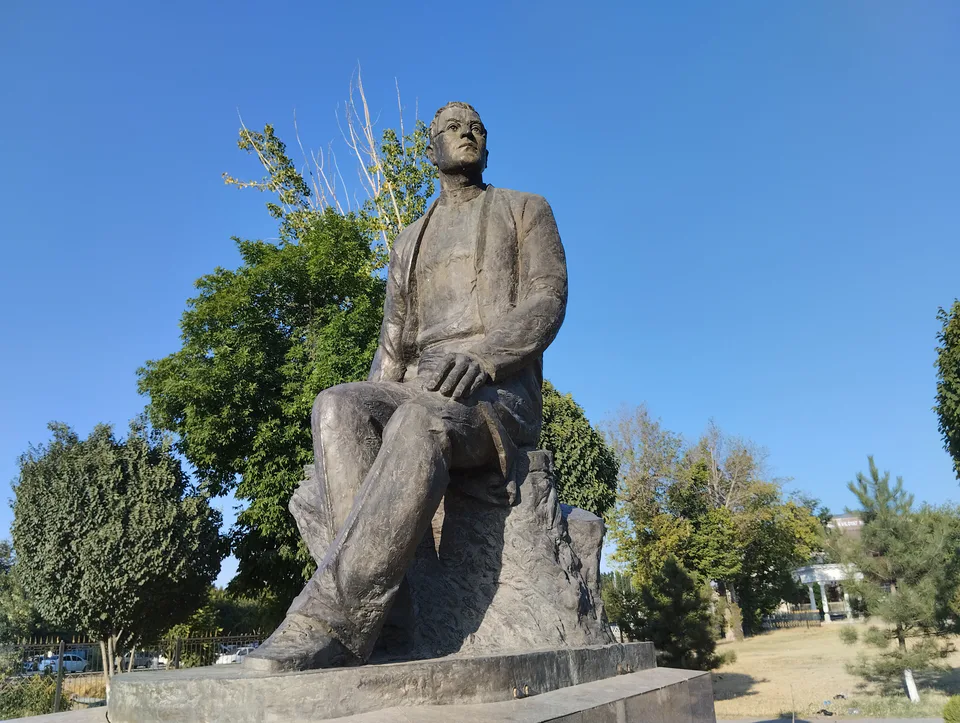
Andijan has a Babur National Park (Bogi Bobur), whose complex includes the “Babur and World Culture” museum and a symbolic tomb-mausoleum of the poet. Statues of Babur stand in the city centre and in the park's memorial complex, and the city's theatre and regional library bear his name — together offering visitors a close encounter with the poet-king.
In June 1494 Umar Shaikh Mirza, ruler of Fergana, was killed at the fortress of Akhsi when a dovecote on the edge of a ravine collapsed beneath him. His son Zahir ud-Din Muhammad Babur, born in Andijan in 1483, became ruler in Andijan at the age of eleven — the opening scene of the Baburnama. Years of struggle for Samarkand followed: Babur twice took the city briefly but lost out to Muhammad Shaybani Khan and left for Kabul in 1504. In 1526 his victory at Panipat founded the Mughal Empire in India. Andijan's Babur National Park holds the “Babur and World Culture” museum and a symbolic mausoleum of the poet.
Muhammad Shaybani Khan, grandson of Abulkhayr Khan of the Uzbeks of the Dasht-i Kipchak, took Samarkand in 1500 and within a few years Bukhara, Tashkent, Fergana and, in 1507, Herat, ending Timurid rule. He fell in battle near Merv in 1510 against Shah Ismail of Iran, but his dynasty ruled Transoxiana until the end of the 16th century, first from Samarkand and then from Bukhara. Under the Shaybanids Bukhara gained the Mir-i Arab, Kukeldash and Abdullah Khan madrasas, trading domes and caravanserais, while cisterns and bridges were built across the country. The wide use of the name “Uzbek” in the region also dates from this period.
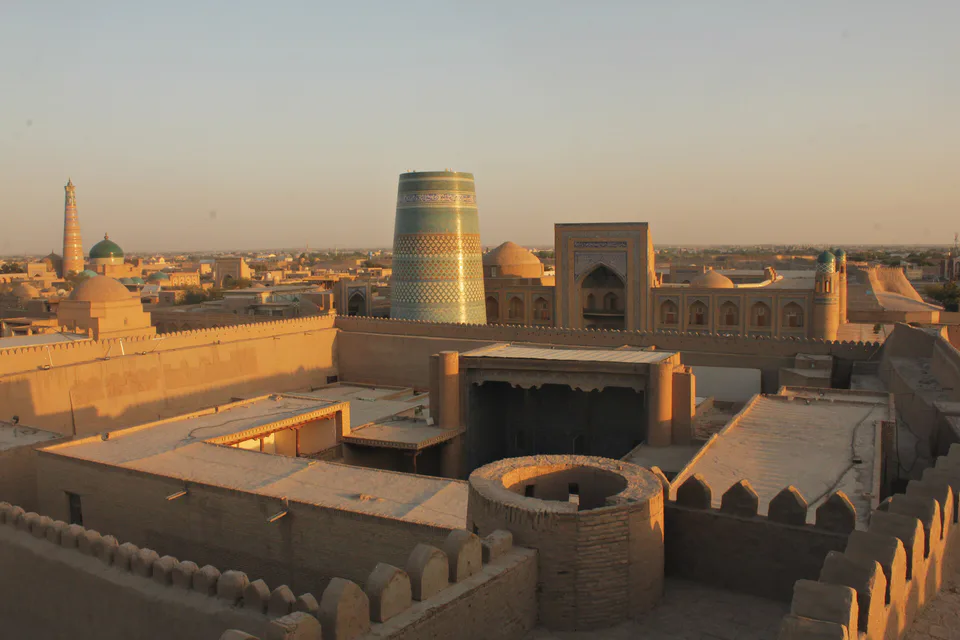
In 1511 Uzbek clans led by the Chinggisid brothers Ilbars and Balbars seized Khorezm and founded the Arabshahid dynasty. Its first capitals were Vazir and Kunya-Urgench, now in Turkmenistan; shifts in the course of the Amu Darya and politics led Arab Muhammad Khan (1602–1621) to move the capital permanently to Khiva. European sources have called the state the Khanate of Khiva ever since, though its people knew it as Khorezm. It spanned the irrigated lands of the lower Amu Darya, the Turkmen tribes of the Karakum and the Karakalpaks of the Aral shore. It became a Russian protectorate in 1873 and lasted until 1920.