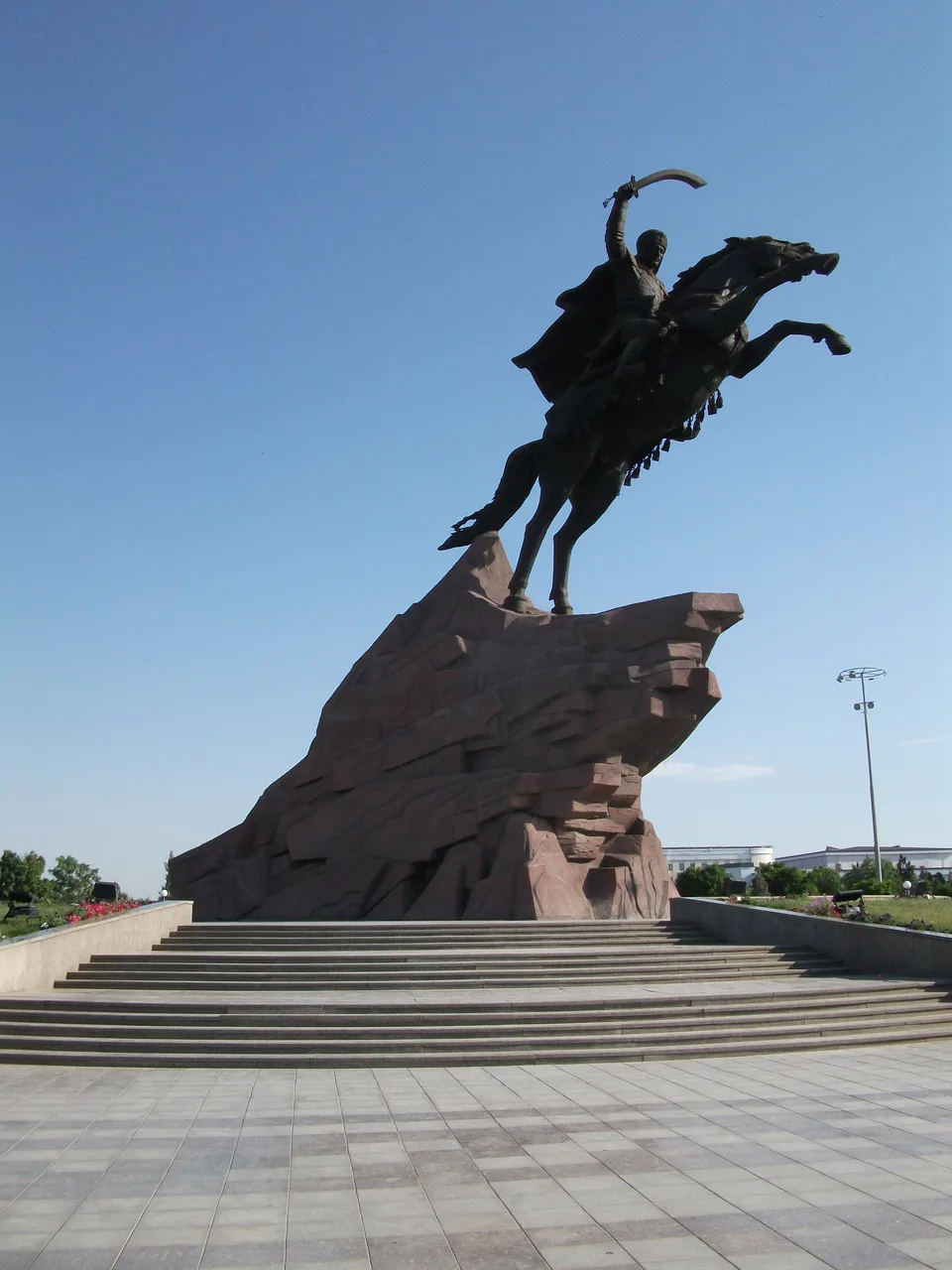
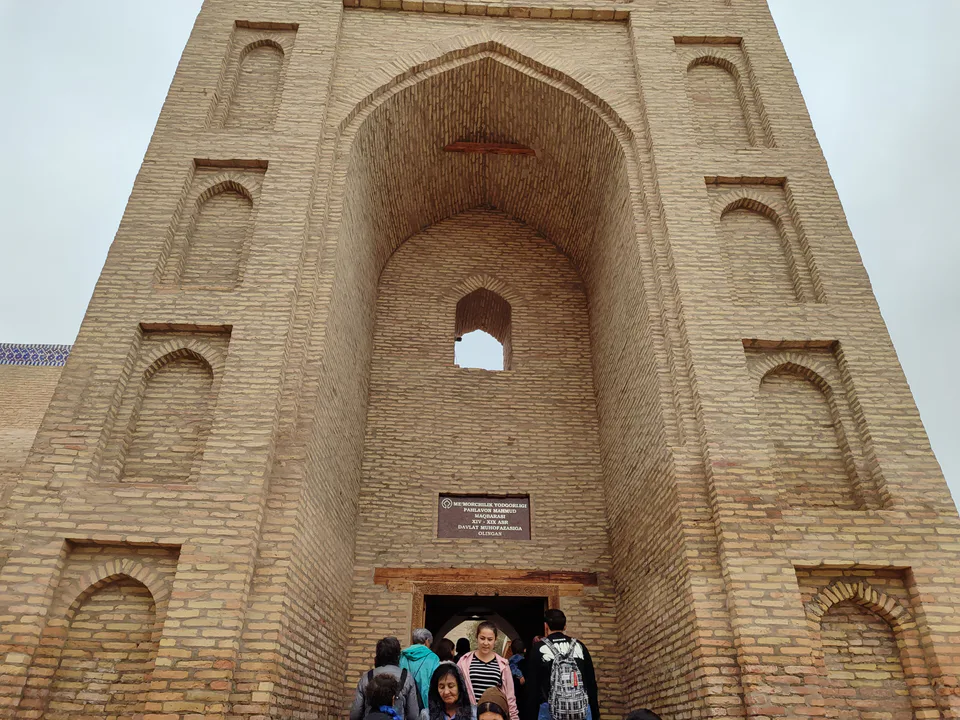
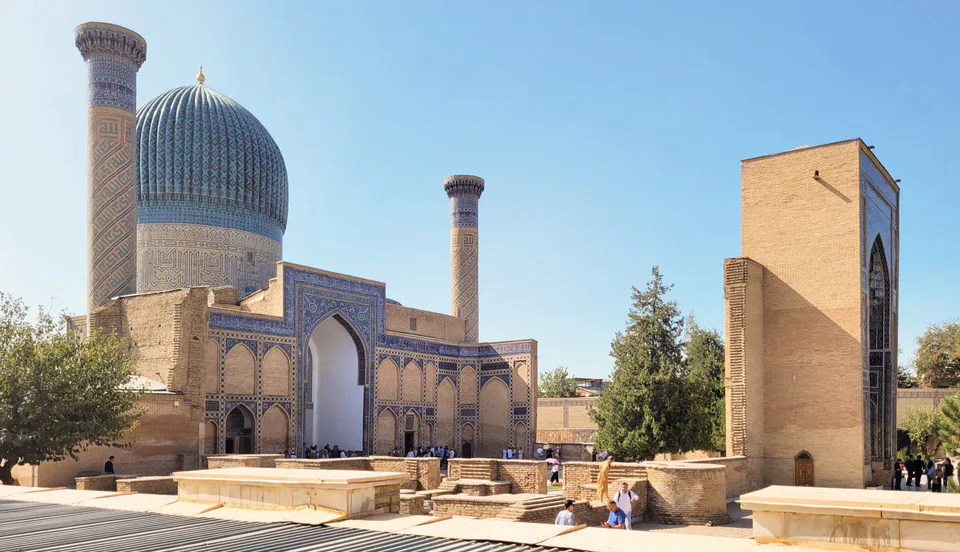
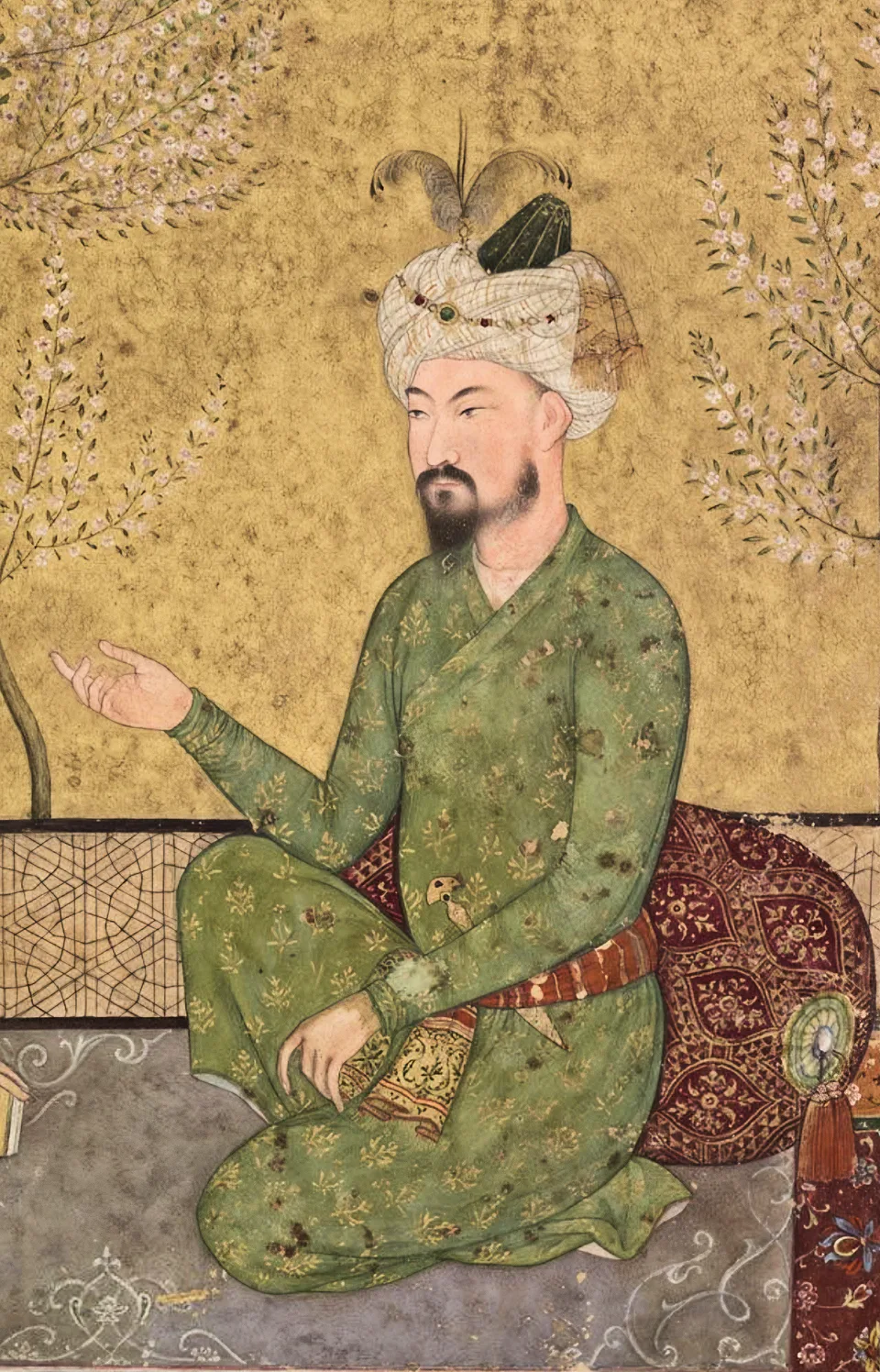
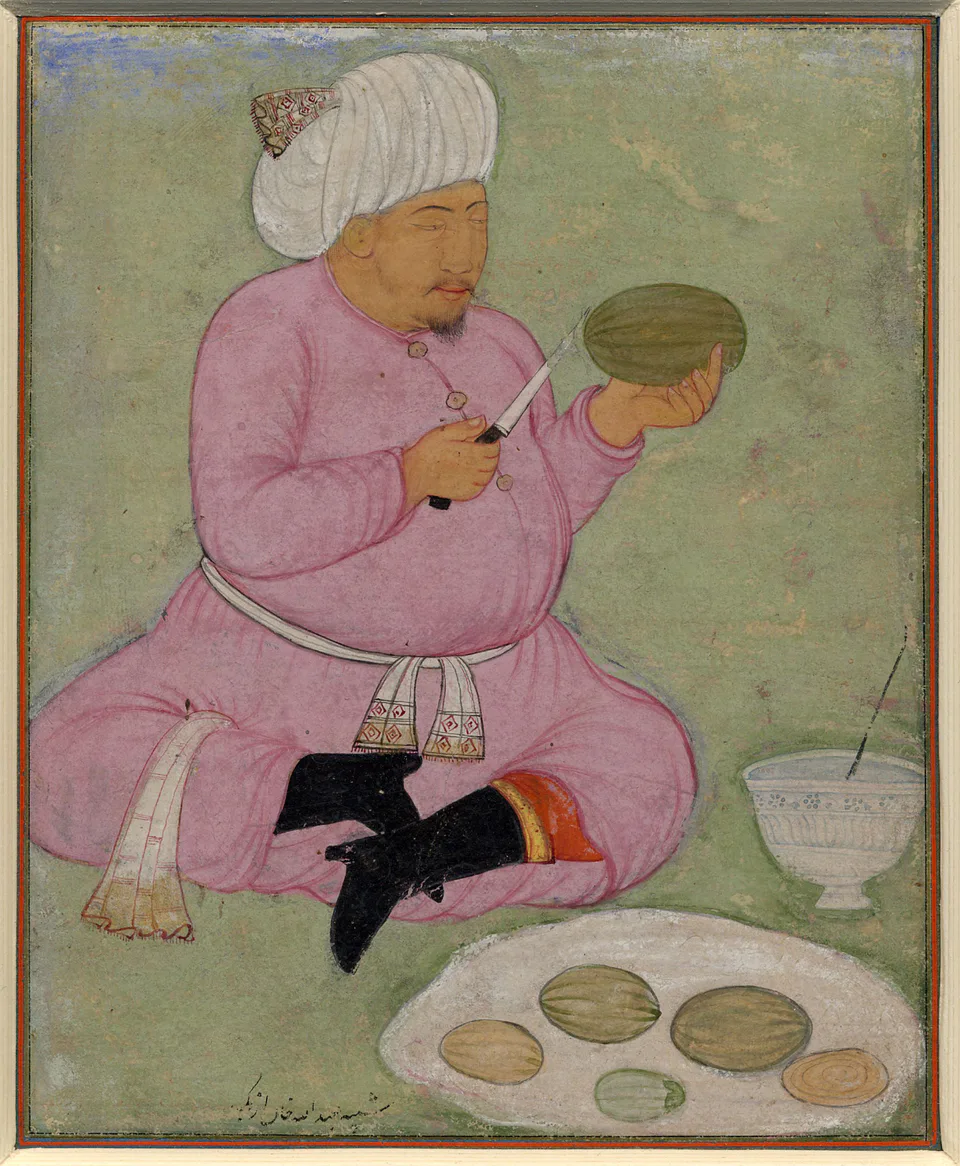
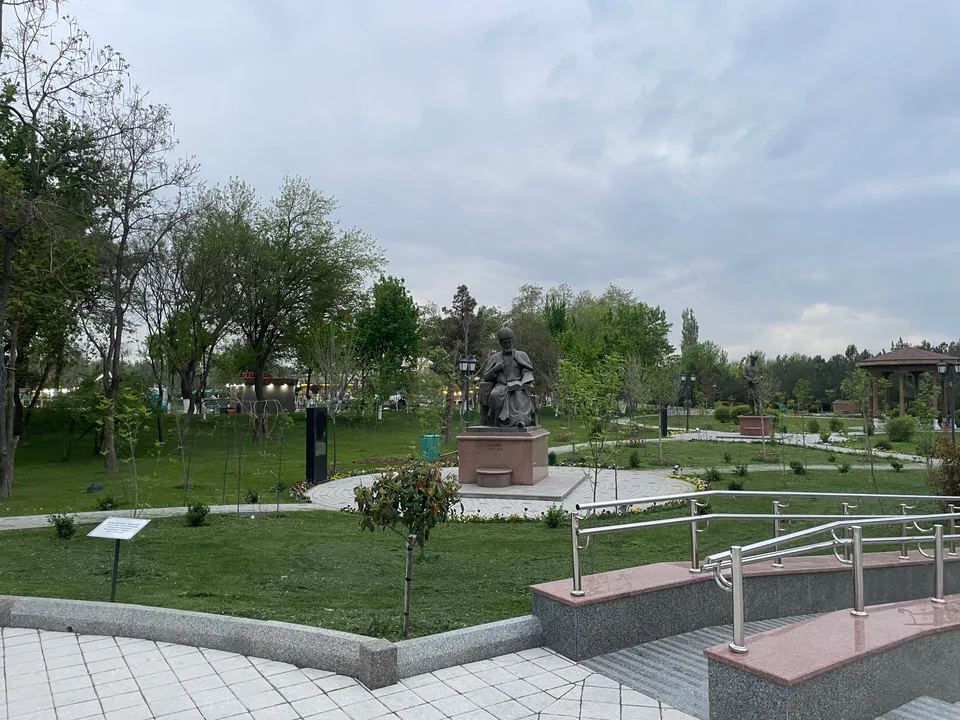
The 17th-century khan of Khiva who was also one of the leading historians of his age. His “Genealogy of the Turks” and “Genealogy of the Turkmens” are studied worldwide as key sources on the history of the Turkic peoples.
Abu al-Ghazi was born in Urgench on 24 August 1603, son of Arab Muhammad Khan of Khorezm. Tradition says he was born forty days after his father had beaten off a raid by Ural Cossacks, hence a name meaning “father of the warrior”. At sixteen he became governor of Kat. When his brothers went to war over the throne late in his father's reign, the young prince fled first to Bukhara, to Imam Quli Khan, and later to the Kazakh khan Esim and Tursun, ruler of Tashkent. In 1630 his brother Isfandiyar Khan sent him to Iran as a hostage, and he spent nearly ten years in a fortress near Isfahan. He escaped in 1639 and, after years of struggle, took the throne of Khiva in 1643–1644.
Khan and historian
For some twenty years he ruled the khanate, fighting Bukhara and the Kalmyks and working to strengthen Khorezm. Above all, though, he is remembered as a historian. In 1661 he wrote the “Genealogy of the Turkmens” (Shajara-i Tarakima), then the “Genealogy of the Turks” (Shajara-i Turk), a history of the Mongol and Turkic khans and especially the Shaybanids of Khorezm, completed after his death by his son Anusha Khan. He stressed that he wrote deliberately in plain Turkic that ordinary people could understand. The Genealogy of the Turks was translated into European languages as early as the 18th century and became an essential source for orientalists. A medical treatise, “Manafi al-Insan”, is also attributed to him.
Legacy
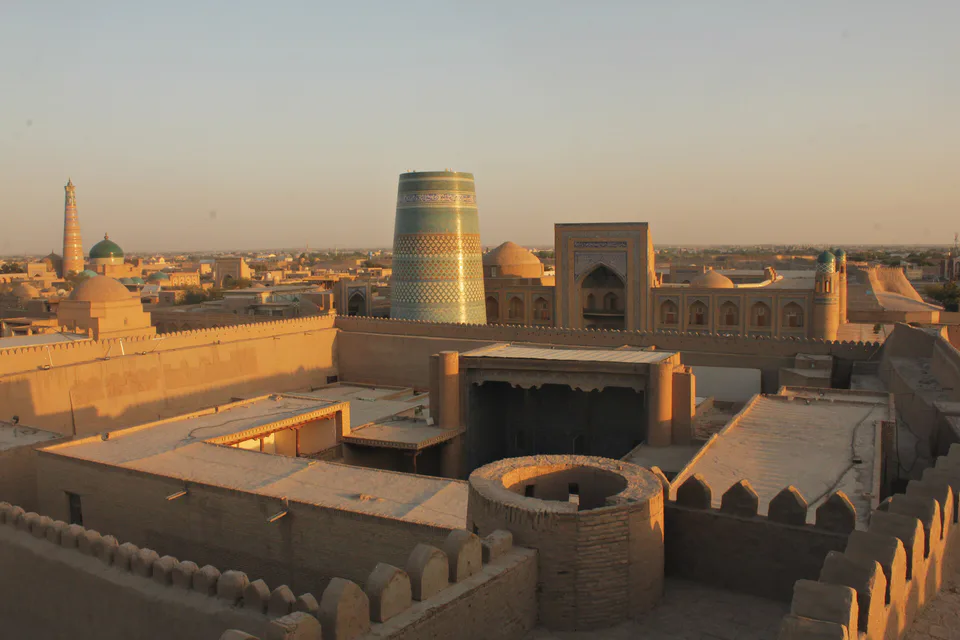
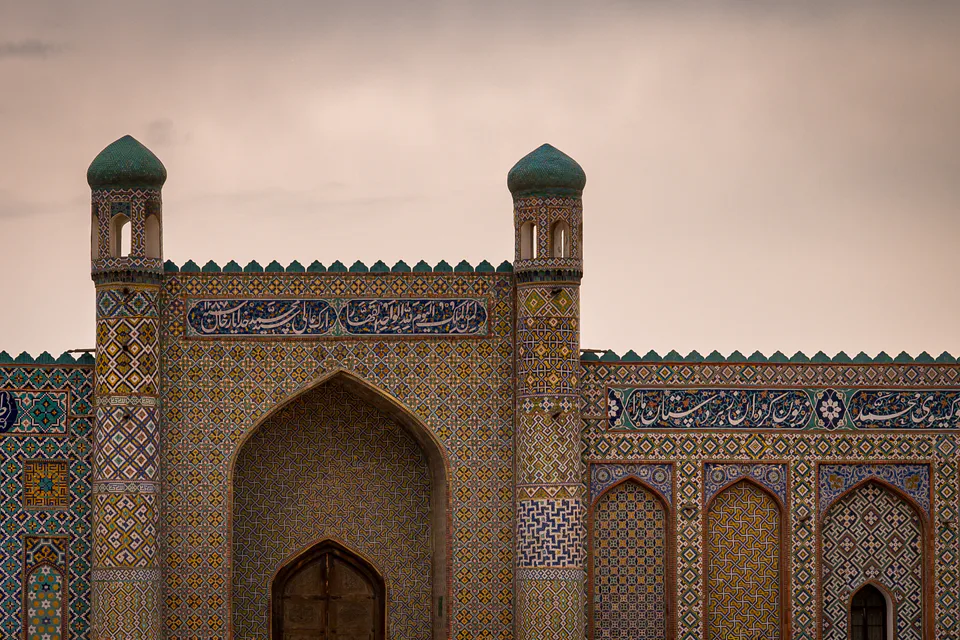
Abu al-Ghazi died in Khiva in 1663 (some sources say 1664). His books remain among the main sources for the history of Khorezm and the wider region. Today's Itchan Kala, whose walls also enclose the palaces and madrasas built by later khans, helps conjure up the Khiva of his day.
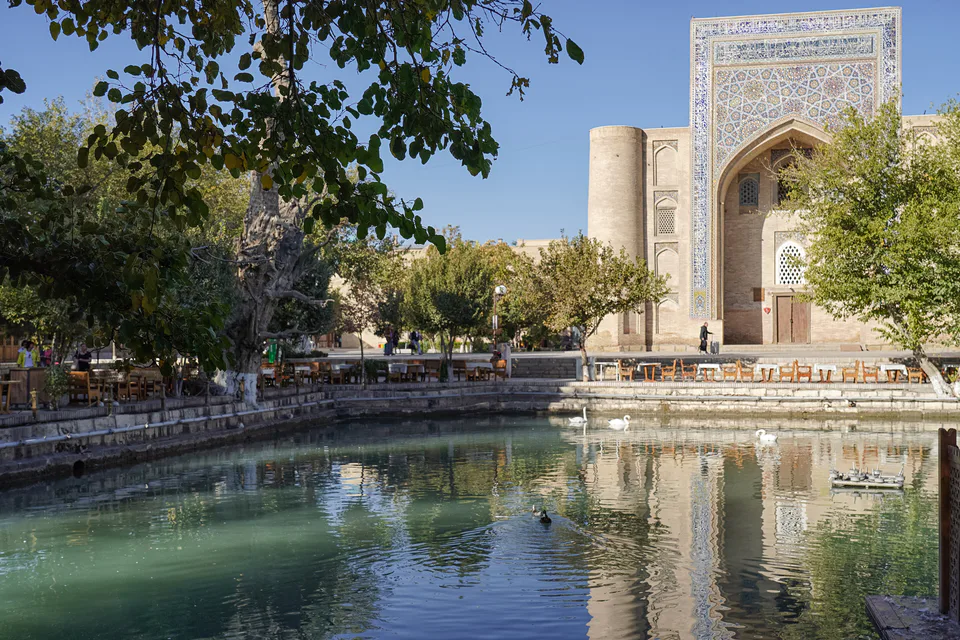
In the early 17th century power passed to the Ashtarkhanid (Janid) dynasty, whose officials left major buildings behind them. In Bukhara, Nadir Divan-Begi, vizier of Imam Quli Khan, dug a pool in 1620 and built a khanaka beside it, followed in 1622 by a madrasa first intended as a caravanserai — the origin of Lyab-i Hauz, still the city's favourite square. In Samarkand the governor Yalangtush Bahadur remade the Registan: facing Ulugh Beg's madrasa rose the Sher-Dor Madrasa (1619–1636) with lions and suns on its portal, and later the gilded Tilya-Kori madrasa-mosque (1646–1660), giving the ensemble its present form.