We are launching: regions, photos and timetables are being added every day.
The age of the khanates

History · 06 / 09

The age of the khanates

The era of the Shaybanids and then of the khanates of Bukhara, Khiva and Kokand — madrasas and trading domes, the present faces of Itchan Kala and the Registan, and the poetry of Nodira, Mashrab and Ogahiy.

1500–18689 events93 sites2 min read
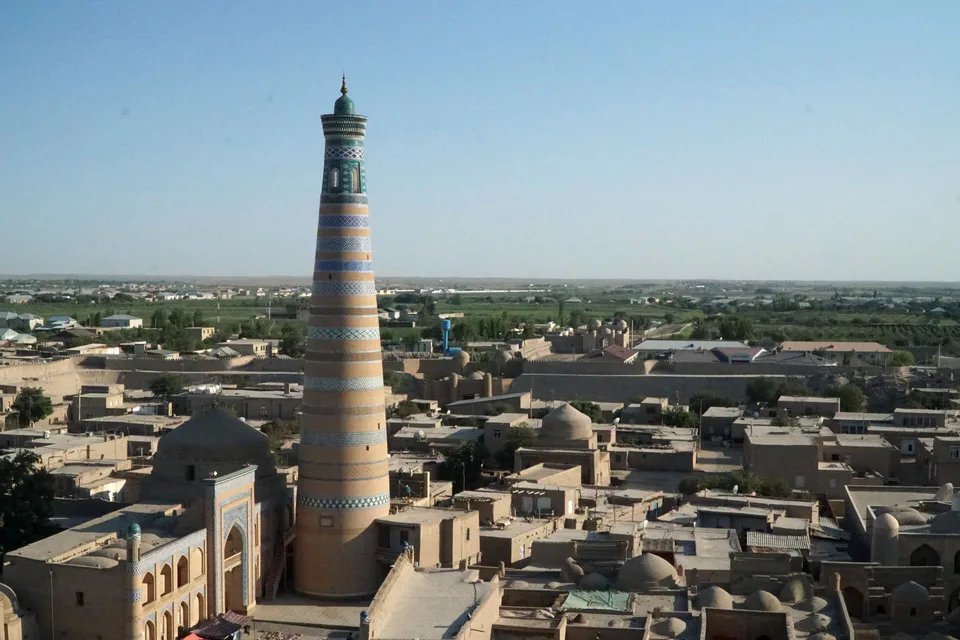
Photo: Adam Harangozó · CC BY-SA 4.0 · Wikimedia Commons

The Shaybanids

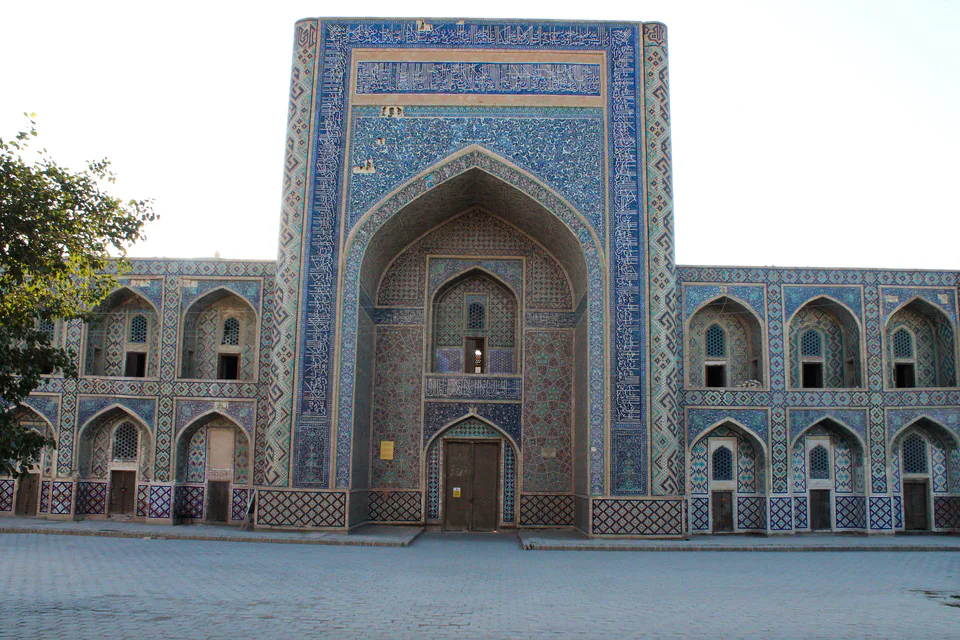
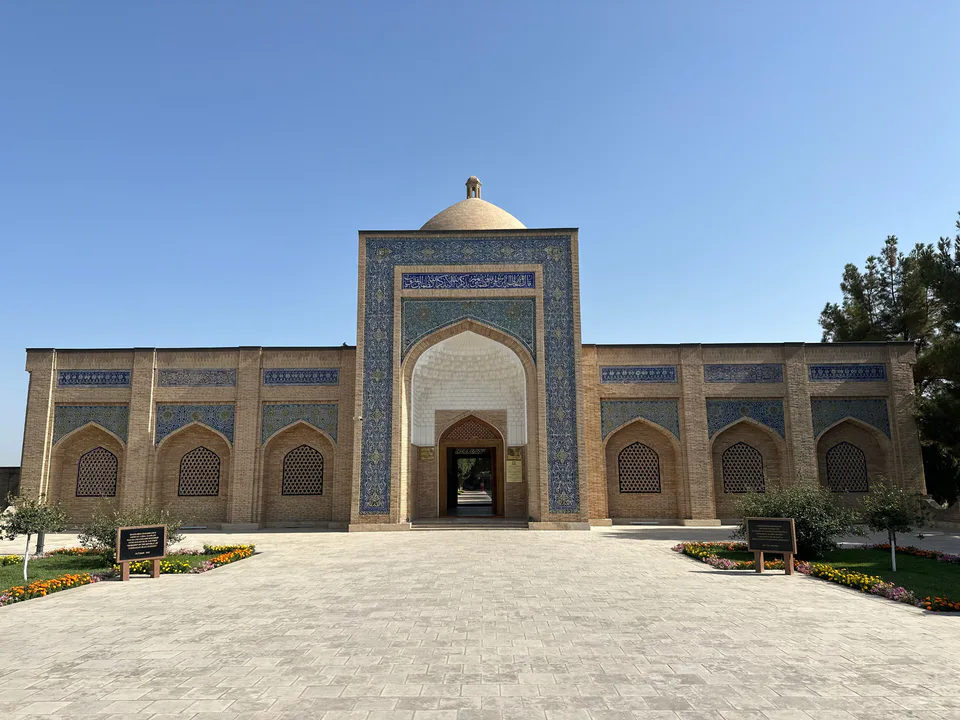
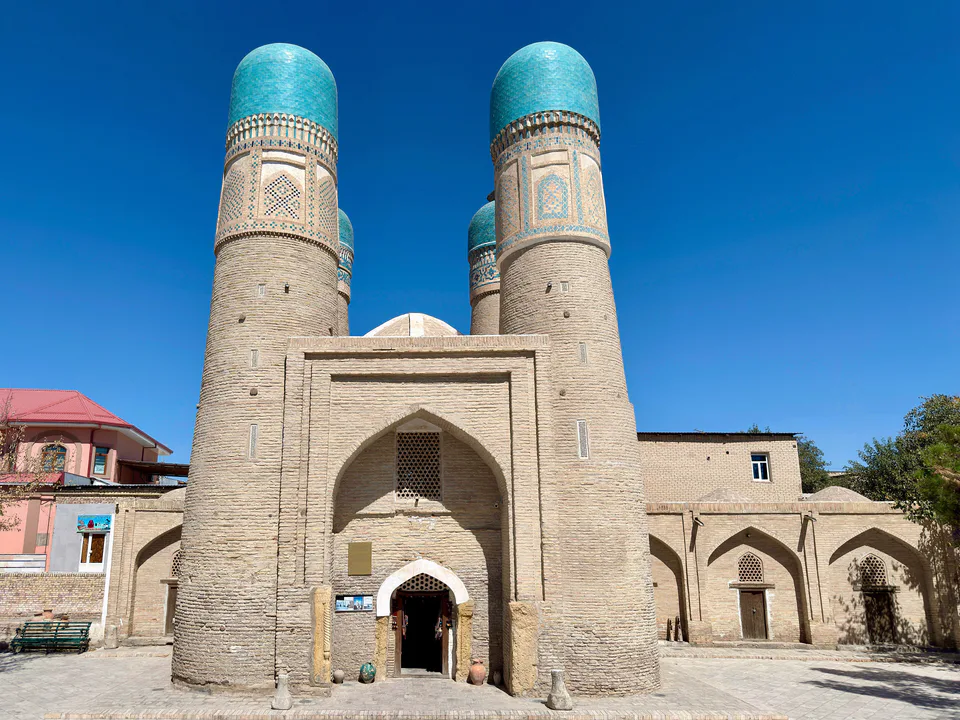
In 1500–1507 Muhammad Shaybani Khan took over the Timurid lands and founded a new dynasty in Transoxiana, ruling first from Samarkand and then from Bukhara. Under Abdullah Khan II (1557–1598) the state was reunited and the roads lined with caravanserais, cisterns and bridges. The Mir-i Arab (1535–1536) and Kukeldash madrasas, the trading domes and the Kosh Madrasah in Bukhara, and the Kukeldash and Barak Khan madrasas in Tashkent are fine examples of the period. The wide use of the name “Uzbek” in the region also dates from Shaybanid times.

Three khanates

Between the 16th and 18th centuries three states took shape. In Bukhara the Shaybanids were followed by the Ashtarkhanids in the 17th century and the Manghits from the mid-18th; from 1785 the rulers took the title of emir, hence the Emirate of Bukhara. Khorezm was the Khanate of Khiva, ruled by the Arabshahids from 1511 and by the Qungrats from 1804. In 1709 the Khanate of Kokand broke away in the Fergana Valley, later taking Tashkent as well. In 1740 the Iranian ruler Nader Shah briefly conquered both Bukhara and Khiva, and the khanates frequently fought one another.

Trade, society and culture

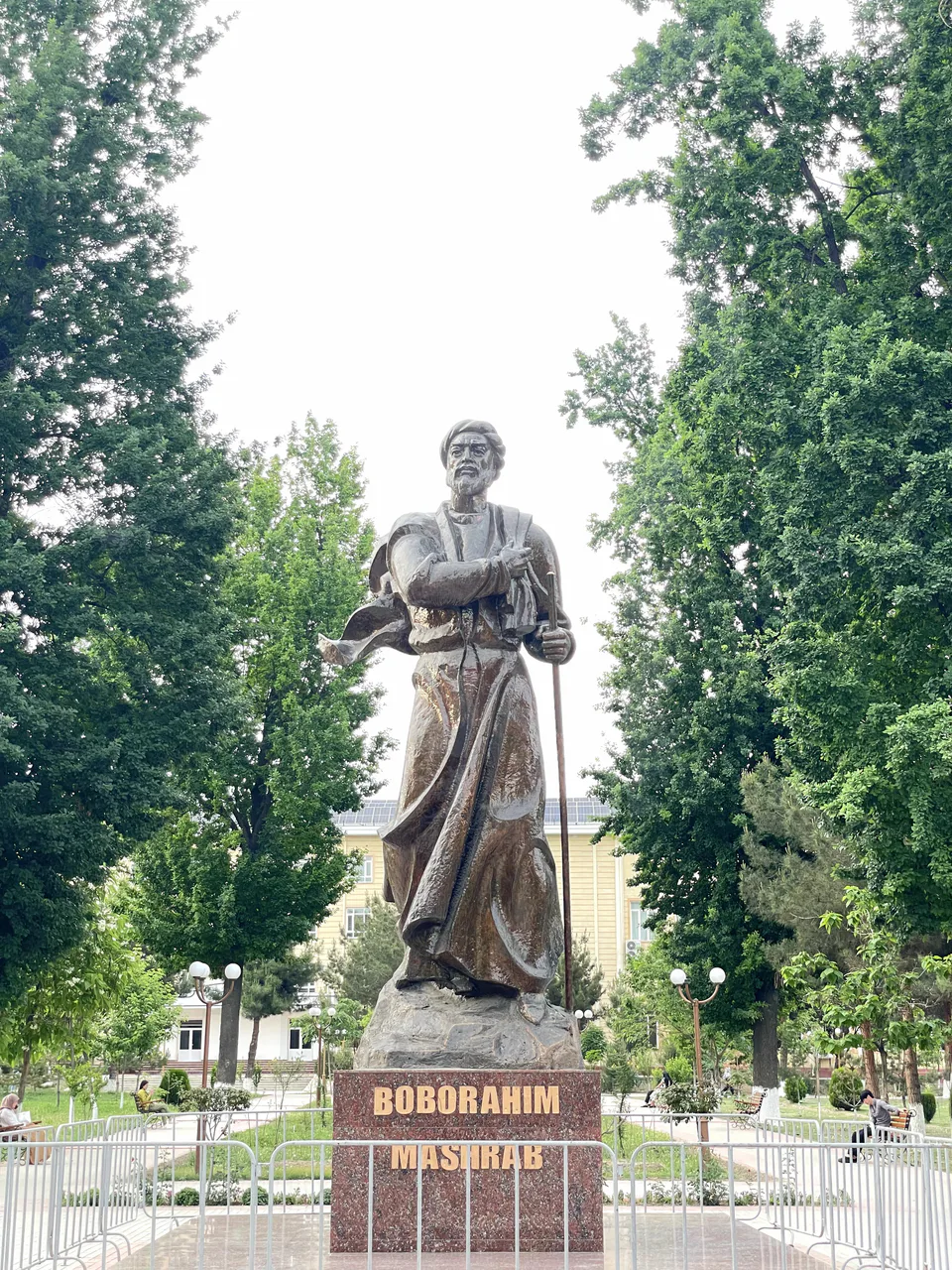
With the opening of sea routes the overland Silk Road declined, but caravans still traded with Russia, India, Iran and China, and Bukhara's madrasas drew students from across the Muslim East. At the same time slave markets, supplied mainly with captives from Iran, survived in Khiva and Bukhara into the 19th century. Literature flourished with Boborahim Mashrab, the poets of the Kokand court — Umar Khan, Nodira and Uvaysiy — and, in Khiva, the historian-khan Abulghazi, Munis and Ogahiy.

Architecture: Registan, Lyab-i Hauz, Itchan Kala

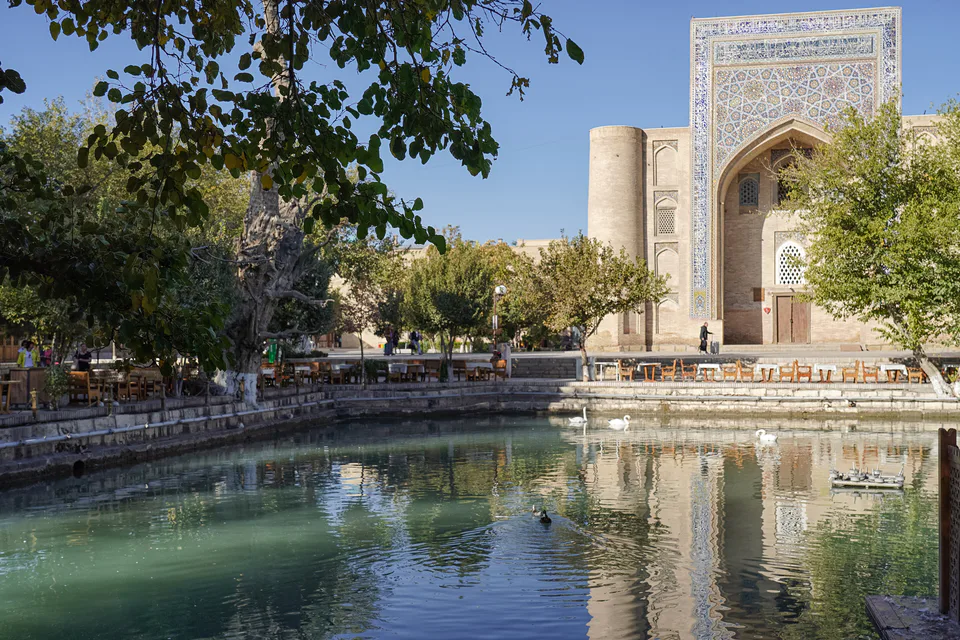
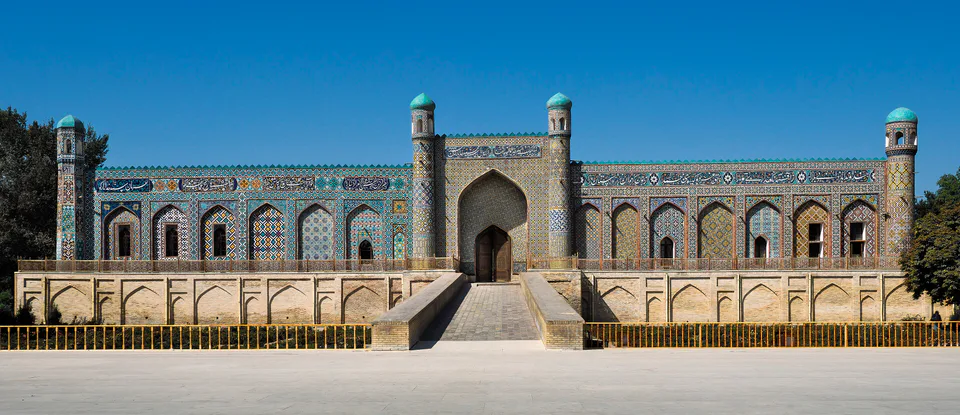
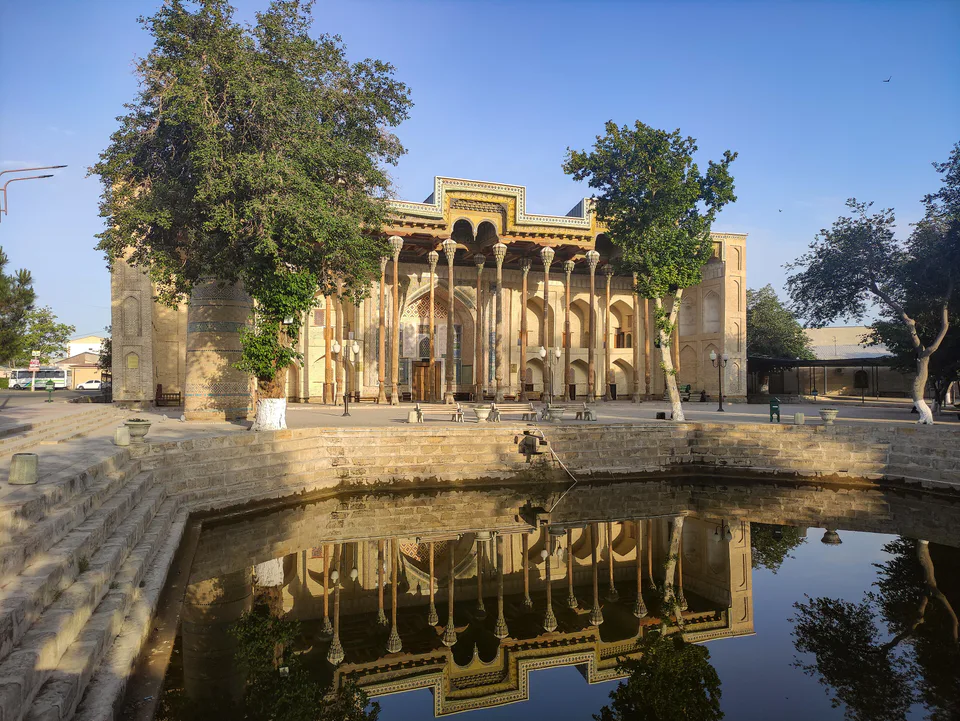
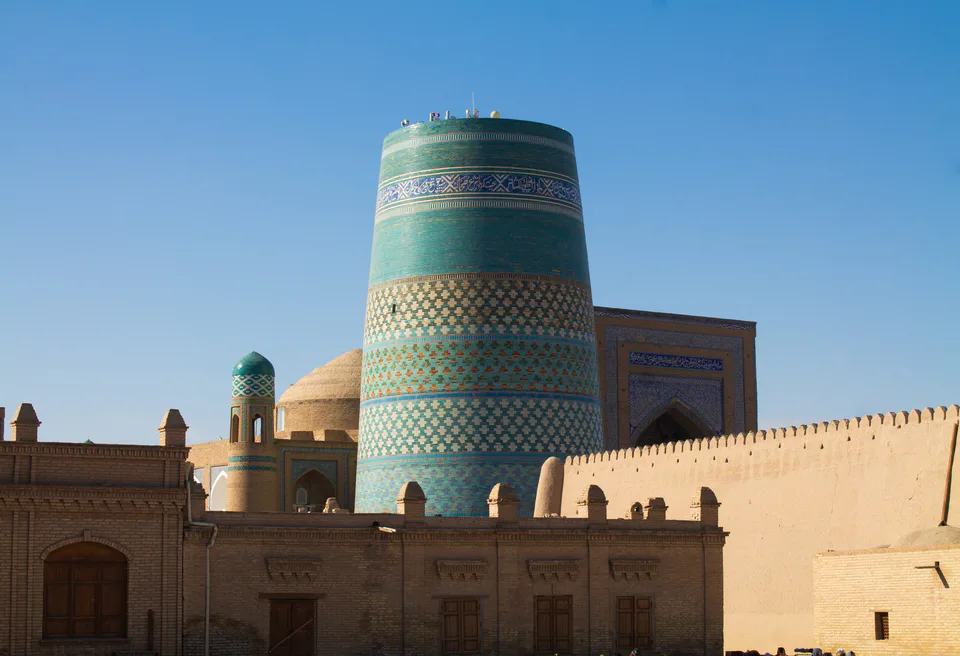
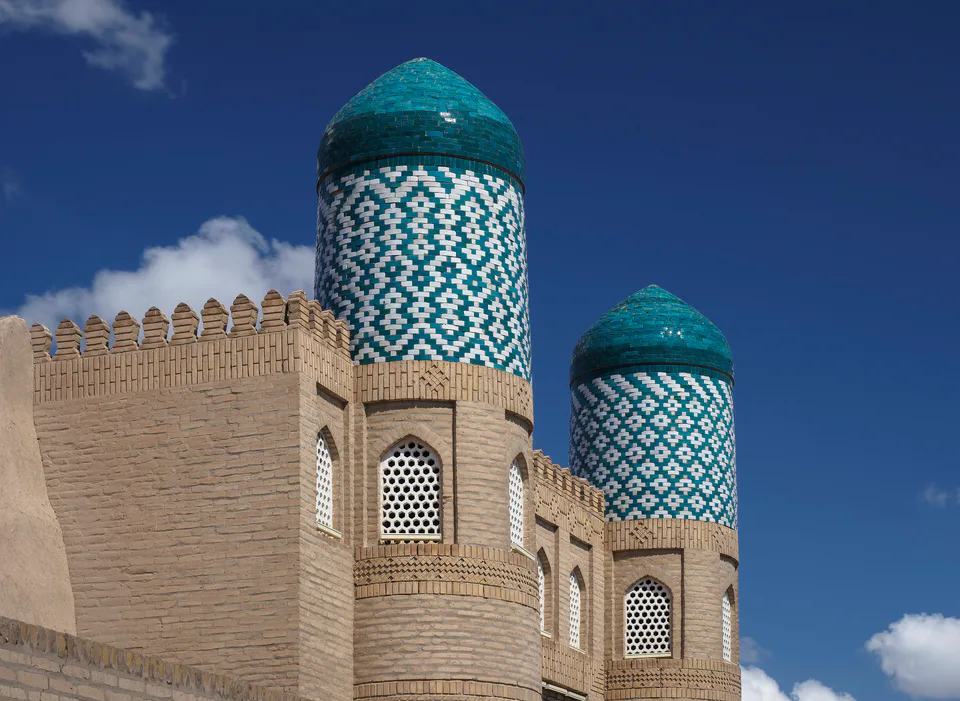
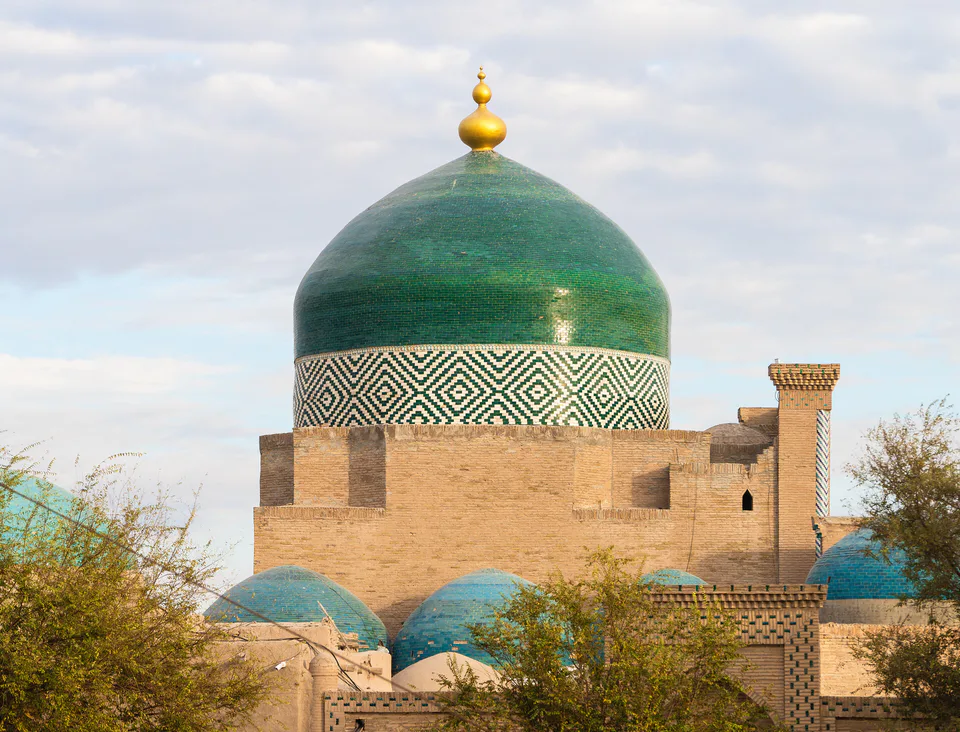
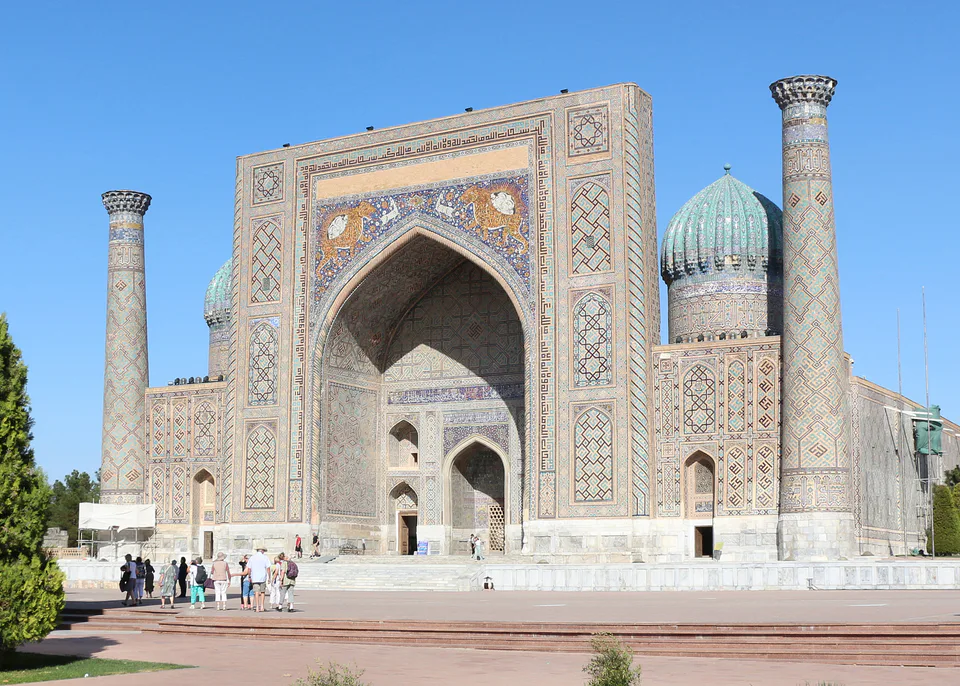
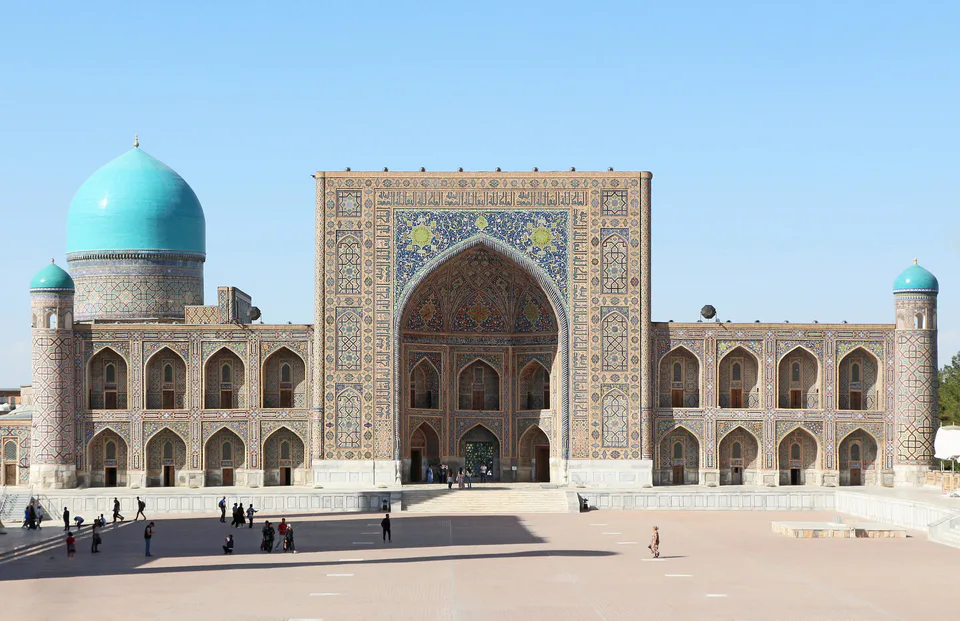
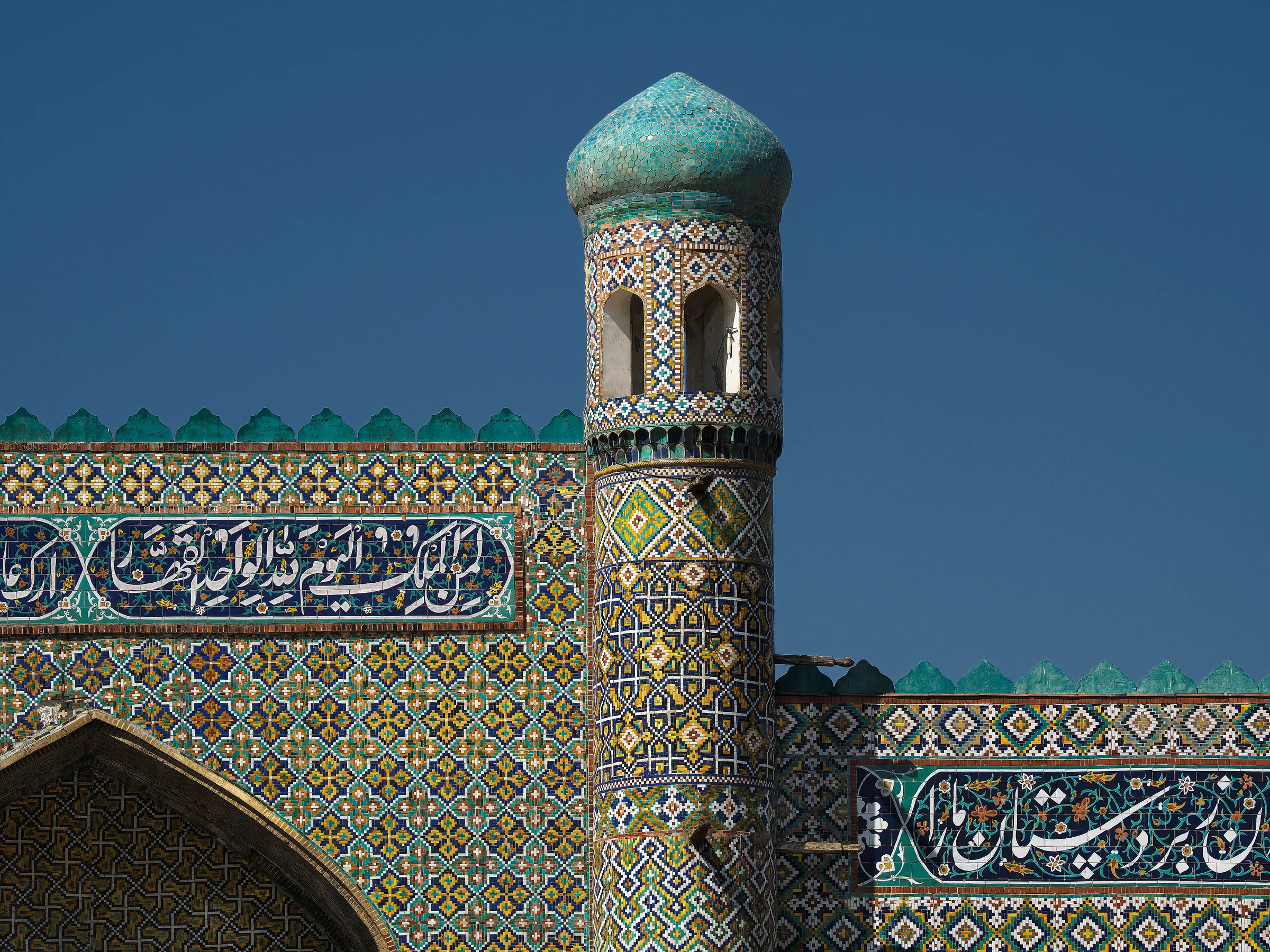
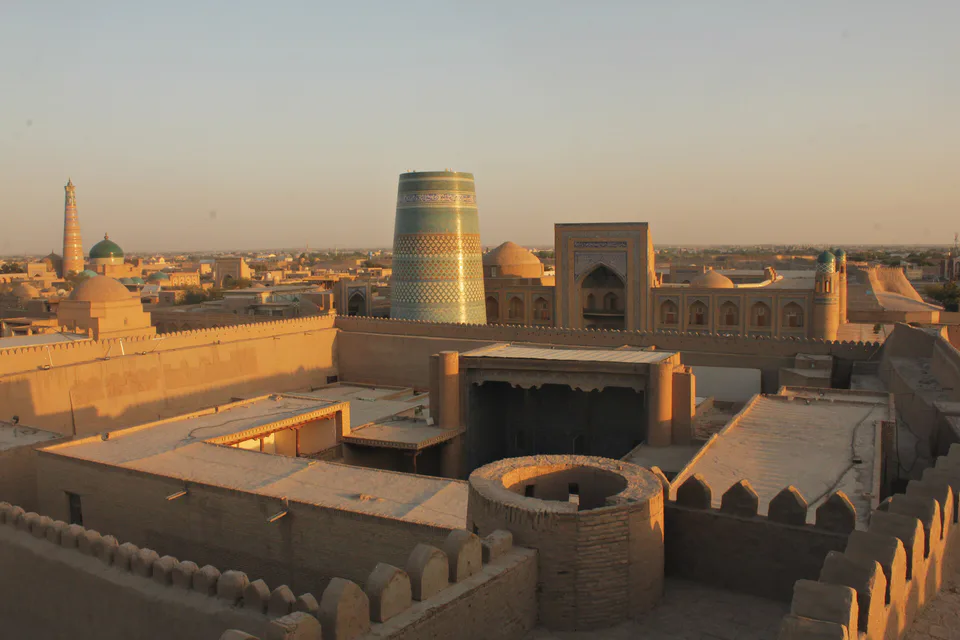
In the 17th century Samarkand's Registan took its present form with the Sher-Dor (1619–1636) and Tilya-Kori (1646–1660) madrasas, and Bukhara gained the Lyab-i Hauz ensemble. In the 19th century Khiva's Itchan Kala filled with the Tash Hauli palace, the madrasas of Allakuli Khan and Muhammad Amin Khan and the Kalta Minor, while Kokand built Umar Khan's Friday Mosque (1812) and later Khudayar Khan's palace. Much of what travellers see in the historic city centres today dates from this era.

Russia approaches

By the mid-19th century Central Asia had become a theatre of the Great Game between the British and Russian empires; in 1842 the British officers Stoddart and Conolly were executed in Bukhara. In the 1850s and 1860s Russian forces advanced south along the Syr Darya and took Tashkent in 1865. The capture of Samarkand and the protectorate over Bukhara in 1868 ended the khanates' independent era.
Sources (5)
  1. en.wikipedia.org
  2. en.wikipedia.org
  3. en.wikipedia.org
  4. en.wikipedia.org
  5. en.wikipedia.org

The age of the khanates

Key events

Full timeline
  1. 1500–1601

    The Shaybanids take Transoxiana

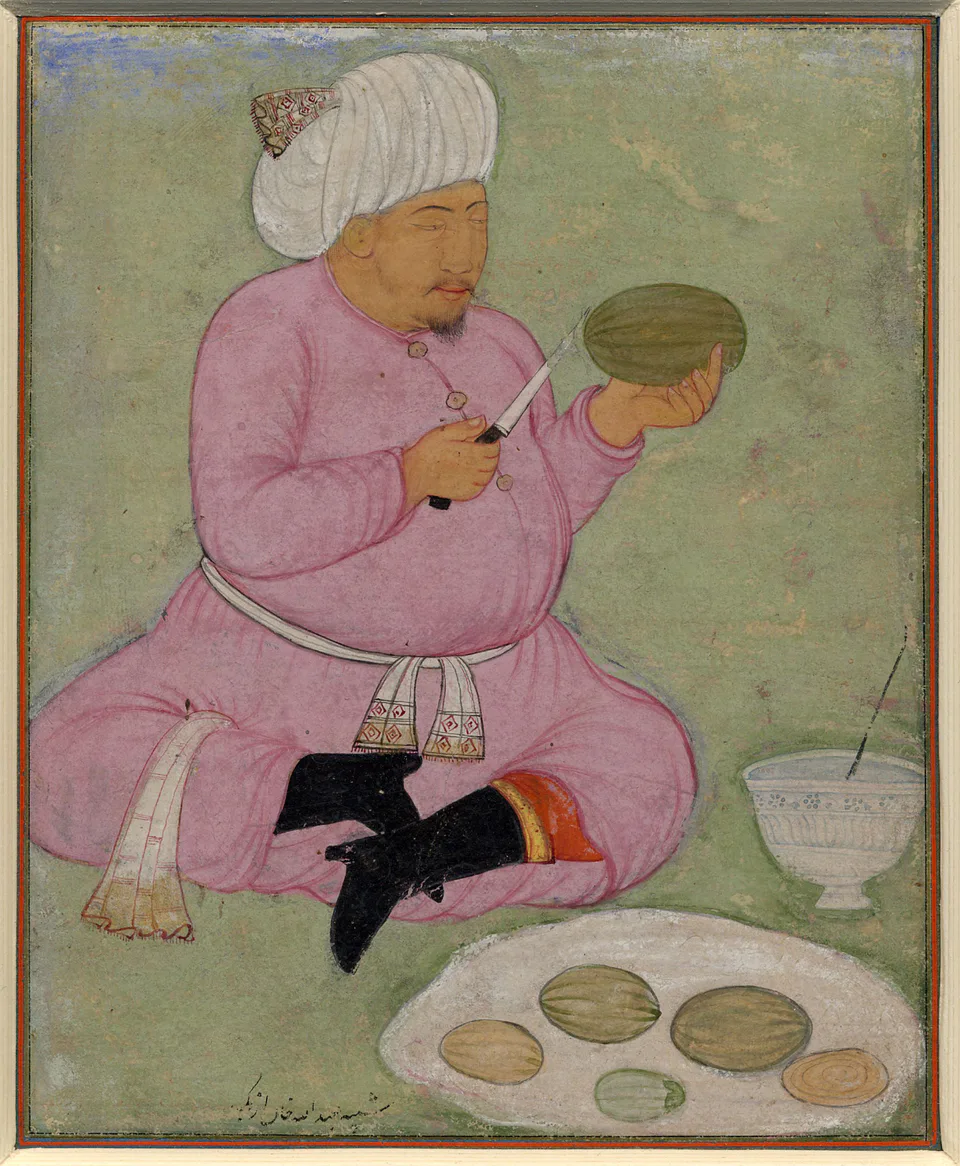
    Muhammad Shaybani Khan, grandson of Abulkhayr Khan of the Uzbeks of the Dasht-i Kipchak, took Samarkand in 1500 and within a few years Bukhara, Tashkent, Fergana and, in 1507, Herat, ending Timurid rule. He fell in battle near Merv in 1510 against Shah Ismail of Iran, but his dynasty ruled Transoxiana until the end of the 16th century, first from Samarkand and then from Bukhara. Under the Shaybanids Bukhara gained the Mir-i Arab, Kukeldash and Abdullah Khan madrasas, trading domes and caravanserais, while cisterns and bridges were built across the country. The wide use of the name “Uzbek” in the region also dates from this period.

    SamarkandBukharaTashkent (city)KashkadaryaFergana

  2. Itchan Kala
    Itchan Kala

    1511–1920

    A new khanate in Khorezm: Khiva

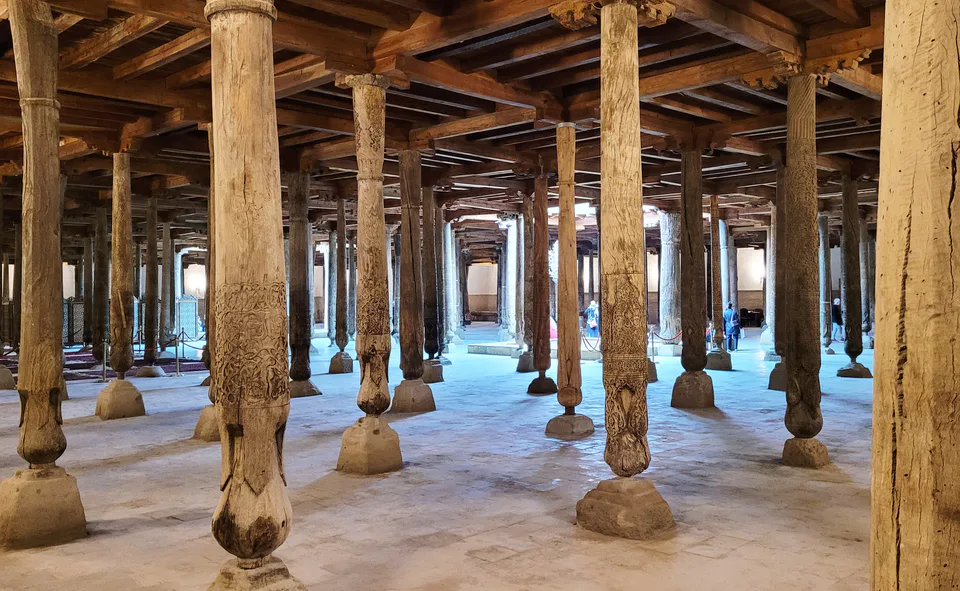
    In 1511 Uzbek clans led by the Chinggisid brothers Ilbars and Balbars seized Khorezm and founded the Arabshahid dynasty. Its first capitals were Vazir and Kunya-Urgench, now in Turkmenistan; shifts in the course of the Amu Darya and politics led Arab Muhammad Khan (1602–1621) to move the capital permanently to Khiva. European sources have called the state the Khanate of Khiva ever since, though its people knew it as Khorezm. It spanned the irrigated lands of the lower Amu Darya, the Turkmen tribes of the Karakum and the Karakalpaks of the Aral shore. It became a Russian protectorate in 1873 and lasted until 1920.

    KhorezmKarakalpakstanItchan Kala

  3. Kosh Madrasa (Abdullah Khan and Modari Khan)
    Kosh Madrasa (Abdullah Khan and Modari Khan)

    1557–1598

    Abdullah Khan II and Bukhara's building boom

    The Shaybanid Abdullah Khan II seized Bukhara in 1557, made it his capital and became khan in name as well from 1583. He reunited the fragmented realm, bringing Balkh, Herat, Tashkent, Fergana and, briefly in the 1590s, Khorezm under his rule. To boost trade he lined the roads with caravanserais, cisterns and bridges. In Bukhara his era produced the paired Kosh Madrasah (Modarikhan, c. 1567, and Abdullah Khan, 1588–1590), the Tim of Abdullah Khan, Toki Zargaron and other trading domes, and the Chor-Bakr necropolis. The poet Mushfiqi and the historian Hafiz Tanysh Bukhari worked at his court. After his death in 1598 the dynasty swiftly declined.

    BukharaNavoiySamarkandKosh Madrasa (Abdullah Khan and Modari Khan)Toqi Zargaron

  4. Lyab-i Hauz Ensemble
    Lyab-i Hauz Ensemble

    1619–1660

    The Ashtarkhanids: Lyab-i Hauz and Sher-Dor

    In the early 17th century power passed to the Ashtarkhanid (Janid) dynasty, whose officials left major buildings behind them. In Bukhara, Nadir Divan-Begi, vizier of Imam Quli Khan, dug a pool in 1620 and built a khanaka beside it, followed in 1622 by a madrasa first intended as a caravanserai — the origin of Lyab-i Hauz, still the city's favourite square. In Samarkand the governor Yalangtush Bahadur remade the Registan: facing Ulugh Beg's madrasa rose the Sher-Dor Madrasa (1619–1636) with lions and suns on its portal, and later the gilded Tilya-Kori madrasa-mosque (1646–1660), giving the ensemble its present form.

    BukharaSamarkandLyab-i Hauz EnsembleSher-Dor MadrasaTilya-Kori Madrasa

  5. Palace of Khudayar Khan
    Palace of Khudayar Khan

    1709–1876

    The Khanate of Kokand is born

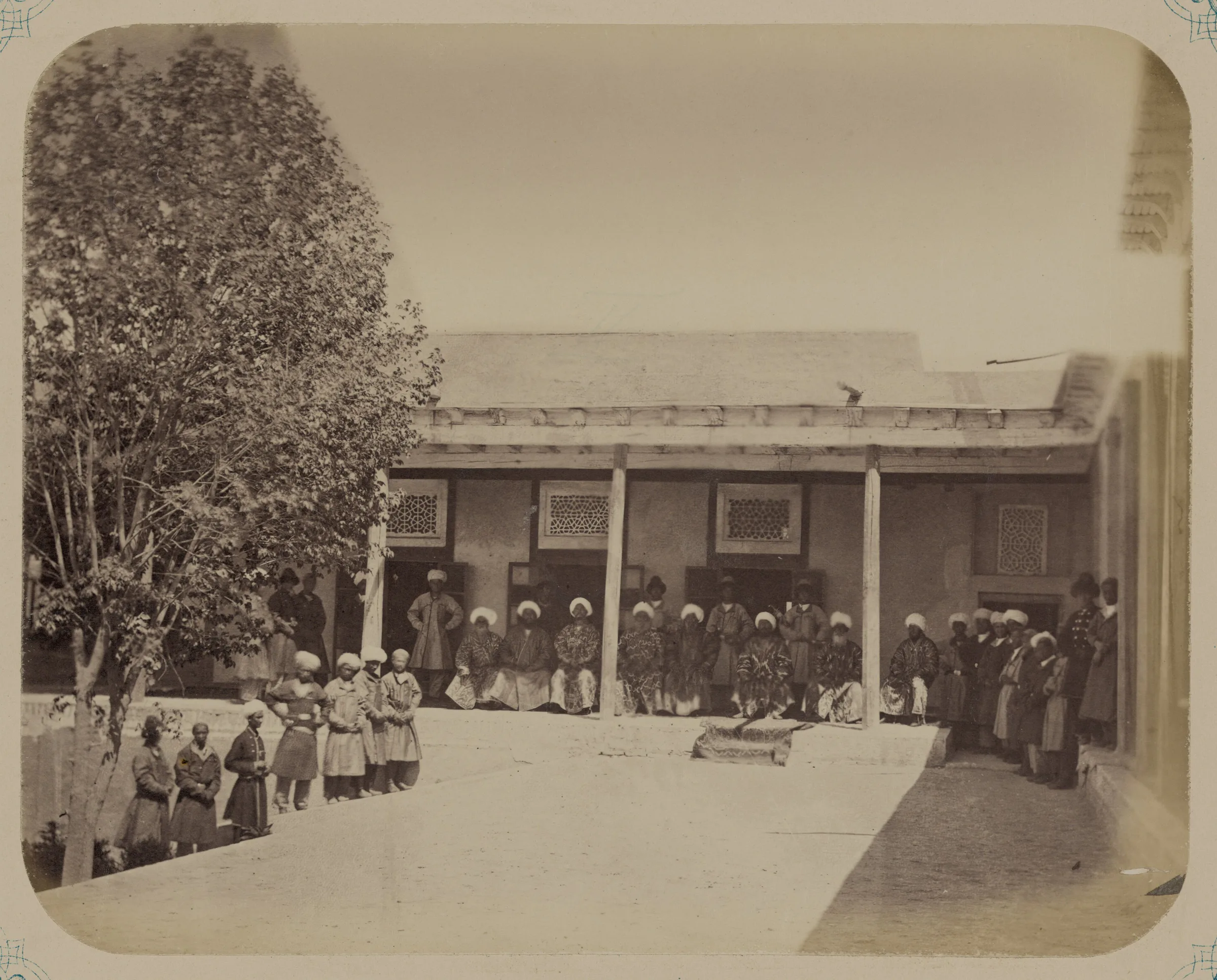
    In 1709 Shahrukh Biy, chief of the Uzbek Ming tribe, took advantage of Bukhara's weakness to set up independent rule in the Fergana Valley — the beginning of the Khanate of Kokand. In 1740 Abd al-Karim Biy built a new fortress on the ruins of Eski Urda, and Kokand quickly grew into a capital. Alim Khan (1798–1810) adopted the title of khan and took Tashkent in 1809; under Umar Khan (1810–1822) court literary life flourished, with the poets Nodira and Uvaysiy. The khanate stretched along the Syr Darya into today's Kazakhstan and Kyrgyzstan. In 1876 Russia abolished it and created Fergana Oblast in its place.

    FerganaAndijanNamanganTashkent (city)Palace of Khudayar Khan

  6. 1740

    Nader Shah conquers Bukhara and Khiva

    Returning from his invasion of India, the Iranian ruler Nader Shah crossed the Amu Darya in 1740 and advanced on Bukhara. The Ashtarkhanid Abulfayz Khan submitted without a fight and kept his throne, but real power began to pass to Nader's ally, the Manghit emir Muhammad Hakim Biy, and his son Muhammad Rahim Biy. That same year Nader marched on Khiva, where Ilbars Khan, who had resisted, was executed; the khanate remained under Iranian sway until 1746. The campaign hastened the fall of the Ashtarkhanids and opened the way for the Manghits. After Nader's assassination in 1747, Iranian influence faded.

    BukharaKhorezm

  7. Ark of Bukhara
    Ark of Bukhara

    1756/1785–1920

    The Manghits and the Emirate of Bukhara

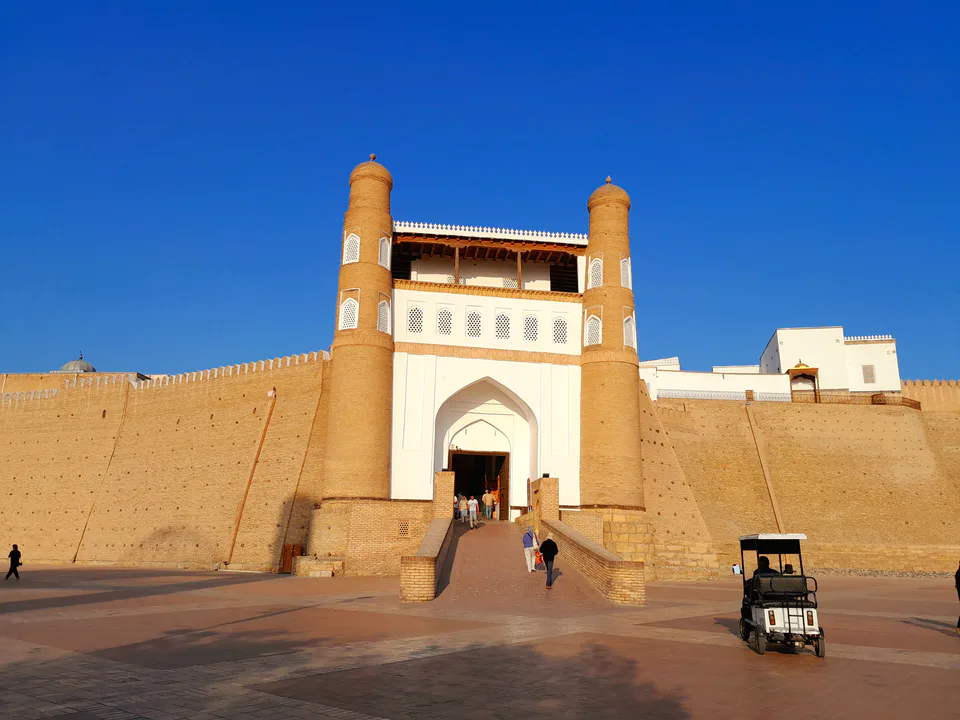
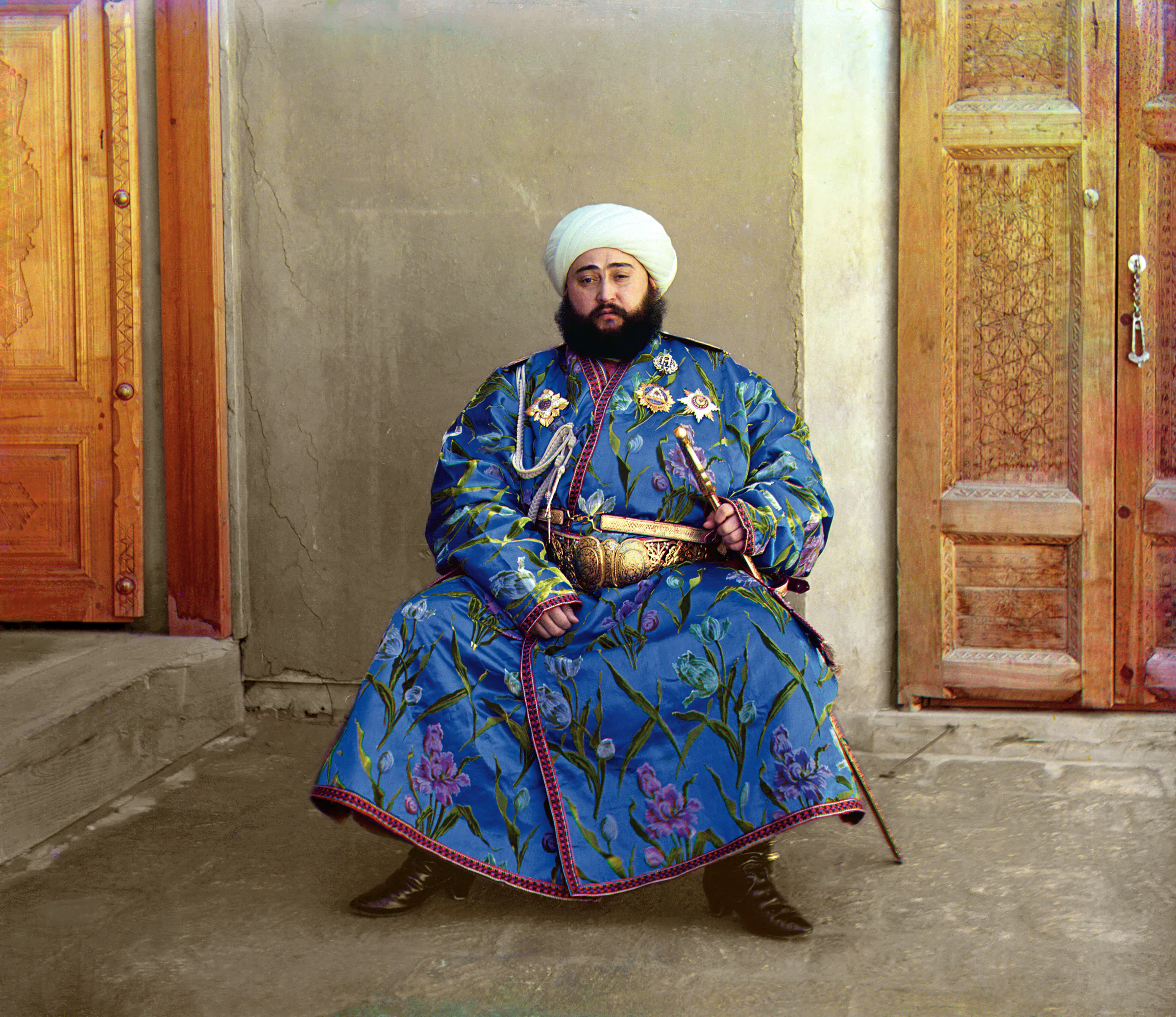
    In 1756 Muhammad Rahim Biy of the Manghit tribe assumed the title of khan in Bukhara and founded a new dynasty. Shah Murad (Masum), who came to power in 1785, dropped the khan title in favour of “emir al-muminin”, which is why the state is known as the Emirate of Bukhara. It covered the Zeravshan, Kashkadarya and Surkhandarya oases and much of present-day Tajikistan. The emirs lived in the Ark fortress, and under Nasrullah (1827–1860) central power grew stronger. From 1868 the emirate was a Russian protectorate. Sitorai Mohi Khosa, the palace built for the last emir, Alim Khan, is now a museum. The emirate was overthrown in 1920.

    BukharaSamarkandKashkadaryaSurkhandaryaNavoiyArk of BukharaSitorai Mohi-Khosa Palace

  8. Itchan Kala
    Itchan Kala

    1804–1910

    The Qungrats give Khiva its present face

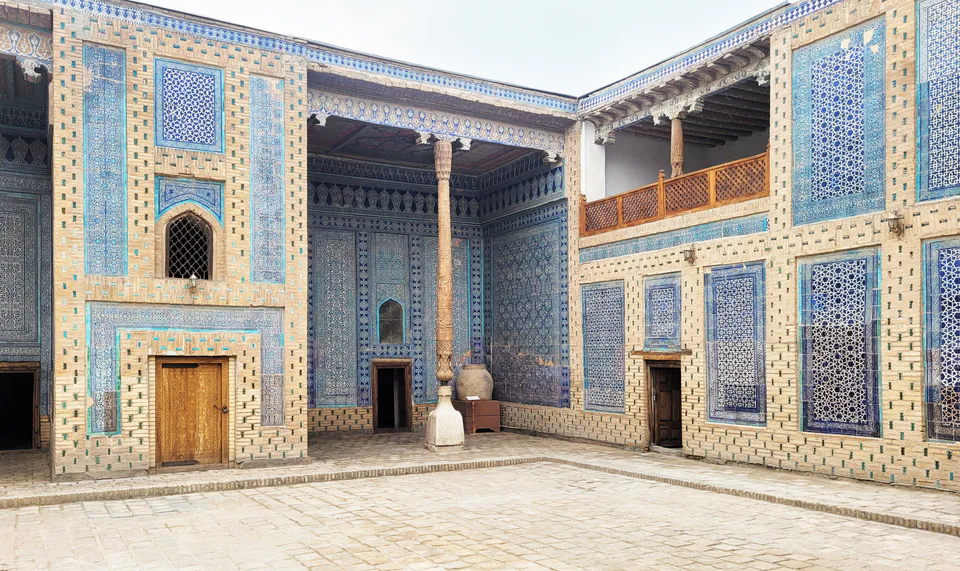
    In 1804 Eltuzar of the Qungrat tribe took the title of khan, founding Khiva's last dynasty. The 19th century was Itchan Kala's great building age: under Allakuli Khan came the Tash Hauli palace (1830–1838) and his madrasa and caravanserai, and in 1842 the outer town, Dishan Kala, was walled. The Kalta Minor beside the Muhammad Amin Khan Madrasa (1851–1855) was left unfinished when the khan was killed. The madrasa of Muhammad Rahim Khan II followed in 1871 and, in 1908–1910, the Islam Khoja madrasa and Khiva's tallest minaret. Itchan Kala is thus largely 18th–19th-century architecture; it joined the UNESCO list in 1990.

    KhorezmItchan KalaToshhovli PalaceKalta Minor

  9. Ark of Bukhara
    Ark of Bukhara

    1838–1842

    The Great Game in Bukhara: Stoddart and Conolly

    In the 19th century the British and Russian empires competed for influence in Central Asia, a rivalry known as the Great Game. In December 1838 the British officer Charles Stoddart arrived in Bukhara to negotiate with Emir Nasrullah, but was arrested and held for years in the city's prison. Arthur Conolly, who came in 1841 to secure his release, was imprisoned too. In June 1842 both were executed as spies in the square before the Ark. The missionary Joseph Wolff, who travelled to Bukhara to learn their fate, published an account in 1845 that made the story famous in Europe. Bukhara's Zindan museum shows the pit in which prisoners were kept.

    BukharaArk of Bukhara

Photos

A picture of Alim Khan (1880-1944), Emir of Bukhara , taken in 1911. This is one of the earliest color photographs in existence and was originally taken by Sergei Mikhailovich Prokudin-Gorskii as part
Photo: Sergei Prokudin-Gorskii · Public domain · Wikimedia Commons
Title: Kokanskoe khanstvo. Torzhestvennyi priem v khanskom dvortsie v g. Assakie Abstract/medium: 1 photographic print : albumen.
Photo: Miscellaneous Items in High Demand, PPOC, Library of Congress · Public domain · Wikimedia Commons
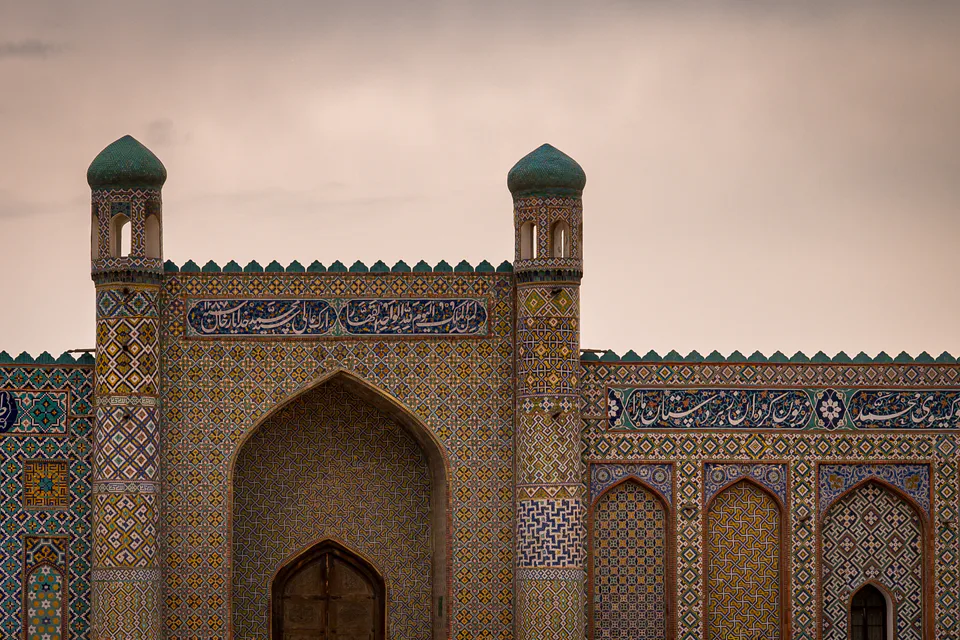
Palace of Khudáyár Khán, Kokand, Uzbekistan
Photo: Petar Milošević · CC BY-SA 4.0 · Wikimedia Commons