Five centuries between the Arab conquest and the Mongol invasion — the age of the Samanids, Karakhanids and Khwarazmshahs, when Transoxiana became a leading centre of learning and trade in the Islamic world.
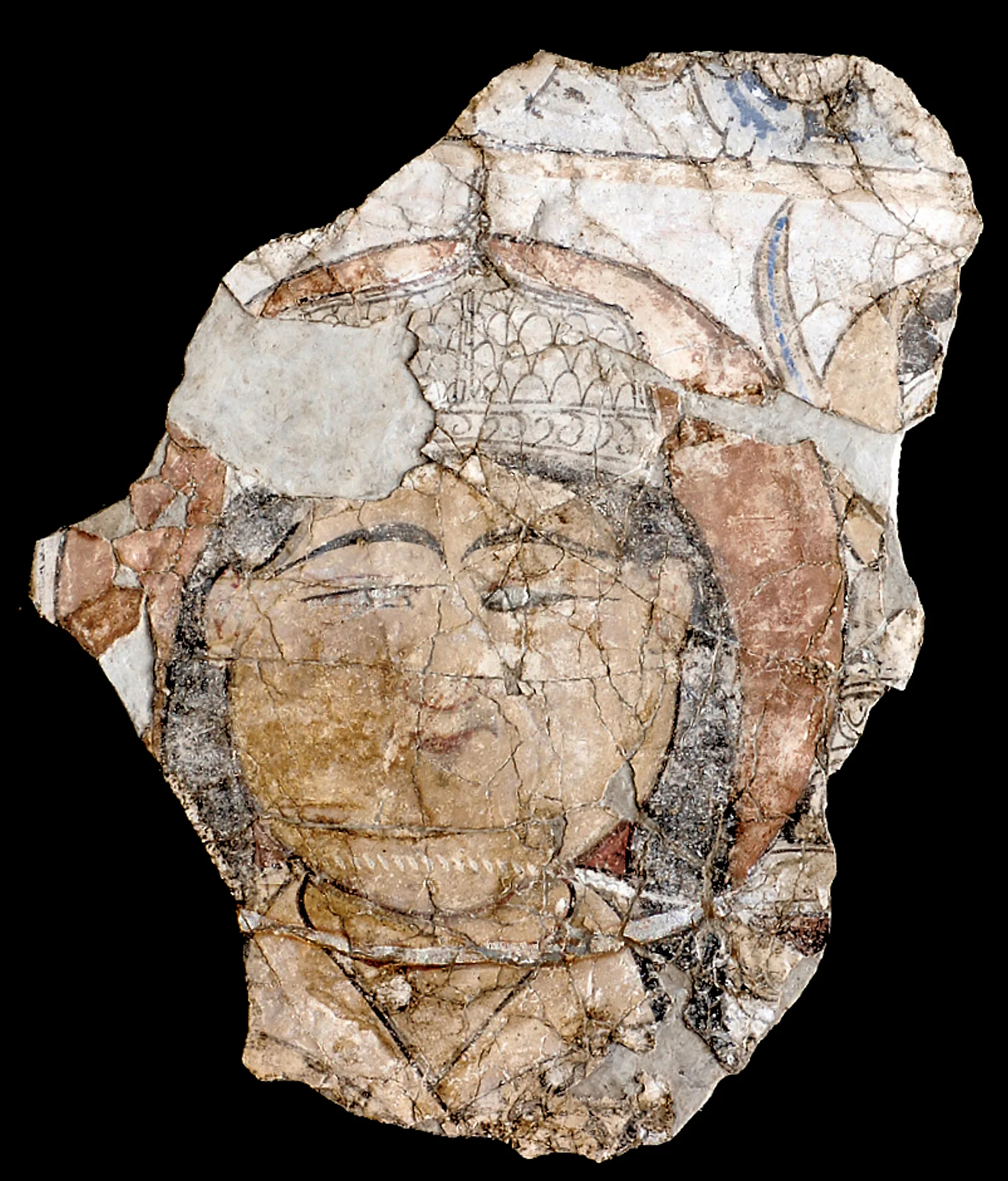
In the early 8th century Qutayba ibn Muslim, governor of Khurasan, took Bukhara (709), Samarkand and Khwarazm (712), and campaigned in Chach and Fergana. The Arabs called the region Mawarannahr, “the land beyond the river”. Islam spread gradually over several generations, while revolts flared against the caliphate — notably the “men in white” led by al-Muqanna in 776–783. In 751 Abbasid and Tang Chinese armies clashed by the Talas river; legend has it that Chinese prisoners taught Samarkand to make paper.
The Samanids: Bukhara, light of the East
In the 9th–10th centuries the Samanid state (819–999), ruling from Bukhara, united Transoxiana and Khurasan. Persian poetry flourished with Rudaki, Bukhara's library became famous, and Samarkand paper travelled across the Islamic world. Scholars from the region made lasting contributions to world science: al-Khwarizmi, working at Baghdad's House of Wisdom, laid the foundations of algebra; al-Farghani wrote on astronomy; Imam al-Bukhari and Imam al-Tirmidhi compiled hadith collections; and Abu Mansur al-Maturidi founded a school of theology in Samarkand. Historians sometimes call the era an Islamic Renaissance.
The Karakhanids and Seljuks
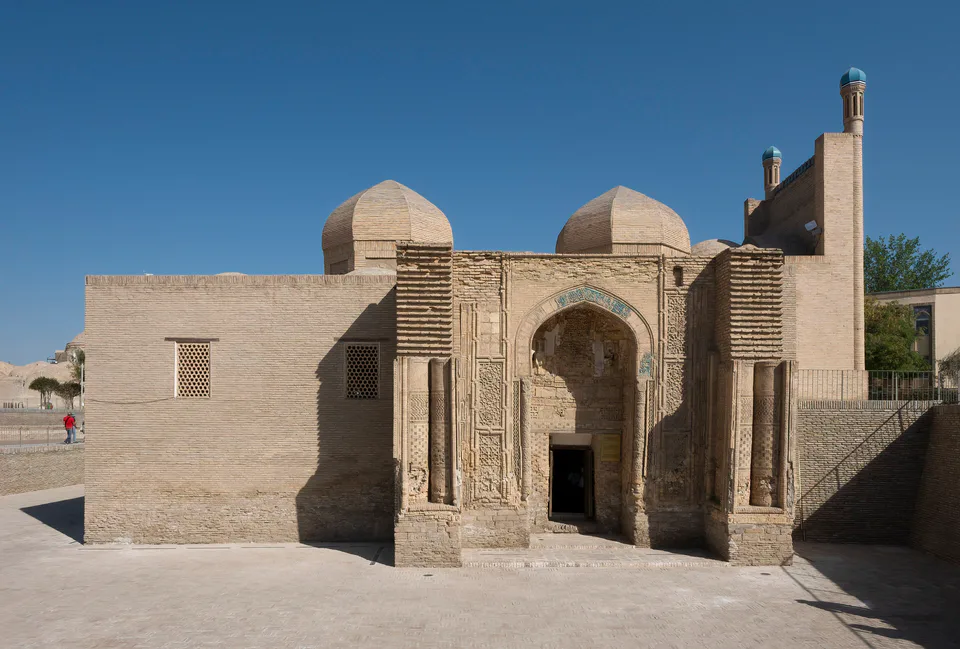
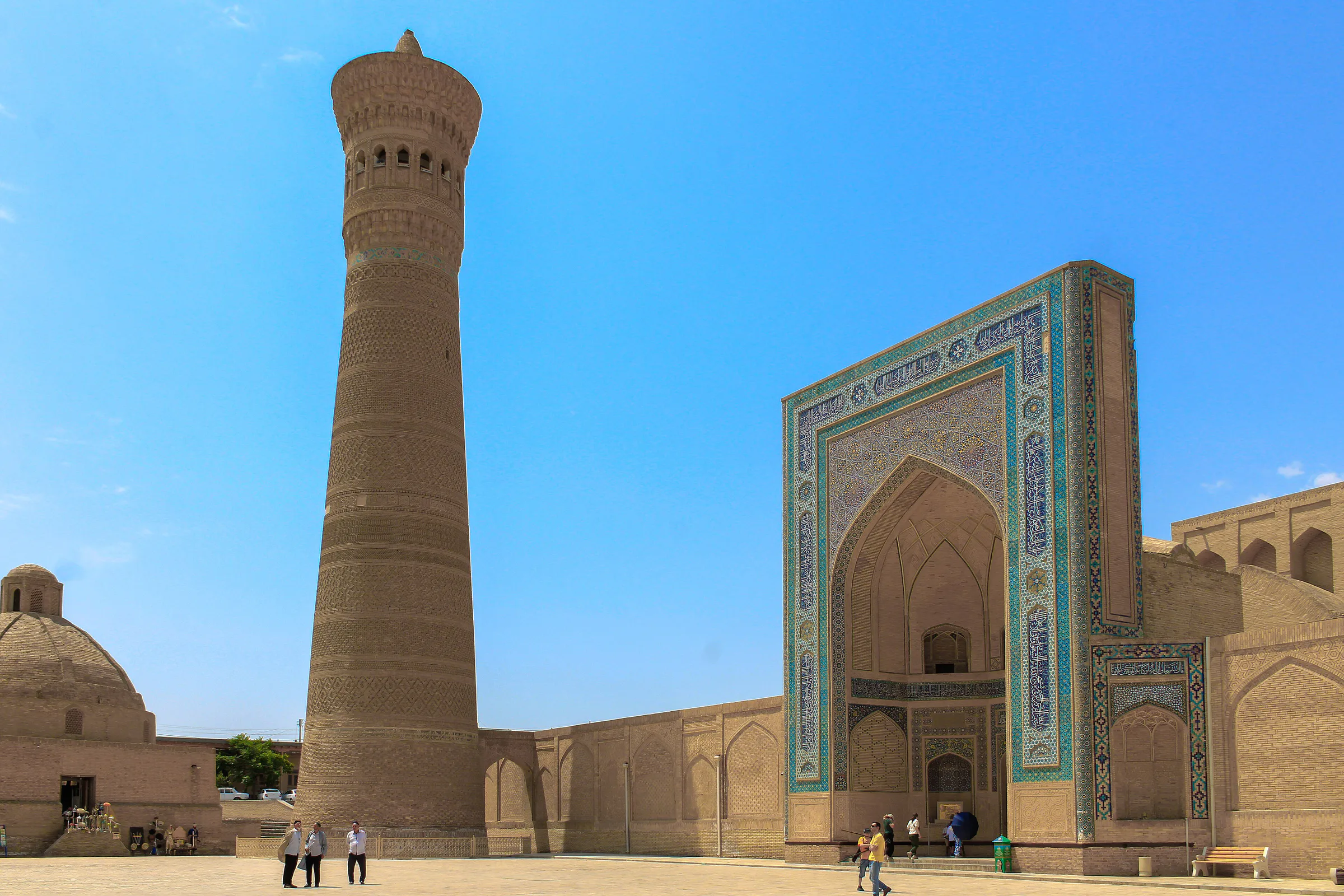
In 999 the Turkic Karakhanids took Bukhara. Under them Turkic became a literary language and architecture reached new heights: the Kalyan Minaret (1127) in Bukhara, the Rabati Malik caravanserai in Navoiy Region, the minarets of Jarkurgan (1108–1109) and Vabkent, and the portal of the Magoki Attari mosque all date from this time. In the late 11th century the Karakhanids submitted to the Seljuks, and after the battle of Qatwan near Samarkand in 1141 to the Kara-Khitai.
The Khwarazmshahs: power and ruin
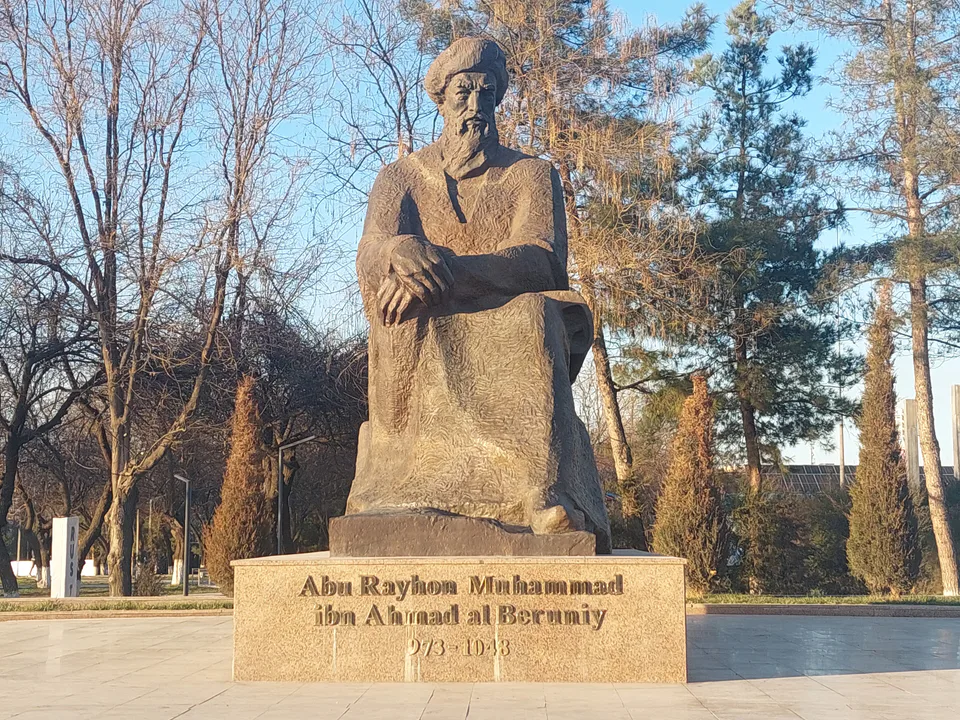
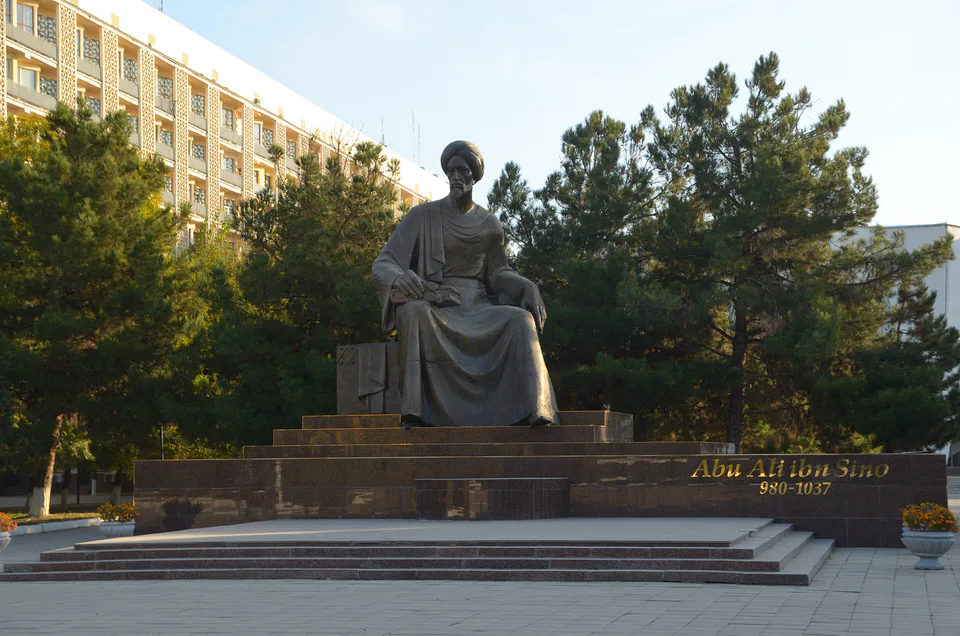
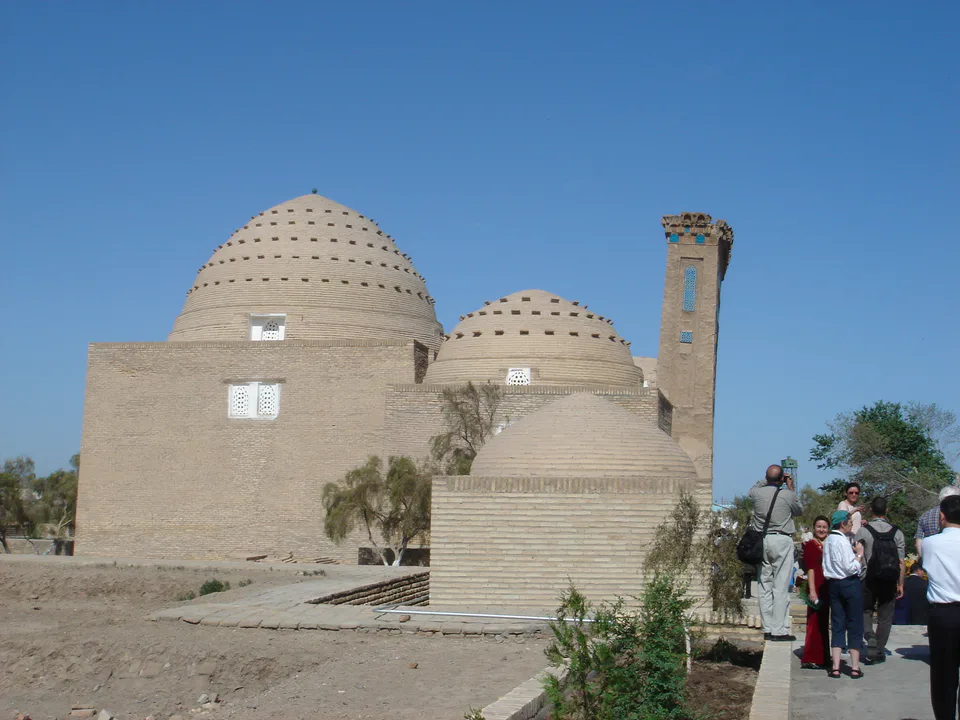
Around the turn of the 11th century Khwarazm became a centre of science in its own right: al-Biruni and, for a while, Ibn Sina worked at the Ma'mun Academy. In the 12th century the Anushteginid Khwarazmshahs grew powerful, and under Ala ad-Din Muhammad (1200–1220) their empire stretched from the Caspian to the Hindu Kush. The philologist Mahmud al-Zamakhshari and the Sufi master Najm al-Din Kubra belong to this age. But the Mongol invasion that followed the Otrar incident of 1218 destroyed the empire in 1220–1221.
Arab raids across the Amu Darya began in the late 7th century, but the decisive phase is linked to Qutayba ibn Muslim, governor of Khurasan. He took Paykend in 706 and Bukhara in 709, subdued Khwarazm and Samarkand in 712, and campaigned in Chach and Fergana in 713–715, before being killed by his own troops in Fergana in 715. Wars with Sogdian princes and the Turks dragged on for decades. The region became known as Mawarannahr, “the land beyond the river”. Islam spread gradually over several generations, and Arabic became the language of scholarship, laying the ground for the intellectual flowering to come.
From 776 to 783 Transoxiana was shaken by a major revolt against the Abbasid Caliphate. It was led by Hashim ibn Hakim, called al-Muqanna, “the Veiled One”, for the veil he wore; sources variously make him a native of Merv or of Balkh. His followers wore white in defiance of the black of the caliph's partisans, and they drew support from Sogdian peasants and Turkic tribes. Centres of the rising included the Samarkand countryside, Narshakh near Bukhara and the mountain fortress of Sanam in the Kesh region. When Sanam fell in 783, al-Muqanna took his own life rather than be captured. Legend has it that he raised an artificial “moon” from a well at Nakhshab.
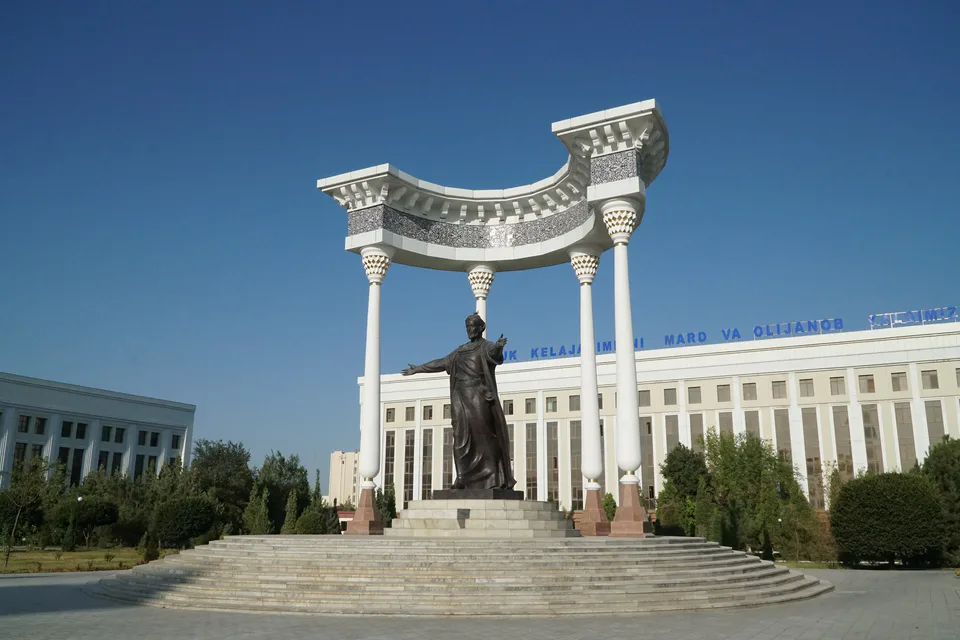
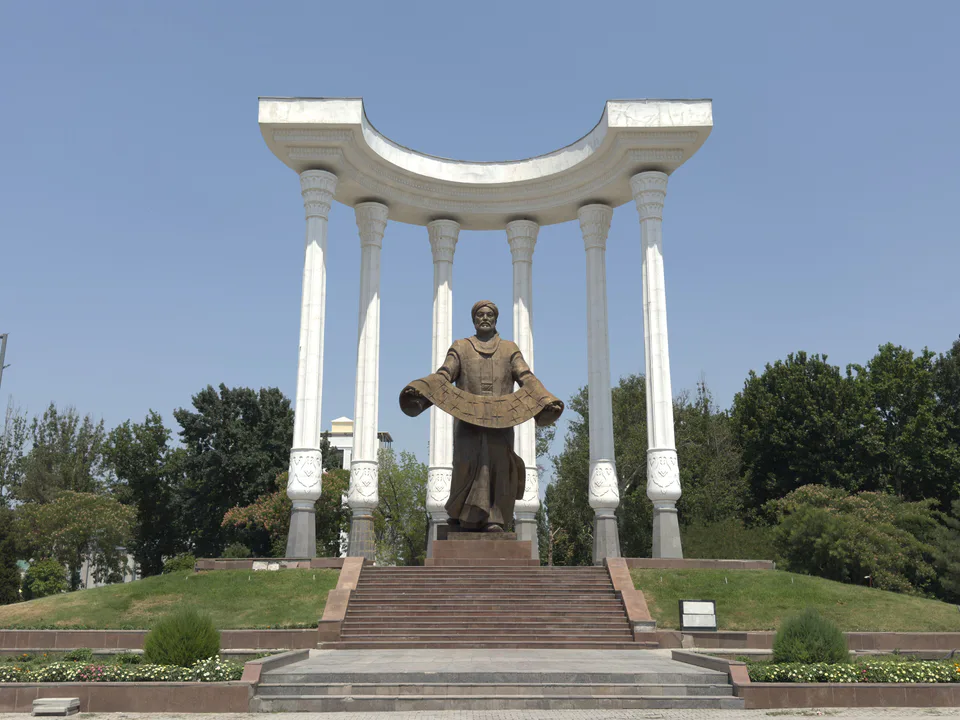
Under the caliph al-Ma'mun, the Khwarazmian scholar Muhammad ibn Musa al-Khwarizmi, working at Baghdad's House of Wisdom, wrote “The Compendious Book on Calculation by Completion and Balancing” some time between 813 and 833. It set out systematic methods for solving linear and quadratic equations, and its key term al-jabr gave its name to algebra. His treatise on Indian numerals circulated in Latin as “Algoritmi de numero Indorum”, the origin of the word “algorithm”. A statue of al-Khwarizmi stands by the gate of Itchan Kala in Khiva, and Urgench State University bears his name.
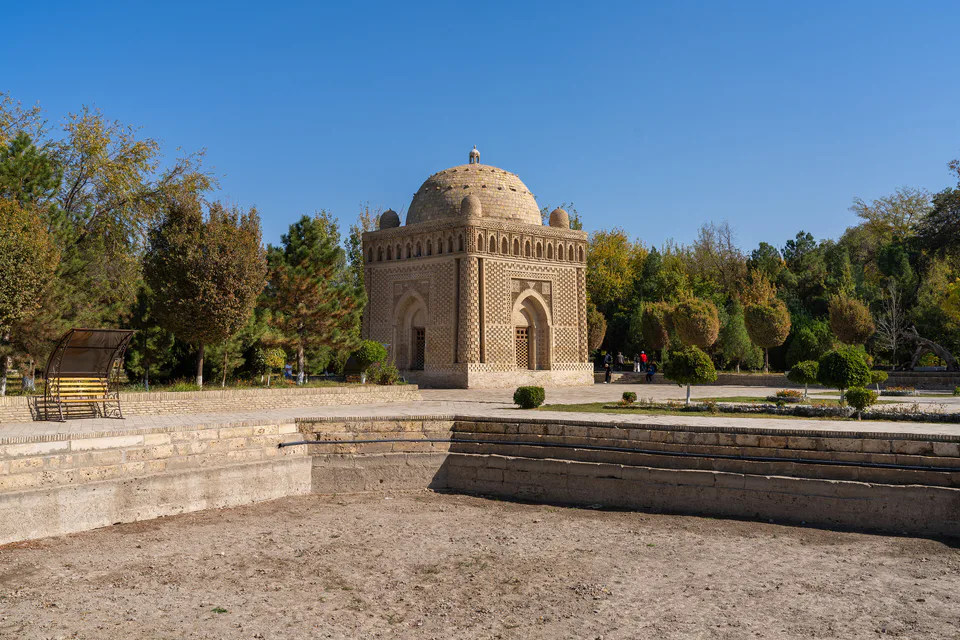
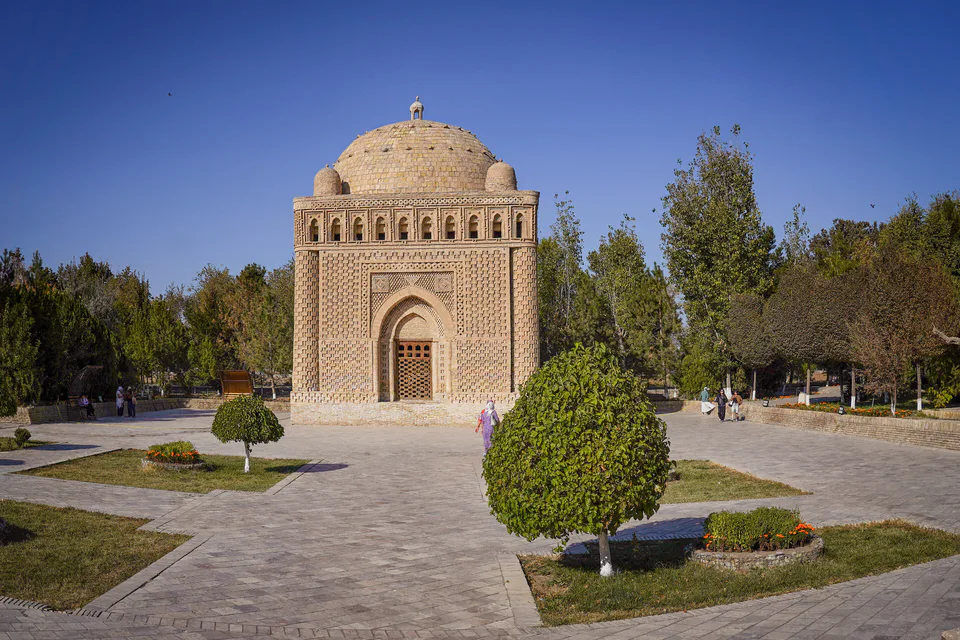
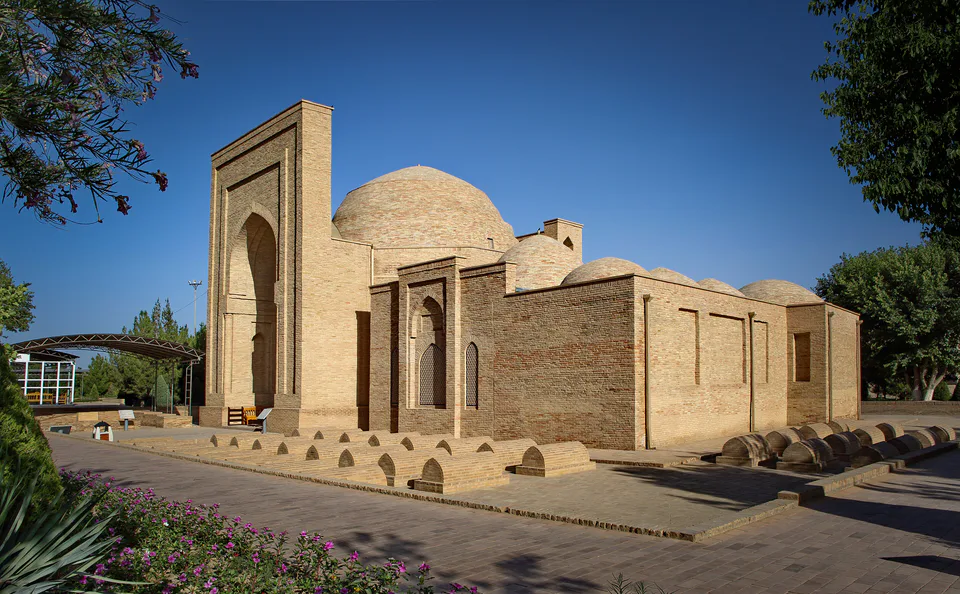
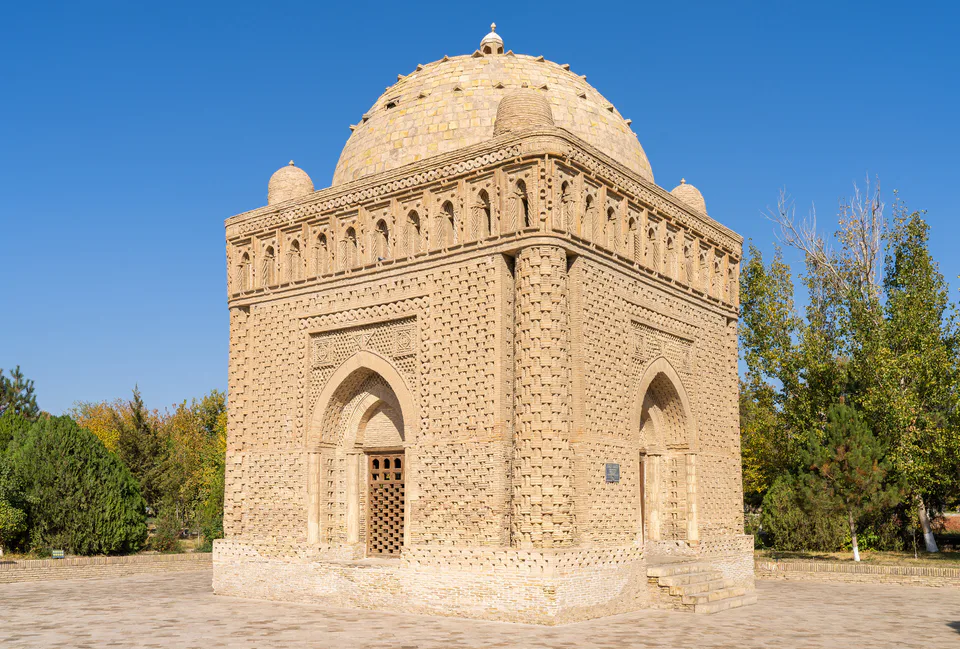
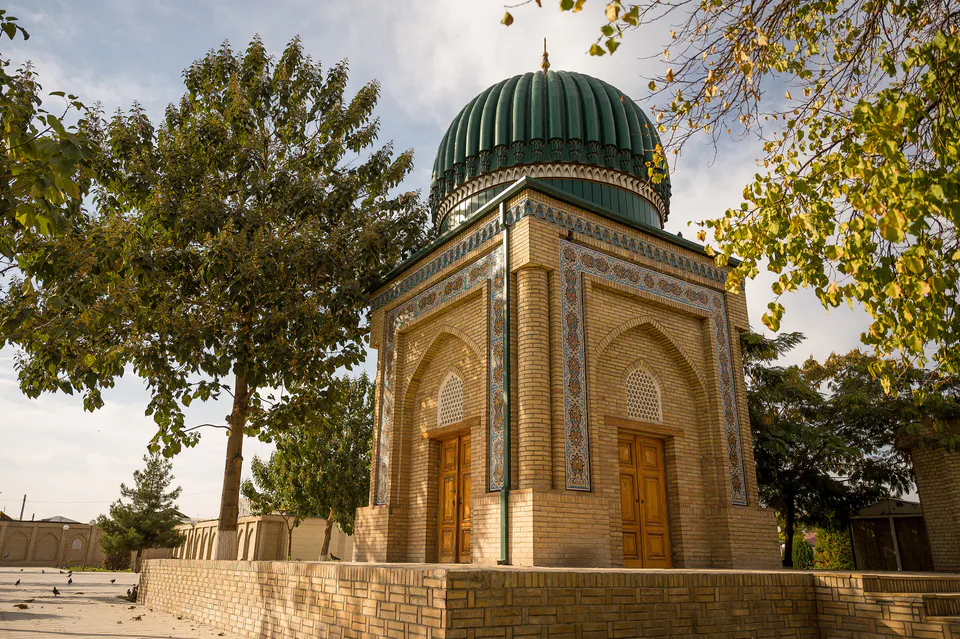
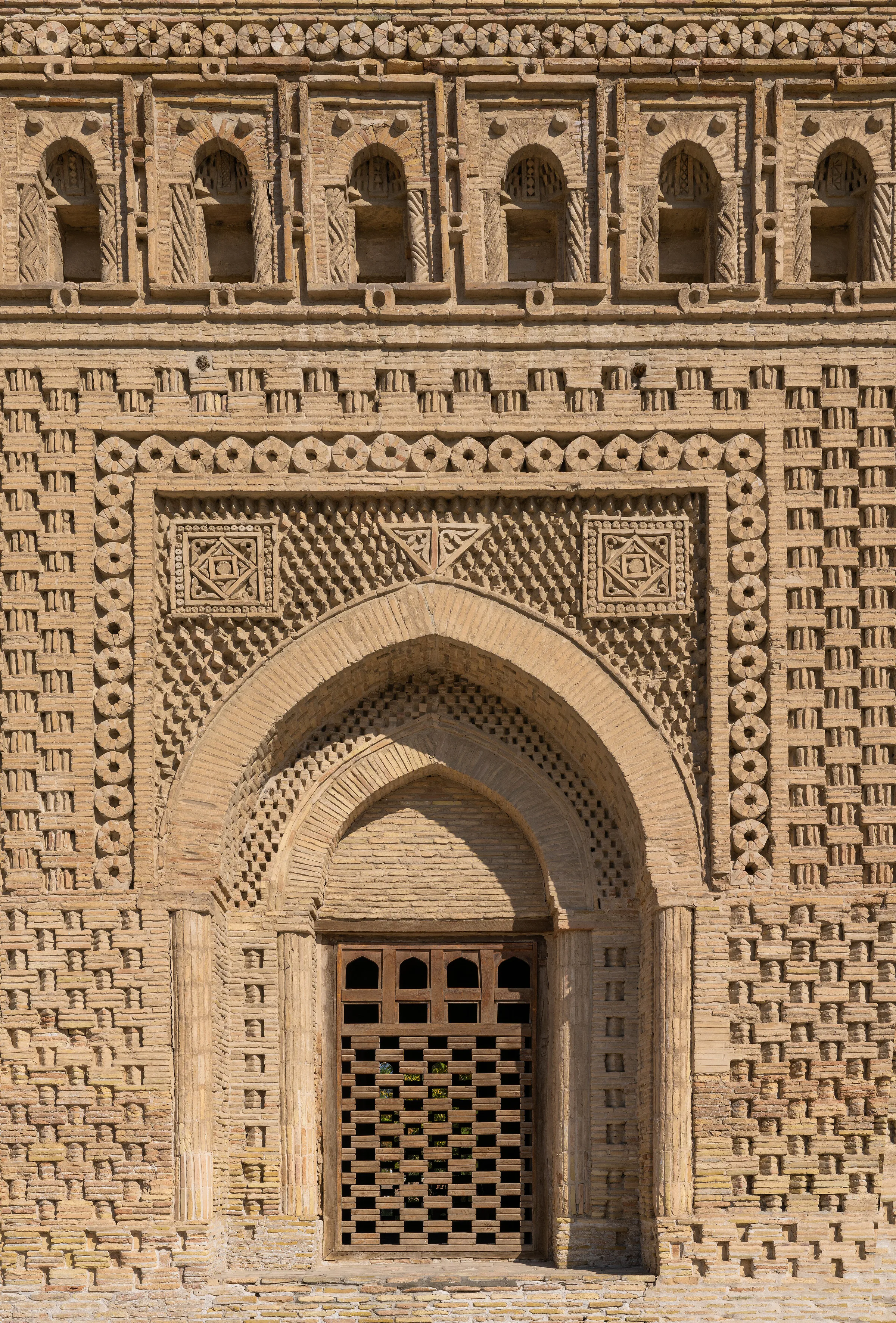
In 819 the grandsons of Saman Khuda were appointed governors of Samarkand, Fergana, Chach and Herat. From 892 Ismail Samani ruled from Bukhara, and in 900 he defeated the Saffarid Amr ibn al-Layth near Balkh, uniting Khurasan and Transoxiana. Nominally loyal to the Abbasids, the Samanids were independent in practice. Under them Bukhara and Samarkand became centres of learning: Persian poetry flourished with Rudaki, the young Ibn Sina studied in the Bukhara library, and Samarkand paper spread far and wide. The state fell to the Karakhanids in 999. Its best-known legacy is the Samanid Mausoleum in Bukhara.
In 999 Nasr ibn Ali of the Turkic Karakhanid dynasty seized Bukhara and brought the Samanid state to an end. The Karakhanids were among the first Turkic dynasties to embrace Islam; in the mid-11th century their realm split, and Samarkand became the seat of the Western khanate. Turkic now emerged as a literary language, with Yusuf Khass Hajib's poem “Kutadgu Bilig”. The Karakhanids were great builders: the Kalyan Minaret in Bukhara, the Rabati Malik caravanserai in Navoiy Region, and the minarets of Vabkent and Jarkurgan all date from their time. In the 12th century they became vassals of the Seljuks and then the Kara-Khitai, and in 1212 the Khwarazmshah Muhammad ended the dynasty.
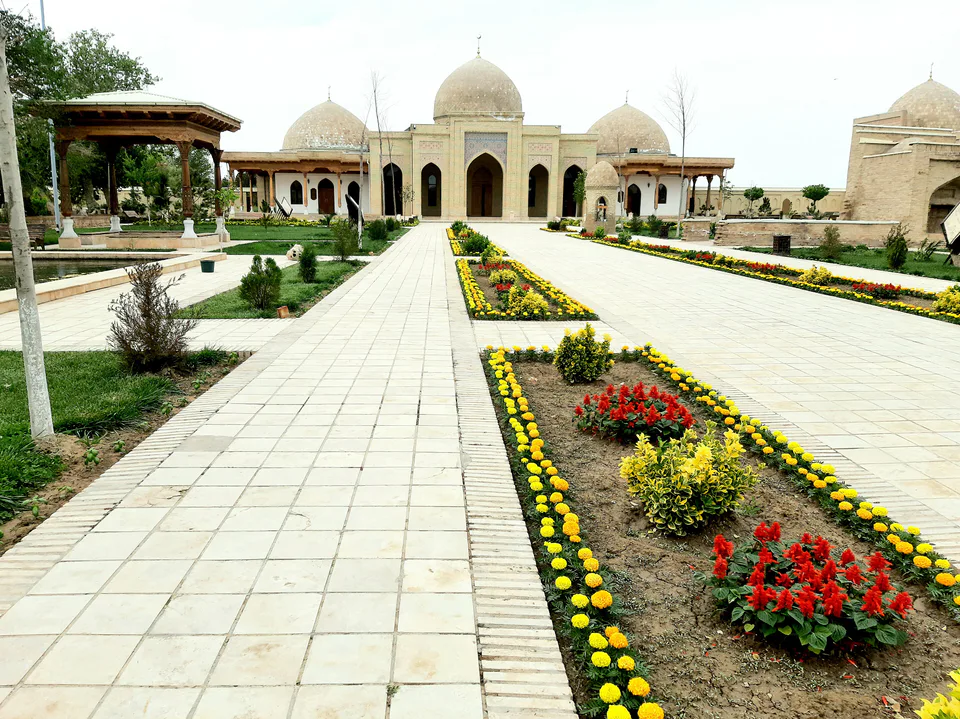
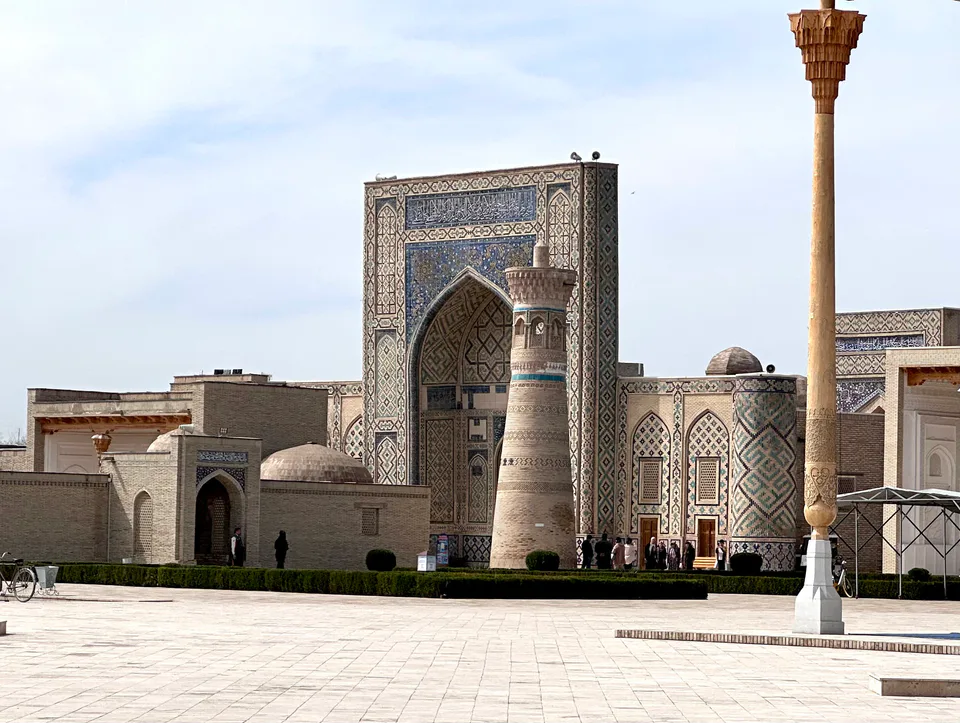
Around the turn of the 11th century a circle of outstanding scholars gathered at the court of the Khwarazmshah Ma'mun ibn Ma'mun in his capital Gurganj (today's Kunya-Urgench in Turkmenistan). Sources date its foundation to 1000 or 1004, and it is remembered as the Ma'mun Academy. Al-Biruni worked here, as did Ibn Sina for a time, the philosopher Abu Sahl al-Masihi and the mathematician Abu Nasr ibn Iraq. In 1017 Mahmud of Ghazni conquered Khwarazm and carried several scholars, al-Biruni among them, off to Ghazni. The academy was revived in Khiva in 1997, and its millennium was celebrated in 2006.
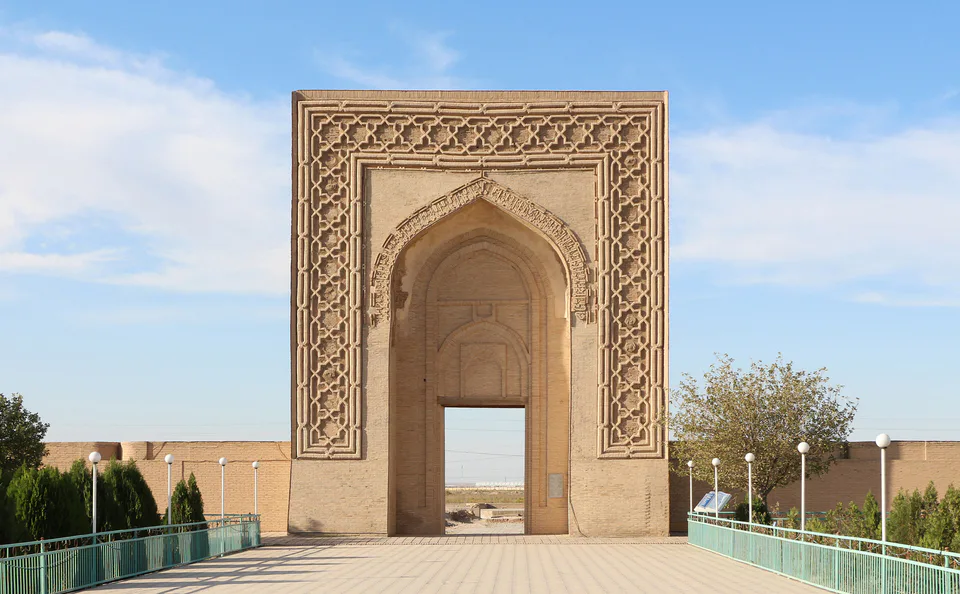
On the Samarkand–Bukhara road, in the Malik steppe of today's Navoiy Region, the Karakhanid ruler Shams al-Mulk Nasr (r. 1068–1080) built a palatial caravanserai. Barthold dated it to 1078–1079, though later research has questioned that date. From the 13th to the early 18th century it served as a caravan halt. What survives is the monumental portal facade, articulated by engaged columns, with an underground cistern, or sardoba, across the road. In 2023 Rabati Malik was inscribed on the UNESCO World Heritage List as part of “Silk Roads: Zarafshan-Karakum Corridor”.
The Seljuk governors of Khwarazm, the Anushteginid dynasty, took the title of Khwarazmshah from 1097 and gradually won independence. Tekish (1172–1200) defeated the last Seljuk sultan of Iraq in 1194, and his son Ala ad-Din Muhammad (1200–1220) wrested Transoxiana from the Kara-Khitai and in 1212 ended the Karakhanid dynasty in Samarkand. The empire reached from the Caspian to the Persian Gulf and from the Syr Darya to the Hindu Kush, and its capital Gurganj (Kunya-Urgench) became one of the richest cities of the Islamic world. Yet it was riven by internal feuds, and the Otrar incident of 1218 gave the Mongols their pretext for invasion. The last Khwarazmshah, Jalal ad-Din, died in 1231.
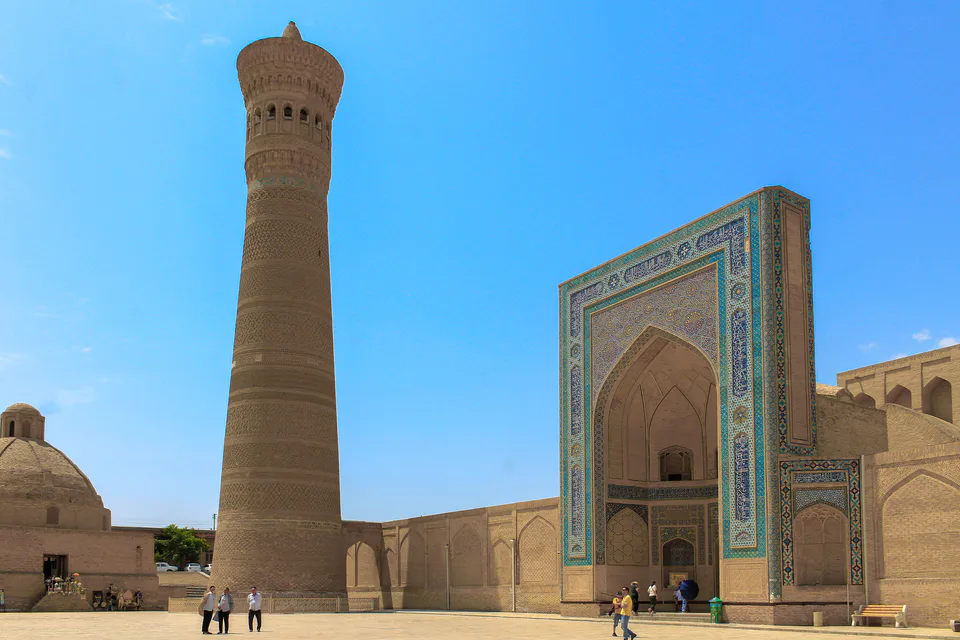
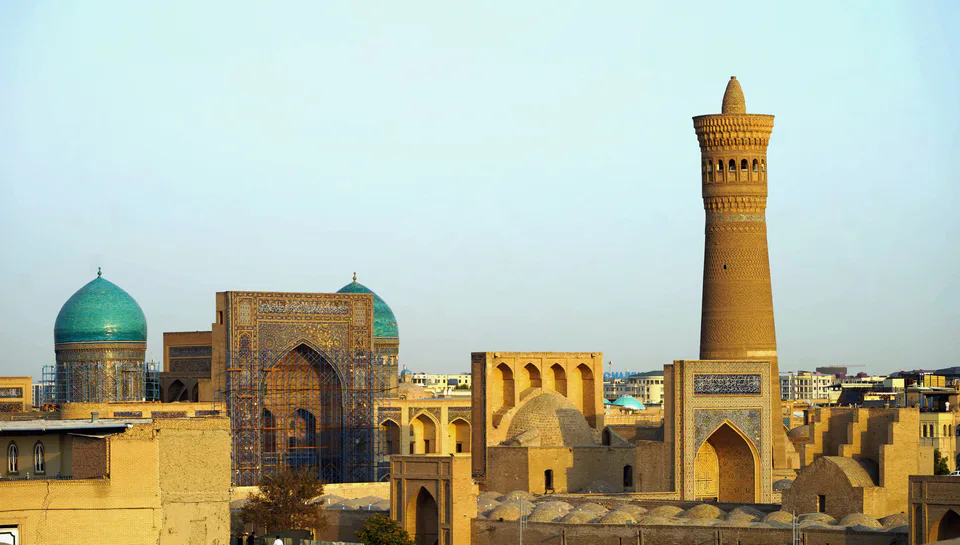
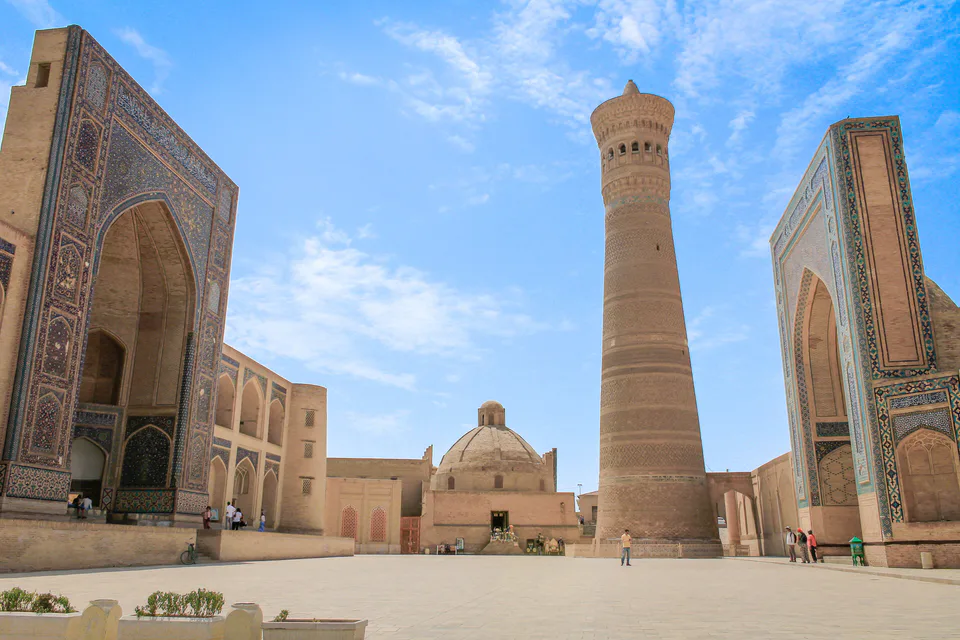
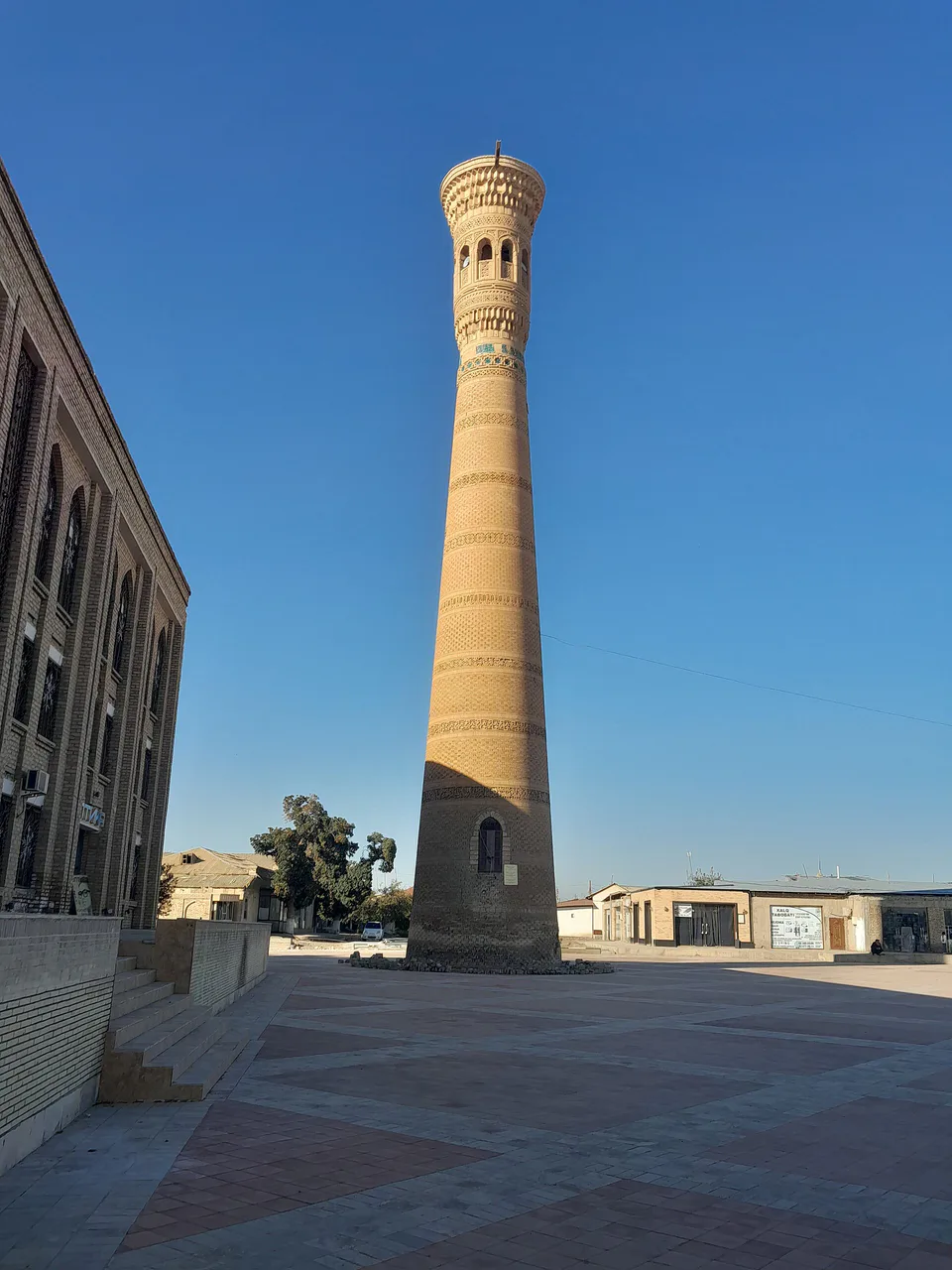
In 1127 the Karakhanid ruler Arslan Khan (Muhammad ibn Sulayman) built the Kalyan Minaret beside Bukhara's Friday mosque. Rising about 46 metres in fired brick, it is wrapped in alternating bands of patterned brickwork, and the arcaded lantern at the top served for the call to prayer and as a lookout. Its construction is linked to a master named Bako. Legend has it that Genghis Khan, who sacked Bukhara in 1220, was so struck by the tower that he ordered it spared. Today it anchors the Po-i-Kalyan ensemble and is the emblem of the Historic Centre of Bukhara, a UNESCO site since 1993.