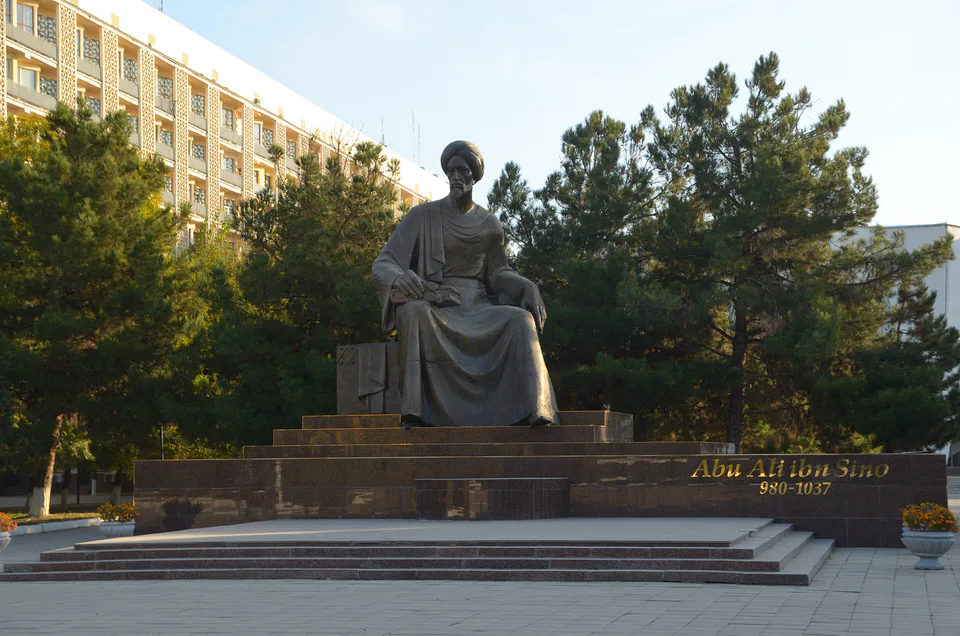
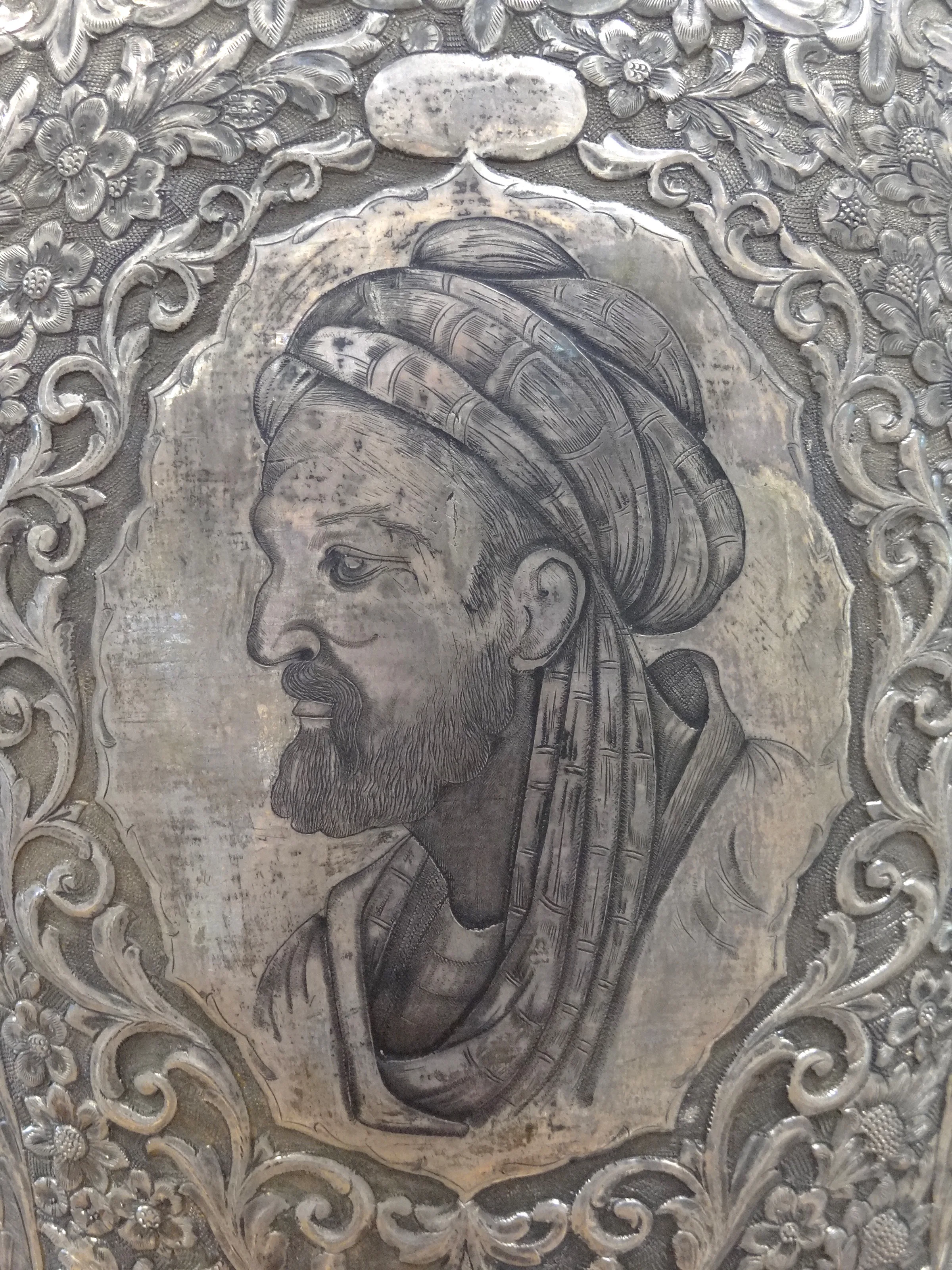
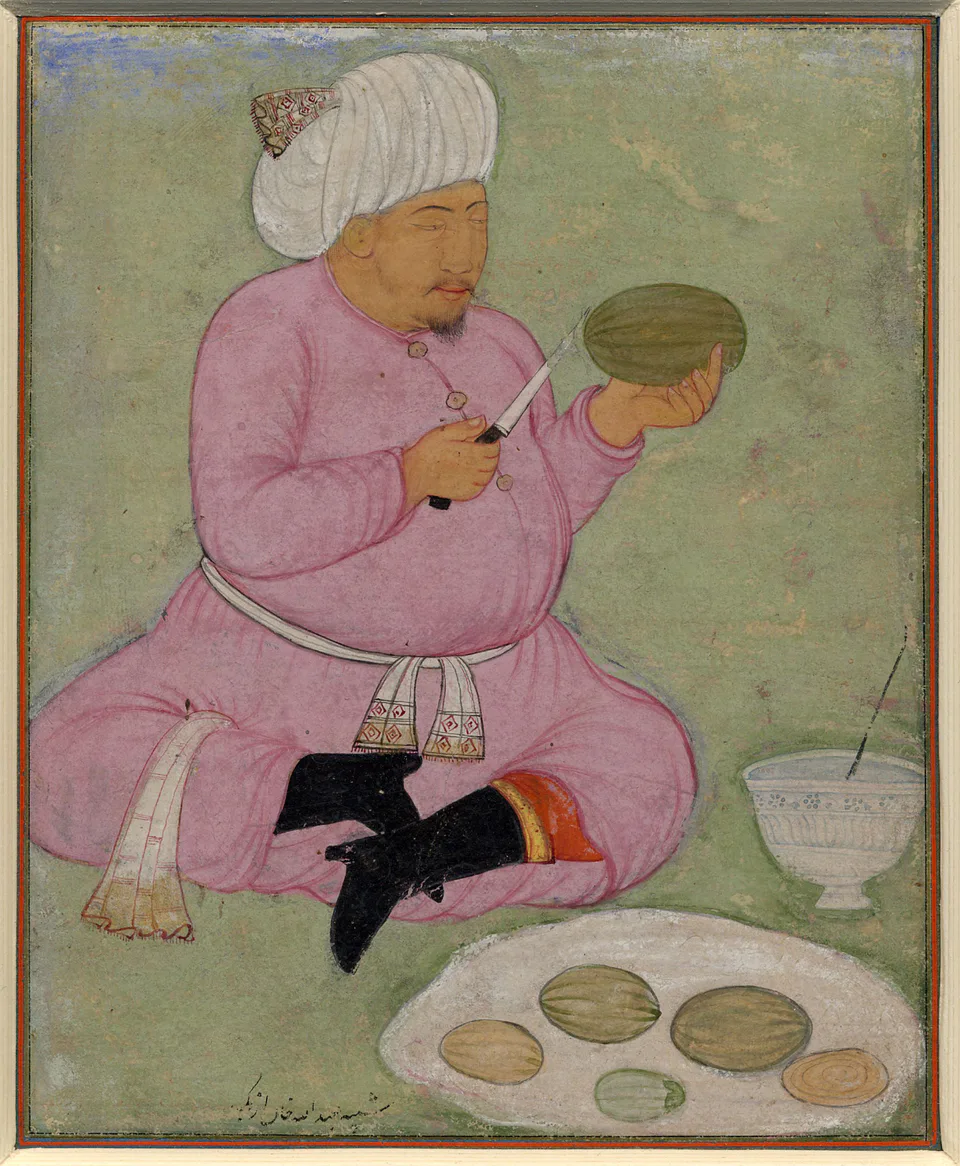
The physician and philosopher known in the West as Avicenna, born in the village of Afshana near Bukhara. His Canon of Medicine was the standard medical textbook of East and West for centuries.
Abu Ali al-Husayn ibn Abdallah ibn Sina was born around 980 in the village of Afshana near Bukhara, the Samanid capital. His father, an official from Balkh, soon moved the family into the city. By his own account he knew the Quran by heart at ten, went on to study law, logic, geometry and astronomy, and took up medicine at sixteen or seventeen. Having treated the Samanid emir Nuh ibn Mansur, he was given access to the palace library, which he later remembered as a treasure-house of rare books.
Years of wandering and his works
After the Samanids fell in 999, Ibn Sina went to Gurganj, to the court of the Khwarazmshah Ma'mun, and later lived in Gurgan, Rayy, Hamadan and Isfahan, serving for a time as vizier in Hamadan. Some 450 works are attributed to him, of which around 240 survive. The most famous, the five-book Canon of Medicine, was translated into Latin in the 12th century and taught in European universities into the 17th. He also wrote the vast Book of Healing on philosophy and the natural sciences and, in Persian, the Book of Knowledge, as well as poetry in Arabic and Persian. He died in Hamadan in June 1037 and is buried there.
His legacy in Uzbekistan
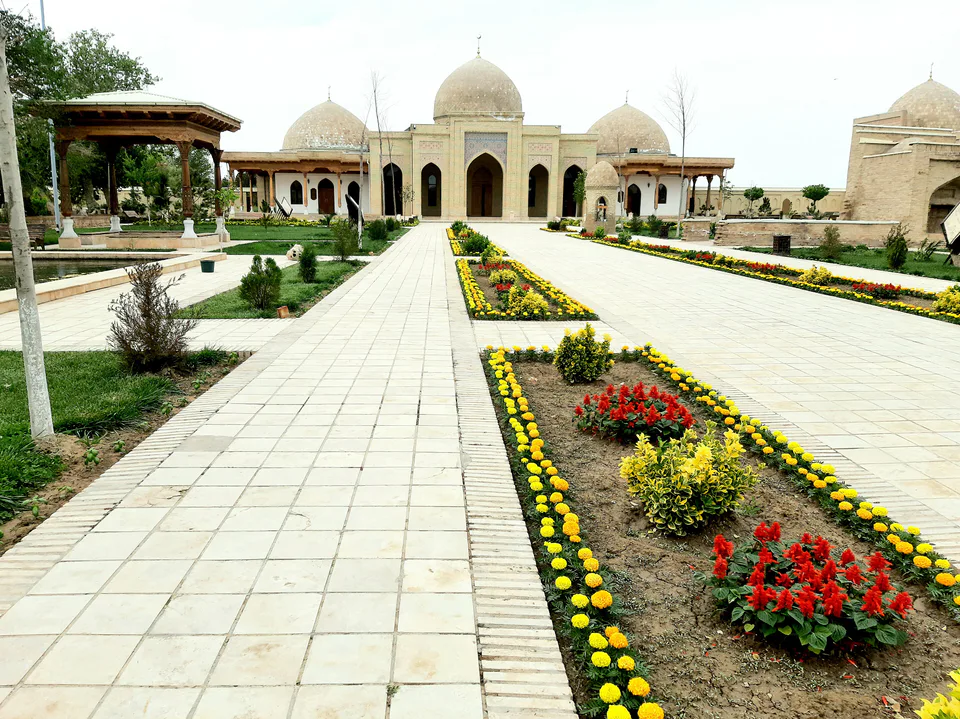
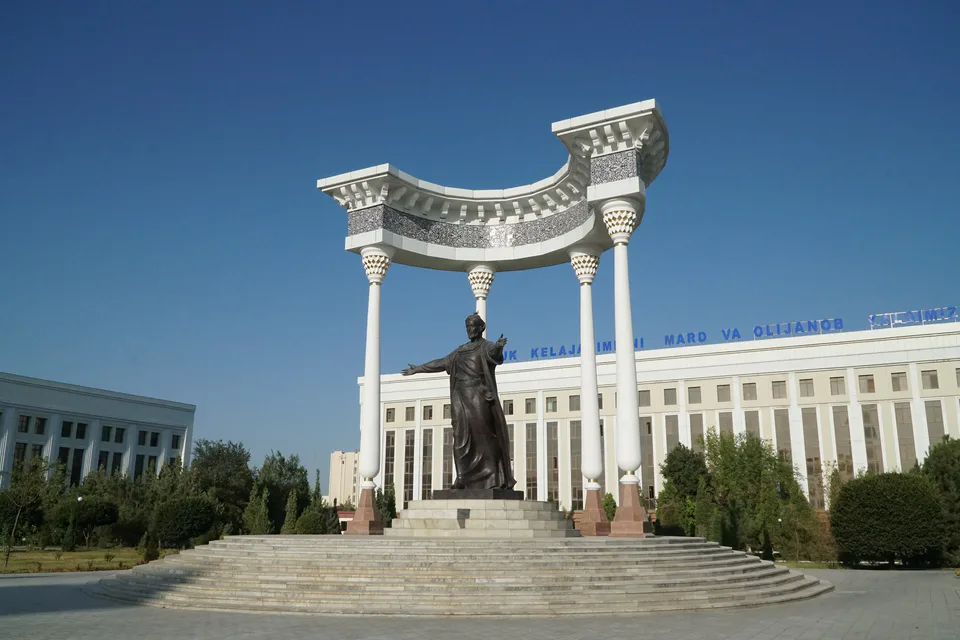
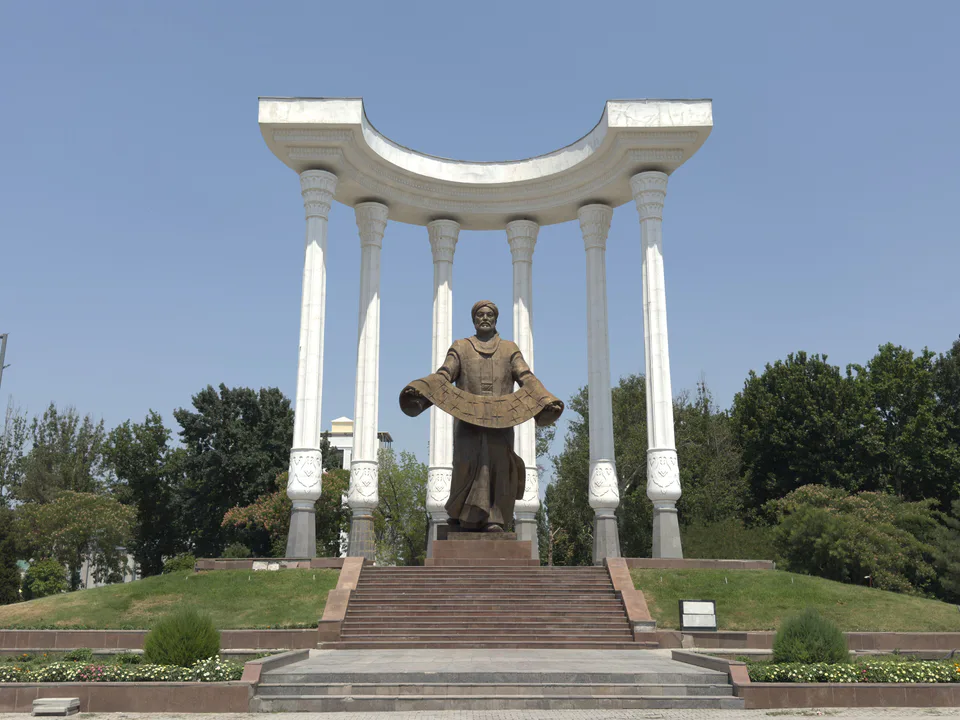
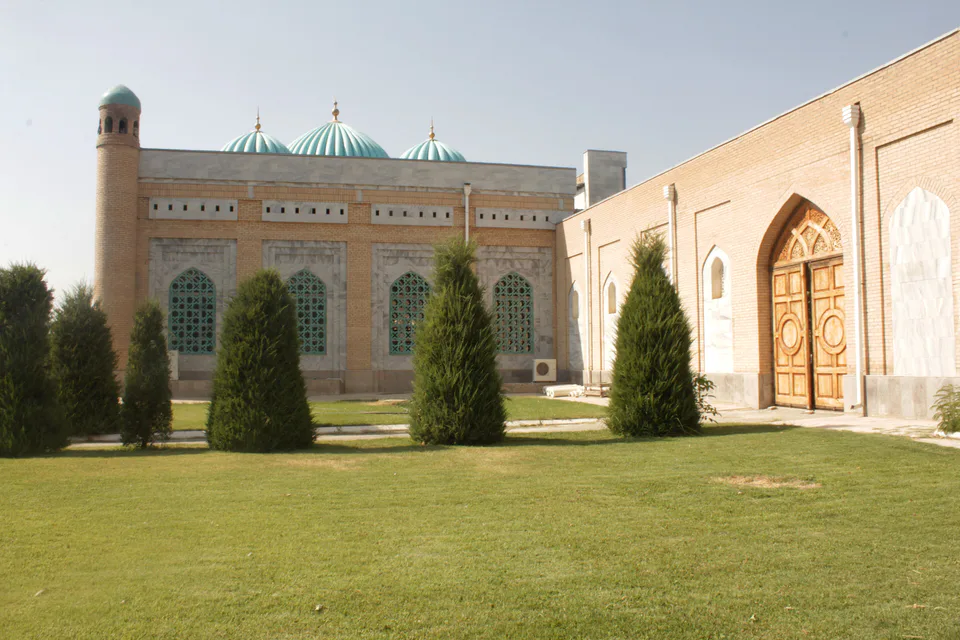
His millennium was celebrated widely in 1980, when the Canon of Medicine was published in five volumes. His native Afshana, in the Peshku district of Bukhara Region, has a museum devoted to him, and statues stand in Bukhara and Afshana. Bukhara State Medical Institute, opened in 1990, bears his name. Afshana makes an easy half-day trip from Bukhara.
In 999 Nasr ibn Ali of the Turkic Karakhanid dynasty seized Bukhara and brought the Samanid state to an end. The Karakhanids were among the first Turkic dynasties to embrace Islam; in the mid-11th century their realm split, and Samarkand became the seat of the Western khanate. Turkic now emerged as a literary language, with Yusuf Khass Hajib's poem “Kutadgu Bilig”. The Karakhanids were great builders: the Kalyan Minaret in Bukhara, the Rabati Malik caravanserai in Navoiy Region, and the minarets of Vabkent and Jarkurgan all date from their time. In the 12th century they became vassals of the Seljuks and then the Kara-Khitai, and in 1212 the Khwarazmshah Muhammad ended the dynasty.
Around the turn of the 11th century a circle of outstanding scholars gathered at the court of the Khwarazmshah Ma'mun ibn Ma'mun in his capital Gurganj (today's Kunya-Urgench in Turkmenistan). Sources date its foundation to 1000 or 1004, and it is remembered as the Ma'mun Academy. Al-Biruni worked here, as did Ibn Sina for a time, the philosopher Abu Sahl al-Masihi and the mathematician Abu Nasr ibn Iraq. In 1017 Mahmud of Ghazni conquered Khwarazm and carried several scholars, al-Biruni among them, off to Ghazni. The academy was revived in Khiva in 1997, and its millennium was celebrated in 2006.