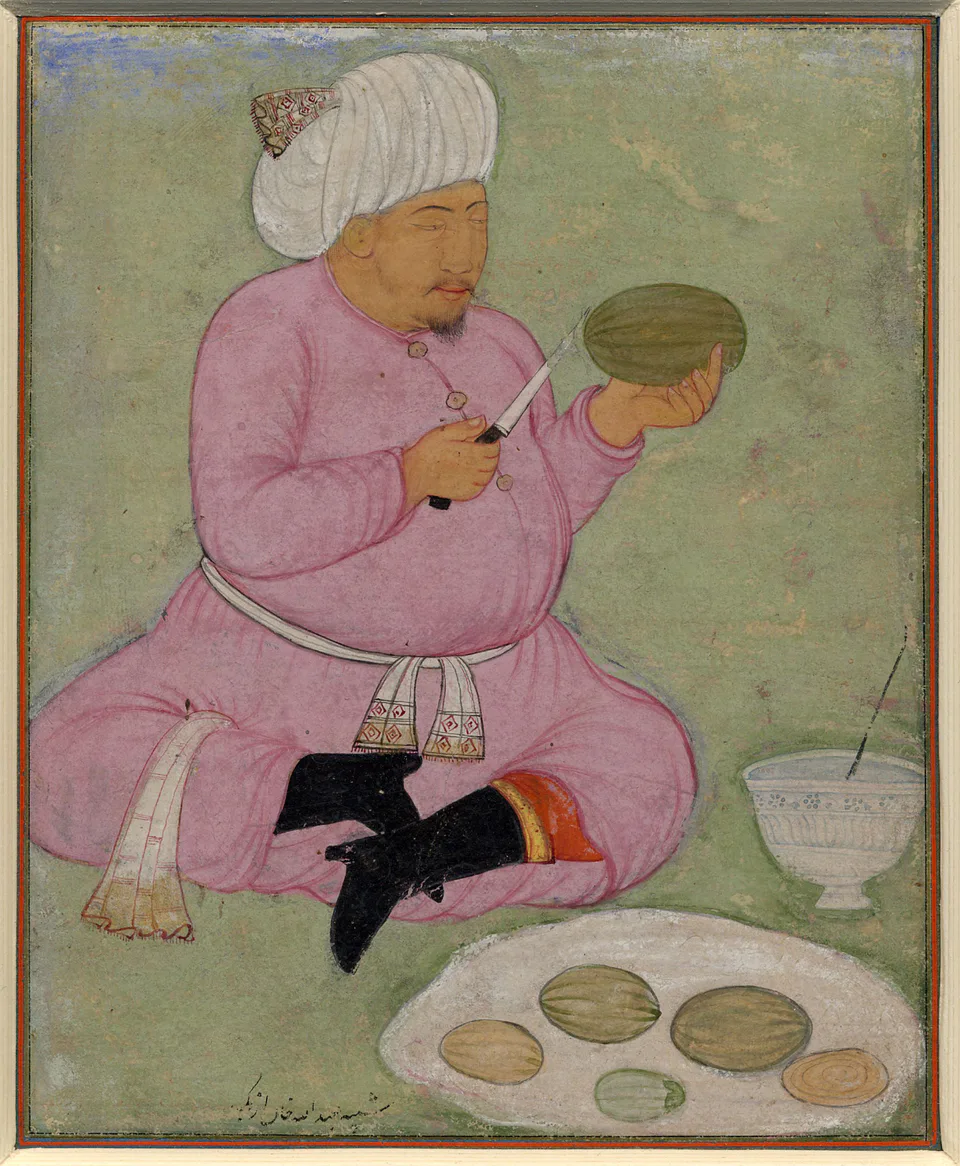
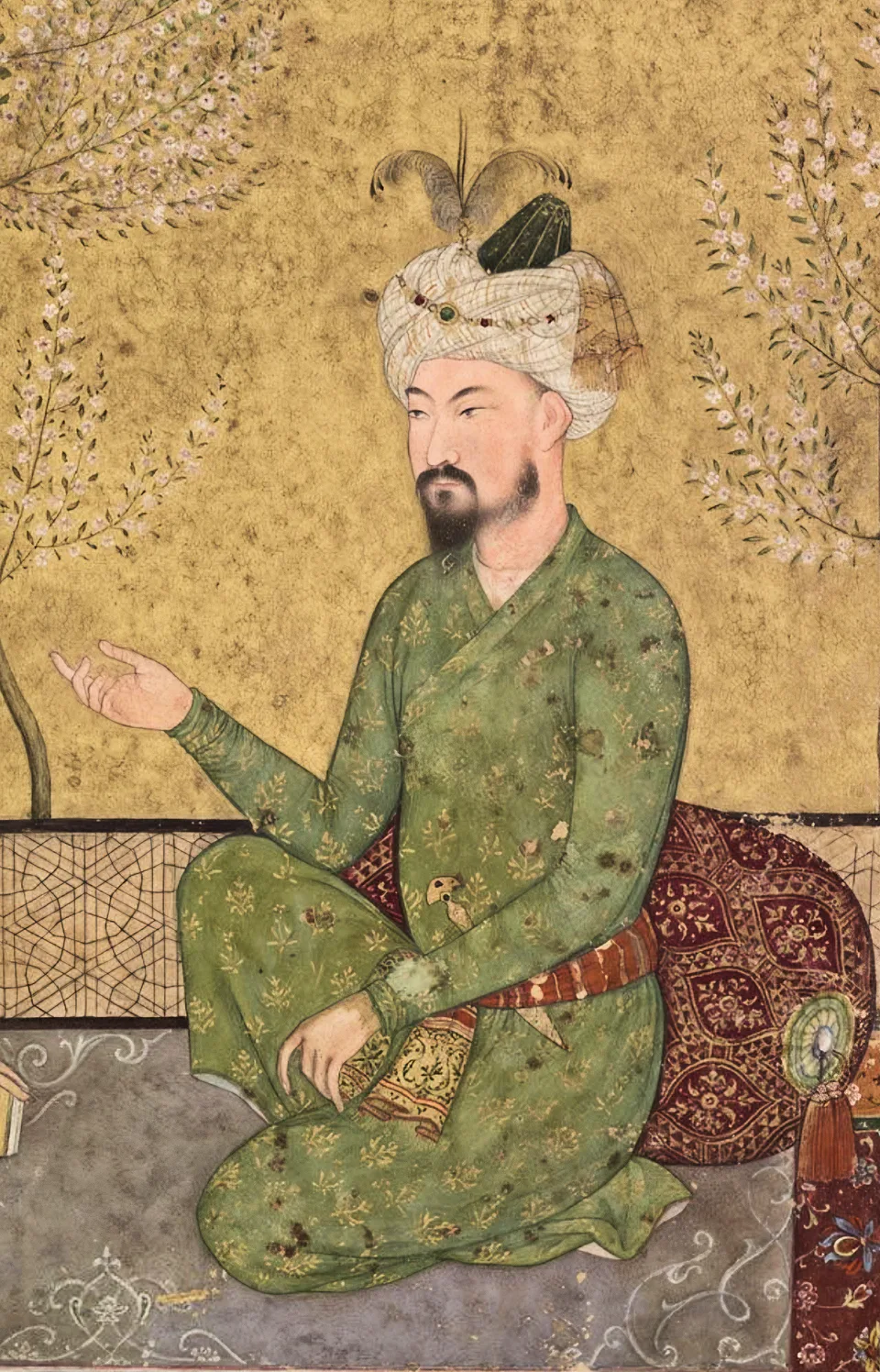
The Shaybanid who reunited Transoxiana in the second half of the 16th century. Bukhara's madrasas and trading domes, and the caravanserais and cisterns along its roads, are linked with his name.
Abdullah ibn Iskandar was born in 1533 or 1534 at Afarinkent on Miankal, the island between two arms of the Zeravshan in today's Samarkand Region; he was a great-grandson of Abulkhayr Khan. As a young man he governed Karmana and set out to reunite the realm that had fragmented after Shaybani Khan's death. In 1557, with the backing of Sufi sheikhs, he took Bukhara; in 1561 he had his father Iskandar proclaimed supreme khan while ruling in practice himself, and on his father's death in 1583 became khan in name too. He brought Samarkand, Tashkent, Fergana, Balkh, Herat and Mashhad under his rule, briefly took Khorezm in the 1590s, reached an understanding with the Mughal emperor Akbar and fought Iran.
A builder khan
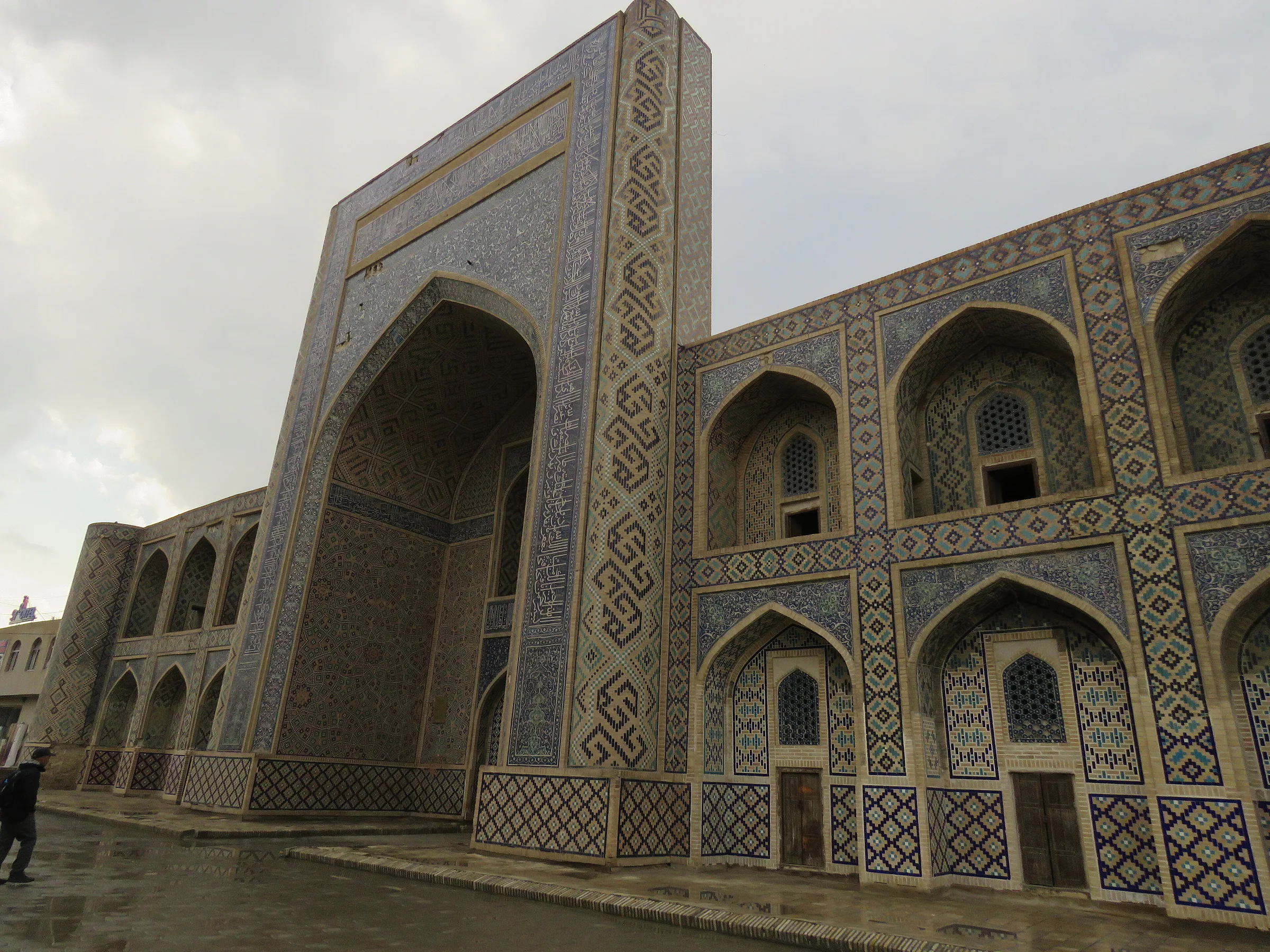
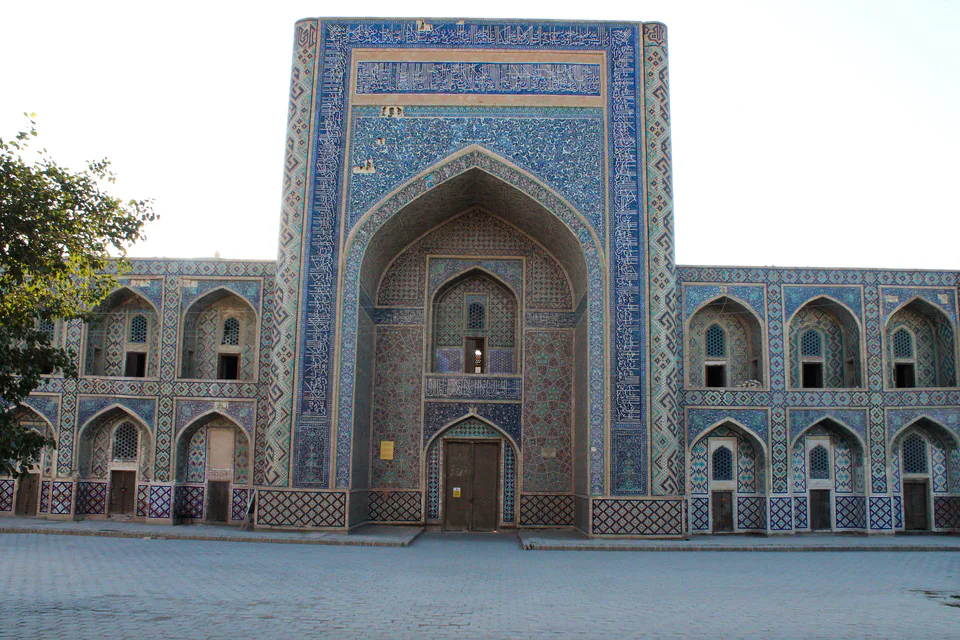
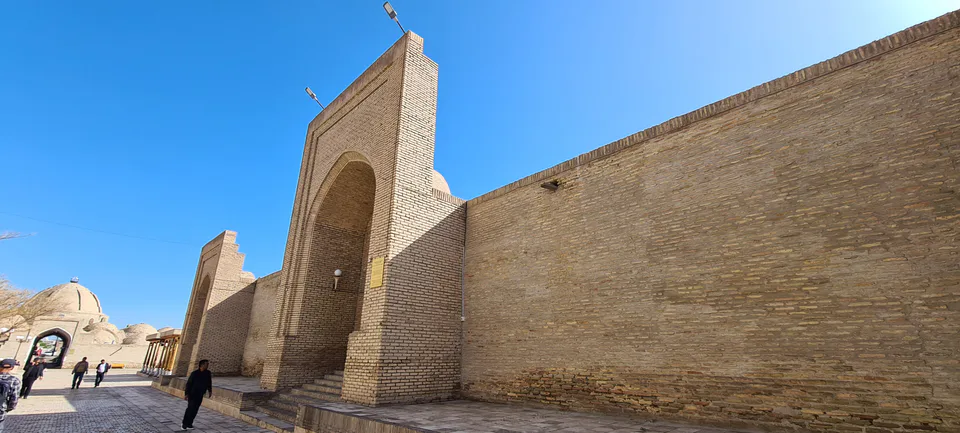
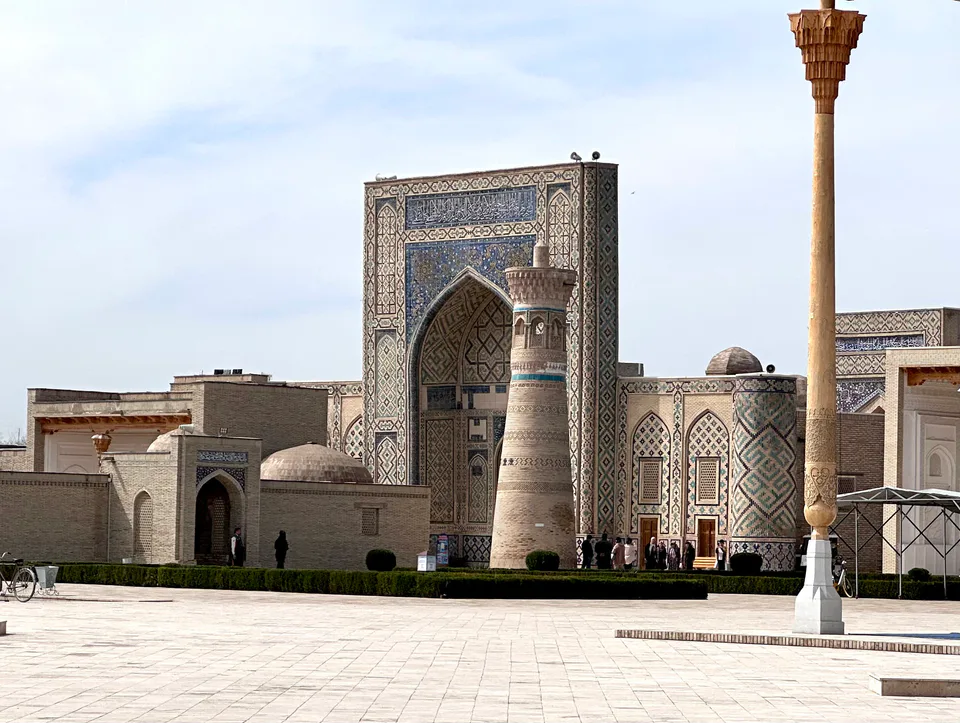
Abdullah Khan paid close attention to trade and the economy, building caravanserais along the roads, sardobas to store rainwater in the steppe and bridges over rivers, and reforming the coinage. Bukhara owes to his era the paired Kosh Madrasah — the Modarikhan (c. 1567), built in honour of his mother, and his own madrasa of 1588–1590 — the Tim of Abdullah Khan, Toki Zargaron and other trading domes, and the Chor-Bakr necropolis outside the city. The poet Mushfiqi and the historian Hafiz Tanysh Bukhari, author of the chronicle “Abdullanama” on his reign, worked at his court.
Death and legacy
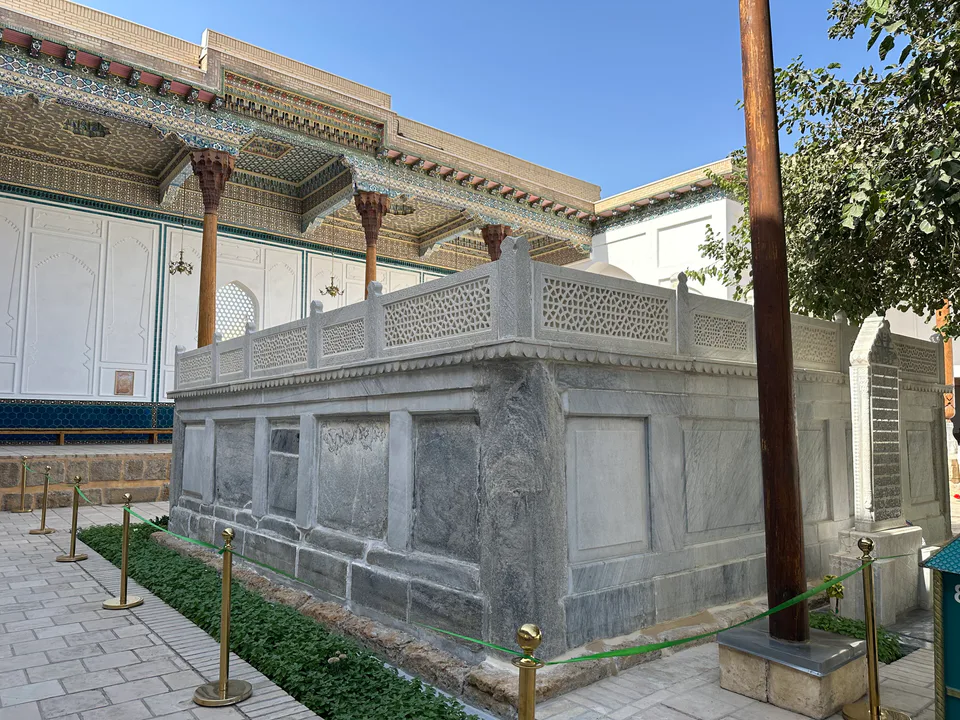
In his last years relations with his son Abdulmumin turned hostile. Abdullah Khan died in February 1598 and, according to Uzbek sources, was buried in the Bahauddin Naqshband complex near Bukhara. Abdulmumin was murdered soon afterwards and the Shaybanid dynasty fell into decline. Under the trading domes built in his time in Bukhara's historic centre, carpets, jewellery and skullcaps are still sold today — a living continuation of 16th-century city life.
The Shaybanid Abdullah Khan II seized Bukhara in 1557, made it his capital and became khan in name as well from 1583. He reunited the fragmented realm, bringing Balkh, Herat, Tashkent, Fergana and, briefly in the 1590s, Khorezm under his rule. To boost trade he lined the roads with caravanserais, cisterns and bridges. In Bukhara his era produced the paired Kosh Madrasah (Modarikhan, c. 1567, and Abdullah Khan, 1588–1590), the Tim of Abdullah Khan, Toki Zargaron and other trading domes, and the Chor-Bakr necropolis. The poet Mushfiqi and the historian Hafiz Tanysh Bukhari worked at his court. After his death in 1598 the dynasty swiftly declined.