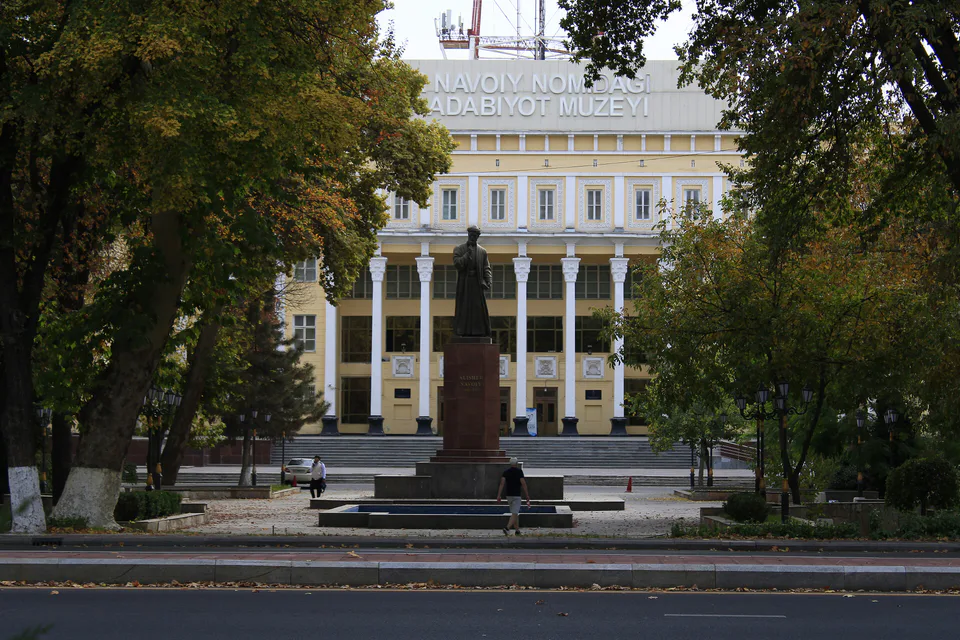
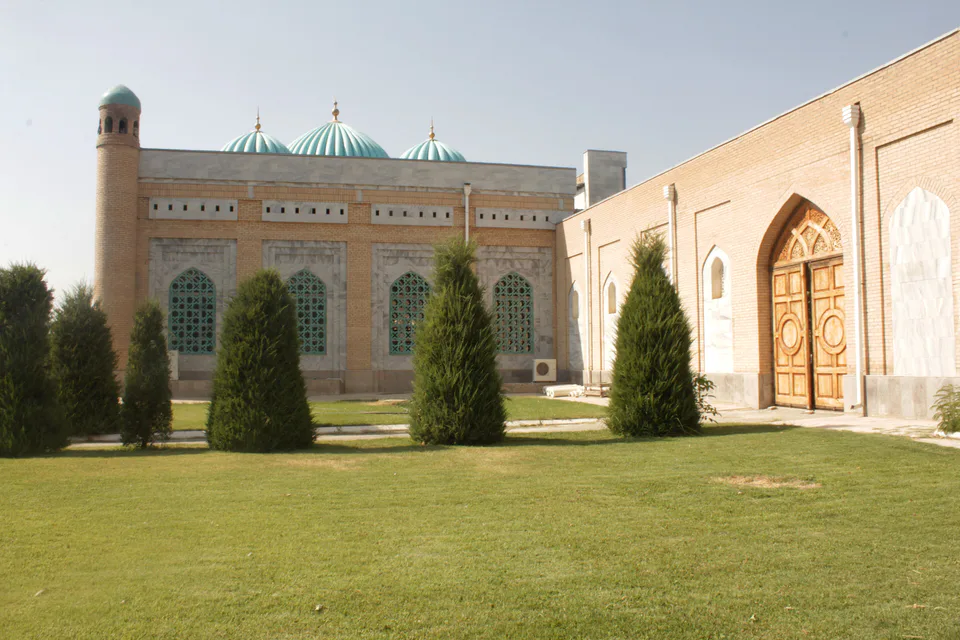
A 15th–16th-century painter of Herat, acclaimed as the greatest master of Persianate miniature painting. In Uzbekistan a memorial garden-museum in Tashkent, an art museum in Bukhara and the National Institute of Arts and Design bear his name.
Kamal al-Din Behzad (Kamoliddin Behzod in Uzbek) was born in Herat around 1450–1455 and orphaned young; according to the sources he was brought up by the painter Mirak Naqqash. He worked at the court of the Timurid sultan Husayn Bayqara, enjoyed the patronage of Alisher Navoi and headed Herat's royal library and atelier. He never lived on the territory of today's Uzbekistan: his life belongs to Herat and Tabriz. He stayed in Herat after Shaybani Khan took it in 1507, and in 1522 the Safavid Shah Ismail appointed him head of the royal library in Tabriz. He died in 1535 or 1536, in Herat or Tabriz according to different sources.
The summit of miniature painting
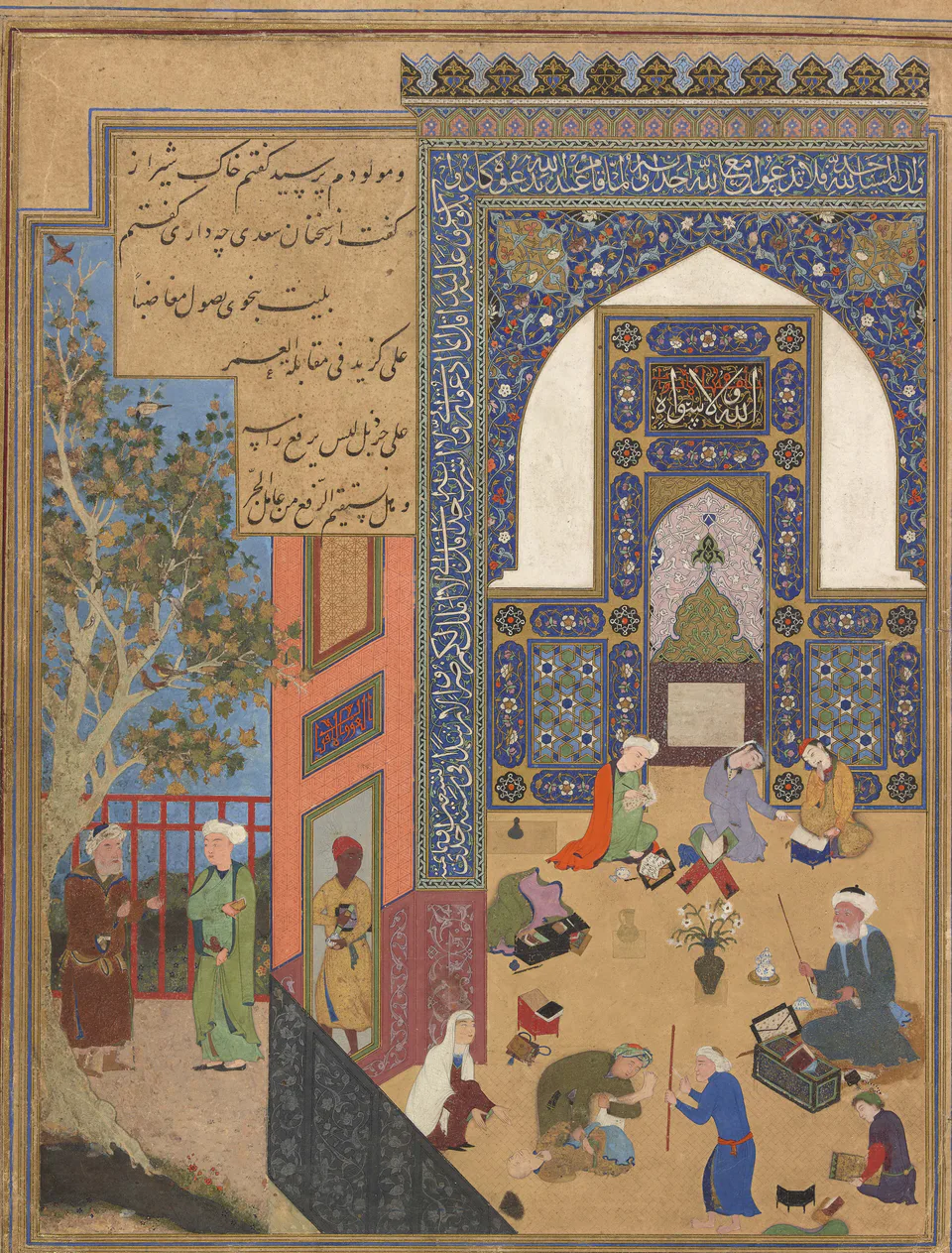
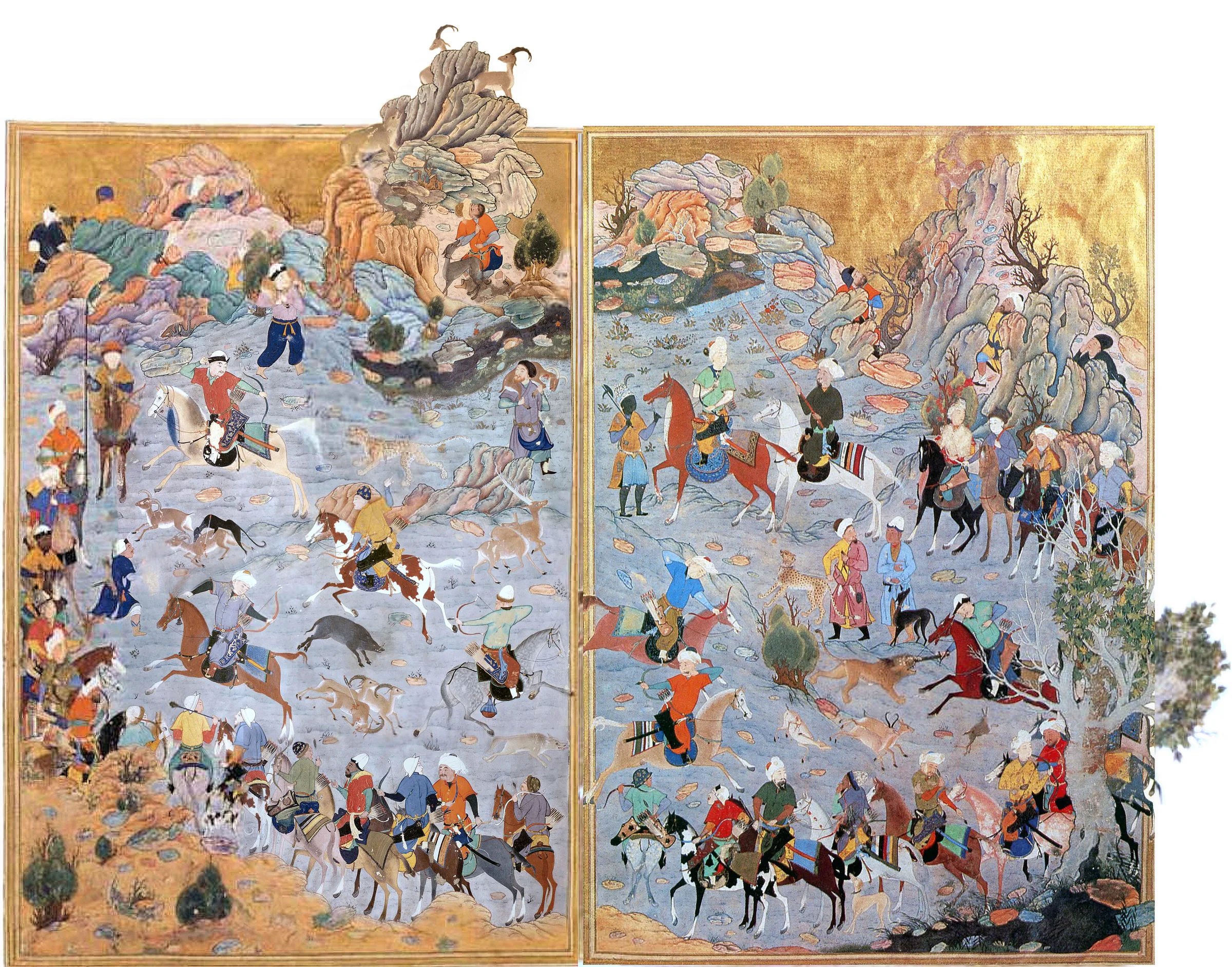
Behzad took the miniature to new heights, bringing movement, individual faces and moods, and subtle harmonies of colour into his compositions. The only manuscript bearing his undisputed signature is Saadi's Bustan of 1488, now in the National Library in Cairo; its “Seduction of Yusuf” is among his most famous images. Many other works are attributed to him — illustrations to Nizami's Khamsa and Attar's Conference of the Birds, portraits of Husayn Bayqara and Muhammad Shaybani Khan — though their authorship is debated. His style profoundly influenced the Bukharan, Safavid and Mughal schools of painting.
Remembered in Uzbekistan
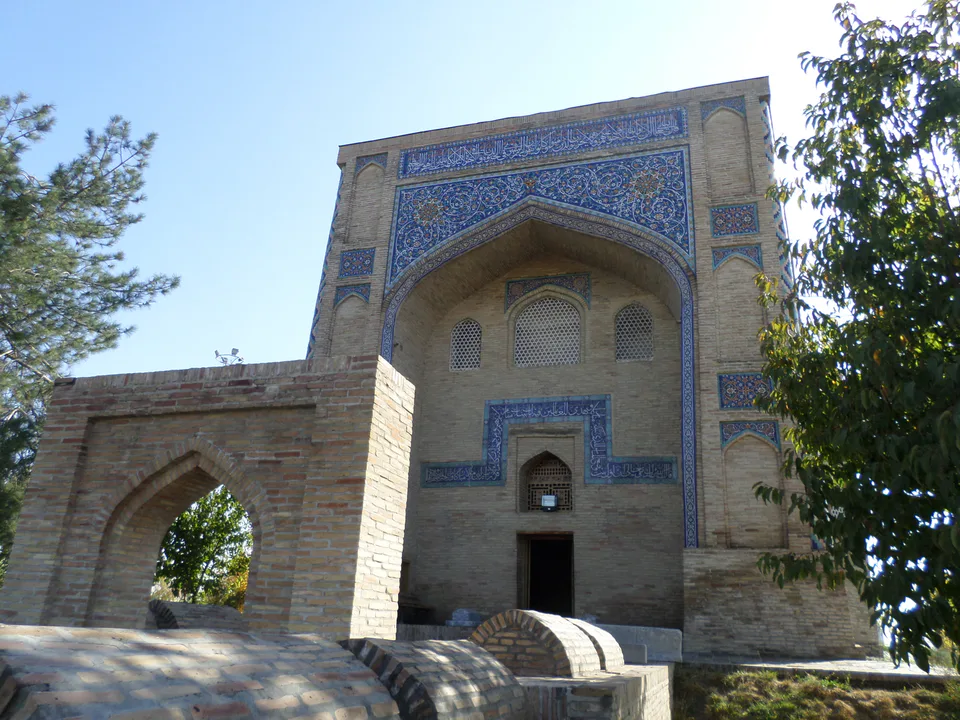
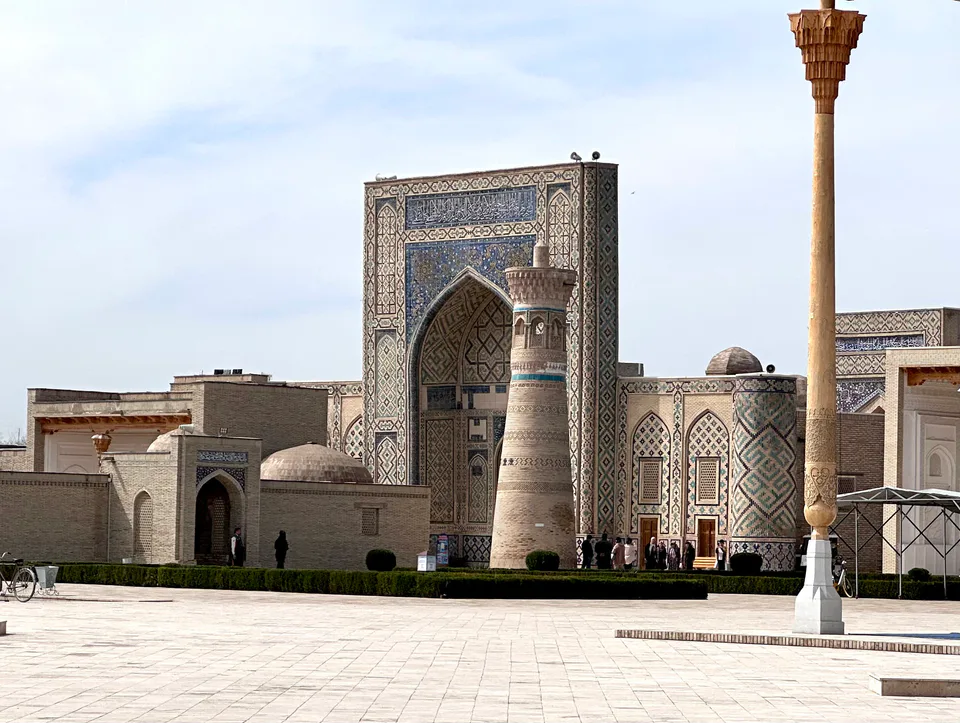
Uzbek culture honours Behzad as a symbol of Timurid-era art. A fine arts museum named after him opened in Bukhara in 1982, and in 1997 the Kamoliddin Behzod National Institute of Arts and Design was founded in Tashkent. Tashkent also has a memorial garden-museum devoted to him, and one of Fergana's central streets bears his name.
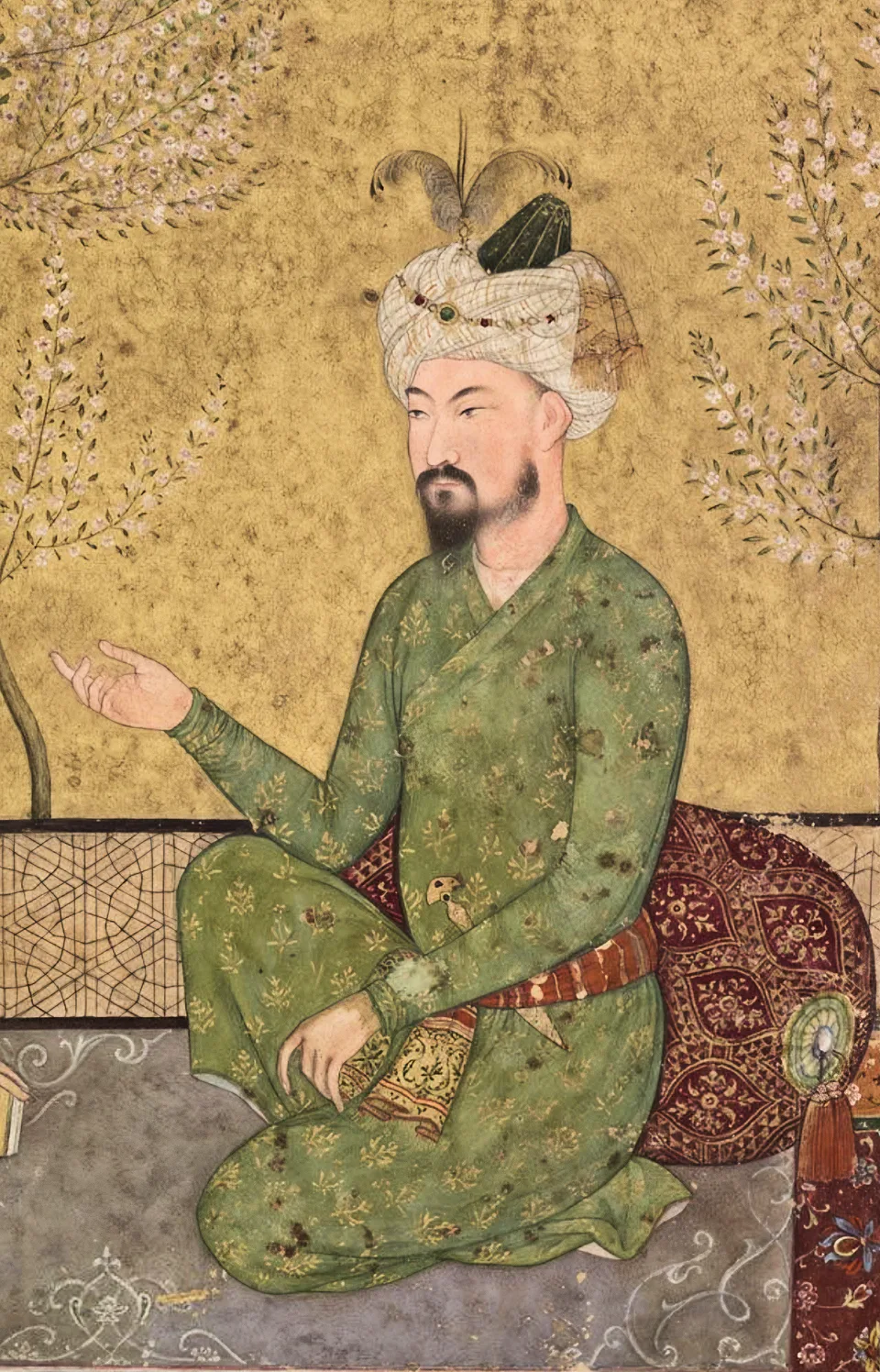
In June 1494 Umar Shaikh Mirza, ruler of Fergana, was killed at the fortress of Akhsi when a dovecote on the edge of a ravine collapsed beneath him. His son Zahir ud-Din Muhammad Babur, born in Andijan in 1483, became ruler in Andijan at the age of eleven — the opening scene of the Baburnama. Years of struggle for Samarkand followed: Babur twice took the city briefly but lost out to Muhammad Shaybani Khan and left for Kabul in 1504. In 1526 his victory at Panipat founded the Mughal Empire in India. Andijan's Babur National Park holds the “Babur and World Culture” museum and a symbolic mausoleum of the poet.
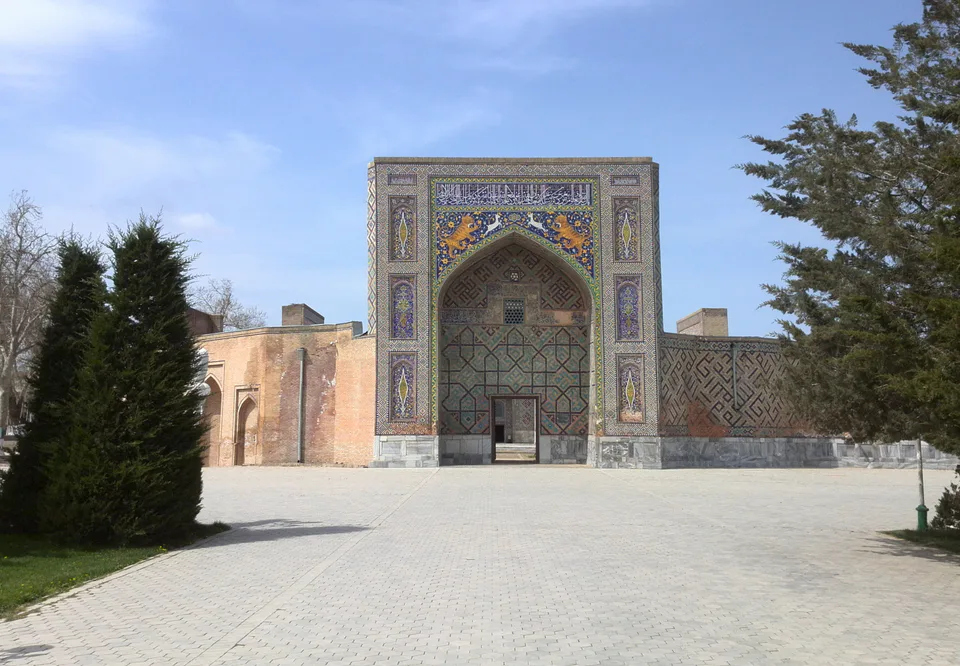
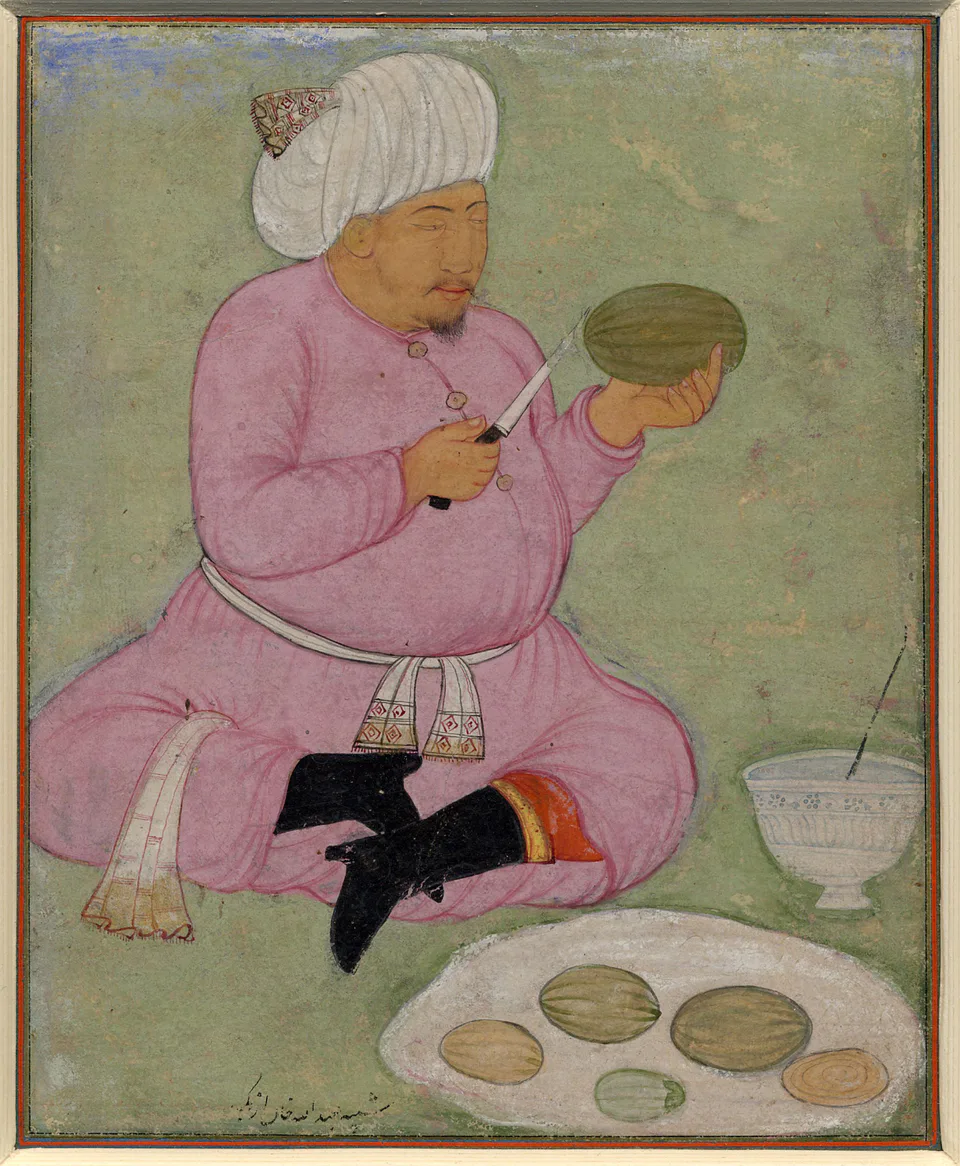
Muhammad Shaybani Khan, grandson of Abulkhayr Khan of the Uzbeks of the Dasht-i Kipchak, took Samarkand in 1500 and within a few years Bukhara, Tashkent, Fergana and, in 1507, Herat, ending Timurid rule. He fell in battle near Merv in 1510 against Shah Ismail of Iran, but his dynasty ruled Transoxiana until the end of the 16th century, first from Samarkand and then from Bukhara. Under the Shaybanids Bukhara gained the Mir-i Arab, Kukeldash and Abdullah Khan madrasas, trading domes and caravanserais, while cisterns and bridges were built across the country. The wide use of the name “Uzbek” in the region also dates from this period.
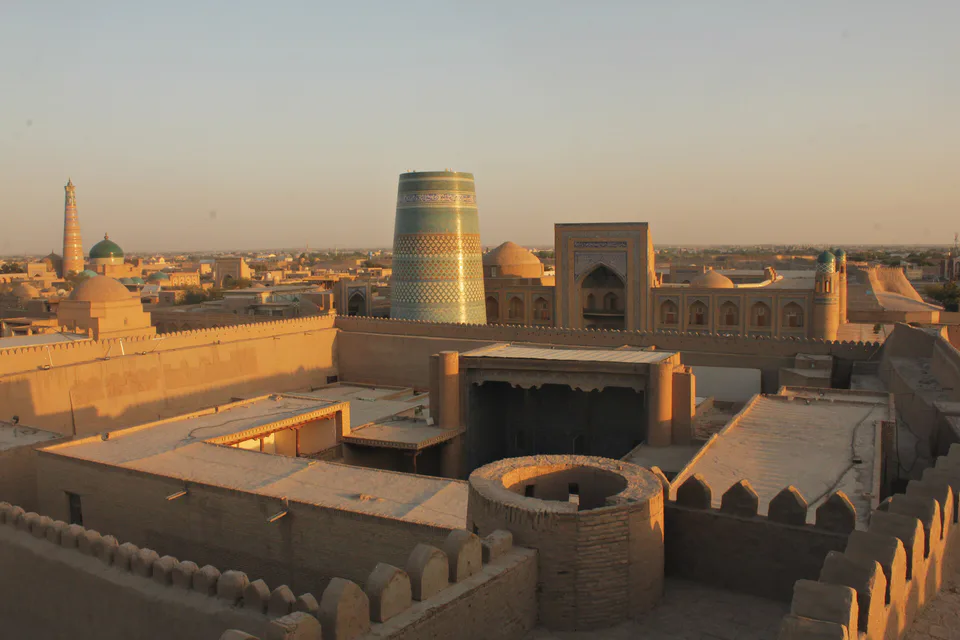
In 1511 Uzbek clans led by the Chinggisid brothers Ilbars and Balbars seized Khorezm and founded the Arabshahid dynasty. Its first capitals were Vazir and Kunya-Urgench, now in Turkmenistan; shifts in the course of the Amu Darya and politics led Arab Muhammad Khan (1602–1621) to move the capital permanently to Khiva. European sources have called the state the Khanate of Khiva ever since, though its people knew it as Khorezm. It spanned the irrigated lands of the lower Amu Darya, the Turkmen tribes of the Karakum and the Karakalpaks of the Aral shore. It became a Russian protectorate in 1873 and lasted until 1920.