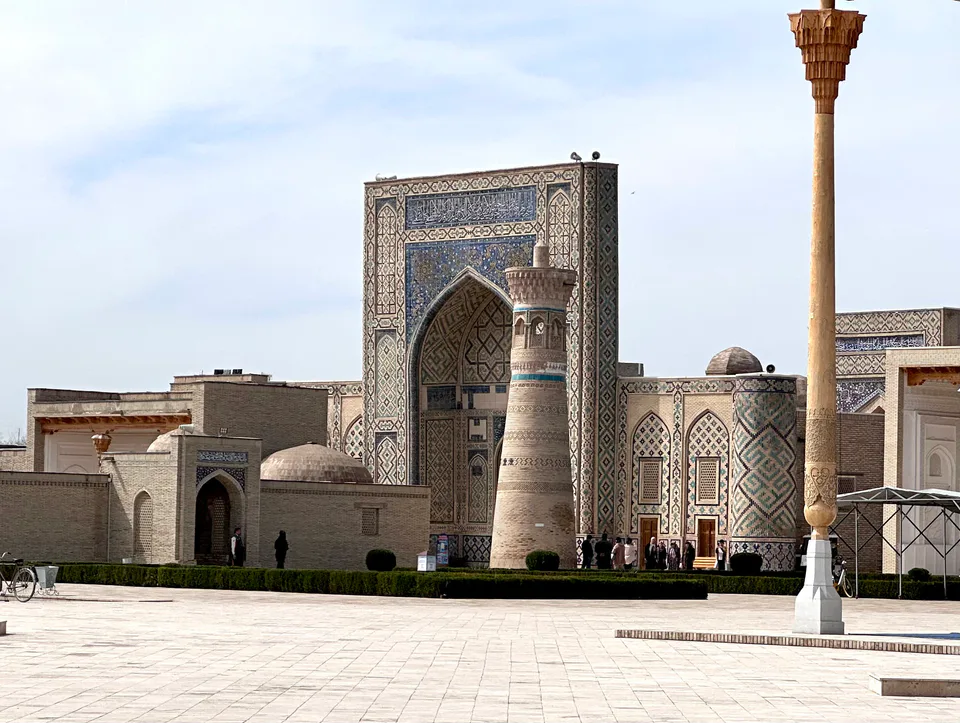
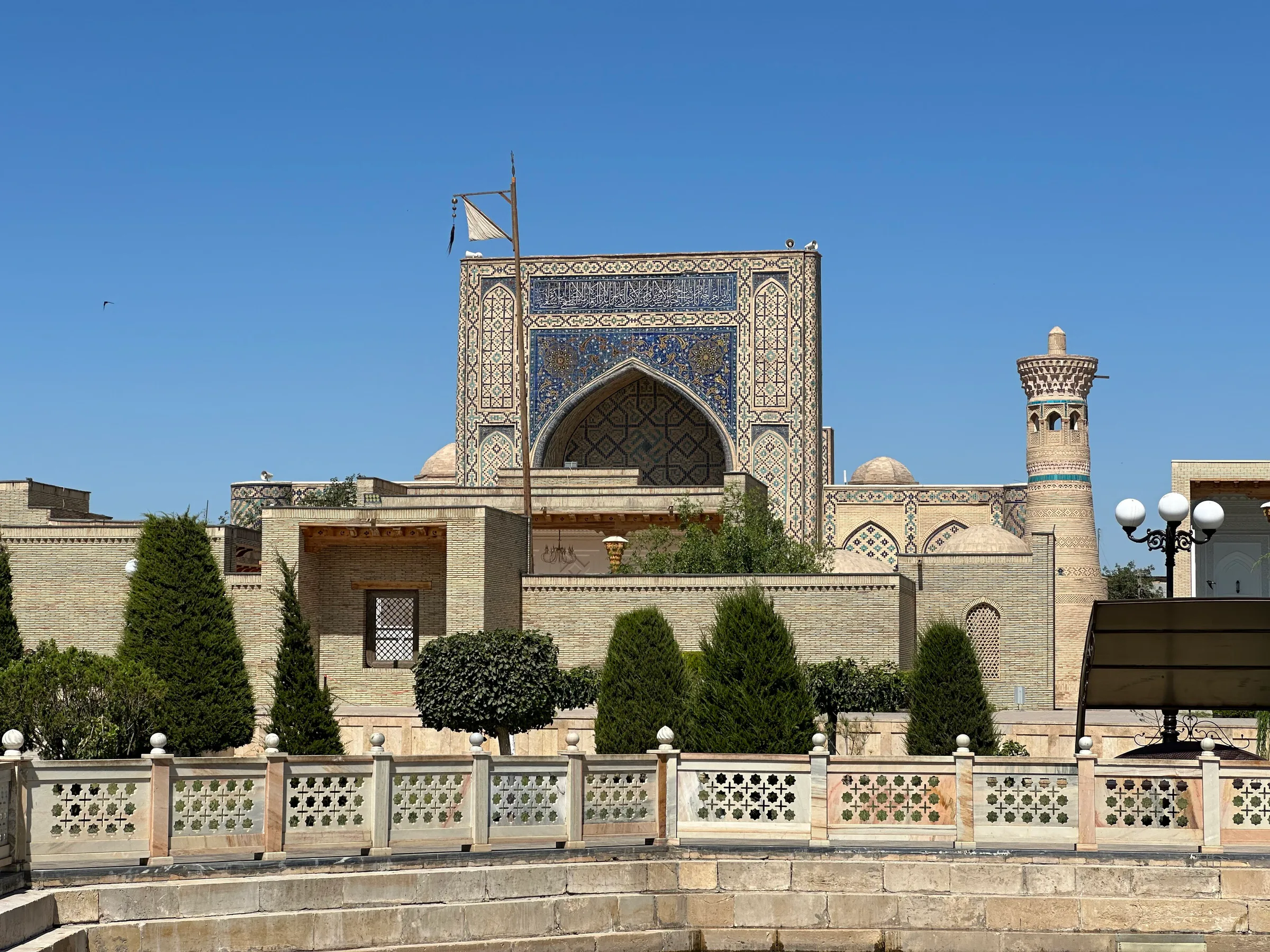
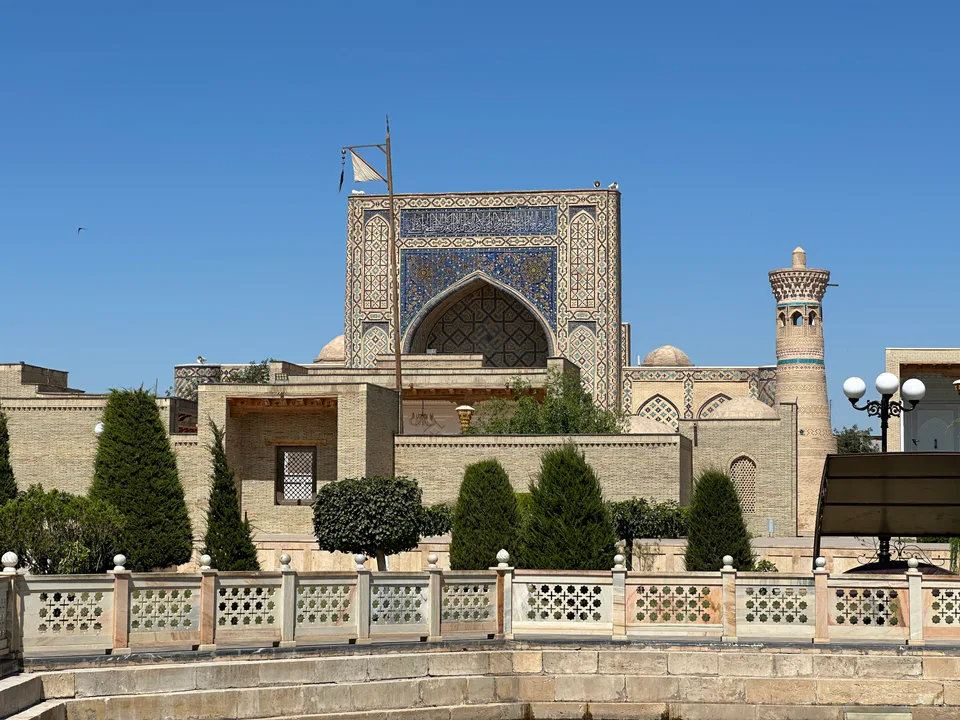
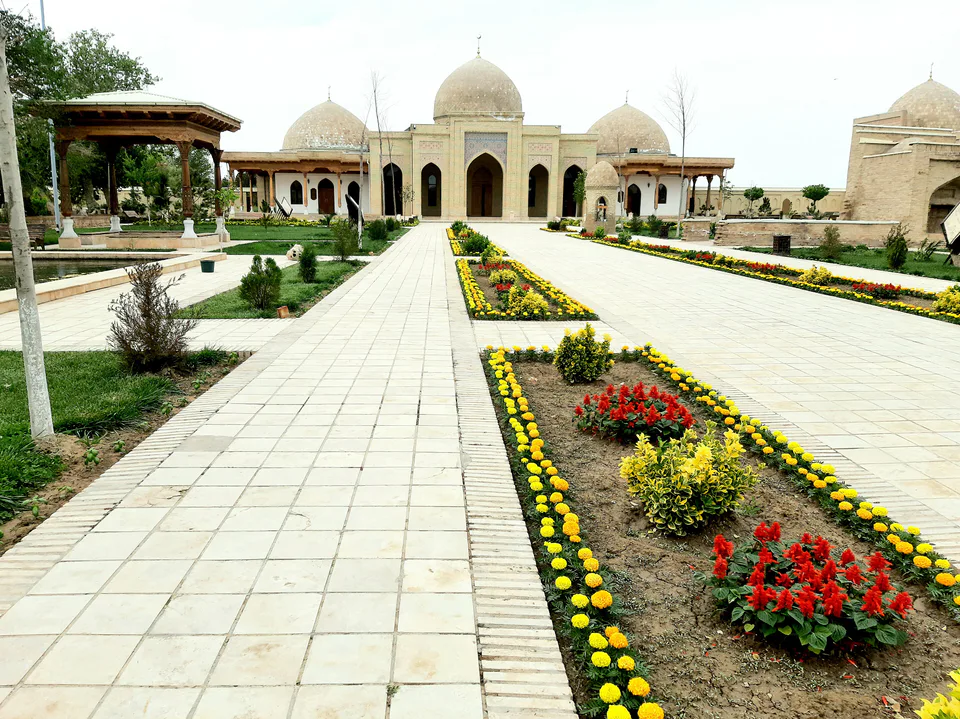
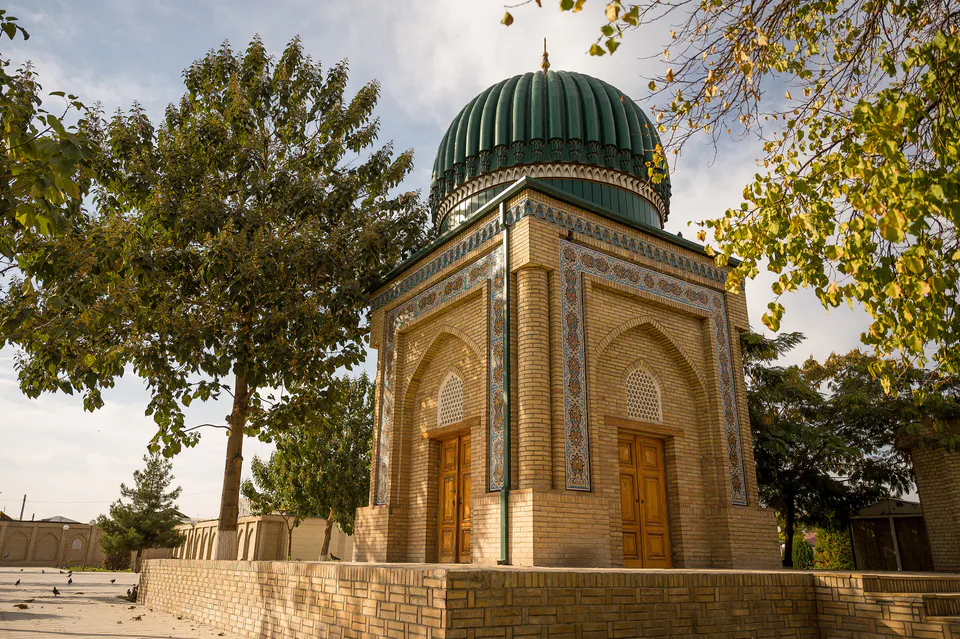
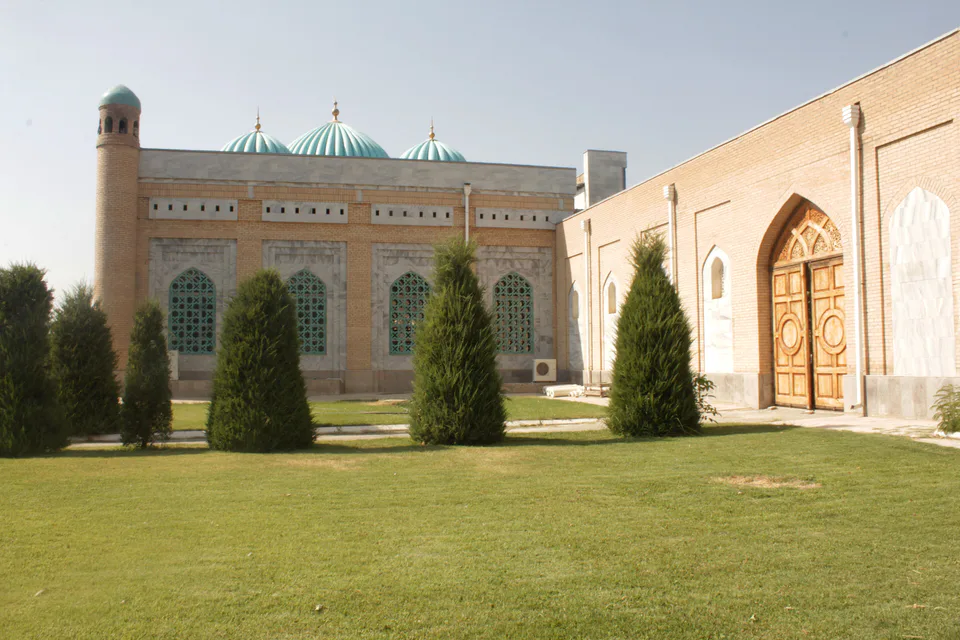
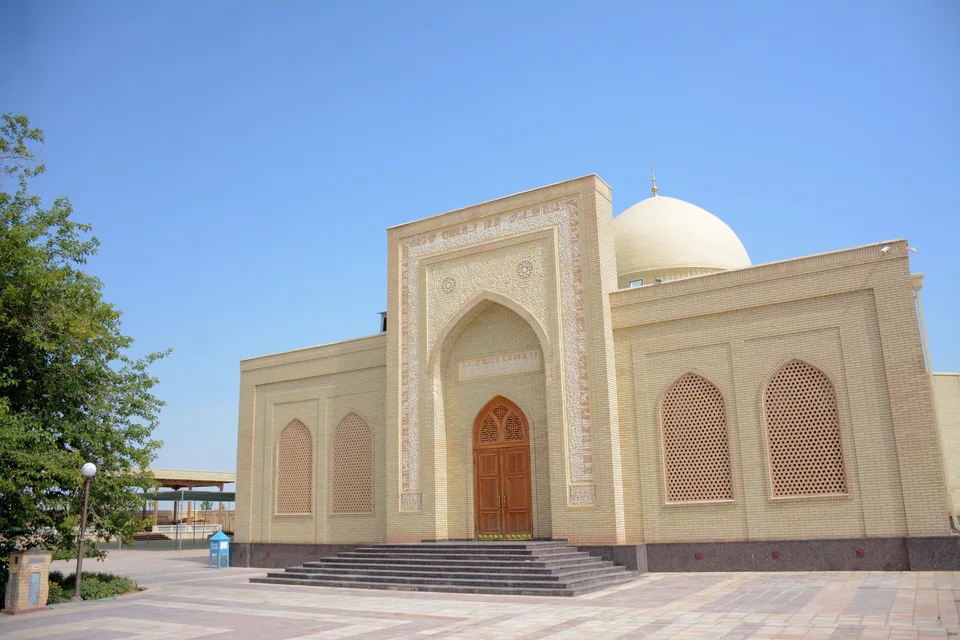
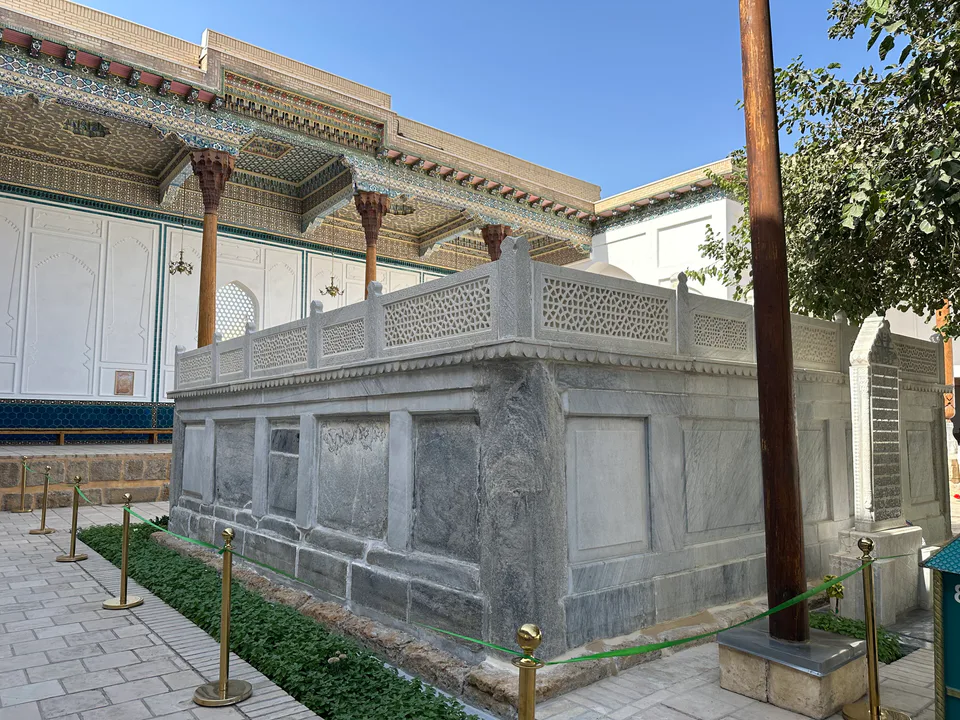
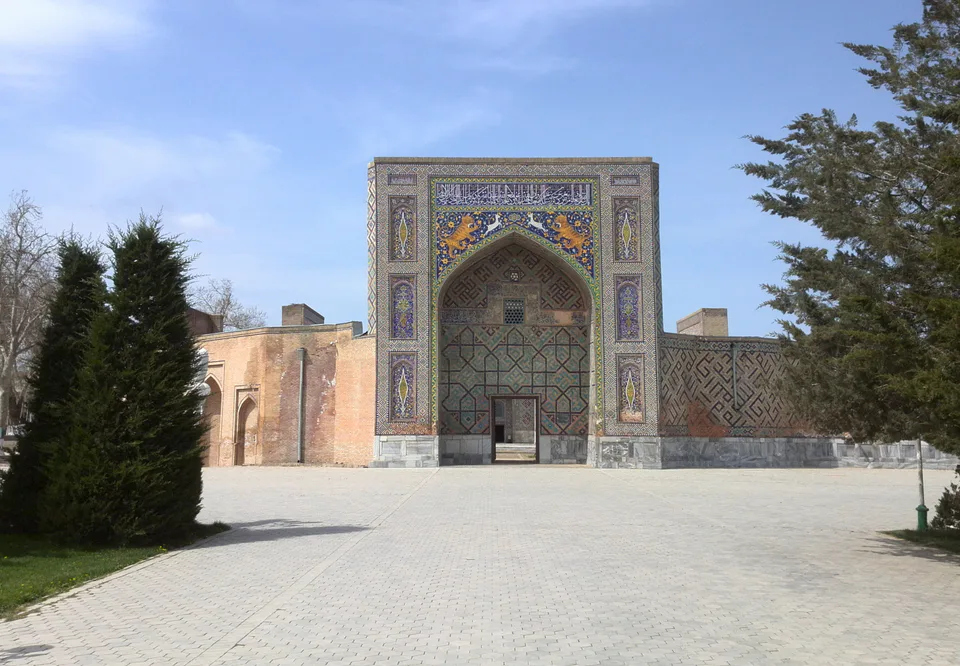
A 12th-century Sufi master from Gijduvan who founded the Khwajagan path, later known as the Naqshbandi order. His tomb stands in Gijduvan beside the madrasa of Ulugh Beg.
Khoja Abdul Khaliq Gijduvani was born in the town of Gijduvan, some 40 km north-east of Bukhara. His father, Imam Abdul Jamil, was a scholar from Malatya in Anatolia. His birth is usually dated to 1103, while his death is variously given as 1179, 1189, 1199 or 1220. After studying Quranic exegesis and other sciences in Bukhara, he became a disciple of the famous sheikh Yusuf Hamadani, who also taught Ahmad Yasawi — so both great Sufis are seen as products of one spiritual school. Legend has it that he learned the silent remembrance of God from Khidr.
The way of the Khwajagan
The hallmark of his teaching was silent dhikr, performed in the heart. He framed eight rules as short Persian maxims — “Hush dar dam” (awareness in every breath), “Nazar bar qadam” (watch your steps), “Safar dar vatan” (journeying in one's homeland, that is, inner transformation), “Khalvat dar anjuman” (solitude in the crowd: keeping God in the heart while living among people) and others; Baha al-Din Naqshband later added three more. His path became known as the tariqa-yi khwajagan, “the way of the masters”, and in the 14th century grew into the Naqshbandi order. Unlike the followers of Ahmad Yasawi, his disciples worked mainly in Transoxiana, Khorezm and Khurasan.
The shrine in Gijduvan
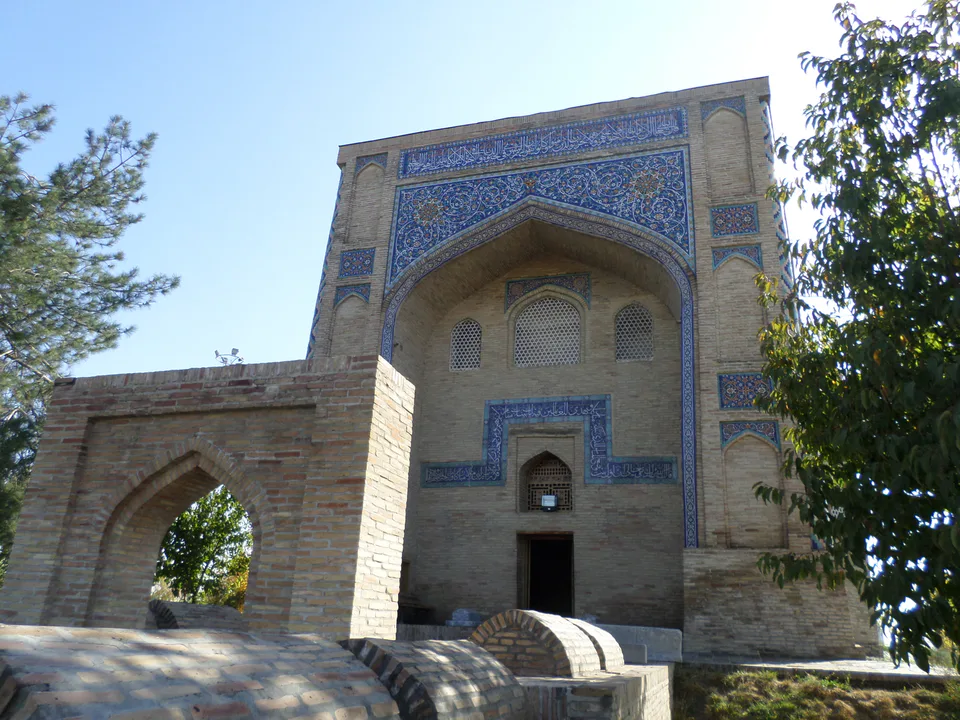
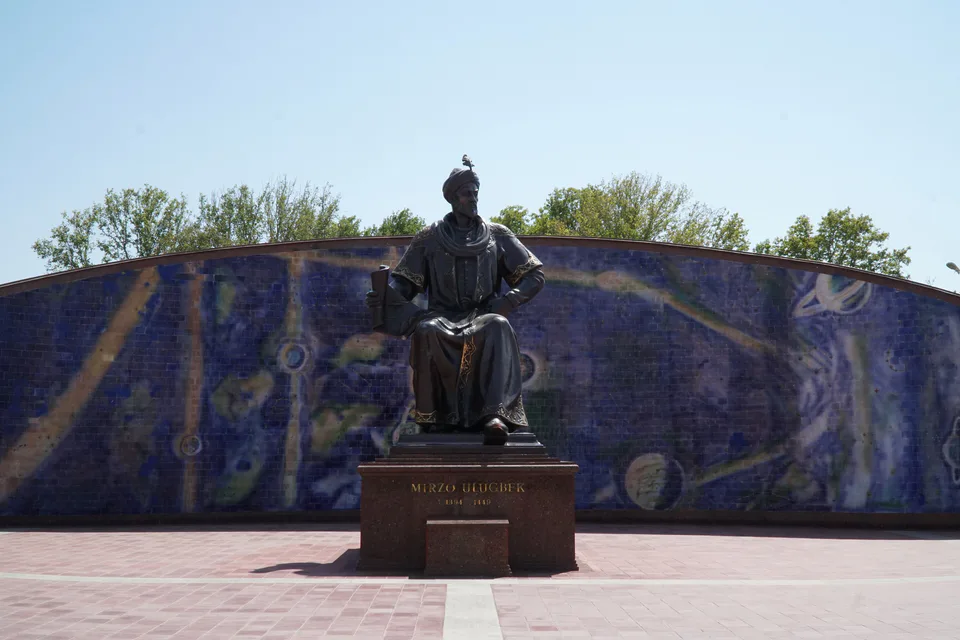
He is buried in his home town, where in 1433 Mirzo Ulugh Beg built a madrasa beside his grave — one of the three surviving madrasas of Ulugh Beg. The mausoleum and its surroundings were restored after independence. Gijduvan is an easy half-day trip from Bukhara, and the town is also known for its distinctive ceramics and potters' workshops.
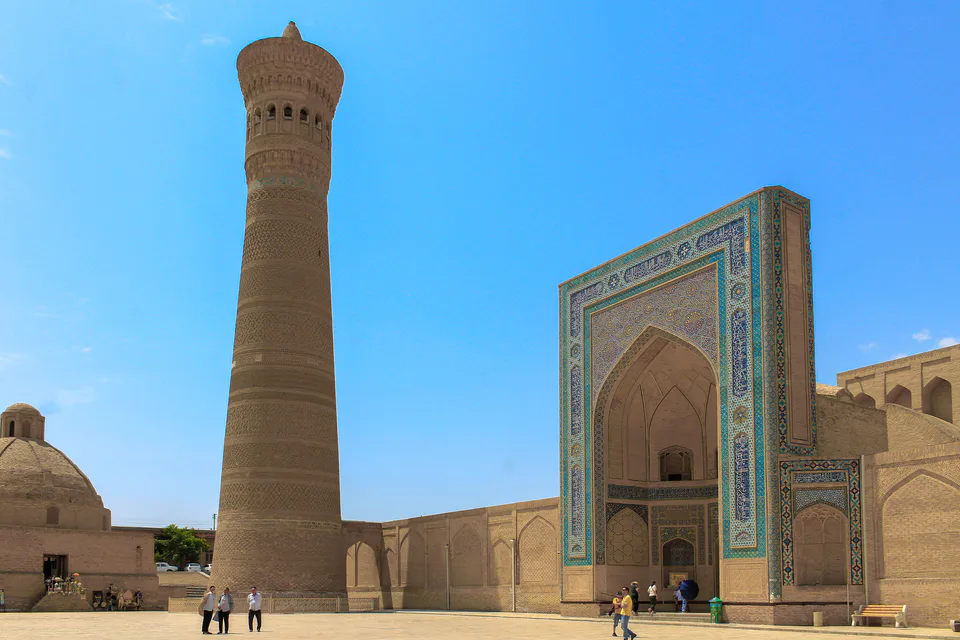
In 1127 the Karakhanid ruler Arslan Khan (Muhammad ibn Sulayman) built the Kalyan Minaret beside Bukhara's Friday mosque. Rising about 46 metres in fired brick, it is wrapped in alternating bands of patterned brickwork, and the arcaded lantern at the top served for the call to prayer and as a lookout. Its construction is linked to a master named Bako. Legend has it that Genghis Khan, who sacked Bukhara in 1220, was so struck by the tower that he ordered it spared. Today it anchors the Po-i-Kalyan ensemble and is the emblem of the Historic Centre of Bukhara, a UNESCO site since 1993.