Ensemble · Almazar District
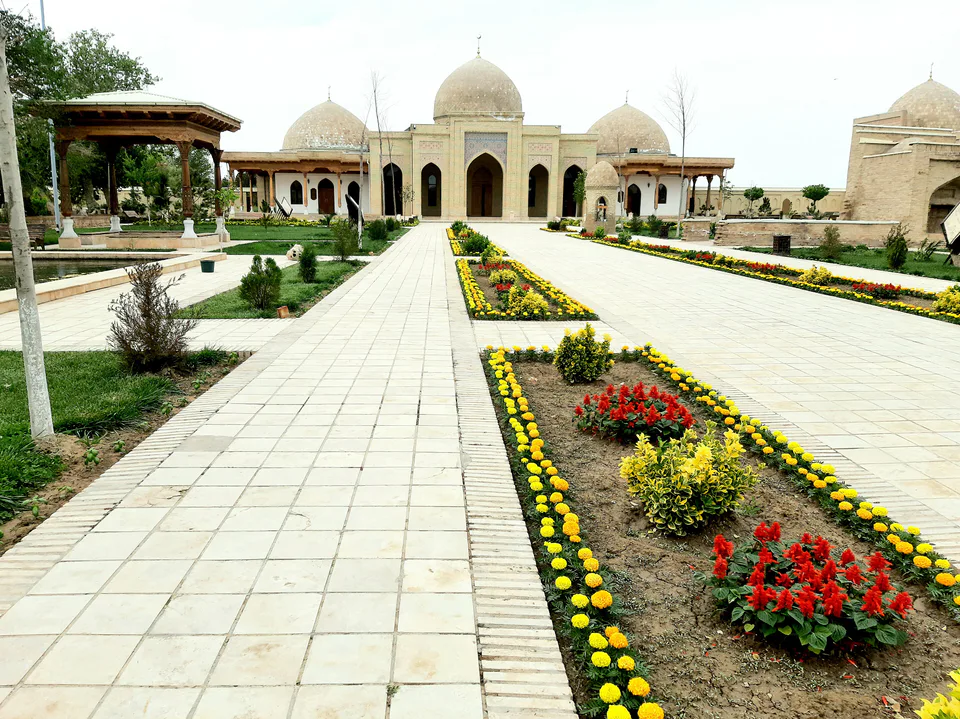
Hazrati Imam (Khast Imam) Complex
The spiritual heart of old Tashkent
Theologian · Early Islamic period
Jurist, hadith scholar, philologist, poet
904976
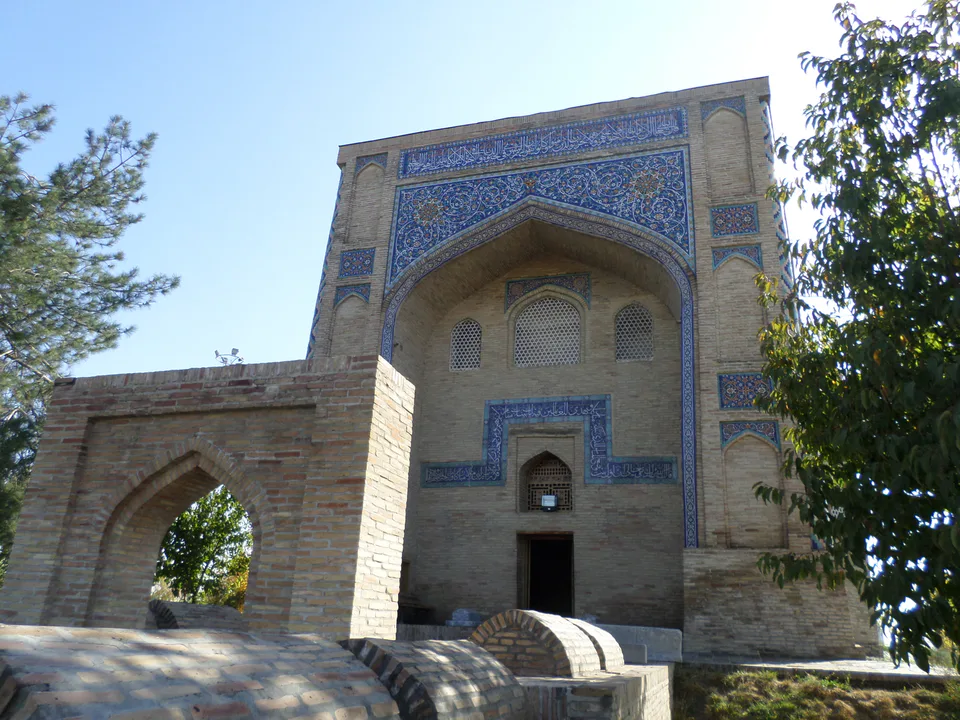
A 10th-century scholar of Tashkent who spread the Shafi'i school of law in Transoxiana. Revered as “Hazrati Imam”, he lies in the mausoleum at the heart of Tashkent's Hazrati Imam complex.
Abu Bakr Muhammad ibn Ali ibn Ismail al-Qaffal al-Shashi was born in 904 (some sources say 907) in Shash, today's Tashkent, into a family of craftsmen. His nickname al-Qaffal, “the locksmith”, came from his youthful skill; legend has it that he made a tiny, featherweight lock and key that amazed all who saw it. He travelled in search of knowledge to Khurasan, Iraq, the Hijaz and Syria, studying with leading jurists in Baghdad; sources also mention links with Abu al-Hasan al-Ash'ari. Returning home, he taught in Shash for the rest of his life and died there in 976 (some sources say 975).
A leading scholar of the Shafi'i school, al-Qaffal is credited with spreading it in Transoxiana. He wrote on law, hadith, Quranic exegesis and Arabic philology, and also composed poetry; titles such as “The Conduct of the Judge”, “The Etiquette of Debate” and “The Virtues of the Sharia” are attributed to him. Researchers believe that until the 14th century his tomb was Tashkent's main, perhaps only, major shrine. People respectfully called him Hazrati Imam, and the name passed to the whole quarter.
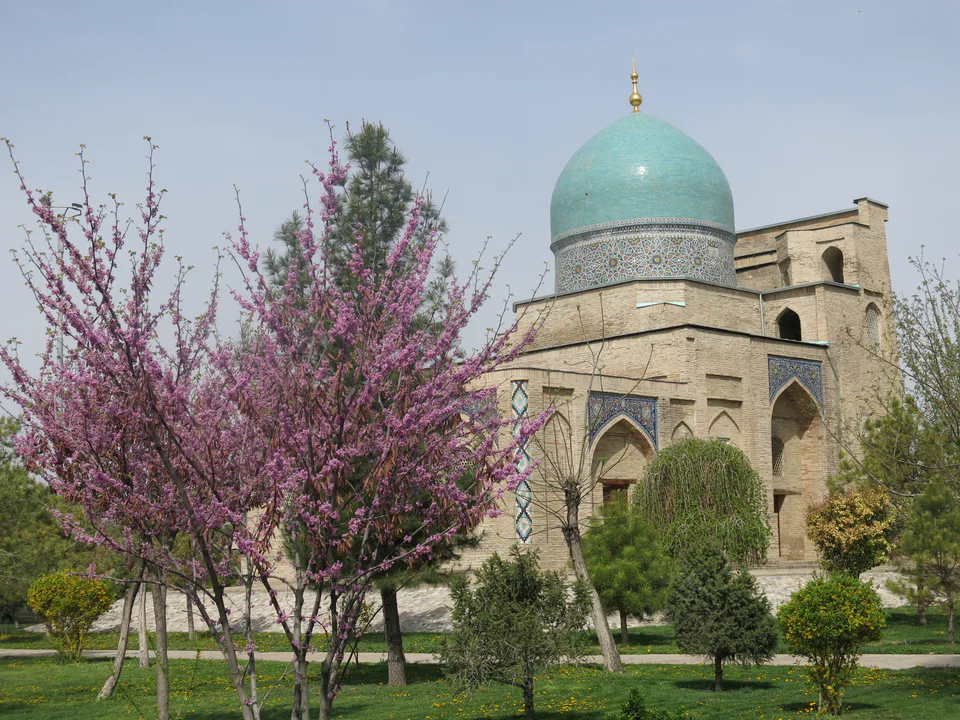
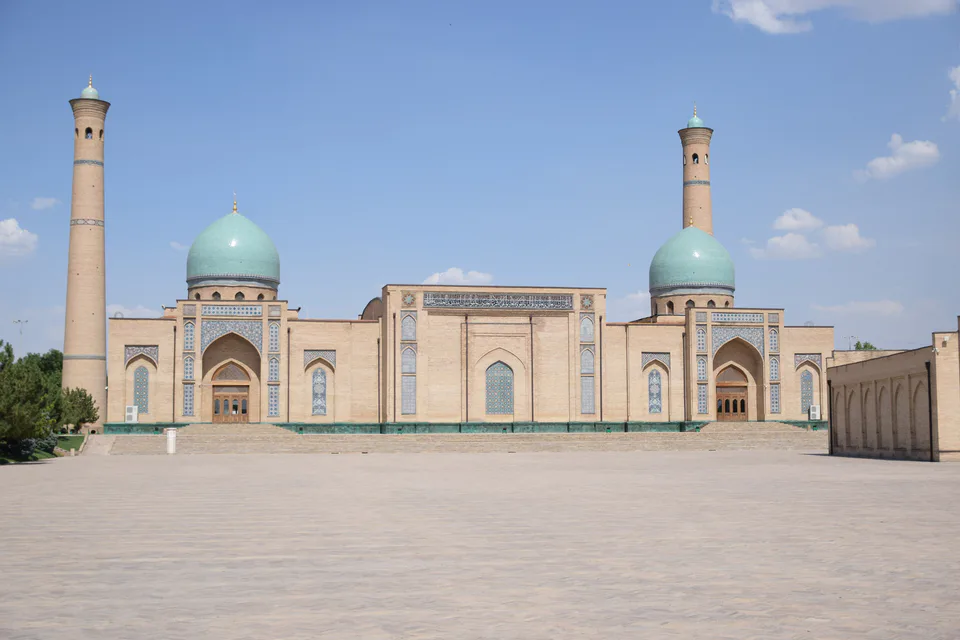
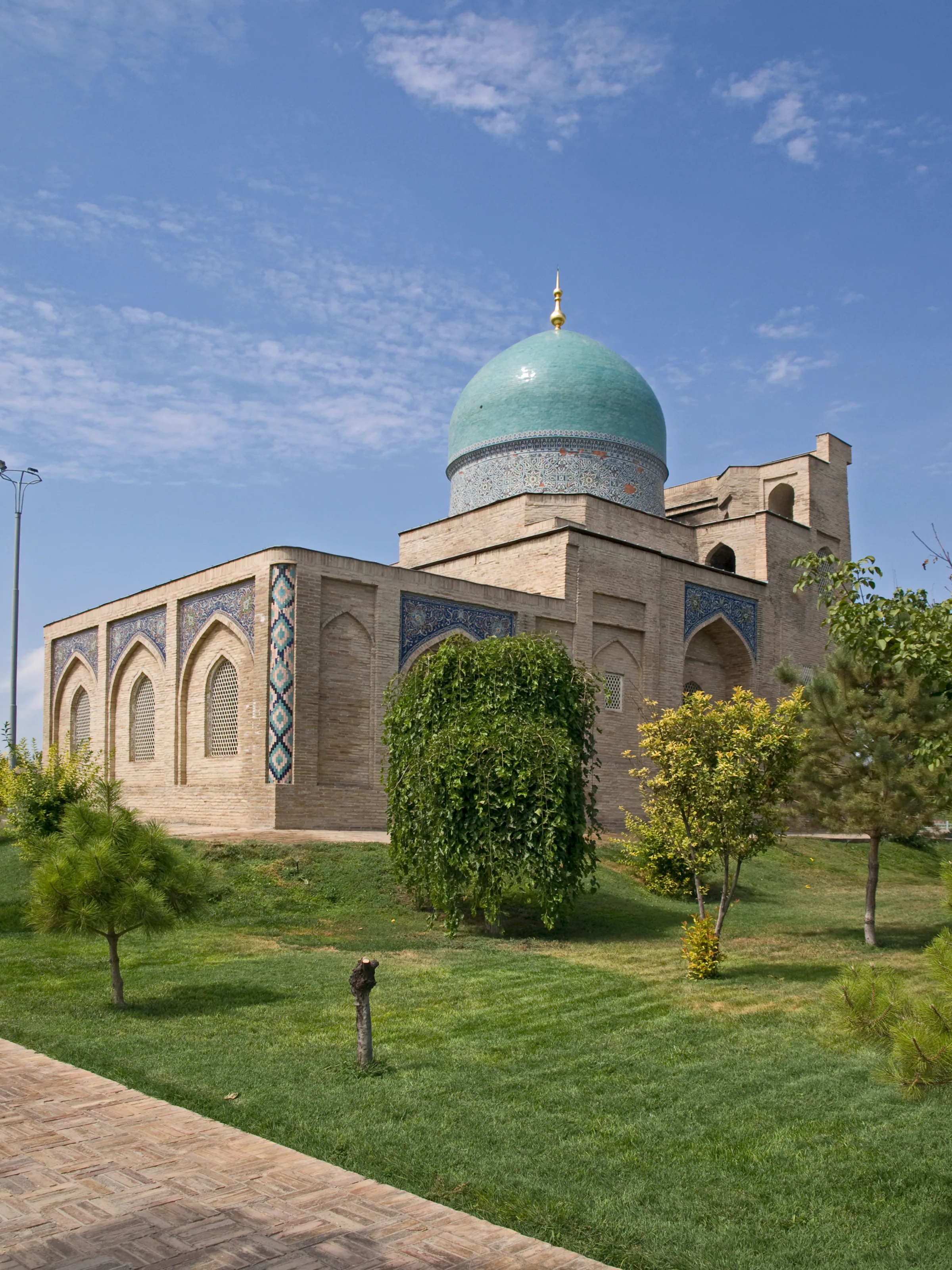
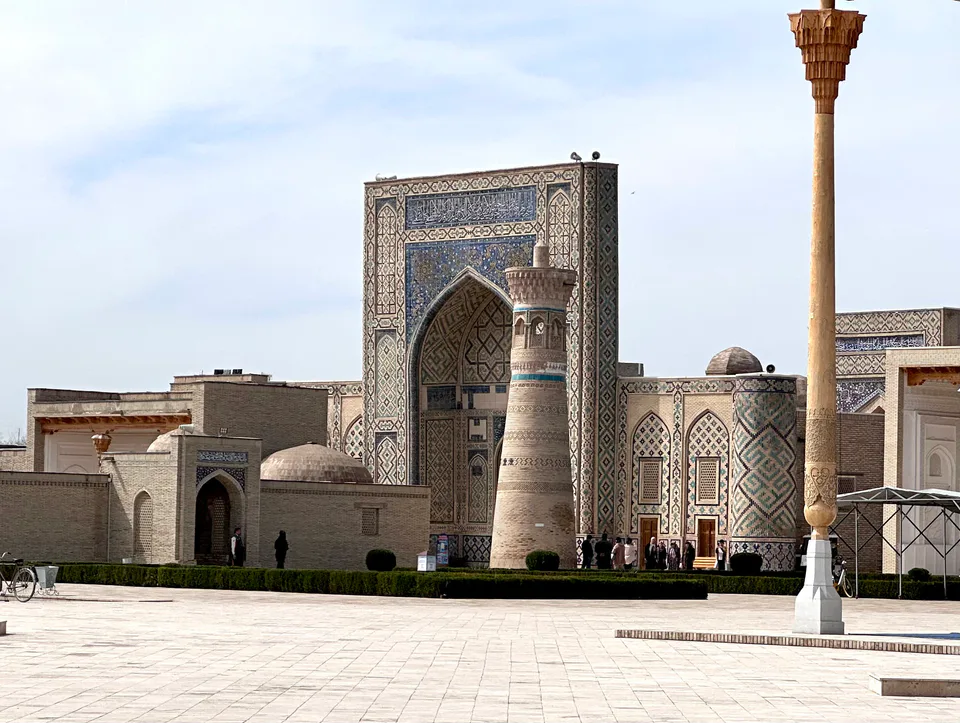
The present mausoleum over his grave was built in 1541–1542 under the Shaybanids. It stands at the centre of the Hazrati Imam ensemble in Tashkent's old city, alongside the 16th-century Barak Khan Madrasa, the Tilla Sheikh mosque, the Hazrati Imam Friday Mosque of 2007 and the Muyi Muborak library-museum, home to the “Uthman Quran” dated to the 7th century. It is one of Tashkent's essential sights, within walking distance of Chorsu Bazaar.
Places
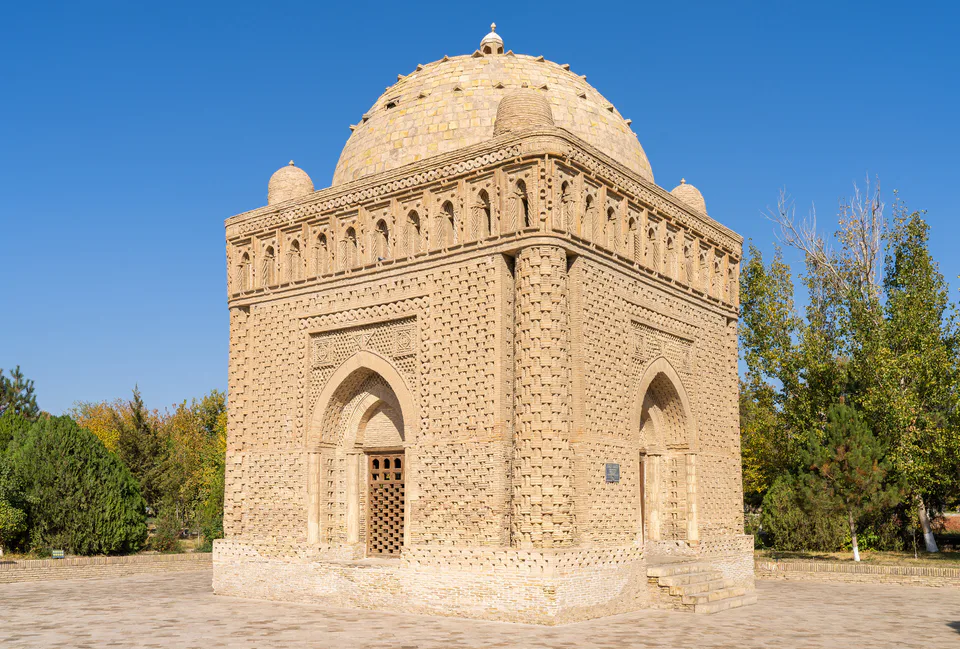
849–907
Samanid emir, founder of the Bukharan state
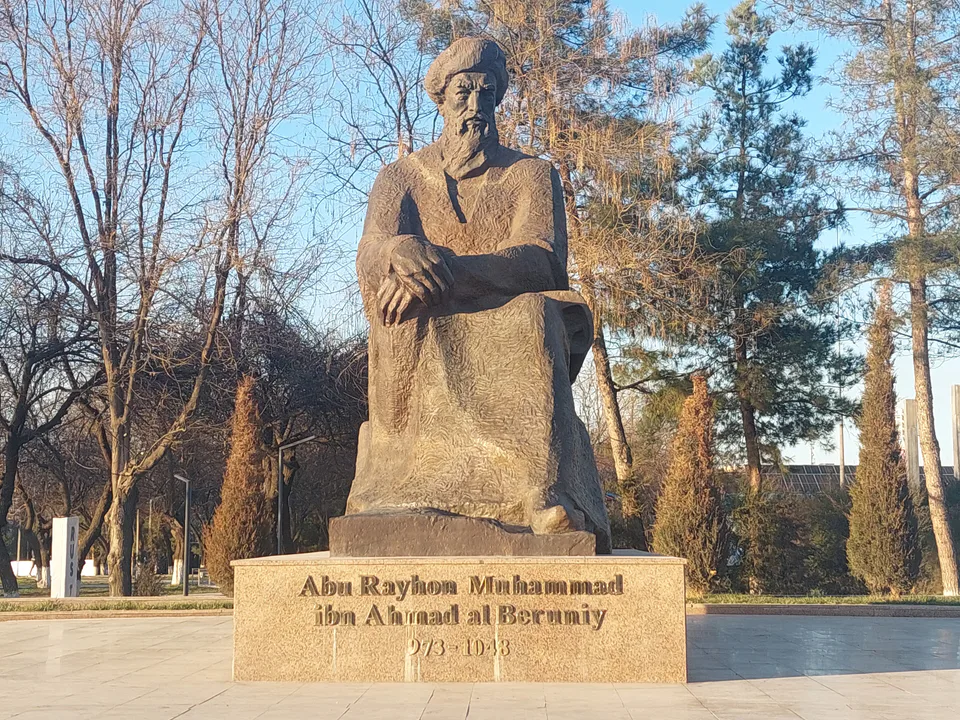
973–1048
Polymath: astronomer, mathematician, historian, geographer
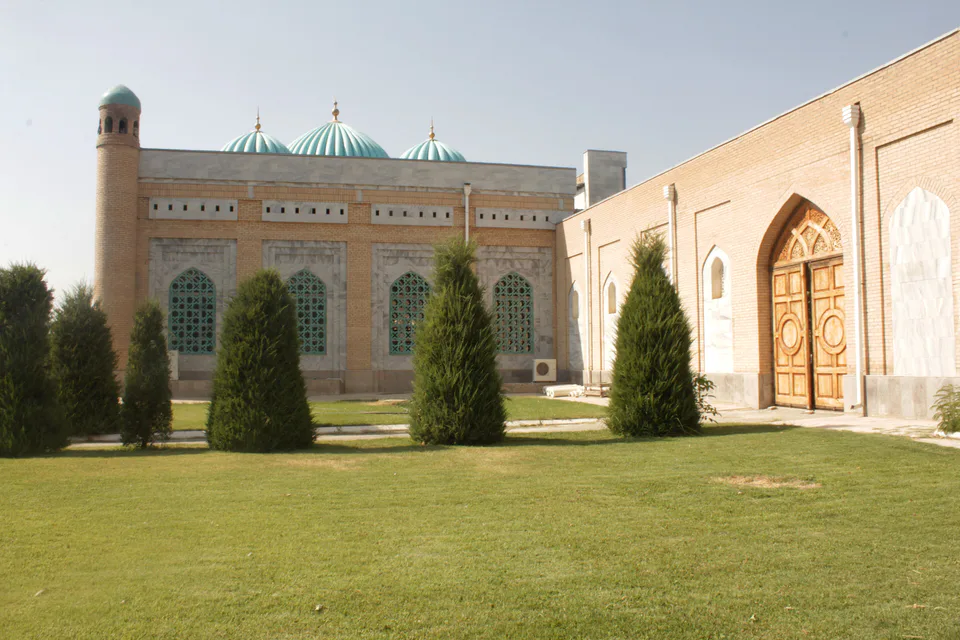
810–870
Hadith scholar, compiler of the Sahih al-Bukhari
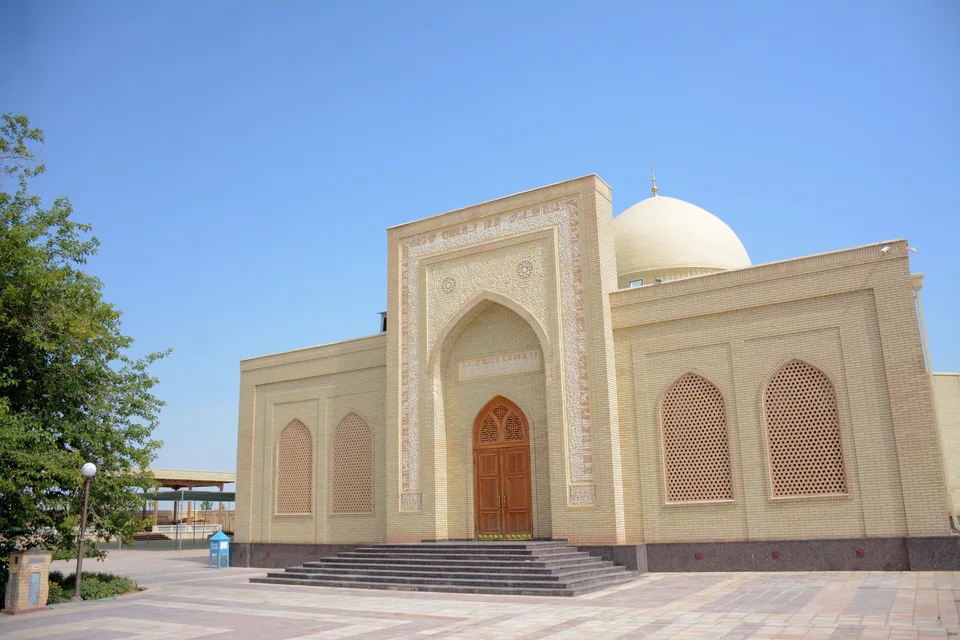
824–892
Hadith scholar, compiler of the Sunan al-Tirmidhi
1027–1115
Theologian of the Maturidi school
1103–1179
Sufi master, founder of the Khwajagan path
1117–1197
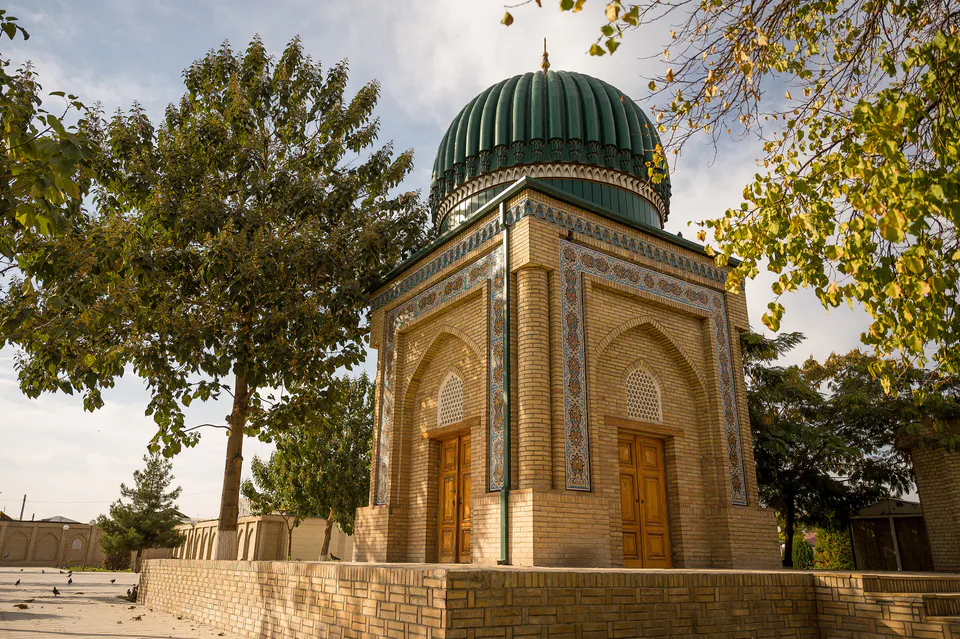
Jurist, leading authority on Hanafi law
1145–1221
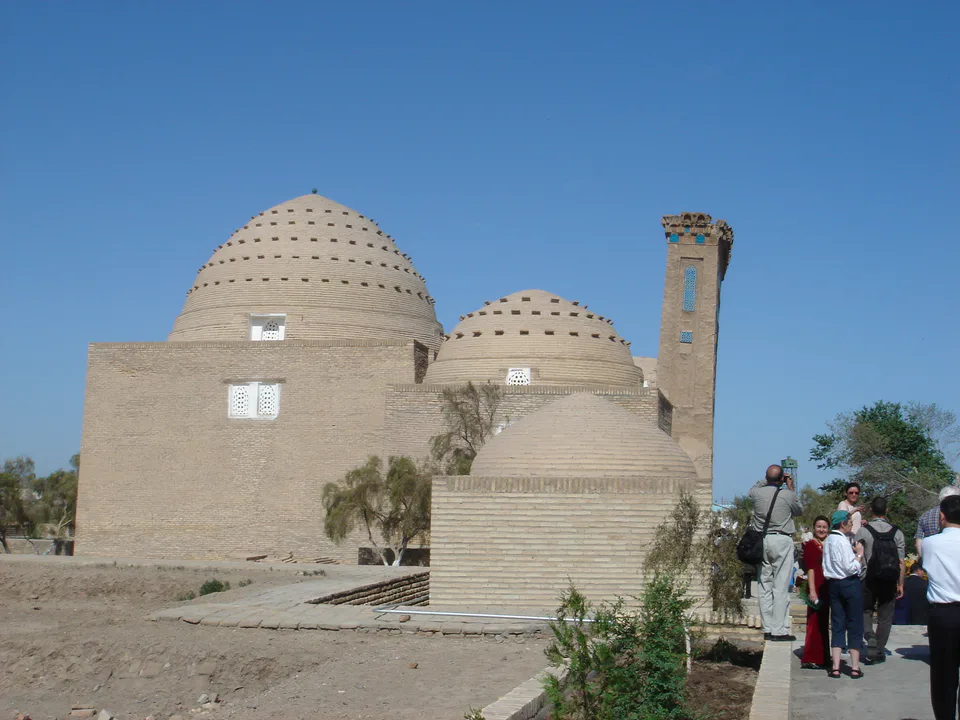
Sufi master, founder of the Kubrawiya order
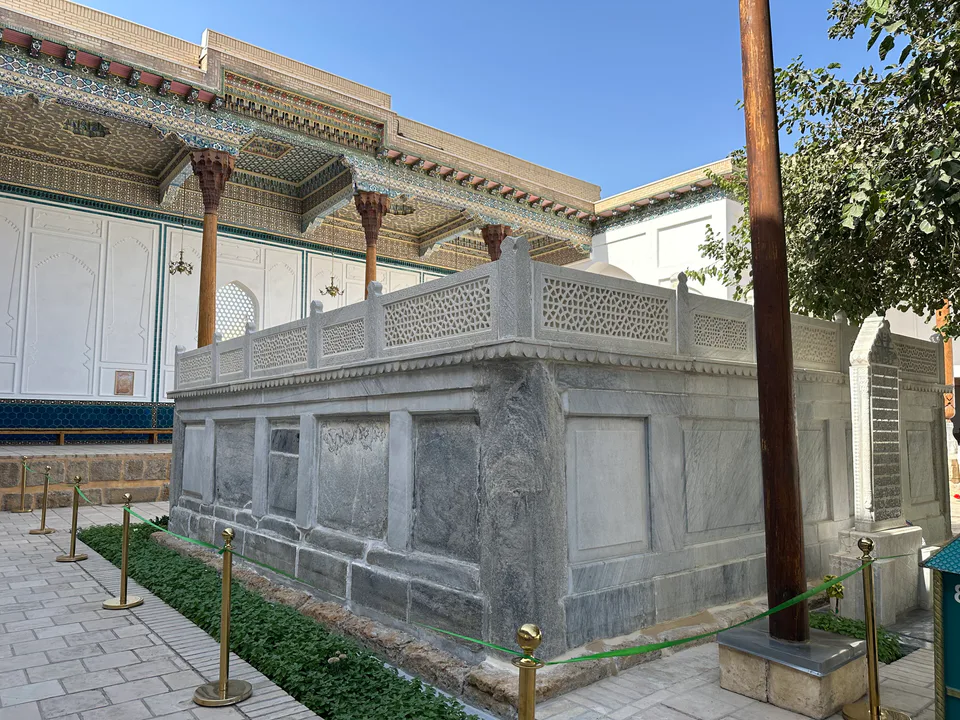
1318–1389
Sufi master, founder of the Naqshbandi order
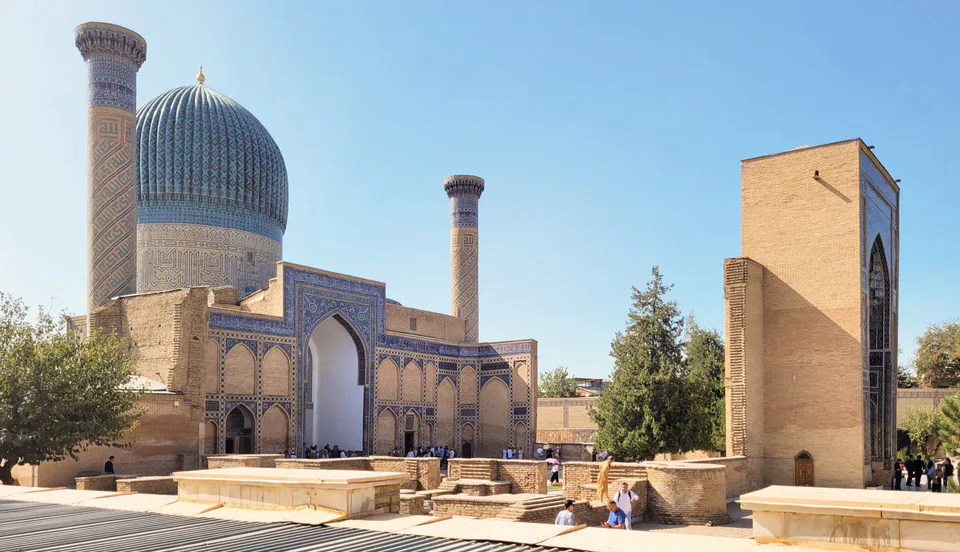
1336–1405
Ruler, conqueror, founder of the Timurid Empire
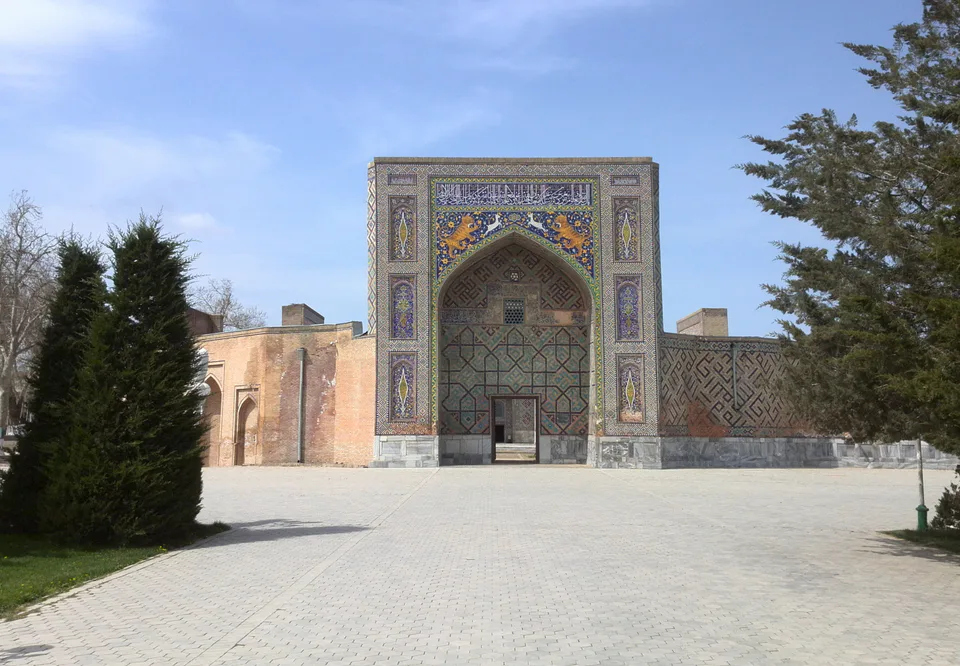
1404–1490
Naqshbandi sheikh, statesman and public figure
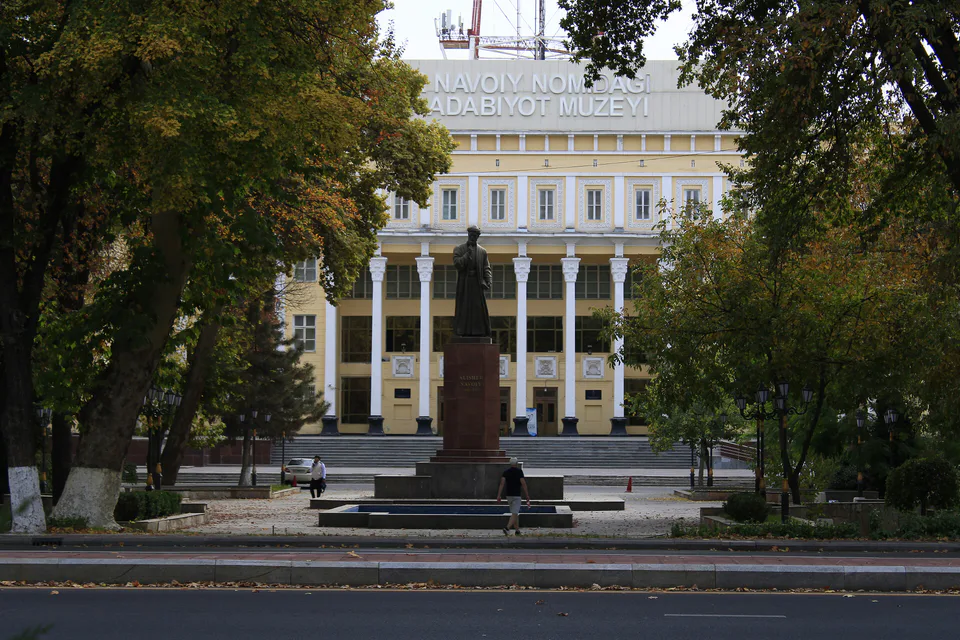
1441–1501
Poet, thinker, statesman, founder of Uzbek literature