A 15th-century Naqshbandi sheikh born in Bagistan near Tashkent who lived in Samarkand. Under the Timurids he was a dominant figure in the political and spiritual life of Transoxiana, a great landowner and patron.
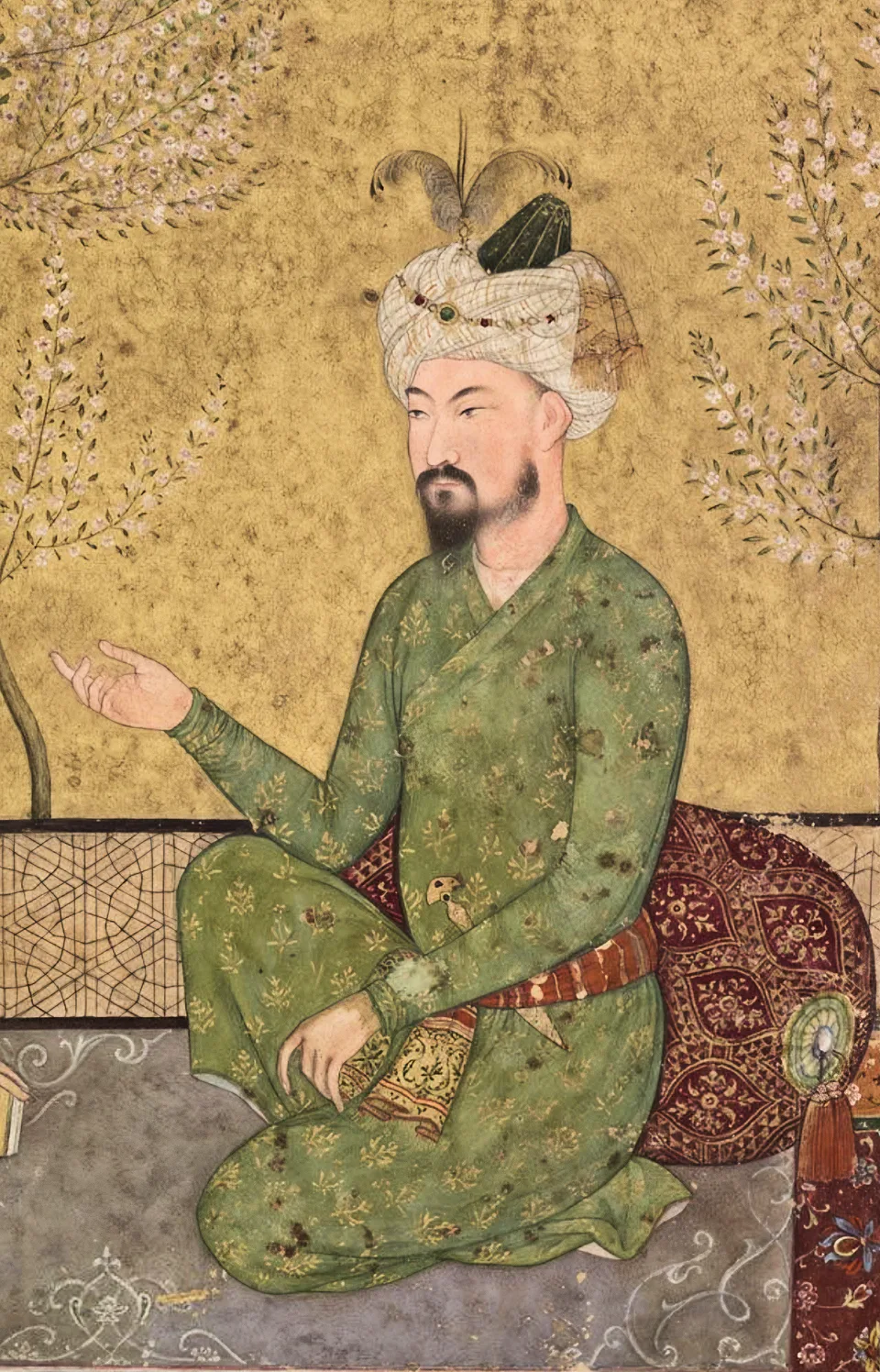
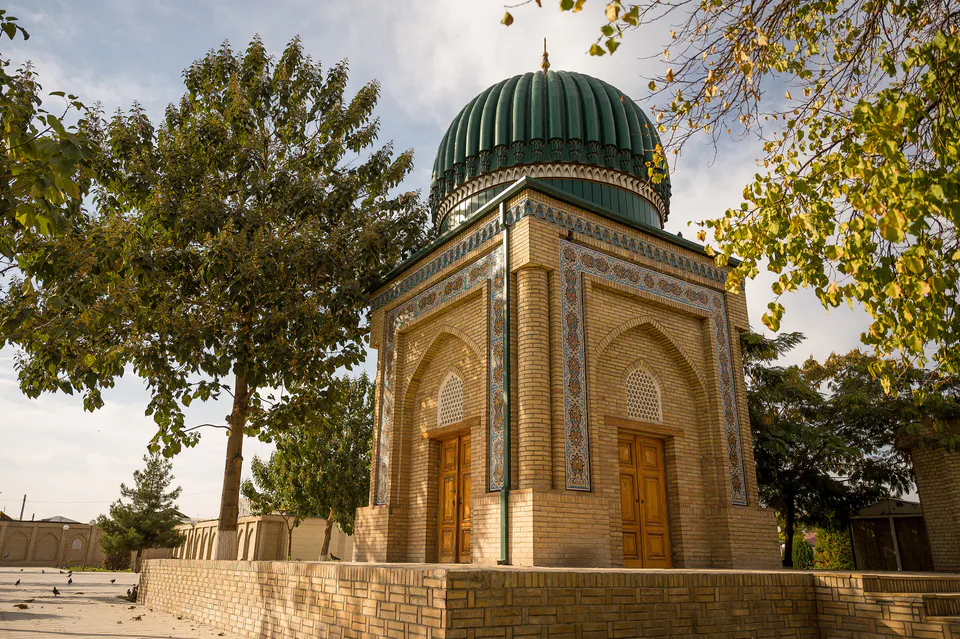
His real name was Nasir al-Din Ubaydullah ibn Mahmud. He was born in March 1404 in the village of Bagistan near Tashkent, in today's Tashkent Region, to a family of farmers and traders, and on his mother's side descended from the noted sheikh Umar Bagistani. He studied in Tashkent and Samarkand and then in Herat under Ya'qub Charkhi, a disciple of Bahauddin Naqshband. “Ahrar” is the plural of hurr, “free”: in Sufism it denotes those freed from bondage to the self and the world.
Back in Tashkent he took up farming and soon owned vast estates and trading caravans, spending much of his income on endowments, charity and paying ordinary people's taxes. In 1451 he backed the Timurid Abu Sa'id in taking Samarkand and moved there afterwards.
Sheikh and statesman
For almost forty years Khoja Ahrar was one of the most powerful men in Transoxiana. Where Sufis usually kept away from politics, he saw dealings with rulers as a way to defend the people's interests, winning tax relief for ordinary subjects and more than once reconciling feuding Timurid princes. Under him the Naqshbandi order became the most widespread in the region. Jami dedicated his poem “Tuhfat al-Ahrar” to him, Alisher Navoi mentioned him with respect, and Babur later rendered his treatise “Validiya” into Turkic verse. He died in 1490 in the village of Kamangaran near Samarkand.
The Khoja Ahrar complex
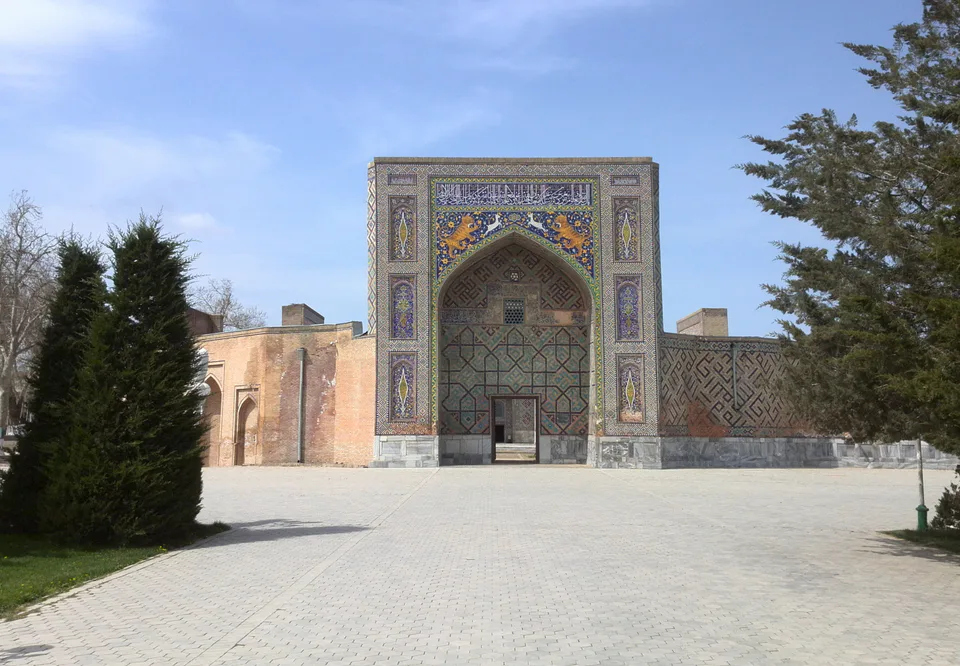
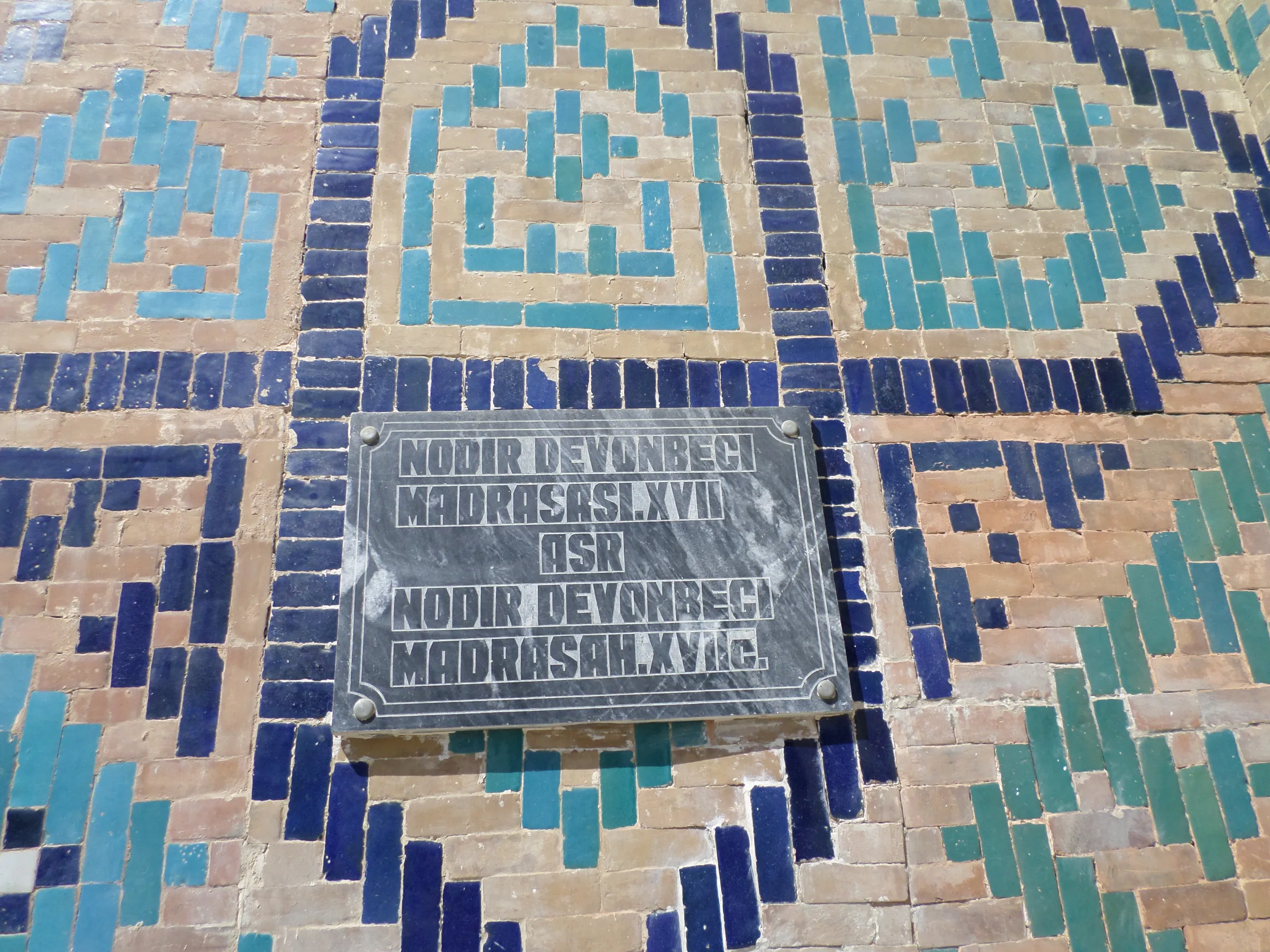
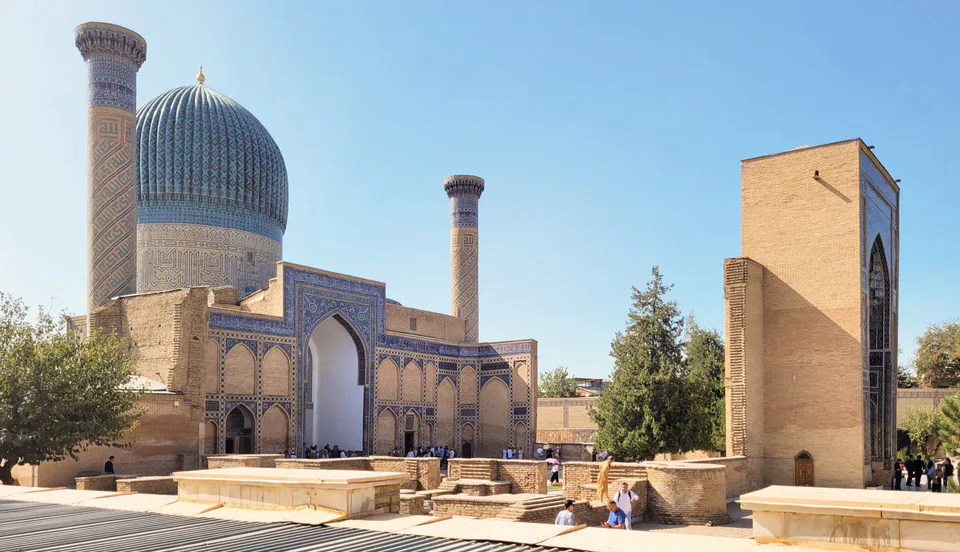
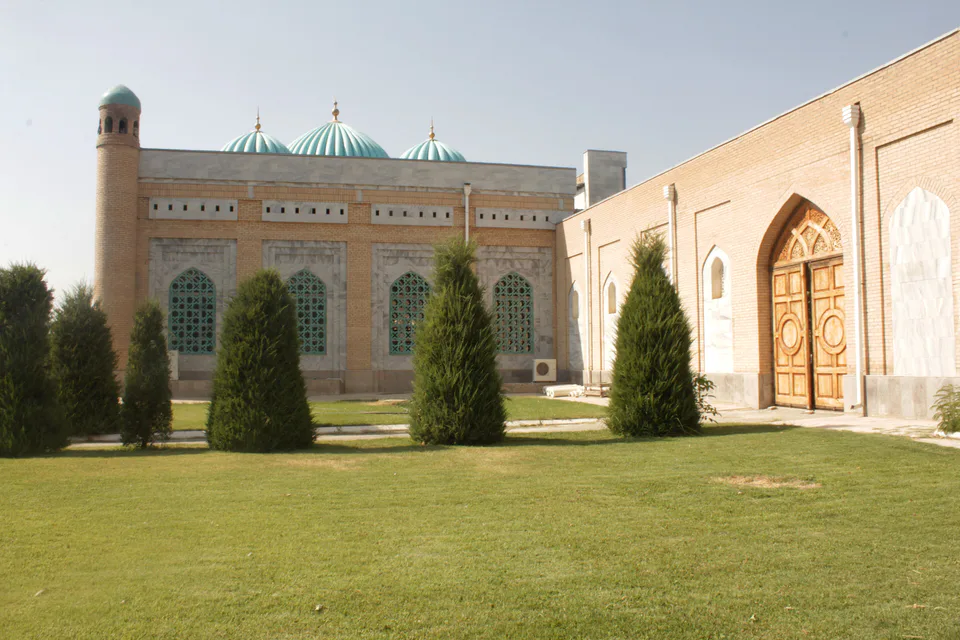
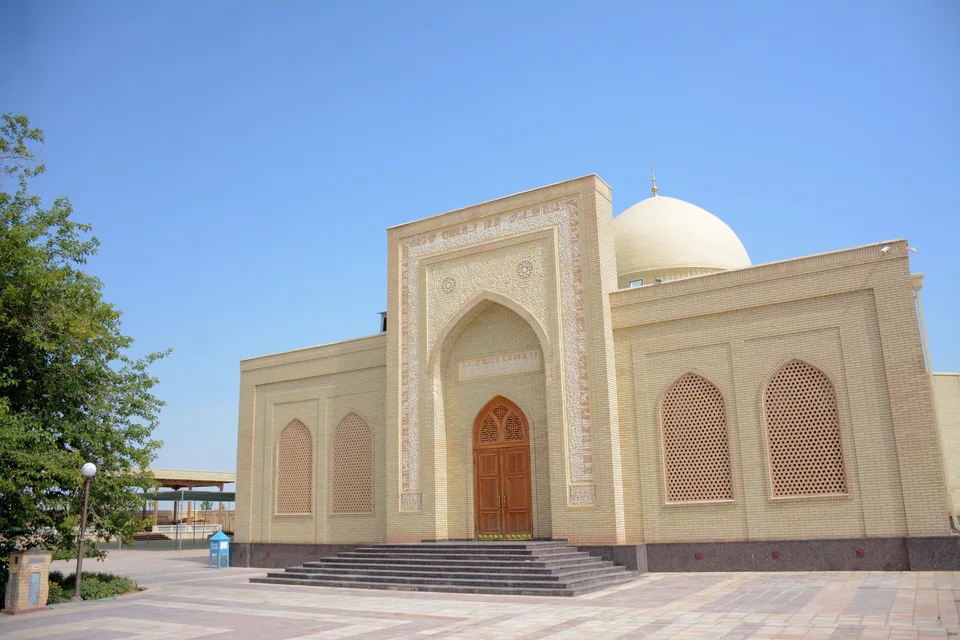
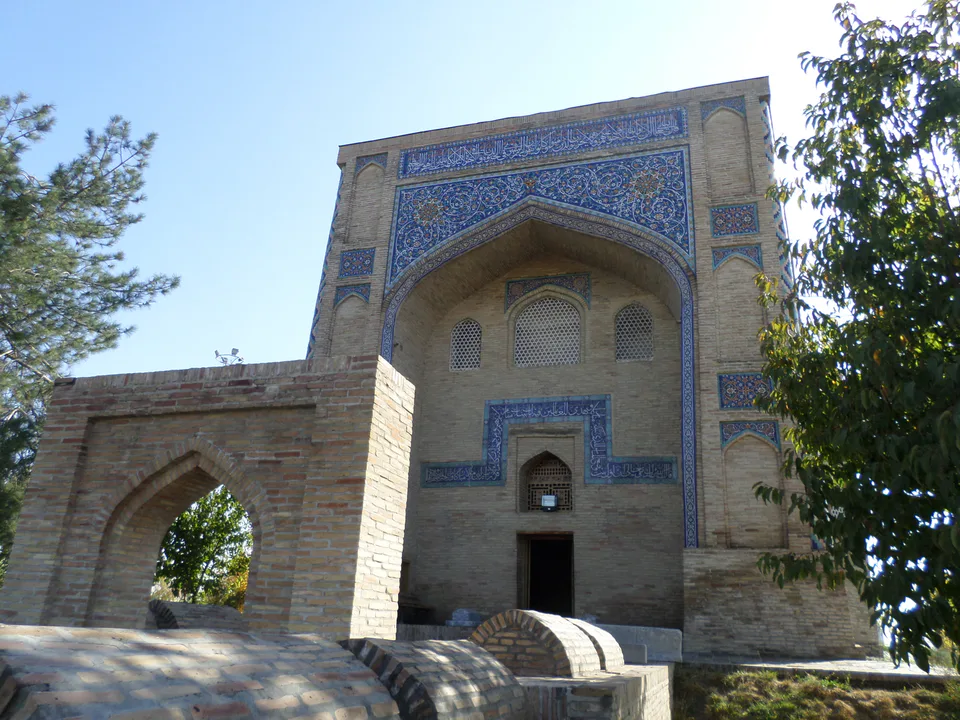
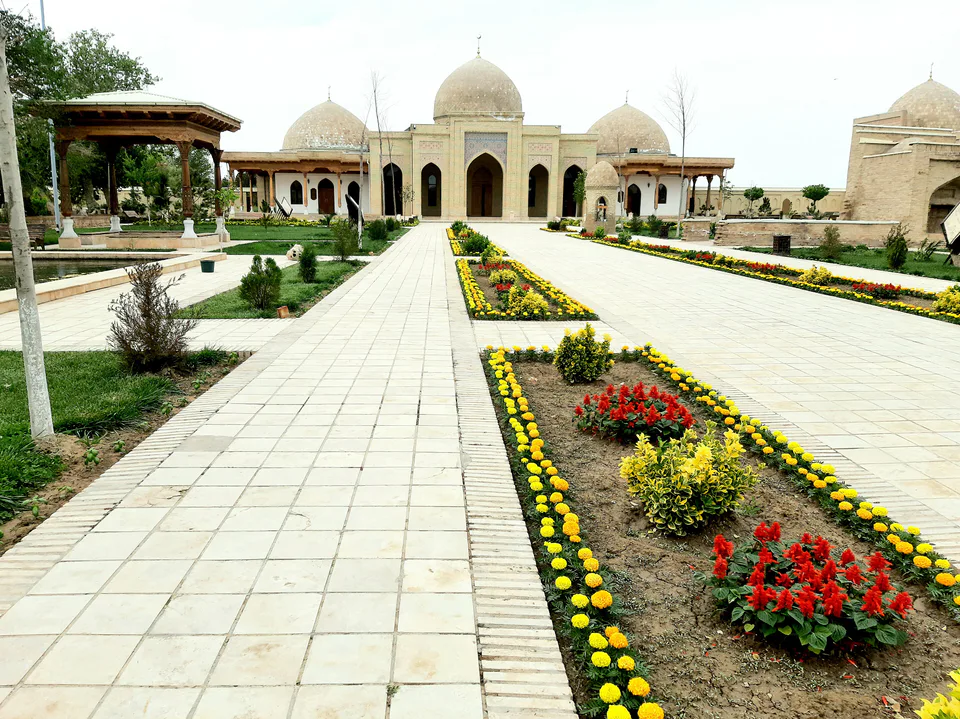
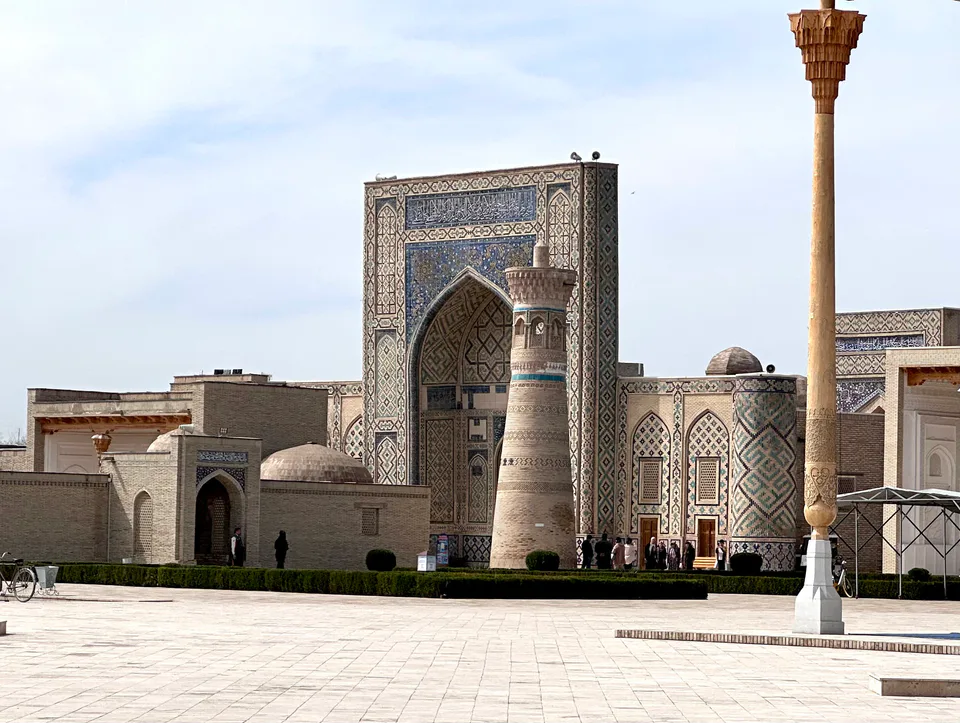
The sheikh was buried in Samarkand beside his khanaqah. In 1630–1636 the Bukharan vizier Nadir Divan-Begi built a madrasa and winter and summer mosques next to the grave; the madrasa's portal echoes the Sher-Dor on the Registan. Tradition holds that the famous “Uthman Quran” was long kept here. The restored complex stands in the south of the city and remains one of Samarkand's main shrines.
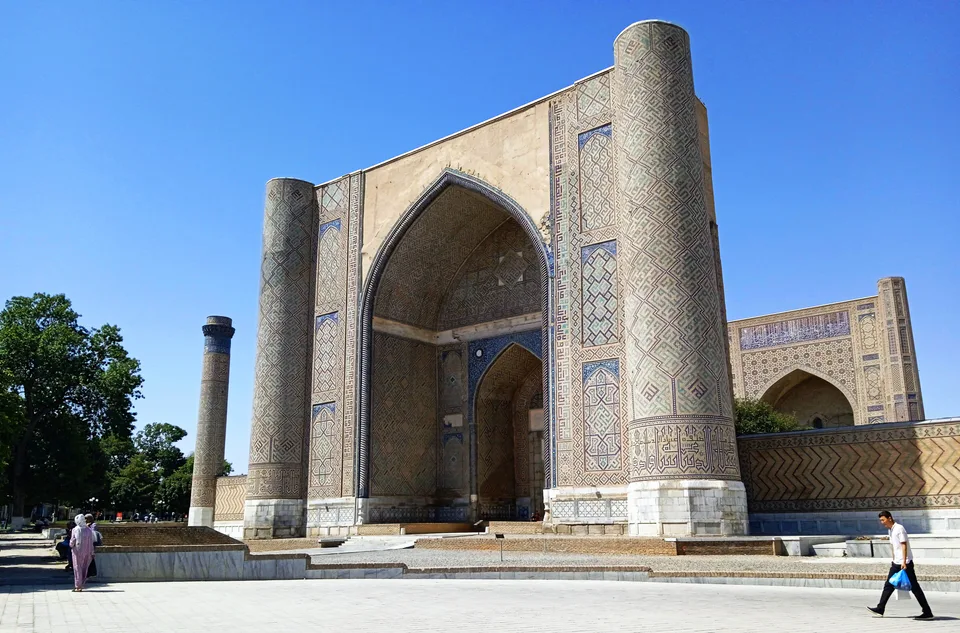
In 1404 Ruy González de Clavijo, envoy of King Henry III of Castile, travelled to the court of Timur. The embassy crossed the Amu Darya at Termez, passed through the Iron Gate gorge in the Baysun mountains and Kesh (Shakhrisabz), and reached Samarkand in September. Clavijo's journal describes receptions and feasts in the gardens around the city, its bazaars, the unfinished Ak-Saray and the Bibi-Khanym Mosque under construction. The envoys left in November; in February 1405 Timur died at Otrar. Clavijo's book remains one of the most vivid European accounts of Timurid Transoxiana.
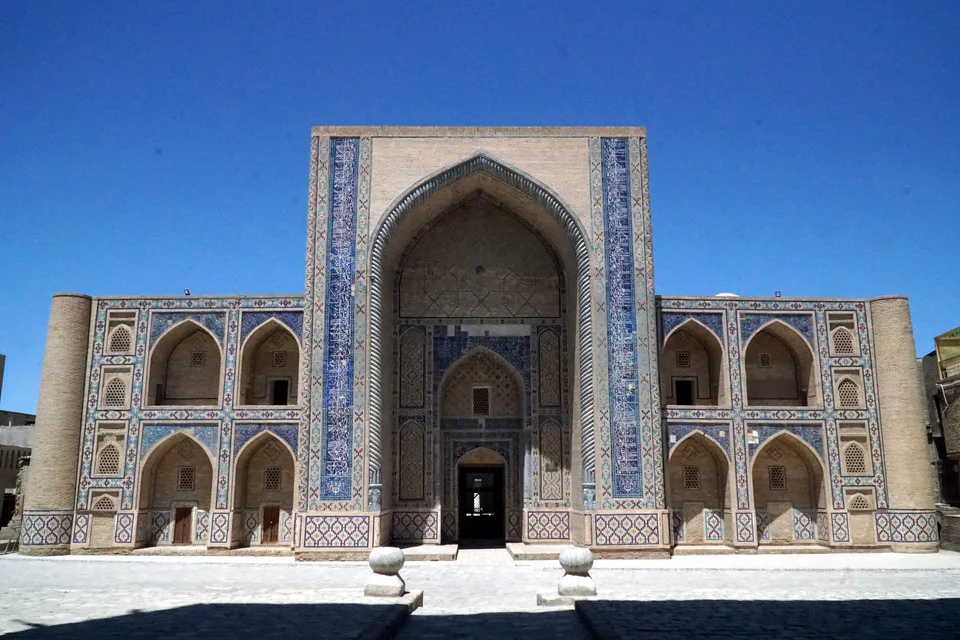
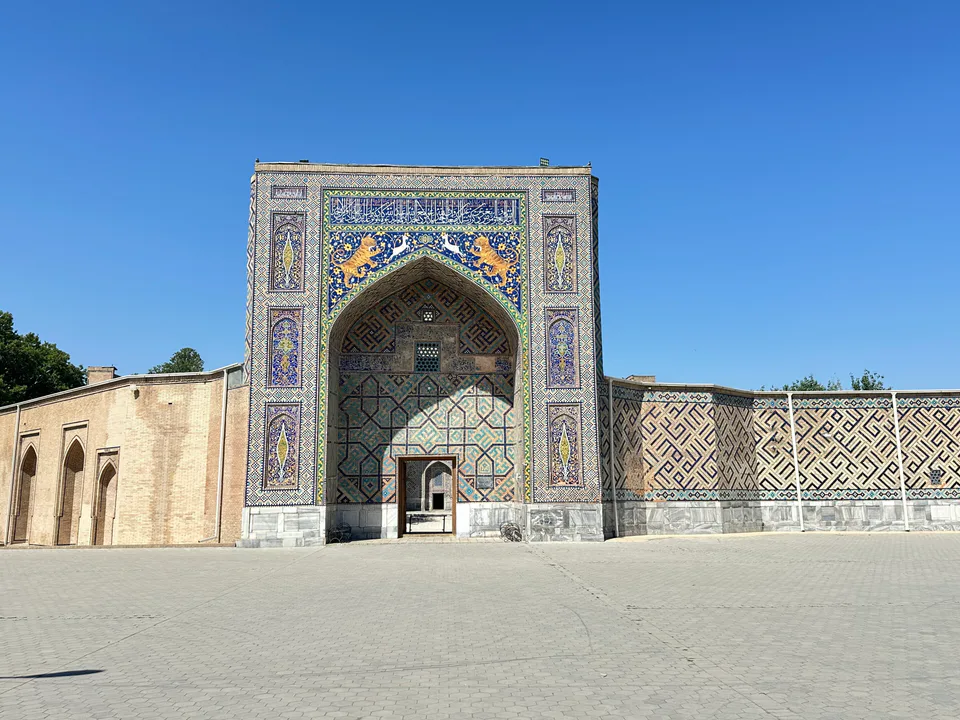
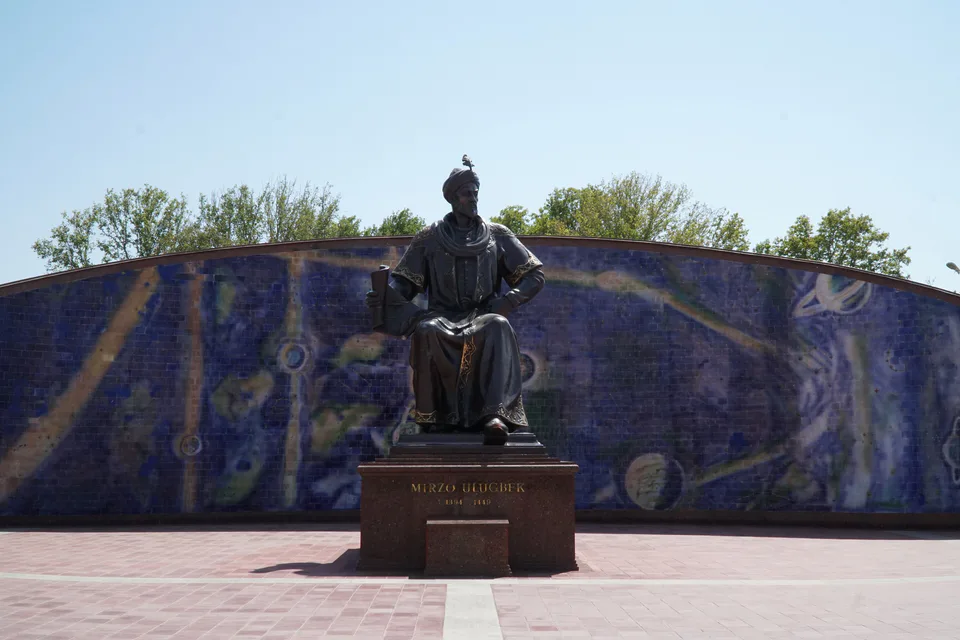
Mirzo Ulugh Beg, ruler of Samarkand, made learning a priority and founded three madrasas. The Bukhara madrasa of 1417 is among the oldest surviving in Central Asia; its door bears the hadith “The pursuit of knowledge is the duty of every Muslim man and woman.” The madrasa on Samarkand's Registan, built in 1417–1420, became a leading university of its age, teaching mathematics and astronomy alongside theology, and sources say Ulugh Beg lectured there himself. A third followed in Gijduvan in 1433. All three still stand and can be visited.
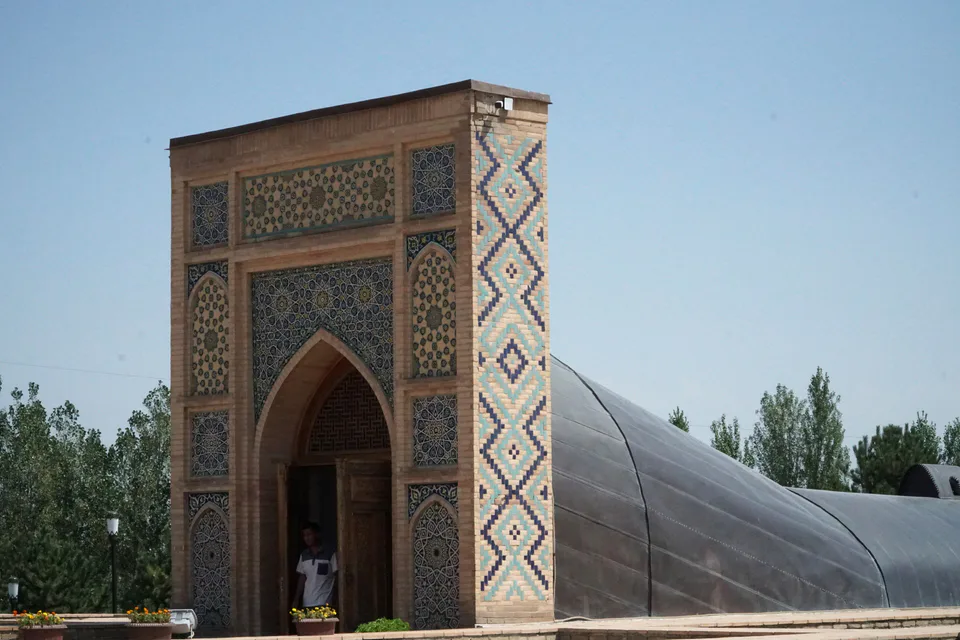
In 1424–1428 Mirzo Ulugh Beg built an observatory on the Kuhak (Chupan-Ata) hill outside Samarkand. Inside a three-storey cylindrical building about 46 metres across stood a giant sextant with a radius of over 40 metres, the largest astronomical instrument of its day. Jamshid al-Kashi, Qadi Zada al-Rumi, Ali Qushji and Ulugh Beg himself observed here, producing the Zij-i Gurgani, tables giving the positions of 1,018 stars. After Ulugh Beg's murder in 1449 the observatory was destroyed. In 1908 the archaeologist Vasily Vyatkin unearthed the underground section of the sextant, now covered by a museum.
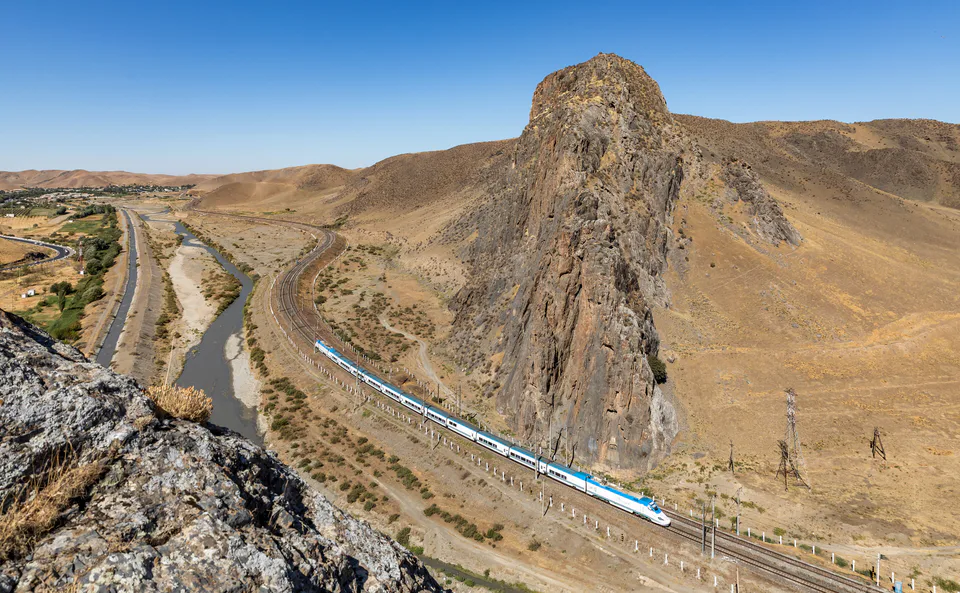
Near Jizzakh the Sanzar river cuts a narrow gorge between the Malguzar and Nuratau ranges, long the route from the Samarkand oasis to the steppe. Nineteenth-century travellers called it the Gate of Tamerlane; locally it is Ilan-Uti. One Persian inscription carved into the rock records Mirzo Ulugh Beg's safe return from a campaign to the “land of the Moghuls” in 1425. Another, of 1571–1572, claims that Abdullah Khan's army routed “400,000” men from Turkestan, Tashkent and Fergana — a figure best taken as the author's boast. Today the Tashkent–Samarkand highway and railway run through the gorge.