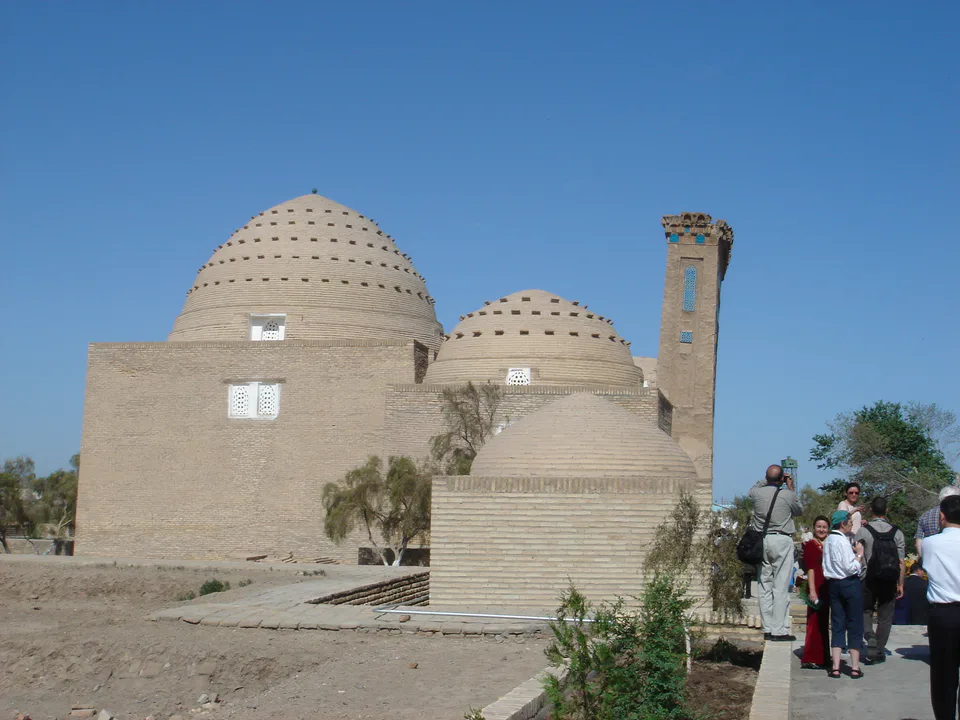
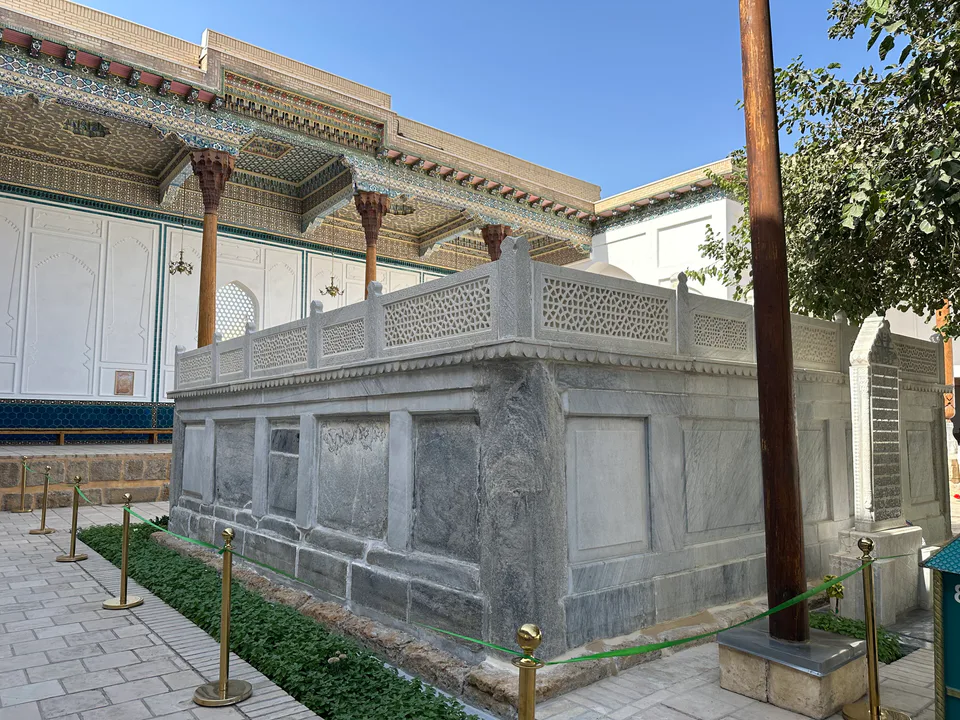
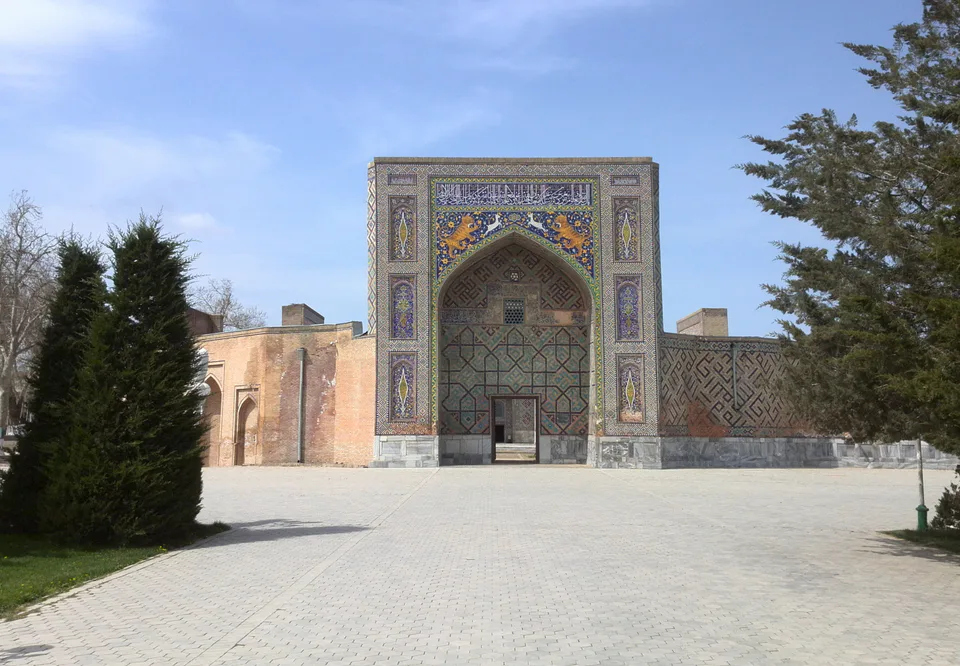
A Sufi master of the 12th–13th centuries, born in Khiva, who founded the Kubrawiya order. He died defending Gurganj against the Mongols in 1221; his mausoleum is in Kunya-Urgench, Turkmenistan.
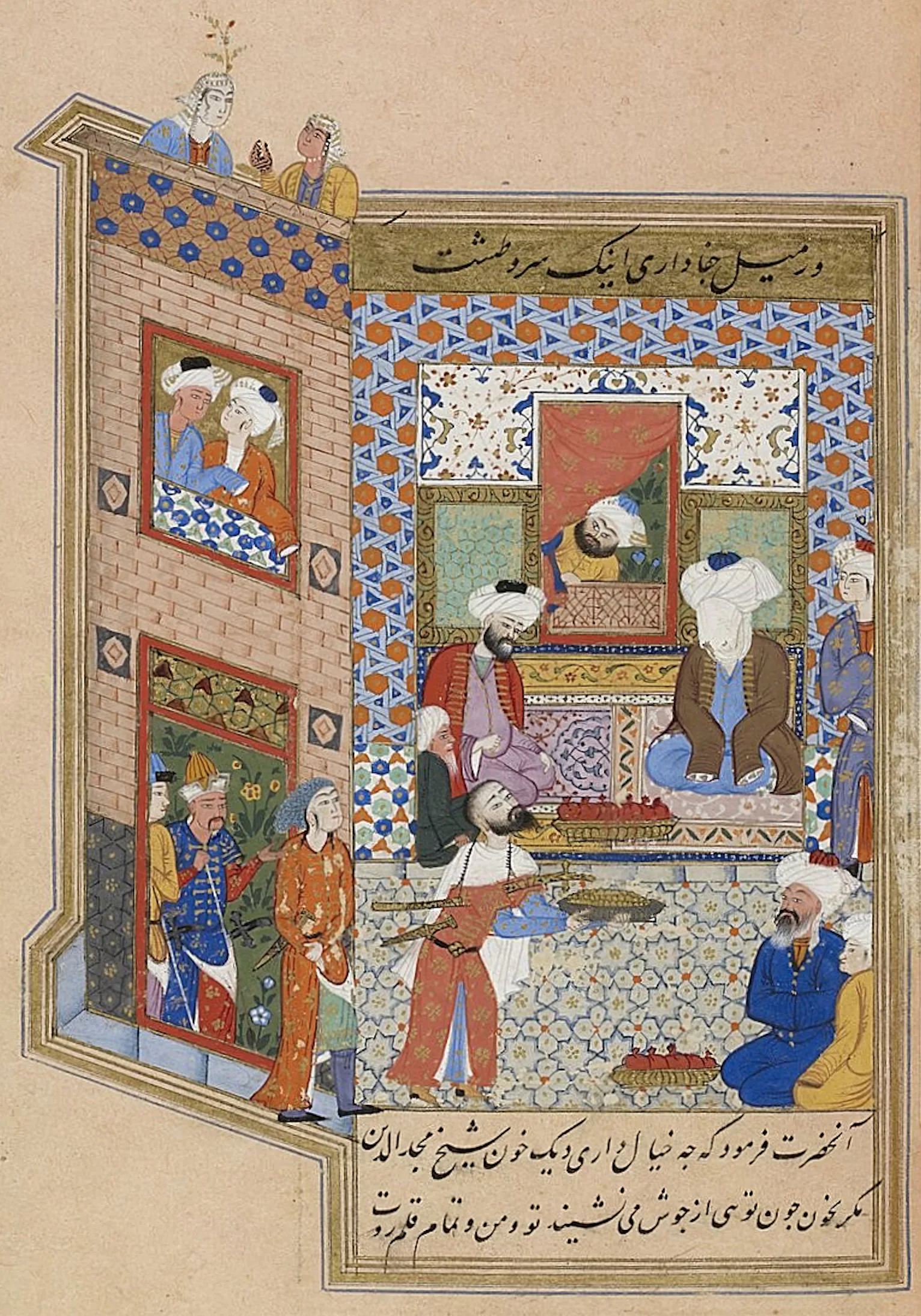
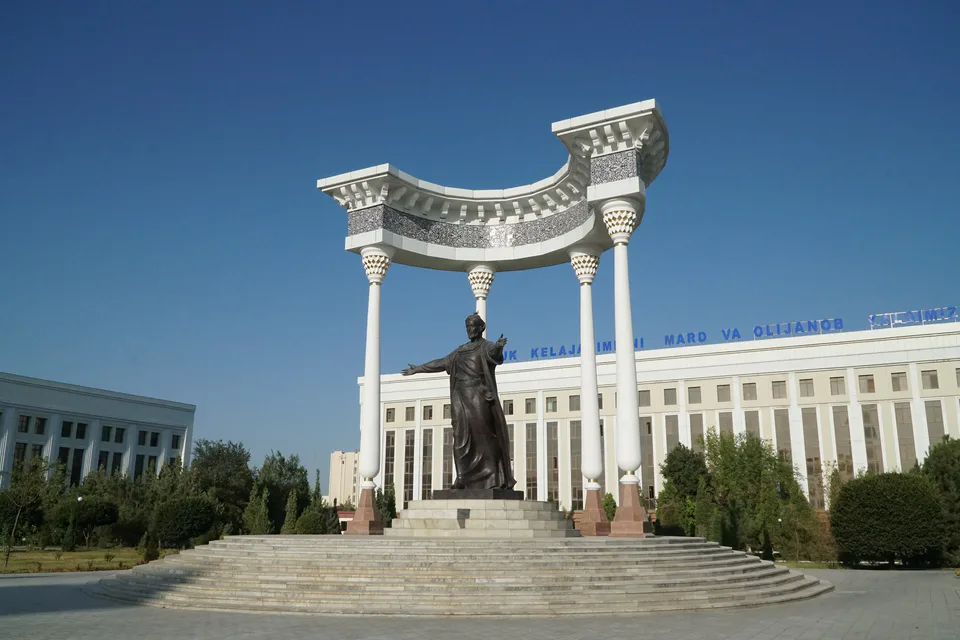
Najm al-Din Abu al-Jannab Ahmad ibn Umar al-Khiwaqi al-Khwarazmi was born in Khiva in 1145. He studied hadith, exegesis and theology as a young man and at sixteen or seventeen set off in search of learning to Iran, Egypt, Syria and Iraq. In Egypt he became a disciple of Sheikh Ruzbihan al-Wazzan al-Misri and married his daughter, and he later studied the Sufi path with masters such as Ammar Yasir al-Bidlisi in Hamadan, Tabriz and elsewhere. Around 1184 he returned to Khwarazm, opened a khanaqah in the capital, Gurganj, and gathered many disciples. His honorific Kubra means “the great”, and because so many sheikhs emerged from his circle he was also called vali-tarash, “maker of saints”.
Teachings and disciples
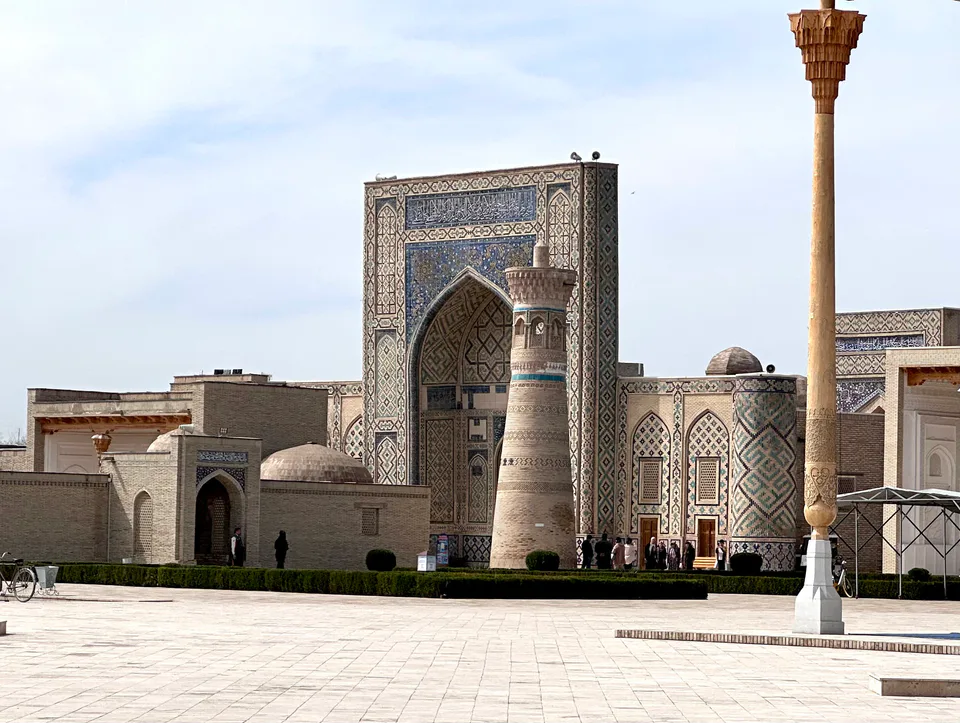
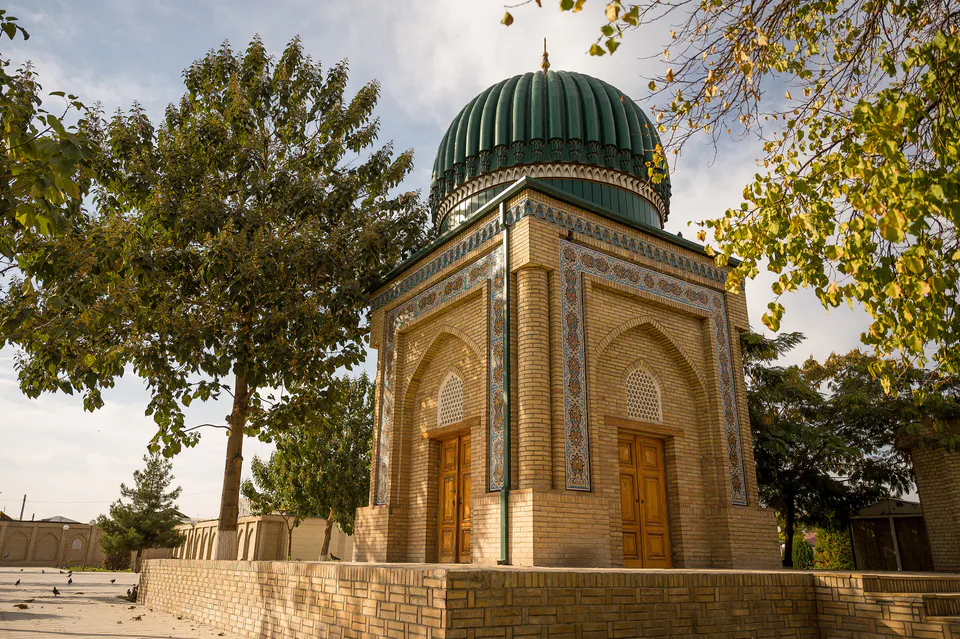
Kubra is known for writings that analyse mystical states, visions and experiences of light on the Sufi path. His principal work, “Fawa'ih al-jamal wa fawatih al-jalal” (The Fragrances of Beauty and the Openings of Majesty), describes the seeker's inner experience and the symbolism of colours. The Kubrawiya order he founded spread through Khwarazm, Iran and Anatolia. His disciples included Najm al-Din Daya Razi, Sa'd al-Din Hamuya and Sayf al-Din Bakharzi, who later taught in Bukhara, where his mausoleum still stands.
The defence of Gurganj and his tomb
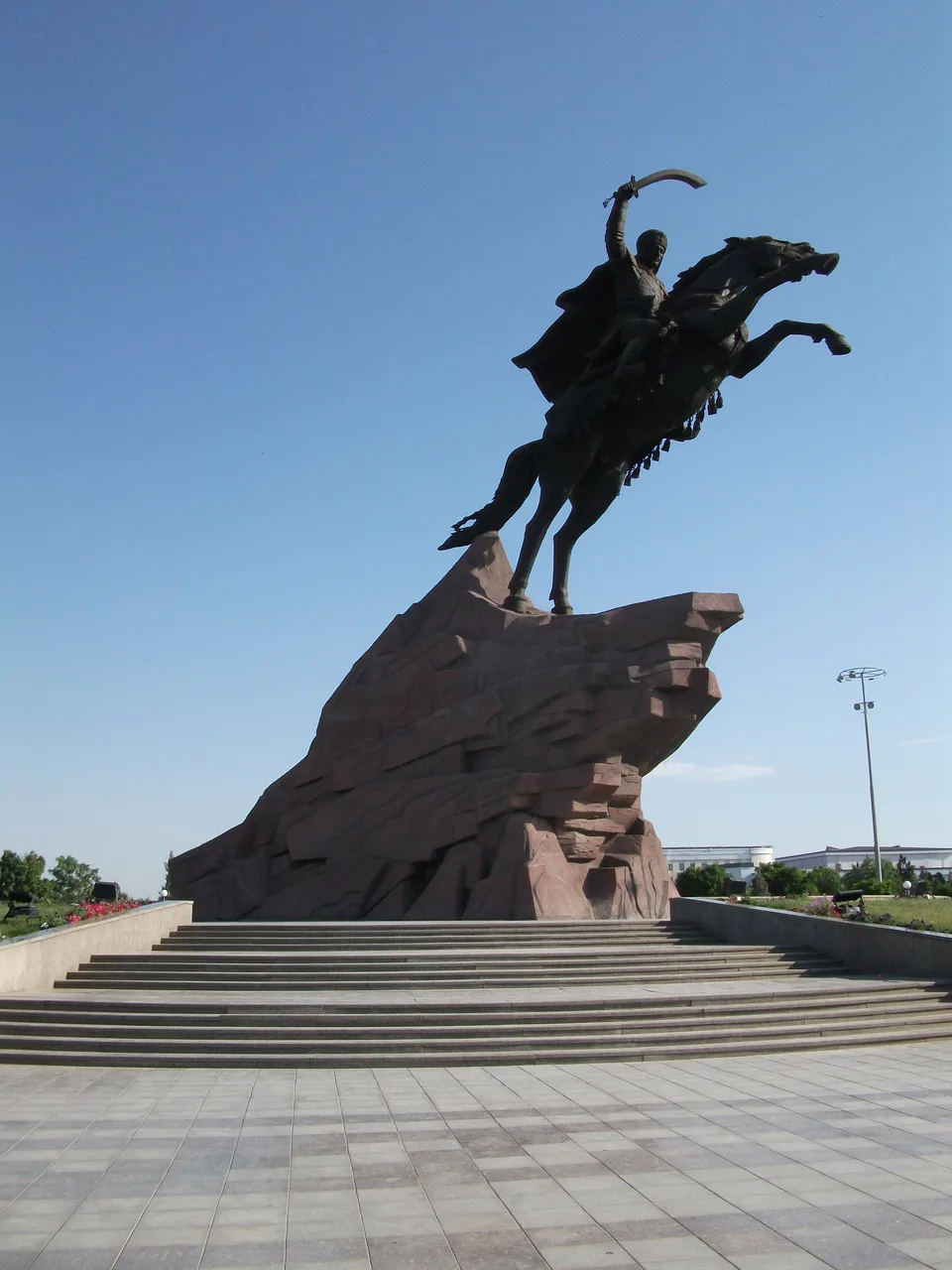
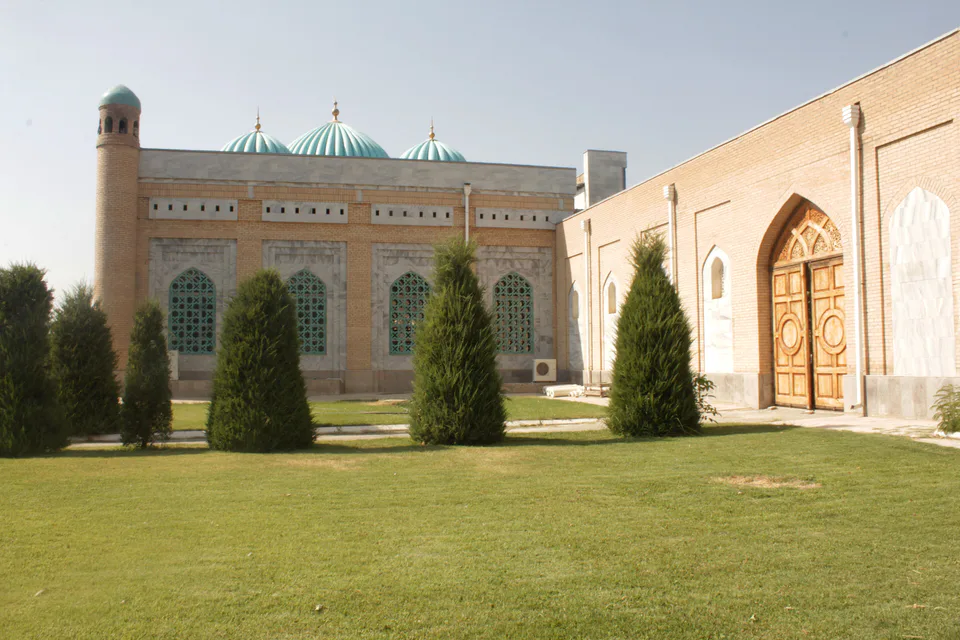
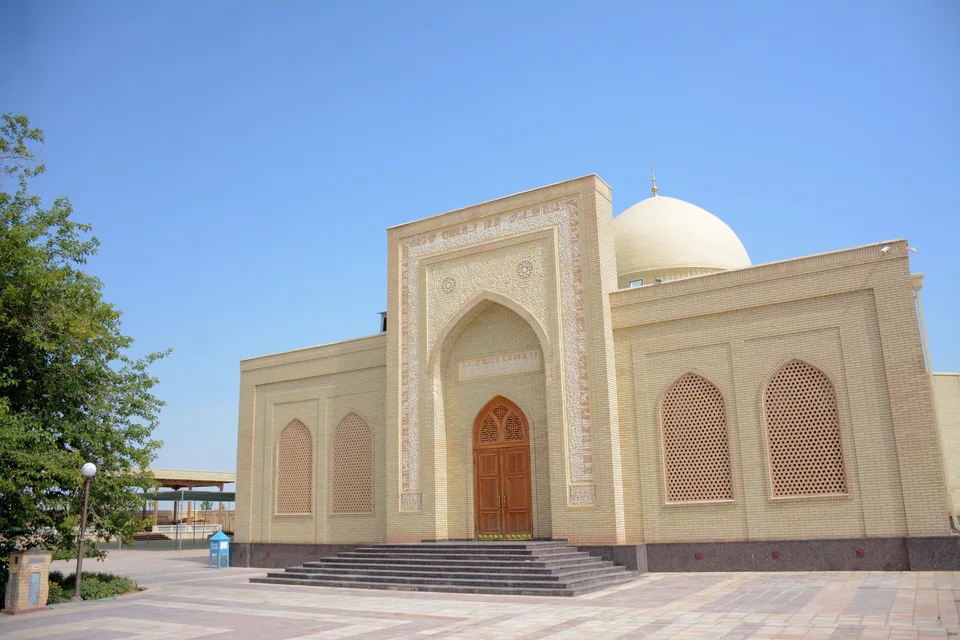
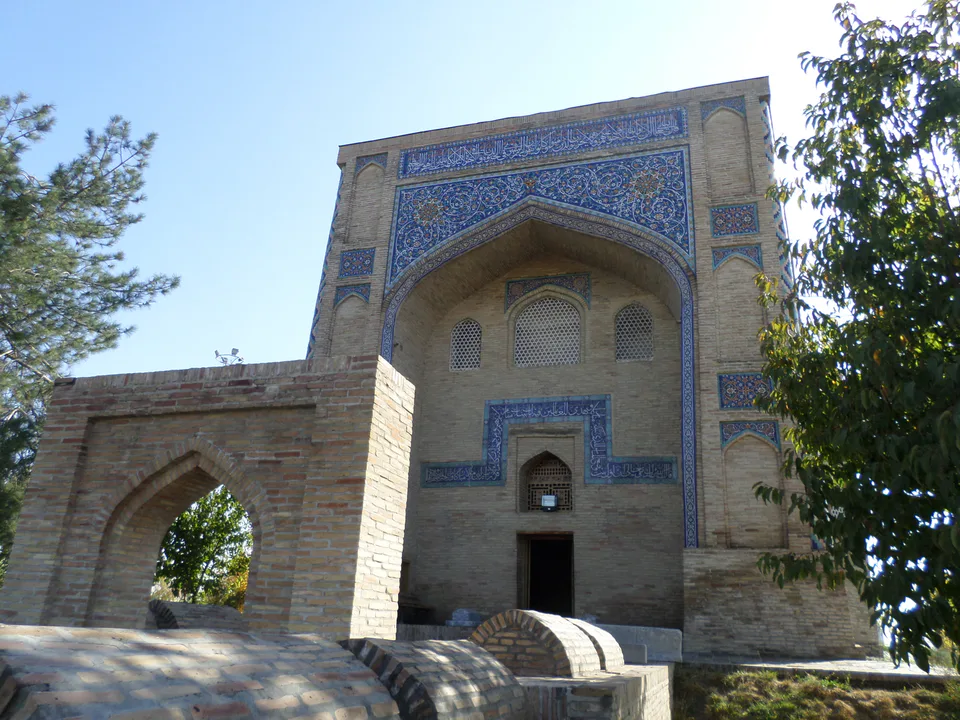
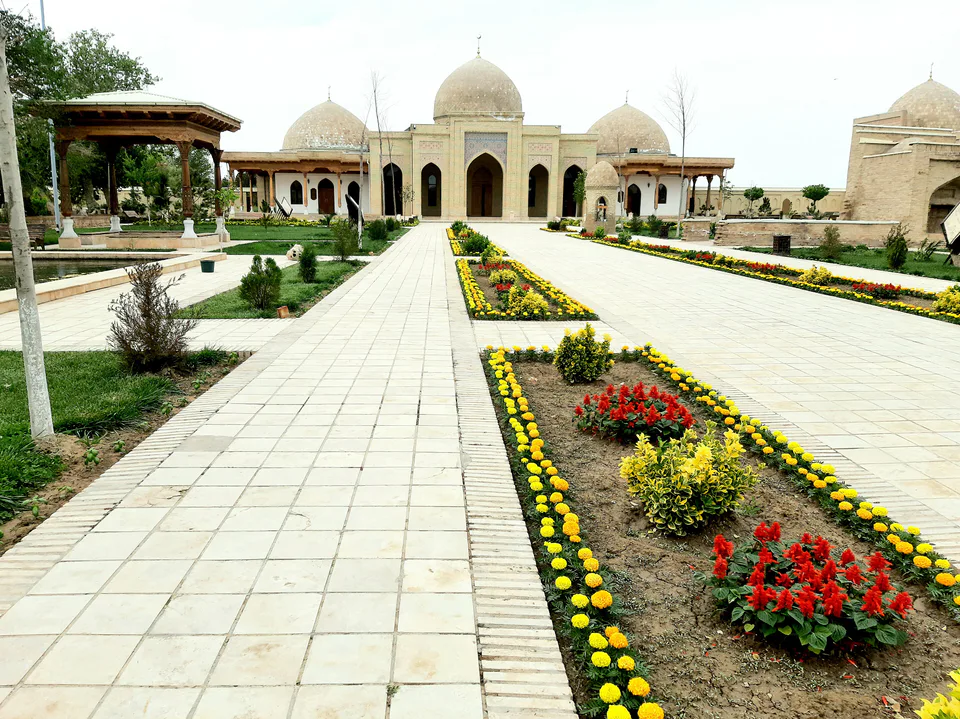
When the Mongols besieged Gurganj in 1221, Genghis Khan — so the story goes — offered the aged sheikh safe passage, but he stayed with his disciples among the defenders and was killed in the fighting. His mausoleum stands in Kunya-Urgench, within a historical and cultural reserve in present-day Turkmenistan. In Uzbekistan he is especially honoured in his native Khiva and across Khorezm.
In 1218 the governor of Otrar massacred a Mongol trade caravan, and Genghis Khan's envoys were then put to death; the outrage launched his campaign against the Khwarazmian Empire. Otrar was besieged in autumn 1219, Bukhara fell in February 1220 and Samarkand in March, Termez later that year, and the capital Gurganj in 1221 after a long siege. Cities were plundered, much of their population killed or enslaved, and irrigation works wrecked; the Sufi master Najm al-Din Kubra died among Gurganj's defenders. Shah Muhammad died on an island in the Caspian, while his son Jalal ad-Din fought on for another decade. Samarkand later moved from Afrasiyab to its present site.